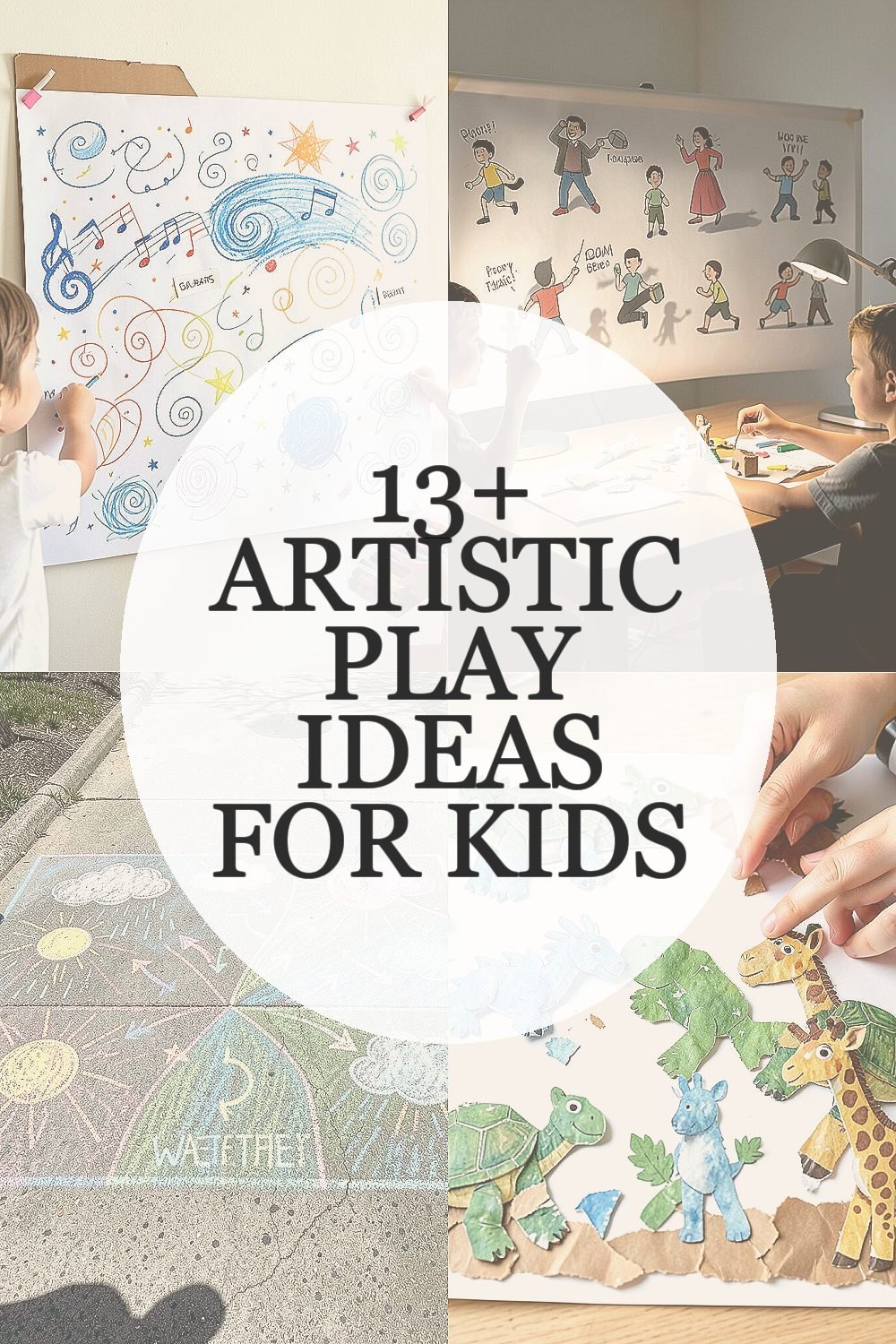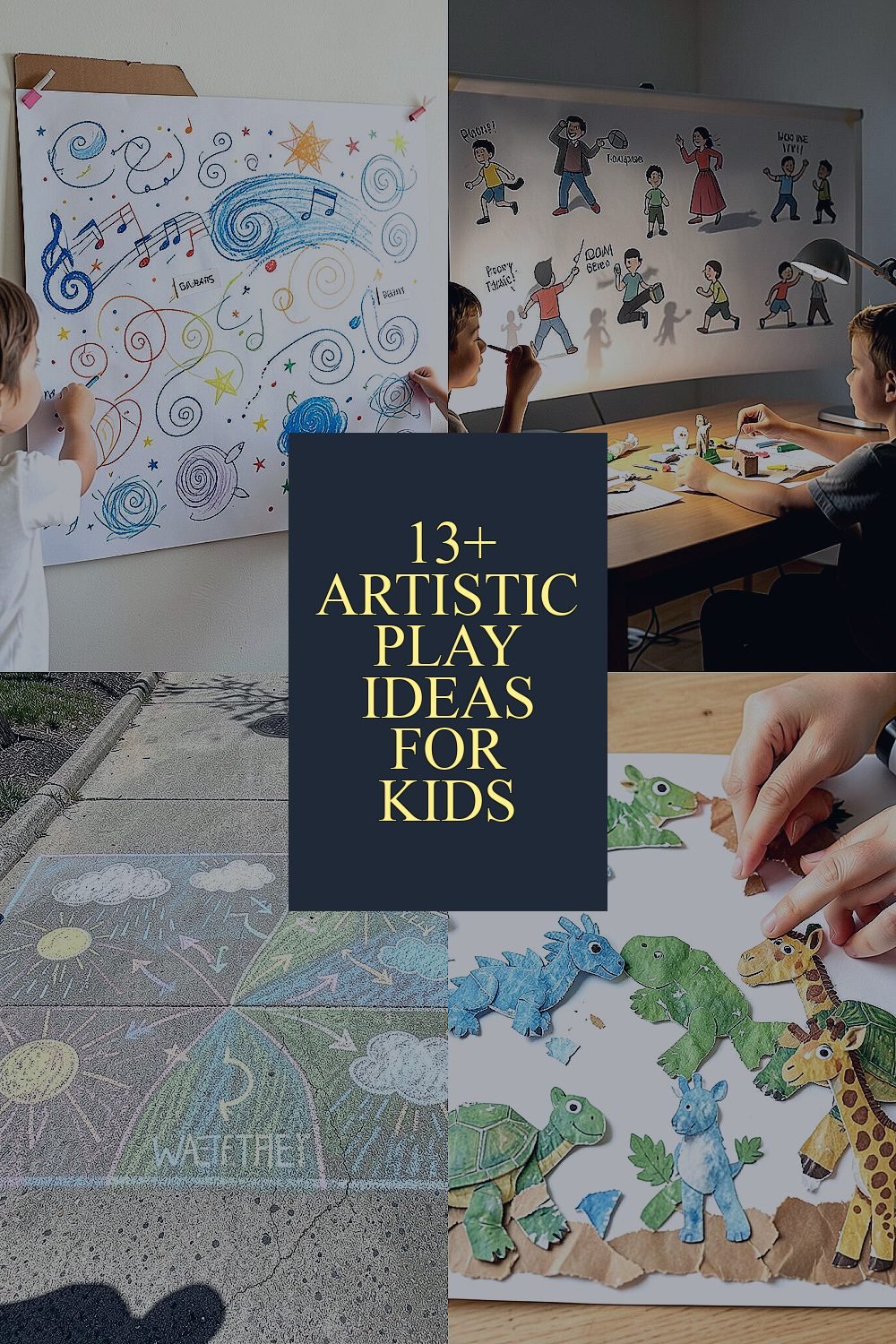
The air feels different when kids create something with their own hands. Art games can turn ordinary afternoons into bright, brave moments.
When creativity is treated like play, it stays playful, not stressful. Below are many kid-friendly activities that use simple materials, invite imagination, and still build real skills.
1. Tiny Rhythm Mural
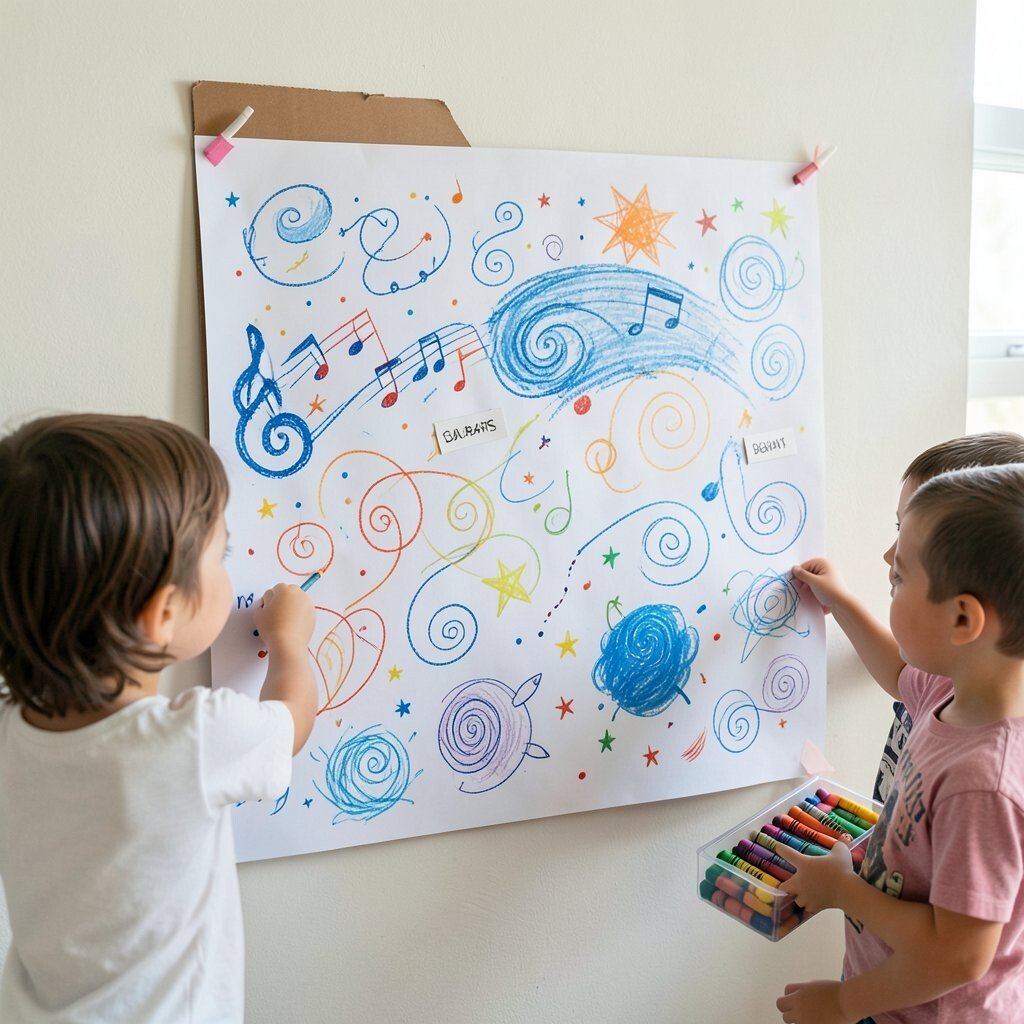
Hang a big sheet of paper on the wall. Put on music and let kids make marks that match the beat.
They can use crayons, markers, or washable paint sticks to draw short lines, swirls, and dots in time with the song. After a few songs, you will see a mural that looks alive, like sound made visible. This kind of play helps with focus, timing, and fine-motor control, because they practice steady hand movements instead of random scribbles.
Keep it practical by using thick paper or a poster board so the marks do not bleed through. Let personalization happen by choosing a color theme such as “ocean beats” or “sunset drums,” then adding a small label like a star for each favorite song. For a low cost option, use old cardboard as extra backing and store leftover crayons in a clear box for quick cleanups.
2. Shadow Puppet Story Theater
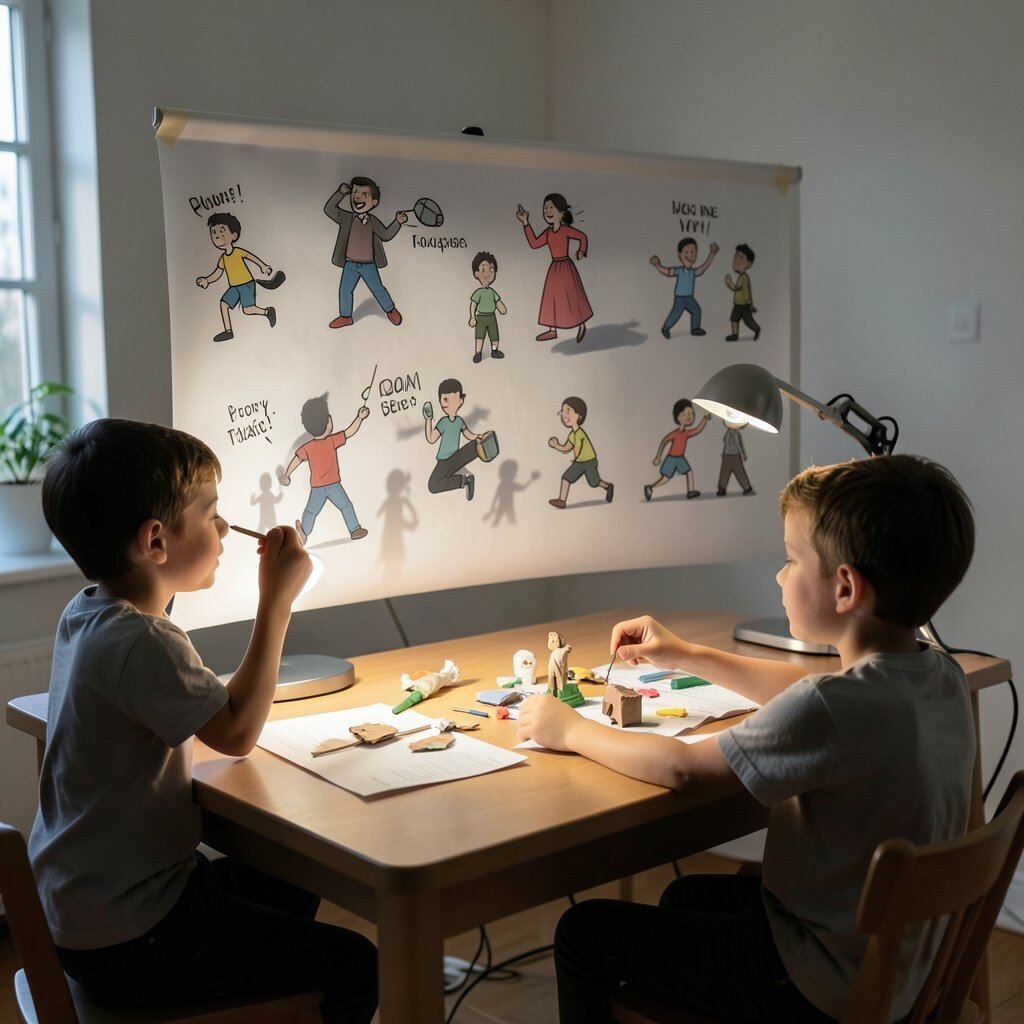
Use a desk lamp and a sheet for a screen. Kids can shape puppets from cardboard, paper, or even their hands.
Turn off some room lights so shadows become bold and easy to see. They can act out mini stories with different voices, and the visuals will feel magical as shapes grow and shrink on the screen. This activity builds storytelling skills and encourages kids to plan scenes, which is great for language growth.
For practical tips, tape the screen securely and place a chair at the right distance so kids do not stand too close to the light. Personalization is easy when kids cut their own characters and give them names, outfits, and favorite “moves.” If you have little budget, reuse grocery bags and scrap paper, then save the puppet pieces in an envelope for the next show.
3. Sidewalk Chalk Weather Maps
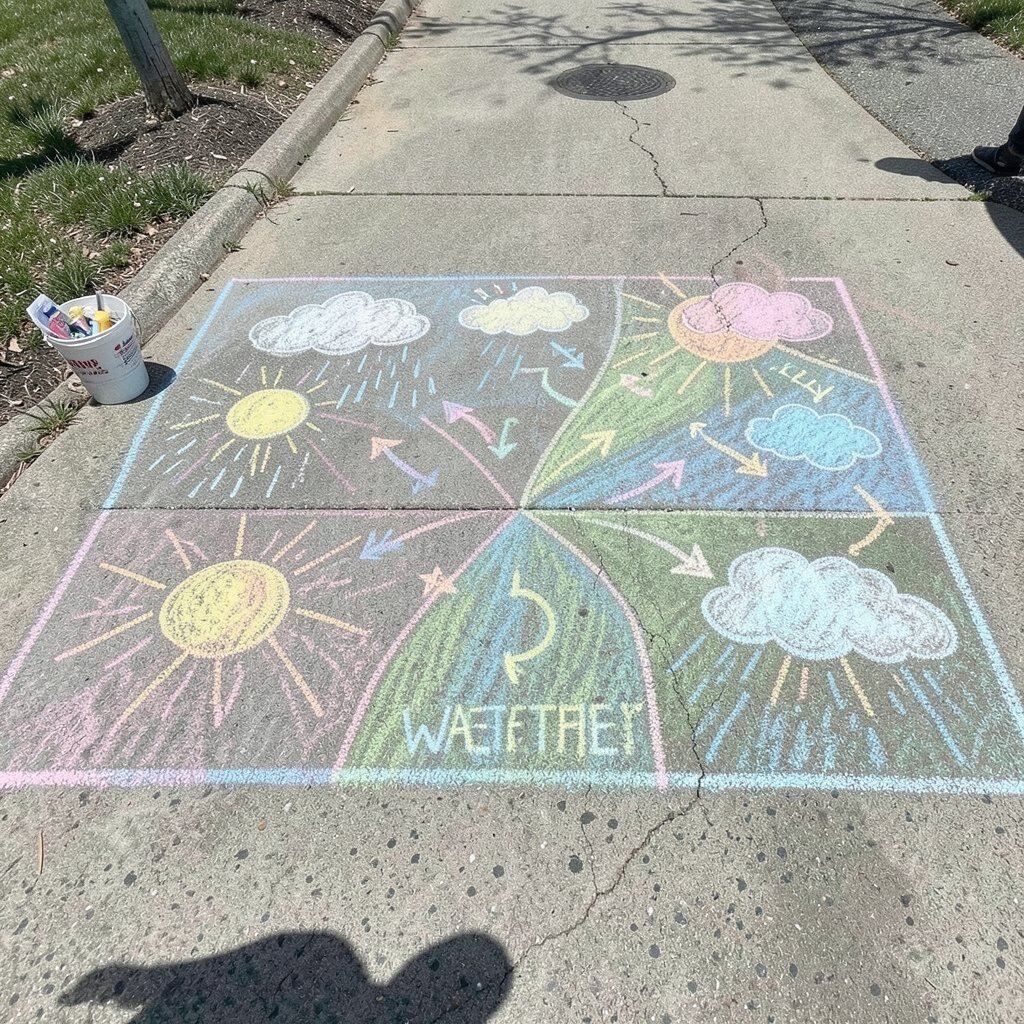
Draw a big rectangle on the driveway or sidewalk. Kids make a map by creating symbols for rain, wind, sun, and clouds.
They can use different colors for each weather pattern and add little arrows to show direction. The street turns into a colorful forecast, and watching the picture “change” over time feels surprisingly satisfying. This playful art helps kids observe their world and practice organization, because they learn to represent ideas with consistent symbols.
Make it practical by choosing chalk colors that match the day, like gray for cloudy skies. Personalization can be as simple as adding a kid’s name as the “weather reporter” and letting each child choose the rules for their map. Cost is usually near zero because chalk is inexpensive, and you can store it in a bucket so it stays dry and ready to use.
If you want a current trend vibe, encourage “stop-motion weather,” where kids draw the same map several times with small differences, then take quick photos to make it look like weather moves.
4. Collage Zoo From Recycled Shapes
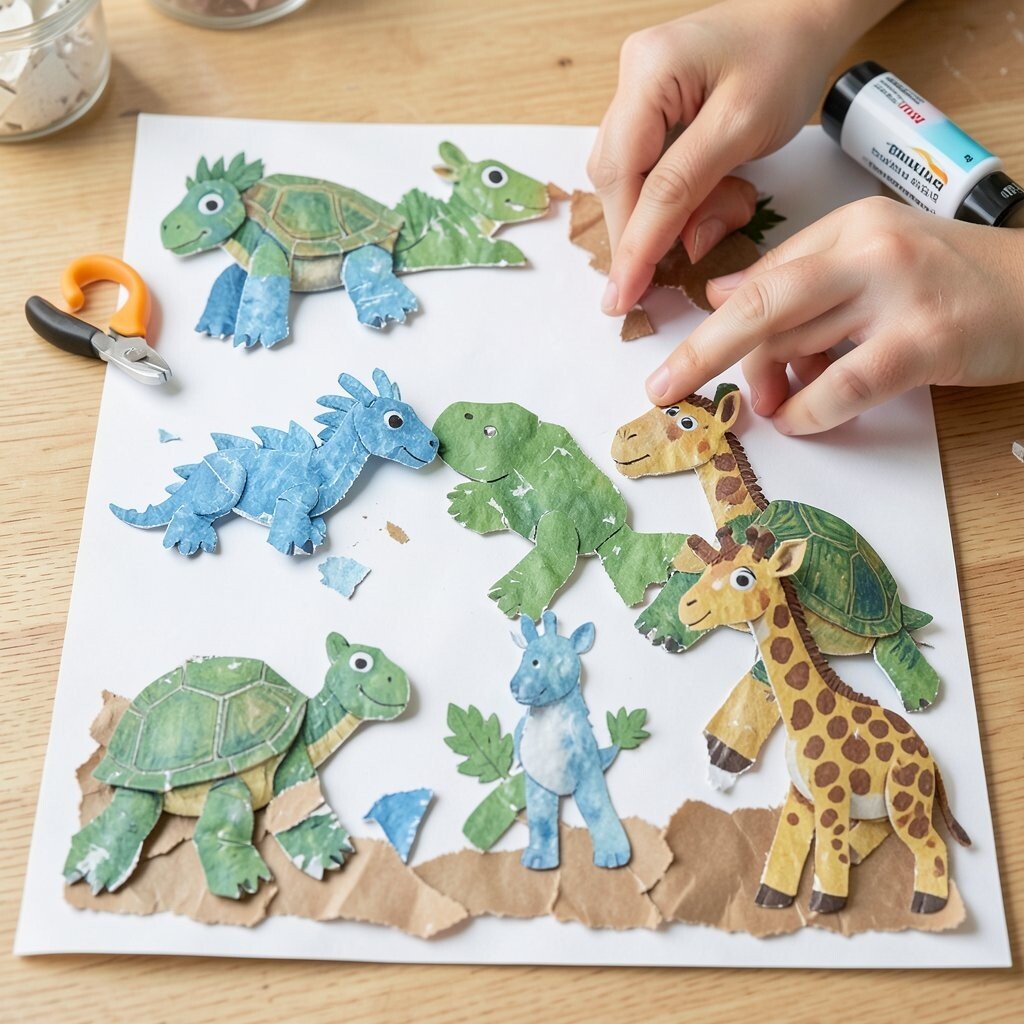
Collect scraps like old magazines, cardboard bits, and wrapping paper. Kids cut and tear shapes to build a “zoo” on a sheet of paper.
As they press pieces down, the animals become textured and unique, like each one has its own personality. They can add simple eyes with markers and create habitats with torn paper ground. This helps kids practice patience, hand control, and decision-making, because they choose which pieces fit each body part.
Keep it practical by providing kid-safe scissors and a glue stick that does not dry too fast. Personalization comes from letting each child design a specific animal with a theme, such as “icy dragon,” “city turtle,” or “garden giraffe.” For cost considerations, using what you already have is the main win, and you can save clean scrap piles in clear containers.
5. Color-Shift Bath Paint Resistance
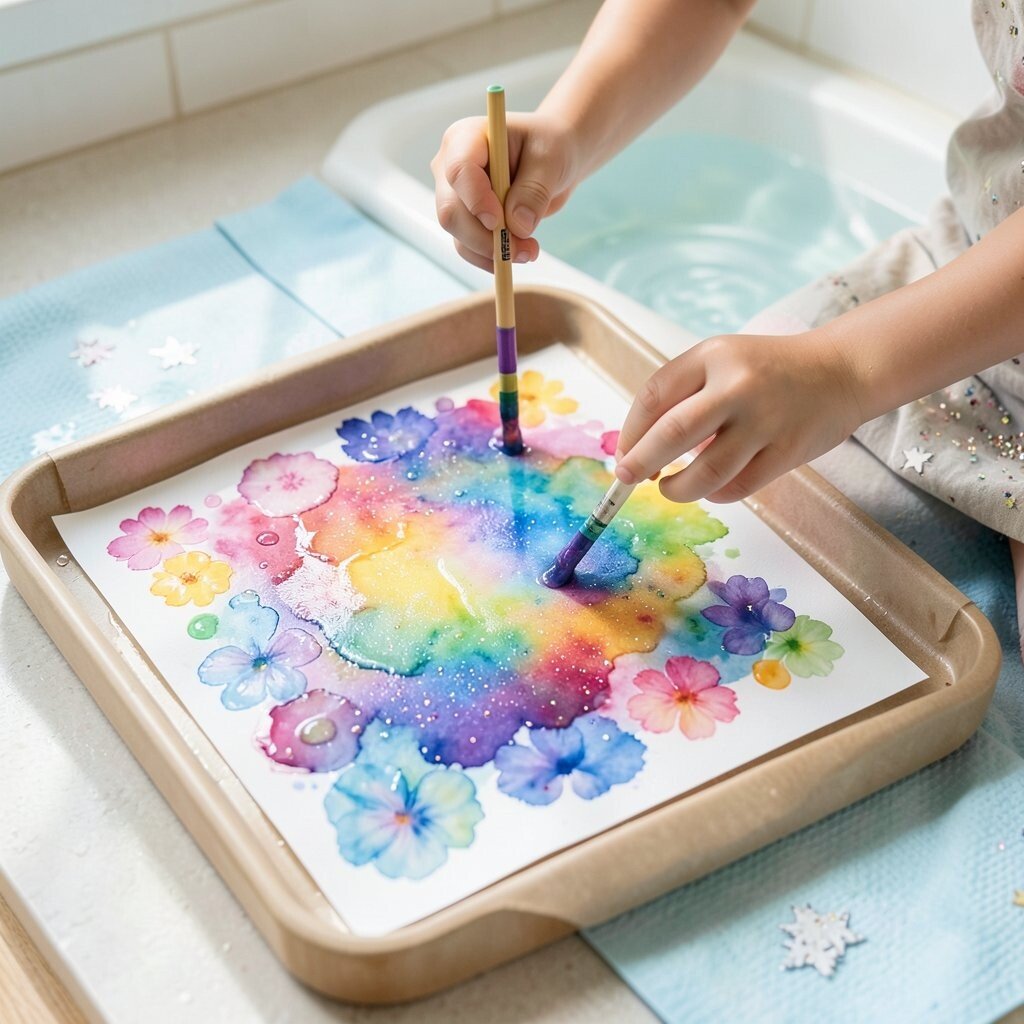
Set up a paper tray near a safe water area. Kids paint on water-friendly paper using thin layers and then add drops of water to see colors spread.
Watch how the pigment blooms like flowers, creating soft edges and unexpected blends. The visual payoff is big, yet the materials stay simple and kid-friendly. This activity supports sensory learning and teaches kids that mistakes can become interesting, not wrong.
For practical tips, protect the floor with a washable mat and use aprons or old shirts. Personalization can be guided by a theme like “galaxy,” where kids add glitter glue or star stickers after the paper dries. Cost is low because you can use washable watercolor, food-coloring on special paper, or leftover paint from craft bins.
6. Book Page Moons and Stars
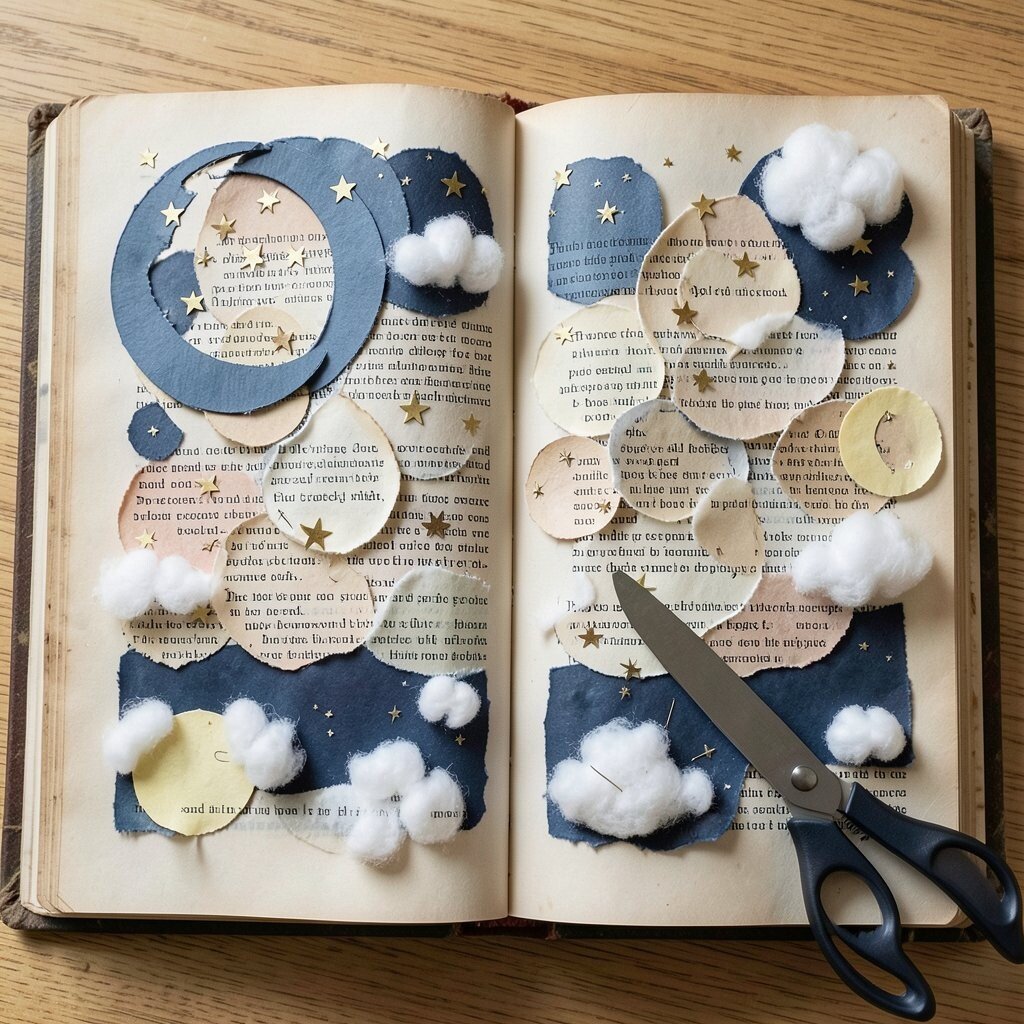
Use old books and help kids tear out pages instead of cutting. They create night scenes by layering torn paper circles and tiny shapes.
When the pages overlap, the text shows through like a secret constellation. That look feels both artistic and meaningful, because reused paper carries history inside it. Kids build collage planning skills, and they also learn how texture and contrast can guide a picture.
Keep it practical by giving pre-torn strips and offering blunt scissors for safety. Personalization is easy when they choose a mood, like “peaceful moon” or “spooky night,” then add cotton balls for clouds. For cost, this is nearly free because you are repurposing materials that might otherwise be thrown out.
A current trend you may notice in craft circles is “book art,” and this activity gives that style a kid-safe, playful twist.
7. Wind-Catcher Paper Kites
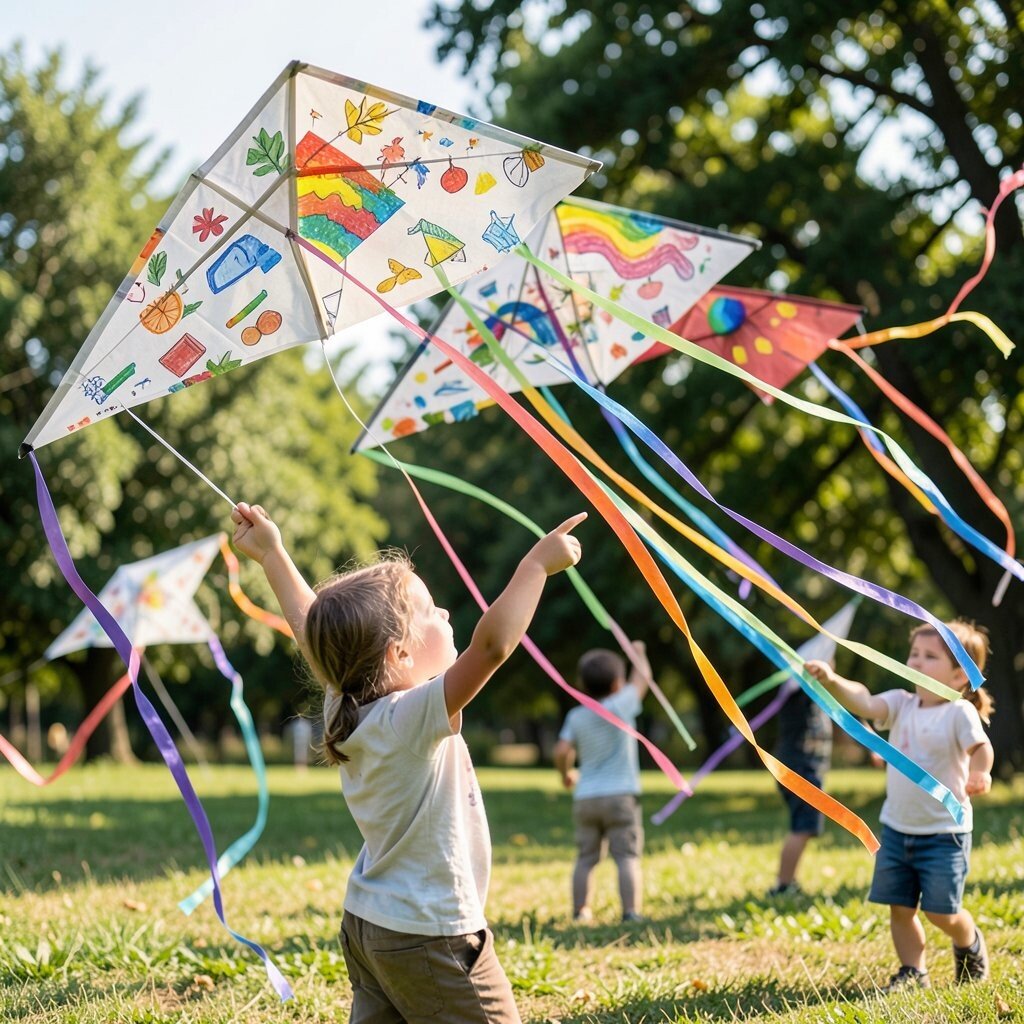
Give kids lightweight paper and let them design simple kites. They can decorate with markers, stickers, or crayons before assembling.
Once they fly outdoors, the art becomes bigger than the paper. Kids can watch their own designs ripple and turn with the wind, which feels like live movement. This supports planning, spatial awareness, and a strong sense of pride when their design works in real life.
For practical tips, use easy-to-find materials like plastic bags, ribbon streamers, and tape, and keep tails long enough for stability. Personalization can be as wild as “rainbow tornado,” where each child picks colors and makes a unique tail pattern. Cost stays low, and even small scraps can become streamers if kids cut them into thin strips.
8. Mystery Color Mixing Detective
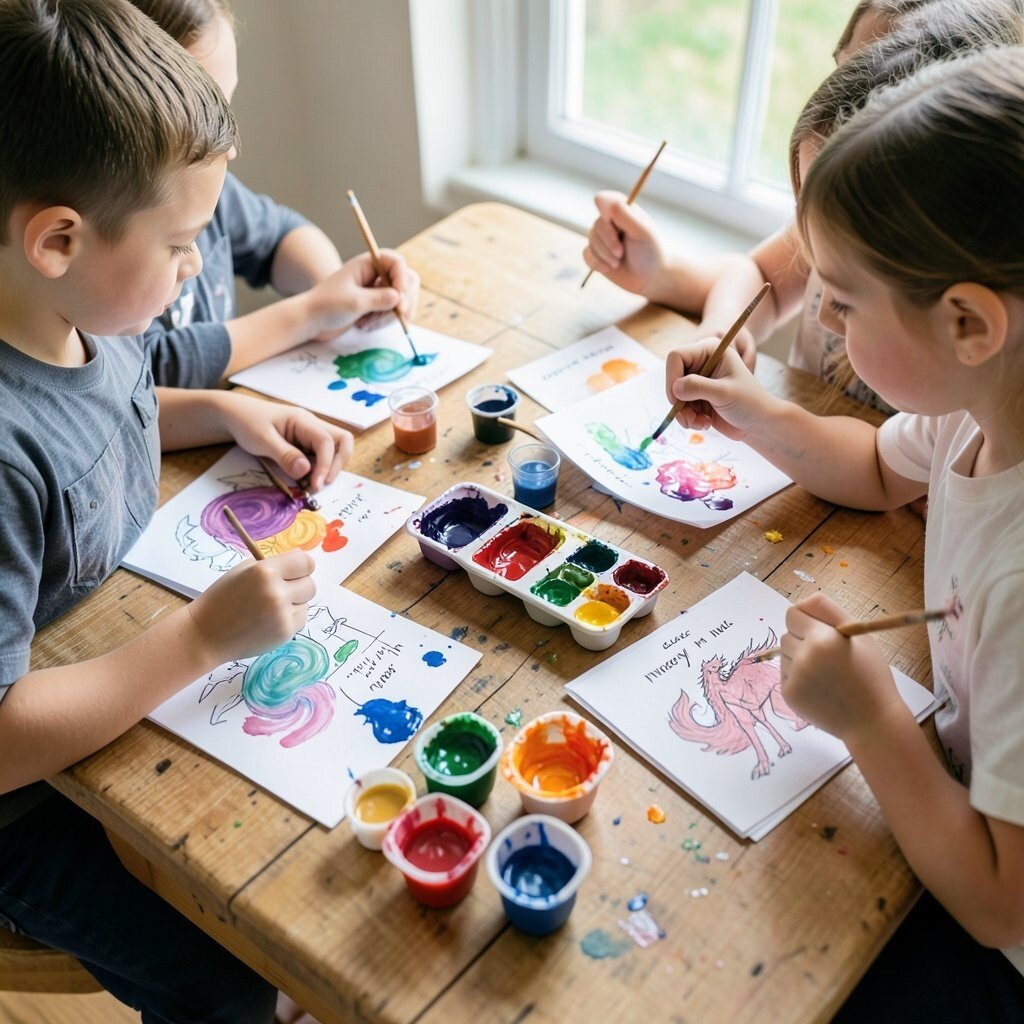
Set out paint colors and give each child a small “case file” page. They test mixes using drops and record what they see with drawings.
The table may look messy at first, but soon it becomes a mini lab of swirling colors. Kids will learn that mixing changes shades, and they will start predicting results before they even pour. This activity builds curiosity and early science thinking while strengthening fine-motor control from careful droppers or brushes.
Make it practical by using muffin tins or small cups so spills stay contained. Personalization is fun because kids can create a “mystery hue” and try to recreate it, then name the color using a personal story like “dragon blush.” For cost considerations, you can use a small paint set, and leftover paint becomes new colors for later rounds.
9. Pretend Pottery With Clay-Like Dough
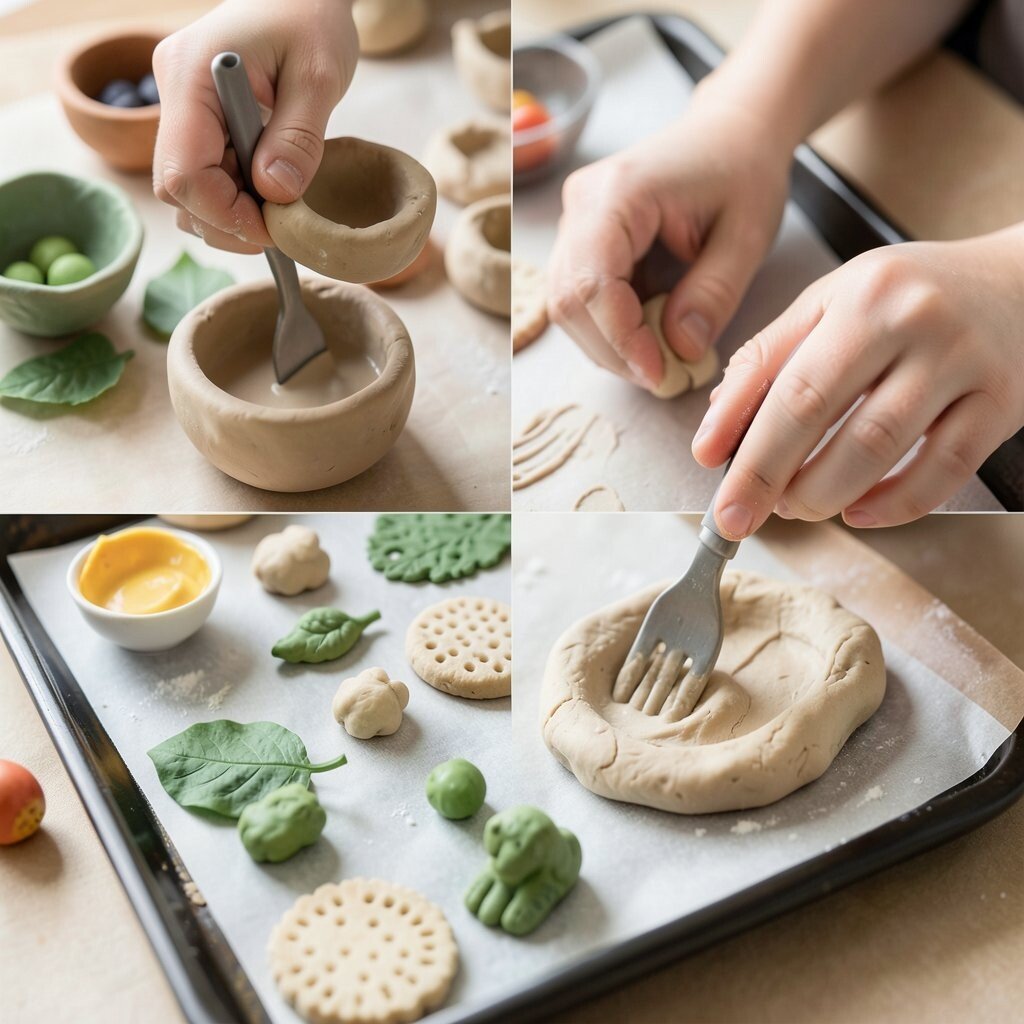
Use play dough or salt dough and let kids shape tiny bowls, beads, and animals. They can press textures using leaves, forks, or sponge patterns.
The visuals are all about surface, because fingerprints, grooves, and impressions show up clearly. Kids get to feel how shapes change when they pinch, roll, and smooth, which is great for sensory play. This helps with hand strength and planning, since they learn to build forms step by step.
For practical tips, keep a small bowl of water nearby for smoothing and use a cookie sheet or tray to transport pieces. Personalization can happen when kids design a “kitchen set” for pretend play, then paint details with safe markers once the dough is firm. Cost can be very low if you make salt dough at home, and it also gives a satisfying activity that lasts beyond one sitting.
If you want a trend touch, suggest “mini maker” challenges where each child creates three pieces for a themed collection, like space snacks or jungle treasures.
10. Texture Rubbing Treasure Hunt
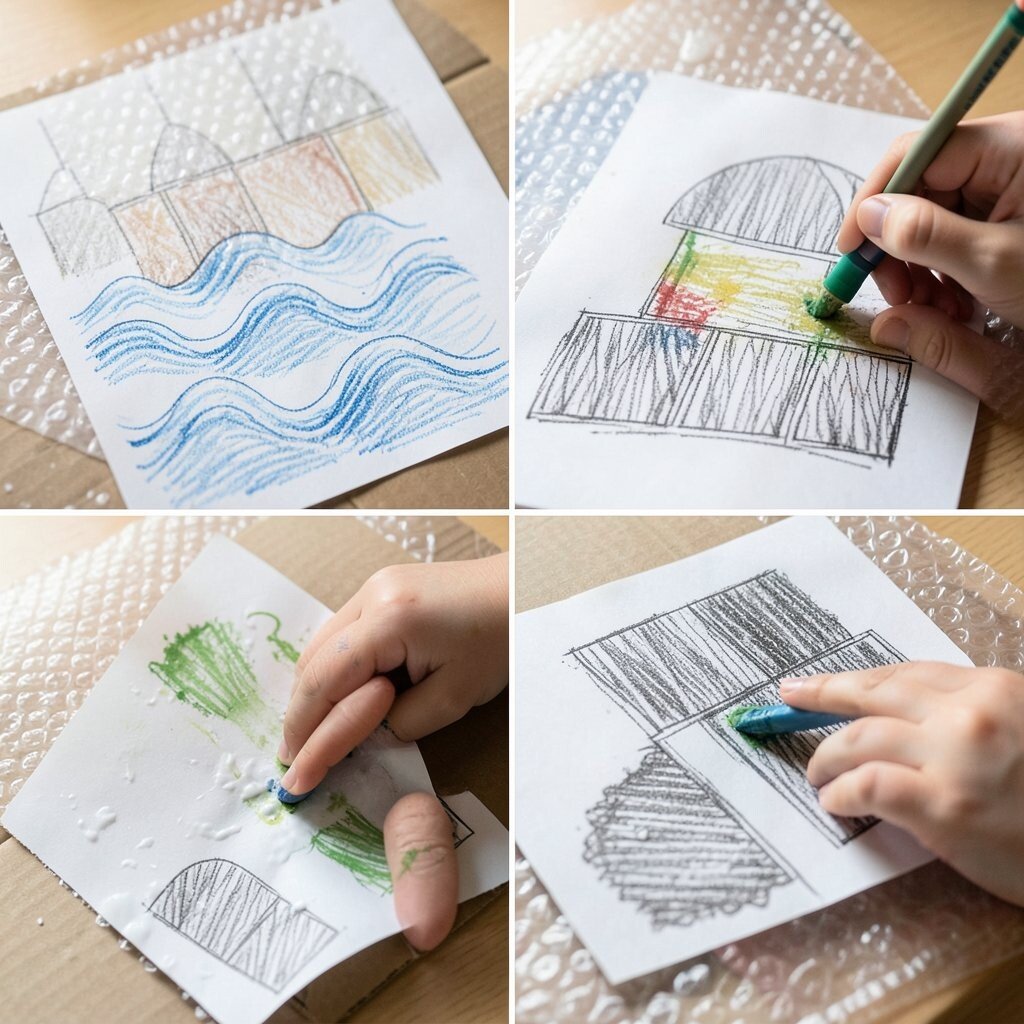
Place paper over safe textured objects like cardboard, bubble wrap, or textured fabric. Kids rub over the top with crayons to pull patterns into view.
They will see surprising shapes like waves, tiles, and fabric grain, and each rubbing looks different depending on pressure. That visual moment is like uncovering hidden treasure. This activity strengthens motor control and attention, and it teaches kids how different surfaces create different effects.
Keep it practical by choosing flat items that do not tear easily and using thick paper so the rubbing shows up clearly. Personalization is easy when kids make a “texture gallery” and sort rubbings by category like soft, bumpy, or smooth. Cost is minimal because you are using household materials, and you can store rubbings as a growing art scrapbook.
11. Paper Weaving With Color Steps
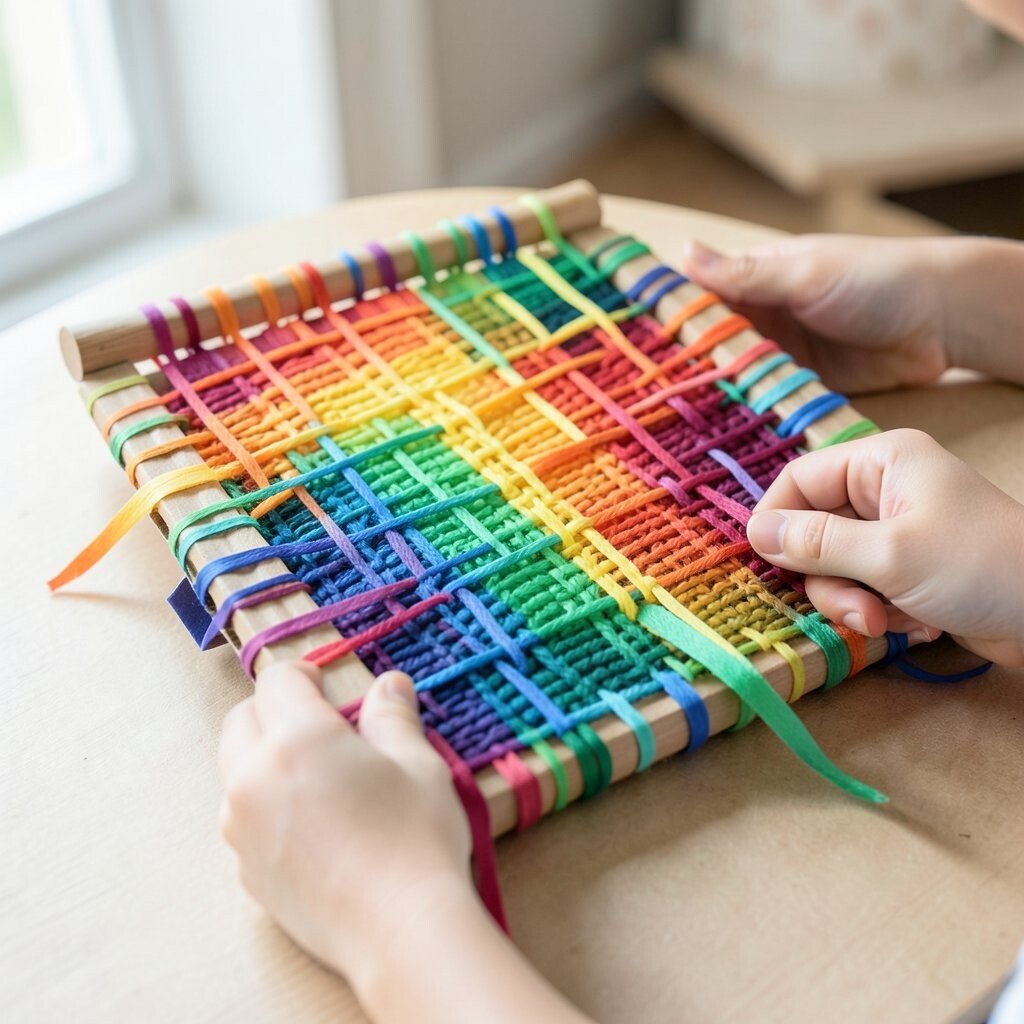
Create simple paper looms using folded strips or a cardboard frame. Kids weave colorful strips through the pattern with steady back-and-forth motions.
The result looks neat and strong, like a tiny blanket, and it makes kids feel like real artists. Weaving supports coordination and patience, because each strip needs to go over and under in the right order. It also teaches kids how repetition can create beautiful patterns without rushing.
Make it practical by cutting strips in advance for younger kids or providing pre-cut options that match the loom size. Personalization can include weaving in a personal order, like starting with favorite colors first, then adding a surprise stripe at the end. For cost, paper strips are free when you use old wrapping paper and scrap cardstock.
To match current crafty trends, suggest “rainbow gradient weaving,” where kids plan colors like a sunset scale.
12. Giant Crayon Resistance Sun Prints
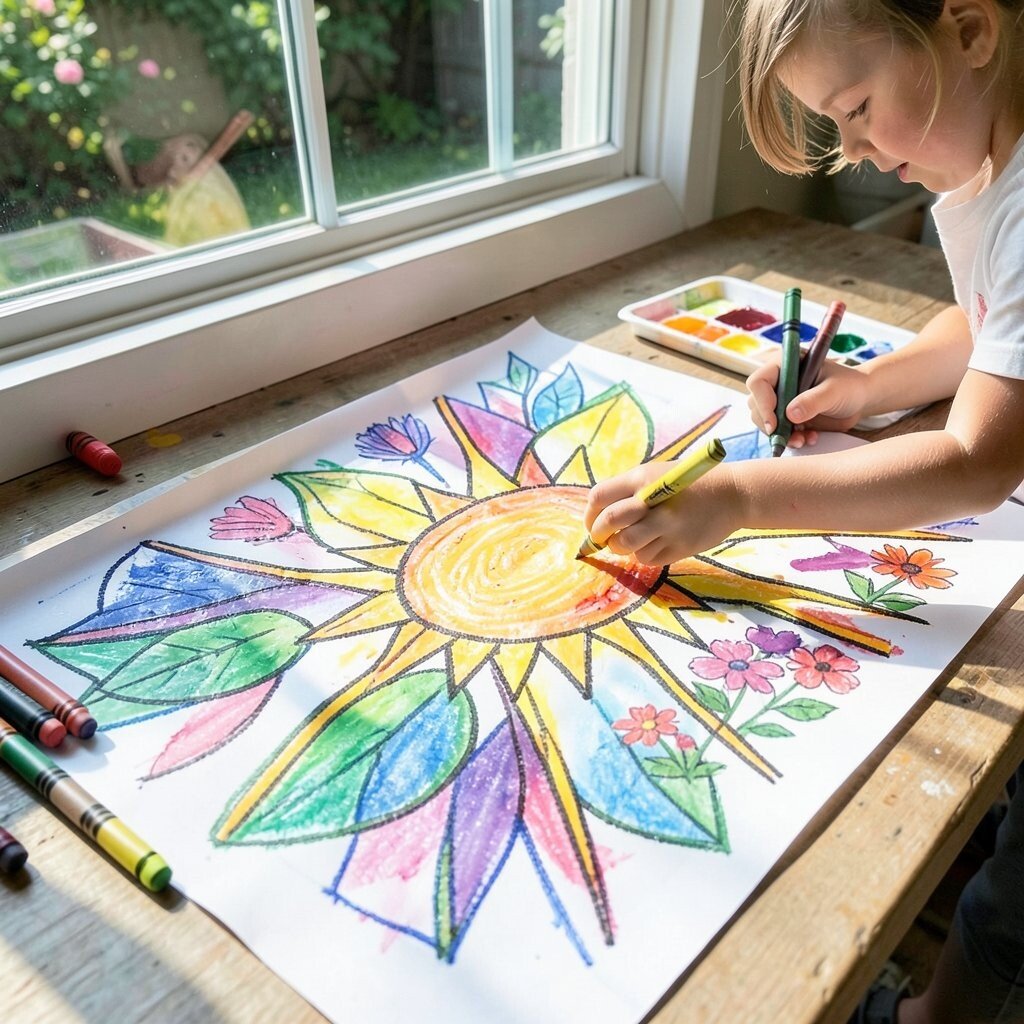
Lay thick paper outside on a sunny day or near a bright window. Kids draw shapes using crayons, then wet the paper lightly with watercolors.
The crayon resists the paint, leaving clear lines that look crisp and bold. Visually, the art resembles stained glass or modern posters, which feels exciting and a little bit mysterious. This activity builds understanding of materials and helps kids learn that different tools create different textures and effects.
Keep it practical by using an outdoor surface or a protected tray, because watercolor can drip. Personalization is great when kids draw “nature signs” like leaves, flowers, and suns, then choose paint colors that match their drawing. Cost is usually low since crayons and watercolors are common, and you can use cheap student watercolor sets if needed.
13. Build-Your-Own Symmetry Mask
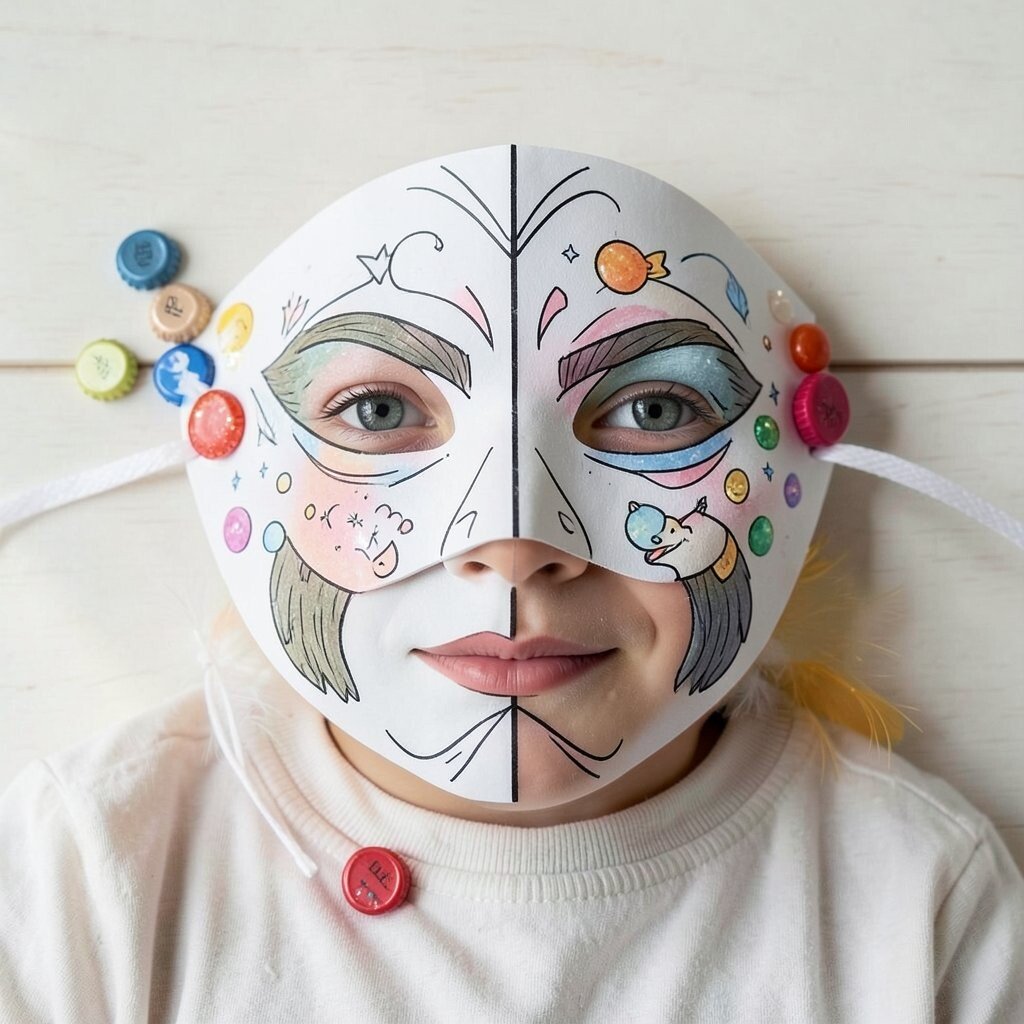
Give kids paper and draw a vertical line down the center. They create half a face or pattern, then fold or mirror it to complete the mask.
The visual surprise happens when the symmetrical design appears, like a character from a storybook. Kids gain confidence because even simple shapes can look impressive when mirrored. This activity also supports early geometry thinking and careful craft habits.
For practical tips, use thick paper or cardstock and keep decorations like stickers and feathers secure with glue. Personalization becomes a story when kids decide if their mask is for a hero, a helper, or a friendly creature from another planet. Cost considerations are flexible because you can use only marker lines, or you can add recycled items like bottle caps for extra sparkle.
14. Museum Night With Hands-On Stations
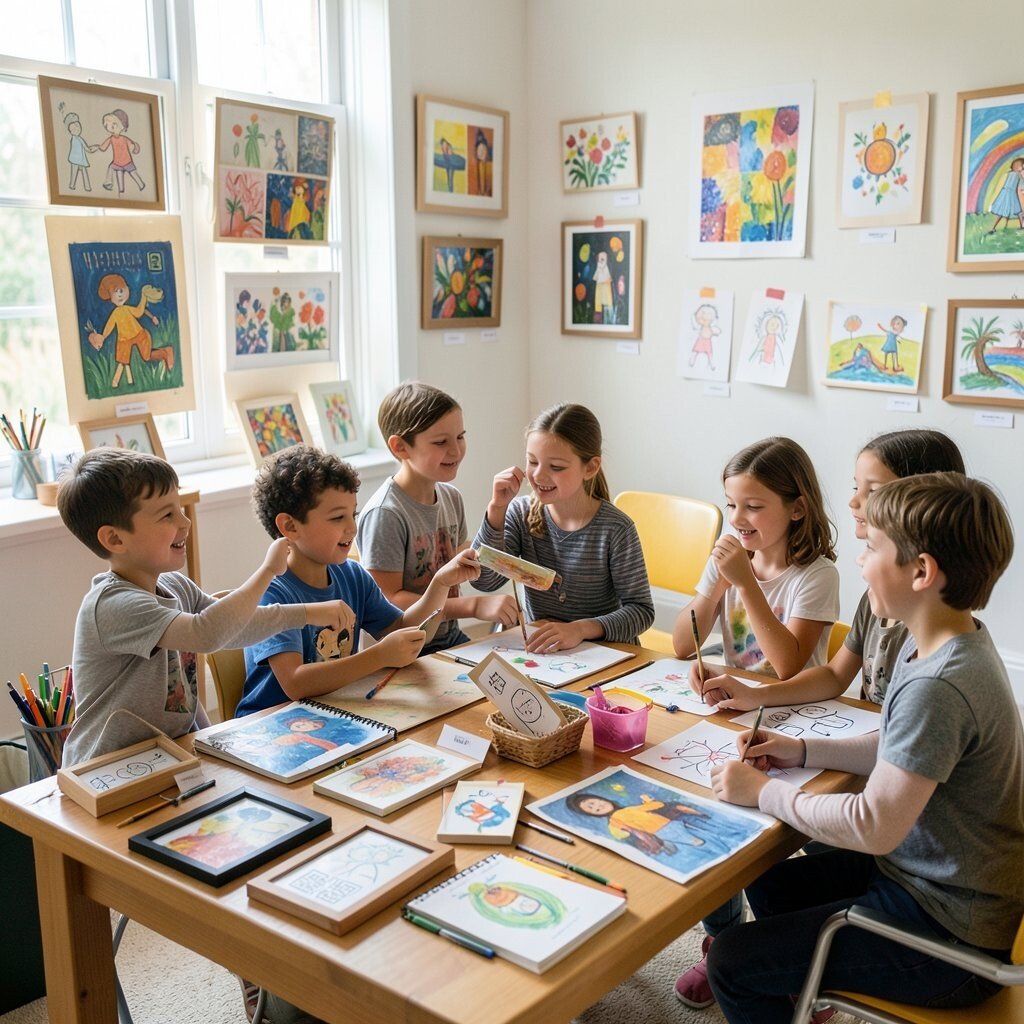
Set up a cozy space with a few art materials and invite kids to “curate” their own museum. Each child picks one piece they made and adds it to a display area.
As the room fills with art, the visuals become a gallery of color, texture, and imagination. Kids will feel pride when they explain their choices and the story behind each creation. This play builds confidence, communication skills, and decision-making, because they think about how their work fits with the rest.
Make it practical by using simple frames, paper clips, or tape for mounting, and by keeping a spare bin for quick cleanup. Personalization is natural here, since each kid can choose what to display and how to label it with drawings or symbols. Cost is easy to manage because you can use reused frames, cardboard, and string, and you can keep the setup flexible for different art projects.
If you want a trend-style touch, encourage kids to create “gallery cards” with QR-like doodle codes by drawing squares and lines, which becomes a fun pretend version of modern museum signage.