Old boards and broken bits have a quiet kind of magic. When you give them a second life, your home can feel both warmer and more personal.
Using reclaimed construction materials turns everyday building leftovers into pieces that look intentional, not accidental. It also helps cut waste, saves money, and sparks creativity at the same time.
1. Reclaimed Wood Photo Walls That Feel Like a Gallery
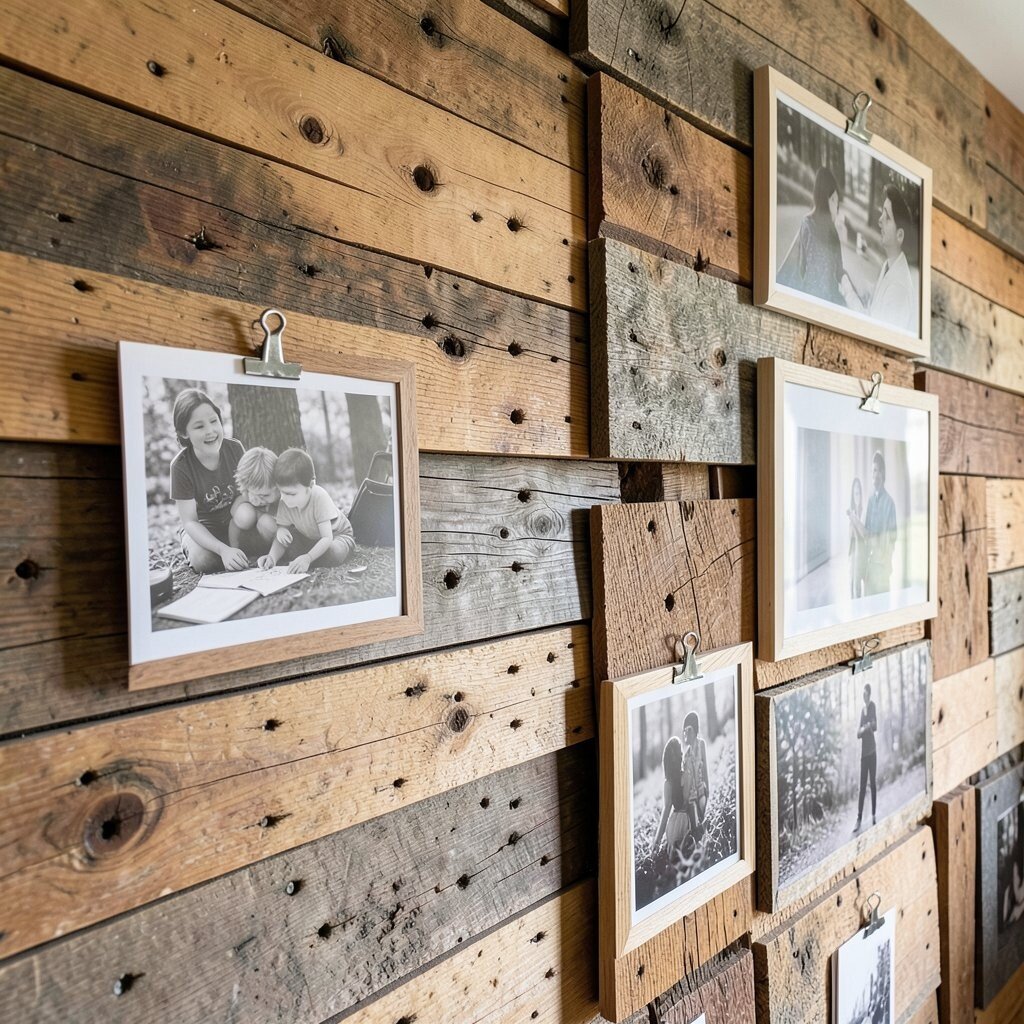
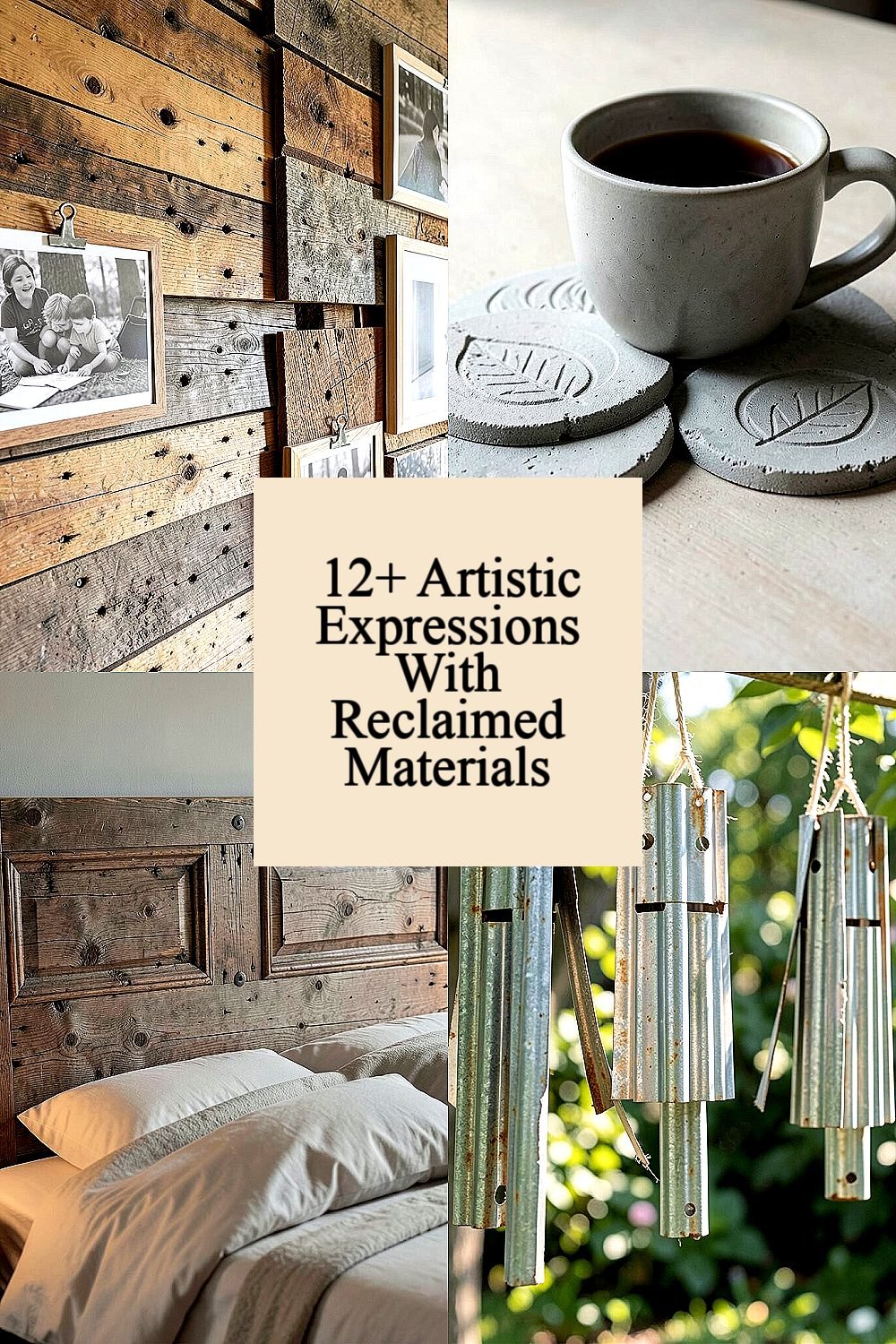
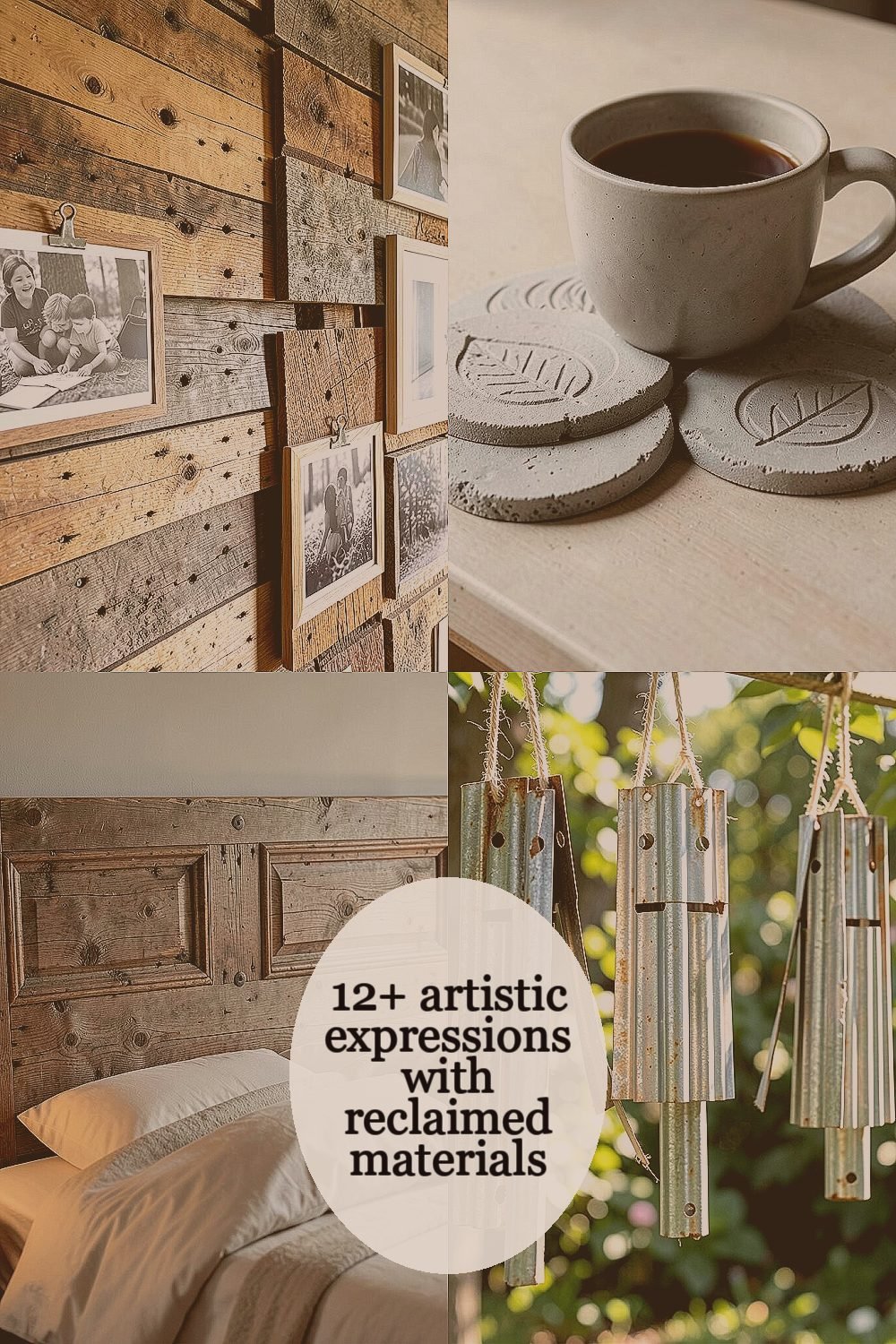
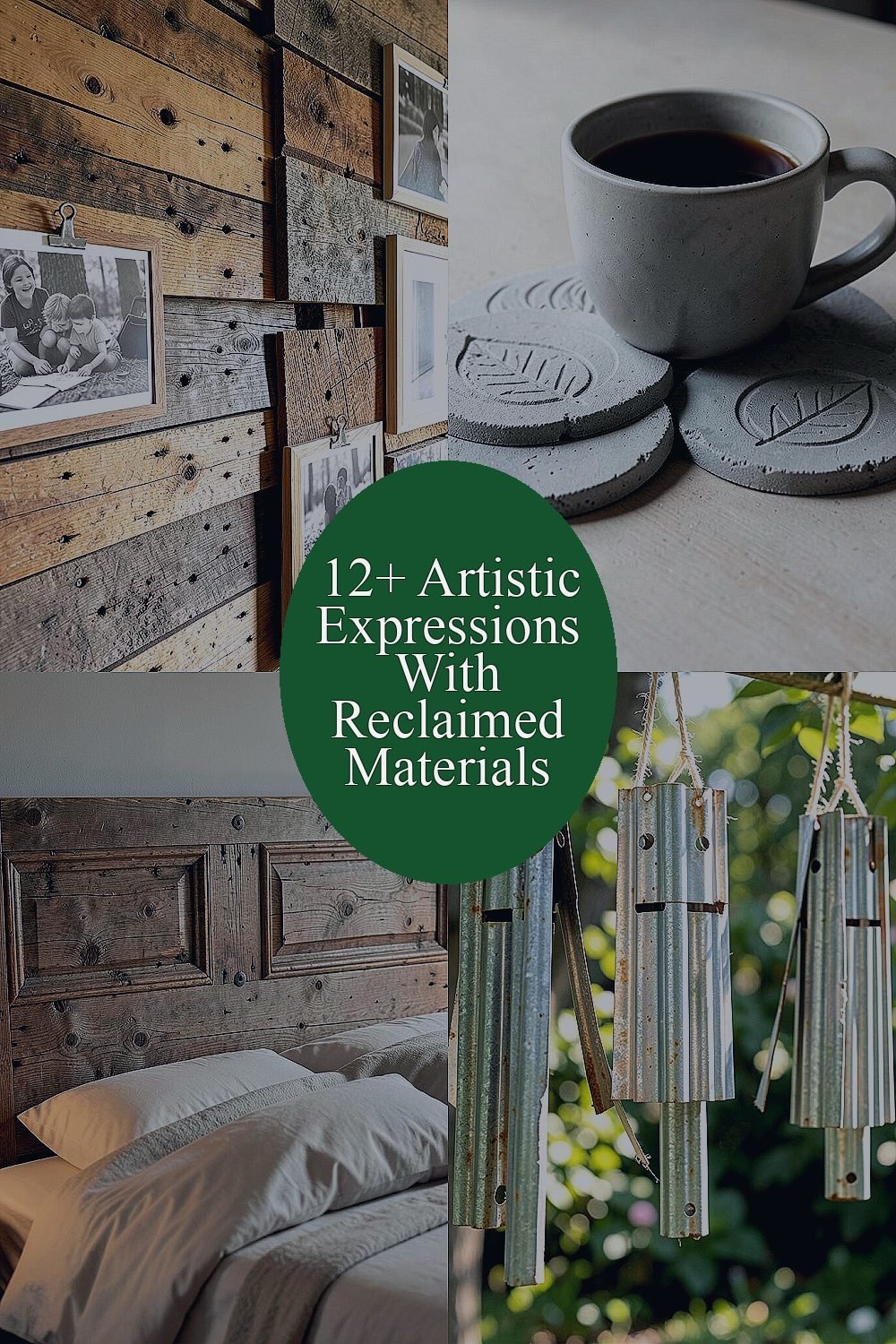
Picture a warm wall covered in uneven planks, each one showing nail holes, small dents, and faded stains. A few black-and-white photos, clipped with simple metal brackets, make the whole display look curated and lived-in.
Start by sorting boards by thickness, not length, so your frame edges stay neat. Sand lightly, seal with a low-sheen finish, and wipe off dust before adding hardware.
2. Concrete Countertop Coasters With Impressed Patterns
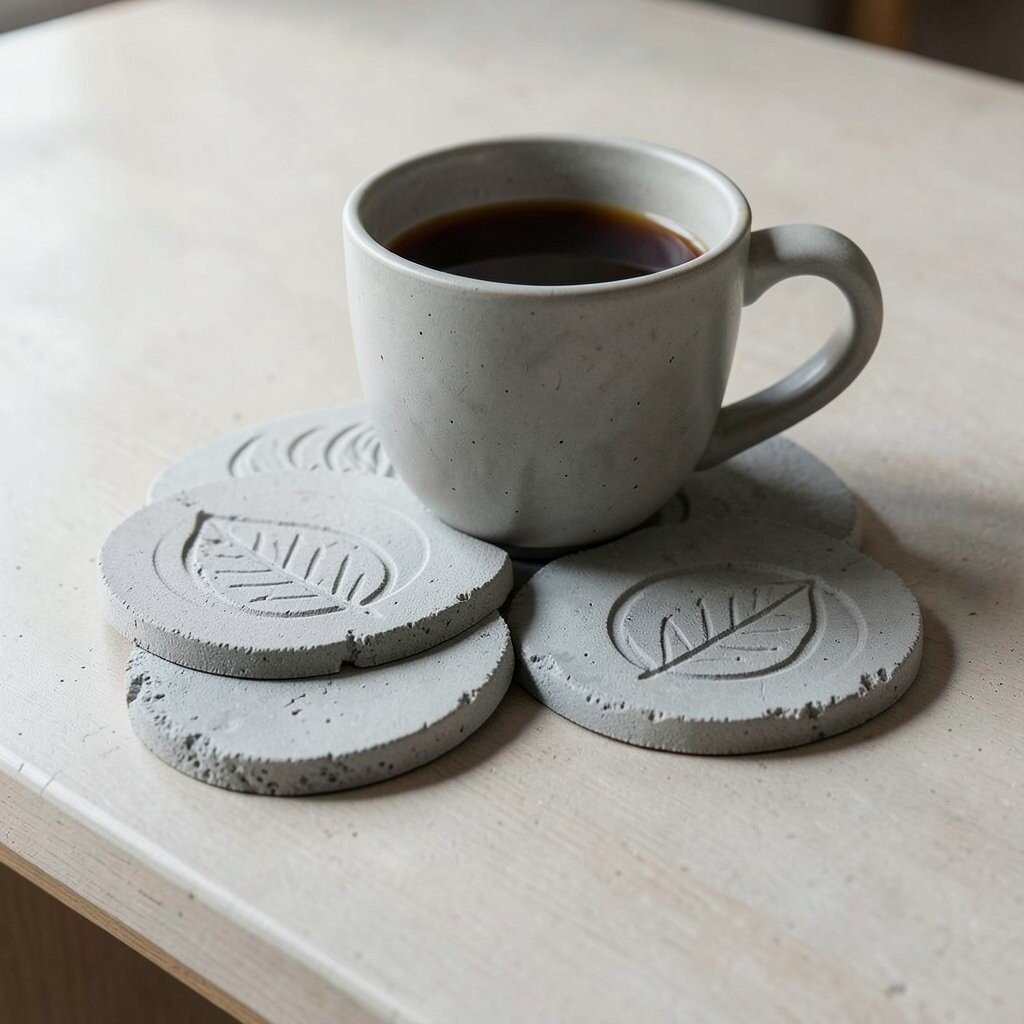
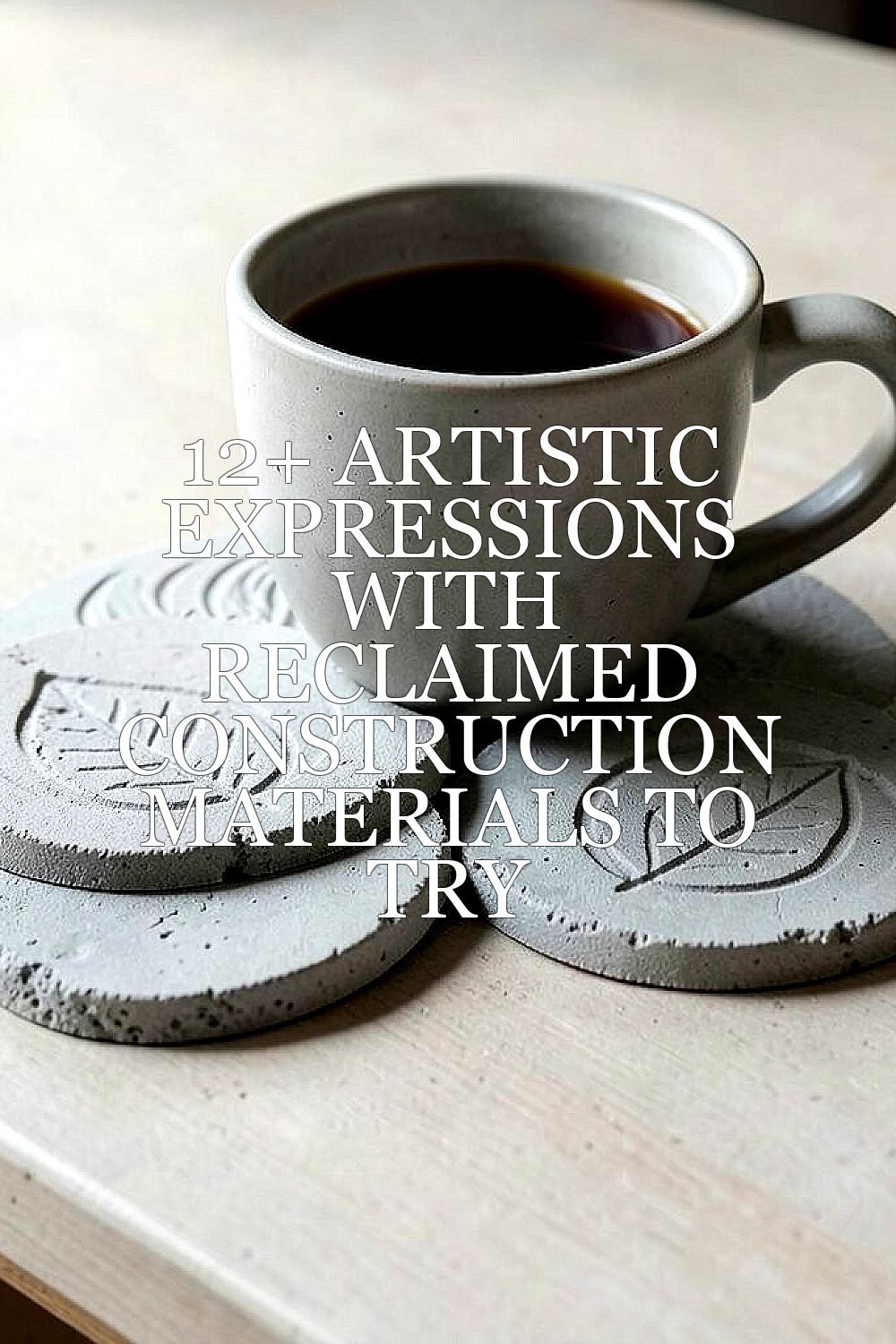
Think of smooth, cool concrete circles resting under your mug, each one holding a faint ripple from a reused mold. You can even add subtle marks from old stamps, like mesh textures or brick impressions.
Use broken concrete pieces or leftover mix from a repair project, then cast thin coaster rounds. Let them cure fully, and consider sealing to reduce staining from coffee and tea.
For personalization, press in objects that matter to you, such as a leaf outline or a small woodcut pattern. Keep an eye on current maker trends like concrete “micro-collections,” where sets are made in matching colors for gifting.
3. Door-Slab Headboards Made From Vintage Salvage
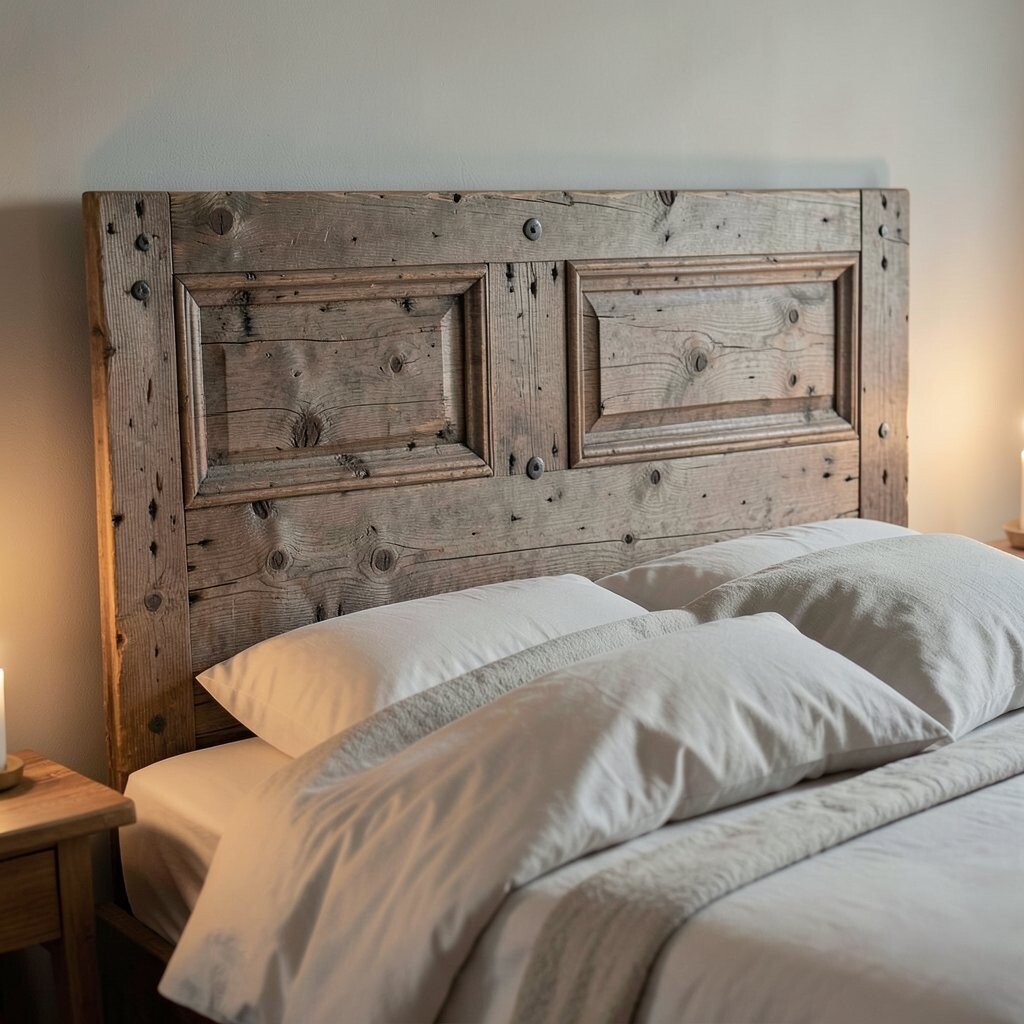
Imagine lying down against a headboard made from an old door slab with raised panels and worn hardware scars. The grain looks dramatic in candlelight, and the dents tell a story instead of looking like defects.
Search local salvage yards for doors that are sturdy, then cut or rehang them to fit your bed. If you plan to use a full panel, check for straightness and remove old fasteners safely.
Add a coat of stain that matches your room, or keep it natural for a modern rustic vibe. For budget sense, compare the cost of a new headboard to a door slab and basic brackets, and you will often come out ahead.
To make it comfy, add a thin foam backing and breathable fabric, especially if the surface feels too hard. This kind of upcycled focal piece stays popular because it looks custom without needing expensive carpentry.
4. Corrugated Metal Garden Wind Chimes With Built-In Music

Picture strands of corrugated metal strips catching the sun, ringing softly as they sway. The sound is bright and gentle, and the patina makes the chimes look like weathered art.
Use reclaimed flashing or siding scraps, then punch holes along the top edge for stringing. Smooth sharp edges with a file, and hang them at a height where breezes reach them.
5. Palette-Tile Serving Trays From Ceramic and Cement Offcuts
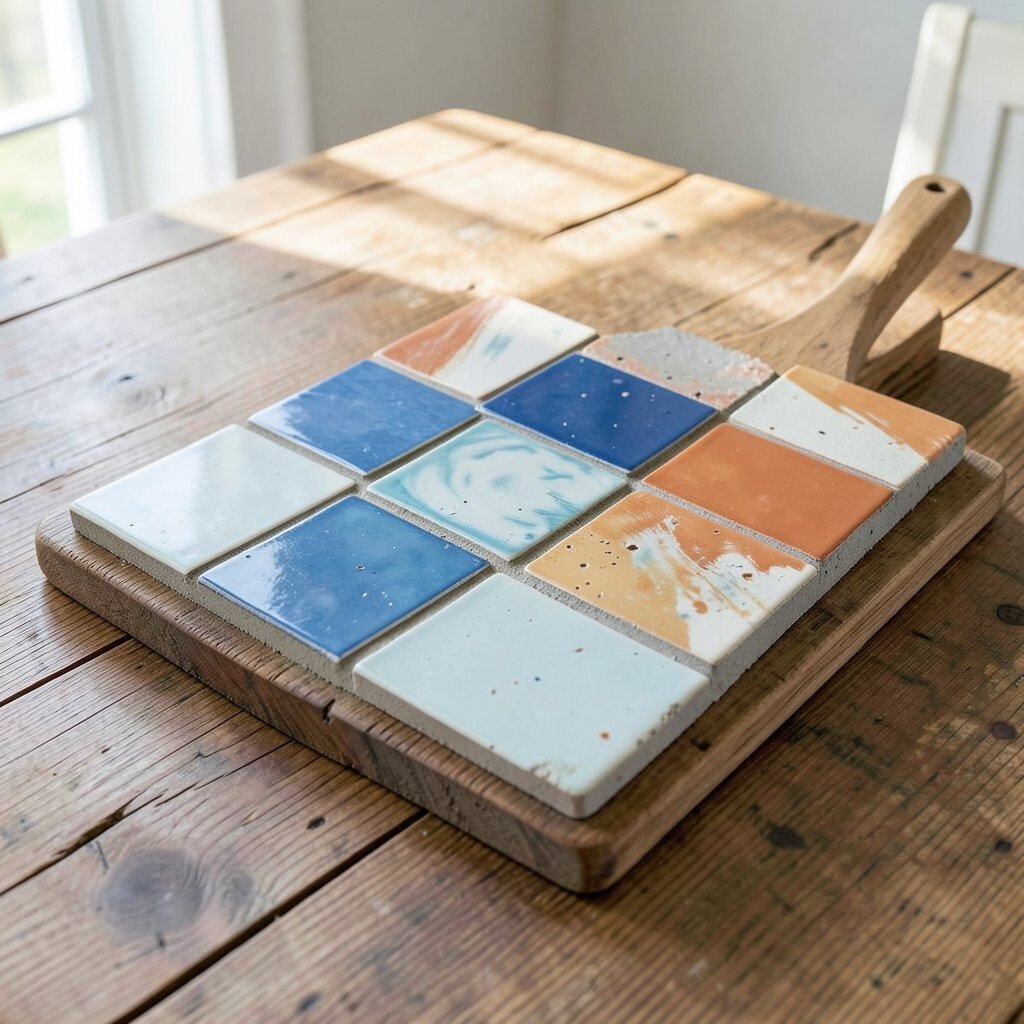
Imagine a tray made from mismatched tile squares, each one showing tiny chips like signature brushstrokes. The cement edges look bold, and the whole piece becomes a conversation starter on your dining table.
Break up leftover tile carefully, then grout a base using a thin layer over an old wood board. Seal the top so liquids wipe clean, and add a handle cut from scrap wood or metal.
For practical use, choose tiles that are already glazed and less porous, which helps with everyday spills. It’s a great way to personalize by matching colors to your kitchen backsplash or choosing a theme like ocean blues or warm terracotta.
6. Ladder Shelving With Pegboard Backing for Small-Space Art
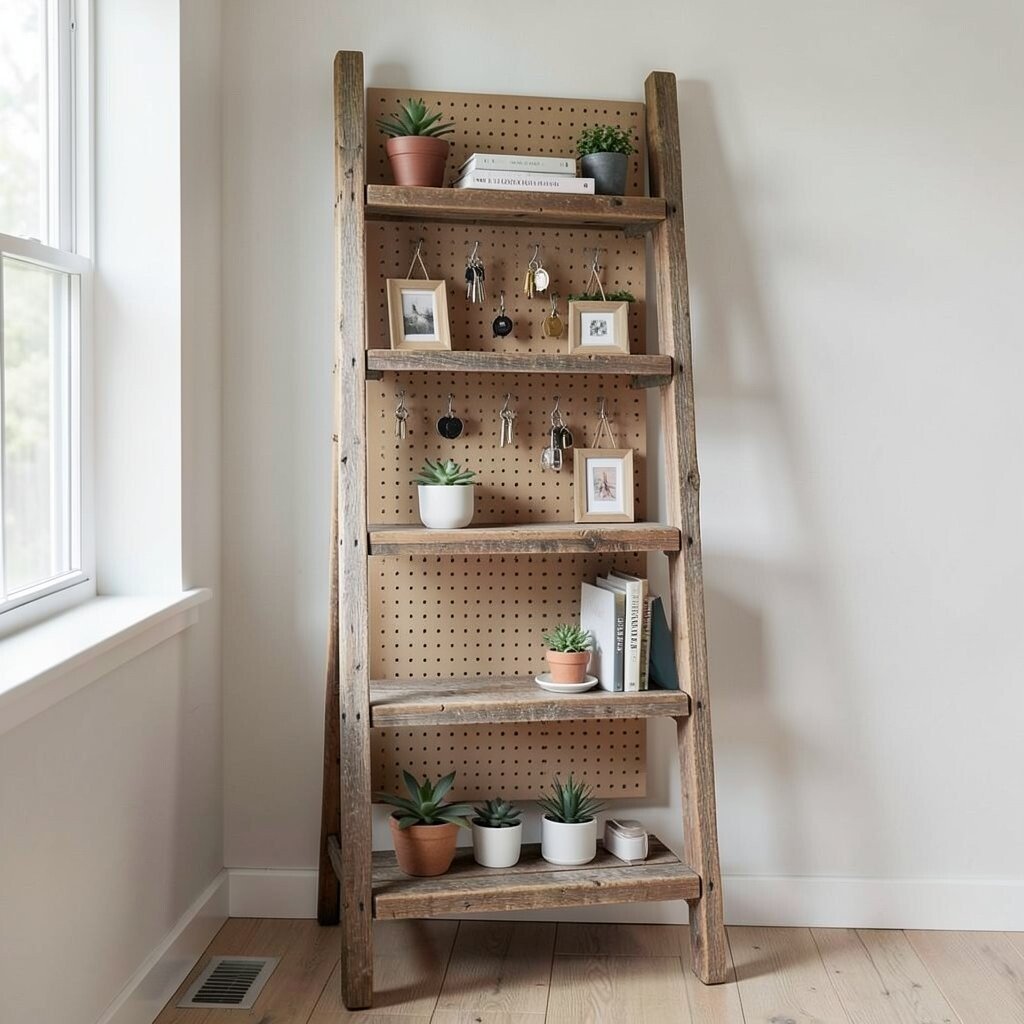
Picture a reclaimed ladder turned into a tall shelf, holding small planters and art books with ease. Add a pegboard back and you get a tidy grid for hanging keys, tiny frames, and hanging plant hooks.
This is a smart choice for narrow rooms because vertical storage makes everything feel organized. Sand off rough spots, reinforce the ladder feet, and attach the unit securely to studs when possible.
Current style favors mixed materials, so pairing reclaimed wood with metal pegboard fits right in. If you want to lower cost, use a lightweight backing and keep the shelf spacing simple for easy upgrades.
Personalize by painting only the pegboard in a color you love while keeping the ladder raw for contrast.
7. Stencil-Stamped Wall Panels From Drywall Scraps
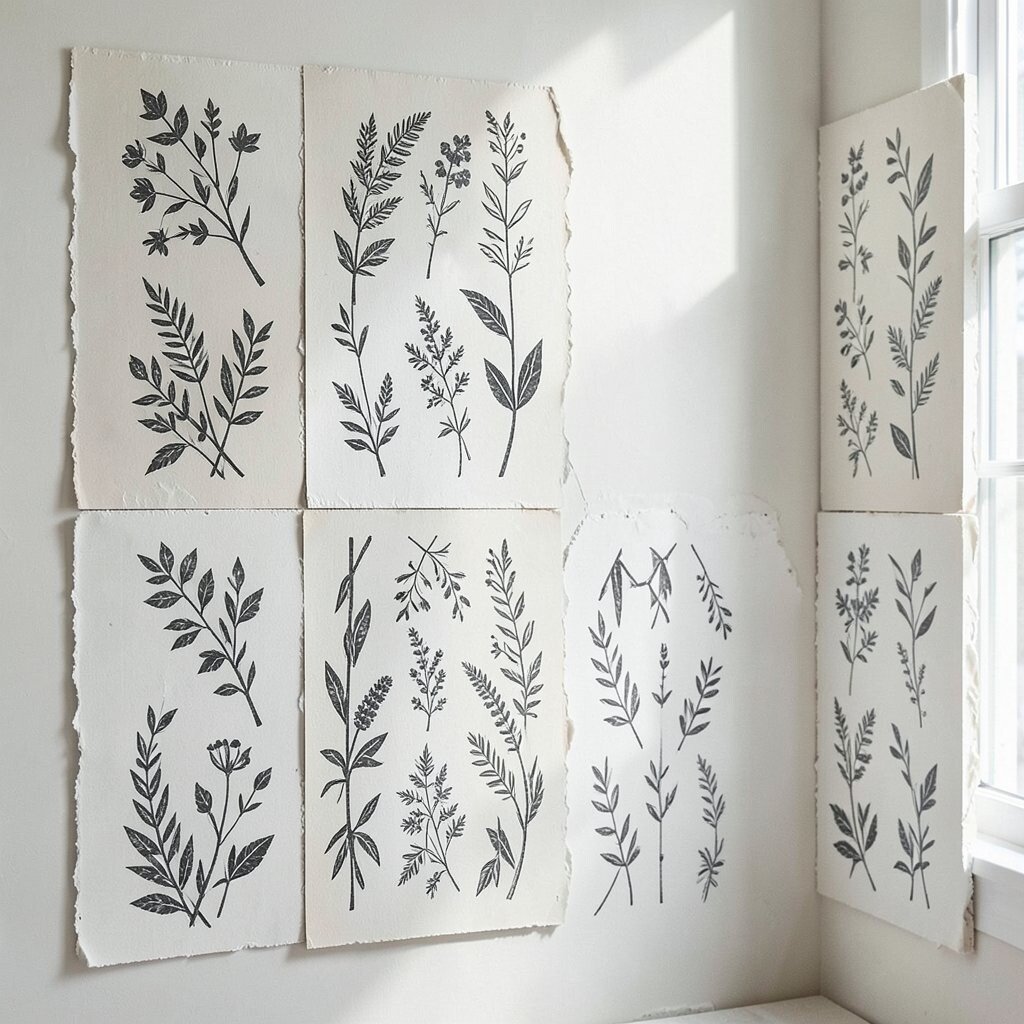
Think of wall panels carved from drywall offcuts, then coated for a smooth, sculpted look. When you stencil on top, the pattern pops without needing expensive plasterwork.
Cut the drywall into panels, then sand edges and apply a base layer like joint compound thinned for an even skim. Once dry, stencil over the surface and finish with paint that matches your room mood.
The benefit here is easy layering, since drywall scraps are light and manageable. For cost, this method uses materials many people would throw away, and paint is often the only new supply.
Make it personal by choosing stencils that match your style, like botanical sprigs for calm spaces or geometric blocks for modern rooms.
8. Reclaimed Brick Mail and Message Nook
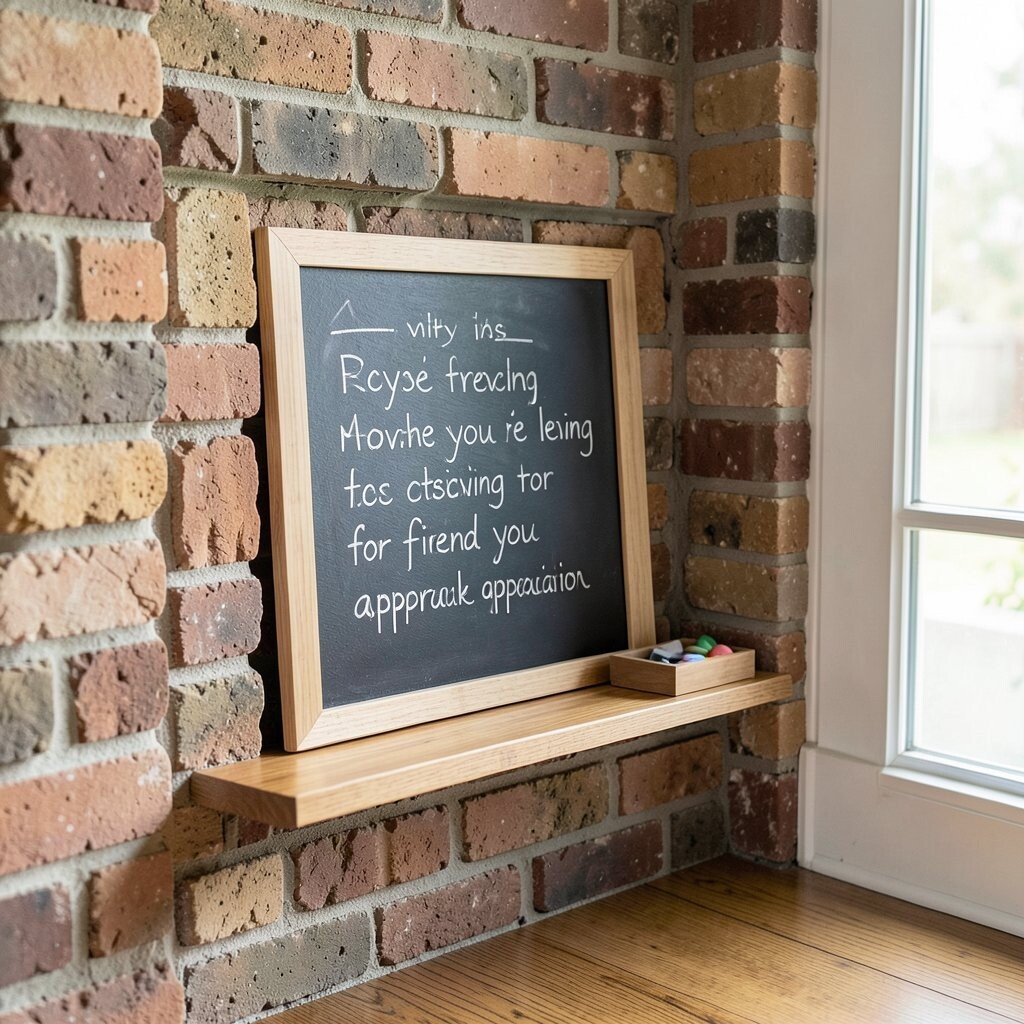
Picture a small built-in nook made of leftover bricks, holding a chalkboard front for notes. The rough texture makes everyday messages feel special, like you’re leaving notes for a friend you really appreciate.
Use salvaged bricks for the frame, then attach a simple slate or magnet-ready board on the front. Seal the bricks so they handle indoor moisture and cleaning wipes.
For practical tips, keep the ledge shallow enough that pens don’t roll and use a small tray from scrap wood for erasers. Personalize with a color chalkboard border taken from old trim paint or a thin strip of wood stained to match your floors.
People love tactile home details right now, and brick accents give that warm, grounded look without needing full masonry work.
9. Window Frame Shadow Boxes for Found Objects

Imagine an old window frame turned into a shadow box with layers of meaning. Dried flowers, tiny screws, a museum ticket, or a seashell collection can all sit behind the glass like a mini exhibition.
Remove old glazing if needed, then clean the frame and check for loose joints. Add new backing fabric or thin plywood so items stay secure, and consider using clear acrylic for safety.
Use hardware from scrap to hang it, and keep the inside depth enough for thicker items. This stays unique because every shadow box becomes a time capsule of what you cared about during a certain season.
10. Asphalt Shingle Path Coasters for Outdoor Tables
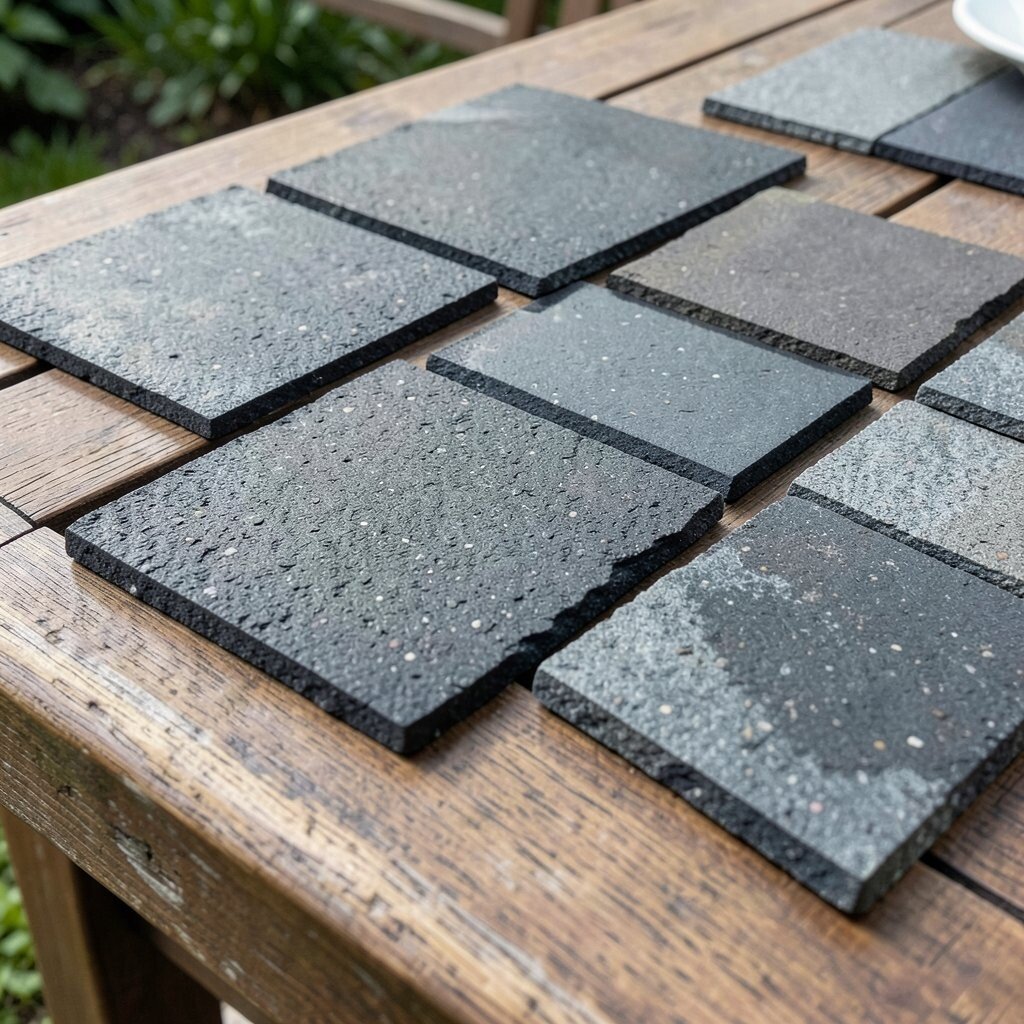
Picture dark, speckled asphalt shingle coasters with crisp edges, giving an outdoor table a sturdy look. They look bold and slightly industrial, and they resist heat better than many thin coasters.
Chop reclaimed shingles into clean squares, then seal the surface lightly with a clear outdoor coating for durability. Sand rough corners so hands feel safe when you grab a drink.
For personalization, arrange them into a matching set with a color story by mixing shingle shades, from deep charcoal to muted gray. This is a current favorite for patio styling because it mixes function with a tough, weather-ready vibe.
11. Scrap-Pipe Towel Hooks With Steam-Bent Details
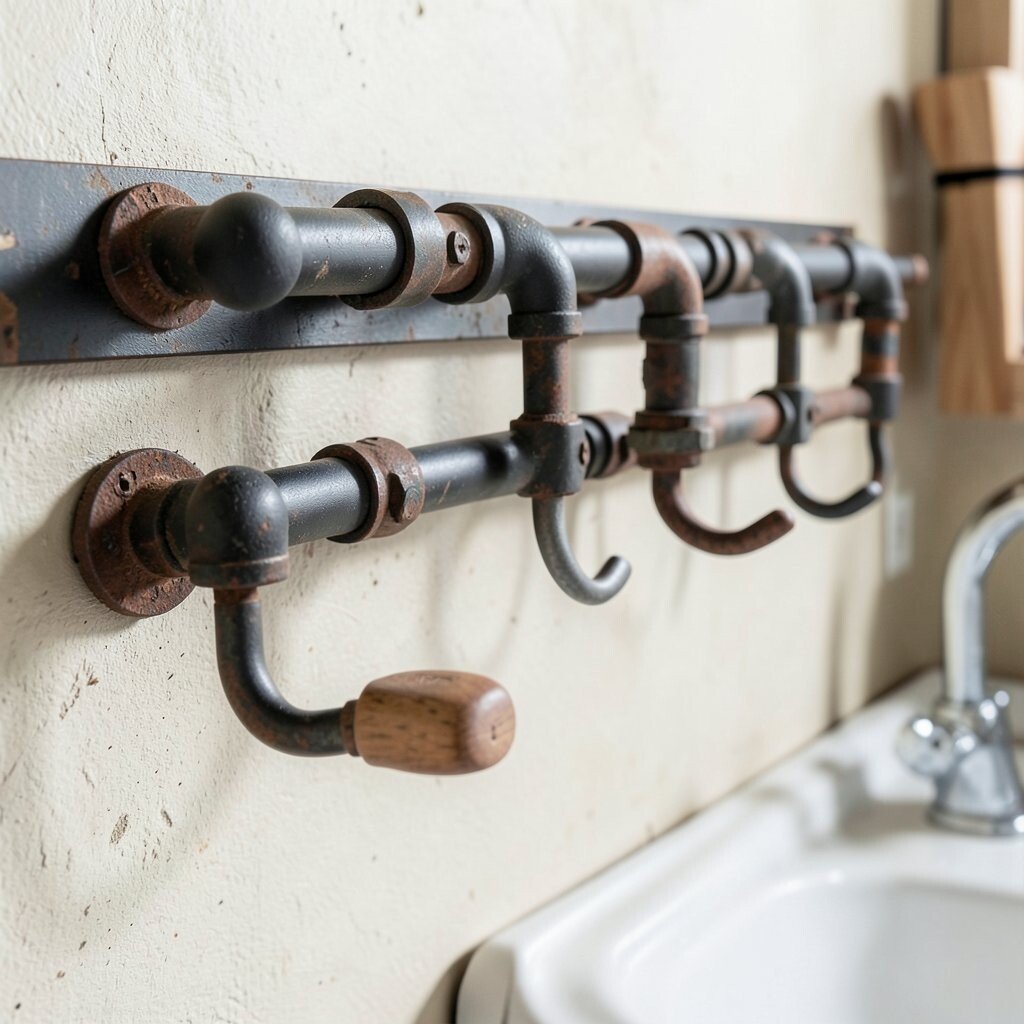
Picture hooks made from old plumbing pipes, painted matte black or left in rusty brown for a vintage feel. Small bends and couplings make each hook look like a tiny sculpture.
Mount sections of pipe to a board or wall strip, then attach hooks made from cut metal rods or reclaimed hardware. Tighten securely into studs, and smooth any sharp edges with a grinding pad.
A practical benefit is that you can place hooks exactly where you need them, like near a kitchen entry or beside a workshop sink. Personalize by adding a small wooden knob on the hook end or keeping parts unpainted for a more natural look.
Cost is usually lower than buying a designer set, especially when you already have leftover fittings or can trade with a local contractor.
12. Reclaimed Tile Mosaic Planters With Color-Run Personality
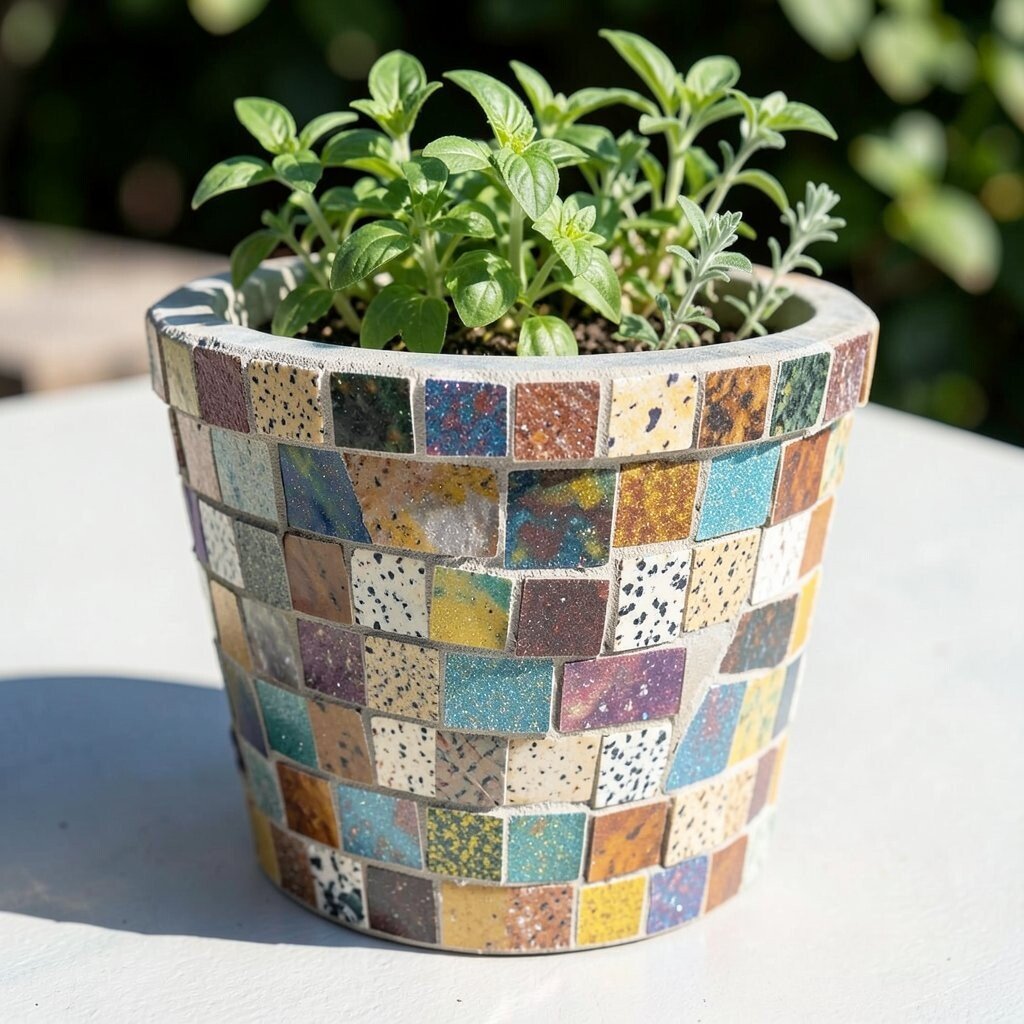
Imagine a planter covered in mosaic tile bits that don’t match on purpose, like a handmade quilt. The glittering surfaces catch sun, and small grout lines create a grid that still feels playful.
Start with a simple pot or sturdy bucket, then glue tile pieces in a pattern that suits your mood. Use outdoor grout, let it cure, and seal the inside rim so water doesn’t soak through.
This method is great when you want benefits like heat resilience and easy cleaning, while keeping your design one-of-a-kind. Look for current trends like “confetti mosaics,” where small varied colors create movement rather than strict symmetry.
To personalize, pick a theme based on what you grow, such as herb greens and speckled browns for basil and thyme.
13. Concrete Block Bench Seats With Painted Edge Bands
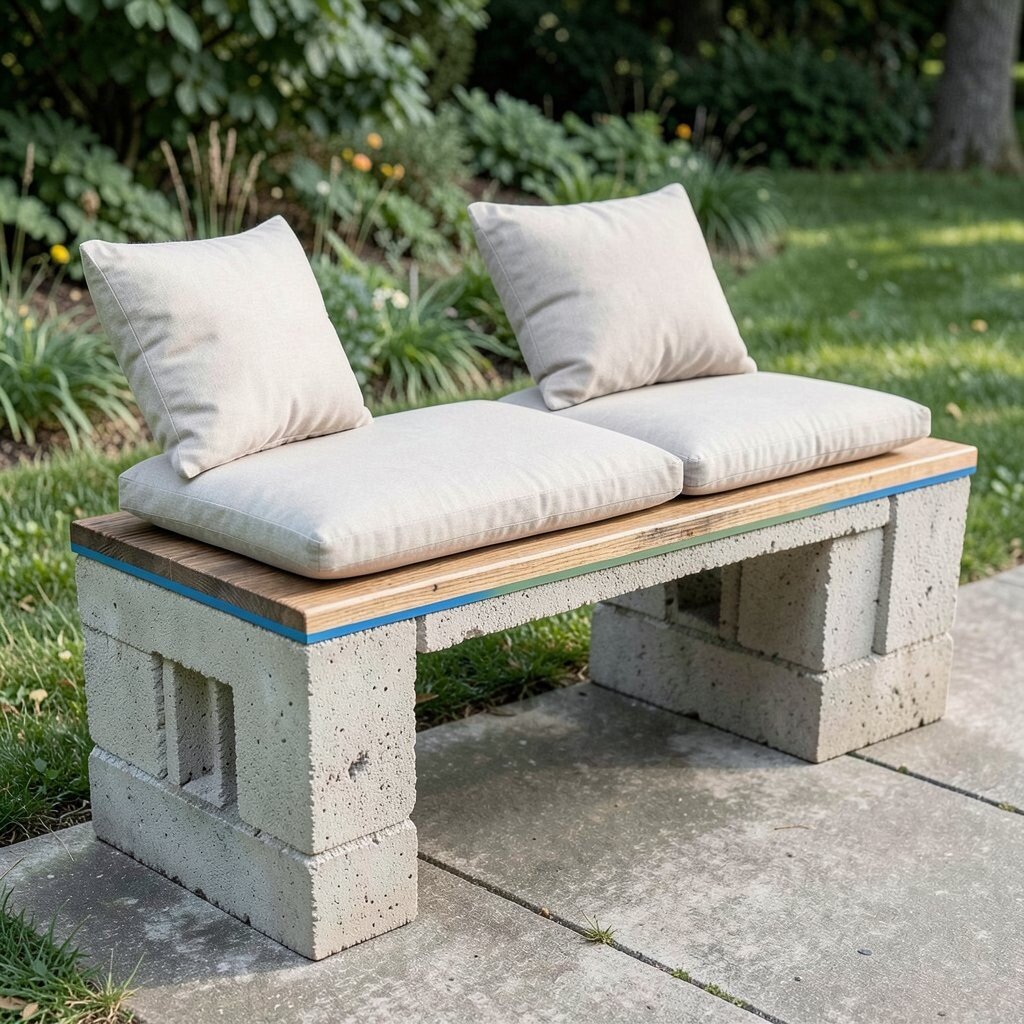
Picture a bench built from reclaimed concrete blocks, capped with a smooth plank and topped with comfy cushions. The block texture feels architectural, and the painted edge band can add a pop that makes it look finished.
Build a simple seat by stacking blocks with stable alignment, then add a top made from salvaged wood or a reclaimed slab. Check that the structure is level and sturdy before finishing anything, especially if it will hold weight regularly.
For cost, this can be a budget-friendly upgrade because blocks are often available cheap after renovations. Personalize with an accent stripe using leftover paint colors from trims, doors, or a past DIY project, and keep the rest neutral for balance.
Current outdoor styling favors statement seating with visible material texture, and reclaimed blocks deliver that look without needing pricey stone.
When you add cushions, choose removable covers so cleaning stays easy during rainy seasons.