Box cutters can make small cutting jobs faster and cleaner when you use them with care. A few simple habits can help you get neat cuts, save time, and work with less waste.
1. Choose the Right Blade Type
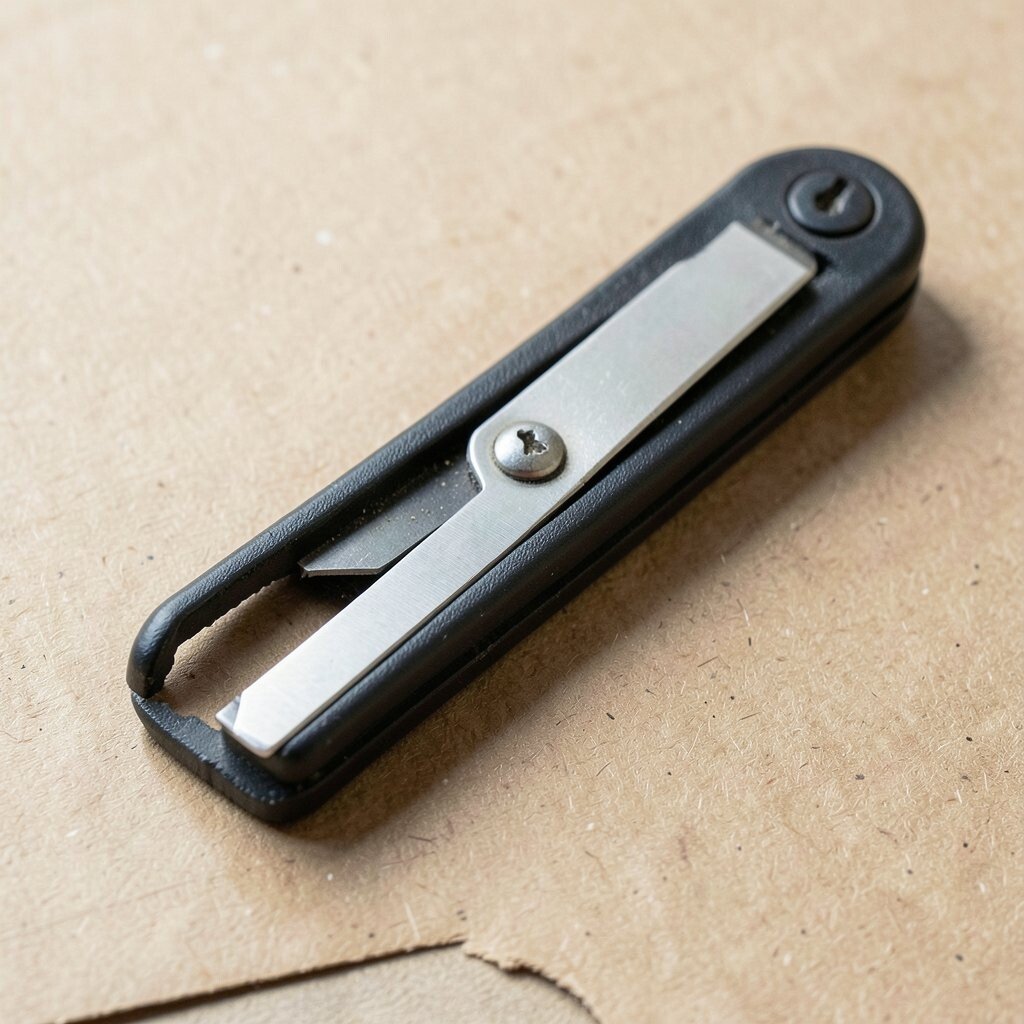
The blade you pick can change how easy the job feels. A sharp, straight blade works well for cardboard, while a hooked blade may help with thick wrap or floor material.
Try to match the blade to the task instead of using one style for everything. This can help you get cleaner cuts and keep the tool from wearing out too fast.
Many box cutters use low-cost blades, so it is easy to keep a few types on hand. That small extra cost can save time and make the work feel smoother.
2. Keep the Blade Sharp
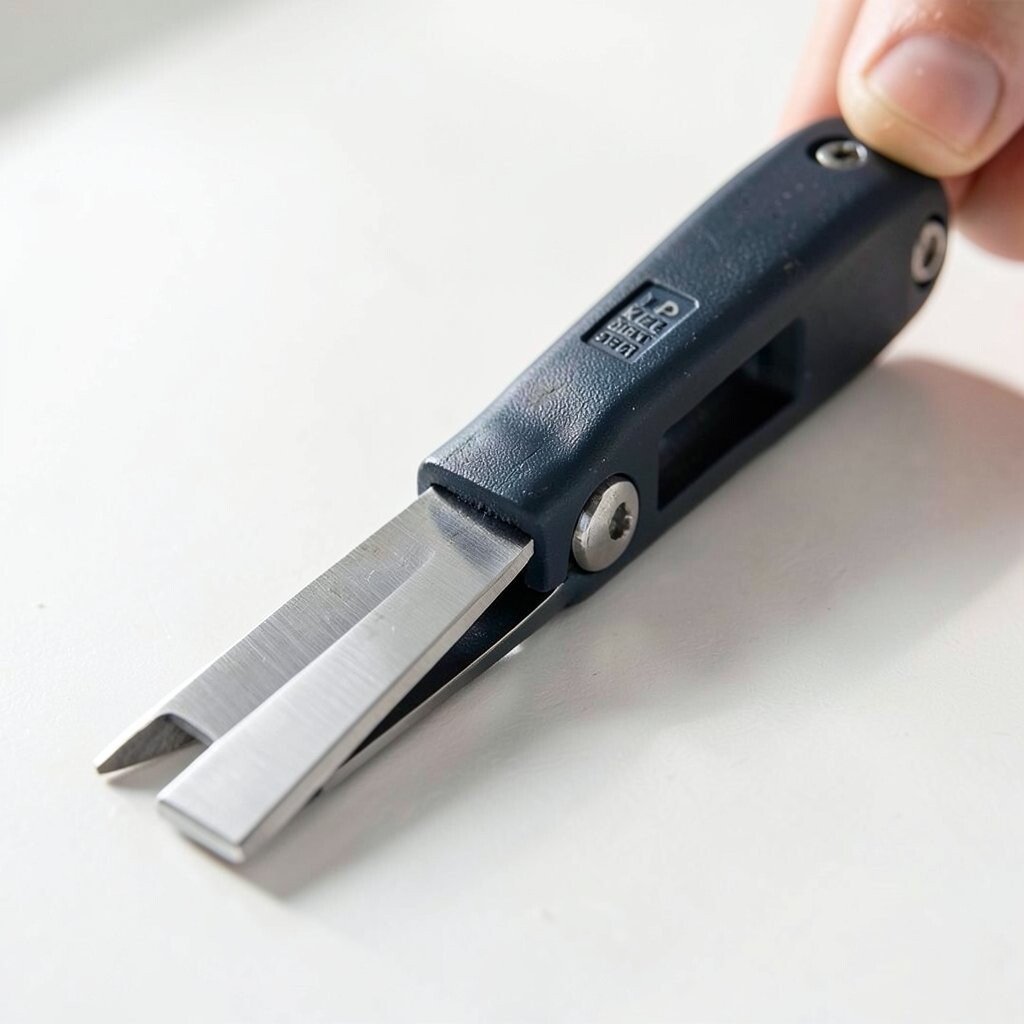
A sharp blade cuts with less push, which means less strain on your hand. It also helps stop tearing, which can make the edge look rough and messy.
If the blade starts to drag, feel dull, or catch on the material, it may be time for a change. Fresh blades are a simple way to make the tool feel new again.
This is one area where a small habit pays off. Many people now keep spare blades in a desk drawer, tool bag, or work cart so they can swap them fast.
3. Hold the Cutter at a Steady Angle
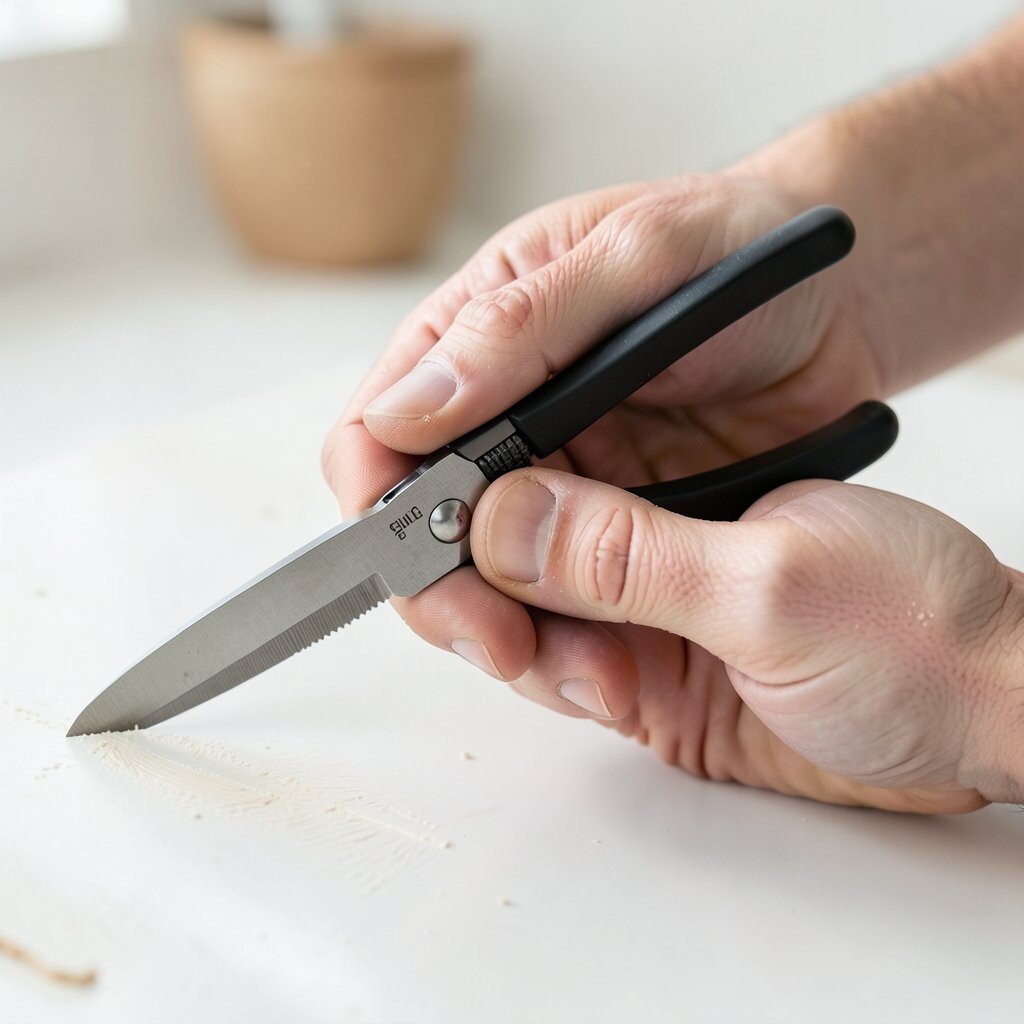
A steady angle helps the blade stay in the cut line. It also gives the cut a cleaner look and lowers the chance of slips.
Keep your wrist relaxed and your hand firm, but not tight. A calm grip can help you guide the cutter in a straight path.
This tip is easy to make your own. Some people like a flatter angle for light boxes, while others use a slightly steeper angle for thicker stock.
4. Score Before You Cut Deep
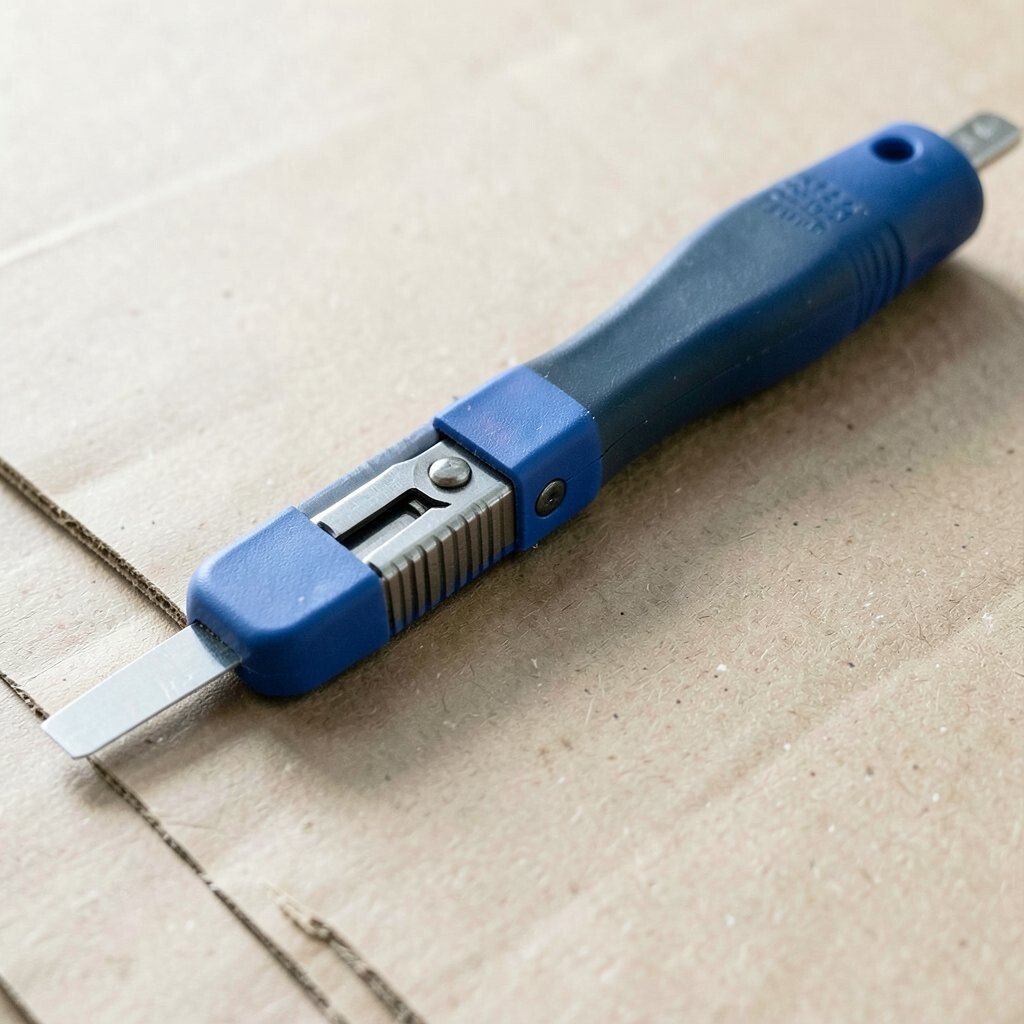
Scoring means making a light first pass before the full cut. This can help guide the blade and make the final cut easier to control.
It works well on thick cardboard, foam board, and some plastic wrap. The first line gives you a clear path to follow on the next pass.
Scoring is also useful when you want a cleaner edge. It can cut down on rough spots and help you avoid pressing too hard at once.
5. Use a Straight Edge for Long Cuts
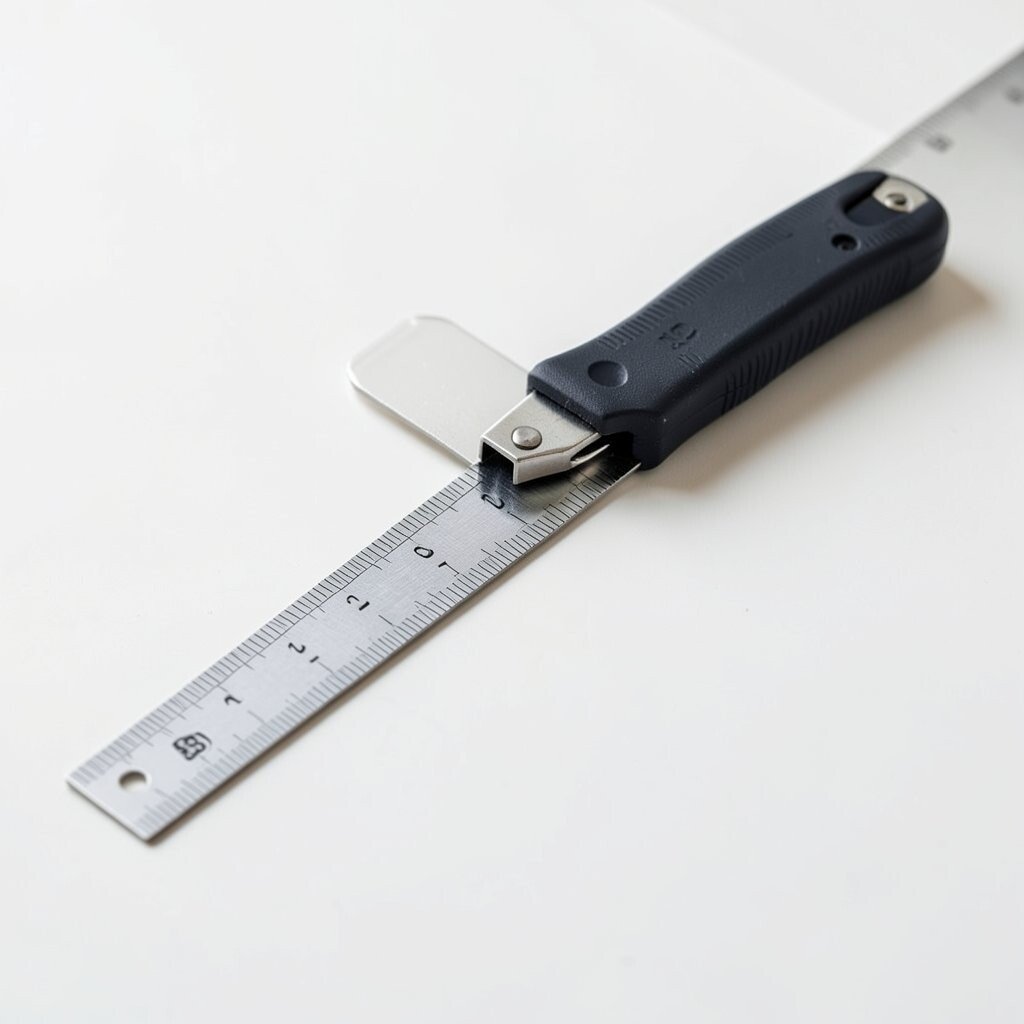
A ruler, metal guide, or straight board can help keep your line neat. It gives the blade a clear path and helps you avoid curves where you do not want them.
This is handy for boxes, craft work, and sheet goods. It can also help new users feel more sure of their cuts.
Metal straight edges are often a bit more costly than plastic ones, but they last longer. If you cut often, that extra cost can be worth it.
6. Cut Away From Your Body
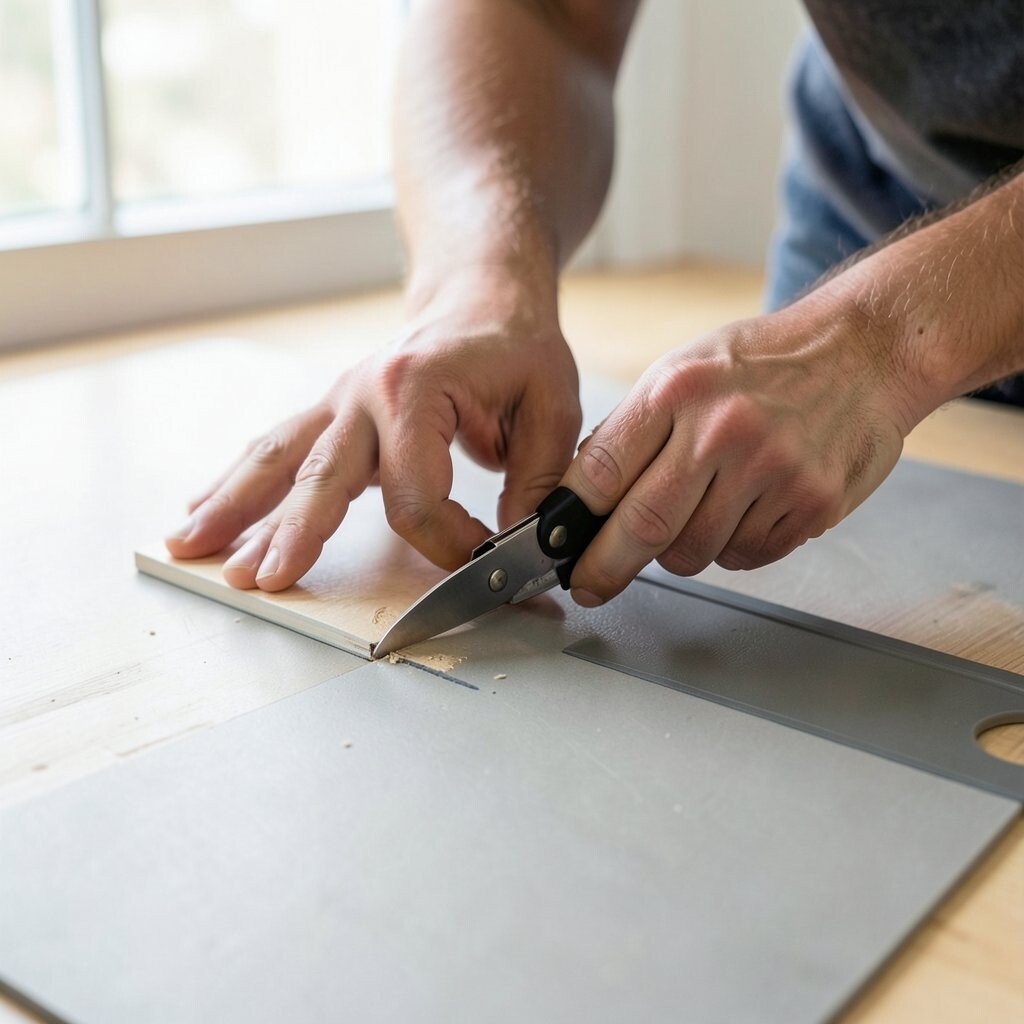
Cutting away from your body is one of the safest habits you can build. It helps keep your hands, arms, and clothes out of the blade path.
Place the material so the cut line points away from you when you can. If the piece is too small, stop and move it instead of forcing a risky angle.
This habit is simple, but it matters a lot. Many people now use small cutting mats or work tables to make this easier to do.
7. Use Light Pressure First
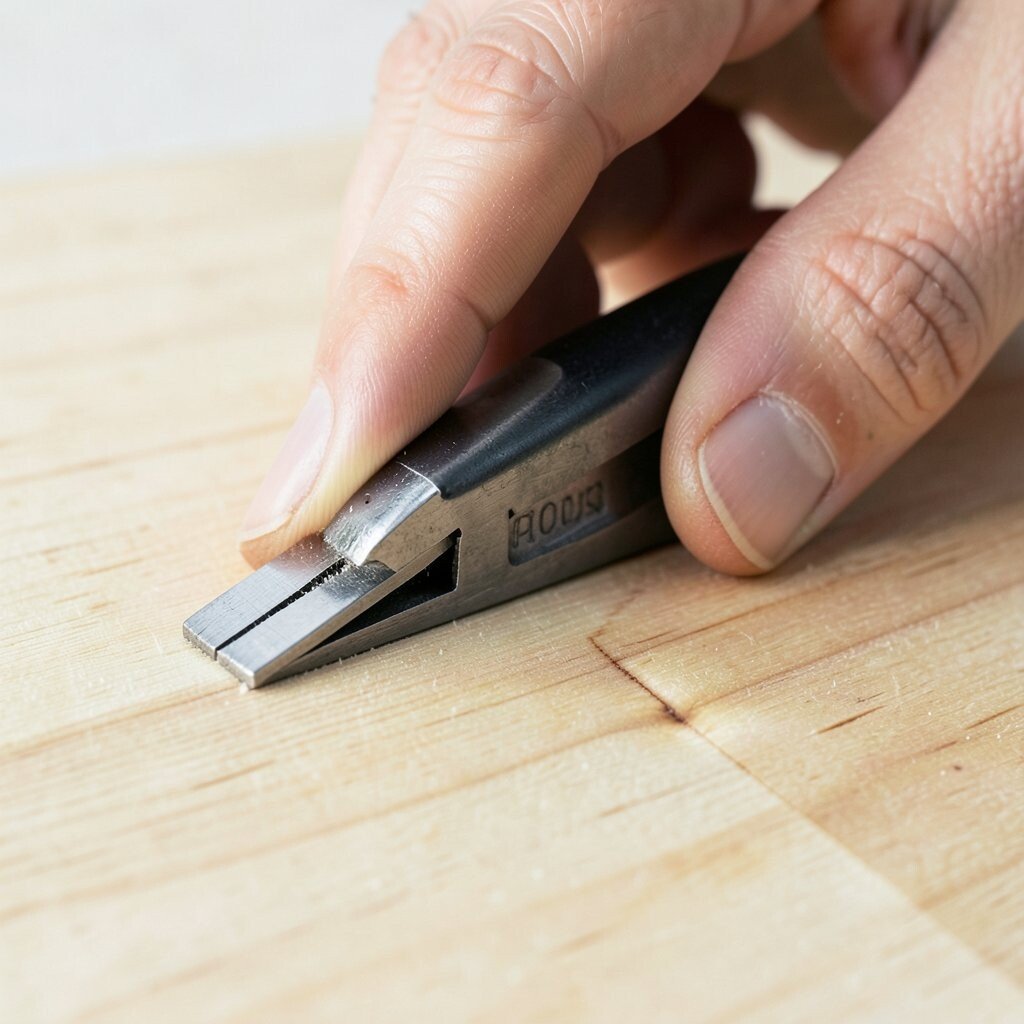
Heavy pressure can make the blade slip or dig too deep. Light pressure gives you more control and helps you stay on the line.
Start with a soft touch, then add more only if the material needs it. This is a good way to keep the cut clean and your hand steady.
Using less force can also make the blade last a little longer. That can help keep costs down over time, especially if you cut often.
8. Change Blades Before They Feel Bad
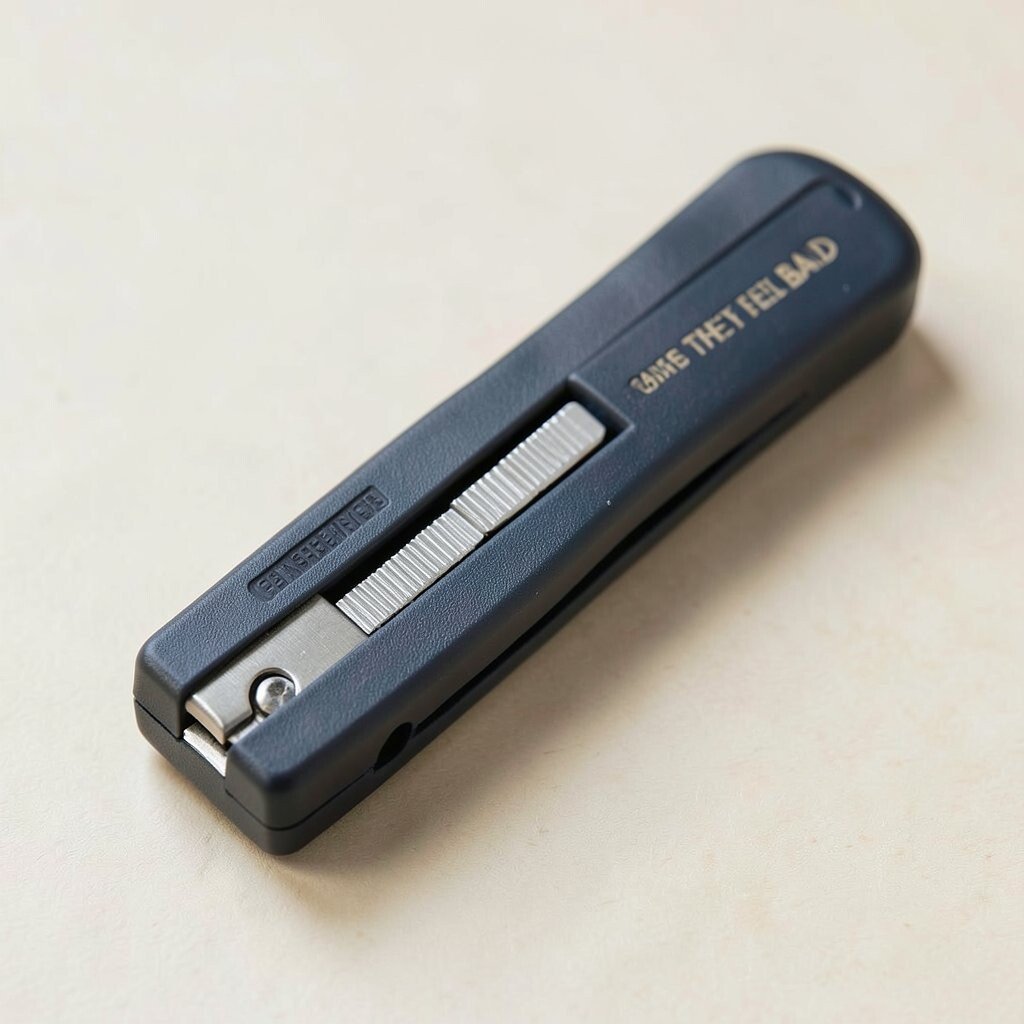
Do not wait until the blade is very dull. If it starts to snag or crush the edge, changing it early can save time and effort.
A fresh blade often feels smoother right away. It can make a big difference in how neat the cut looks.
Some cutters have easy blade change systems, which many users like. That trend has made daily cutting jobs faster and less annoying.
9. Pick a Handle That Fits Your Hand
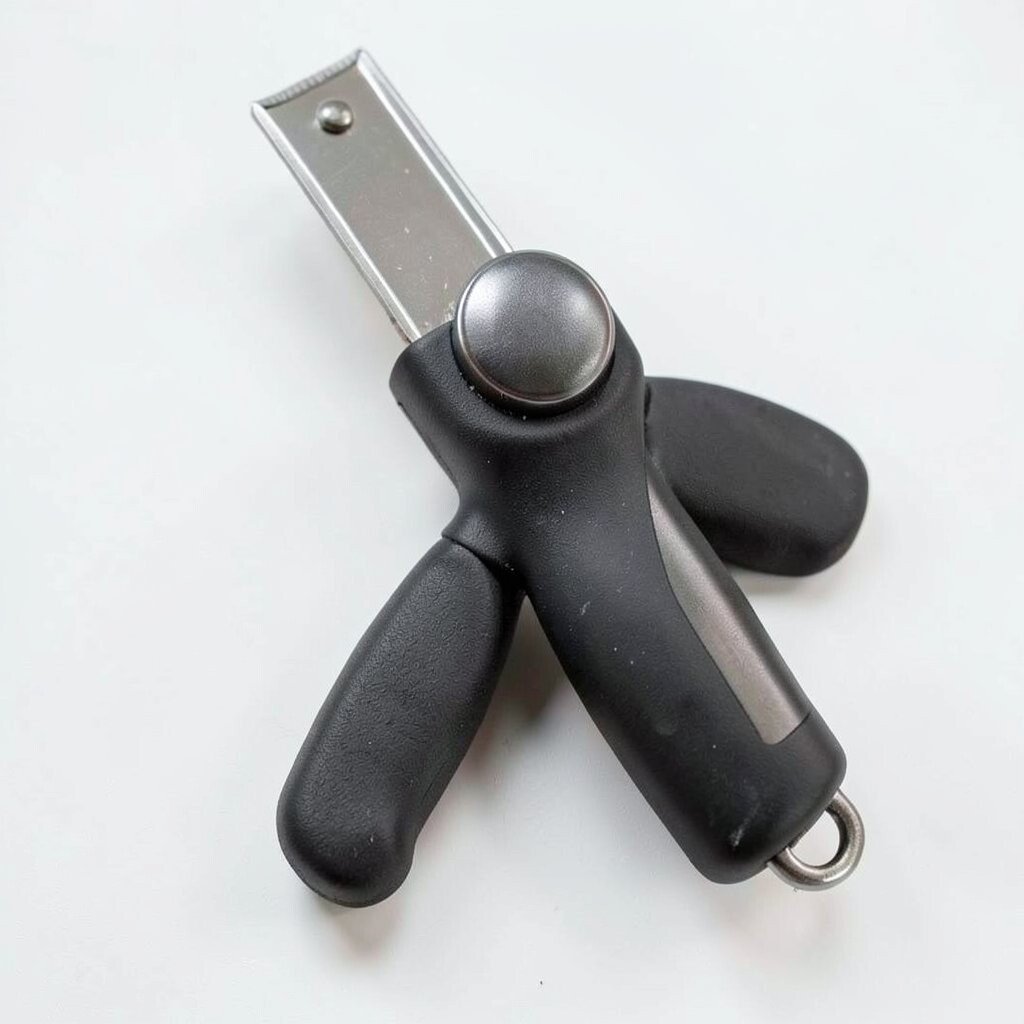
A box cutter should feel easy to hold, not slippery or awkward. A handle with a soft grip or a wider shape can help if you use the tool for a long time.
Try a few styles if you can. Some people like a slim body for small hands, while others want a larger grip for more control.
Personal comfort matters here more than many people think. A better fit can help you work longer with less hand pain.
10. Keep the Work Area Clear
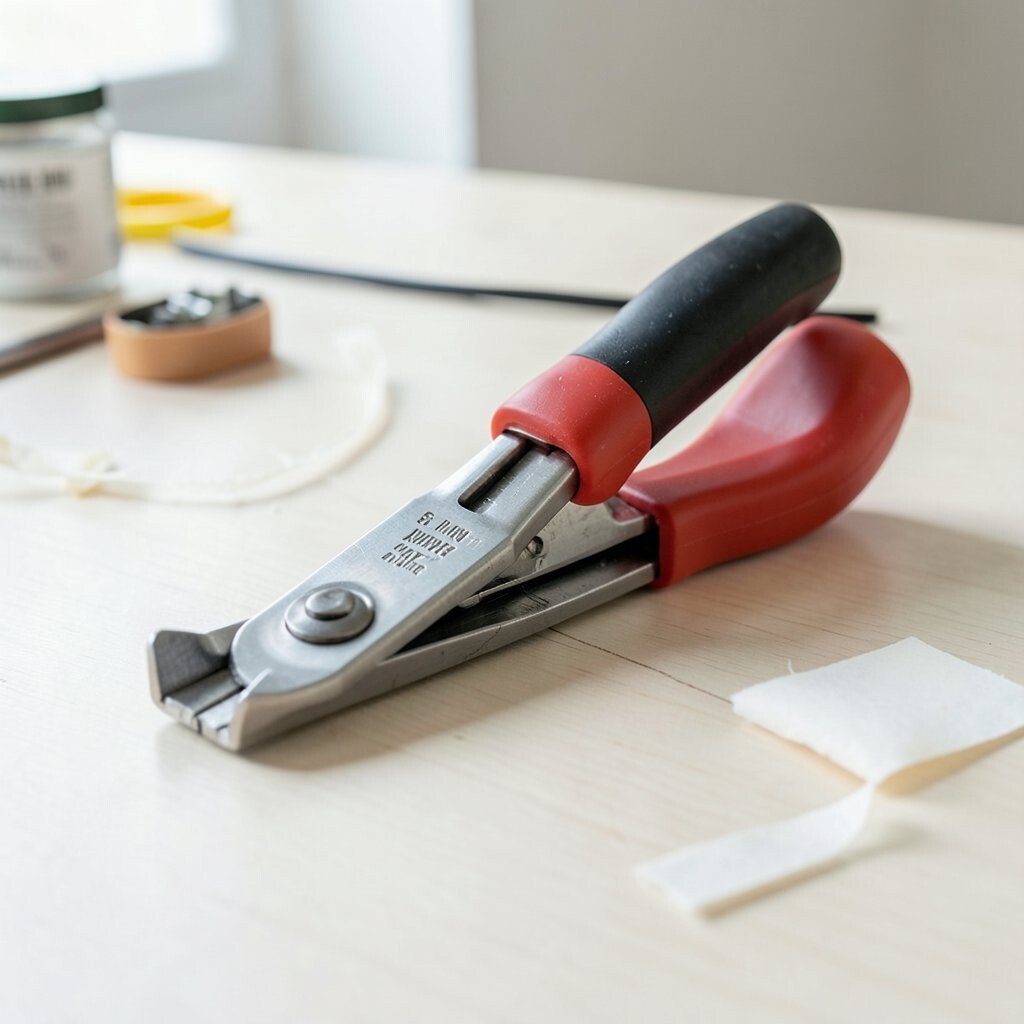
A clean work area helps you see the cut line and move the tool with care. Loose tape, scraps, and cords can get in the way and cause mistakes.
Before you cut, take a quick look at the space around you. A clear table or floor area makes the job feel simpler and safer.
This habit costs nothing, but it can save a lot of trouble. It is one of the easiest ways to make cutting tasks go well.
11. Use the Right Surface Under the Cut
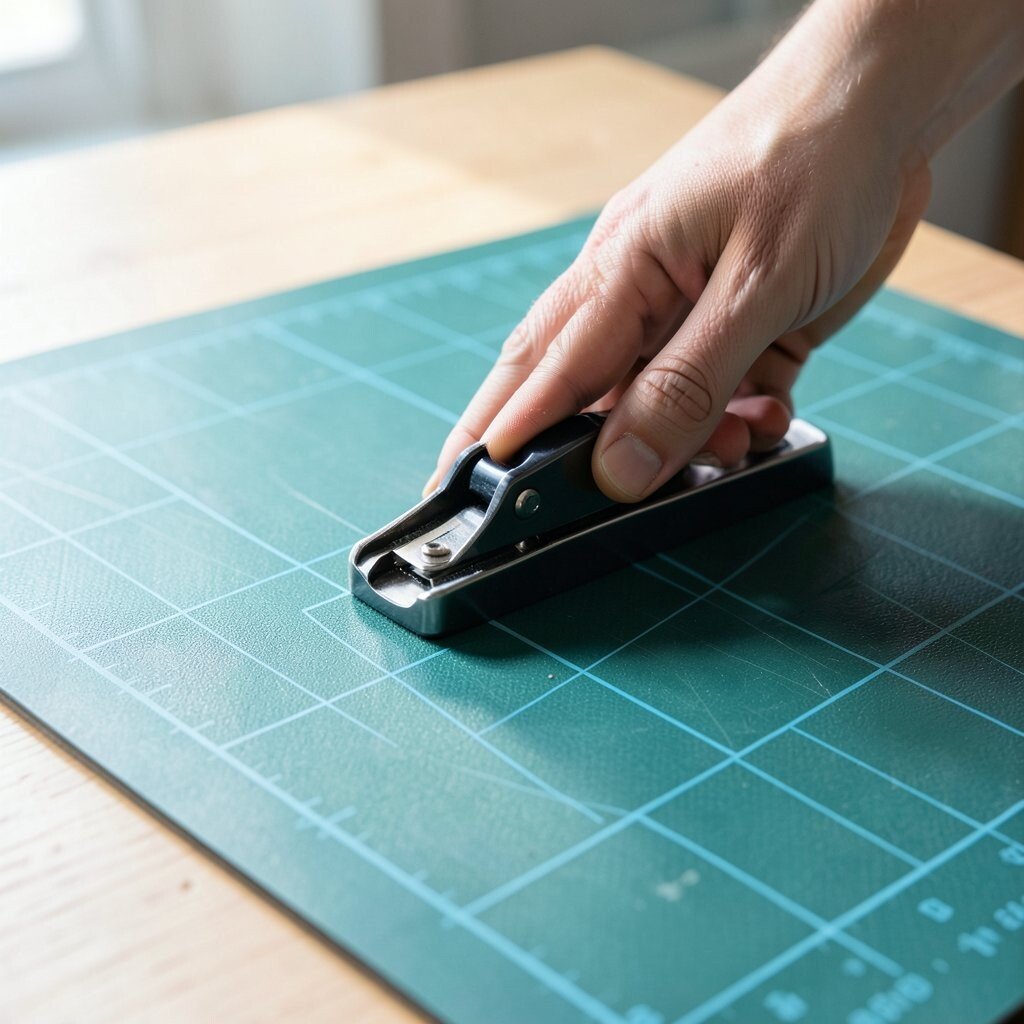
A cutting mat or scrap board can protect the table and help the blade move well. It also gives the cutter a more even base, which can help with cleaner lines.
Do not cut on soft surfaces that sink too much. That can make the blade wander and leave a rough edge.
Some people like self-healing mats because they look neat and last a long time. They cost more at first, but they can be a smart buy for regular use.
12. Mark Your Line Before You Start
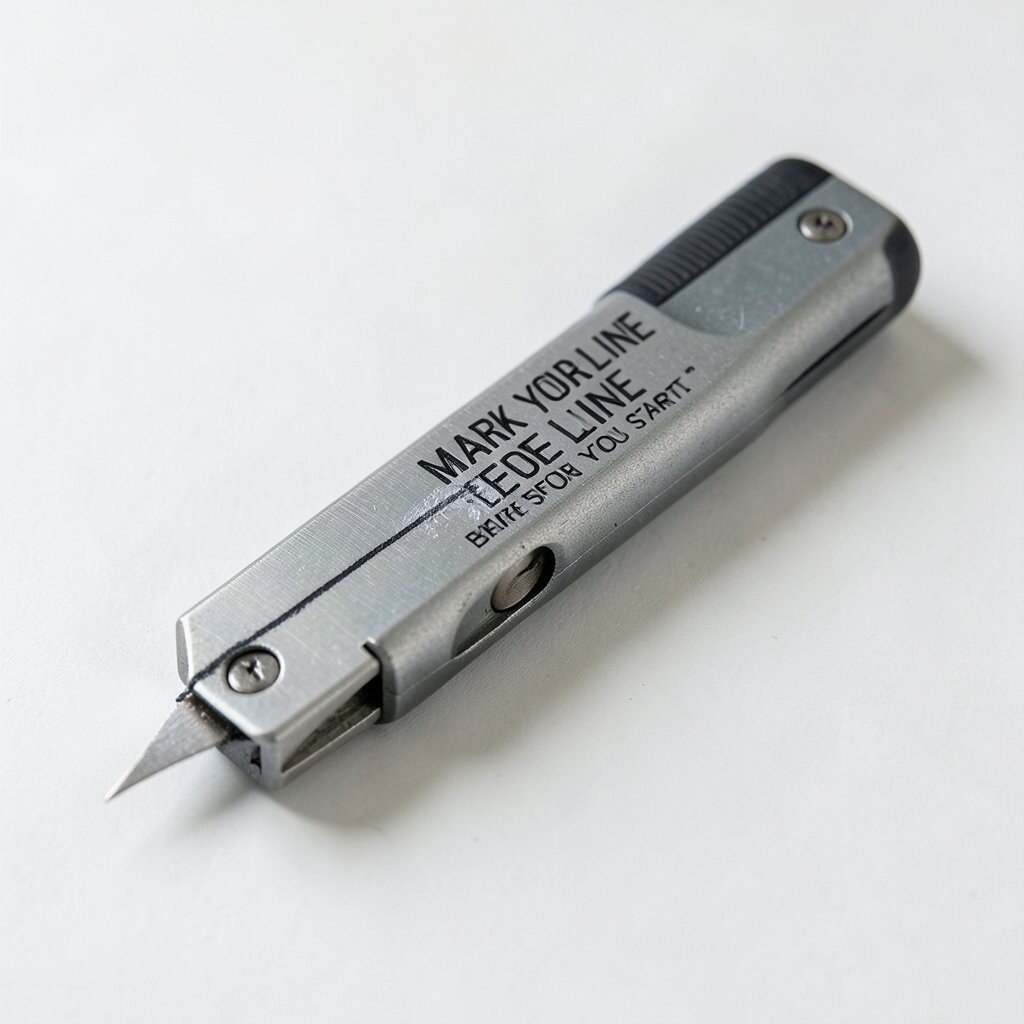
A clear mark can help you cut with more confidence. A pencil line, pen line, or light scratch line gives your blade a path to follow.
This is useful for both simple box work and more careful craft jobs. It can help you avoid guesswork and keep edges even.
Many people now use thin markers or washable pens for quick layout work. That small step can make the whole task feel more organized.
13. Keep Spare Blades and a Safe Case
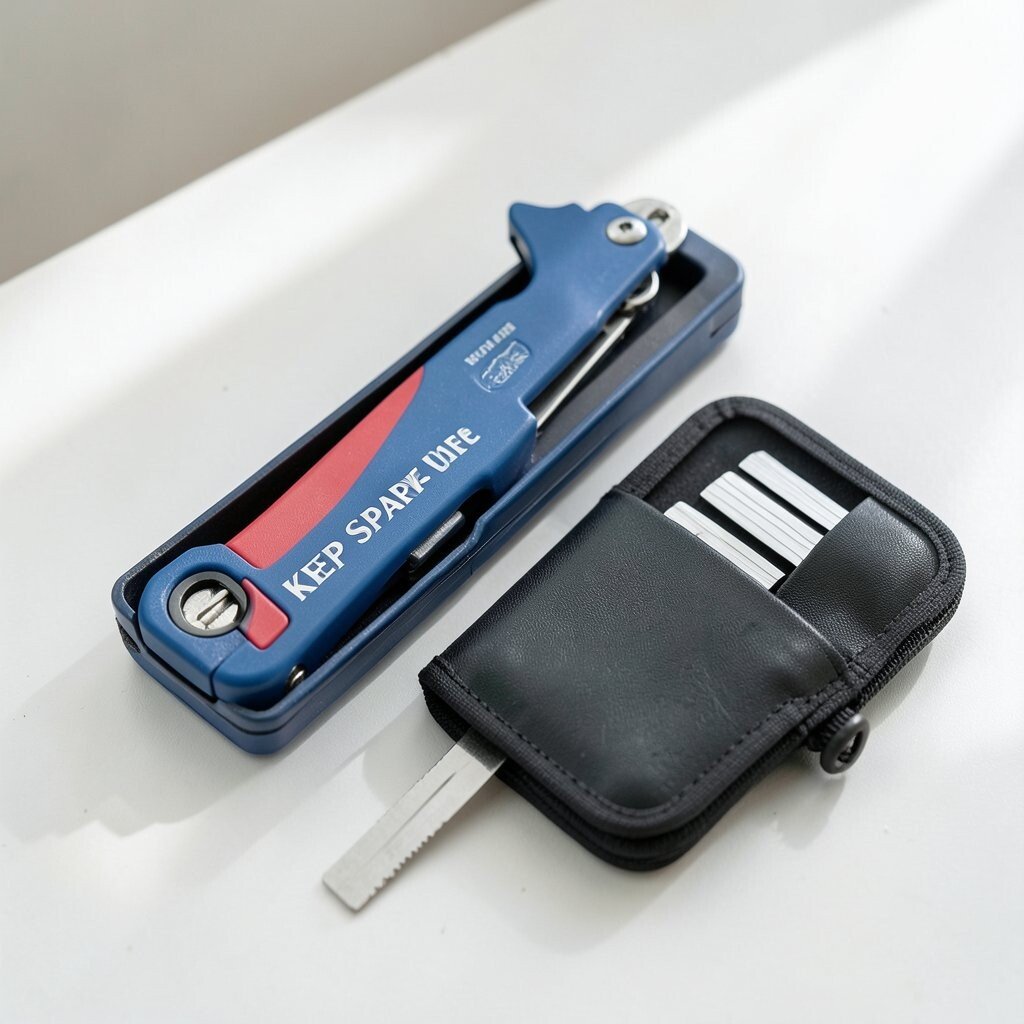
Spare blades are handy when the current one gets dull. A small case or blade box also helps keep sharp edges from getting lost in a drawer or bag.
It is a good idea to store them where kids and pets cannot reach them. Safe storage can help you stay ready without making a mess.
This is a low-cost habit that can save time later. It also helps you keep your tools in one place, which many people find easier.
14. Try a Retractable or Auto-Lock Style
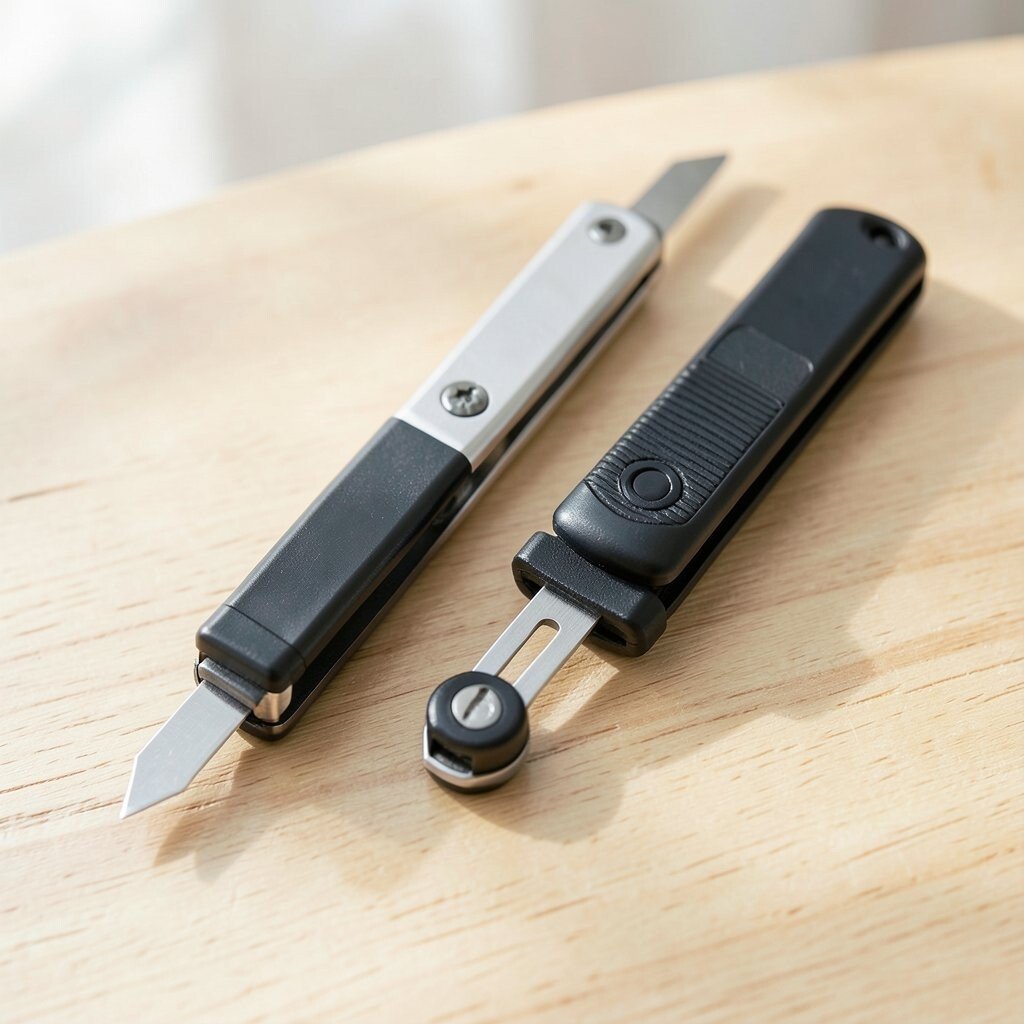
Some box cutters have blades that slide back in after use, while others lock in place during cutting. Both styles can help make the tool feel safer and easier to carry.
Pick the style that matches your work and comfort level. A retractable knife may be good for quick jobs, while a lock style may feel more steady for longer cuts.
These tool designs are a big part of current tool trends. Many users like them because they are simple, neat, and easy to store in a pocket or pouch.
15. Make a Simple Routine for Every Cut
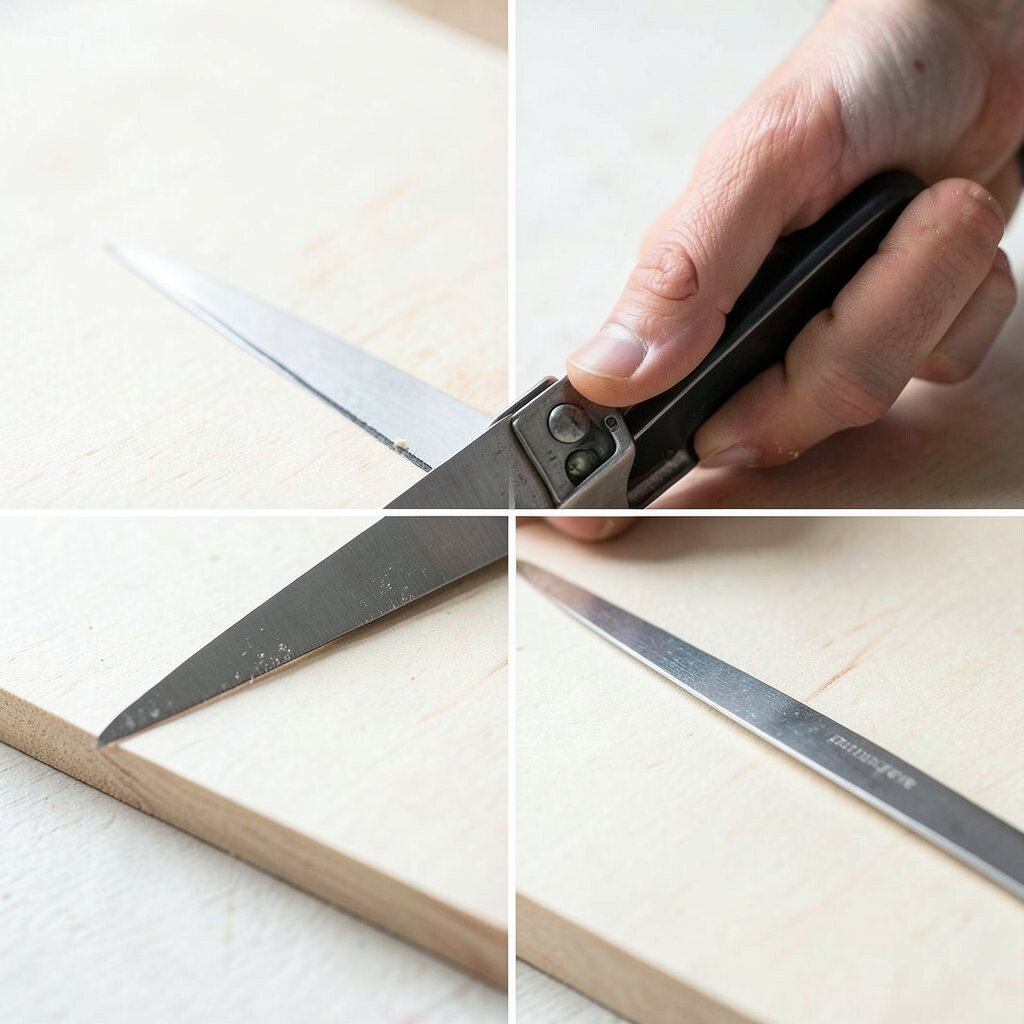
A short routine can help you cut with more care each time. Check the blade, clear the area, mark the line, and place the material before you begin.
When you repeat the same steps, the job often feels easier and more natural. It can also help you avoid small mistakes that waste time and material.
This is where personal style can come in too. Some people like a fast setup, while others like to pause and check each step, and both can work well if they stay safe.