Teaching aids can make class time easier to follow and more useful for students. Simple tools can help teachers show ideas in a clear way and give students more chances to join in.
1. Whiteboards
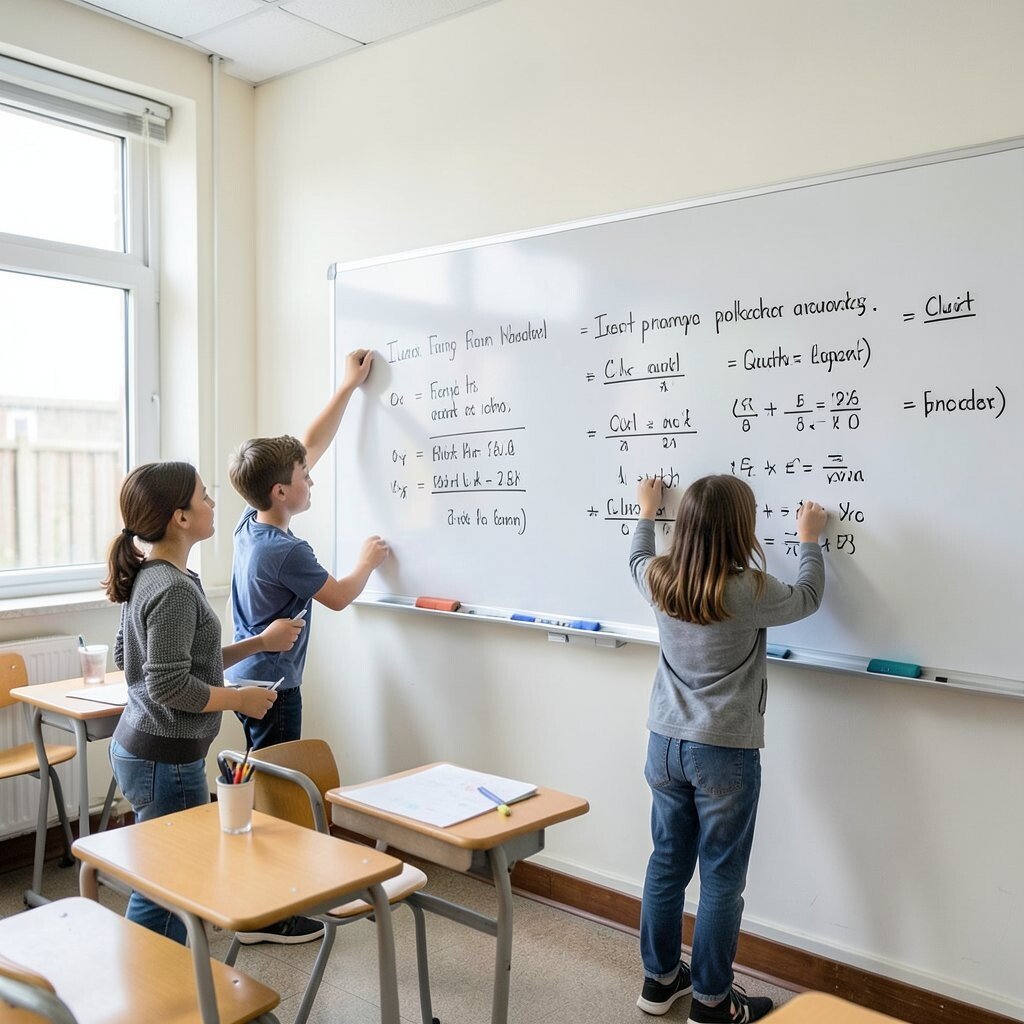
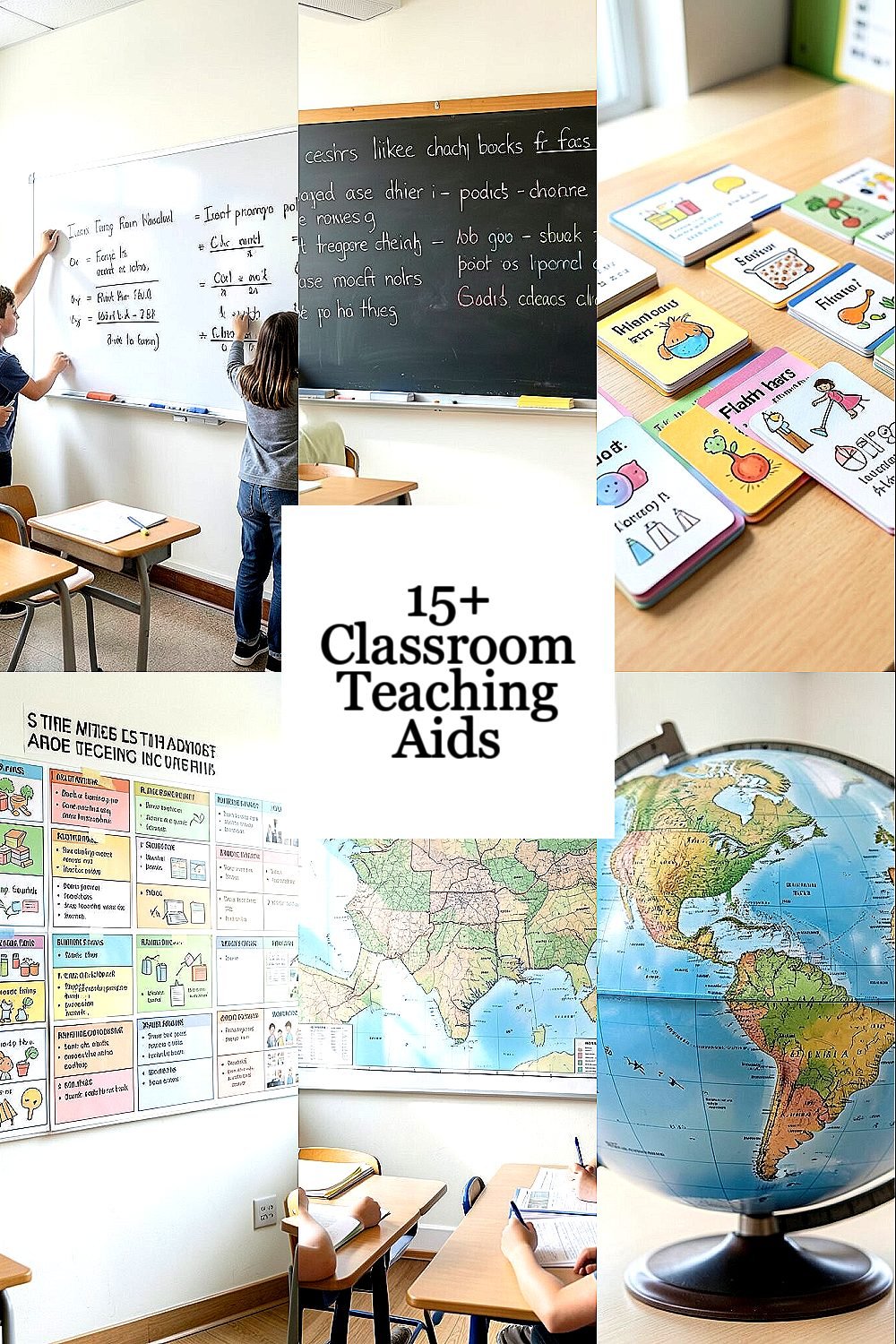
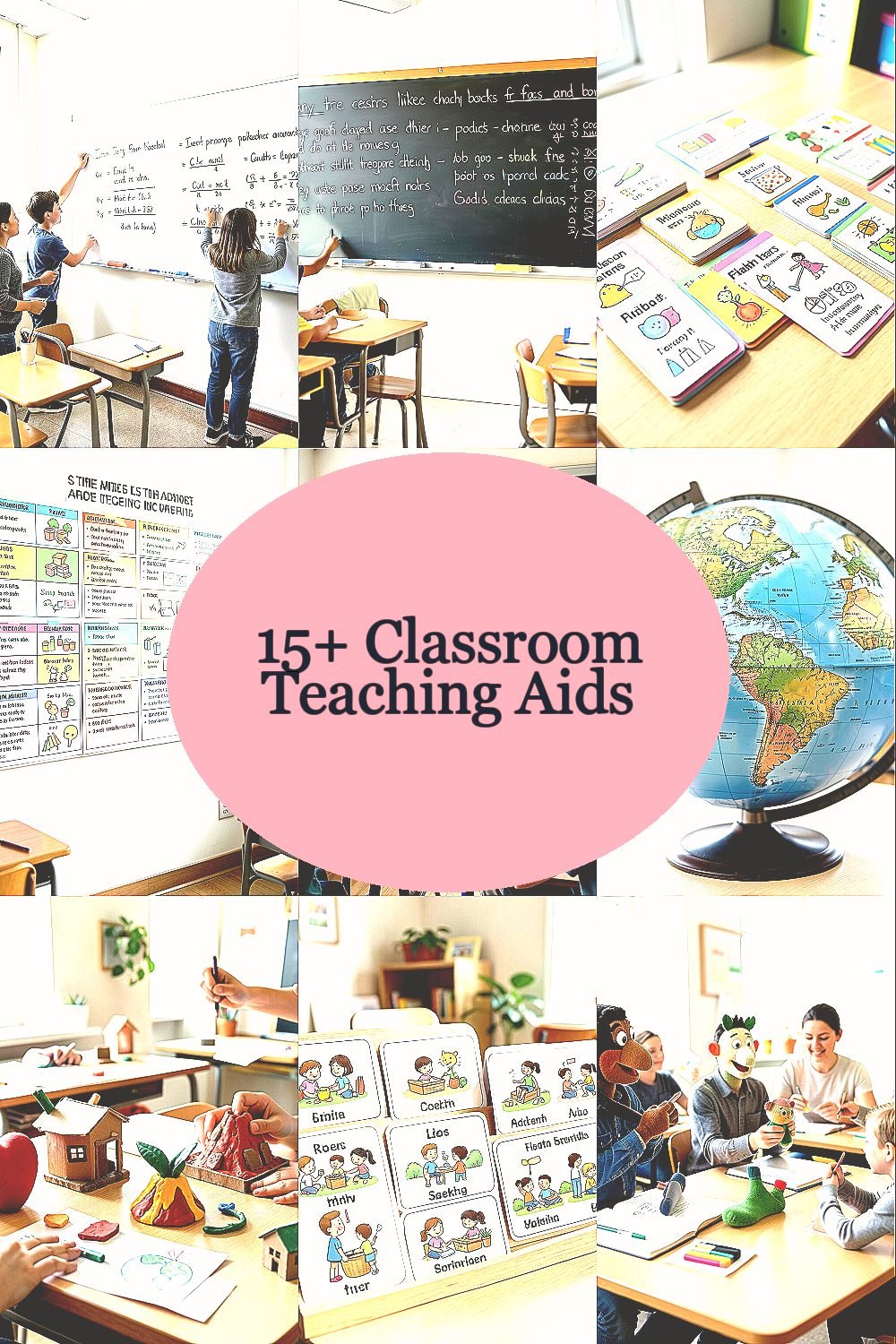
Whiteboards are one of the most common classroom teaching aids, and they are easy to use in almost any room. Their smooth white surface makes writing clear, and the bright look helps students focus on the lesson.
Teachers can use whiteboards for words, math steps, quick sketches, or class notes. Students can also come up to the board to solve problems, which gives them a chance to take part in a simple and low-cost way.
One good thing about whiteboards is that they are easy to clean and use again and again. They cost less than many other tools, so they are a smart choice for schools that need to save money.
2. Chalkboards

Chalkboards still have a place in many classrooms because they are simple and long lasting. The dark surface gives strong contrast, so chalk writing can stand out well for the whole class.
Many teachers like chalkboards for fast notes and drawings during lessons. They also give a steady, familiar feel that can help students stay calm and ready to learn.
Chalkboards are often cheaper than newer tools, and they do not need power or special care. Some teachers still prefer them because they can use different colors of chalk to make ideas easier to sort.
3. Flashcards
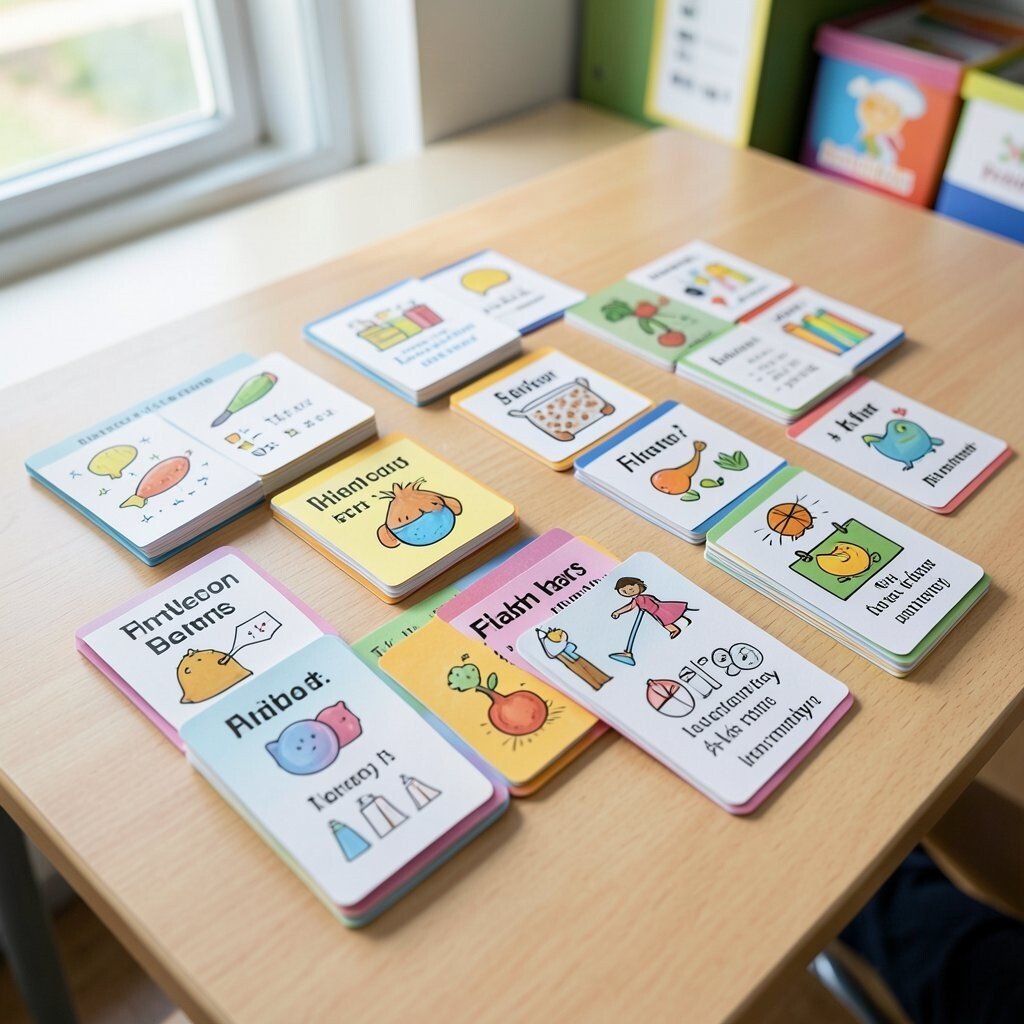
Flashcards are small cards with words, pictures, or facts on them. They are easy to hold, easy to carry, and simple to use in class or at home.
Teachers can use flashcards for spelling, math facts, science words, and language practice. Students often like them because they make review feel quick and active instead of long and tiring.
Flashcards can be made by hand with paper and markers, so they cost very little. They can also be made in many styles, such as bright colors, picture cards, or cards with a question on one side and an answer on the other.
4. Charts
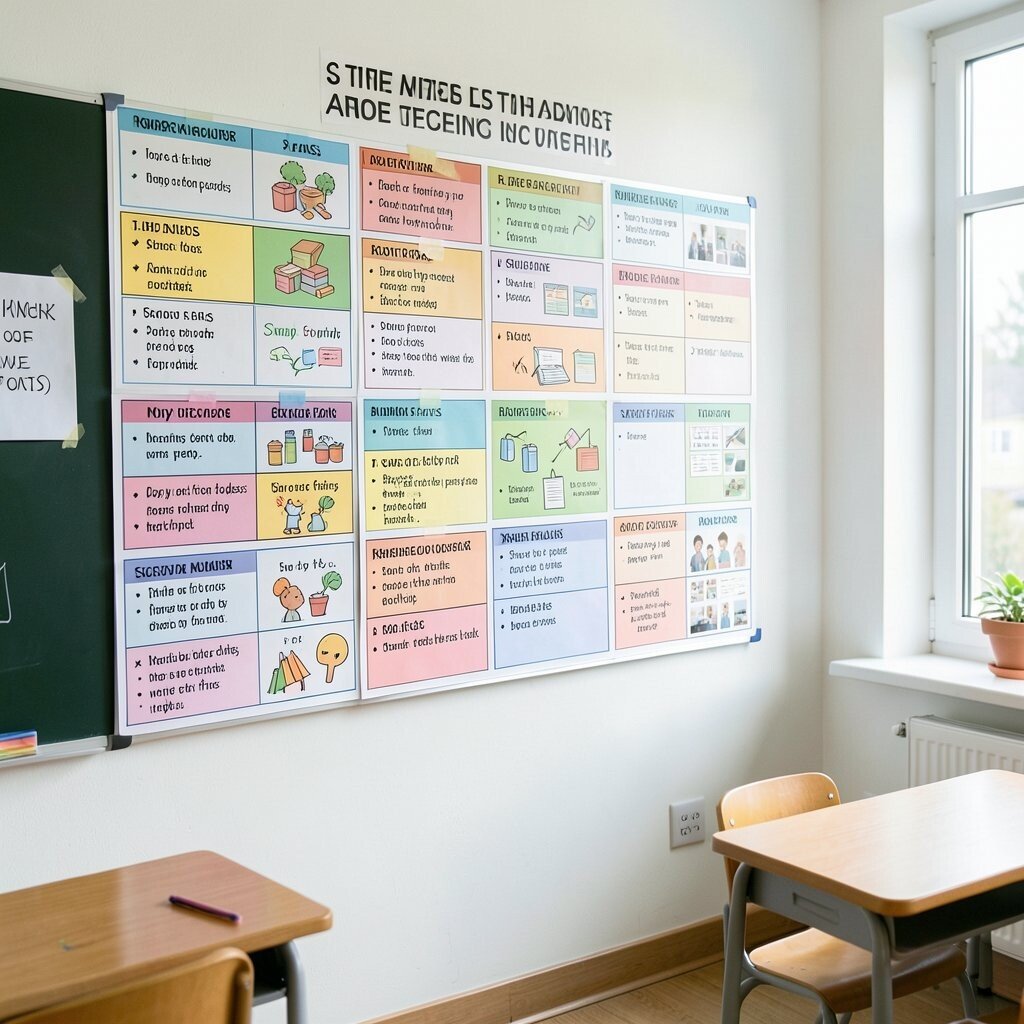
Charts help show information in a clear and neat way. A chart on the wall can give students a quick look at rules, steps, facts, or class plans.
They are useful because they turn big ideas into simple parts that are easier to follow. A chart can also stay up for days or weeks, so students can check it when they need help.
Teachers can make charts with paper, markers, tape, and printed images, which keeps the cost low. Many teachers now use bright colors and clean layouts so the chart is easy to read from across the room.
5. Maps

Maps are helpful teaching aids for social studies, geography, and even reading lessons. They give students a visual way to see places, paths, borders, and distance.
A map can help students learn where countries, states, rivers, and cities are located. It can also help them understand travel, weather, and how people live in different places.
Wall maps, desk maps, and digital maps all have uses in class. Some schools use large printed maps because they are easy to point to, while others use screen maps that can be zoomed in for more detail.
6. Globe
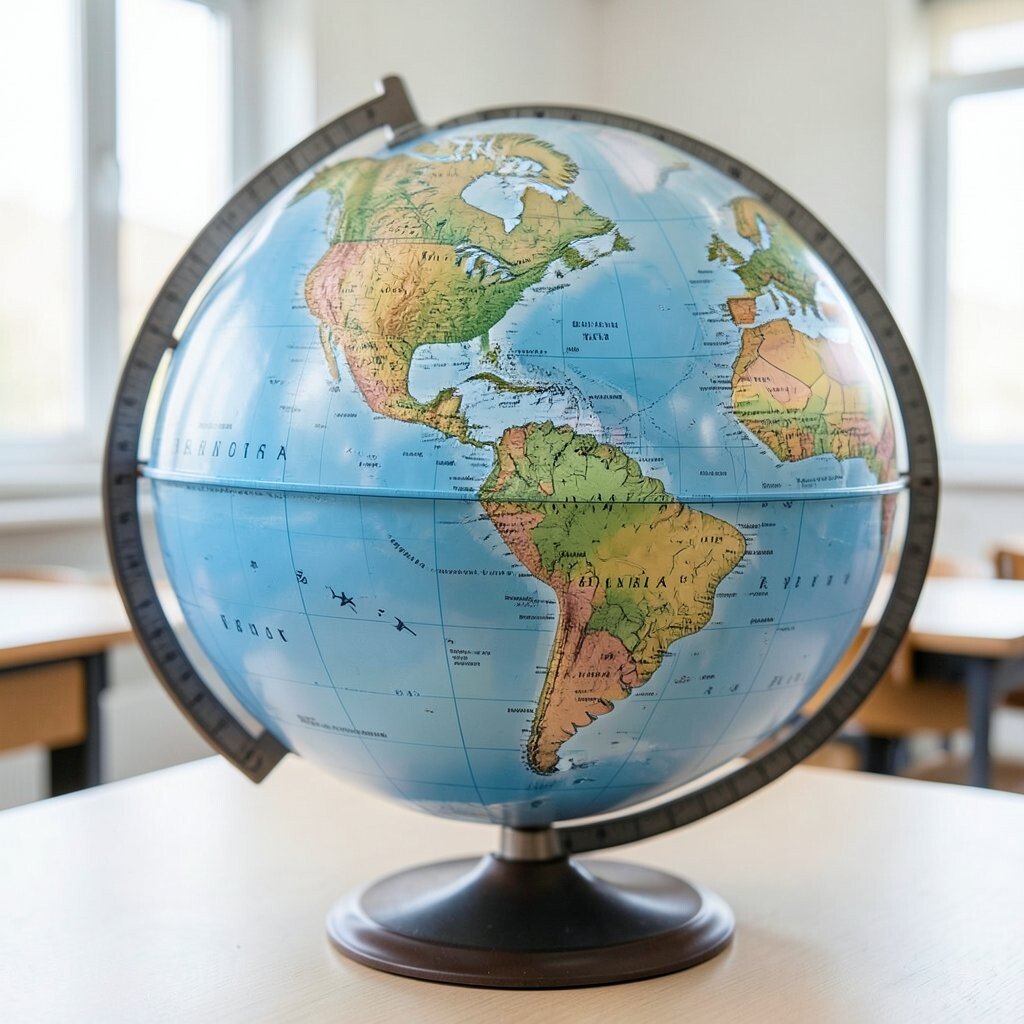
A globe is a round model of the Earth that gives students a better sense of shape and space. It looks different from a flat map, and that makes it useful for showing how the world really sits together.
Teachers can spin a globe to point out countries, oceans, and lines of latitude and longitude. Students often find it easier to understand world shape when they can touch and turn the model.
Globes come in many sizes and prices, from small desk models to large classroom ones. A plain globe is often enough for basic lessons, but some newer globes also have labels, lights, or extra facts printed on them.
7. Models
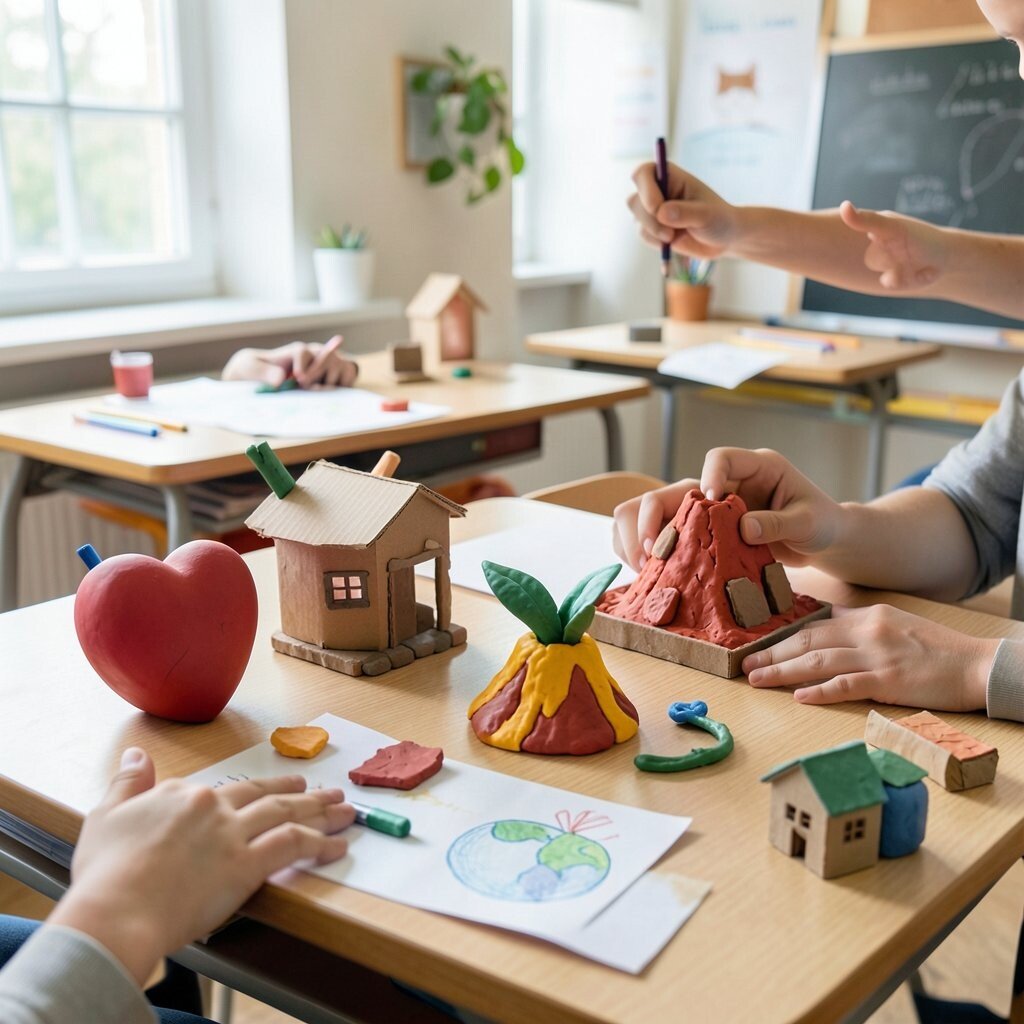
Models are small copies of real things, like a heart, a house, a volcano, or a plant. They help students see parts that are hard to notice in real life.
A model can make a lesson feel more real because students can look at shape, size, and parts from all sides. This is very useful in science, art, and design lessons where hands-on learning matters.
Some models are bought ready-made, while others are built from paper, clay, cardboard, or recycled items. Handmade models can be cheaper and can also fit the exact topic the teacher wants to teach.
8. Picture Cards
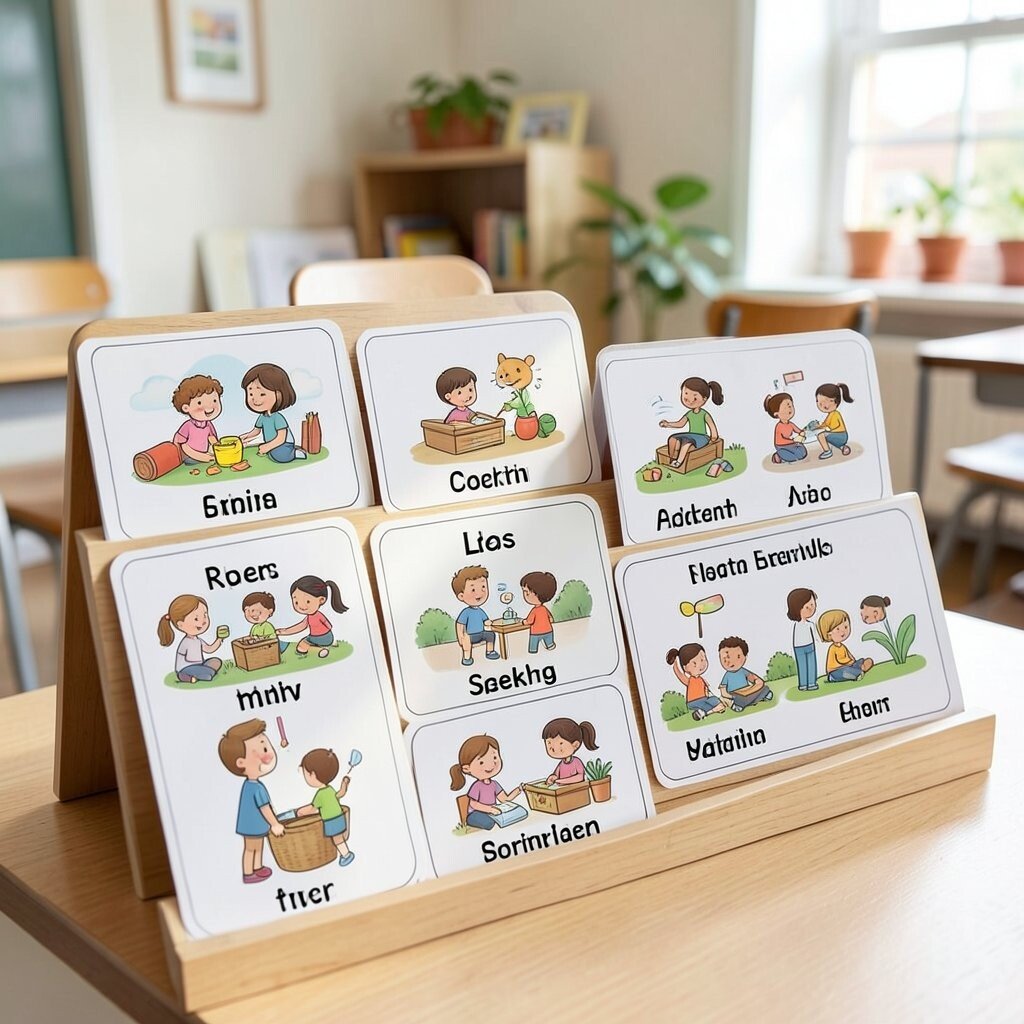
Picture cards use photos or drawings to show a word, object, action, or idea. They are easy for young learners and for students who need more visual help.
These cards can support reading, speaking, and memory because students can match the image with the word. They are also useful for class talks, sorting games, and simple review tasks.
Teachers can make picture cards with magazine cutouts, printed photos, or simple drawings. Many classrooms now use picture cards with clean, bright images because they are easy to see and easy to sort into groups.
9. Puppets

Puppets are fun teaching aids that can make class talk feel more open and less tense. A puppet can be a hand puppet, finger puppet, sock puppet, or paper puppet.
Teachers can use puppets to tell stories, ask questions, or act out short scenes. Students often pay close attention because the puppet feels different from a normal teacher talk.
Puppets are often low cost, and many can be made from simple home items. They also give teachers a good way to make lessons feel more personal, since the puppet can speak in a calm voice or ask shy students to answer.
10. Sticky Notes

Sticky notes are small paper squares with a light glue strip on the back. They are easy to move, easy to group, and easy to place on books, charts, and desks.
Teachers can use them for quick answers, exit tickets, reminders, or group sorting. Students can write one idea on each note, which helps them break a topic into small parts.
Sticky notes are cheap, simple, and very useful for active class work. Many teachers like bright colors because they help students sort ideas by topic, mood, or step in a task.
11. Timelines
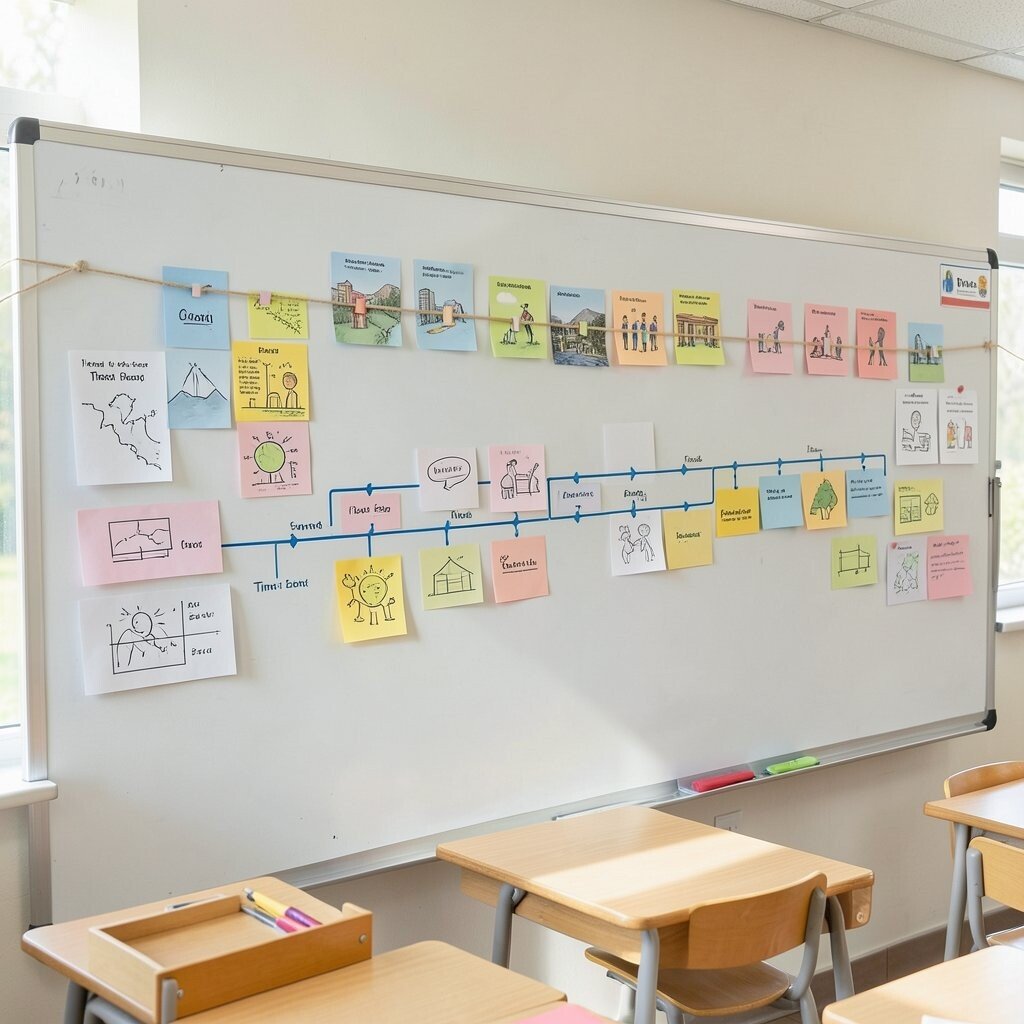
Timelines show events in order from past to present. They are a clear way to help students see time, change, and cause and effect.
A timeline can be used in history, reading, science, and even class planning. Students can see how one event leads to another, which can make hard ideas easier to follow.
Teachers can make timelines on paper, on the wall, or on a board with cards and string. They do not cost much, and they can be changed often to match a new lesson or new class topic.
12. Number Lines
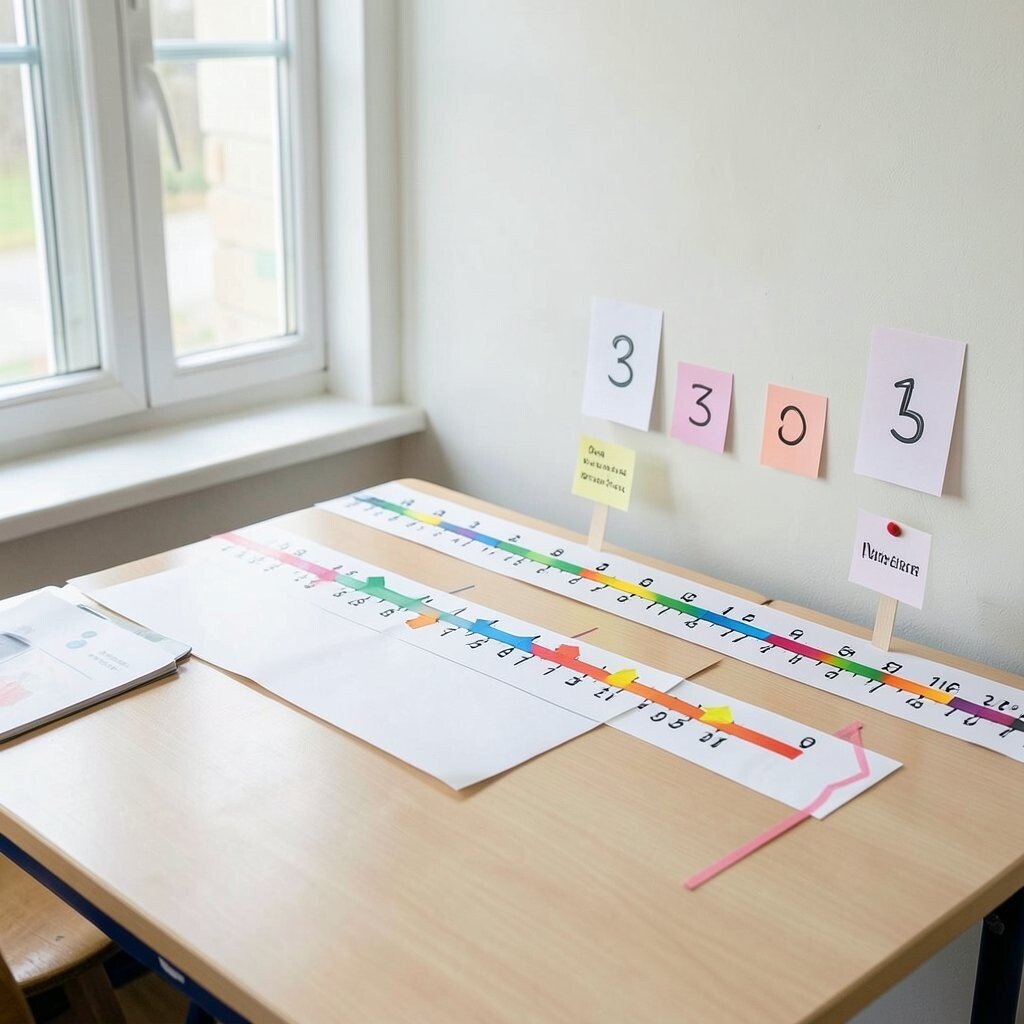
Number lines are simple teaching aids that help students see numbers in order. They are very useful for counting, adding, subtracting, and comparing amounts.
A number line can be drawn on paper, placed on a desk, or put on a wall for all to see. It gives students a visual path that makes math feel less hidden and more clear.
Teachers can use number lines with bright marks, arrows, or small cards to show jumps and steps. This tool is low cost and easy to make, so it is a good fit for many class levels.
13. Real Objects

Real objects, also called realia, are items from everyday life that teachers bring into class. These can be coins, leaves, cups, tools, fruit, cloth, or kitchen items.
Students often learn well when they can touch and look at real things. Real objects help make words and ideas feel more true because they connect class work to life outside school.
Teachers can use real objects in science, math, language, and life skills lessons. They are often free or very cheap, and they can be picked to match the local area, the season, or the lesson theme.
14. Projectors

Projectors show words, pictures, slides, and videos on a large screen or wall. They help the whole class see the same thing at the same time, which can save time and keep attention together.
A projector can be used for slide lessons, story reading, maps, charts, and short clips. It also helps teachers use bigger images and clearer text than they could write by hand alone.
Projectors cost more than paper tools, but many schools use them because they can be shared across rooms. A good projector can be paired with simple slide designs, which is a common trend in many classrooms now.
15. Tablets

Tablets are small screen devices that can hold apps, books, videos, and learning games. They are easy to carry and can be used by one student, a pair, or a small group.
Teachers can use tablets for reading practice, math drills, drawing, note taking, and quick quizzes. Students often like them because they can tap, swipe, and move through tasks in a hands-on way.
Tablets can cost a lot, so many schools use them in shared sets instead of giving one to every student. A useful tip is to set clear rules for use, since tablets work best when students know when to use them and when to put them away.
16. Interactive Boards

Interactive boards are large screens that let teachers and students touch, write, drag, and move items on the display. They look modern and bright, and they can make lessons feel more active.
These boards are useful for group work, drawing, sorting, matching, and showing web pages or slides. Students can come to the front and take part, which can help them stay focused and feel included.
Interactive boards are usually costly, so schools often use them in main rooms or shared spaces. A good tip is to keep lessons simple and clear, since the board works best when the teacher uses it for one task at a time and gives students a chance to try it too.