Classroom art can give students a calm place to make, try, and share ideas. Simple art tasks can help kids build focus, use their hands, and feel proud of their work.
1. Paper Collage Walls
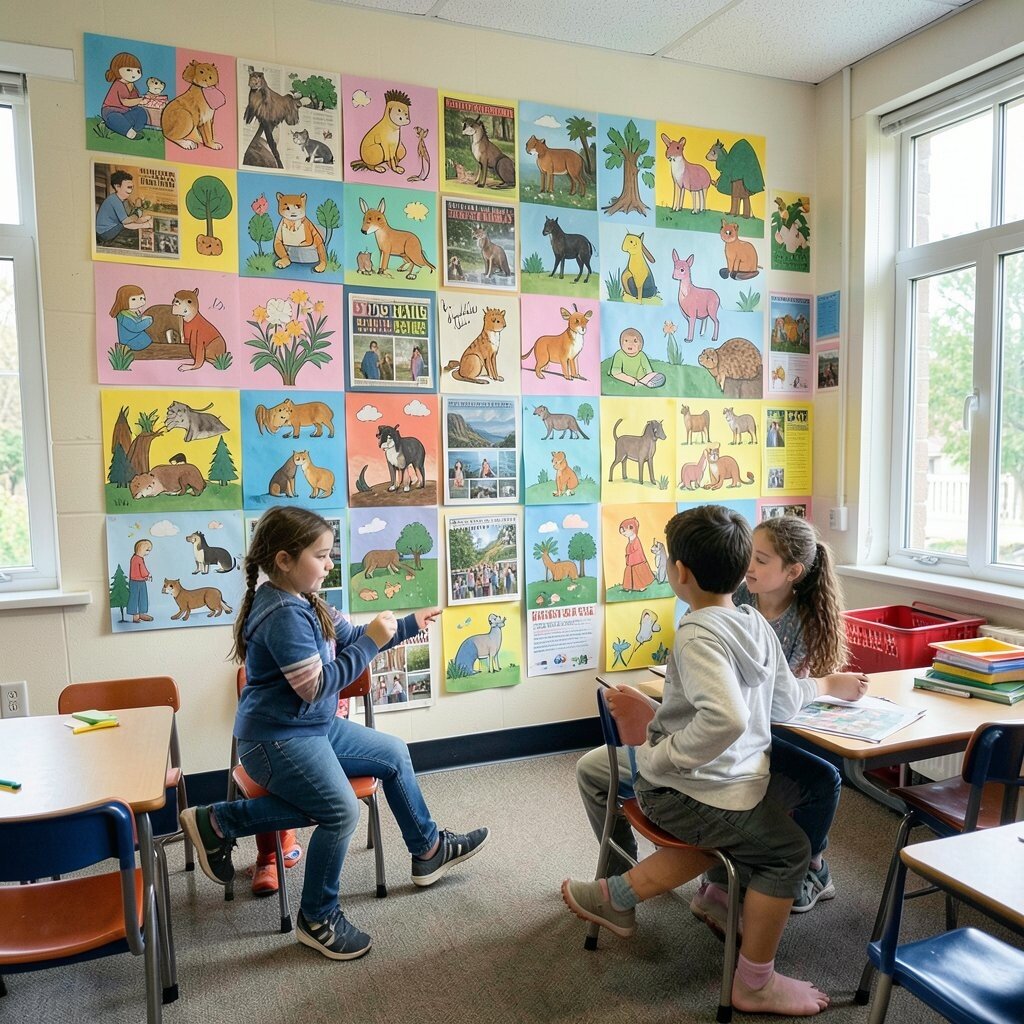
Paper collage walls are easy to set up and fun for many age groups. Students can cut shapes from old magazines, colored paper, and scrap sheets, then glue them into large class art pieces.
This idea works well because the supplies are low cost and simple to find. It also helps kids practice color choice, shape use, and hand control while making a bright wall display.
You can make the project fit any theme, like seasons, animals, or school goals. Some classes use one shared wall, while others let each child make a small square that joins the group piece.
2. Painted Rock Stories
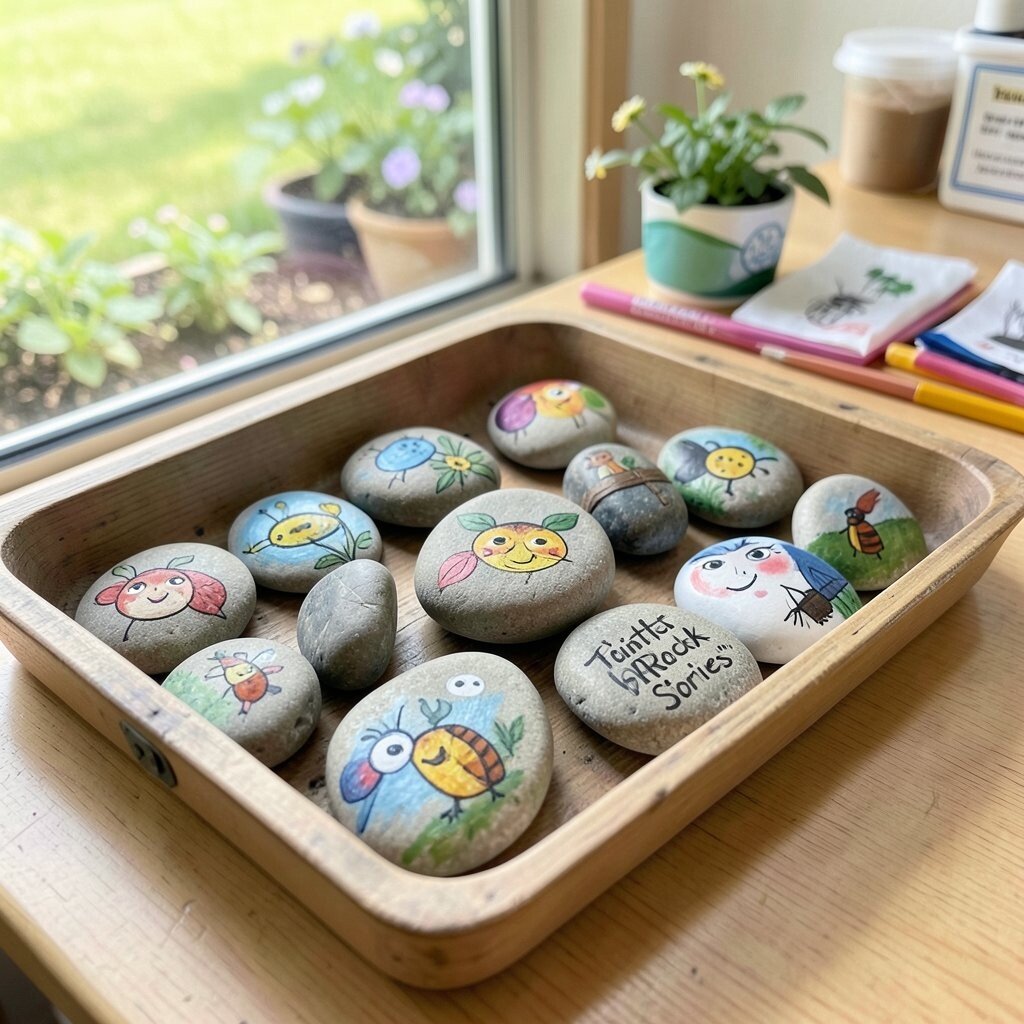
Painted rocks give students a small surface to make art with care. Kids can paint faces, bugs, signs, or tiny scenes, then place the rocks in a tray, garden, or shelf.
This kind of art feels special because each rock is one of a kind. It can help students slow down, plan small details, and use simple tools like thin brushes or markers.
The cost stays low if you use rocks from outside and basic paint from the class supply bin. A good tip is to seal the rocks with a clear coat so they last longer and keep their color.
3. Recycled Art Robots

Recycled art robots are a strong choice for a class that likes building and drawing. Students can use boxes, tubes, bottle caps, and foil to make funny or cool robot shapes.
This project gives old items a new use, which makes it both cheap and useful. It also helps kids think about form, balance, and how different parts fit together.
Teachers can ask students to name their robot and add a short backstory. That small step makes the work more personal and can help with writing, speaking, and sharing in class.
4. Nature Print Art
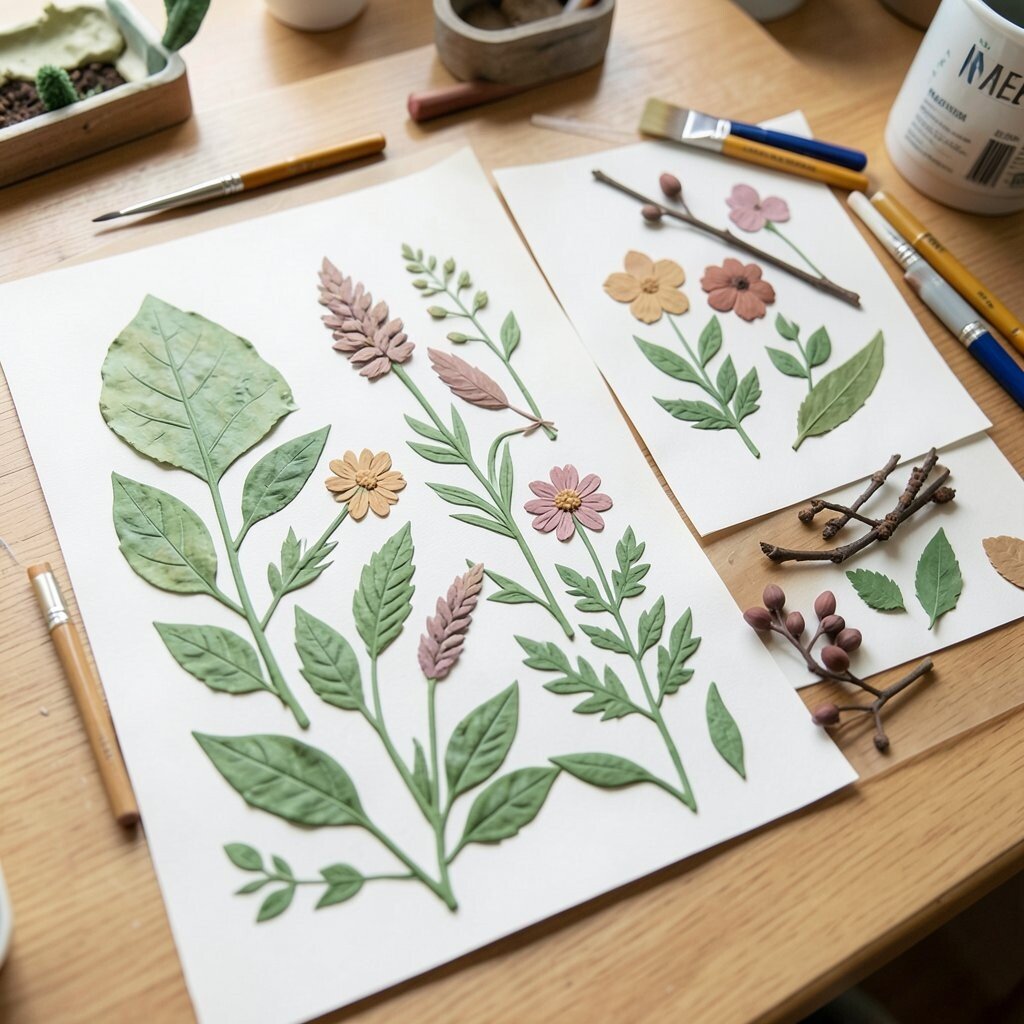
Nature print art uses leaves, flowers, twigs, and other safe items from outside. Students can press them into paint or clay and make soft patterns on paper or cards.
The look is simple but nice, with lines and shapes that feel real and fresh. This idea can help kids notice small details in nature and use them in their own work.
It is a good low-cost project because many parts can come from the yard or school grounds. You can also fit it to current trends by making earthy art in calm colors or by using it in Earth Day lessons.
5. Yarn Line Pictures
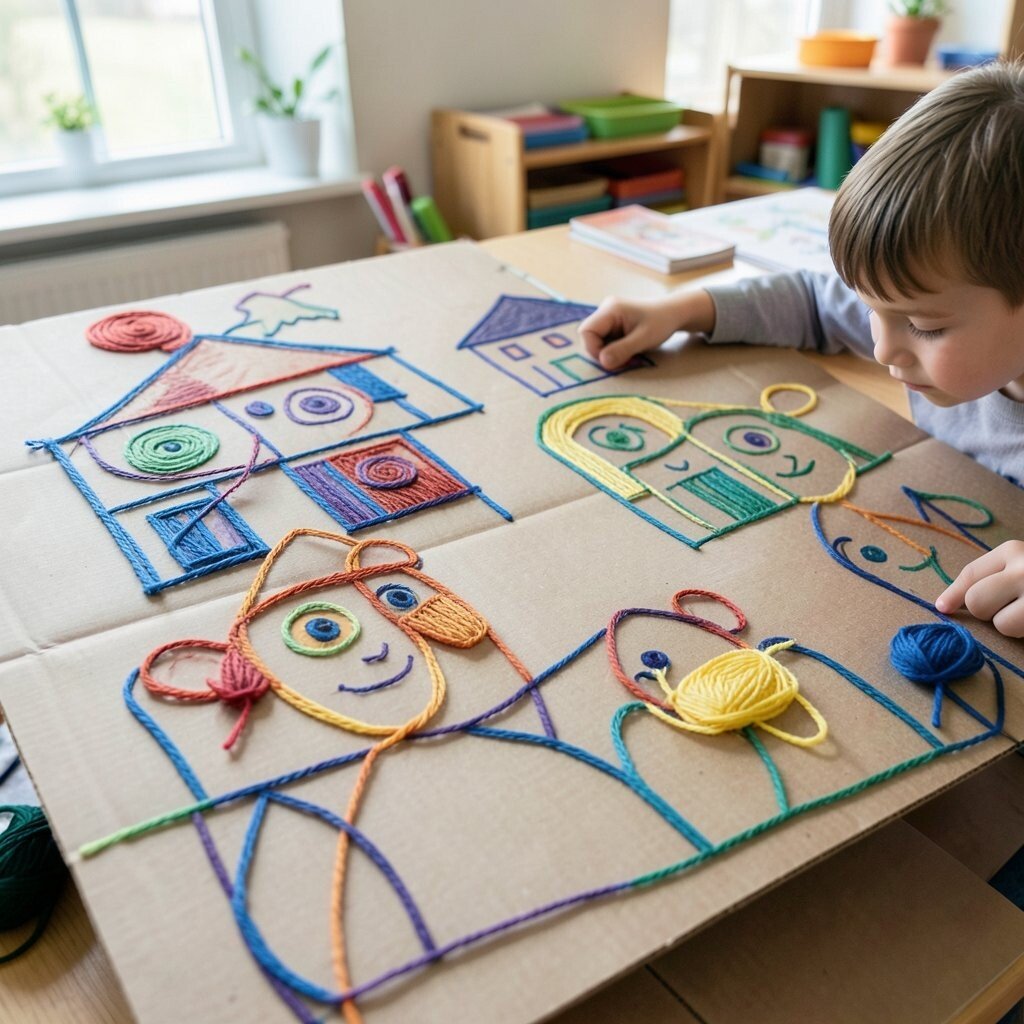
Yarn line pictures use string or yarn to make bold shapes and clean lines. Students can glue yarn onto cardboard to form houses, faces, animals, or abstract designs.
This art style stands out because it has a raised look that kids can feel with their fingers. It can help with fine motor skills, planning, and seeing how lines can make a full picture.
Try using yarn scraps from sewing kits, old sweaters, or craft bins to keep the cost down. Students can also choose their own colors, which makes each piece feel more personal and fun.
6. Window Sun Catchers
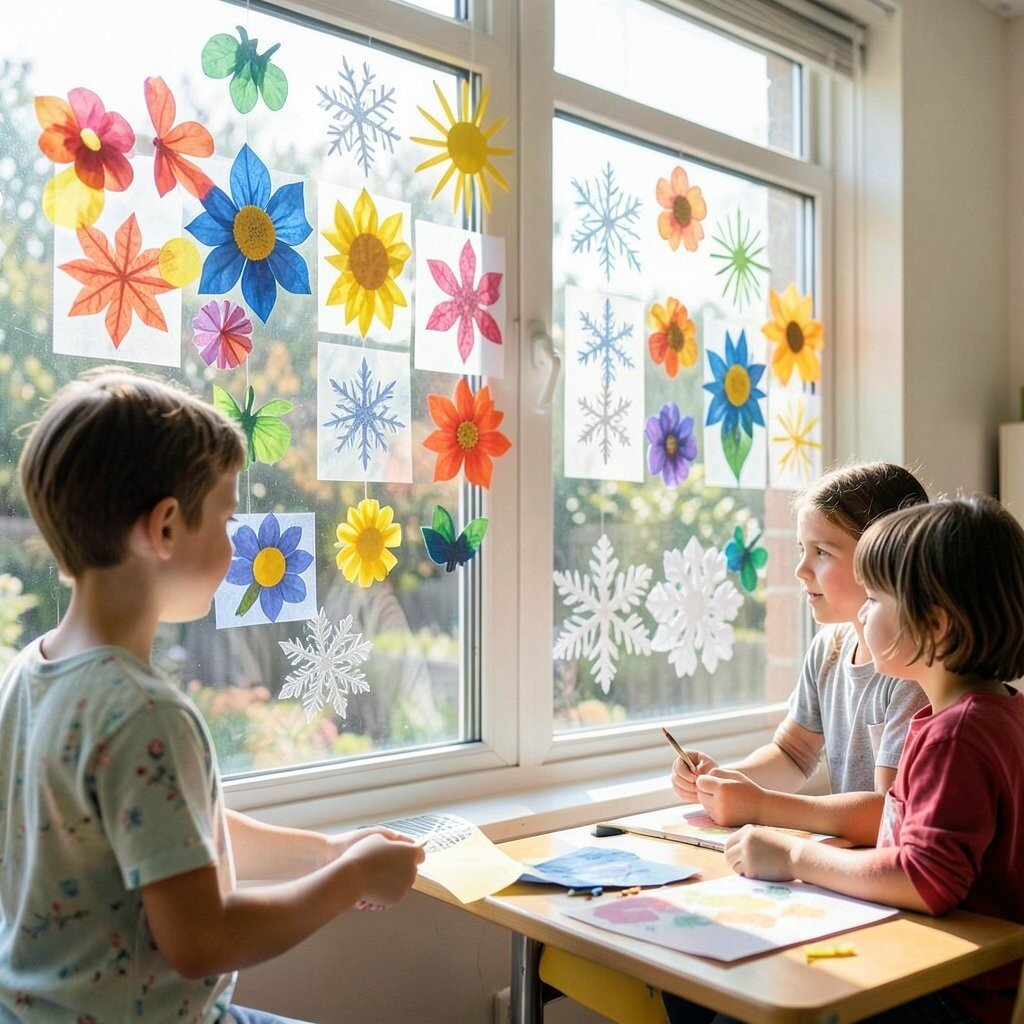
Window sun catchers can brighten a room with color and light. Students can make them with tissue paper, clear contact paper, and simple cut shapes, then hang them near a window.
The best part is how the light changes the art during the day. Kids enjoy seeing their work shine, and that can help them stay interested in the project.
This idea fits well with seasonal themes, like flowers in spring or snowflakes in winter. It is also a good choice for teachers who want art that looks neat and does not cost much.
7. Chalkboard Art Corners
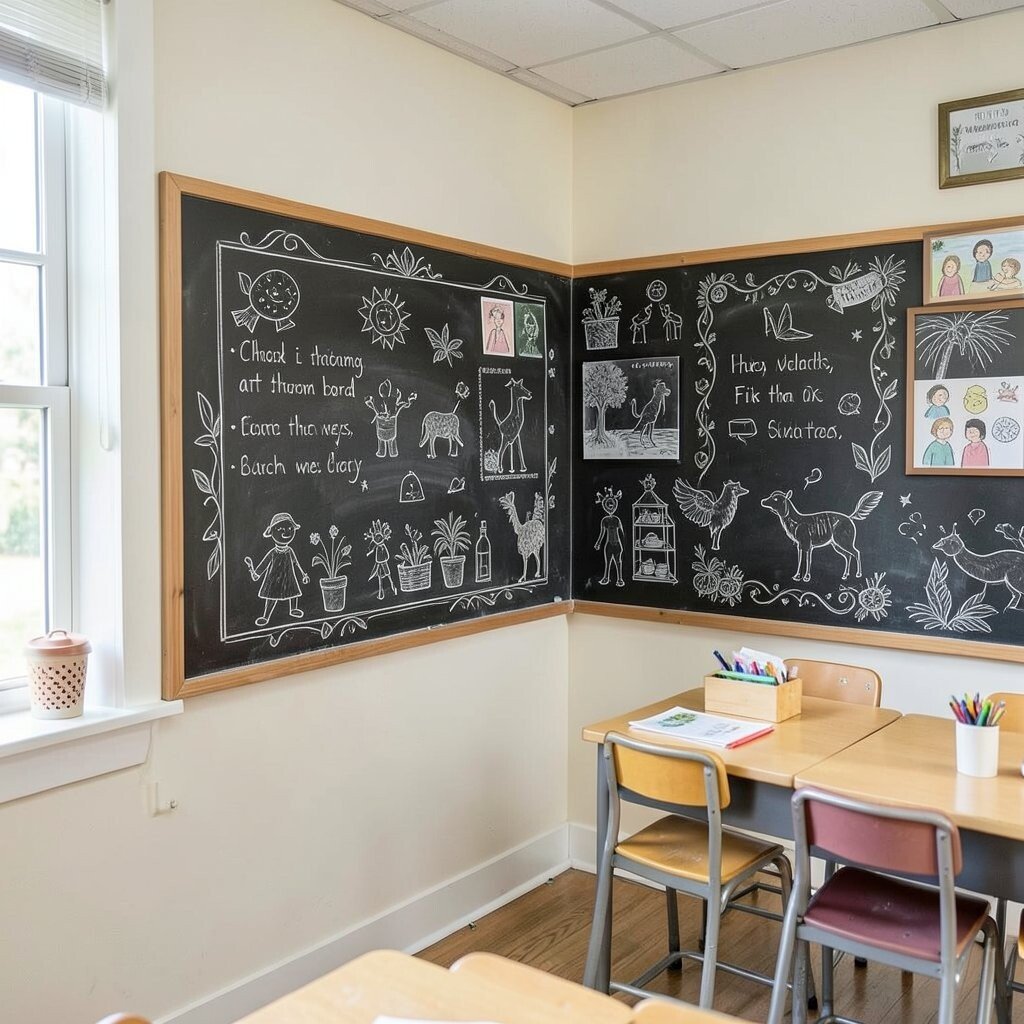
Chalkboard art corners give students a place to draw, write, and try quick ideas. A small board or wall space can hold changing art that matches class topics or student interests.
Chalk is low cost and easy to clean, which makes this a smart classroom choice. It also lets kids make mistakes, fix them fast, and keep going without worry.
You can use this space for doodles, word art, borders, or group drawings. Some teachers let students change the board each week so the room always feels fresh and active.
8. Self-Portrait Stations
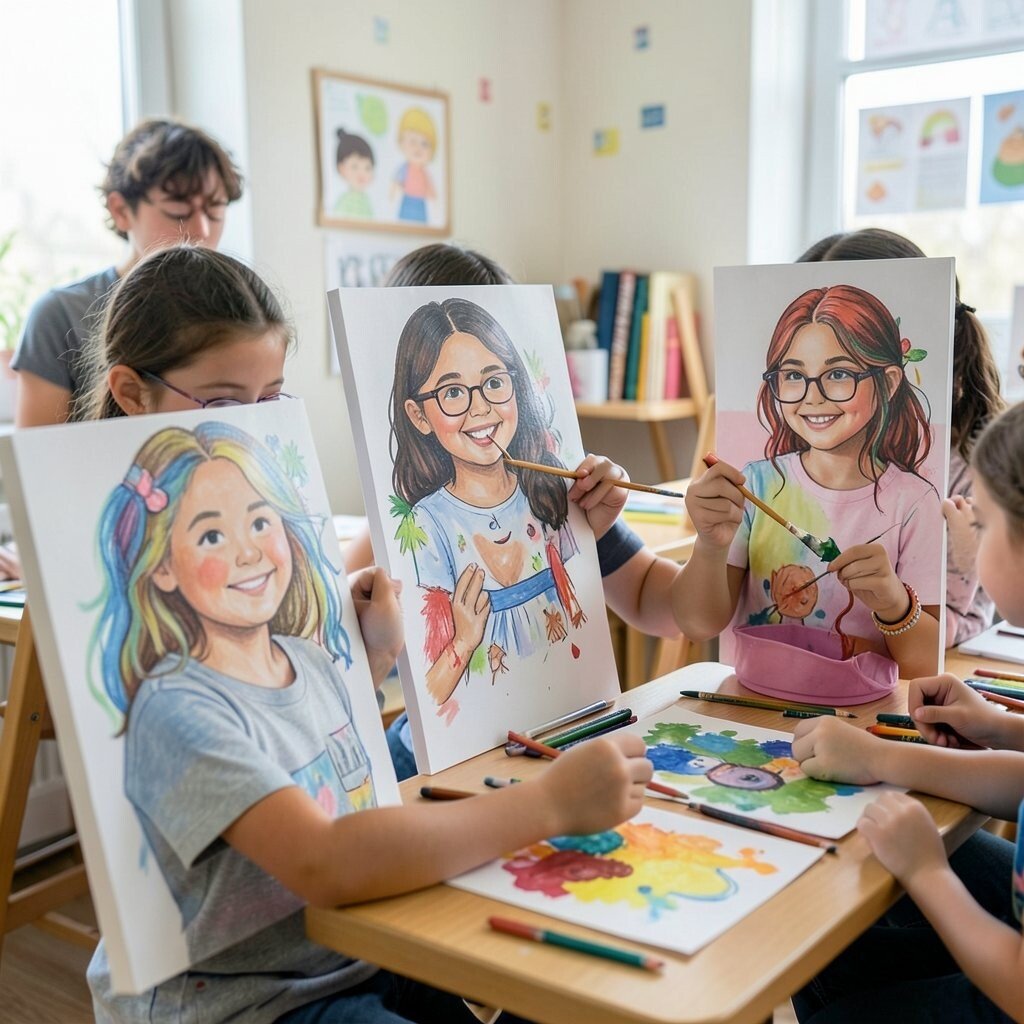
Self-portrait stations help students look closely at their faces and learn about art details. They can use mirrors, pencils, crayons, or paint to make a picture of themselves.
This type of work builds self-awareness and helps kids see that each face is different. It can also support talks about skin tone, hair, glasses, and other real features in a kind way.
For a personal touch, students can add clothes, hobbies, or favorite things around the portrait. The cost stays low if you use paper, mirrors, and basic art tools already in the room.
9. Group Mural Panels
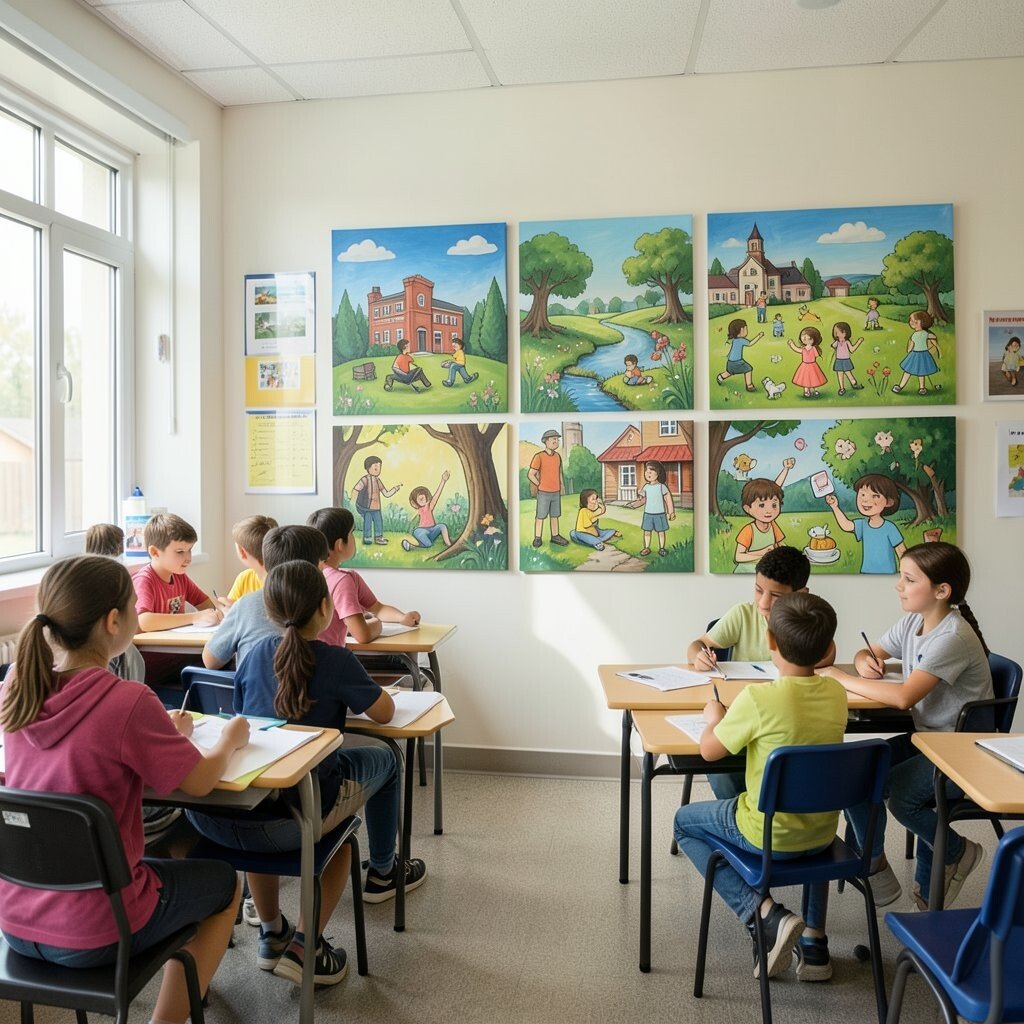
Group mural panels are a good way to make one large class art piece from many small parts. Each student can paint or draw one panel, and the panels can join to make a full scene.
This project helps kids work as a team and still keep their own style. It also gives each child a clear job, which can help with focus and class time use.
You can make murals about school life, nature, kindness, or local places. A mural wall can look bold and clean, and it often becomes a part of the room that students like to point out.
10. Fabric Scrap Flags
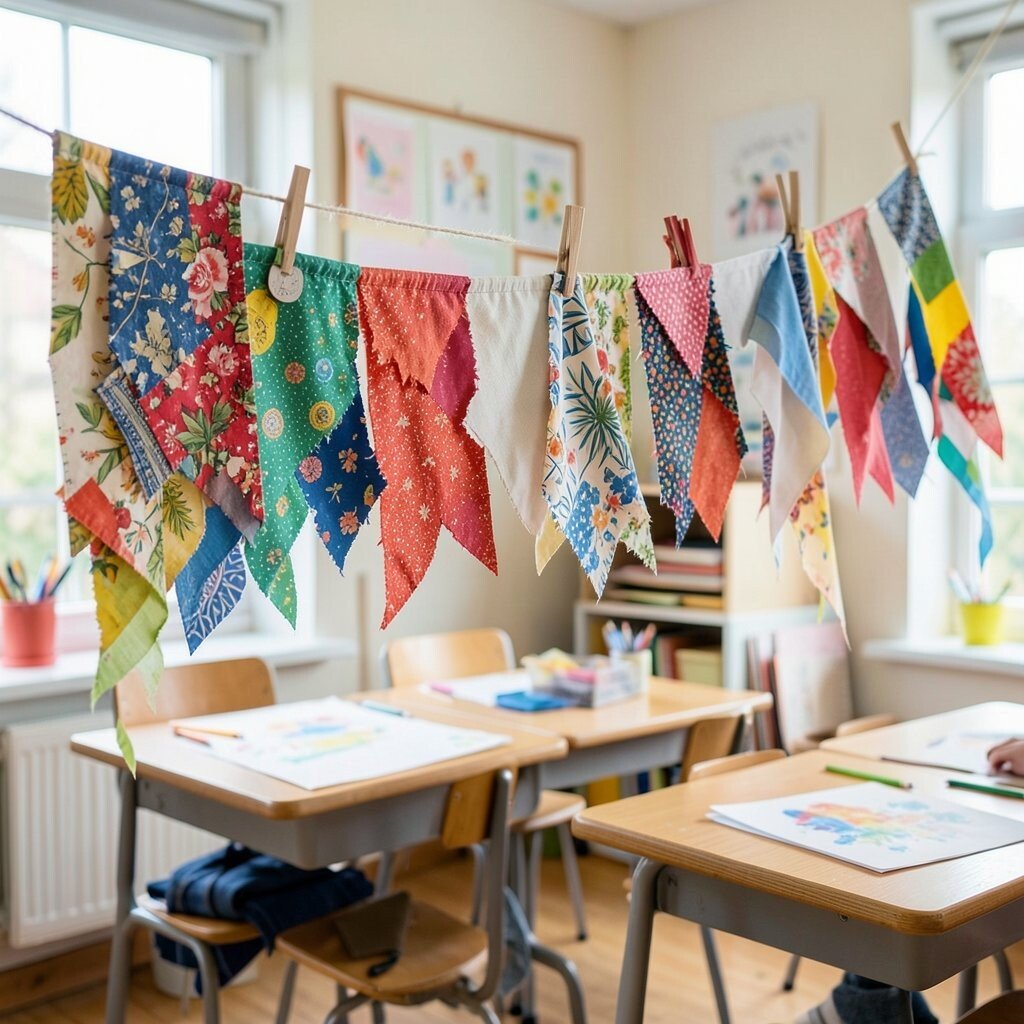
Fabric scrap flags use cloth bits to make bright hanging art. Students can cut or tear fabric pieces, then glue or stitch them onto paper, sticks, or string.
The mix of textures makes this art feel rich and special. Kids can learn about pattern, color, and shape while making something that looks soft and layered.
This is a low-cost idea if you use old shirts, leftover fabric, or ribbon scraps. It also fits current art trends that use mixed materials and handmade looks.
11. Clay Shape Trays

Clay shape trays let students press and shape simple forms in a shallow tray or board. They can make letters, animals, food, or small scenes using clay or modeling dough.
This project is good for hands-on learning because kids can feel the material as they work. It can help with hand strength, shape name recall, and careful work.
Teachers can keep the cost down by using air-dry clay or a class dough recipe. Students can also add beads, sticks, or texture tools to make the work more personal.
12. Storybook Art Pages

Storybook art pages mix drawing and writing in a simple book form. Students can make one page at a time with a scene, a character, or a short line of text.
This kind of art helps kids tell stories in their own way. It supports both art and language skills, which makes it useful for many class goals.
You can ask students to use a common theme, like a pet adventure or a day at school. The pages can be stapled together, which keeps the cost low and gives each child a book to keep.
13. Color Mood Boards
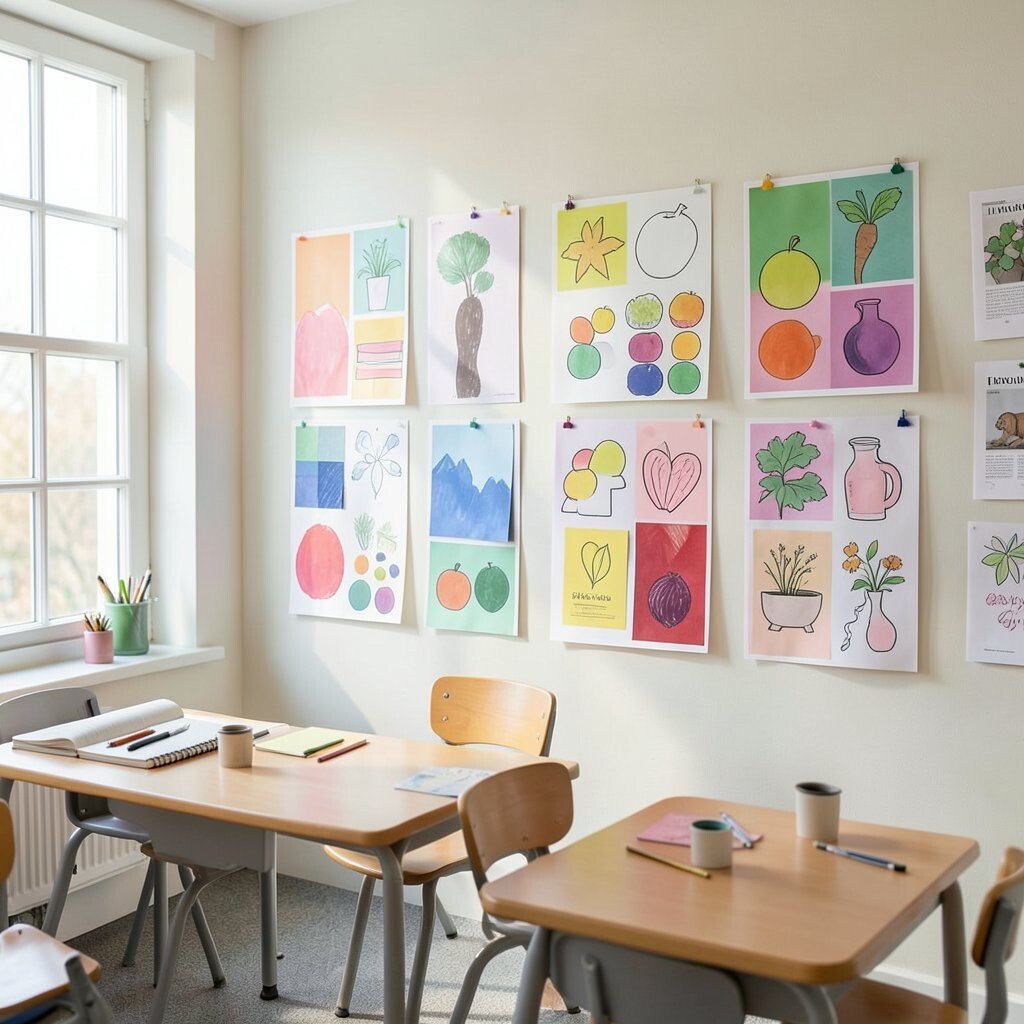
Color mood boards let students pick colors that match a feeling, season, or idea. They can use paper, paint chips, magazine clips, or drawn shapes to build a board with one clear look.
This project is simple, but it can teach a lot about color choice and how color affects a room or page. It also gives students room to make personal choices, which can help them feel more involved.
Many classes like this idea because it fits modern design trends and looks neat on a wall or shelf. It is low cost, easy to repeat, and can be changed often to match class themes or student work.