The day can feel heavy even when nothing is “wrong.” Small habits can quietly make everything smoother.
You will notice the change in places you did not expect, from mornings to evenings and beyond.
1. Make a Two-Minute Morning Reset

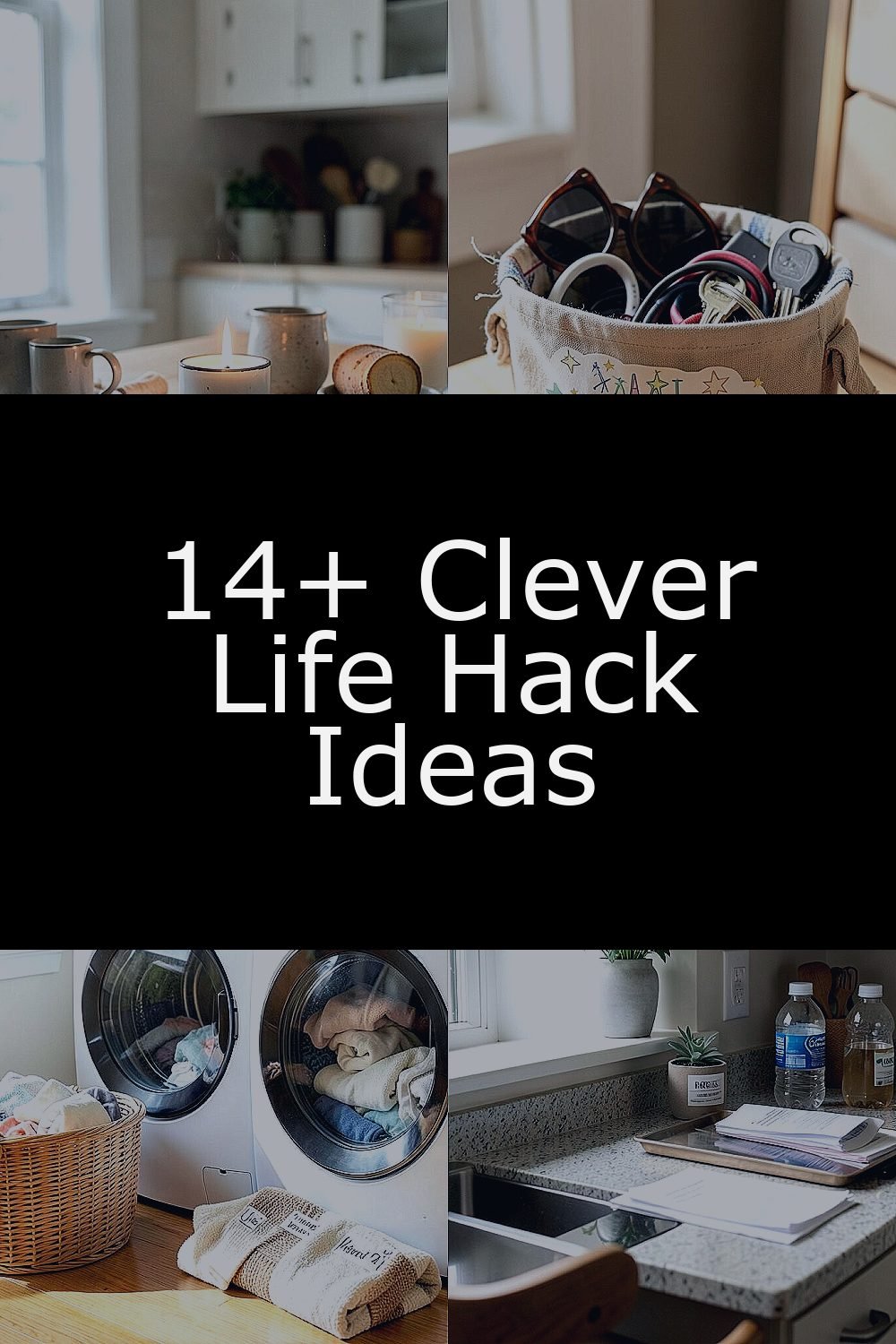
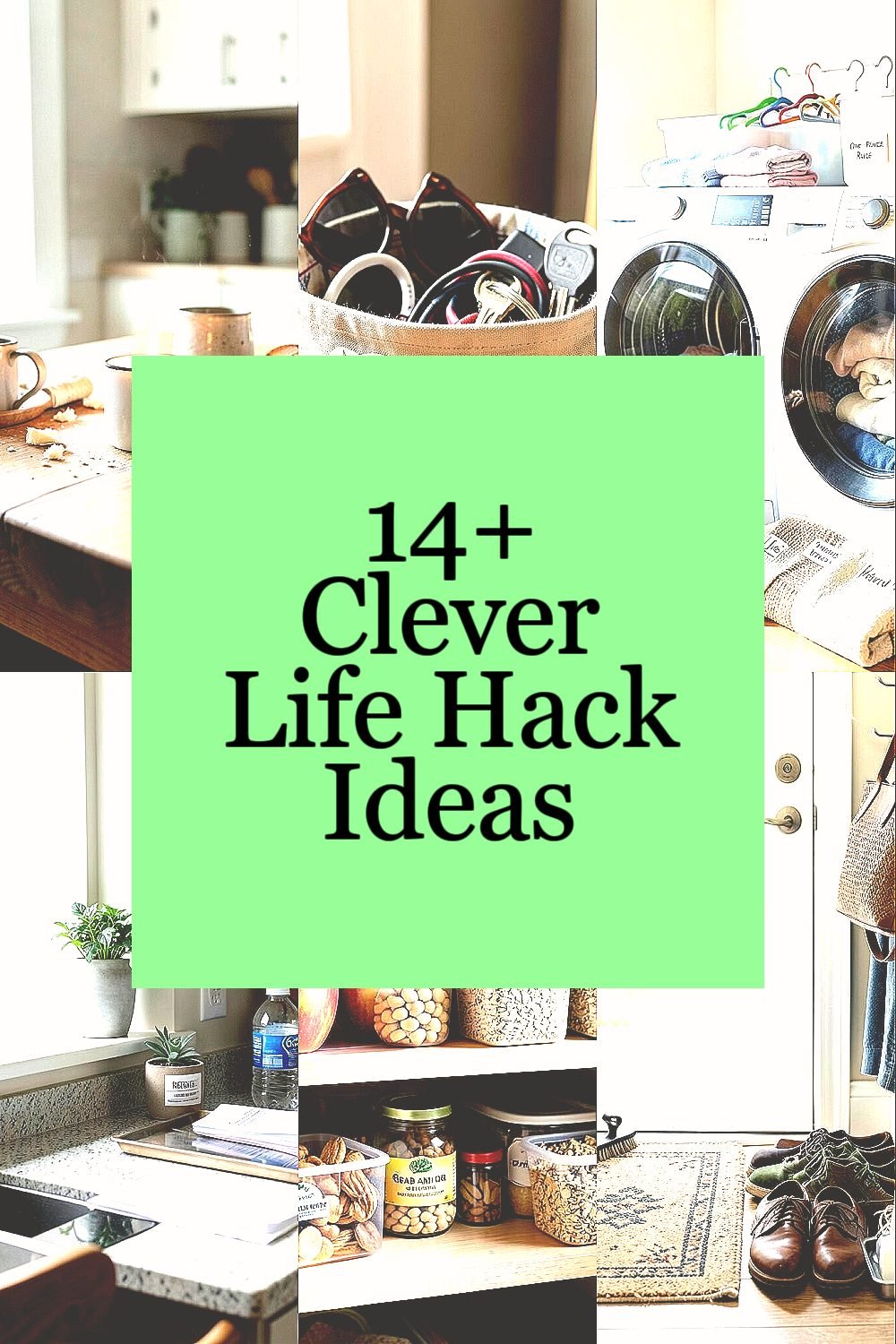
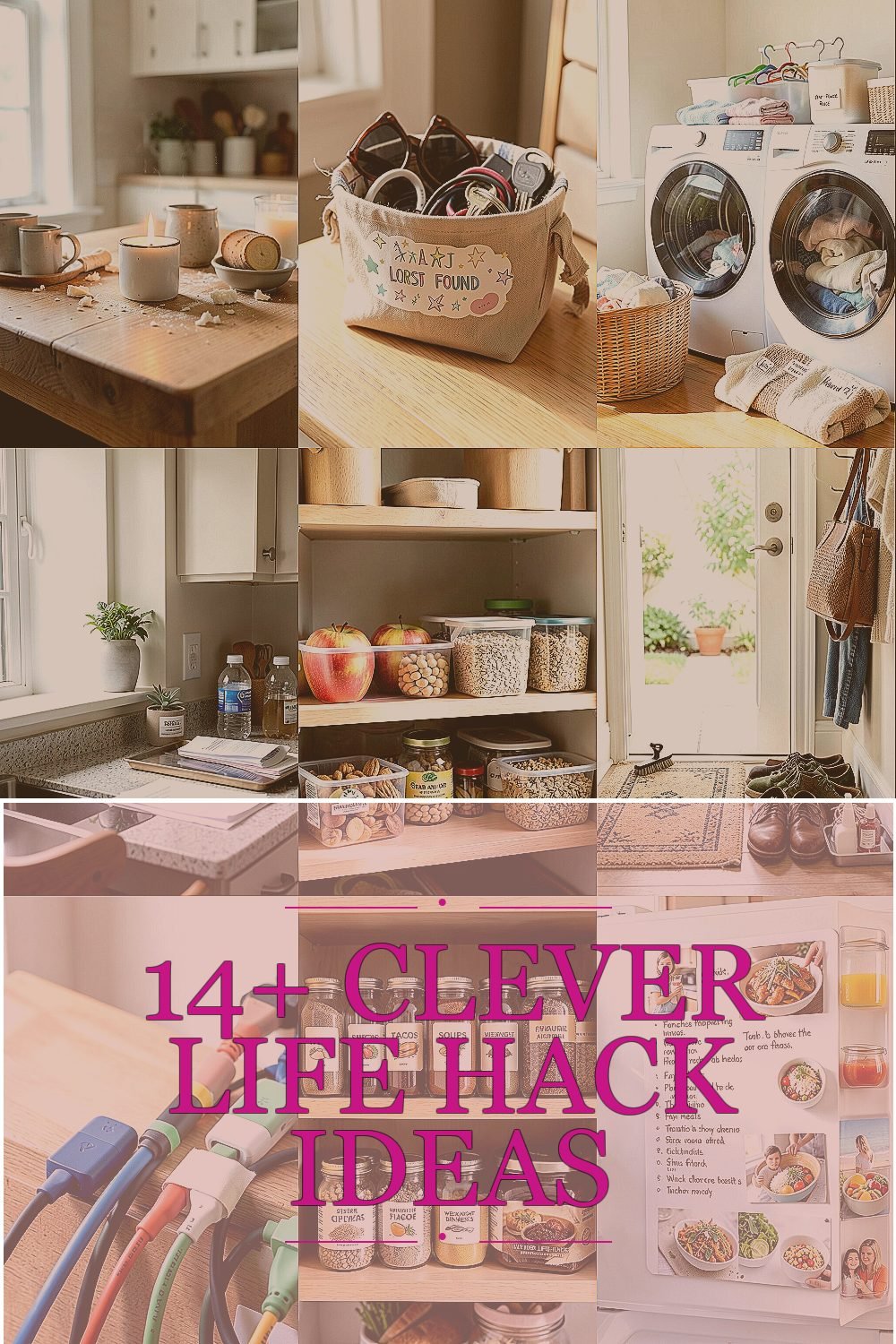
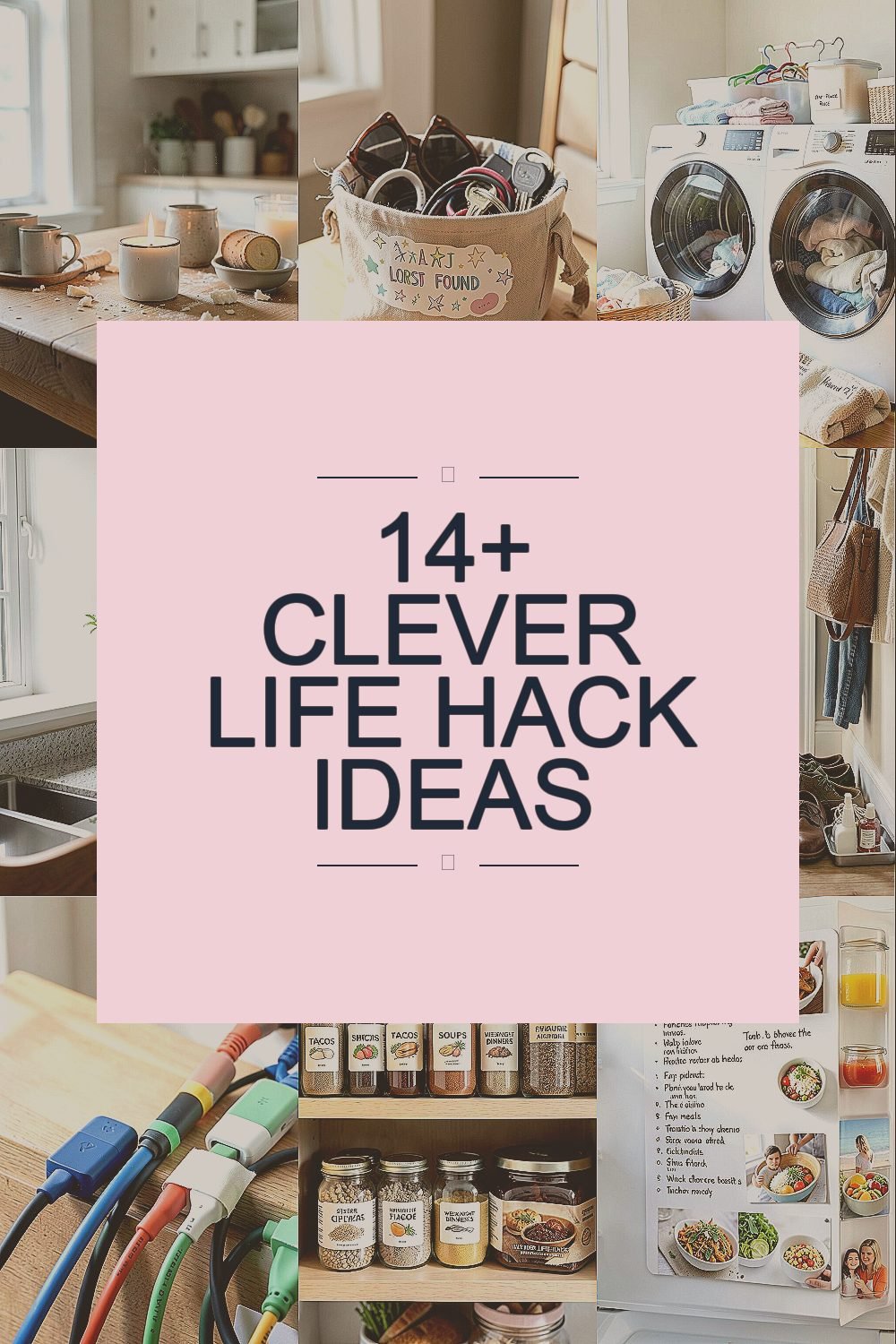
Pick a single spot that stays messy no matter what, like your entry table or kitchen counter. Clear it for just two minutes, then set one item back in its usual place. You get the visual relief of seeing a clean surface right away.
This hack helps your brain feel calmer because your eyes stop scanning clutter. Try making it personal by choosing a mini ritual that fits your style, like lighting a small candle or using a favorite mug. If you share your space, invite others to add one item and you will both feel momentum.
2. Create a Pocket-Sized “Lost and Found” Bin
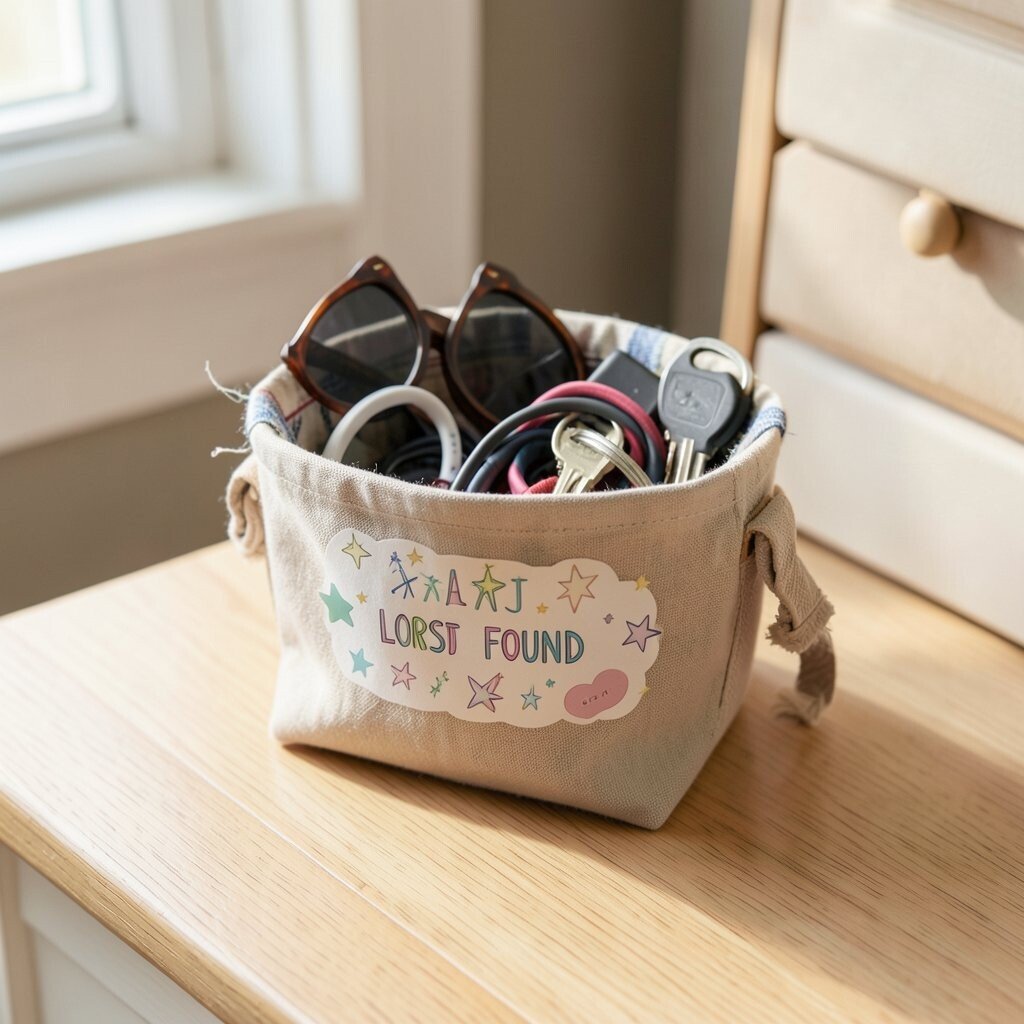
Keep a small bin in a bag, drawer, or hallway shelf for things that keep disappearing. Add sunglasses, charging cables, hair ties, and spare keys so they have a home. When you see a random item, drop it in the bin and move on.
Visually, it looks like a neat little hub rather than a growing pile. You save time later because you can grab what you need without turning your home upside down.
For personalization, decorate the bin with a sticker that matches your mood, like stars for creativity or calm colors for focus. If you are cost-conscious, reuse an old shoebox and line it with scrap fabric for a tidy look. This also fits a current trend toward “station systems,” where daily items stay grouped for faster routines.
3. Use a “One-Place Rule” for Clean Laundry
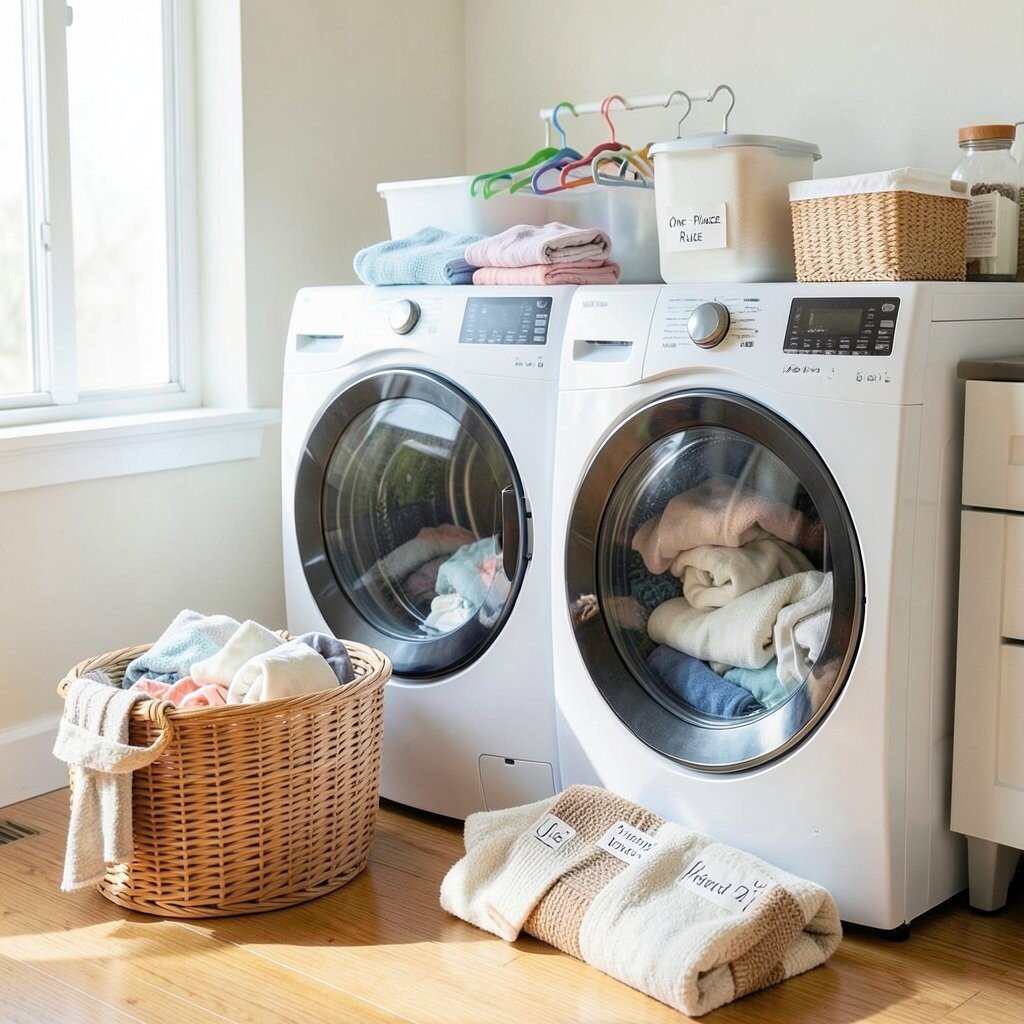
When a load comes out, put each piece directly away instead of stacking it “for later.” You will see the difference immediately as baskets look lighter and floors stay clear. The moment you avoid the chair pile, your room feels instantly more organized.
That quick action reduces decision fatigue because you do not keep choosing where to put things next. If you need flexibility, give yourself permission to sort by location first, like hang, fold, and socks, rather than perfect categories. Consider a simple personalization like using different colored hangers for different people in the home.
This approach also helps with laundry rhythm, since you avoid chasing the same basket day after day. For low cost, repurpose containers or laundry baskets you already have and label them with neat handwriting. Over time you may find you do smaller loads more often, which many people are doing to match busy schedules.
4. Batch Your Tasks Like a Mini Assembly Line

Pick a small window in your day for similar tasks, such as answering messages, refilling water bottles, and grabbing mail. Doing these back to back feels like moving through one smooth lane instead of switching gears again and again. Your home will look more orderly because you can finish the scattered parts faster.
Start with practical tasks you can do in one place, like the kitchen counter or desk. Try adding a visual cue, like setting out a tray for “today tasks” so you know exactly what belongs together. If you want a personalization twist, schedule a cozy soundtrack or small scent to make the batch feel like a reset, not a chore.
5. Make a “Grab-and-Go” Snack Corner

Choose one shelf area where snacks live, and keep everything in simple containers. When you open the space, you get a visual snapshot of what is ready, like apples in one spot and granola in another. That clarity makes it easier to choose something quickly without rummaging.
Having a snack corner helps you avoid last-minute hunger spirals, especially on busy afternoons. Keep it practical by using reusable containers so you can see portions clearly. Personalize it with your household favorites and swap items weekly based on what people actually finish.
For cost considerations, buy in bulk only for staples you use often, like oats or nuts, and portion them into smaller jars. Current trends favor “prep-friendly” pantry setups, and this one is easy because it does not require complicated tools. A well-loved corner also teaches kids where things go, which cuts down daily friction.
6. Put Shoes on a Repeatable Path
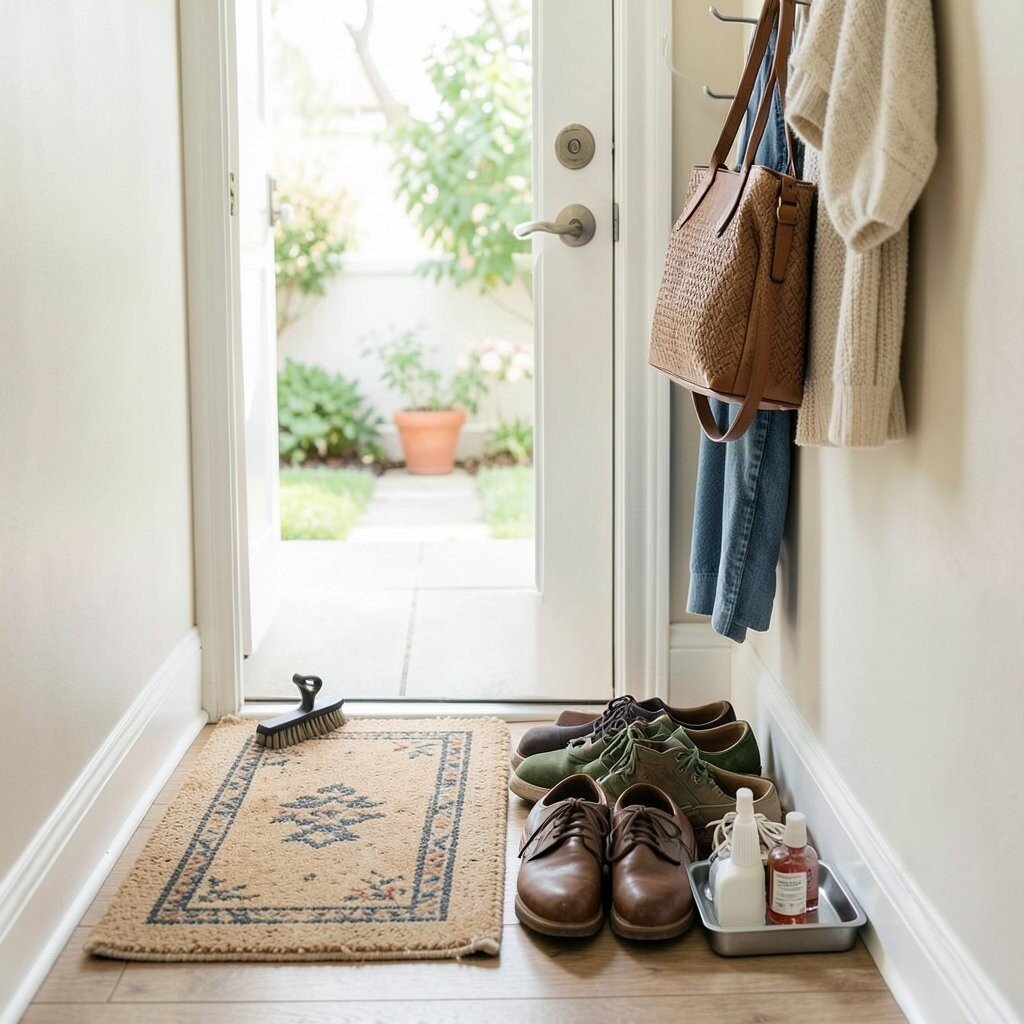
Create a shoe routine with a clear path from door to storage. Put a small mat by the entrance and keep shoes lined up the same way each time. You get that satisfying visual order that makes leaving and coming home feel easier.
This hack prevents lost pairs and reduces the “where did it go” moment. Try placing a small shoe horn or brush right near the spot, so maintenance becomes almost automatic. Personalize the layout with hooks for bags and a tray for small items like lip balm or receipts.
7. Label Cables with Simple Color Bands
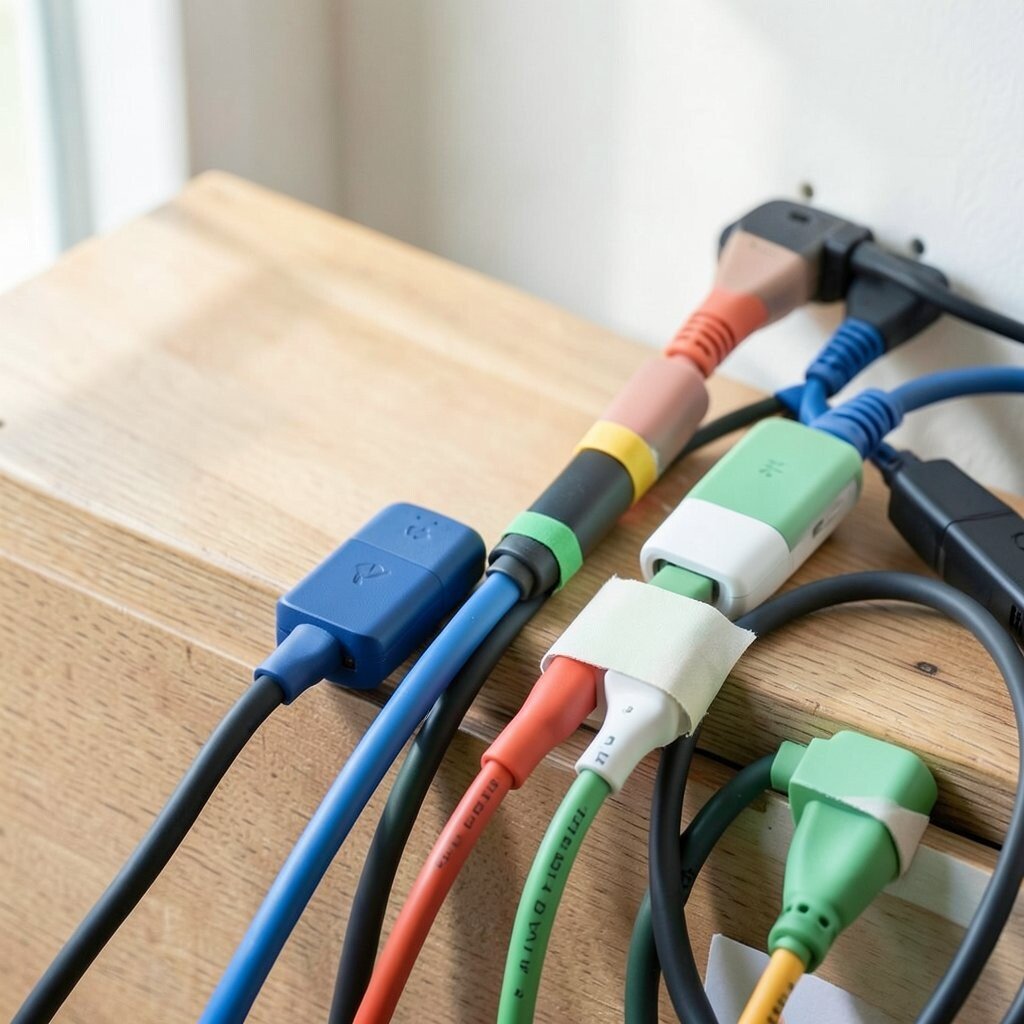
Wrap colored tape or use colored ties around the ends of chargers and cables. Even if two cables look similar, the color makes the difference obvious at a glance. You will love the moment you stop guessing and start plugging in fast.
This saves time and helps you keep devices charged without stress. For practical tips, pair each color with a device, then keep a key note on a wall pocket or drawer label. Personalization is easy too since you can match colors to room themes like blue for work devices and green for kitchen gadgets.
If you want lower cost, cut small strips from old wrapping paper or use thrifted organizers. Many people are adopting “quick-identity” systems for tech because cords multiply fast and create clutter. You can even include a spare “universal” cable in the lost-and-found bin to reduce emergencies.
8. Store Spices by Frequency, Not Alphabet

Sort spices by how often you use them and place the most common ones at eye level. When you open the cabinet, you see the everyday favorites first like a mini cooking lineup. This visual setup cuts the time spent hunting for the right jar.
Your meals get faster and more consistent because you do not keep skipping steps. Try keeping a small notebook or phone note with your go-to combinations, then update it as tastes change. Personalize the shelf by grouping by flavor style, like “tacos,” “soups,” or “weeknight dinners,” rather than only by type.
9. Turn the Fridge Door into a Menu Memory

Use the inside of your fridge door for simple meal reminders and quick shopping notes. Add a small magnetic board or write directly on a board you can wipe clean. You get a visual cue every time you open the fridge, which reduces the “what should we eat” spiral.
This hack helps with planning without making meals feel complicated. For practical tips, keep it light by listing only a few meals and rotating them as you shop. Personalize it with photos of meals your family loves, because a picture is faster than reading a long list.
For cost considerations, plan around what you already have in the fridge first, then pick one fresh item. Current trends show people moving toward flexible meal planning, where you choose based on ingredients rather than strict schedules. When you match your notes to real life, the system stays useful.
10. Keep One “Repair Basket” for Small Fixes

Collect tiny supplies like batteries, a small roll of tape, a mini screwdriver, and a needle and thread in one basket. Place it somewhere you will notice, like near the closet or under the bathroom sink. The visual effect is clear because minor messes stop spreading across the house.
You avoid the stress of last-minute runs to the store because fixes can happen the same day. Try personalizing the basket with an item that matters to you, like a favorite pen for labeling or a tiny flashlight for dark corners. This also supports a sustainability habit that is growing in popularity, since more people are choosing to repair before replacing.
For cost considerations, you can build this slowly by adding one item at a time during everyday trips. The best part is that the basket makes household problems feel smaller, like you have a mini team ready. Over time, you may notice fewer “someday” projects piling up.
11. Use a “Charging Station” with a Clear Order
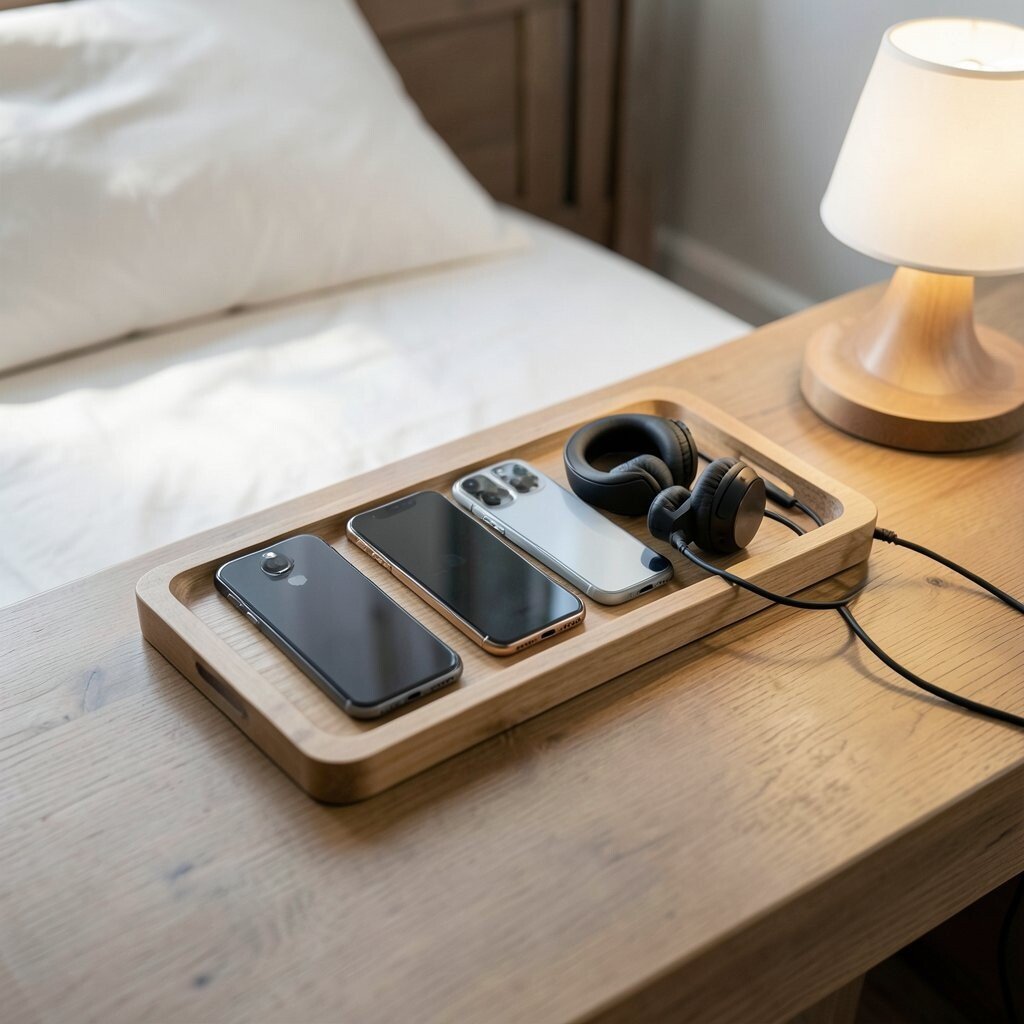
Set up one charging spot with a tray for phones, headphones, and a spare cable. Place each item in the same spot every night so the station looks like a neat lineup. Visually, you will see who has been charged and who needs a moment.
This hack improves sleep and reduces morning scrambling. Try placing the station away from the bed to make it easier to unplug at night while still staying reachable. Personalize it with a small lamp or coaster that matches your style, turning charging into a calm routine.
12. Plan Your Trash and Recycling Like a Two-Step Routine

Choose one convenient place for trash and recycling and make it feel simple to use. Use separate bins or clear bags inside one area, then keep a small roll of bags nearby. When everything sits in one view, you spend less time deciding where to put things.
This reduces the daily mess that happens when bins are far away. A practical tip is to empty small waste containers at the same time each day, like right after dinner. Personalization can be as easy as adding a small magnet checklist for what goes where, especially if your city rules are complicated.
For cost considerations, reuse bags and store extra liners inside the cabinet so you do not run out. Many people are building cleaner “sorting habits” now because the topic is everywhere and recycling rules are more visible. When the system is easy, you follow it without thinking.
13. Keep a “Freshen Up” Kit for Sudden Plans

Pack a small pouch with items you might need during the day, like deodorant, lip balm, mints, and tissues. Store it where you can grab it fast, such as a drawer near your keys or your bag pocket. The visual comfort is real because you know you are prepared even when plans change.
This hack saves you from awkward moments and reduces last-minute stress. For practical tips, include a tiny hand lotion and a stain remover wipe if you have kids or wear light fabrics. Personalize it by adding a mini comb, a scent you love, or a label with your favorite items so it feels like yours.
For cost considerations, build the kit with travel-size items from your usual routine. Current trends favor “always-ready” packing because people shift between home, errands, and events all the time. The kit also helps you feel confident, which is a big part of daily ease.
14. Set Up Your Workspace for Faster “Return to Zero”

Arrange your desk or work area so you can reset quickly at the end of a session. Use a small tray for paper, a single spot for your current notebook, and a hook for your bag or headphones. When you see a clear setup, it becomes easier to stop multitasking and move on.
This hack reduces mental clutter because you do not keep track of what is supposed to be where. Try ending each session with a tiny reset, like clearing your surface and placing items back into their zones. Personalize the look by using one color theme you enjoy, because visual calm makes work feel less heavy.
15. Make a Simple “Weekend Glide Plan”

On your weekend, choose a small set of tasks that keep the coming days smooth. Pick a laundry check, a grocery top-up, and a quick tidy so the week feels lighter when you start. You will see the payoff quickly as your home looks ready instead of catching up.
This hack helps you avoid the busy-week panic that comes from procrastinating chores. For practical tips, set a time limit for each task so it stays realistic and does not swallow the whole day. Personalize it with a style that matches your energy, like doing chores first and rewarding yourself after, or doing tiny tasks throughout the morning.
For cost considerations, avoid big purchases by using what you already have, then plan only one or two special items. Many people are leaning into “slow productivity” right now, meaning they pace their tasks and keep routines friendly. When your weekend plan is gentle, daily life feels easier without becoming a strict schedule.