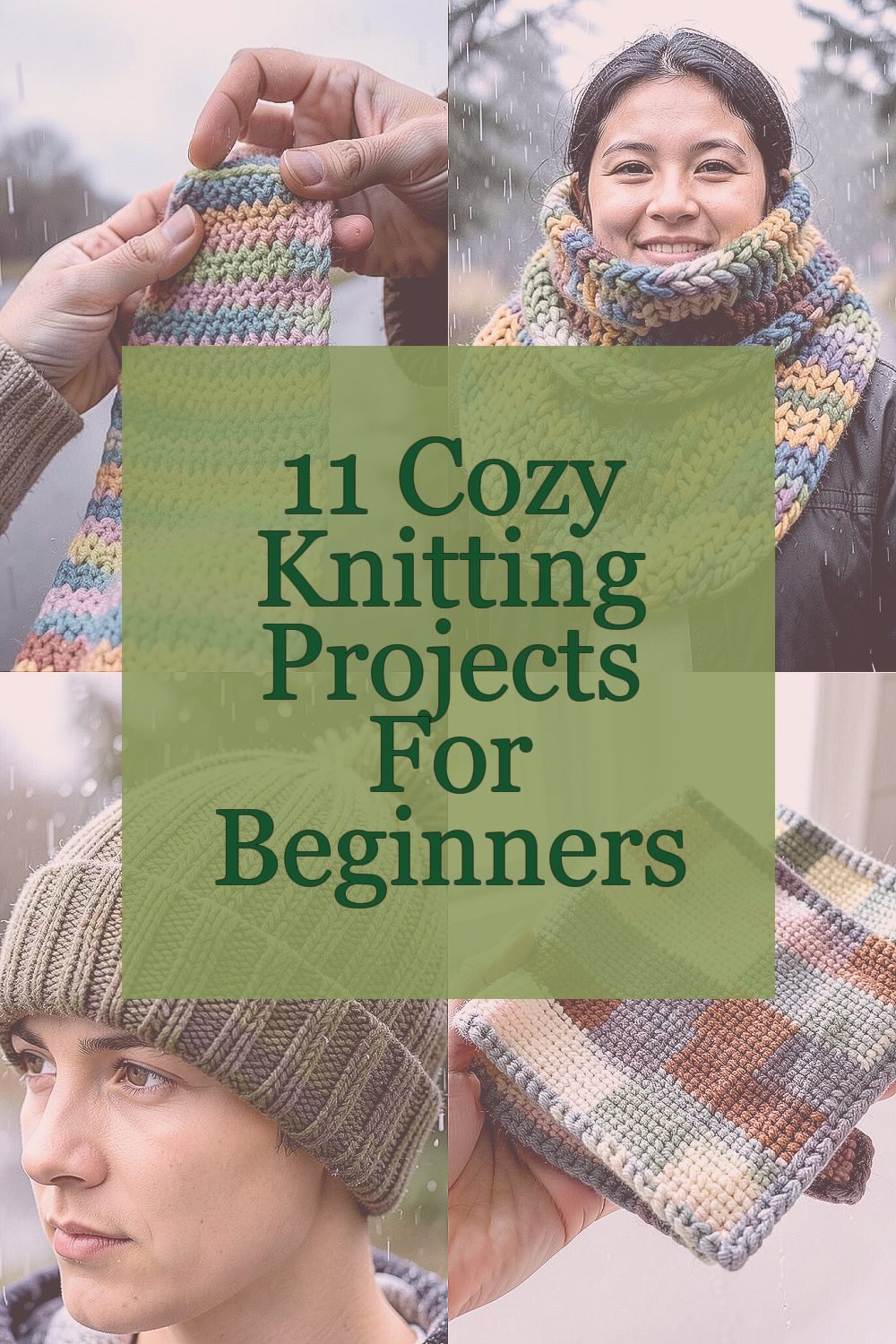
The rain taps softly at the windows, and your hands can finally slow down. A simple knitting project can turn a gray day into something warm and proud.
1. Cozy Beginner Scarf With Easy Rows
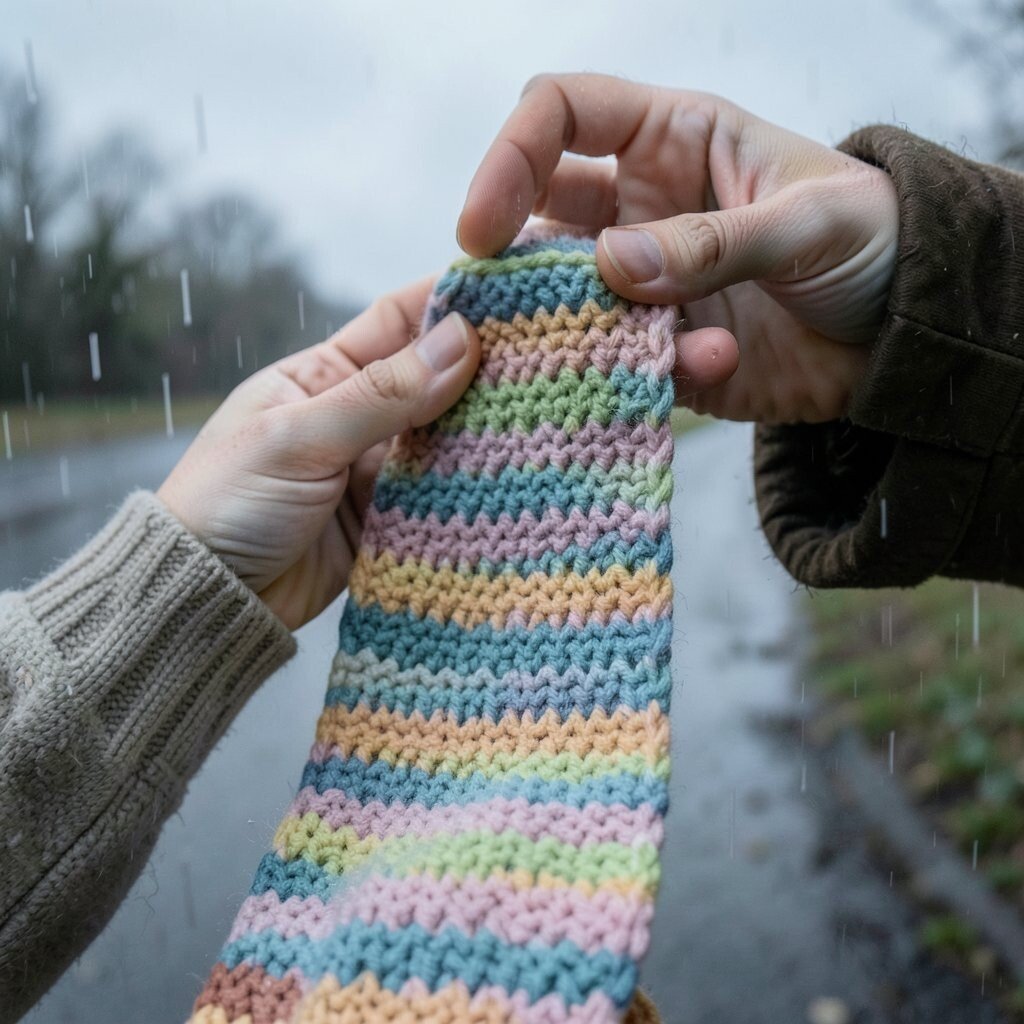
Picture a long strip of yarn sliding through your fingers as the stitches line up neatly. The soft stripes look cheerful even when the sky feels gloomy.
This project is great because you only need basic stitches and repeated rows. It helps your hands learn tension, rhythm, and how to keep edges tidy. Choose a yarn that feels nice against your skin, and you will enjoy wearing it right away.
2. Chunky Garter Stitch Cowl For Cold Mornings

A chunky cowl grows fast, and it looks instantly snuggly. Imagine wrapping it around your neck and seeing it sit like a warm hug.
You’ll practice garter stitch, which means every row looks the same. That repetition builds confidence quickly and reduces mistakes. Pick a super bulky yarn for a beginner-friendly finish, and you’ll feel like you’re flying through the rain.
Try adding one simple color shift with two yarn skeins so it feels more personal. You can also make it longer for a slouchy look or shorter for a snug fit. If you are watching your budget, choose machine-washable yarn so it stays easy to care for after every rainy walk.
3. Simple Ribbed Beanie With a Gentle Fit
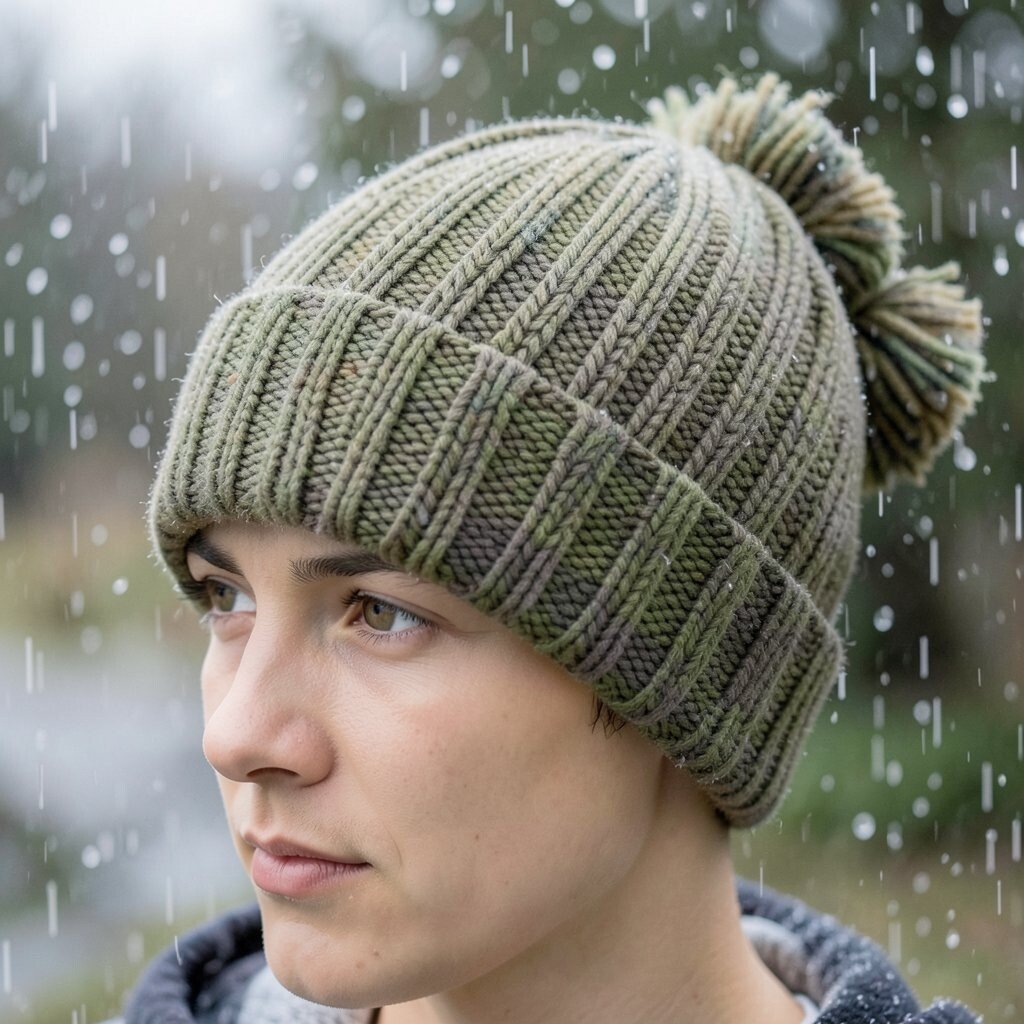
A beanie sits close to your head, so you can enjoy instant results. You’ll see the ribbing bounce back when you stretch it, which feels satisfying and sturdy.
Rib stitch helps the hat fit well because it has natural stretch. That is useful for beginners who want a comfortable shape without complex shaping. Stick with a medium-weight yarn so the fabric feels cozy but not too thick.
Personalize it by switching the color for the band or adding a small pom-pom made from leftover yarn. You can also knit the body a little longer for more coverage when the wind picks up. Many knitters find this project is a great balance between cost and usefulness because hats get worn a lot.
Keep your stitches even by counting rounds when you’re learning. If your hat feels tight, try a larger needle size next time. If it feels loose, go down one needle size and watch the fit improve.
4. Washcloth Set With Textured Knit Purl Squares
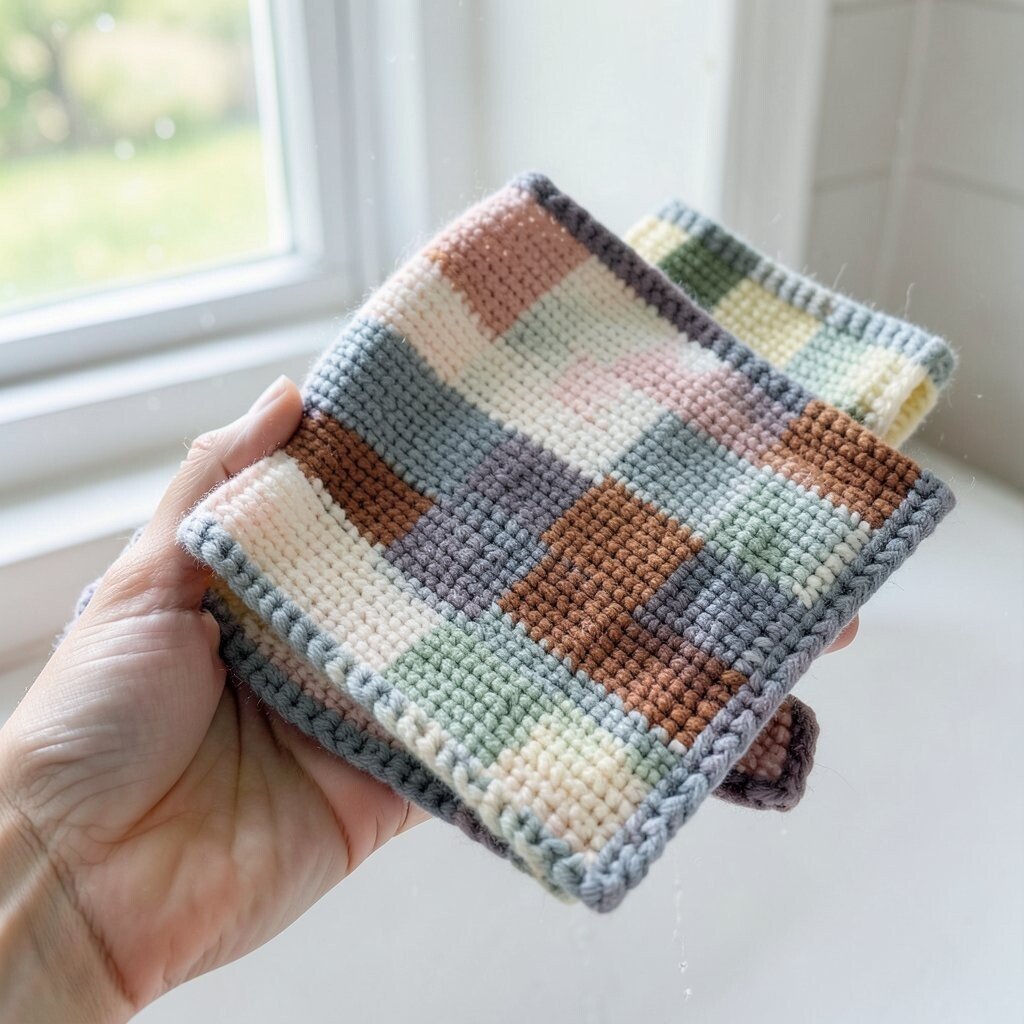
Small washcloths are like practice swatches that actually get used. When you hold one in your hands, you can feel tiny ridges that scrub gently.
These are perfect for building skill because textures teach stitch control without a huge commitment. You can combine knit and purl patterns in simple ways, which makes them visually interesting. They also help you learn how your fabric behaves after washing.
Try knitting a matching set in two colors so your kitchen or bathroom looks fresh. Soft cotton yarn is a smart choice, especially if you want something that dries quickly. If you want to spend less, start with affordable yarn and knit several cloths to use up small leftovers.
Use a simple finishing method like a basic bind-off for neat edges. For a practical upgrade, add a slightly tighter border using a different stitch. It is an easy way to make each cloth look more finished and less homemade.
5. Beginner Baby Blanket With Gentle Blocks

A blanket makes the whole room feel warmer the moment it begins. You can see each block stack up like cozy little stepping stones.
This project is special because it’s big enough to feel meaningful but simple enough to learn. You can use repeated panels and easy textures to keep it beginner-friendly. Soft acrylic or cotton blends are common picks since they are comfortable, washable, and budget-aware.
Personalize it by choosing two or three colors and arranging them in a pattern that feels balanced. Many people like pastel palettes for a rainy nursery mood, while bright colors feel like sunny windows. If you are keeping costs in mind, use yarn in smaller lots or select value packs when available.
Count your rows for each block so the blanket stays even as it grows. When you take breaks, keep your yarn end secured to avoid tangles. A rainy day is perfect for slow progress, because you can knit while you sip something warm.
6. Easy Fingerless Gloves For Walking Outside

Fingerless gloves let you keep your hands warm while still using your phone or keys. They look stylish too, especially when the fabric has a neat rib edge.
You’ll learn how to work in rounds for part of the glove, then finish with simple shaping. Starting with a basic cuff makes the fit feel secure and beginner-friendly. Use a yarn that has a little stretch, so the gloves feel comfortable when you move your fingers.
For uniqueness, add a tiny stripe near the thumb opening or knit a small color block on the back. This small detail can make a pair look intentional instead of plain. If your budget is tight, consider knitting one glove first as a trial, then match the second once you feel confident.
Keep track of thumb placement by marking it with scrap yarn. That visual guide helps you avoid the common beginner mistake of knitting the opening in the wrong spot. On rainy days, these gloves are perfect for quick errands because you can still grip and tap easily.
7. Textured Headband Using Simple Seed Stitch
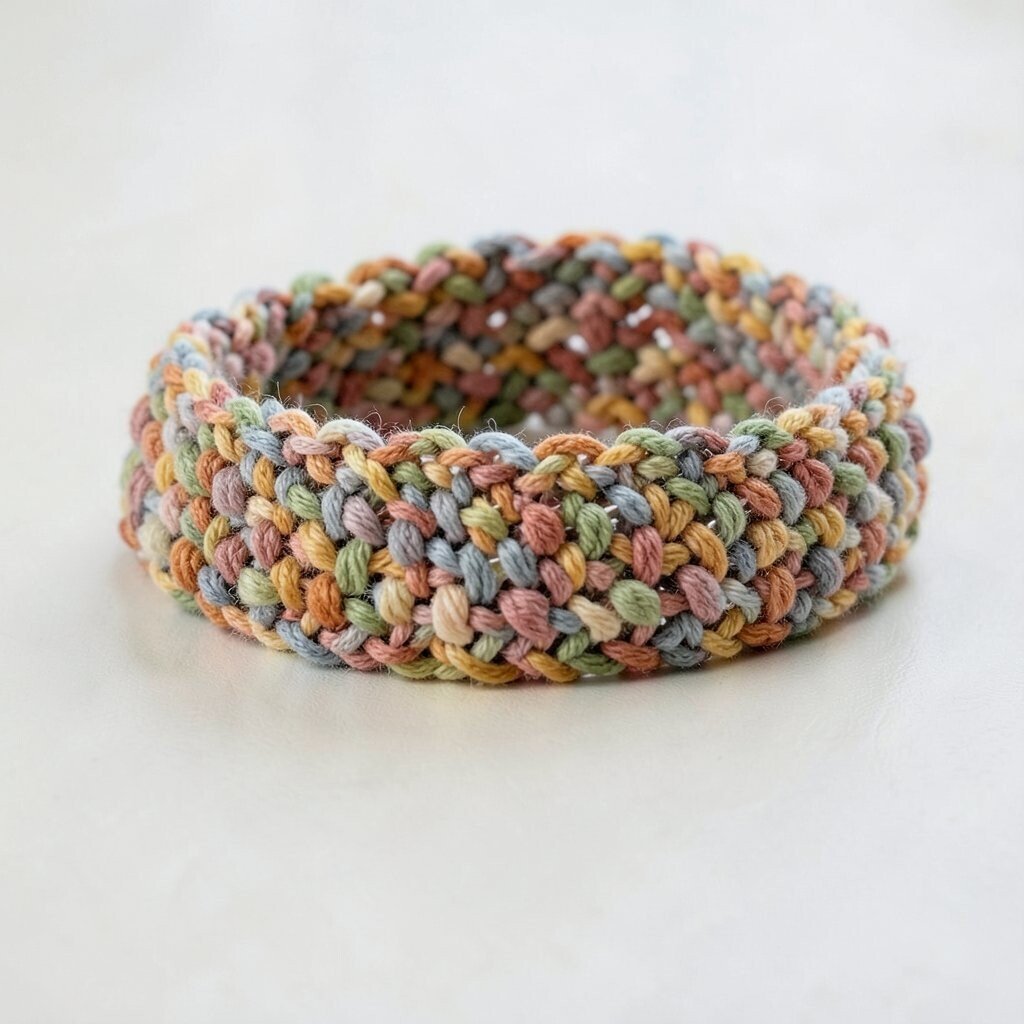
A headband is quick, and you can see progress within a few sessions. When it’s done, it sits flat and cozy without feeling bulky.
Seed stitch is great for beginners because it creates a bumpy texture that looks complex. You alternate knit and purl stitches, and the fabric naturally looks balanced. This pattern also helps you practice counting and staying calm when your attention wanders.
Personalize it by choosing a yarn with subtle color changes, so the texture looks even more interesting. You can also make it wider for a cozy “wrap around” look that stays in place. For cost, a headband is a smart win since you can often finish with one skein.
If your stitches twist, check that you’re not accidentally turning your work at the wrong time. Keep the tension comfortable and smooth so the band feels soft, not stiff. Headbands are also a popular current trend because they bring warmth without covering your whole head.
8. Cozy Knit Mug Cozy With a Snug Sleeve Fit
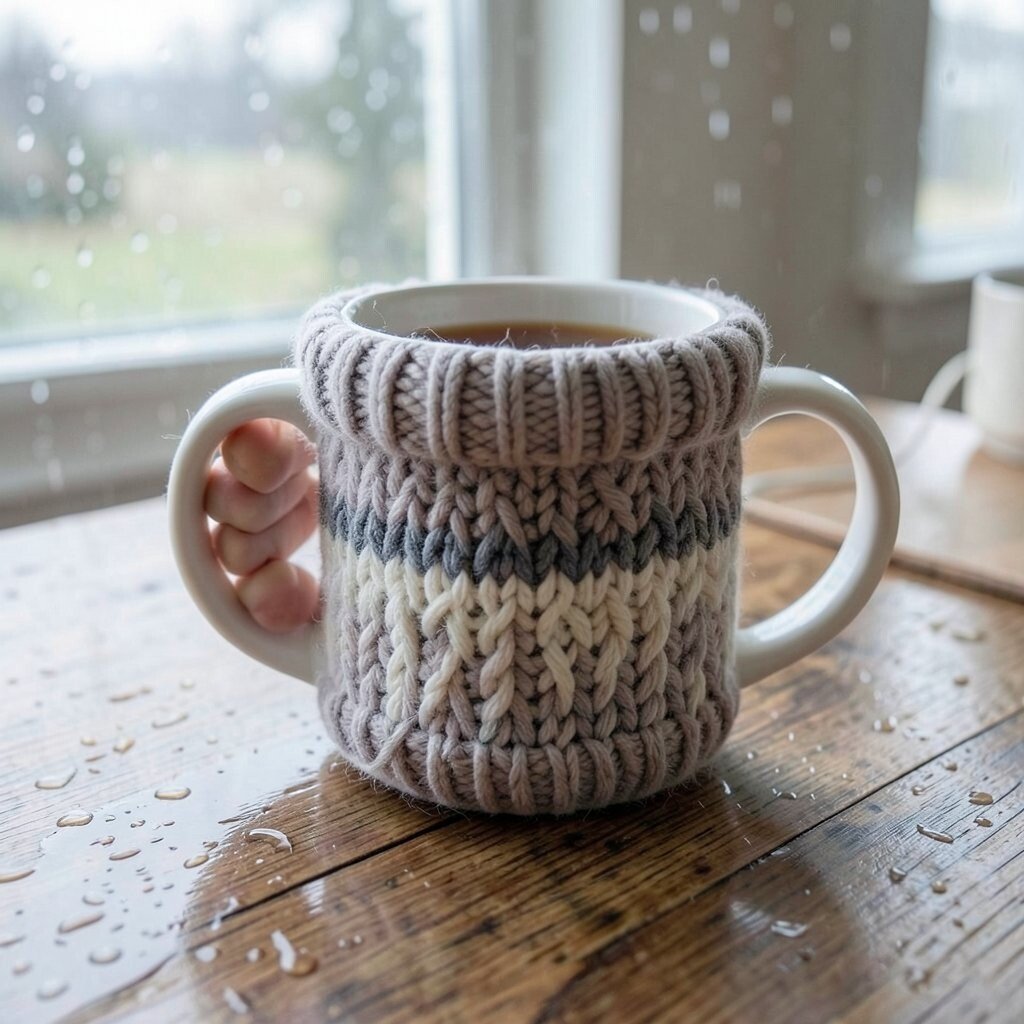
Your favorite mug deserves a warm sweater, even if the forecast is gray. A mug cozy makes a little table moment feel special and calm.
This project uses basic knitting skills and lets you practice shaping by adjusting width. You can knit a simple tube, then add a small seam or button loop if you like. It’s an ideal choice when you want something small but still satisfying.
Try using a thicker yarn for extra insulation, especially if you drink tea or cocoa. Personalize it with an alternating stitch stripe or a tiny cable-inspired twist using simple moves. It’s also a cost-friendly gift because you can use leftover yarn and finish quickly.
Measure your mug by holding the work against it as you knit. If the cozy feels too tight, increase stitches slightly in the next round. When it fits perfectly, your drink stays warmer, and your hands feel extra comfortable on chilly afternoons.
9. Beginner Knit Socks With a Straightforward Heel Start
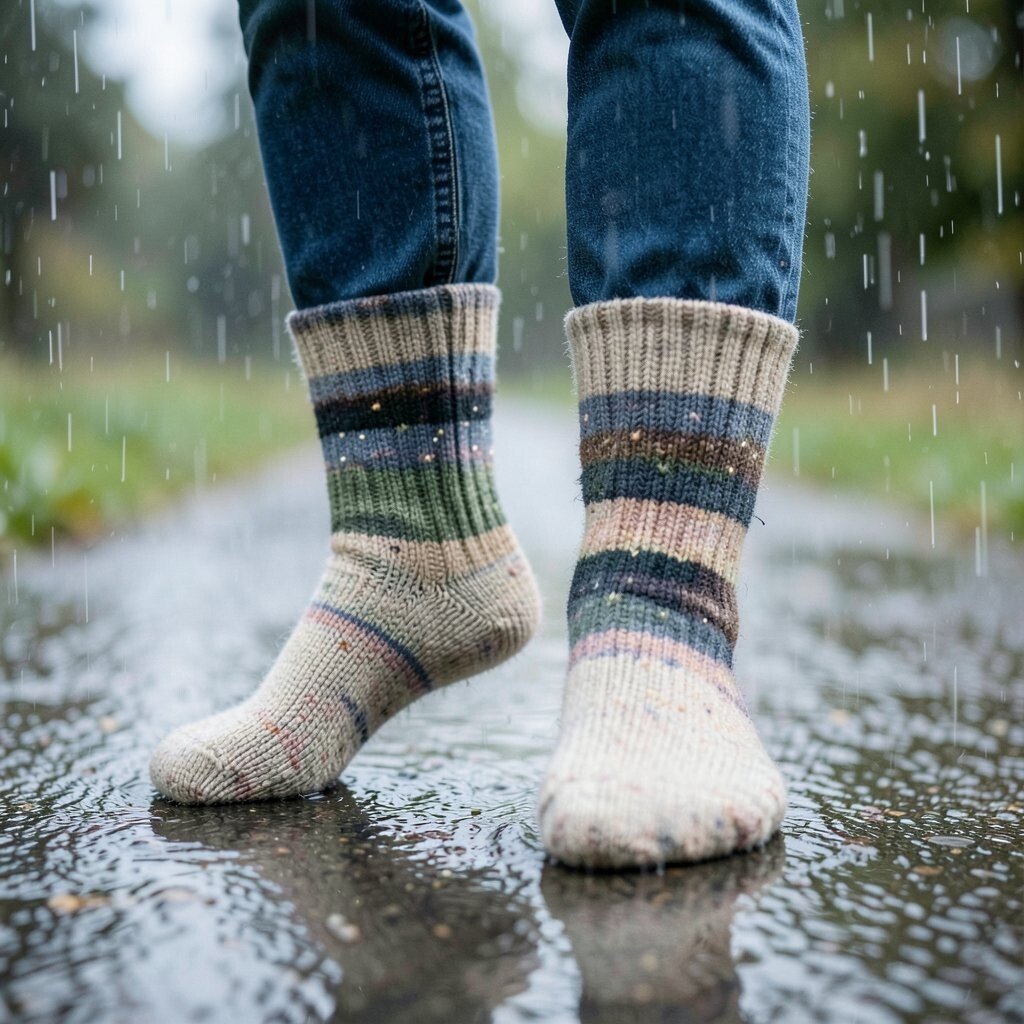
Socks can feel like a big dream, but beginners can start with a simple design. The moment you feel the yarn stretch into a wearable shape is pure joy.
Start with a pattern that focuses on a straight leg and easy heel construction. Even if socks are more advanced than scarves, you can still practice step-by-step. Choose a durable yarn blend meant for socks so your work lasts through daily wear.
To add uniqueness, knit a subtle stripe or use two yarns for a twinkly effect. Many current knitters love tonal color pops that look gentle but stylish. If you want to keep costs down, use one main skein and add a small leftover contrast for the cuff.
Keep your tension consistent and check sizing as you go. For personalization, consider adding a simple ribbed cuff that matches the look of your wardrobe. Rainy weekend sock progress feels extra motivating because you can watch the fit form around your foot.
10. Stylish Dish Towel With Stockinette and Border Details
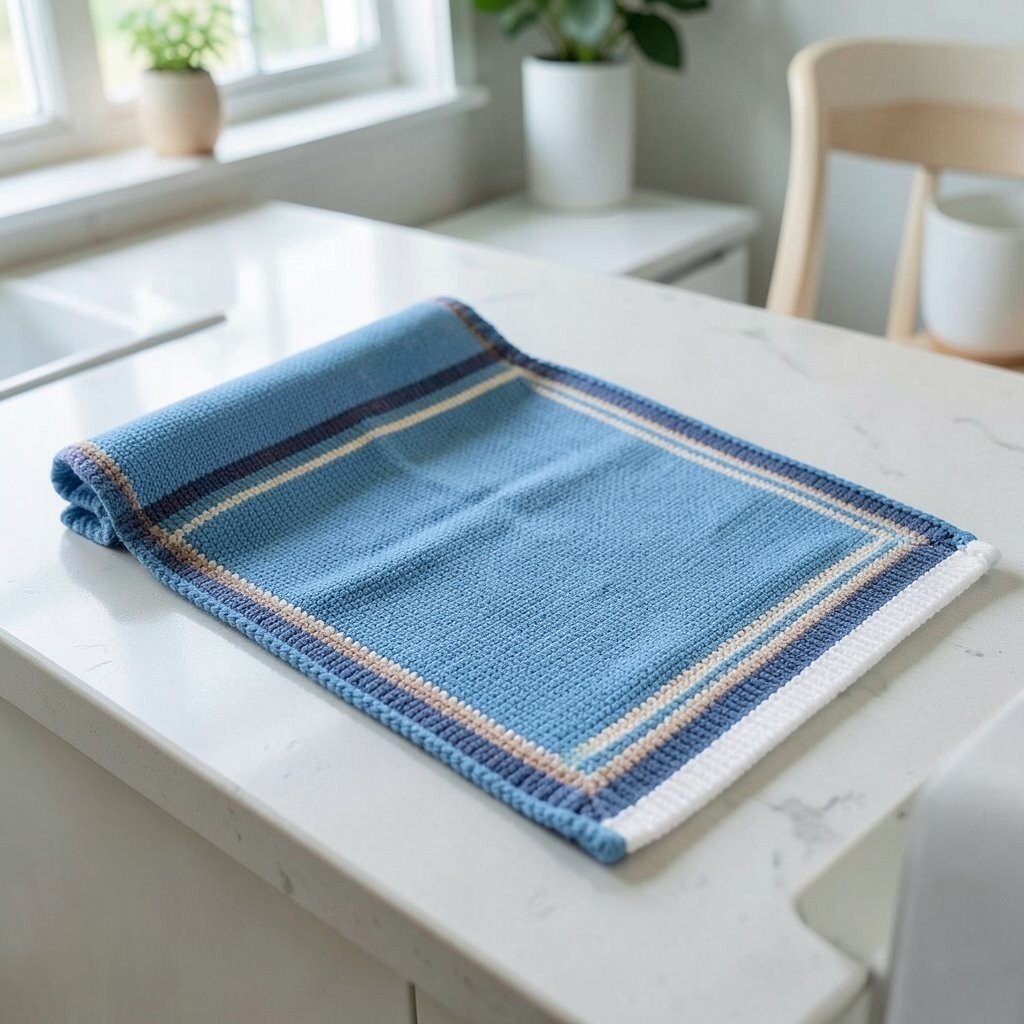
A dish towel looks crisp and clean, and it feels nicer when it matches your kitchen. As you knit, the fabric has a smooth side and a cozy texture that dries quickly.
This is a practical project that teaches basic shaping, edges, and how to finish neatly. You can keep it simple with stockinette stitches and add a border that makes it look polished. Cotton yarn is a popular pick because it is absorbent and easy to wash.
Personalize it by making each towel a different color or adding a striped border pattern. Many people enjoy the current trend of matching towel sets with similar tones across the home. For cost, dish towels are also a great way to use yarn you already own without buying too much new.
Press your edges lightly after washing, if the yarn allows it, so the towel lies flat. If you notice curling, adjust your stitch pattern or try a simple edge stitch on both sides. Small tweaks help the towel look store-bought, even for first-time knitters.
11. Warm Lap Blanket With a Easy Repeat Pattern
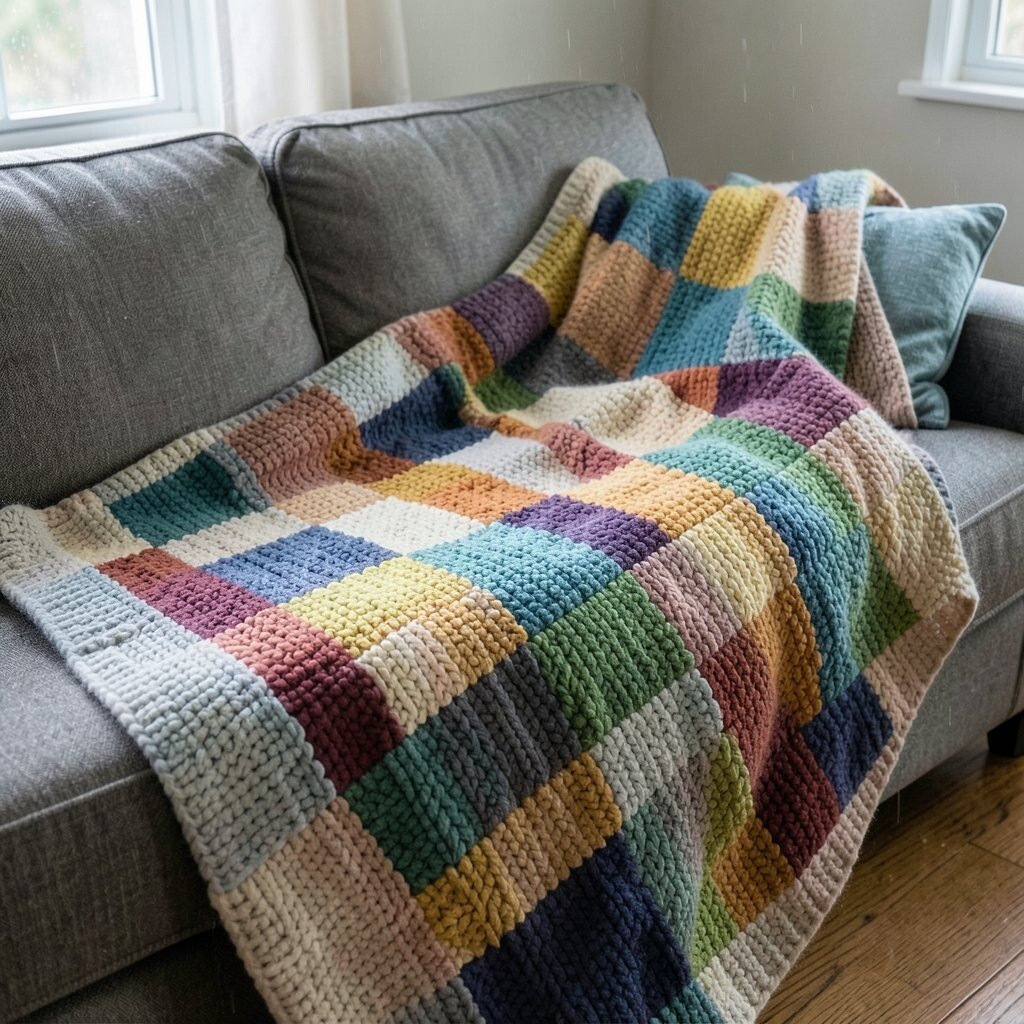
A lap blanket makes rainy evenings feel softer, especially when you knit it gradually. You can watch it grow across the couch like a cozy landscape.
This project supports beginners because it uses repeating rows that are easy to remember. Choose a thick yarn and a straightforward stitch pattern so the texture stays clear. You’ll get warmth quickly, and the finished blanket feels like something you earned.
For uniqueness, rotate your colors every few rows or alternate plain sections with textured ones. Many knitters are enjoying bold, modern color mixes that still look cozy and not chaotic. If you want to control costs, use a mix of new yarn and gentle second-hand yarn in similar weights.
Plan your yarn yardage before you start so you don’t run out mid-weekend. When you’re ready, swatch first to confirm the blanket’s size and gauge. With each session, you’ll feel calmer, because the rhythm of repeating stitches can be soothing.
12. Lacy Beginner Shawl With a Soft Triangle Shape
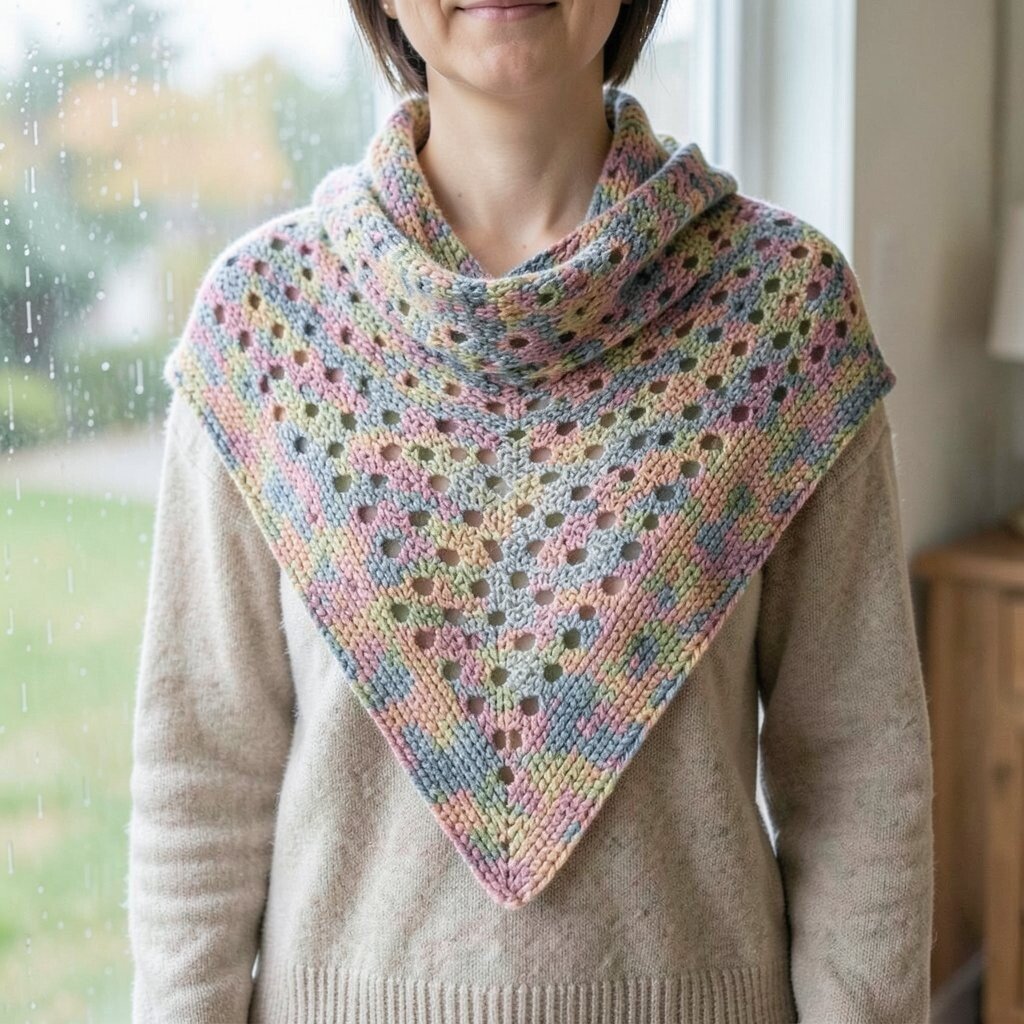
A shawl drapes nicely over shoulders and makes even a simple outfit feel special. When it’s done, the fabric looks airy while still offering gentle warmth.
This project is unique because it teaches beginners about triangle growth in small steps. You can keep the lace simple by using a few eyelets and easy yarn overs. A lightweight yarn works well for drape, especially on mild rainy days when you want comfort without heavy bulk.
Personalize it by choosing a variegated yarn so the lace pattern looks natural and festive. Current knit styling often features delicate shawls worn over sweaters, which makes this feel very modern. If you’re mindful about cost, buy only one or two skeins in a weight that matches the pattern and use a color that flatters your wardrobe.
Block the shawl after finishing to help the lace open up and look crisp. If your edges curl, adjust your edge stitches or add a simple garter border. The best part is how practical it is, because you can wear it indoors while you knit, then outside when the weather turns chilly.


