The world of art is a place where history speaks in color and rhythm. Each artwork can act like a small map for your own creativity.
Now picture how cultural art can spark your next project, decorate your space, or even change how you see everyday life.
1. The Samba Parade Mask
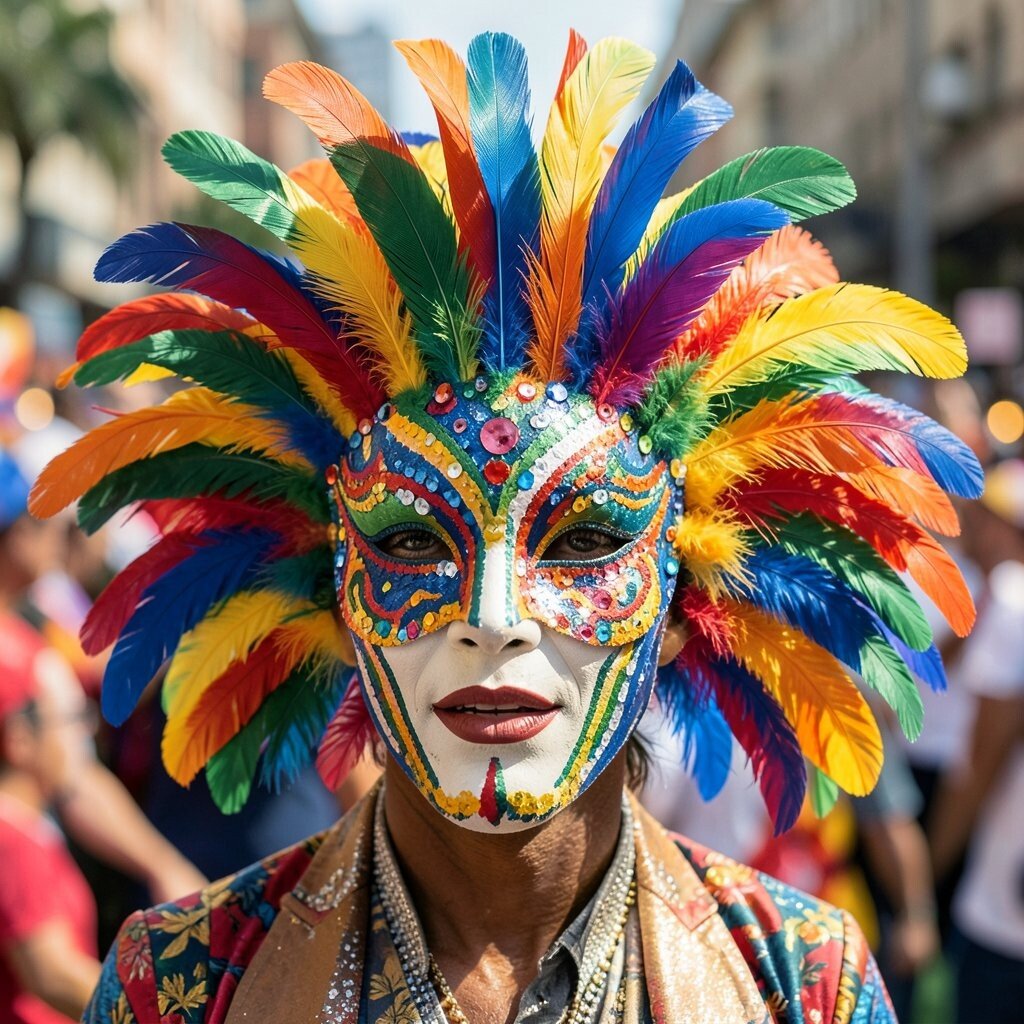
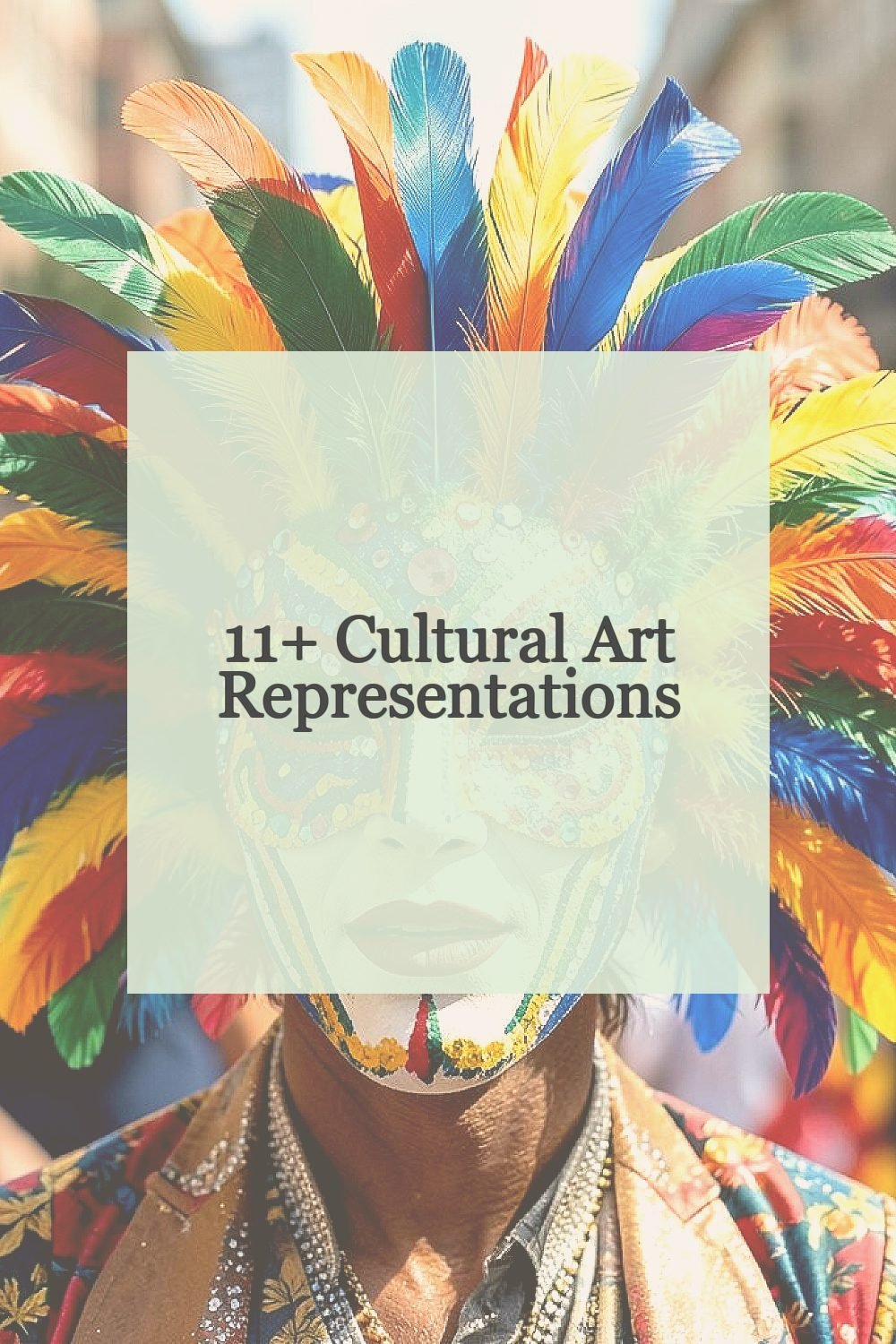
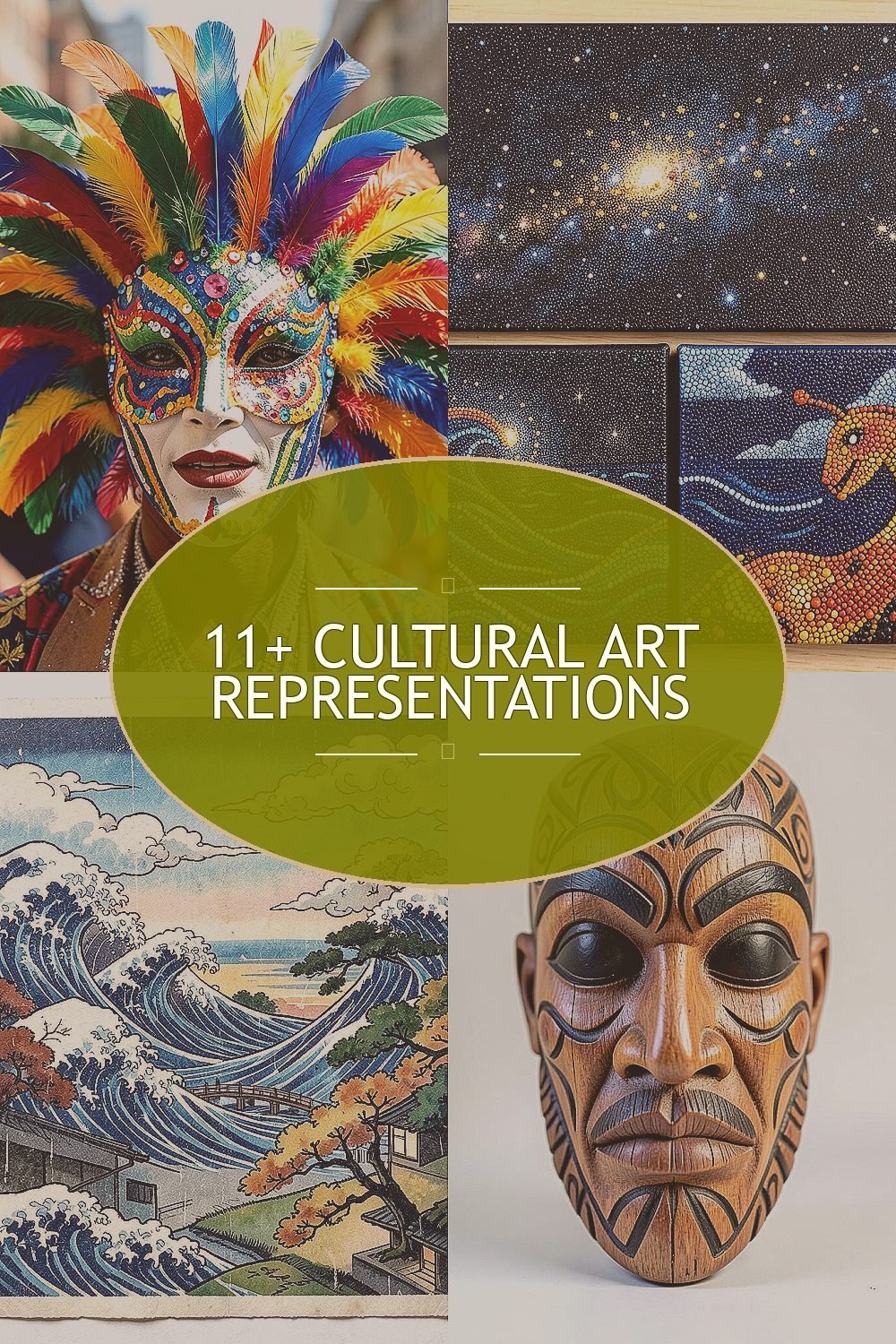
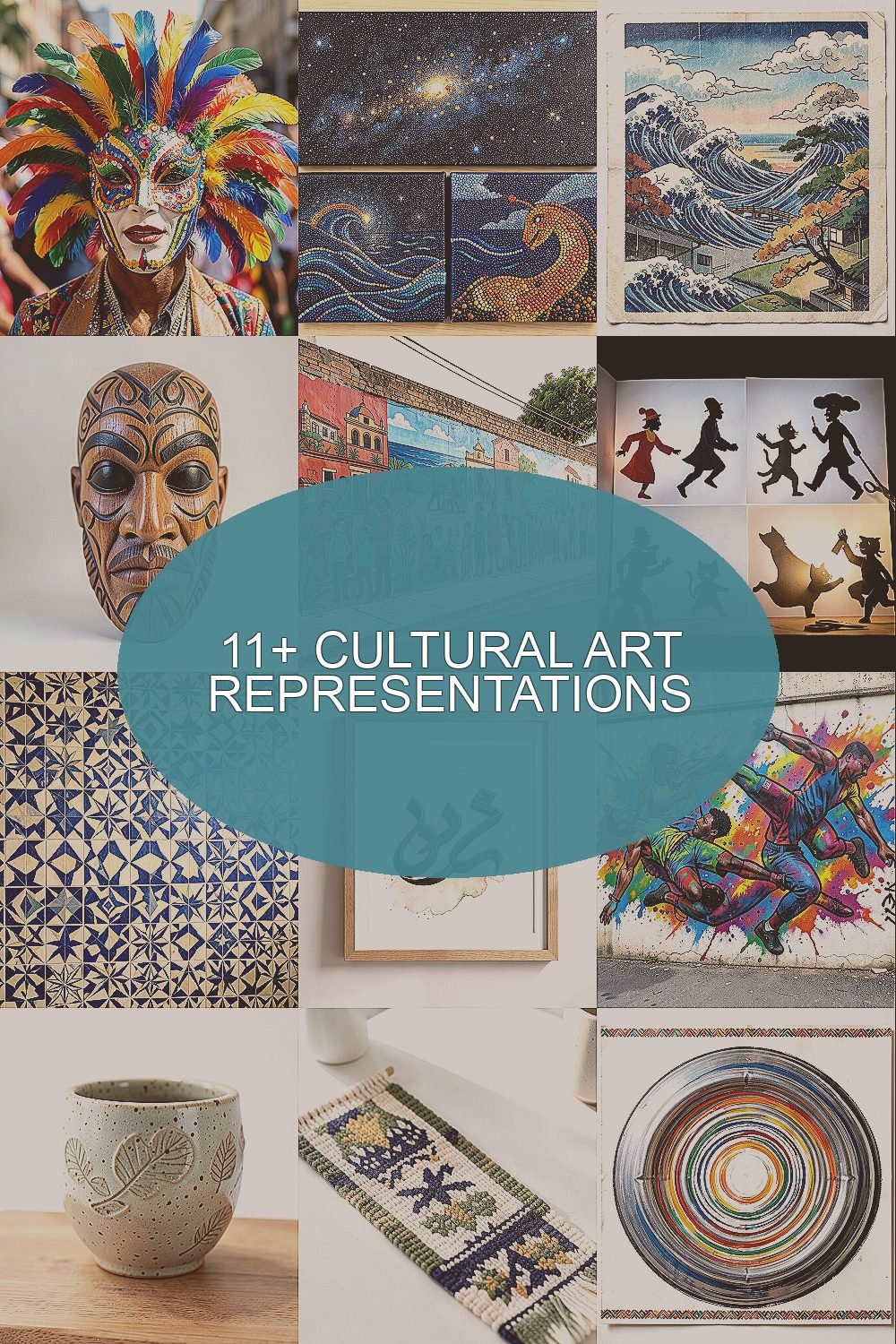
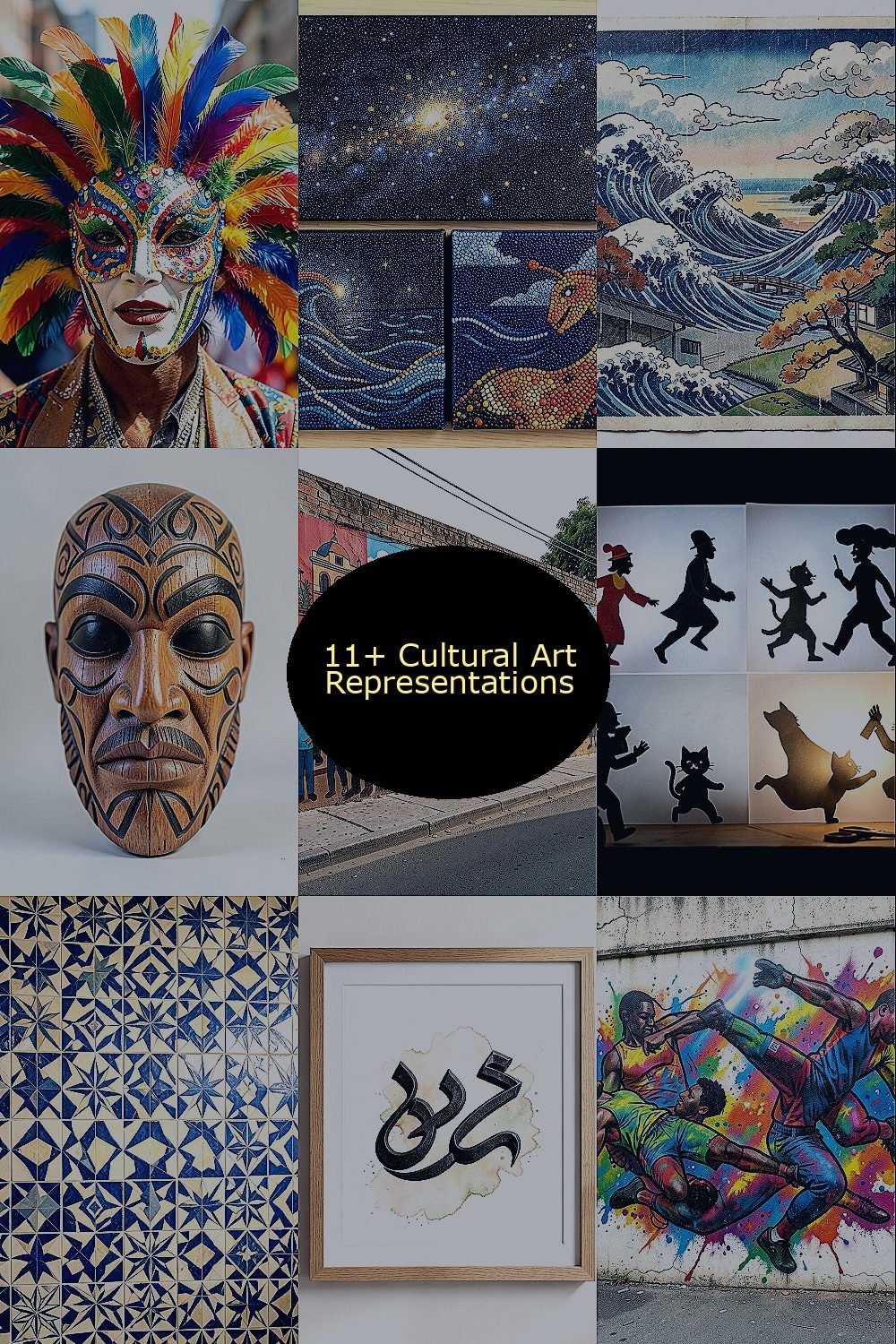
Imagine a parade mask made for movement, with bold colors that catch streetlight and fabric that ripples like music. Feathers, sequins, and painted patterns seem to turn a face into a living celebration.
Beyond the show, the mask teaches how tradition becomes personal expression, and that makes it useful for your own art habits. If you want to try something similar, start with a simple base and choose a limited color palette so the design feels cohesive. For a practical approach, sketch your shapes first, then glue or stitch materials in layers to keep the final piece sturdy. It also helps to follow current costume trends by mixing vintage-inspired motifs with modern textures like metallic thread or patterned foam.
2. Indigenous Dot-Painting Stories
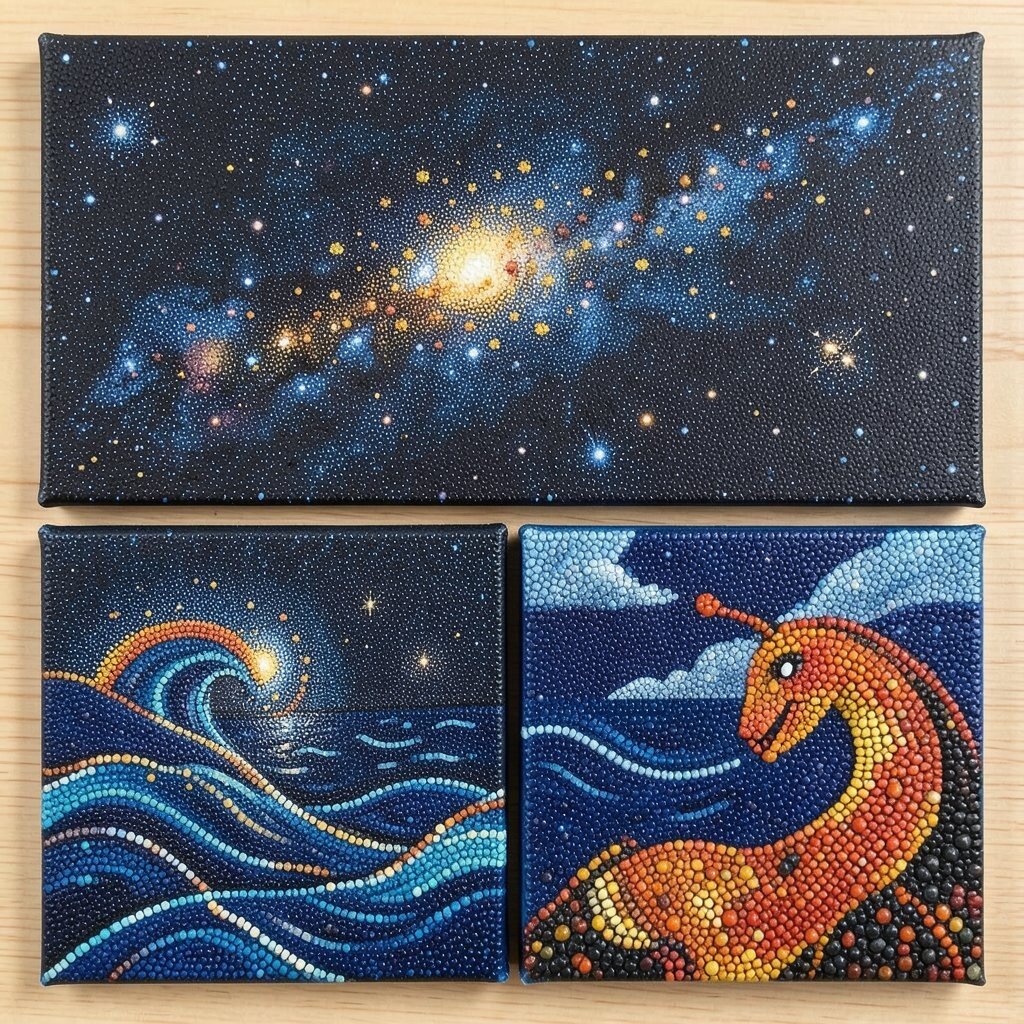
Think of a canvas filled with tiny dots that build meaning one careful mark at a time. From far away, the image glows like a starfield, and up close you can see how each dot holds intention.
These works are special because they can carry place, memory, and knowledge without needing realistic faces or objects. They also benefit beginners, since practicing dots improves control and patience, which are useful skills for any medium.
To make it your own, try a small board and pick one theme like water, wind, or a family journey, then let the dots create the main shapes. Keep costs low by using craft acrylics and inexpensive dot tools, like bottle caps or the end of a clean pen. Many artists today blend dot styles with modern composition, so you can add a contemporary layout while still respecting the calm rhythm of the marks.
3. Japanese Woodblock Prints of Seasons
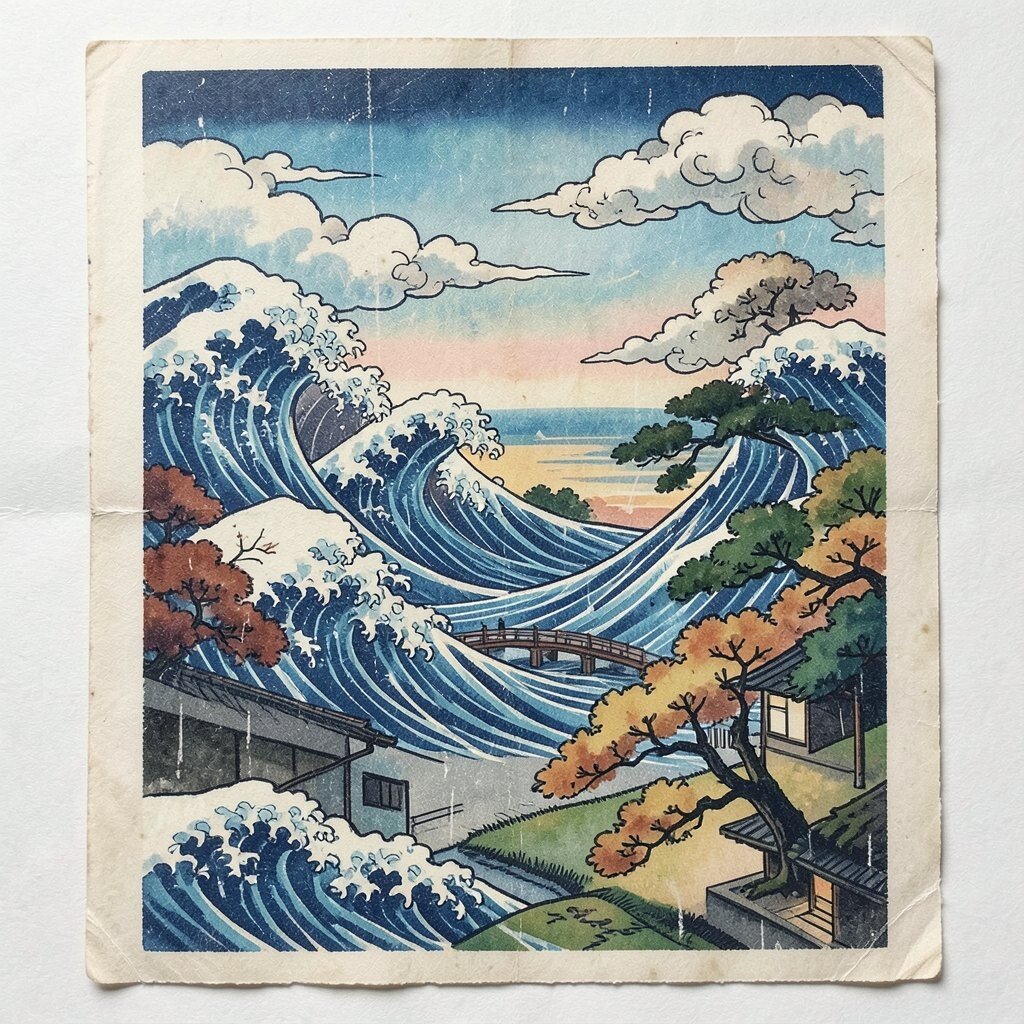
Picture a woodblock print where waves, clouds, and tree leaves repeat in perfect balance. The colors look slightly pressed and luminous, as if the paper is holding a quiet breath.
What makes this representation powerful is how it captures time, especially the feeling of each season, with just line and pigment. It can also benefit you by training your eye to notice edges and negative space, which makes any drawing look cleaner.
If you want practical steps, choose a simple scene like a bridge or a path, then plan a few layers of color before you commit. Use textured paper or even mixed media over print-like backgrounds, so your work feels aged in a good way. For personalization, you can swap the traditional subject for something local, like your own street corner after rain. Current trends often favor nostalgic prints, so your modern twist could fit well in a gallery wall or a digital poster.
Even with a small budget, you can imitate the look using watercolor washes and stencil-like shapes, focusing on bold silhouettes.
4. West African Carved Mask Traditions
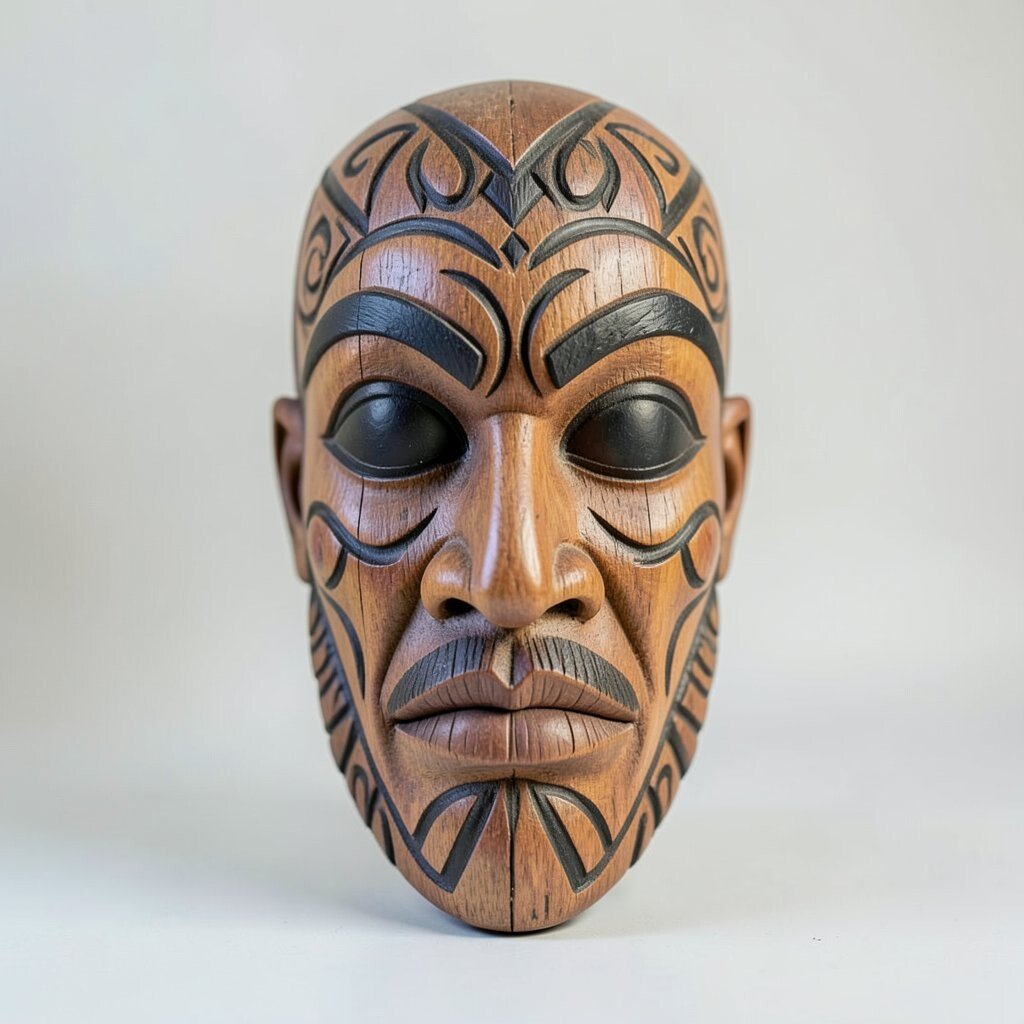
Imagine a wooden mask with crisp edges and deep grooves, the surface worn smooth where hands have touched it for generations. The expression can feel serious, playful, or protective, depending on the pattern and carving style.
These masks are unique because they merge storytelling with craftsmanship, showing how culture lives in objects. They also offer a practical path for your art practice since carving teaches planning and texture, even if you start with safer, softer materials.
If you want to try a beginner-friendly version, use foam, clay, or paper mache and carve simple shapes with basic tools. Personalize the face with symbols that match your values, like strength, kindness, or curiosity, so the mask feels meaningful to you. Cost-wise, lightweight materials and inexpensive paint are enough to create a strong look, and you can seal it with a clear coat for durability. Many contemporary makers now pair carved motifs with bright street-art palettes, so you can keep the spirit while making it feel current.
5. Mexican Muralism in Neighborhood Walls

Picture a long wall packed with people, plants, and symbolic scenes that turn a street into a storybook. Bright reds, earth browns, and ocean blues create a strong rhythm that feels public and proud.
These murals represent culture in a way that invites everyone to look closer, which is a big benefit for community-minded art. They are unique because they blend history, politics, and daily life into one visual message.
For practical inspiration, design your own mural panel on canvas paper using strong silhouettes first, then add smaller details last. You can personalize it by centering something close to your life, like school memories, local landmarks, or a family tradition. If you want to keep costs down, acrylic paint and poster-size paper can still create that wall-ready boldness. Current trends also encourage large-scale art in home studios, so your piece could become a statement artwork or a backdrop for photos.
6. Chinese Shadow Puppetry Characters
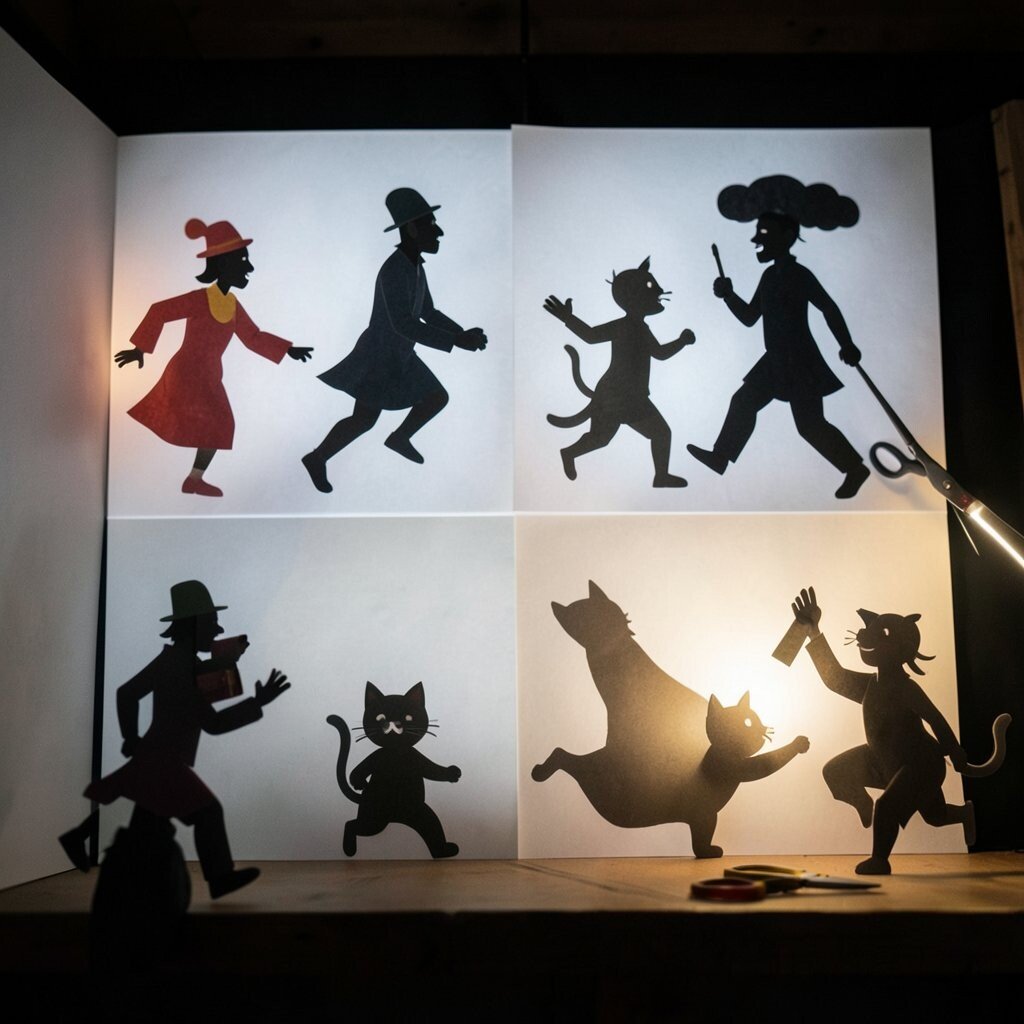
Imagine figures made from paper and light, where simple shapes become expressive characters on a screen. The silhouettes move like dancers, and the audience reads emotion through small changes in angle.
This art form is unique because it relies on motion and storytelling instead of detailed realism. It can benefit you by teaching how to express meaning with limited tools, which is useful for animation, theater, and even graphic design.
Try a practical practice session by cutting a few basic shapes from cardstock, then using a flashlight behind them to test different expressions. Personalize your story with characters that reflect your own interests, like a brave librarian, a curious cat, or a weather spirit. Keep costs low by using cardboard, scissors, and household light sources, and you can build a little show without fancy equipment. Today, many creators share shadow animation clips online, so your experiments can fit modern short-video styles too.
Even a small setup can feel magical, because the audience only needs light, movement, and a hint of imagination.
7. Middle Eastern Geometric Tile Patterns
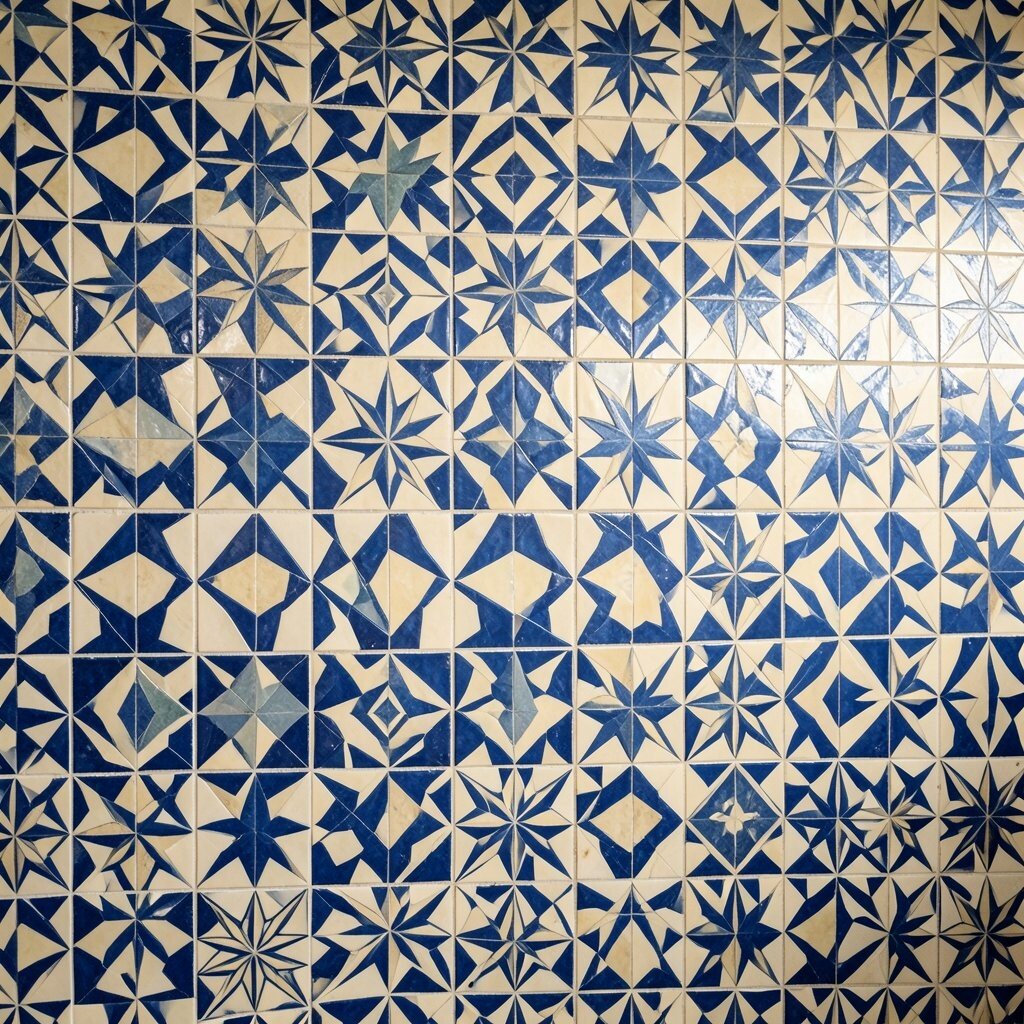
Picture a wall covered in repeating shapes that feel endless, like a maze made of calm. Star forms and interlocking lines create a sense of balance, and the surface can shimmer as you shift your view.
Geometric design is special because it shows how math can become beauty, which is a real benefit for building structure in your art. It is also unique because the patterns can mean many things across regions, while still being visually soothing and powerful.
If you want actionable steps, start with one repeating motif and draw a grid so your lines stay aligned. Personalize your pattern by choosing shapes that match your mood, like circles for softness or sharp angles for energy. Cost considerations are friendly here since you can use inexpensive marker sets and printed grid paper before moving to more advanced materials like tiles or mosaic kits. Current trends in home decor love handcrafted-looking geometric prints, so your design could be turned into wall art, fabric patterns, or even a phone wallpaper.
To keep it practical, make a small test tile or card first, then scale up once your proportions feel right.
8. Egyptian Calligraphy as Visual Poetry
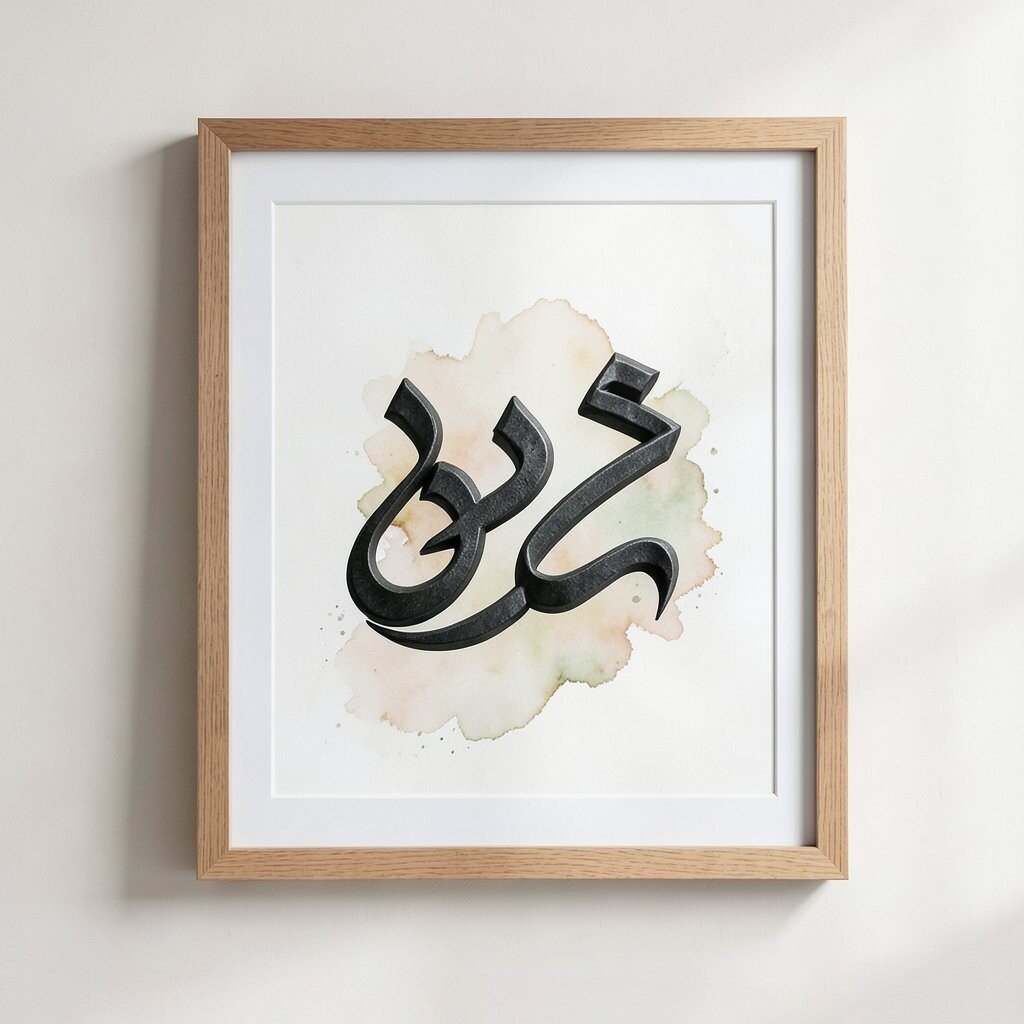
Imagine lettering that behaves like a sculpture, where curves and strokes feel both strict and graceful. Certain characters seem to hover between ink and symbol, creating a calm, rhythmic page.
Egyptian calligraphy representations are unique because they combine language with visual design, so meaning becomes part of the artwork’s shape. They can also benefit you by improving your handwriting confidence and teaching controlled strokes.
For a practical way to start, choose a short word or name and write it slowly with guidelines, then thicken key lines for emphasis. Personalize it by adding a small background texture, like watercolor wash or lightly stamped patterns. Cost-wise, you can begin with a basic brush pen or dip pen and a jar of water-based ink. Current trends include bold typographic art on social media, and calligraphy fits that style while still feeling timeless.
Once you like the layout, try framing it in a simple mat so the piece looks finished, even on a budget.
9. Brazilian Capoeira-Inspired Street Art
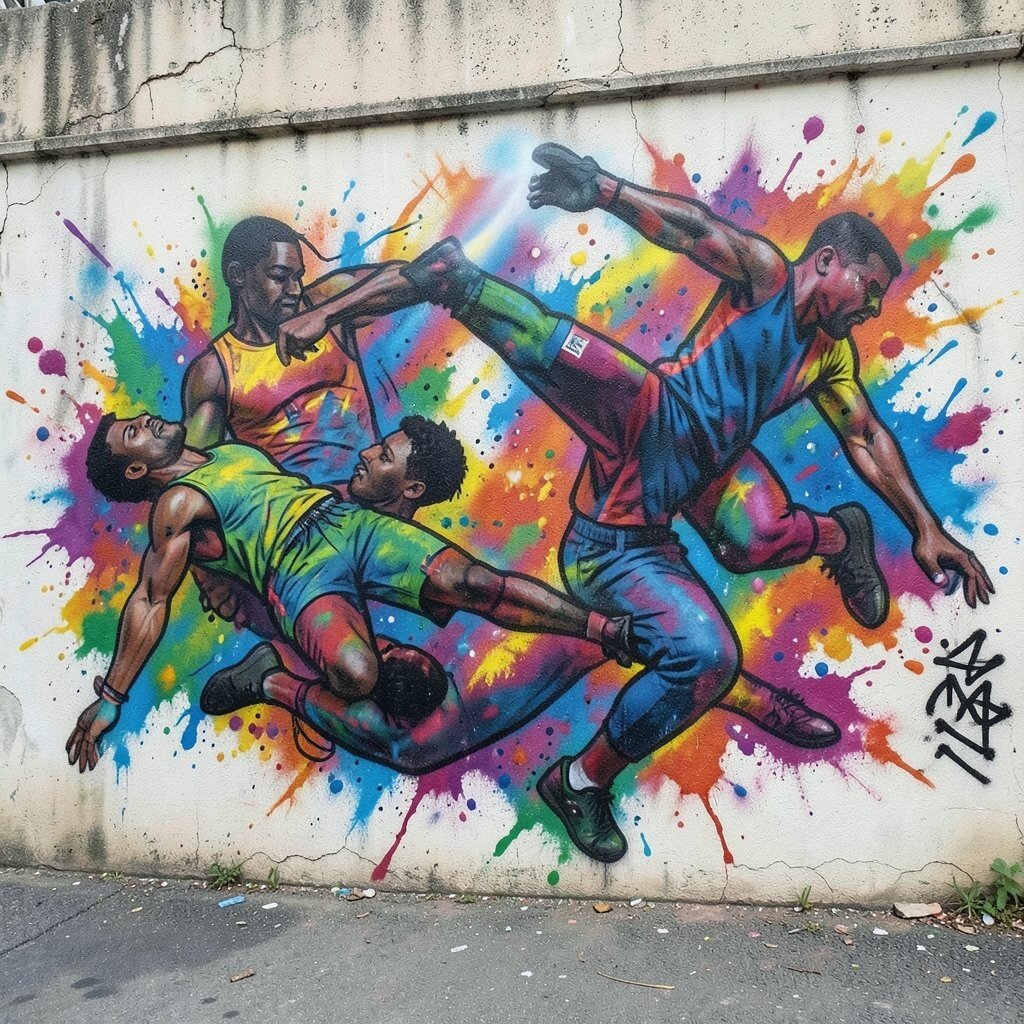
Picture a spray-painted scene where bodies twist in mid-motion, blending culture with athletic grace. Curving limbs, dynamic lines, and splashes of color can make the wall feel like it’s moving.
This representation is unique because it shows rhythm and discipline, not just a pose, and that can inspire your own creative energy. It benefits you by encouraging movement in your art process, which can loosen stiffness and improve your composition.
Try practical steps by drawing motion lines first, then adding simplified figures like silhouettes, then finishing with details only where the energy peaks. Personalize it with colors that match your neighborhood palette or your favorite team colors, so it feels like it belongs to you. For cost considerations, start with a small set of acrylic paint markers or a limited spray set to keep spending under control. Many modern artists also mix street art with digital effects, so you can scan your sketch and add subtle glow or grain to match current trends.
Even without a wall, you can recreate that street vibe on canvas paper and still feel the spirit of the movement.
10. Korean Buncheong and Stoneware Textures
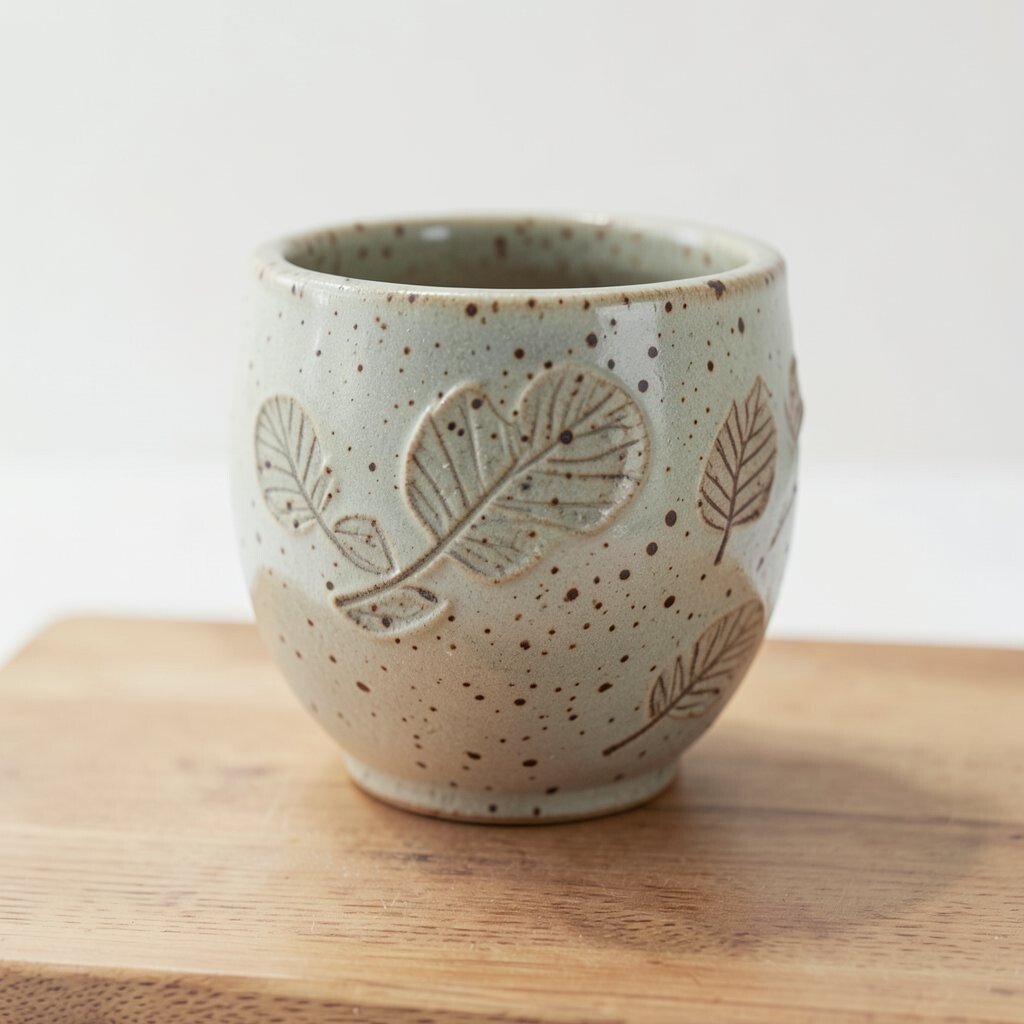
Imagine handmade pottery with speckled glaze and uneven textures that feel honest in your hands. The surface can look like clouds or fingerprints, and the shape might be simple yet strong.
This cultural art representation is unique because the beauty comes from process, where imperfections become the highlight. It can benefit your creativity by reminding you that texture is a form of storytelling.
For practical inspiration, try a clay-inspired look using air-dry clay, salt dough, or even textured modeling paste on a small tile. Personalize by stamping patterns with leaves, bottle caps, or fabric scraps before the material sets. Cost considerations are manageable since you can do small pieces and learn by repetition, and you can paint over textures with a limited set of earthy tones. Current trends show people loving handmade-style ceramics for home decor, so your finished piece could become a small catchall, a mini planter, or a pen holder.
To keep it smooth for beginners, seal your final work with a clear varnish so it handles daily use.
11. Scandinavian Folk Weaving Motifs

Picture woven patterns with tight, neat lines that create gentle contrast across a strip or blanket. The design can feel orderly, but the color choices give it warmth like sunlight on wool.
Folk weaving representations are special because they turn practical items into cultural art, and that is a real benefit for your everyday life. They are unique because repetition is the magic ingredient, and each pass of color builds a new mood.
For a practical approach, start with a simple weaving frame or even a yarn craft kit, then choose one motif to repeat consistently. Personalize your work by using yarn in colors that match your room, like muted greens, warm cream, or deep navy. Keep cost considerations in mind by starting with a small length of yarn and focusing on a narrow strip rather than a full blanket. Current trends also value slow-made crafts, and a small woven piece can look modern when paired with clean, minimalist decor.
If you want a faster path, try knot weaving or macramé-inspired patterns that keep the same folk spirit.
12. Caribbean Steel Pan Music Visualizations

Imagine a circular design that suggests a steel pan, with ripples radiating like sound waves across paper or paint. Bright highlights can mimic the way metal catches light, while darker rings show depth.
This cultural art representation is unique because it turns music into a visual shape, so rhythm becomes something you can see. It benefits you by sharpening your sense of timing and spacing, which helps a lot in illustration and design.
Try practical steps by drawing concentric circles and using different line styles for different “notes,” like thin lines for high energy and thick shapes for bass beats. Personalize it by mapping a song you love into a visual pattern, then labeling your own emotional journey with colors rather than words. Cost-wise, you can start with a compass, markers, and a few paint pens, which keeps the setup simple. Current trends often favor abstract music posters and album-style artwork, so your piece could easily match modern decor or a personal print.
To make it feel complete, add a small border pattern inspired by local craft textures, even if you keep the center bold and minimal.
When you treat sound as color, you give your creativity a fresh doorway.