Morning energy can feel elusive, even when your to-do list is loud. Small shifts in routine can make your day feel brighter fast.
If you want a practical boost that still feels fun, start with simple choices you can actually repeat. Each idea below includes what you’ll notice, why it helps, and how to make it fit your life and budget.
1. Hydrate First, Even If It’s Just a Little

When you drink water right away, you may feel clearer and steadier within an hour. A tall glass, a quick sip, and a slightly cooler mouthfeel can make your start feel grounded and real.
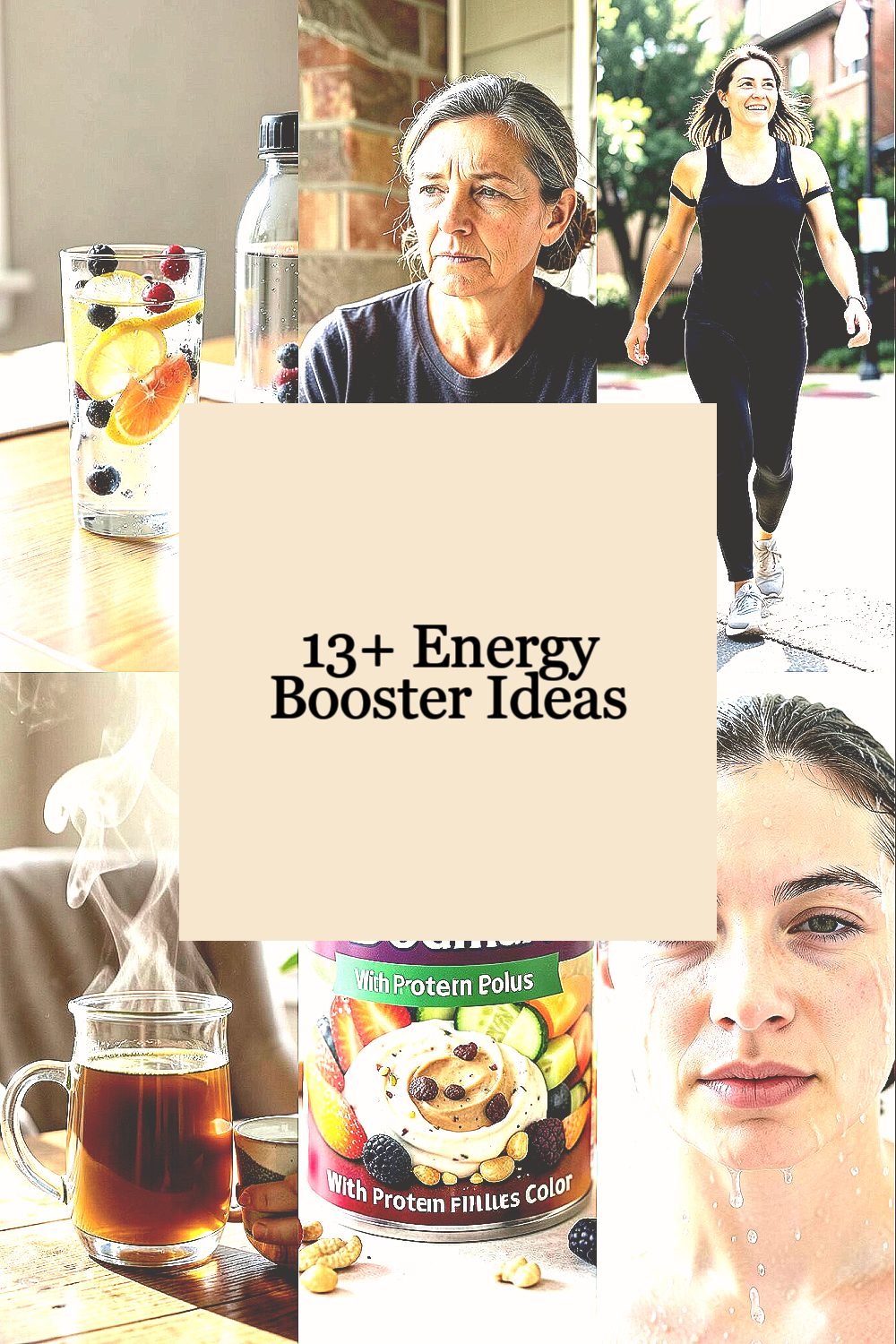
Try keeping a bottle on your bedside or desk so it’s effortless to begin. If plain water feels boring, add a squeeze of citrus or a few berries for a light taste. For cost savings, use a reusable bottle and make flavor with what you already have at home.
2. Get Morning Light on Your Face

Step outside for a few minutes and let daylight hit your eyes. You might notice your body clock waking up, and your thoughts may feel less foggy.
Walk slowly or sit on a porch so the light feels steady, not rushed. Many people use this as a gentle rhythm cue, especially on cloudy days by standing near windows with bright light. If mornings are busy, choose a consistent time and keep it small enough that you won’t skip it.
To personalize it, pair the light with a short stretch or a calm breath count. You can also use bright indoor lighting early on if outdoor time is limited. This matches current trends toward circadian-friendly habits, and it tends to cost almost nothing.
3. Do a Ten-Minute Move Break

Not every workout needs a big plan to work. Even a brisk walk around the block can make your energy rise and your mood loosen.
Choose simple moves you enjoy, like marching in place, stair climbing, or dancing to one song. When your body warms up, your breathing steadies and your focus often follows.
If you want a practical structure, set a timer and repeat a small routine you can remember easily. Personalize it with what your body likes today, like gentle mobility if you feel stiff. For budget, you can keep it gear-free and use spaces you already have at home.
4. Brew a Better Tea or Coffee Ritual

A comforting warm drink can feel like a signal that the day is beginning. Notice the smell, the steam, and the first sip as you stand or sit comfortably.
If you use caffeine, consider timing it earlier so it supports your morning rather than cutting into your sleep later. Switch to matcha, green tea, or a lighter roast if you want a smoother feel. For personalization, try steeping times that match your taste and keep a favorite mug for the same calming routine.
5. Snack Smart With Protein Plus Color

Choosing a balanced snack can help energy last longer than a sugary bite. You may feel steadier when you pair protein with bright produce or whole grains.
Try options like yogurt with fruit, peanut butter on toast, or hummus with carrots. Add color by using berries, sliced peppers, or cucumber, so you’re not just eating, you’re enjoying.
For practical budgeting, buy frozen fruit and keep canned beans or lentils on hand. This fits current trends toward convenient “real food” snacks that don’t require special powders or pricey bars. Make it yours by rotating flavors, like cinnamon, cocoa, or a dash of chili for extra interest.
6. Try a Cold Splash or Cool Face Rinse

A quick cool rinse can feel like instant wake-up in a small, safe way. You might notice your alertness jump as your senses snap into focus.
Keep it gentle by using cool water on your face or stepping into a quick, brief cool shower stream. This can be a fun reset when you feel sleepy, but don’t overdo it if you dislike cold sensations.
7. Write a One-Sentence Priority Before You Start
Your mind can feel busy when your next step is unclear. When you write one clear sentence, your focus often feels lighter and more organized.
Pick a task that matters most today, then describe it in plain language so you can start immediately. You can also include a time you aim to begin, like after breakfast or right after a call.
To personalize it, match your energy to your task by doing easier steps during low energy and moving harder tasks to your peak hours. Many people now use quick journaling prompts as a simple productivity trend, and it’s low-cost because paper and a pen are enough. Keep it short so you won’t feel overwhelmed, and you’ll still get the benefit.
8. Do a Sensory Cleanup of Your Space
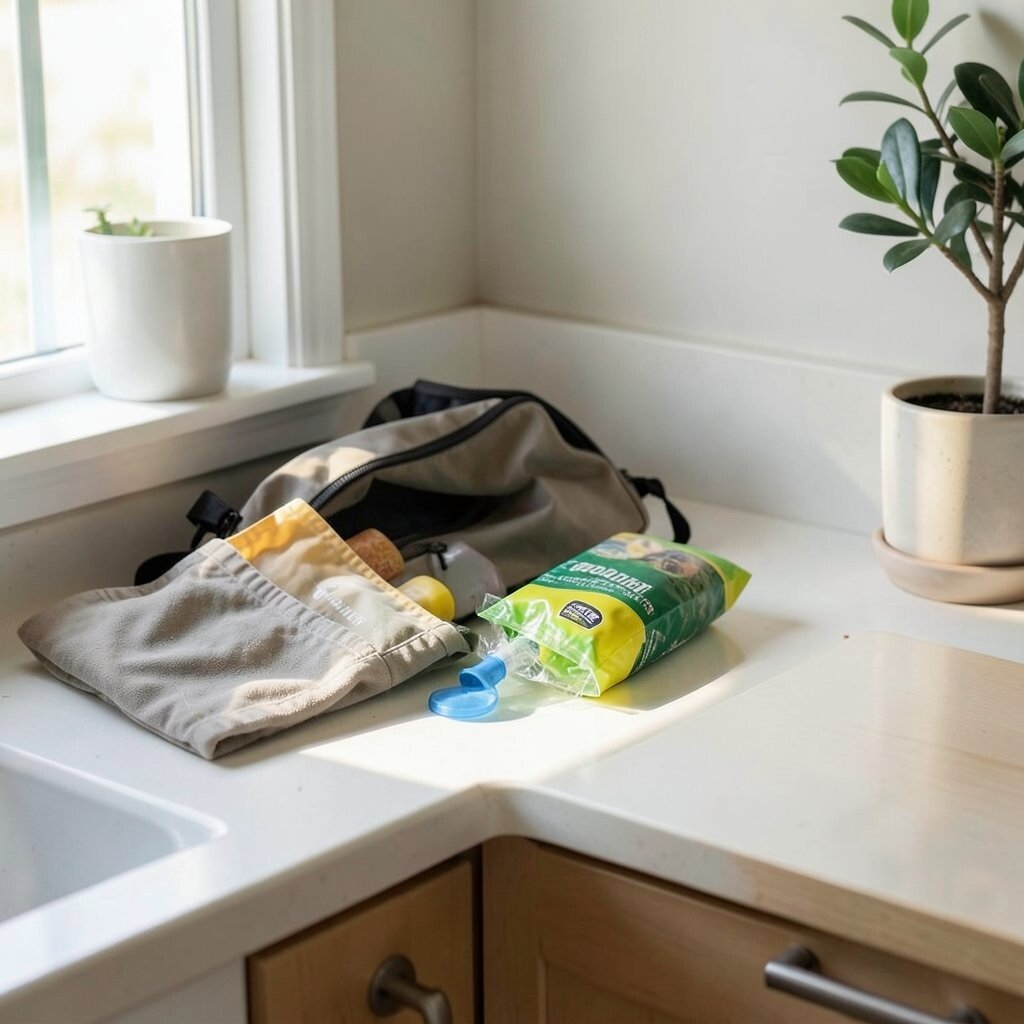
A messy area can quietly drain your attention all day. When you tidy one small spot, you may feel calm, like your brain has room again.
Choose a tiny zone like your desk corner, kitchen counter, or bag interior. Wipe surfaces, straighten items, and throw away obvious clutter so your eyes can rest on something clear.
9. Listen to Music That Matches Your Heart Rate
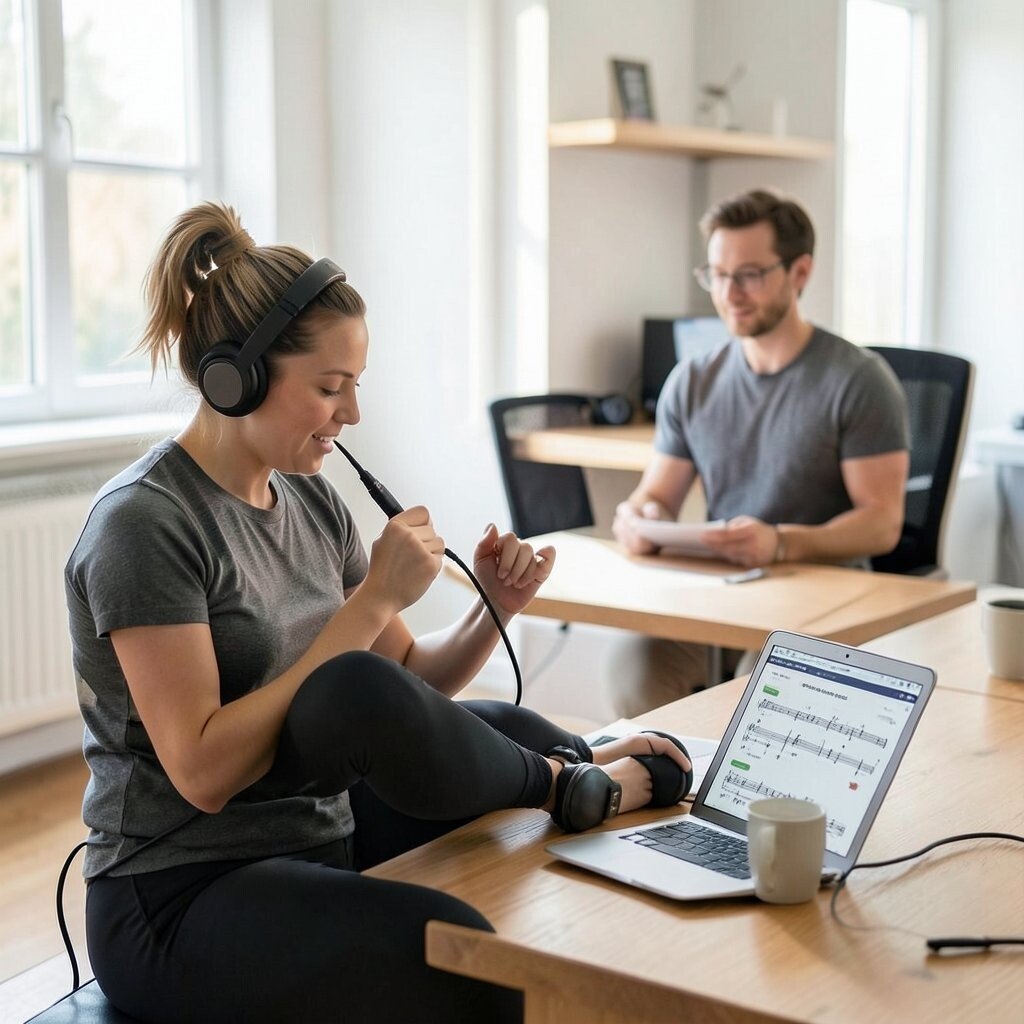
Music can guide your energy without you having to force your mood. A faster beat can make you feel more ready, while softer rhythms can help you settle.
Create a small playlist you trust, then play it during your morning tasks. Consider using instrumental tracks if lyrics distract you, or upbeat songs if you love singing along.
Personalize it by noting what works best on different days, like higher energy for workouts and calmer tracks for planning. This matches a current trend toward “soundtracking” routines, where people pair music with habits for consistent results. Cost is usually low since most streaming apps have free plans, and you can also use music you already own.
10. Add a Protein-Forward Breakfast If You Can
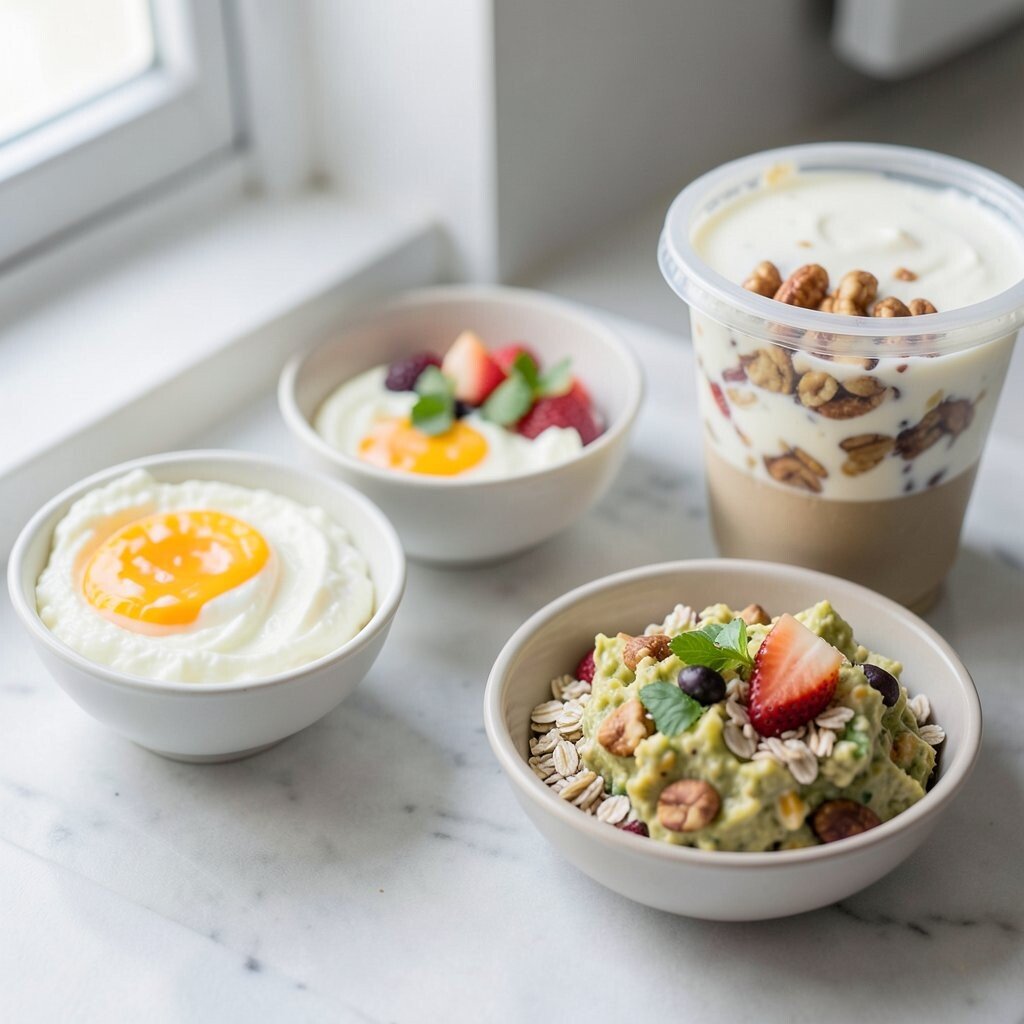
Breakfast can shape how your body feels for hours, especially when it includes protein. You may notice less mid-morning slump when you eat something satisfying, not just something sweet.
Try eggs, cottage cheese, Greek yogurt, or a tofu scramble, then include some fiber like oats or fruit. If you’re rushing, grab a yogurt cup with nuts or make overnight oats the night before.
11. Practice Slow Breathing for One Full Minute

Even one short breathing practice can make your body feel less tense. You might notice your shoulders drop and your thoughts feel less scattered.
Try breathing in slowly through your nose, holding briefly, and then breathing out gently. Use the exhale as your anchor, because long exhales often signal calm to the body.
To personalize it, match the pace to your comfort so it feels steady rather than forced. This aligns with a growing trend toward quick nervous-system resets people use between tasks. It costs nothing, and you can do it anywhere, even while waiting for something to load.
12. Add a Small Healthy Crunch to Your Day
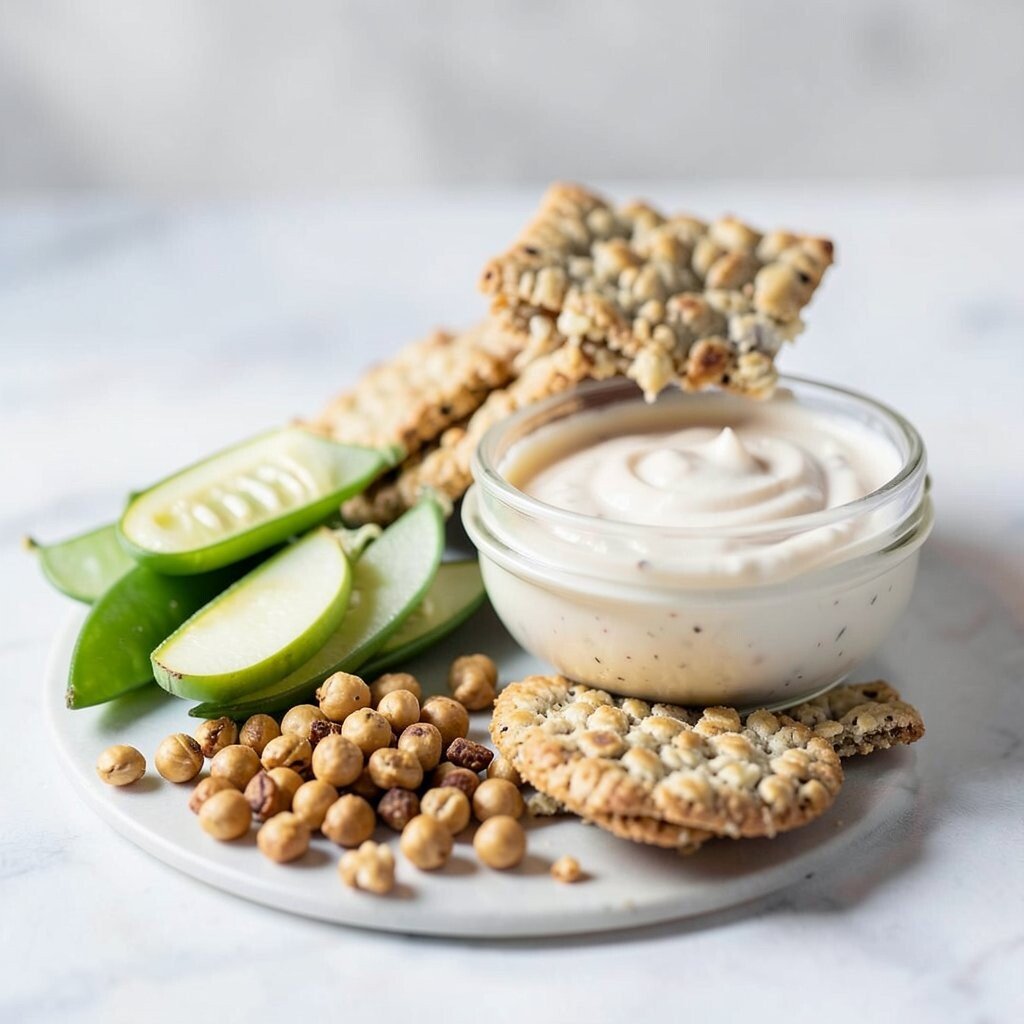
Crunchy snacks can wake up your senses in a simple, satisfying way. When you bite something crisp, your brain often treats it like a “fresh start” moment.
Consider options like snap peas, apple slices, roasted chickpeas, or crunchy whole-grain crackers. Pair crunch with protein or a creamy dip so it feels filling, not just snacky.
13. Take a Phone-Free Walk for Fresh Air

Your energy can improve when you move and let your eyes rest. A walk without screens can feel like a mental reset, especially if you’ve been indoors all morning.
Keep it practical by choosing a loop you already know, like around your home or a nearby park path. If you want an easy structure, walk for long enough to enjoy one song or one podcast episode, then stop.
Personalize it by using the walk for a specific purpose like thinking through a problem, listening to birds, or practicing gratitude. This fits the trend toward mindful micro-adventures that don’t need travel or expensive gear. Since it’s just going outside, the cost is basically free, and the benefits can feel surprisingly big.
14. Set Up a “Bright Day” Tiny Reward

Motivation can rise when you promise yourself something pleasant after a small effort. A tiny reward can turn work into a satisfying rhythm rather than a stressful battle.
Pick a reward that matches your tastes, like a favorite dessert square, a new color of nail polish, or a cozy shower with a nice scent. Keep it realistic so it doesn’t create guilt, and plan it for after you finish your priority task.
To personalize it, choose a reward you can repeat and keep it affordable by using weekly or occasional treats. Many people now use behavioral rewards to strengthen habits, and it works well when it’s tied to a clear action. The best part is that you’re building a brighter day on purpose, one small win at a time.