These cork projects bring warm charm to everyday moments. They turn an ordinary bottle habit into something you’ll love to set on your table.
1. Stacked Cork Square Coasters With Rubber Feet
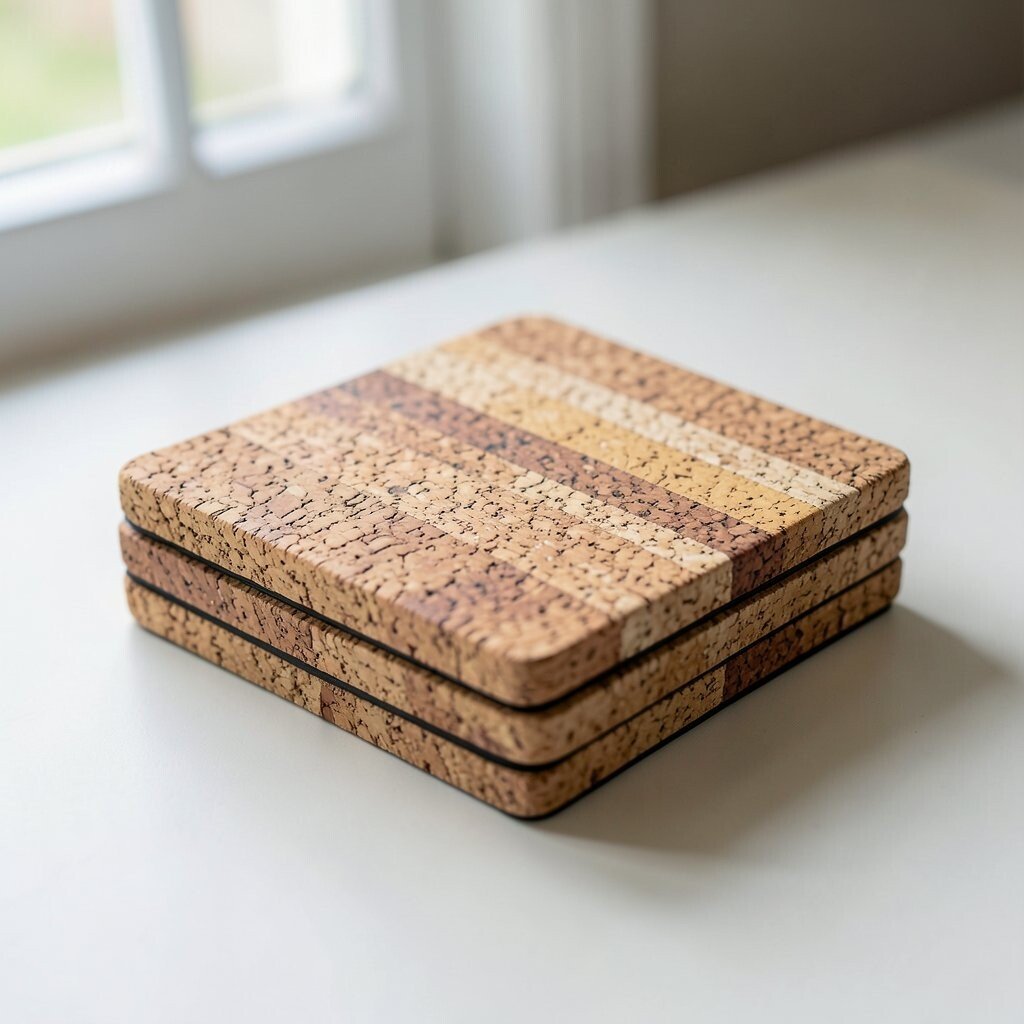
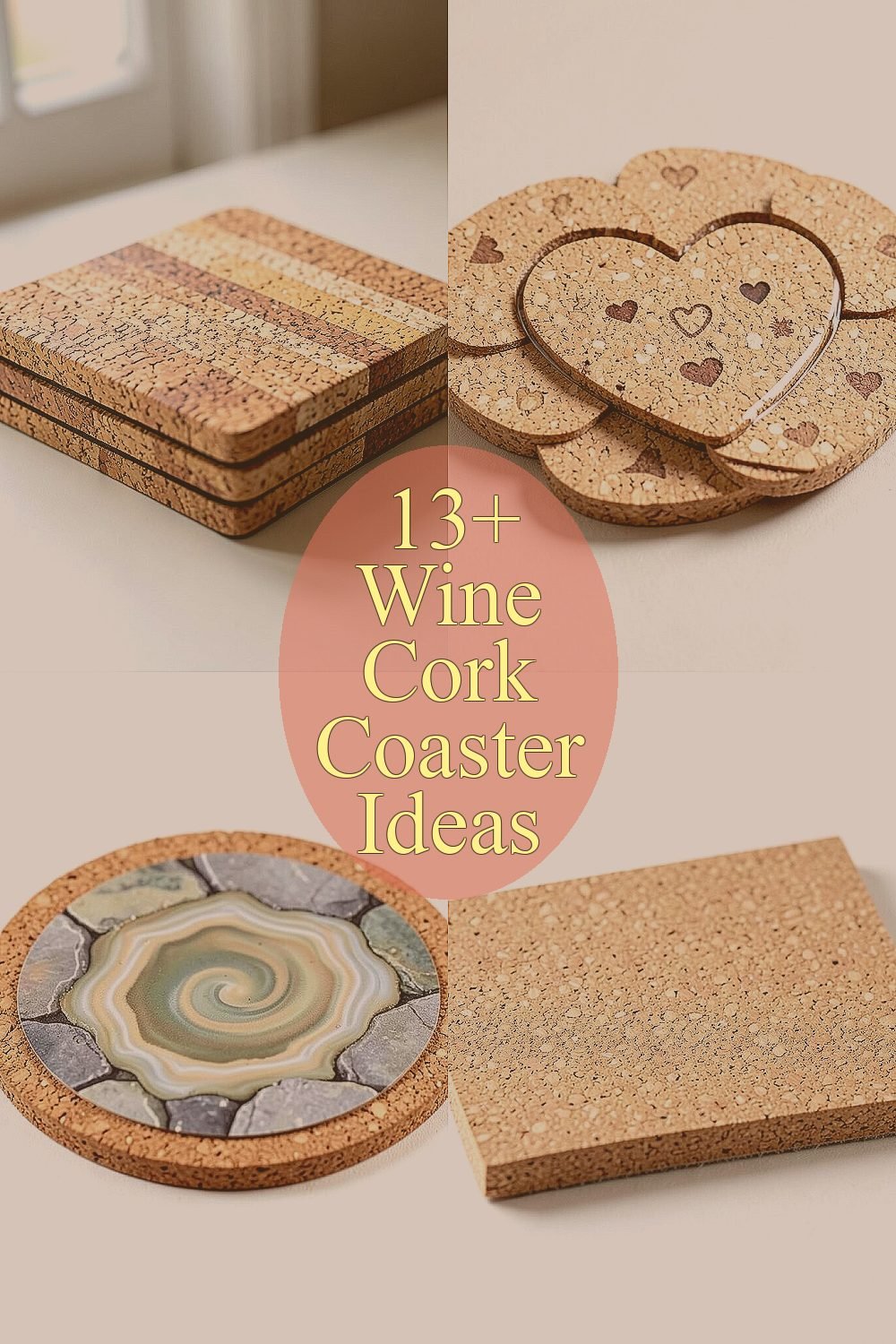
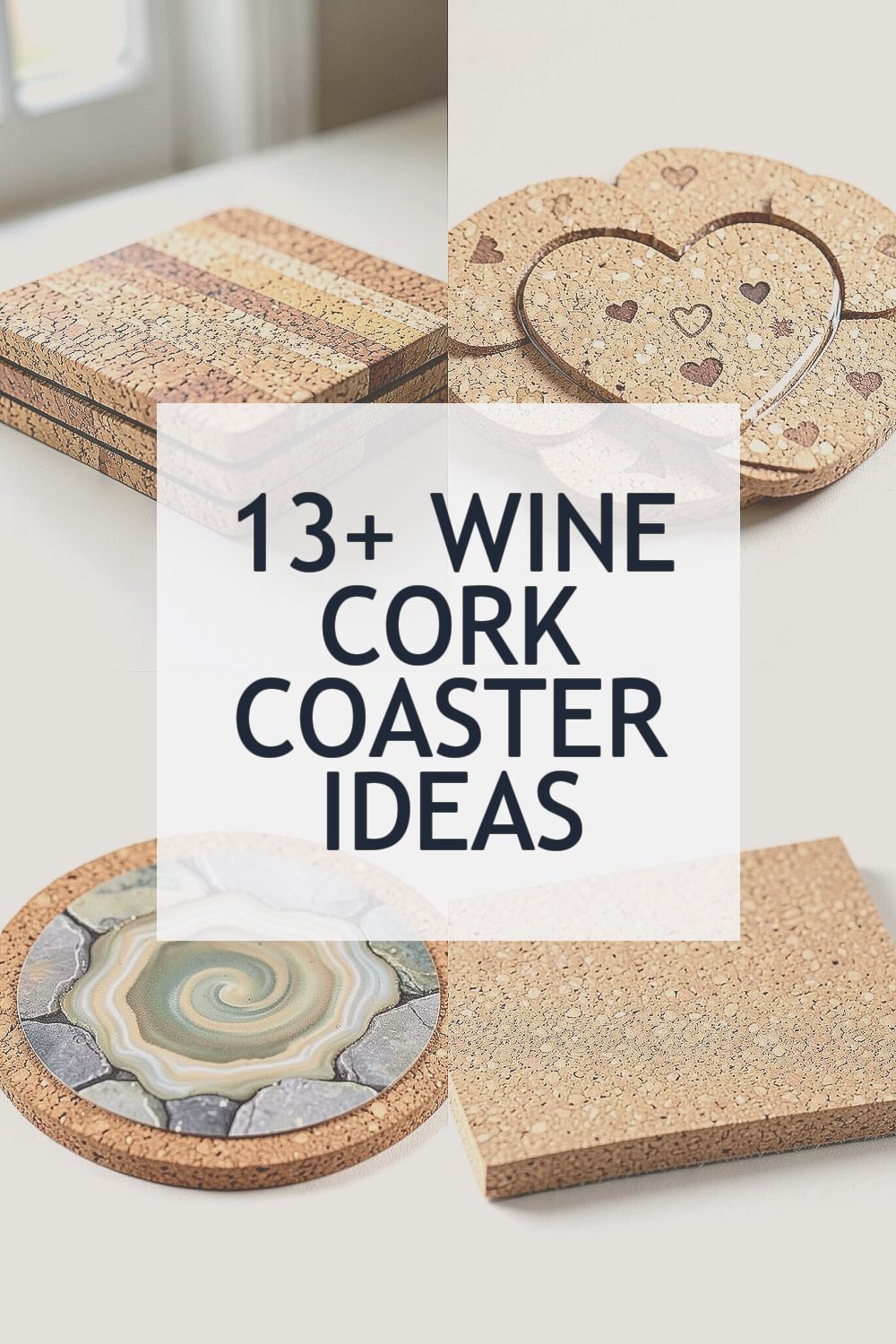
Stack cleaned corks into a neat square, then press them into a firm shape so the surface looks like a tiny wood grain mosaic. Once finished, you’ll notice how warm the color looks under window light, especially with a simple clear seal.
These coasters protect your table from small spills and heat rings, and they also feel sturdy in your hand. Use a non-slip backing such as thin rubber feet so cups don’t slide around while friends chat. For personalization, mix corks with different tones and glue them in alternating directions to create a subtle stripe pattern.
2. Heart-Backed Coasters Using Cork Shims and Mod Podge
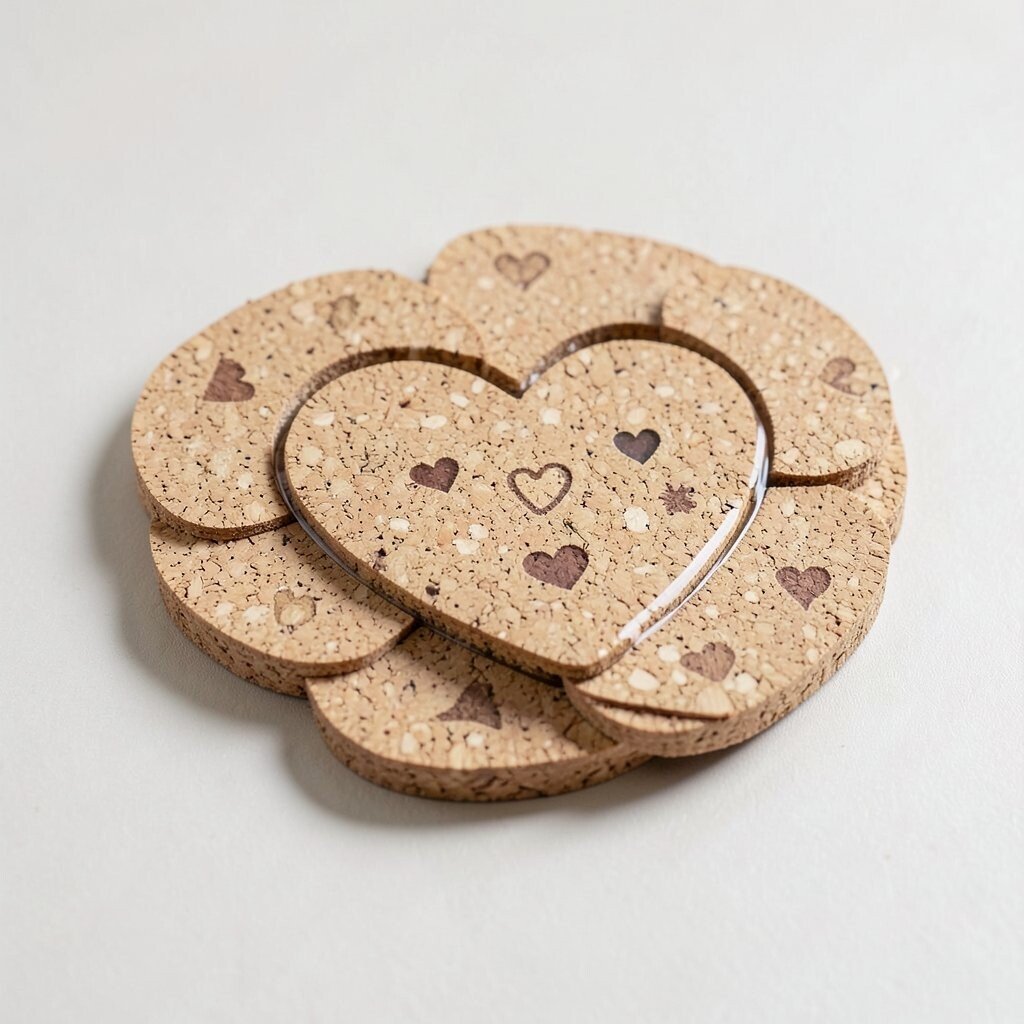
Arrange cork slices around a small heart-shaped cutout, then glue them so the pattern shows like a handmade badge. The finished coaster looks playful, and the heart edge adds a sweet focal point even when nothing is sitting on it.
Because cork absorbs a bit of moisture, it helps with condensation from cold drinks. Pair the heart design with a glossy seal layer for a polished look that still feels natural. Keep an eye on drying time between layers so the surface stays smooth and doesn’t warp.
For cost, you can usually use leftover cork slices from old projects, so the main extra items are glue and a sealing finish. A current style trend is adding small charm symbols like hearts, stars, or simple initials, so this design fits right in. If you want it more grown-up, use a neutral color backing and keep the heart outline thin.
3. Geode-Look Coasters With Cork Edges and Stone-Style Paint
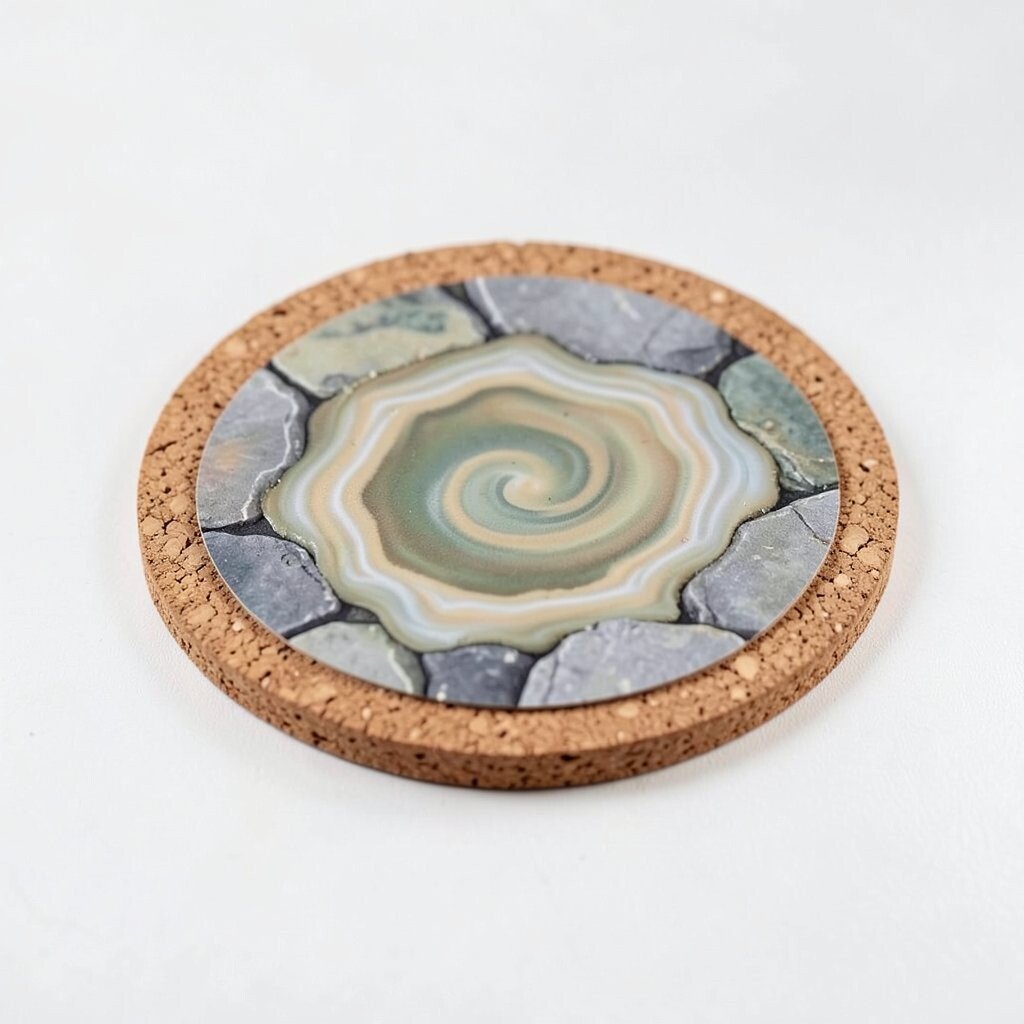
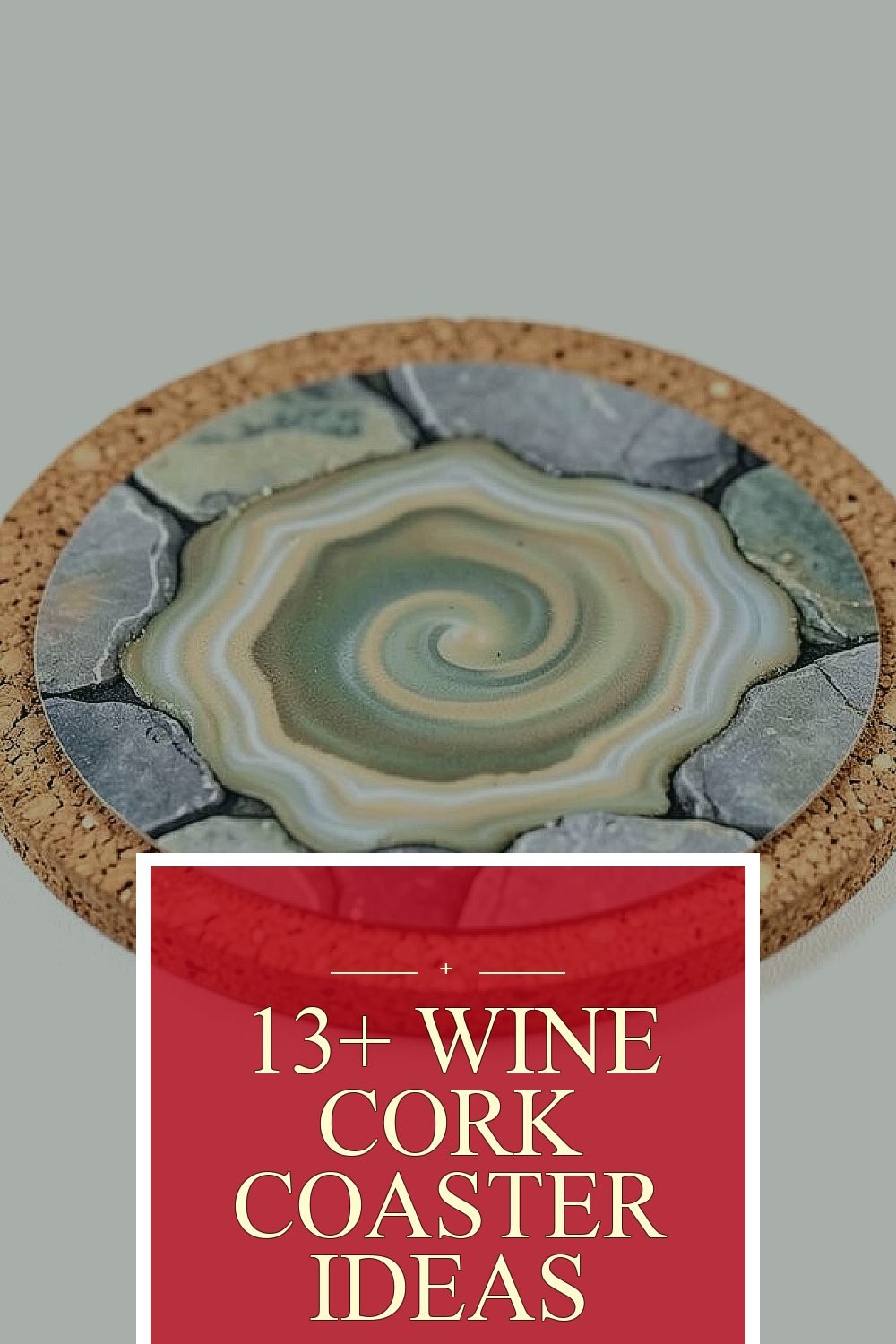
Build a ring of cork around the edge, then paint the center in rock-like swirls that mimic geodes. When the light hits the painted surface, it creates a “gem” feel without needing pricey supplies.
This idea is great for protecting surfaces while adding big visual impact. Cork around the rim gives you a natural barrier, and the painted center makes the coaster look like art. Seal everything so the paint doesn’t get sticky if a mug leaves a little moisture behind.
If you prefer a calmer look, choose soft gray, muted green, or warm sand tones. Personalize by matching the paint colors to your room, such as kitchen cabinets or dining chair fabric. A nice practical approach is to test your color mix on a spare cork piece first so you can adjust quickly.
4. Single Cork Tile Coasters With Clean Seams
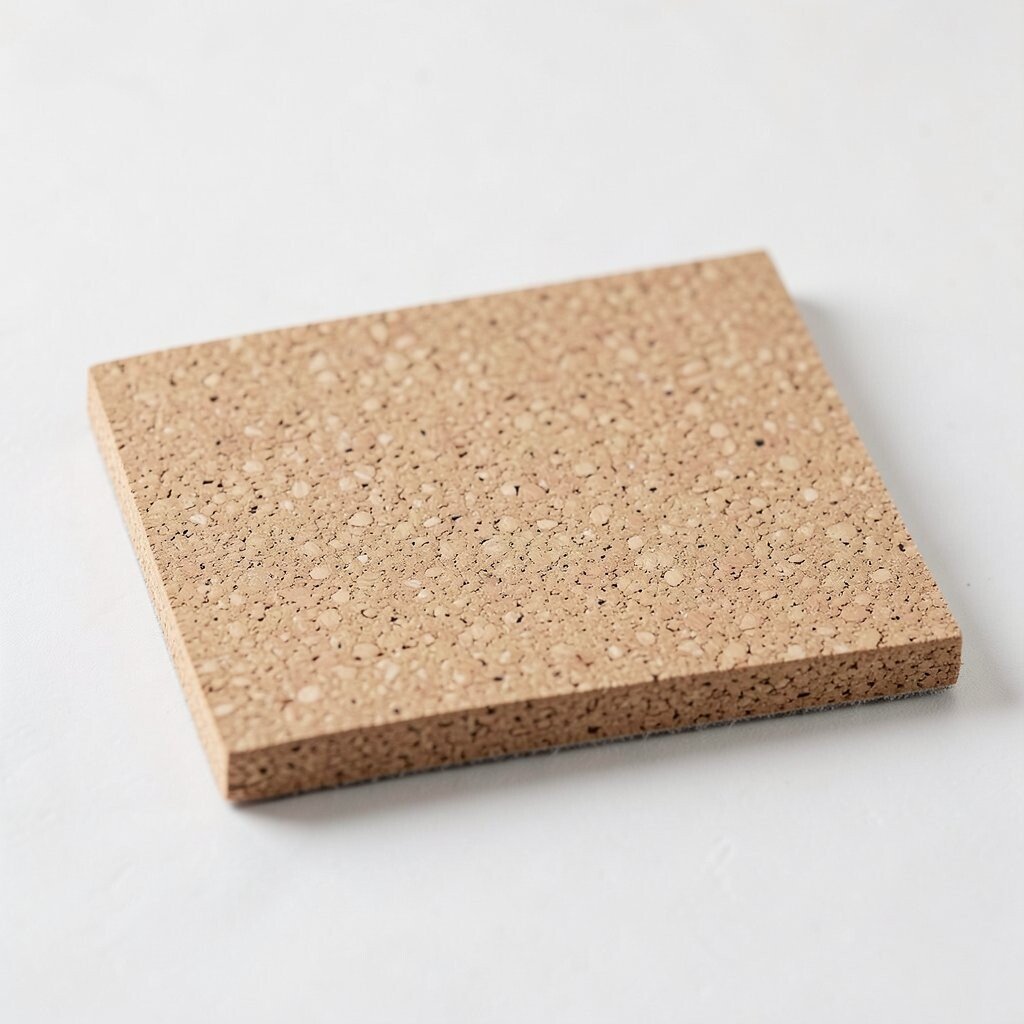
Use one cork laid flat as the whole coaster, then trim the edges until the shape feels tidy and even. The visual is simple and cozy, like a natural tile, with clear seams that make the surface look neat.
These work well for quick, low-effort hosting because they still provide reliable drink protection. Add a thin felt pad underneath to reduce scratching and keep the coaster from wobbling. If your cork is uneven, lightly sand the top so glasses sit level.
5. Circular Cork Coasters With Braided Twine Rim
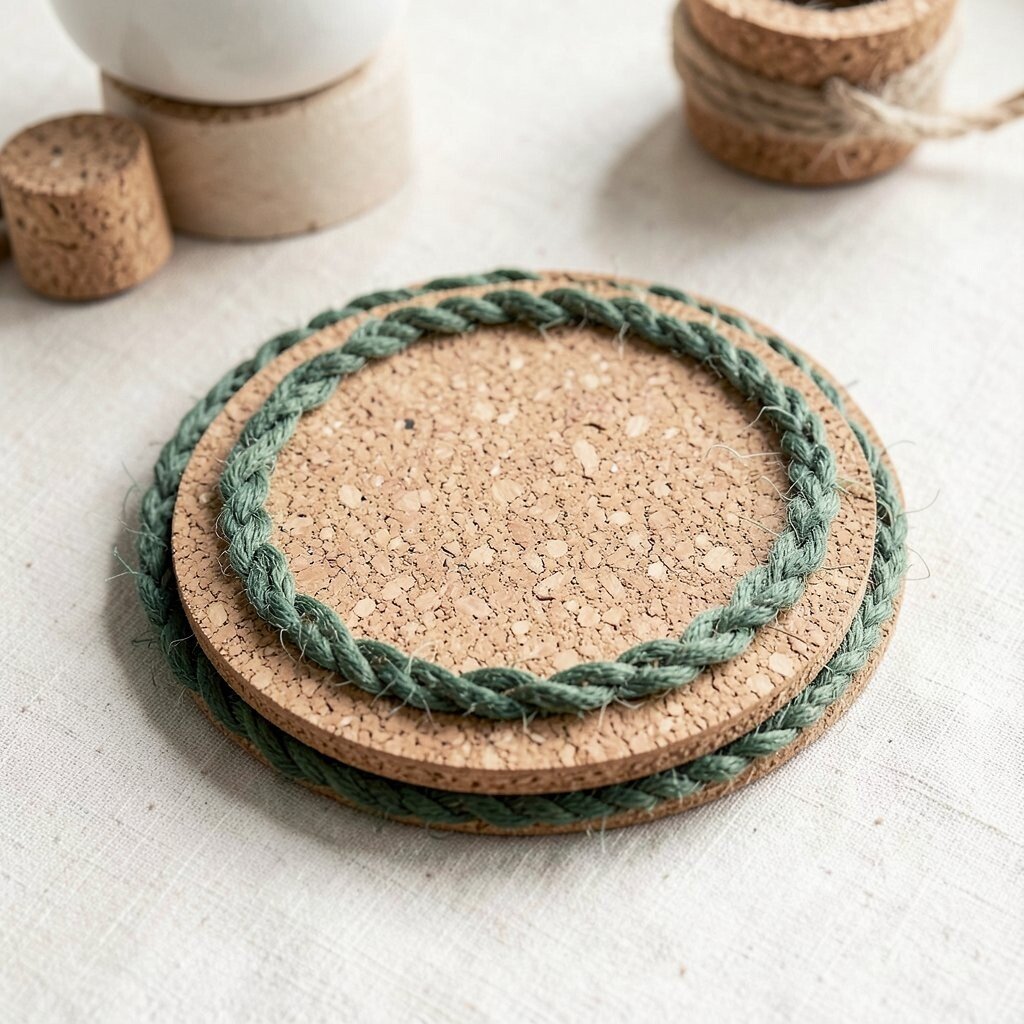
Glue cork rounds in concentric circles, then wrap a braided twine ring around the outer edge. The twine adds a farmhouse touch, and the layered circles create a textured look that feels rich and warm.
The cork core keeps moisture and mild heat from touching your table, which is perfect for daily use. A twine rim also gives you a safe grip when lifting a heavy mug. For practical tips, keep the twine tight but not stretched, and press it down while the glue sets so it stays straight.
To personalize, dye the twine in colors that match your season décor, like deep green for winter or soft terracotta for autumn. In today’s home styling, natural textures paired with handmade details are trending, and this design fits that vibe. For cost, twine is inexpensive, and many people already have extra spool scraps at home.
6. Cork and Wood Chip Mosaic Coasters for Rustic Style

Cut cork into small pieces and mix them with tiny wood chip fragments to create a mosaic pattern. The finished coaster looks like a mini garden bed of textures, with different browns and warm speckles across the top.
This style is unique because it combines two natural materials that play well together visually. Cork helps cushion drinkware while the wood bits add character and a handcrafted feel. Use a strong, quick-drying craft glue and press the pieces down gently so the surface doesn’t lift later.
If you want a modern twist, keep the wood pieces uniform in size and use a limited color range. Personalize by arranging the cork pieces into a simple sunburst or a gentle diagonal pattern. For cost, check local craft stores or reuse old wood scraps to avoid buying new materials.
To keep maintenance easy, seal the top with a clear finish that won’t turn yellow quickly. That way, the mosaic stays clean even after repeated use.
7. Monogram Coasters With Cork Letter Cutouts
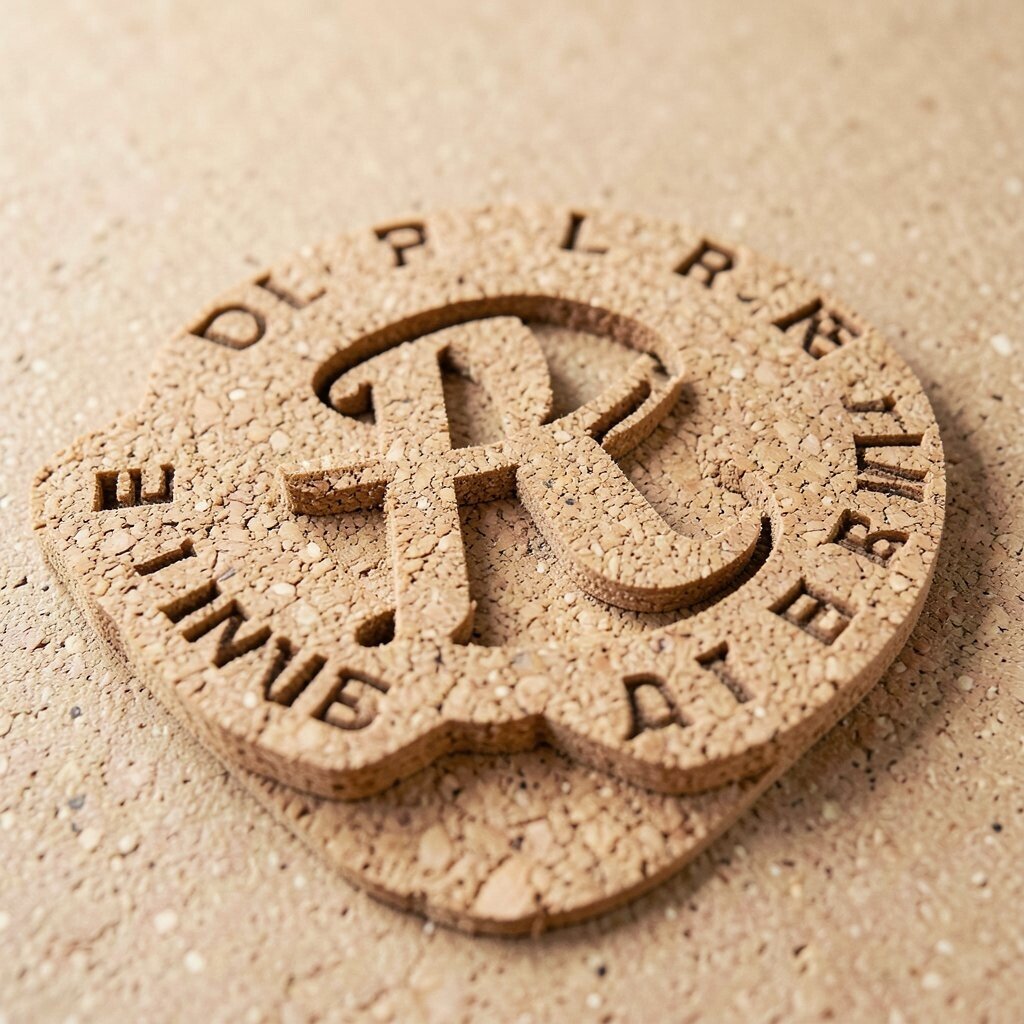
Cut a letter shape from cork, then place it on a contrasting cork background or a flat base. The look feels personal right away, like your coasters belong to you and only you.
Monogram designs bring a neat, thoughtful benefit for gifts because they make the set feel special. Cork letters also keep the coaster warm-looking even without heavy decoration. Seal around the letter edges so seams don’t catch crumbs or sticky fingerprints.
For personalization, choose initials that match your family name or your favorite team. You can also use multiple letters in a playful arrangement, such as spelling short words around the rim. Consider cost by reusing cork sheets or saving thicker corks for easier letter cuts.
8. Cork and Glass Tile Coasters With a Bright Center Spot
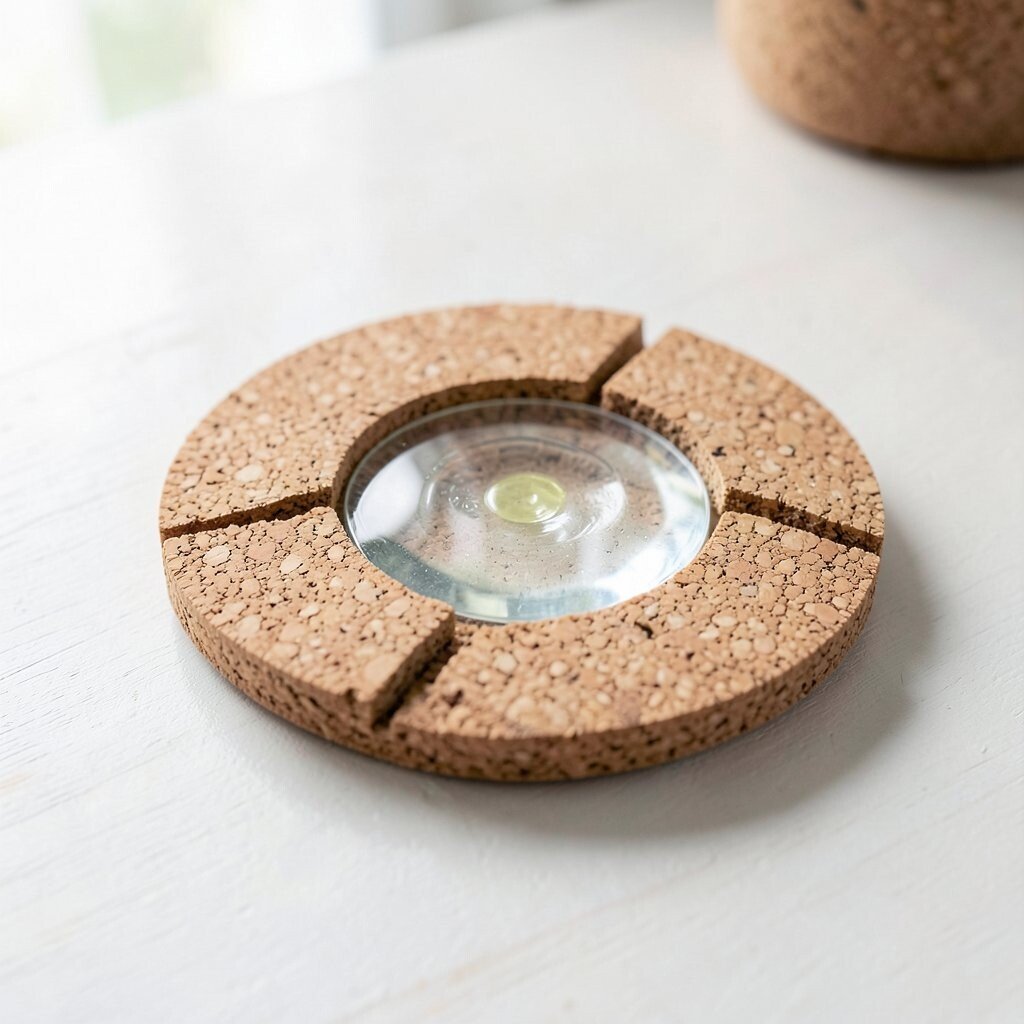
Glue cork pieces around a small glass tile in the middle, so the coaster has a shiny “spot” that catches light. From across the room, the glass can look like a tiny window, and up close you’ll see the smooth contrast to the soft cork texture.
This design is charming and practical because cork still cushions the mug, while the glass center adds easy-to-clean shine. Choose a clear glass tile or a subtle colored one to match your table settings. Use waterproof glue and let it cure fully before first use so the tile stays sealed.
9. Watercolor-Backed Cork Coasters With Soft Color Washes
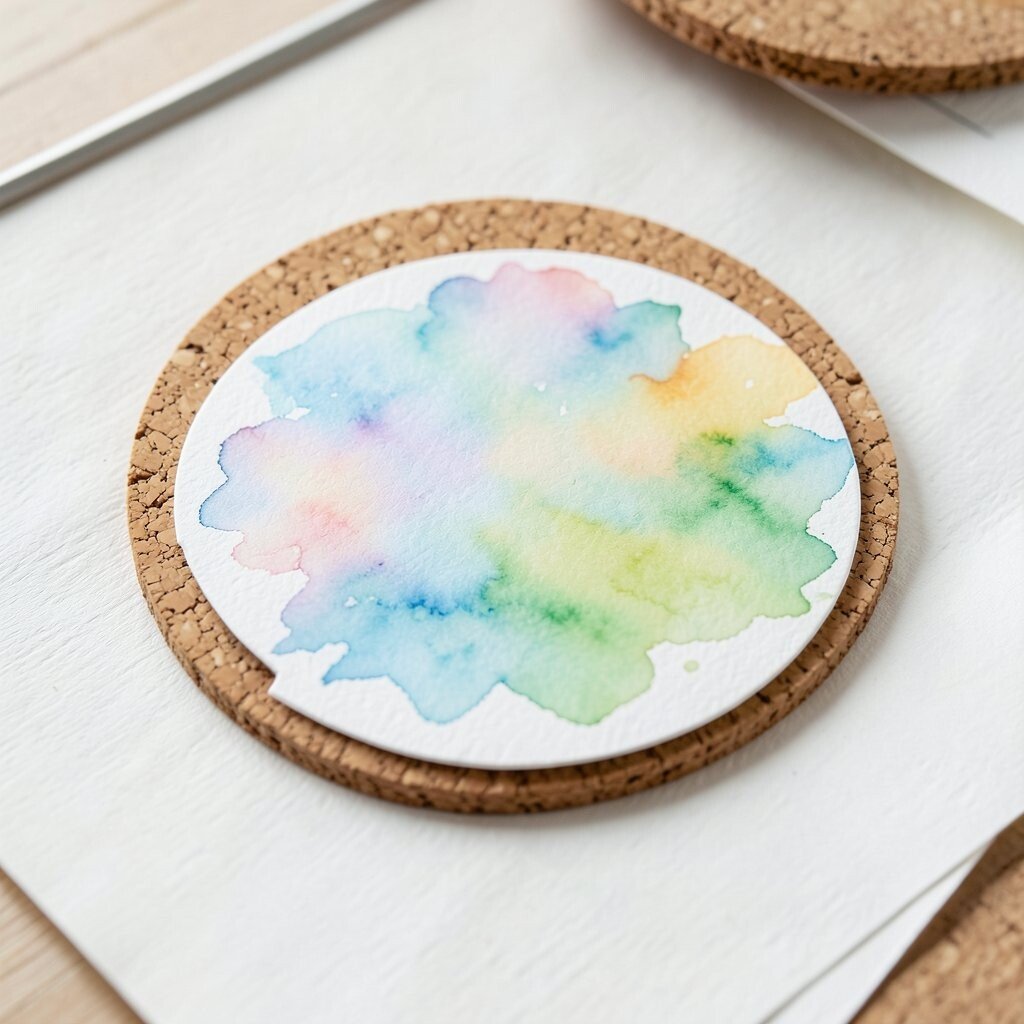
Paint a watercolor wash on cardstock, then glue cork on top or bind cork pieces around the painted area. The result looks gentle and airy, like a little painting that happens to protect your table.
These coasters are great for benefits beyond function because the colors make everyday drinks feel like a styled moment. Cork texture on top adds depth, while the watercolor background brings calm color variety. Seal the watercolor surface carefully so it doesn’t smear from condensation.
For personalization, match your palette to your home décor using colors you already own. A popular current trend is softer, nature-inspired art, and watercolor fits that trend perfectly. If you worry about cost, use small watercolor scraps and thrift-store papers so you don’t buy too much.
10. Stencil-Stamped Cork Coasters With Simple Patterns

Press a stencil onto cork using a light craft paint, then seal it so the pattern holds up. Even a simple repeated design, like dots or tiny leaf shapes, looks crisp against the natural cork background.
This approach is unique because it turns common cork into something patterned and intentional. The benefit is that your coasters can match seasonal tables quickly by swapping paint colors. Use low-amount paint on the stencil and dab gently to avoid bleeding into the cork pores.
Personalize by stamping initials, small icons, or a favorite quote in a tiny font style, as long as it fits nicely in the coaster area. For practical planning, make a few extra coasters at once so your hosting set stays consistent. Cost stays low since stencils and craft paint are often reusable for future projects.
11. Cork Cylinder and Scrap Fabric Coasters for a Cozy Grip
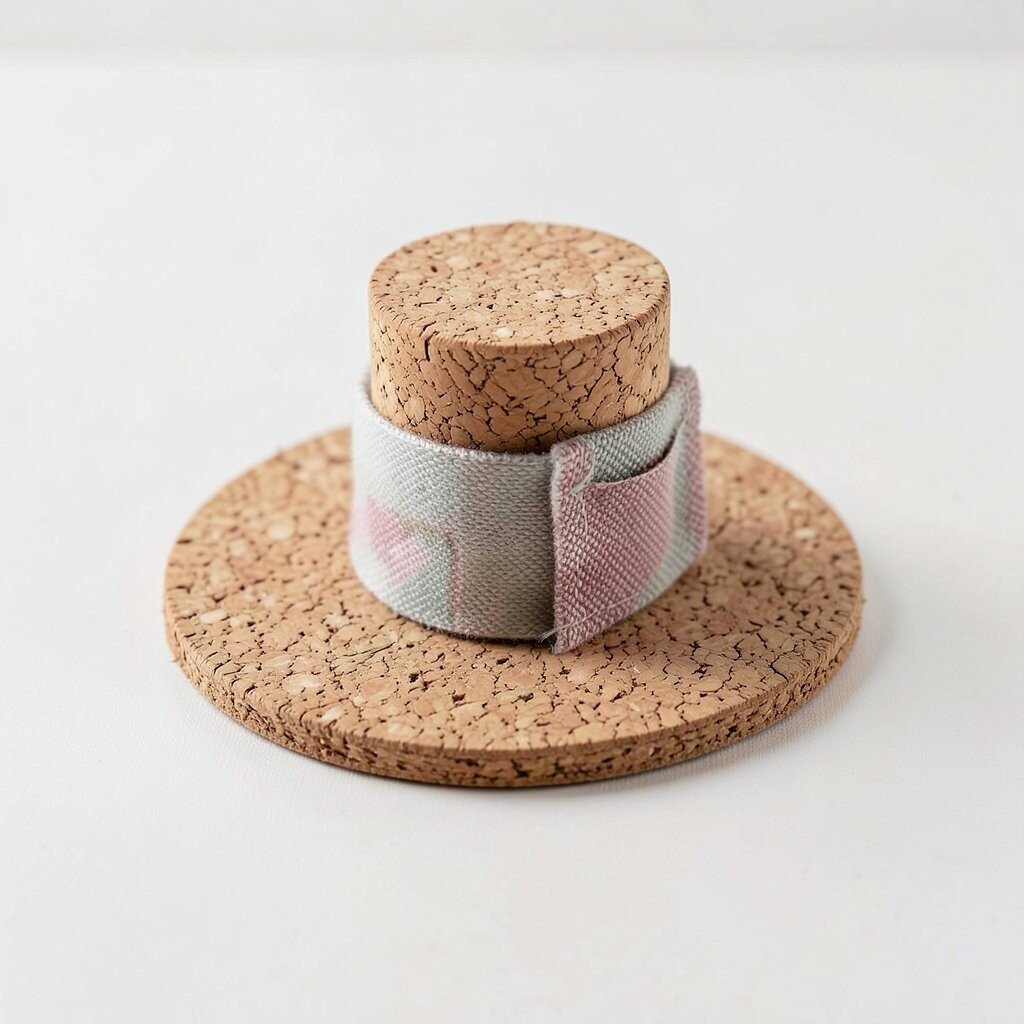
Wrap cork around with a small strip of scrap fabric on the sides, then glue carefully so the top remains usable. The coaster looks like a little handmade sleeve, and the fabric adds extra warmth to the overall style.
These coasters can be especially helpful if you like a grip when lifting cups, because the fabric gives a softer feel than bare cork. Cork still provides protection, and the fabric can also help reduce sliding on smooth table surfaces. Choose fabric that can handle sealing, and consider a matte clear coat to keep it from getting too shiny.
12. Cork Fan Coasters With Overlapping Petal Shapes
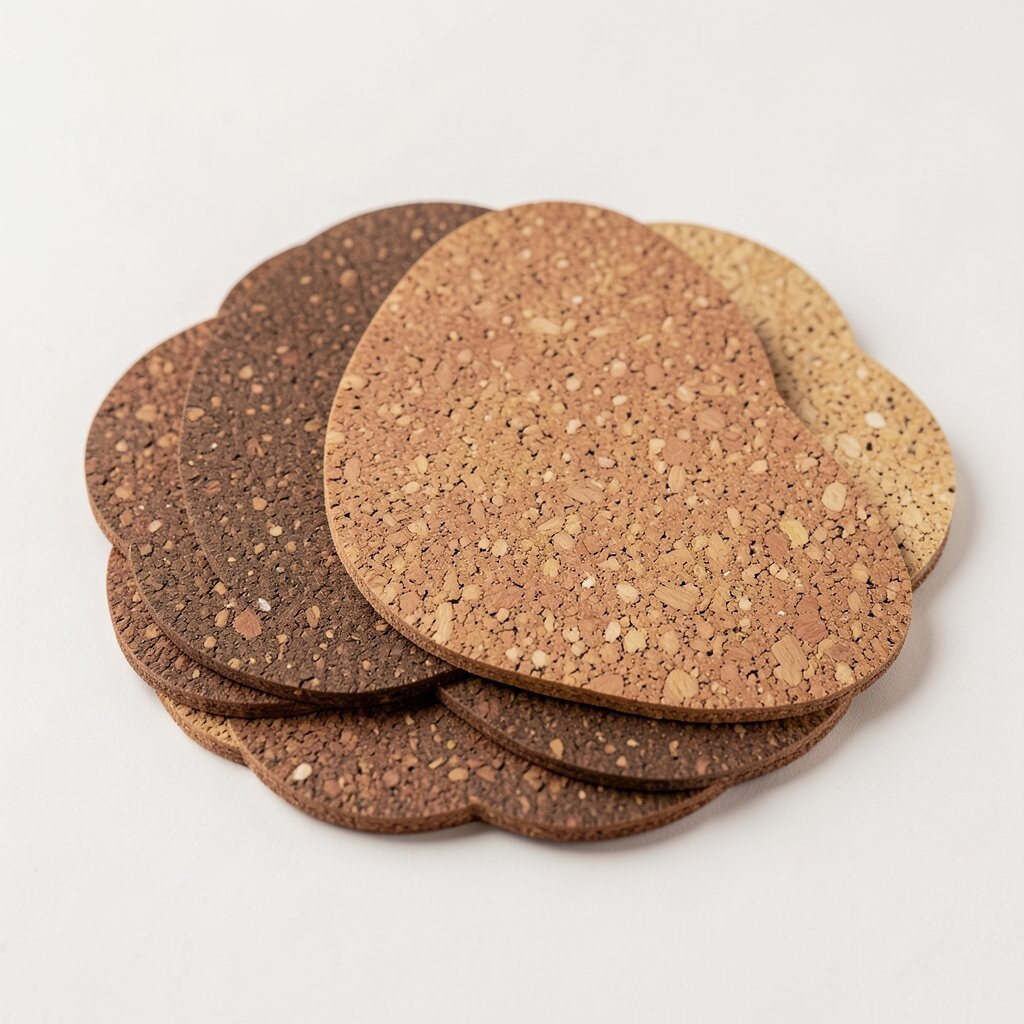
Slice cork into thin sections and glue them in a fan-like pattern, so each piece overlaps like petals. When you run your eye across the surface, it creates a natural flow that feels decorative even when the coaster is empty.
This design is eye-catching and unique, yet still practical for everyday drink use. Cork’s natural structure helps with heat resistance at low levels, and the layered look makes spills less likely to spread. For practical tips, keep overlapping edges consistent and trim any extra bits before sealing.
Personalize by choosing a two-tone cork set, such as darker and lighter slices, to create a gradient effect. A current trend is “organic geometry,” and overlapping fans fit right into that style. For cost, use as much cork as you have and trim smartly so you don’t waste precious pieces.
13. Cork Coasters With Nautical Rope Accents for Summer Tables
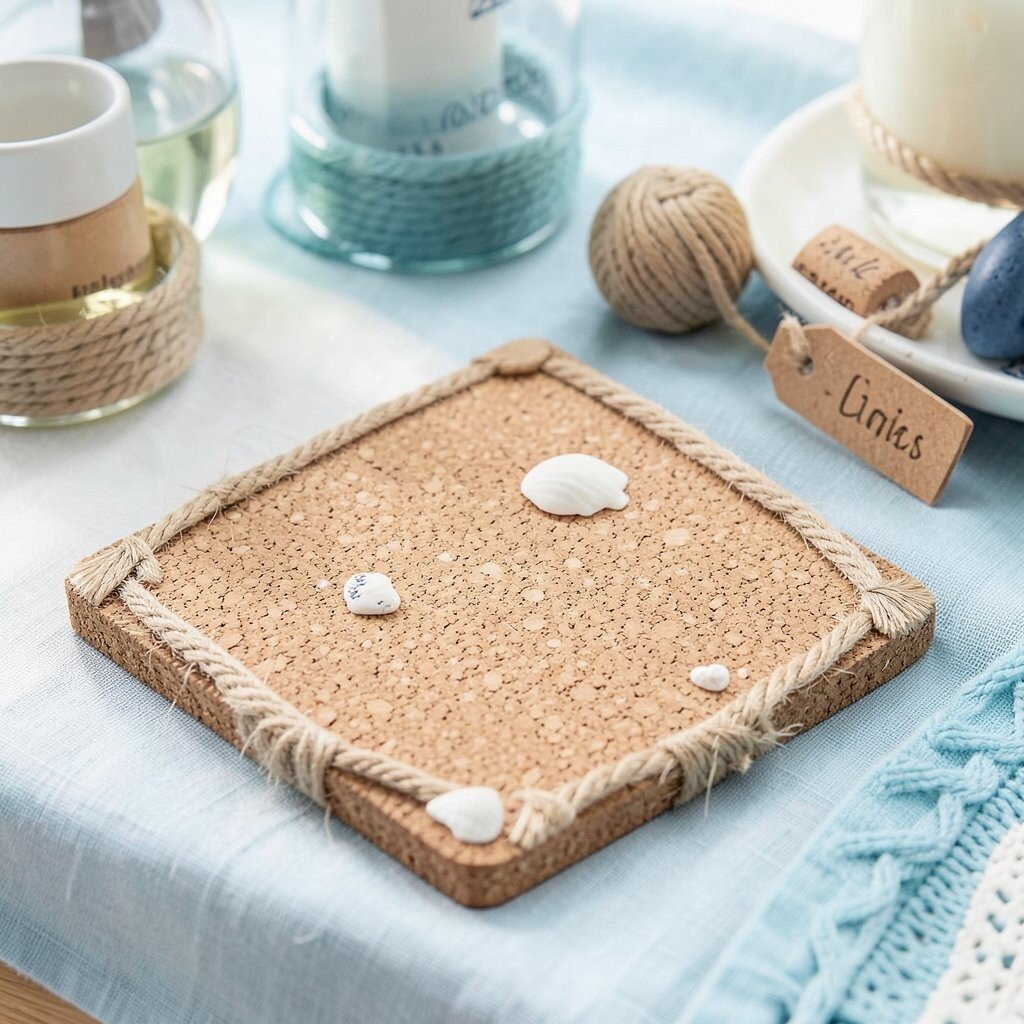
Glue small rope segments around the cork edges or add rope corners like a frame. The visual gives you an instant seaside vibe, especially when paired with blue or seafoam décor.
The benefit is that rope accents make the coaster feel sturdy to handle, and cork still acts as the primary protective layer. To keep the rope from fraying, seal the ends and press them firmly while the glue sets. Use waterproof glue so the coaster stays reliable when summer drinks bring condensation.
Personalize with tiny shell-inspired embellishments or engraved initials on a small cork tag. Nautical décor remains popular for warm weather hosting, and these coasters help your table feel coordinated fast. Cost stays reasonable because rope can be bought in short lengths, and many people can reuse older craft rope.
14. Cork-Coated Pottery-Style Coasters With Faux Glaze Finish
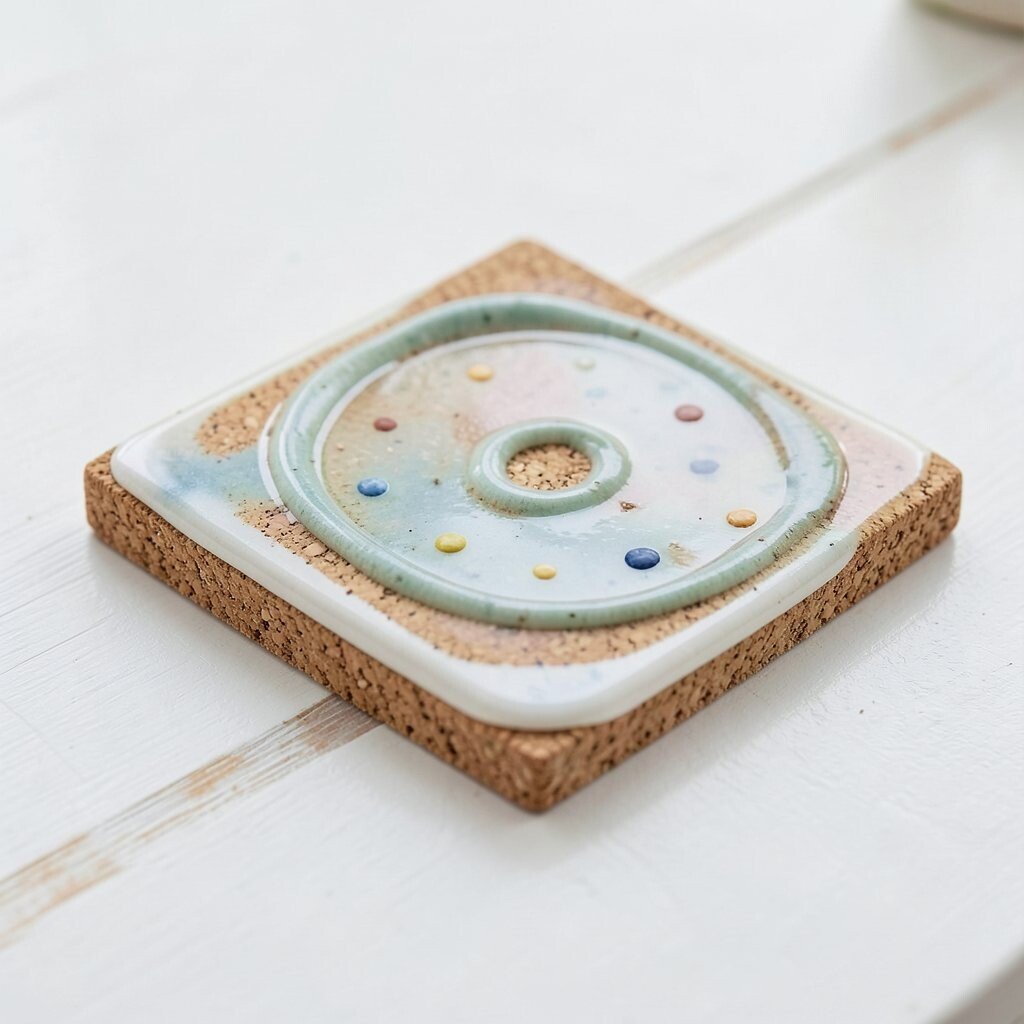
Attach cork over a flat base like thin wood or a rigid craft tile, then apply a faux glaze finish on top. The coaster ends up looking pottery-like, with cork underneath adding a subtle warmth and texture you can feel when you touch the surface.
This idea stands out because it blends a smooth “glazed” look with natural cork character. Cork acts as an excellent protective layer for your table, and the sealed finish makes it easier to wipe after use. For practical tips, apply the glaze in thin coats and let each layer dry evenly so you avoid streaks.
Personalize by painting simple shapes under a clear topcoat, such as swirls, small dots, or a minimal pattern that matches your kitchen colors. Faux glaze is a current favorite because it looks high-end without requiring ceramic skills. For cost considerations, bases can be low price, and you can often find starter glaze-like finishes in small bottles for crafts.