The best games feel like fun, not pressure. Friendly competition can turn an ordinary day into something you’ll remember.
Pick one idea, set a simple rule, and enjoy the energy. You’ll be surprised how quickly teamwork and laughs show up.
1. Grocery Receipt Race
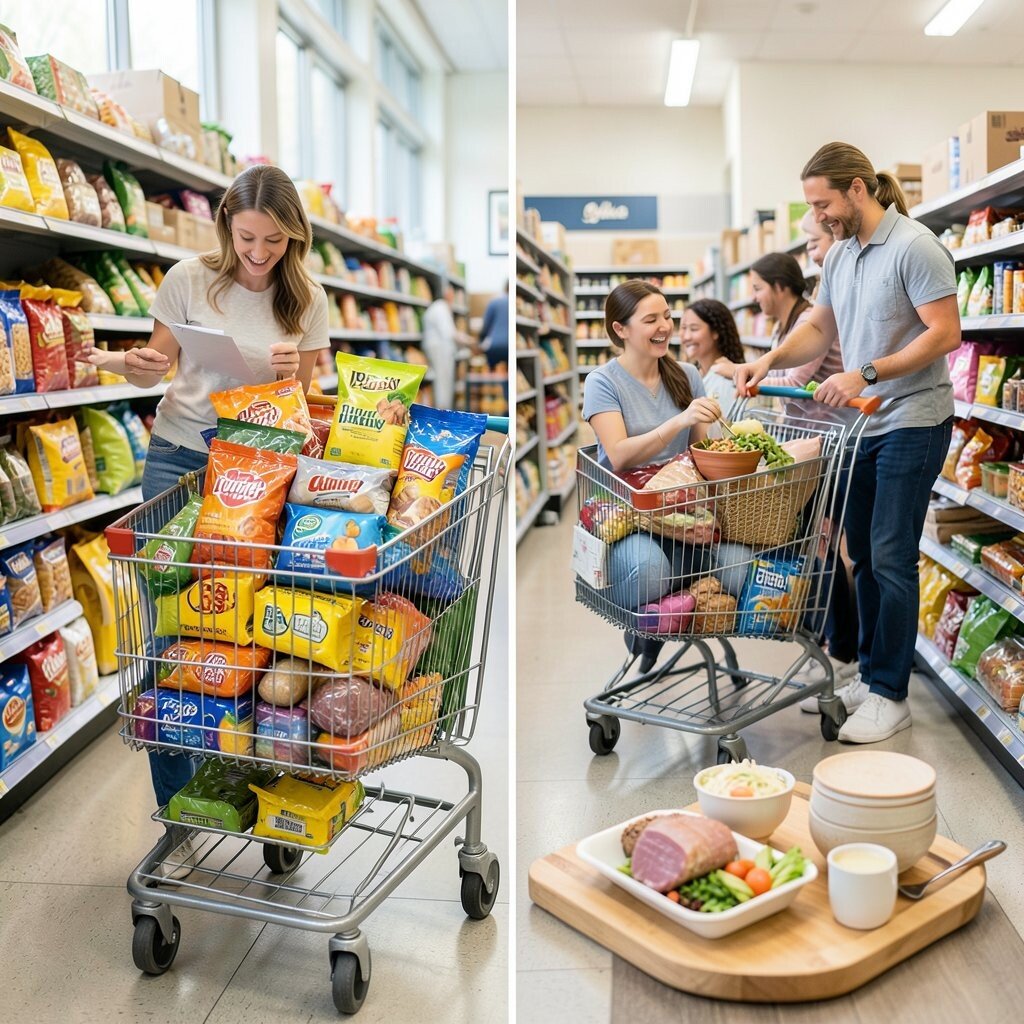
Grab two shopping lists from friends or family and head to the store like it is a mini quest. The goal is to see who can build the most complete cart within the same spending limit.
Picture the carts rolling down the aisle, bright packages stacked like a puzzle. This friendly challenge helps people learn budgeting, compare brands, and plan meals more carefully.
To keep it fair, set a clear budget and require a mix of categories like produce, protein, and a snack. Personalize the game by matching everyone’s goals, like “high protein,” “kid-friendly,” or “quick dinners.”
For a modern twist, bring a shared spreadsheet or use a note app to list items and prices in real time. Try using store-brand swaps and watch how much money you can save without losing quality.
Make it feel light by ending with a taste test at home, where everyone picks one item to highlight. The winner can be chosen by votes on usefulness and variety, not just total cost.
2. Morning Walk Mileage Tag
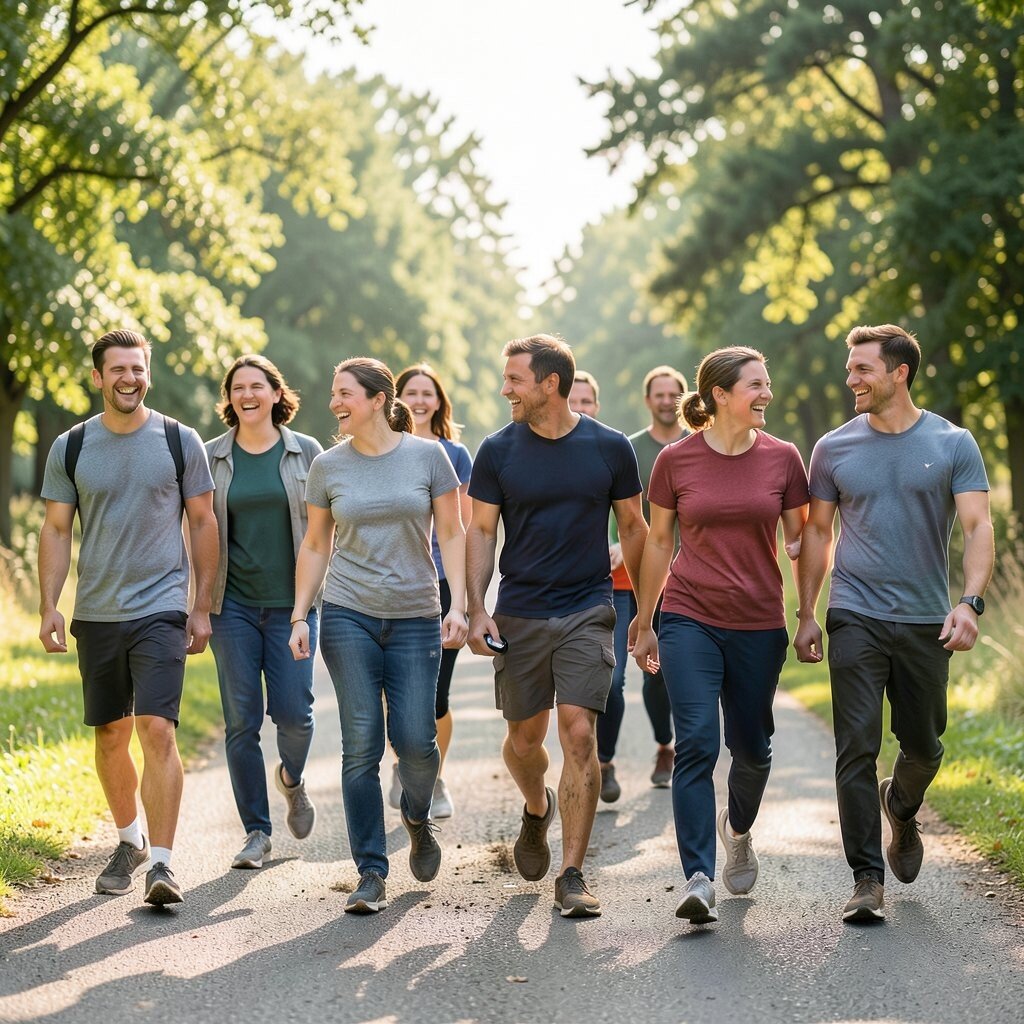
Choose a shared route and compare how far each person walks within a set time. Keep it friendly by allowing a turn-around rule for anyone who needs it.
Watch the group return like a parade of fresh air, cheeks a little pink and shoes a little muddy. People stay active while learning how to pace themselves and build consistency.
Use a phone step counter or a simple distance estimate by pacing time. Make it personal by setting themes such as “scenery hunting” or “chat walk,” where partners must talk about one good thing from their day.
3. Kitchen Timer Cooking Duel
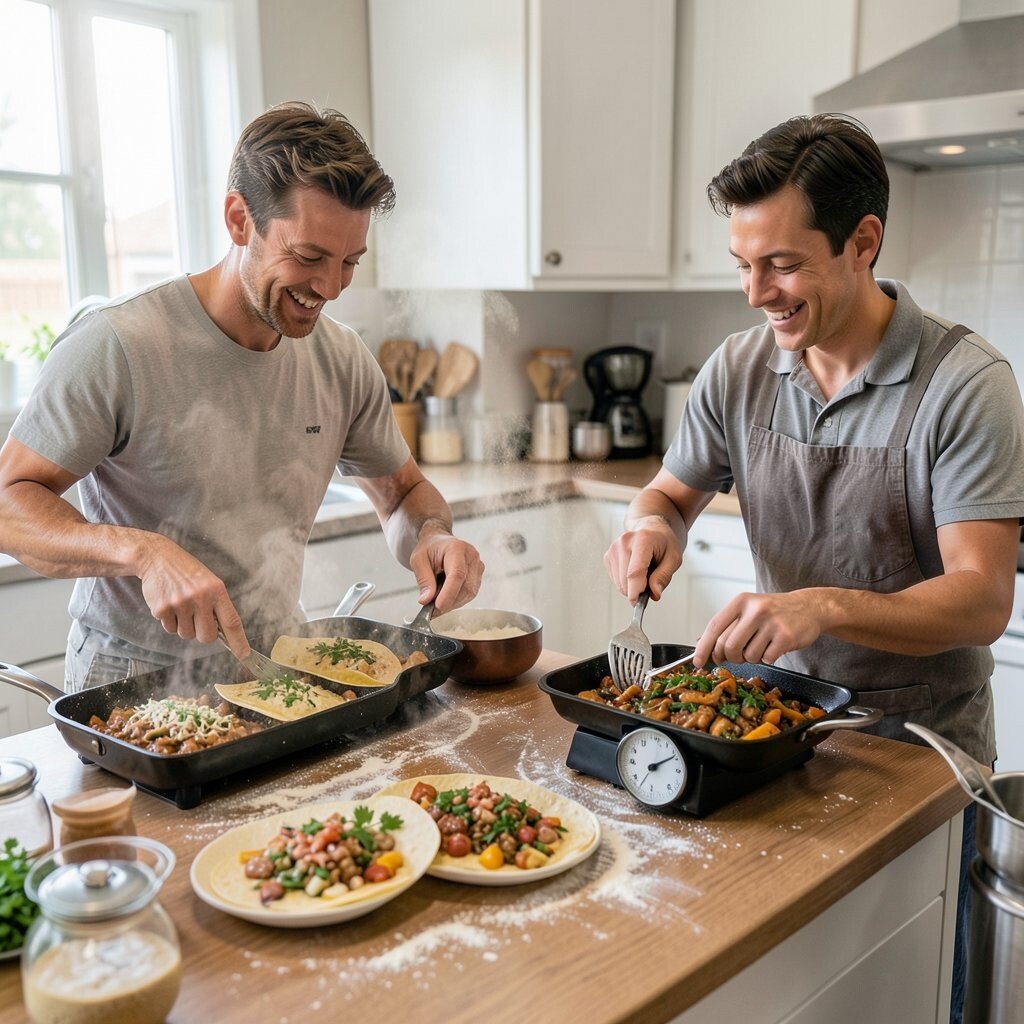
Pick two simple recipes and run a time-based cooking duel in the same kitchen. Each person cooks one dish while the other sets a timer and watches the steps.
Imagine the kitchen filled with sizzling pans, flour dust in the air, and the smell of warm spices floating everywhere. This helps people learn quicker planning, clearer instructions, and calmer decision-making.
Keep the challenge doable by using recipes with overlapping ingredients, like tacos, stir-fry, or sheet-pan meals. Personalize it by letting each cook choose one “signature twist” like a sauce, topping, or herb garnish.
To match current trends, lean into easy meal prep and minimal-waste shopping, using leftovers as part of the contest. If cost matters, set a budget for ingredients and encourage pantry swaps.
4. Playlist Battle With a Theme Twist
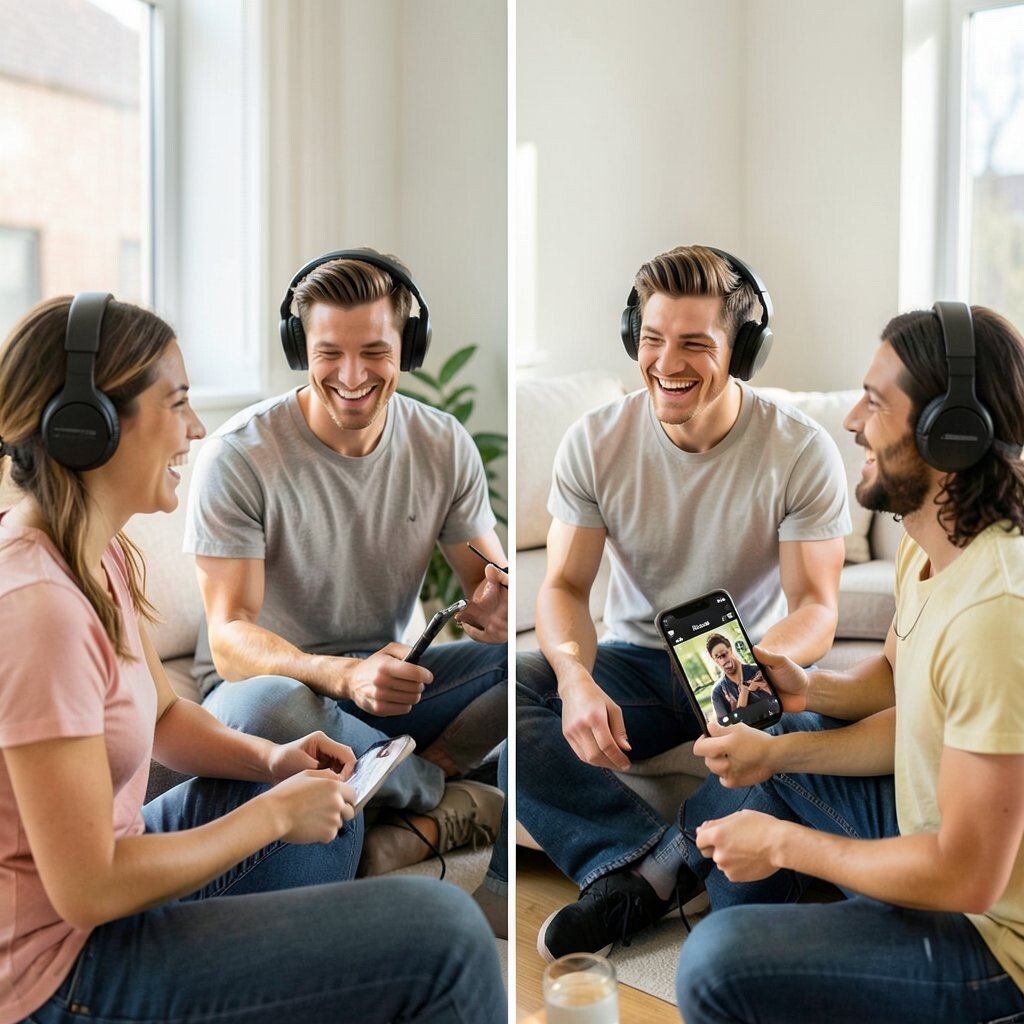
Create two short playlists that fit a fun theme, like “rainy-day energy” or “songs that sound like sunshine.” Friends vote on which playlist makes them feel most upbeat.
Picture sitting in a circle with headphones, listening for that moment when everyone smiles at the same song. This builds music taste, sparks conversations, and supports mental mood shifts through sound.
Keep it practical by limiting the playlist to a small number of tracks chosen ahead of time. Personalize the game by swapping themes each round, so each person gets a chance to shine.
Try using current trends by making one playlist based on a current vibe from social media, like “feel-good focus” or “gym recovery.” For cost, skip paid downloads and use streaming apps with shared links.
Make the winner feel special by letting them host the next theme. That way the competition stays friendly and connected.
5. Board Game Side-Quest Sprint
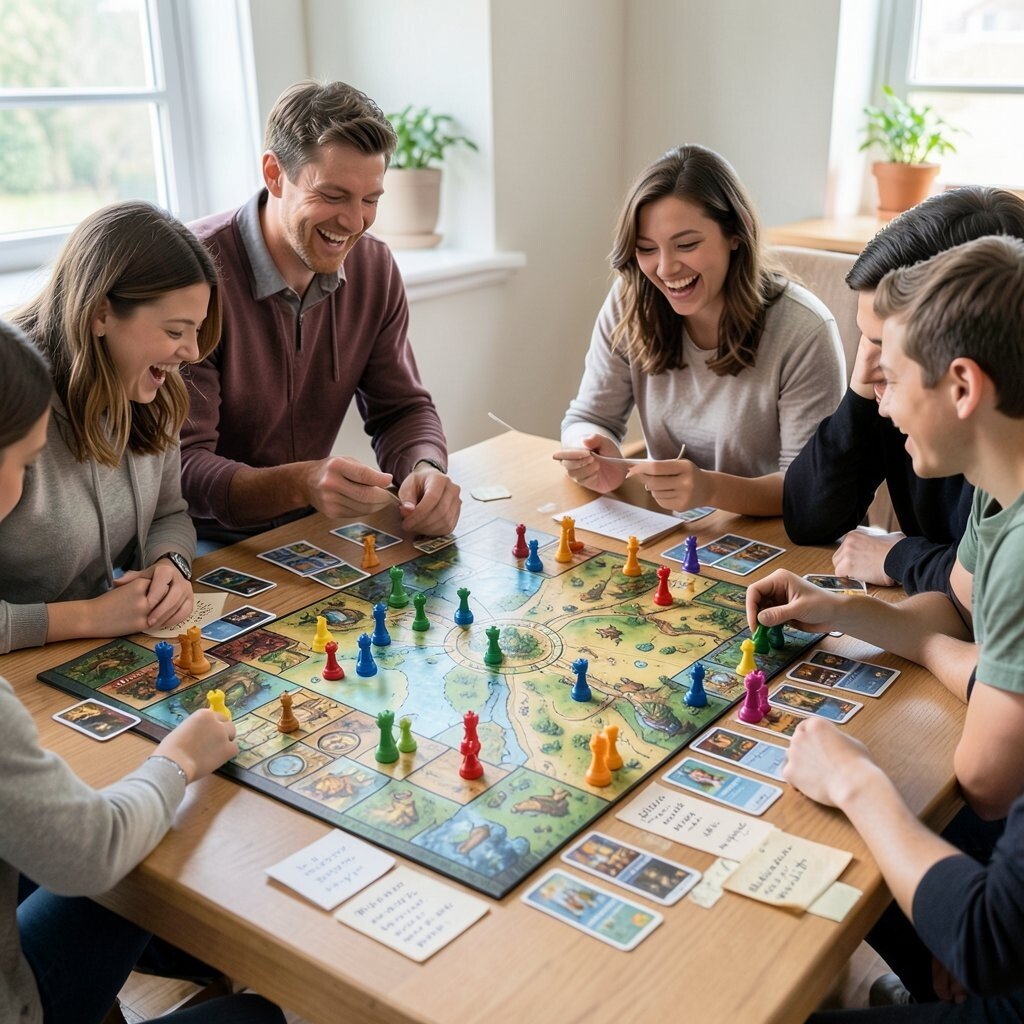
Pick a board game and add side-quests with extra rules that change how you play. For example, win a round only if you complete a “bonus mission” card.
Think about colorful pieces moving across the board while everyone cheers at small wins. This kind of competition increases focus and makes boring stretches of gameplay feel exciting.
Keep it actionable by creating side-quests that fit the game’s natural rhythm, like collecting specific cards or avoiding a certain choice. Personalize by matching the side-quest difficulty to each player’s comfort level.
To fit current trends, use quick “micro-challenges” that last only a single turn or round. If cost is a concern, use household objects for tokens and write quests on scrap paper.
6. Photo Scavenger Hunt: Same Spot, Different Angles
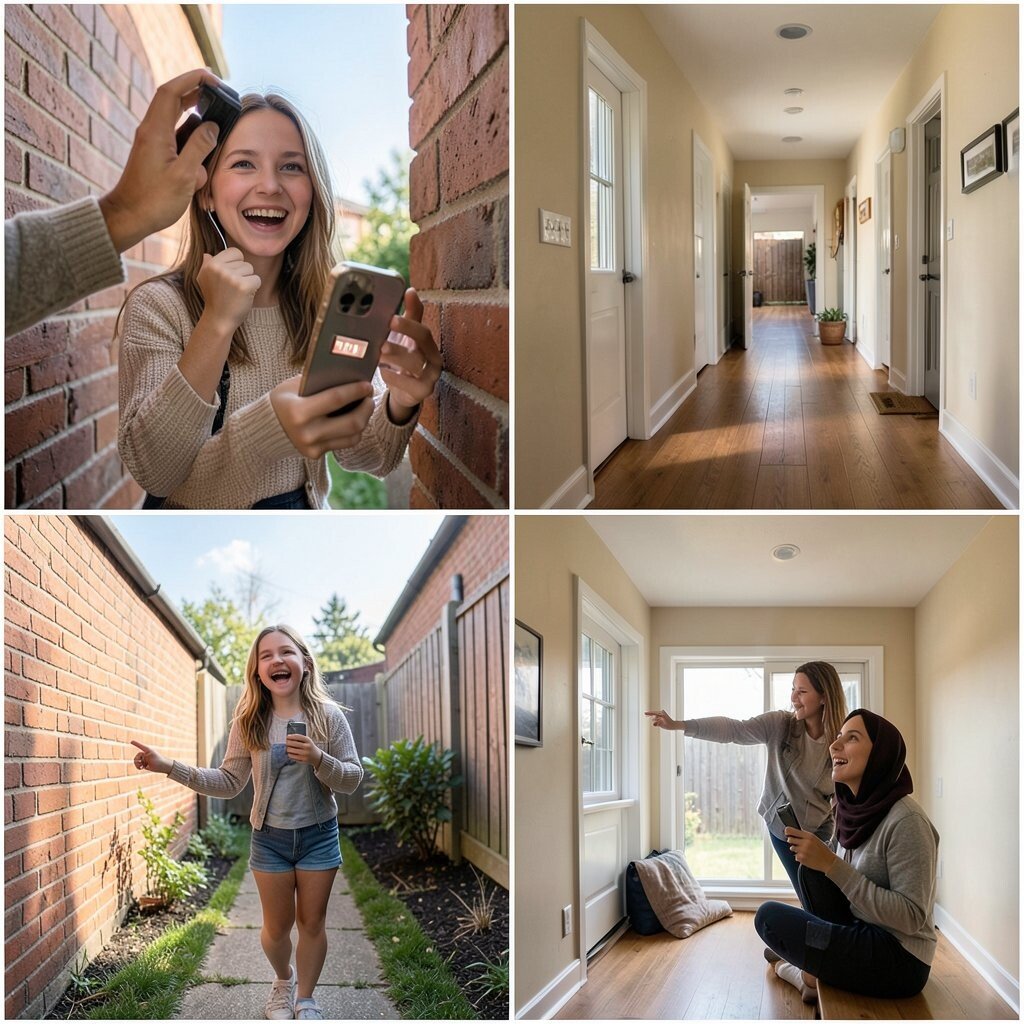
Choose a single landmark, hallway corner, or backyard spot and challenge everyone to take photos from different angles. Each person must submit a few shots and vote on the best composition.
Visualize different frames of the same place, one shot in close-up, another looking up, and another with perfect framing. This boosts creativity, improves observation, and makes people pay attention to details.
Use a phone timer for fairness and set a time limit so it stays quick. Personalize the hunt with themes like “symmetry,” “cozy shadows,” or “silly perspective.”
7. Shoe-Swap Style Showdown
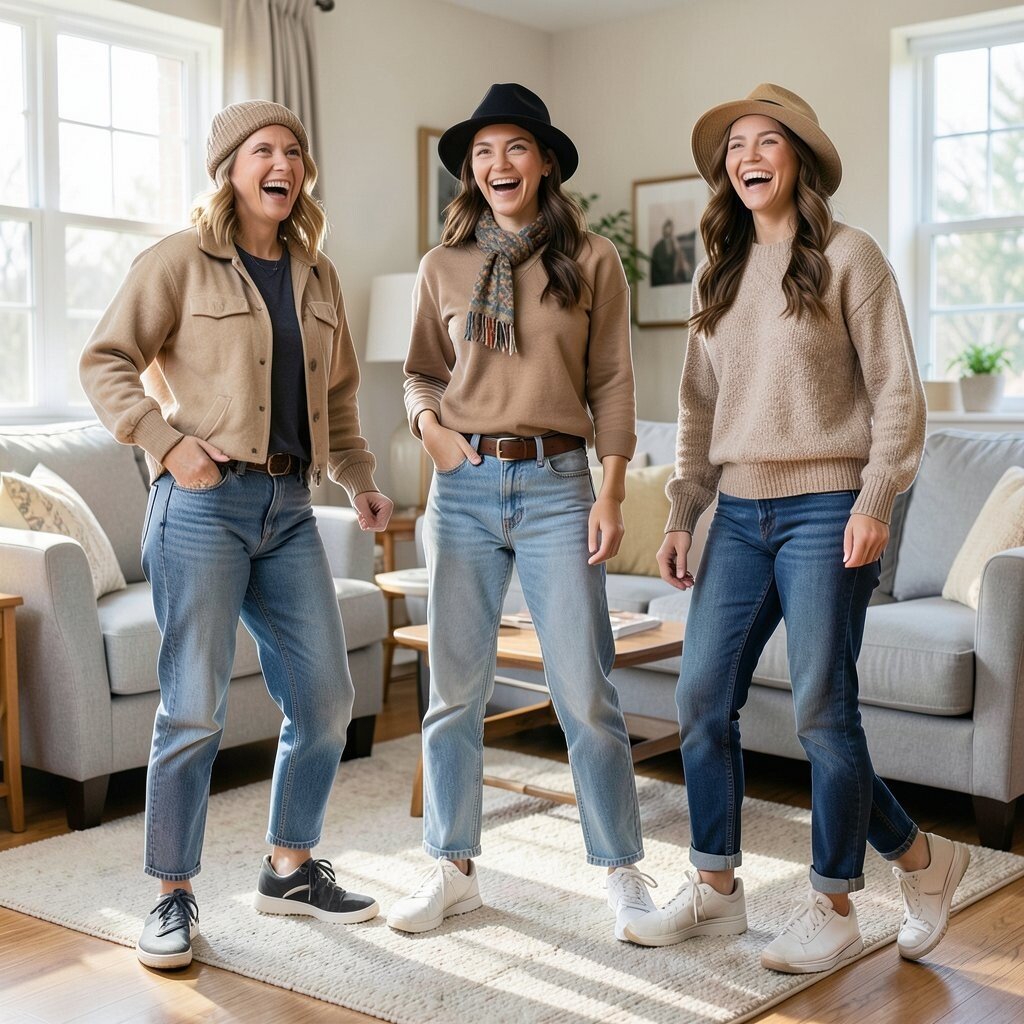
Invite friends to swap shoes for one short outing or for photos at home, then vote on who “pulls it off.” Keep it safe by requiring comfortable footwear and avoiding anything too slippery.
Imagine the silly struts in the living room, everyone grinning as their outfit gets a playful twist. This turns fashion into laughter, and it encourages self-confidence through creative risk.
Make it practical by setting simple guidelines like matching comfort and avoiding damage to shoes. Personalize by letting each person pick a theme, such as “retro street,” “clean casual,” or “soft cozy.”
For cost considerations, use existing shoes only and add accessories from a shared box like hats, belts, or scarves. Current trends often celebrate “mix and match” styling, so lean into that by judging looks on creativity.
8. Kindness Point Challenge
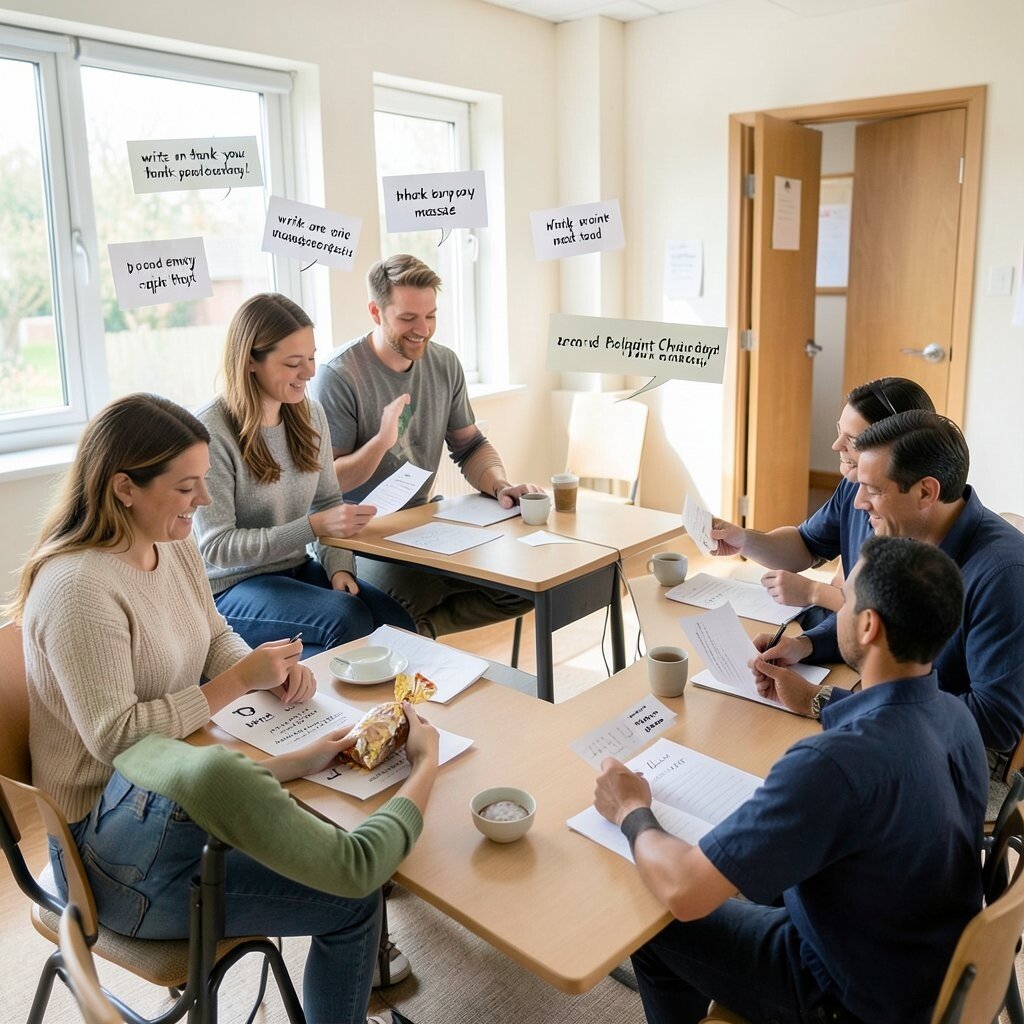
Create a day-long friendly competition where each person earns points for small acts of kindness. Keep it light by choosing actions that take seconds and cost nothing.
Picture notes appearing on desks, doors held open, and compliments floating through the room. This boosts mood, strengthens social bonds, and reminds everyone that good energy spreads fast.
Make it actionable by choosing clear point actions like “write one thank-you message” or “help with a quick task.” Personalize the system by tailoring points to each person’s routines, like caregiving, school support, or neighborhood help.
To match current trends, you can use a shared photo log where everyone snaps a picture of kindness moments, like a wrapped treat or a small chore finished. If privacy matters, keep it anonymous and just write a short description.
9. Trivia Draft: Build Your Team
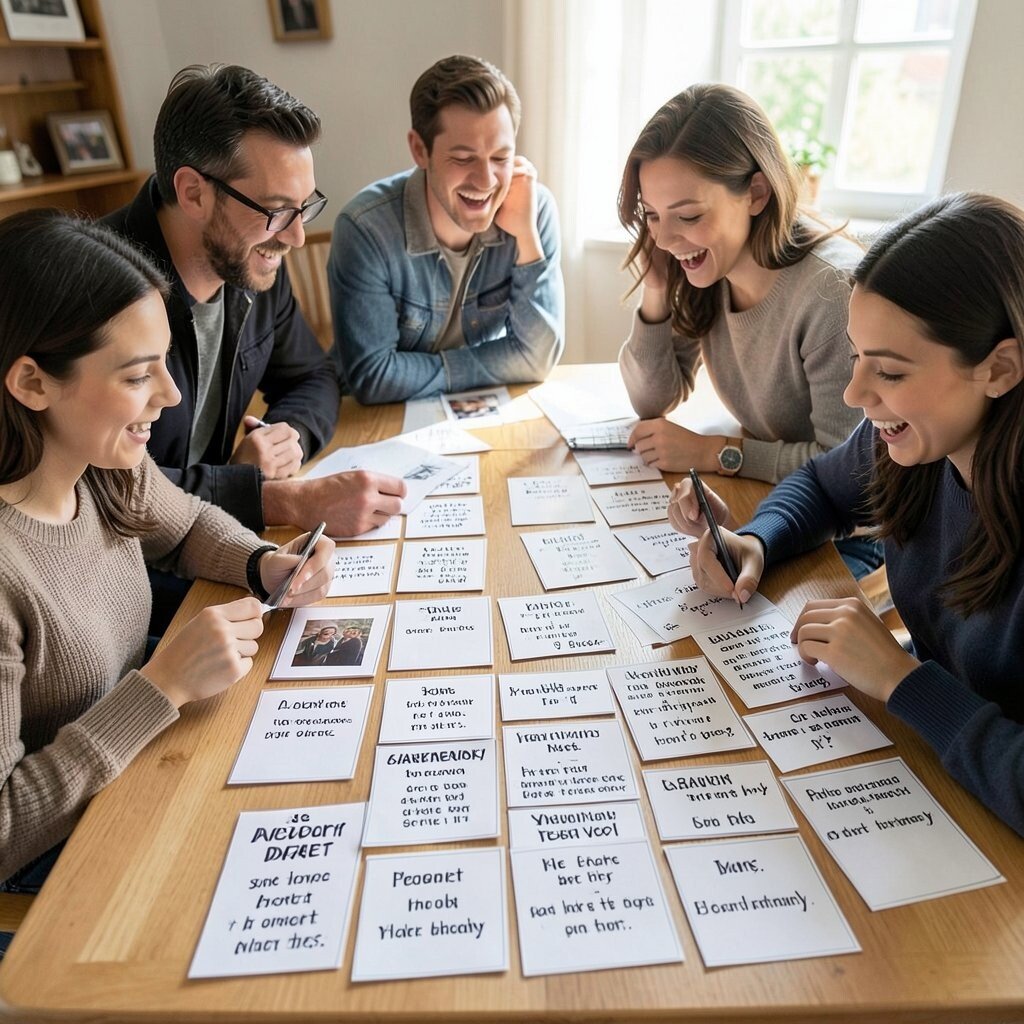
Host a trivia draft where players choose categories before the questions start. Each person drafts topics like movies, sports, science, or pop culture and competes for points.
See the table full of category choices written on cards, with excited faces reading clues like detectives. This keeps learning fun and helps people practice memory and quick thinking.
Keep it practical by using free online trivia sets or reading questions from a printed sheet. Personalize by letting each player add one category based on what they love most.
For cost, use your own questions or free resources, and keep devices optional. Current trends show people love “team-style” games, so score by teams to reduce pressure and keep it social.
10. DIY Mini-Olympics Obstacle Series
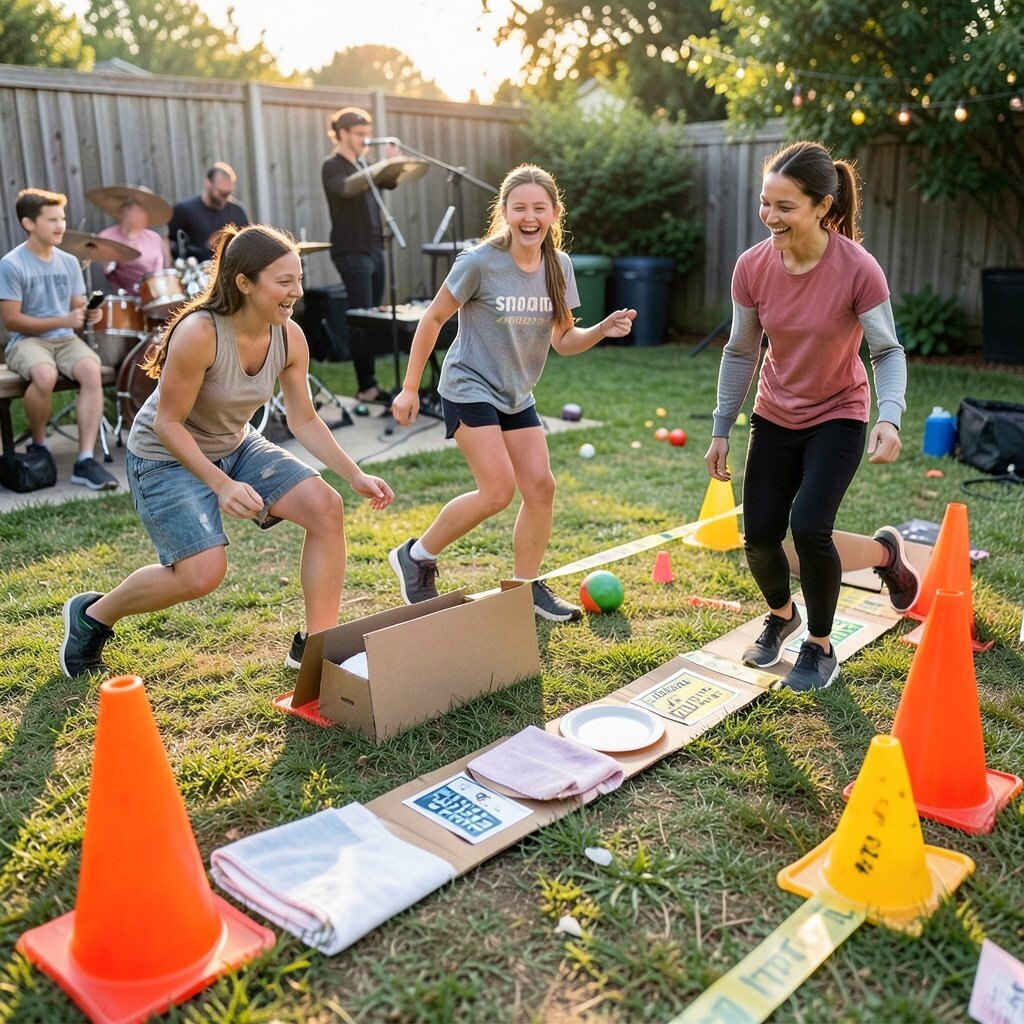
Set up a mini obstacle series in your home or yard and let each person complete the course for a friendly time score. Keep rules simple so everyone can participate safely.
Picture cones and tape lines making a playful path, with music playing softly in the background. This boosts movement, improves coordination, and adds laughter without needing expensive equipment.
Make it actionable by using easy items like towels for balance, paper plates for stepping, and a stopwatch app. Personalize the course by adjusting distances or adding “challenge cards” like “do a funny stretch at the end.”
For cost, recycle cardboard for hurdles or use household items for targets. Current trends in fitness encourage short bursts, so make the rounds quick and celebratory.
11. Dessert Remix: Pick One Ingredient
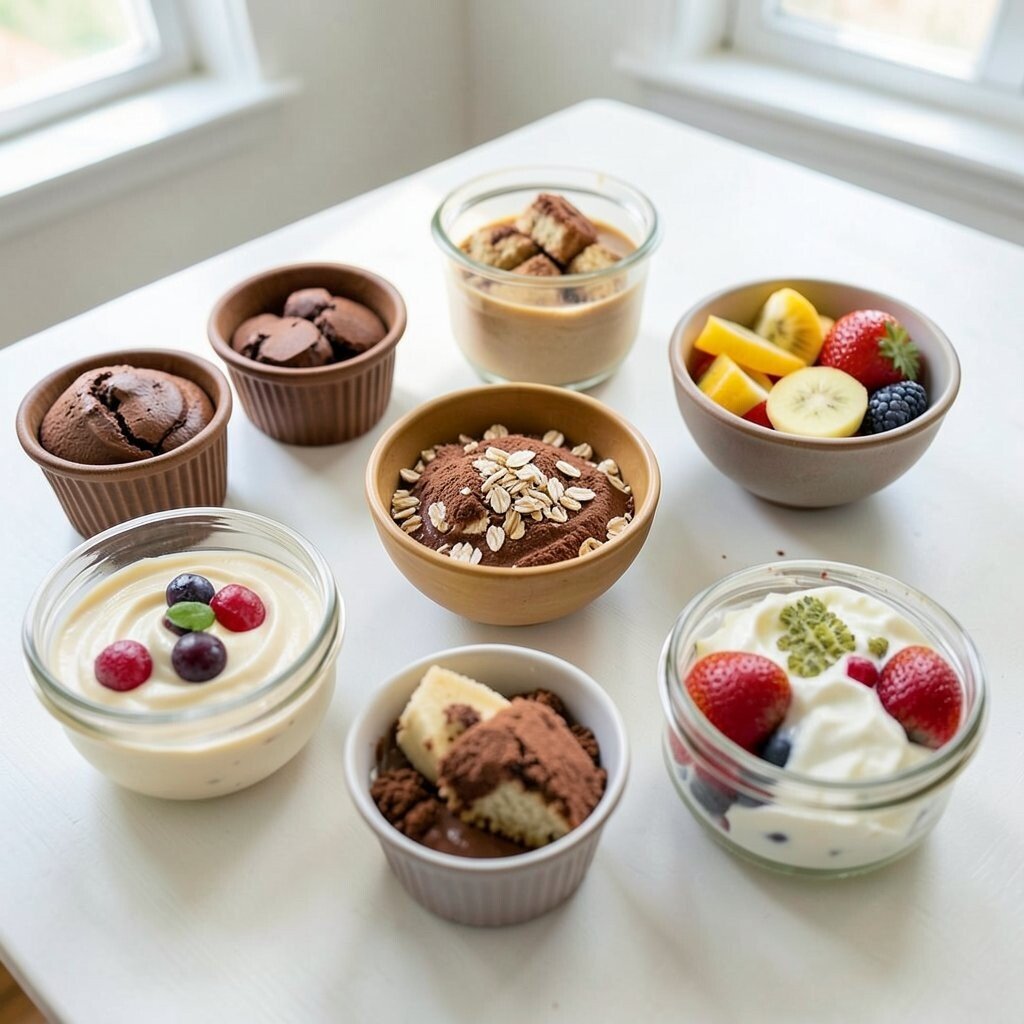
Challenge each person to bring or make a simple dessert that includes one shared ingredient. Everyone uses the same ingredient but must invent a new way to use it.
Imagine a spread of desserts on the table, each one bright and different, like chocolate cups, fruit bowls, and creamy bites. This makes cooking feel creative and helps people learn flavor combinations.
Keep it actionable by choosing one ingredient that is easy to source, like bananas, yogurt, cocoa, or oats. Personalize by letting each cook choose a style such as “no-bake,” “warm,” or “healthy-ish.”
For cost considerations, set a spending cap and encourage bulk items or pantry bases. Current trends often favor quick “small batch” treats, so try mini portions in cups or jars for easy variety.
12. Desk Organization Relay
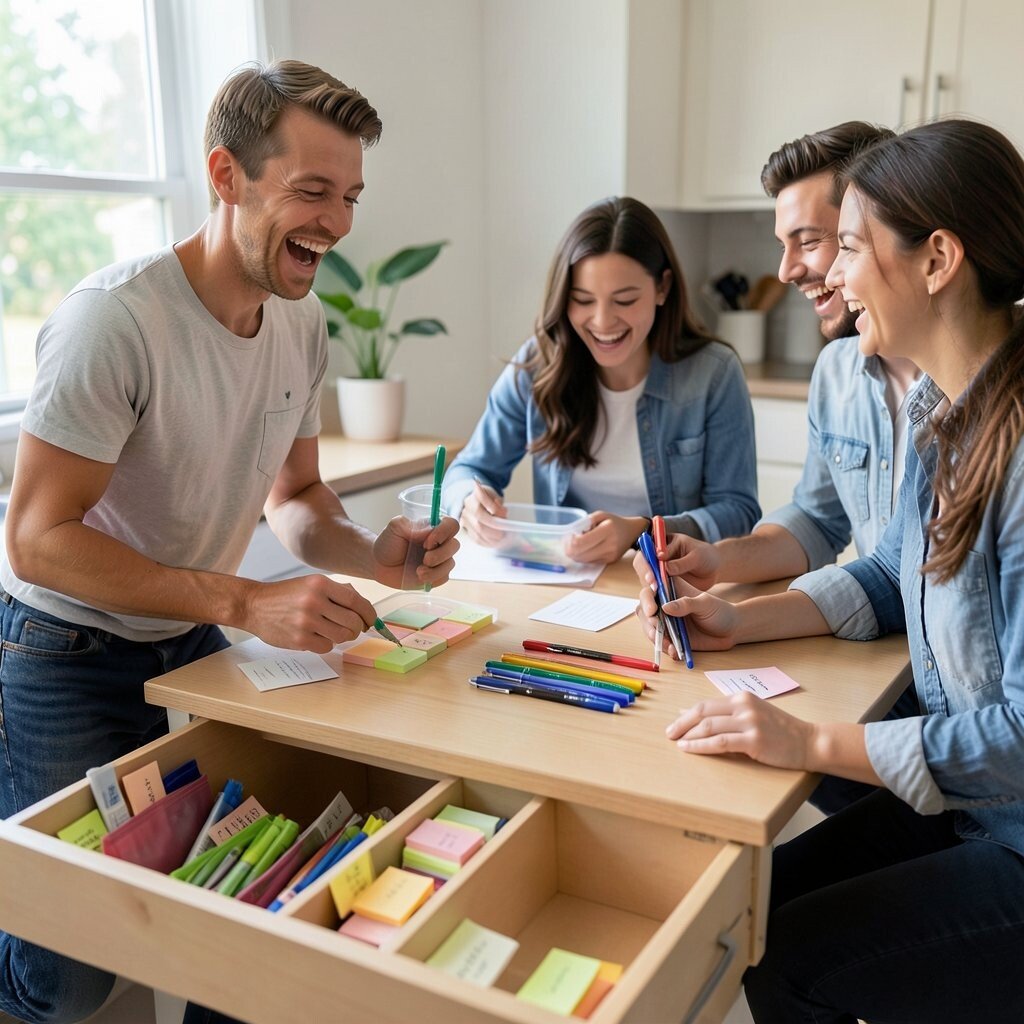
Run a timed relay where each person must organize a small area, like their desk top or kitchen counter. The goal is to reset the space neatly and efficiently before the next round begins.
Visualize markers, sticky notes, and pens arranged into tidy rows while people laugh at how quickly items can multiply. This competition makes chores feel like a game and improves focus for the rest of the day.
Keep it practical by setting a boundary like “only one drawer” or “only the top surface.” Personalize it by assigning roles, such as one person sorts, one person labels, and one person cleans the small stuff.
For cost, use labels and bins you already have, or grab a few affordable containers from a local store. Current trends in home routines favor “reset habits,” so tie the relay to a daily cleanup moment.
13. Water Bottle Challenge: Hydration With Flair
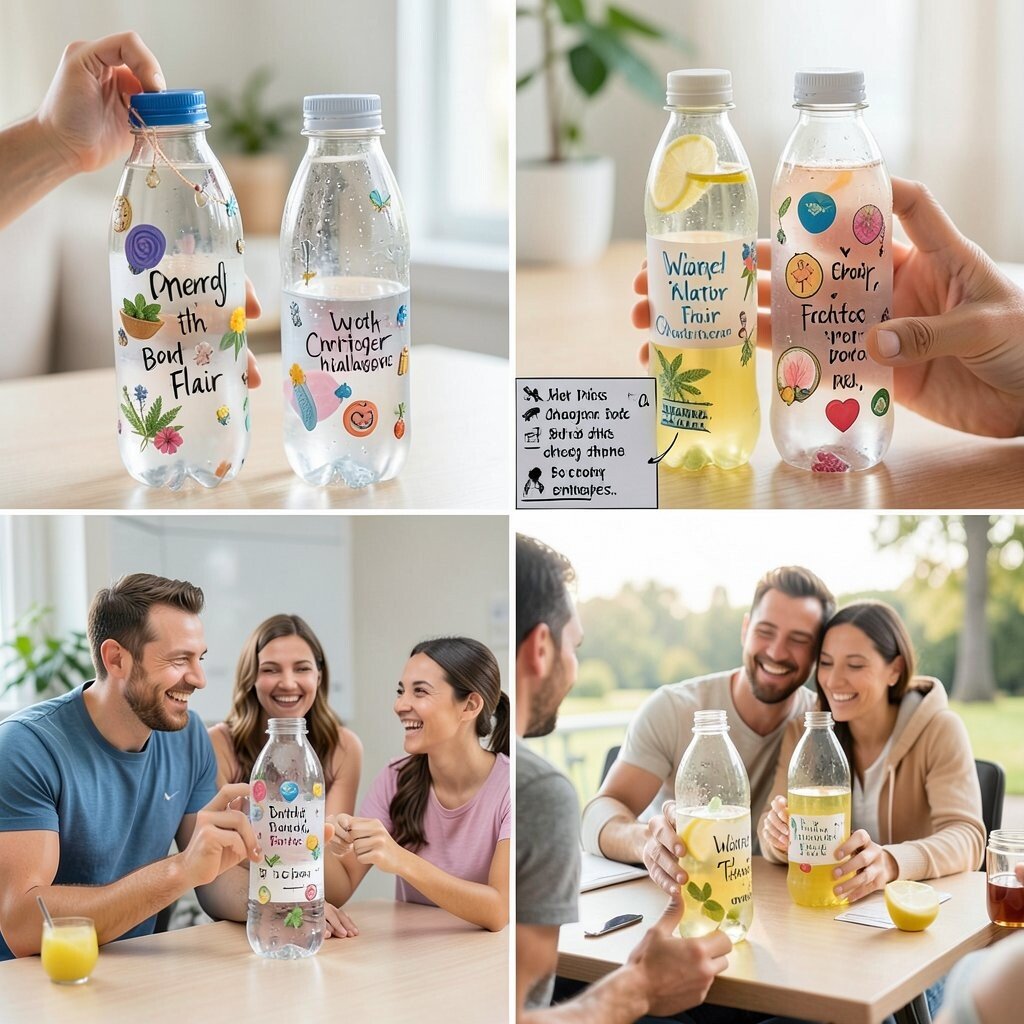
Make hydration competitive by decorating water bottles and tracking who drinks the most over a short shared period. Keep it friendly by measuring by check-ins instead of strict rules.
Think of bottles covered with stickers, tiny charms, and handwritten cheers that make hydration feel fun. This supports energy levels and keeps everyone paying attention to healthy habits.
Use practical tracking by marking sips on a simple chart or using phone reminders with quick check-ins. Personalize the flair by letting each person pick a color theme and add flavor options like lemon slices or mint.
Cost considerations are easy since plain water is free, and flavor add-ons can be inexpensive. Current trends include wellness routines and “micro habits,” so frame it as a small daily win rather than a strict contest.
End each round with a group moment where everyone shares one favorite sip combo. That shared story keeps the competition warm and motivating.