Classroom activities can help students stay active and pay attention. They can also make class feel more open, calm, and fun.
1. Think-Pair-Share

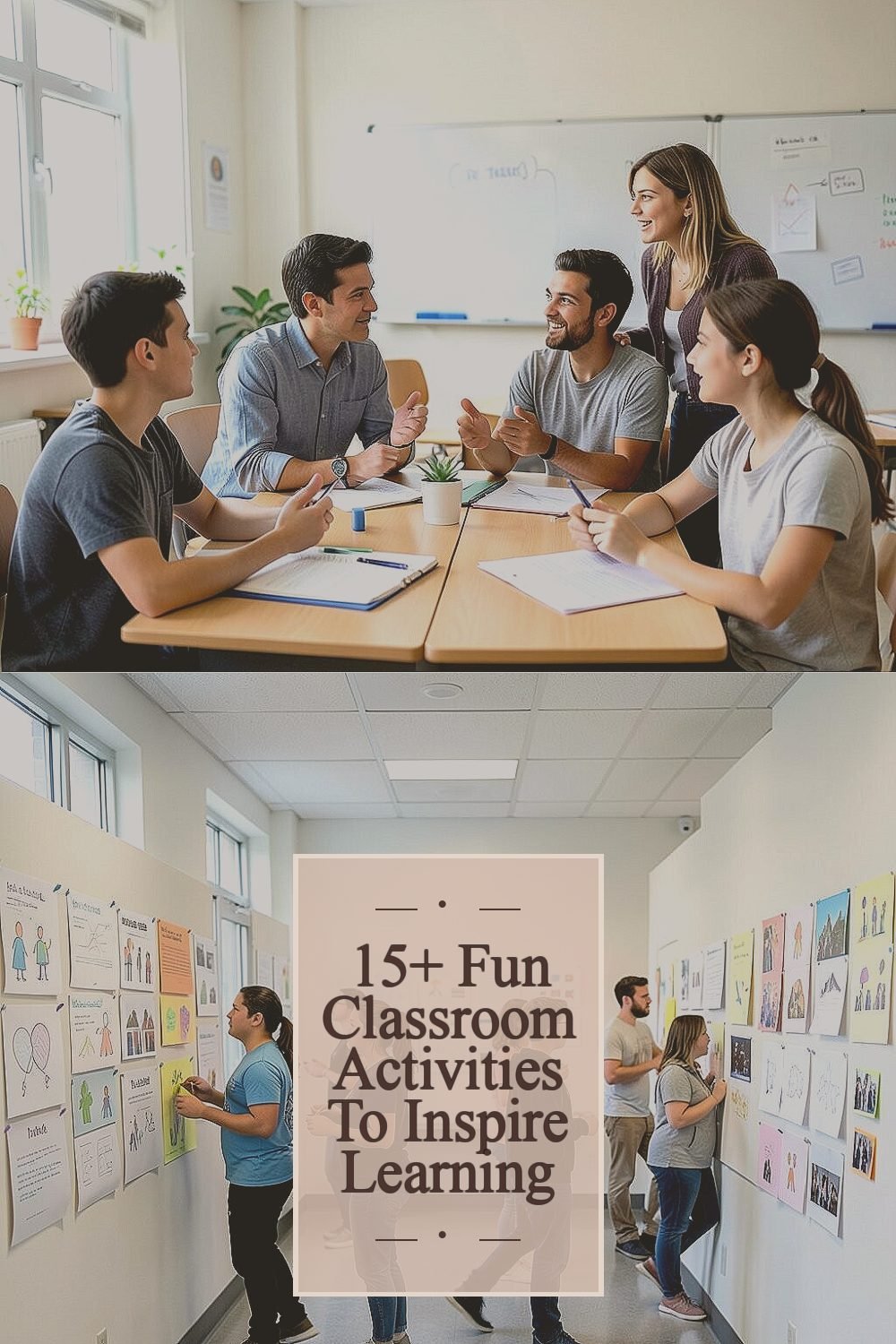
Think-Pair-Share is a simple class task that gives every student a chance to talk. The teacher asks a question, students think on their own, then they talk with a partner before sharing with the class.
This activity works well because it feels safe and low-pressure. It helps shy students speak up, and it gives fast thinkers time to slow down and plan their words.
You can use it in almost any subject, from reading to science to math. It costs nothing, needs no special tools, and can fit into a busy lesson without much prep.
2. Gallery Walk
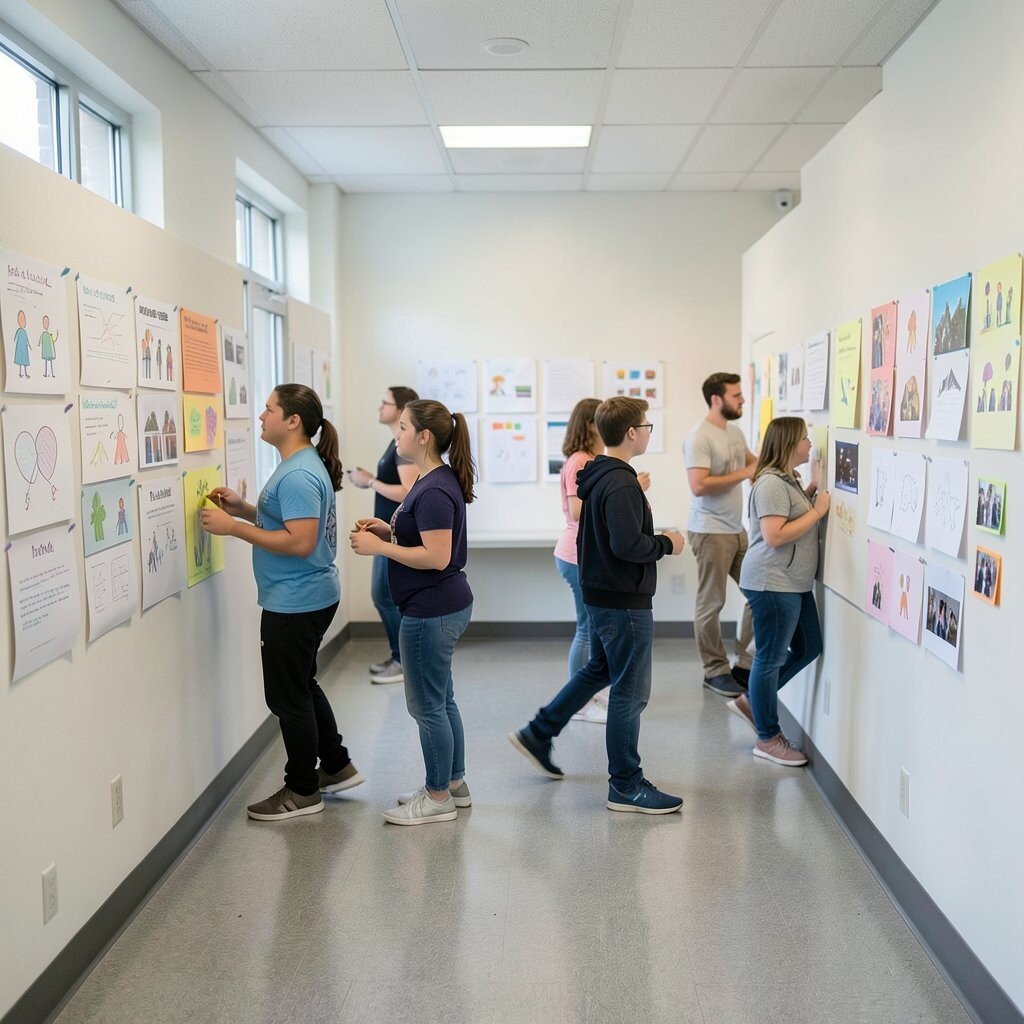
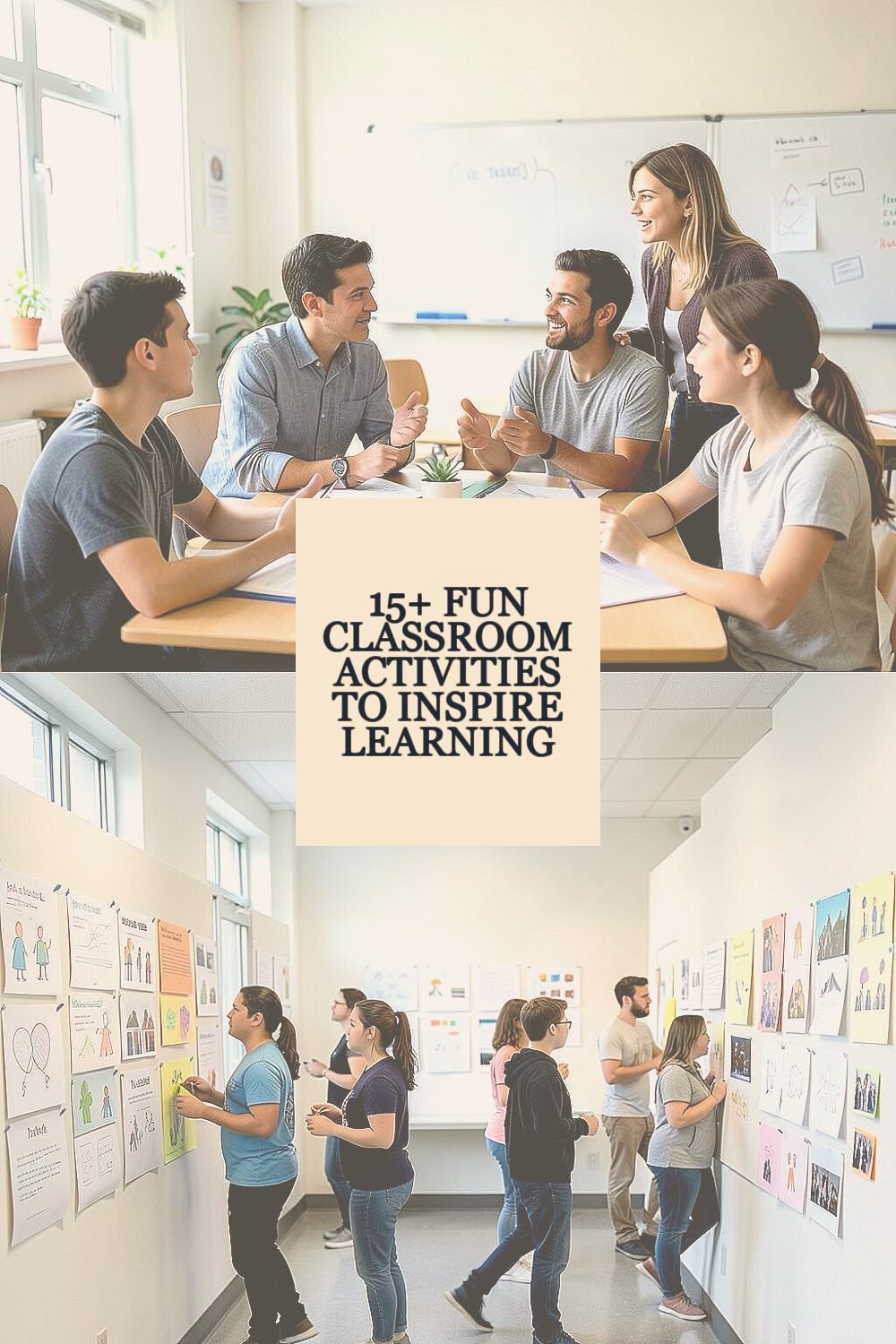
A gallery walk turns the room into a set of small displays for students to visit. Papers, charts, or student work are placed around the room, and students move from one spot to the next.
This activity adds motion to the day, which can help students stay awake and focused. It also lets them see ideas in a new way, since they are not just sitting and listening.
Teachers can make it personal by using student-made posters, class notes, or topic cards. It is a low-cost idea that fits a modern classroom style where movement and choice matter.
3. Word Sort

Word Sort asks students to group words into sets based on what they mean, sound like, or have in common. The words can be printed on cards, written on slips, or shown on the board.
This task helps students notice patterns and make smart choices. It is useful for spelling, science terms, social studies ideas, and reading skills.
You can make it easier by giving clear labels or harder by asking students to make their own groups. It is also easy to change for small groups, partners, or the whole class, and it does not cost much at all.
4. Four Corners

Four Corners is a moving activity where each corner of the room stands for a different answer. Students pick a corner that matches their choice, then explain why they went there.
The room starts to feel lively in a calm way, with students looking around and making choices. It helps them think fast, listen to others, and speak with more care.
This is a good fit for trend-based lessons because it works well with opinion questions and current topics. Teachers can change the corners to match class needs, and the only thing needed is space.
5. Story Circle

Story Circle is a group activity where students build a story together one part at a time. One student starts, and the next student adds a new part until the story is done.
This activity is fun because no one knows exactly where the story will go. It helps with speaking, listening, and creative writing in a way that feels easy and open.
Teachers can set a theme to keep it on track, such as animals, space, or school life. It works with no cost, and it can be made more personal by using names, places, or class topics.
6. Learning Stations
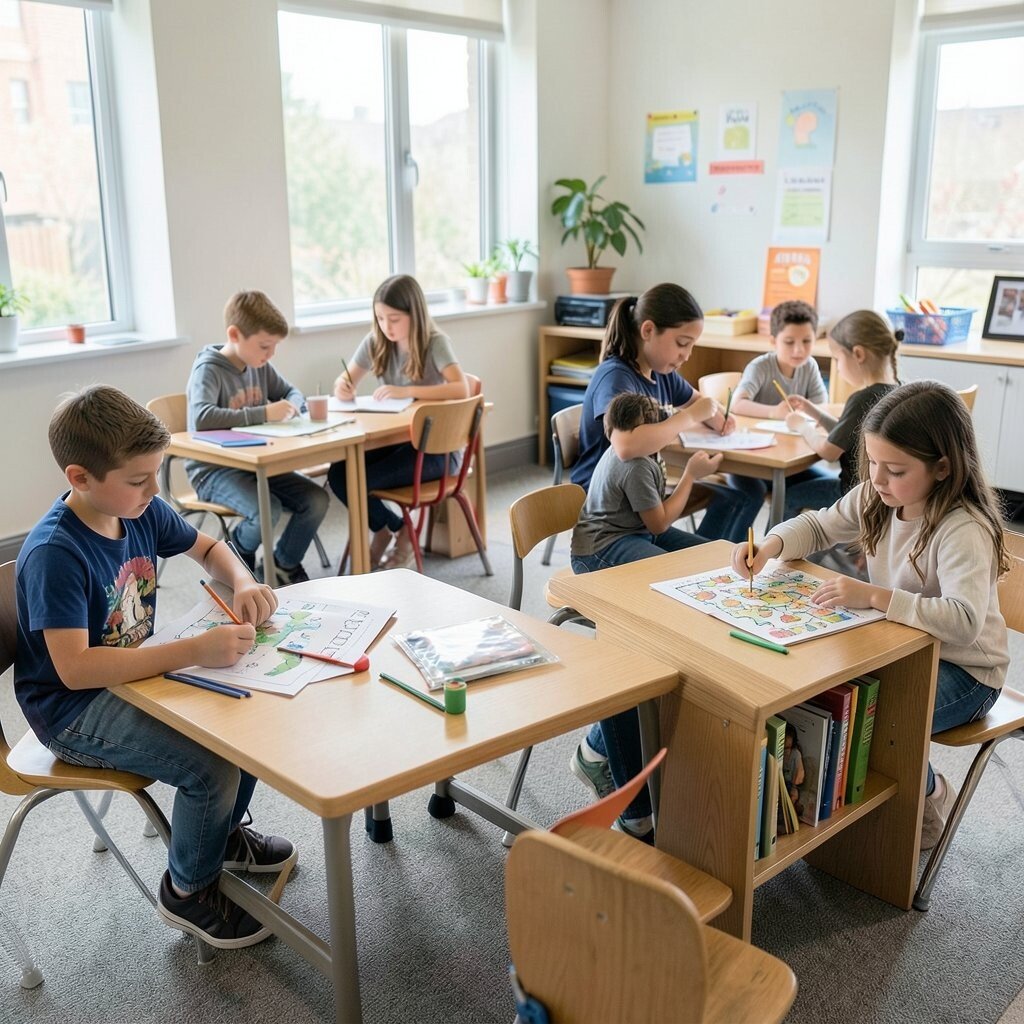
Learning Stations give students small tasks at different spots in the room. Each station can have a short reading, a puzzle, a hands-on task, or a quick question.
This setup gives the room a neat and active feel. Students get to move, work at their own pace, and try different kinds of learning in one class period.
Teachers like stations because they can be used for review, new lessons, or practice. They can be low-cost if the teacher uses paper, pencils, and simple class items, and they can be changed to fit any topic.
7. Quiz Show Review

Quiz Show Review turns study time into a game with teams, questions, and quick answers. The teacher can make it look like a game show using a board, cards, or a screen.
Students often enjoy this because it feels fast and active. It helps them remember facts, review ideas, and work as a team without too much stress.
The style can be very simple or more polished, depending on time and tools. Many teachers use free online tools for this trend, but paper cards can work just as well and cost almost nothing.
8. Draw and Explain

Draw and Explain asks students to make a quick sketch and then write or say what it means. The drawing does not need to be fancy, and stick figures are fine.
This activity helps students show what they know in a visual way. It is useful for learners who do better with pictures than with long writing tasks.
Teachers can make it personal by letting students draw things from their own lives. It is also a good low-cost choice because all it needs is paper and something to draw with.
9. Partner Teach

Partner Teach gives students a chance to teach a small part of the lesson to each other. One student explains an idea, and the other listens, asks questions, and then switches roles.
This activity can build trust and make class feel more balanced. When students teach, they often pay closer attention and remember the lesson better.
It works well in reading, science, math, and language lessons. Teachers can keep it short and simple, and they can give each pair a card with tips so the task stays clear.
10. Class Debate

Class Debate lets students share views about a topic in a calm, guided way. The teacher gives a question, and students give reasons for their side while others listen.
This activity helps with speaking, thinking, and respect. It shows students that people can disagree and still stay polite and focused.
Teachers can choose easy topics that fit the age group, such as school rules or book choices. It costs nothing, and it can be made more personal by using topics tied to class life or student interests.
11. Build It Challenge

Build It Challenge asks students to make something with paper, tape, blocks, cups, or other simple items. The task can be to build a tower, bridge, model, or shape that meets a goal.
This activity looks busy and hands-on, which many students enjoy. It helps with planning, problem-solving, and teamwork in a way that feels natural.
Teachers can make the challenge match a lesson, such as a science unit or a math shape study. It can be low-cost if the class uses recycled items, and it fits well with current hands-on learning trends.
12. Question Ball

Question Ball uses a soft ball with questions written on it or placed in spots on it. Students toss the ball, catch it, and answer the question under their thumb or on the side they catch.
This activity adds movement and surprise, which can help keep students engaged. It also makes review feel less stiff and more like a game.
Teachers can change the questions for any topic and any age level. The ball can be reused many times, so the cost stays very low, and the setup is quick.
13. Read and Act

Read and Act asks students to read a short text and act out parts of it. They may use gestures, facial expressions, or small movements to show what is happening.
This activity helps students understand the text better because they use both body and mind. It can also make reading feel more lively for students who do not like long silent work.
Teachers can keep it simple by choosing short passages and clear actions. It is a good fit for personal learning too, since students can add their own style when they act.
14. Exit Ticket

Exit Ticket is a quick end-of-class task that asks students to show what they learned. They may answer one question, write one idea, or solve one short problem before they leave.
This activity helps teachers check for understanding right away. It also helps students stop and think about the lesson in a calm, clear way.
Exit Tickets can be done on paper, sticky notes, or a digital form. They are cheap, fast, and easy to change, which makes them a strong fit for busy classrooms and current teaching trends.
15. Mystery Bag
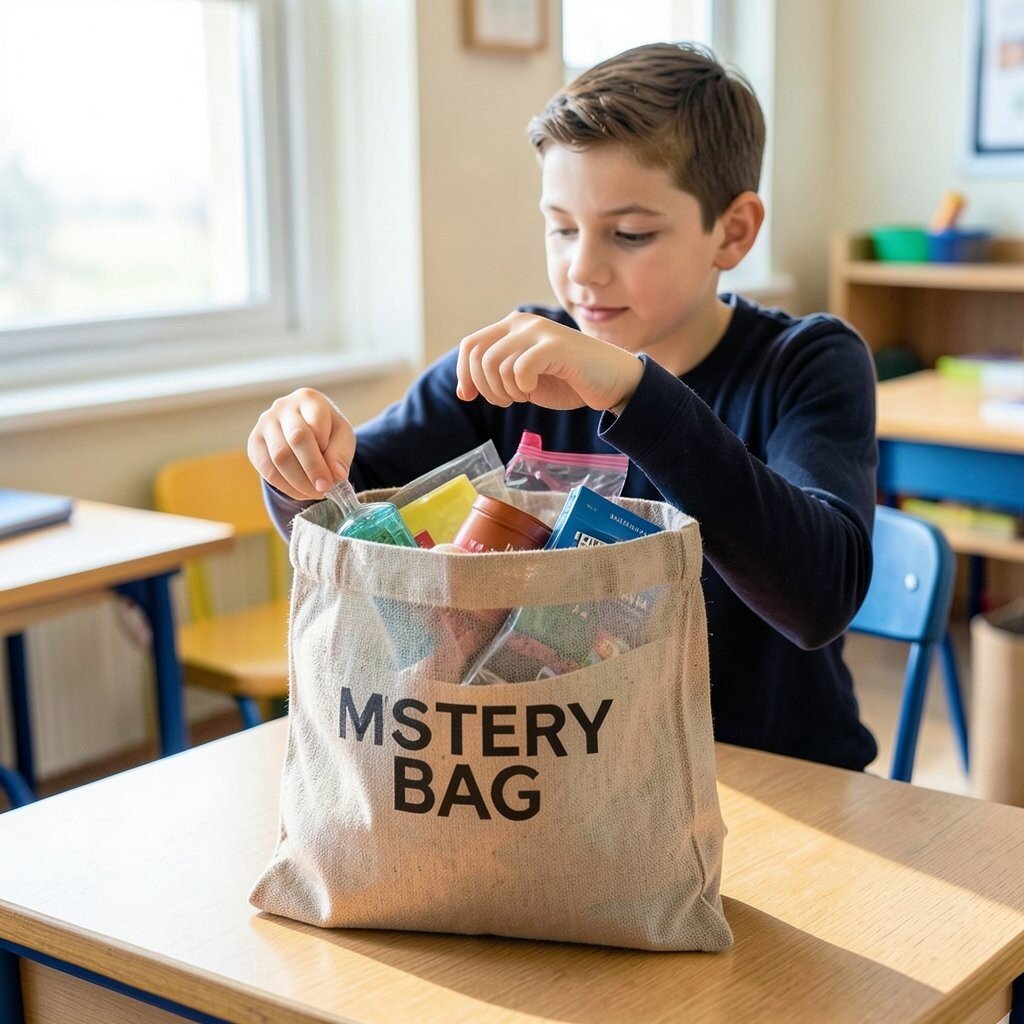
Mystery Bag is a guessing game where students feel or look at hidden items and try to name them. The teacher puts objects in a bag, and students use clues to make smart guesses.
This activity feels playful and a little surprising, which can help students stay interested. It works well for science, language, and early grade lessons, but older students can enjoy it too.
Teachers can make it personal by using class objects, story items, or real-life things from home. It costs very little, and the bag can be used again and again with new items.
16. Reflection Journal

Reflection Journal gives students a quiet place to write about what they learned, what was hard, and what helped them. They can write a few lines, draw a picture, or answer a simple prompt.
This activity helps students slow down and make sense of their work. It can also help teachers learn more about how each student thinks and feels about class.
Journals can be plain notebooks, loose pages, or digital notes, so the cost can stay low. Teachers can make prompts match the lesson, which keeps the work fresh and personal without needing much setup.