The garden has a way of turning ordinary afternoons into memorable adventures. Soft soil, bright leaves, and living sounds make kids feel like explorers in their own backyard.
With a little planning, you can keep play active, creative, and safe while matching your space and budget. These ideas are meant to be practical, fun, and easy to personalize for the children you have.
1. Leaf Shadow Theater
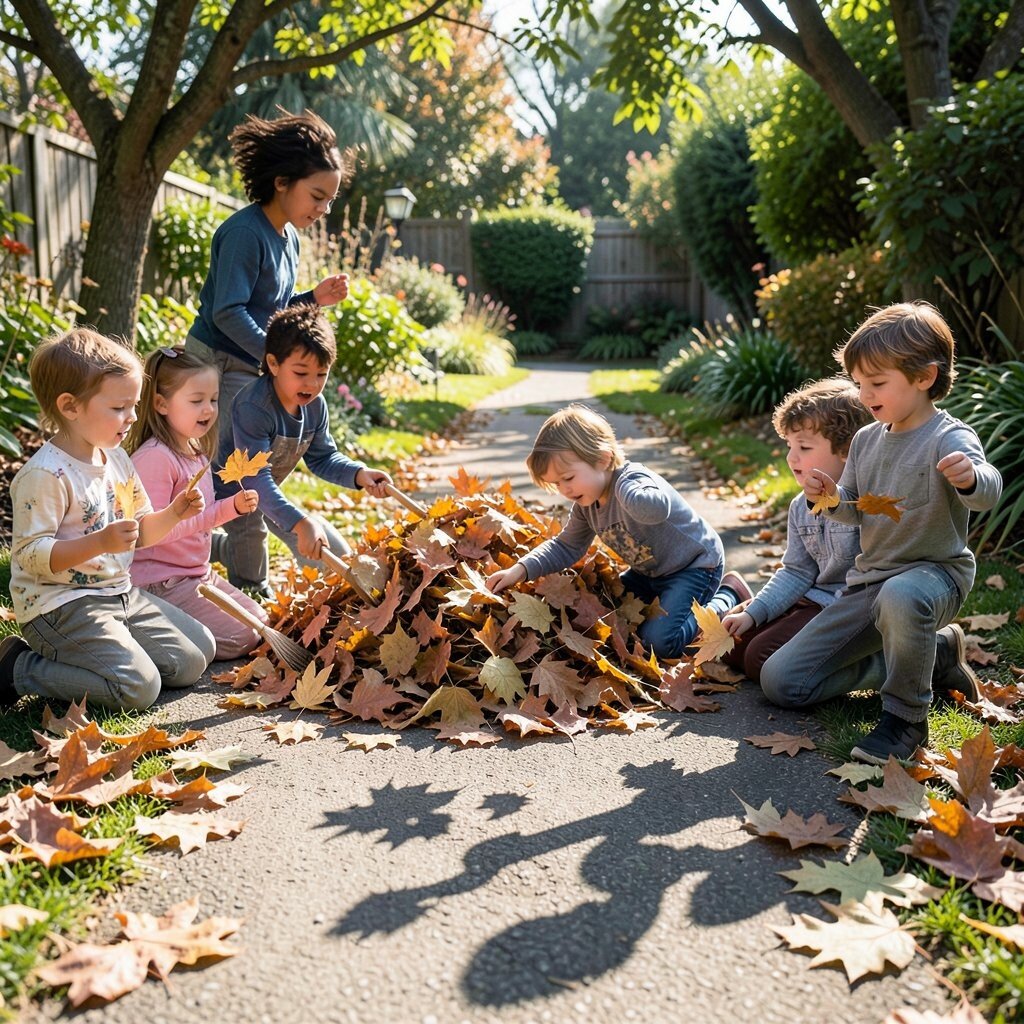
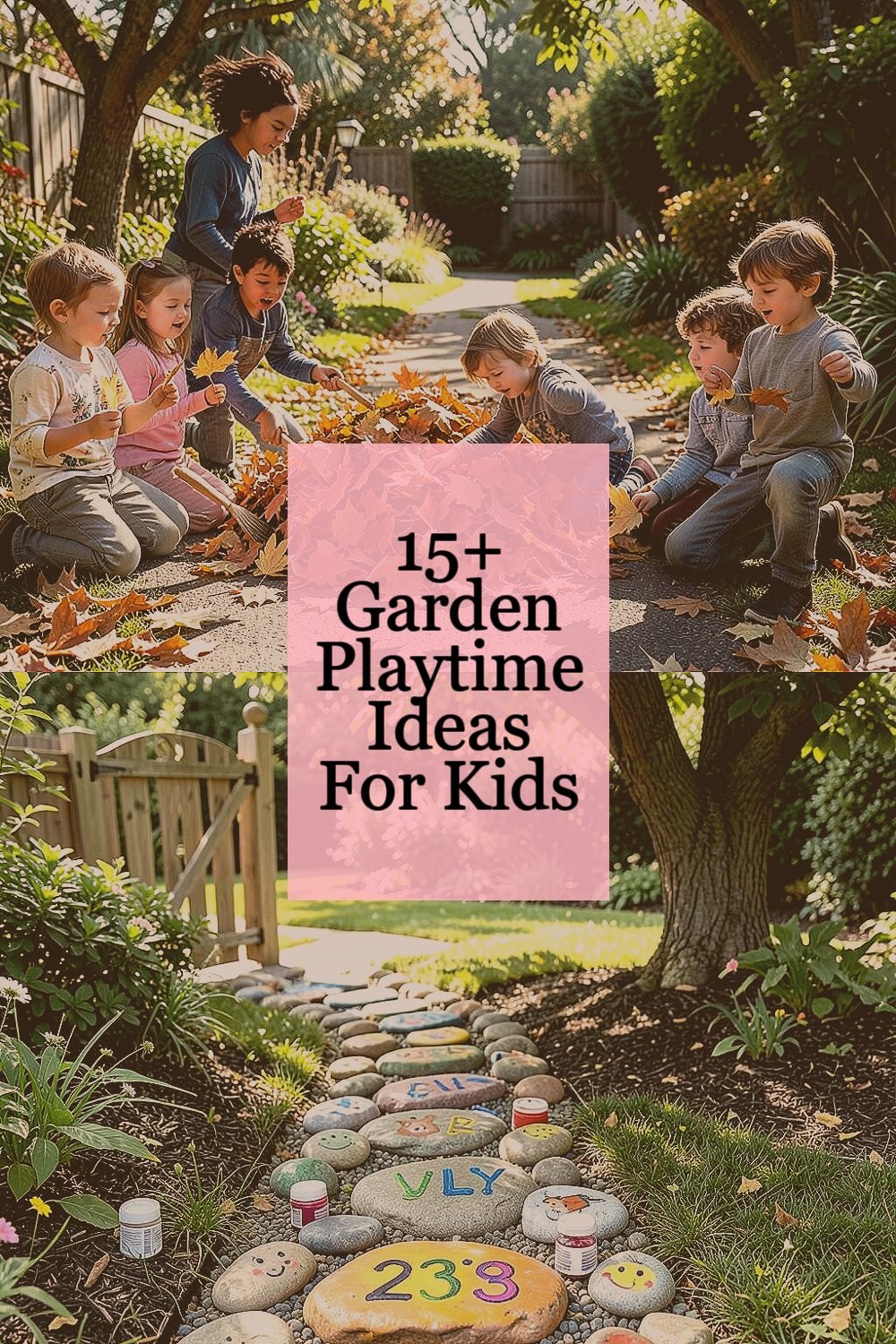
Rake up a pile of large leaves and watch kids build scenes using light and color. Place the leaves on a sunny path so their shapes make shadows on the ground.
Ask them to act out stories using only hand motions and leaf cutouts, like a mini shadow show. Use backyard sounds, like wind through branches, as the “music.” For safety, choose leaves without sharp edges and keep kids away from busy walkways.
2. Rock Painting Pathway
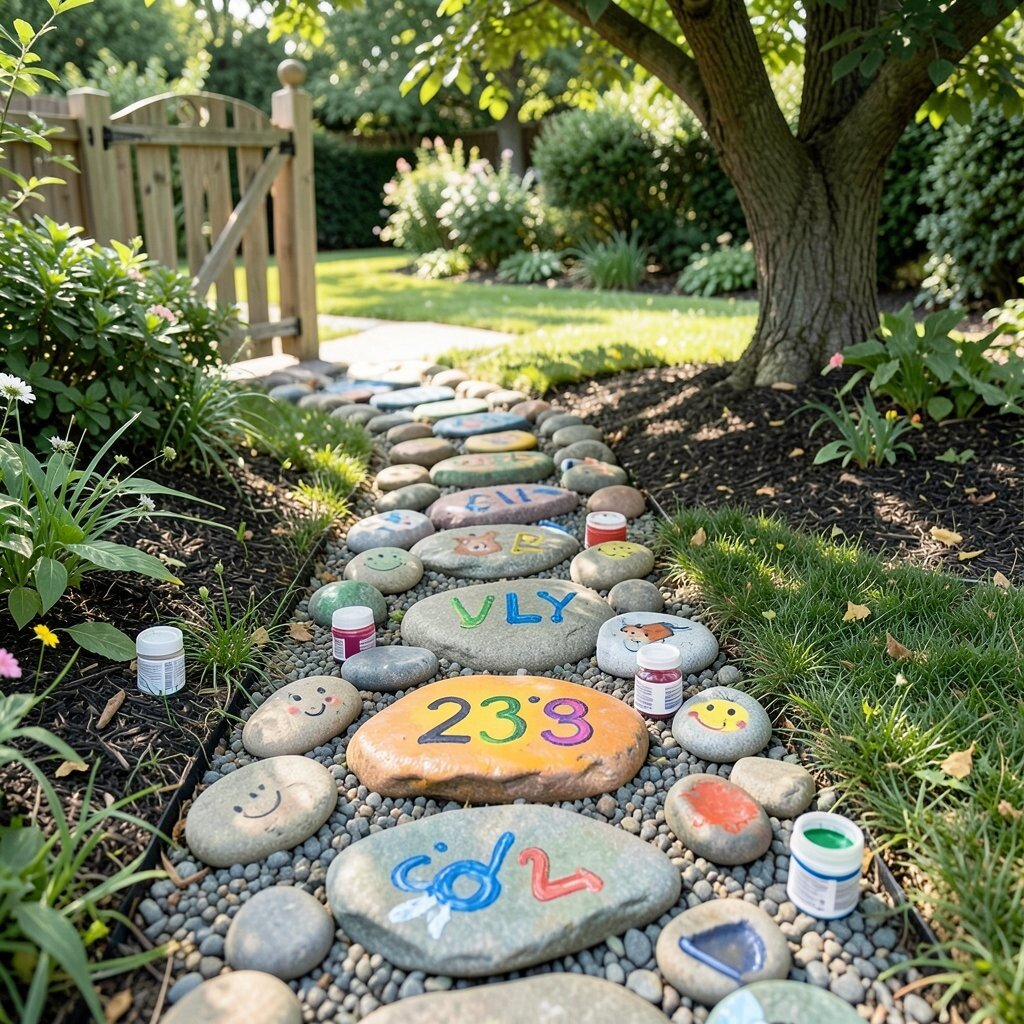
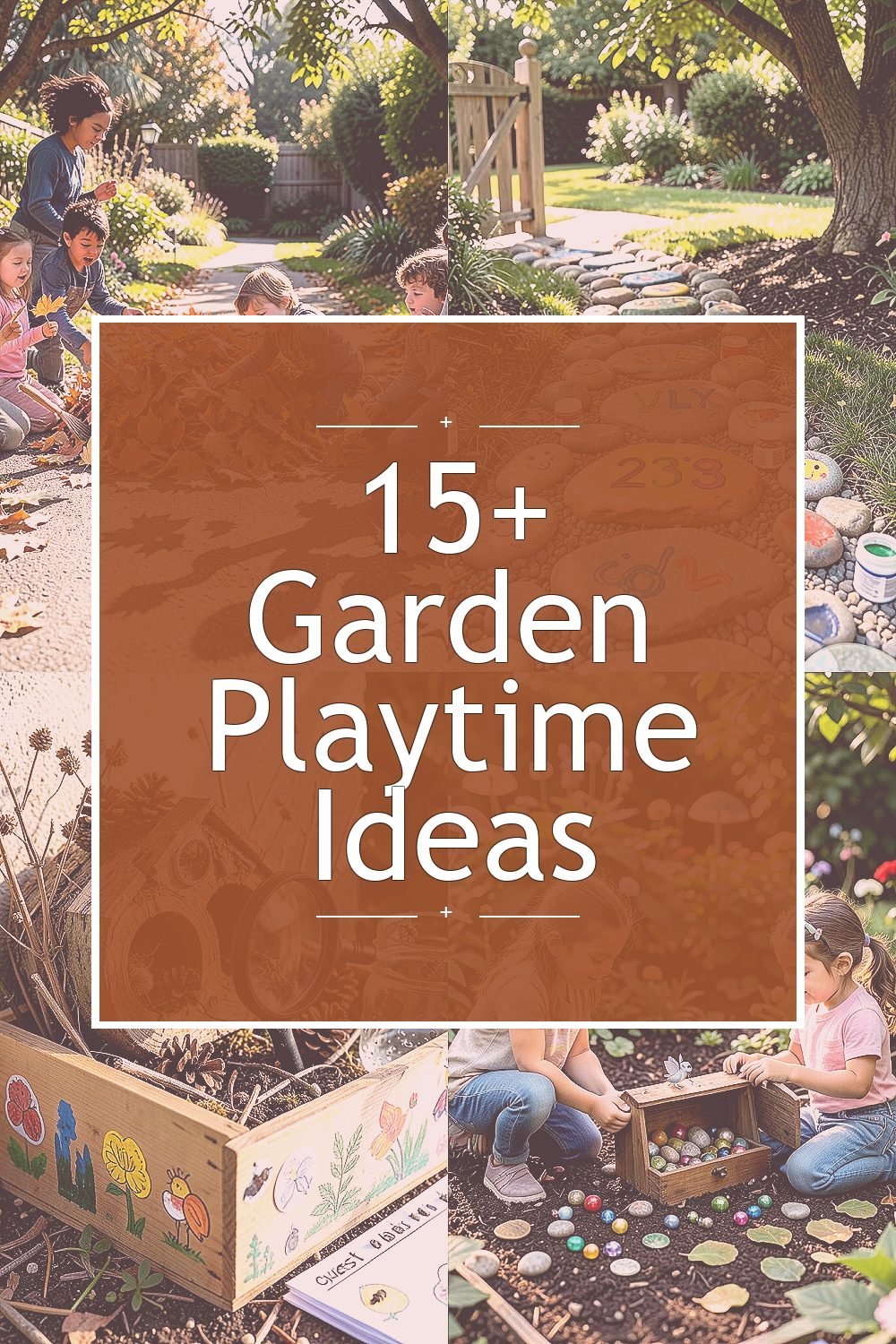
Set out smooth rocks and acrylic paint, then let kids decorate a winding pathway. When the rocks dry, they can arrange them in order, colors, or patterns.
They can place the rocks like stepping stones from a gate to a favorite tree. This supports fine motor skills and creative thinking while keeping play grounded and outdoors.
If you want a low-cost plan, use washable paint or leftover craft supplies and seal only the finished rocks if you have clear outdoor varnish. Personalize by painting letters, numbers, tiny animals, or simple smiley faces that match what your child loves most.
3. Bug Hotel With Observation Lenses
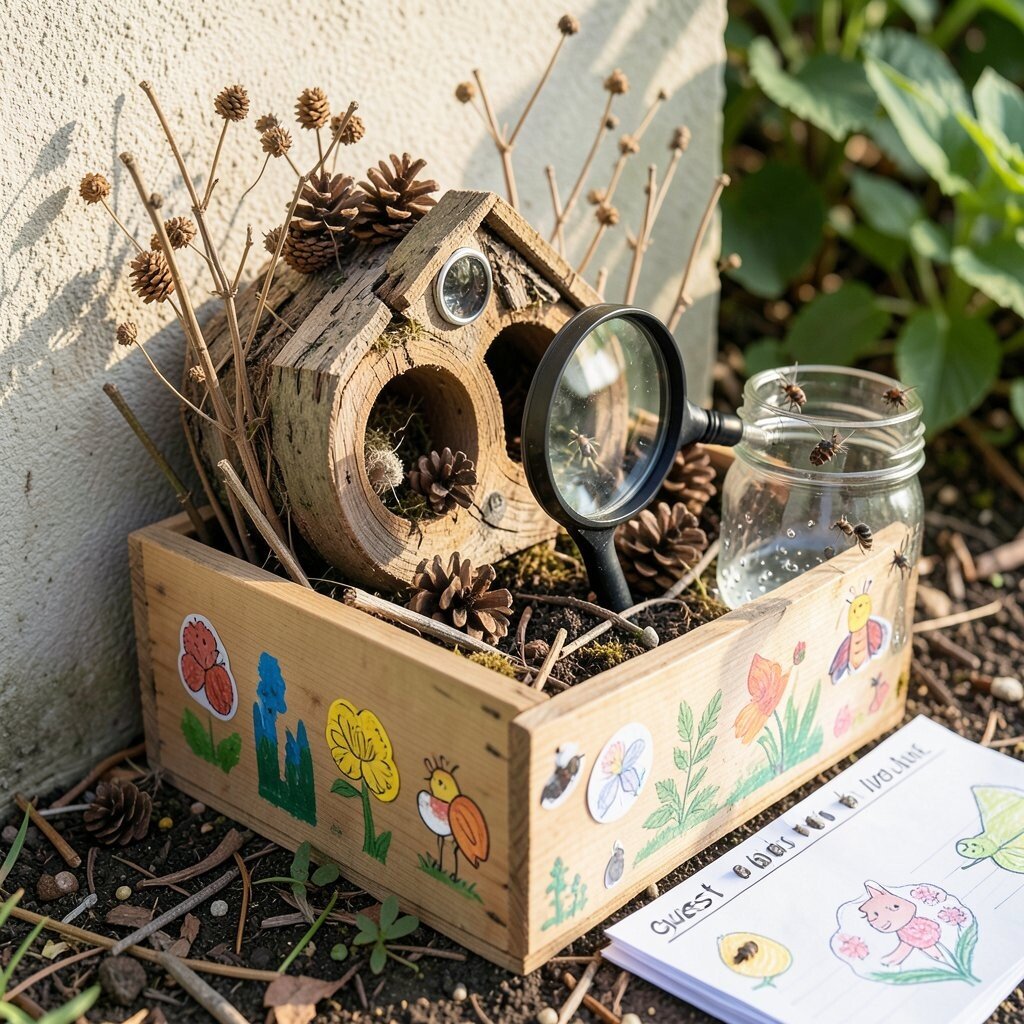
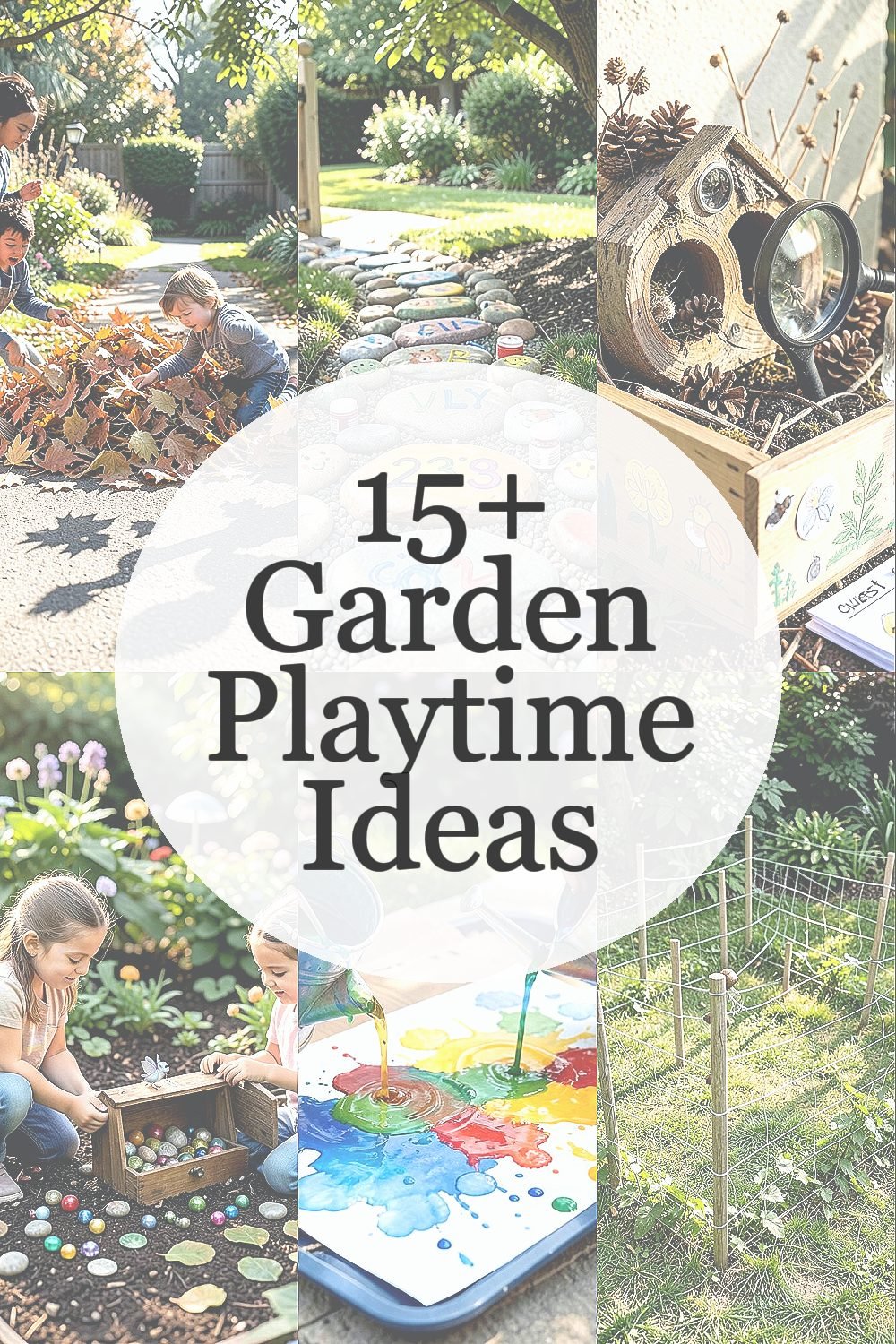
Create a bug hotel by stacking natural materials inside a small box or planter. Use dry stems, pinecones, and small twigs, then leave one side open for viewing.
Give kids a magnifying lens or a jar with air holes so they can look closely at tiny visitors. Encourage quiet watching before any touching, and remind them to return anything they move back where it was.
For a uniqueness boost, add a “guest book” page with crayons so they can sketch what they see. This activity supports science curiosity and patience while fitting current interest in nature journaling and mindful outdoor time.
To keep cost down, collect safe materials from your yard and invite kids to decorate the outside with paint or stickers. If you live in a rainy area, shelter the hotel near a wall so it stays dry and useful for longer.
4. Fairy Garden Treasure Hunts
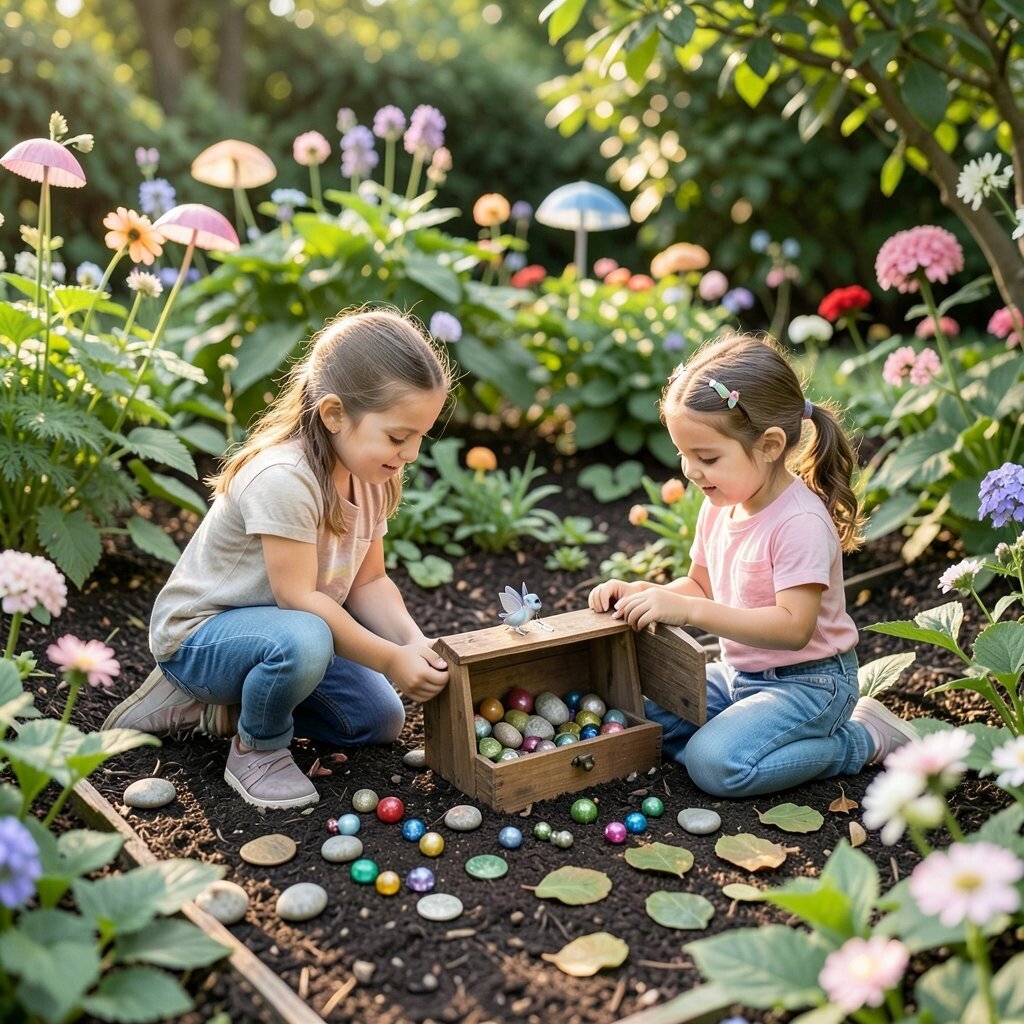
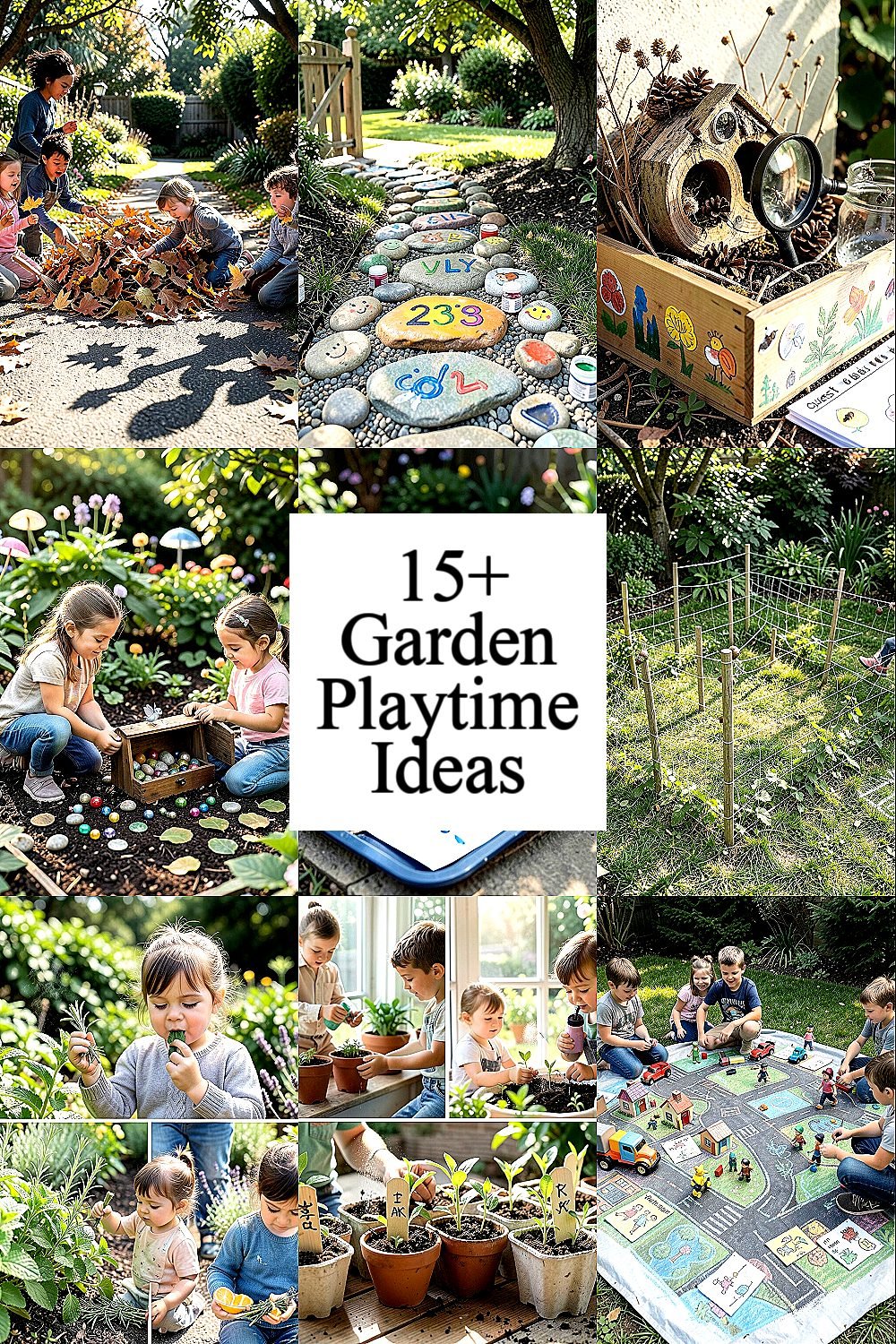
Hide small treasures like smooth stones, leaf “coins,” or bead-size gems around a chosen section of garden. Give kids a simple mission to find them and return them to a fairy box.
They can search using clues you create, like “near the place where you water,” or “under leaves that look like umbrellas.” This builds teamwork and problem-solving while making the garden feel magical in a gentle way.
5. Watering Can Art Stations
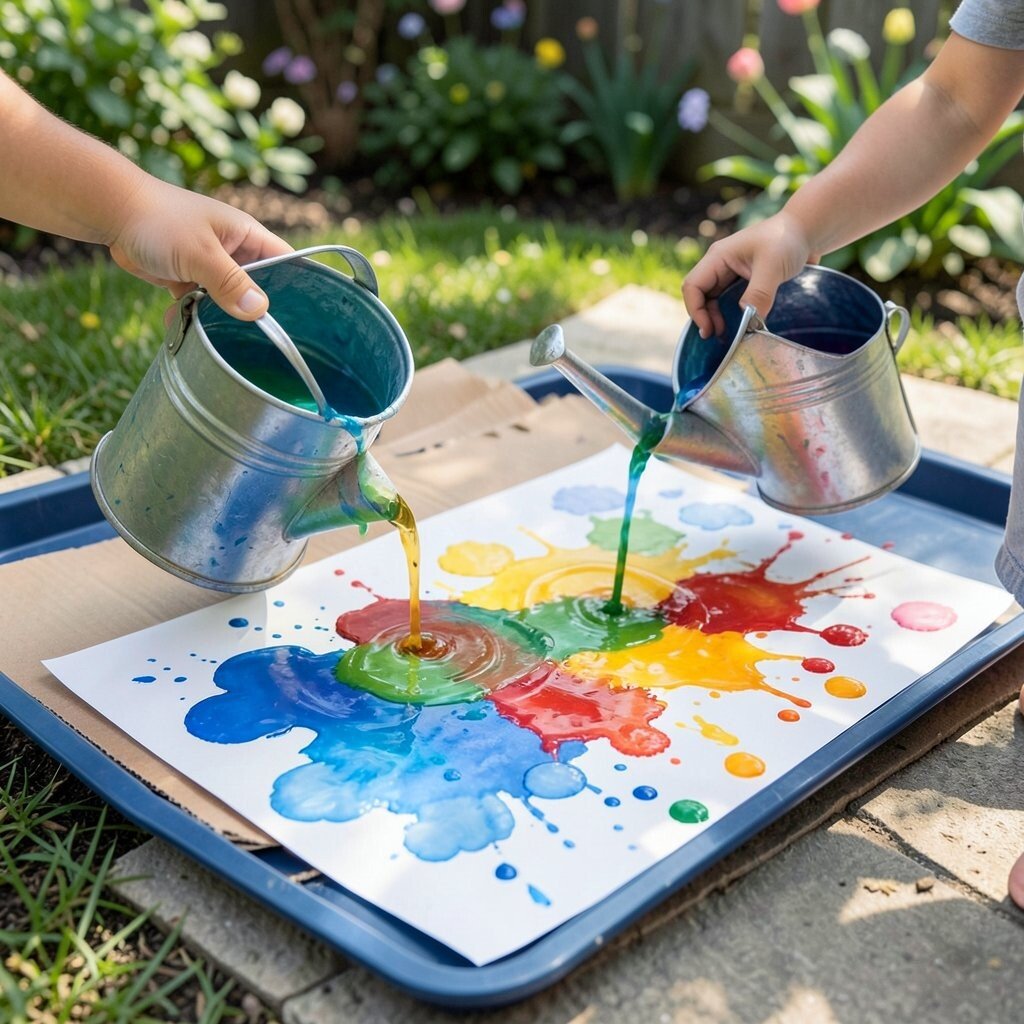
Fill watering cans with colored water using food coloring, or mix water with a little washable paint. Kids can gently pour onto large paper placed on the ground or on a thick piece of cardboard.
Watch how splashes spread like tiny clouds and how colors blend where they overlap. It’s a satisfying sensory experience that also teaches careful pouring and hand control.
For practical safety, use a tray under the paper if you can and choose colors that won’t stain permanently. Personalize by making seasonal themes, like spring rain, summer sunsets, or a bedtime sky for evening play.
6. Walking Vine Maze
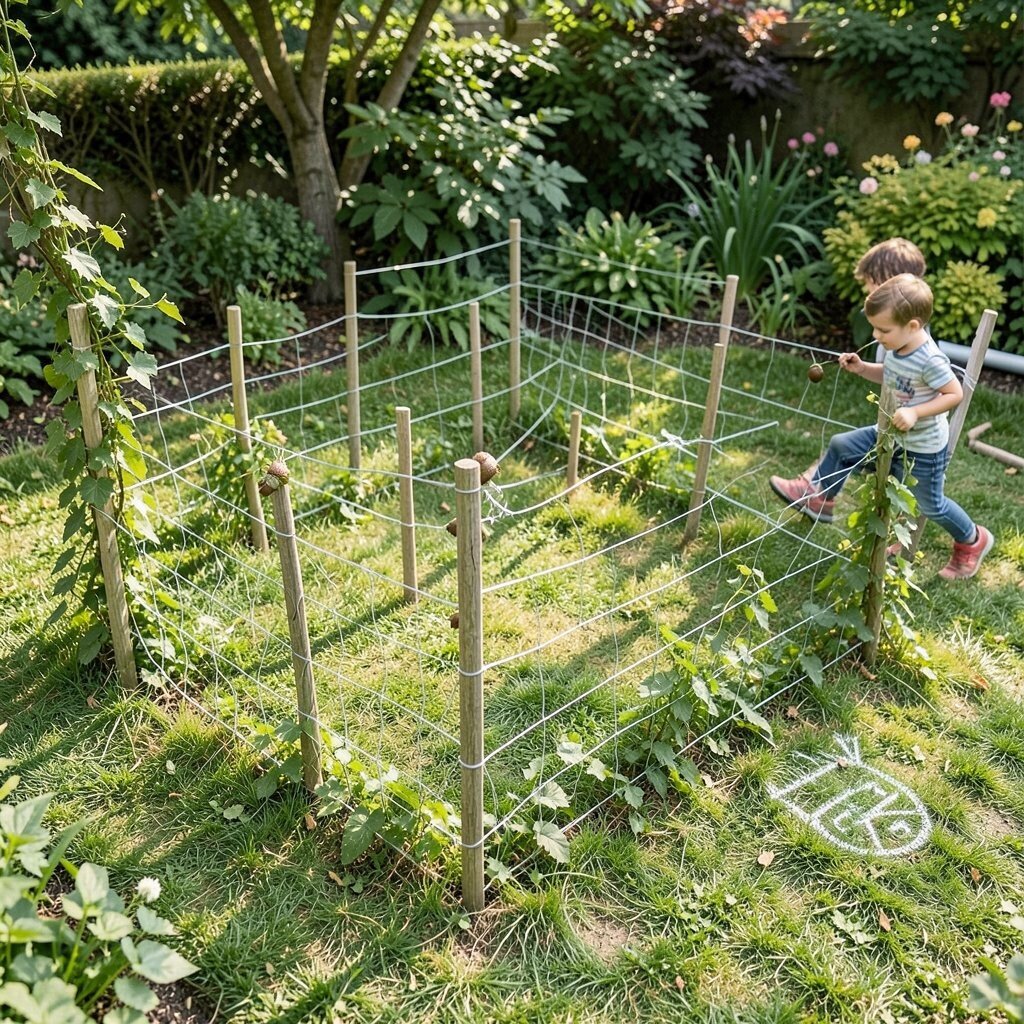
Use garden stakes, string, or tall netting to shape a simple maze for kids to walk through. Train a few climbing vines near the sides so the maze becomes greener over time.
Set a fun goal like carrying a leaf “passport” to each corner or collecting acorns at the exit. The maze builds balance and spatial awareness without needing any fancy equipment.
If you want it to fit your budget, repurpose old clothesline, lightweight net, or even flexible garden hoses. Make it unique by changing the route each day and letting kids draw their own maze plans on chalk.
7. Scent Scavenger Walk
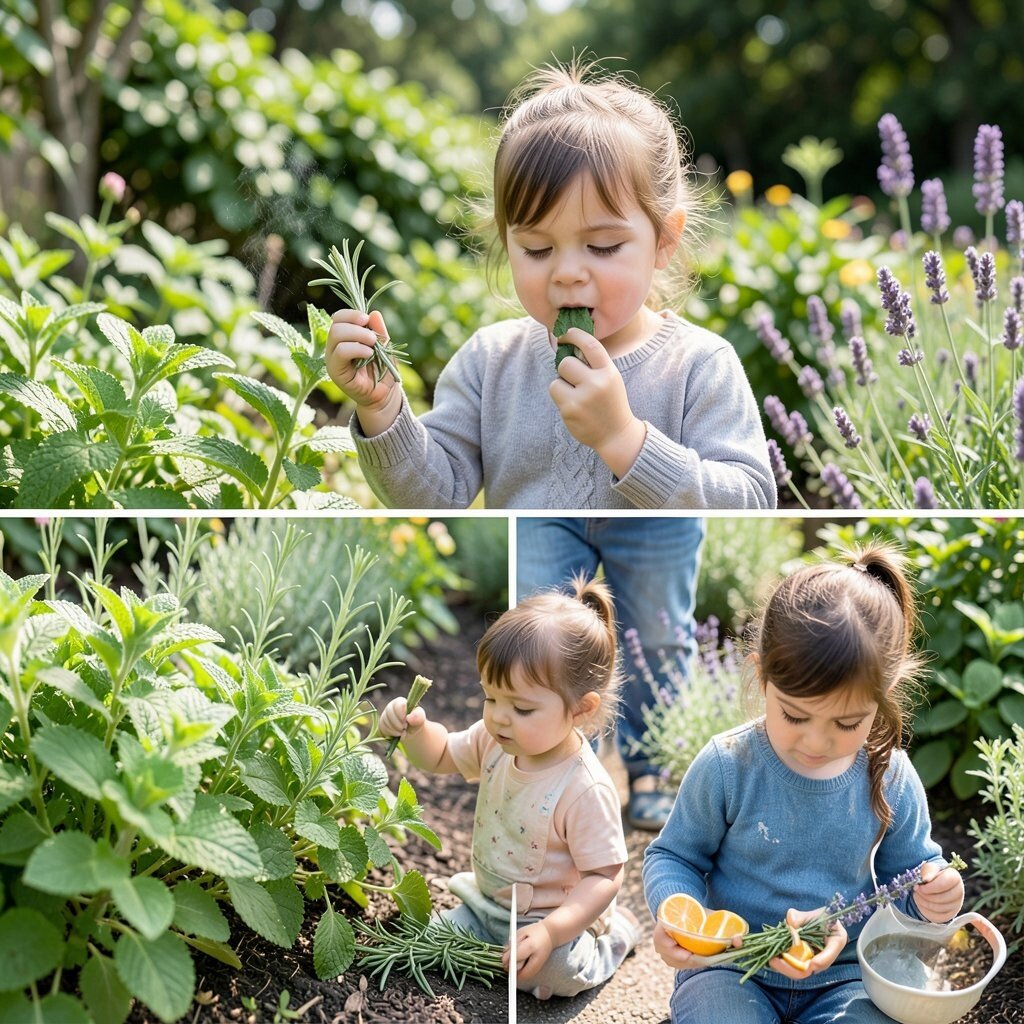
Go on a scent hunt by choosing a few strong-smelling plants and herbs in your yard. Kids can take turns sniffing leaves and guessing what it reminds them of.
Include mint, rosemary, lavender, or citrus peels you bring from the kitchen. This helps kids notice details, builds vocabulary, and makes outdoor time feel calm and focused.
Keep cost low by starting with what you already grow, and swap scents from a neighbor’s yard with permission. Personalize the hunt by matching it to your child’s favorite foods, like “smells like cookies” or “smells like a fresh drink.”
8. Seed Starters for Future Plants
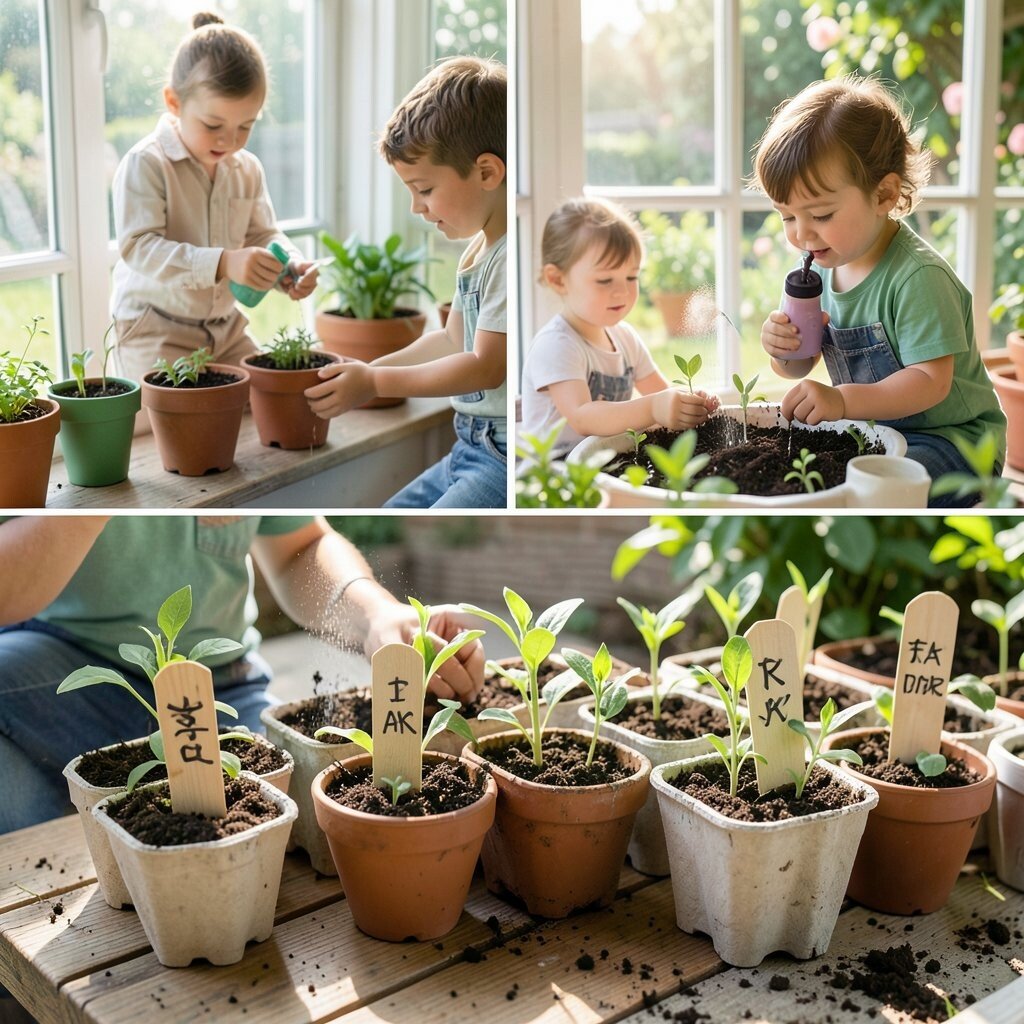
Fill small pots or egg cartons with soil and let kids plant seeds they choose. Show them how to pat soil gently and water with a light spray.
After planting, they can label their pots using plant markers made from popsicle sticks. This builds responsibility and long-term excitement because the garden keeps giving as seedlings grow.
For a practical twist, create “star zones” where kids place their pots near a sunny window or sheltered patio area. Cost considerations are easy because many seeds are inexpensive and egg cartons and kitchen scraps work well.
9. Sidewalk Chalk City in the Yard
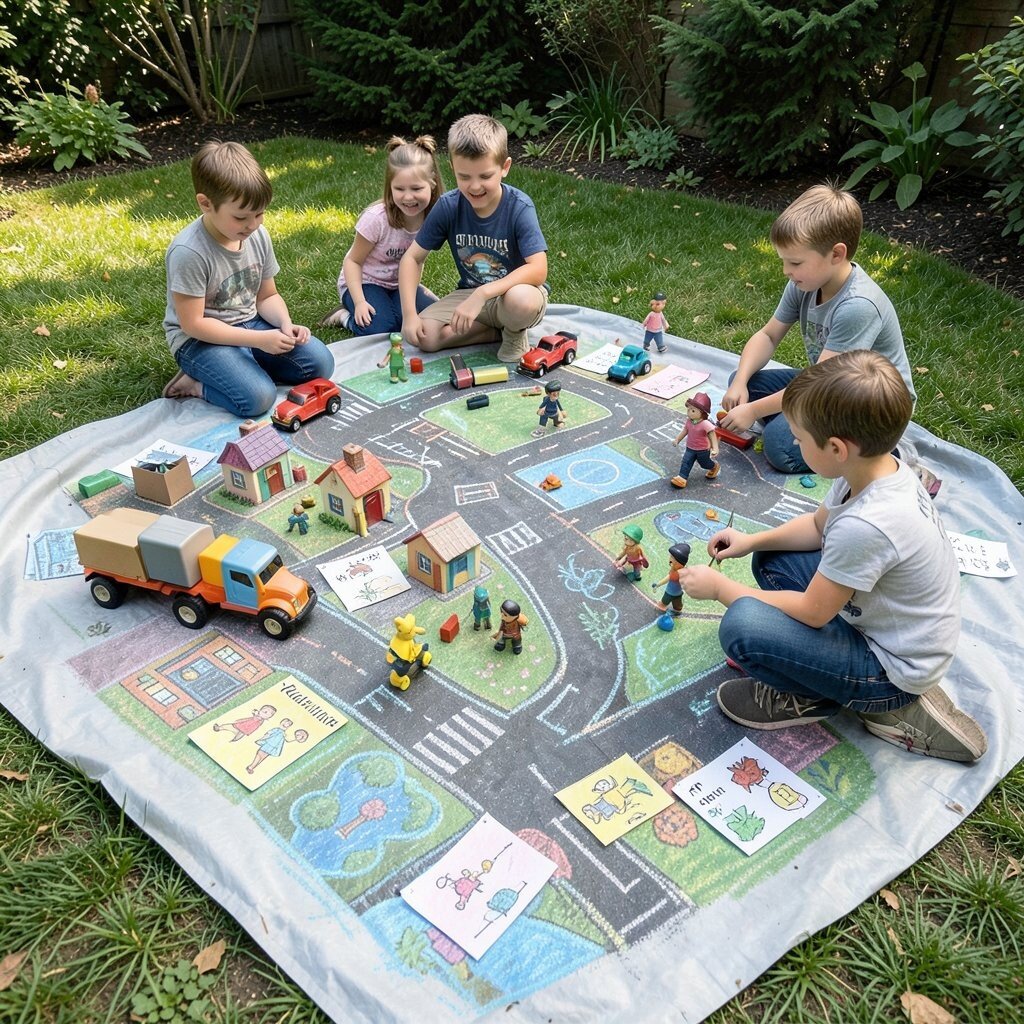
Bring out colorful chalk and make a city on a flat patch of ground. Kids can draw roads, crosswalks, parks, and tiny houses with doors that open like in a story.
As they play, they can roll toy cars, walk figurines, or even create a delivery route for pretend packages. The bright visuals keep kids engaged, and the activity supports planning, turn-taking, and active movement.
To make it unique, add “rules cards” drawn on scrap paper, like “collect one leaf” or “stop at the pond.” Personalize by tailoring the city theme to sports, pirates, space, or your child’s favorite cartoon style.
For weather readiness, cover the chalk drawings with a light tarp if rain threatens, or focus on indoor-outdoor days when the ground stays dry. Use chalk gently so it doesn’t scatter into soil if you’d rather keep the garden clean.
10. Garden Sound Orchestra
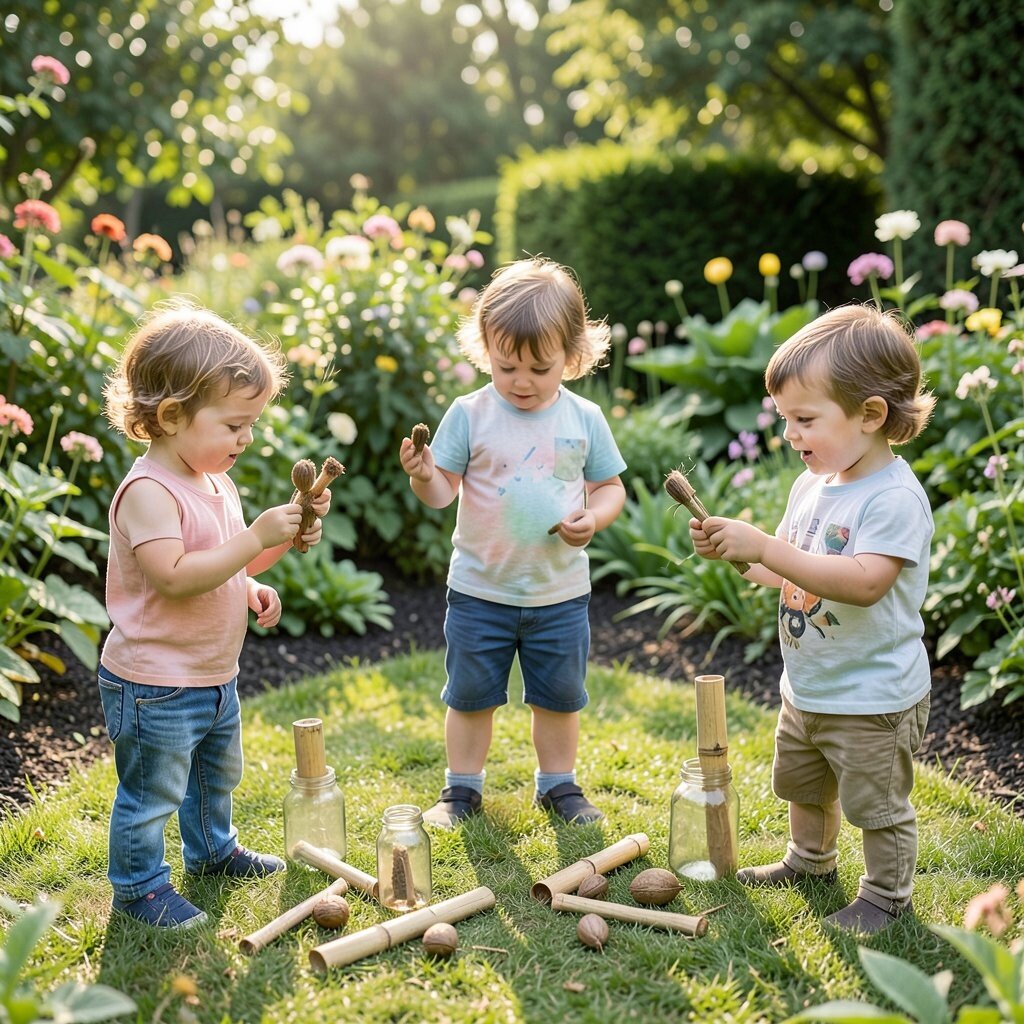
Gather simple garden items that make different sounds, like empty jars, bamboo sticks, and seed pods. Kids can stand in a small circle and try making rhythms using soft tapping and shaking.
They can assign each sound a mood, like “morning birds” or “windy afternoon,” then play along. This activity builds listening skills and makes music feel connected to nature.
11. Cardboard Leaf Rubbings Gallery
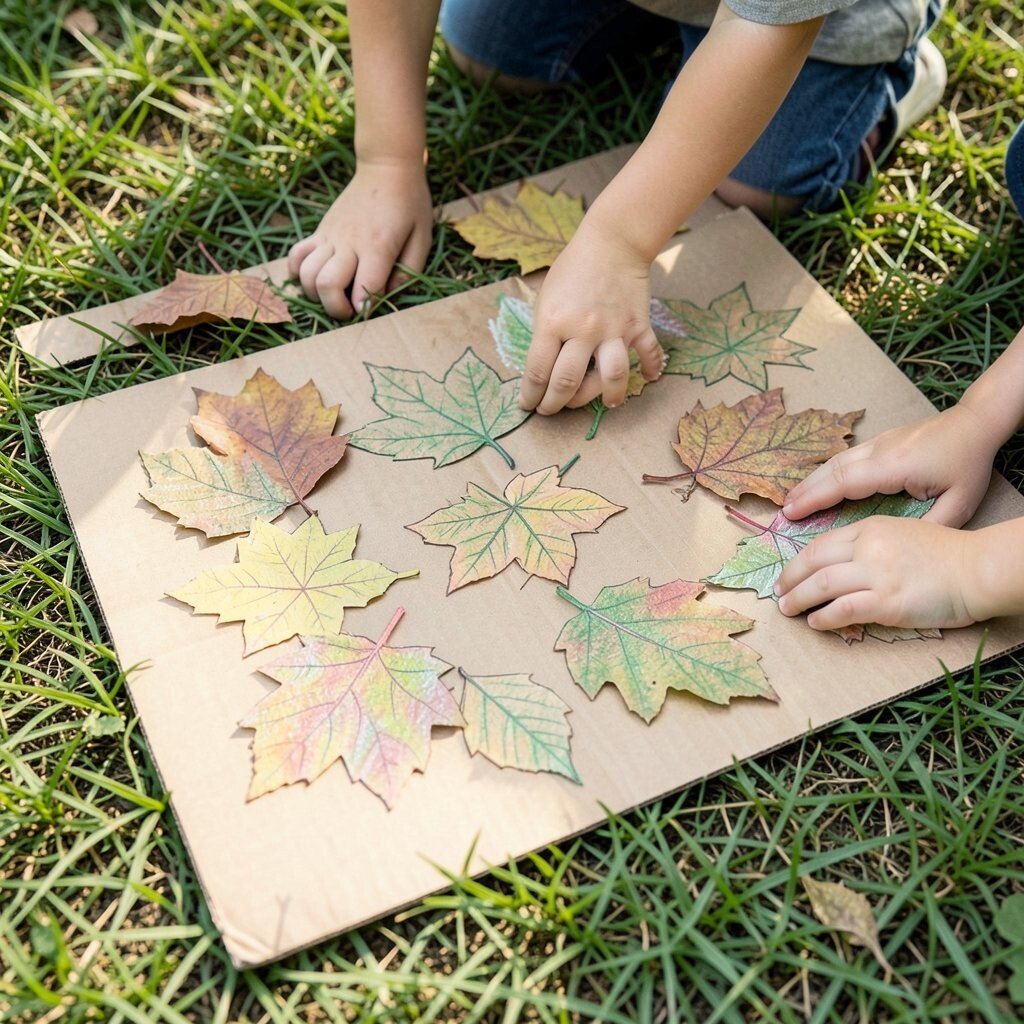
Place a sheet of cardboard or thick paper on the grass and lay leaves on top. Kids can rub the surface with crayons or chalk to reveal leaf veins and textures.
The results look like nature-made art, with patterns that feel both crisp and surprising. It’s a creative craft that supports sensory learning while keeping kids busy outside.
For practical tips, choose leaves with clear shapes and use a gentle rubbing motion so the paper doesn’t tear. Personalize by making different categories, like “leaf shapes from the sun side” or “leaves that look like animals.”
12. Backyard Races With Natural Challenges
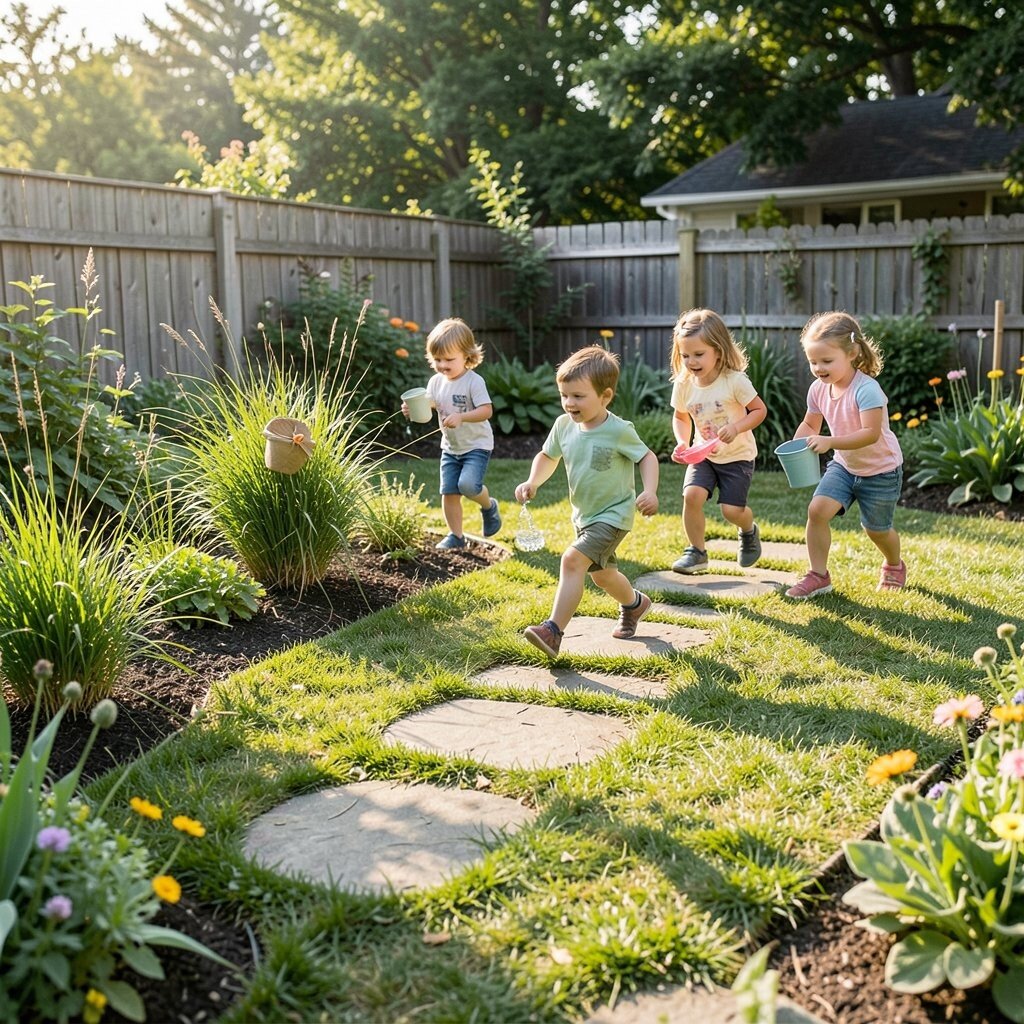
Design a race course using gentle garden tasks, like hopping between stepping stones or carrying a cup of water to a plant. Add natural markers such as tall grass clumps or low branches as landmarks.
Kids can compete for fun, but you can also use cooperative racing where they all finish together. This supports gross motor movement and helps kids learn to follow directions.
To keep it fair, adjust distances for each child and use time-free goals like “reach the flower patch” instead of speed. Cost stays low because you use what you already have, and uniqueness comes from changing the course with the seasons.
13. DIY Tiny Tool Cleanup Team
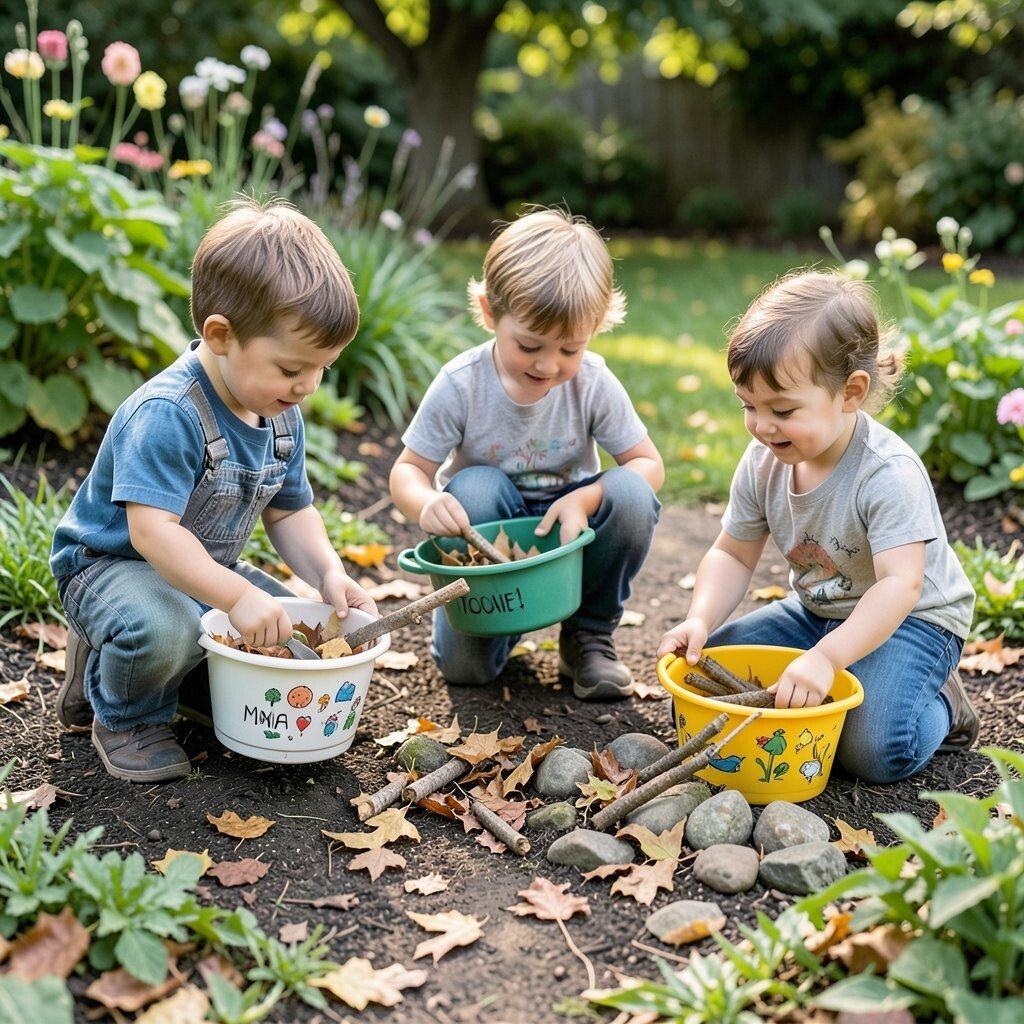
Turn garden cleanup into a playful team job by handing kids small buckets or toy wheelbarrows. Give them a simple mission to gather fallen leaves, straighten stones, or sort sticks by length.
As they work, they learn responsibility and the idea that caring for a space helps everyone enjoy it. You’ll also notice the garden stays tidier, which makes future play easier to set up.
For personalization, let each child choose a “tool name” and decorate their bucket with stickers or washable markers. If you’re budget-friendly, use kitchen bowls and thrifted containers instead of buying new gear.
14. Cloud Watching With Leaf “Binoculars”
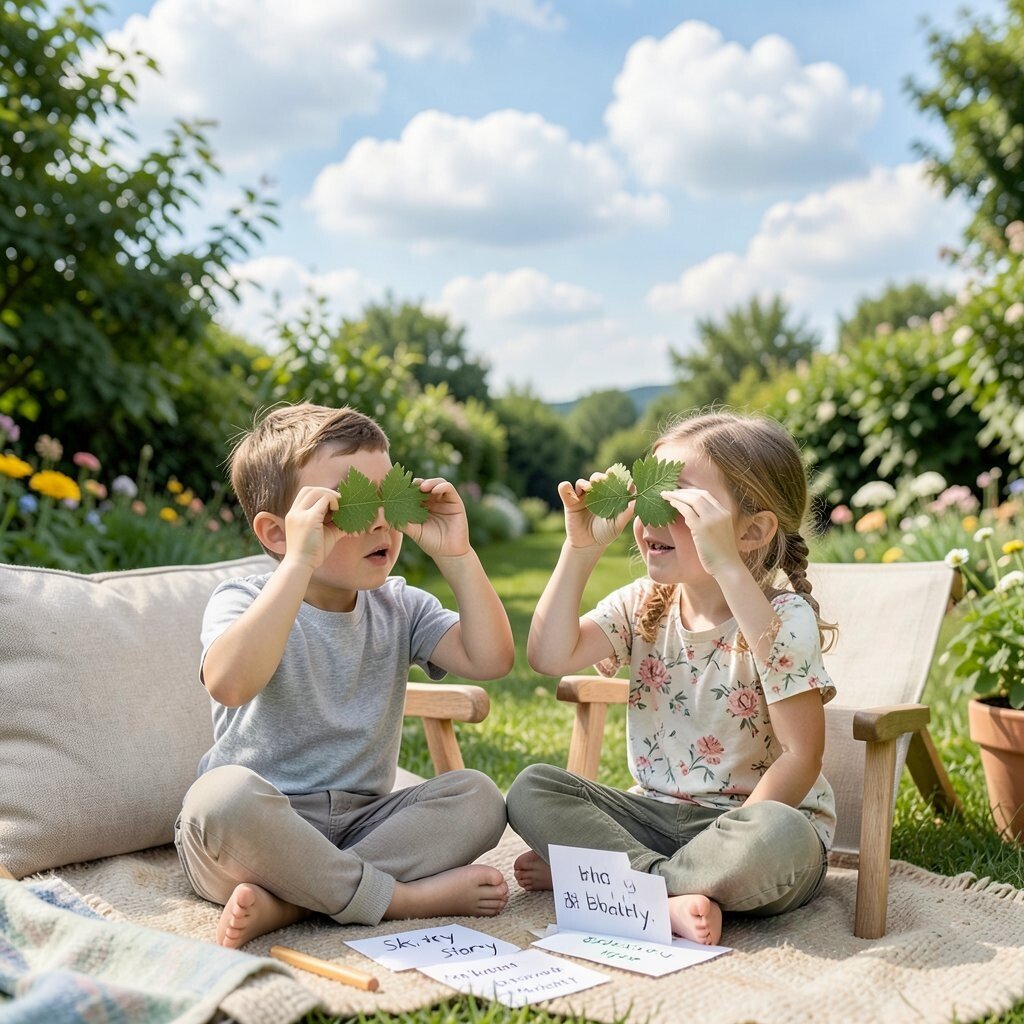
Hold up leaf or fern shapes like binoculars and look at the sky together. Kids can talk about what they see and how the shapes change as clouds drift.
This kind of relaxed play supports imagination and language, and it can be a helpful break when kids need a calmer activity. You can also match it to current trend energy by using short mindfulness moments outside, like slow breaths and gentle listening.
To make it practical, pick a safe spot with comfortable seating and avoid areas with sharp stones. Personalize by printing simple “sky story” prompts on scrap paper, such as “the cloud that looks like a blanket,” using words kids naturally enjoy.
15. Clay and Mud Mini Sculptures
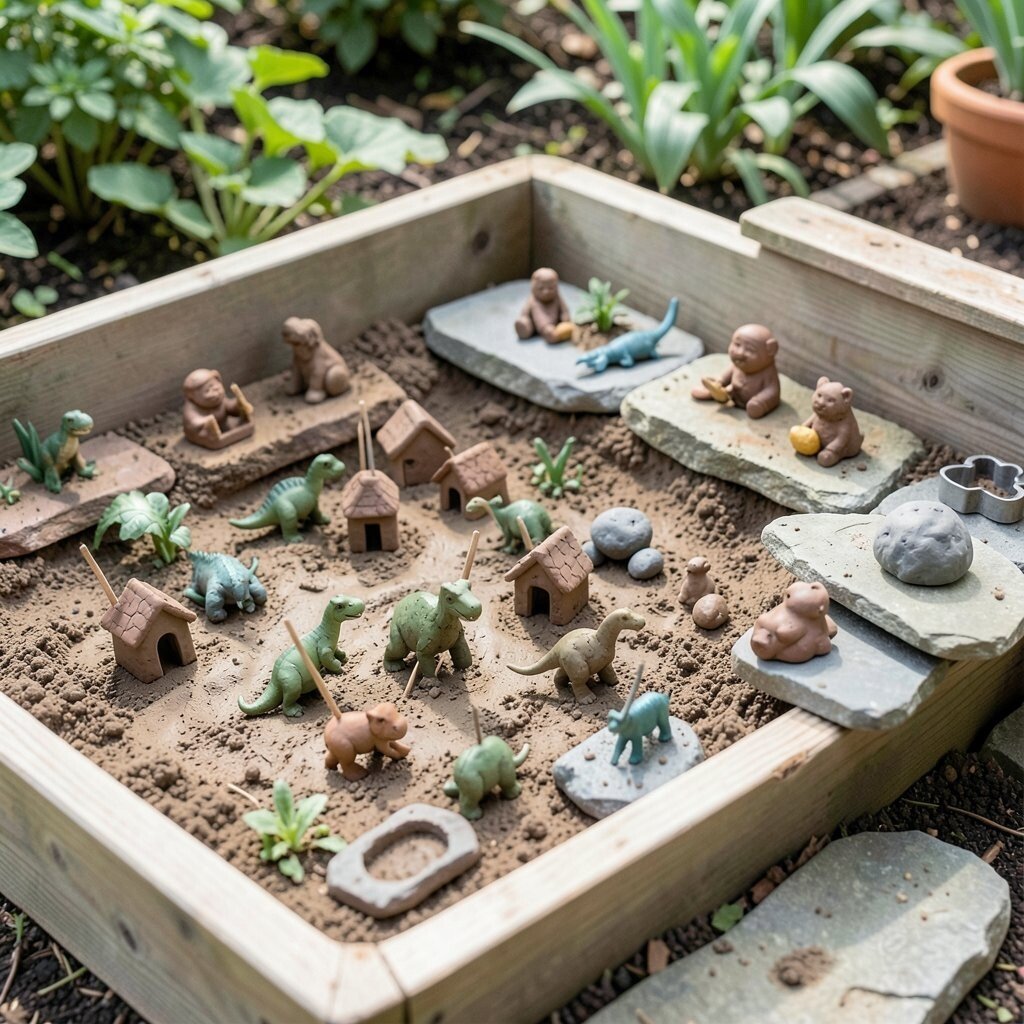
Set out a patch of soft mud or clay in a contained area, like a sandbox corner or a large tray. Kids can build tiny animals, houses, or garden snacks using their hands and small sticks.
When they finish, they can place sculptures on “display shelves” made from flat stones or wooden boards. This encourages creativity and problem-solving while building tactile confidence with natural materials.
Cost considerations are great here because mud and garden soil are free, and you can add cheap tools like plastic forks or old cookie cutters. For personalization, encourage themed creations like dinosaur gardens, moon rocks, or characters from bedtime stories.
16. Plant Label Story Characters
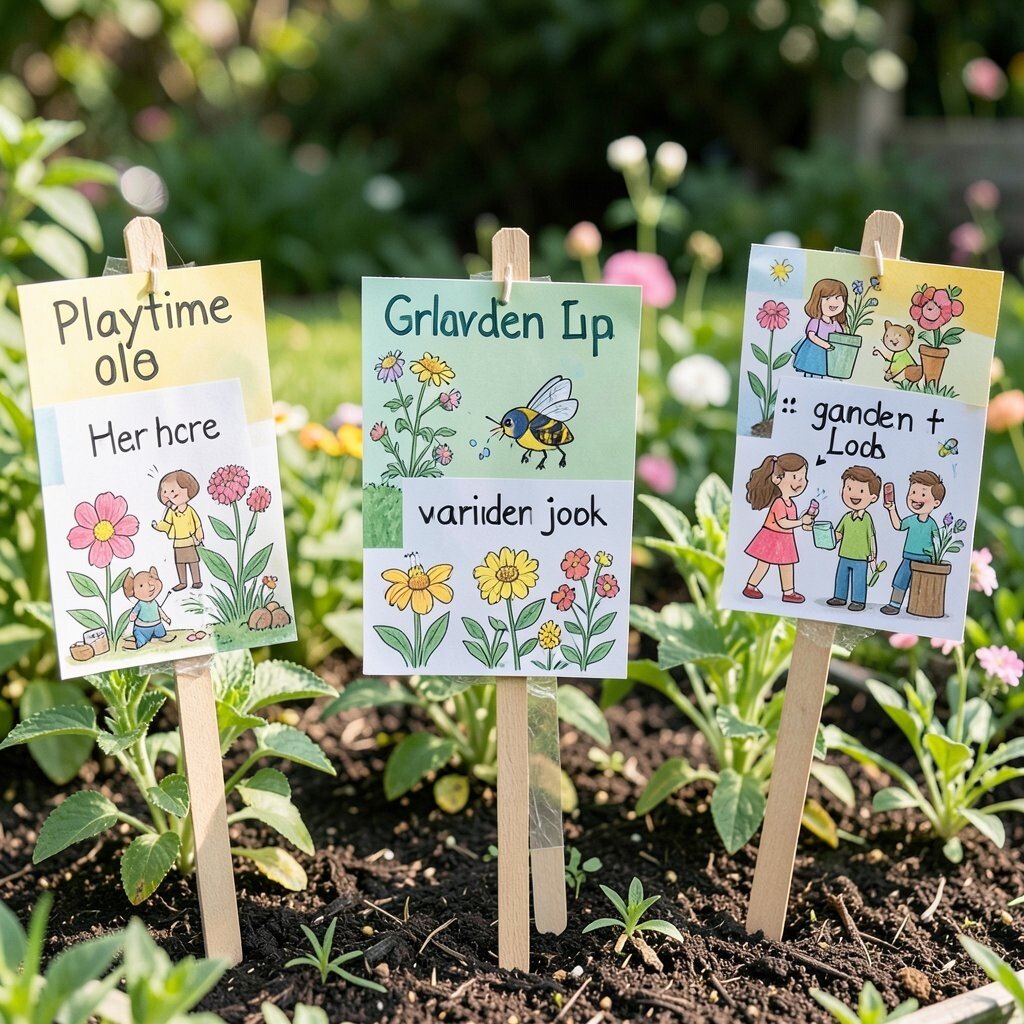
Let kids make plant label characters for different flowers or herbs using craft paper and safe markers. Each label can include a name, a favorite snack, and a fun “garden job” like watering helper or pollinator friend.
Hang the labels on stakes so the garden becomes a cast of characters kids can remember. This supports reading practice, attention to details, and a sense of ownership without needing screens.
If you want unique flair, use small pictures kids draw themselves and laminate if you have thin clear tape. To keep cost low, use popsicle sticks, recycled cardboard, and any craft scraps you already have, and update the stories as seasons change.
They’ll be more likely to care for the plants when the garden feels personal and full of personality.