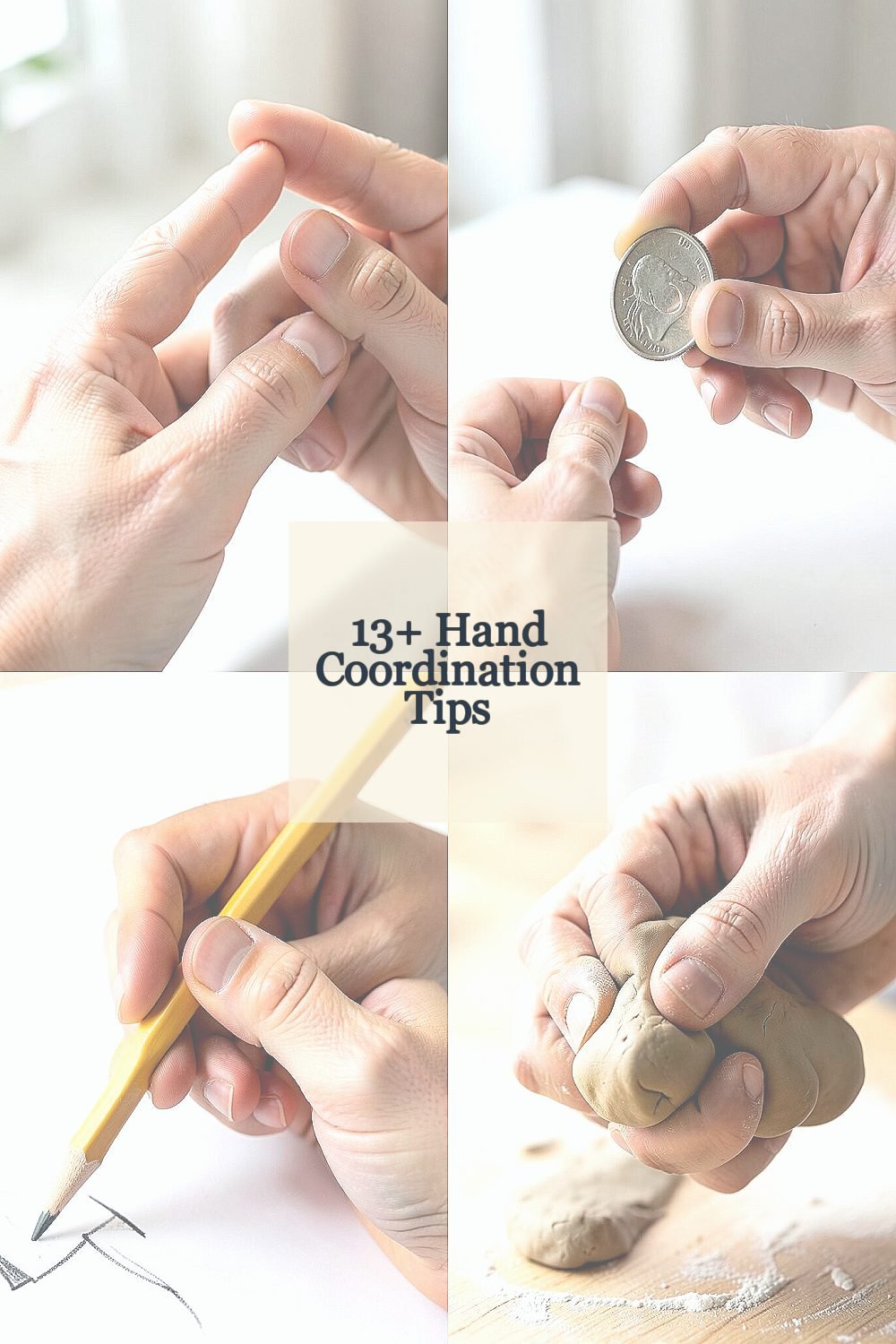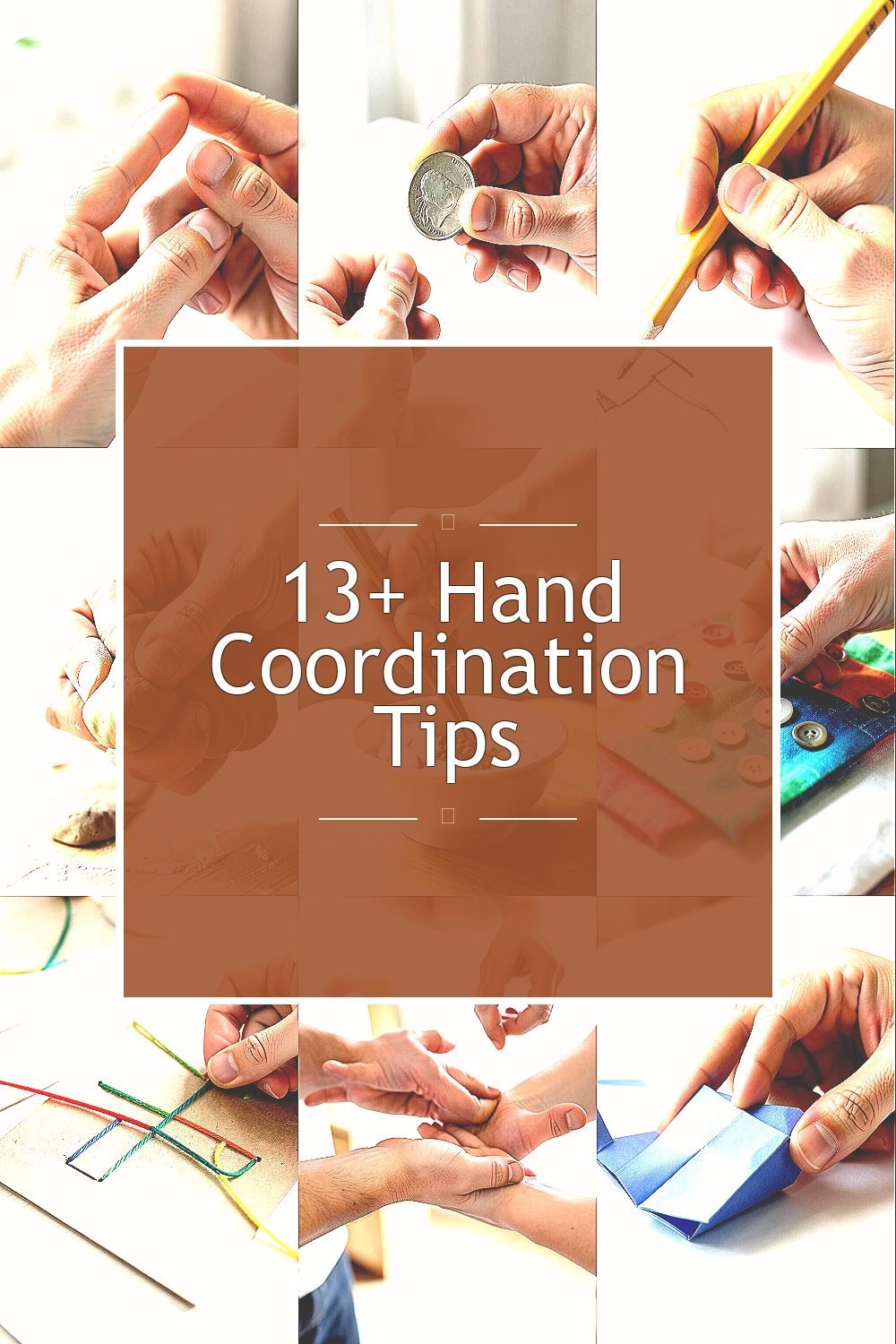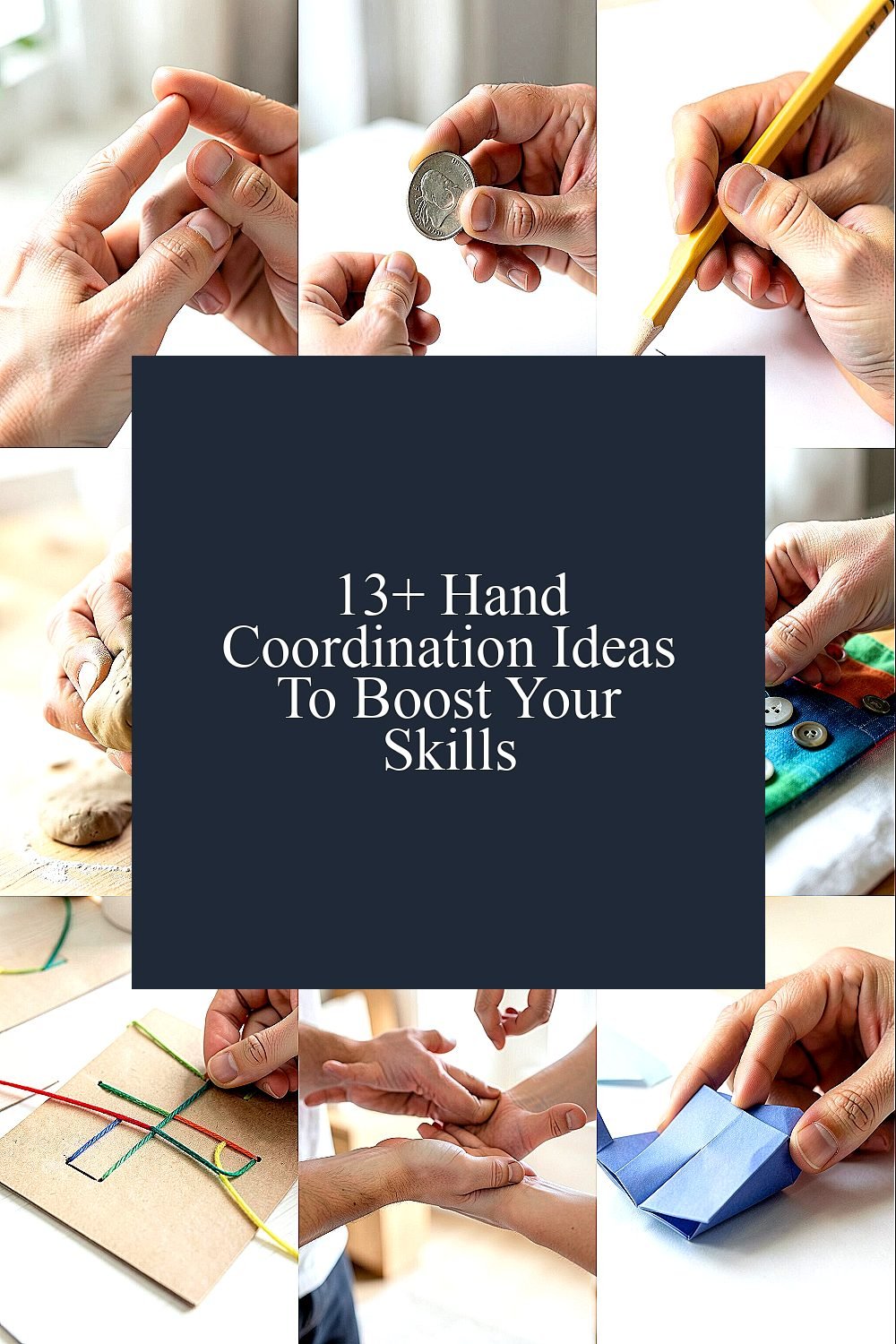
Hand work can help you make small tasks feel easier and more steady. These ideas can fit home time, school work, or simple practice on any day.
1. Finger Tap Drills

Finger tap drills are a simple way to get your hands moving in a clean and steady way. You can tap each finger to your thumb one at a time, then go back and do it again with a calm pace.
This kind of practice helps with speed, control, and hand memory. It can also be done almost anywhere, and it costs nothing, so it is easy to keep up with it.
Try starting slow so each tap looks neat and even. If you want more of a challenge, you can change the order, switch hands, or tap to a beat from music or a phone timer.
2. Coin Flip Practice
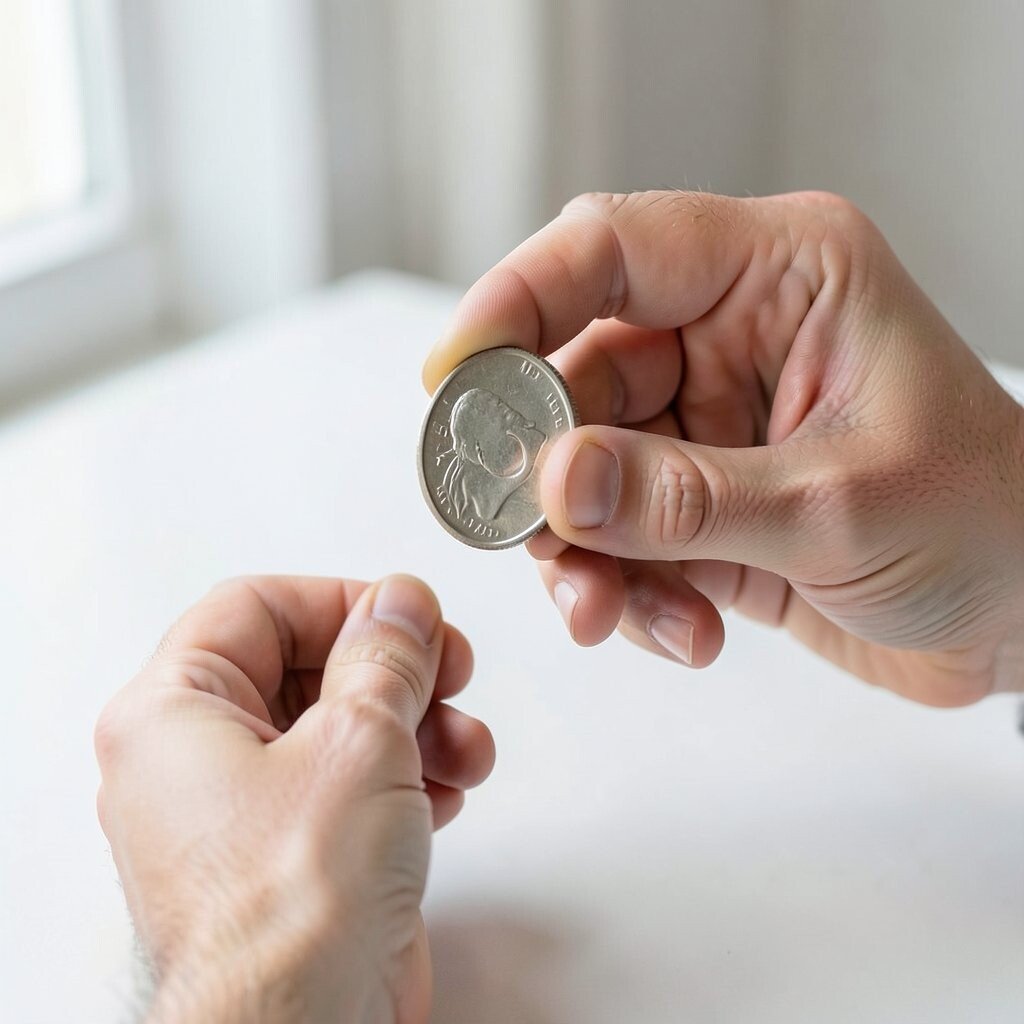
Coin flip practice is a neat hand skill idea that looks simple but asks for good control. Hold a coin between your fingers, flip it into the air, and catch it with the same hand or the other hand.
This can help with finger control, timing, and quick eye work. It also feels a little different from normal drills, which can make practice feel less plain.
You can use a coin you already have, so the cost is very low. Some people like to use a washer, a card, or a small flat object if they want a different feel in the hand.
3. Pencil Roll Moves
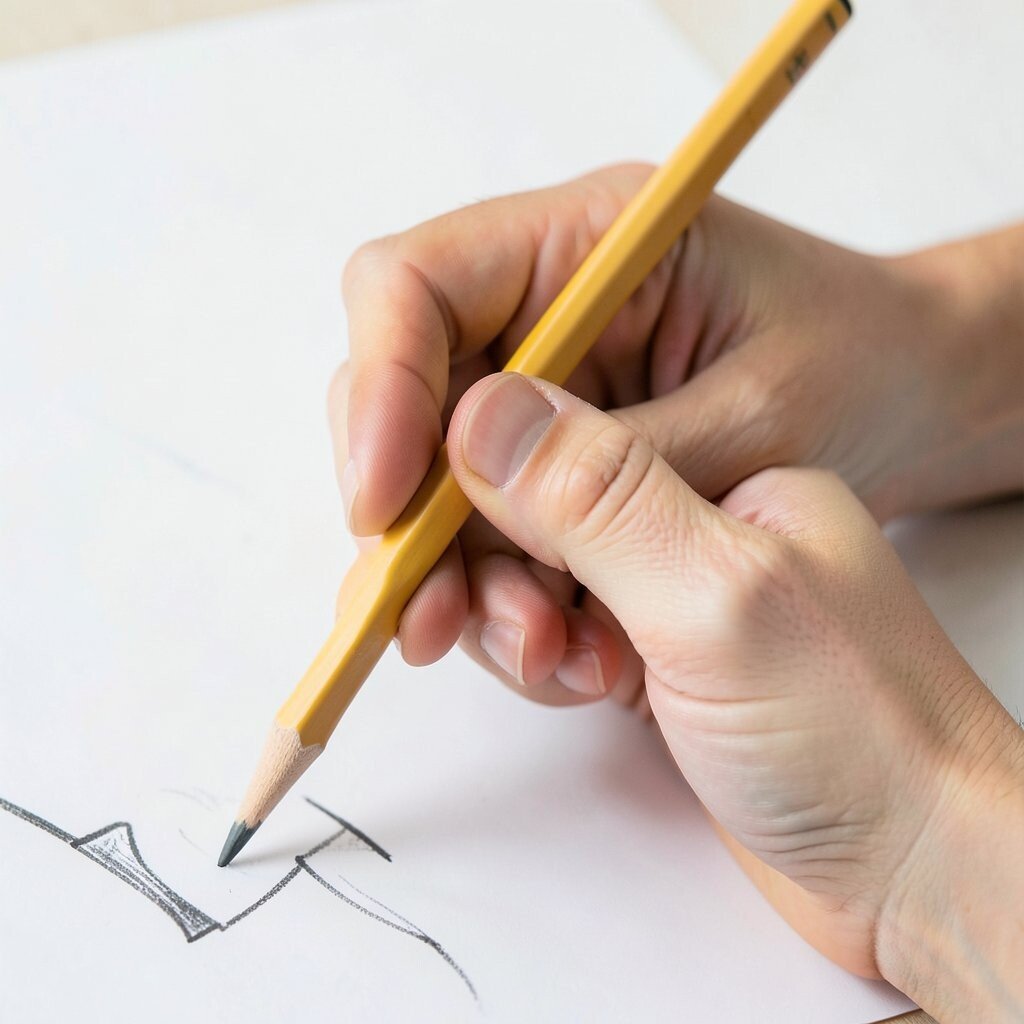
Pencil roll moves are a common hand trick that can also help with smooth finger motion. Hold a pencil or pen and roll it around your fingers in a slow, neat path.
This helps build finger flow and hand control, and it can be useful for writing, art, or any task that needs calm hand use. The pencil also gives a clear view of how your fingers move, which makes it easy to notice small changes.
Many people like to make this practice personal by using a pen they already enjoy or a pencil with a soft grip. You can also try different speeds or hand positions to see what feels best for you.
4. Clay Squeeze Work
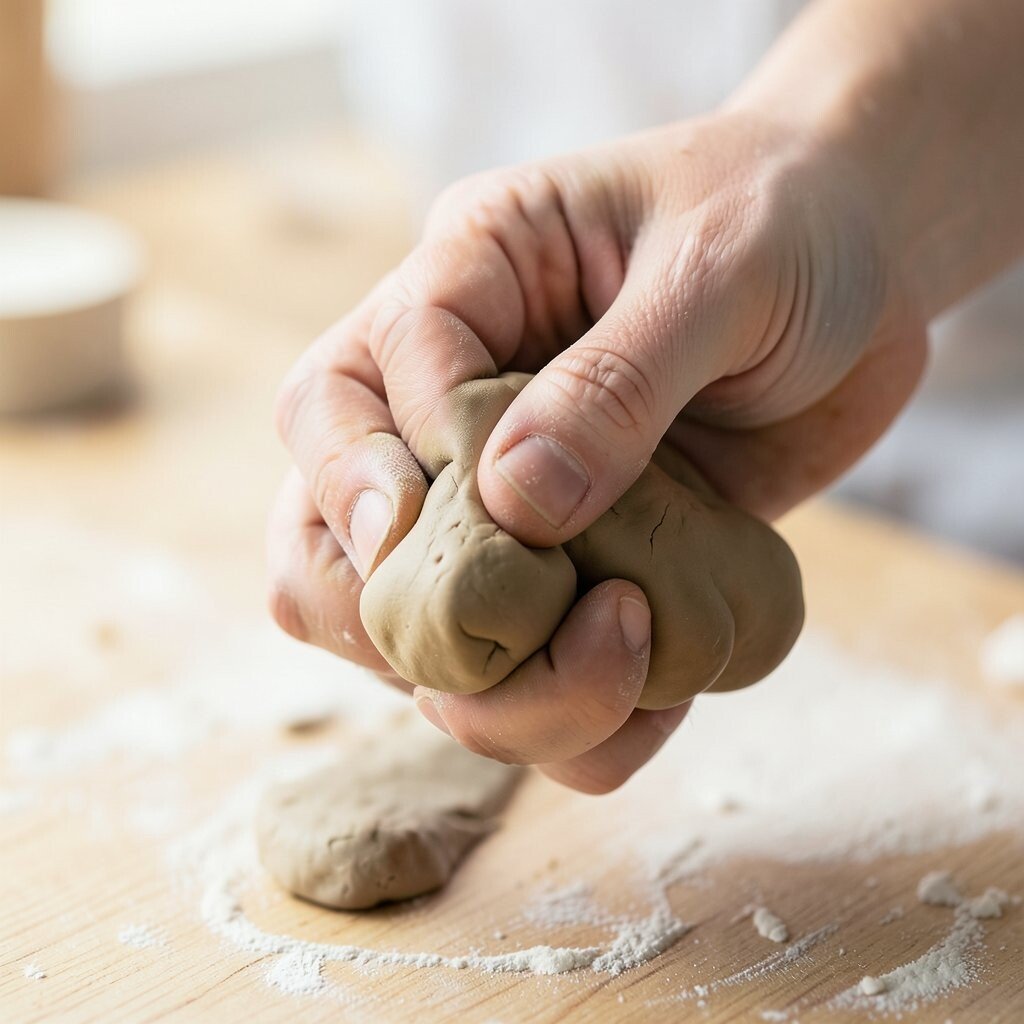
Clay squeeze work uses soft clay, putty, or dough to build hand strength in a gentle way. You press, pinch, roll, and shape it with your fingers and palms.
This can help your grip, finger power, and hand control at the same time. It also gives a clear visual feel because you can see the shape change as you work.
The cost can be low if you use play dough or simple craft clay. A lot of people like this trend because it feels more like a fun break than a hard drill, and it can be changed to match your own skill level.
5. Chopstick Pick-Up
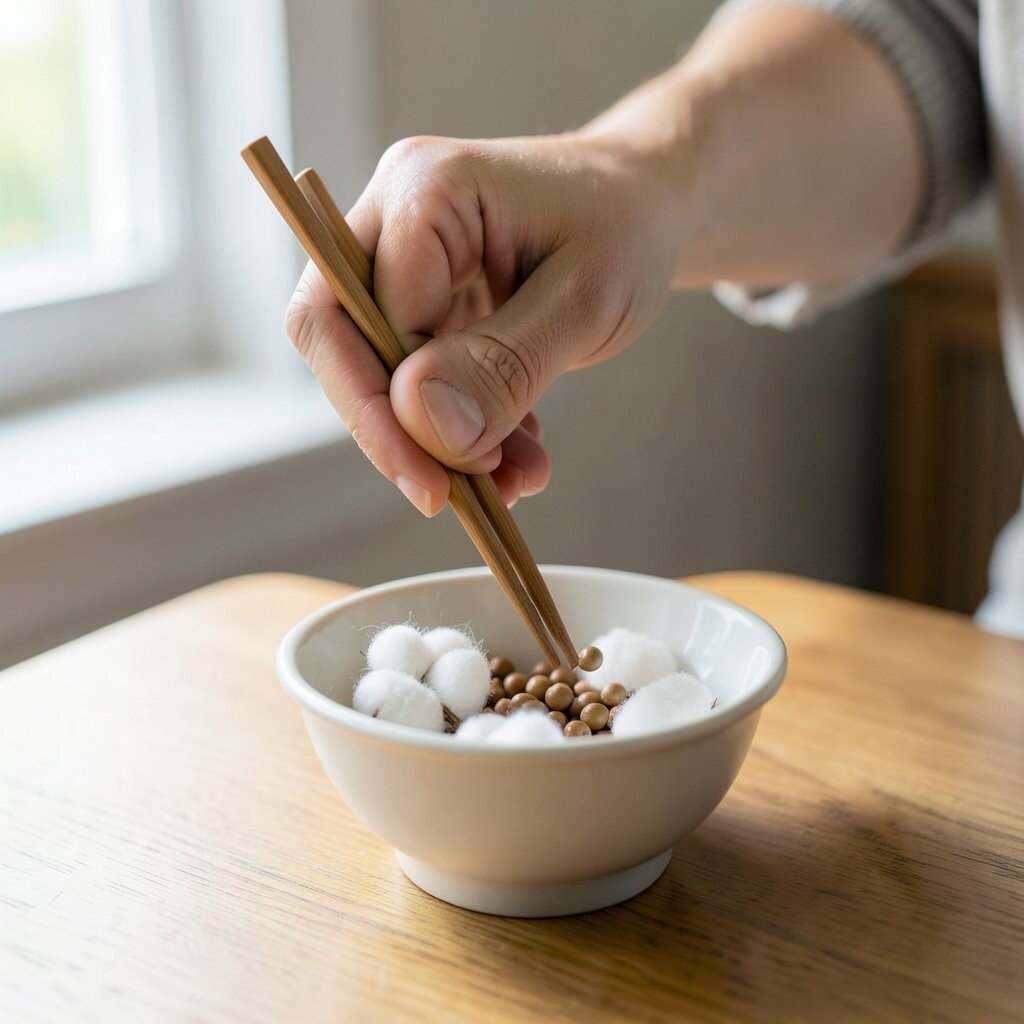
Chopstick pick-up practice is a good way to train careful hand movement. Use chopsticks to pick up small items like beans, cotton balls, or tiny blocks and move them from one bowl to another.
This helps with grip, finger control, and focus. It also asks your eyes and hands to work together, which can help in many daily tasks.
You can make it easier by using larger items or harder by using smaller ones. Since chopsticks are cheap and easy to find, this is a low-cost idea that many people can try at home.
6. Button Board Practice
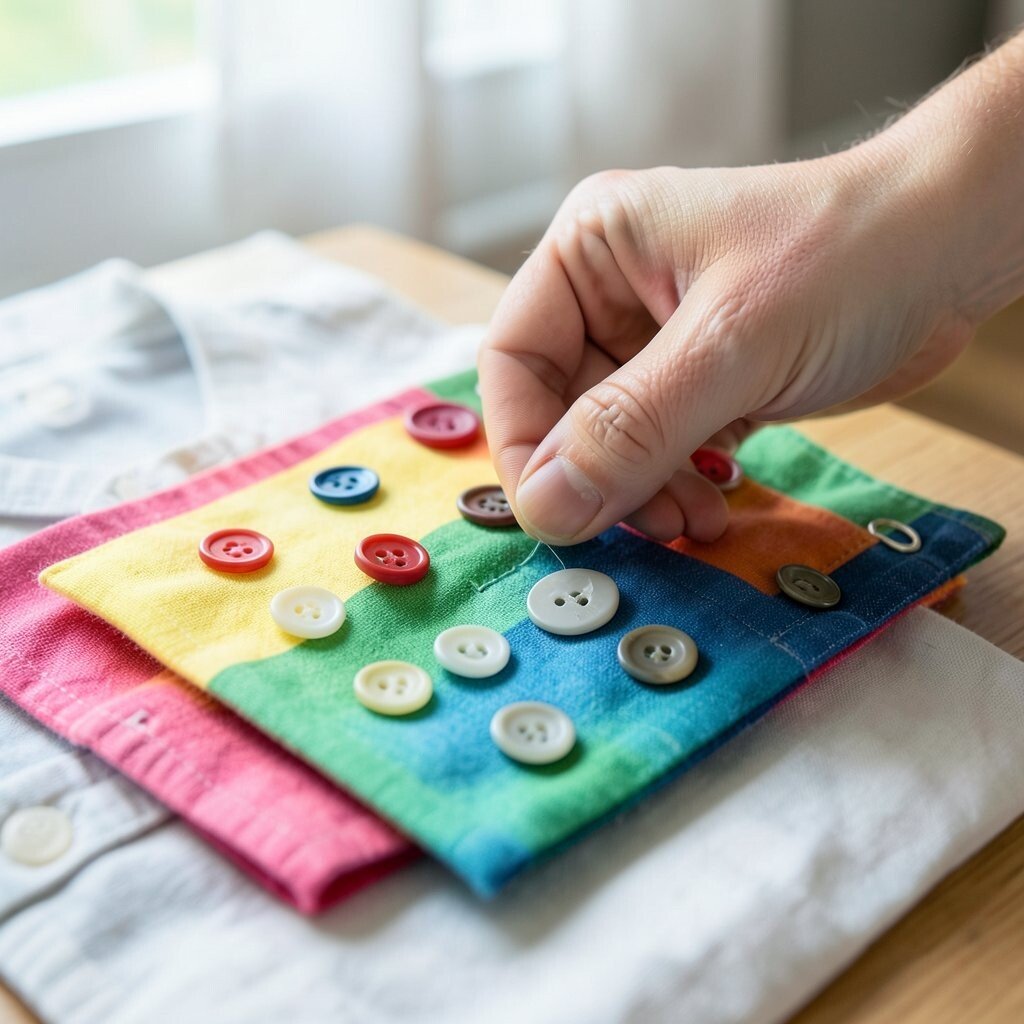
Button board practice is a classic hand task that can help with both hand use and daily living skills. You can sew buttons onto cloth, use a practice board, or work with an old shirt.
This helps with finger pinching, hand steadiness, and slow, careful motion. It also has a real-life use, since buttoning clothes is a skill many people need every day.
Some people like to make their own board with bright cloth, big buttons, or small loops. That makes the task feel more personal and can help you match the practice to your own needs.
7. String Lacing Cards
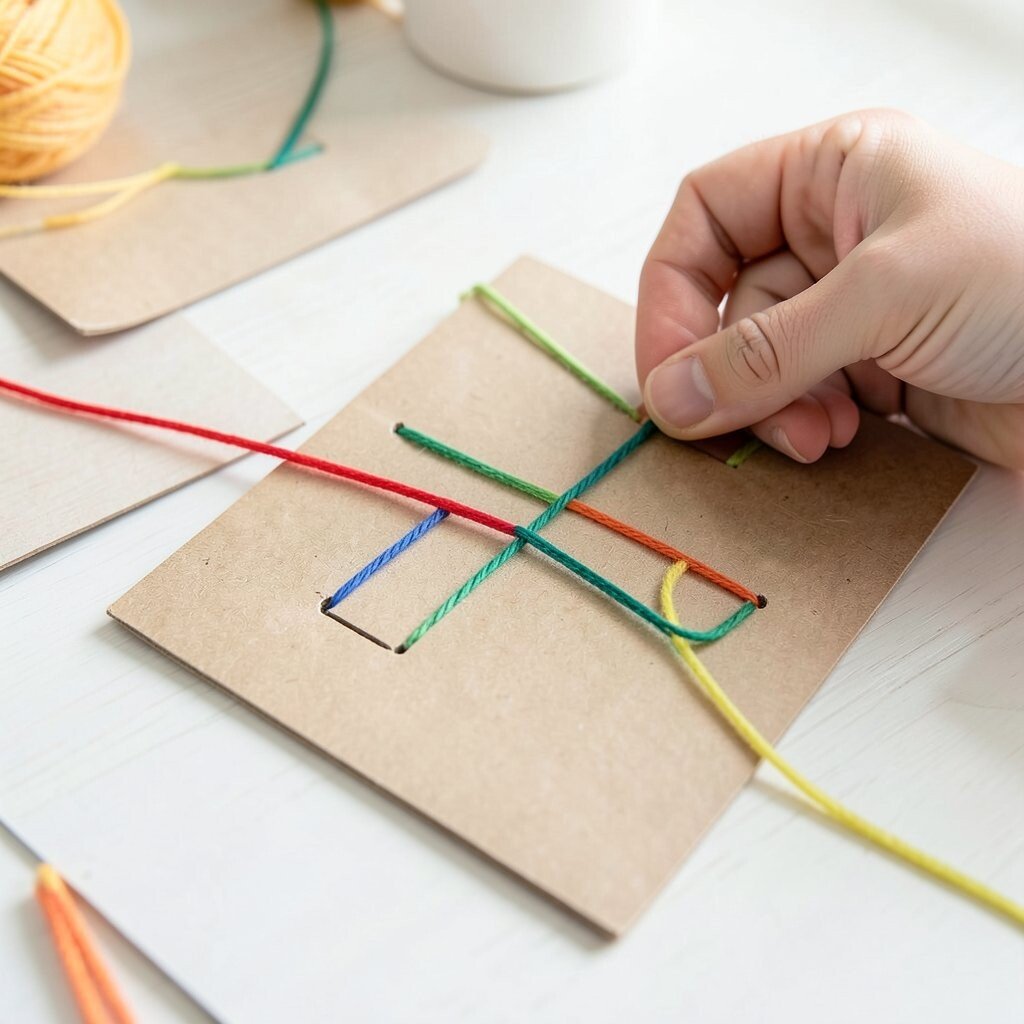
String lacing cards are a neat way to work on hand control while making a simple pattern. You can lace string through holes in cardboard, plastic cards, or even homemade shapes.
This can help with finger strength, hand-eye coordination, and patience. It also gives a nice visual result, since you can see the path of the string as it grows across the card.
You can keep the cost small by making cards from things you already have at home. Some people use bright string or thick yarn because it is easier to hold and looks more clear.
8. Wrist Circle Warmups
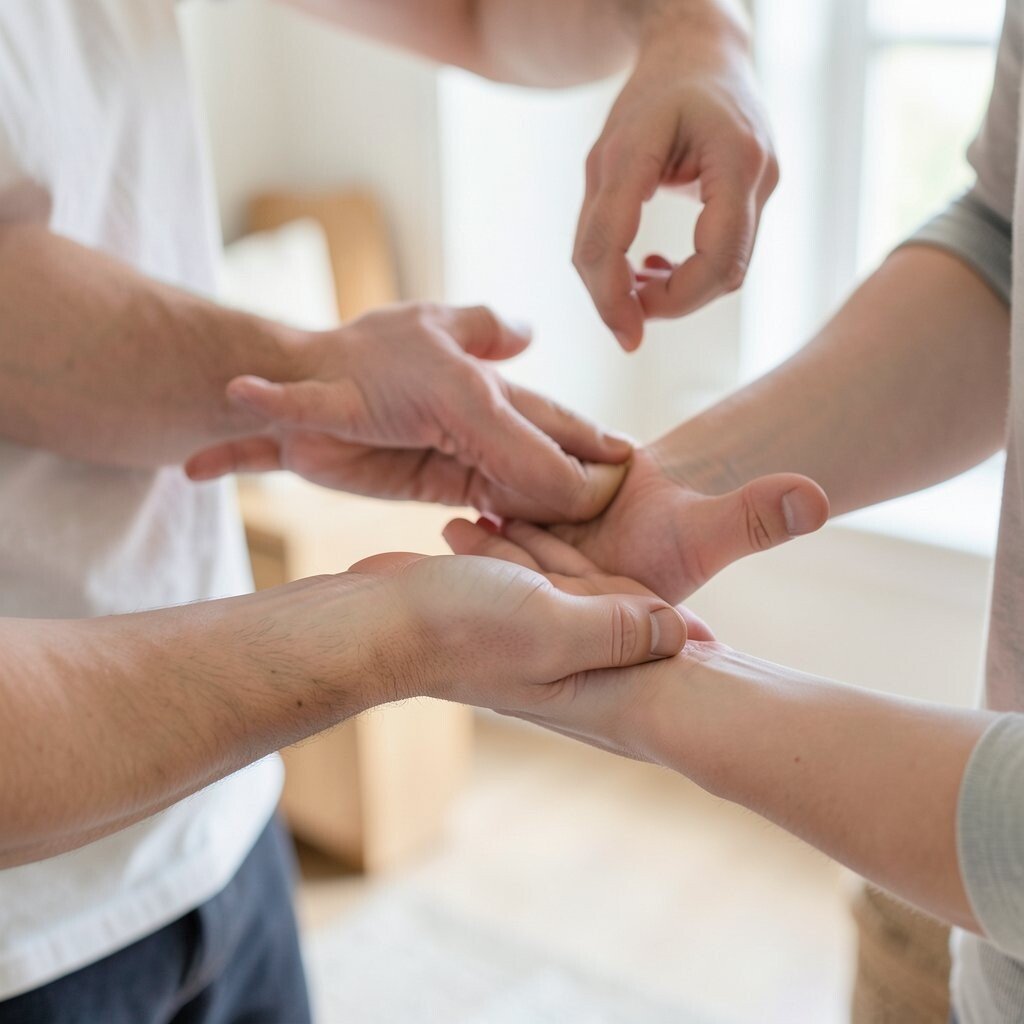
Wrist circle warmups are a gentle way to get your hands ready before harder work. Hold your arms out and make slow circles with your wrists in both directions.
This can help with hand comfort, joint movement, and better control during other tasks. It is also a good choice if your hands feel stiff after writing, typing, or craft work.
You can do this while standing, sitting, or even during a short break. It costs nothing and can be added to many kinds of daily routines, which makes it easy to keep using.
9. Paper Folding Tasks

Paper folding tasks can help your hands learn clean lines and careful finger work. You can fold paper into simple shapes, make paper fans, or try small origami steps.
This helps with fine motor skill, timing, and attention to detail. It also gives a clear result right away, so you can see how neat folds and steady hands work together.
Paper is cheap, and you can use old notes, scrap sheets, or colored paper if you want a nicer look. Many people like this trend because it mixes calm hand work with a finished item you can keep.
10. Bead Threading
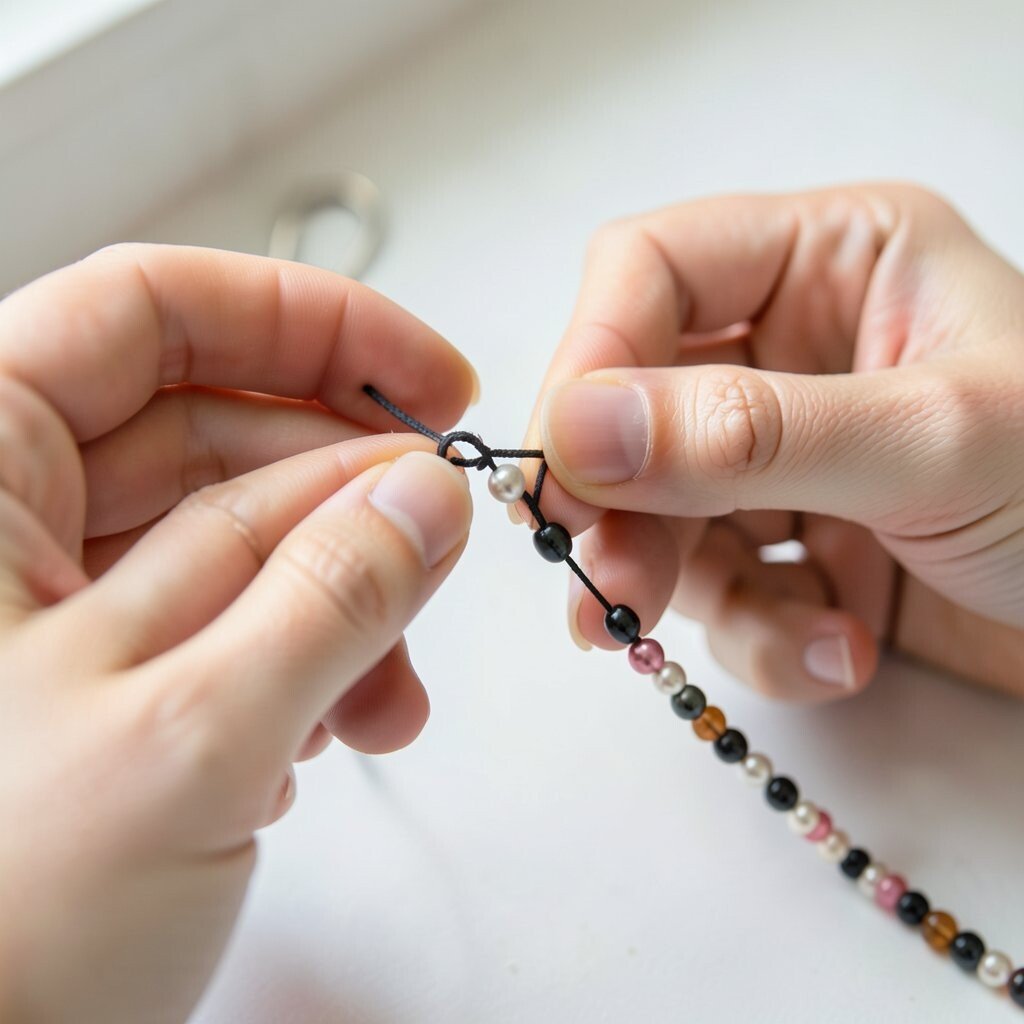
Bead threading is a steady hand task that uses a string and small beads. You move each bead onto the string one at a time, which asks for calm fingers and good eye focus.
This can help with pinch grip, hand control, and matching both hands in a smooth way. It also lets you make something useful, like a bracelet, key chain, or simple pattern strip.
You can change the size of the beads to fit your own skill level. The cost can stay low if you use craft beads from a small pack or reuse old pieces from a broken item.
11. Card Shuffling Practice
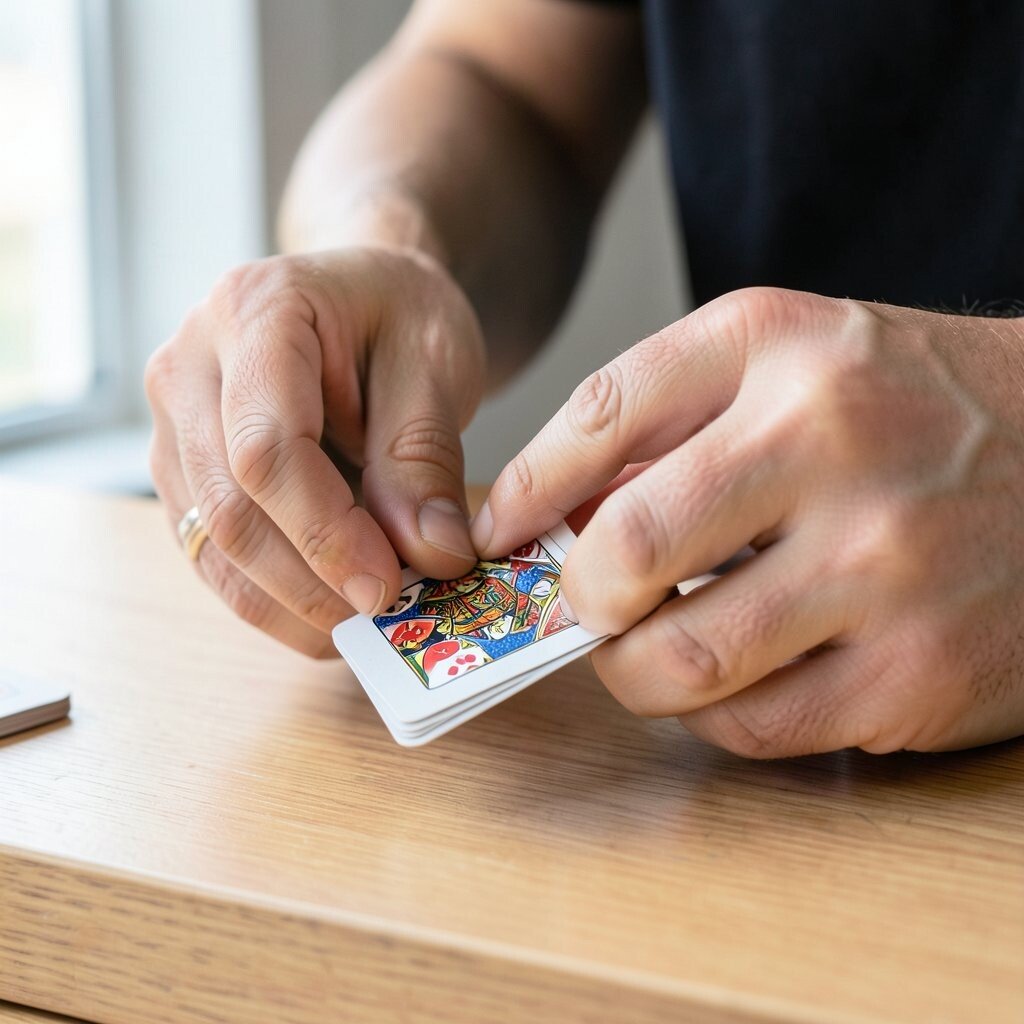
Card shuffling practice can help with hand speed, finger movement, and quick grip changes. You can start with simple mixing moves and then try more neat and even shuffles as you improve.
This is a nice choice because it looks smooth when done well, and it can feel a bit more fun than plain drills. It also helps both hands work together in a clear and balanced way.
If you want to make it your own, you can use a deck with a style you like or work with practice cards that are easier to hold. Cards are not costly, so this is a good low-cost skill to keep using over time.
12. Small Ball Toss
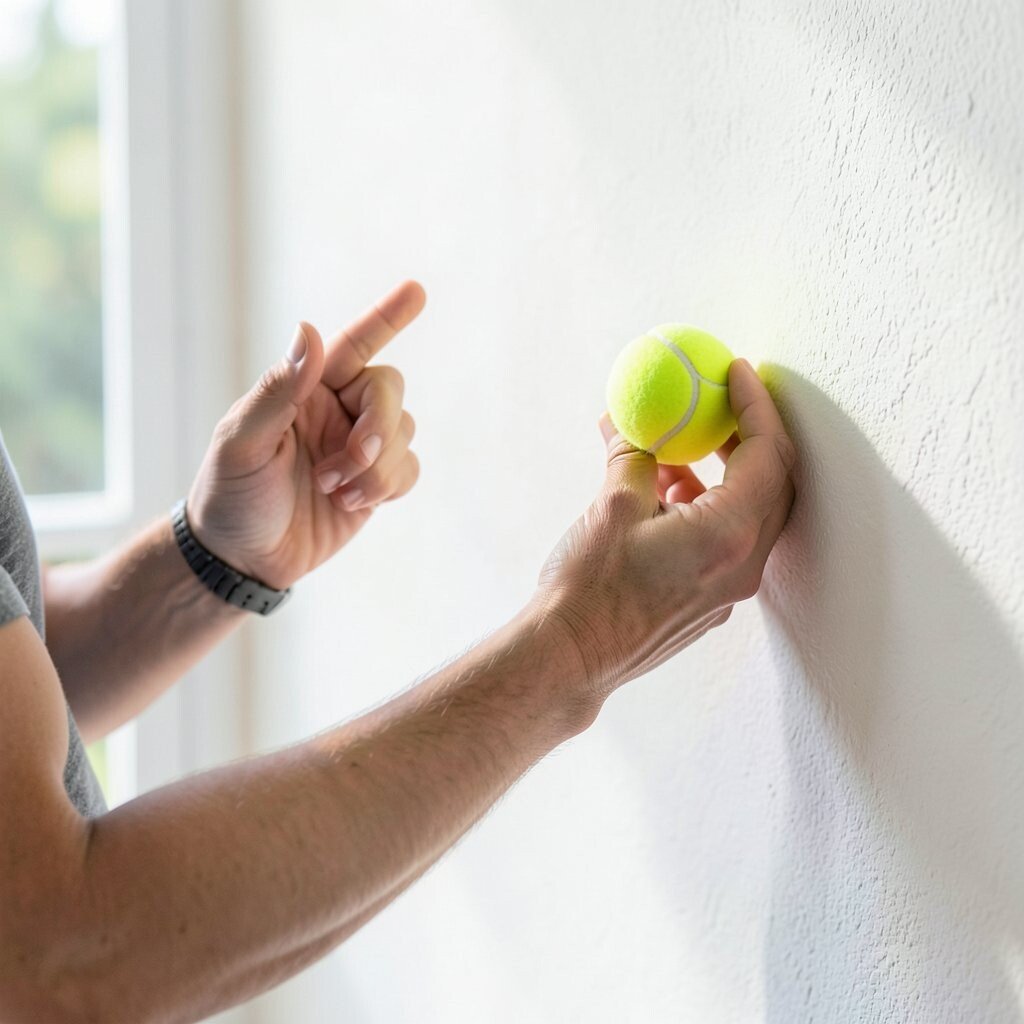
Small ball toss work helps your hands and eyes stay in sync. Toss a small soft ball from one hand to the other, or bounce it off a wall and catch it again.
This can help with timing, reaction, and hand control. It also adds a bit of movement, which can make practice feel more active and less still.
You can use a tennis ball, a foam ball, or even a rolled sock if you want to keep the cost down. Some people like to make the task harder by using one hand, changing distance, or tossing to a beat.
13. Sewing Stitches Practice
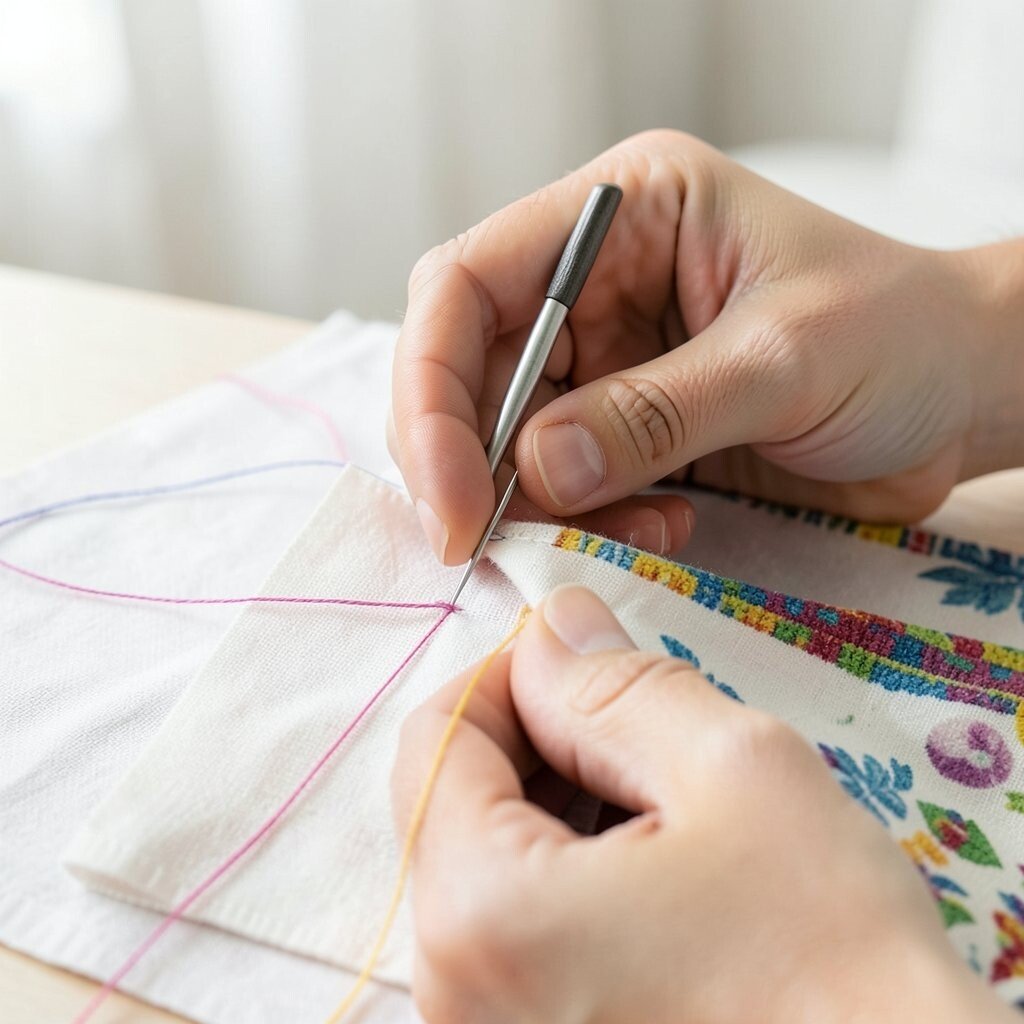
Sewing stitches practice is a useful hand skill that can help with careful motion and steady grip. You can use a needle, thread, and cloth to make simple stitches in a straight line.
This helps with focus, finger control, and slow hand work. It also gives a real-world skill that can be used for fixing clothes, making crafts, or doing school projects.
You can use plain cloth scraps and low-cost thread to keep the setup simple. Some people enjoy using colored thread or patterned fabric, since that makes the work look more personal and fun to use.
14. Daily Hand Mix Routine

A daily hand mix routine brings many small hand ideas into one short plan. You can mix taps, squeezes, rolls, and small catches so your hands get different kinds of work in one session.
This kind of routine can help with strength, control, and steady skill growth. It also keeps practice from feeling dull, since each part uses a different move and a different kind of focus.
You can make the routine fit your own time, tools, and goals, which makes it easy to use at home or on the go. Many people like this trend because it is simple, low-cost, and easy to adjust as their hands get better.