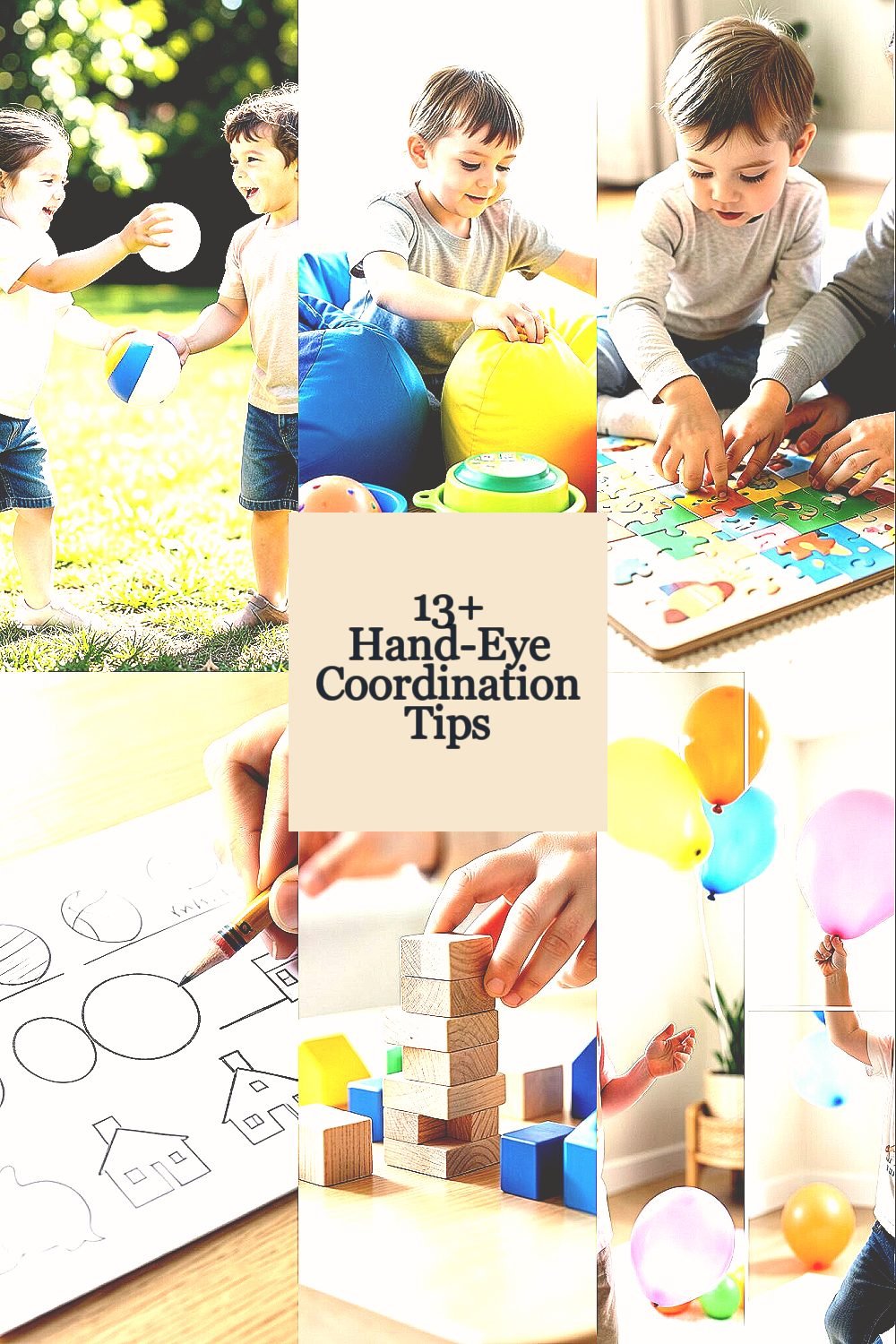
Good hand eye skills help kids catch, draw, write, and move with more ease. Small daily games and simple play can give them many chances to practice.
1. Toss and Catch With Soft Balls
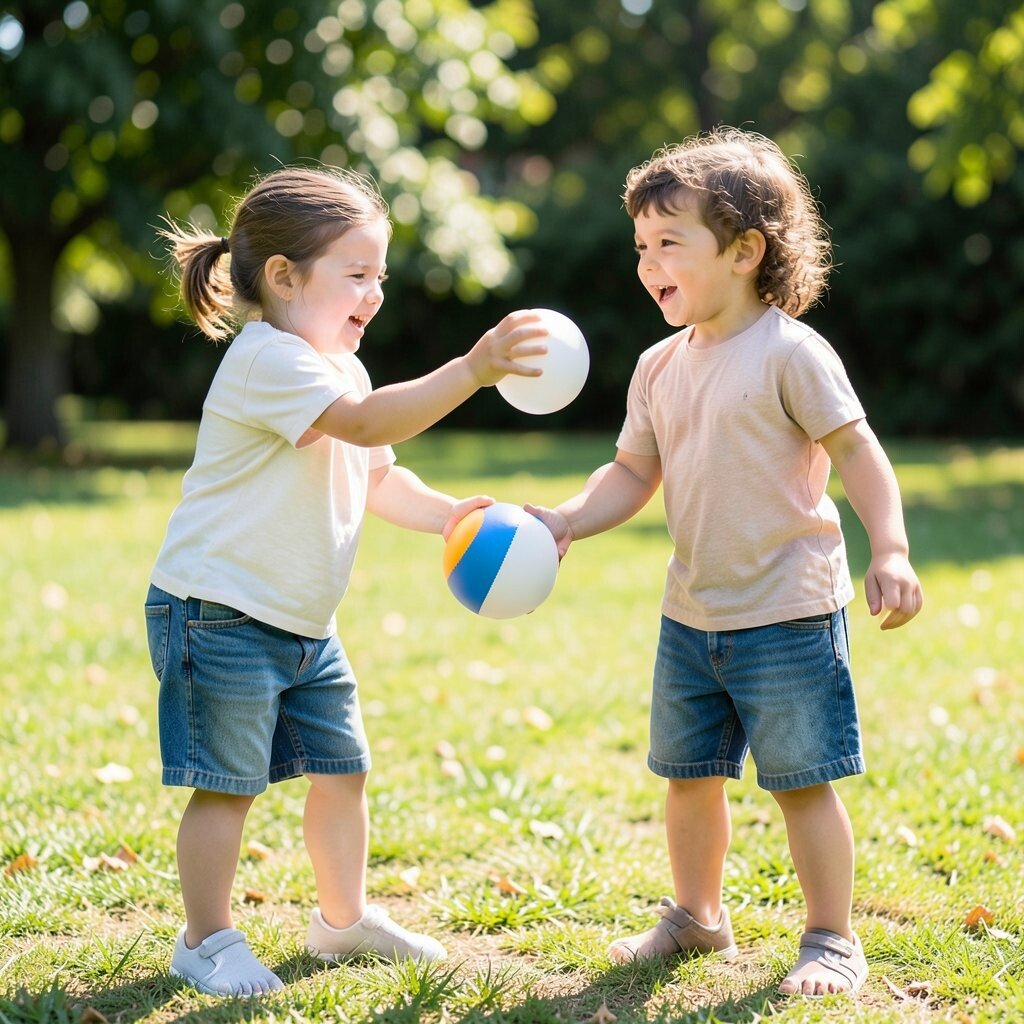
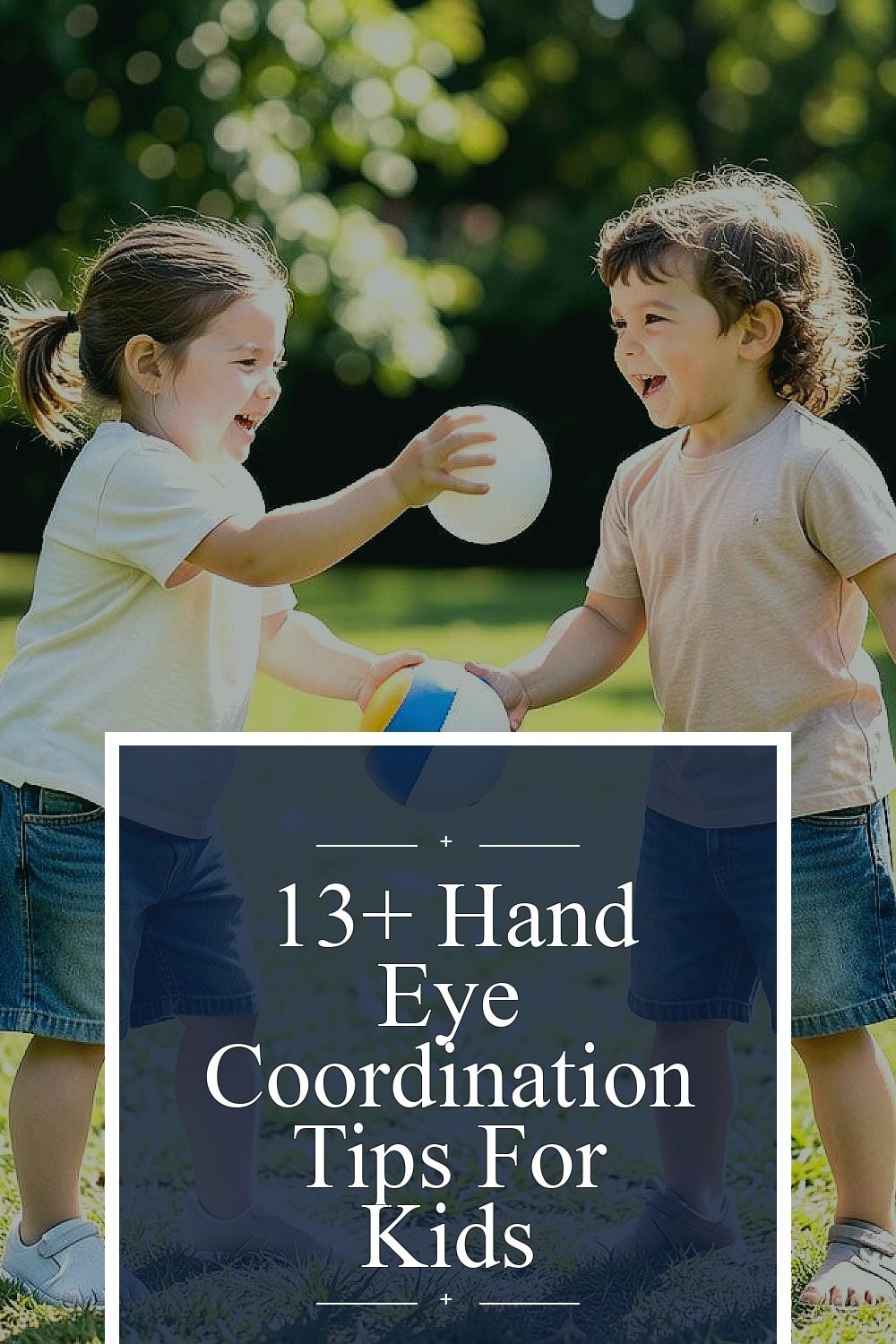
Soft balls are a simple way to help kids match what they see with how they move. A foam ball, a sock ball, or a small beach ball can work well at home or outside.
This activity is easy to set up and does not need much money. Kids can stand close at first, then move back as they get better, which makes the game fit their own pace.
2. Use Beanbags for Aim Practice
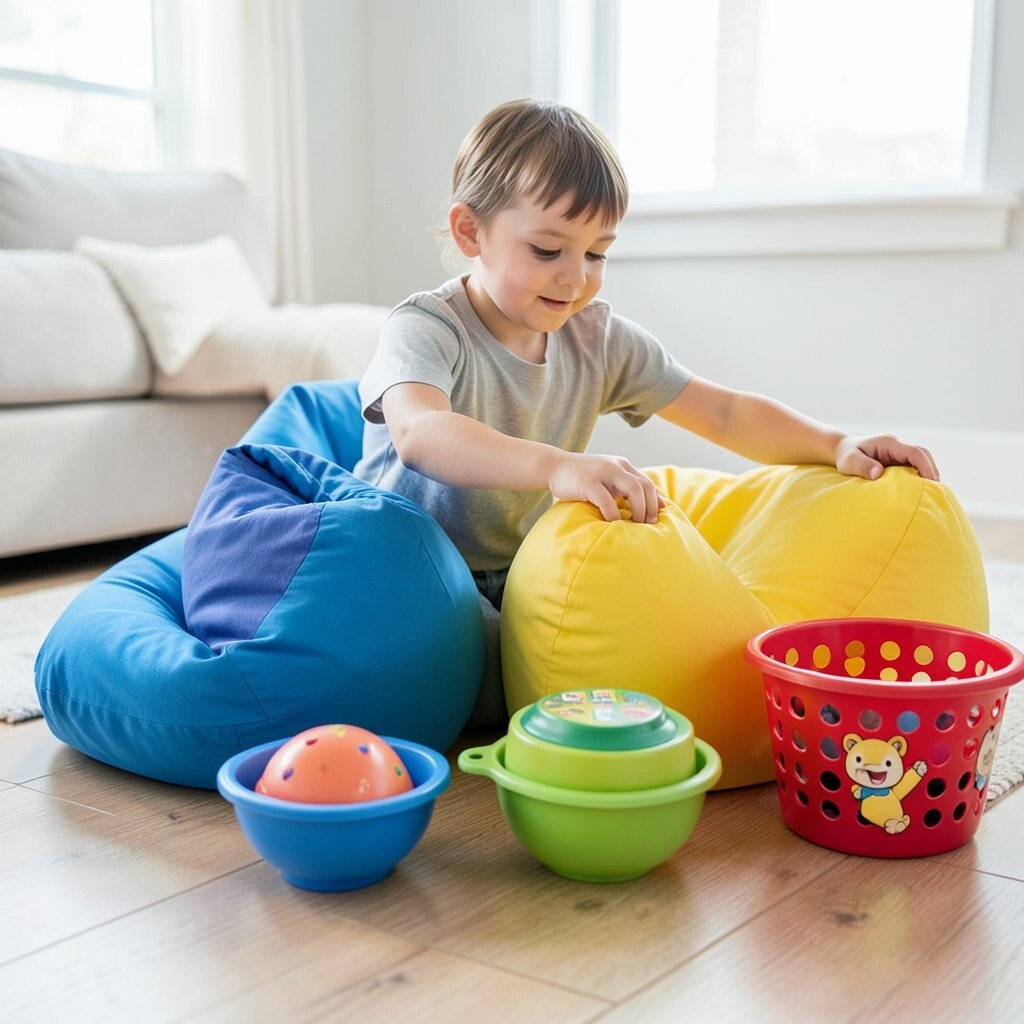
Beanbags are nice because they are light, easy to hold, and less likely to roll away. You can use bowls, boxes, or laundry baskets as targets and place them on the floor or a table.
This kind of play helps kids learn aim, control, and hand use at the same time. It also gives a clear visual target, which can help kids see where their hands need to go.
Many families like beanbag games because they are cheap and easy to store. You can make them more fun by using bright colors, stickers, or different target sizes to match your child’s age and skill.
3. Try Simple Puzzle Play
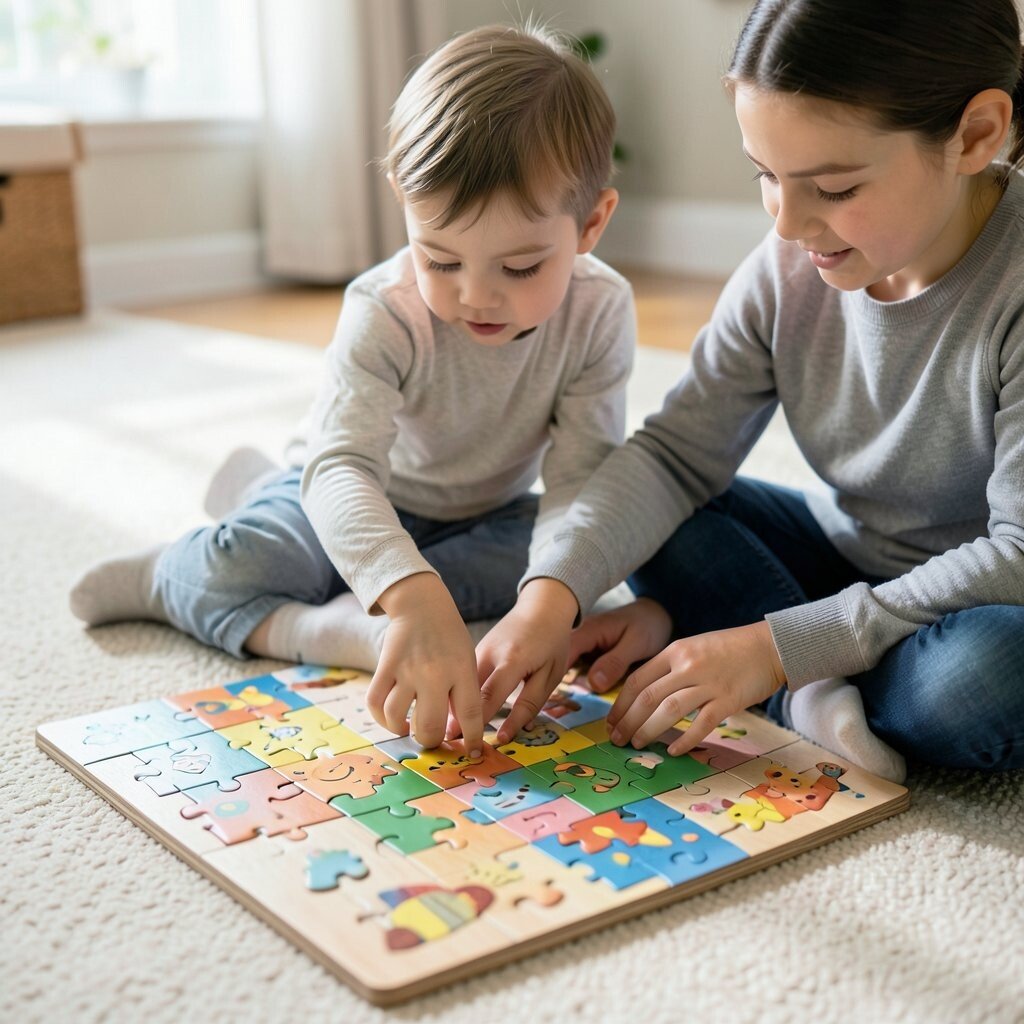
Puzzles help kids look at shapes, match pieces, and use both hands in a careful way. The picture on top gives a clear visual guide, and each piece teaches the eyes and hands to work together.
Start with large wooden puzzles or chunky floor puzzles if your child is new to them. As they grow more skilled, you can use smaller pieces or puzzles with more detail.
Puzzle play is a calm indoor choice, and it can be done alone or with a parent nearby. It also fits many homes because the cost can be low, and you can often find used puzzles at yard sales or local swap groups.
4. Draw Shapes and Simple Lines
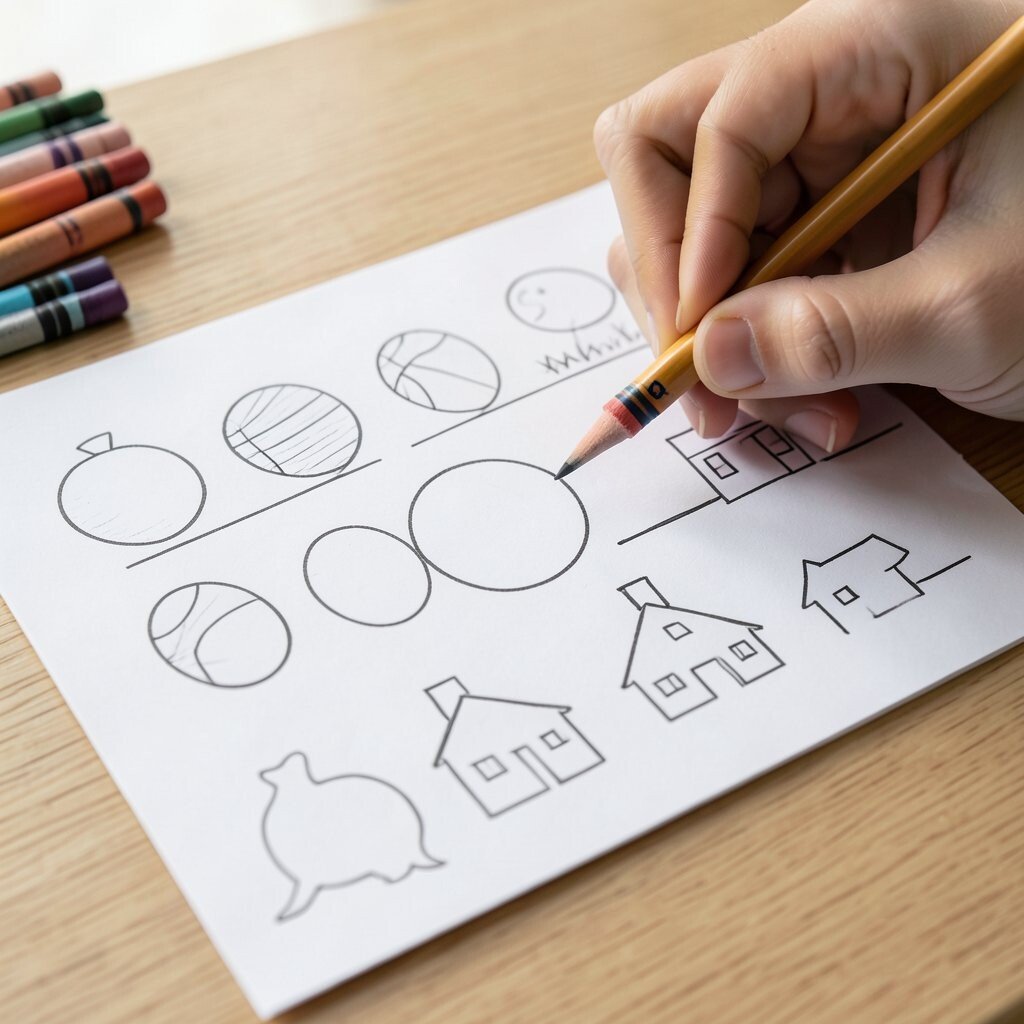
Drawing helps kids guide a crayon or pencil while they watch the page. Straight lines, circles, and simple shapes are a good place to begin.
You can make this practice more personal by using your child’s favorite colors or by drawing things they know, like balls, houses, or animals. This keeps the task fun and gives them a clear thing to copy.
Paper and crayons are low-cost, so this is an easy habit to add at home. It also fits a current trend in simple learning, where parents use short art time to build useful skills without much pressure.
5. Build With Blocks
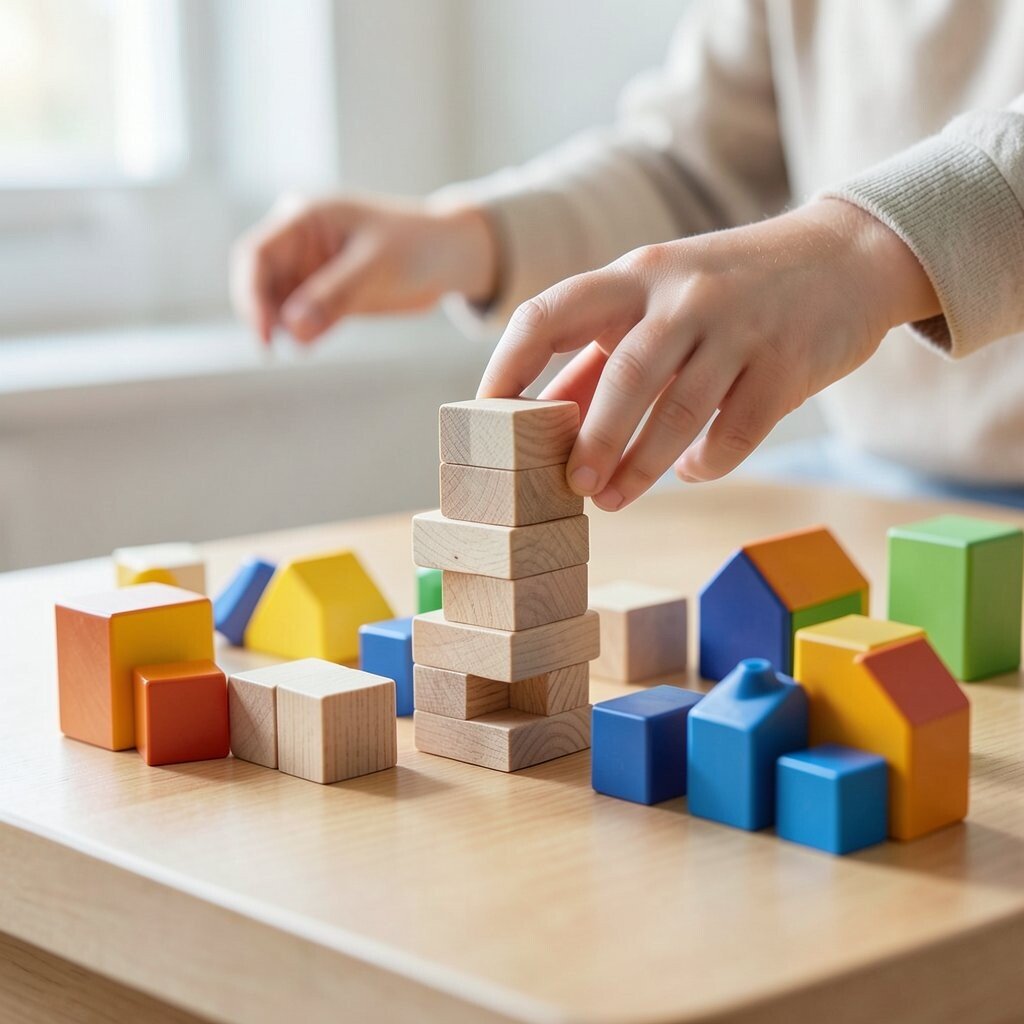
Blocks help kids stack, place, and balance pieces while they look at space and shape. Wooden blocks, plastic bricks, or even boxes can all work well.
This play gives kids a chance to use their hands in a careful way and make small changes as they go. It also helps with focus, since they must watch where each piece goes.
You can make block play match your child’s style by using colors, themes, or challenge cards. Some families like to set a goal, such as making a tower, a bridge, or a small town.
6. Try Balloon Games
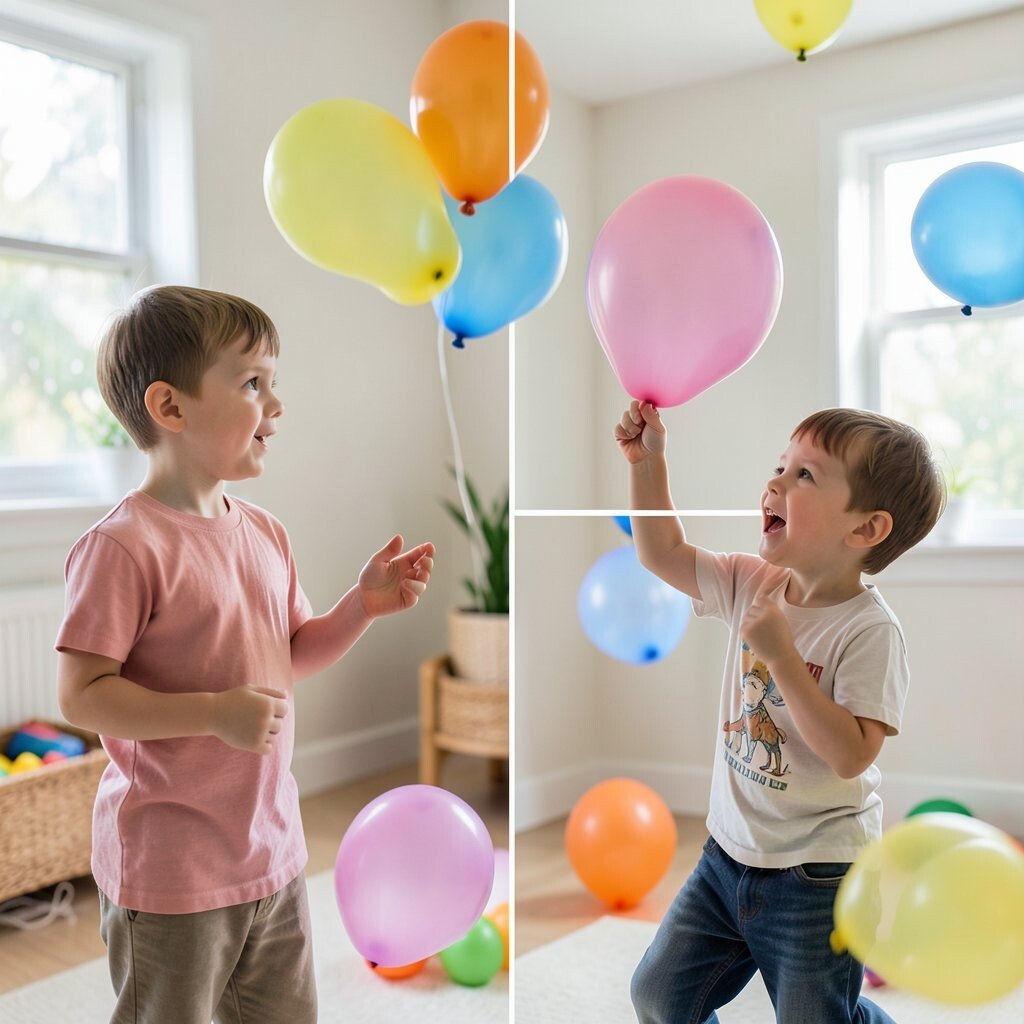
Balloons move slowly, which gives kids more time to see them and react. That makes balloon play a good choice for kids who need a gentler start.
Kids can tap a balloon in the air, catch it, or keep it from touching the floor. These games help with timing, eye focus, and arm movement in a light and fun way.
This is a low-cost idea that works well indoors on rainy days. You can use one balloon or many, and you can change the game by using only one hand, both hands, or a set play space.
7. Practice with Pegboards
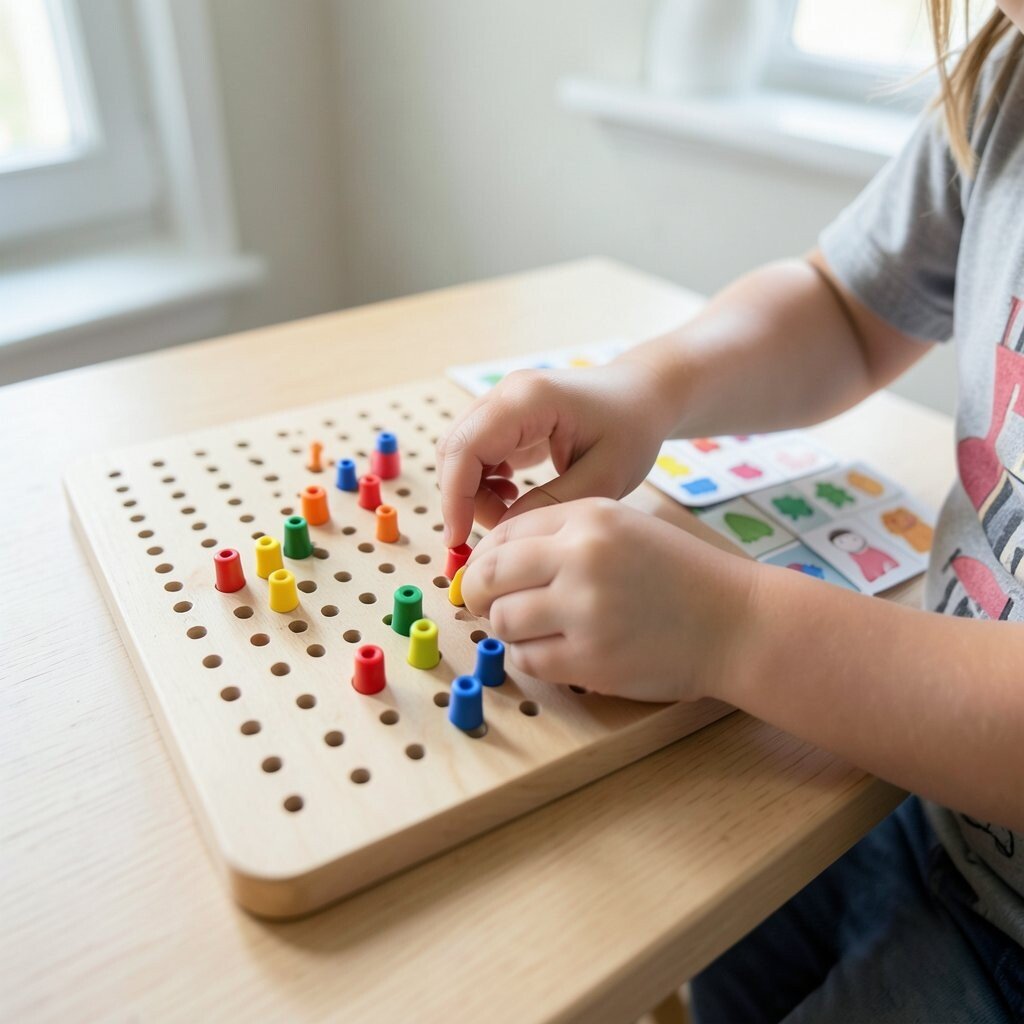
Pegboards give kids a clear place to fit small pieces into small holes. The bright pegs and simple pattern can make the task easy to understand at a glance.
This kind of play helps kids use finger control, steady hands, and close eye work. It can also help them slow down and pay attention to small details.
Some pegboards are plain, while others come with color patterns or shape cards. You can pick one that fits your child’s age and interest, and many sets are not very costly.
8. Use Scissors for Safe Cutting Practice
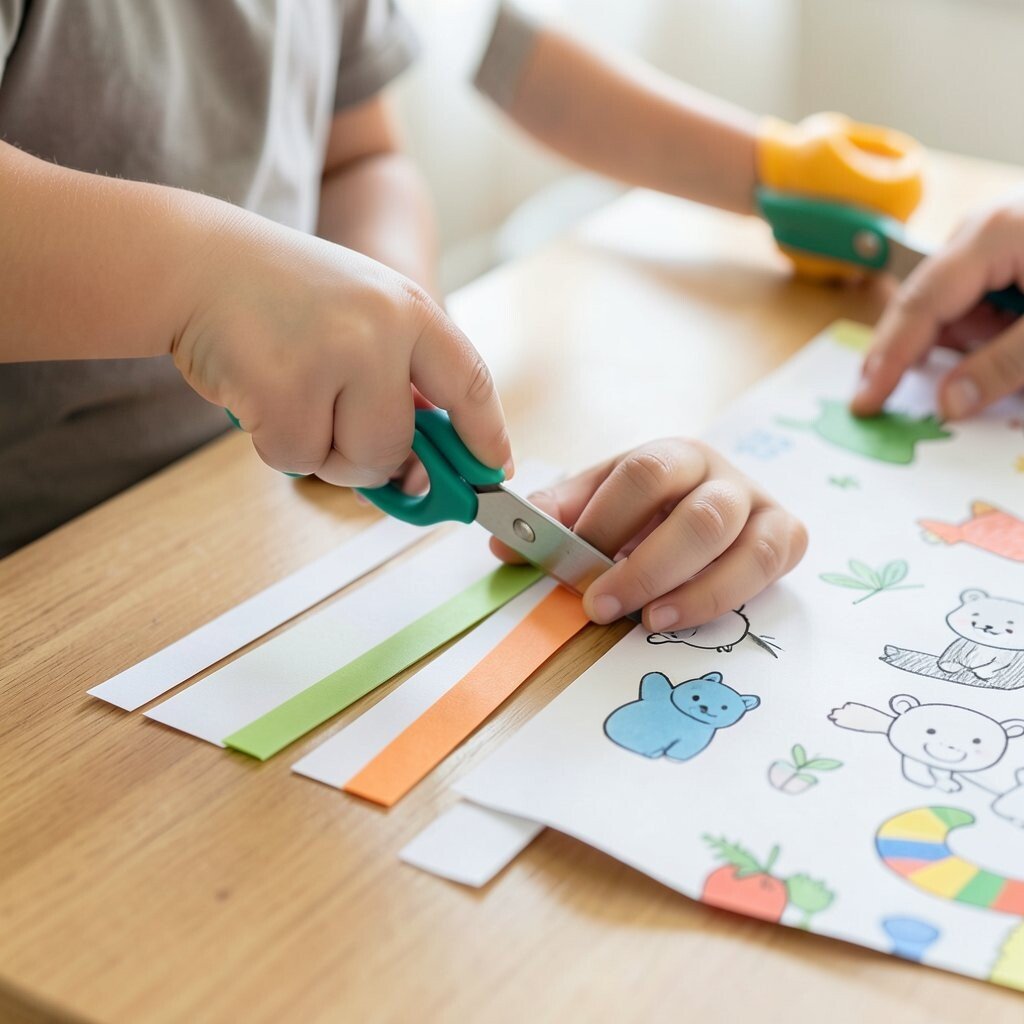
Child-safe scissors can help kids learn how to open, close, and guide their hands with care. Start with strips of paper, play dough, or thick paper with wide lines.
This skill helps with hand strength and control, and it also teaches kids to follow a path with their eyes. Many children enjoy cutting paper strips because they can see quick results right away.
It is smart to stay close and give clear steps when kids first try scissors. You can make the task more personal by cutting out shapes from their drawings or using paper with fun prints.
9. Play Catch With Scarves or Ribbons
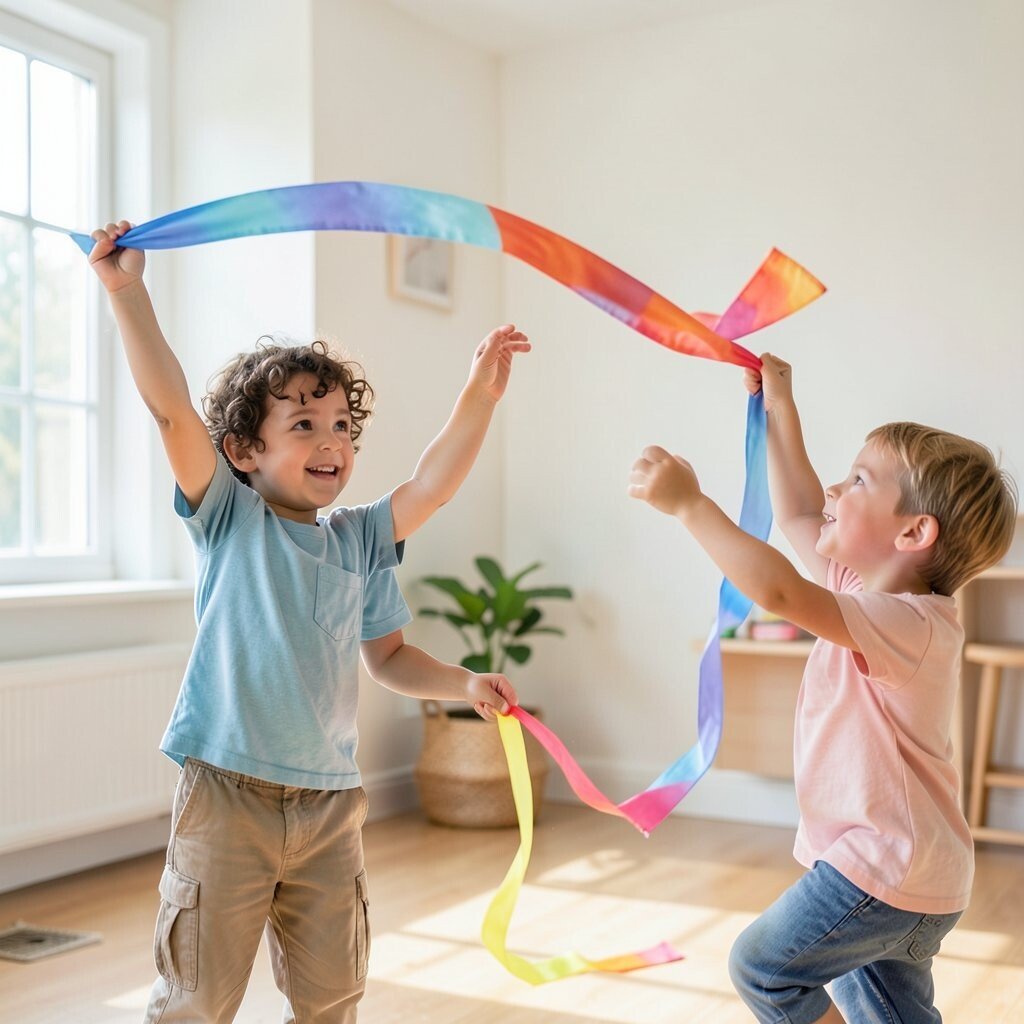
Light scarves and ribbons move in the air in a slow, easy way. That makes them a nice choice for kids who are still learning to track moving things.
Kids can toss a scarf up and catch it, wave it in a pattern, or try to grab it as it falls. These moves help the eyes follow motion and help the hands reach at the right time.
This game is simple, low-cost, and easy to change for different ages. You can use bright colors, soft music, or a dance style if your child likes movement and rhythm.
10. Try Water Play With Cups
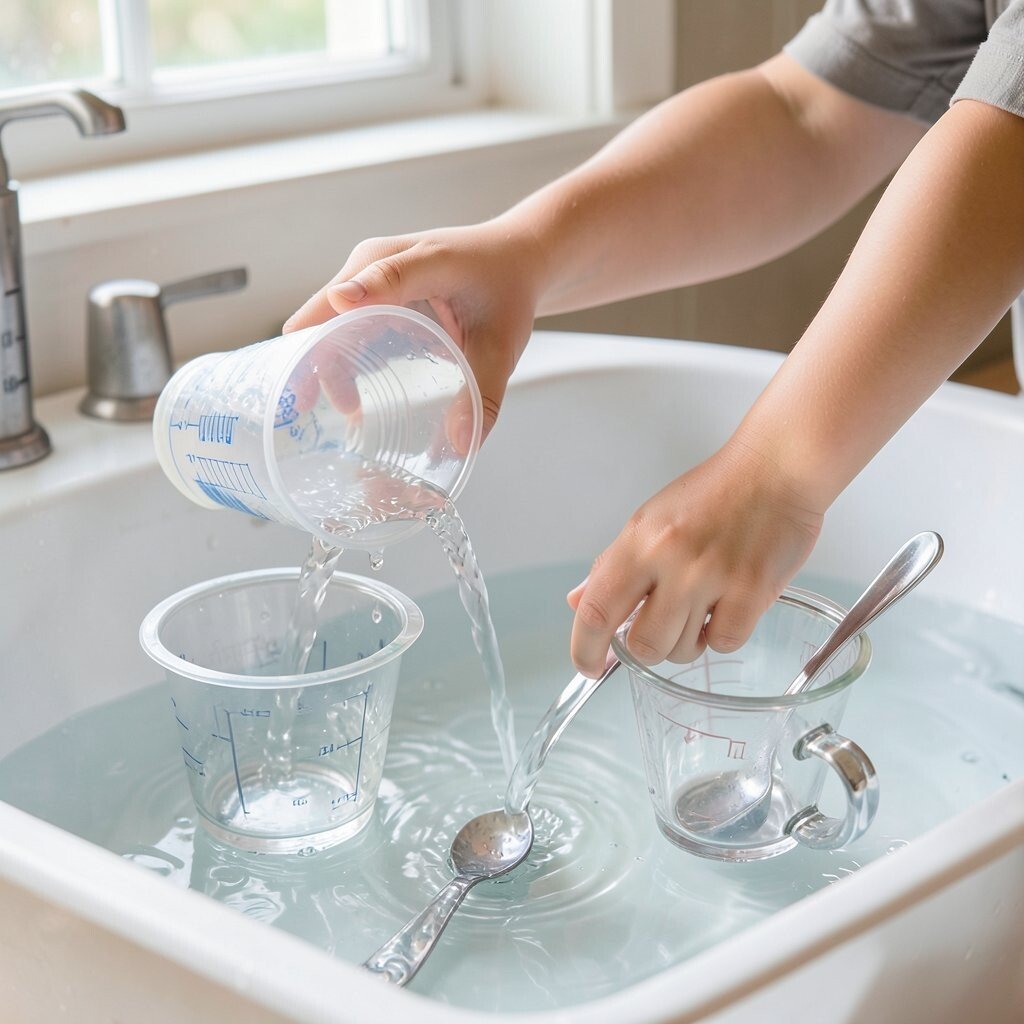
Pouring water from one cup to another gives kids a real-life way to practice hand eye work. Clear cups, spoons, and small pitchers can make the task easier to see.
This type of play helps kids learn careful movement and better control. It also gives them a chance to watch how much water is in each cup and adjust their hands as needed.
Water play can be done in a sink, tub, or plastic bin, so it works in many homes. If you want to keep costs low, use items you already have, like measuring cups or empty food containers.
11. Add Sticker and Dot Games
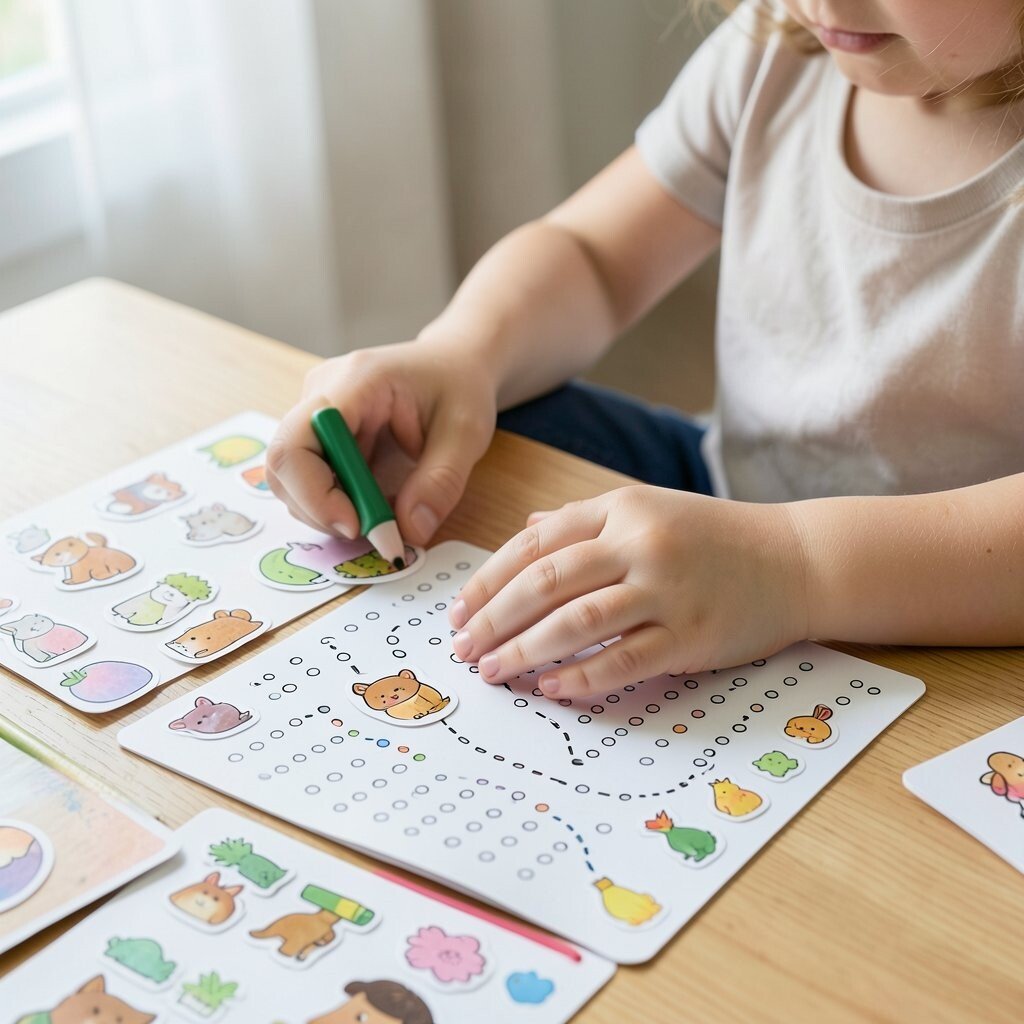
Stickers and dot markers can make hand eye practice feel like a fun art task. Kids can place stickers on circles, make paths, or fill in spaces on a page.
This helps them line up their hands with what their eyes see. It also gives them a neat result they can look at and feel proud of.
You can make the activity fit your child by using favorite animals, letters, or colors. Many sticker books and dot sheets are low-cost, and some families print free pages from home.
12. Use Catching Games With Larger Toys
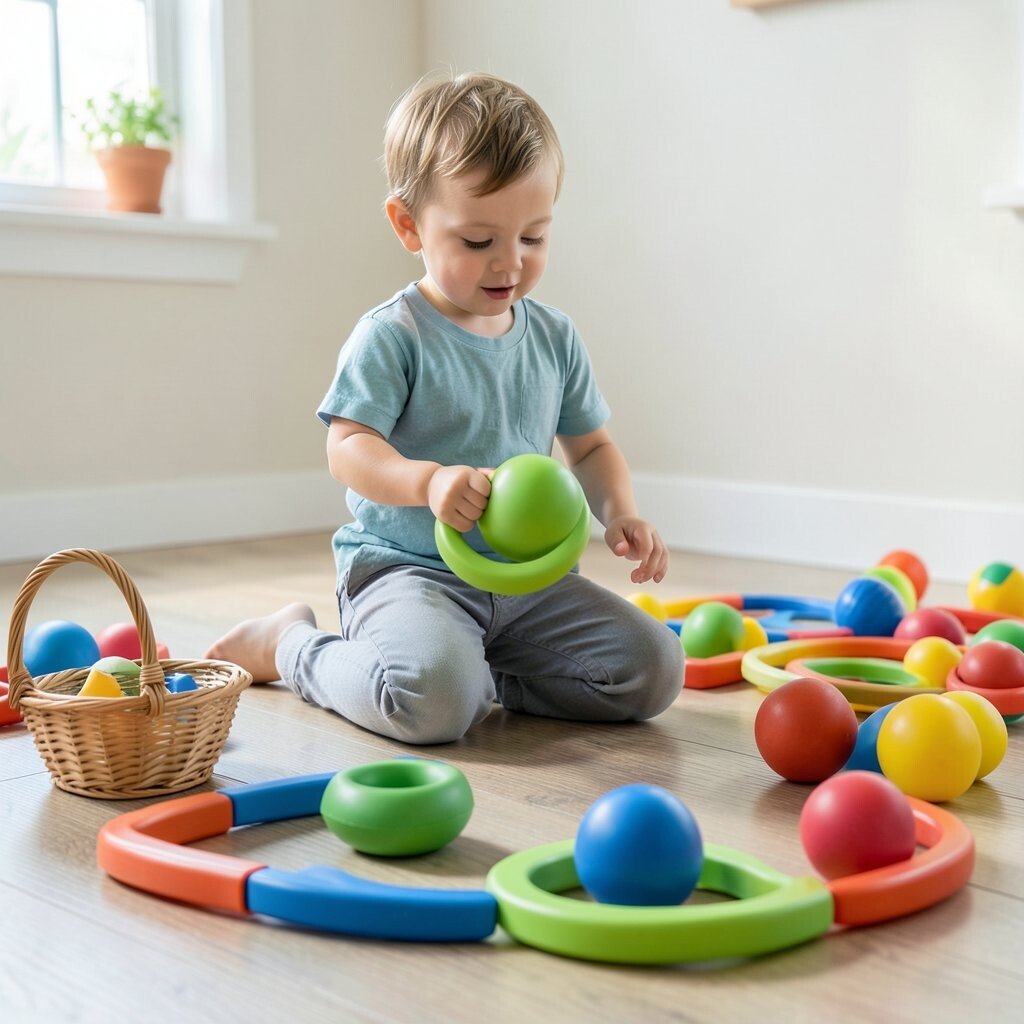
Larger toys are easier for young kids to see and grab, which can build confidence. Soft rings, large balls, and big foam shapes are good choices for early practice.
These games help kids learn how to move their hands to the right place at the right time. They also lower stress because the toy is easier to catch than a small fast item.
Many parents like to start with simple tosses and short distances. You can change the game by using a basket, a hoop, or a target spot on the floor to keep it fresh.
13. Try Board Games That Use Tokens
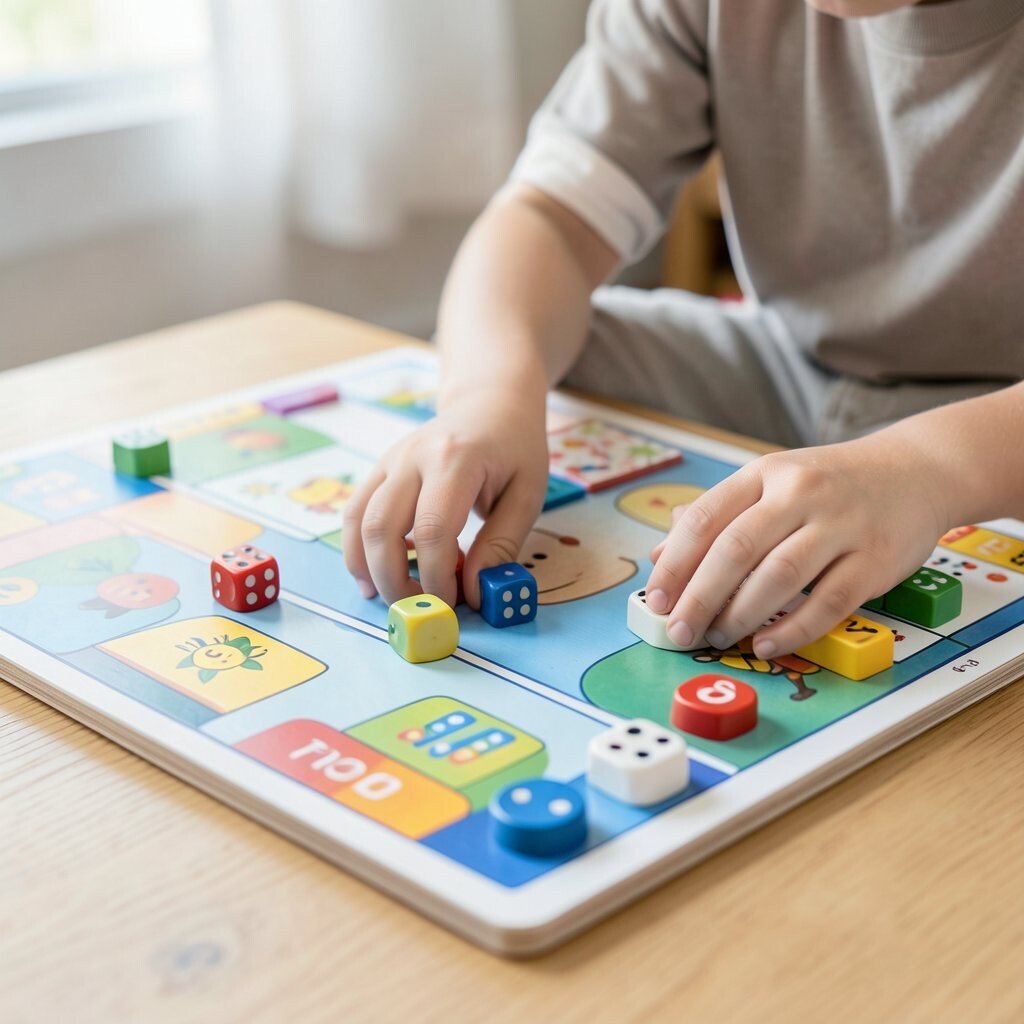
Board games with dice, tokens, or game pieces can help kids move small items with care. The game board gives a clear visual path, which helps kids follow steps and stay focused.
This kind of play can build hand control, turn taking, and patience. It also gives kids a chance to use the same motions again and again in a calm setting.
Many family board games are made for kids and do not cost much. You can pick a game with bright art, large pieces, or simple rules so your child can join in with less help.
14. Make Practice Part of Daily Play
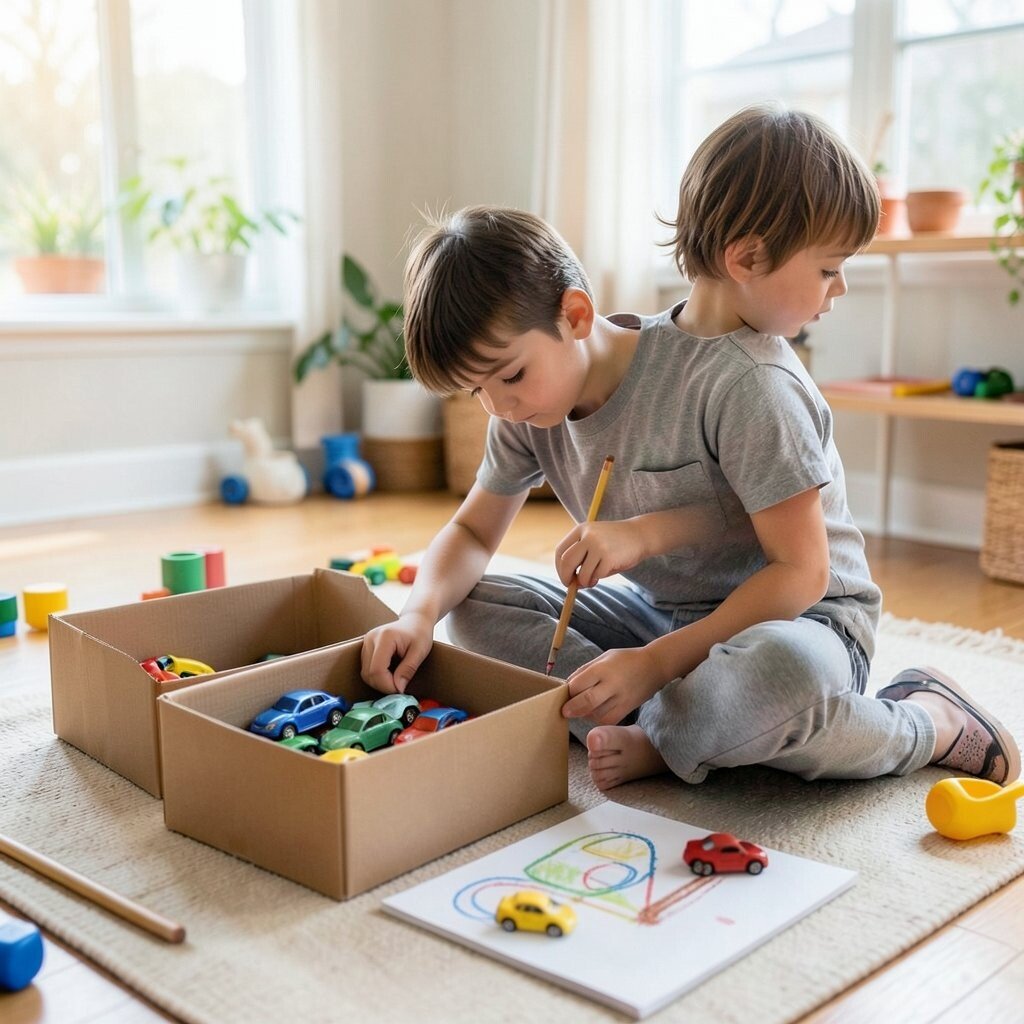
Hand eye practice works best when it feels like normal play, not a hard lesson. You can add it to daily life through chores, games, art, or outdoor time.
Kids may enjoy different things, so it helps to watch what they like and build from there. A child who likes cars may enjoy parking toy cars in boxes, while a child who likes art may enjoy drawing paths or tracing shapes.
This flexible style is useful because it costs little and can fit many homes and schedules. It also follows a common trend in child learning, where short and regular play helps more than long practice that feels tiring.