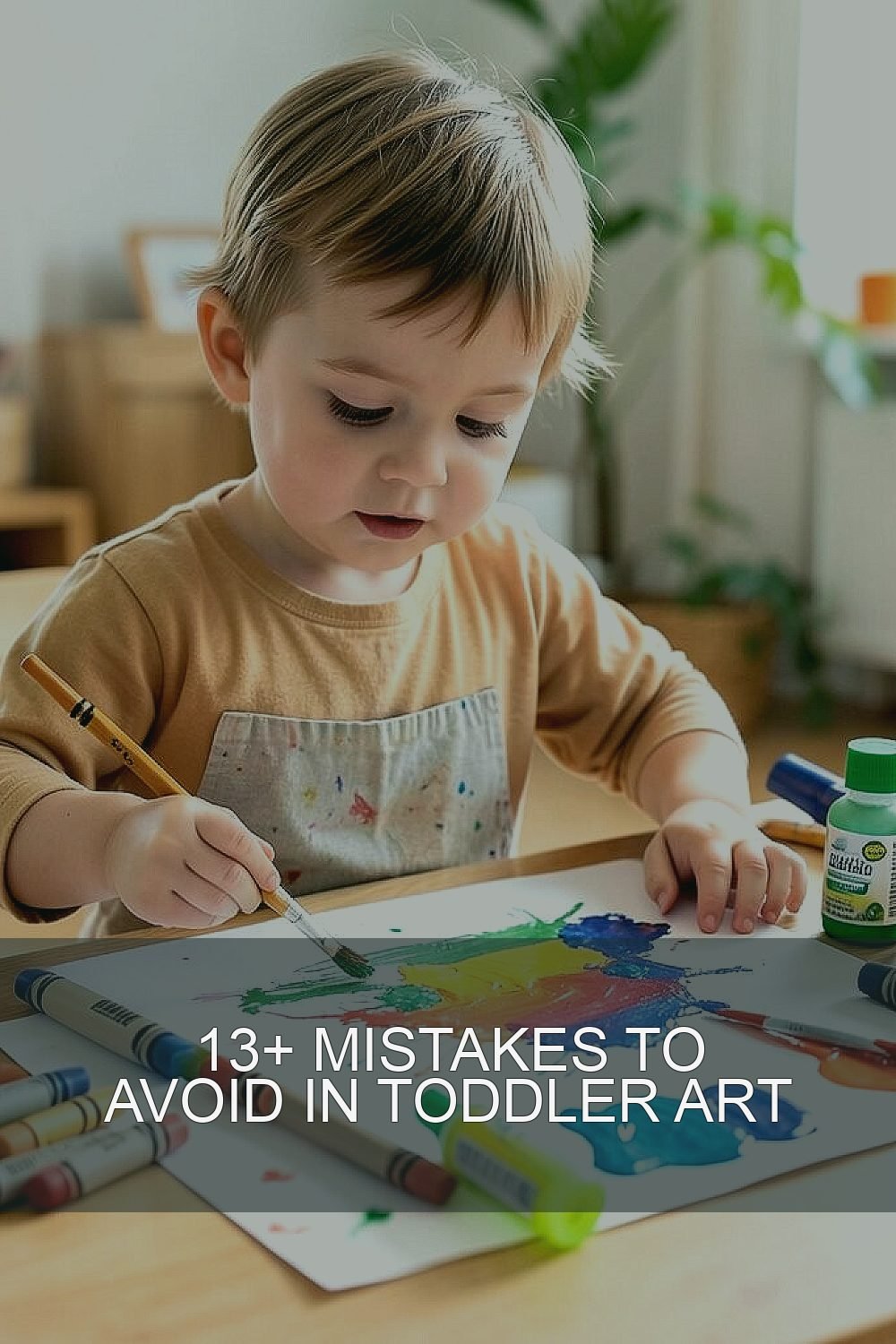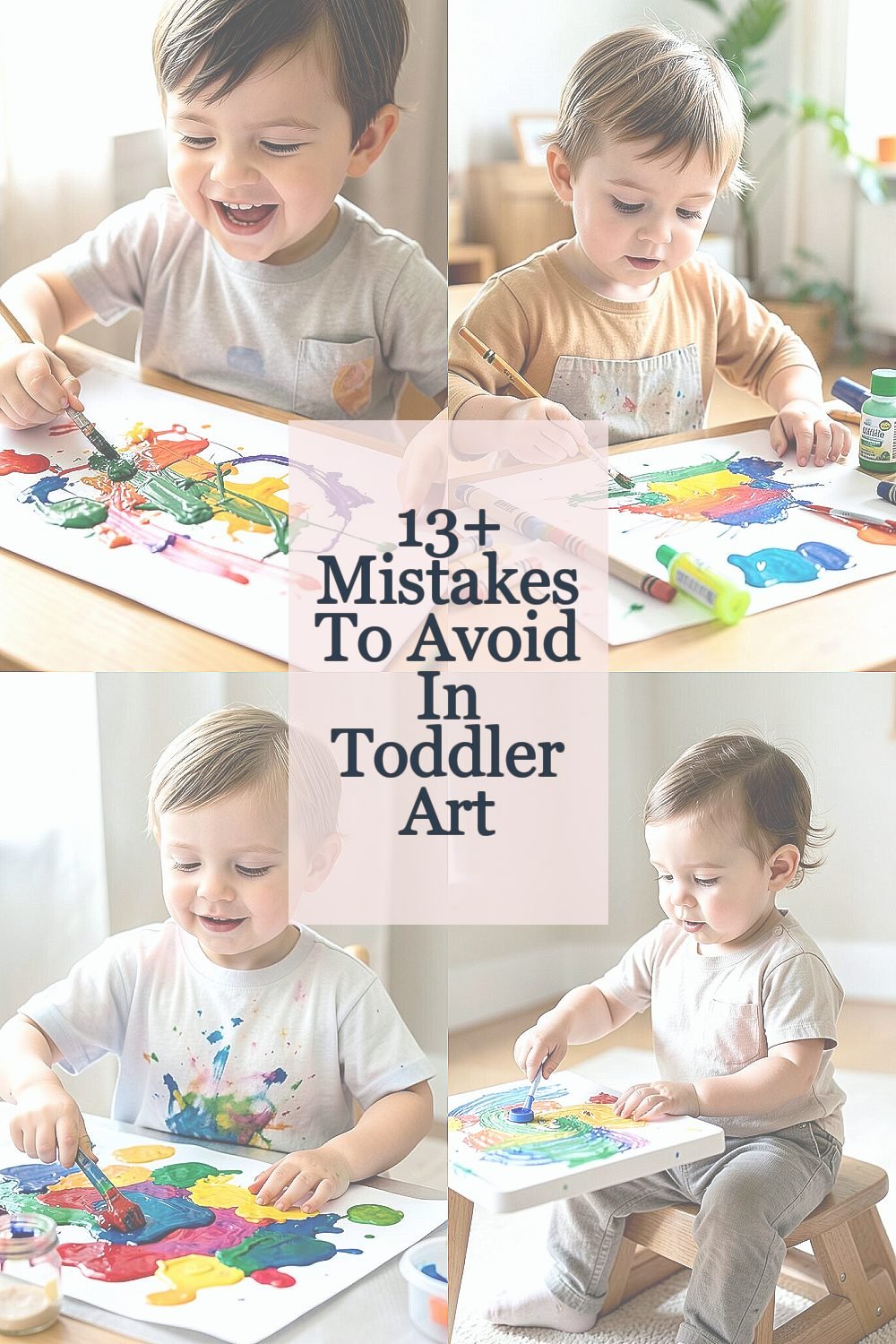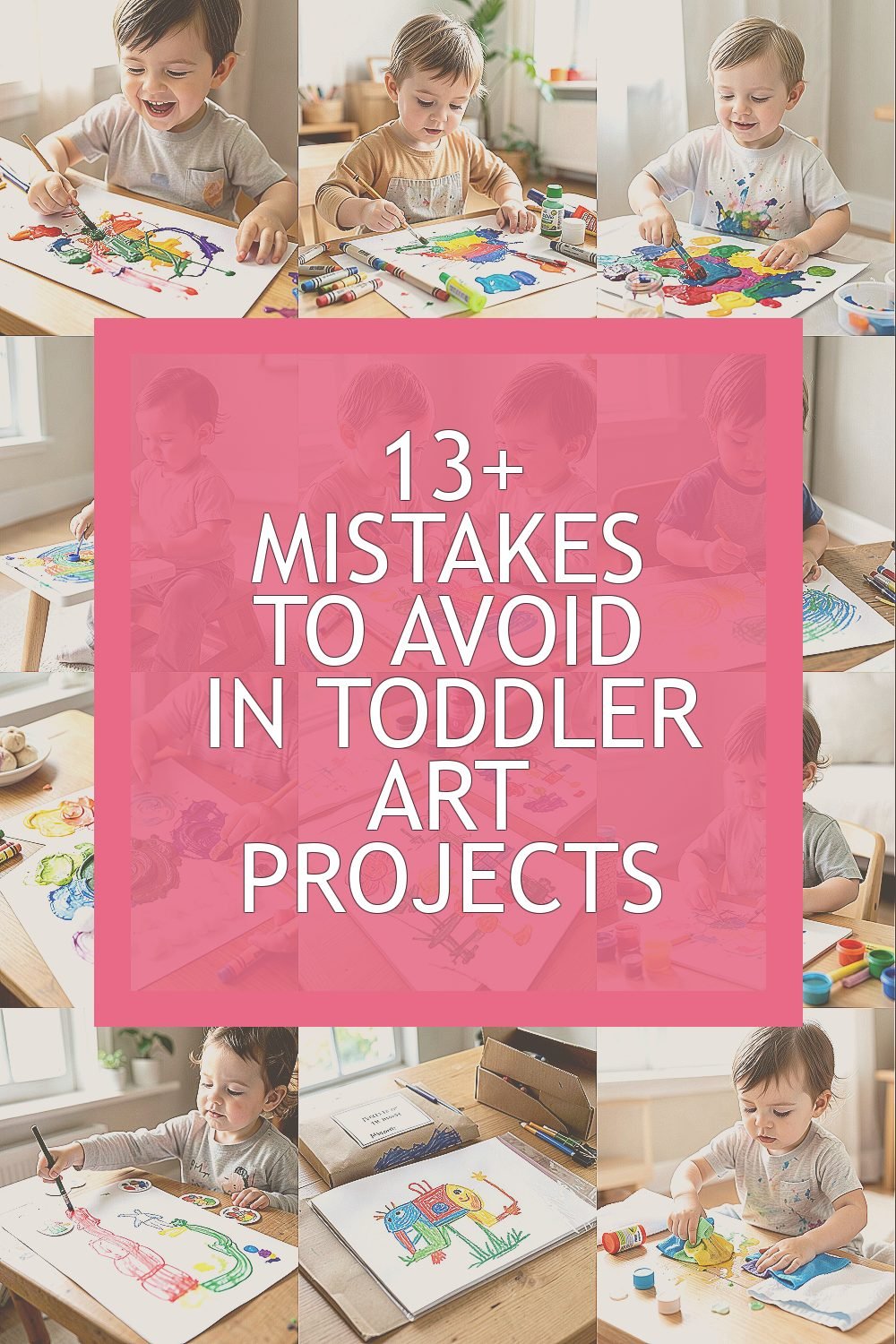
Your toddler’s art time should feel joyful, not stressful. A few small missteps can quietly steal the fun and the learning.
When you set things up well, every scribble becomes a tiny celebration. Here are common mistakes that get in the way, plus simple ways to do better.
1. Overplanning the Result
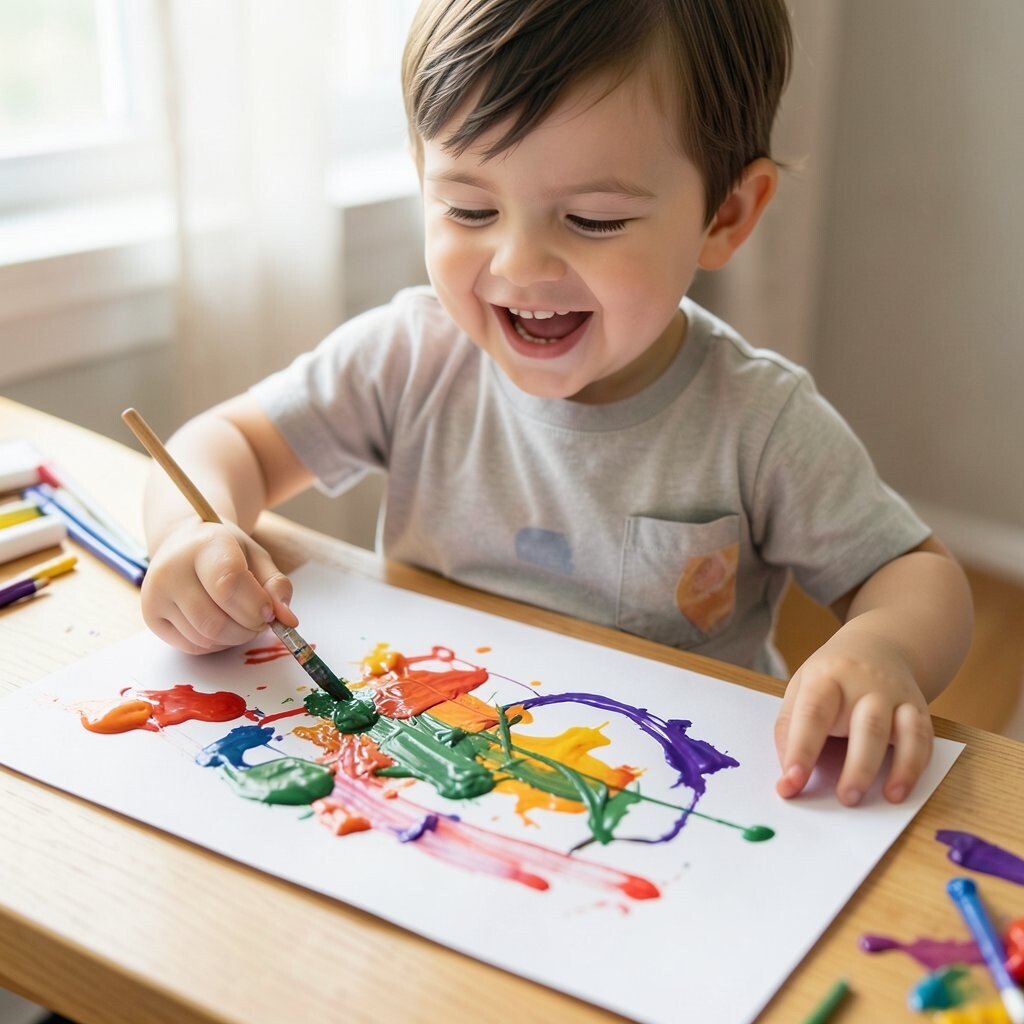
If you expect a neat picture, you may rush your toddler before they’re ready. You might notice their lines look messy, but that mess is often where the creativity lives.
Try to focus on the process instead of the outcome. When your child smears paint across paper and laughs, the moment is already successful.
2. Choosing Supplies That Are Too Complicated

Small tools can be exciting, but complicated materials can frustrate a toddler fast. Glitter glue, tiny brushes, and fancy techniques may require patience your child does not yet have.
Pick simple, sturdy supplies that are easy to hold and quick to use. Crayons, thick washable markers, chunky paint, and large glue sticks help toddlers feel capable right away.
You’ll also save time cleaning up, because fewer tricky items usually mean fewer spills. Look for non-toxic labels and washable finishes so art stays carefree.
3. Using Mess-Making as a Reason to Quit

Mess is not a failure, it is part of the learning. When paint drips, it shows how the colors move and mix on paper.
If you wipe everything too soon, you may stop your toddler mid-creation. Let the first layer happen, then invite your child to add another color when they want to.
Cover the table with a mat or an old shower curtain to keep the space calm. You can also dress your toddler in an oversized shirt so stains feel normal, not surprising.
Many families use a dedicated art bin, and it makes cleanup faster each time. As a result, art happens more often, which builds confidence and fine-motor practice.
4. Ignoring Safety and Comfort

Safety matters even during simple projects. Toddlers put things in their mouths, so choose materials made for kids and avoid items that shed tiny pieces.
Comfort affects focus, too, so check that your child can sit comfortably and reach the supplies. A small step stool can help them stay balanced and engaged.
5. Skipping Back-and-Forth Conversation
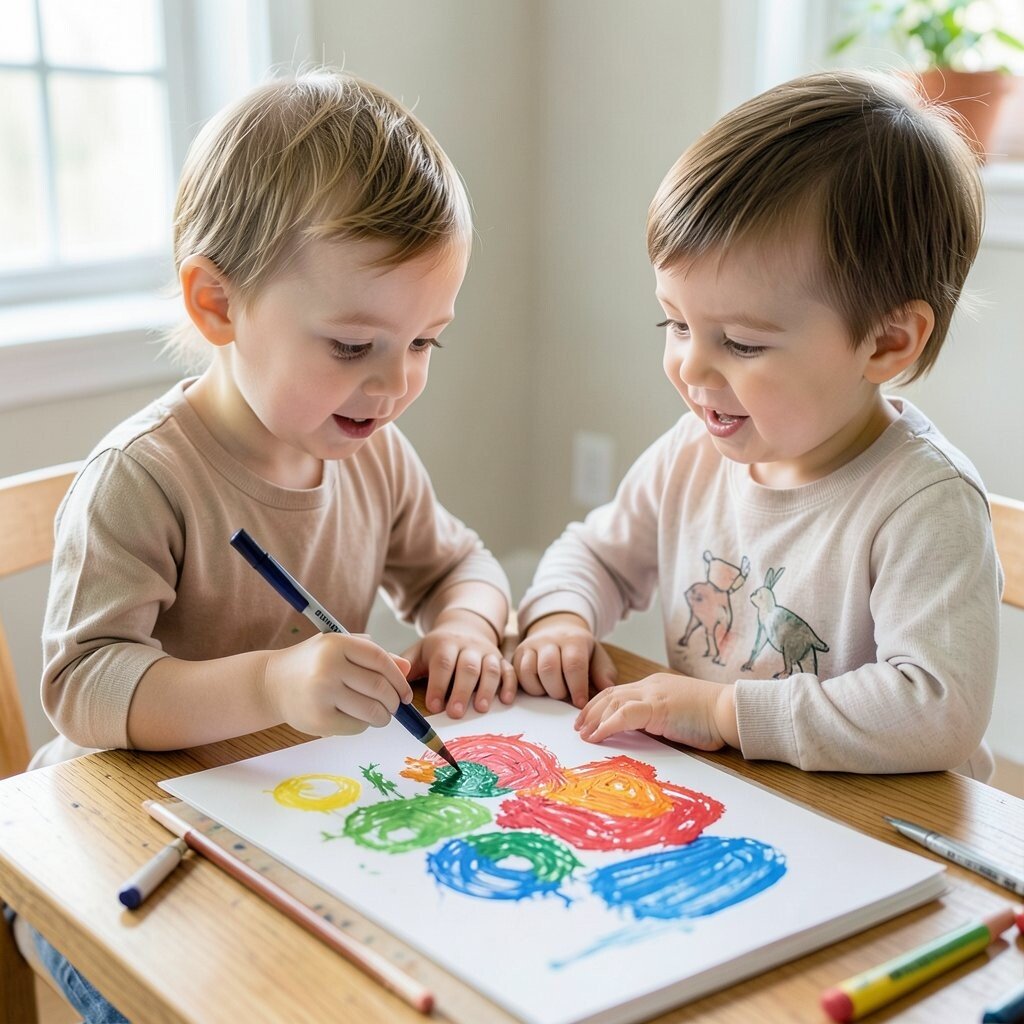
Toddler art becomes richer when you talk while you create. When you describe what you see, your child learns new words and concepts through play.
Try asking gentle questions like what sound the marker makes or where the color might go next. You can also mirror their actions, like saying “You’re pressing hard” as they draw.
That back-and-forth attention supports language growth and keeps motivation high. It also makes the artwork feel personal, because your child hears their choices reflected.
6. Making “Correcting” the Main Focus
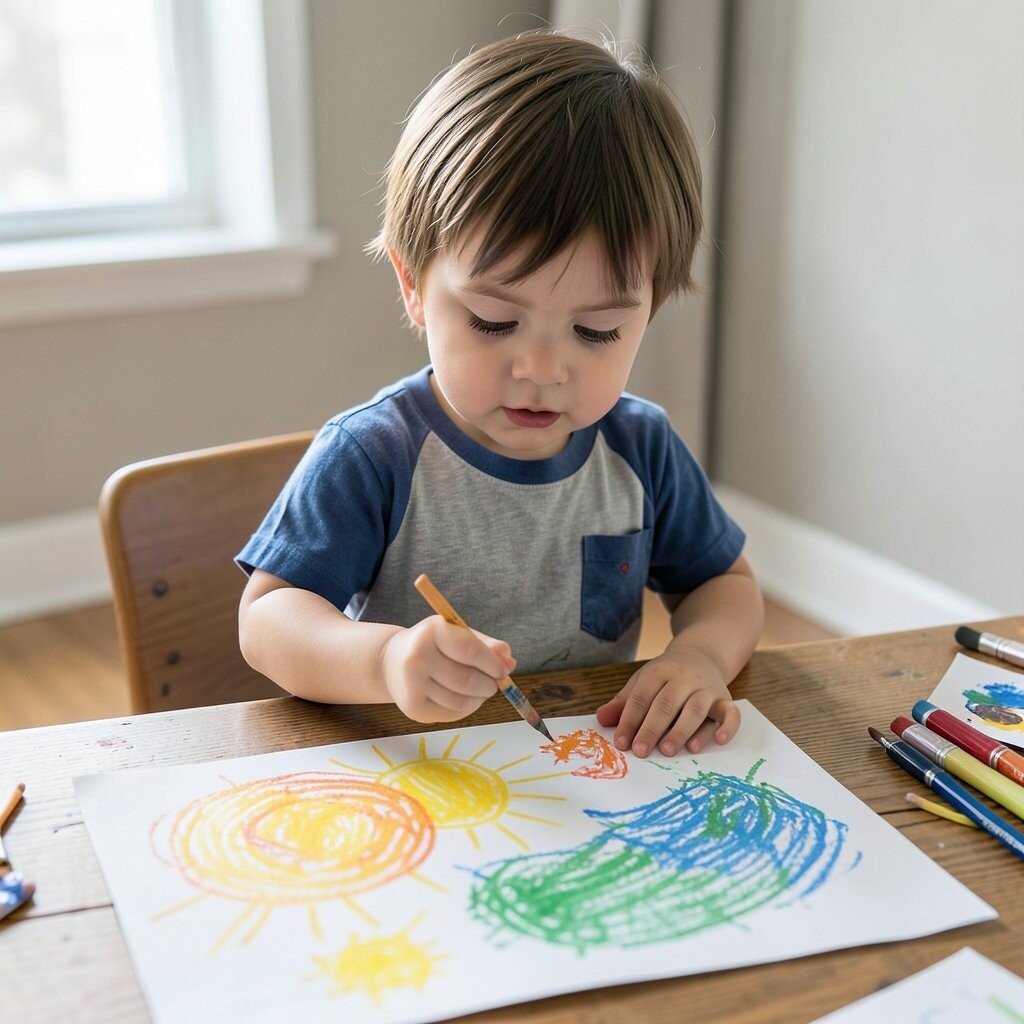
It’s tempting to steer your toddler toward what looks right, especially when you know how the final image could be. But constant correcting can make kids fear mistakes and stop taking risks.
Instead of fixing, encourage. If your child draws a lopsided sun, you can say it looks like it’s dancing in the sky.
This keeps their confidence strong and helps them keep trying new marks. Their uniqueness shows through when they lead the decisions, not you.
7. Using Only One Medium Again and Again

When every project uses the same crayon or paint, toddlers may get bored or stuck. Variety helps your child notice textures, thickness, and color changes.
Mix mediums to build curiosity, like finger paint one day and cotton-ball stamping the next. You can try watercolors with thick paper, or use shaving cream for short, sensory swirls.
Different tools bring different benefits, including stronger grip, better coordination, and more creative thinking. Many parents also notice that switching mediums keeps kids calmer because each activity feels fresh.
Try to stay mindful of cost by using affordable basics like paper from a craft store and homemade playdough for texture projects. Budget-friendly materials can still look wonderful when paired with playful techniques.
8. Choosing Paper That’s Too Small or Too Thin
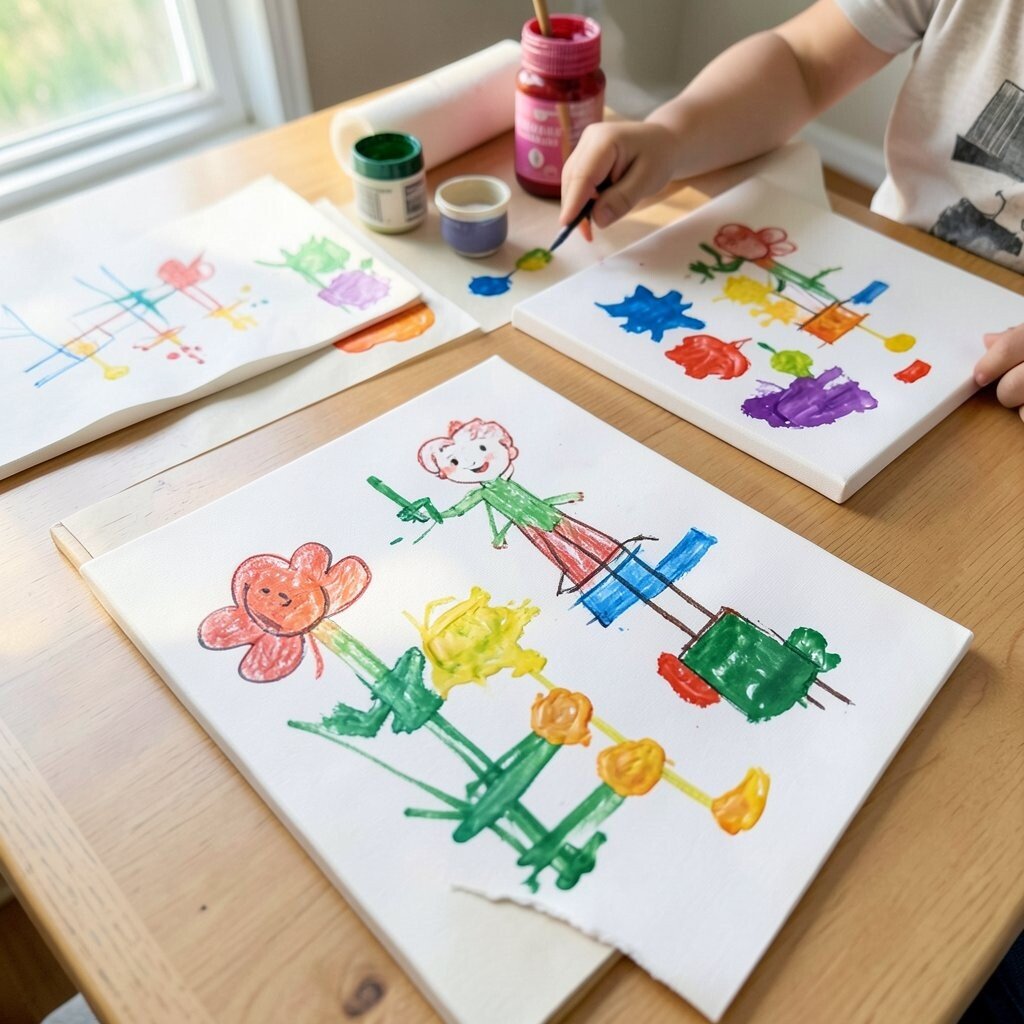
Small sheets can feel limiting to a toddler who wants to move their whole arm. Thin paper may tear or buckle, which can turn excitement into frustration quickly.
Use larger sheets or sturdy pads so your child can draw with big movements. Heavy paper, kid-friendly canvas boards, or cardstock often handle paint and glue better.
This gives toddlers room to create their own layout, which is part of personalization. When you let them decide placement, the art looks more like them than like a template.
You can also save money by rotating between a few paper sizes, since consistent supplies reduce waste. Many families use cut-down rolls of butcher paper for a low-cost, big-surface option.
9. Forgetting to Protect Your Toddler’s Creativity Between Projects

Sometimes the art goes unfinished because the setup changes or supplies disappear. If your toddler has to wait for you to find items, they may lose interest or start feeling unsure.
Keep a simple routine so the environment feels steady. A dedicated spot with supplies visible helps your child remember what comes next.
When projects are easy to restart, you get better focus and more complete ideas. This also helps toddlers build a sense of time and patience, even if the pieces are small.
10. Overdoing Templates and Sticker Charts
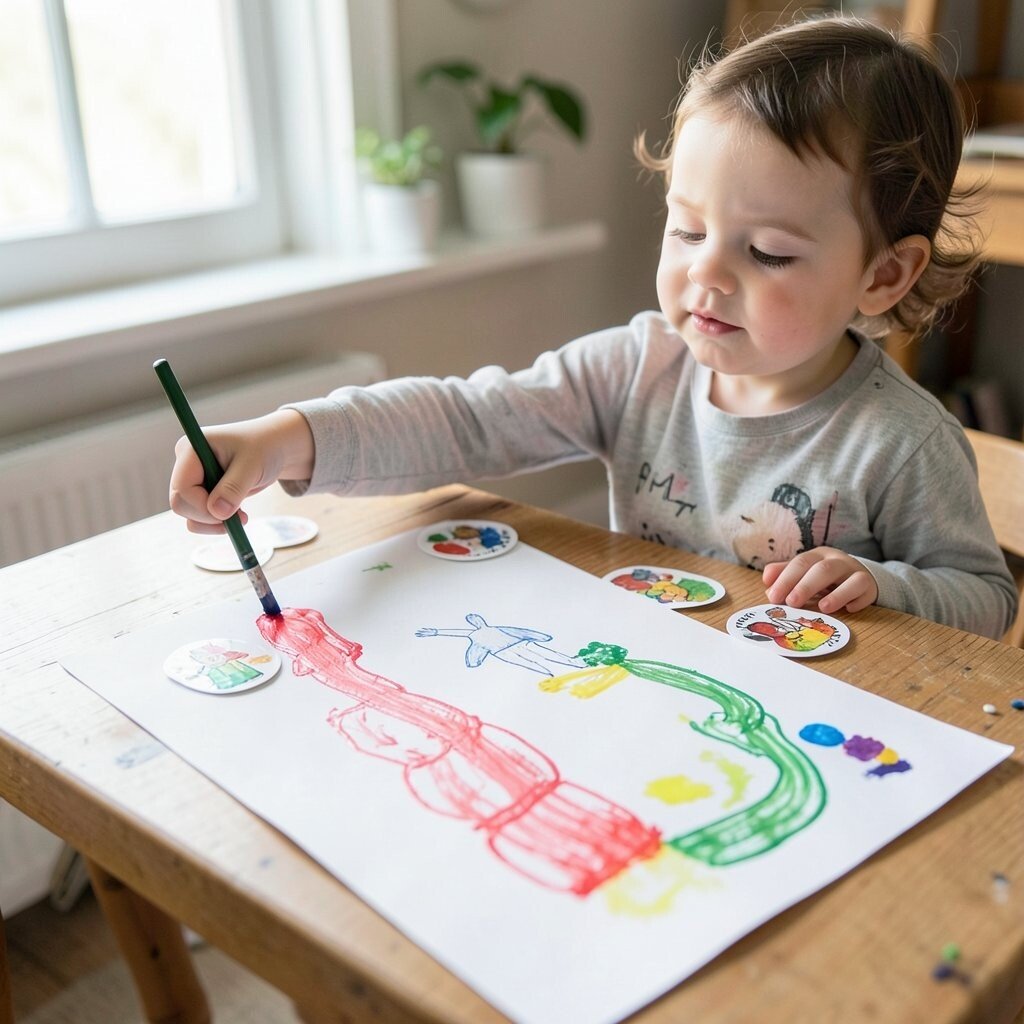
Templates can be fun, but too many can turn creative play into filling in blanks. If the shapes are already decided, toddlers miss chances to make their own stories through lines and colors.
Instead of tracing the same path every time, offer open prompts that still guide them. For example, you can place a blank sheet on the table and let them decide where to paint first.
Stickers are a great option when they are used freely rather than as a rigid pattern. Toddlers enjoy choosing sticker placement, and that choice is part of their identity.
Current trends in kid art often highlight “choice-based” creativity, and you can match that feeling with simple freedom. It’s a win for uniqueness and for the joy of making.
11. Not Keeping a Way to Save Finished Work
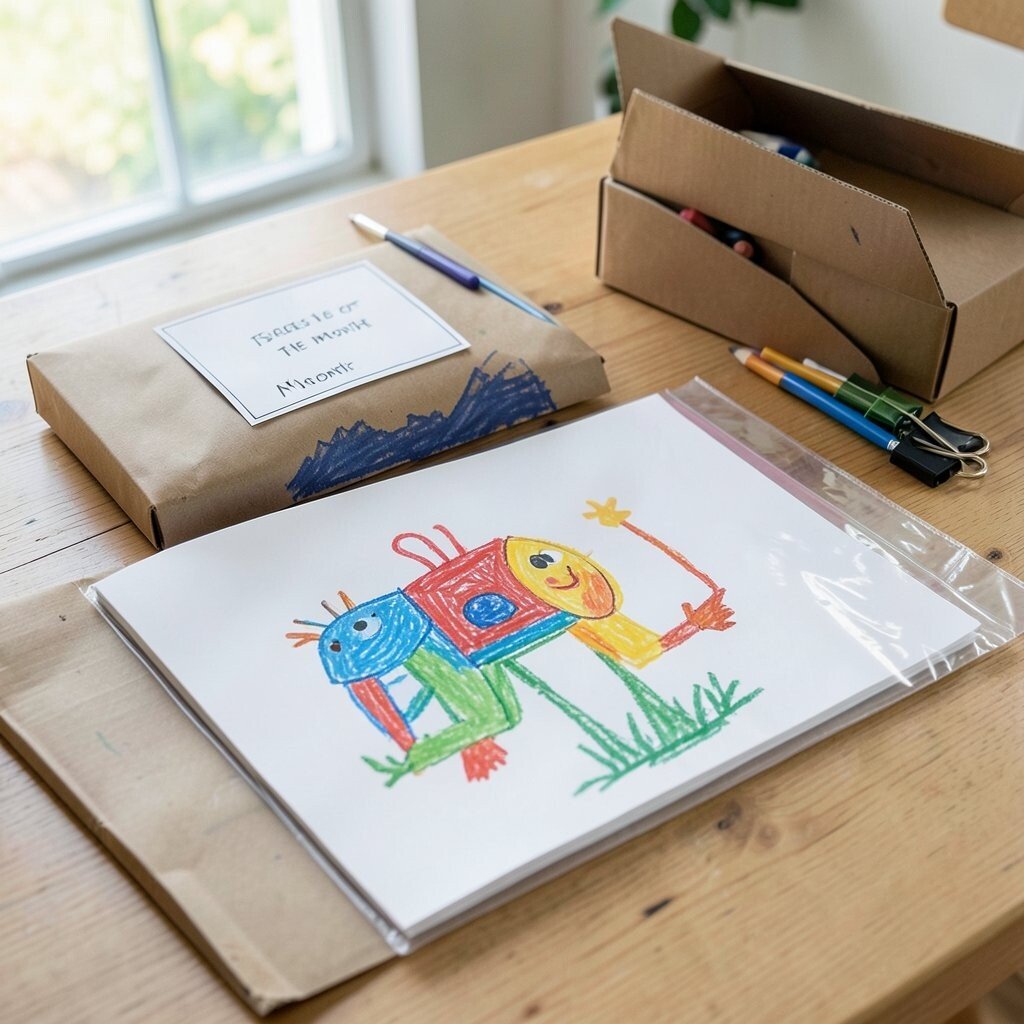
If artwork gets tossed in a hurry, your toddler may stop caring about creating. Kids often feel proud when they see their effort kept somewhere safe.
Set up an easy storage system, like a folder with plastic sleeves or a labeled box by month. When you save pieces, you turn art into something your child can revisit and talk about.
This supports emotional growth, because your toddler learns their work matters. It also makes it easier for families to build collections without losing track.
You can keep costs low by using recycled cardboard and binder clips instead of buying pricey portfolios. Many parents find that a simple “works of the month” approach reduces clutter while still honoring progress.
12. Expecting Perfect Clean Up Without Planning
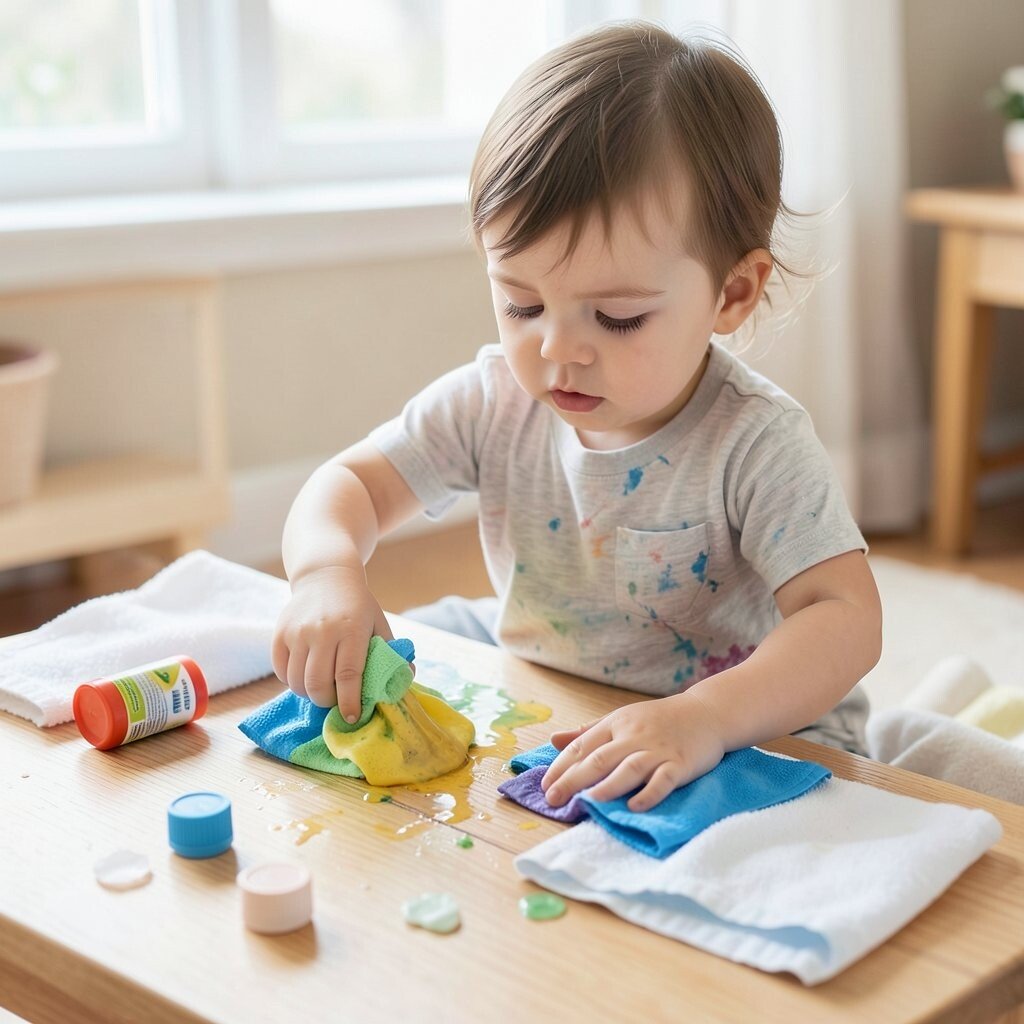
Cleanup is easier when you plan for it before you start. If your toddler has to wait for you to wipe down every surface, they may feel like the fun is over too early.
Use kid-safe wipes and set a few clear steps into motion. Put a towel within reach, and let your child help by closing caps or throwing away paper scraps.
This builds independence and turns cleanup into a shared routine. You can also reduce mess by using one washable cloth for spills and a second cloth for hands, so the same rag doesn’t get everything mixed together.
13. Skipping Sensory Elements That Match the Child’s Mood

Some toddlers love watery textures, while others prefer dry, quick activities. If you choose a project that feels too intense, your child may shut down or melt down.
Pay attention to mood and energy, then match the sensory experience. A calm day might call for sponge painting, while a wiggly day might be perfect for stamp-making with foam shapes.
Sensory play supports regulation, and that means fewer interruptions later. When kids feel safe in their body during art, they often focus longer and take more creative risks.
For cost considerations, you can use everyday items like potatoes for stamping, or celery for leaf patterns. Household materials can give a surprising variety without buying special tools.
14. Not Personalizing Artwork for Your Toddler’s Interests

Toddler art becomes unforgettable when it connects to what your child already loves. If your kid is into animals, a blue paint cloud can become a “turtle pond,” and scribbles can become “bear tracks.”
Use personalization to guide without controlling. Add a few relevant prompts, like showing pictures of the animal before you start, or letting your toddler choose between two color sets.
This builds a stronger bond and makes the final piece feel like a story they owned. You can also use current trends like “memory-making walls,” where families display a rotating set of art that matches the season or a recent theme.
When you personalize, you often spend less because you reuse supplies you already have, like markers, paper scraps, and glue. Your toddler’s uniqueness takes center stage, and that’s the real magic behind the project.