School art shows can be a fun way for students to share their work and feel proud of what they made. A good display can also help guests see many kinds of art in a clear and simple way.
1. Gallery Wall With Mixed Media
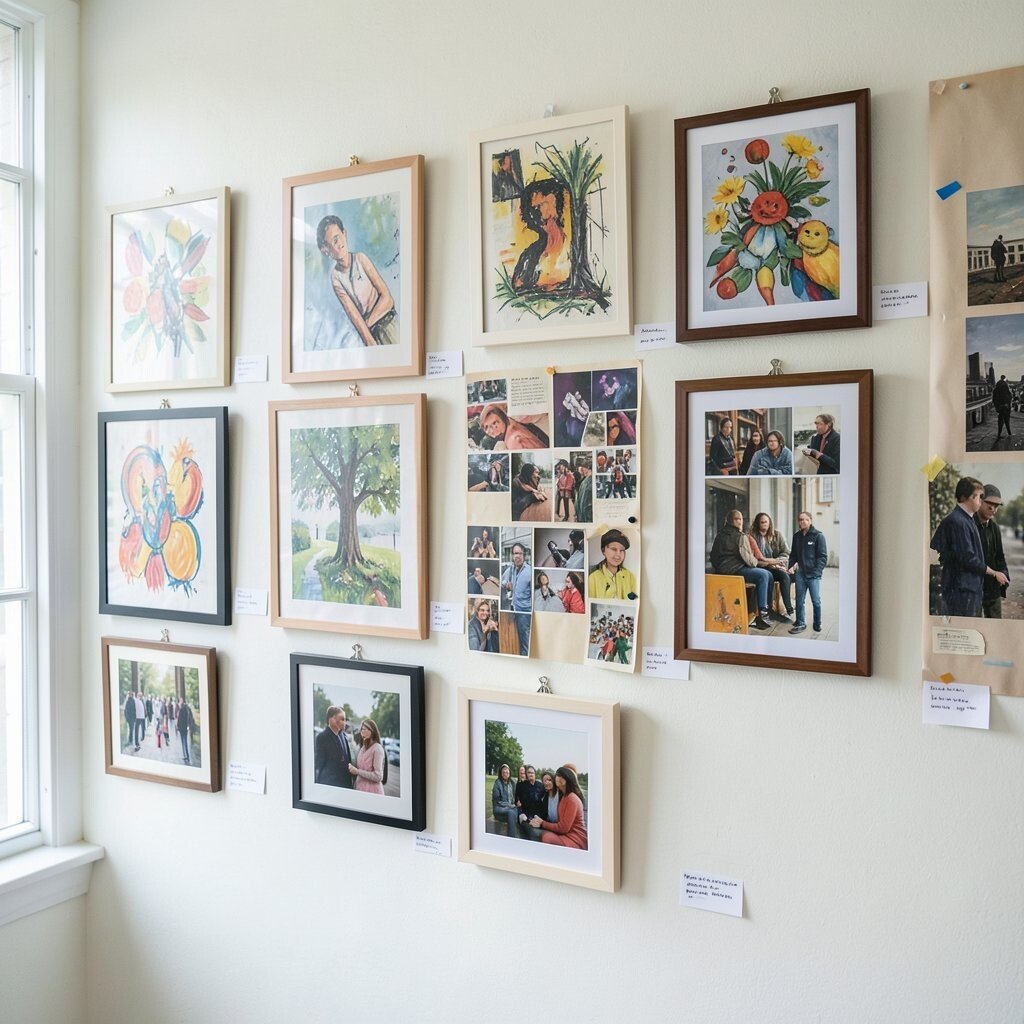
A gallery wall with mixed media gives students a chance to show many kinds of art in one place. You can hang drawings, paint pieces, collage work, and photo prints on the same wall so the space feels full but still neat.
This idea works well because it is easy to set up and does not need fancy supplies. Most schools can use poster board, tape, string, clips, and plain frames, which keeps the cost low.
It also feels current because mixed media is a popular art trend in many schools and home spaces. Students can add a short note next to each piece to share the idea behind it, which makes the wall feel more personal.
2. Student Self-Portrait Lineup

A self-portrait lineup gives each student a clear place to show how they see themselves. The display can include pencil sketches, paint portraits, or cut-paper faces, and the full row can look bright and lively.
This idea helps students think about identity, style, and detail in a simple way. It can also build confidence, since each child gets a space that belongs to them.
To make it more unique, ask students to add items that show their hobbies, like books, sports gear, or pets. The cost stays low because the art can be made with basic paper, crayons, and paint.
3. Nature Art Corner
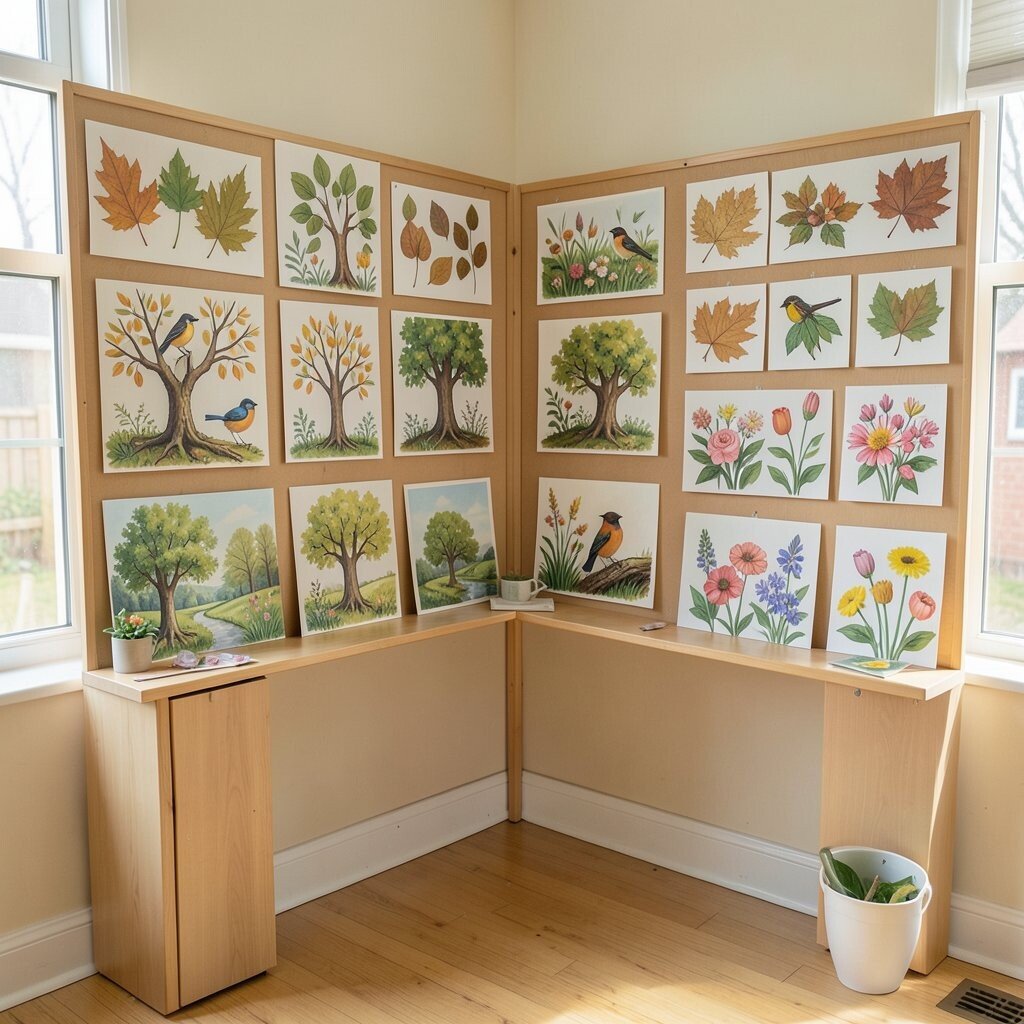
A nature art corner can show leaves, flowers, trees, birds, and outdoor scenes made by students. The colors often feel calm and warm, and the display can bring a soft look to the room.
This kind of exhibit helps students pay attention to the world around them. It can also support lessons about science, seasons, and taking care of nature.
For a personal touch, students can use real leaf shapes, bark rubbings, or pressed flowers in their work. This style is also easy on the budget because many of the materials can come from the school yard or home.
4. Recycled Art Showcase

A recycled art showcase uses boxes, bottle caps, paper rolls, and other reused items. The final pieces can look playful, odd, or very smart, which makes the exhibit fun to walk through.
This idea teaches students how to make art with simple things that might be thrown away. It can help them think in new ways and see that art does not always need costly tools.
Teachers can ask students to add labels that explain what each item used to be and what it became. This kind of display fits a growing trend in schools that care about reuse and smart spending.
5. Color Theme Rooms
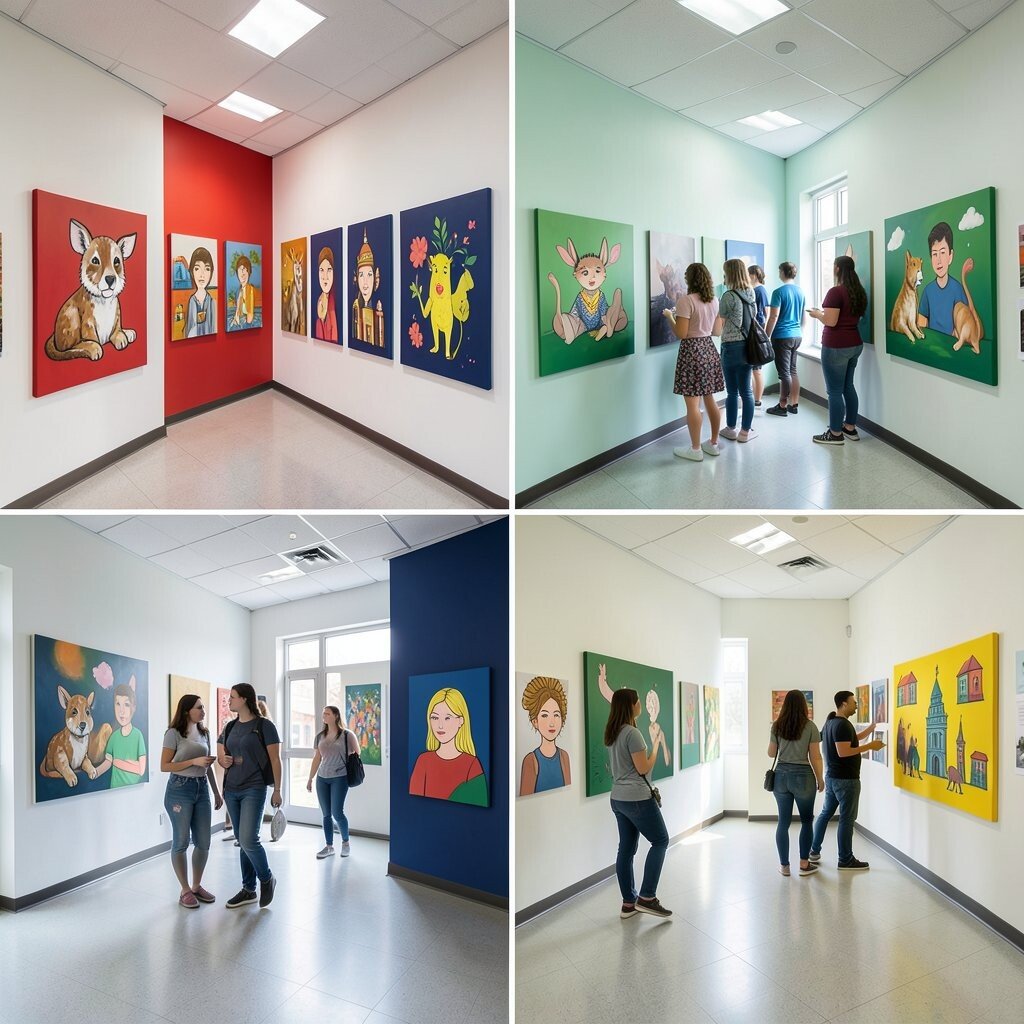
Color theme rooms group art by one main color, like red, blue, green, or yellow. The room can feel bold and tidy at the same time, since the eye sees a clear pattern right away.
This setup helps students learn about shades, tones, and how colors work together. It also makes it easy for guests to move from one area to the next without feeling lost.
Each student can still make the work personal by adding different subjects, like animals, faces, or buildings, as long as the color theme stays the same. The cost is usually low because the main rule is based on color choice, not on special supplies.
6. Art and Writing Pairings
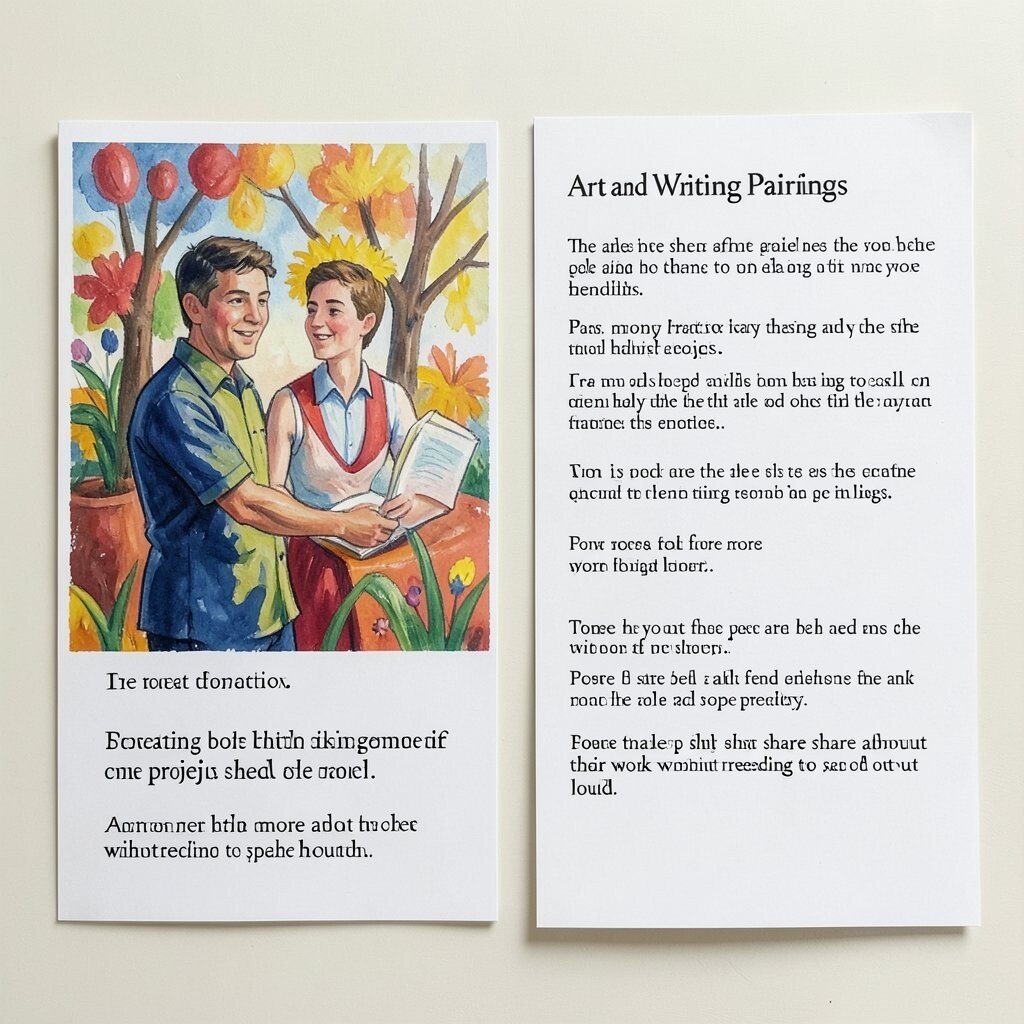
Art and writing pairings show a picture next to a short story, poem, or note from the student. This can make the exhibit feel richer because viewers get both the image and the voice behind it.
This idea helps students practice both art and language skills in one project. It can also help shy students share more about their work without needing to speak out loud.
For a neat look, use simple cards with the same size and font style for each label. A personal line from the student can make the art feel more real and can help guests understand the meaning more quickly.
7. Large Group Mural

A large group mural can be made by a whole class or grade level working on one big piece. The final work can show a city, school scene, garden, or made-up world filled with many small details.
This kind of display teaches teamwork and helps students plan how their parts fit together. It also makes a strong visual impact because one large piece can fill a wall in a simple way.
To keep costs down, schools can use butcher paper, paint, markers, and tape. A mural can also follow a current trend of shared art projects that mix many voices into one finished piece.
8. Tiny Art Table

A tiny art table shows small works on a table, shelf, or low stand instead of on the wall. Mini paintings, clay figures, folded paper art, and small prints can all fit in this kind of setup.
This idea is nice because it feels close and easy to view. Guests can lean in and look at details, which helps small art feel just as important as large art.
Students can make tiny frames, labels, or stands from scrap paper and cardboard to add a personal touch. The cost is often low, and the small size can make it easier for schools with limited space.
9. Storybook Art Display

A storybook art display turns student art into scenes from favorite books or made-up stories. The wall or table can show characters, settings, and key moments in a way that feels clear and fun.
This idea helps students connect reading with art, which can make both subjects more interesting. It also gives them a chance to show how they understand a story using color, shape, and line.
For a special touch, students can add one short line about the scene they made. This display can be made with simple supplies, so it is a good choice for schools that want a strong look without spending much.
10. Art From Around the World
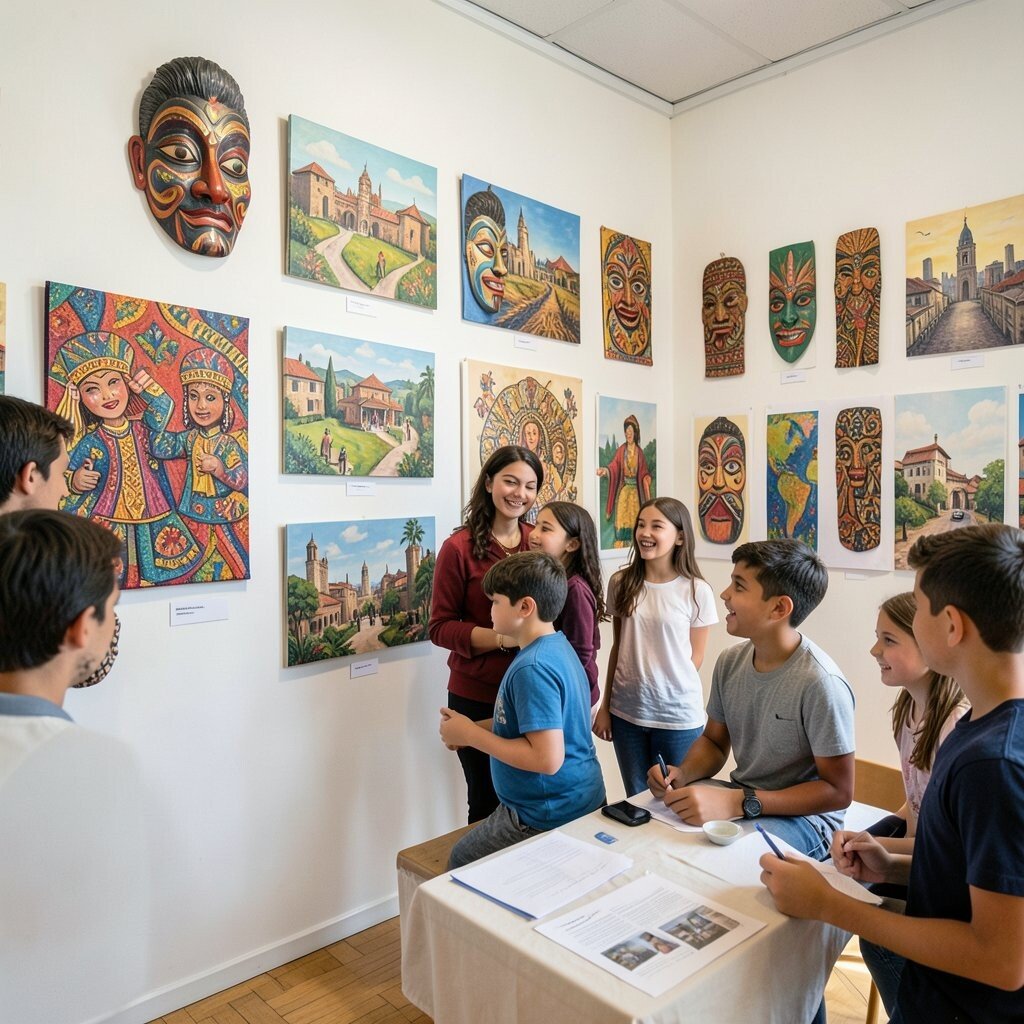
Art from around the world can show styles, patterns, and ideas based on many places and cultures. The display may include masks, textile patterns, folk art, or city scenes from different parts of the globe.
This idea helps students learn about people and art from more than one place. It can also lead to good talks about respect, history, and shared human ideas.
Teachers can let students choose a place that matters to them, such as a family home country or a city they want to learn about. This makes the exhibit more personal and helps the art feel connected to real life.
11. Interactive Student Choice Zone

An interactive student choice zone gives students room to make art in their own way and let viewers take part too. The display can include flip cards, touch-safe texture boards, or spaces where guests vote on favorite pieces.
This idea feels fresh because many schools now like exhibits that ask people to do more than just look. It can make the event feel active and can help visitors spend more time with the art.
Students can help plan the setup, choose the colors, and decide how the labels should look. The cost can stay small if the school uses paper, string, clips, and simple signs, and the final result can still feel lively and special.