Sensory play can help kids use their hands, eyes, ears, and nose in new ways. It can also give them calm time, open space for ideas, and make play feel fresh.
1. Colored Rice Bin
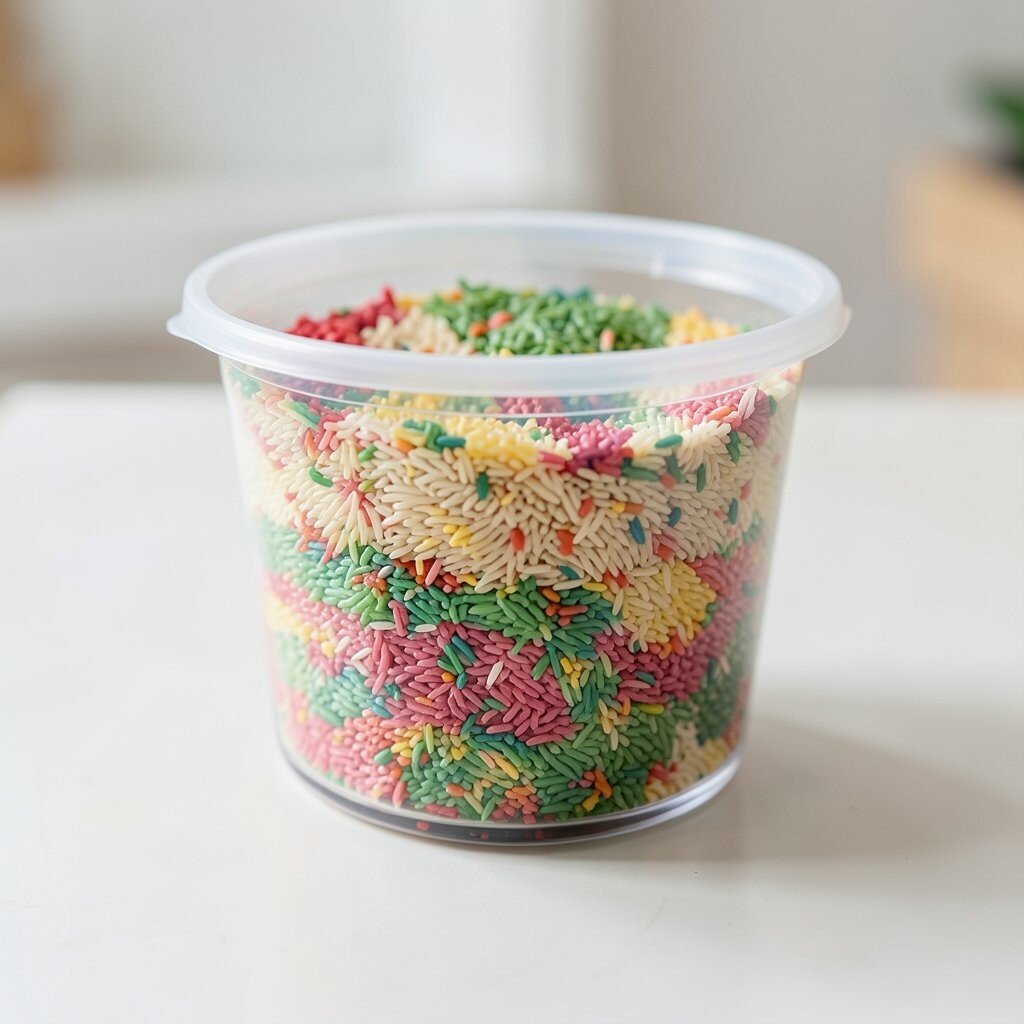
A colored rice bin is simple to set up and easy to enjoy. You can fill a tray or box with dyed rice and add cups, spoons, and small bowls for scooping and pouring.
The bright colors make the bin look neat and fun right away. Kids can sort, mix, and make little patterns, which helps with hand skills and early math ideas.
This play idea is low cost because rice and food dye are cheap. You can also change it to match a theme, like rainbow colors, fall shades, or soft pastels for a calm look.
Try adding toy animals, letter tiles, or measuring cups to make the play feel new. If you want less mess, place a sheet under the bin and keep a small brush close by.
2. Water Table Fun
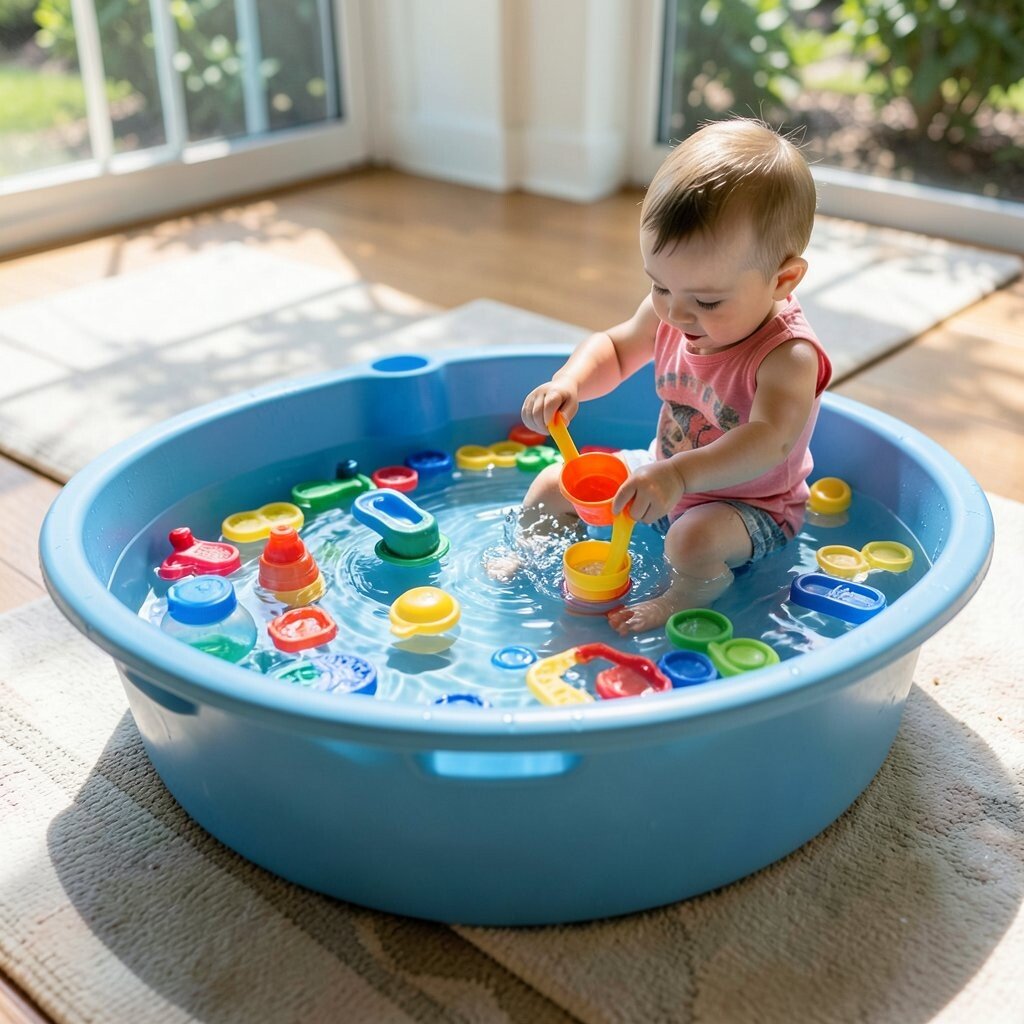
A water table gives kids a cool and clear place to play. They can splash, pour, wash toys, and watch how water moves from one cup to another.
This kind of play is good for focus and fine motor skills. It also helps kids learn about size, weight, and what floats or sinks.
You do not need a fancy table to start. A plastic tub, a basin, or even a shallow storage box can work well and cost very little.
To make it more personal, add toy boats, sponges, or colored ice cubes. Many families like water play because it fits warm days and still feels fresh and new every time.
3. Kinetic Sand Tray
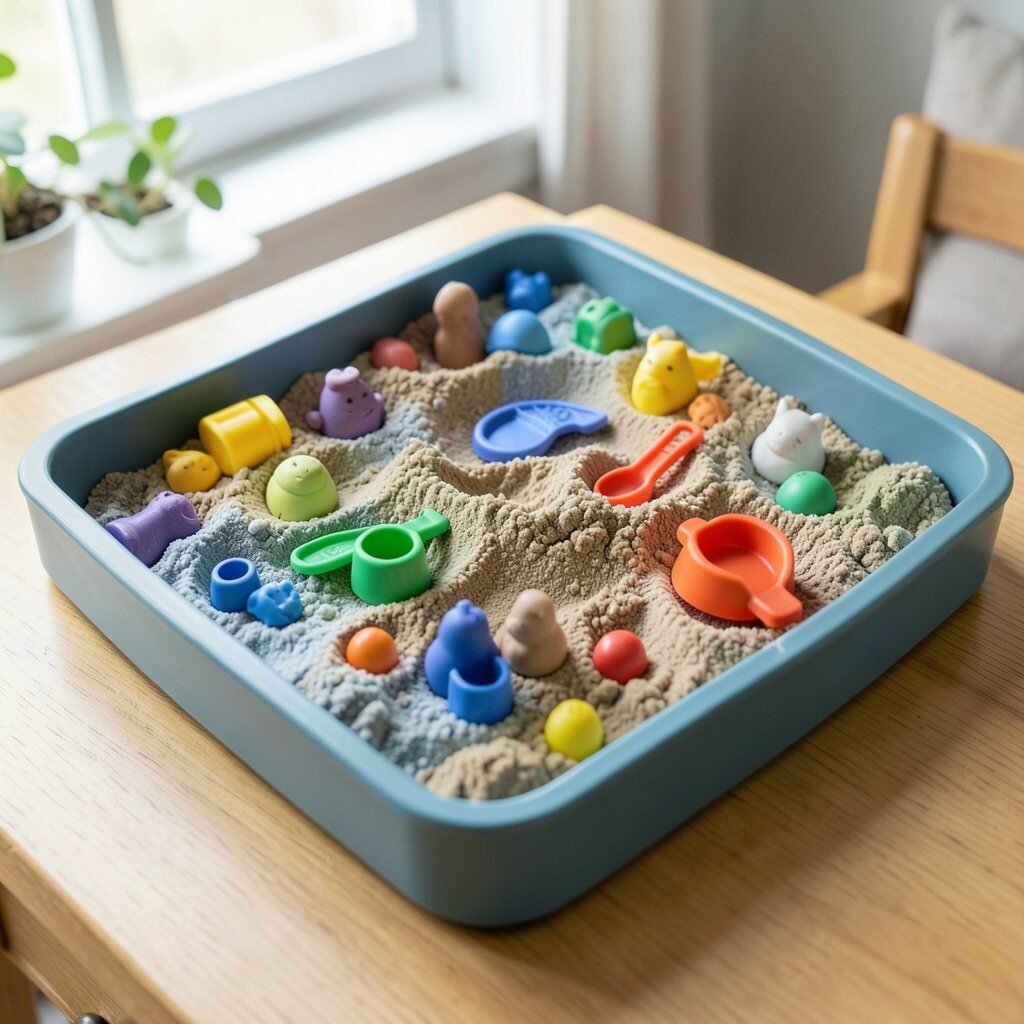
Kinetic sand feels soft, smooth, and a little bit stretchy in the hands. Kids can press it, shape it, cut it, and make small hills or pretend cakes.
This play can help kids calm down after a busy day. It also gives them a safe way to use their hands and build strength in their fingers.
The sand is easy to store and often lasts a long time, which makes it a smart buy. You can find it in many stores, or make a simple sand mix at home if you want to save money.
Add cookie cutters, shells, or small trucks to change the look and feel. Some families now use themed sand trays with sea, space, or garden items because they are fun and easy to switch out.
4. Playdough Kitchen

Playdough is a classic choice that still works well today. Kids can roll it, pinch it, cut it, and press it with tools from the kitchen.
The bright colors and soft feel make it fun to use in many ways. It can help kids build hand control, use their ideas, and make pretend food or shapes.
Homemade playdough is cheap and easy to make with simple items from home. Store-bought dough also works well if you want less prep time and more color choice.
You can make the play more special by adding safe items like rolling pins, stamps, or old forks. A trend many parents like is making playdough kits in small bins so the setup stays neat and ready.
5. Nature Sensory Basket

A nature sensory basket brings the outside world into play. You can fill it with pinecones, leaves, smooth stones, sticks, and seed pods.
This idea gives kids many textures to touch and compare. It can also help them slow down and notice small things like shape, smell, and color.
It costs very little if you gather items from your yard or a safe walk outside. Just make sure all pieces are clean, dry, and safe for the child’s age.
You can change the basket by season or by place, like beach finds or garden items. Many families enjoy this kind of play because it feels simple, natural, and easy to make your own.
6. Foam Soap Bin
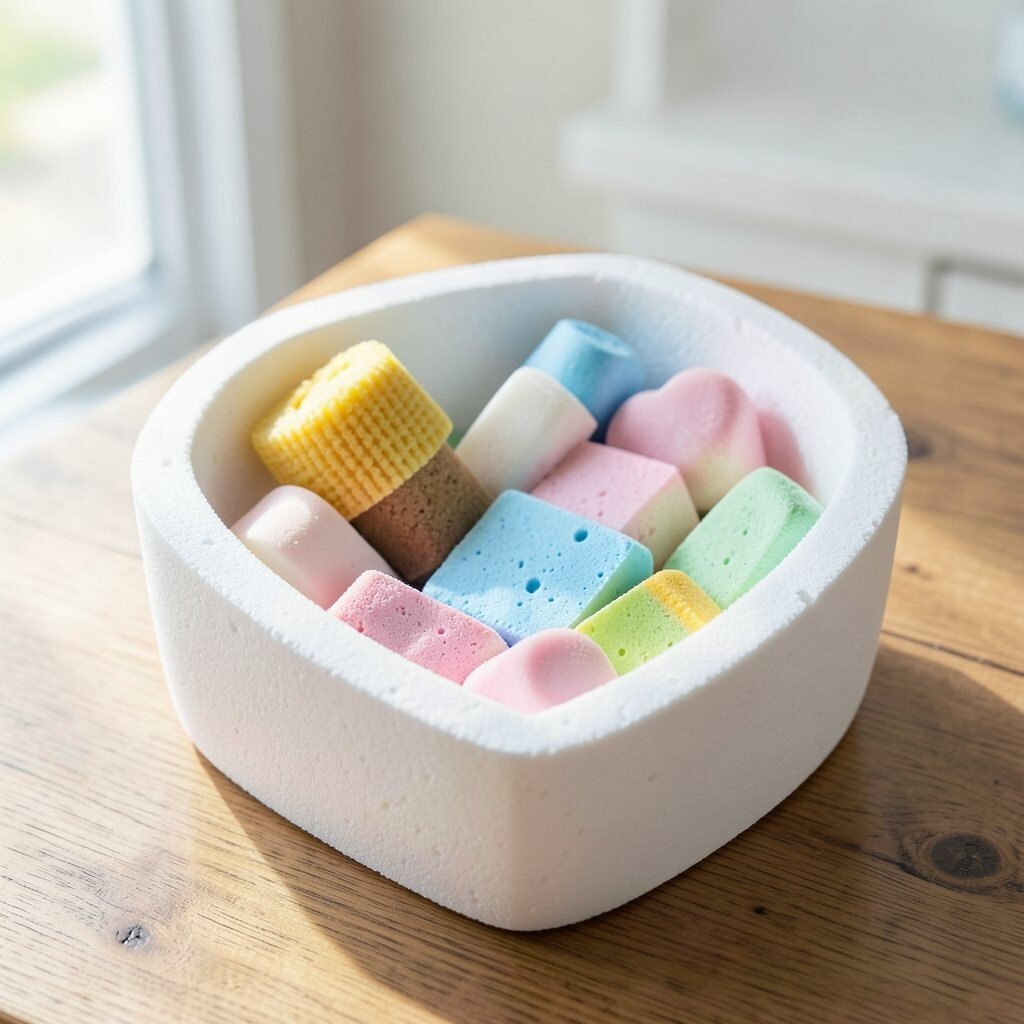
A foam soap bin is soft, light, and full of bubbles. Kids can scoop the foam, spread it on trays, and watch it pile up in fluffy shapes.
This play is good for touch and smell, and it can feel very soothing. It also helps kids use both hands and practice slow, careful movements.
The cost is low because you only need a bit of soap, water, and a bowl or bin. You can use plain soap for a basic setup or add a drop of safe color for a brighter look.
Try adding toy animals, plastic cups, or paintbrushes for more ways to play. Foam play is a trend many parents enjoy because it looks fun in photos and keeps kids busy for a long time.
7. Sensory Bottles
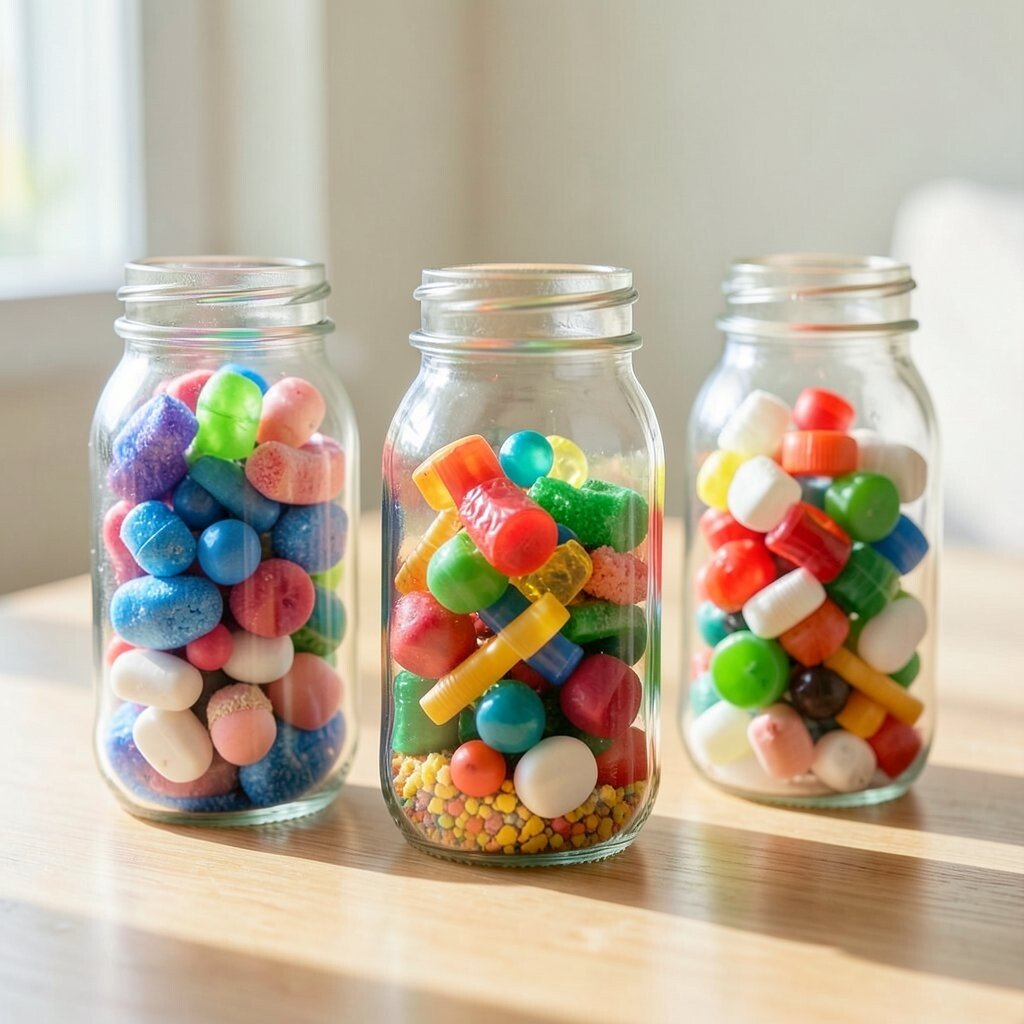
Sensory bottles are clear bottles filled with water, glitter, beads, or small items. Kids can shake them, roll them, and watch the pieces move slowly inside.
They are nice for quiet time because the movement can help kids settle down. The bottles also help with focus since children often stop and watch the shapes float and fall.
These are cheap to make if you use empty bottles and items you already have at home. You can make each bottle different so the child can pick one that fits their mood.
Add color themes, like blue ocean, gold stars, or green leaves, to make them feel personal. Many parents like this simple craft because it is easy to store, easy to clean, and still looks neat on a shelf.
8. Mud Kitchen Play
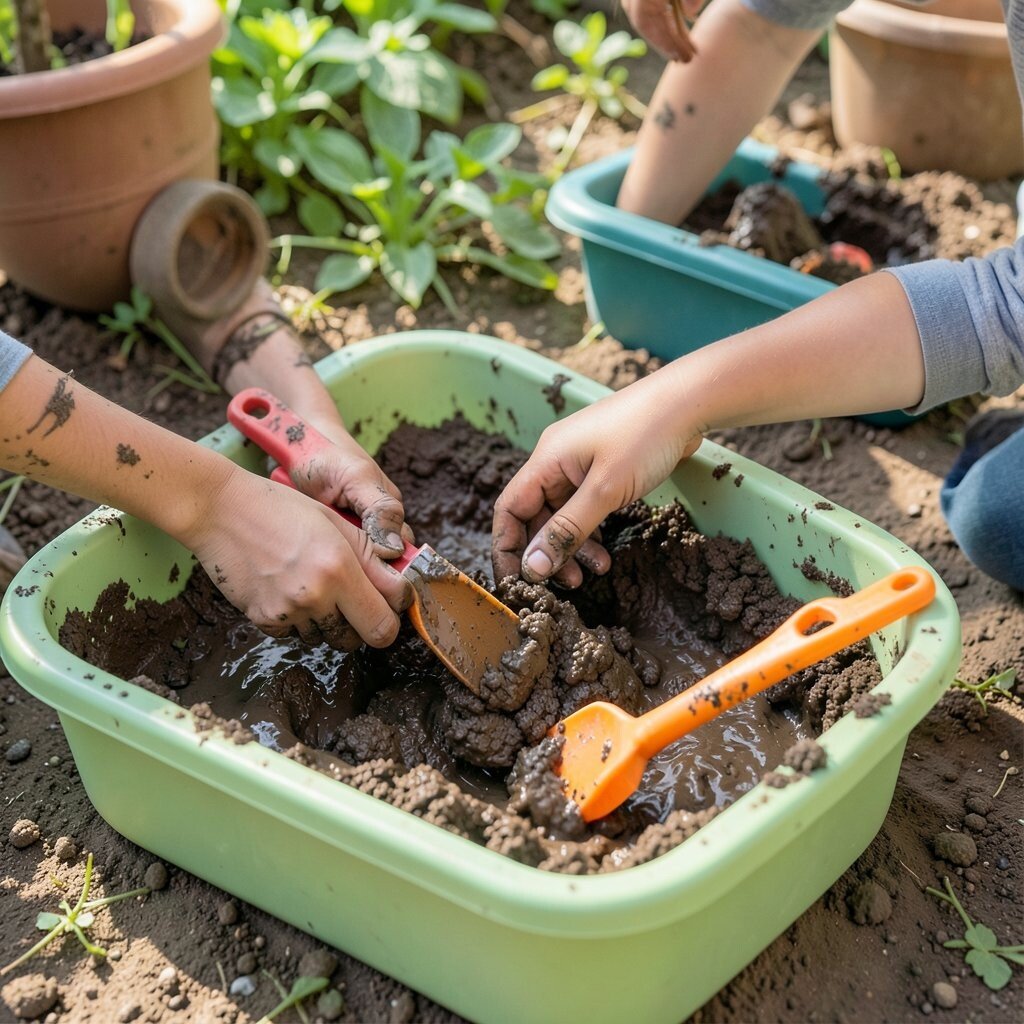
A mud kitchen gives kids a place to mix dirt, water, and natural items. They can stir, pour, make pretend soup, and use old bowls or spoons.
This kind of play feels wild and free, but it also builds real skills. Kids practice teamwork, problem solving, and hand control while they play outside.
You do not need much money to set it up. A few old pans, a table, and some safe outdoor space can be enough to get started.
To make it more fun, add flower petals, grass, rocks, or leaves. Mud kitchens are still popular because they give kids open-ended play that can change every day.
9. Shaving Cream Art
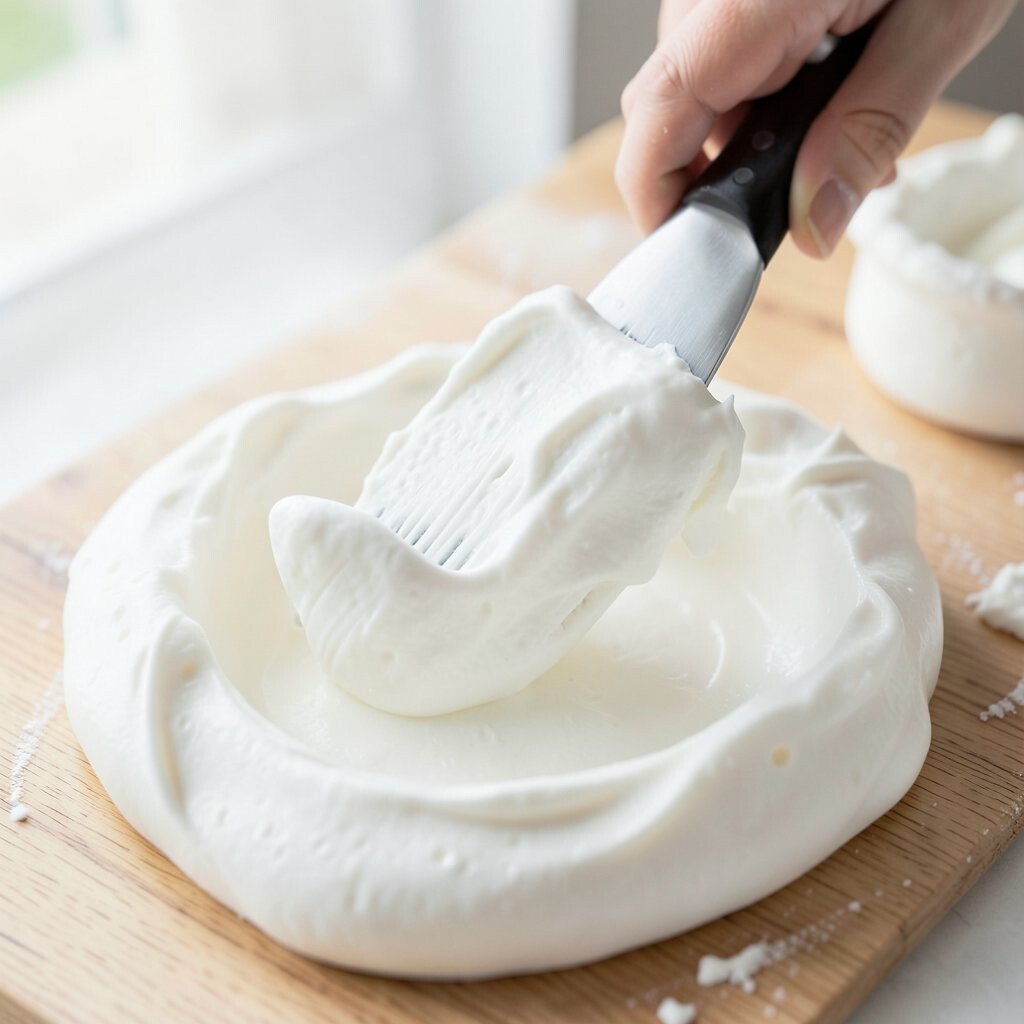
Shaving cream art is messy in a good way and gives kids a soft, cloudy surface to use. They can spread it on a tray and draw lines, swirls, or shapes with their fingers.
The white foam makes bright colors stand out, which looks very nice. This play can help kids with touch, hand movement, and early art skills.
The cost is low if you already have shaving cream at home. You can also use a tray or cookie sheet, so there is no need for special tools.
Try adding food coloring, toy cars, or plastic combs to make new marks in the foam. A lot of families like this trend because it feels fresh, easy, and quick to clean up with water.
10. Sound Shaker Station
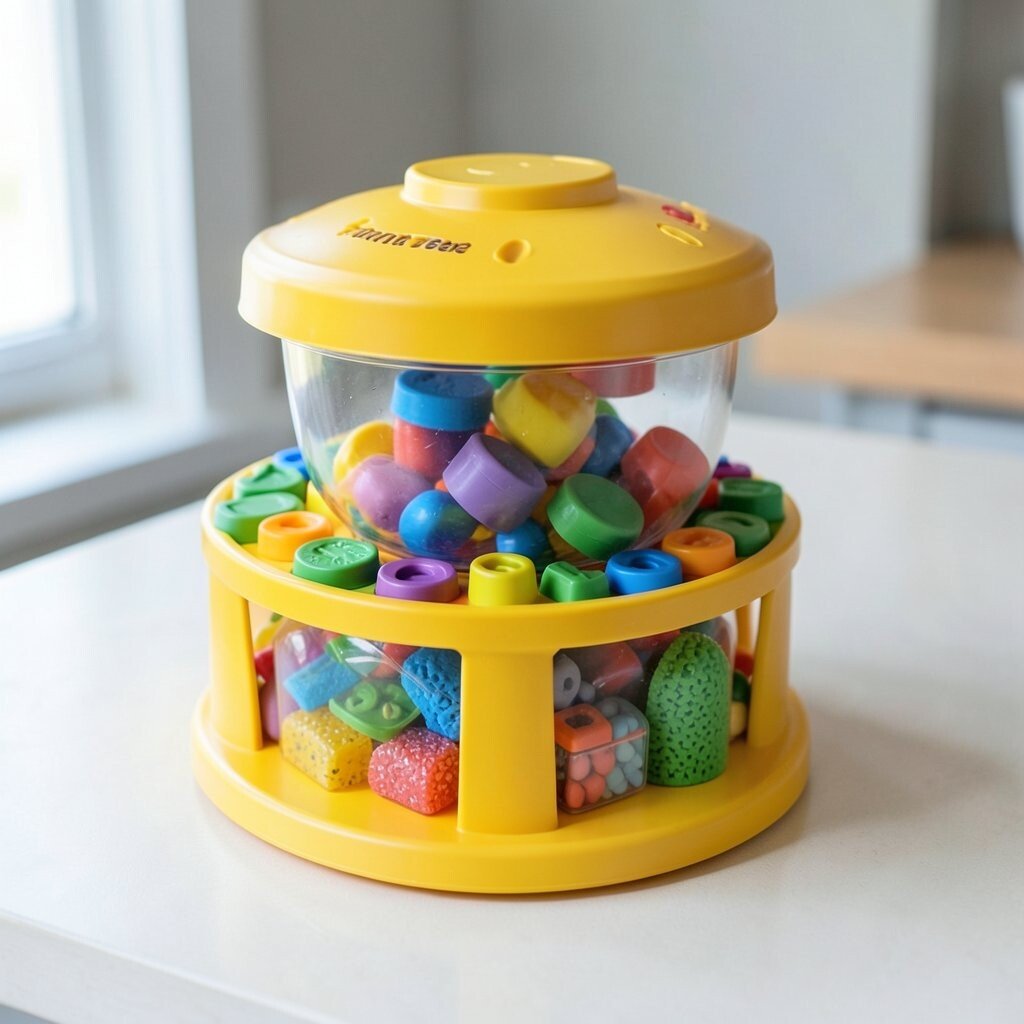
A sound shaker station lets kids make their own music and noise. They can use jars, tubes, or small containers filled with beans, rice, bells, or beads.
This play helps kids hear small sound changes and compare loud and soft sounds. It can also support rhythm, listening, and simple cause and effect learning.
The cost can be very low if you reuse clean containers from home. You can make each shaker sound different, which adds more choice and keeps the play interesting.
Personalize the station with color tape, stickers, or labels for each sound. Many parents like this idea because it fits well with music play trends and gives kids a chance to make their own beat.
11. Texture Path Walk

A texture path walk gives kids a chance to step on many different surfaces. You can use rugs, foam mats, bubble wrap, grass, towels, or cardboard pieces.
This play is great for body awareness and balance. Kids notice how each surface feels, which can help them think about touch in a new way.
You can make a path indoors or outside, so it works in many homes. It does not need much money if you use items you already have, and you can change the path often.
Try making the path match a theme, like a forest trail or a beach walk. This kind of sensory play is popular because it gets kids moving while still using simple materials.
12. Scented Dough and Herbs
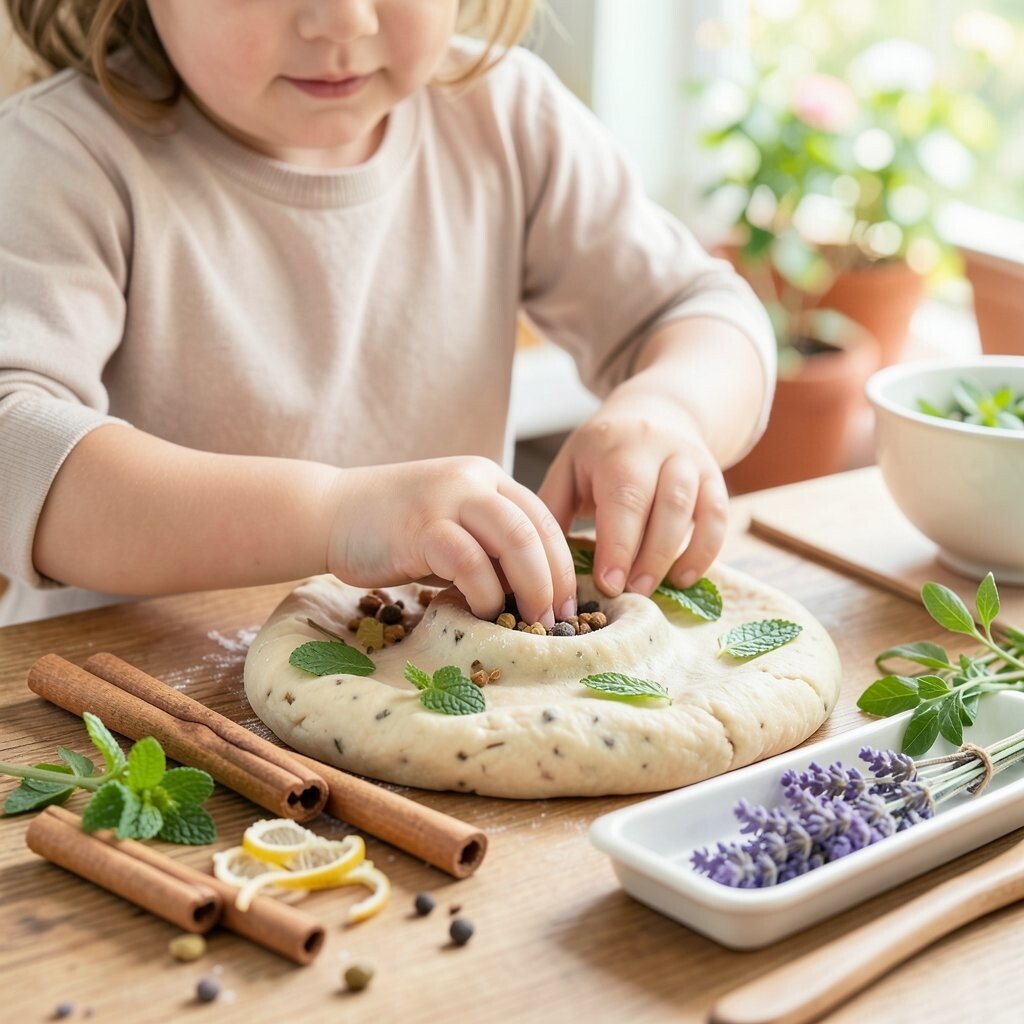
Scented dough and herbs give kids both smell and touch play at the same time. You can add cinnamon, lemon peel, mint, or lavender to dough or to a small play tray.
This idea can help kids slow down and notice smells in a calm way. It also adds a new layer to play because the child can feel, smell, and shape the materials together.
The cost stays low if you use herbs and spices from the kitchen. You can also make the dough in soft colors so it looks nice and feels special.
To make it fit your child, choose scents they already know and enjoy. Many families like this style of play because it feels simple, fresh, and easy to change with the seasons.