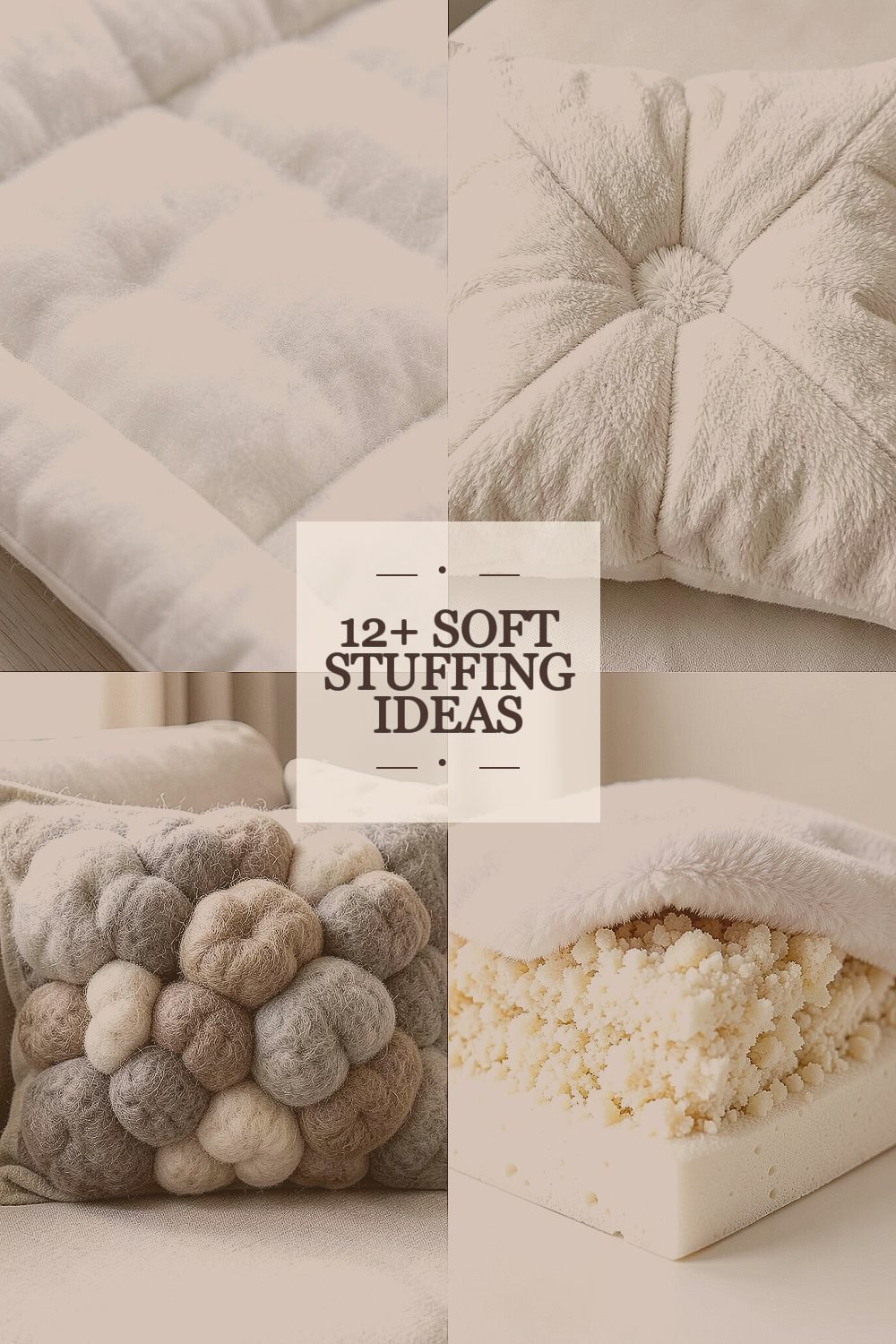
The room feels calmer when your couch or bedding is padded just right. Soft stuffing turns simple fabric into something you actually look forward to touching.
From plush inserts to gentle layers, these ideas help you build comfort that matches your life and your budget.
1. Cloud-Soft Cotton Batting

Spread cotton batting inside cushion covers to get that airy, “pillowy” feel. It looks smooth from a distance and fluffy up close, especially when you gently press the fabric to shape it.
Cotton batting is easy to work with, so you can tailor thickness around the firmness you like. Fluff a little less for supportive cushions or add more for that sink-in comfort that feels cozy on movie nights. If you plan to wash covers, choose batting that stays resilient after laundering.
2. Feather-Feel Microfiber Fill

Microfiber fill mimics a feather-soft texture without the fuss. You’ll notice how the light catches the filling when it’s tucked into seams, creating a gentle, even puff.
This stuffing option helps you get cozy volume while staying budget-friendly. It’s also great for throws and small pillows, because it holds shape pretty well even after regular use.
For personalization, mix microfiber fill with a small amount of denser material in the center so the pillow supports your head. If you’re sensitive to allergens, look for hypoallergenic options and keep covers removable so you can freshen them often. When buying, compare fill weight and packaging size to estimate cost per pillow.
3. Wool Dryer-Style Clusters

Wool-based stuffing brings warmth that feels steady, not scratchy. You can picture it as little cozy clusters that settle into place, giving cushions a snug, cloudlike structure.
Wool naturally helps regulate temperature, which makes it a smart choice for bedding. It also tends to resist flattening, so cushions stay plush for longer when you fluff them occasionally.
Try adding wool in layers so you can control firmness as you go. Add a thin outer layer for softness and put a thicker inner layer where you want support. If you’re watching costs, consider buying raw or carded wool in larger quantities and portion it for multiple projects.
For a modern look, pair wool stuffing with crisp, neutral cover fabrics so the texture reads as intentional comfort. Keep an eye on care instructions, since wool benefits from gentle washing or airing. A well-made wool cushion can feel like a small upgrade to your whole living room.
4. Memory Foam Crumble with a Soft Top Layer

Memory foam crumble creates gentle support with a satisfying bounce. The visual effect is a sculpted, evenly distributed fill that stays put when you press it.
To make it extra cozy, add a soft top layer such as batting or a plush fiber wrap. This reduces any dense feel and gives you that “hug” texture when you sink in.
For practical comfort, use memory foam in bigger pieces for stability, then surround it with softer stuffing to smooth out edges. Keep the cover snug so the crumble doesn’t shift too much. When budgeting, check for foam scraps or unused packaging foam because you can often buy it cheaper than new specialty fill.
5. Knit Scraps for Patchwork Plush
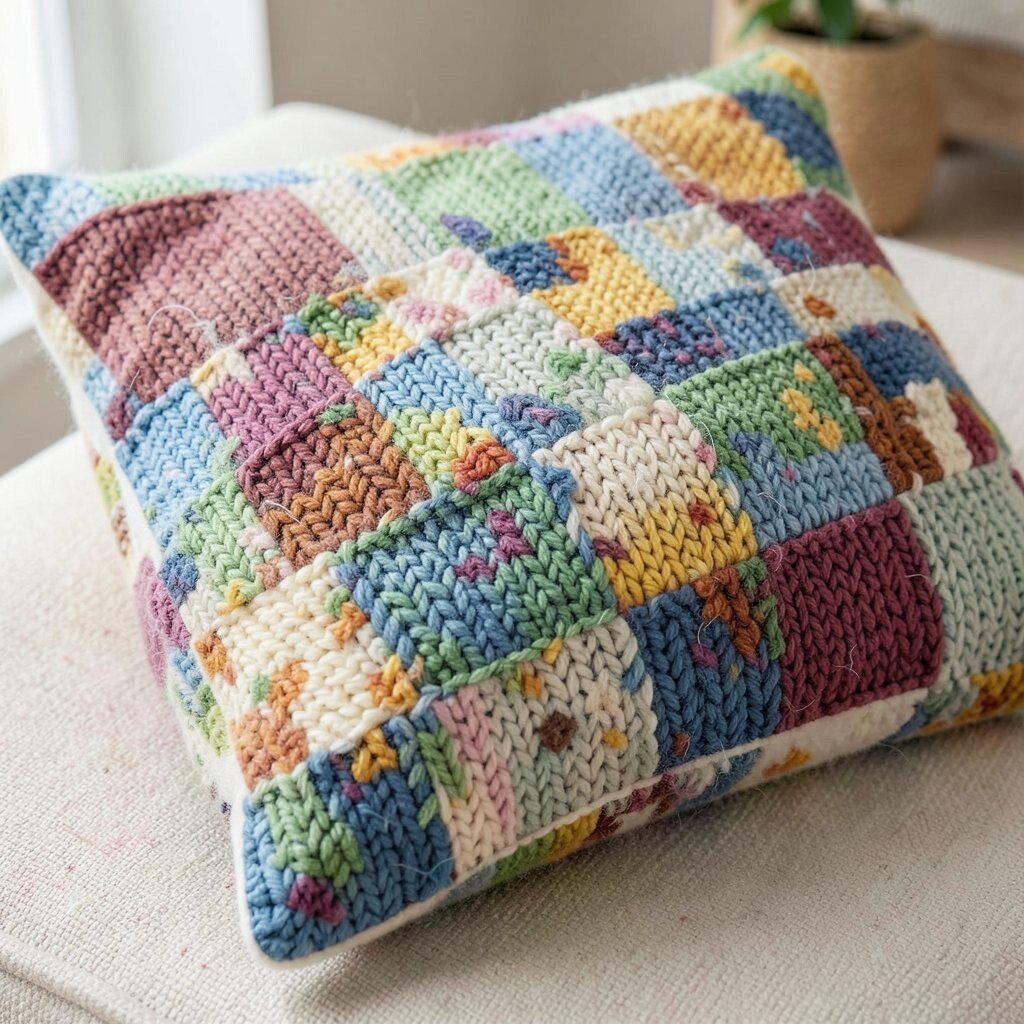
Soft knit scraps, like old sweaters or t-shirt offcuts, make comfort with character. When stuffed and packed, the varied colors create tiny marbled spots that look charming and handmade.
This approach is unique because it turns items you already own into something new. You also get a sustainable angle, which is becoming a popular trend in home crafting and upcycling.
To keep it practical, cut scraps into small pieces so they fill evenly and don’t create lumps. Mix stretch knits with thicker knits so your pillow feels springy but not bulky. For cost considerations, gather clean scraps first, then only buy a few new fabric pieces if you want brighter color variety.
If you want extra softness, wrap the scrap stuffing with a thin layer of batting before placing it into the cover. A removable cover helps when you want to freshen the look quickly.
6. Shredded Foam Wrapped in Fluffy Batting

Shredded foam, when wrapped properly, creates a supportive cushion that still feels soft. You’ll see the fill settle into a clean shape, then fluff slightly at the top for comfort.
This method is helpful for cushions that need structure, like chair pillows that get daily use. Add batting around the foam for a smoother surface so the foam bits never feel rough through fabric.
Personalize the firmness by adjusting how much foam you use in the base versus the outer layer. If you want a boutique feel, add extra stuffing just along the edges for that plush “frame” look. When it comes to costs, you can often find foam scraps from upholstery shops or packaging suppliers, which makes this option surprisingly affordable.
7. Plush Fiberfill with a “Quilted” Channel Layout

Fiberfill that’s packed into quilted channels feels organized and extra cozy. The look is neat and slightly padded, with little lines that resemble a soft quilt.
This stuffing idea is great when you want pillows that keep a shape instead of sagging in the middle. It also makes the pillow easier to distribute evenly, so your comfort stays consistent from the first night to the next.
Try sewing simple channel lines on pillow inserts or using pre-made channel stuffing bags if you want a faster build. For personalization, use more fiberfill in the top channels for head support and less in the corners for lounging. If you’re watching cost, buy fiberfill in bigger bags and portion it across multiple projects, since it stretches further than you’d expect.
8. Silky Kapok for Gentle Fluff

Kapok stuffing is light, fluffy, and surprisingly smooth when it’s settled in. Imagine a downy texture that makes pillows look fuller without getting heavy.
This is a cozy choice for people who like a soft surface with a bit of lift. It also has a naturally springy feel, so the pillow rebounds when you change positions.
To personalize, combine kapok with a small amount of batting so you get both smooth softness and steady loft. Consider using kapok for decorative pillows where you want that elegant “just fluffed” look. For cost, compare pricing by volume because kapok’s loft can make a smaller amount go a long way.
Keep covers tightly woven so the fibers don’t poke through. A neat zipper or snug envelope closure makes it easier to refresh stuffing over time.
9. Cozy Lint-Free Flax Seeds Under a Soft Wrap

Flax-based or seed-filled inserts can bring a warm, cozy feeling when used correctly. You can picture them like tiny, even grains tucked into a gentle sleeve that prevents shifting.
These inserts are great for hand-warmer style pillows and for people who love soothing comfort. They can also add gentle weight, which some folks find calming when they rest their head or shoulders.
For safety and comfort, use a removable inner sleeve and choose lint-free fabrics that hold seeds well. Personalize the weight by using fewer seeds for light support and more for a cozy, comforting feel. If you’re budget-minded, buy flax or seed materials in bulk, then portion them into inserts for multiple uses.
Pair the seed insert with plush outer stuffing so the outside stays soft even if the inside feels more grounded.
10. Faux Down Surround for Classic Softness
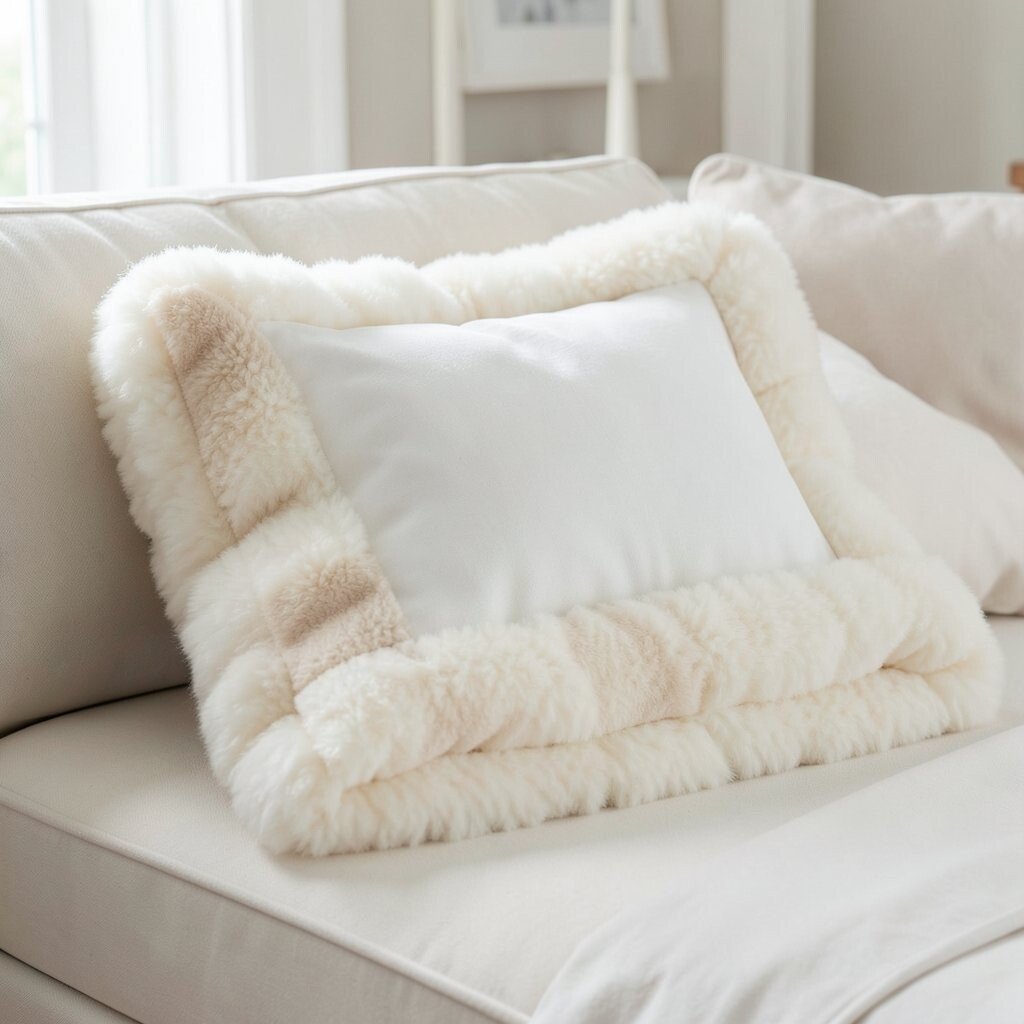
Faux down filling gives that classic, fluffy look people love in store-bought pillows. It forms rounded loft that looks inviting on a bed or sofa, especially in bright cover fabrics.
This option is popular for a reason because it’s usually easy to shape and quick to fluff. It also tends to work well for bed pillows where you want a familiar, comfy feel.
Personalize by mixing faux down with a smaller amount of firmer fiber in the corners to keep your pillow from collapsing. If you like a softer sleeping surface, add more down-like fill and pack less tightly. For cost considerations, look for seasonal sales or multipacks, since pillow inserts often get cheaper when bundled.
Choose a quality cover fabric that can handle repeated fluffing so the fill stays contained and looks tidy.
11. Soft Cotton Tumble Fill from Clean Fabric Portions

Cotton tumble fill made from clean fabric portions is cozy and friendly to the touch. The texture looks like gentle insulation, with a warm, even loft that stays comfortable for everyday lounging.
This can be a great choice for people who want a filling that feels familiar and easy to personalize. Because it’s forgiving, you can adjust the comfort level by adding or removing small amounts.
Try stuffing your covers, then compress the pillow slightly and add a little more around the edges. This helps it hold a nice shape even after it gets sat on or hugged often. For cost, it’s often less expensive than specialty fills, especially if you can source it from craft supply stores in larger bags.
If you want a trend-forward look, pair the fluffy insert with a textured cover like boucle or a soft linen blend. Those combinations make the stuffing feel part of the decor, not just inside it.
12. Thick Flannel or Fleece Rolls as Support Zones

Rolls of flannel or fleece can act like cozy support zones inside a pillow. Visually, the pillow becomes subtly structured, with firmness concentrated where your body needs it.
This stuffing idea is unique because it uses fabric in a way that feels intentional, not random. It also lets you tailor your comfort by deciding exactly where the soft “boost” goes.
For practical results, cut the fabric into thick strips and roll them tightly before placing them into the insert. Put the rolls along the center for head support, then surround them with looser batting for softness around the edges. If you’re saving money, use fleece scraps from older blankets, then only buy matching fabric if you want a specific look.
To personalize the experience, adjust the roll size for different pillows in the same set, like a firm throw pillow and a softer couch cushion. A removable cover will make it easier to tweak later if you change your mind.
13. Layered “Comfort Sandwich” with Removable Insert

A layered comfort sandwich is all about mixing textures in a smart order. Think of it as a plush top, a supportive middle, and a smooth base, so the pillow feels good from every angle.
This approach stands out because you can swap layers over time. If one texture gets too soft or too firm, you can personalize your pillow again instead of starting over.
Build it using a removable inner insert so the project stays practical and washable. Use a soft layer like batting or faux down on the surface, then choose a supportive layer like foam crumble or structured fiber for the middle. For cost considerations, buy the most budget-friendly layer first and invest a bit more in the top layer that you touch the most.
Right now, people are leaning into modular comfort because it’s both cozy and customizable. You can match your stuffing to seasons too, such as lighter layers for warm months and thicker layers for colder nights. Take measurements of your insert size and keep notes, so your next tweak is easy and repeatable.
When the layers are sealed well inside, the pillow looks tidy and stays fluffy longer, giving you comfort that feels built to last.