A tennis ball can be a tiny stage for big imagination. These character challenges help kids move, think, and act with confidence.
Grab a ball, pick a role, and try one fun challenge at a time.
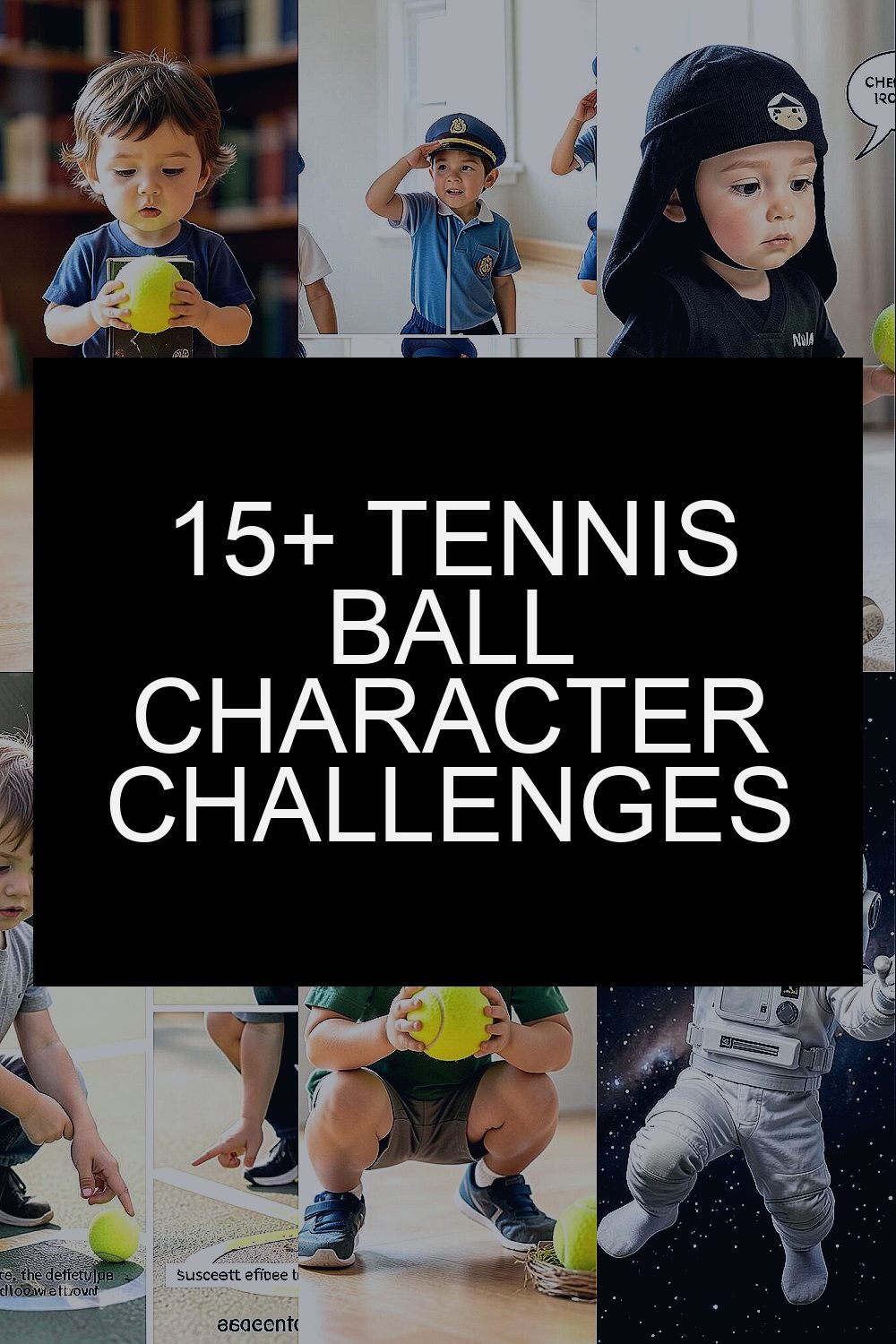
1. The Quiet Library Guardian

Walk slowly while holding a tennis ball close to your chest like a book you must protect. When you stop, freeze your hands and eyes as if you are guarding the calmest corner in the world.
Do three gentle taps on the ground without making loud sounds, then hold your pose for five slow breaths. This builds body control, balance, and focus because your movement has to stay steady. Try using a “speak only with your face” rule so the character feels calm and respectful. If you want extra challenge, make the taps happen only when you hear a pretend bell from the library tower.
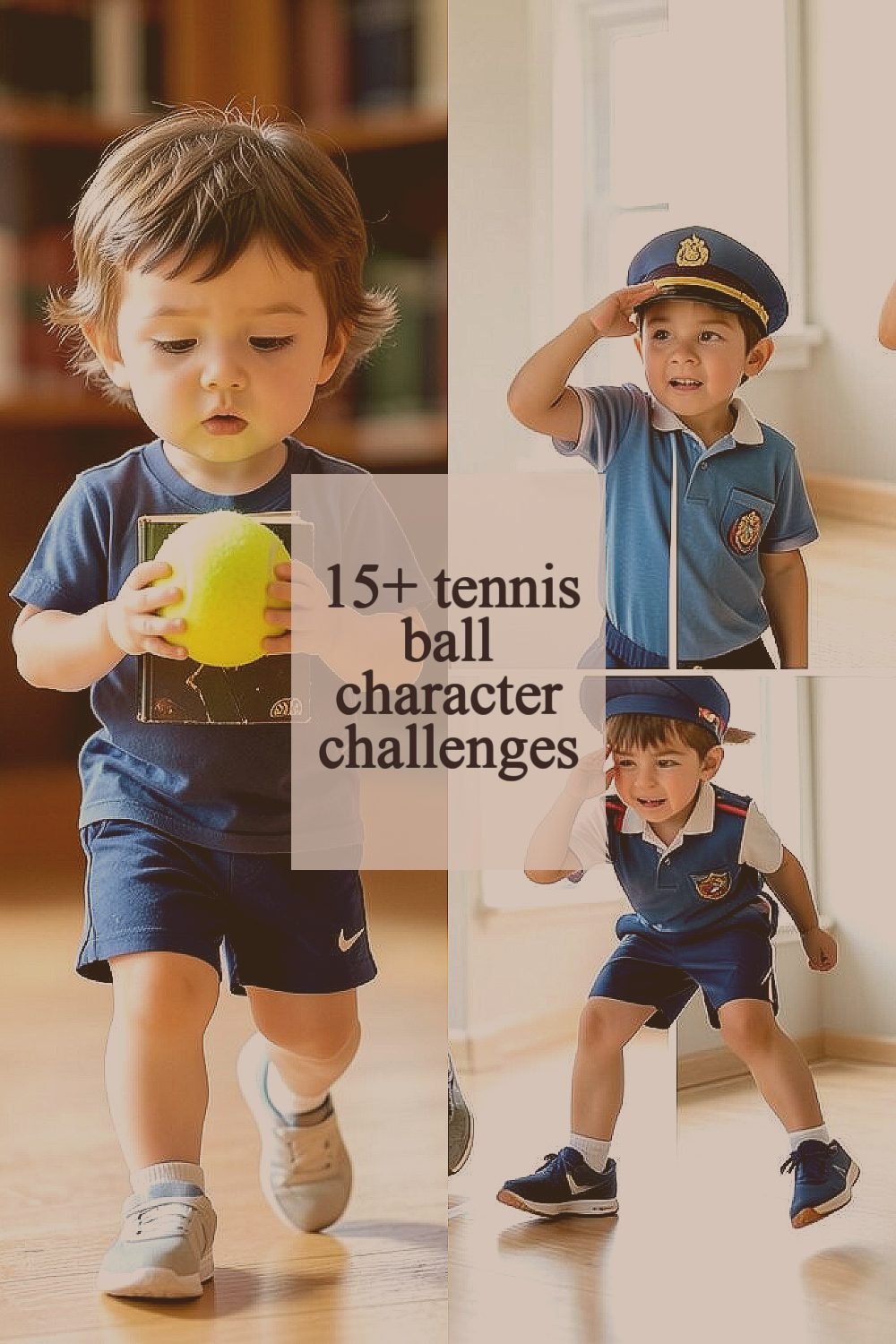
2. Captain Bounce and Salute
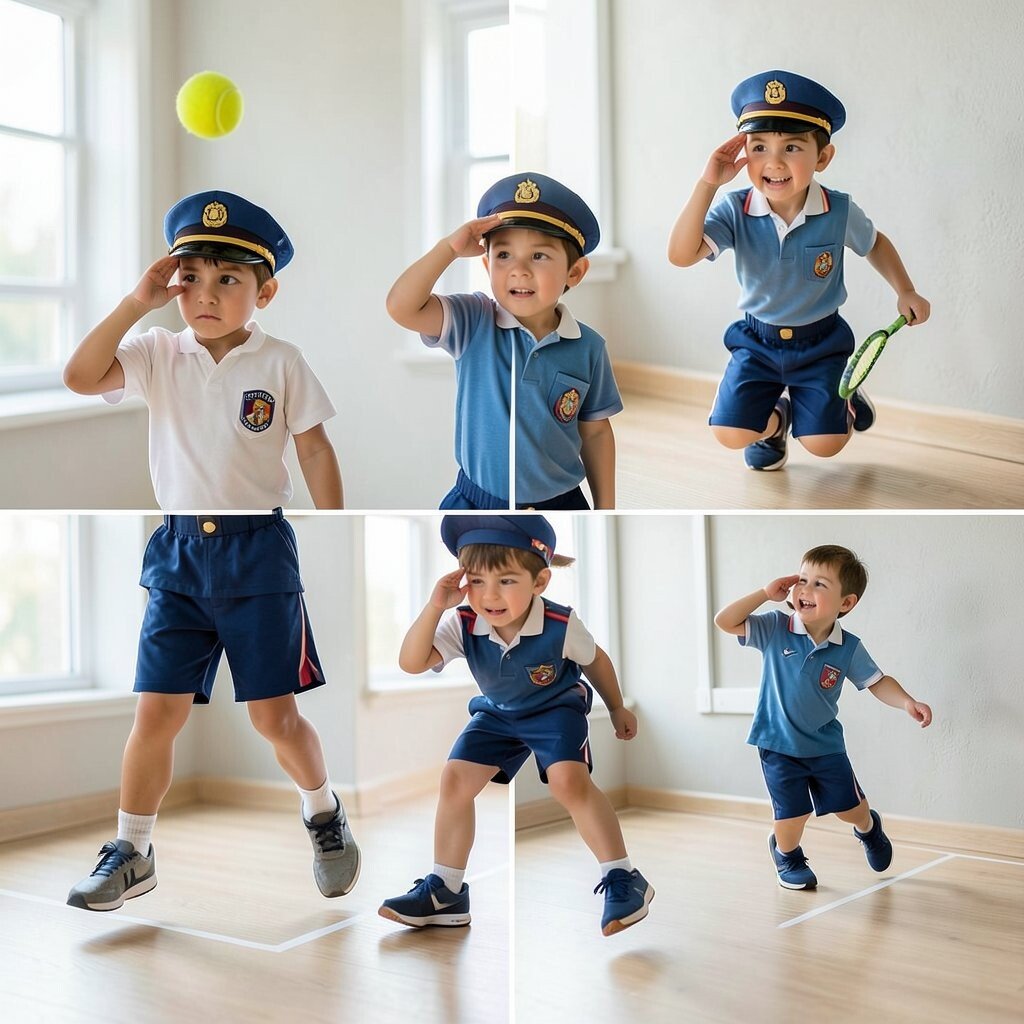
Become a brave captain who communicates with bouncy jumps and careful salutes. Toss the tennis ball up, catch it, and salute each time like a ship is docking in perfect safety.
After each catch, face forward and do a short “captain walk” across your space. Try changing the captain’s mood by switching between slow, serious steps and fast, excited steps, and let your voice be your ship’s radio. Your reaction time improves, and your coordination gets stronger because catching happens at many angles. Keep a small boundary line on the floor so you can “steer” without running into furniture.
For personalization, choose a captain name and a flag color, like Captain Mango or Captain Galaxy. If you have limited space, do the jump-catch near a wall and step back safely between attempts. Tennis balls are low cost, and they’re easy to replace, so this character game fits busy households and small apartments.
3. Ninja Breadmaker Who Never Drops
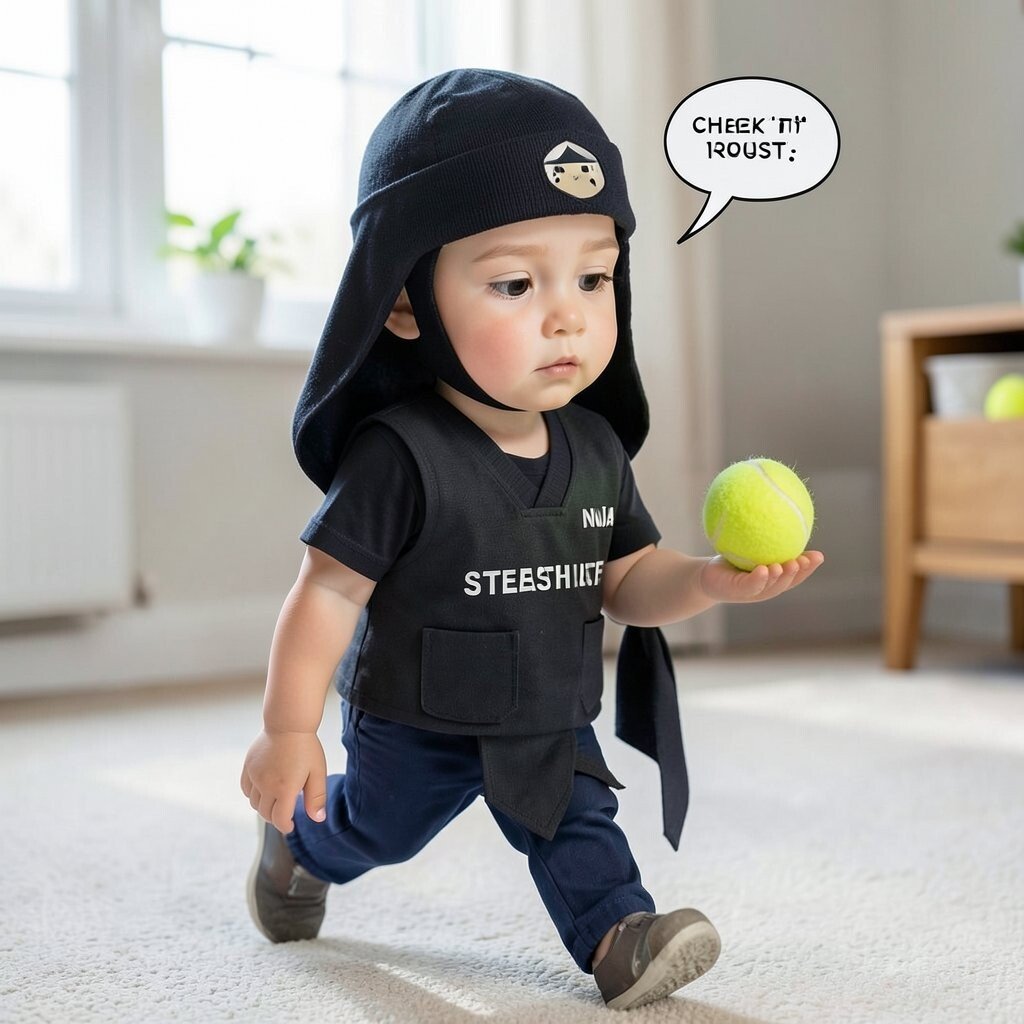
Put on imaginary ninja gear and say your secret mission like a chef planning a perfect batch. Balance the tennis ball on a flat hand while you walk slowly, like you are carrying warm bread that can’t fall.
If it drops, start again and try a new “stealth route” by walking in a zigzag path. Practice gentle tosses from low to high so your catches feel controlled. This challenge strengthens hand-eye coordination and teaches patience because you retry until your timing improves. Add personality by pretending the ball is a dough ball that needs careful warmth and slow movement.
To make it more unique, add a pretend timer and “check the crust” by tapping the ball lightly before each step. For cost, you can keep it simple with just the ball, but you can also use a small bowl as the “oven” where you set the ball down. Use a soft mat or carpet so a dropped ball doesn’t bounce too far.
Try matching your breathing to the character, breathing in quietly like a ninja and exhaling like a friendly baker.
4. Detective Spot-the-Truth Toss

Play detective by aiming the tennis ball at a target and then acting like you found a clue. Choose a simple target like a bucket, laundry basket, or taped circle on the floor and throw gently like you’re testing evidence.
After each throw, pause and “investigate” by crouching and pointing to where the ball landed. This helps kids practice accuracy, calm thinking, and careful decision-making because they must adjust their aim. For a twist, make a rule that “the detective never rushes,” so every throw happens after a count of slow steps. Kids can personalize the case by naming the mystery and picking a “suspect” character that they accuse only after a perfect hit.
5. Dragon Egg Protector

Hold the tennis ball like it is a fragile dragon egg and protect it with both hands. Take tiny steps around your space while keeping the ball centered and steady, like you are guarding against sudden wind.
When you hear your “thunder,” do a slow crouch and roll the ball a short distance to a safe spot. This develops core strength and coordination while also building emotional control because the character reacts instead of panicking. Add uniqueness by making the dragon egg warmer or colder by changing how you move, like slow protect-and-pat for “warm” and careful stillness for “cold.”
To personalize, draw a small “nest” with tape and decide where the egg must rest each round. Tennis balls are inexpensive, so kids can practice many rounds without worrying about using up a rare item. If you want a trend-friendly option, try recording a quick “protecting nest” clip and let your child make dragon sounds for the video.
6. Astronaut Starcatcher

Pretend you are in space and move carefully like every step is floating in slow gravity. Gently toss the tennis ball upward and catch it with one hand, then switch hands like you’re changing tools.
After catches, freeze in a space pose and point at the “stars” around you. This helps improve tracking skills and builds confidence because the catches create small wins. Use personalization by assigning your astronaut a mission, like “collect the moon dust” or “deliver a message to Earth.” If space is tight, do a short throw that stays above knee height and catch near your body to stay safe.
Consider using a lightweight glove or a soft sock as a catch helper if your kid needs extra confidence. Tennis balls are easy to store, and you can rotate multiple balls for longer sessions without extra cost.
7. Pirate Map Marker

Become a pirate who marks treasure locations with the tennis ball. Place several small items on the floor like stones or paper squares, then toss the ball toward each mark and “claim” it with a triumphant stance.
Instead of throwing hard, focus on smooth arcs and steady aim. This supports coordination, strength in controlled motions, and patience because you want each toss to land just right. Make the treasure story personal by naming the map, like the “Captain Seaweed Chart,” and describing what each marked spot means. If you have multiple rooms to use, let your child pick a “treasure island” area each day to keep interest high.
8. Robot Rhythm Reboot
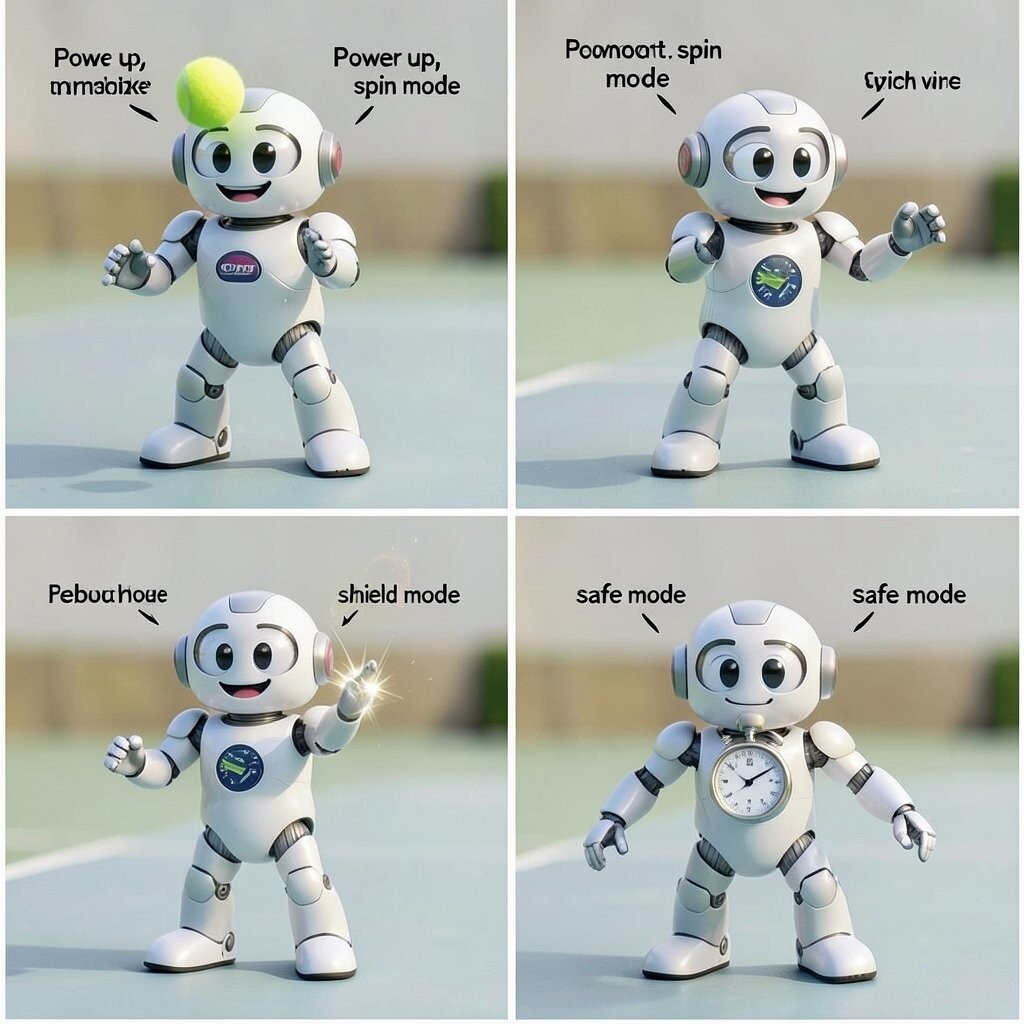
Act like a friendly robot that repeats the same move but with different levels of power. Toss the tennis ball up, clap once, catch it, and then do a small “reboot wiggle” by shaking your arms in place.
Try changing the rhythm by clapping faster or slower, and keep your feet planted so you learn balance. This challenge improves timing, coordination, and listening skills because you match the beat you create. For uniqueness, invent robot phrases like “Power up, spin mode” and let your child decide the robot’s emotion. If you want to cut cost, a single ball is enough, but adding a stopwatch on a phone can make it feel like a real mission.
Personalize the difficulty by using different catch styles, like catching against your chest for “shield mode” or catching with a two-hand scoop for “safe mode.”
9. Fairy Door Knockrunner

Imagine each corner of your room is a fairy house with a tiny door. Roll the tennis ball gently toward the “door,” then walk to the ball and do a polite two-finger knock pose.
Keep the rolls short and soft so the fairy doors feel safe and welcoming. This trains hand control, directional thinking, and gentle strength in the arms. Kids love personalization here, so let them decide which fairy lives at each door and what magical sound they make. If the ball rolls too far, use a rug or place a towel as a “road” to help it glide more predictably.
For cost, you can use only tape for the doors, and that’s free. This kind of imaginative movement also matches what many kids enjoy right now, mixing story play with physical skills to keep sessions exciting.
10. Superhero Suit Tightener Relay
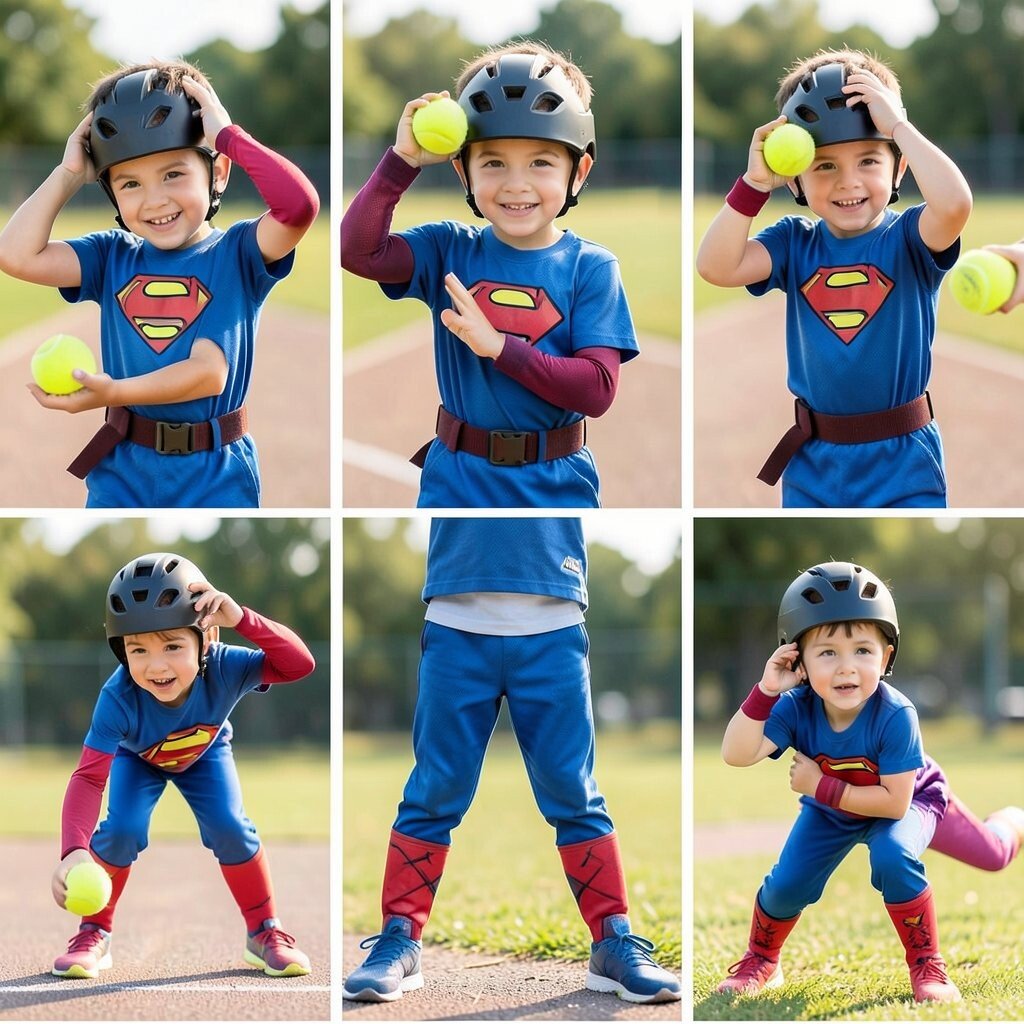
Turn the tennis ball into a “power core” that helps your superhero feel ready. Put one hand on your head like you’re tightening a helmet, then toss the ball gently to the other hand and repeat.
Keep moving in a relay rhythm by doing three tosses, then a superhero pose with arms crossed. This builds coordination and shoulder control while also encouraging kids to think about sequence and timing. Personalize your superhero by choosing a special power, like “bubble breath” or “speed boots,” and add a matching pose after each successful catch. For practical tips, start with longer pauses if your child gets frustrated, because calm practice helps learning stick.
Cost is simple here since one tennis ball can run many rounds, and the energy comes from storytelling. If you want variety without extra gear, use different speeds and distances to change the challenge.
11. Chef’s Mystery Spice Toss
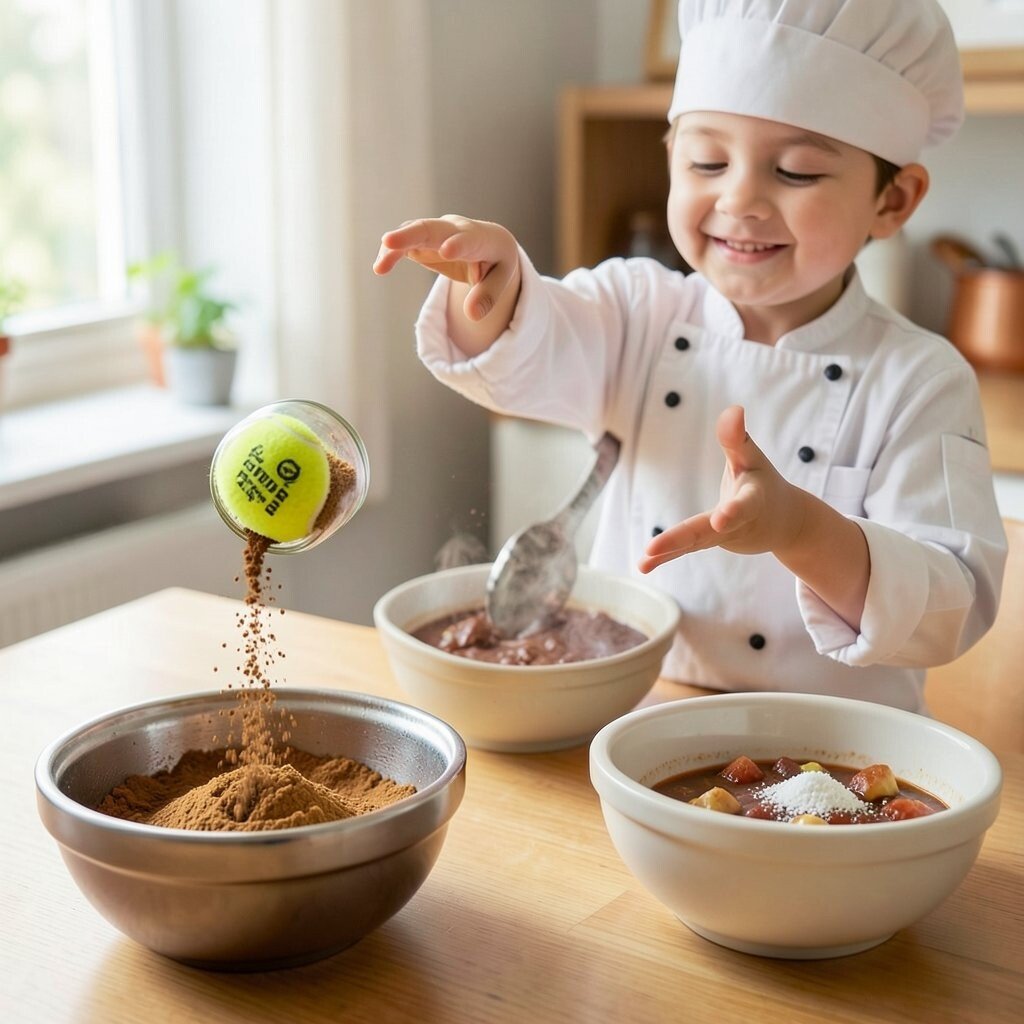
Picture the tennis ball as a jar of rare spice you must sprinkle into the right pot. Set two or three bowls or containers at different spots, then toss the ball toward each one while pretending to measure ingredients.
After a hit, do a “chef stir” by circling your hands slowly in front of your body. This strengthens throwing accuracy, focus, and decision-making because you choose where the spice should go. Make it unique by having a “spice chart” inside your imagination, like cinnamon for warm cocoa and pepper for dragon stew. Kids can personalize by choosing their favorite food theme each day, which makes the challenge feel fresh and fun.
12. King or Queen’s Castle Guard March

Be a royal guard who marches in place while holding the tennis ball like a precious crown jewel. Walk forward with tiny steps, then stop and lift the ball overhead for a brave royal stance.
As you move, alternate between straight-line steps and careful sideways steps. This improves balance and coordination while also giving kids a strong posture practice. For uniqueness, add a “castle rule” where the guard must say one kind word before each throw or roll, like “good job” or “nice try.” That turns movement into a confidence boost and keeps the mood positive.
To keep it practical, clear a safe path and use carpet if the ball might bounce too hard. Tennis balls are affordable, and the challenge uses common home items, so it’s easy to repeat on busy days.
13. Court Jester Surprise Trick
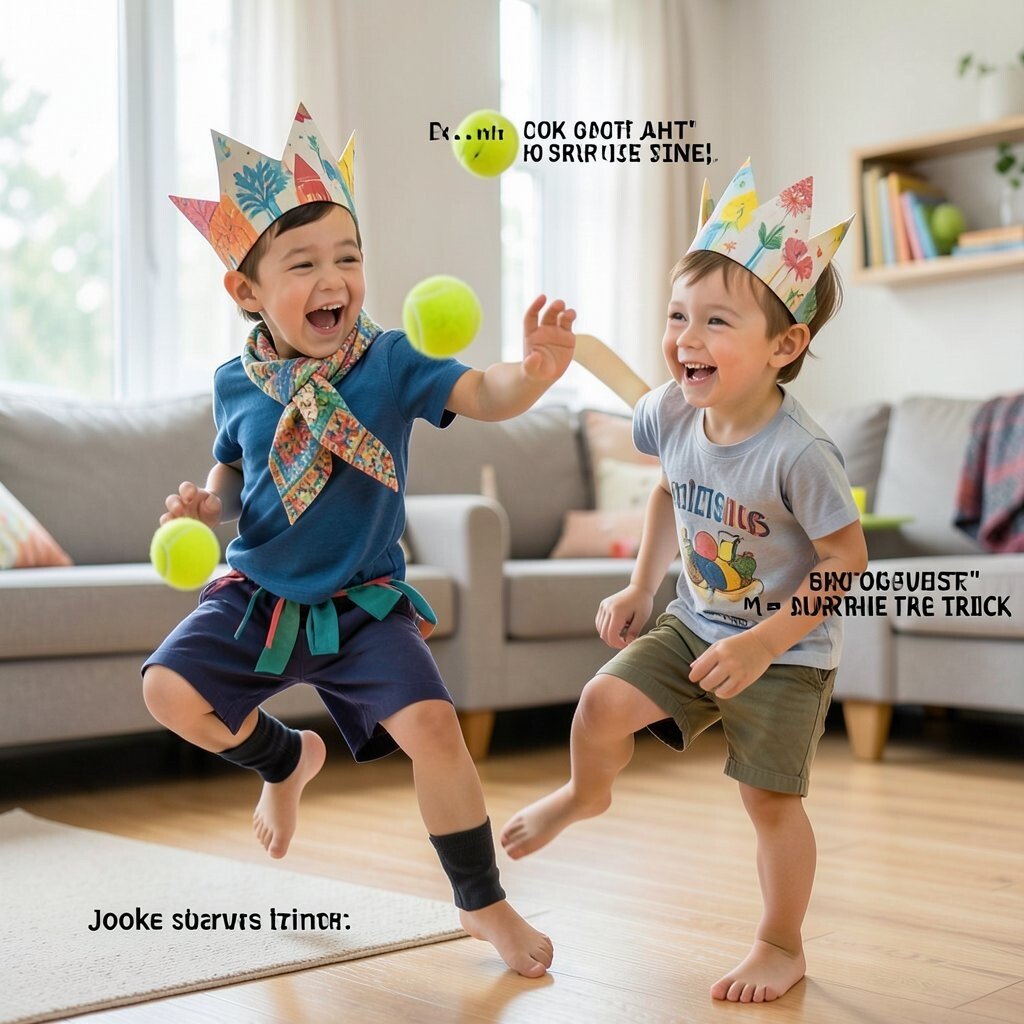
Act like a playful jester who makes people laugh with silly moves. Toss the tennis ball, spin around once, and catch it again if it’s safe and your space allows.
If spinning is tricky, try a gentler trick by doing a toe tap or a small knee bend before catching. This challenge builds coordination and flexibility because your body learns to adjust mid-motion. Personalize the jester by choosing a color theme and a silly “joke line” you say each time you catch, like a dramatic bow and a goofy voice. For cost considerations, you don’t need extra props, but a cheap scarf or paper crown can make the role feel special.
This also fits current trends in many play spaces where kids love mixing performance with movement, like mini skits that happen right in the living room. Keep it light and celebrate effort, because even near-misses are part of learning.
14. Mountain Climber Peak Push

Pretend you are hiking to a mountaintop with the tennis ball as your “summit stone.” Place the ball at your feet, then push it forward with your hand in slow, controlled movements like you’re climbing over gentle rocks.
After it reaches a target spot, do a “peak pose” by stretching your arms up and standing tall. This improves hand control, timing, and calm focus, especially because you push instead of slam. Make it unique by adding pretend landmarks, like “pine forest,” “snow bridge,” and “windy ridge,” and have your child act out each part as the ball travels.
To personalize, change the target shape by using circles, squares, or a hallway doorway, so kids practice different distances. For practical tips, use a smooth floor for easier rolling or a mat for safer catching. Tennis balls are cheap, so kids can try again and again without worrying about breaking anything.
15. Underwater Messenger Bubble Pass

Imagine you are underwater sending messages through bubble signals. Toss the tennis ball gently upward as a “bubble,” then catch it before it drifts too far, like a messenger working between corals.
For a friendly challenge, pass the ball back and forth with a parent or sibling using short tosses and a soft voice. This builds coordination and teamwork while teaching kids to respect timing and space. Personalize the underwater world with characters like a turtle courier or a clownfish translator, and match your actions to the character’s personality. If your kid gets nervous about catching, start with rolling passes across the floor to reduce surprise bounces.
Cost stays low because tennis balls are inexpensive and easy to find. If you want to add a current trend vibe, try doing the passes to a favorite song’s beat so the bubbles “dance” in rhythm.
16. Time Traveler Gear Switch

Act like a time traveler switching gears in different eras using the tennis ball. Start by holding the ball near your shoulder, then toss it gently and catch it while doing a “gear shift” motion with your free hand.
Change the era by changing how you move, like stomping in the “old space” version and tiptoeing in the “future garden” version. This builds coordination, spatial awareness, and body control because each gear switch changes the timing of the throw. Personalize the story by choosing an era theme and imagining what the tennis ball is carrying, like a map, a crystal, or a message tablet. For practical tips, keep throws low and close at first, then slowly increase height only if catches feel safe and confident.
Because tennis balls cost very little, kids can repeat this challenge many times to master each gear. If you have more than one ball, you can rotate roles and keep energy high without needing extra supplies.
Celebrate creativity and keep the mood playful, since the best time-travel happens when everyone feels brave enough to try.