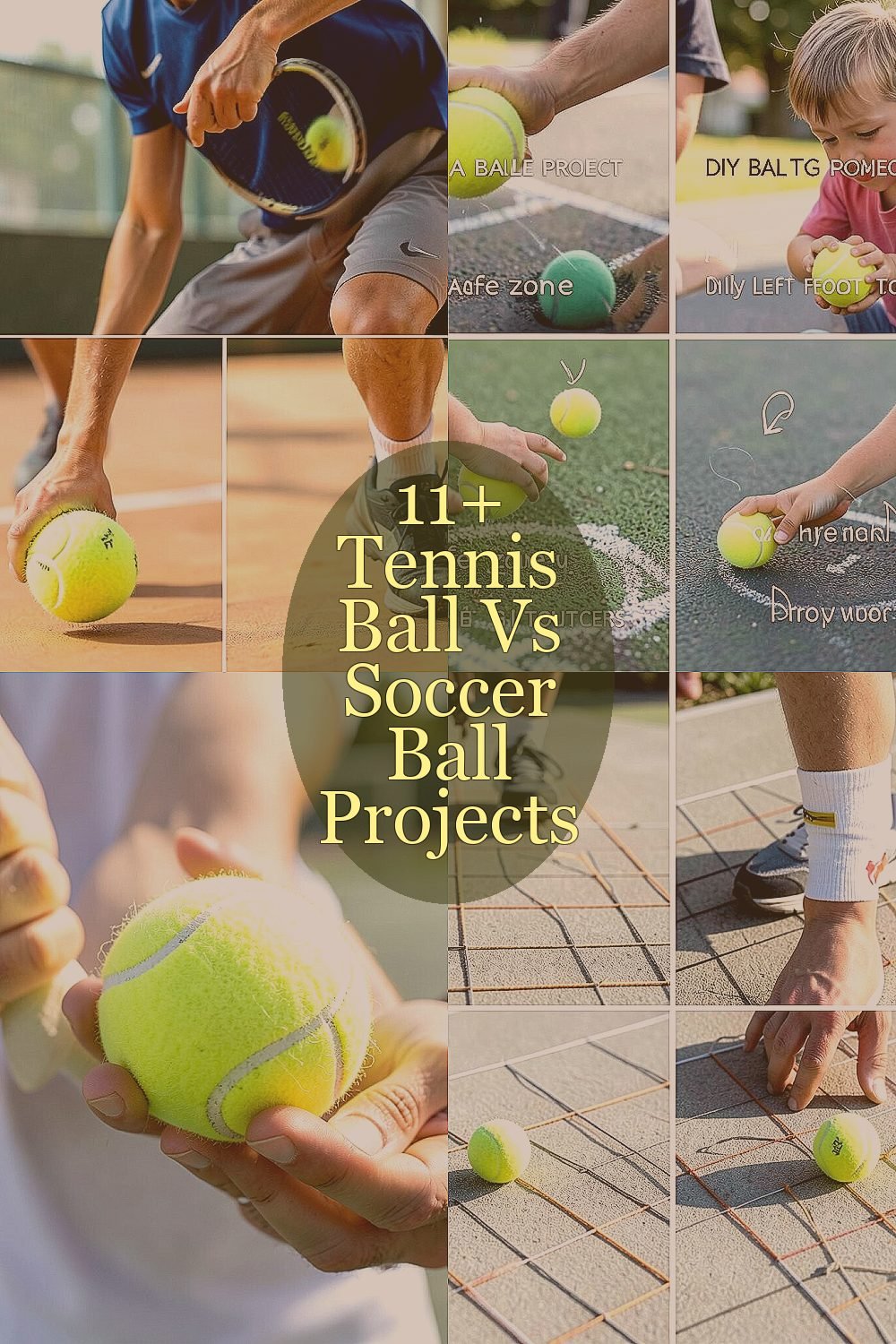
A small ball can turn into a big plan for your hands and your feet. Today you’ll get plenty of fresh, practical project ideas that actually feel fun.
1. The Sound-Matching Ball Drill
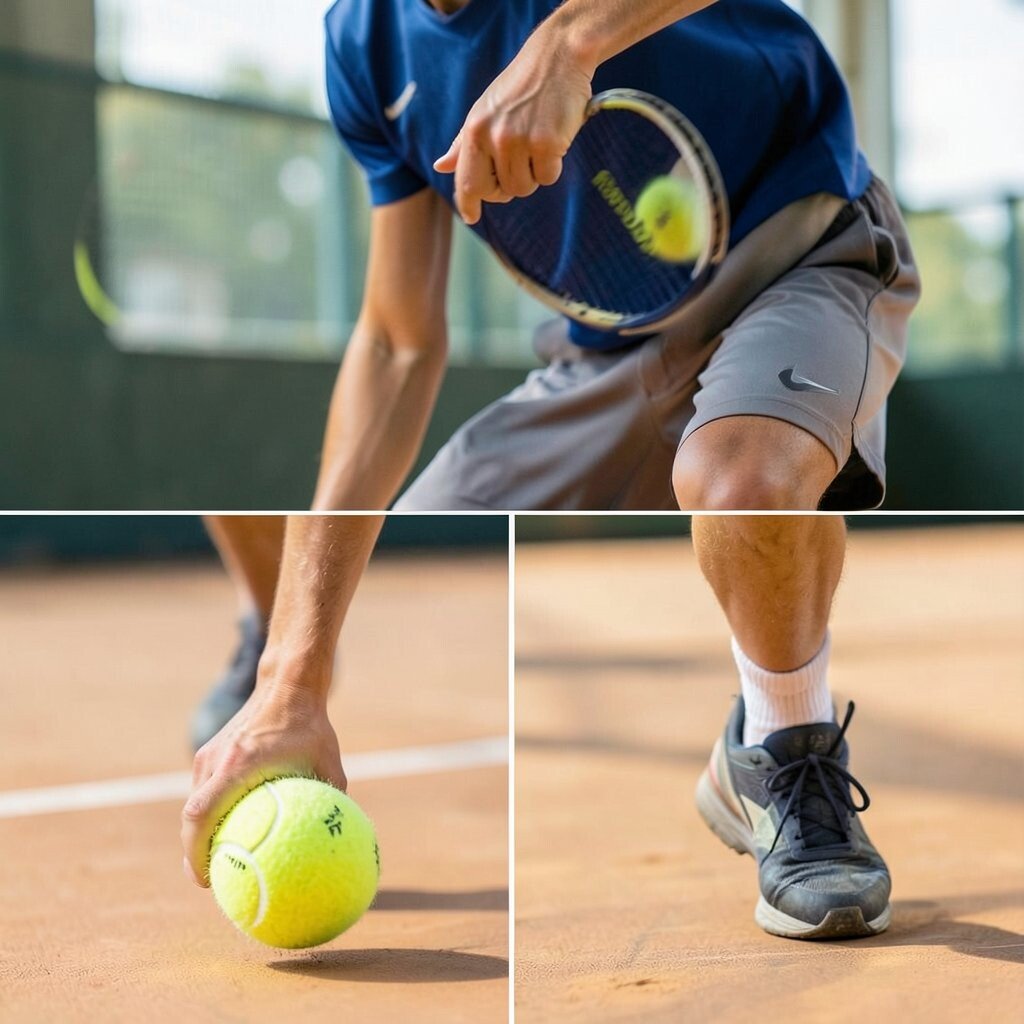
Grab a tennis ball and a smartphone app that measures simple beats or tones. Practice tapping the ball against the floor until your rhythm matches what you hear.
The visual part is satisfying because the ball bounces in a steady pattern, like it’s keeping time for you. This helps coordination and timing in a way that carries over to sports like tennis and soccer.
For the tennis side, lightly bounce the ball and try different tempos while keeping your shoulders relaxed. If you want a soccer-ball version, tap the ball with the inside of your foot in short, controlled touches, then match the rhythm. Personalize it by choosing songs with clear beats and setting one goal tempo for each practice session.
2. DIY Ball Tag Game For Quick Reactions
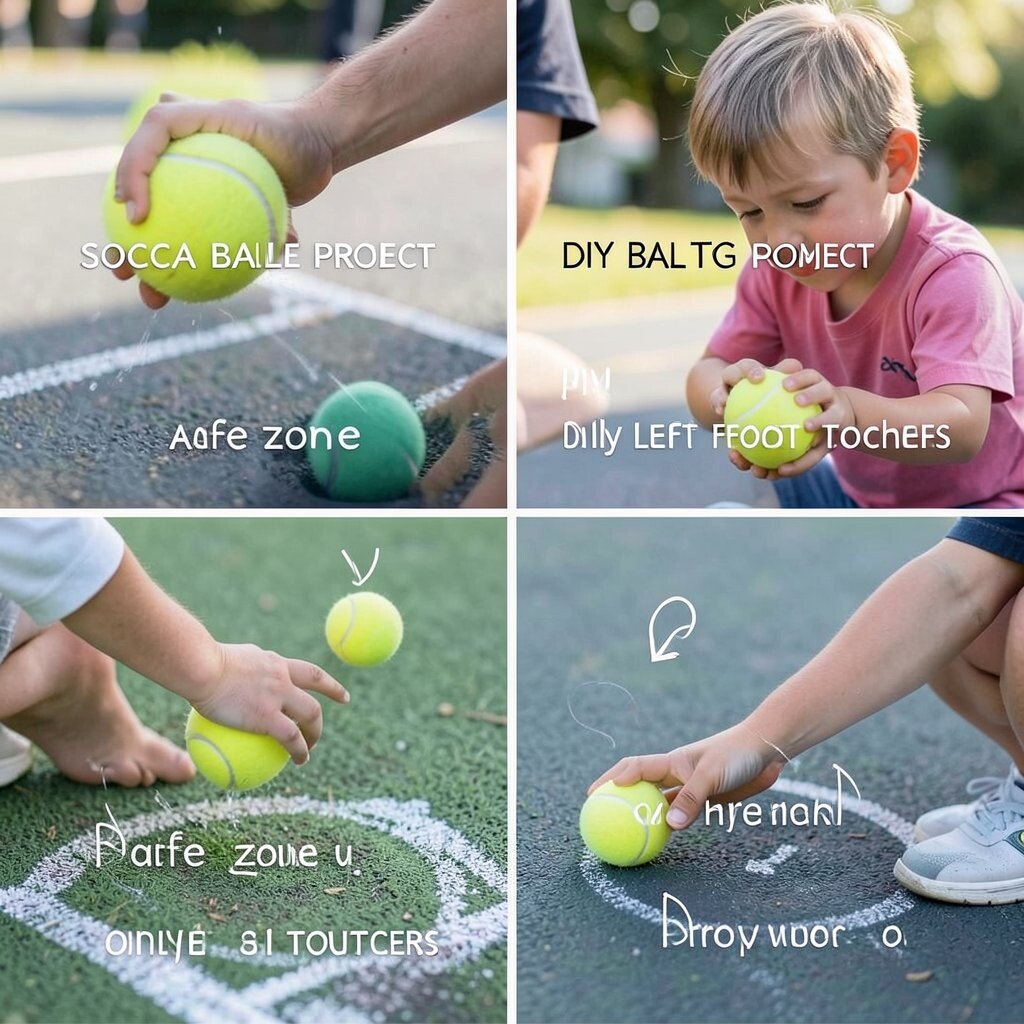
Use tennis balls for fast, close-range reaction drills with a partner or family member. Toss gently and have the other person tap the ball back without using their hands.
You’ll notice how a tennis ball moves differently than a soccer ball, with quicker, smaller arcs. That contrast makes the drill feel unique and helps your brain respond faster, especially when you keep your eyes on the bounce.
To level it up, mark a small “safe zone” with chalk or tape and aim your returns to stay inside it. For soccer, swap to a soft ball and use controlled toe taps, then try to send it to a marked patch. Keep cost low by reusing everyday tape, and make it personal by picking a rule like “only left-foot touches” or “only back-and-forth patterns.”
3. The Weighted Grip Training Ball
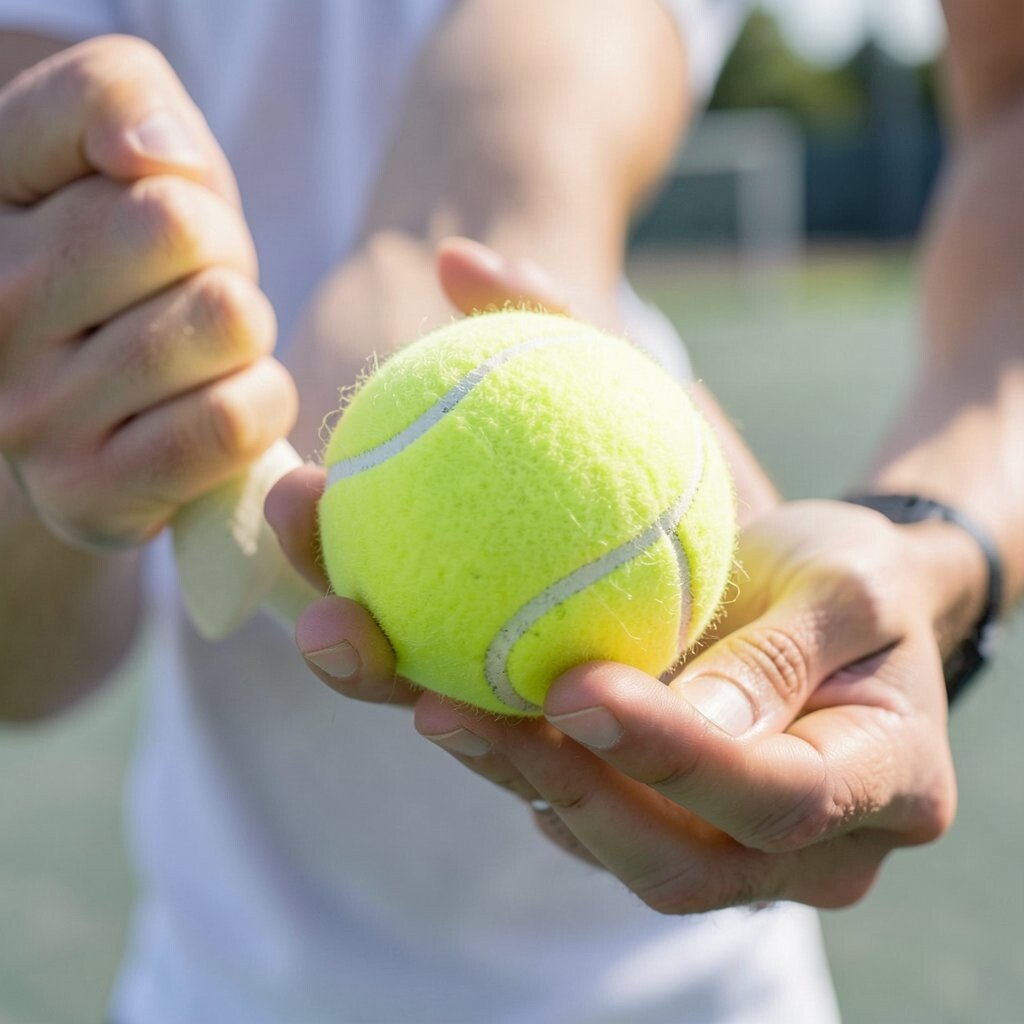
Turn a tennis ball into a grip trainer by adding a tiny amount of weight inside, like a small gel packet or soft insert. Seal it well so the ball stays safe and doesn’t leak.
When you squeeze and roll it, you’ll feel a new kind of resistance that looks simple but feels powerful. This is great for forearm strength and hand control, which can support stronger racket swings or better ball handling.
For practical use, do slow squeezes for a few breaths, then roll the ball under your palm. For a soccer-ball project, you can use a lighter training ball and practice gentle dribbling with your fingertips on the laces area to build touch. Cost is manageable because tennis balls are usually inexpensive and you can use scrap materials from home, and personalization is easy by choosing slightly different insert weights.
4. Corner Target Accuracy With A Shoelace Grid
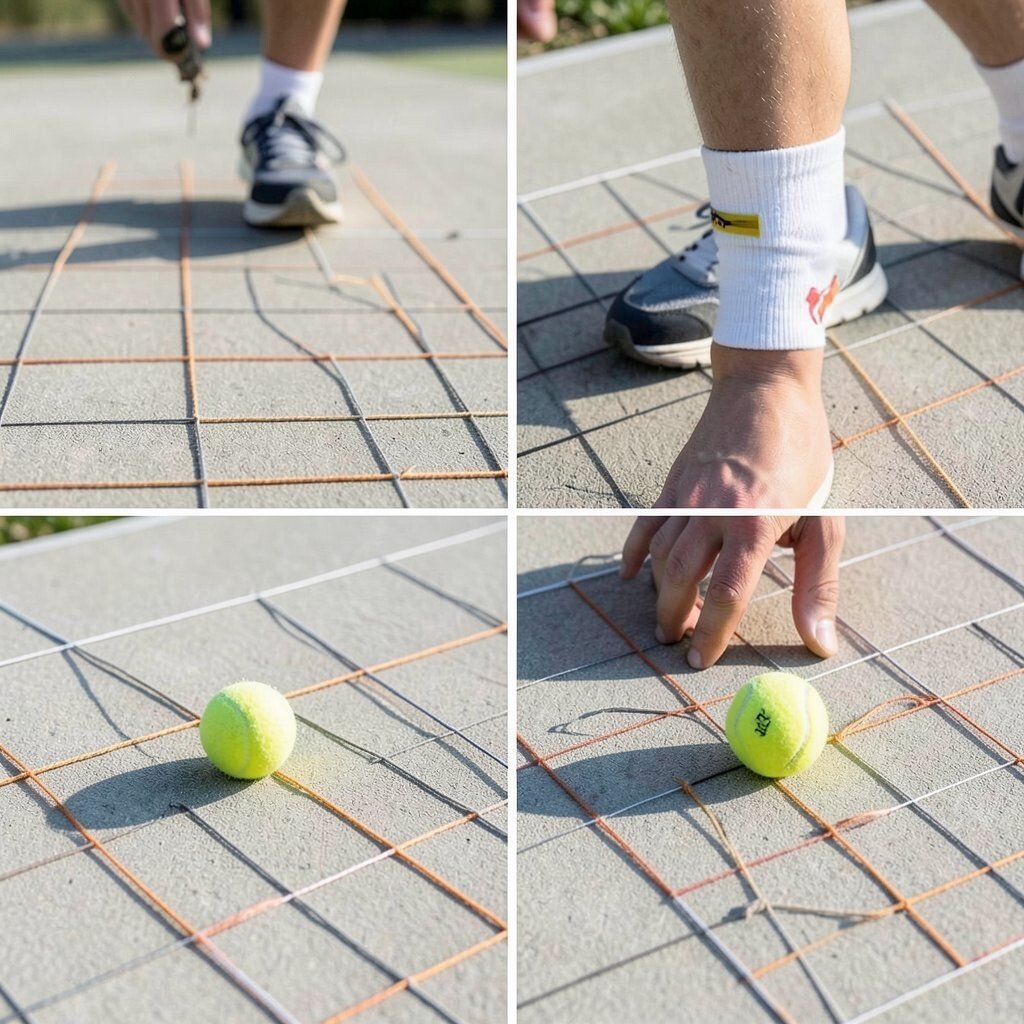
Set up a grid on the ground using shoelaces or thin string so you can aim at tiny zones. Use a tennis ball first and toss it so it lands in the squares you choose.
The visual is clear because you’ll see the ball land in crisp spots, like a game board. This improves accuracy and foot-eye coordination, and it feels unique because the target lines are flexible and easy to change.
To make it practical, start close, then step back after each successful landing. For a soccer-ball version, use the same grid but move your foot touch to land the ball on specific squares while staying in control. Keep the cost near zero by reusing old shoelaces, and personalize by making “easy” squares larger and “hard” squares smaller.
5. The Balance Path Bounce Challenge
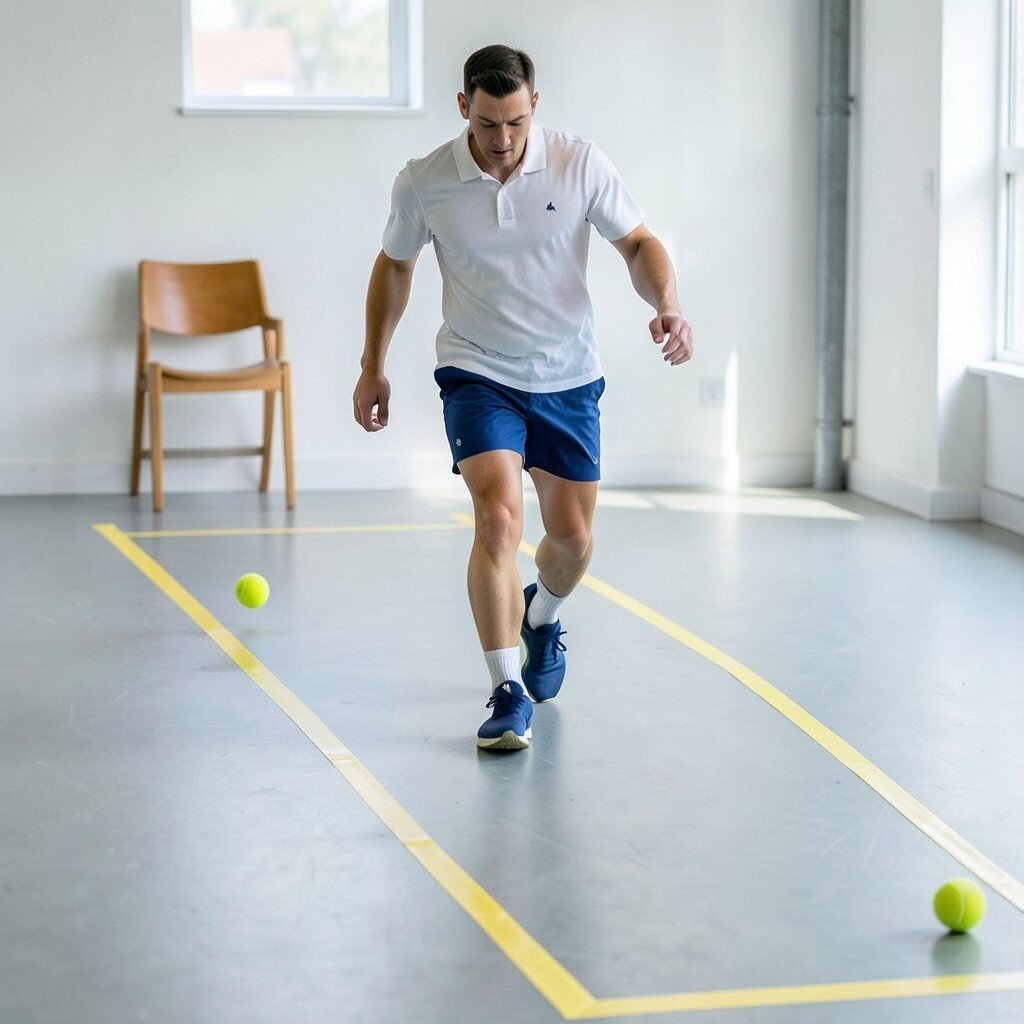
Create a path on the floor with tape strips, then practice bouncing a tennis ball while you step lightly. Keep your eyes forward and try not to rush.
This project stands out because the bounce becomes a visual guide for your balance. You’ll build steady legs and better body control, which helps your posture when you play tennis or soccer.
To make it actionable, set a starting point and choose an end point like a chair or wall marker. For soccer, follow the same taped path but use short dribbles and quick stops to control momentum. Consider cost by using tape you already have, and personalize by changing the path width for different difficulty levels.
6. The Trampoline Wall Return Game
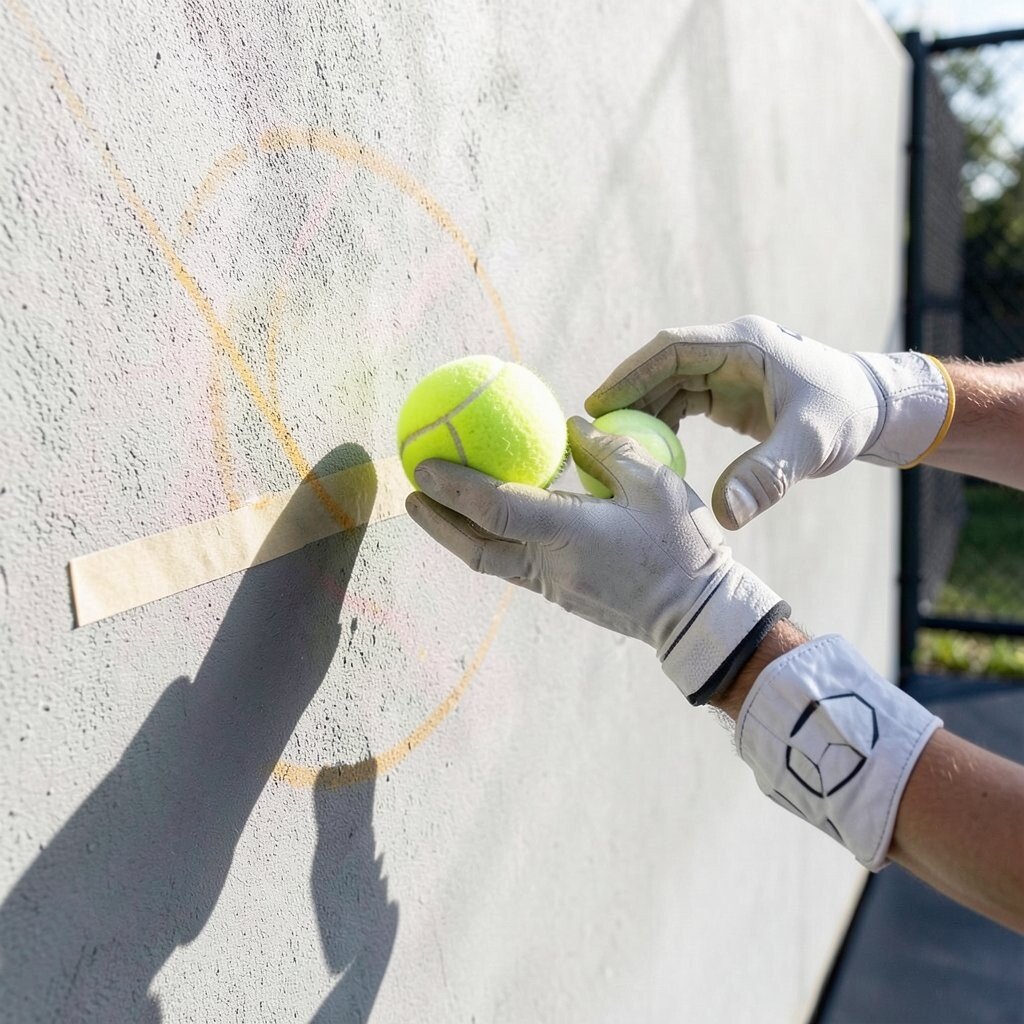
Use a tennis ball and bounce it off a wall, then catch it on the rebound using soft hands or a glove. The wall becomes your bounce “trainer,” and you can measure improvement by how consistently the ball returns.
With soccer, use a smaller, lighter ball against a wall and practice controlled touches so it doesn’t fly away. The benefit is quick reaction practice, and the visual is the ball’s predictable rebound line across your field of vision.
To keep it practical, mark a target spot on the wall with tape and aim for that height. Personalize the rules by choosing “one touch then catch” or “two touches then return.” For cost, you can stick to a basic ball and optional glove, and you can reuse the same wall marks for weeks.
7. Lacing Pattern Control For Feet Or Hands
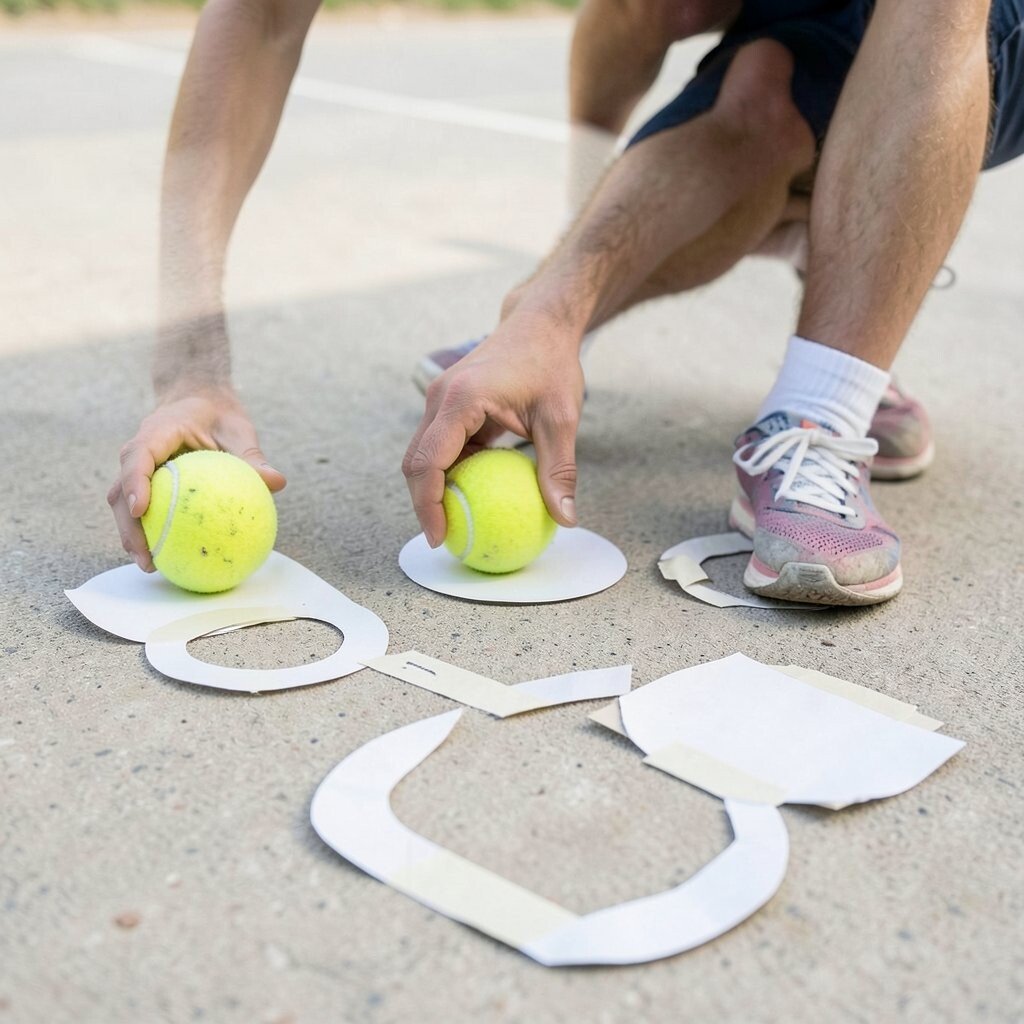
Pick up an old tennis-ball press toy or make simple hand targets using paper circles and tape. Place them in a line and tap the tennis ball so it lands on each circle in order.
This feels unique because you’re turning a small space into a whole training course. It supports coordination and helps you learn soft touch, which matters for both racket handling and soccer ball control.
For soccer, translate the same pattern by dribbling through paper targets taped to the ground. Keep your touches gentle and consistent, and pause when you hit the last target before restarting. Personalize the patterns by making a zigzag line, a circle, or a “slow then fast” route, and consider cost by using paper scraps and tape instead of buying anything new.
8. The Spin-Switch Ball Launcher With Paper Fins
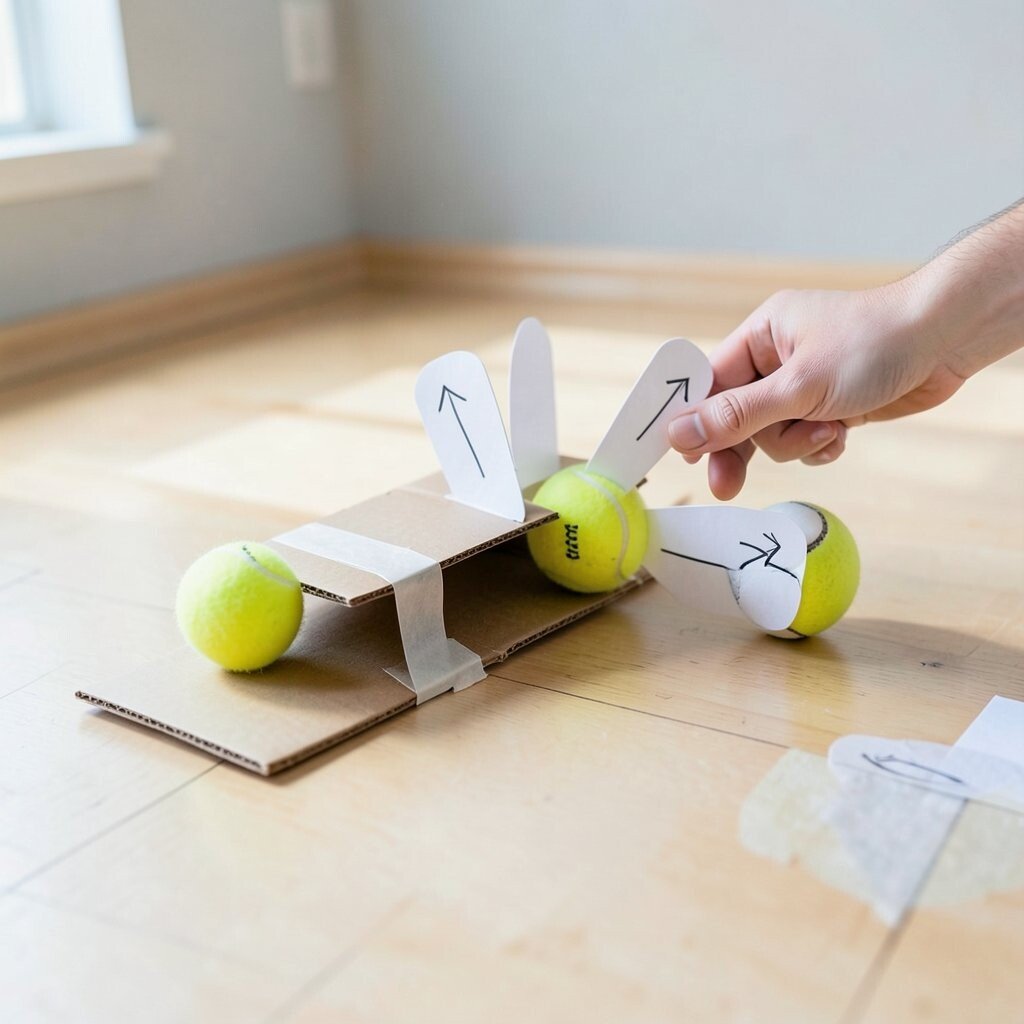
Make a simple tennis ball launcher by taping paper fins to a cardboard strip so it can guide spin when you push the ball. Test it on the floor first, then adjust the fins until the ball curves the way you want.
The visual reward is big because you’ll see the path bend in a way that feels surprising for such cheap materials. This builds understanding of control and adds a playful science feel that boosts focus during practice.
For soccer, you can mimic spin using inside and outside foot touches, aiming for different curving directions. If you want to keep the project “launcher-like,” use a soft ball and practice short passes with foot angles that cause mild curve. Keep costs low with cardboard, tape, and paper, and personalize by marking arrows for each spin direction so you can repeat your best setup.
9. Ball Weigh-In And Progress Journaling
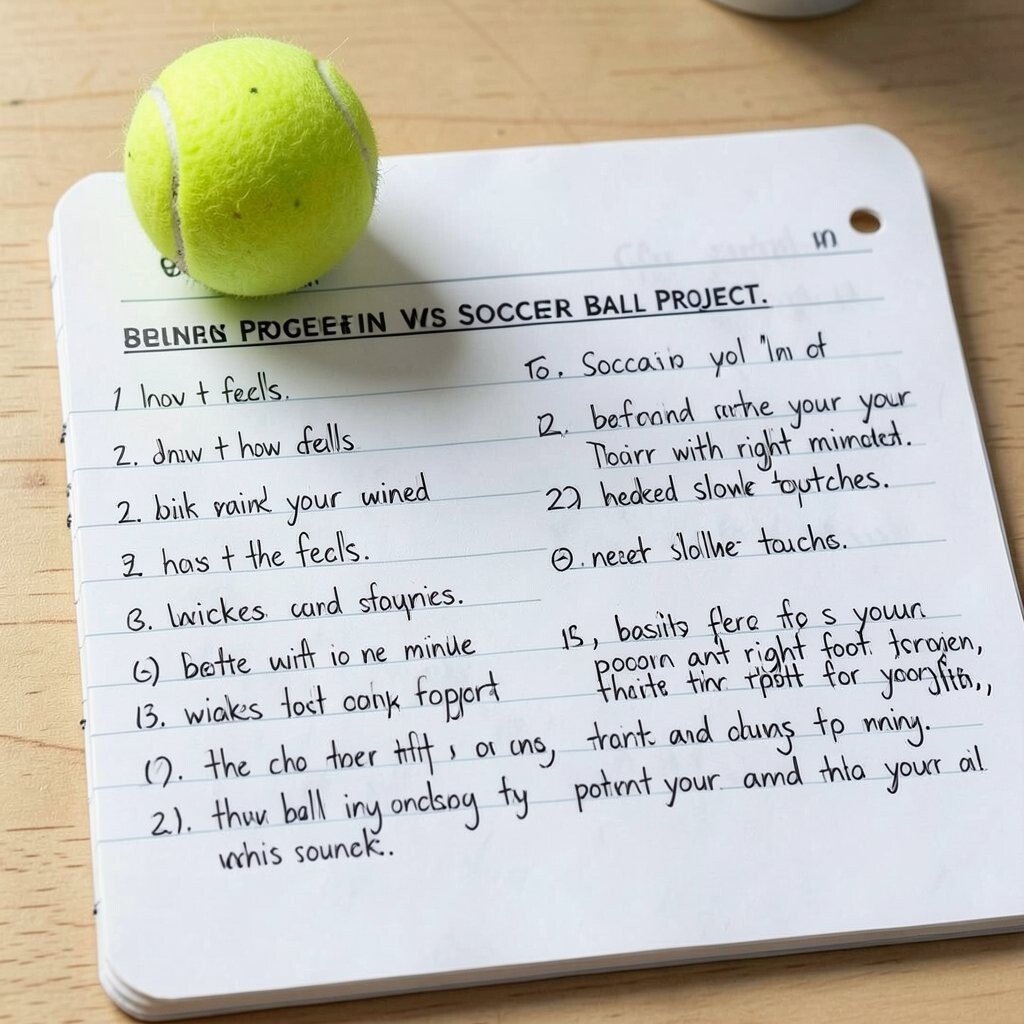
Start with a tennis ball and set up a simple progress notebook where you record daily drills and how it feels. You can also mark the ball with a tiny dot to track which one you used for which practice.
The benefit is clarity, because you’ll see small changes over time instead of guessing. It also makes the project unique since the focus is on your routine and your personal data, not just the sport.
For soccer, record the number of controlled touches you can do in one minute, then write notes like “better with right foot” or “needed slower touches.” Personalize your journaling with favorite drills and favorite songs playing in the background. Cost is basically free if you use a phone notes app or a cheap notebook.
10. The Multisurface Bounce And Kick Test
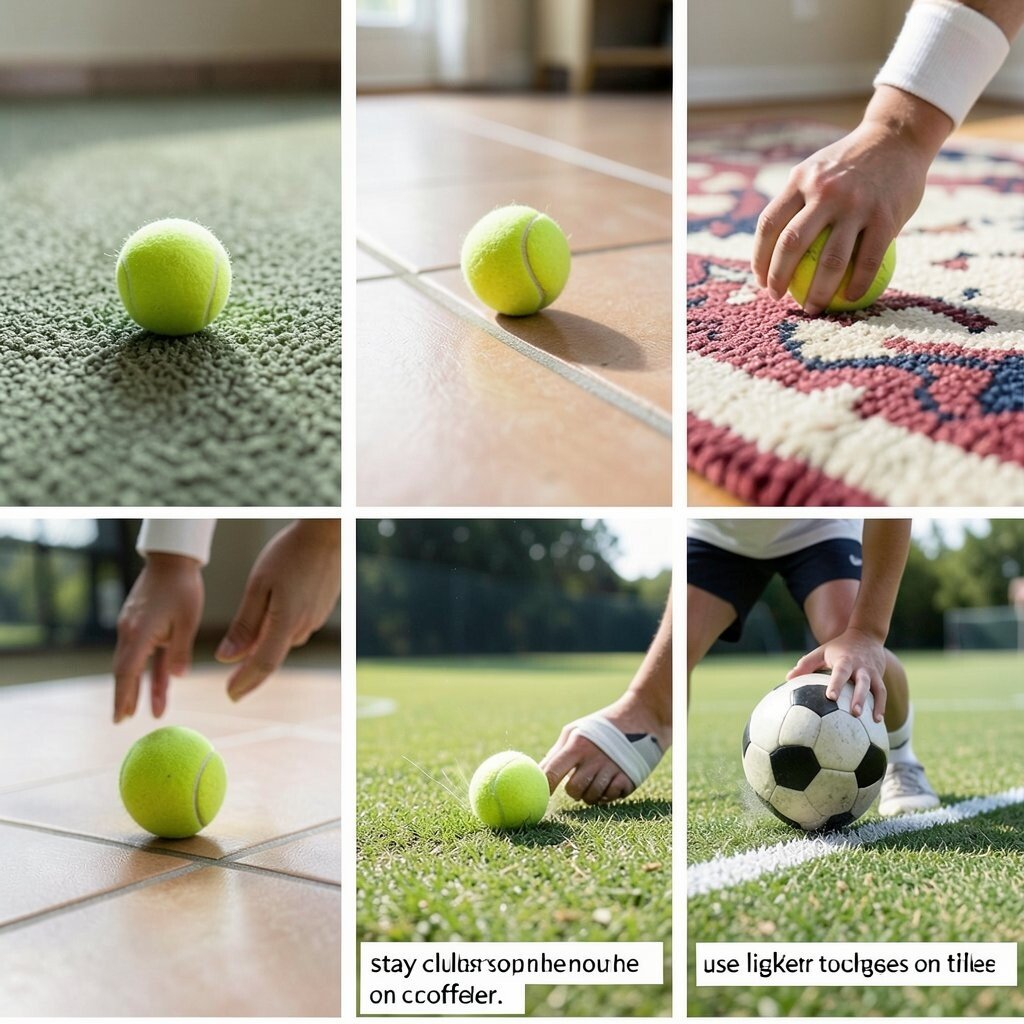
Choose three surfaces, like carpet, tile, and a rug, then test how a tennis ball bounces on each. Notice the visual differences in bounce height and how quickly it rolls after landing.
This creates a smart feedback loop because your brain learns how the environment changes the ball’s movement. It also builds practical knowledge that helps you adjust your touch in real matches, where fields vary a lot.
For soccer, do a similar test by dribbling on the same surfaces, using gentle touches so you don’t lose the ball. Personalize by setting one goal for each surface, like “stay closer on tile” or “use lighter touches on carpet.” Keep costs low by using places you already have at home and using safety-friendly gear like a soft ball when needed.
11. Mystery Target Toss With Color Rings
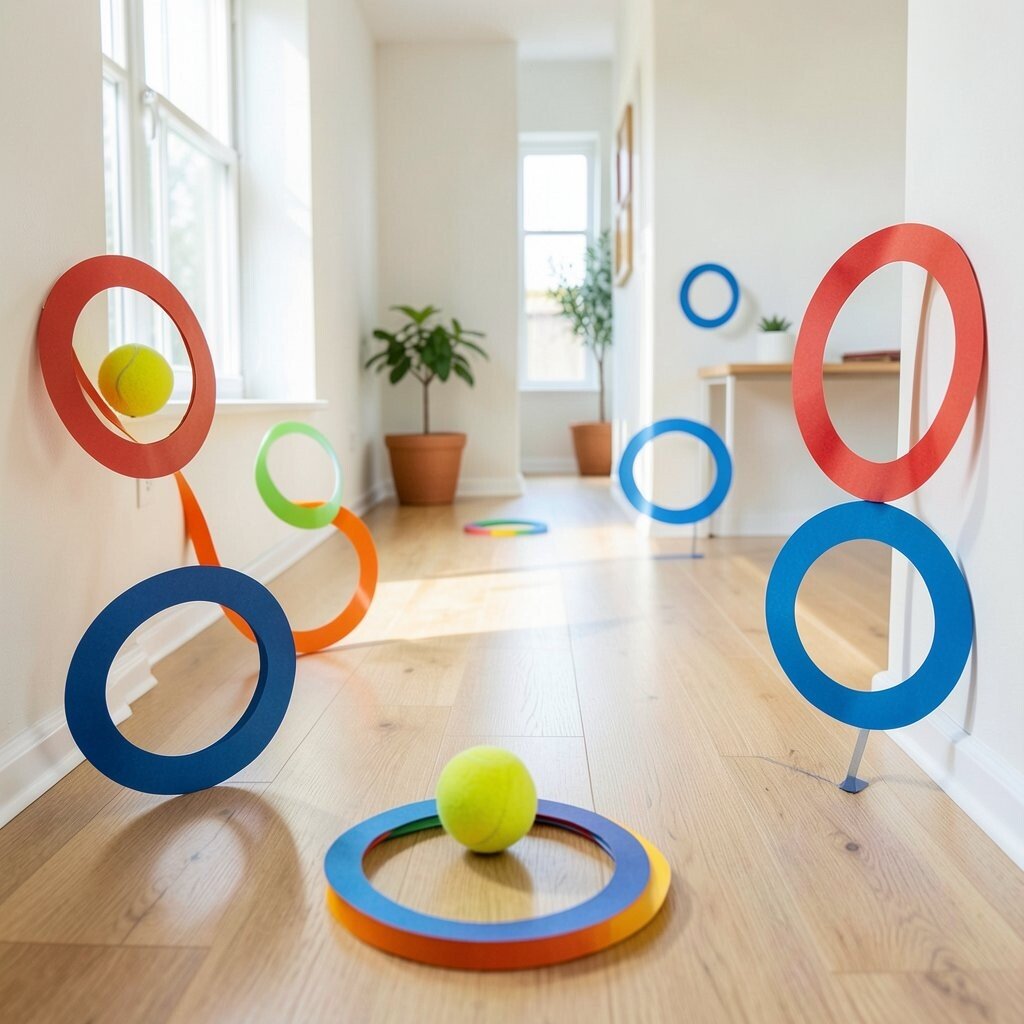
Cut colored paper rings and place them as targets around a room or hallway. Toss a tennis ball so it lands inside the ring, then score the ring’s color based on your rules.
The visual is bright and fun because you’ll see the colors light up your practice space. The benefit is focus, since your eyes track both the ring and the ball, which improves reaction and aiming.
To personalize, switch the ring positions daily and use a simple rule like “red means faster throws” or “blue means soft toss only.” For soccer, replace tosses with gentle kicks toward the rings, using inside-foot passes that land accurately. Cost considerations are friendly because paper, tape, and a marker are usually all you need.
12. The Two-Ball Strategy Relay
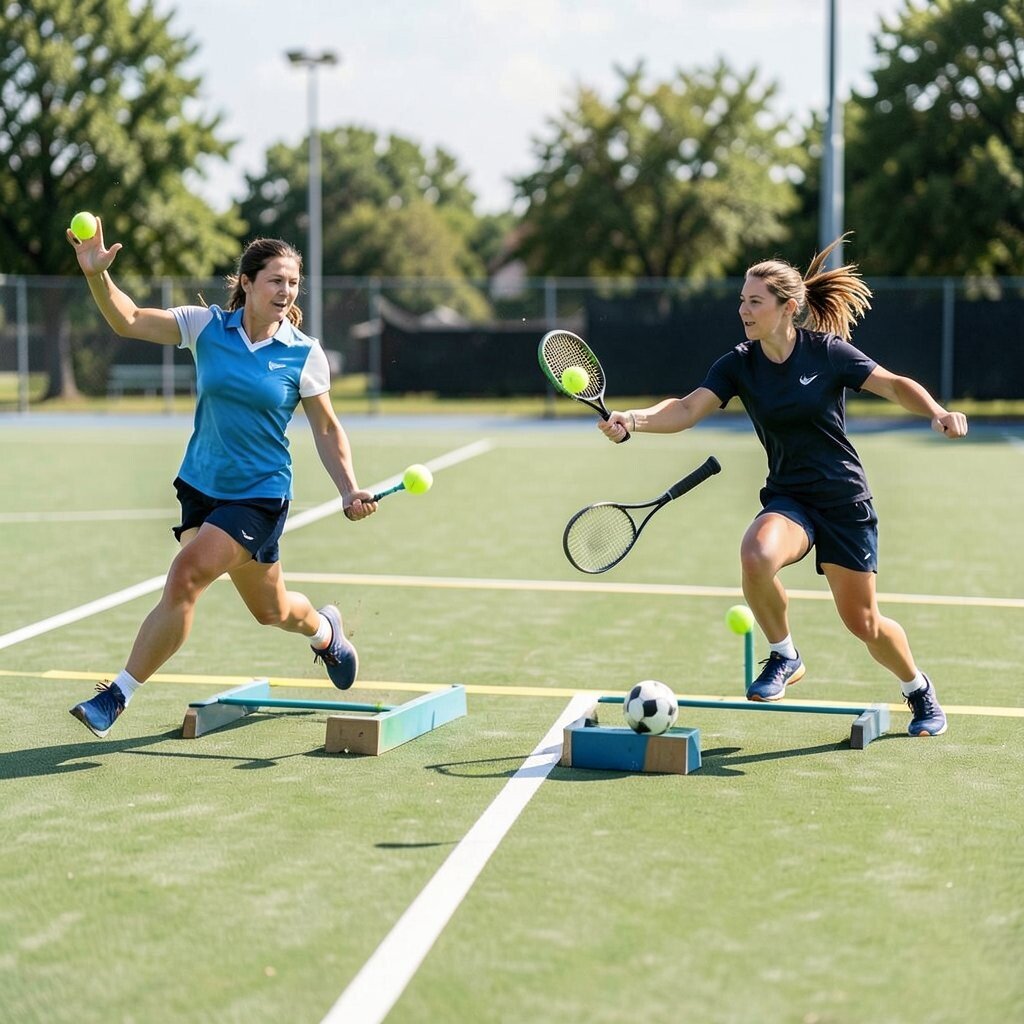
Set up two tennis ball stations across a short distance and create a relay where you move, bounce, and then return. Use one ball to move quickly between stations and another to slow down your control at the end.
This project feels unique because it mixes speed with precision, like practicing two skills at once. It strengthens coordination and gives your body clear cues, which helps when you switch between fast plays and careful touches in both tennis and soccer.
For soccer, use two soccer balls at stations and do a relay of controlled dribbles, quick pivots, and clean stops. Personalize by setting a challenge like “no ball touches outside the lane” or “use only one foot for the whole relay.” Cost is minimal if you already have balls and can mark lanes with tape, and the game style also matches current trends toward skill-based challenges and short practice sets.