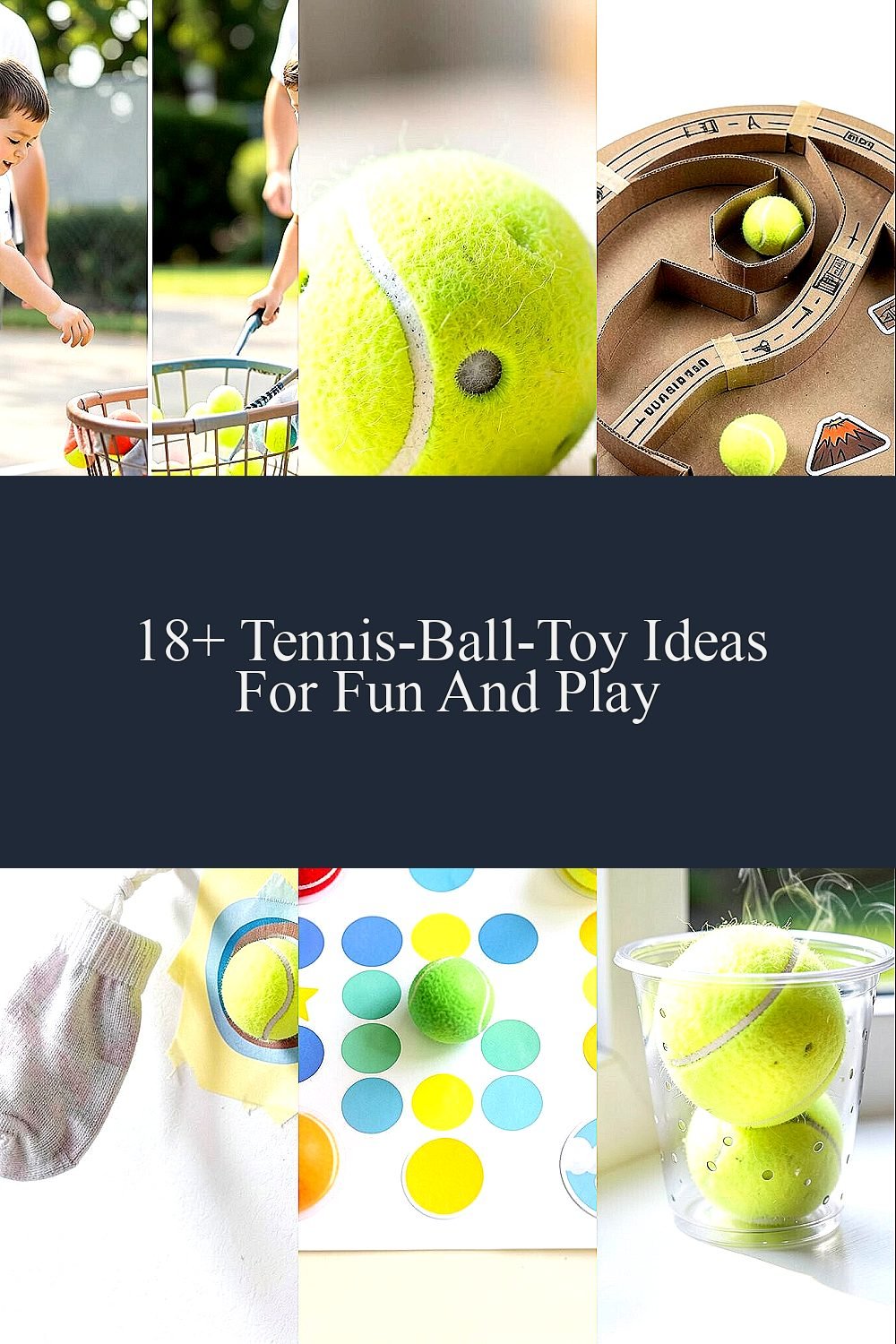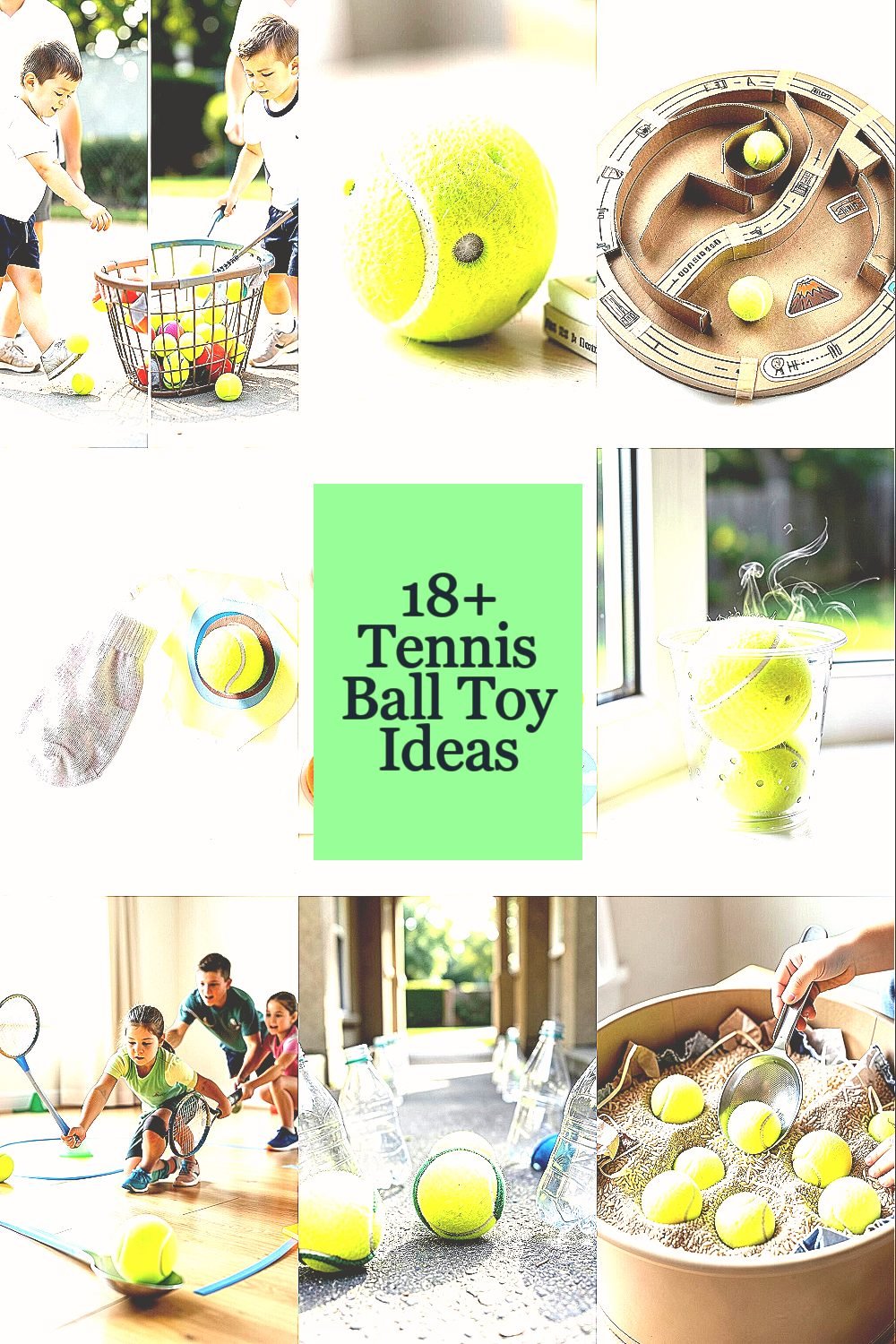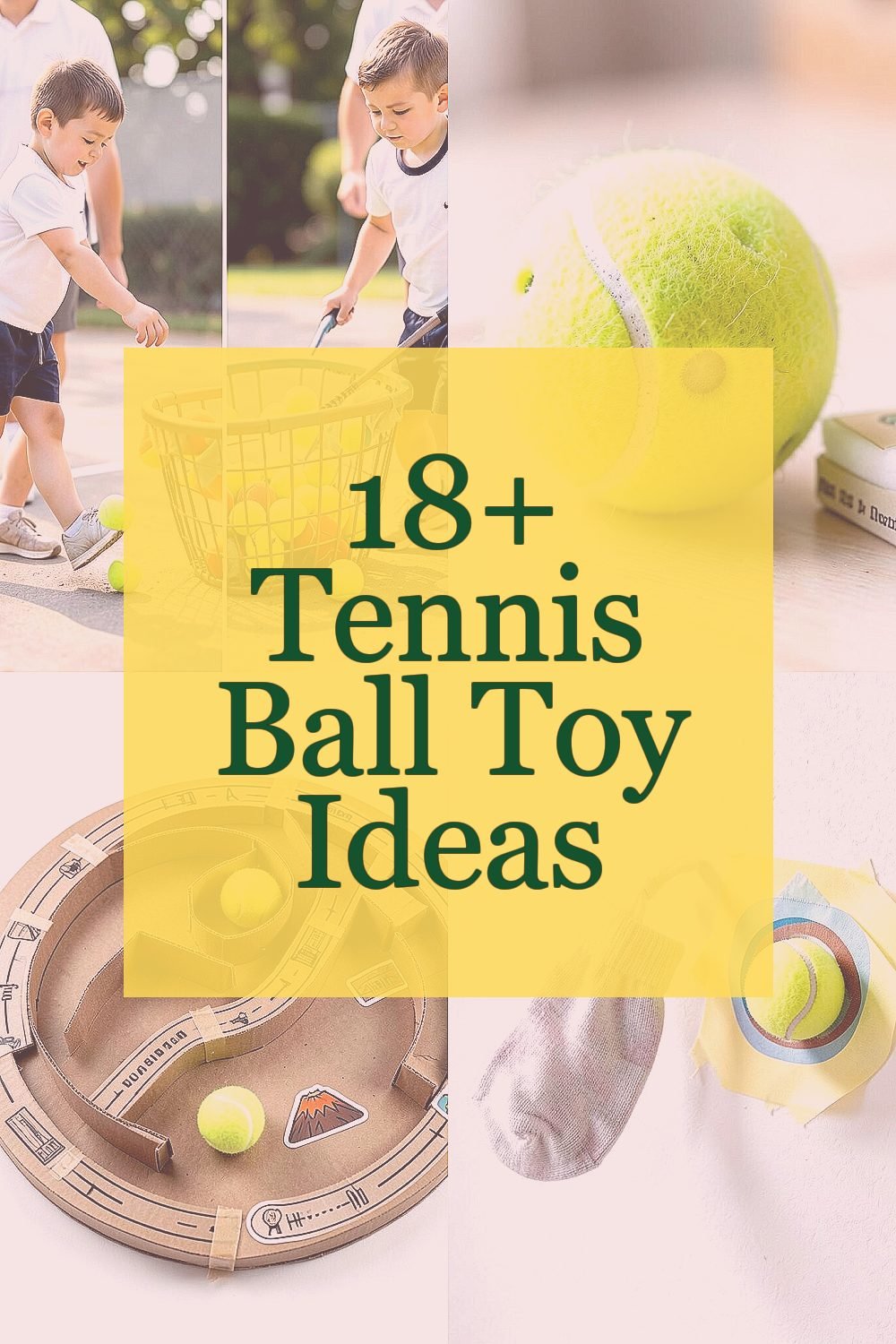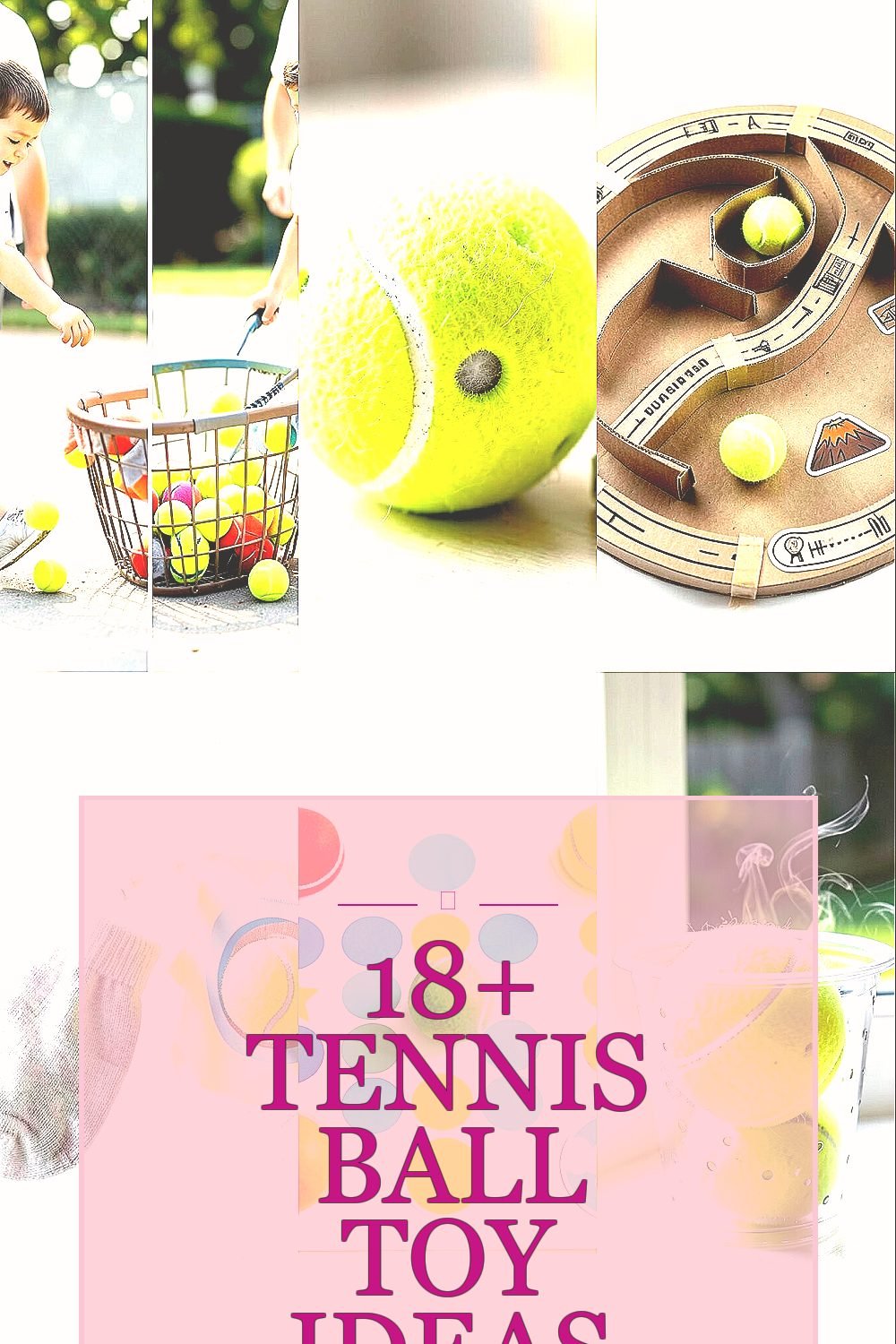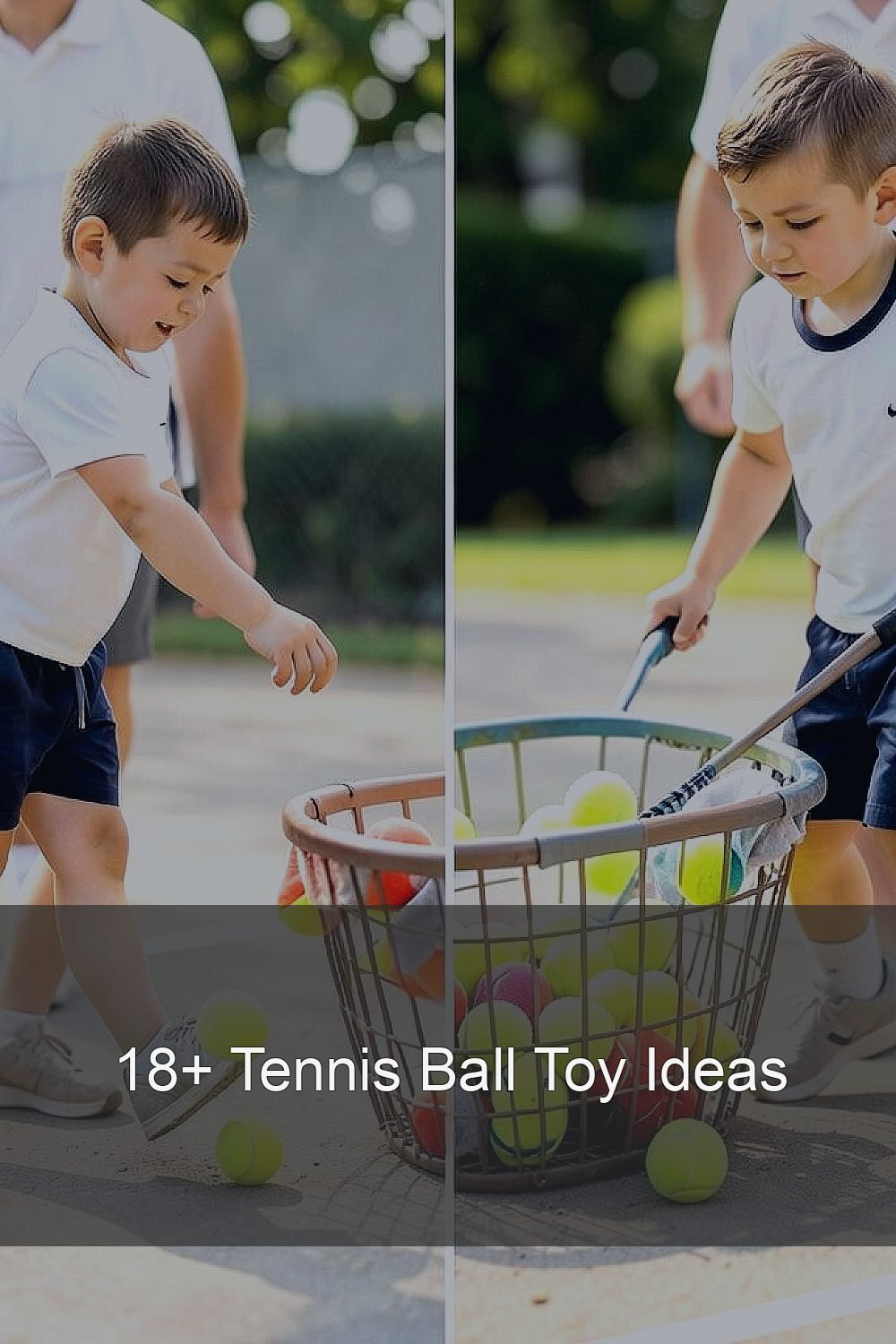
A tennis ball can turn a plain afternoon into a whole game world. You can make it silly, sporty, and surprisingly creative with simple materials.
Below are practical, budget-friendly ideas you can set up fast at home, in the yard, or in a nearby park.
1. Bounce-and-Count Relay With a Basket
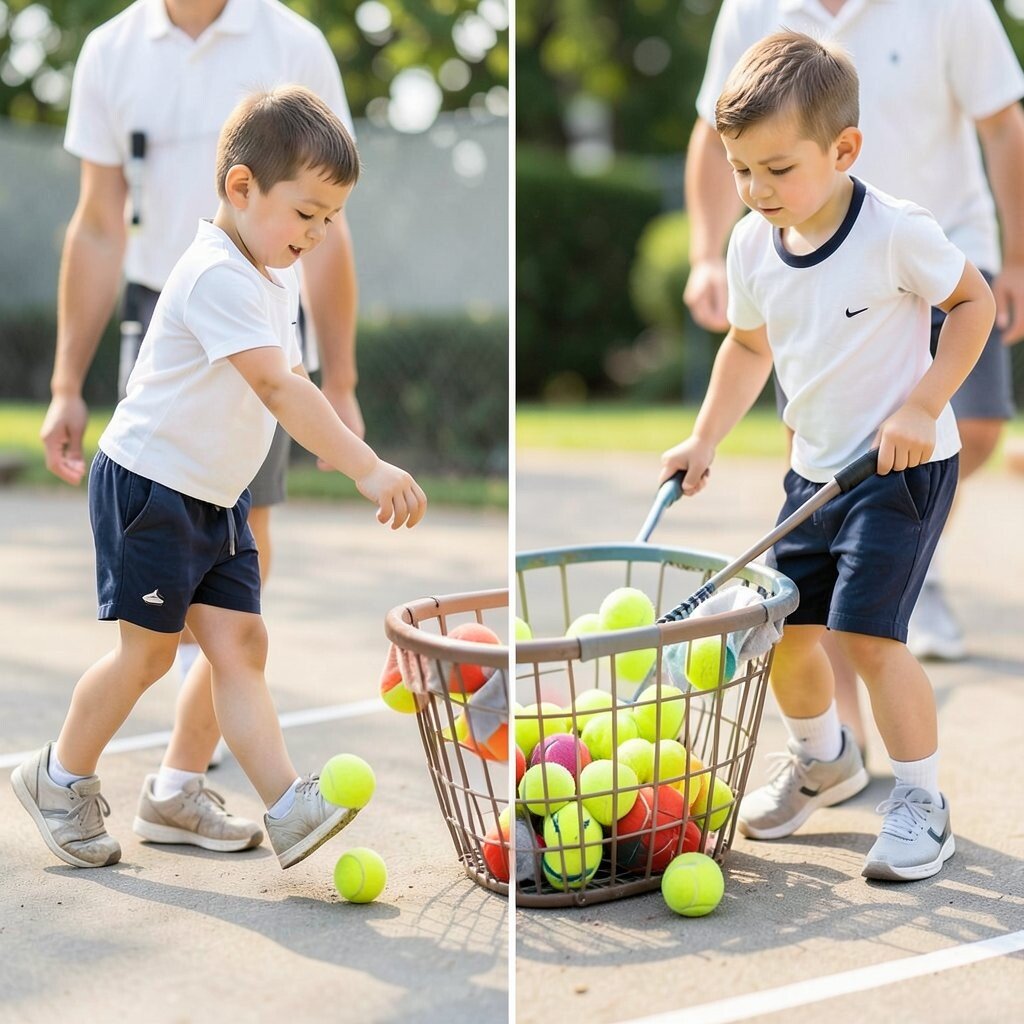
Set a basket or laundry hamper a few steps away and give each player two tennis balls. The goal is to bounce them gently so they land in the basket without tossing too hard.
You will see quick, colorful hops and rolling landings that feel like tiny victory laps. This game builds hand-eye coordination and teaches control, not just speed.
2. Homemade Scent Poppers for Nose-Target Play

Cut a few small holes in a clean tennis-ball cover, then add a safe, light scent inside using cotton. Try options like a drop of vanilla essence on a cotton pad or a dab of cinnamon in a sealed pocket.
As the ball moves, the scent spreads and pulls attention in a fun way. It can be a great sensory activity that helps calm focus and keeps noses busy.
For safety, keep scents mild and always use fresh cotton that won’t fall apart. If you want variety, rotate scents for different play sessions and keep a small box of labeled cotton pads.
3. The Target-Track Ball Maze on Cardboard
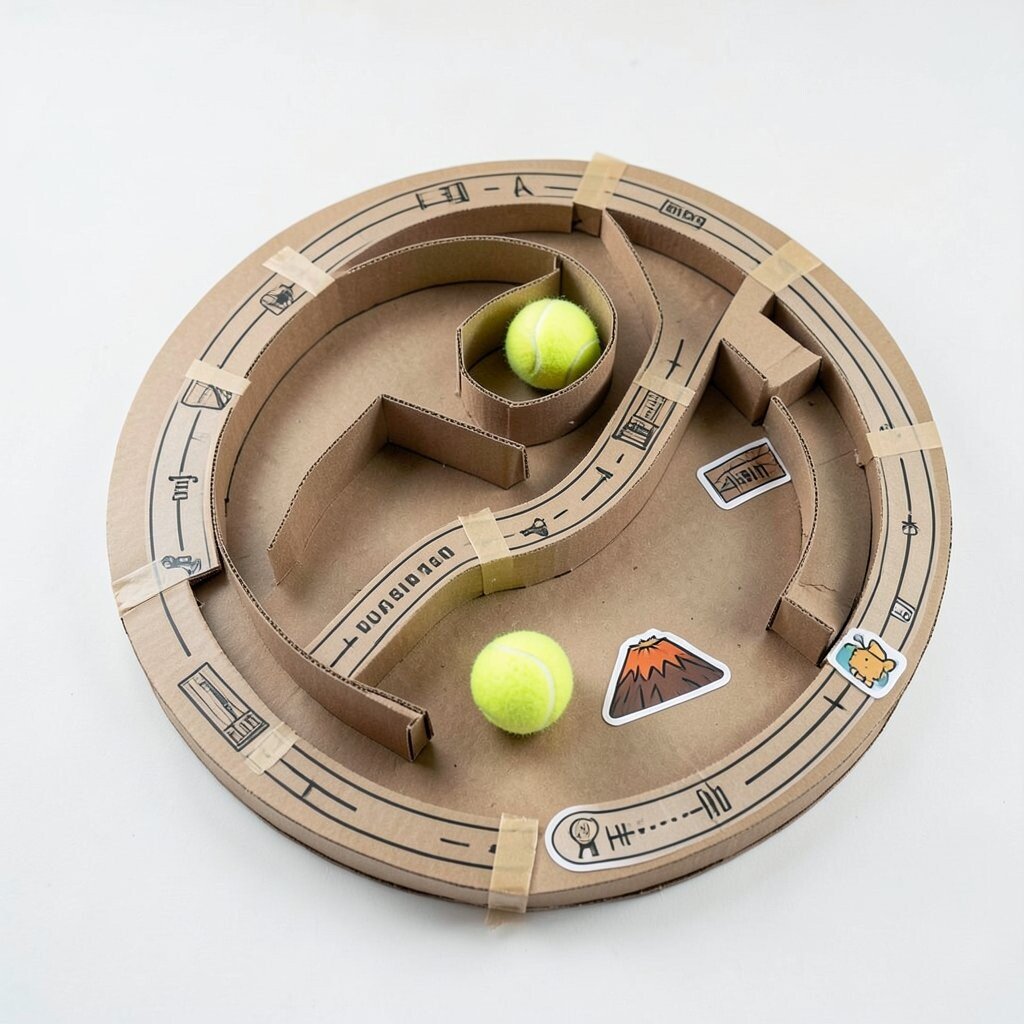
Make a maze using cardboard strips, fold-out panels, and a few tape hinges. Leave “roads” just wide enough for a tennis ball to roll through without getting stuck too often.
Watch the ball wobble along curves and drop into little corners, like it’s following a secret path. This gives kids practice with patience, gentle force, and planning.
Use a flat surface at first, then raise one side to create gentle gravity turns. You can personalize the maze with printed roads, sticker landmarks, and themed goals like “museum” or “volcano.”
If you keep the cardboard clean and store it in a folder, the maze can last for many games. It’s also a low-cost craft compared with buying puzzle toys.
4. Wall-Soft Catch With a Sock and Target Spot
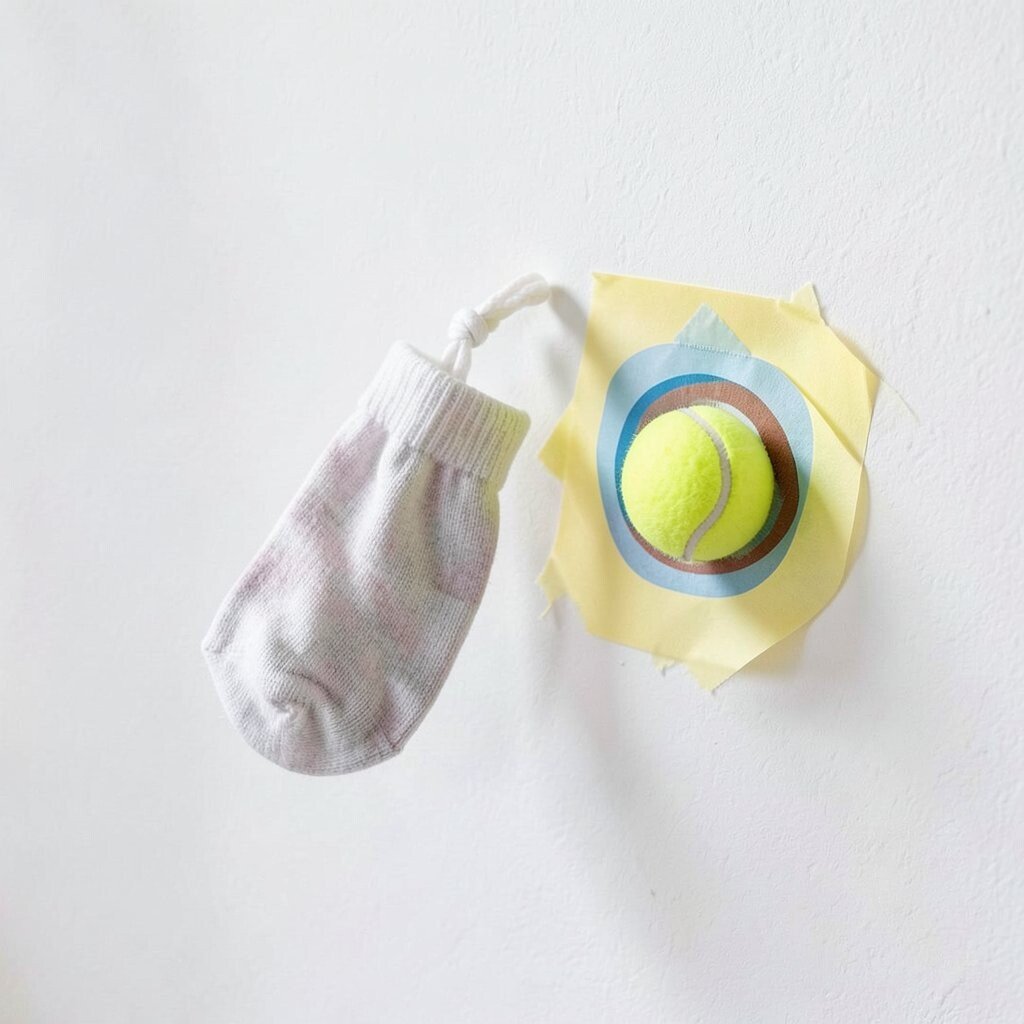
Attach a tennis ball to the end of a sock using a knot so it bounces softly instead of flying hard. Mark a spot on the wall with painter’s tape at kid-friendly height.
When the sock swings and releases, you’ll hear a gentle thump and see the ball land close to the taped target. This helps with timing and catching rhythm while staying safer than using a bare ball.
5. Color-Ball Bingo for Quick Memory Games

Paint or sticker three to five tennis balls in clear colors, like red, blue, green, yellow, and orange. Create a simple board on paper with matching color circles in a grid pattern.
Players toss or roll a colored ball and then mark the matching circle on their board. The bright dots and quick turns make it feel like a tiny arcade game.
This builds fast recognition and short-term memory without needing fancy equipment. For personalization, add themed pictures near each color, such as stars for yellow or clouds for blue.
To keep it budget-friendly, reuse the same balls for months and refresh with new stickers when you feel like switching themes. If you enjoy current trends, try using pastel colors for a modern look that feels extra cheerful.
6. Tennis-Ball Weather Predictor for the Backyard

Place a tennis ball in a clear plastic cup with a few small holes and set it near a window where you can watch it. On breezy days, the ball will wobble or shift slightly inside the cup as air moves.
You’ll notice tiny changes in movement that feel like a fun “weather report” at home. This encourages curiosity about wind, air pressure, and everyday science.
7. The “Balloon Relay” Substitute With Tennis Balls
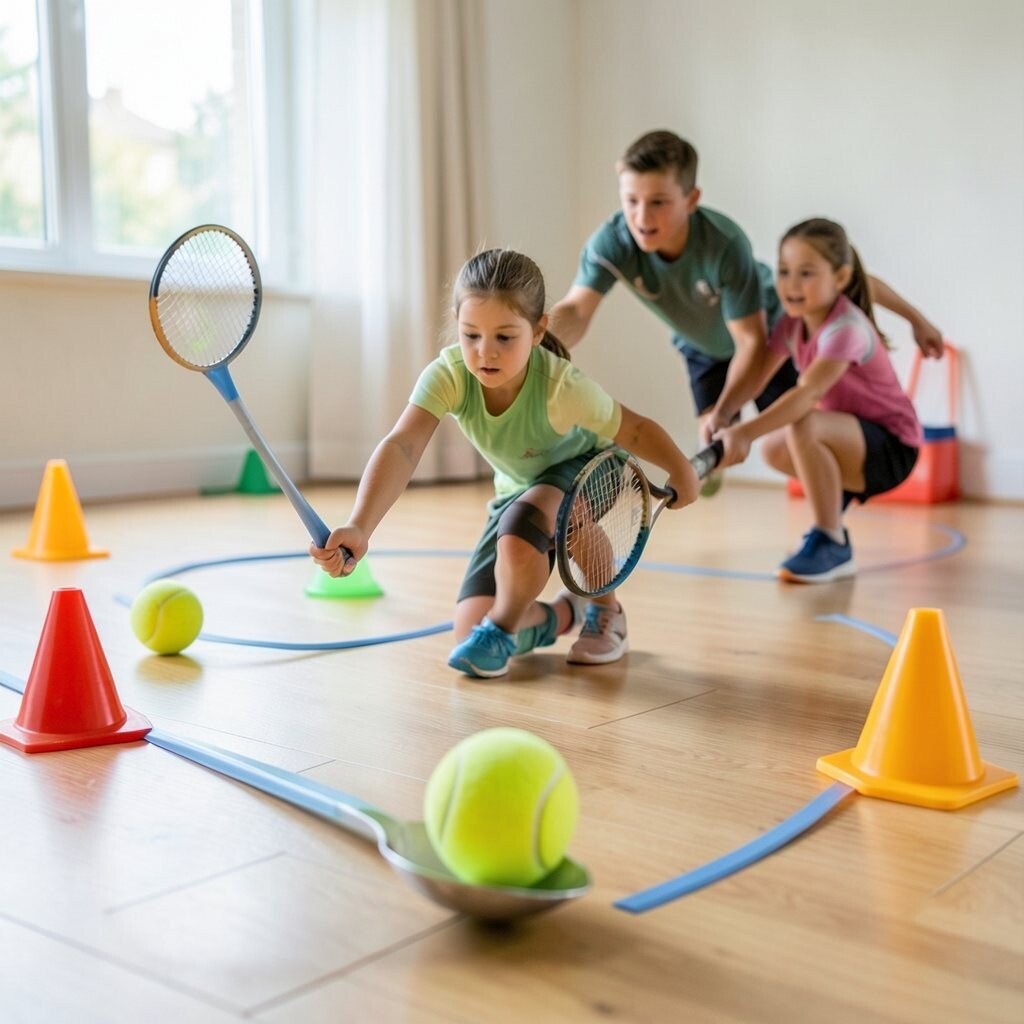
If you like balloon games but want something sturdier, use tennis balls to replace balloons in relay challenges. Set up a course where players carry the ball on a spoon or tap it forward with a racket.
Instead of floating and bursting, the ball gives steady motion, and you’ll see quick races across the floor. It supports gross-motor skills, balance, and controlled movement.
To keep it practical, use an old kitchen spoon or a cheap plastic ladle and set gentle rules for how long the ball must stay on top. Personalize the relay by using different routes, adding cones, or matching the theme to a favorite sport.
8. Felt-Edge Tennis-Ball “Bowling” With a Mini Alley
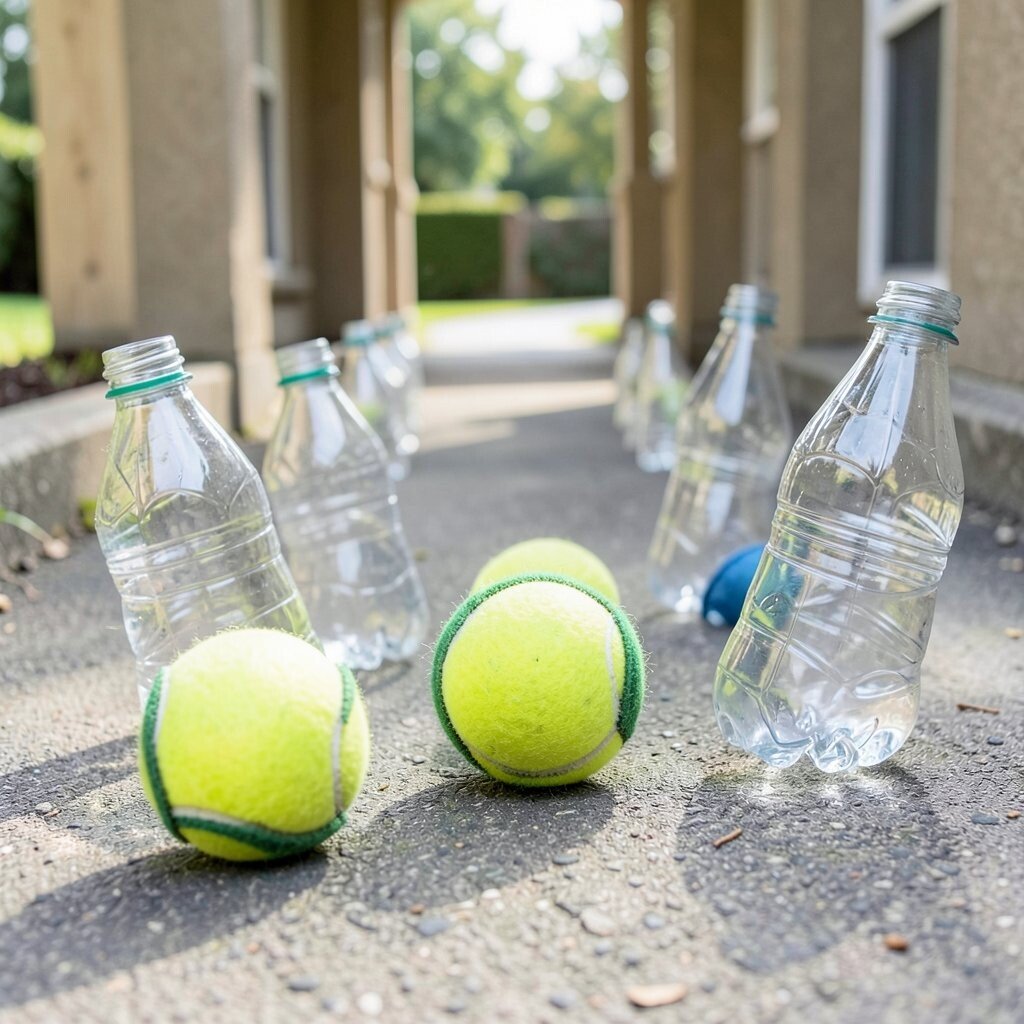
Wrap felt strips around two or three tennis balls to make them softer and easier to roll. Then arrange empty plastic bottles as pins down a hallway or driveway.
As the wrapped balls roll, you’ll see the “pins” wobble and sometimes tip with a satisfying clatter. This builds aim and teaches how to vary force.
9. Treasure-Hunt Tennis Balls in a Sensory Box
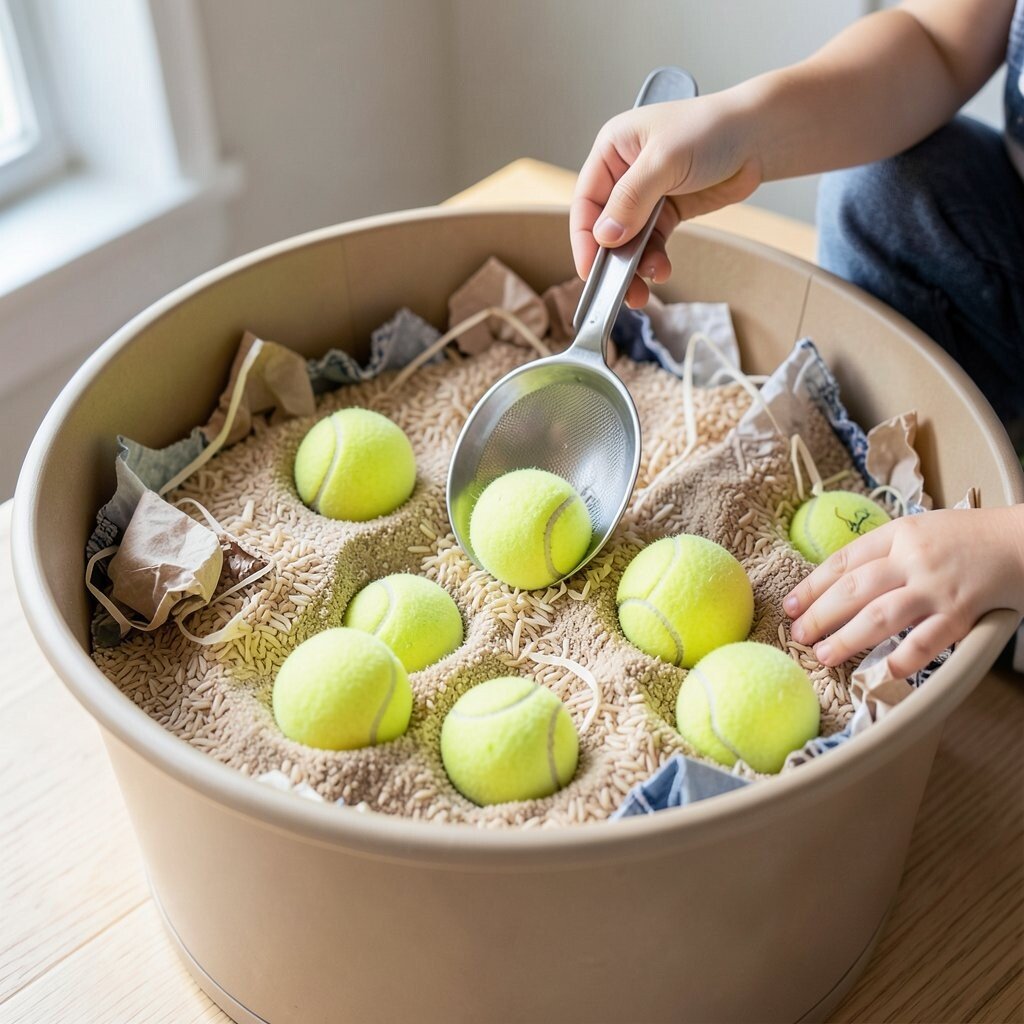
Fill a large bin with dry rice or shredded paper, then hide a few tennis balls as “treasure.” Give each player a scoop, small cup, or sieve to help them search.
You’ll get a satisfying visual of tennis balls popping up from the soft texture, and hands stay busy. This supports fine-motor control, focus, and calming movement for many kids.
For personalization, swap the base texture using sand, crumpled paper, or fabric scraps, depending on what you have. Keep cost low by using materials you already own and reusing the bin from past crafts.
If you want a current trend, themed sensory play has been popular lately, so pair the search with ocean, space, or dinosaur mini-stories. Always remove small items carefully if you’re playing with very young kids.
10. DIY Toss-Up “Mini Basketball” With a Hanging Net
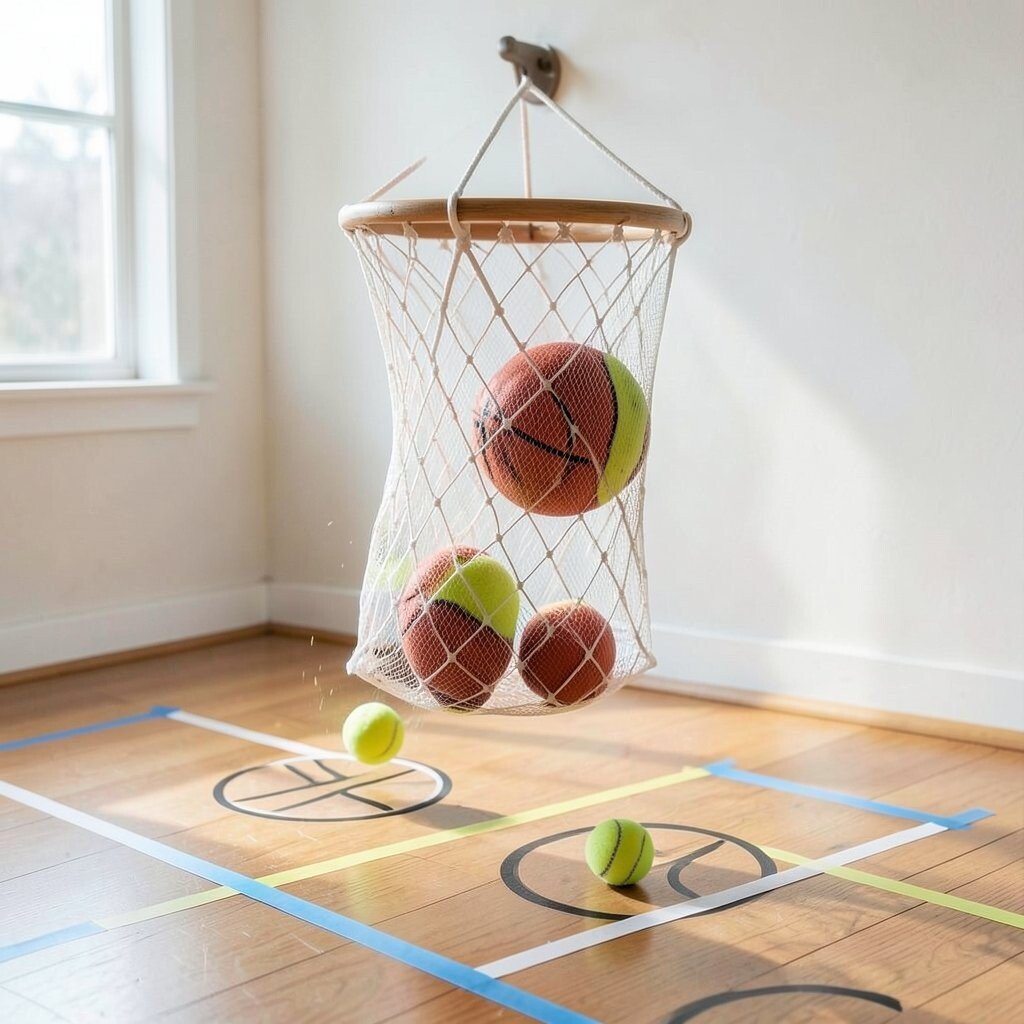
Use a lightweight net or mesh laundry bag and hang it securely from a sturdy hook. Create a few targets on the floor using tape lines so throws land in set zones.
Every toss makes the ball bounce and land with a visible score effect, like real basketball. This strengthens throwing accuracy and helps practice distance control.
11. Tennis-Ball Foot Shuffle for Rhythm and Coordination

Mark two parallel lines on the floor and place tennis balls between them like stepping stones. Players shuffle their feet and gently push one ball to the next line without stopping the rhythm.
You will see fast, playful motion with lots of wiggles and tiny “kick” moments. It improves coordination, balance, and warm-up readiness.
Keep it practical by starting slowly and reducing the number of balls when attention dips. Personalize the rhythm by playing music and calling out beats to make the play feel like a mini dance game.
Because tennis balls are inexpensive, you can set up this activity as often as you want. It also works well in small spaces compared with larger sports equipment.
12. Stop-and-Start Ball Tag With Safe Zones
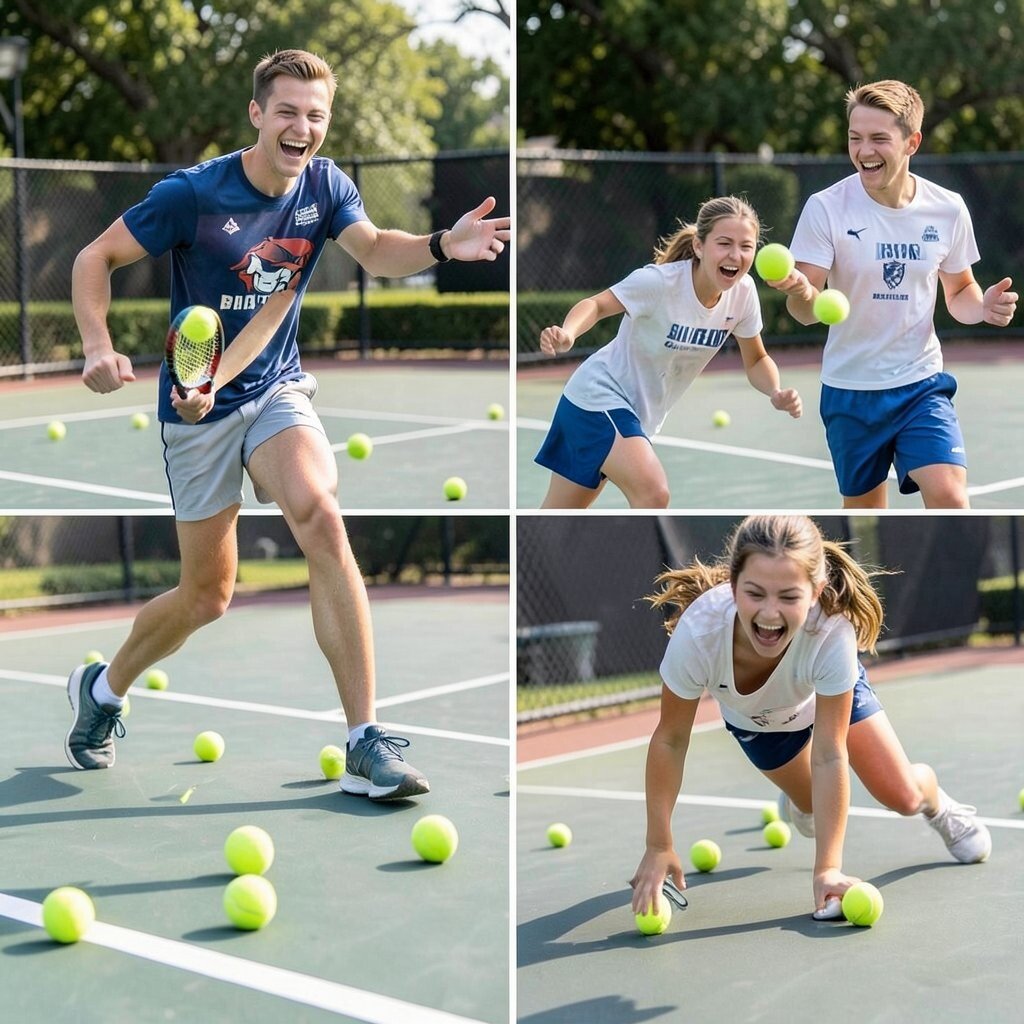
Pick two or three “safe zones” and place tennis balls near them. The game works like tag, but players must freeze when they’re near a ball and then roll it to move again.
You’ll see rolling passes, quick freezes, and sudden bursts of motion that keep everyone laughing. This gives the thrill of chasing without constant full-speed running.
13. Tennis-Ball “Knock-Knock” Sound Wall Using Strips

Create a simple sound wall by hanging thin wooden strips or plastic strips from a board, like a xylophone made of everyday items. Make a small area where you can gently hit a tennis ball against the strips.
The visual of bouncing balls and the sound of taps and pings make it feel like a tiny music stage. It builds timing awareness and encourages calm, repeated practice.
For personalization, paint the strips different colors and name them after songs or characters. If you’re aiming for cost control, use scrap wood, old plastic packaging, or any safe scrap materials you already have.
This kind of at-home “maker music” play has been trending because it mixes creativity with hands-on learning. Just keep the area clear and supervise any younger kids closely.
14. Garden “Meteor Drops” for Plant-Savers
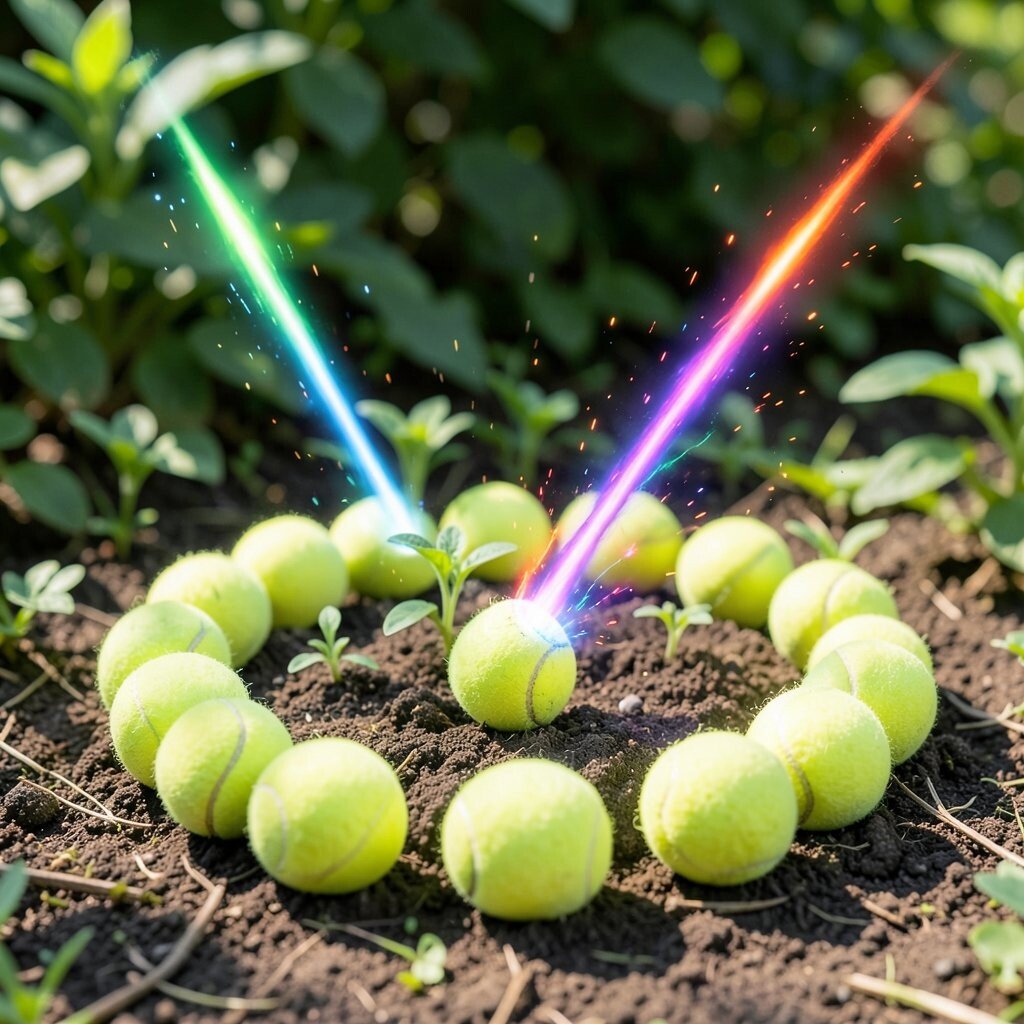
Make a ring of tennis balls around a small patch of soil, then toss one ball at a time so it lands close but not on seedlings. Players “aim” to keep the soil safe and practice gentle landings.
You’ll see meteors of bright color landing like comets, while plants stay protected. This builds careful throwing habits and teaches kids to respect living things.
15. Tennis-Ball “Popsicle” Targets With Tape Lines
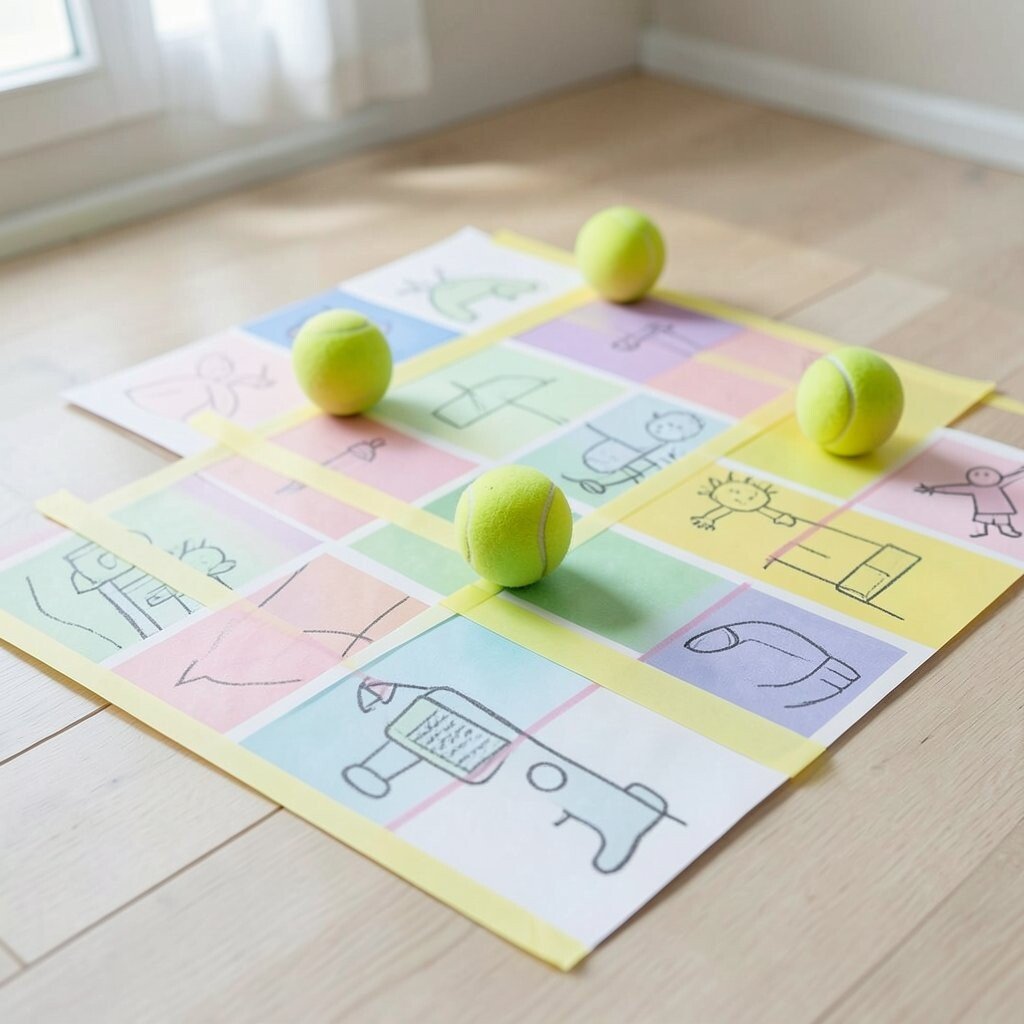
Lay down tape lines like a grid and place tennis balls at one end as “targets.” Instead of hitting hard, players roll from the starting line and try to land near the center of each tape square.
The visual of neat tape squares and the soft roll of a tennis ball feels calm and focused. It helps with aim and encourages steady technique over wild force.
Use chalk or marker to draw different themes on paper and place them under the tape for easy personalization. If you want a modern twist, try a “pastel grid” style by using colorful painter’s tape that matches your room.
16. Clack-and-Catch With Tennis Balls in a Coffee Can

Place a tennis ball inside an empty coffee can with the lid removed or secured, then shake it gently. Players catch the can and try to time a soft release so the ball drops into a small open area.
The clack sound and the dramatic drop make it feel like a mini stunt. This builds reaction time and makes catching practice more entertaining.
For practical safety, use a can with no sharp edges or cover edges with tape. Personalize the game by using different can sizes and adding a cloth “gate” so the ball has to pass through a specific opening.
It’s a great low-cost option because you can reuse household items instead of buying new toys. If you like hands-on trends, this feels like simple “everyday maker” play.
17. Tennis-Ball “Lighthouse” for Hide-and-Seek Roles
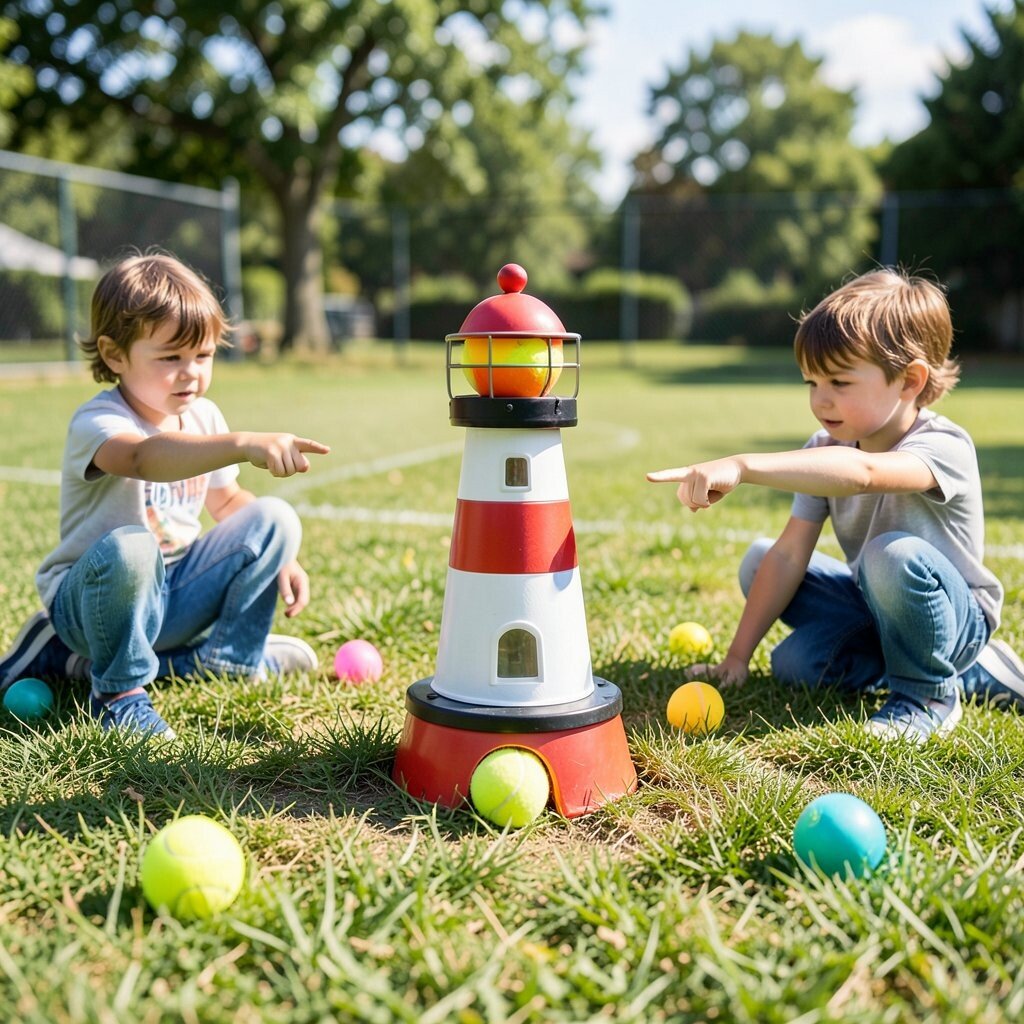
Choose one tennis ball as the “lighthouse” and put it at a safe spot where seekers must return to check in. The seekers freeze and point toward the lighthouse when they think they found someone.
You’ll see bright ball markers that make the whole space easier to read, even in uneven yards. This helps kids understand game rules and adds structure to classic hide-and-seek.
Personalize by using different colored lighthouse balls for different rounds, so the roles feel fresh. For cost, you only need one ball and maybe a few extra markers, which keeps setup easy.
Many families like structured hide-and-seek lately because it reduces chaos, so this version keeps that energy while adding clear checkpoints. Make the rules short and friendly so kids stay engaged.
18. DIY Tennis-Ball Maze on a Table With Moving Gates
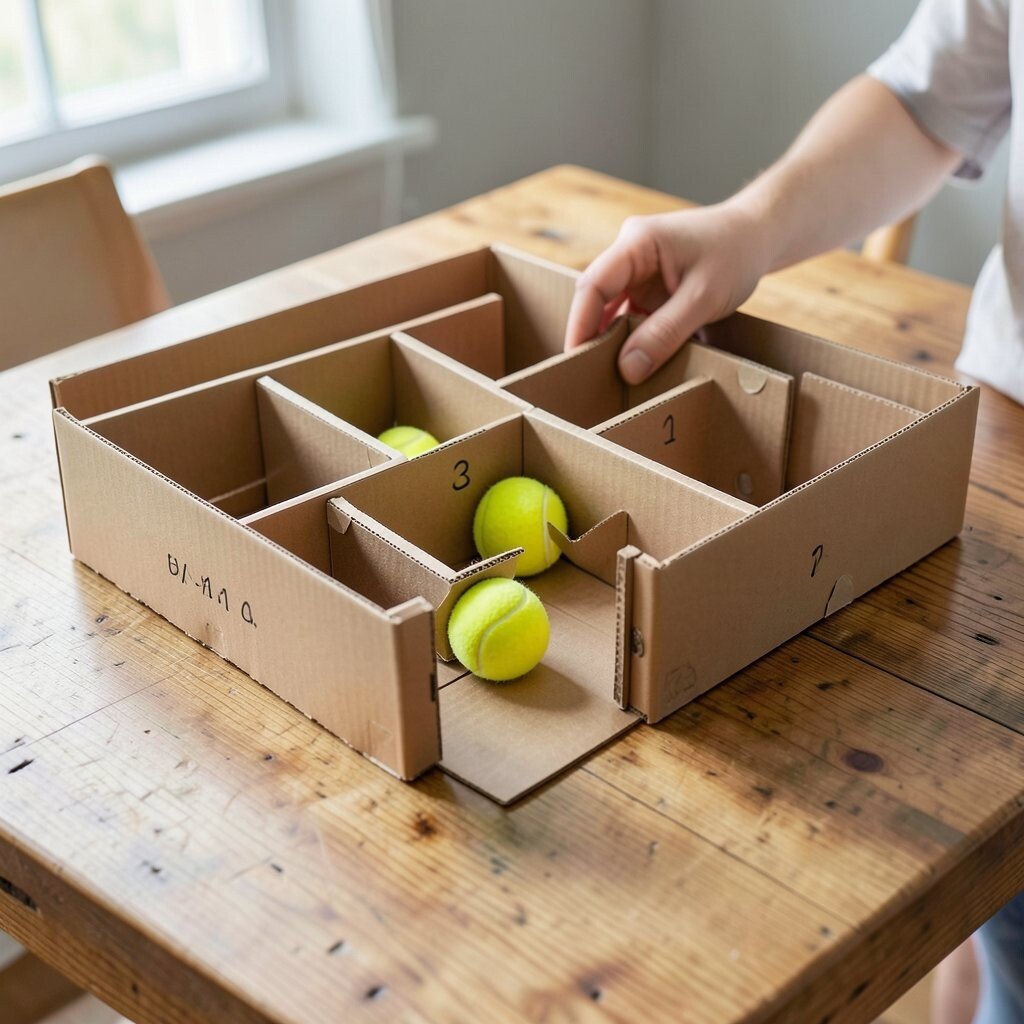
Build a maze on a sturdy table using small cardboard walls and tape hinges for moving gates. Players slide a gate to open a path, then roll a tennis ball through.
You’ll love the visual of a ball trapped behind walls, then released when a gate moves. It boosts problem-solving, cause-and-effect thinking, and steady hand movement.
Keep it practical by testing the ball path with just one ball first so nothing jams. Personalize the maze with numbers, letters, or a favorite story map so the game feels like it has a mission.
19. Tennis-Ball “Magic” Trick Shots for Confidence

Set up a few objects like cups, small buckets, or stacked blocks to create “spell targets.” Players attempt trick shots such as bouncing once, rolling through, or spinning the ball around a marker.
The best part is the visual payoff when the ball hits the target and the “magic” moment lands right in front of you. This helps build confidence because kids get clear wins and can improve each round.
For personalization, let each child invent one trick shot and teach the group how to do it. Keep the cost low by using items you can reset, and consider using soft surfaces like rugs to protect floors.
Trick-shot challenges have been trending in family play because they feel like games you can share on the spot. Record a short video on your phone if you want extra motivation, and celebrate effort over perfection.