A tennis ball is small, but it can pack big learning energy. With a few gentle activities, you can build skills that show up in daily life.
These ideas are playful, practical, and easy to set up at home, at school, or in the yard.
1. Bouncy Writing Wall Drills
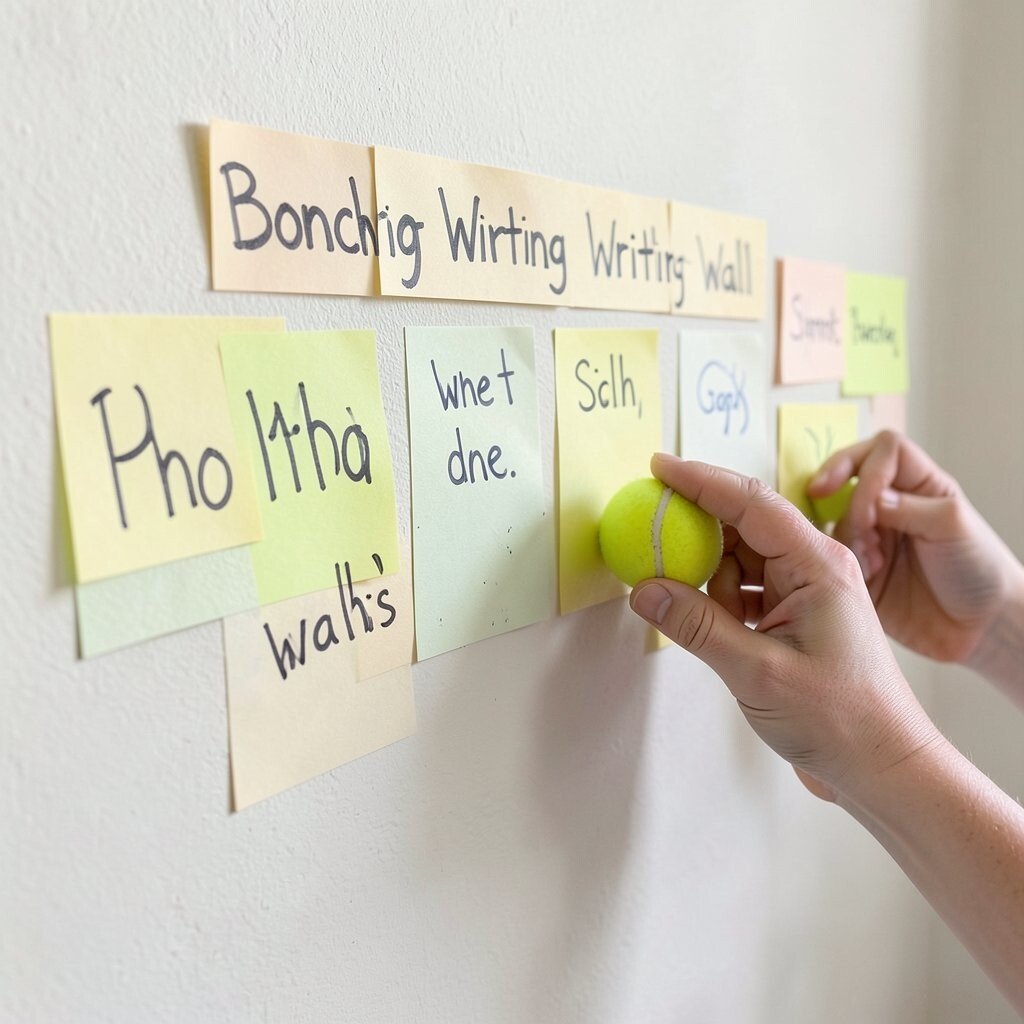
Pick a spot on a wall where a tennis ball can bounce safely back toward you. Write letters, shapes, or short sight words on sticky notes and try to hit each one with a controlled bounce.
You will practice aim, timing, and hand-eye coordination as the ball lands where it should. For personalization, choose words that match what you are currently studying, like spelling lists or vocabulary themes. Keep a low-stress pace and use soft tosses first, especially if you are working with younger learners. If the tennis ball starts to flatten, replace it so the bounce stays predictable and fun.
2. Silence-Only Catch and Count Rhythm

Stand across from a partner and catch the ball using only your hands, no extra sounds. Count the catches in your head and try to keep a steady rhythm even when the ball bounces off different spots.
This activity helps you focus and control your body without getting distracted. If you are practicing alone, place a basket and aim for it on every toss, then track your accuracy with a simple mental goal.
To make it feel unique, turn it into a pattern game where you do catch, clap, catch while still keeping the rule of silent play. Choose softer toss heights if the ball is bouncing too wildly, since safety matters. A fresh tennis ball is usually bouncier, so you may prefer newer balls for smoother rhythm practice.
3. One-Hand Balance Relay
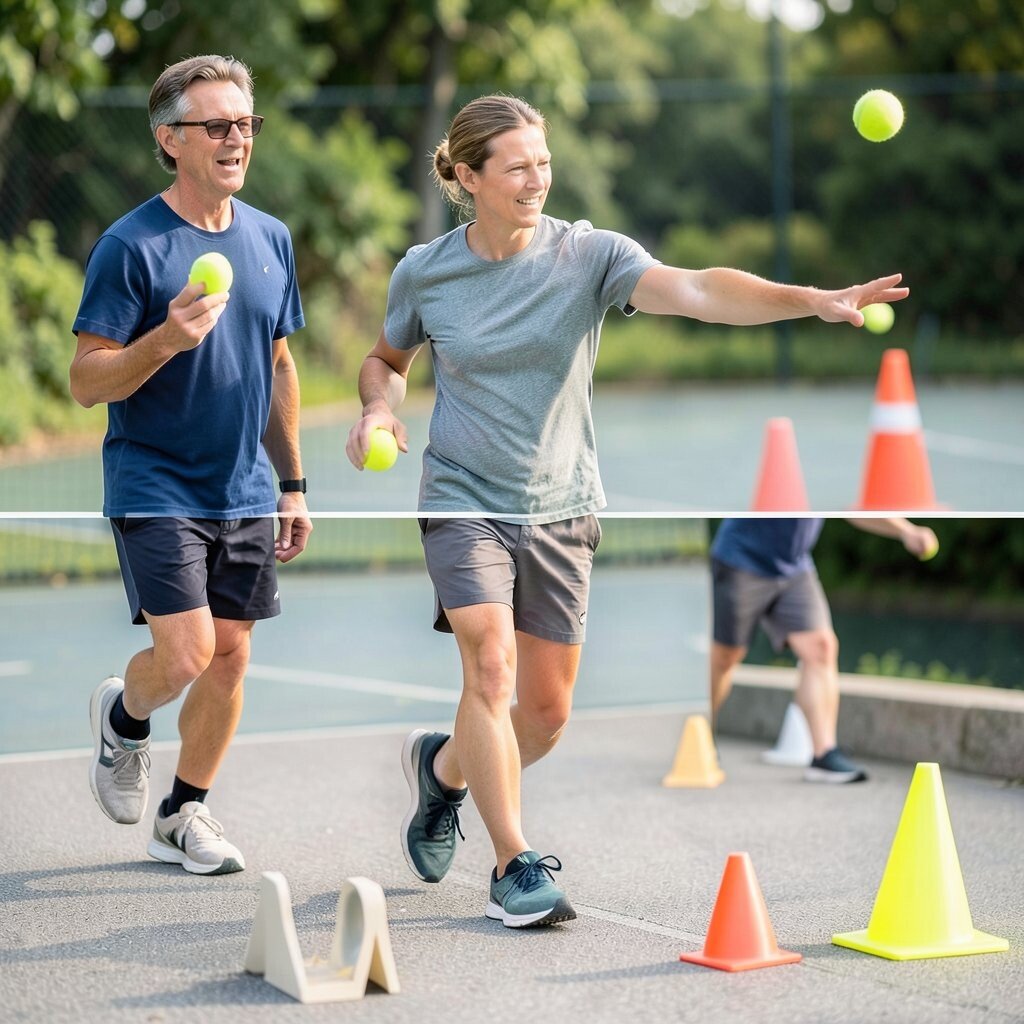
Hold a tennis ball in one hand and walk a short path without dropping it. For an added challenge, reach a little toward a target on the way, like tapping a cone or a piece of tape.
This builds balance, coordination, and careful control as you move your body step by step. Try three short sections and rest between them so you stay confident and not rushed. If you want personalization, match the targets to your interests, like tap-star shapes for a space theme. Use shoes with good grip and clear the floor so your footwork stays steady.
To keep cost low, use household objects like bookends as markers and recycle old tape for targets. A brighter tennis ball is easier to spot during quick steps, which can make practice feel smoother.
4. Spelling Bounce Scoring Game
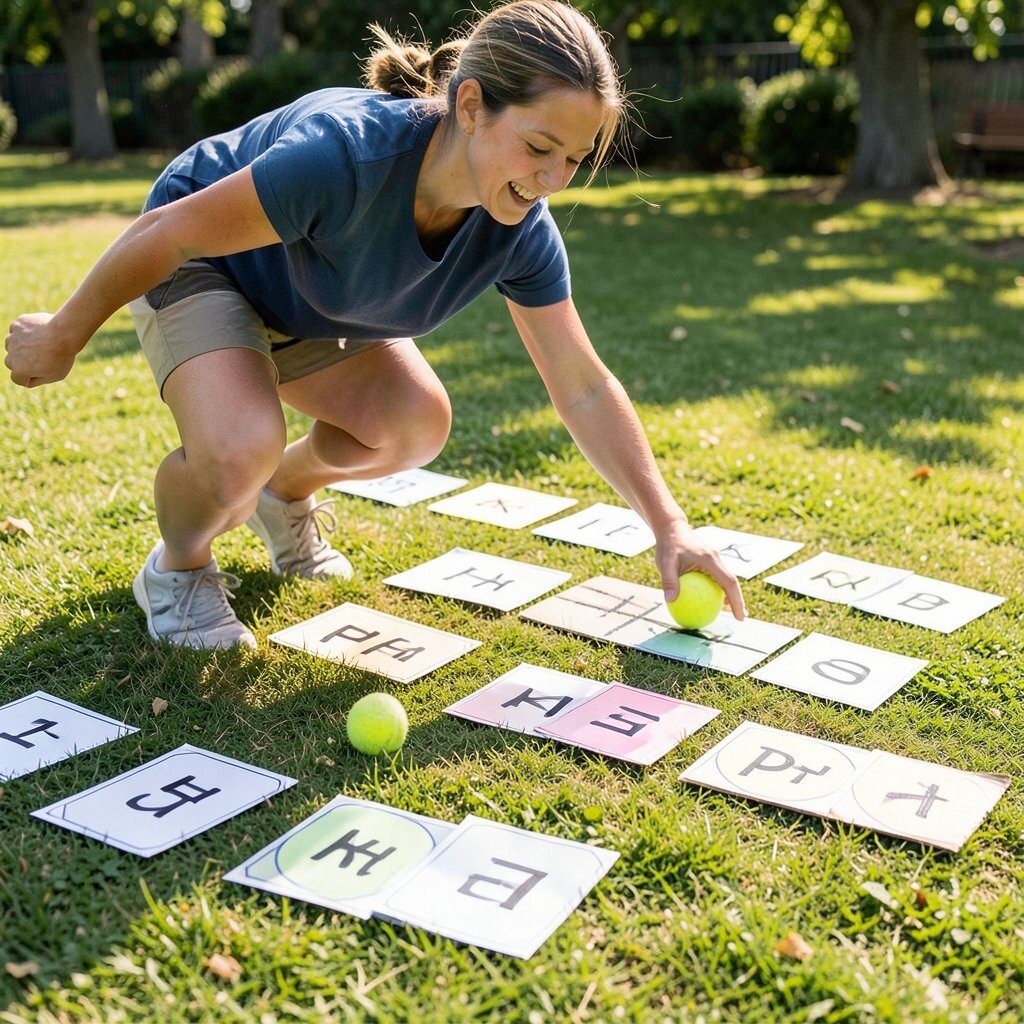
Place cards with letters or word parts on the floor and try to land the tennis ball near each card. Each successful landing earns a point, and you can move through the set in order like a mini obstacle course.
You get lots of repetition for spelling and reading while moving your body at the same time. For practical tips, start with fewer cards and gradually increase the number as your accuracy improves. If you practice outdoors, watch for wind that could nudge the ball and adjust your aim. Use a cheap marker to draw a simple scoring grid on cardboard so you can reuse it again and again.
5. Texture Treasure Path
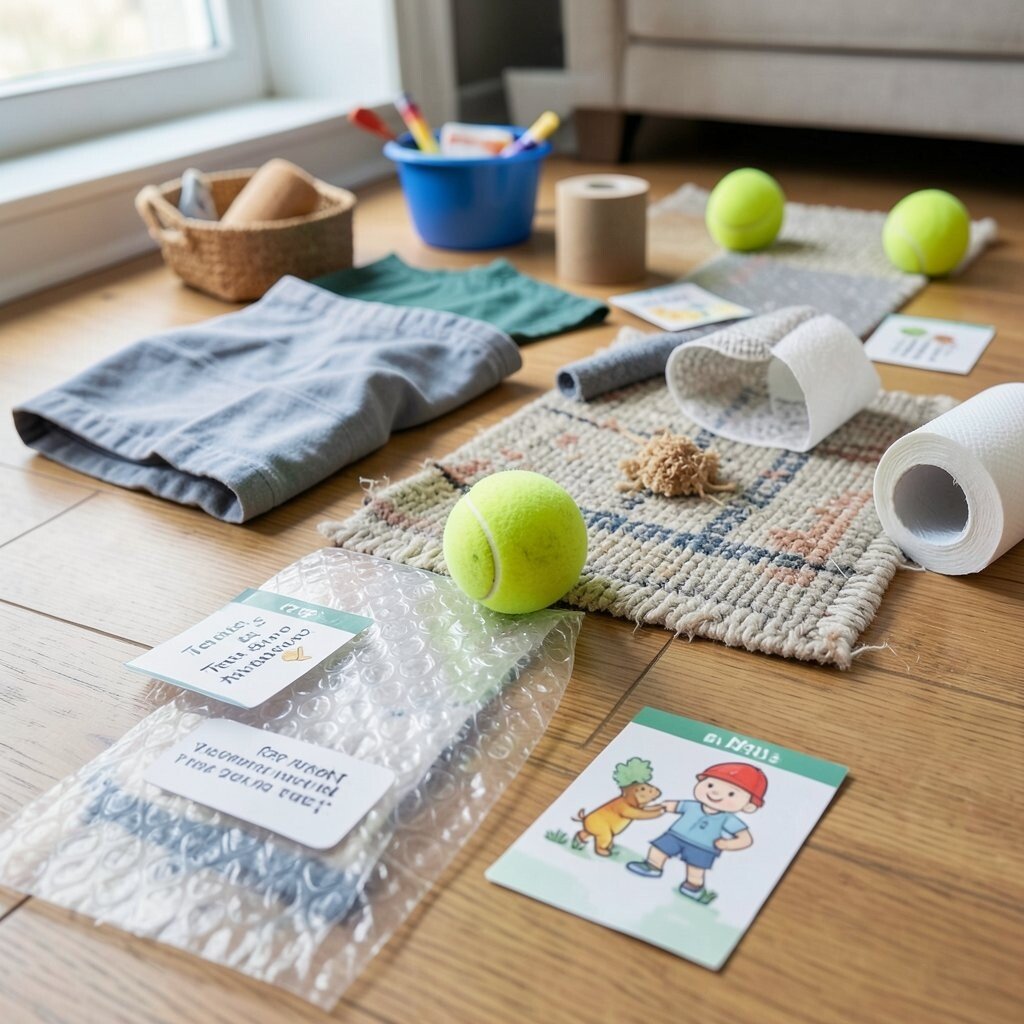
Create a path on the floor by placing items with different textures near where you will toss the ball. Think folded fabric, bubble wrap, paper towel rolls, or a small rug, and match each texture to a matching label on a card you read aloud.
As the ball rolls close to each texture, you practice attention and vocabulary. You can personalize the theme by using topics like seasons, animals, or community helpers. Keep the path short at first and choose safe, flat textures that won’t slide too much under the ball.
For uniqueness, let each person pick the textures and explain why they chose them, which encourages speaking and curiosity. If your tennis balls are older and less lively, a softer roll toss may work better than a heavy throw. This activity uses almost no extra cost, since you likely already have texture items at home.
6. Math Target Practice With Zones
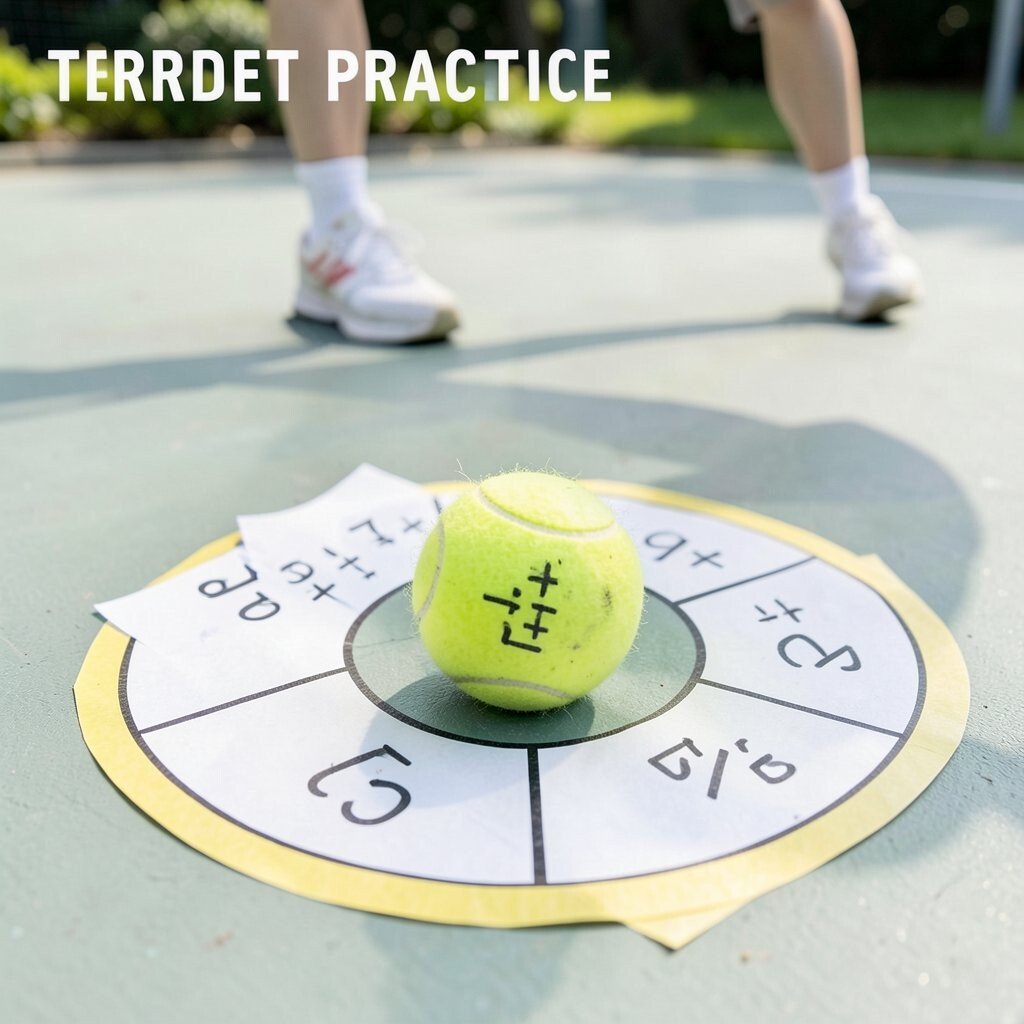
Mark circles on the ground with tape and assign each zone a number using scrap paper or markers. Toss the tennis ball so it lands inside a zone, then solve a math problem that matches the zone value.
This turns basic math practice into something physical and engaging. You can include addition, subtraction, or even simple fractions by deciding what each zone means before you start. For practical tips, keep the zones big enough for success and switch the order of numbers each round to prevent memorizing only the pattern.
Personalization is easy here since you can use math you are studying right now, like multiplication facts or word problems. To stay safe, do this on a clear surface and remind everyone to stand behind the throw line. If you notice the ball rolling too fast, try using a slightly softer toss or a more worn ball for gentler movement.
7. Emotional Check-In Through Throws
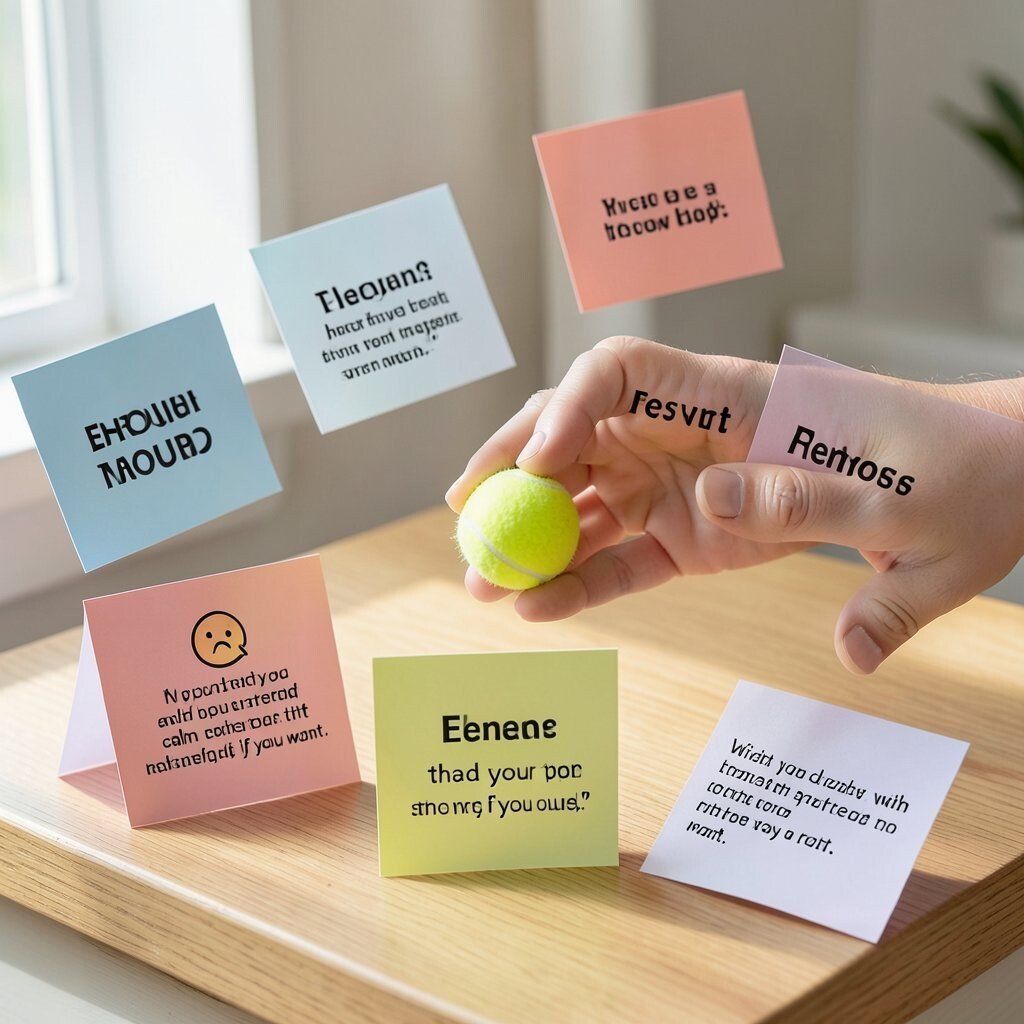
Choose a few emotion words and place them on cards around a room or yard. Without forcing feelings to be shared aloud, toss the tennis ball toward the card that fits your mood, then describe it with a short sentence if you want.
This can help you notice feelings and practice calm expression, especially after a busy day. Visualizing the cards in your space adds a sense of comfort and control, like you are steering your own moment. Try pairing each throw with a breathing reset, such as one slow breath as you toss and another after you catch.
To make it unique, use colors for each emotion and let each person choose a color that feels personal. You can also record which card you choose over a week to spot patterns, which matches current trends of self-awareness through simple routines. Cost stays low because all you need are cards and tape, and a tennis ball you already have.
8. Mini Trainer for Slow-Start Serves
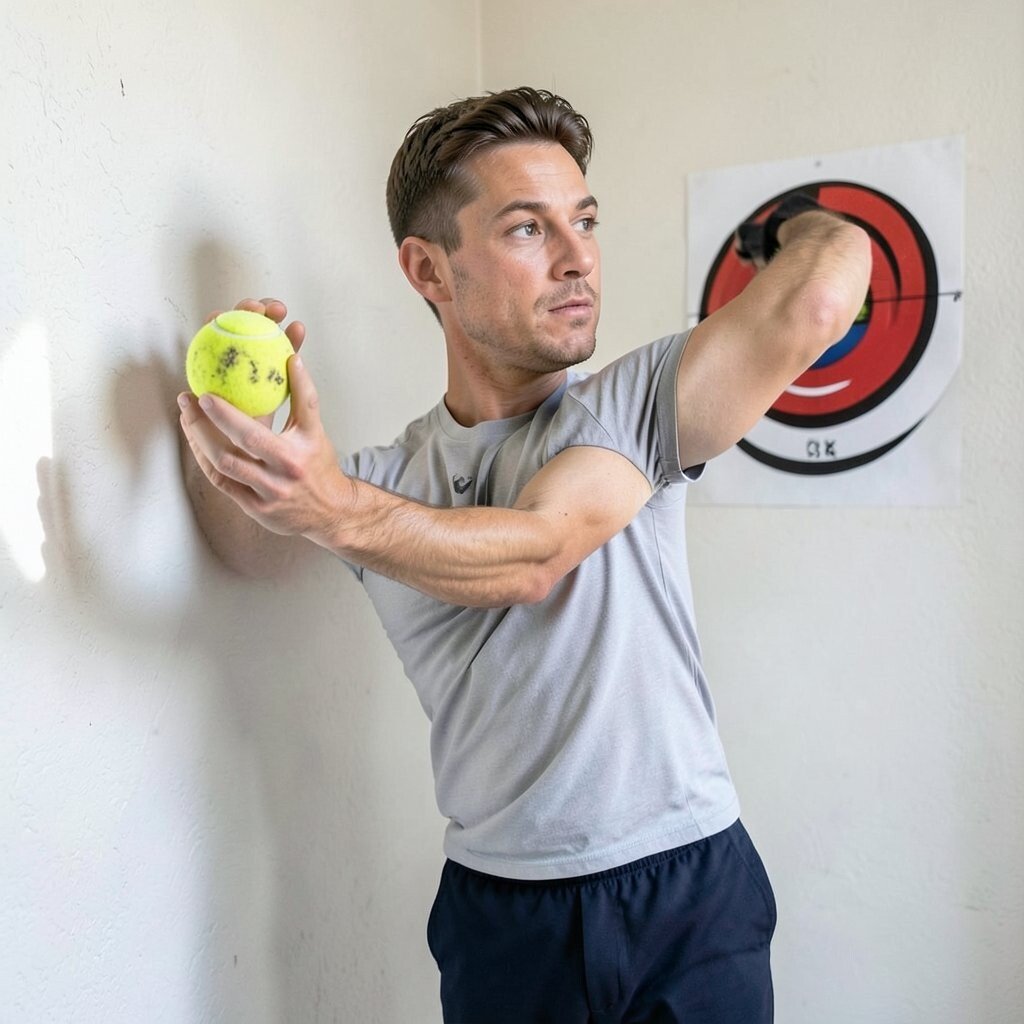
Practice a gentle serve motion by holding the tennis ball and repeating the same movement slowly. Stand near a wall and try to send the ball to a consistent spot, then gradually speed up when the motion feels smooth.
This supports learning through repetition, since your body remembers the serve mechanics. You improve coordination while also building patience because good practice is often slow at first. For practical tips, keep your target at chest height and focus on a smooth arm path rather than power.
Personalize the drill by using a target that matches your goals, like a certain height for a school sports class. If you want a trend-friendly twist, make it a video check where you watch yourself for one small change each day. Using a slightly worn ball can make the serve feel less bouncy and more controllable for beginners.
9. Alphabet Roll Under and Read
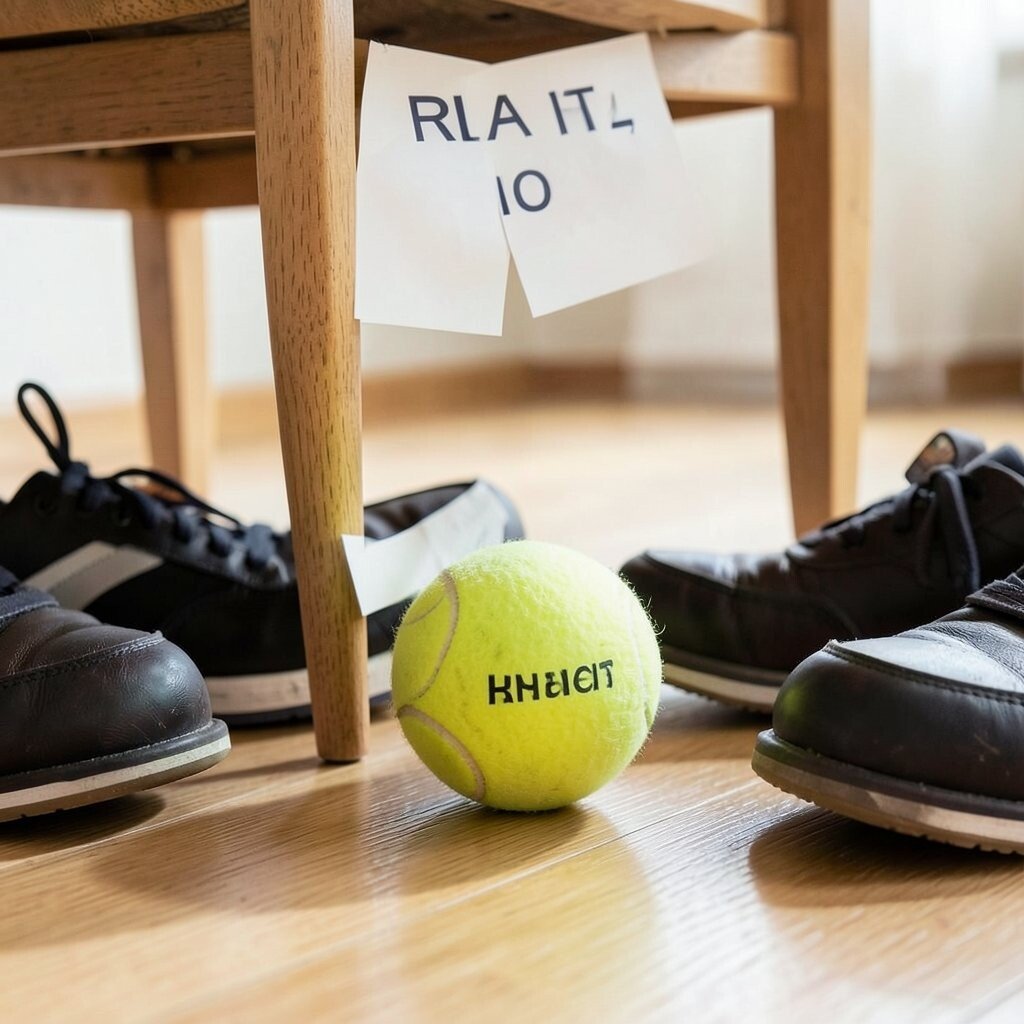
Have a stack of picture books or note cards with letters at the top. Place the tennis ball on the floor, roll it gently under a chair leg or between two shoes, and read the letter it comes closest to.
This helps build early reading confidence while training fine control and careful movement. The visual moment of seeing where the ball ends up keeps it surprising, which helps attention stay strong. For personalization, use letters from your name, your favorite cartoon, or a current classroom unit.
Keep the setup safe by using stable furniture and making sure the floor area is clear. If the ball rolls too far, shorten the space between the chair legs or slow the initial push. This is a low-cost activity because it uses everyday items you already have.
10. Balance Beam Toss Without the Beam

Lay down a straight line with tape to act like a “beam,” then toss or roll the ball while your feet stay on the line. You can aim for small marks along the tape line to create a path of targets.
This strengthens balance and coordination while also improving accuracy. For practical tips, start with rolling rather than throwing so you can keep steady control. Add a rule like stepping only forward to help your movement stay calm and focused.
11. Science Card Reaction Experiment

Choose a few simple science prompts, like “What happens when it bounces higher?” and place them on cards. Toss the tennis ball from different heights, then match your observations to the correct card using your own words.
You learn the basics of cause and effect without needing fancy equipment. Watch the ball’s visual path, including how it compresses slightly before it springs back. For personalization, connect prompts to what you see in real life, like playground bounce or sports practice.
To keep it practical, mark heights with folded paper stacks and use the same starting spot each time. Cost considerations are minimal since tennis balls are affordable and reusable, especially if you take care of them. If you want a current trend angle, turn the results into a simple “guess first, test second” routine that builds scientific habits.
12. Quiet Story Act-Out With Ball Prompts

Write short story prompts on sticky notes, then place them around the room. Toss the tennis ball from one spot to reach the next note, and act out a tiny scene based on that prompt.
This builds creativity and language practice while turning movement into storytelling. The visual sequence of notes feels like stepping stones for your imagination. For practical tips, keep prompts short so the activity stays fun and light, like “a lost mitten finds a friend” or “a robot learns kindness.”
Personalize by using a topic you enjoy, such as dinosaurs, soccer, space missions, or fairytales. If you are working with groups, let each person choose the next prompt card to encourage ownership and leadership. Using the same set of sticky notes each time keeps cost low and setup fast.
13. Hand Strength and Grip Steady Practice
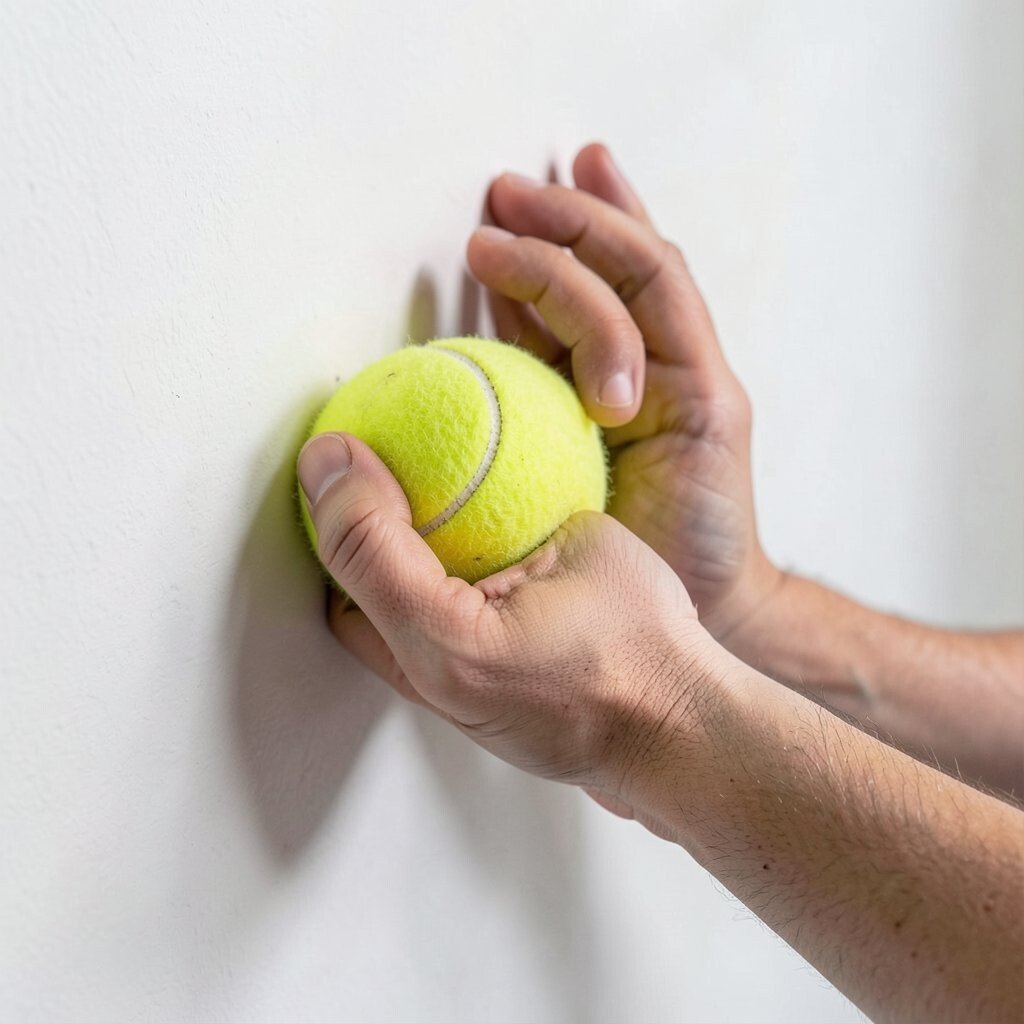
Hold the tennis ball and squeeze it gently for short rounds, then release and repeat. Add movement by pressing the ball lightly against a wall with your palm while you count slowly and watch your form.
This improves grip strength and hand control, which helps with handwriting, carrying objects, and sports skills. For practical tips, keep the pressure comfortable and avoid pain, especially if you have sensitive joints. Personalize by choosing a “theme count,” like counting to a favorite number from your routine or school calendar.
Uniqueness shows up when you pair squeezes with a learning goal, like reading a short paragraph between rounds. A fresh tennis ball can feel firmer, so if it feels too hard, use a slightly worn one or squeeze for shorter time. The cost is low because tennis balls are inexpensive and easy to store.
14. Classroom-Friendly Team Relay With Boundaries
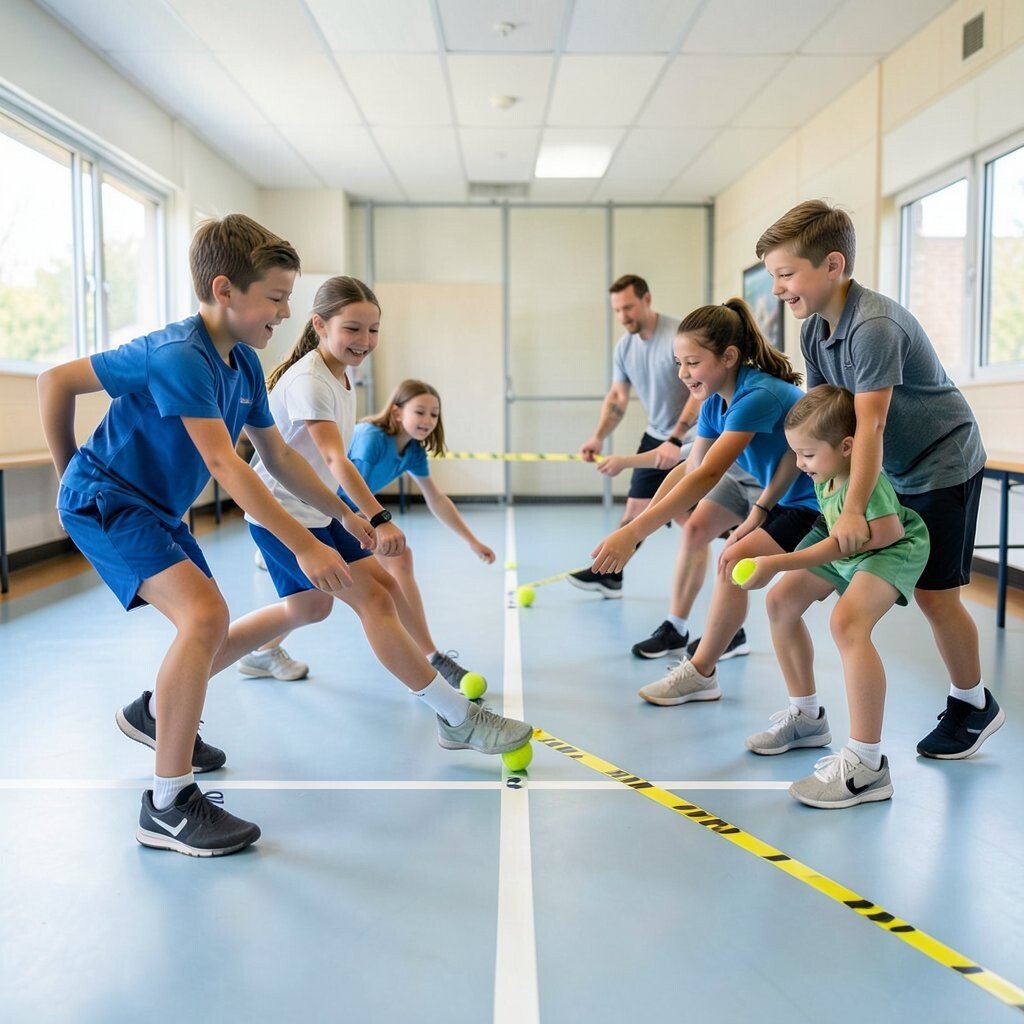
Set two boundary lines with tape and have teams pass the tennis ball back and forth by rolling it. The catch is that the ball must cross the line each time, and players can only step over the line when they pass.
This builds teamwork, patience, and coordination while keeping rules simple enough for many ages. The visual of the ball traveling across the shared space helps everyone stay focused on the same goal. For practical tips, use soft rolls at first and enlarge the play area as confidence grows.
To personalize, match roles to skills, like one player calling the next number, another checking the rule, and another measuring the distance with a shoe-length. It also connects to current classroom trends using movement-based learning during short activity breaks. Tennis balls are budget-friendly, and you can replace one ball without needing new equipment for the whole class.
15. Color Match Ball Roll to Build Focus
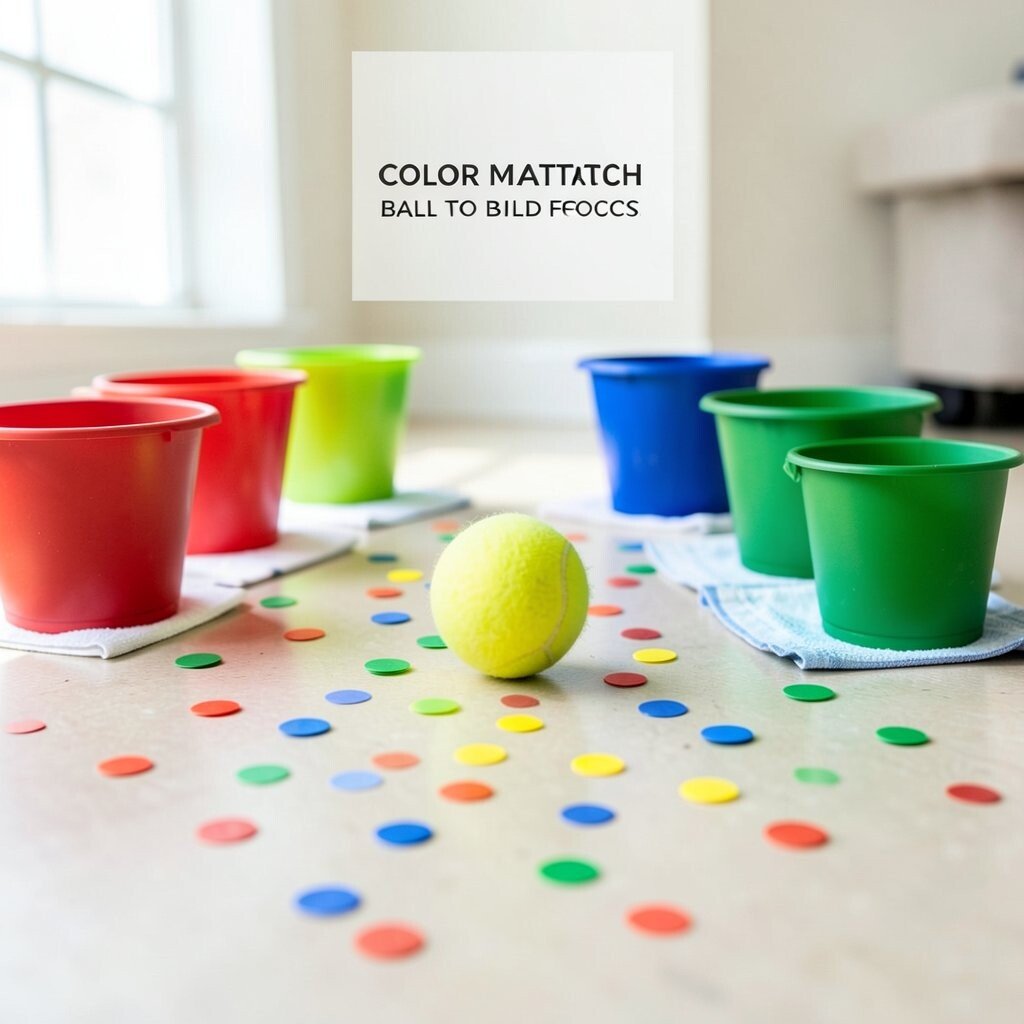
Scatter colored paper dots on the floor and place matching colored cups or bins at the end. Roll the tennis ball and aim for the dot color you call out, then name a word that matches that color.
This supports attention and quick thinking while practicing simple language skills. The bright visual dots make it easy to track progress, and your brain stays engaged because you are switching goals often. For practical tips, call out colors slowly at first, then speed up only when accuracy stays steady.
Personalization ideas are endless, like using your favorite team colors, classroom theme colors, or seasonal colors like red and green for winter. If you are indoors, choose a smooth floor for better control, or use a small towel under the dots to reduce slipping. Costs are minimal since paper scraps and bins are easy to find, and a tennis ball is already part of the fun.
16. Pattern Builder for Creative Rhythm

Make a “pattern track” on the floor with tape lines that represent beats. Roll the tennis ball to different marks in sequences, like red-blue-green, and then let someone else copy the pattern and change one element.
This trains sequencing skills and also supports creativity through soundless rhythm. The visual lines and colored marks make it feel like a mini art project you can move through. For practical tips, keep sequences short at the start and use a consistent pace so learners can track what comes next.
Uniqueness comes from using patterns that match real life, like music beats, dance steps, or even the order of a favorite story’s characters. Personalize by drawing the track in chalk style with sidewalk-friendly colors if you are outside. If tennis balls are older and bounce less predictably, rolling along the track will still work and keep the experience smooth.
17. Weather-Check Ball Drop and Journal
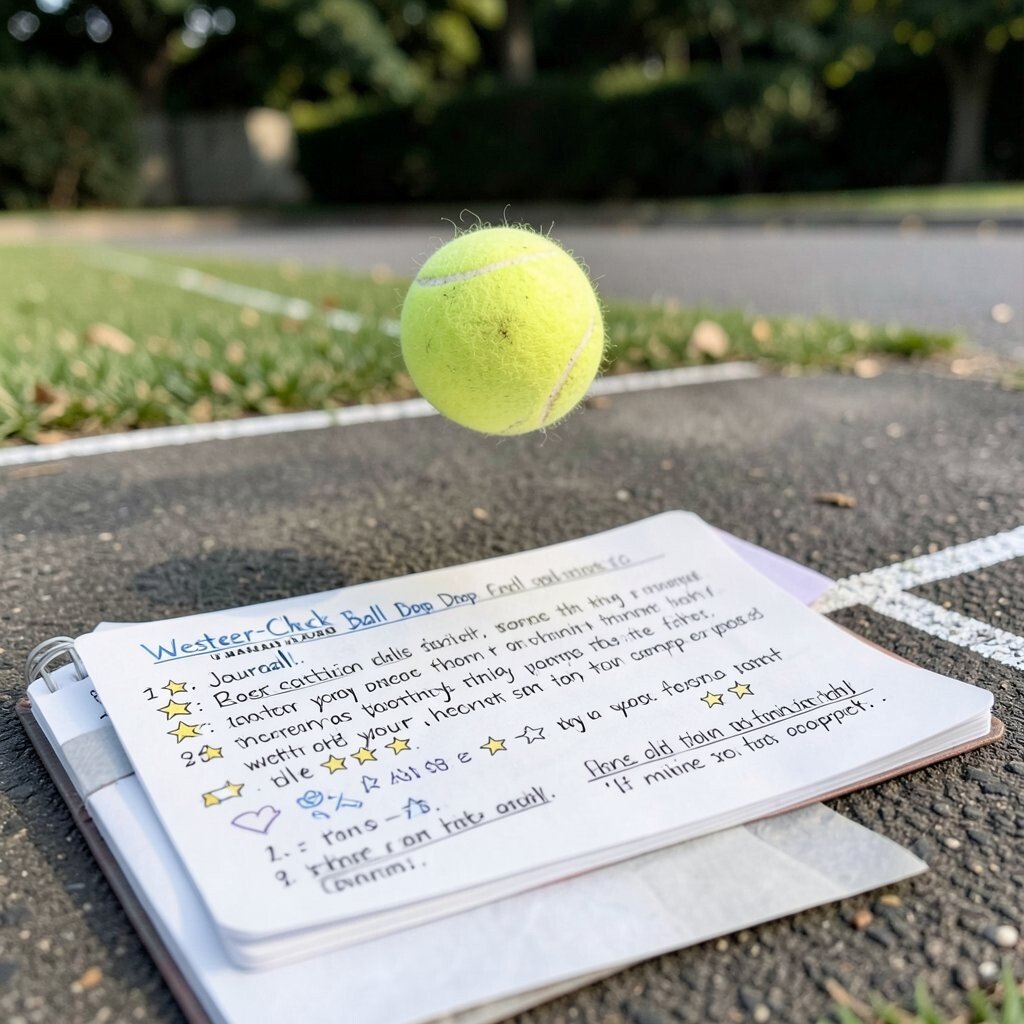
Choose a safe spot outside and drop the tennis ball from a consistent height into a marked landing area. Record what you notice in a simple journal about the ball’s bounce, roll distance, and how the surface affects the movement.
This blends curiosity with observation skills, which supports learning habits that carry into school and daily life. You will notice patterns as the weather changes, such as softer ground causing less bounce or firmer surfaces making the ball travel farther. For practical tips, keep the time of day similar so the results are easier to compare.
Personalize your journal with doodles, star ratings, or short sentences that match your writing level. Cost considerations are easy because all you need are a ball, a small marker like chalk or tape, and a notebook you might already have at home. If you enjoy current trends, consider sharing one observation each day with a friend or family member as a “mini science report” for motivation.