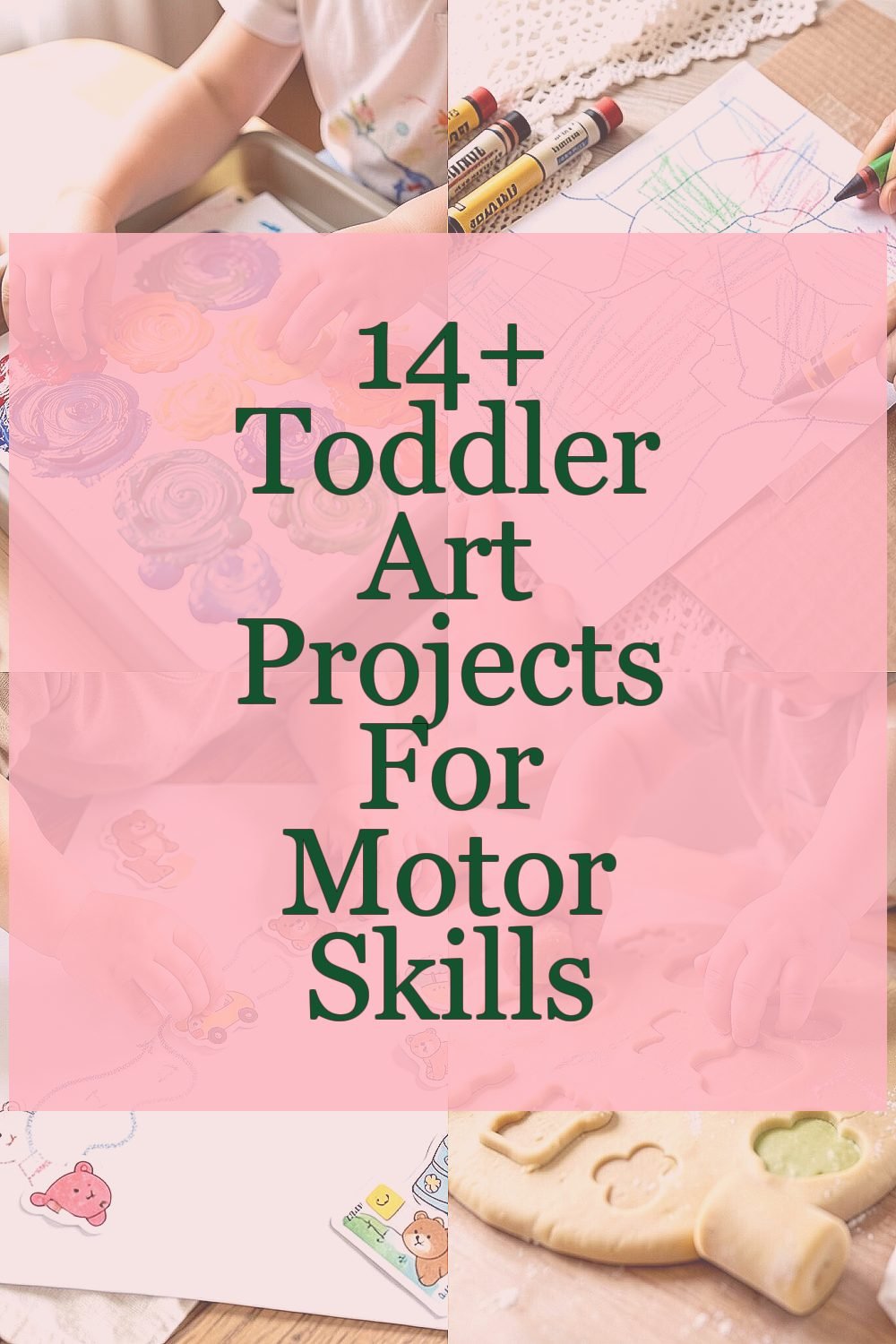
A paintbrush in small hands can do more than make color. It can turn everyday movements into confidence-building practice.
When toddlers smear, press, pinch, and pick, they’re strengthening the control that helps with dressing, eating, and play.
1. Finger-Paint Color Clouds

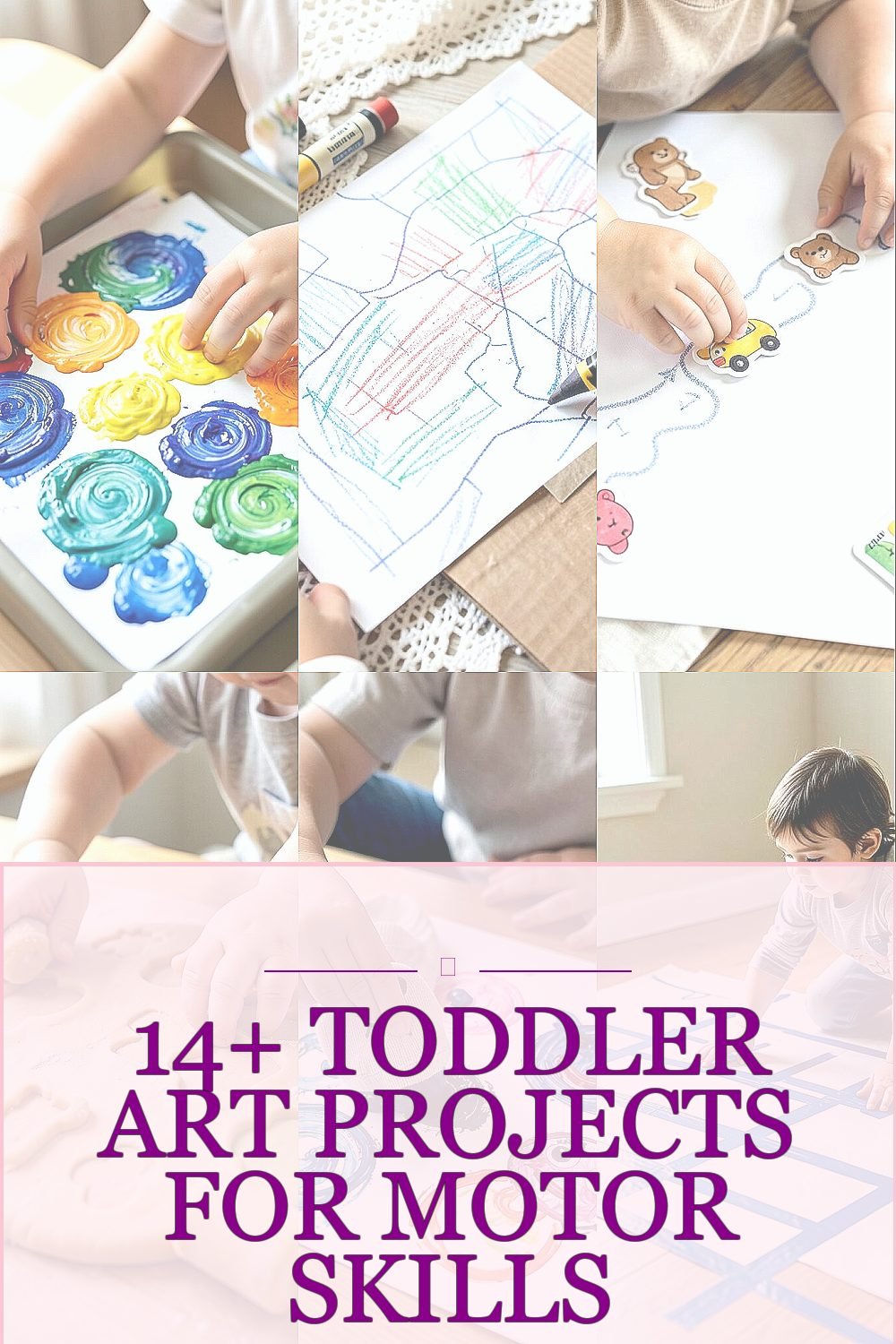
Watch your toddler squish bright paint right on a thick sheet of paper. Their fingers leave swirls that look like tiny weather systems rolling across the page.
Because they spread and blend with their fingertips, they practice fine motor control and hand-eye coordination. To keep it fun and manageable, use washable paint and a high-sided tray to catch spills.
2. Crayon Rubbings With Texture Treasures

Set out safe crayons and a piece of paper over everyday textures like cardboard, lace, or textured fabric. The paper fills in with patterns that feel surprising, like hidden maps appearing as pressure changes.
Toddlers learn how much force to use while holding the crayon and moving it steadily. Try taping the paper down and offering one texture at a time, so each attempt feels like a clear win.
For personalization, let your child choose which household item becomes the “texture treasure.” This project is budget-friendly since you can use scraps and household materials, and it fits the current trend of using simple, screen-free sensory materials.
3. Sticker Pathways and Sticky Trails

Provide a large sheet of paper with a faint path drawn in marker or chalk. Your toddler places stickers along it, creating a bumpy line that looks like a playful road.
Peeling and pressing stickers builds pinch strength and wrist control. For practical tips, choose stickers your toddler can grip easily, like foam shapes or big children’s labels, and keep a small pile within reach.
To personalize, add a theme like “bear road” or “spaceship lane” using simple drawings. Cost is usually low because you can repurpose sticker sheets and focus on a few favorites.
4. Dough Stamp Shapes With Rolling and Pressing

Offer non-toxic play dough and chunky stamps or cookie cutters, then let your toddler press shapes into the soft surface. You’ll see clean impressions and playful smudges that make each stamp look unique.
Working with dough strengthens gripping, thumb control, and small hand movements. Use a damp cloth nearby to help keep the dough from drying, and start with a few simple shapes so success comes quickly.
5. Sock Puppet Painting Prints

Turn an old sock into a “paint puppet,” then dab it into washable paint and press onto paper. The prints look like bouncy circles and wiggly swirls, as if the puppet danced across the page.
This method supports motor skills by encouraging controlled squeezing, dipping, and stamping motions. Keep the paint in a small, shallow dish and let your toddler practice gentle pressure before making full designs.
For personalization, add eyes and a mouth to the finished sheet so the prints become puppet characters. This can be an easy, low-cost activity since you’re using fabric scraps and basic paint, which matches the current love for upcycling crafts.
6. Tape Line Walls and Pattern Pulls

Create a large “tape canvas” on the floor using painter’s tape lines in different directions. Your toddler presses along the tape and then pulls at the edges, leaving crisp stripes and satisfying shapes.
Peeling tape strengthens finger control and teaches planning in small steps. To make it practical, use painter’s tape that removes gently and limit the tape area so it doesn’t become overwhelming.
7. Watercolor Drip Jars With Pipettes

Set up small cups of diluted watercolor and provide a kid-safe pipette. When your toddler squeezes and releases, you’ll see tiny drips that gather into colorful pools like miniature rivers.
Squeezing the pipette builds hand strength and precision, while watching the drop strengthens focus. Give each color its own cup, and encourage a single drop at a time so the activity feels like “aiming” rather than rushing.
Personalize by making a “color weather” page, where your child chooses sunny yellows or rainy blues. Cost stays reasonable because watercolor sets and pipettes are reusable, and this project fits the trend of using simple science-style tools for art.
8. Busy Box Collage With Magnets and Shapes

Use a cardboard box lid or a plastic tray filled with colorful shapes and small magnets. Your toddler moves pieces around, and the tray fills with organized clusters that look like a real working studio.
Guiding magnets helps practice reaching, positioning, and gentle grip. For practical tips, keep pieces large enough to handle easily and cover the tray edges so hands stay safely inside the play space.
9. Paper Tear-and-Sprinkle Mosaic

Draw simple outlines on paper, like a sun, tree, or fish, then invite your toddler to tear paper into small bits. The result is a mosaic full of tiny edges that catch light and feel alive.
Tearing builds finger strength and coordination, especially when your toddler adjusts how they hold the paper. To keep it practical, offer soft magazine pages or construction paper that tears easily.
Personalize by letting your child choose the color palette and filling only one area at a time for calmer focus. Cost can be near zero if you recycle old magazines, which also matches the current interest in sustainable craft habits.
As they press pieces onto glue or sticky contact paper, they’ll practice patience and controlled placement.
10. Cookie-Cutter Printing With Sponges

Dip a sponge into paint, then press it inside cookie cutters placed on paper. You’ll get bold shapes that look like stamps from a mini bakery, with soft edges that feel cozy and bright.
This activity practices steady pressing and improves coordination between hands and eyes. For practical tips, hold the cutter in place for the first few rounds so your toddler can focus on learning the pressure and rhythm.
11. Pom-Pom Drop Paths With Tweezers

Set a tray with a clear path marked on it, then place pom-poms at the start. Your toddler uses chunky tweezers to pick up a pom-pom and drop it into little spots, creating a bouncy line of color.
Using tweezers strengthens pinch grip and supports thumb-to-finger coordination. To make it easier, choose large pom-poms and tweezers designed for small hands, and keep the target holes big enough for success.
Personalize by labeling spots with simple drawings like stars or hearts, so the activity feels like a game. Cost is modest since pom-poms can be bought in bulk or reused, and this aligns with the current trend of hands-on fine-motor tool play.
Watch how quickly your child improves as their movements become more controlled and confident.
12. Cotton Swab Starry Sunprints

Pour a small amount of paint into a tray and give cotton swabs for gentle dabbing. Your toddler creates a starry pattern that looks like constellations forming one dot at a time.
Dabbing builds delicate control and helps toddlers practice using tools with steady hands. For practical tips, limit the paint amount, and place a paper towel nearby for quick clean-ups.
13. Cardboard Tube Roll-And-Trace Rockets

Cut cardboard tubes into short “rollers,” dip them in paint, and roll them across paper. The prints look like repeating circles, and your toddler can guide them into rocket shapes with drawn details.
Rolling and tracing strengthen grip, wrist movement, and planning for lines and shapes. To personalize, add simple stickers or crayons afterward so the rocket becomes your child’s “space hero.”
Cost consideration is great here because many tubes come from paper towels or wrapping paper. This activity also matches the current trend of using recycled materials for creative play and less clutter.
14. Clay Bead Winding With Pipe Cleaners

Give your toddler soft clay and a set of colorful pipe cleaners, then let them roll tiny beads and thread them. You’ll see bright bead strings that look like kid-made necklaces or garden vines.
Rolling clay beads builds finger strength and coordinated hand movement. For practical tips, keep bead size consistent by offering small clay chunks, and thread a few beads together first to show the motion.
Personalize by making a “bug necklace” with different colors, or match beads to a favorite animal. The materials are usually inexpensive, and this project feels special because it blends tactile sculpting with playful threading.
15. Color Mixing With Dropper Bottles and Paper Circles

Place paper circles on a sheet and set out small dropper bottles of different colors. Your toddler adds drops into each circle, and you’ll watch colors swirl and blend like friendly paint clouds.
Squeezing droppers improves fine motor control, while mixing teaches careful amounts of pressure. For practical tips, use sturdy bottles with narrow tips and keep one color open at a time so attention stays focused.
Personalize the circles as “rainbow planets” or “monster faces,” depending on your child’s mood. This is a great low-cost option since you can refill droppers with leftover paint and it fits the current trend of small-batch, sensory art stations.
When the page is complete, your toddler will likely want to point at every blended spot, which is a joyful sign of engagement and mastery.