
The first time you see a creative board in motion, it feels like a window opens. Each one can nudge your ideas into clearer shapes.
When you build one that fits your life, you start seeing patterns faster and stressing less. This article shares many styles you can copy, remix, and make yours.
1. Sticker Collage Moodboard
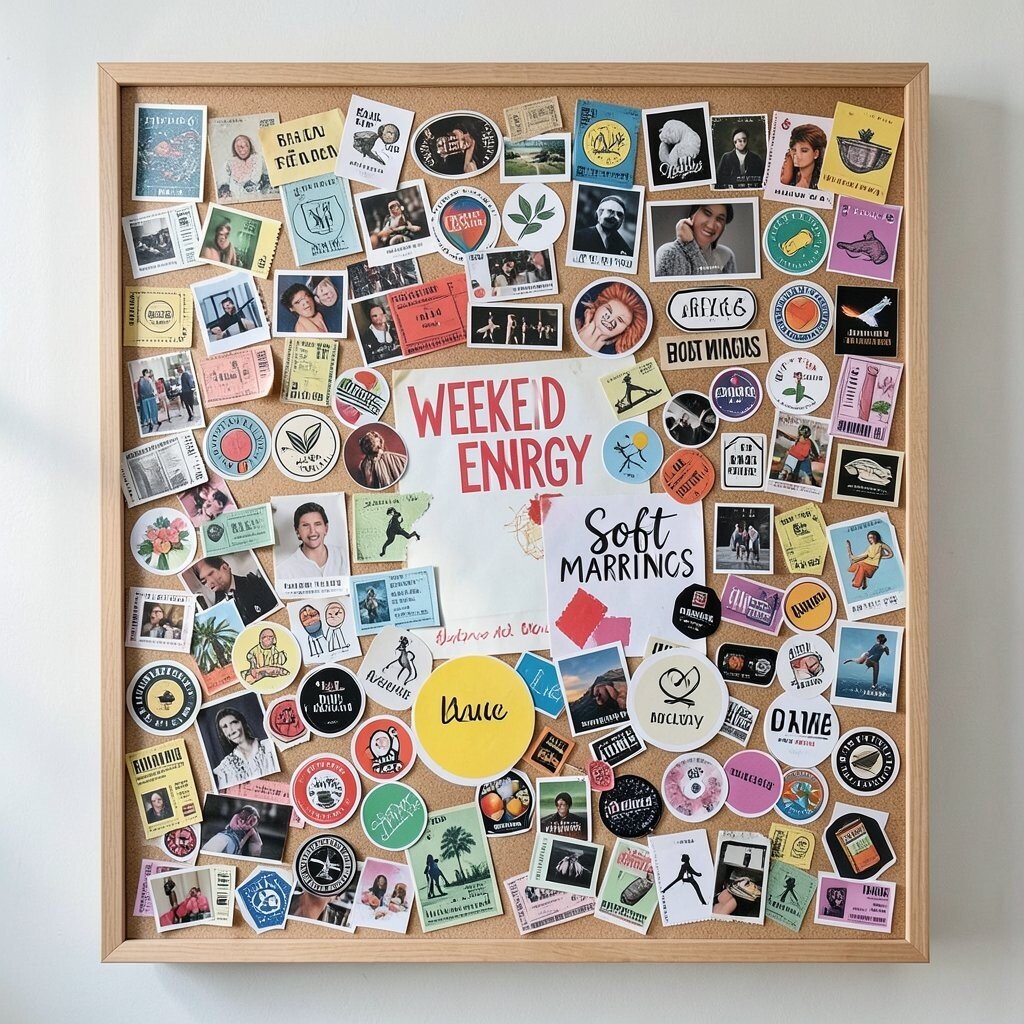
Picture a board covered in tiny stickers, ticket stubs, and bold cutouts layered like a playful scrapbook. Colors overlap in a way that feels messy at first, then oddly organized when you step back.
To make it work, pick a theme like “weekend energy” or “soft mornings” and keep the sticker types consistent. Use a few bigger pieces as anchors, then fill gaps with small ones so your eye keeps moving.
2. Minimal Color-Block Vision Board
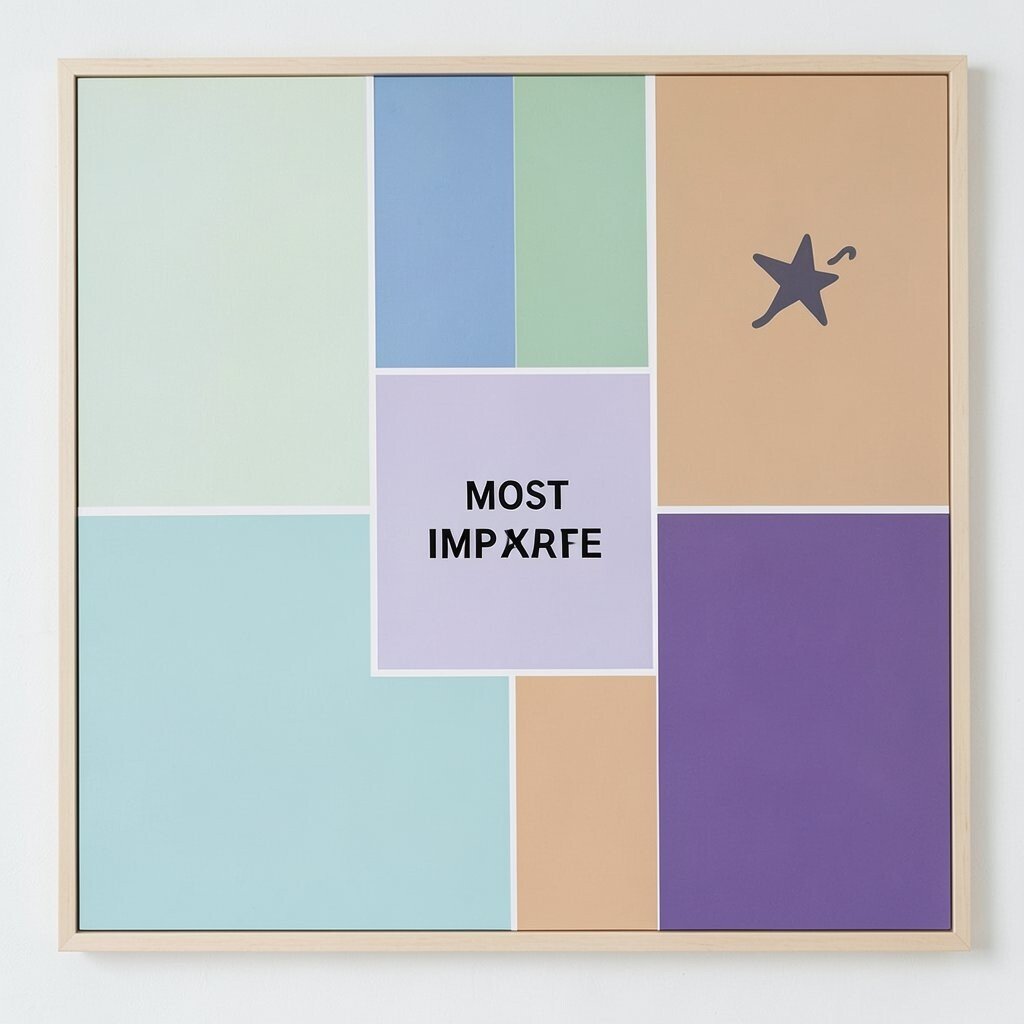
Imagine a board split into clean color blocks, each one painted or printed in calm shades. The empty space becomes part of the design, like a quiet breath between ideas.
You can benefit from this style if you want focus, since fewer elements reduce visual noise. Choose a limited palette, then match images and words to only those colors.
For uniqueness, add one “wild card” block that uses a surprising hue and only one symbol, like a star or squiggle. Keep it practical by placing your most important goal near the center, where you will look often.
3. Hand-Lettered Typography Board
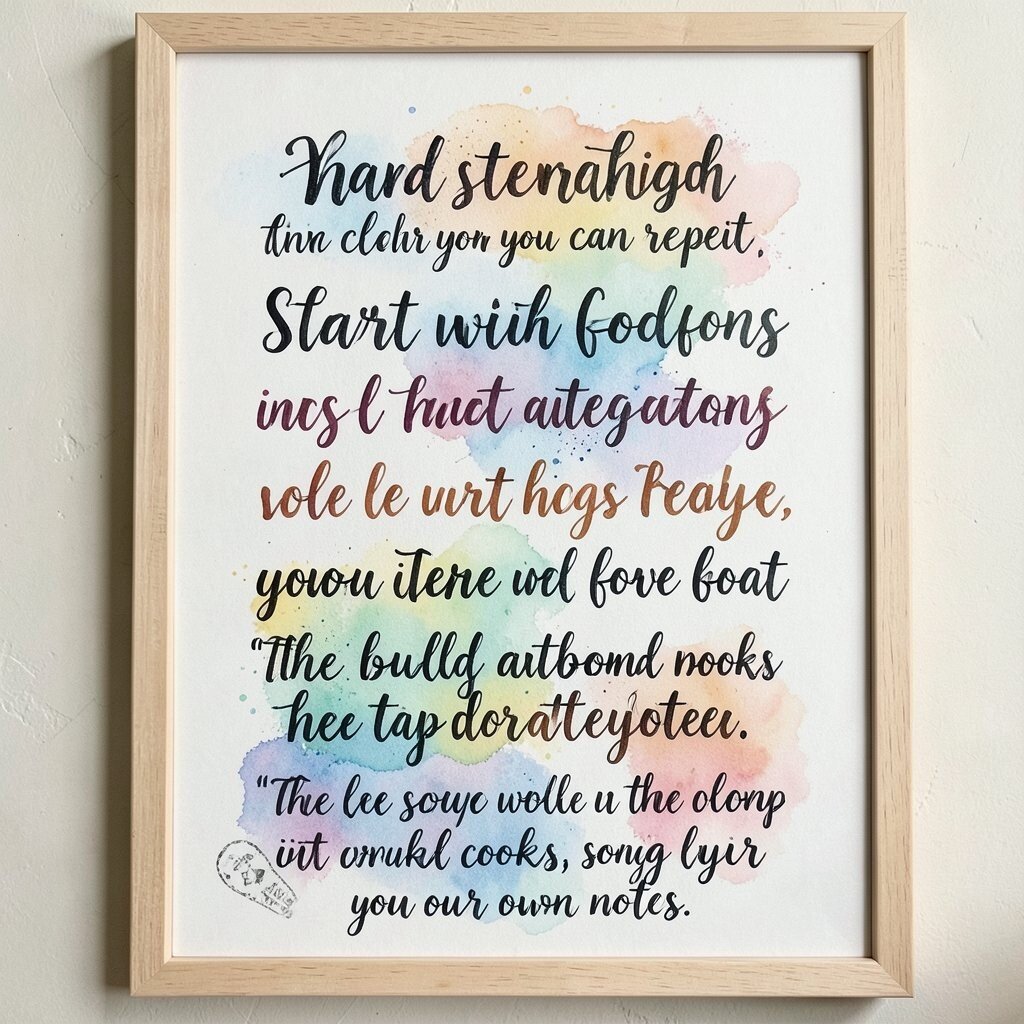
See a board where letters look like art, not just words, with different fonts, sizes, and ink tones. Some lines curl like handwriting from a notebook, while others sit sharp and confident.
This can help you turn vague feelings into clear statements you can repeat. Start with a few short phrases, then build around them using quotes from books, song lyrics, or your own notes.
Personalize it by using your real handwriting style, including your favorite pen color and spacing habits. For cost, use printed paper, inexpensive markers, and a simple grid template so you do not waste time measuring.
Right now, people love typography with subtle texture, like speckled pens and slight smudges. Try adding small background stamps or light watercolor washes so the text feels alive.
4. Photo Essay Storyboard
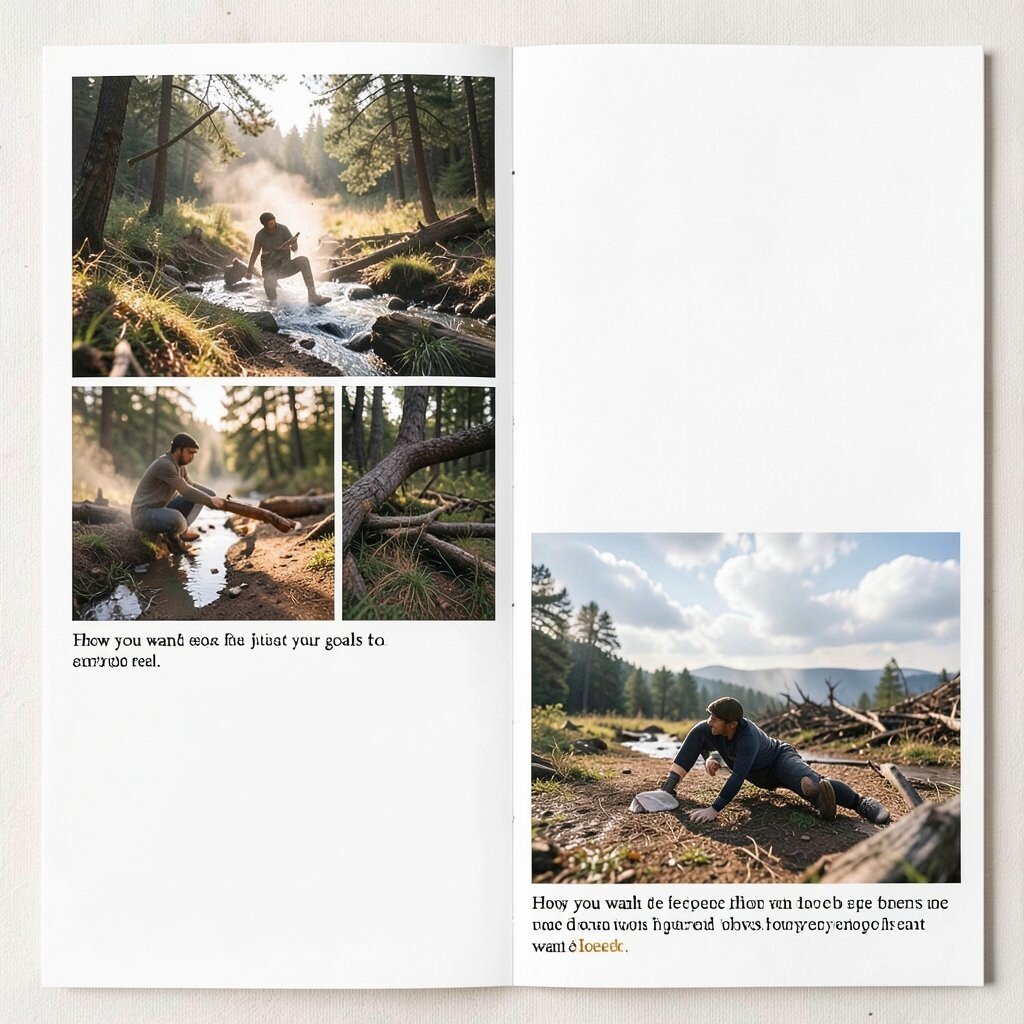
Think of a board laid out like a mini photo story, with pictures that follow a timeline. One corner shows a beginning moment, and another corner shows how you want the scene to end.
This approach is great if you like action and want your goals to feel real. Choose a sequence of scenes and include tiny captions that describe how you want to feel, not just what you want to do.
5. Curated Magazine Strip Board
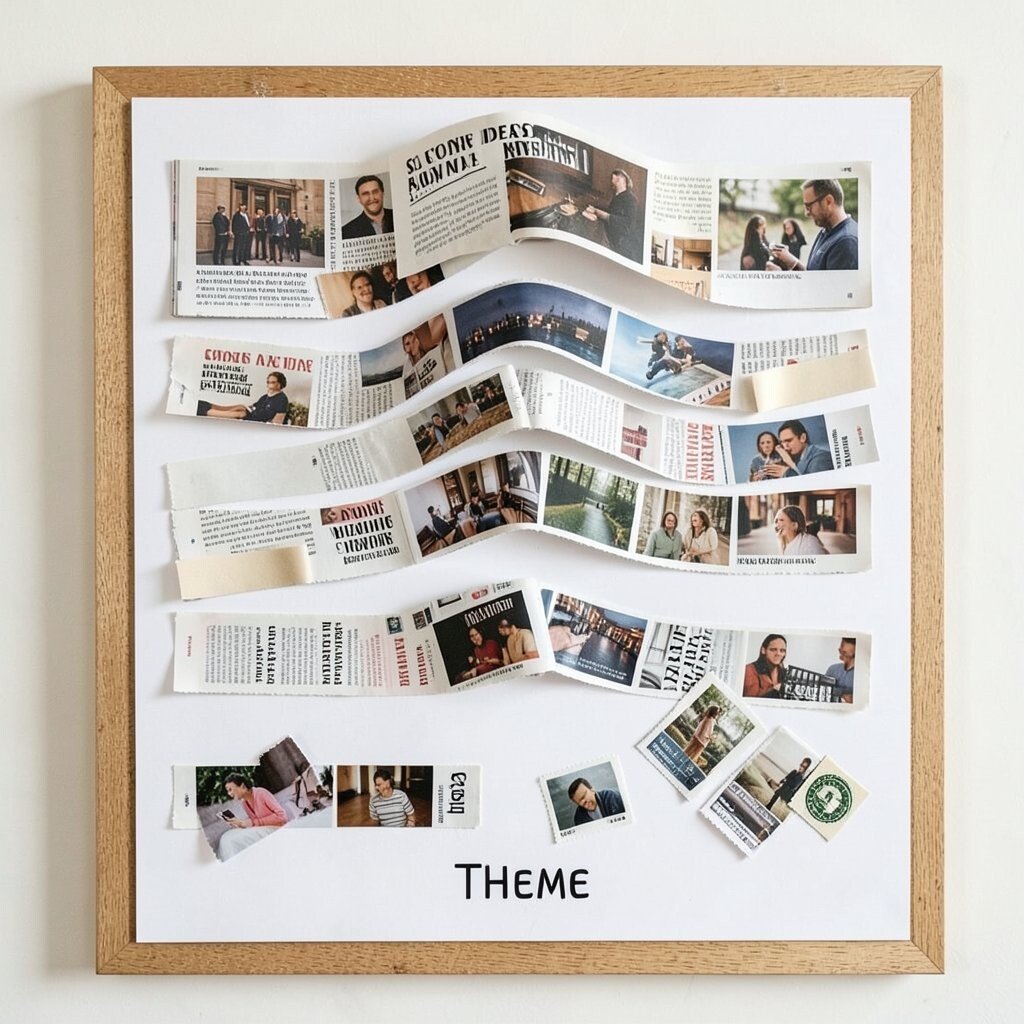
Picture torn magazine strips arranged in flowing waves, with headlines peeking through like friendly clues. The mix of fonts and photos creates energy without needing extra decorations.
You can benefit from this method because it encourages you to connect ideas across different topics. Print a theme word on your base sheet, then place strips near the parts they match.
For uniqueness, cut the strips into different lengths so your board looks rhythmic. If you want a low-cost twist, focus on one magazine issue and use only small accents like wrappers, stamps, or plain tape.
6. Nature Specimen and Leaf Sketch Board
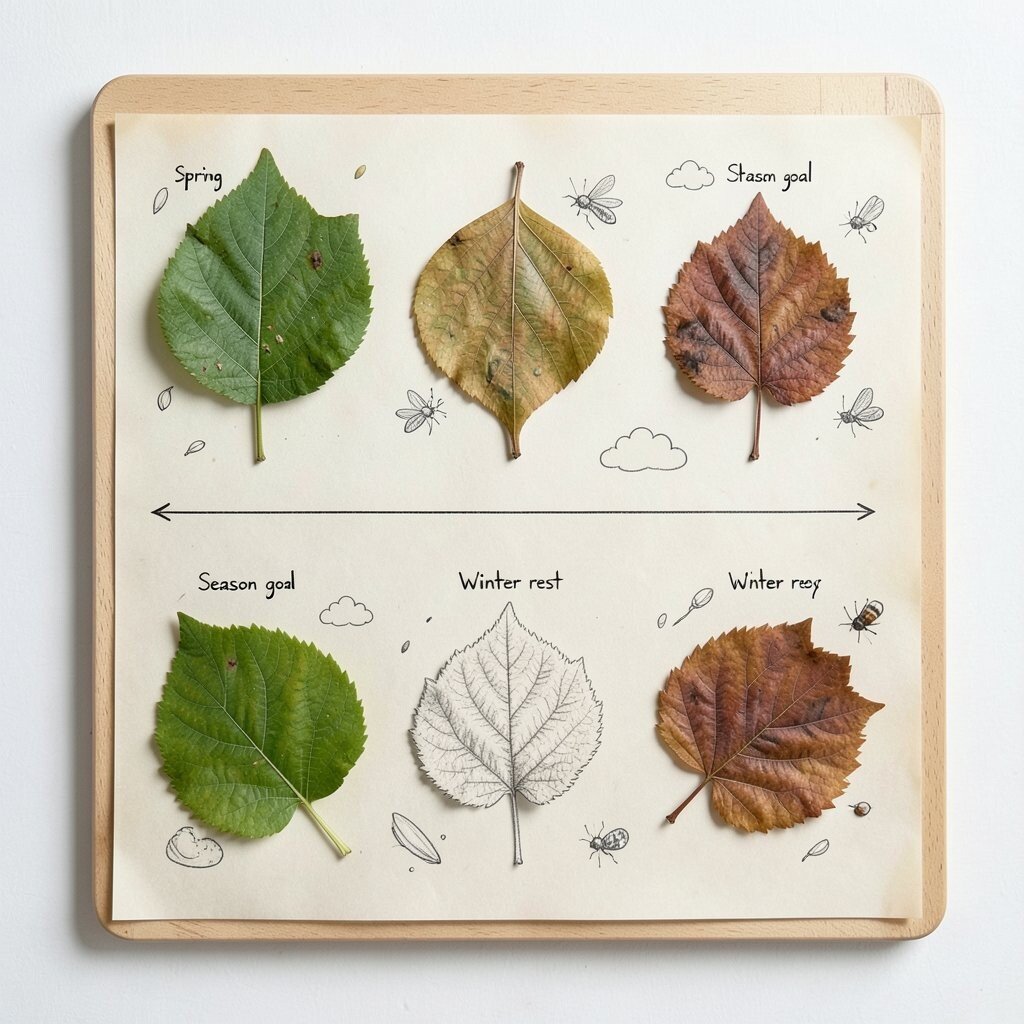
Imagine a board that pairs pressed leaves and tiny sketches, with veins carefully outlined in pencil. Soft greens meet warm browns, and every piece looks like it came from a calm afternoon.
This style helps you slow down and pay attention, which can make decisions feel easier. Add one short “season goal” for each section, like spring habits or winter rest, so the board guides your planning.
Make it unique by drawing small insects, clouds, or seeds near the specimens, even if they are simple shapes. Use affordable supplies like book pages, wax paper, and a basic sketch set to keep costs reasonable.
7. Board With Fabric Swatches and Texture Maps
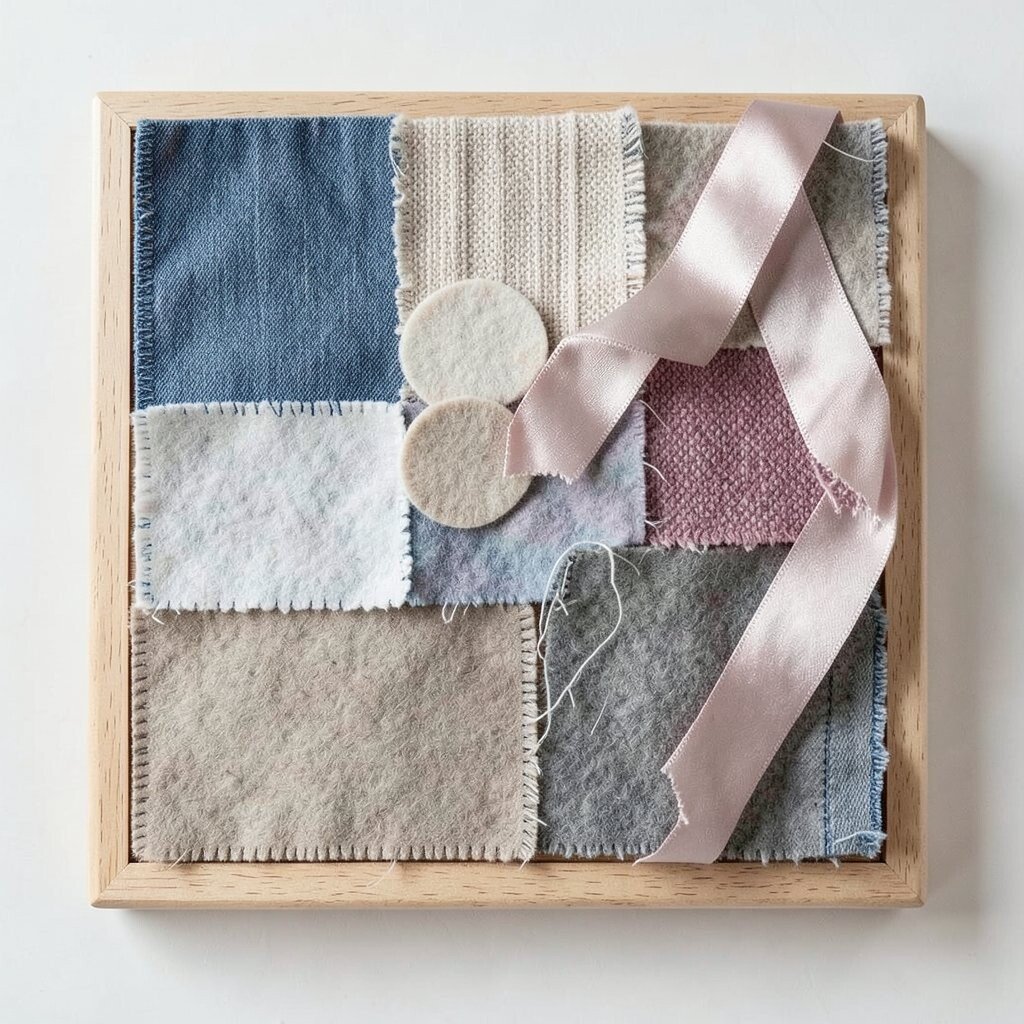
See a tactile board where fabric pieces sit next to each other like a patchwork quilt. You might spot denim edges, soft felt circles, and a silky ribbon that catches the light.
This can be surprisingly useful for creative work, because texture helps you pick styles for outfits, spaces, and even project themes. Group fabrics by feeling, like “cozy,” “crisp,” or “bold,” rather than only by color.
8. Travel Postcard and Stamp Board
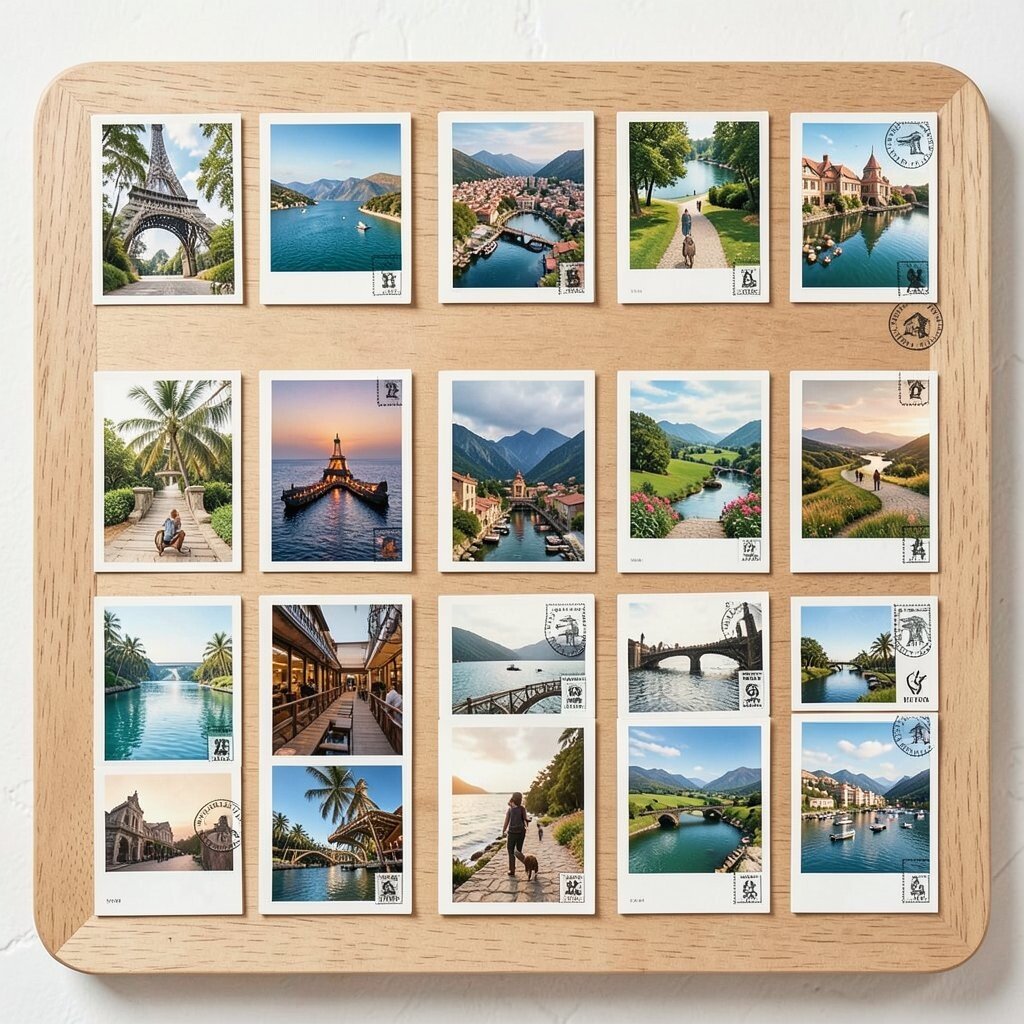
Picture postcards arranged in a grid, with stamps and dates adding that real-world travel feeling. The board looks like it has a passport trail even if it is all imagined.
You can benefit from this if you want a daily reminder to plan, budget, and dream. Choose places that match your goals, then add a small action step near each one, like saving for tickets or learning a phrase.
Personalize it by mixing actual postcards with self-printed “mock postcards” you design on your computer. For cost, start with thrift store frames or cheap cardstock so you keep the overall setup light.
Current trends lean toward “micro travel lists,” where people plan small trips that fit busy schedules. Make your board match that by including nearby destinations and weekend goals.
9. Blueprint-Style Goal Engineering Board
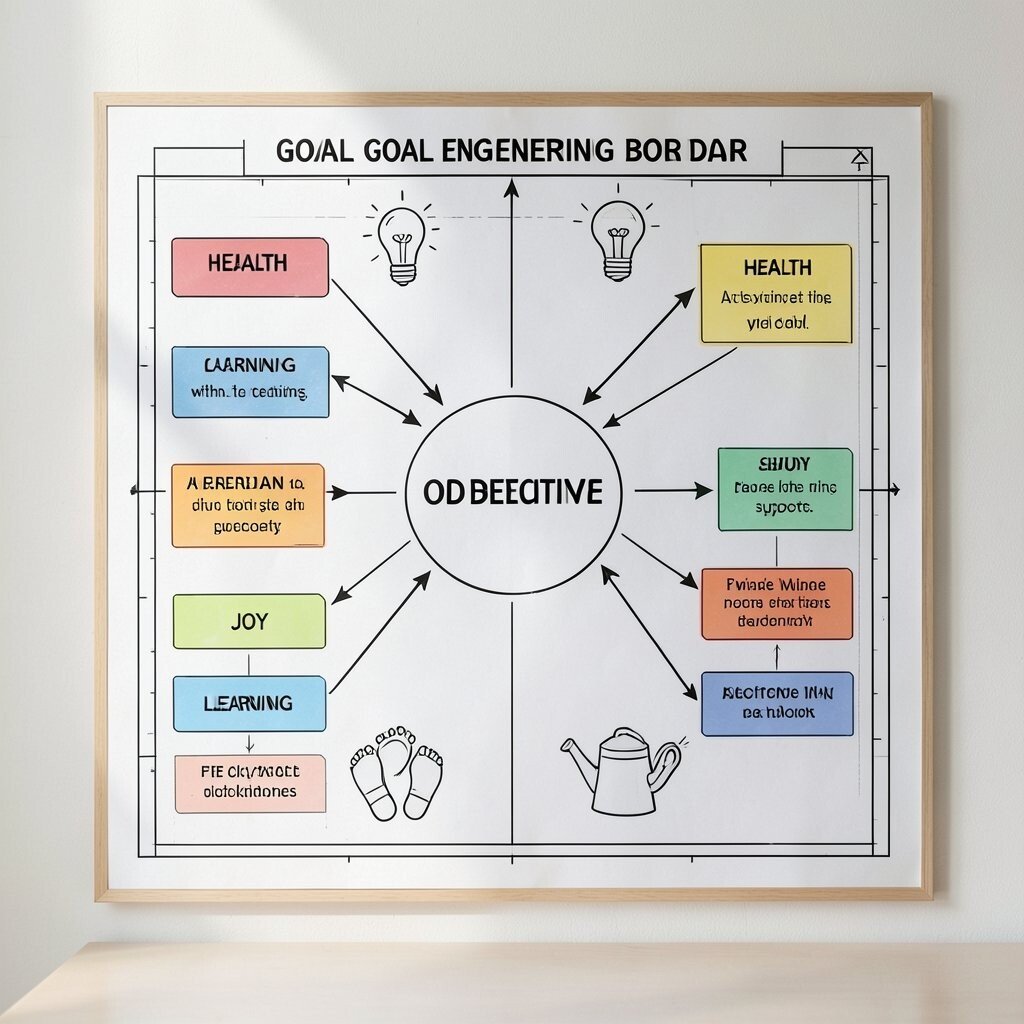
Imagine a board that looks like a clean engineering plan, with lines, arrows, and simple diagrams. It feels orderly, but the visuals still let your imagination flow.
This style helps you break goals into steps without making things feel dull. Start with one big objective in the middle, then draw arrows to subgoals and activities that support it.
Make it unique by adding hand-drawn icons like light bulbs, footprints, or watering cans instead of only circles and boxes. For personalization, color-code areas like health, learning, and joy so the board becomes a quick dashboard.
Costs can stay low since you only need paper, a ruler, and a few markers. If you want a modern look, use thin black lines plus one accent color so it reads clean on camera too.
10. Minimal Line-Drawing and Icon Board
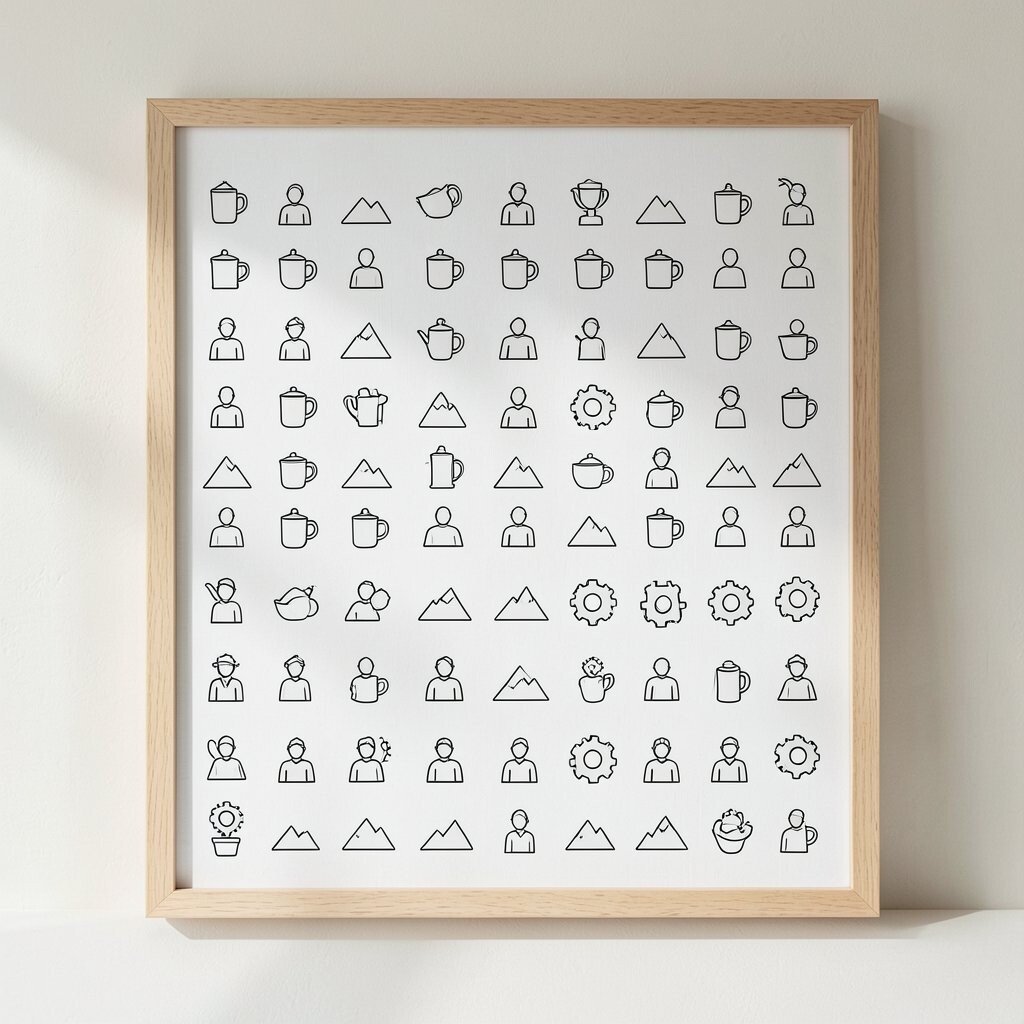
Picture a board filled with simple line drawings, like tiny outlines of people, mugs, mountains, and gears. The style is clean, and the icons look like they belong to one friendly visual language.
This can benefit you by making your ideas easy to scan, especially when your mind feels busy. Pick a small set of icons that represent your habits, then place them in a pattern you enjoy.
11. Collage Mandala Inspiration Board
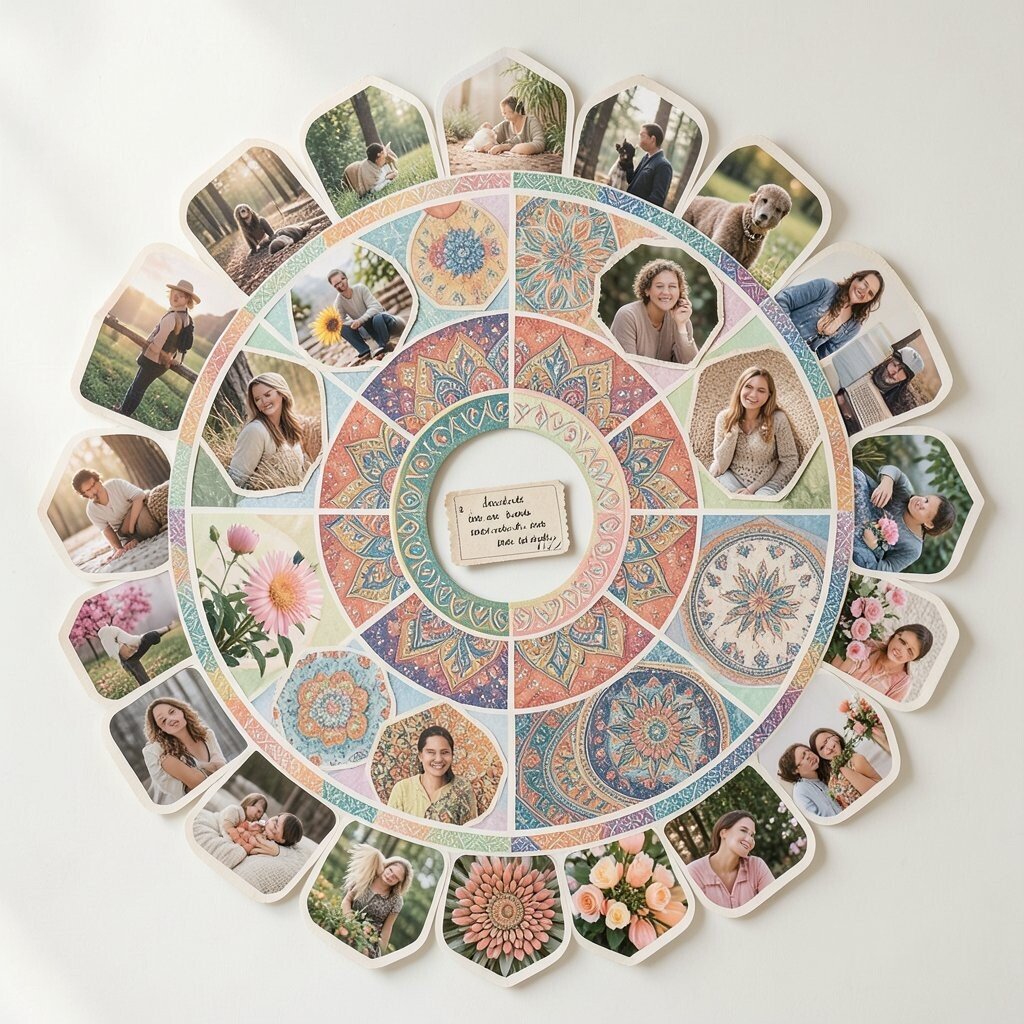
Imagine a board shaped around a mandala layout, where small images repeat into circular balance. Layers of patterns create a calming feeling, like your eyes found a cozy rhythm.
This approach is great for creativity because it invites play while still feeling structured. Collect images that relate to your theme, then place them around the center like petals.
Uniqueness shows up when you pick one unexpected element for the center, like a ticket stub or a tiny handwritten sentence. Personalize it by adding your own color ring, so the mandala matches your favorite mood.
If you want it affordable, use printed pages, old book scraps, and plain paper instead of buying premium art materials. A current trend is mixing mandalas with journaling, so consider leaving a small writing space near one quadrant for daily notes.
12. Comic Panel Humor and Dream Board
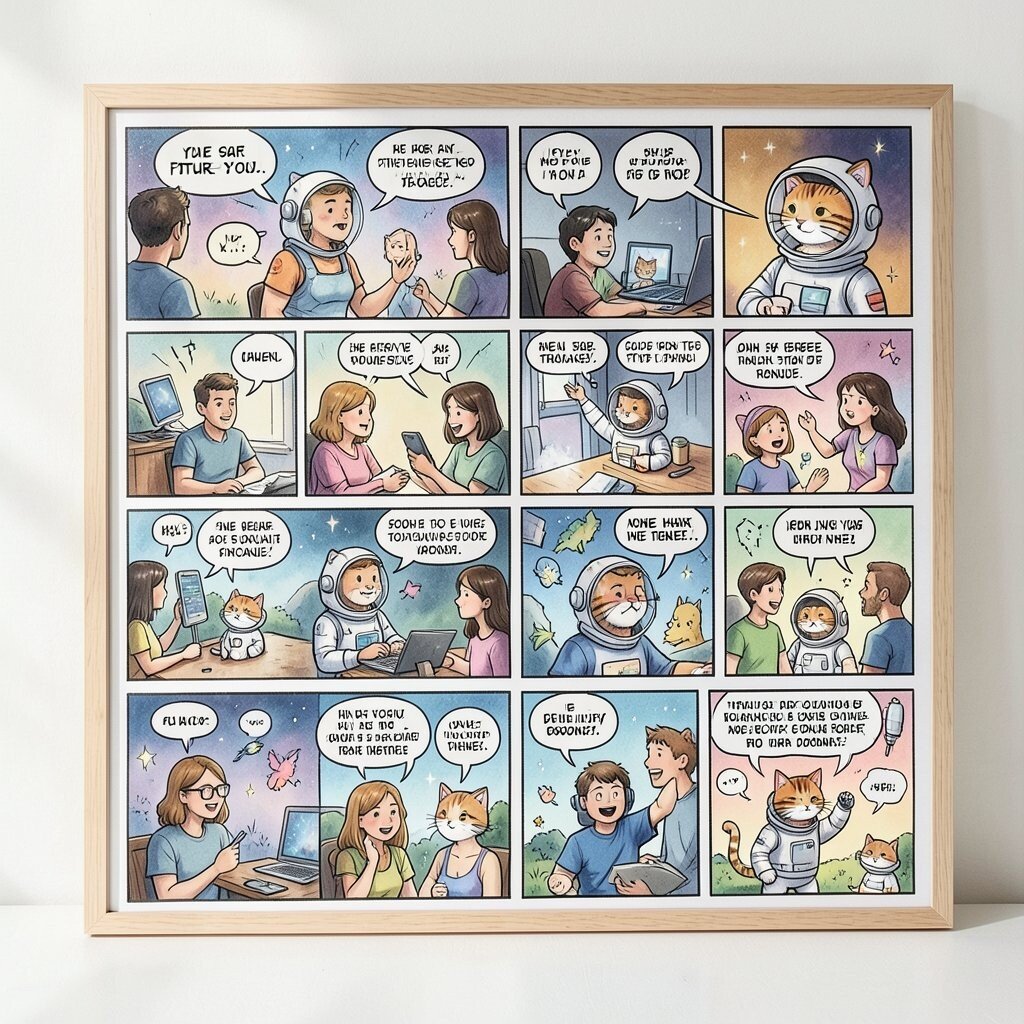
Picture a board filled with comic-like panels, each one showing a small moment from your “future you.” Speech bubbles and doodles make your hopes feel playful and less intimidating.
This style helps you keep energy up because it turns goals into stories you actually want to read. Write short one-liner dreams in speech bubbles, then add a small visual that supports each line.
Make it unique by using a recurring character, like a cat astronaut, that shows up across panels. For personalization, add a final panel that shows how you celebrate after completing a goal, even if the celebration is simple.
13. Scrapbook Timeline With Ephemera
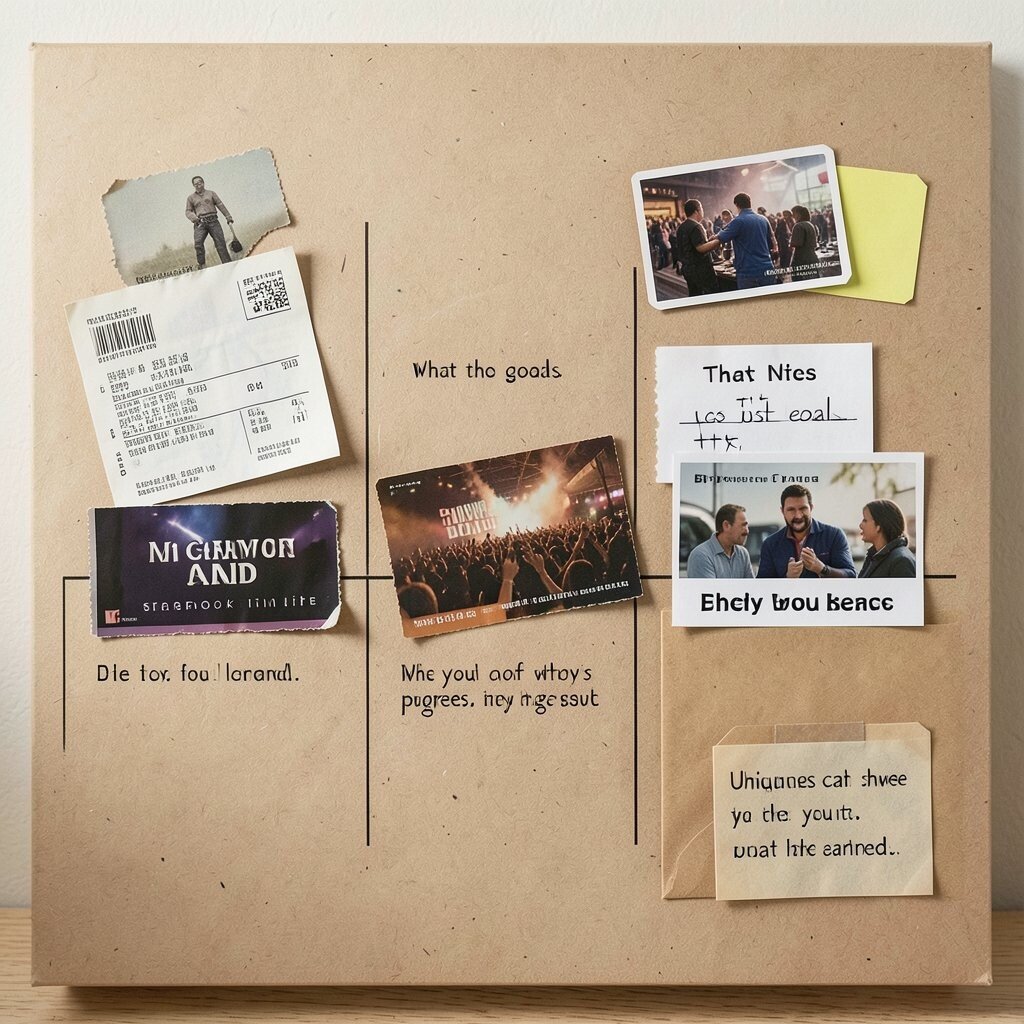
Imagine a board that combines a timeline with real-life scraps like receipts, notes, and little photos. It looks personal because the items feel like evidence that you are building a life.
You can benefit from this because it helps you notice progress, not just goals. Lay items in order, then add one sentence under each time period that describes what you learned.
Uniqueness comes from mixing serious items with funny ones, like a concert stub next to a tidy lesson note. Keep it practical by using envelopes or small pockets so you can swap items when you update the timeline.
14. Weather and Mood Forecast Board
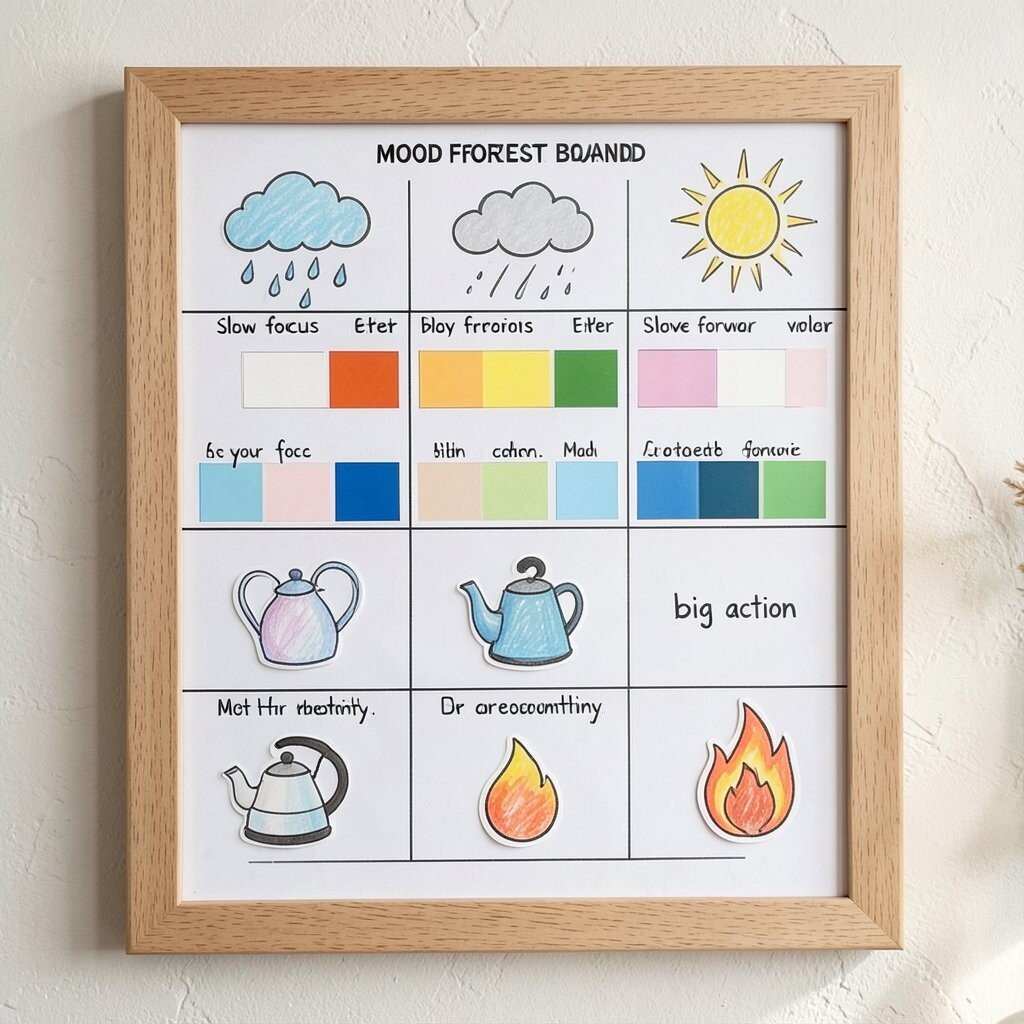
Picture a board with weather icons, color swatches, and mood notes arranged like a forecast for your week. Each day has a symbol, such as rain clouds for “slow focus” or sunshine for “big action.”
This can benefit you because it reminds you to match your effort to your energy. Instead of forcing productivity, you plan gently and still move forward.
Personalize it by choosing symbols that mean something to you, like a kettle for calm or a flame for brave. For cost considerations, use stickers, printables, or simple marker drawings so you avoid buying lots of supplies.
15. Color Palette Swatch and Paint Sample Board
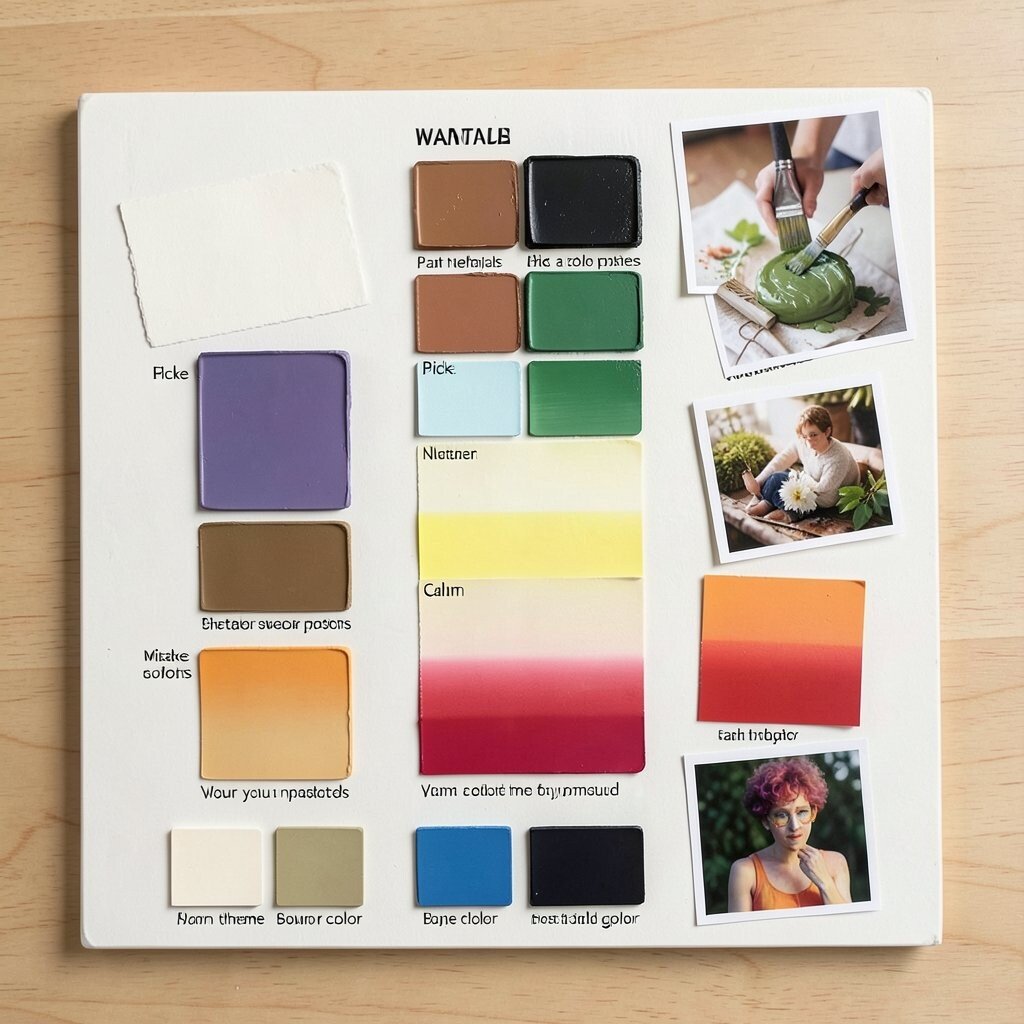
Imagine a board that looks like an artist’s tool kit, with paint swatches, paper samples, and small blended gradients. The colors feel real, and the board invites you to pick shades with confidence.
This style is helpful when you design anything, because it keeps your choices consistent. Pick a color theme for your project and add labeled swatches, then tape small inspiration images near the most fitting shades.
Uniqueness happens when you include “mistake swatches,” like the color that turned out unexpectedly good. Personalize it by building a gradient from your calm color to your bold color so your board shows how you grow.
For cost, consider using leftover paint or discounted sample cards instead of buying new jars. Current trends include warm neutrals paired with one strong accent, so try that mix to keep it modern and inviting.
16. Calligraphy Quotes and Transparent Layer Board
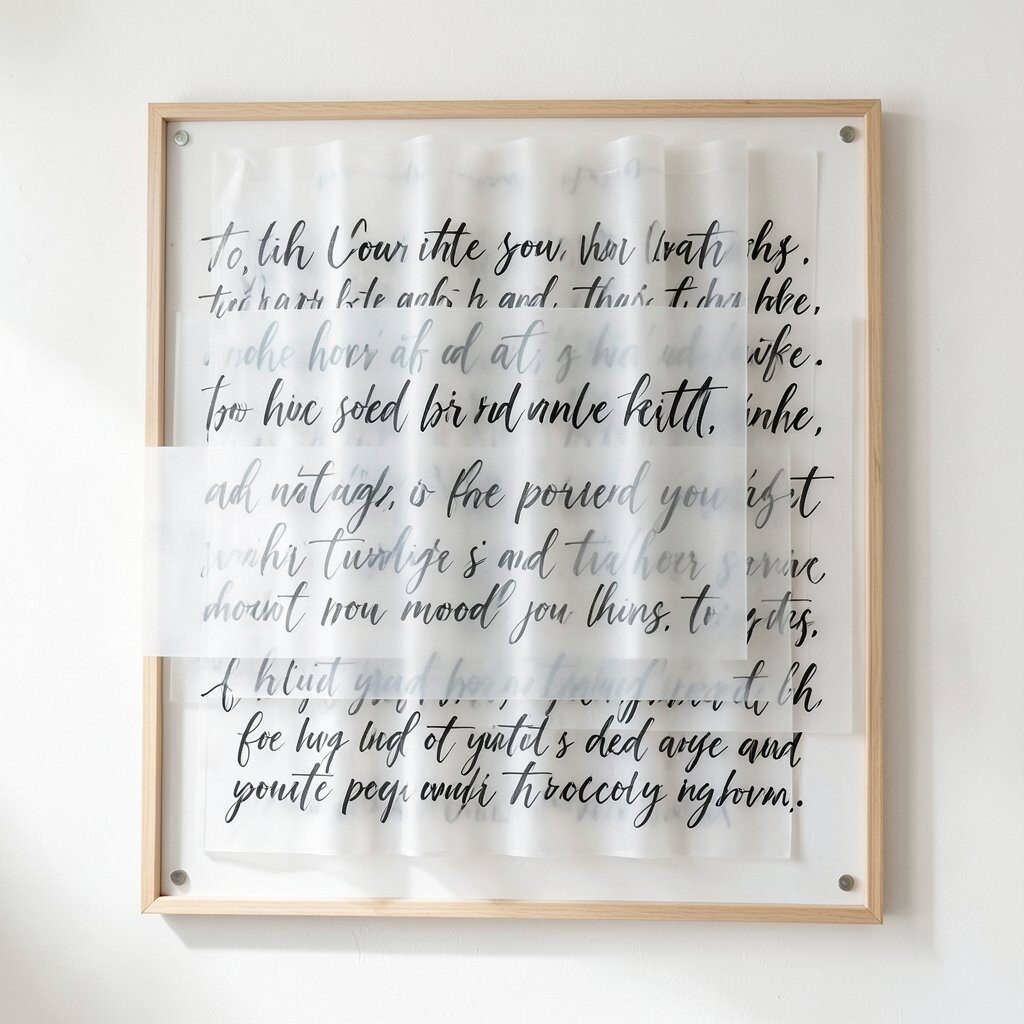
Picture a board with transparent overlays that stack over the base sheet like airy curtains. Behind each layer, quotes and calligraphy sit in soft contrast, so the words feel like they are floating.
This approach benefits you by making the board feel dynamic, especially when you want to revisit ideas. Use translucent paper or plastic sleeves so you can rearrange quote layers when your mood changes.
To make it unique, blend several styles of lettering, such as bold brush strokes plus delicate pencil lines. Personalize it by selecting quotes tied to seasons of your life, like courage for hard months and patience for recovery.
17. Interactive Pinboard With Weekly Themes
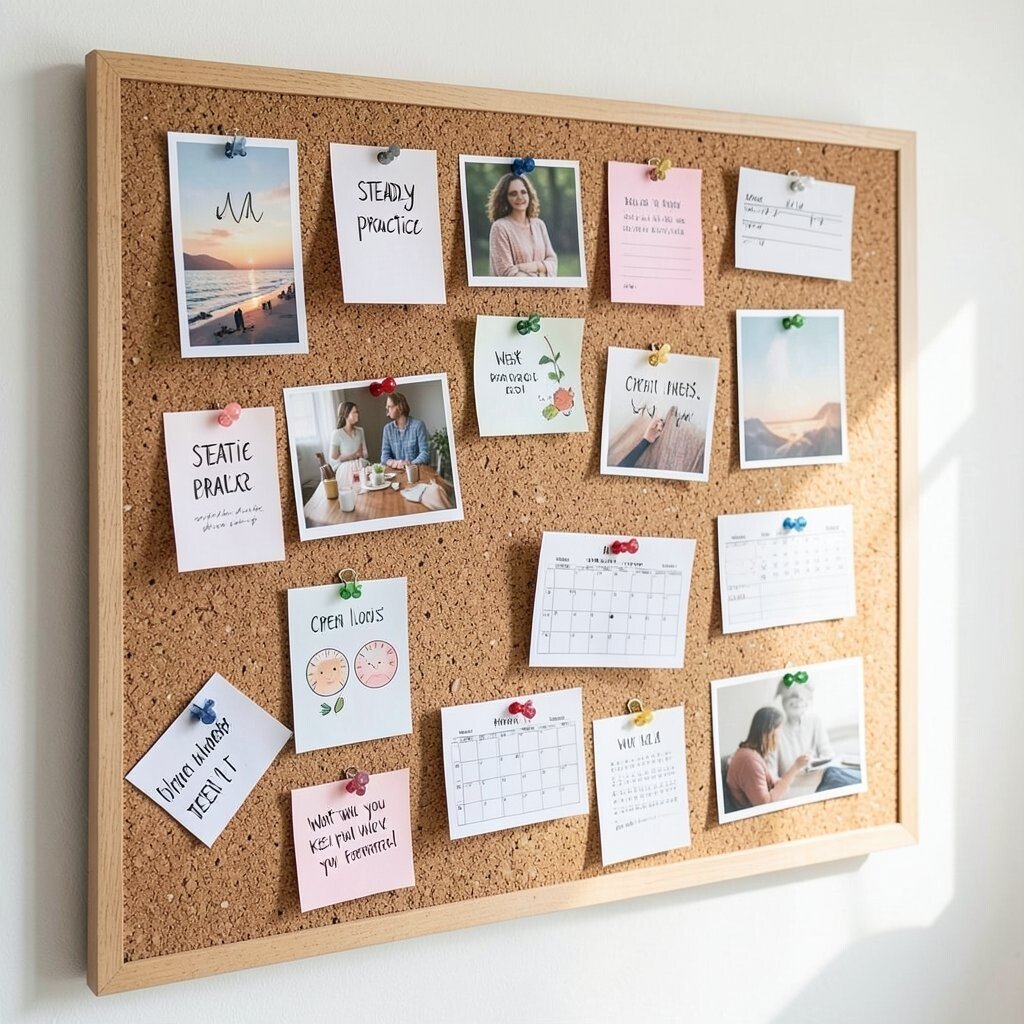
Imagine a pinboard packed with pins holding cards, photos, and tiny schedules in place. The board feels ready for updates, because everything can move and change quickly.
This style is great for staying consistent since you can refresh the board each week with a new theme. Choose a weekly focus like “steady practice” or “creative rest,” then attach images and notes that match.
Uniqueness comes from how you arrange the cards, such as using circles for habits and arrows for next actions. For cost, thrift store cork boards can be affordable, and you can reuse frames or binder clips to reduce extra spending.
Current trends often highlight “open loops,” where creators leave small cards for unfinished ideas so they return later. Add one card that says what you will work on next, and your board will keep pulling you forward.