The room feels calmer when your shelves look intentional. A few small changes can make everyday items feel like part of the design.
Background shelves are the perfect place to mix function with style. With the right setup, you’ll find things faster and enjoy the view every time you pass by.
1. Float a Lean Layer With Shelf Risers
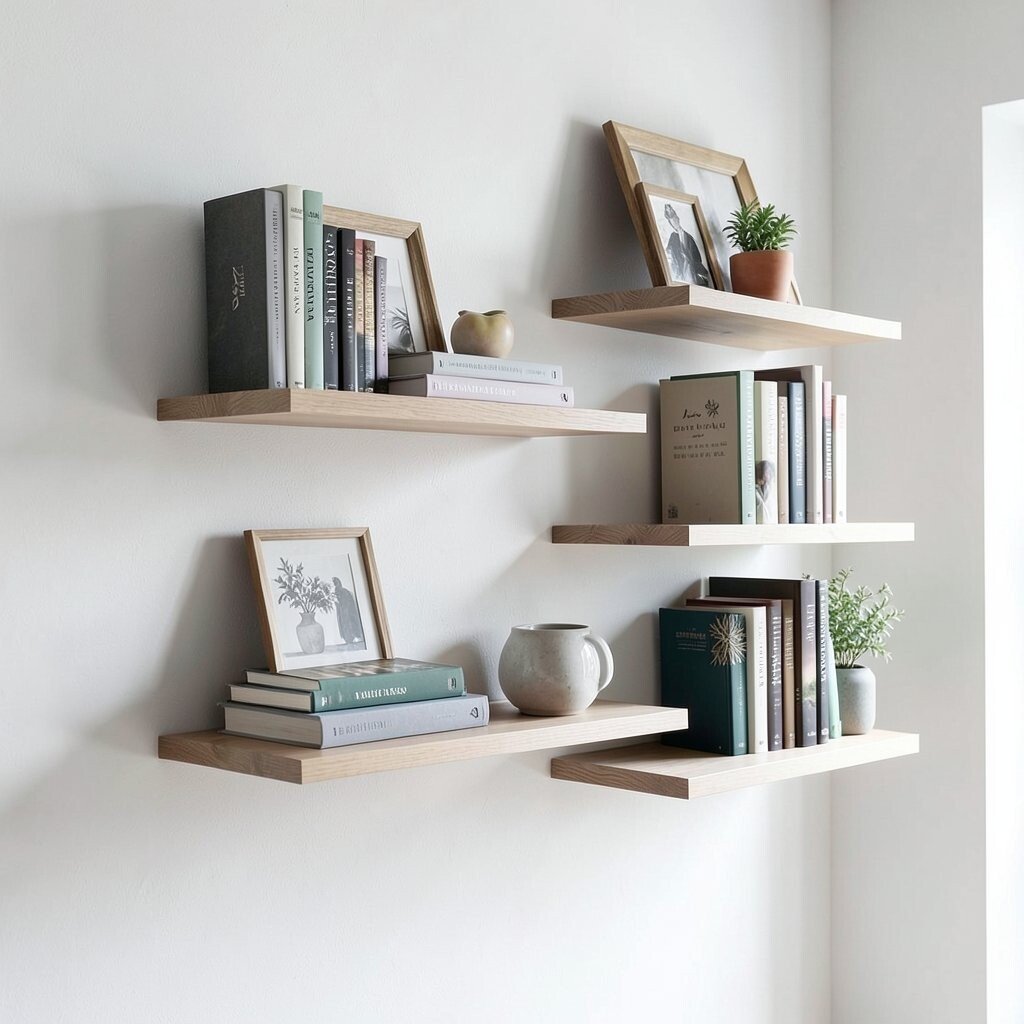
Try adding slim shelf risers so books, frames, and small decor sit on different heights. You’ll instantly see more shape against the back wall, instead of one flat line of clutter.
Start with sturdy risers that won’t wobble, then group items by how often you grab them. Put daily-use pieces near the front, and leave the back for slower-moving decor. This setup gives your shelves a tidy rhythm that looks polished in photos and in real life.
2. Use Color Block Stacks for Instant Calm
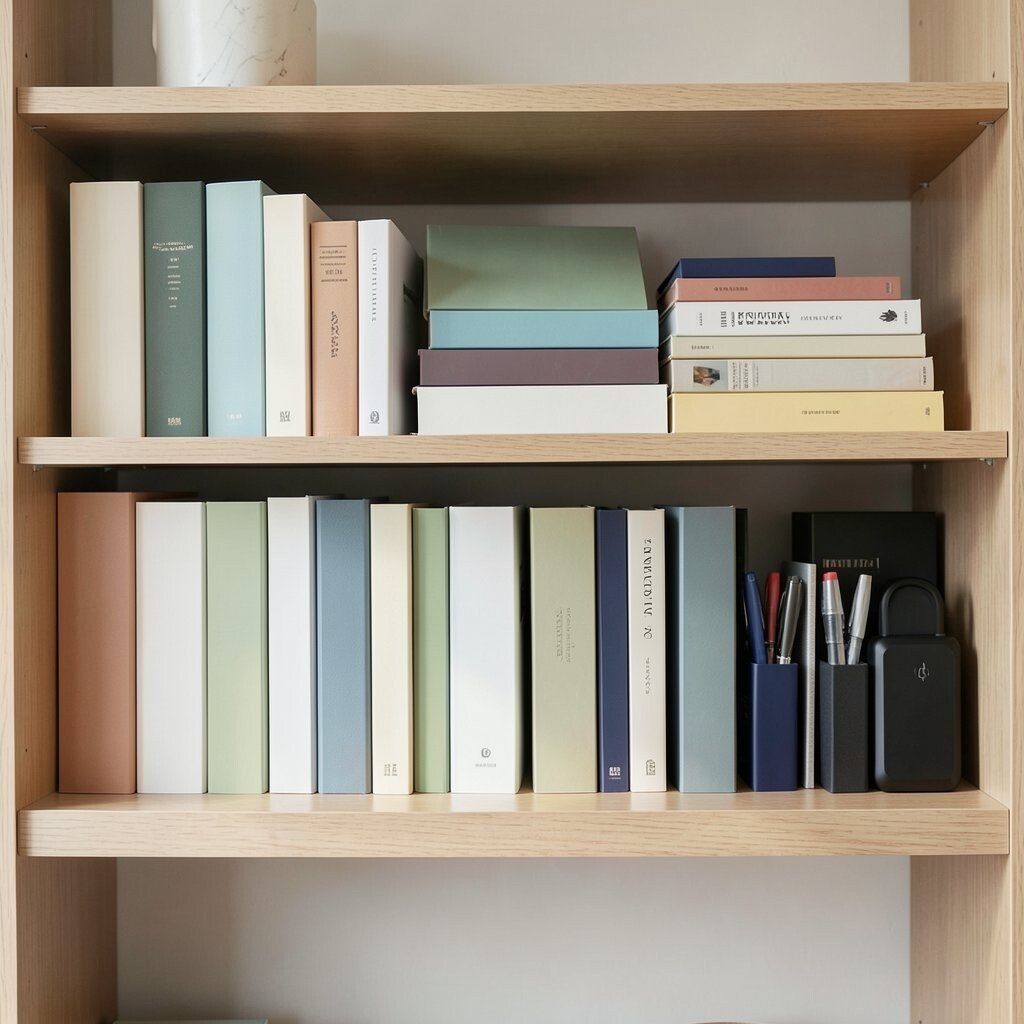
Arrange items in soft color blocks so the back looks balanced. Think of gentle gradients, matching spines, or a repeating palette like cream, sage, and warm wood.
Keep it practical by using a visible “working row” where you place notebooks, pens, or chargers. Then build the decor row behind it with less frequently used items. This trend of visual grouping makes even ordinary objects feel styled, and it’s easy to maintain as you add new things.
If you want a budget-friendly approach, start with your favorite books and print covers, then let matching tones guide the rest. Swap out mismatched pieces over time rather than buying everything at once. Personalize the palette to your room’s vibe, like coastal blues for a breezy look or darker hues for a cozy feel.
3. Back Your Shelves With Removable Wallpaper Panels
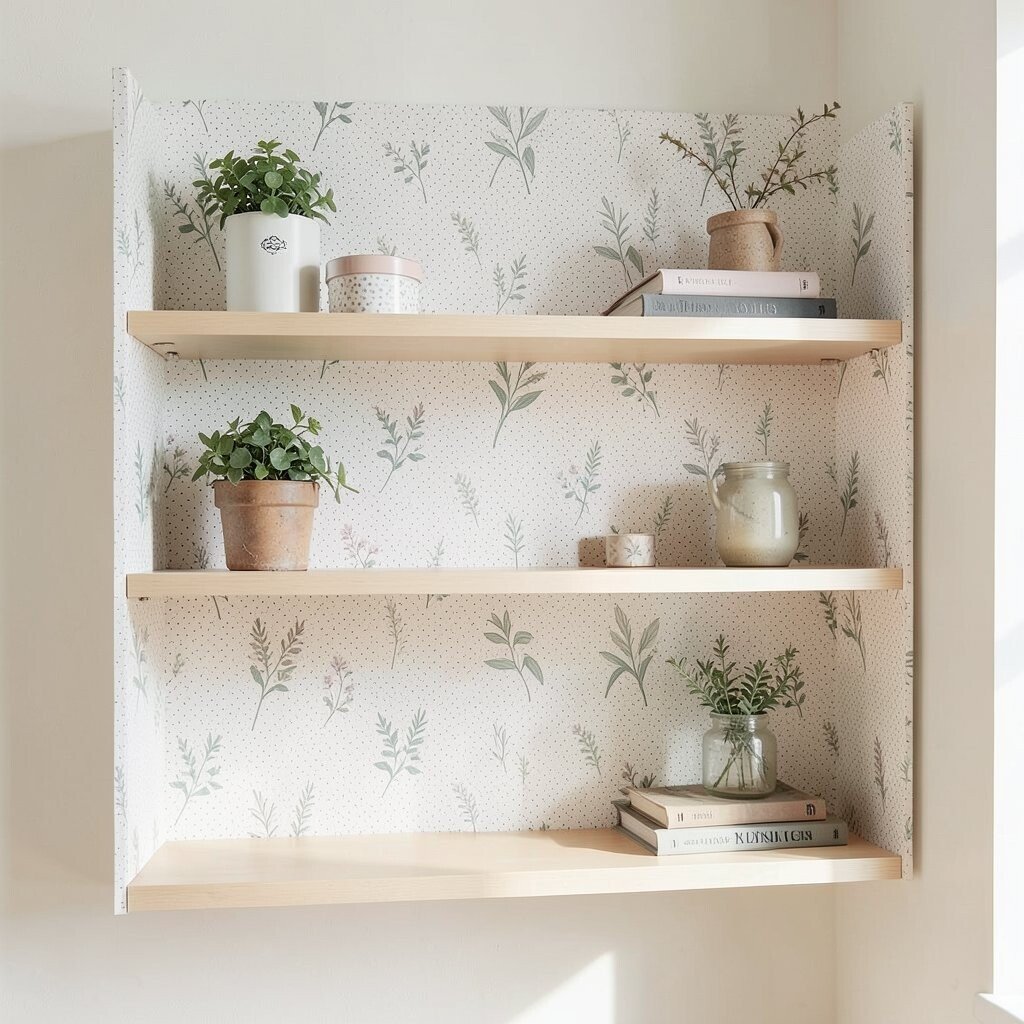
A simple background change can make your shelf look brand new. Removable wallpaper panels add pattern behind plain shelves without the mess of permanent paint.
Choose a subtle print that won’t fight your decor, like tiny dots, gentle stripes, or soft botanical shapes. Measure the shelf depth and cut panels so they fit snugly against the back. When everything sits in front of that backdrop, even small items look more intentional and less random.
For cost control, pick one accent shelf instead of doing every shelf at once. You can also match the wallpaper to seasonal color, then switch it out later for a quick refresh. This is a popular styling move right now because it adds personality while staying easy to update.
4. Create a Gallery Row With Lean Bookends
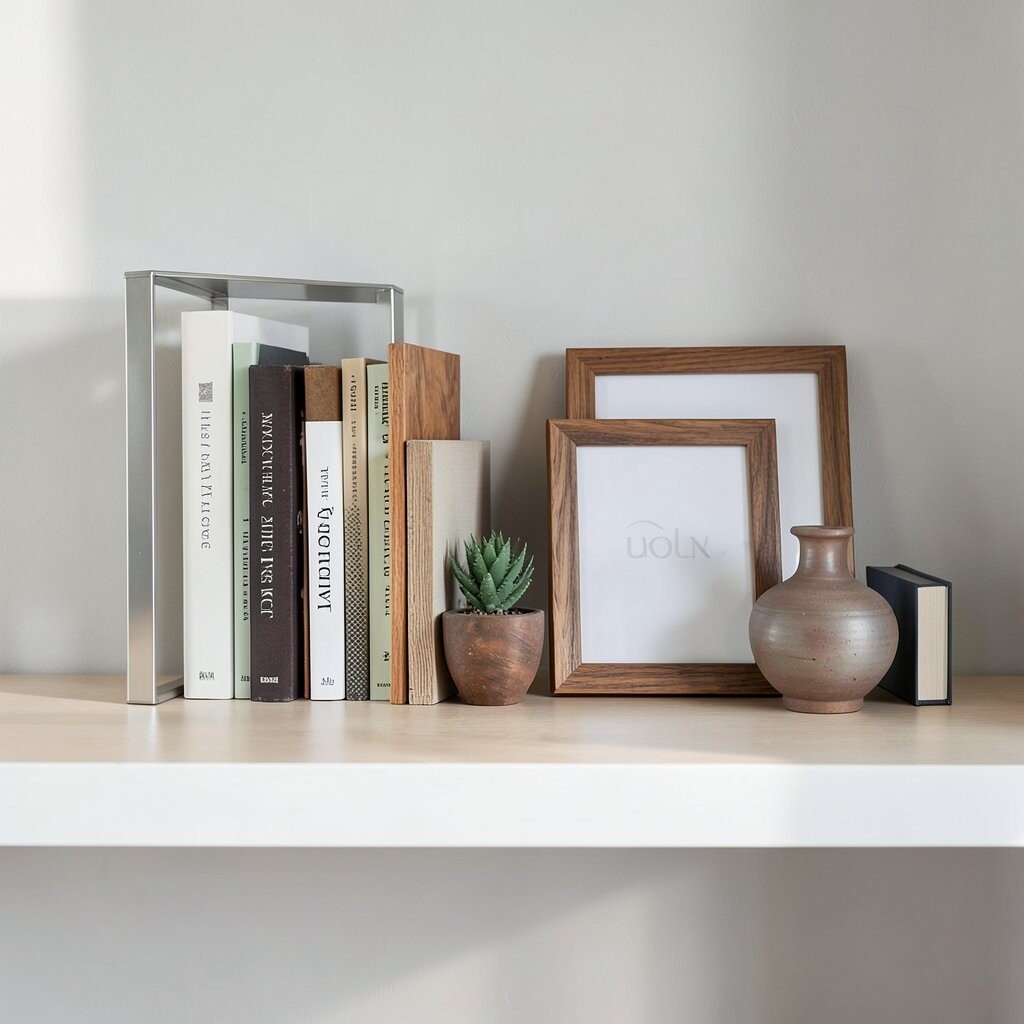
Bookends can do more than hold books; they can frame your look. Use two matching bookends to hold taller items, then place smaller decor in between.
Try a clean metal pair for a modern vibe, or choose carved wood for a warm, classic feel. Set frames, small vases, or stackable storage boxes along the top ledge so the shelf feels styled from edge to edge. This approach keeps the background visually neat while still showing off your favorite pieces.
If you’re working with limited space, keep the gallery row to just one “hero” section. Use one photo frame, one small plant, and one meaningful object rather than filling every inch. Personalization feels effortless when each item has a place and a purpose.
5. Style With Floating Lids and Clear Bins
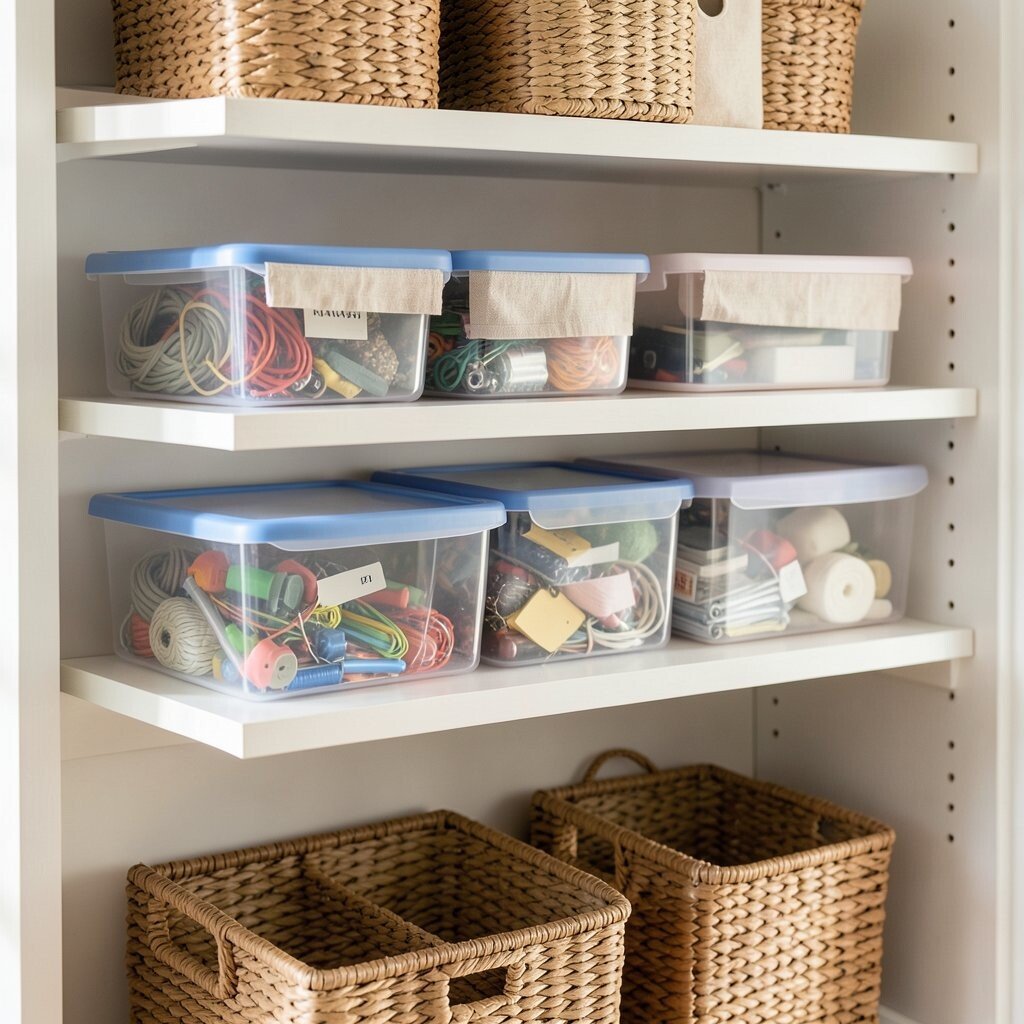
Clear bins make it easy to see what’s inside while keeping the surface tidy. They’re especially helpful for shelf backgrounds because you can hide odds and ends without removing them.
Use labeled bins for cords, craft supplies, or seasonal items, and place them at the back so they don’t crowd the front. Choose lids that match your room, like linen fabric or frosted plastic, for a softer look. When everything has a container, dust stays easier to manage and mornings feel less hectic.
If you prefer a warmer feel, mix clear bins with one or two woven baskets. This keeps the shelf from looking overly “storage-only.” You can also pick bins sized to your shelf depth so nothing blocks the view behind your decor.
6. Build a “Front Display” and “Back Storage” Layout
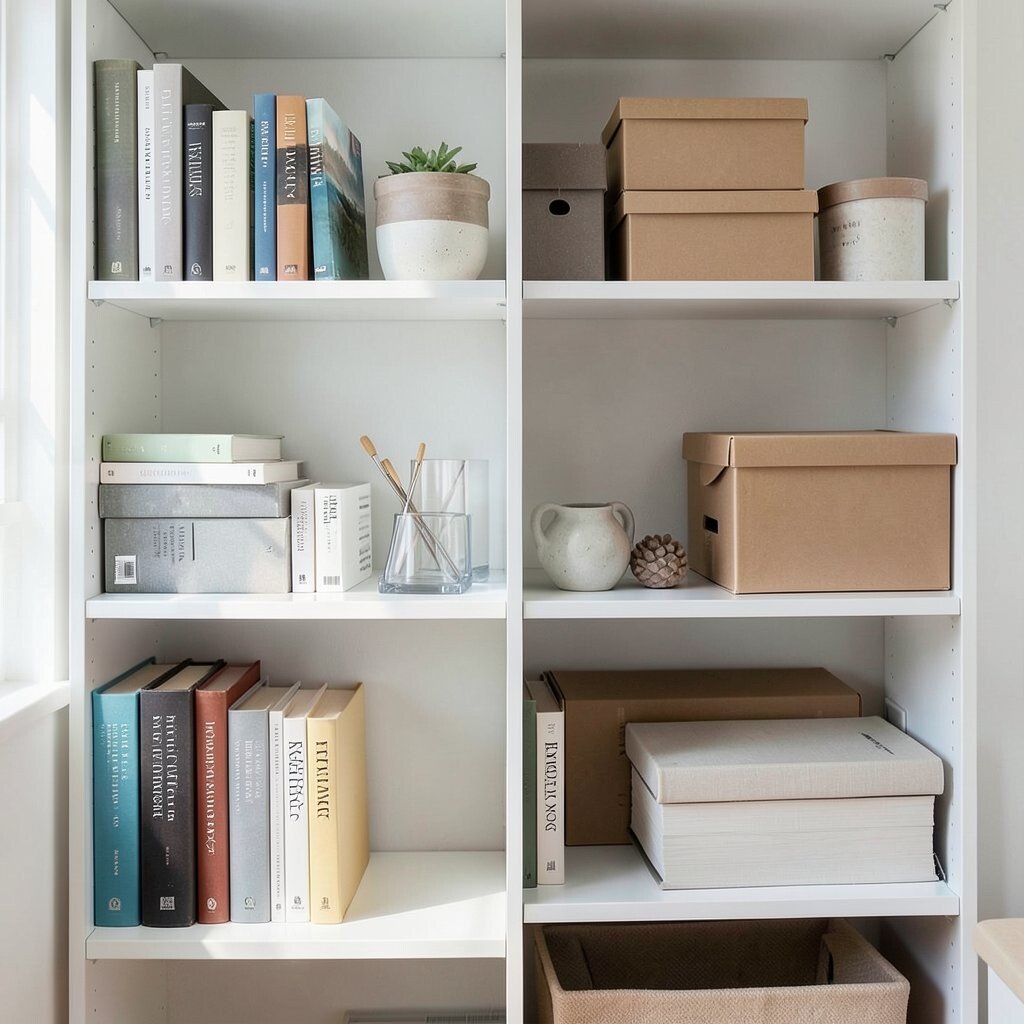
One of the simplest ways to freshen shelf background areas is to split the space. Keep the front for display, and reserve the back for storage and flat items.
Place heavier books and boxes at the back, then set smaller decor in the front row where it’s easier to notice. This layout keeps your shelf from feeling busy and helps your room look clean even when life gets messy. It’s also practical because you can reorganize in minutes instead of starting over.
7. Hang Lightweight Wire Trays for Small Collectibles
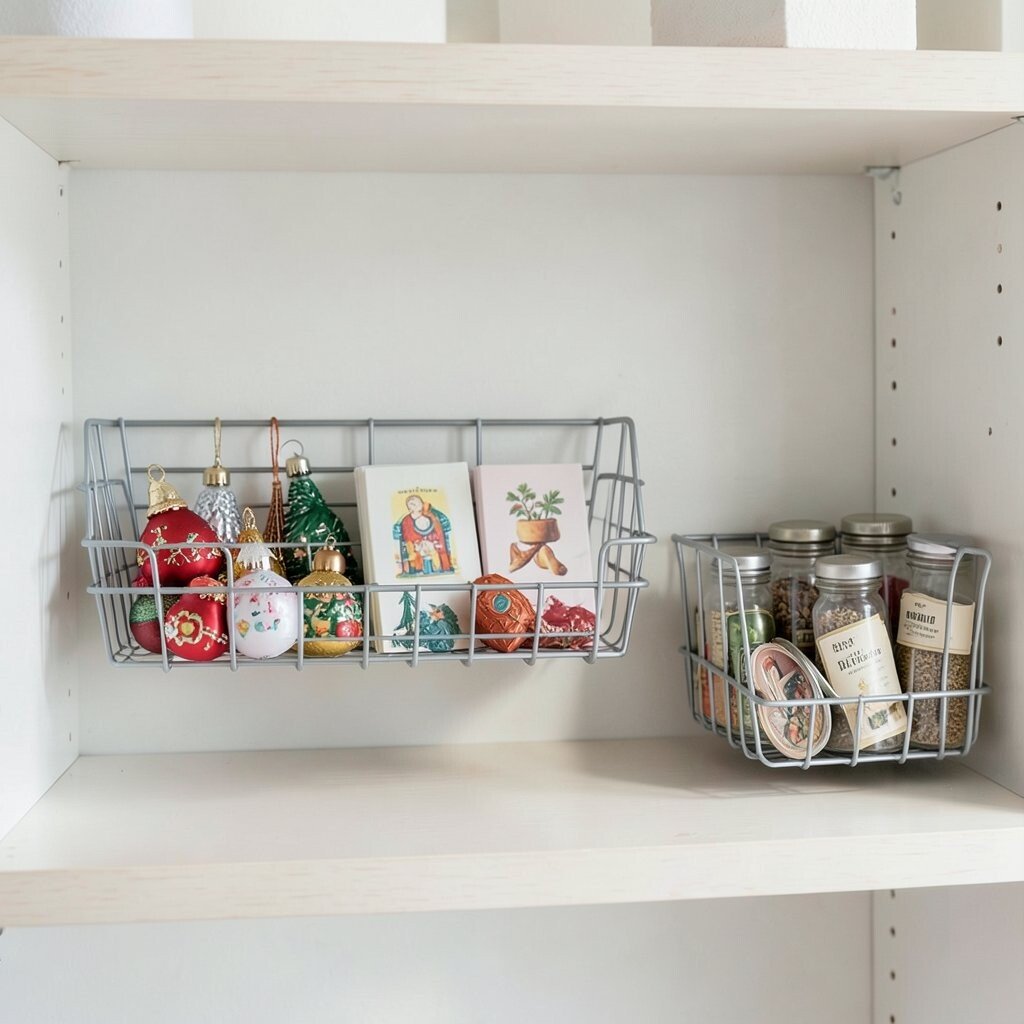
Small collectibles look great when they have a “home” on the shelf. Wire trays add a light, airy feel and help you see everything at once.
Use trays for things like matching ornaments, mini art prints, spice samples, or travel tokens. Place one tray near the center and another near the side to create balance without crowding. This gives a background shelf a modern look that feels current while still being easy to adjust.
8. Add a Seasonal Color Accent With Cloth Panels
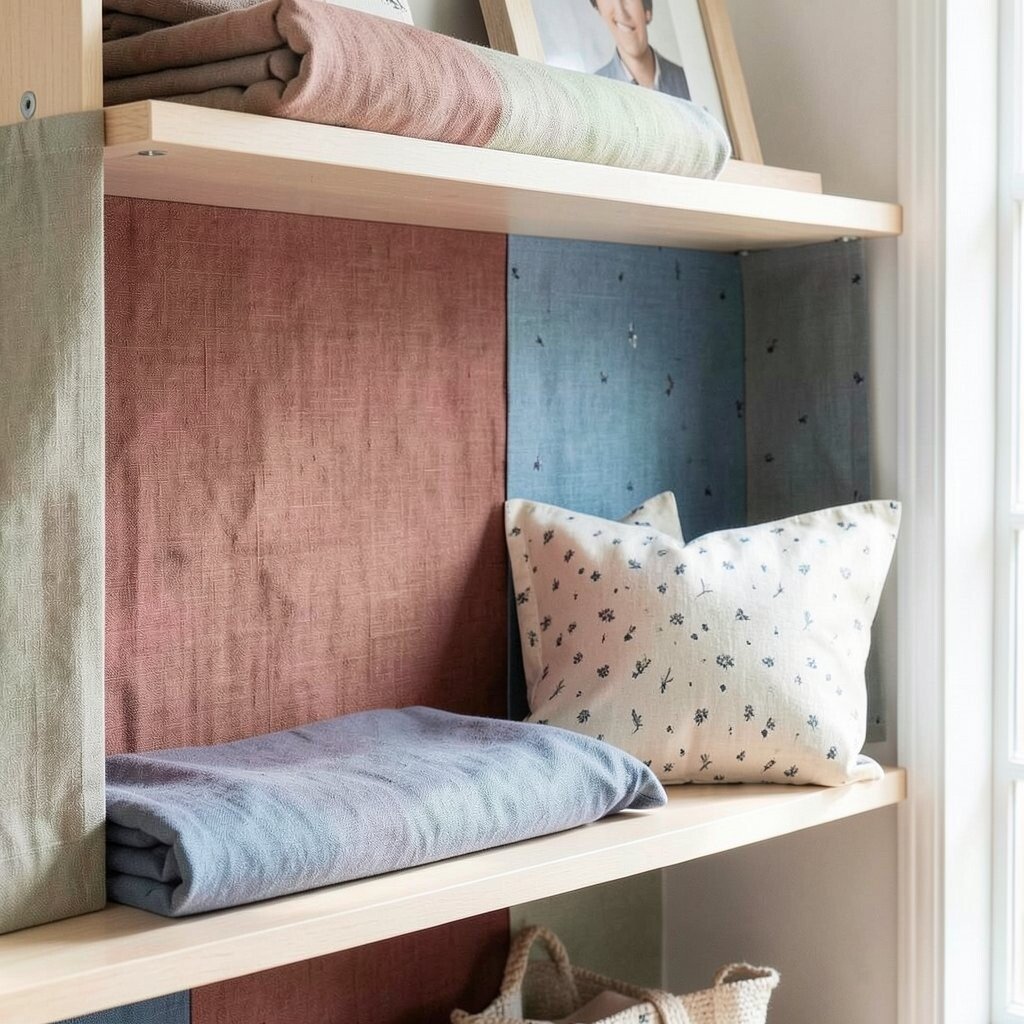
Fabric panels are a quick way to change your shelf background without permanent changes. A folded cloth or runner behind items can soften the look and reduce visual noise.
Pick a cloth that matches your room’s tones, like neutral linen or a patterned cotton with small motifs. Keep the fabric slightly wider than your shelf so it peeks out evenly behind the display. You’ll get a cozy, layered vibe that looks styled, especially at eye level.
If you’re budget-focused, reuse old scarves, placemats, or curtain remnants. Swap the panel with the seasons for a fresh look, like warm reds in fall and cool blues in spring. Personalize the feel by tying the cloth colors to your throw pillows or artwork.
9. Turn Books Sideways for a Dynamic Backdrop
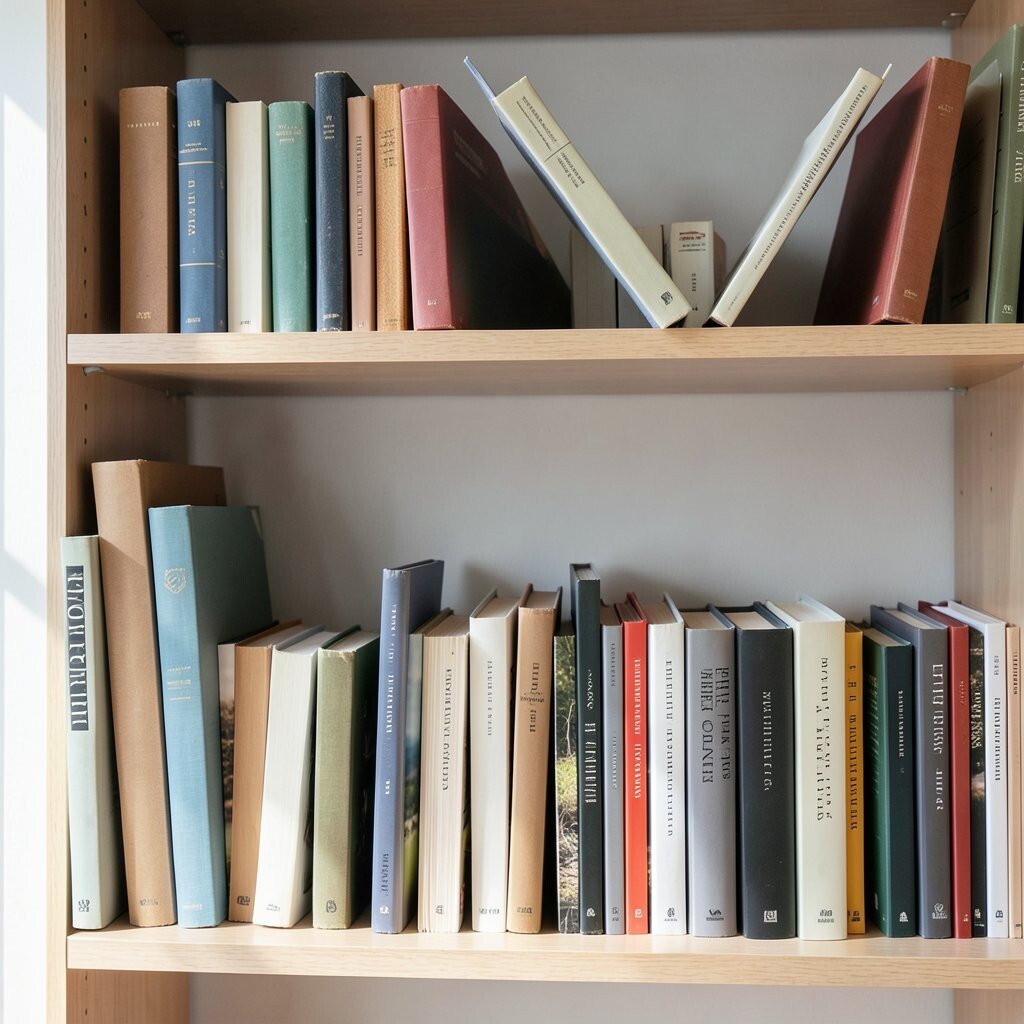
Most shelves show books standing straight, which can make the background feel repetitive. Laying some books sideways adds a new line that catches the eye.
Choose a few books with cohesive colors and set them horizontally in the back row. Then alternate with vertical books in the front so you get height and variety. This little shift creates movement and makes your shelf feel designed instead of accidental.
10. Use Tall Planters and Small Plants in a Repeat Pattern
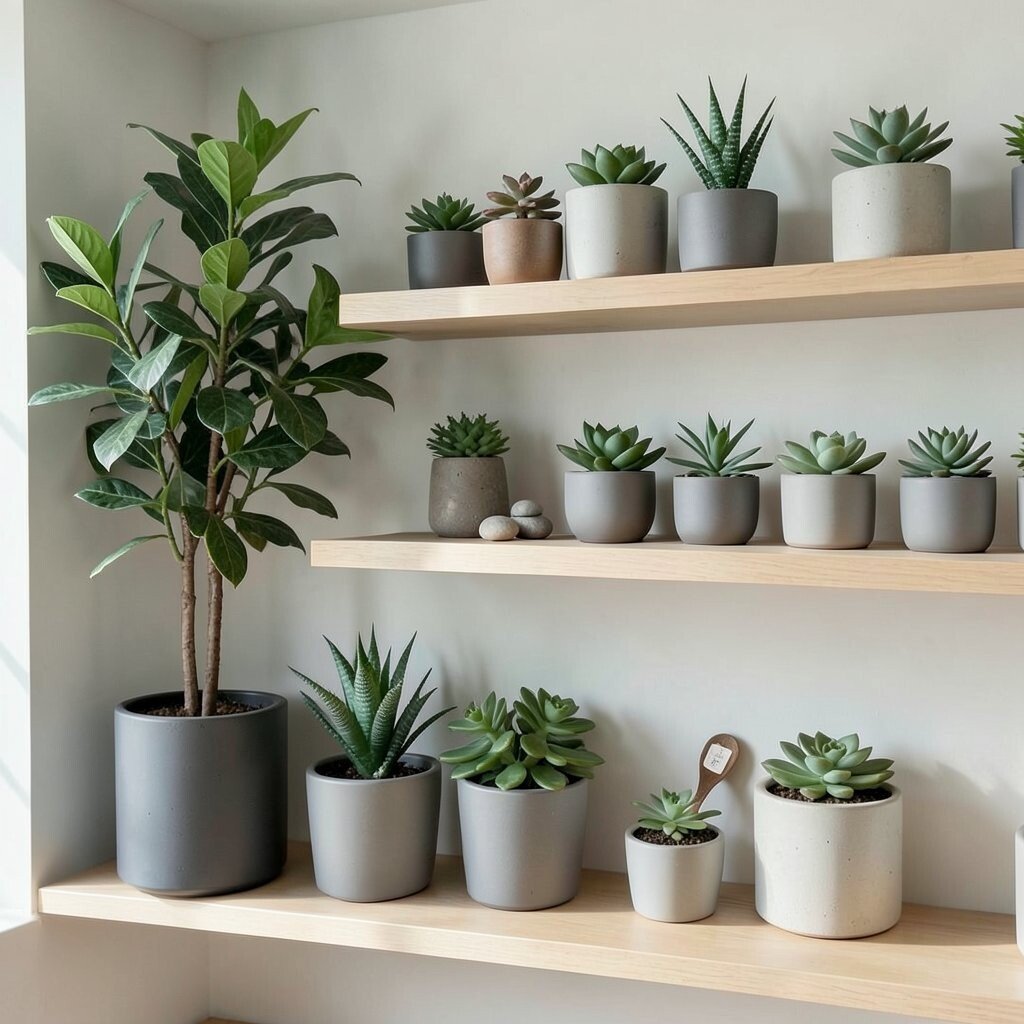
Plants make shelves feel alive, and repeating their placement makes the background look intentional. Put one tall plant near a corner, then mirror the idea with a smaller one on the other side.
Use matching pots in different sizes to keep the look clean. If you worry about care, choose low-maintenance options like succulents or a hardy faux plant. The benefit is a friendly, fresh vibe that boosts the room’s mood without requiring constant work.
For personalization, add small stones, a decorative spoon rest, or a tiny plant tag that matches your style. Cost is manageable because you can start with just one or two plants and build slowly. This “repeat-and-grow” approach also fits current decor trends toward nature-inspired accents.
11. Set Up a Minimal “Stack System” With Flat Trays
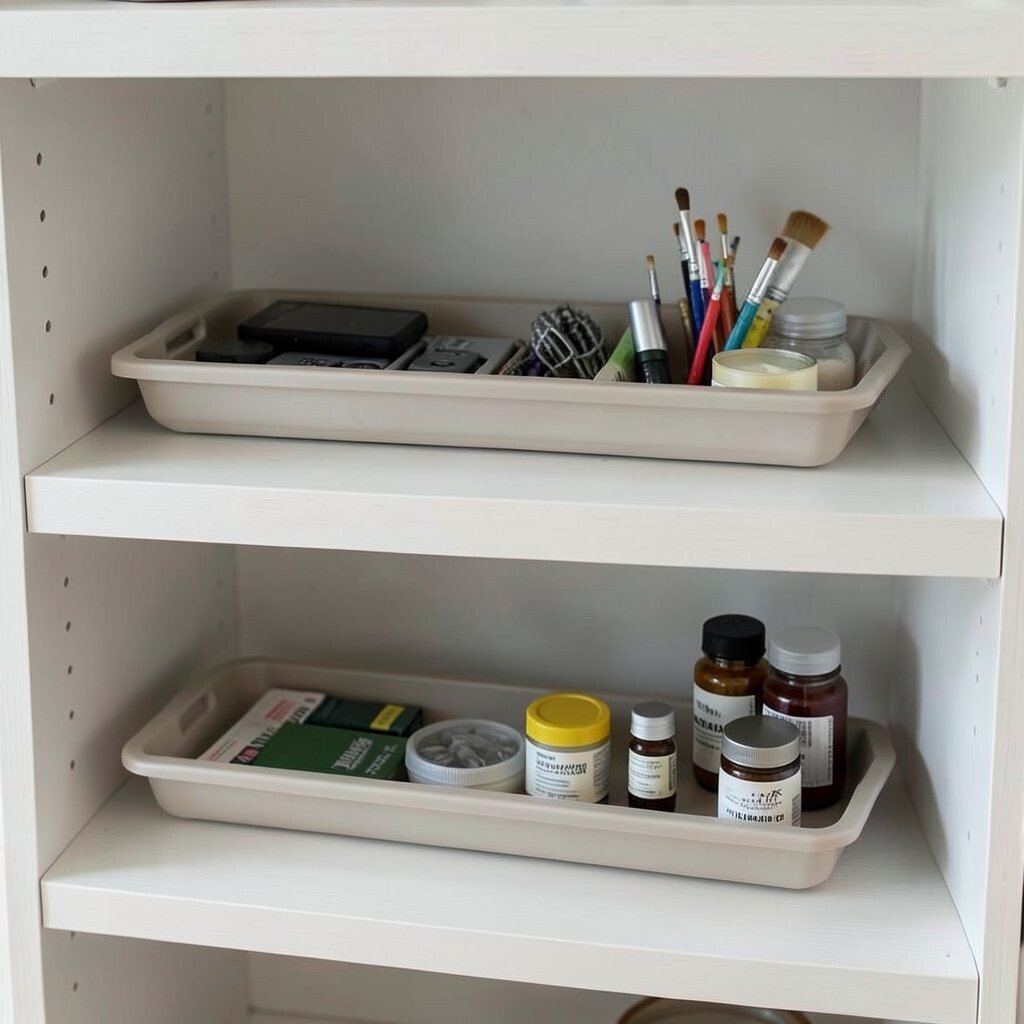
Flat trays create order while keeping your shelf background clean. They also make it easy to lift and reorganize items quickly when guests visit.
Use one tray for small tech items, one for art supplies, and one for everyday essentials like candles or matches. Keep everything inside the tray boundaries so the back remains visually calm. This helps your shelf look neat even when you change accessories throughout the week.
12. Frame One “Hero Moment” With Side Support Items
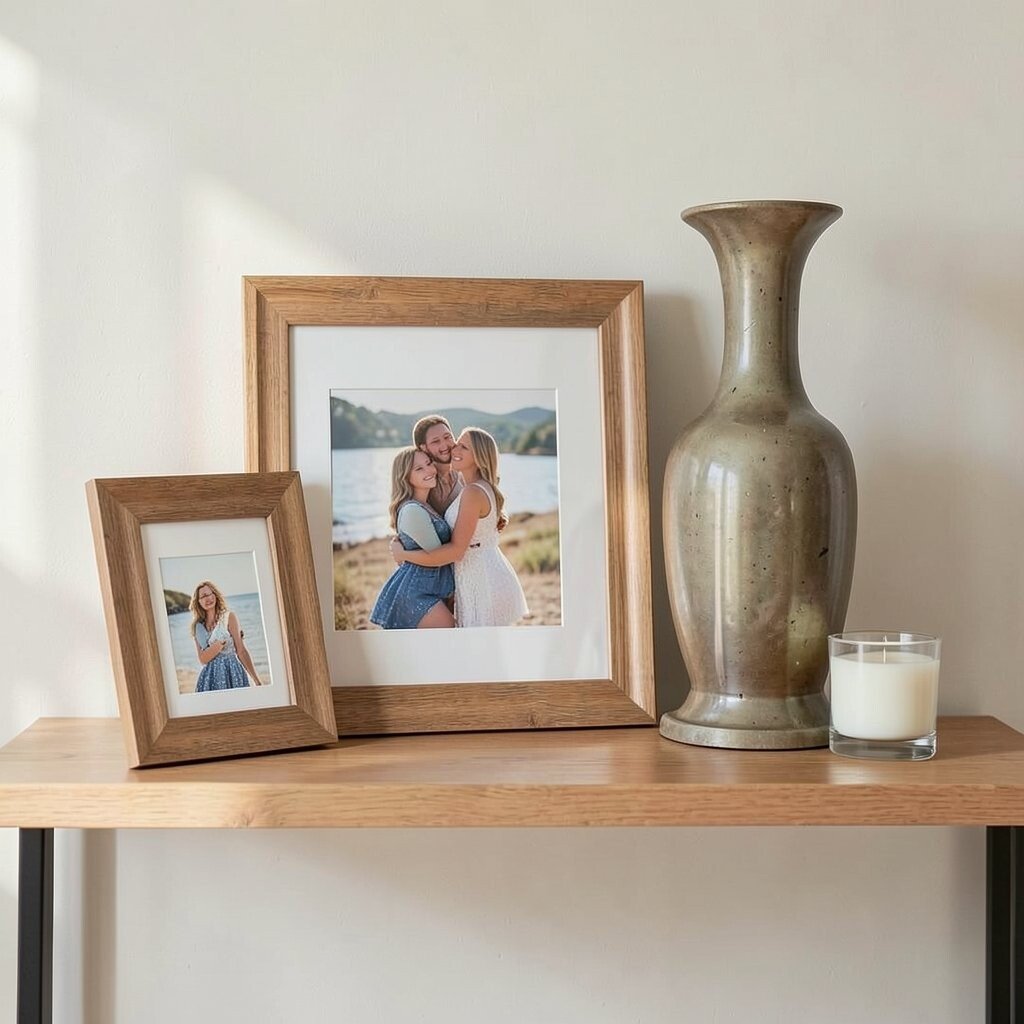
Pick one standout item to anchor the shelf, like a large frame, a sculptural vase, or a taller lantern. Then support it with two smaller items placed on either side.
This structure makes the background look balanced and gives your eyes a clear path. Choose items that connect by material, color, or shape, such as wood with wood, glass with glass, or rounded objects together. It’s unique because your shelf becomes a story, not a random pile of things.
If you want an affordable route, use one real “hero” and keep the side items inexpensive, like thrifted frames or simple candles. You can also rotate the hero moment monthly for a fresh look without spending much. Personalization shines when the hero reflects you, like a photo from a trip or a gift from a friend.
13. Make Use of the Shelf Lip With Lean Backing and Signage
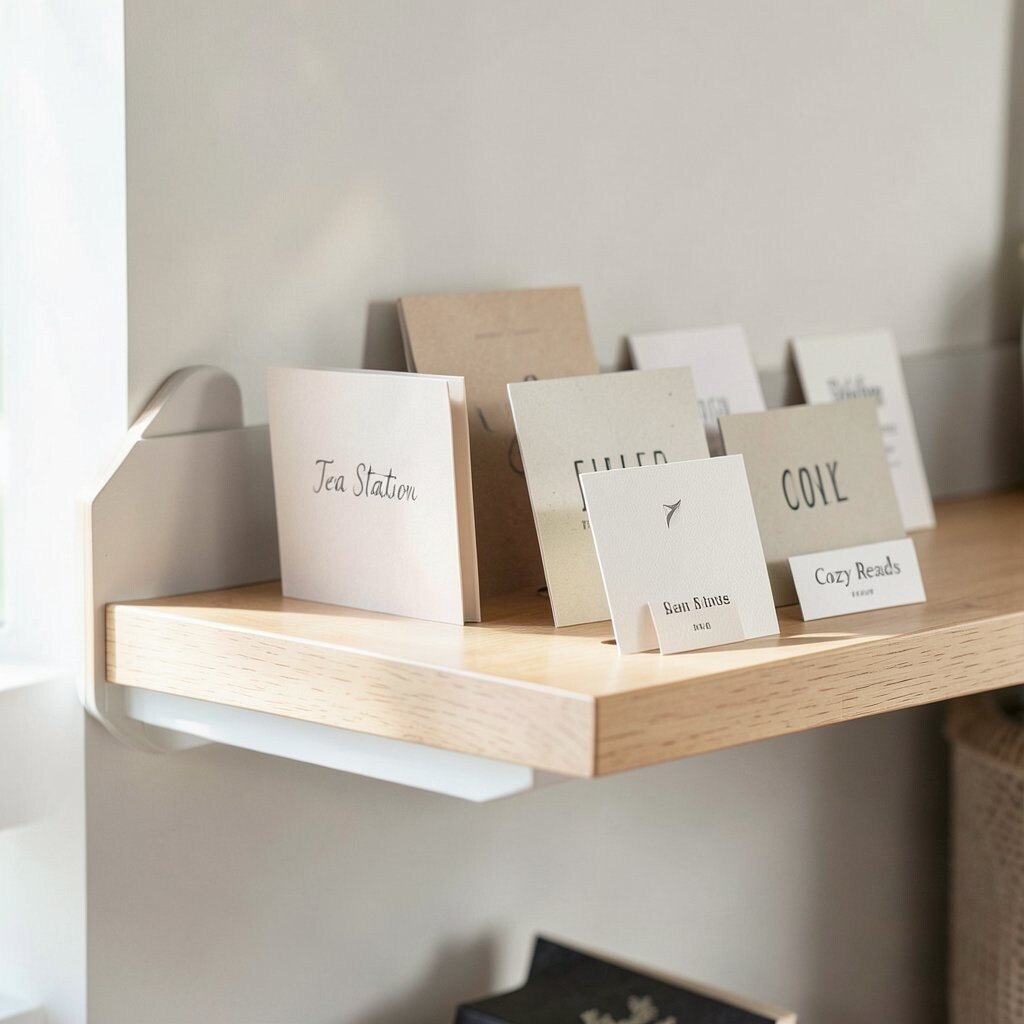
Shelf lips are great for setting up a display band along the back edge. Use small stand signs or thin placards to create gentle structure.
Place labels or tiny signs behind decor to visually group items, like “Tea Station” or “Cozy Reads,” but keep the writing subtle. For a trendier approach, try blank cards with printed textures or minimal typography. The benefit is clarity and a clean, organized look that makes backgrounds feel purposeful.
To stay budget-friendly, reuse old picture mounts or cardstock cut into uniform rectangles. If you like change, switch the cards seasonally or whenever your style mood shifts. This idea also works well if you’re renting because it’s easy to remove and reposition.
14. Mix Texture With Woven, Ceramic, and Wood Pieces
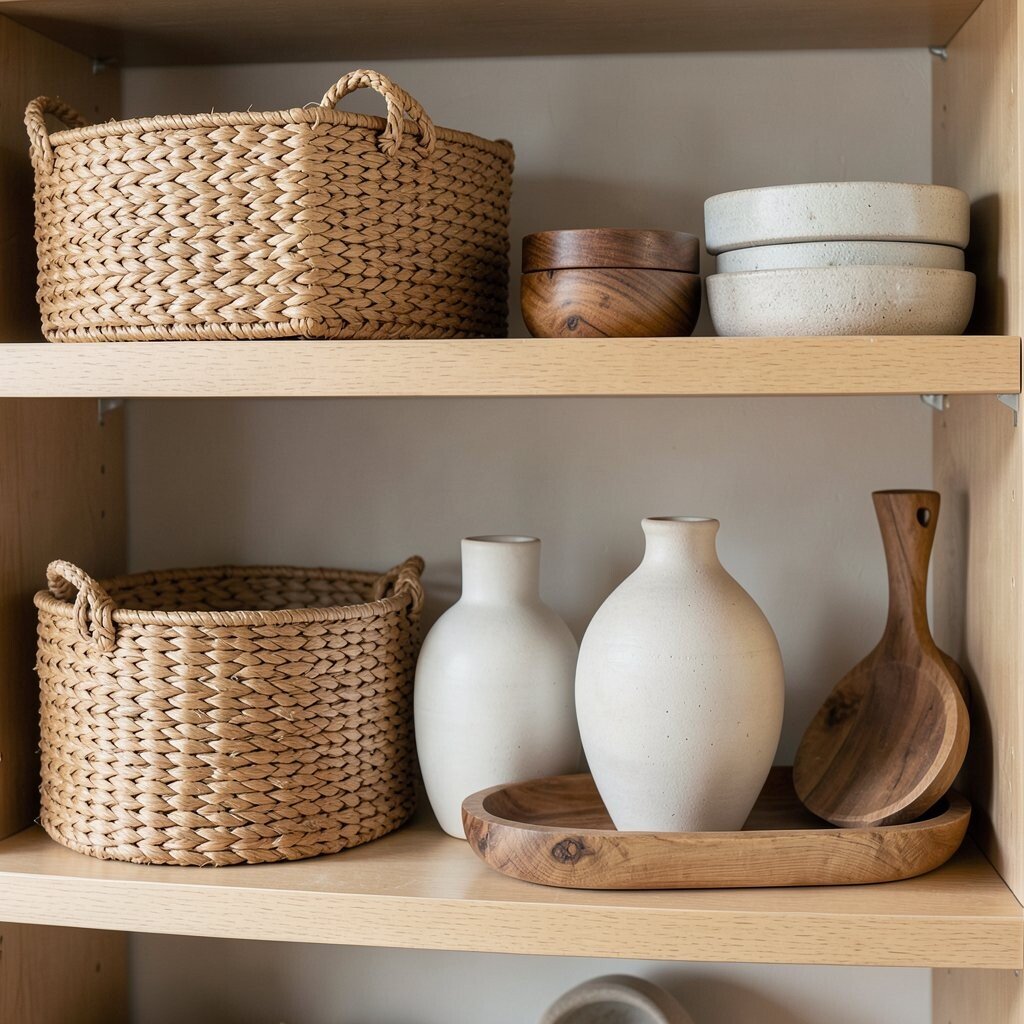
Texture adds depth and makes a shelf background feel rich, even when it’s not fully filled. Pair woven baskets, smooth ceramic vases, and warm wooden trays in the same section.
Choose two or three textures per shelf area so it feels cohesive instead of busy. Place softer materials toward the front and sturdier items toward the back for visual stability. The result is a layered look that feels unique and cozy, and it aligns with the current trend of tactile, lived-in interiors.
15. Organize by Height With a Ladder-Like Rhythm
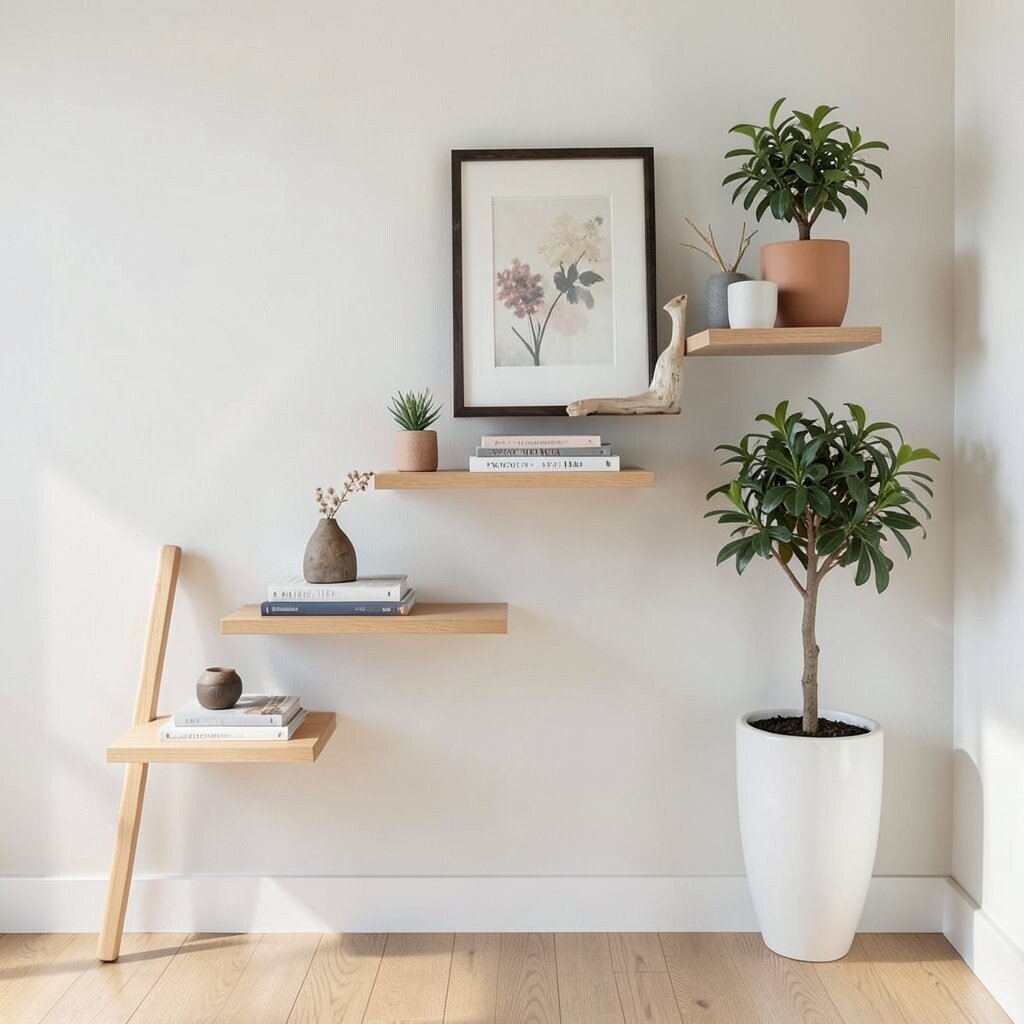
Height planning is one of the fastest ways to make shelves look more designer-like. Create a ladder rhythm by placing items from shortest to tallest across the shelf.
Start with small decor at each end, then step up toward the center with books, a frame, or a plant. Finish with the tallest piece as the focal point behind the rest. This visual structure helps your background stay balanced and keeps your shelves from looking cluttered.
16. Use Color-Coordinated Spacers and Neutral Back Covers
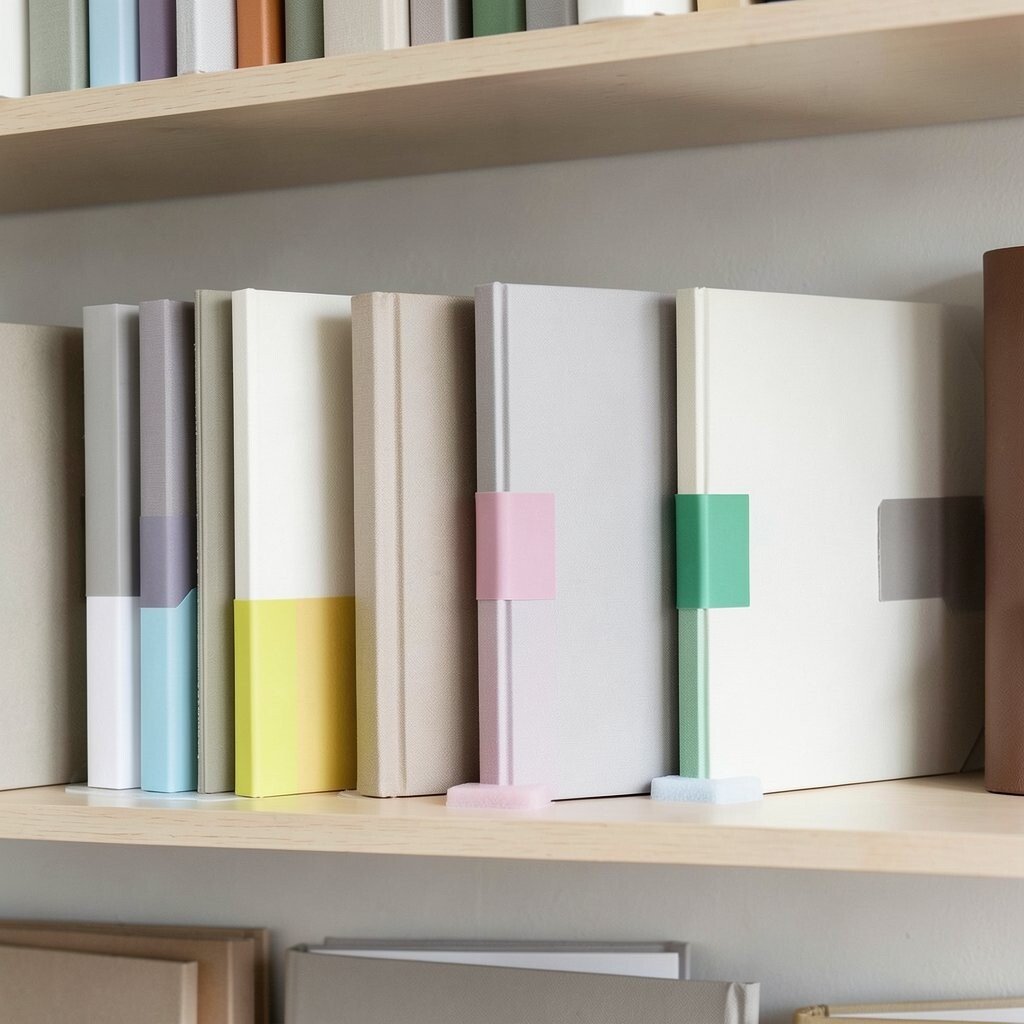
Sometimes shelves look messy because items touch too tightly and colors clash. Spacers can fix that by giving each item breathing room.
Place small foam or acrylic spacers between books, folders, or photo stacks so the background has clean gaps. Pair that with neutral back covers or plain folders in a matching shade to calm the look. This idea is practical because it protects delicate items and makes dusting easier.
For cost considerations, you can make budget-friendly spacers from folded cardboard covered with fabric tape. Keep the neutrals consistent, like warm white or light gray, so your decor pops without competing. Personalize by choosing one accent color that repeats across covers and frames.
17. Create a “Useful Decor” Corner With Everyday Trays
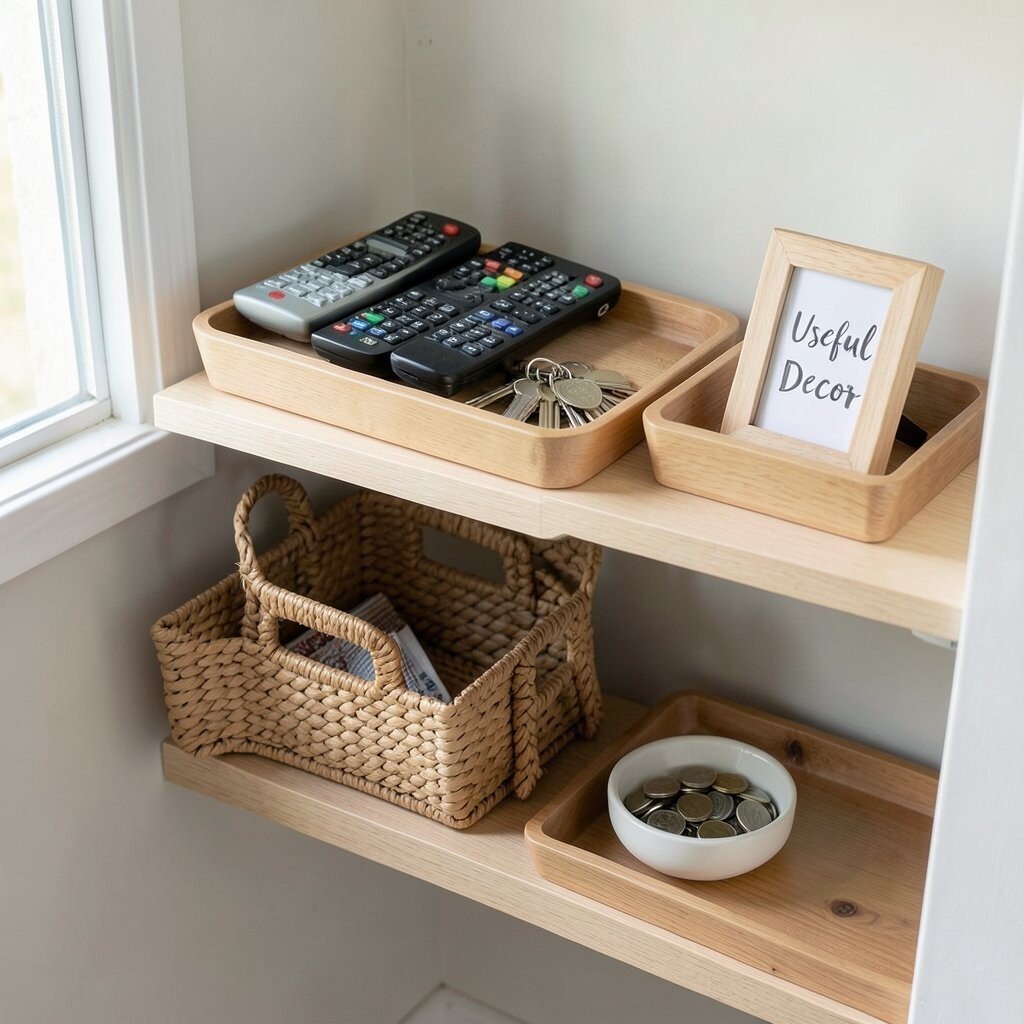
Your shelves can be both pretty and helpful when you display items you use every day. Build a small corner that holds things you reach for often while still looking decorative.
Use a tray for remotes, a catchall for keys, and a small dish for loose change. Add one decorative candle or a framed quote nearby to keep it from feeling purely functional. The benefit is a background shelf that supports your routine while still looking stylish.
18. Rotate Micro-Collections With Clear Labels for Easy Updates
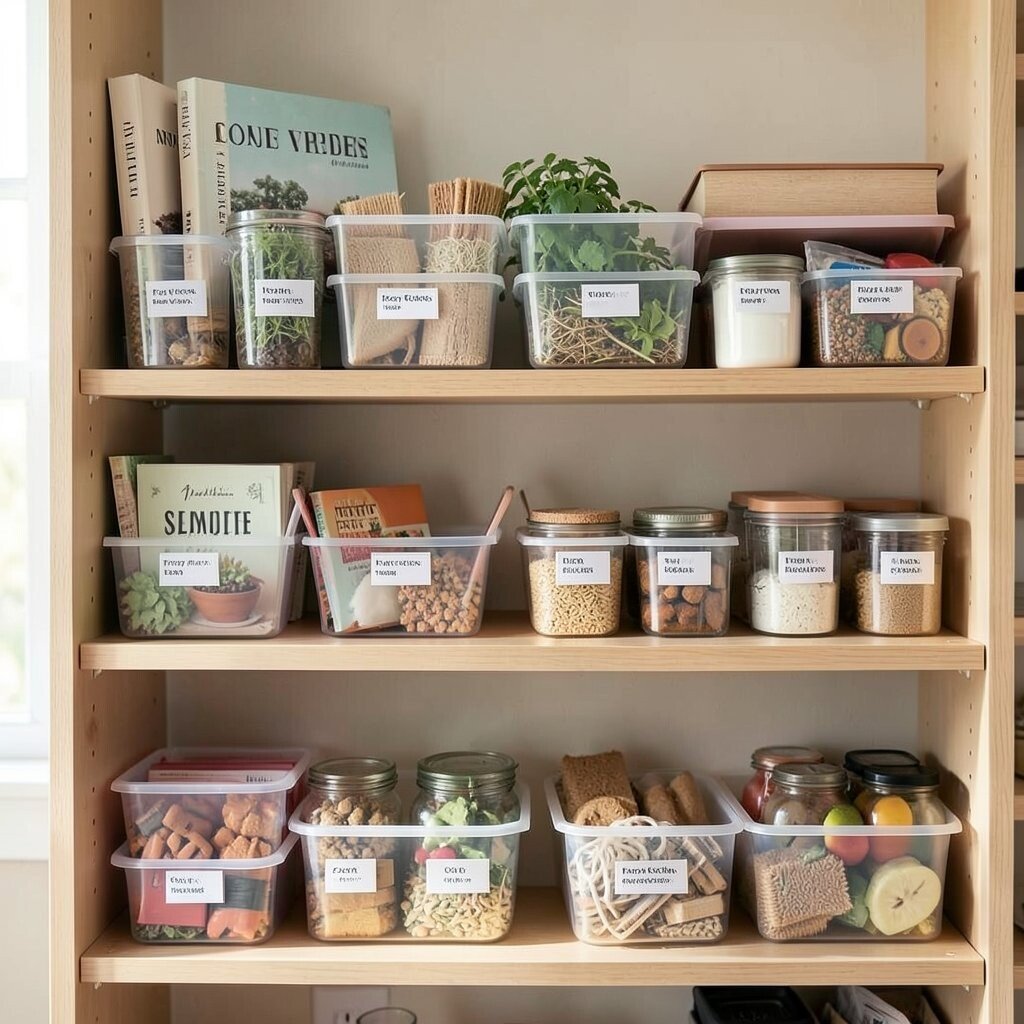
Micro-collections keep shelves fresh because they’re designed to change. Pick a theme like “travel favorites,” “favorite reads,” or “cozy kitchen textures,” then rotate items when you feel like a refresh.
Use small sections with clear containers, folders, or cups so each micro-collection stays together. Labels help you put items back quickly, which keeps the background from turning into a jumble. This is also a great way to personalize your space without buying new furniture or major storage.
For cost, start with what you already own, then add just one or two pieces that match your theme. Keep your rotation seasonal or tied to your mood, and you’ll get that fresh look again and again with minimal effort. Over time, your shelf background becomes a reflection of your life rather than a fixed display.