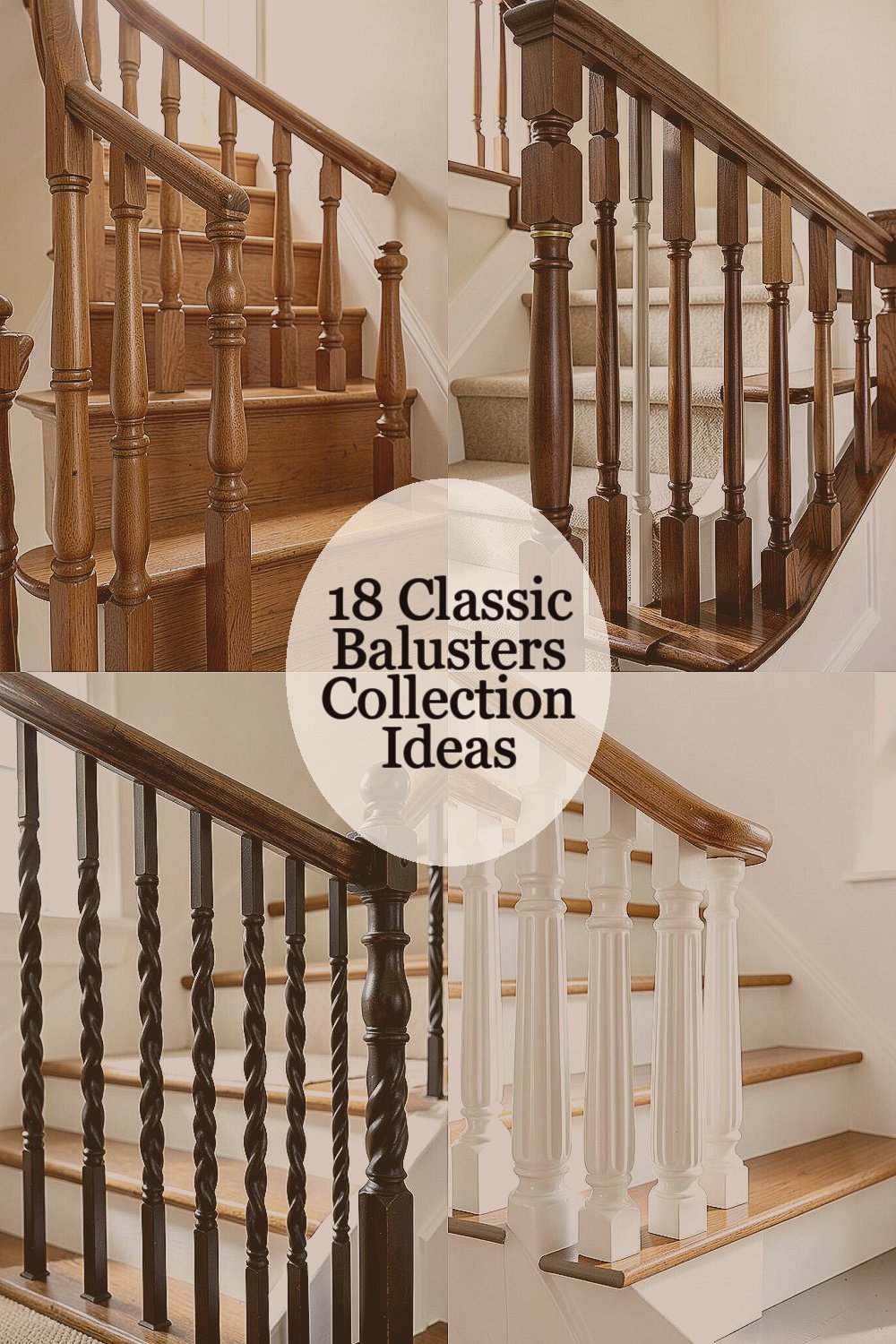
Stairs can be more than a passageway. With classic balusters, they can feel warm, polished, and truly yours.
1. Turned Wood Heritage Balusters
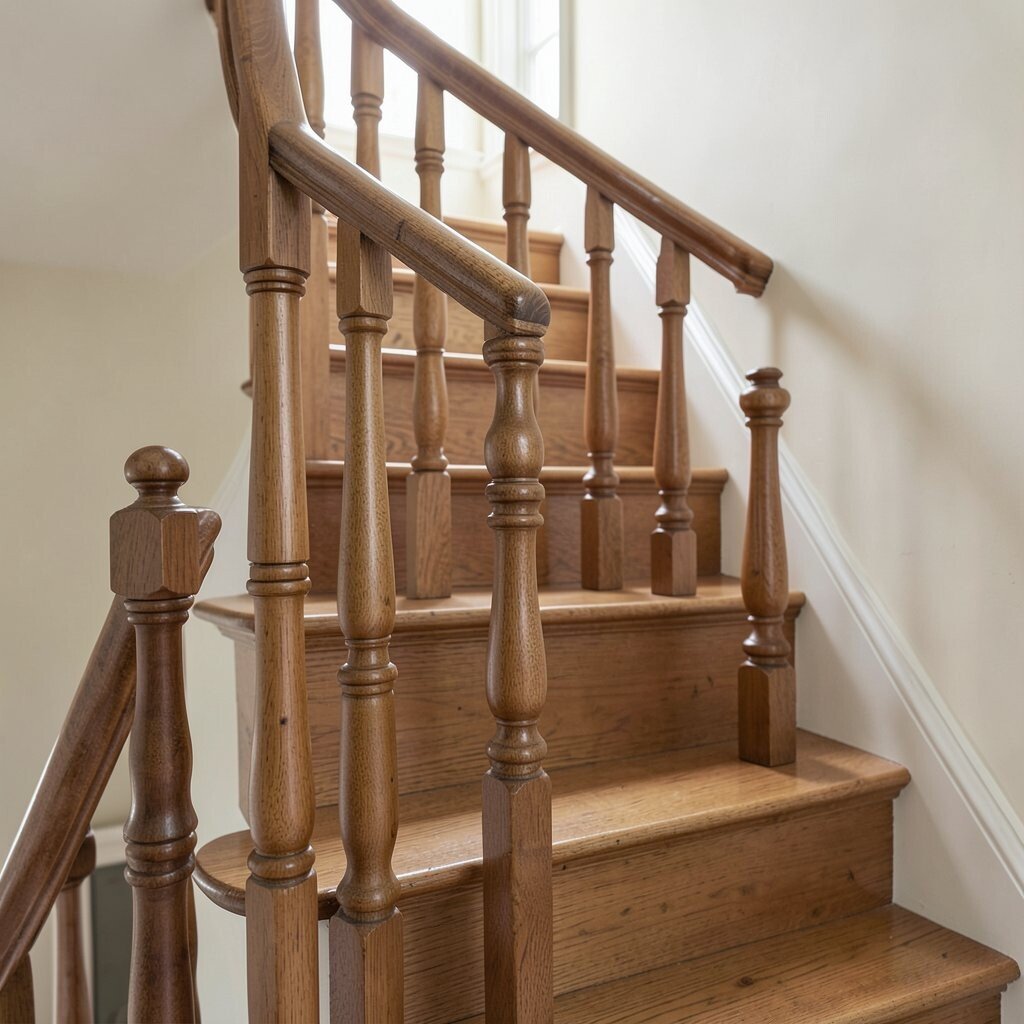
Picture smooth, rounded profiles marching down your staircase like familiar friends. Warm wood tones make the whole stairway feel inviting and steady.
Choose a baluster shape that matches your room’s trim or flooring so the design feels connected. Consider sanding lightly and adding a satin finish to keep dust from showing too fast. If you want a classic look without constant maintenance, pick a hardwood that takes stain evenly and resists dents.
2. Simple Square Mahogany Balusters
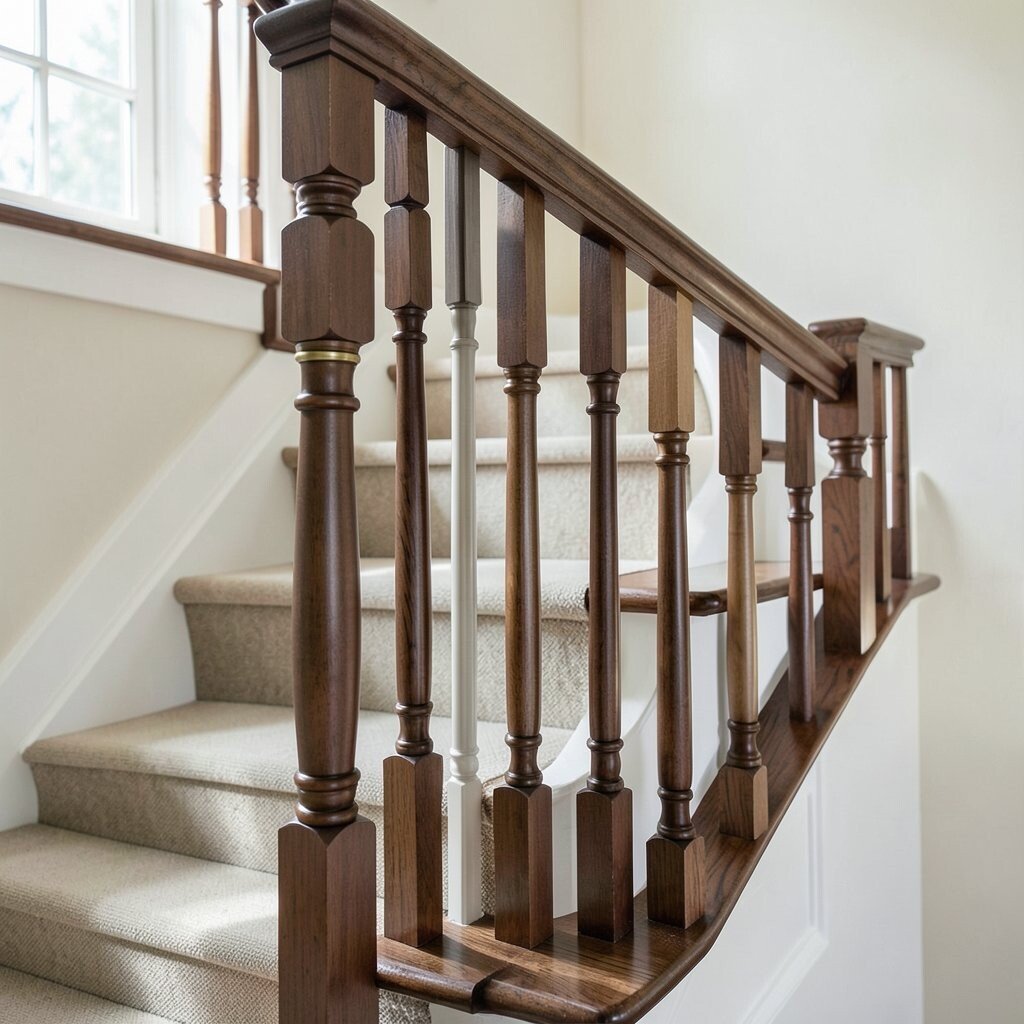
Clean square balusters create a calm rhythm, especially when stained in deep mahogany. The look feels classic, but it still fits modern homes.
Pair them with a matching handrail to make the stairs feel built as one piece. Measure spacing carefully and keep the height consistent so shadows line up nicely along the posts. For a practical upgrade, ask for prefinished balusters so installation is faster and coating is even.
To personalize, blend mahogany with lighter accents like brass newel caps or a pale runner. If budget matters, compare shorter lengths or stock sizes before custom ordering.
3. Wrought-Iron Twist With Vintage Charm

Imagine curling metal balusters catching light as you walk past. They add movement, making a simple stairway feel like a design statement.
Iron twists bring strong lines and a timeless feel, especially with dark finishes like oil-rubbed bronze. To keep them looking sharp, wipe with a soft cloth and avoid harsh cleaners that can dull the surface. If you live in a humid climate, choose powder-coated iron for better resistance to rust.
Make it feel more personal by mixing one or two slightly bolder twist patterns near the newel posts. For cost planning, remember that iron can cost more upfront, but it often lasts longer and needs fewer replacements.
Current trends lean toward slimmer metal silhouettes, so check if a narrower twist style fits your stair dimensions.
4. Fluted Porcelain White Balusters
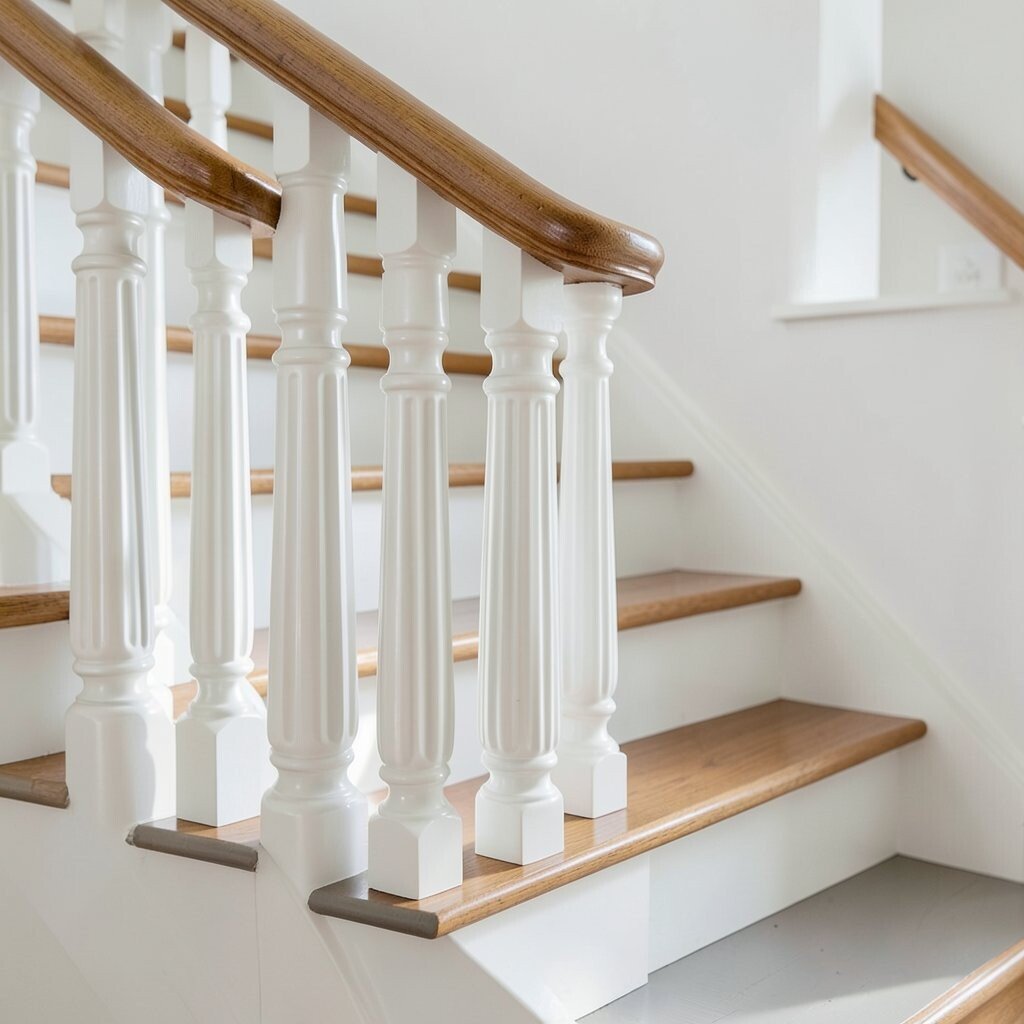
Fluted balusters in a crisp white finish look airy and elegant. Their soft ridges catch daylight and make the stair look bright even in dim hallways.
They pair beautifully with warm wood handrails or sleek painted treads. Choose a finish that resists scuffs since high-traffic stairs can get smudged quickly. For cleaning ease, look for smooth glazing that wipes clean without scrubbing.
5. Antique Brass Spindle Collection
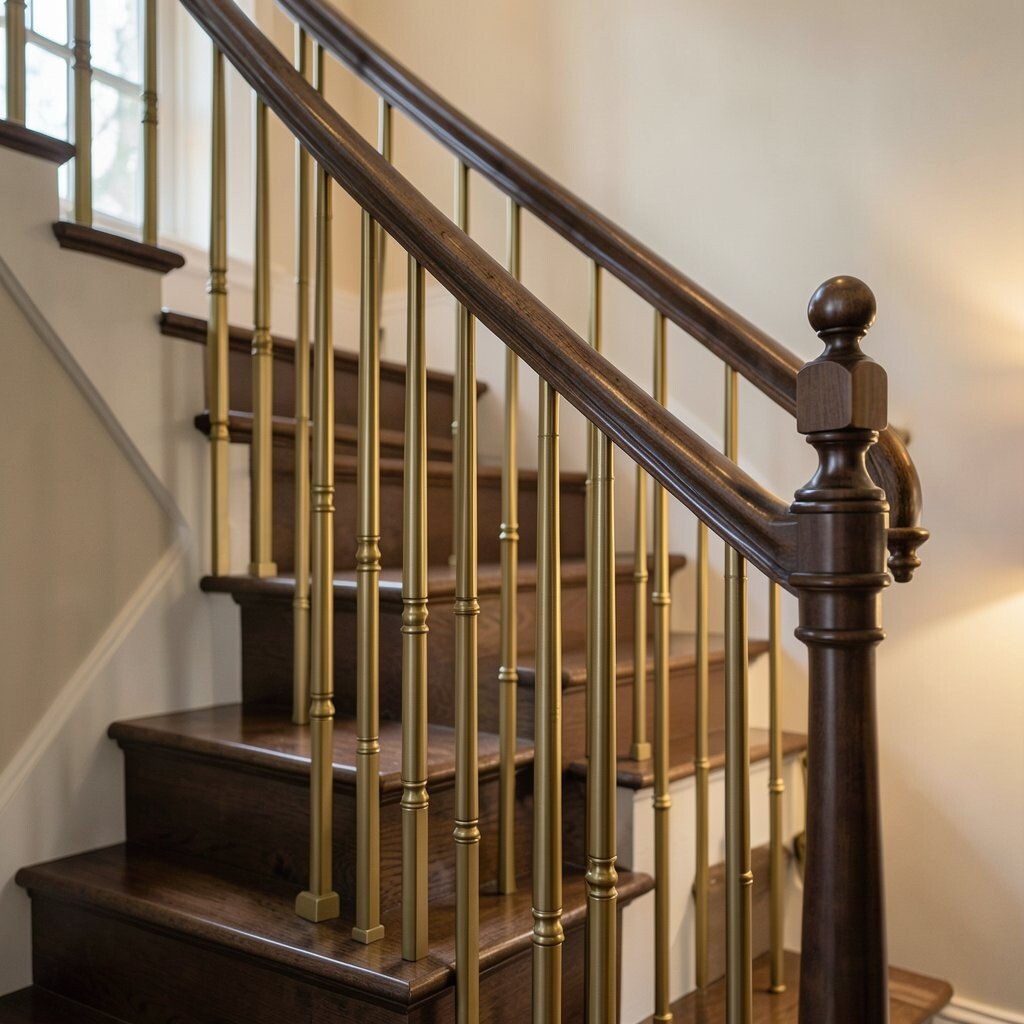
Think of slim spindles with a brushed, golden glow rising from the stairs. They make the entire entry feel more dressed up without adding visual bulk.
Brass-toned balusters work well when you want a classic look that still feels current. Pair them with warm lighting so the color looks rich at night. For practicality, choose sealed finishes to reduce fingerprints and keep cleaning simple.
Personalize with a mix of matte and lightly polished textures on the handrail or newel accents. If you are watching costs, consider using brass only at key sections like the first few balusters while keeping the rest in a complementary finish.
6. Classic Rope-Twist Spiral Detail
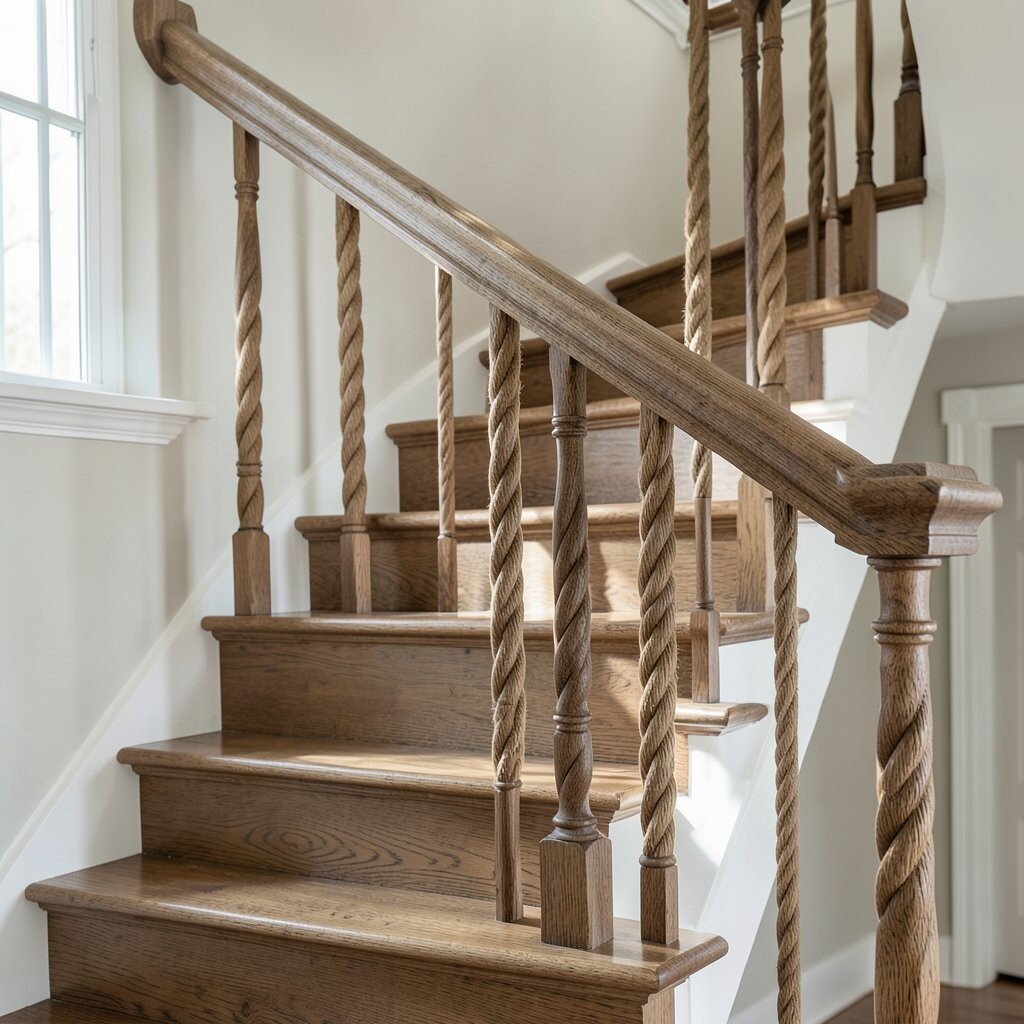
Rope-twist balusters feel like handcrafted work, even when installed as modern components. The spiral detail adds a gentle sense of motion along your staircase.
This style brings uniqueness because the twist pattern creates depth from every angle. It also pairs well with both traditional wood and clean painted walls, so it’s flexible. Measure the stair’s overall run and check that the twists won’t feel crowded near corners.
To personalize, align the spiral so the “start” of each twist faces the same direction for a neat, thoughtful look. For cost considerations, rope-twist styles often sit in the mid-range, and they can look more expensive when matched with quality newel posts.
As a trend, many homes are returning to decorative but not overly ornate patterns, and rope-twist fits that sweet spot.
7. Gothic Arched Baluster Panels
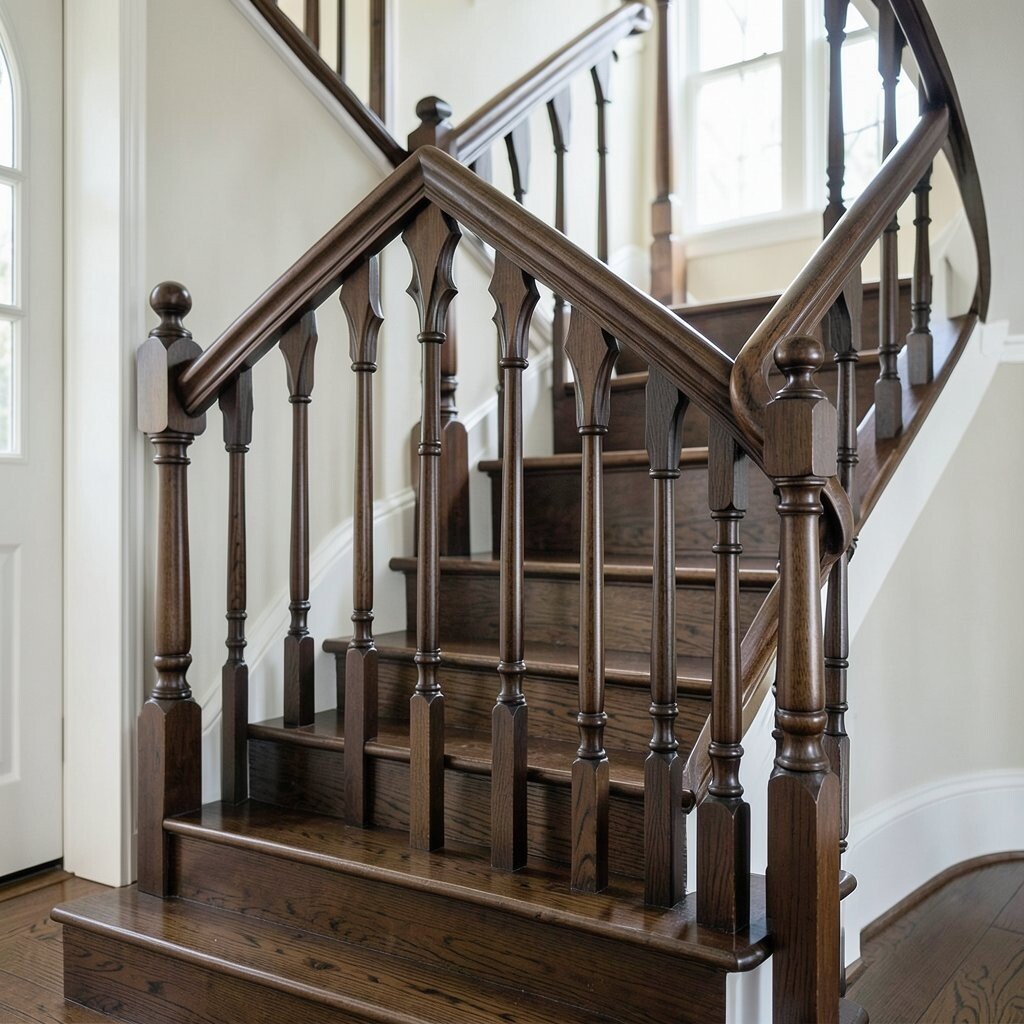
Arched balusters bring a storybook vibe, with openings that let the staircase breathe visually. When paired with dark stain, they look bold and graceful at the same time.
Use this style when you want height and character, especially on grand landings. Make sure the balusters align with your tread lines so the arches look consistent. For practical comfort, choose rounded edges where hands might lightly brush the rail.
Personalize by selecting arches that match the door style or window trim in your home. Budget-wise, arched panels can raise the project cost, so consider whether you want full coverage or a featured section that frames the landing.
8. Simple Turned Poplar With Painted Whites
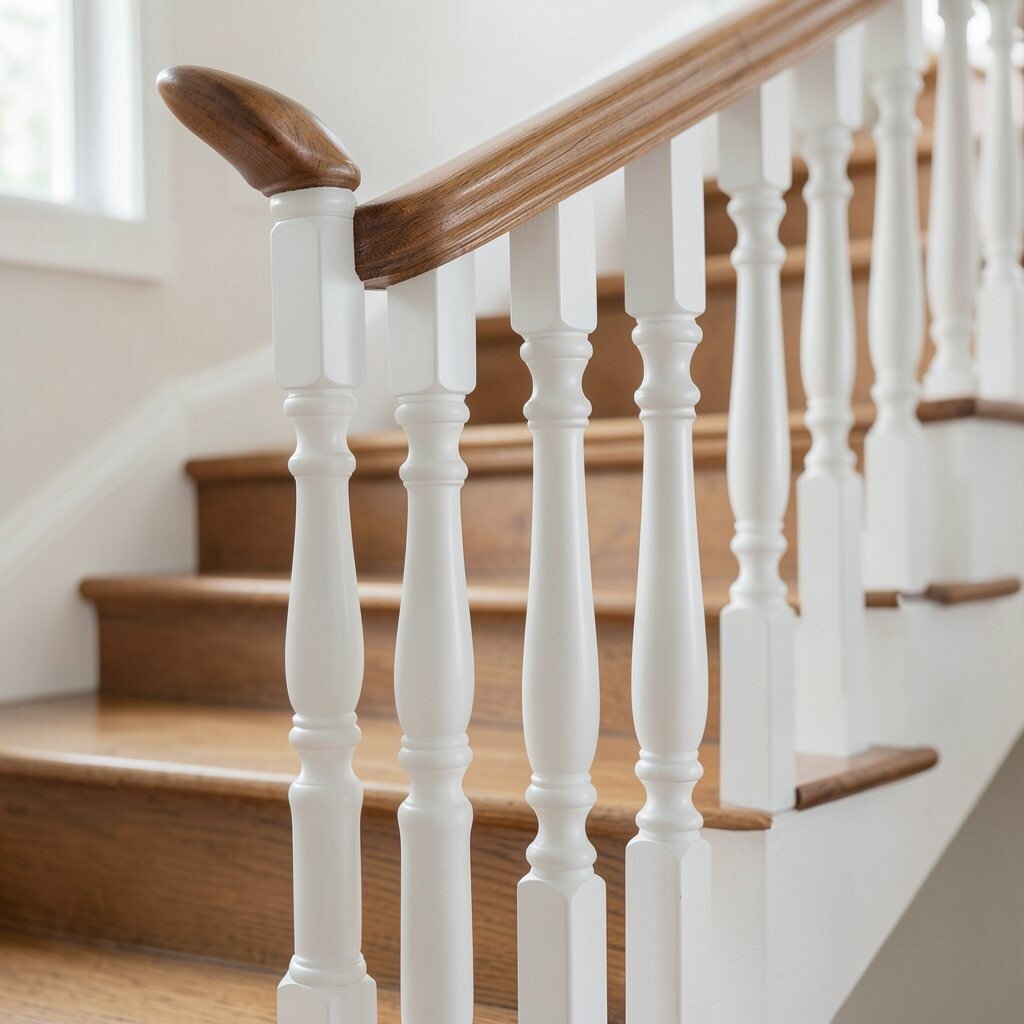
Painted turned balusters look clean, friendly, and classic, especially when the rest of the staircase is warm and simple. White-on-wood creates a fresh contrast that feels welcoming.
This option is great for personalization because paint color can match seasonal decor or future design changes. Use a durable cabinet-grade paint for better resistance to scuffs and dents. For a practical tip, paint the balusters before install when possible, so every groove gets even coverage.
If cost is a factor, poplar is often more budget-friendly than premium hardwoods while still giving a lovely turned profile. Choose a primer that locks in stains to avoid surprises when painting.
9. Arts and Crafts Mission-Style Craftsman Bars
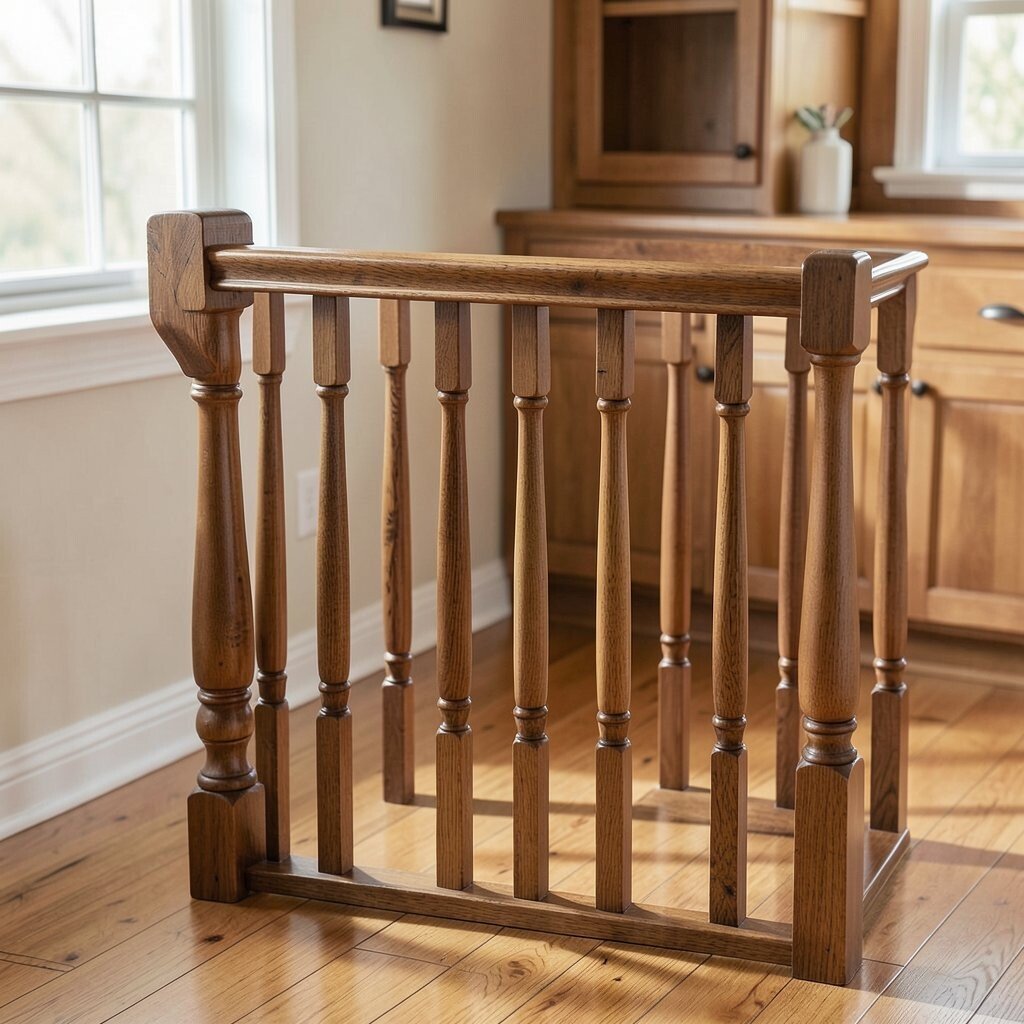
Mission-inspired balusters feel sturdy and grounded, with straight rails and simple geometry. The look has warmth, like built-in furniture, not just stair parts.
This style is unique because it emphasizes craftsmanship, honest materials, and clear lines. It also helps hide everyday wear since the design stays straightforward. If you want a practical improvement, pair the rail with a durable topcoat that resists scuffs.
To personalize, choose wood species and stain depth that match your cabinets or floorboards. For cost considerations, you can often keep expenses under control by selecting a simpler bar design and upgrading only the newel details.
10. Curved Glass Insert Balusters
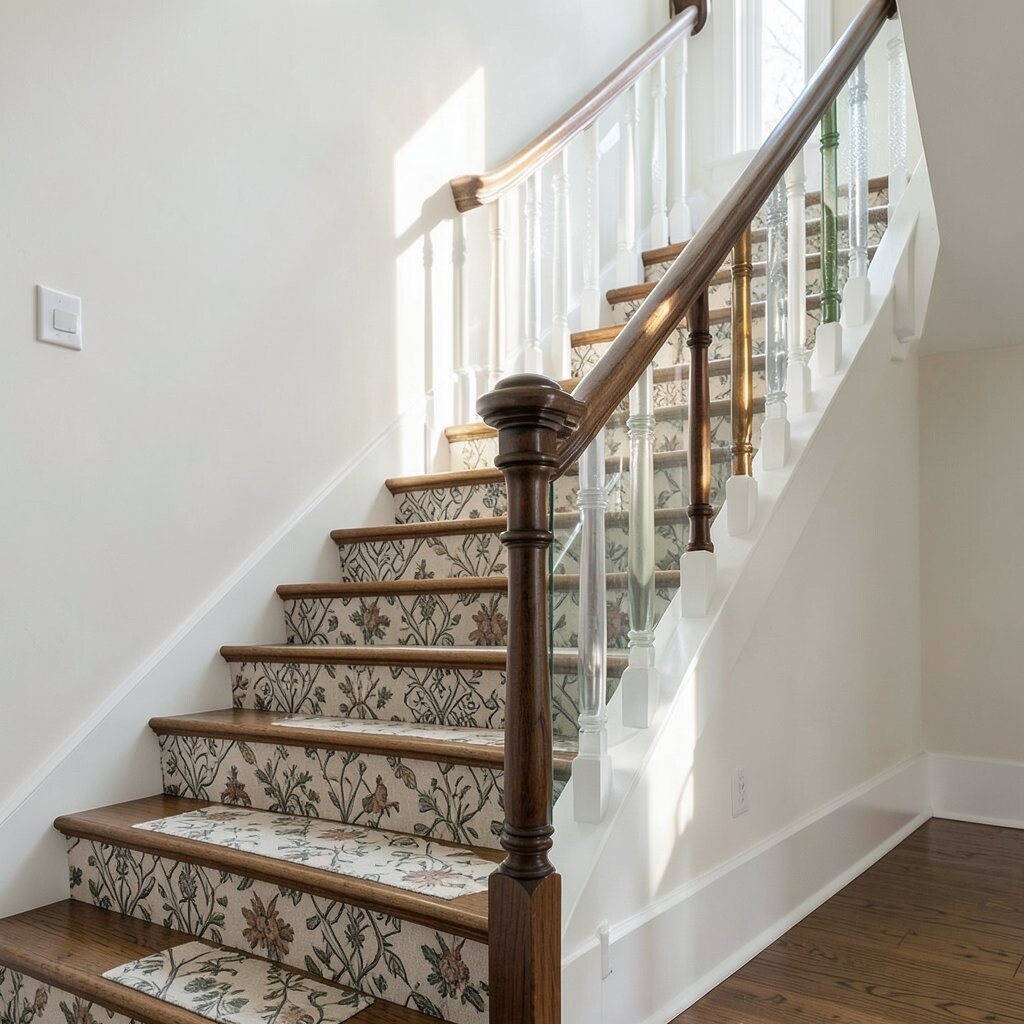
Glass insert balusters bring light into the staircase and make the whole space feel open. A classic frame around glass adds structure while keeping the view airy.
This idea stands out because you can pick glass textures that match your style. Consider seeded glass for softness, clear glass for a clean modern classic blend, or tinted glass for extra warmth. For safety and practicality, choose tempered glass and confirm the mounting method feels secure.
Personalize with etched patterns that echo your wallpaper or rug motif. If budget matters, focus glass inserts on the most visible section of the stairs, like the front run, while using solid balusters elsewhere.
11. Classic Bun-Top Bulb Balusters
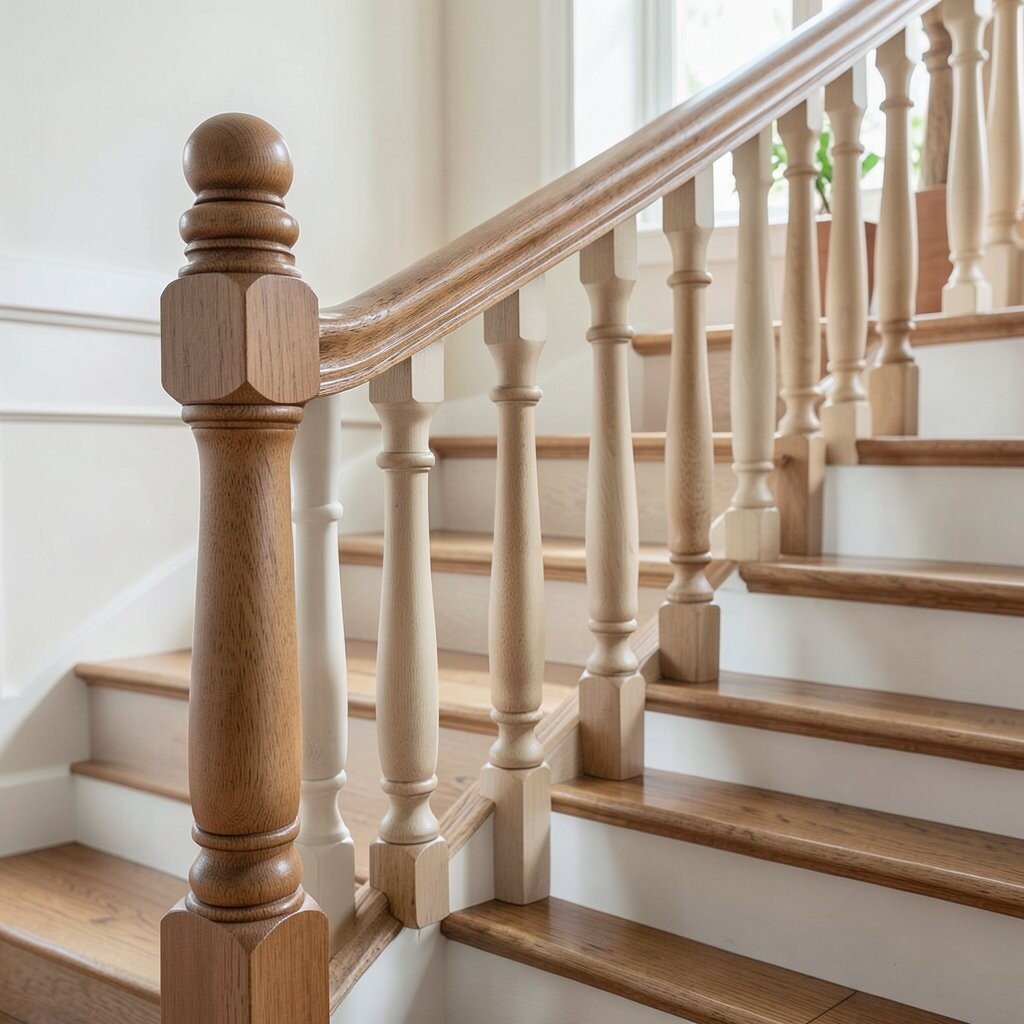
Bulb-ended balusters look rounded and friendly, like soft edges on a well-loved piece of furniture. The shape creates a classic profile that feels comfortable to look at.
This style helps the staircase feel less harsh and more inviting, especially in homes with kids or guests. Choose a finish that matches your handrail so the whole structure looks intentional. A practical tip is to use matching end caps on each baluster to keep alignment crisp.
For personalization, consider a slightly larger bulb near the newel posts to create a natural focal point. Cost-wise, bulb styles can be more affordable than heavy ornamentation, while still delivering a timeless look.
Current trends often favor “soft classic” shapes, and bun-top bulbs fit that vibe beautifully.
12. Classic Wreath-Style Turned Details
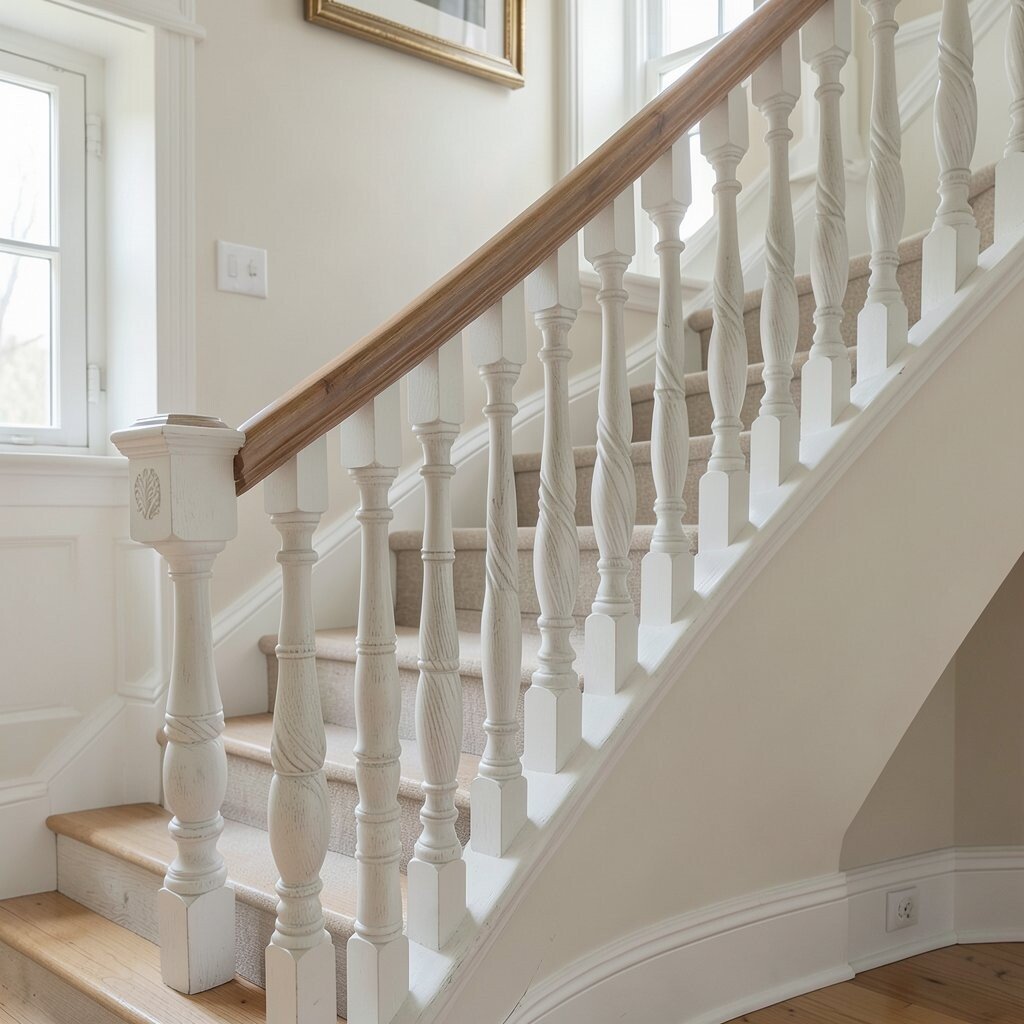
Balusters with wreath-like turnings add a subtle festive feeling without going overboard. They look charming in entryways and feel especially nice with traditional molding.
The benefit is that the detail gives character even when the space is simple. Choose a wreath style that feels proportionate to your staircase height so it doesn’t look cramped. For practical upkeep, select finishes that resist grime since the turning grooves can hold dust.
Personalize by coordinating the wreath motif with other features like cabinet knobs or picture frames. If you’re budgeting carefully, consider using the most detailed balusters only where the staircase is most visible.
13. Vertical Slat Balusters in Reclaimed Wood
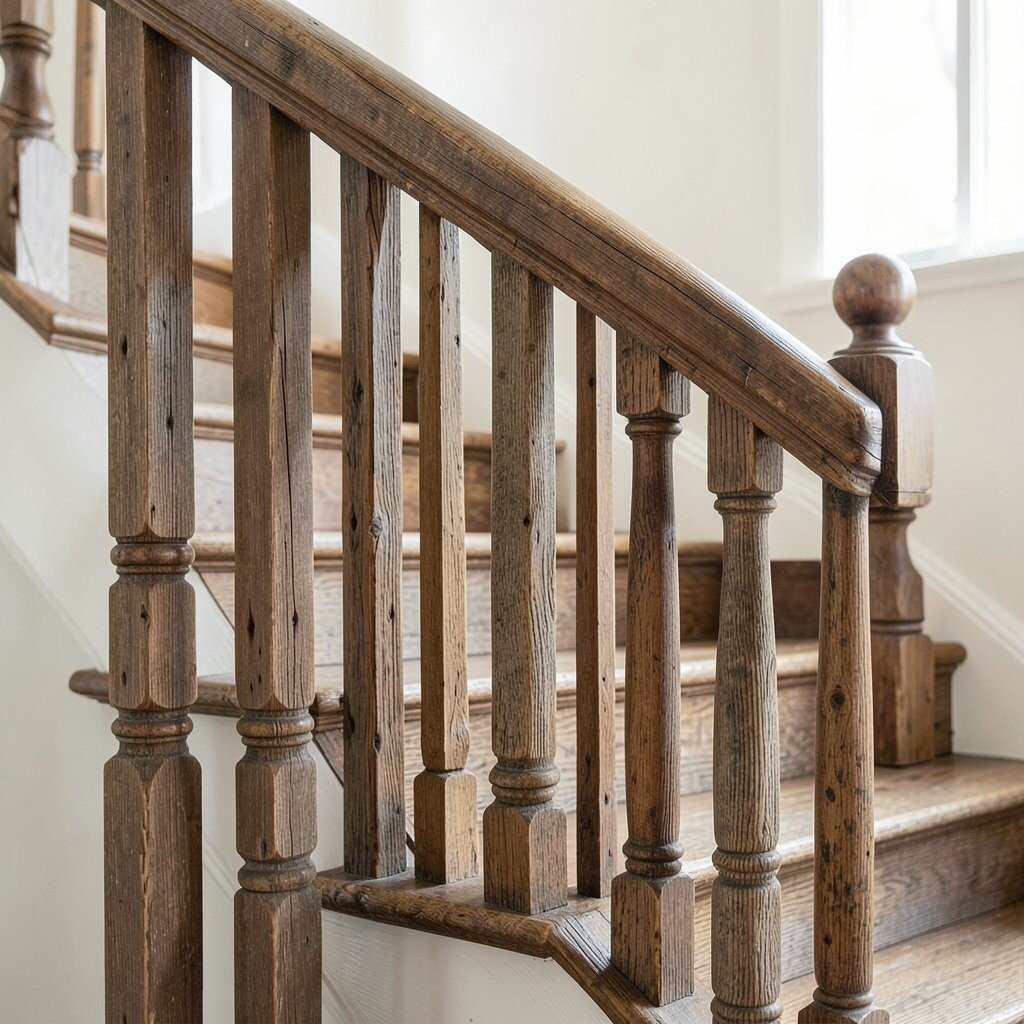
Reclaimed wood slat balusters offer a classic look with an honest, aged character. The natural grain and subtle imperfections make every stairway feel one-of-a-kind.
This option brings uniqueness because no two wood boards look exactly the same. It also has benefits for people who love warmth and texture in their home. For practical tips, seal the wood well to prevent splinters and keep the color from fading too quickly.
Personalize by mixing slat widths slightly or choosing a consistent tone with varied grain direction. Cost considerations can work in your favor if you source reclaimed material locally, but plan for extra time to sand and finish properly.
14. Classic Spindle Balusters With Tapered Ends
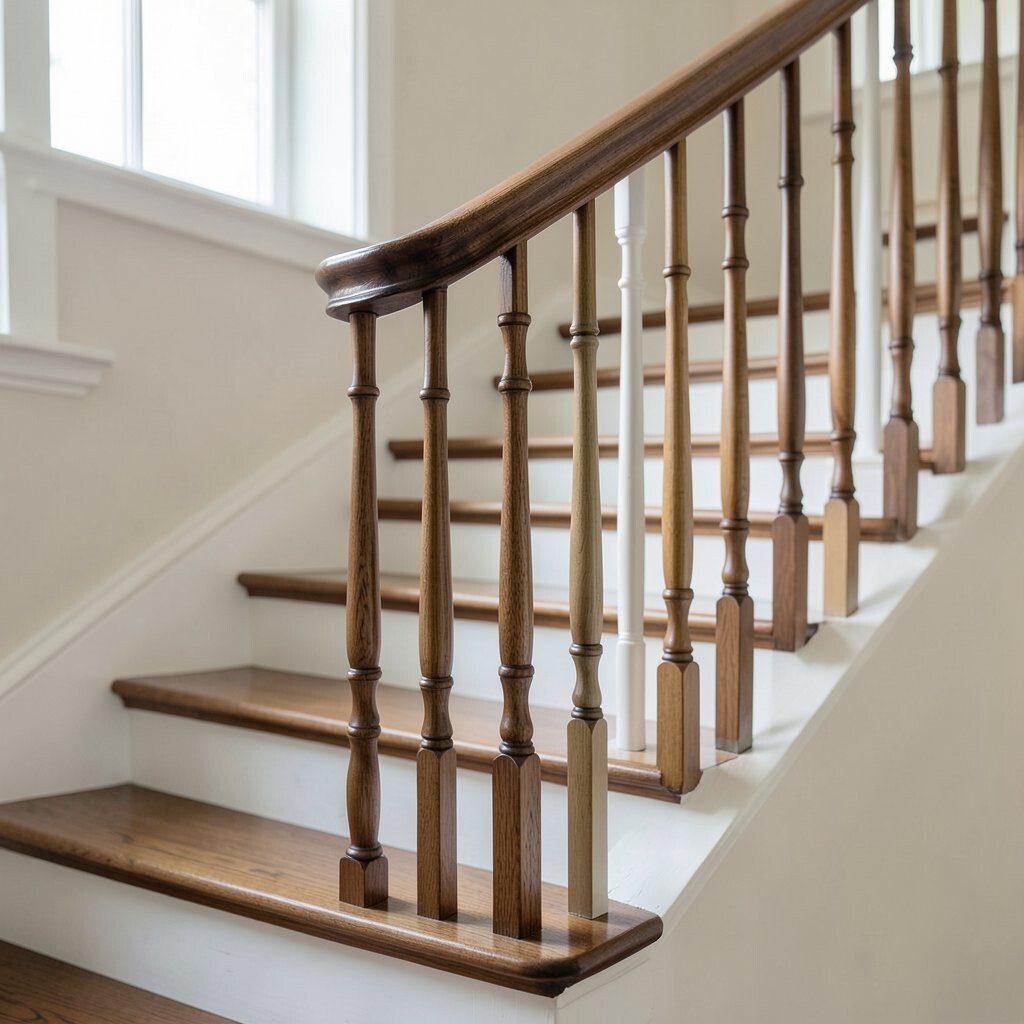
Tapered spindle balusters look refined and graceful, like they were drawn by hand. The ends narrowing toward the top create a smooth visual flow up the stairs.
They’re a great choice if you want classic style without too much fuss. Choose a spindle profile that matches your era of trim, whether that’s traditional or more updated. For practicality, ensure the spindles are finished evenly so they don’t look patchy once installed.
Personalize by selecting a slightly different stain depth for the top rail to add contrast. On cost, tapered spindles can be mid-range because the shape is detailed but still efficient to produce compared with heavy ornamentation.
If you want a trend connection, many modern classics favor tapered silhouettes for their clean, elegant movement.
15. Traditional Bamboo-Inspired Straight Balusters
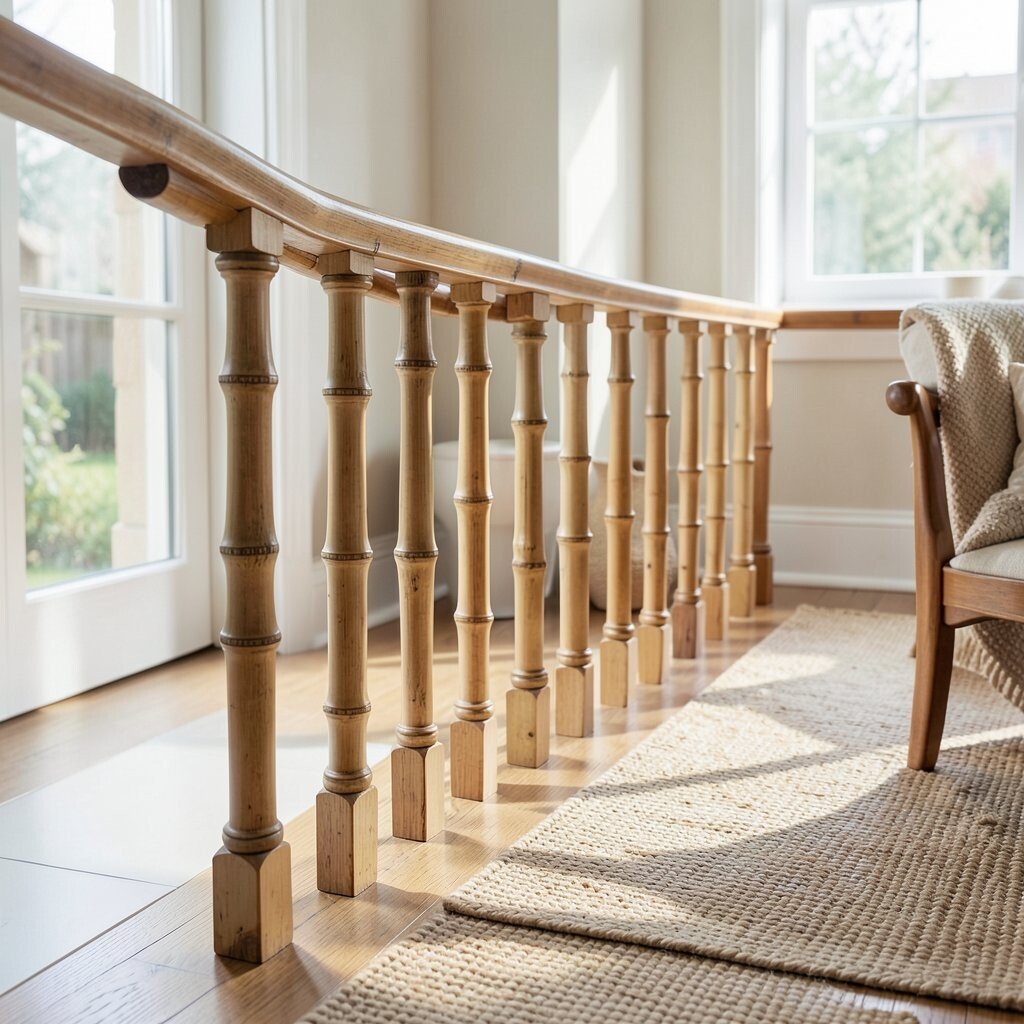
Bamboo-inspired balusters bring a classic feel with a fresh twist on natural textures. The segmented look feels warm and structured, like a design that belongs in a calm spa-like home.
This style is unique because it mimics plant-like rhythm while still reading as traditional. It can also be practical because straight forms are often easier to clean and maintain. Match the handrail color to your wood floors so the bamboo effect feels intentional, not accidental.
For personalization, pair bamboo-inspired balusters with woven materials like a jute runner or natural-fiber decor accents. Cost considerations vary based on whether the look is created through real wood shaping or a manufactured profile, so compare material options before you decide.
A current trend is mixing natural textures with classic architecture, and this option fits nicely.
16. Ornate Column Balusters With Simple Lines
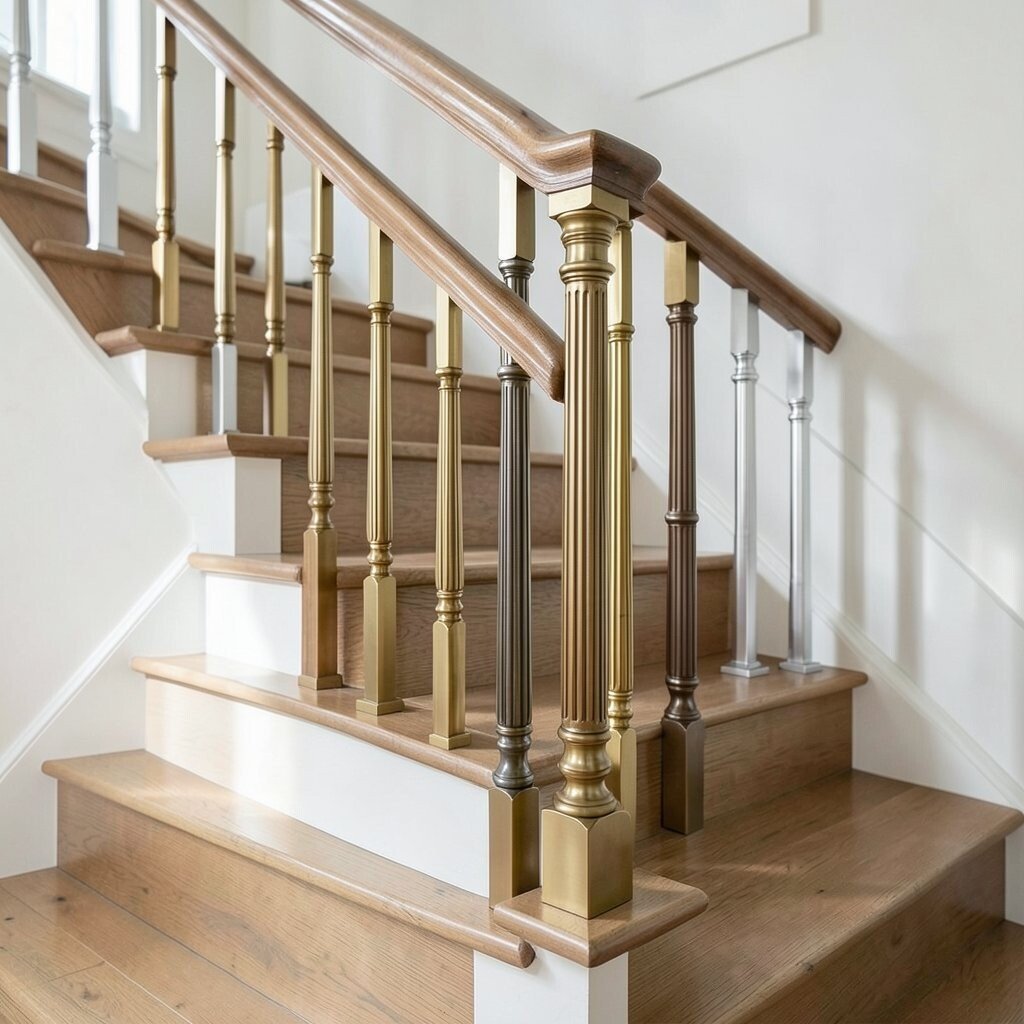
Column-style balusters give your staircase a classic, grounded presence. They look especially striking when the base and top of each baluster feel substantial.
The benefit is that the staircase looks more architectural, almost like a piece of built furniture. Choose a finish that matches your room metals, such as warm brass or polished nickel. For practical tips, confirm the balusters are installed securely and that spacing keeps the structure stable.
Personalize with subtle carving or a slight ribbed texture on the columns to add interest without making everything busy. For cost, ornate columns can raise the price, so consider balancing the budget by keeping the rest of the stair hardware simpler.
17. Vintage Scroll Motif Newel and Baluster Pairing

Scroll motifs at the newel posts make a staircase feel instantly styled. When the balusters echo that curve in a lighter way, the whole stairway looks finished.
This idea is unique because it creates a theme across the staircase rather than random decoration. The visual benefit is that the eye follows a steady path, which makes the stairs feel more elegant. For a practical approach, match the scroll style to the era of your lighting and door hardware.
Personalize by adjusting the scroll size so it feels right for your space, not too dramatic for a smaller hall. Cost considerations matter here since scroll details can increase labor, so price compare pre-made newel caps versus fully custom carved posts.
18. Classic Matching Balusters With Tiered Handrail Profile
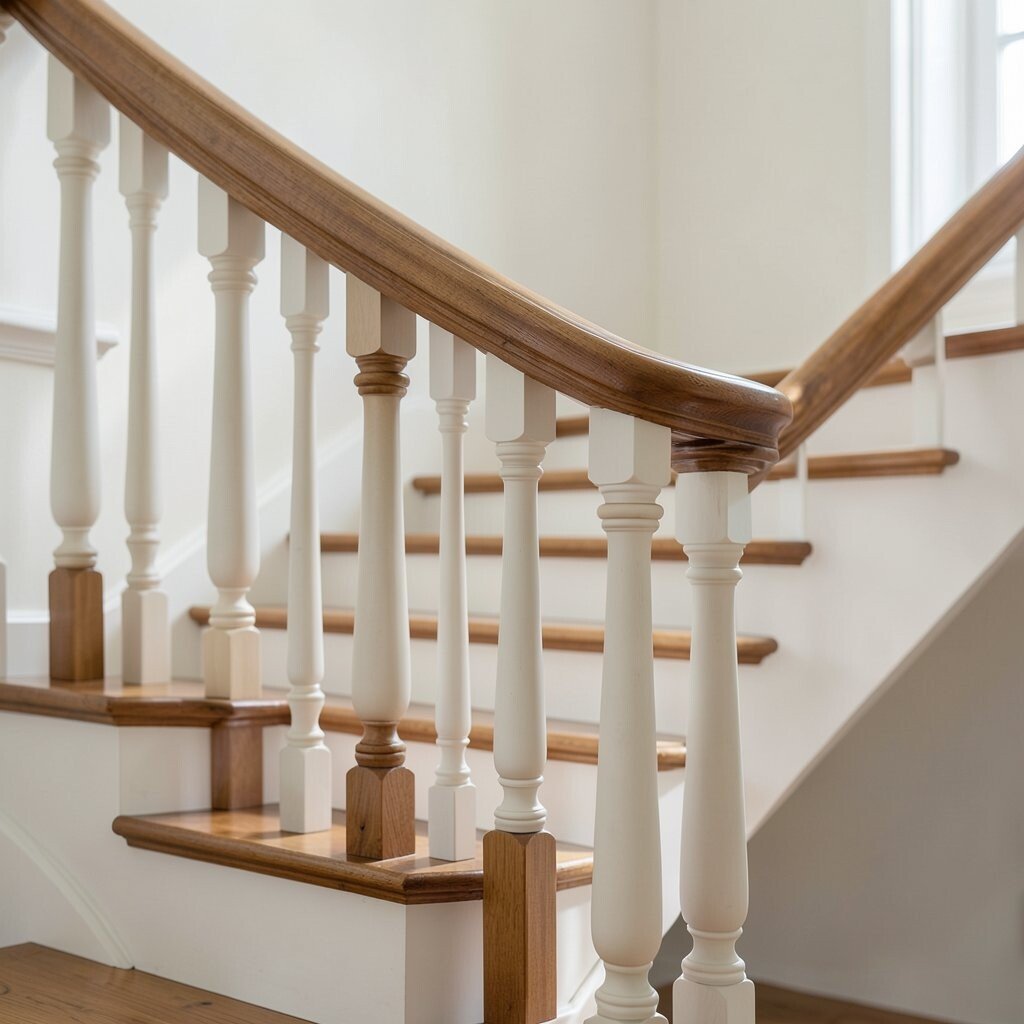
When balusters match your handrail profile, the staircase looks cohesive and intentionally designed. A tiered rail adds a classic highlight line that makes each step feel more refined.
This choice benefits the whole space because it reduces visual clutter and strengthens the look. For practical tips, keep the baluster spacing consistent and use careful alignment so the tier lines stay smooth from start to finish. If you want a personalized touch, choose a rail finish slightly warmer or lighter than the balusters for a gentle contrast.
Cost can be managed by selecting standard baluster shapes while spending a bit more on the handrail profile and quality finishing. Current trends often favor “quiet classic” stair systems, and a tiered handrail with matching balusters delivers that premium, timeless feel.
Before ordering, measure twice and ask for a small sample finish so the final color looks perfect in your lighting.