
Your staircase can feel ordinary, even when the rest of your home shines. The right baluster shape adds charm you can see every day.
1. Classic Round Balusters
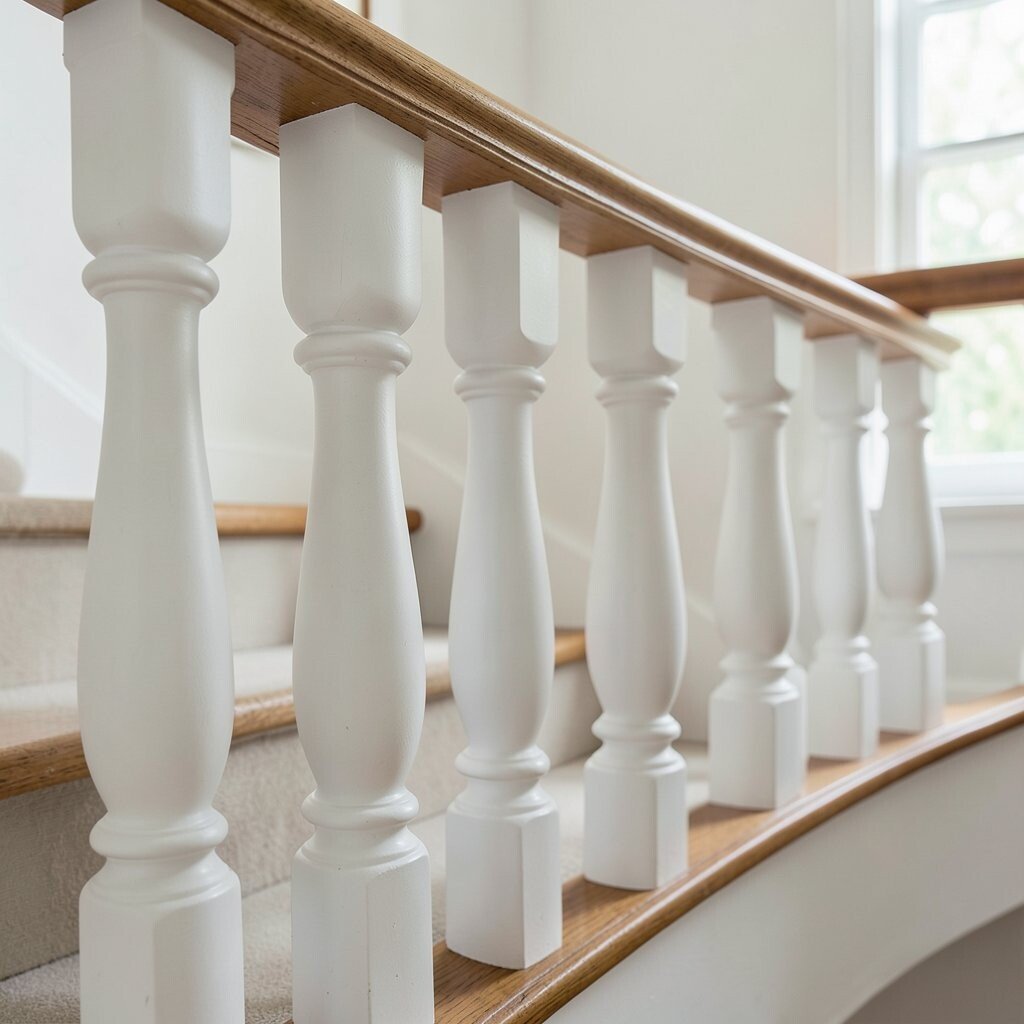
A classic round baluster is exactly what it sounds like: smooth and evenly spaced, with a simple circular profile. When painted in crisp white or left in warm wood tones, they look clean, calm, and inviting.
These balusters work well because they feel timeless and they fit many design styles. They also make the railing feel light visually, even when you have a tall run of stairs. For a practical approach, measure the existing spacing and match your new balusters to the same diameter so the whole line stays balanced.
2. Turned Spindle Balusters
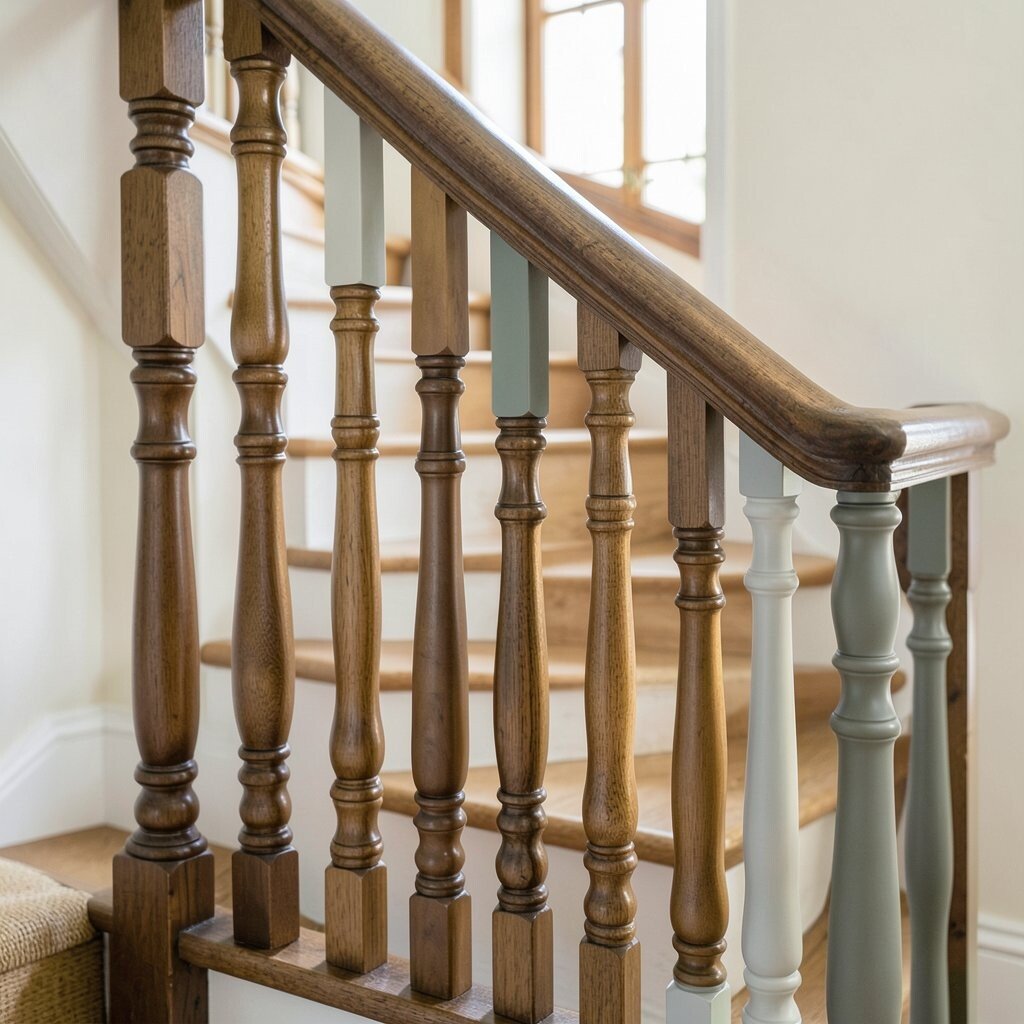
Turned spindle balusters have layered curves, created on a lathe, so the surface looks rich without being flashy. From a distance, they read as neat rows of texture, and up close you notice the little transitions that catch light.
They add warmth to entryways and hallways, especially when paired with a matching handrail. You can keep them classic with a satin finish, and you can modernize them by choosing a deeper stain or a matte color. If you want the look but need budget control, compare ready-to-finish options to custom-cut versions, since sourcing standard diameters often saves money.
For personalization, consider mixing two tones of stain on the handrail and balusters, or add a subtle paint color on the rail for contrast. Many homes also look great with slightly tighter spacing, which can make the stairs feel more solid and secure. When planning installation, keep consistent heights so the top rail follows a straight, even line.
3. Square Balusters With Soft Edges

Square balusters look structured, and they bring a neat, orderly feel to staircases. If the corners are softened, the profile feels friendly instead of harsh, which helps the railing blend with traditional interiors.
This shape pairs beautifully with wood newels and classic trim work, because the geometry echoes door frames and baseboards. They can also make a railing feel sturdy, since the flat sides create a strong visual rhythm. A helpful trick is to choose a size that matches your handrail thickness, so proportions feel intentional rather than crowded.
For uniqueness, you can lightly chamfer the edges or paint the balusters a contrasting shade while keeping the rail a natural wood color. If your home has older details, matching the baluster color to trim helps everything look like it belongs together. For cost considerations, square stock is often easier to find in standard sizes, which can reduce fabrication time.
When you measure, double-check that the railing cap fits cleanly over the baluster tops. Clean alignment reduces gaps that can be noticeable once the staircase is painted or stained.
4. Bow-Front Balusters
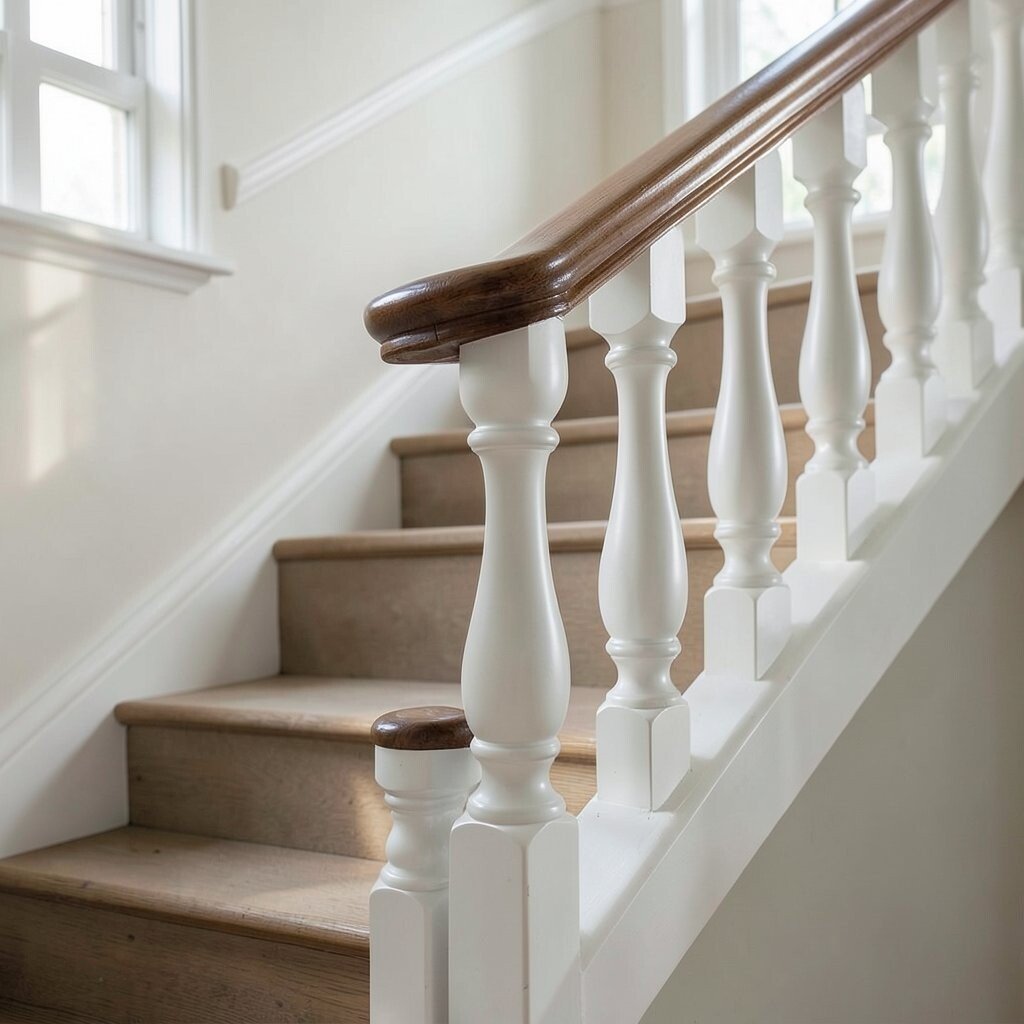
Bow-front balusters curve outward along their faces, giving each piece a gentle “belly” shape. This creates a soft sparkle of dimension as the light moves across the stairway.
They bring a classic elegance that works especially well in homes with curved moulding, arched doorways, or traditional columns. Bow-front shapes also help make the railing feel tailored, because the curve looks intentional rather than random. If you want practicality, keep the finish consistent across every baluster so the shine is uniform and the staircase looks polished.
5. Fluted Balusters
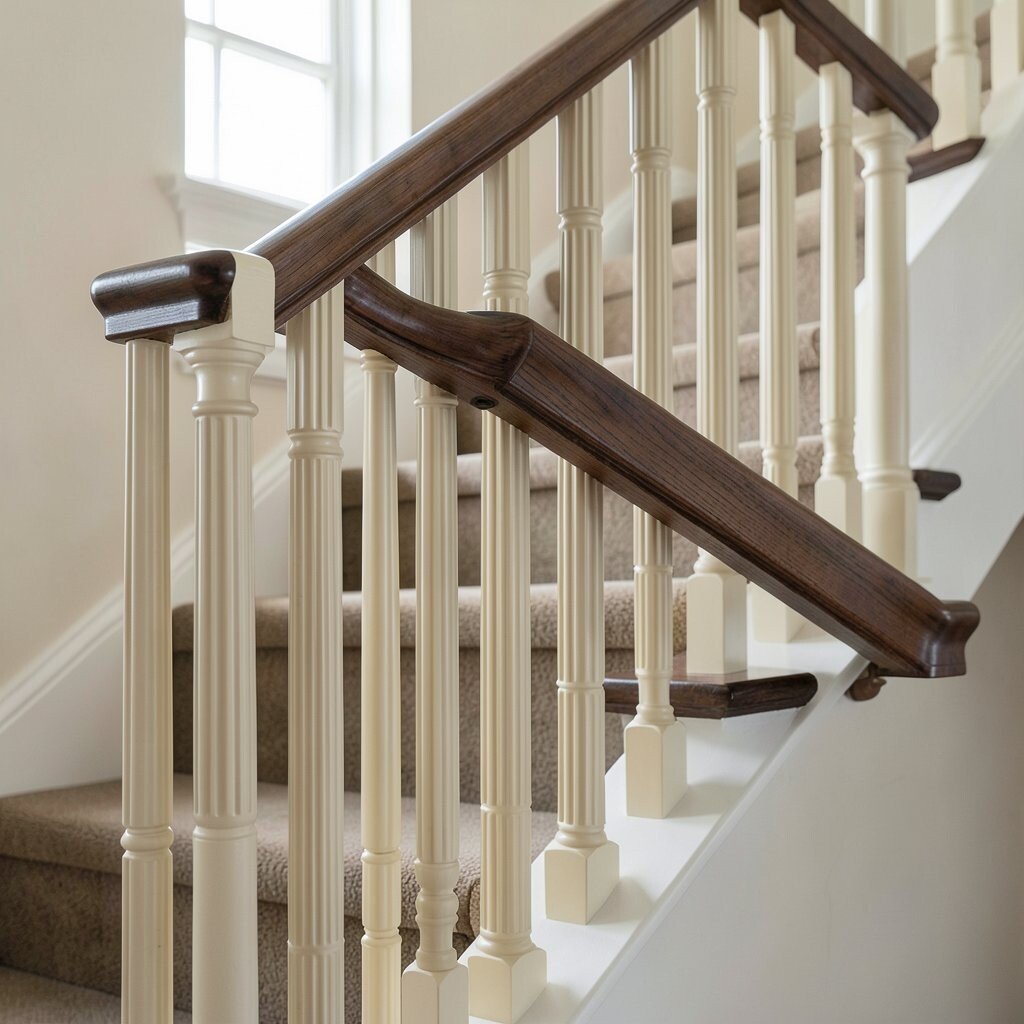
Fluted balusters have vertical grooves, usually running from top to bottom like slender channels. Visually, they add texture without taking up extra space, and that’s great when your staircase already has a lot going on.
These grooves help hide minor surface imperfections, which can be a real benefit when choosing wood that has natural variation. They also look refined next to newel posts with similar detailing, creating a cohesive design story. For a practical tip, vacuum and wipe grooves gently with a soft cloth, because dust can settle more easily in the lines.
To personalize, paint fluted balusters in a warm cream and choose a darker stain for the rail, or reverse the combo for a more dramatic look. Many people are leaning toward matte finishes lately because they feel calm and modern, so consider testing a matte sample before committing. When budgeting, fluted profiles can cost a bit more if they require more machining, so comparing prefabricated runs versus custom batches is smart.
6. Gothic Revival Spear Balusters
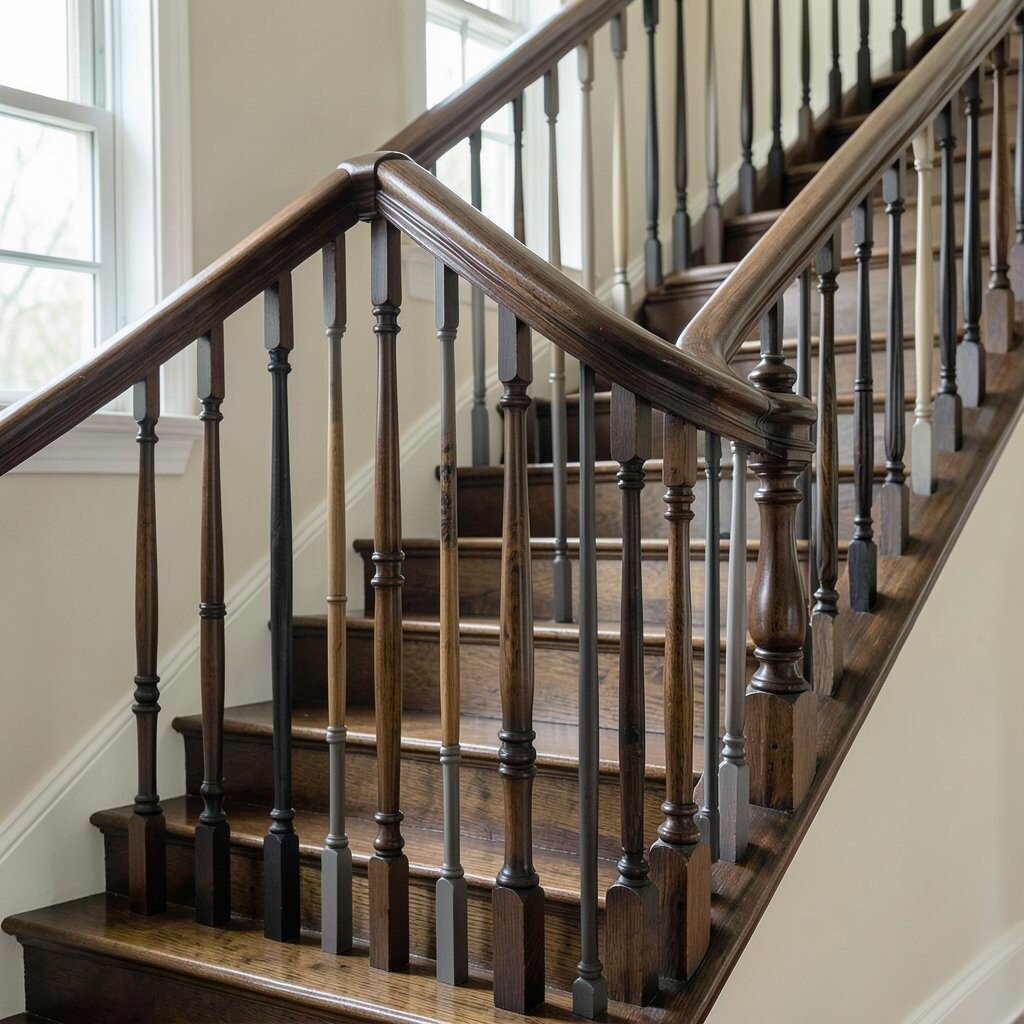
Gothic revival spear balusters feature pointed shapes that echo old ironwork and cathedral lines. Even in wood, the profile can feel dramatic and elegant, especially when the railing follows a curved or grand staircase layout.
This shape brings strong character, and it works well for homes that already include wrought iron accents, dark wood tones, or ornate trim. It also creates a clear focal line along the stairs, which helps the area feel styled rather than just functional. If you want an easier installation, choose spear balusters designed for common railing heights so you avoid extra fitting and sanding.
For personalization, keep the spears sharp and crisp with a dark stain, or soften the look by painting them in a lighter color to reduce contrast. If safety is a priority, ensure spacing follows your local guidelines and that the rail height meets standard measures. Budget-wise, spear designs can be pricier due to their detailed profiles, but you can balance costs by using the design only on the front section of the staircase where it’s most seen.
7. Classic Wagon-Train Balusters
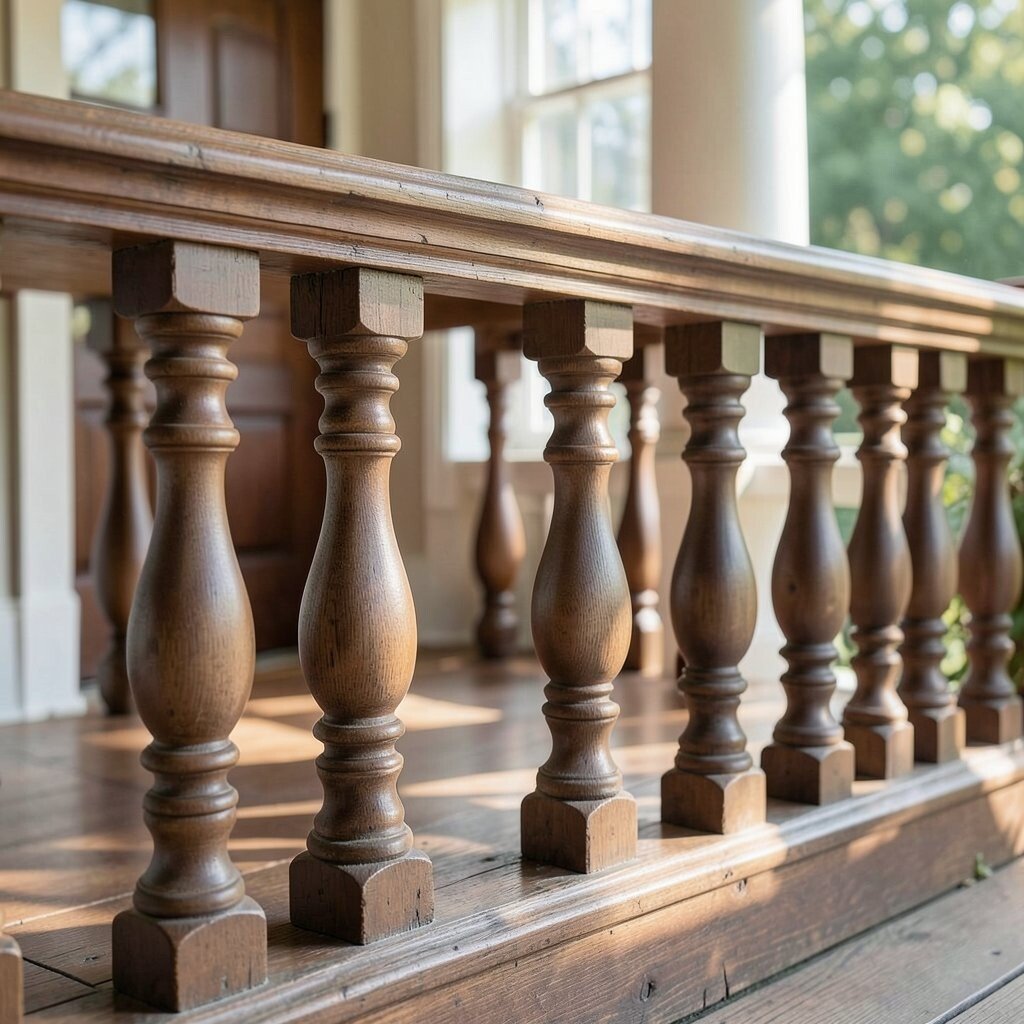
Wagon-train style balusters have repeating bulb-like turns, which gives them a playful yet classic rhythm. They remind people of vintage railings and older porches, so they feel full of history.
The rounded forms are easy on the eye, and they help the railing look inviting instead of stiff. They also pair well with traditional entryways where you want warmth, not minimalism. For a practical tip, choose a consistent turning profile across every baluster so the spacing and visual repetition stay even.
8. Roman Ogee Balusters
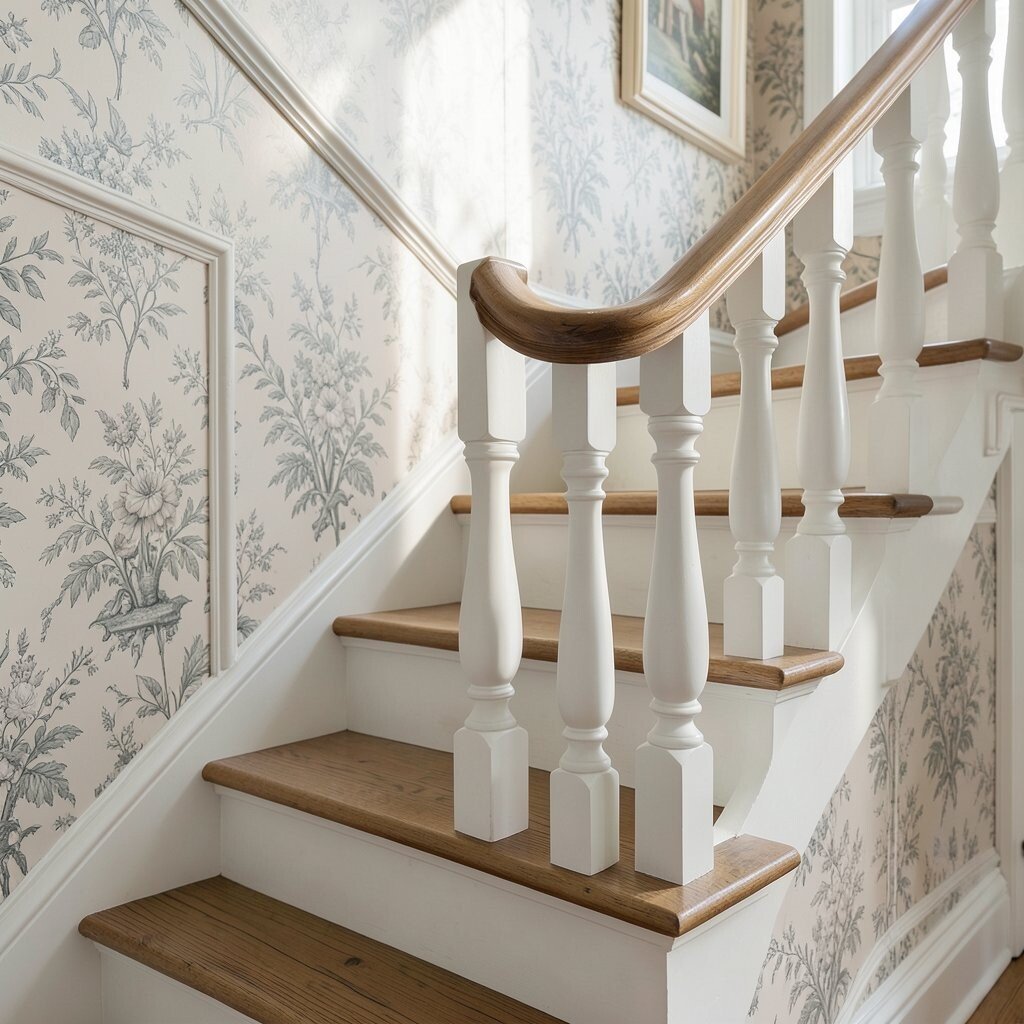
Roman ogee balusters have a distinctive double curve, kind of like a graceful S shape along the body. When you look down the stairs, the curve catches attention without needing extra ornament.
This shape is popular for classic interiors because it adds elegance while still feeling balanced. It works especially well with patterned wallpaper, traditional wallpaper borders, and homes that lean toward timeless symmetry. A smart personalization idea is to match the ogee curve to the curve style in your moulding or fireplace surround.
If you want practical upkeep, choose a finish that’s easy to wipe, since the double curves can collect fingerprints where hands often rest. For cost, ogee profiles may be more specialized, so ask about options that come in standard lengths and can be cut down cleanly. You can also save money by focusing ogee balusters on the most visible stair run and using simpler shapes on a secondary landing.
9. Maltese Cross Balusters
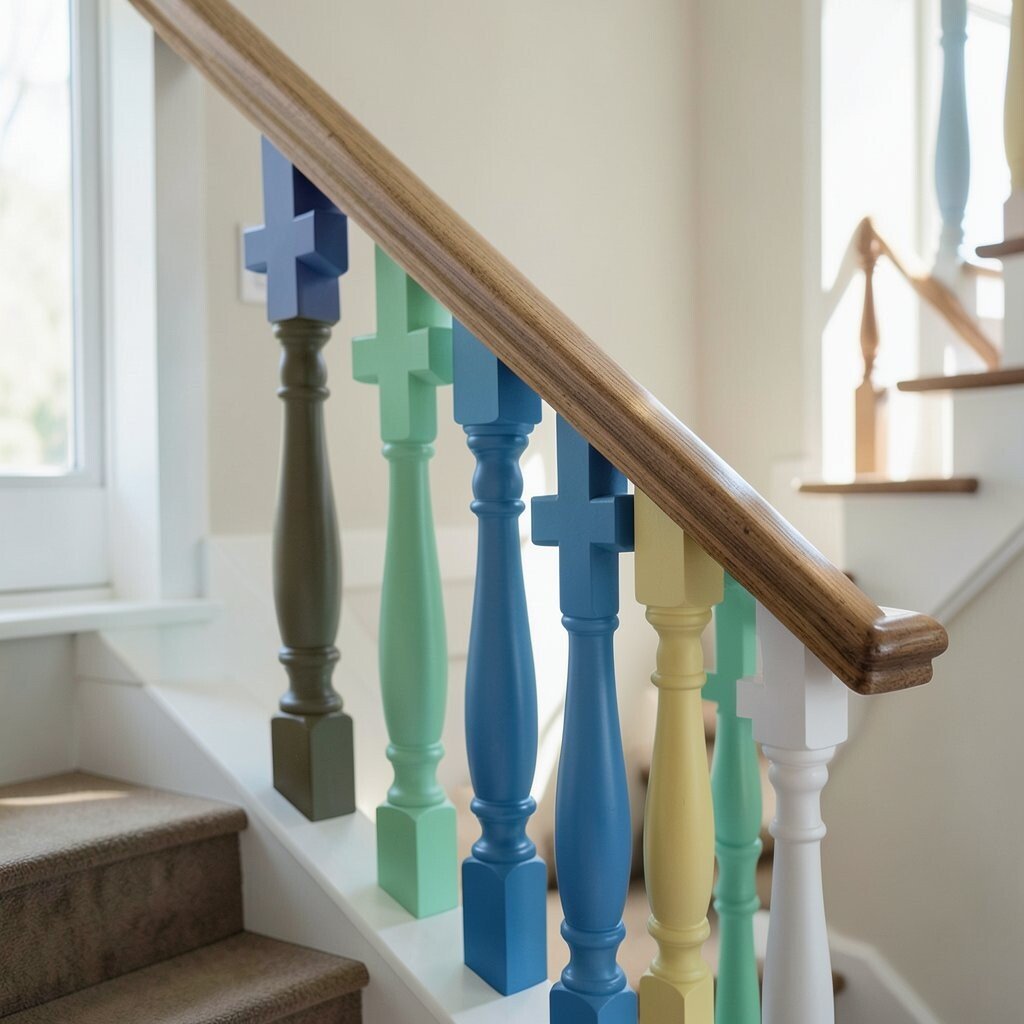
Maltese cross balusters are bold because they bring a cross-like cutout or raised form into the design. From a distance, they create a crisp pattern, and up close you can see how the shape frames light and shadow.
This type of detail adds personality to a foyer or landing, especially in homes that like decorative touches. It can also make the railing feel lighter, since open or cut forms visually reduce mass. For practical planning, confirm that the openings won’t create snag points and that the handrail provides comfortable grip where you actually hold it.
To personalize, paint the balusters in a bright classic color and keep the rail in a neutral stain, or do the reverse for a richer contrast. The current trend of mixing traditional forms with a clean, simplified color palette pairs well with cross accents. Budget-wise, detailed cut designs can raise material and labor costs, so consider limiting them to the top third of the staircase where guests spend more time looking.
When installing, align the cross orientation so they all face the same direction for the neatest look.
10. Barrel Balusters

Barrel balusters have a rounded “barrel” look, often with a smooth, constant curve that feels friendly and solid. They bring a classic country vibe, but they can also look refined with the right finish.
This shape offers a strong blend of comfort and style, because the rounded body feels less formal than sharp profiles. It’s also great for families, since the smooth surface can feel better in daily use. A practical tip is to choose a durable finish, especially if you have kids or frequent foot traffic.
For personalization, try a two-step finish where the handrail is stained and the balusters are painted, which highlights the curve. Many homeowners are favoring warm tones lately, so pairing barrel balusters with honey oak or chestnut stains can feel current. Cost-wise, barrel shapes are often easier to source in standard diameters, which can keep the project affordable.
Before ordering, measure the exact diameter and spacing so the railing line stays consistent from start to finish.
11. Flat Panel Balusters
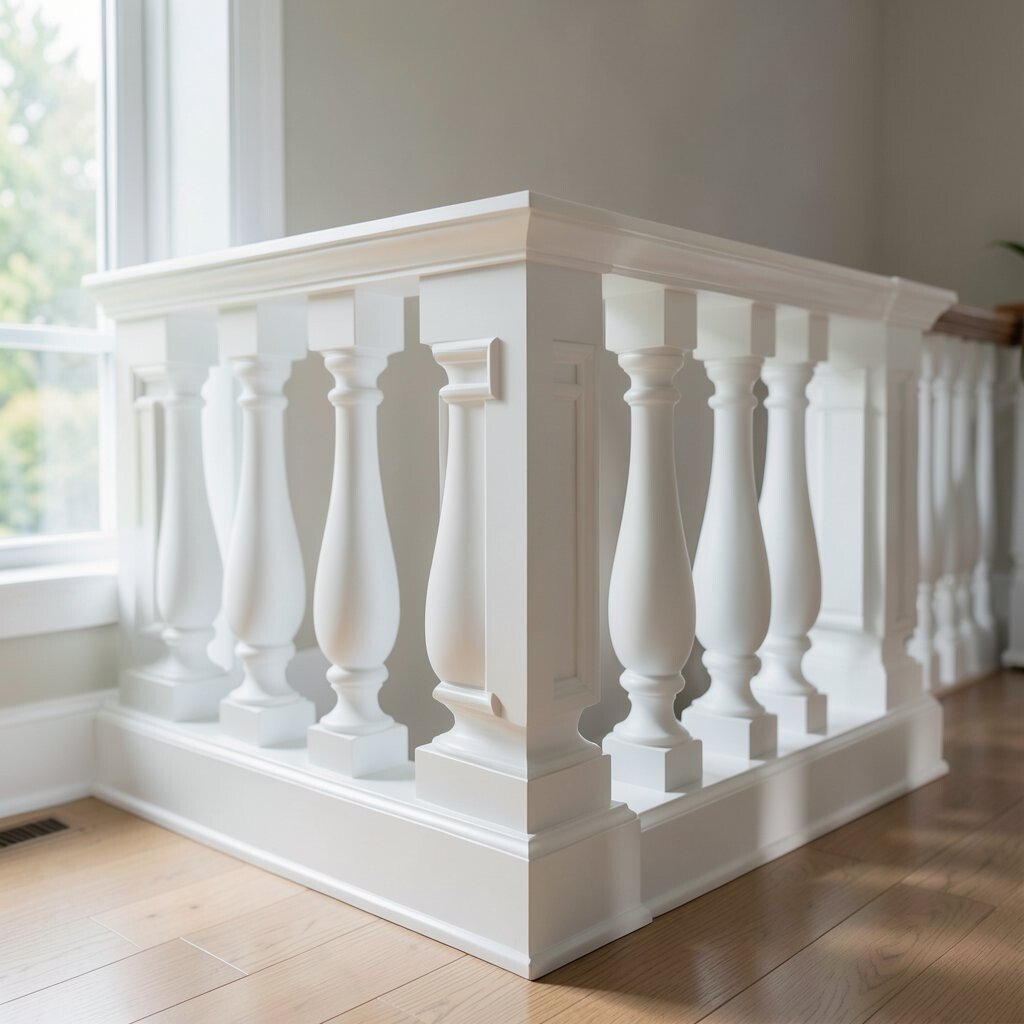
Flat panel balusters use a wide, smooth face, sometimes with a subtle raised or recessed frame effect. They create a clean, architectural look that still feels classic because of the traditional panel details.
This shape works especially well when you want a railing that feels substantial and keeps a line of sight open. It’s also a good choice for modern-traditional homes, since panels can sit nicely next to simple baseboards and shaker-style doors. For a practical approach, choose panels with finishes designed for interior durability so they resist scratches from daily touch.
12. Classical Lotus-Inspired Balusters
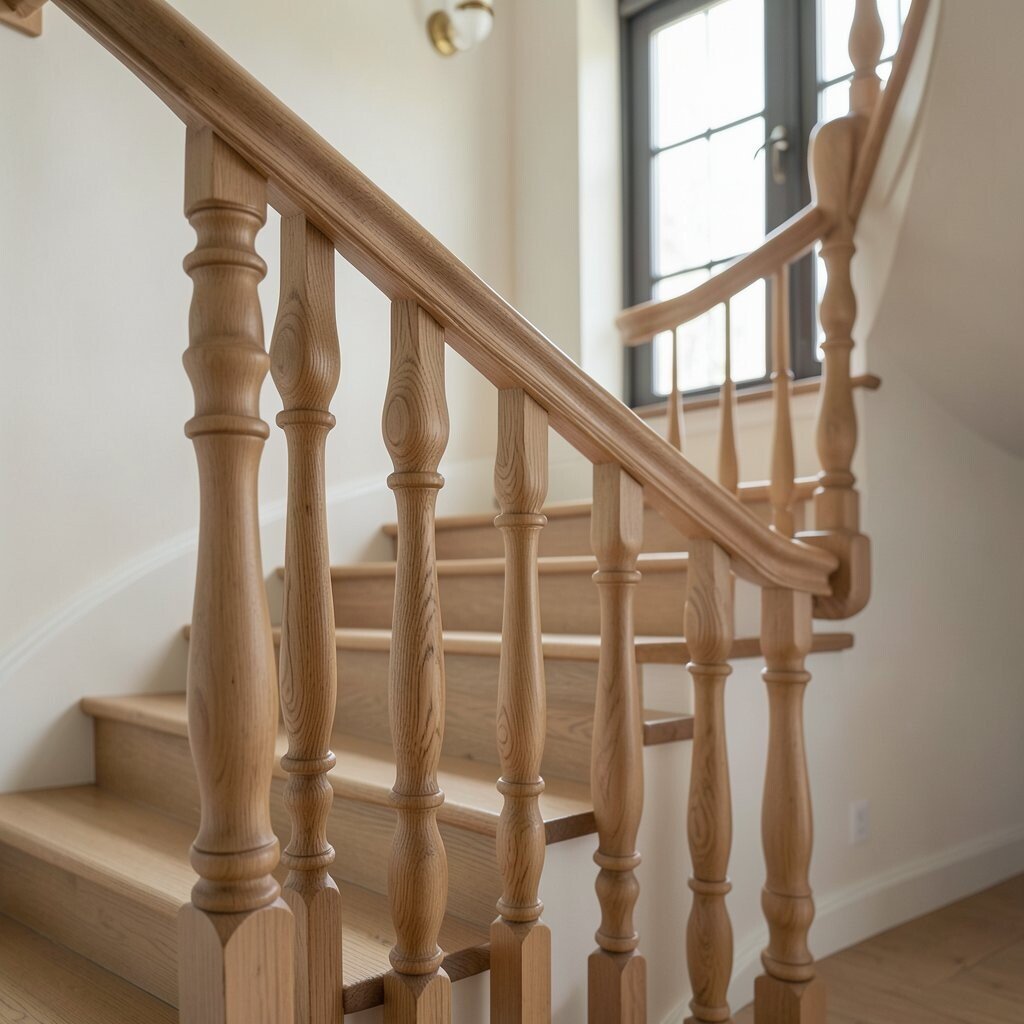
Lotus-inspired balusters borrow a sense of movement from botanical ornaments, often featuring petal-like curves near the base or midsection. They look elegant, almost like small sculptures along the railing.
This shape is unique without needing heavy carving everywhere, and it can add a high-end feel to an otherwise simple staircase. It also pairs well with decorative newels, ornate light fixtures, and spaces that already include gentle curves in their design. For personalization, you can keep the petals subtle by using a stain that shows wood grain, or paint to make the detail pop.
If you want practicality, place the most detailed balusters where the eye naturally lands, such as near the first few steps and the landing edges. A cost consideration is that lotus-like profiles can be more specialized, so comparing local custom woodwork versus mass-produced decorative balusters is worth your time. Many people are also leaning into mixed finishes now, like pairing a carved baluster section with a simpler rail for contrast.
During planning, check how the carved areas meet the handrail so the top transitions look smooth and comfortable to grip.