A room can feel like a story when the details are chosen with care. Classic design elements bring comfort, rhythm, and a calm kind of wow.
You can make them fit your life without turning your home into a museum. When each element works together, the whole space feels inviting and personal.
1. Timeless Color Palettes That Feel Like Home
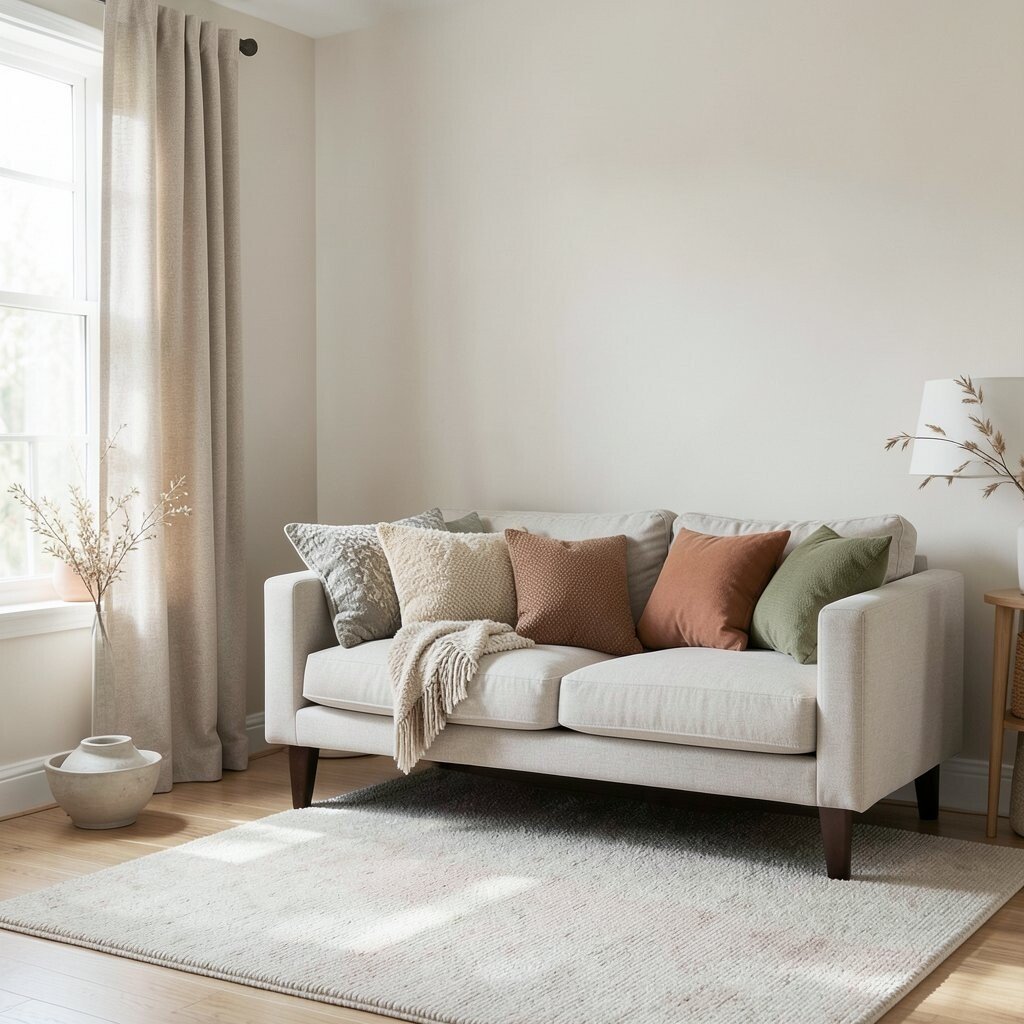
Start with a color palette that makes you exhale the moment you walk in. Soft warm whites, grounded beiges, and gentle greige tones create a base that never feels outdated. Pick a main color, then add one or two supporting shades so the room looks calm instead of busy. A classic palette gives you freedom to change decor later without repainting.
To make it practical, choose colors based on how much natural light you get. In bright rooms, deeper tones like olive or muted navy feel rich, while darker rooms often need lighter walls to stay airy. For personalization, add color through removable pieces like rugs, curtains, and pillow covers. If you plan to refresh often, focus on a neutral foundation and let seasonal accents do the talking.
If you want to watch current trends, consider pairing warm neutrals with a subtle earthy accent like terracotta or clay. That look stays classic because it echoes natural materials. Budget wisely by painting only the most visible walls and keeping the rest as-is when the look still feels cohesive. Even a small paint job can make the space feel newly designed.
2. Layered Lighting With Warm Glow
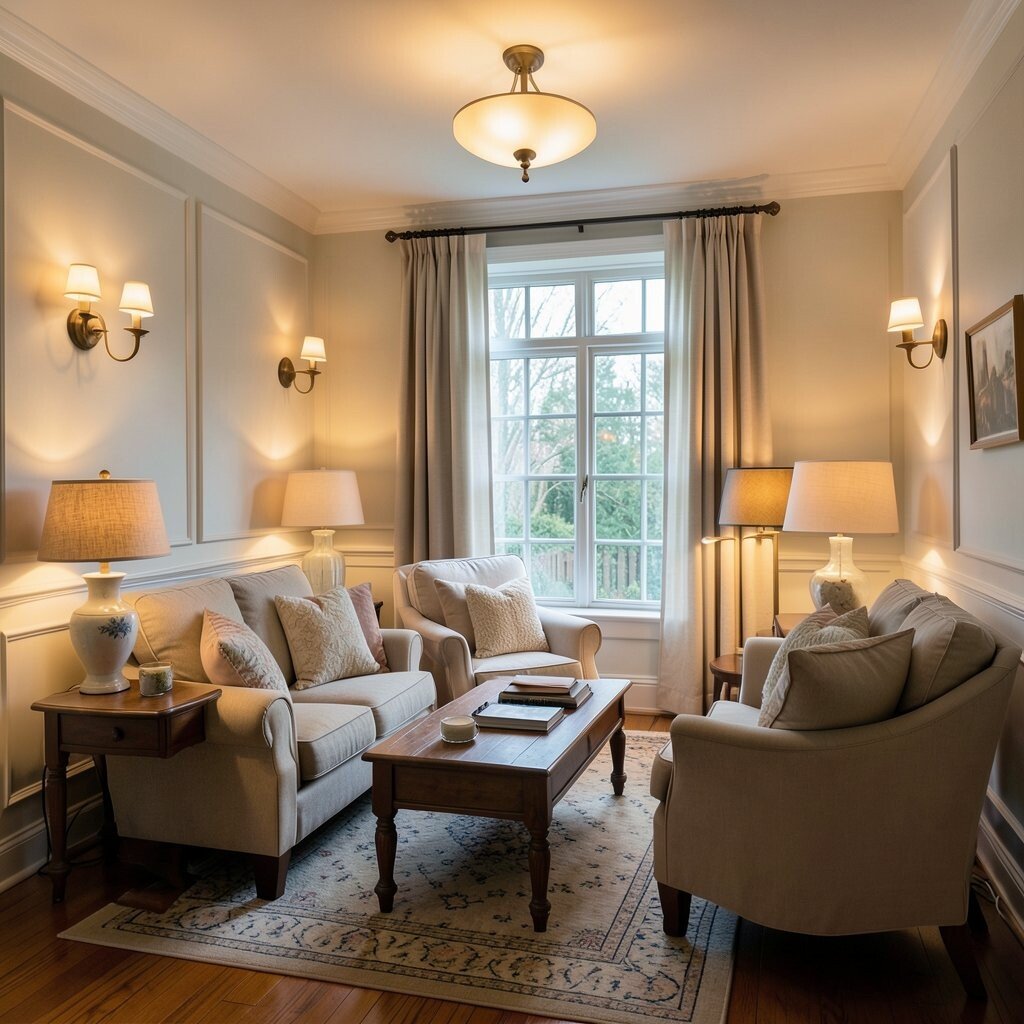
Lighting is one of the fastest ways to make any room look designed. A classic space usually uses layers, not just one ceiling fixture. Mix overhead light with table lamps, floor lamps, and even wall sconces to create a soft glow across the room. When light spreads evenly, shadows calm down and surfaces look more inviting.
For practical setup, place lamps where your eyes naturally rest, like near seating and reading spots. Choose warm bulbs and shades that diffuse light instead of harsh glare. Add a dimmer if you can, since it helps the room match your mood from morning to movie night. If you love hosting, this kind of lighting makes conversations feel cozy without extra effort.
To keep it personal, use lamp bases and shades that match your style, from ceramic to linen to glass. For uniqueness, combine slightly different lamp shapes as long as the tones and materials agree. If you want to keep costs under control, thrift lamp bases and replace only the shades. That small upgrade can look like a high-end designer choice.
3. Elegant Crown Molding and Ceiling Details
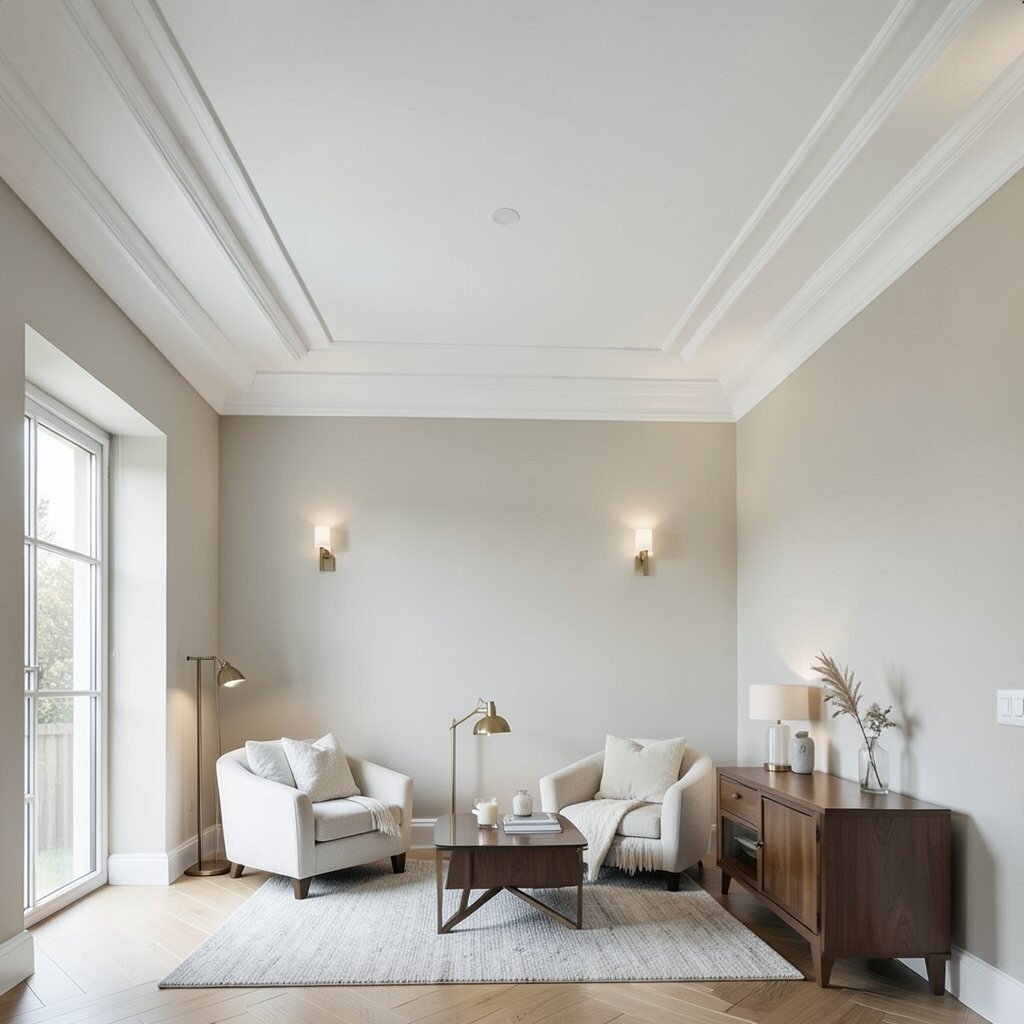
Crown molding brings a quiet sense of order and craftsmanship to a room. It frames the ceiling and makes even simple walls look finished. The visual effect is classic and sturdy, like good tailoring for your home. When your ceiling looks intentional, everything else feels more confident too.
Try practical planning by measuring the room perimeter and checking your ceiling height. If the space is short, choose a slimmer profile so it feels balanced. For personalization, match the molding style to your interior vibe, whether it’s traditional, transitional, or modern-classic. Painted molding in a clean white often looks timeless and bright.
If you’re considering cost, know that install pricing varies by room size and surface prep needs. You can reduce expense by focusing molding on the main living area instead of every room. For a trend-friendly twist, pair ceiling details with simple, modern lighting so the look feels current. Materials like polyurethane can also lower costs while still delivering that classic profile.
Even if you can’t add molding now, you can get a similar effect with ceiling medallions around fixtures or simple trim lines. Small ceiling accents can feel surprisingly high-impact.
4. Classic Wood Finishes That Age Gracefully
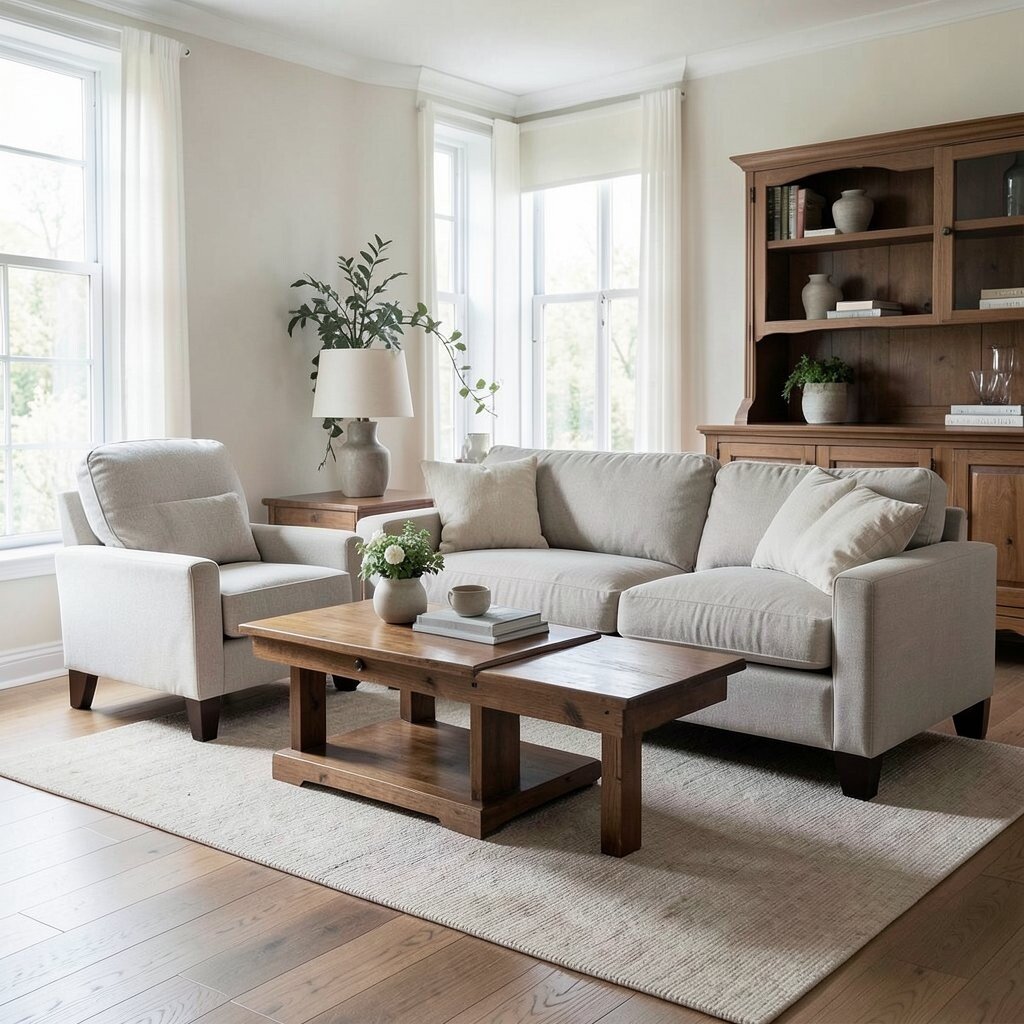
Wood is a classic design anchor because it’s warm and easy to live with. Think of walnut, oak, and cherry tones that feel grounded and friendly. A beautiful wood finish makes furniture look richer and helps the room feel layered. When you choose the right undertone, it also ties your floors and decor together.
To keep it practical, match wood undertones across major pieces like the sofa table, sideboards, and cabinetry. If your floors are cool-toned, aim for wood with similar undertones so the room looks calm. For personalization, mix woods in a controlled way, using one dominant wood and two supporting finishes. That approach adds uniqueness without turning the space into a mismatch.
When budgeting, consider refinishing instead of replacing. A simple sand-and-stain or a clear coat refresh can revive an old table or dresser. Current trends still favor natural textures, so matte finishes and lightly distressed looks stay relevant. You can also add modern comfort by choosing wood paired with soft fabric upholstery.
5. Flooring With Timeless Character
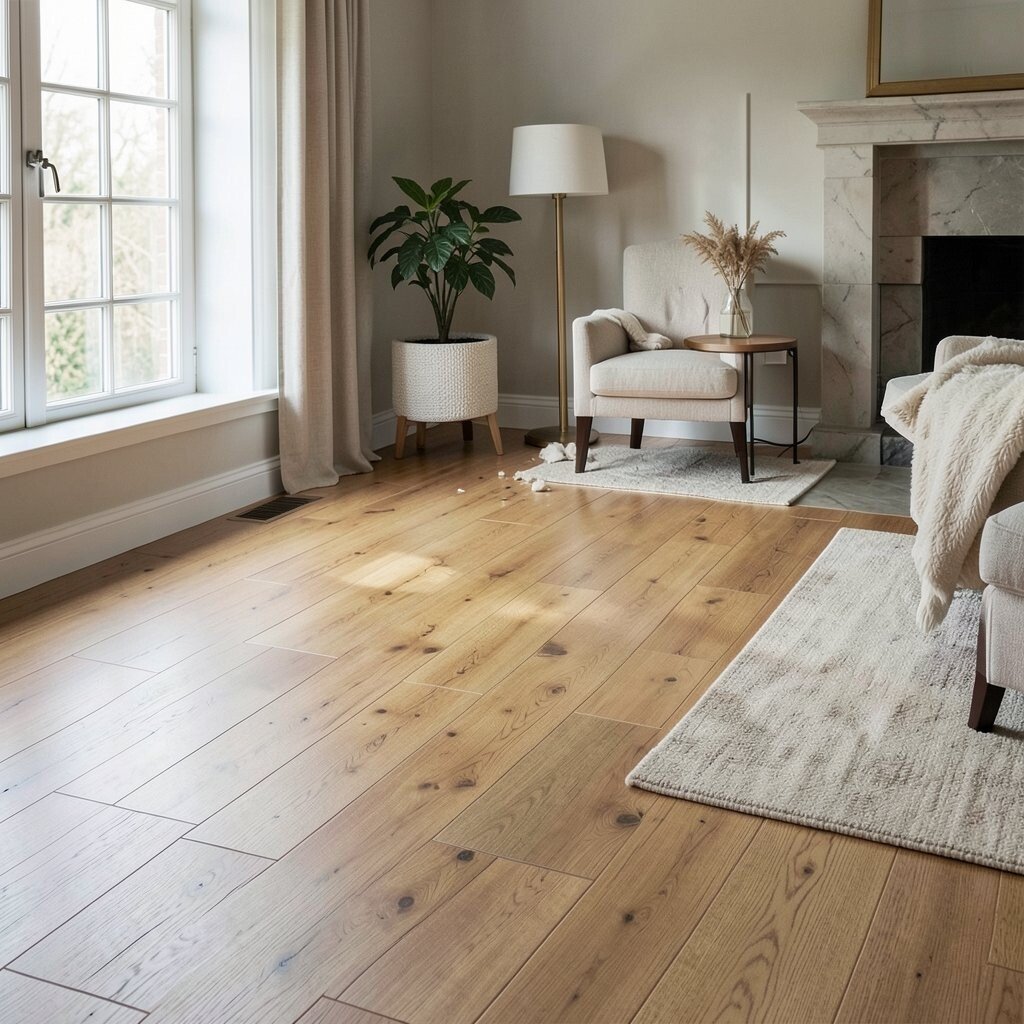
Your floors set the tone the moment someone steps into the room. Classic options like hardwood, wide-plank wood, and natural stone feel durable and elegant. When the texture is right, your space looks intentional even when it’s messy with daily life. A good floor also makes your furniture look like it belongs there.
For practical choices, consider how you use the space. High-traffic areas benefit from finishes that resist scuffs, while bathrooms and kitchens do well with stone or tile that handle moisture. If you want personalization, choose a plank width or tile pattern that fits your style. Wide planks often feel calm and modern-classic, while smaller patterns can feel more traditional.
Cost matters here, so weigh long-term value. Hardwood can be more expensive upfront, but it often lasts and can be refinished. Vinyl and engineered options can help you get the look at a friendlier price, especially if installation cost is a concern. A current favorite is warm, natural looks with subtle variation instead of overly perfect uniformity.
Whatever you choose, keep transitions smooth between rooms for a cohesive feel. That detail alone can make your home look designed by a pro.
6. Balanced Furniture Layouts With Clear Pathways
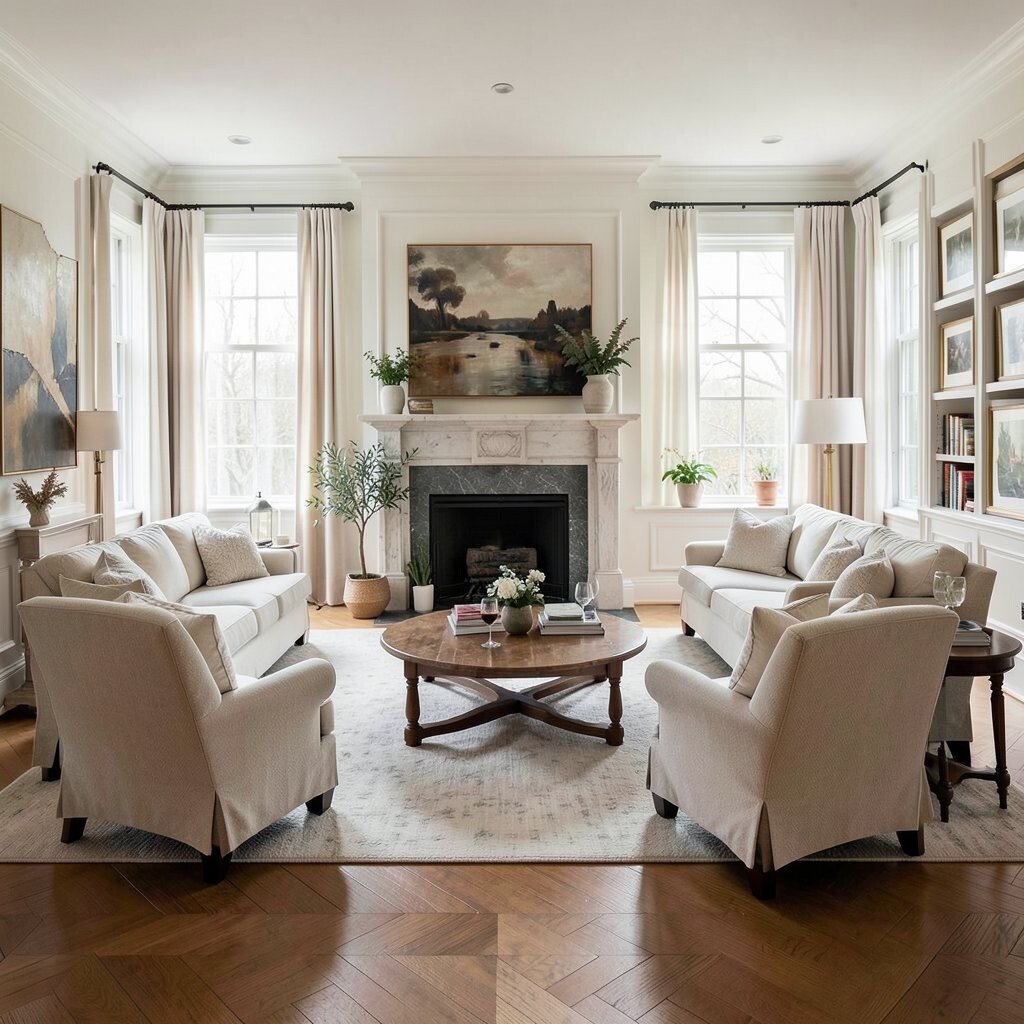
A classic layout feels calm because it respects how people move. Place key seating so it encourages conversation without blocking walkways. A balanced arrangement makes the room feel more usable, not just pretty. When furniture has breathing space, the whole space looks larger and more organized.
To keep it practical, measure your room and set a walkway width you’ll actually enjoy using. Pull chairs in slightly for closeness, but keep enough clearance for easy movement. If you love entertaining, angle a chair or add an extra side table so guests can set drinks down. For personalization, choose a focal point like a fireplace, large art piece, or window seat and build outward from it.
Uniqueness can come from asymmetry, like using one statement chair instead of matching pairs. Just keep the overall weight balanced by using similar visual mass across the room. If budgeting is tight, prioritize a strong anchor piece first, then build around it with affordable add-ons. The trend right now favors flexible seating, so consider modular pieces that still sit in a classic plan.
You’ll feel the difference immediately when the room guides your body effortlessly.
7. Traditional Upholstery With Modern Comfort
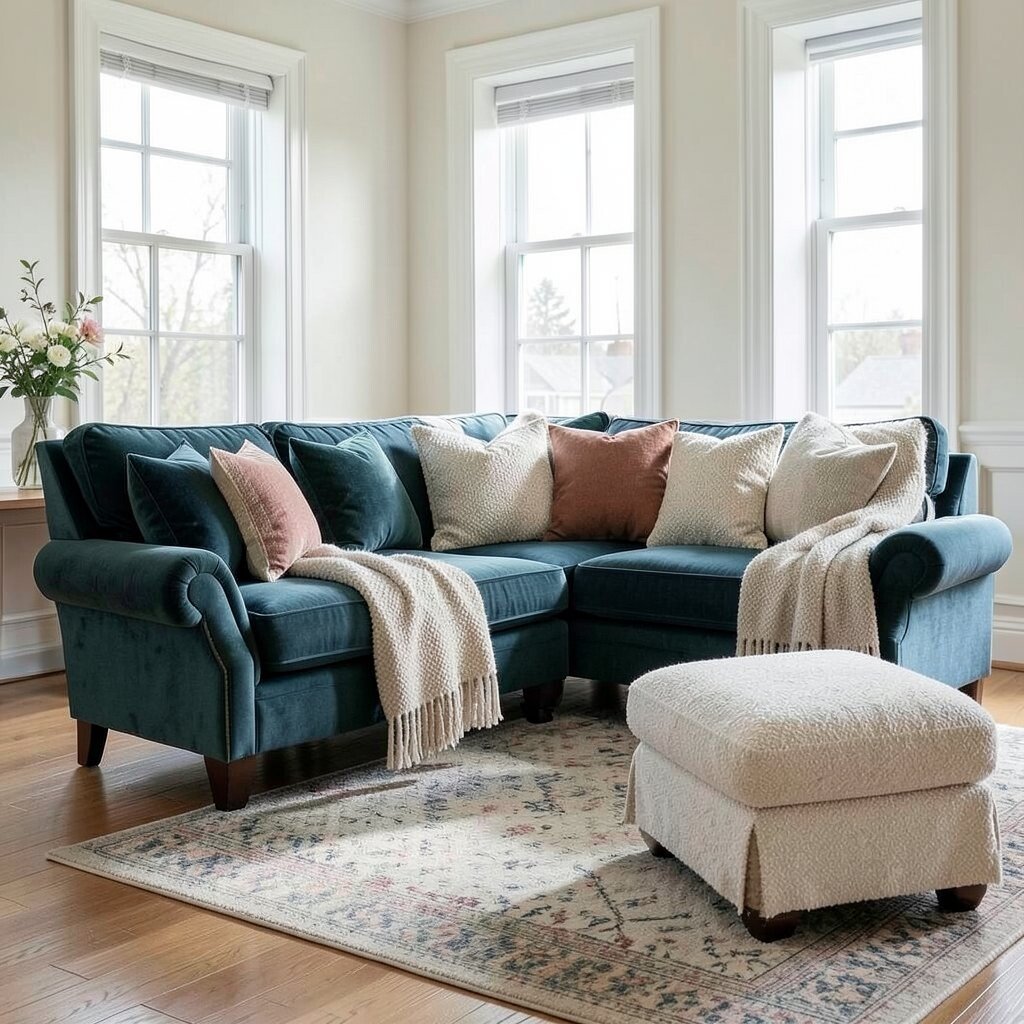
Upholstery is where classic charm meets everyday comfort. Look for classic silhouettes like tailored sofas, roll-arm chairs, and skirted ottomans. These shapes feel familiar and welcoming, especially in living rooms where you relax. Fabric choice also matters, because the wrong texture can make a classic piece feel stiff or outdated.
For practical tips, pick fabrics that handle your real life, like performance linen blends or durable weaves. If you have pets or kids, choose stain-resistant finishes and easy-care options. Personalize by selecting colors that match your palette, then vary texture with velvet, bouclé, or woven cotton. That combination keeps the room rich without feeling complicated.
Classic upholstery becomes unique when you blend tradition with your own taste. Try a vintage-inspired frame with a fresh color, or mix a classic sofa with modern accent pillows. Budget considerations are real here, so consider buying one bigger piece you’ll keep for years. Then you can add smaller, lower-cost items like throws and cushion covers to refresh the look.
Current trends still love cozy textures, so bouclé and soft nubby weaves can feel classic when paired with clean lines.
8. Quality Curtains With Proper Height and Texture
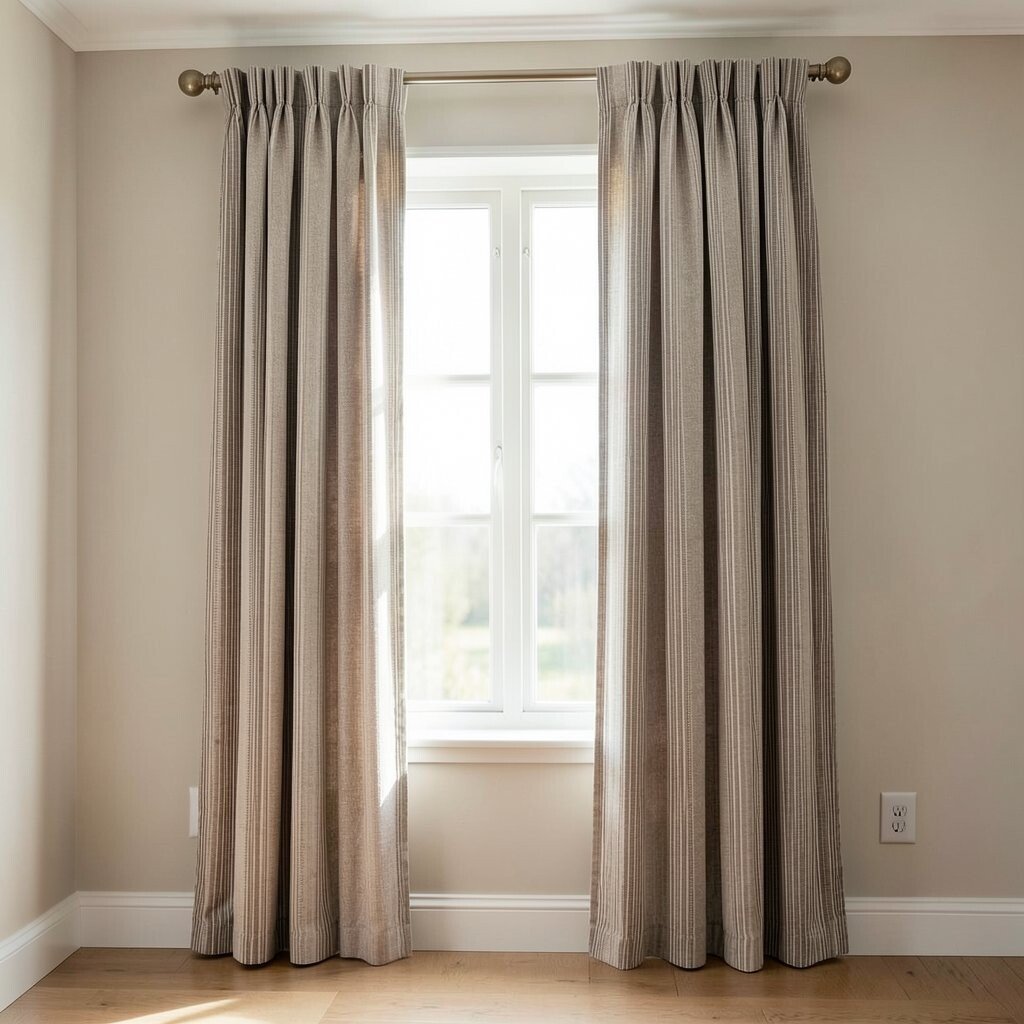
Window treatments can make a room look instantly more finished. Classic curtains hang from higher rods and often reach close to the floor, creating elegant vertical lines. When the fabric drapes well, the room feels taller and more polished. Even a simple curtain can look high-end when the sizing is right.
To make it practical, choose a rod length that extends beyond the window width so light can spread nicely. Use curtains with a lining if you need insulation or better privacy. Personalization is easy with color and texture, since linen-look fabrics feel relaxed while velvet feels more dramatic. Pick a sheen level that matches your wall finish so everything looks cohesive.
For uniqueness, use a subtle pattern like thin stripes or small geometric motifs instead of loud prints. That way, the classic feel stays while still showing your taste. Budget can guide you toward ready-made panels in a great fabric rather than custom everything. If you want a trend-friendly touch, consider natural textures and warm neutrals, which are staying in style.
When your curtains fit beautifully, your whole room looks like it has good manners.
9. Rug Designs That Anchor the Room
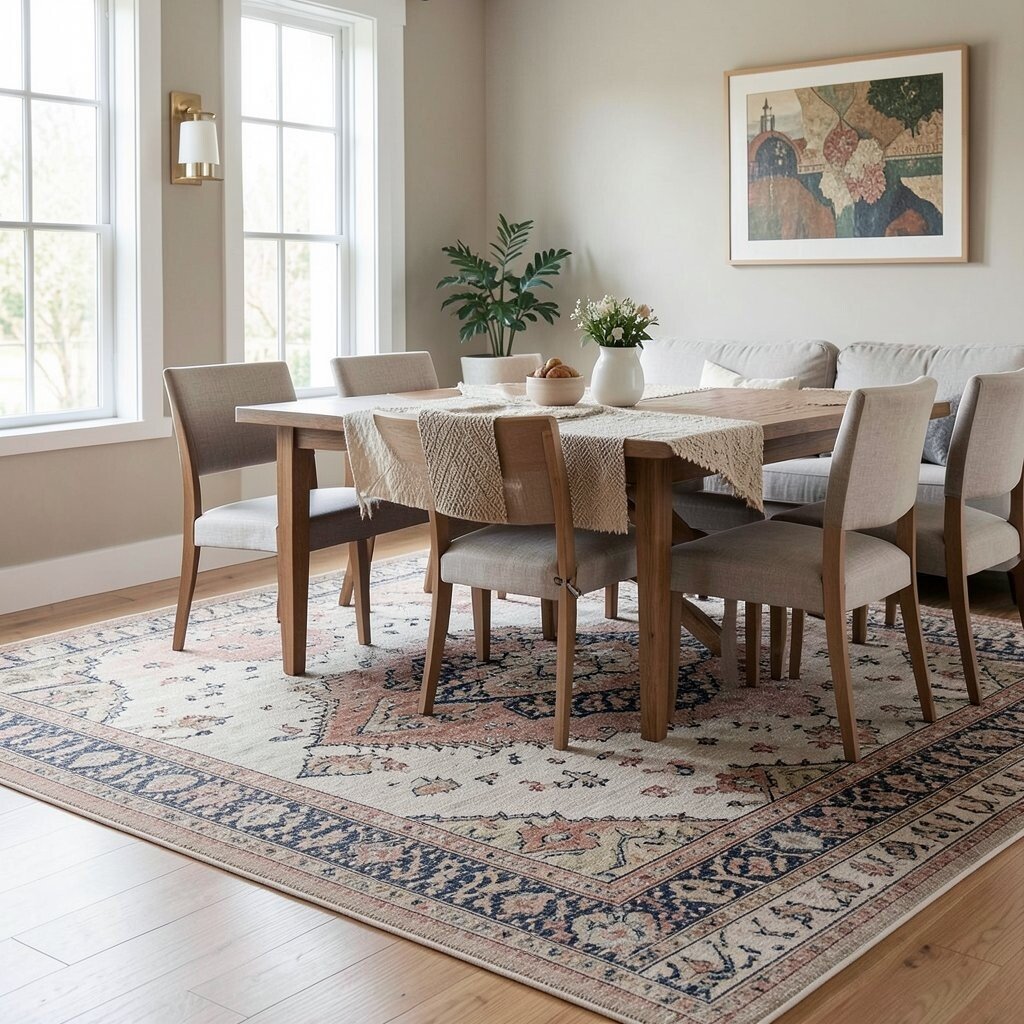
A rug is like the foundation of a room’s outfit. Classic rug styles include Persian-inspired motifs, subtle medallions, and timeless border patterns. When a rug anchors your furniture, the space feels grounded instead of scattered. The right scale also matters, since a too-small rug can make a room look incomplete.
For practical placement, aim for the front legs of your seating to sit on the rug. In dining areas, choose a size that allows chairs to pull out without the chair legs leaving the rug. Personalize with color choices that work with your wall paint and wood tones. If you love variety, layer a textured neutral rug with a smaller patterned one.
To keep it unique, look for rugs with a lived-in look, like slightly distressed patterns or soft fading. That feel adds character without needing heavy decorating. When budgeting, consider buying a durable rug you can maintain, because floor wear adds up. Current trends keep moving toward natural fibers and classic patterns that don’t scream for attention.
Once your rug is right, everything from lamps to art feels more intentional.
10. Decorative Mirrors That Add Light and Depth
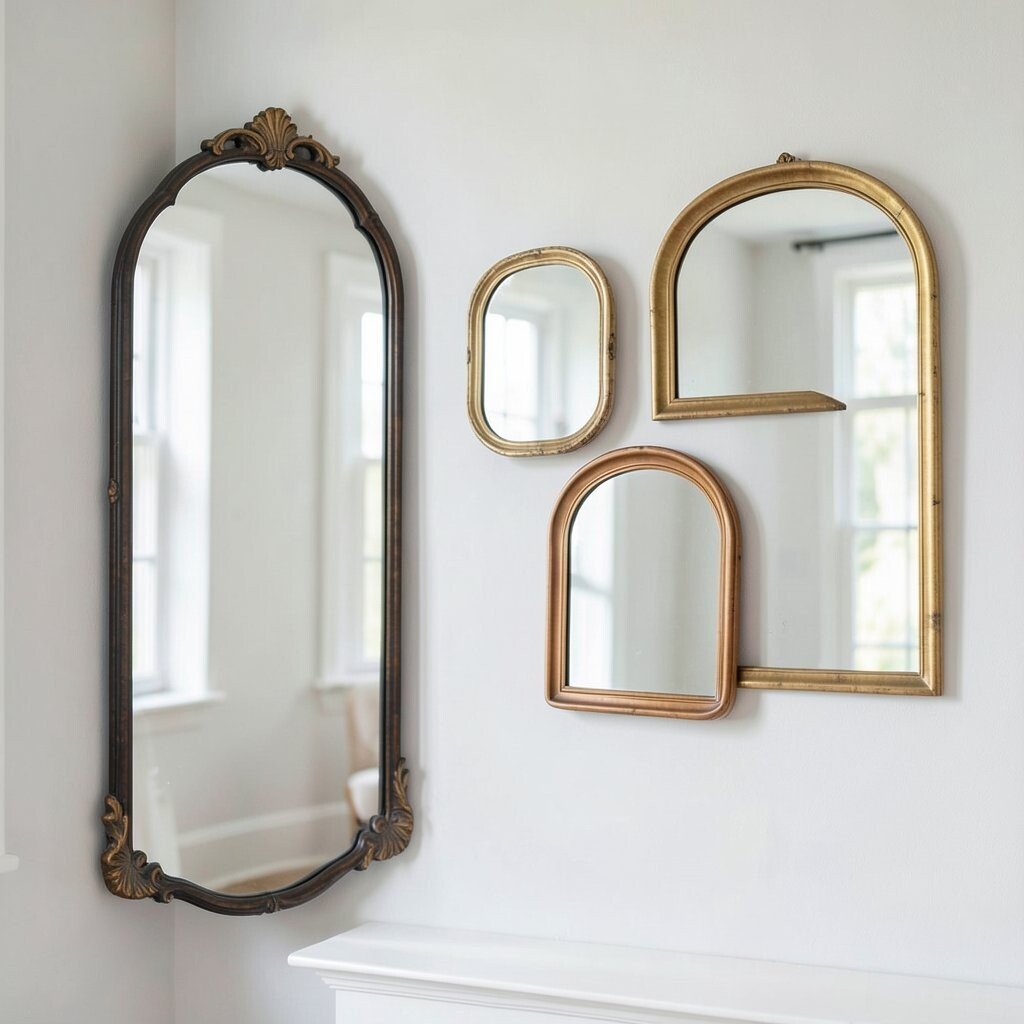
Mirrors are classic because they make spaces brighter and more open. A well-placed mirror reflects light, adds depth, and makes a room feel less boxed in. Think of simple gilded frames or timeless arched shapes that add softness. When the mirror matches other metal or trim finishes, it looks unified.
To use this element practically, hang mirrors opposite windows or near lamps so they catch the most light. Avoid placing mirrors where they reflect clutter, since it can make the room look messy. Personalization can happen through frame styles, like black metal for a modern-classic contrast or warm wood for a cozy vibe. For uniqueness, try grouping two smaller mirrors to create a balanced look.
Cost considerations are manageable because mirrors come in lots of price points. Thrift stores can be gold mines for frames, especially if you replace the hardware or add refinishing. Current trends favor natural materials and soft shapes, so arched and slightly imperfect frames stay popular. A mirror can also help with styling by creating a clean focal point on an empty wall.
When it’s placed well, the room feels brighter without adding more furniture.
11. Fireplace Mantels and Focal-Point Styling
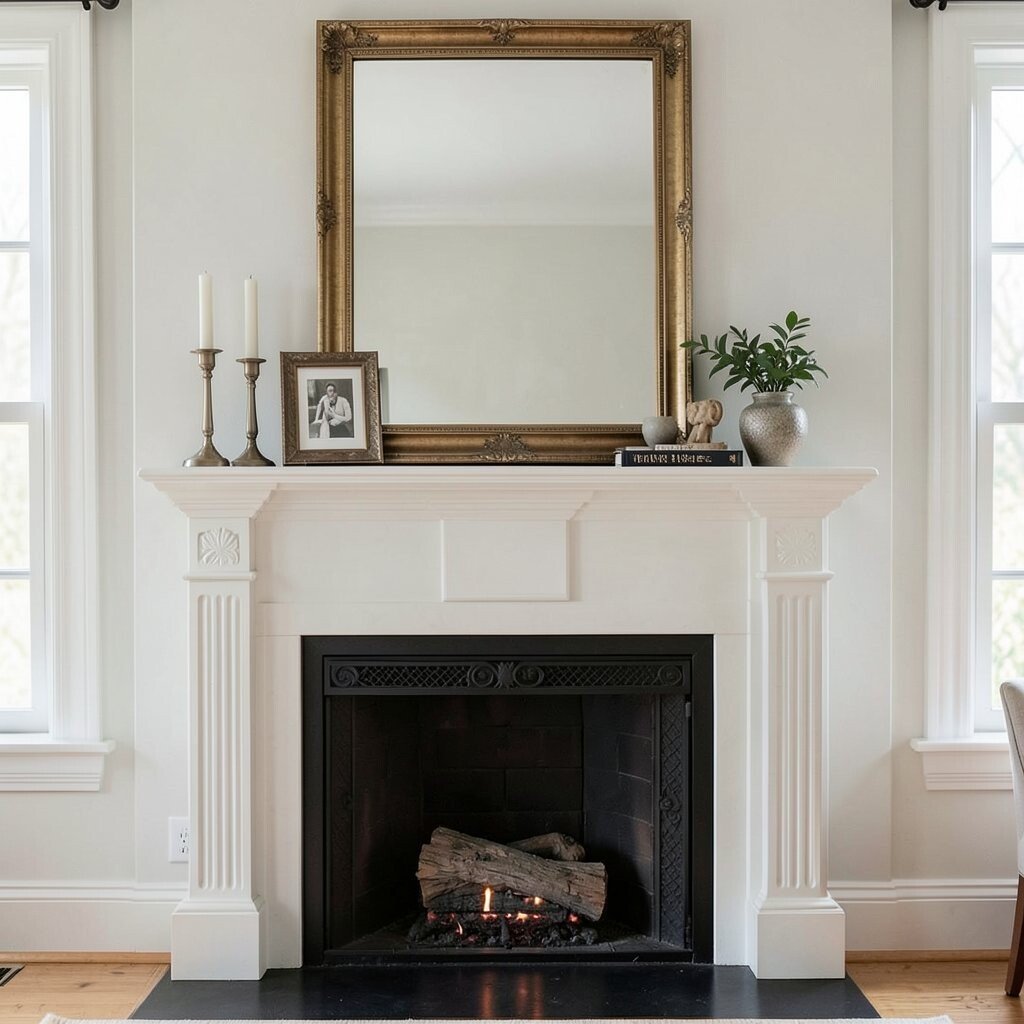
A mantel is a classic focal point that instantly gives a room character. Even if you don’t light a fire every day, the mantel offers a built-in styling space. It becomes the visual anchor for artwork, seasonal decor, and everyday objects. Classic styling often includes symmetry, warm materials, and a few meaningful pieces.
For practical setup, keep the mantel styling at a scale that matches your wall and the size of your room. Use a large mirror or a piece of art as a central anchor, then add smaller items on both sides. Personalization shows up through your objects, like framed photos, pottery, or a favorite book stack. Unique touches can be as simple as using candlesticks with a finish that matches your other metals.
Budget-wise, you can often refresh a mantel with inexpensive styling changes. Swap out decor seasonally, or use greenery that you can reuse each year. Current trends still love mantel layers, but the look is often less cluttered, with more negative space. A small plant, a textured vase, and one sculptural piece can look elegant and current.
When your mantel feels styled, the whole room looks more lived-in and welcoming.
12. Traditional Wall Art With Meaningful Scale
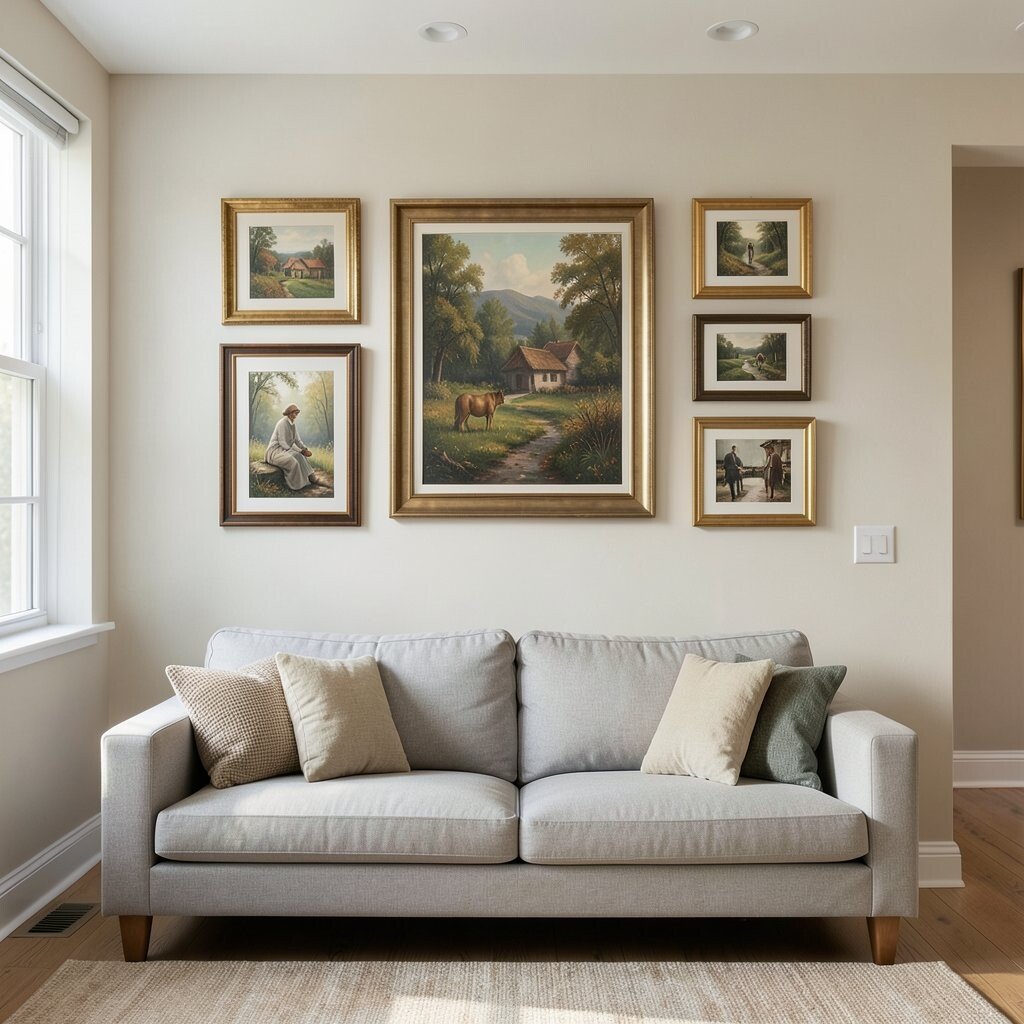
Classic wall art gives a space personality without shouting. Choose pieces that suit your room size, because scale can change how the entire wall feels. A large artwork can act like a window into your taste, while smaller pieces can create a curated gallery vibe. When frames match your metal finishes or wood tones, the look feels naturally put together.
To keep it practical, measure wall space before you buy. Consider how the artwork will sit in relation to furniture, like centered above a sofa or at eye level in a hallway. Personalize with art that you genuinely love, even if it’s not “perfect” or expensive. Uniqueness often comes from mixing one statement piece with simpler supporting prints.
Cost considerations are important, so explore options like vintage prints, local artist work, or framed photos with good matting. You can also upgrade your look by replacing cheap frames with better ones. Current trends lean into warmer tones, natural textures, and calming scenes, but timeless subjects always work. If you want a classic feel, choose cohesive colors and consistent frame styles across multiple pieces.
Once your art is in place, the room starts to feel like it has a voice.
13. Built-Ins and Shelving That Look Like Architecture
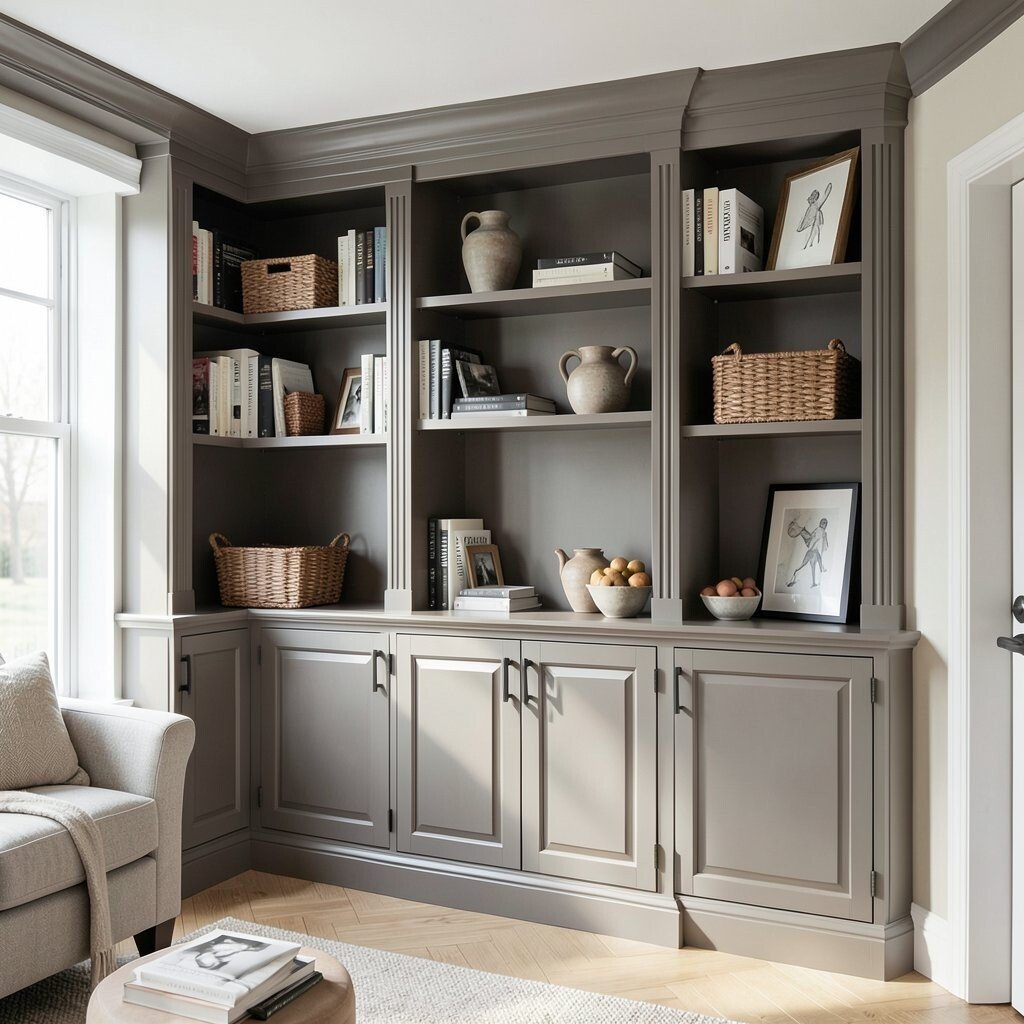
Built-ins are classic because they make storage look like part of the home. Shelves, cabinets, and bookcases create structure and keep rooms from looking scattered. They also give you a space to display objects with intention. When built-ins match the wall trim and materials, the room feels seamlessly designed.
For practical tips, plan your shelving around what you actually own. Leave room for bigger items like baskets or larger books, and add adjustable shelves if you can. Personalization can be as simple as mixing books, pottery, and framed art in a repeatable pattern. For uniqueness, use asymmetry, like a taller vase next to a cluster of smaller objects.
Budget considerations depend on whether you’re installing custom pieces or choosing freestanding shelves. If custom is out of reach, try high-quality shelving with a finish that matches nearby furniture. Current trends still favor built-in looks, especially in living rooms and dining areas. Even a simple bookcase can feel modern-classic when styling is clean and consistent.
Well-designed storage makes daily life easier and keeps visual clutter under control.
14. Window Seats and Cozy Corners
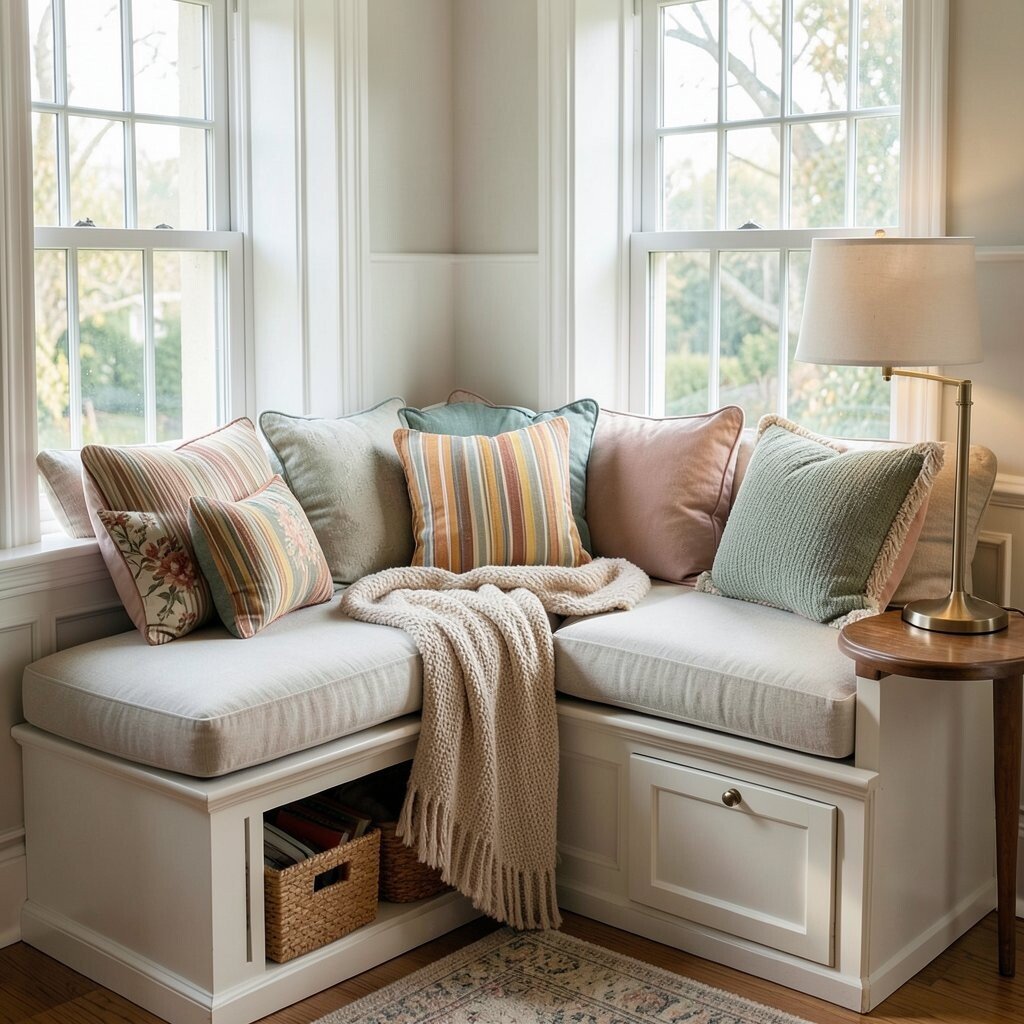
A window seat feels timeless because it invites you to slow down. Classic homes often include these little nooks for reading, daydreaming, or simply watching the light change. The visual appeal comes from curved comfort, layered cushions, and fabric that looks soft. When a corner becomes a destination, your space feels richer.
For practical benefits, add storage underneath or nearby so blankets and pillows stay tidy. Choose fabrics that handle sunlight and daily use, since window areas can fade materials. Personalization comes from cushion colors and patterns that match your palette, like warm stripes or subtle florals. For uniqueness, add a custom-look trim or a comfortable lumbar pillow in a contrasting texture.
Cost considerations vary, but you can get the look without major construction. A built-in style bench can be achieved with a daybed frame, or you can use a wide bench near the window with layered pillows. Current trends keep pushing cozy seating, but classic window nooks remain a favorite because they never feel temporary. Pair the seat with a lamp and a small side table to make the space truly usable.
Once you have a cozy corner, you’ll naturally spend more time at home.
15. Classic Hardware and Fixtures That Finish the Details
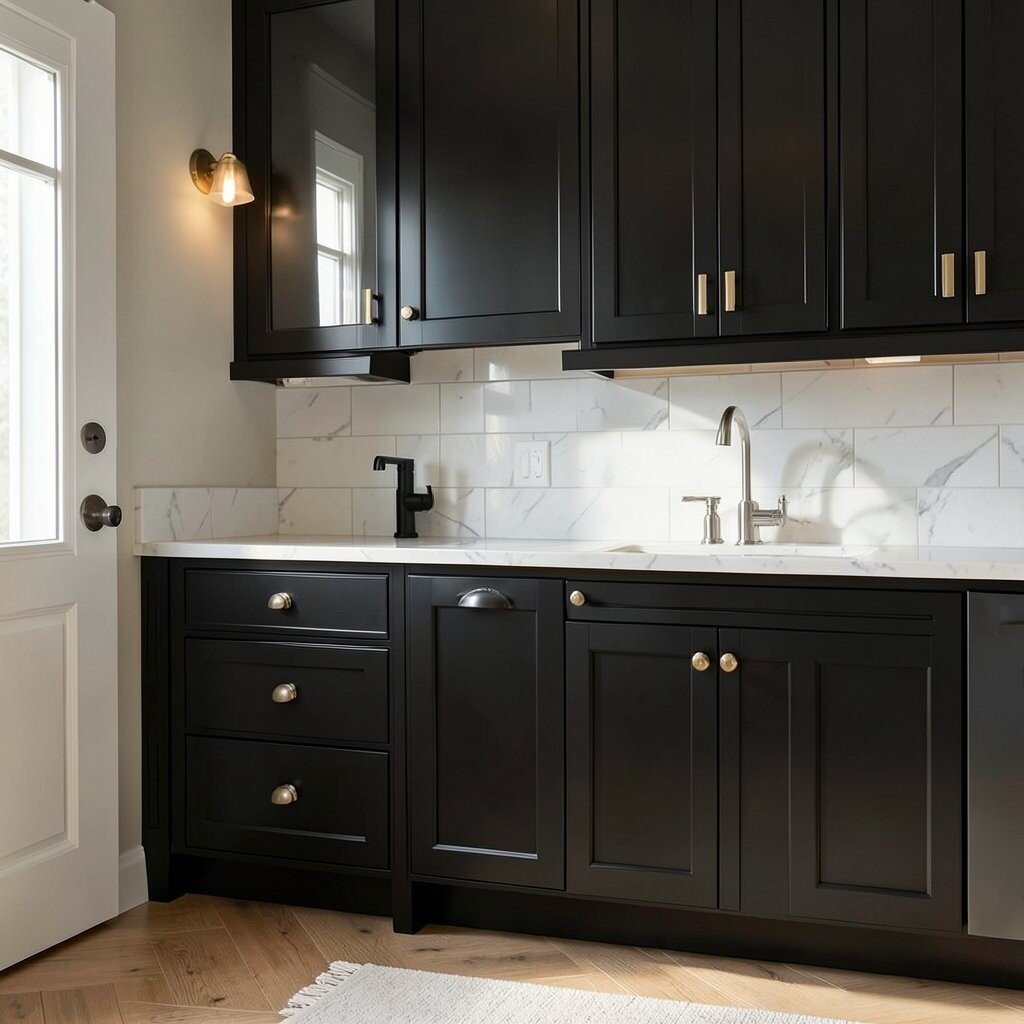
Hardware is the small detail that makes a big difference. Classic fixtures like brushed brass, satin nickel, and timeless black can make cabinets, doors, and lighting feel coordinated. When hardware matches across rooms, the look feels intentional. It’s also one of the simplest ways to personalize without replacing major furniture.
For practical tips, choose finishes that align with your existing metals. If your lighting and faucets are warm, keep drawer pulls and knobs warm too so everything harmonizes. Personalization can include selecting knobs with interesting shapes, like round ceramic or slightly fluted details. For uniqueness, mix finishes carefully, such as using brass for cabinet pulls and black for curtain rods.
Cost considerations depend on how many pieces you’re updating, but hardware is often a budget-friendly upgrade. You can also start with one room to see how the change feels before committing elsewhere. Current trends favor warm metals and softer, less shiny surfaces, which still looks classic. Upgrading fixtures can make an older kitchen or bathroom feel newly cared for.
When the details feel right, the whole home feels more polished.
16. Elegant Staircases and Handrails
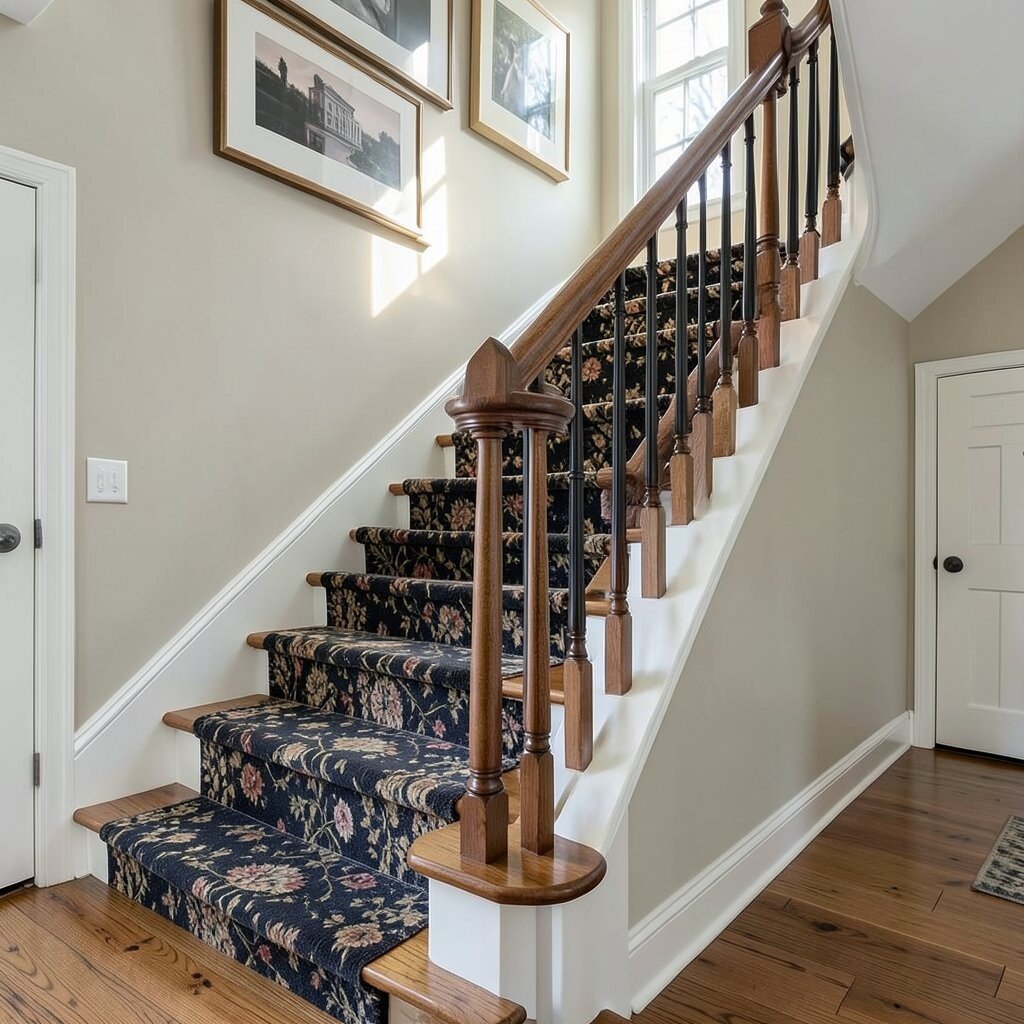
Stairs are classic architectural moments, especially when the handrail looks sturdy and well-finished. Even if you don’t redo the entire staircase, small choices like balusters, rail height, and paint color affect the whole feel of your home. A clean, traditional handrail adds safety and visual rhythm. When stairs look intentional, the entry level feels more complete.
For practical benefits, keep your handrail finish comfortable to touch and durable against daily use. Choose paint or stain that matches wood floors or other trim so the staircase doesn’t feel like a separate project. Personalization can show through in the style of spindles, a runner carpet, or a wall gallery along the ascent. For uniqueness, choose a runner pattern that echoes your rug without repeating it exactly.
Budget considerations are key, so decide what you truly need to change. Refinishing rails or repainting balusters can be cheaper than replacing the entire system. Current trends often like classic details paired with simple, clean lines, so you can keep the architecture and update the finishes. A well-chosen runner can make stairs feel luxurious without major demolition.
When you feel good walking up your stairs, your home feels better too.
17. Crafted Trim, Baseboards, and Visual Structure
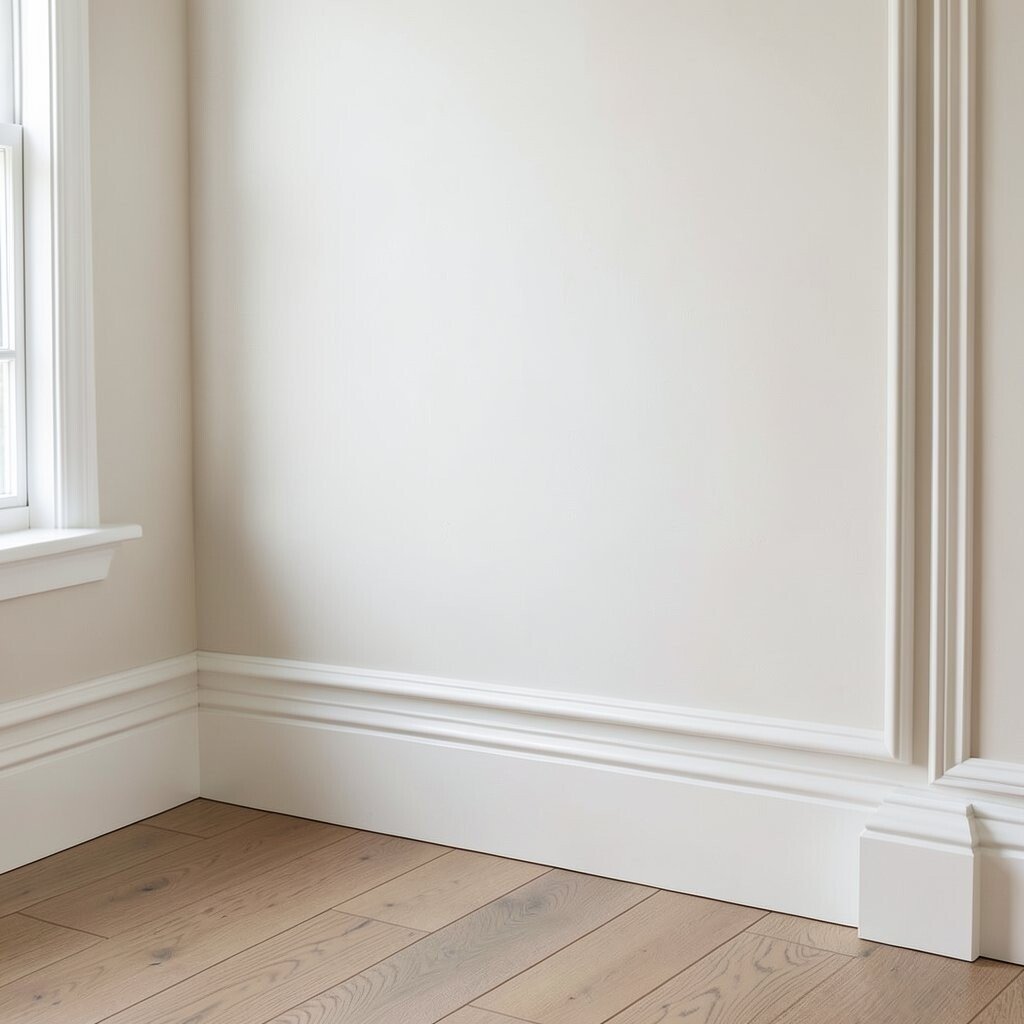
Baseboards and trim give rooms their structure and make walls look properly finished. Classic design often highlights these details with clean lines and steady proportions. When the trim is crisp, the room looks more intentional, even with minimal decor. It’s like a frame for your everyday life.
For practical tips, make sure the trim height and style fit the room’s scale. In smaller rooms, simpler profiles can prevent the space from feeling heavy. Personalization is possible through paint color, especially using a soft white that warms up the look. For uniqueness, consider subtle contrast, such as slightly different trim tones compared to walls.
Cost considerations depend on whether you’re upgrading existing trim or adding new. Refreshing paint and caulking can deliver a big visual improvement for less money. Current trends support clean, traditional lines, so classic trim still feels fresh. When done well, this element also helps unify different flooring and furniture pieces.
Once the trim looks right, your whole home starts to feel “complete.”
18. Decorative Ceiling Medallions and Statement Fixtures
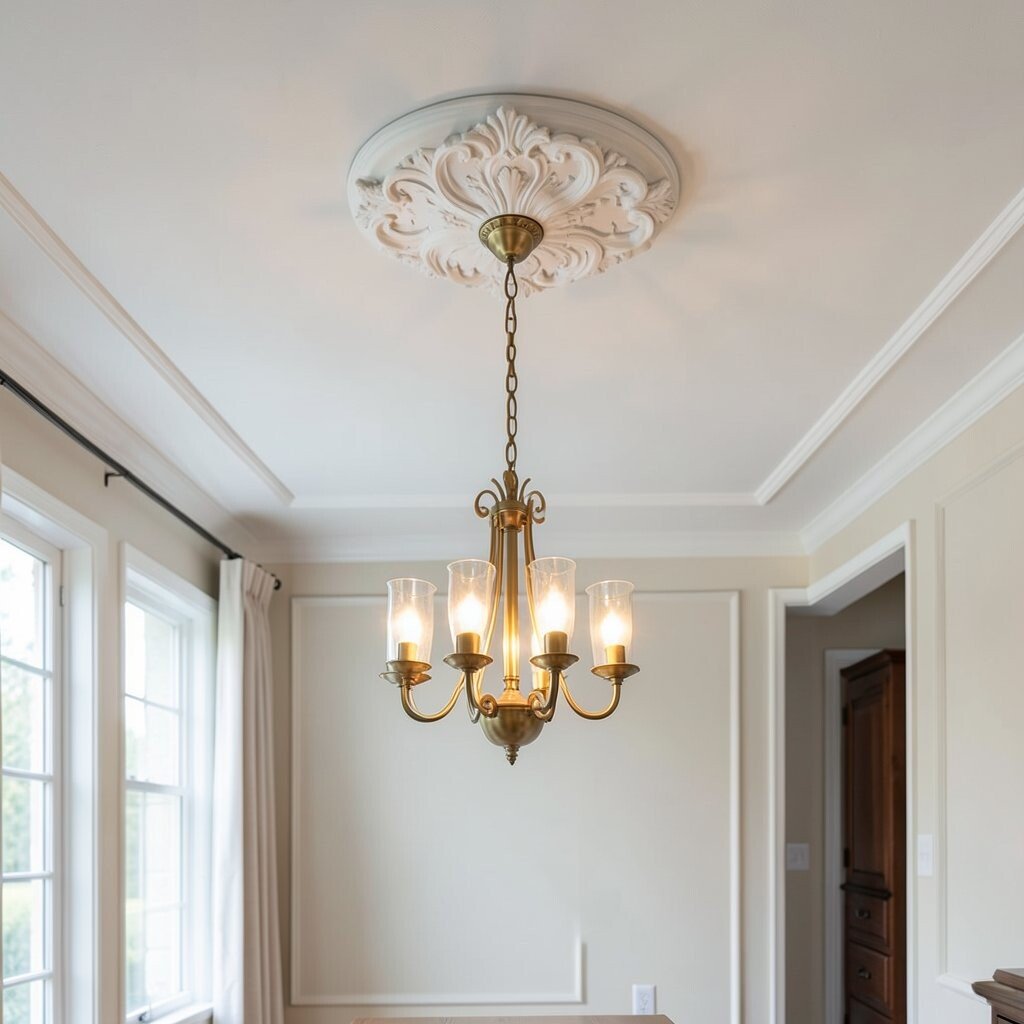
A ceiling medallion can make a room feel elegant in a way that’s hard to achieve with simple decor. Pair it with a classic chandelier, a flush mount, or a pendant with a timeless shape. This element adds a focal point above the room’s center, giving the ceiling visual interest. When light hits the detail, it creates a gentle sparkle that feels special.
For practical placement, ensure the fixture is centered and the medallion matches the scale of the room. Choose materials and finishes that connect with other details, like brass hardware or wood accents. Personalization can come from choosing a medallion style that matches your taste, from ornate to subtle. For uniqueness, use a medallion on one main fixture area, like a dining room, rather than repeating everywhere.
Cost considerations depend on installation and the complexity of wiring, so plan ahead. If you’re not ready for a medallion, you can still upgrade the fixture itself for similar impact. Current trends keep lighting as a statement, but many designs look classic in shape and modern in finish. Matte finishes and warm glass shades are especially popular because they look cozy and timeless.
When the ceiling looks good, your room’s charm rises above the clutter.
19. Storage Pieces That Blend In Beautifully
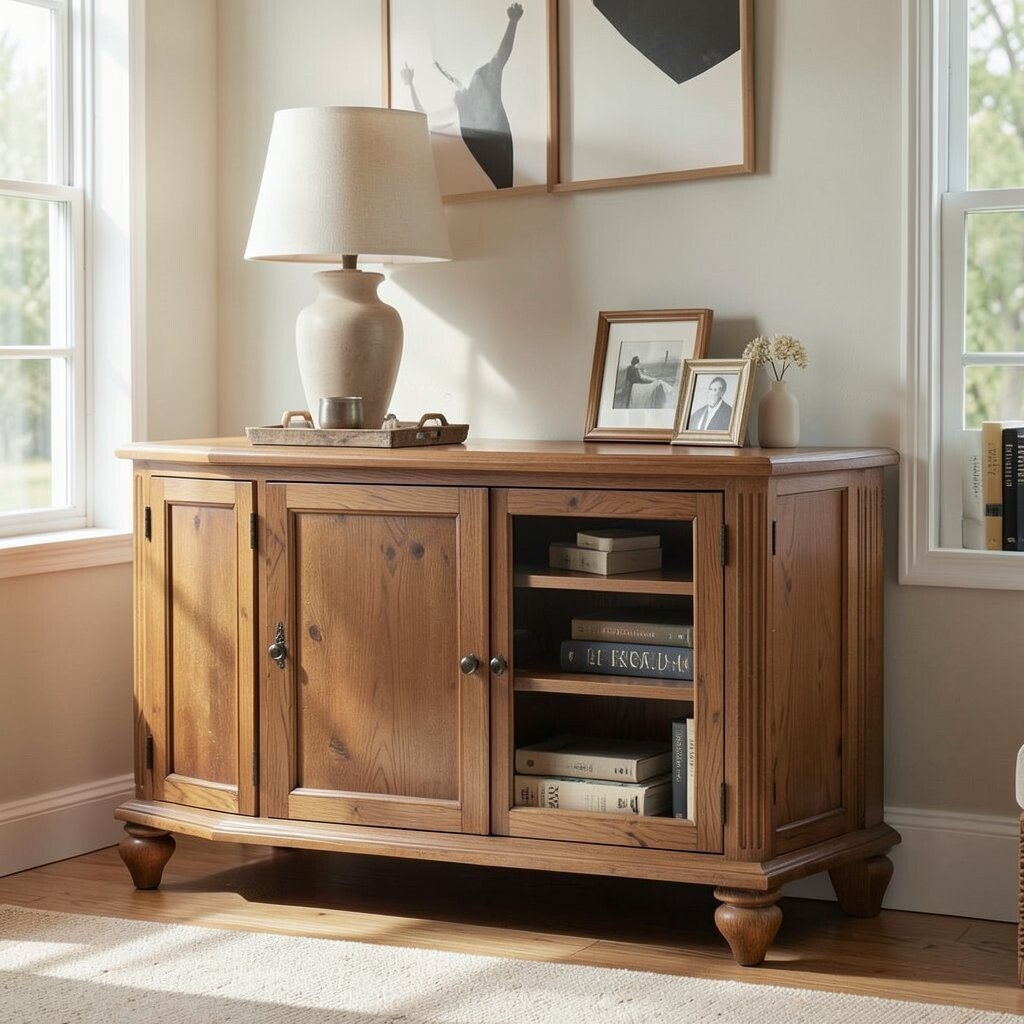
Classic spaces know that storage should look like furniture, not like an afterthought. Sideboards, console tables, and cabinets can hold daily items while still looking elegant. When storage matches your wood tones and finishes, the room feels more calm. It also helps your decor stay intentional, because surfaces don’t always have to carry everything.
To make this practical, choose pieces with the right mix of doors, drawers, and open shelves. Use closed storage for items you don’t want to see, and open storage for curated objects you love. Personalization can be as simple as styling the top with a lamp, a tray, and a framed photo. For uniqueness, add a classic detail like a decorative column-style sideboard or an interesting leg profile.
Budget considerations are real, so consider buying one high-quality storage piece and decorating around it. If you’re shopping smart, look for vintage pieces that just need a refresh. Current trends still enjoy classic storage shapes, especially in warm neutrals and natural finishes. Choosing storage that fits your lifestyle makes the space feel beautiful and functional at the same time.
A room with great storage always looks better, even on busy days.
20. Personal Styling With Classic Rules and Your Own Twist
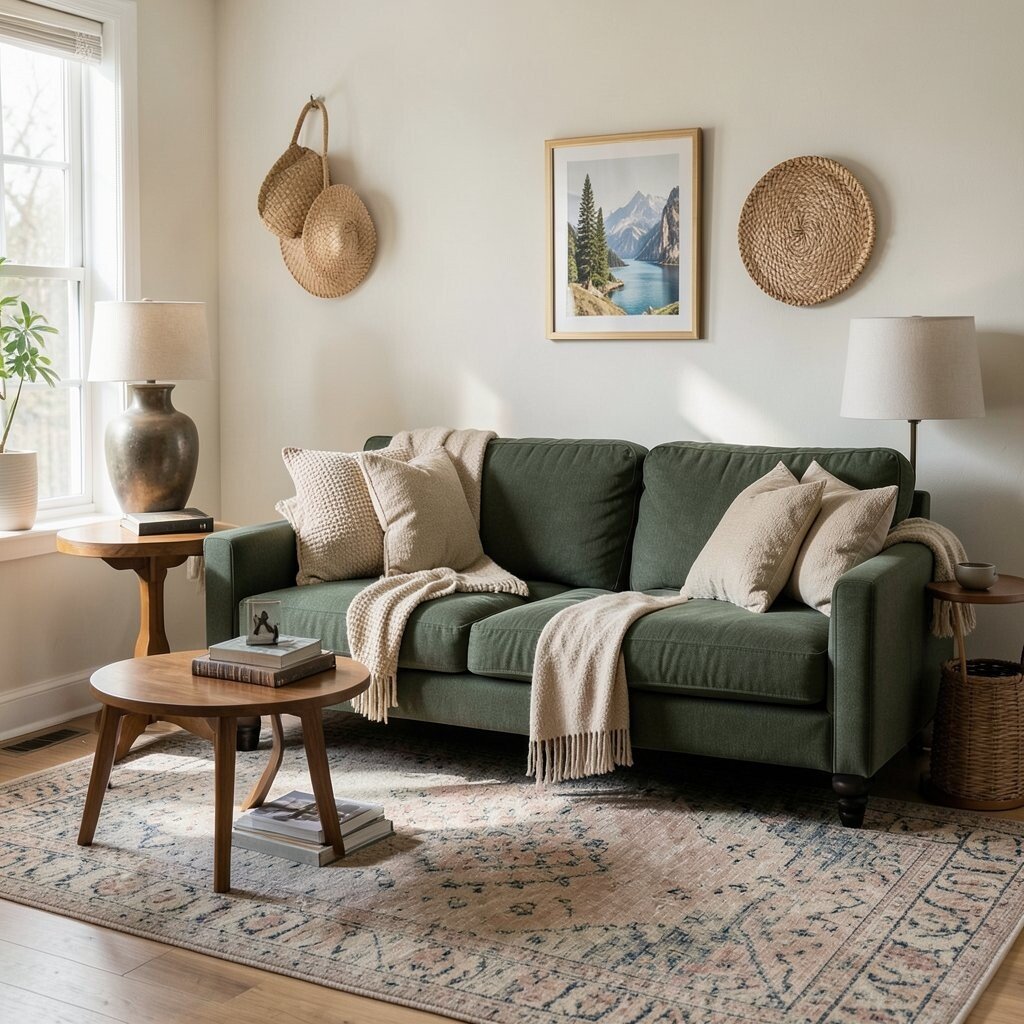
The final classic design element is your personal styling, done with a steady sense of balance. Classic design works because it uses repetition, warm textures, and a few meaningful items instead of clutter. When you repeat a color, metal, or material across the room, it looks designed. When you add personal touches, it becomes yours.
For practical tips, start by choosing a few “anchor” pieces you truly love, like your main rug, a sofa, and one standout lamp. Then build accessories around them with similar undertones and textures. Personalization can include family photos, travel finds, and heirloom items that have stories. For uniqueness, use one unexpected texture or shape, like a sculptural vase or a woven wall basket.
Cost considerations are easier when you focus on quality over quantity. Instead of buying many small things, invest in a few well-made decor pieces that last. Current trends favor curated, lived-in looks, so classic styling with a little imperfection feels fresh. If you change your decor seasonally, keep a consistent palette and swap only the accessories.
When your styling has rhythm, every corner feels inviting, familiar, and beautifully you.
It’s the small choices that turn a nice room into a space you love to return to.