Many spaces look fine at first, but small design mistakes can make them feel off. Careful choices can help a room feel calm, useful, and more like home.
1. Ignoring the Way People Move Through a Room
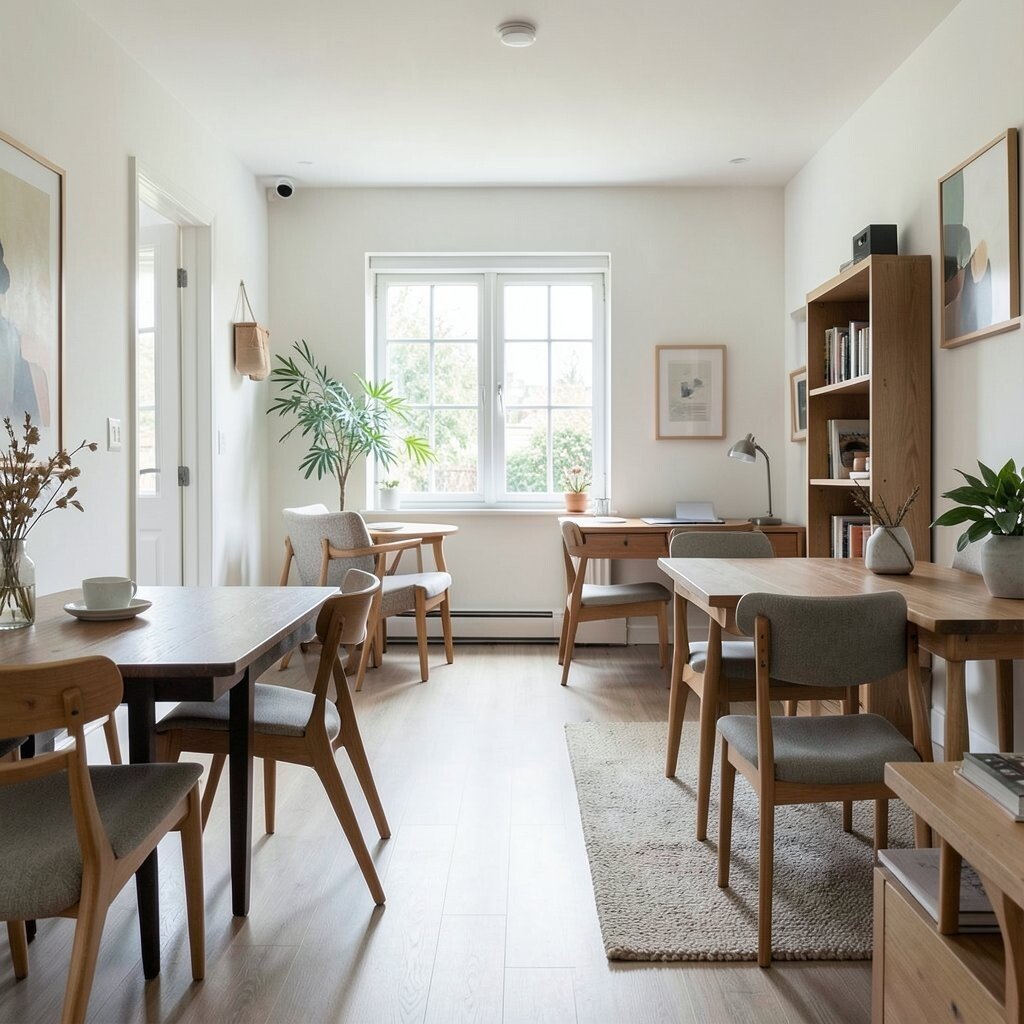
A room can look nice and still feel hard to use if the path is blocked. When chairs, tables, or decor sit in the wrong place, people have to twist around them and the space feels tight.
Good flow makes a room feel open and easy to use. Try to leave clear paths between doors, seats, and key spots like a desk or shelf so movement feels natural.
This matters in small rooms, where each step counts. A simple layout can make a space feel larger without adding any new items.
2. Picking Furniture That Is Too Large
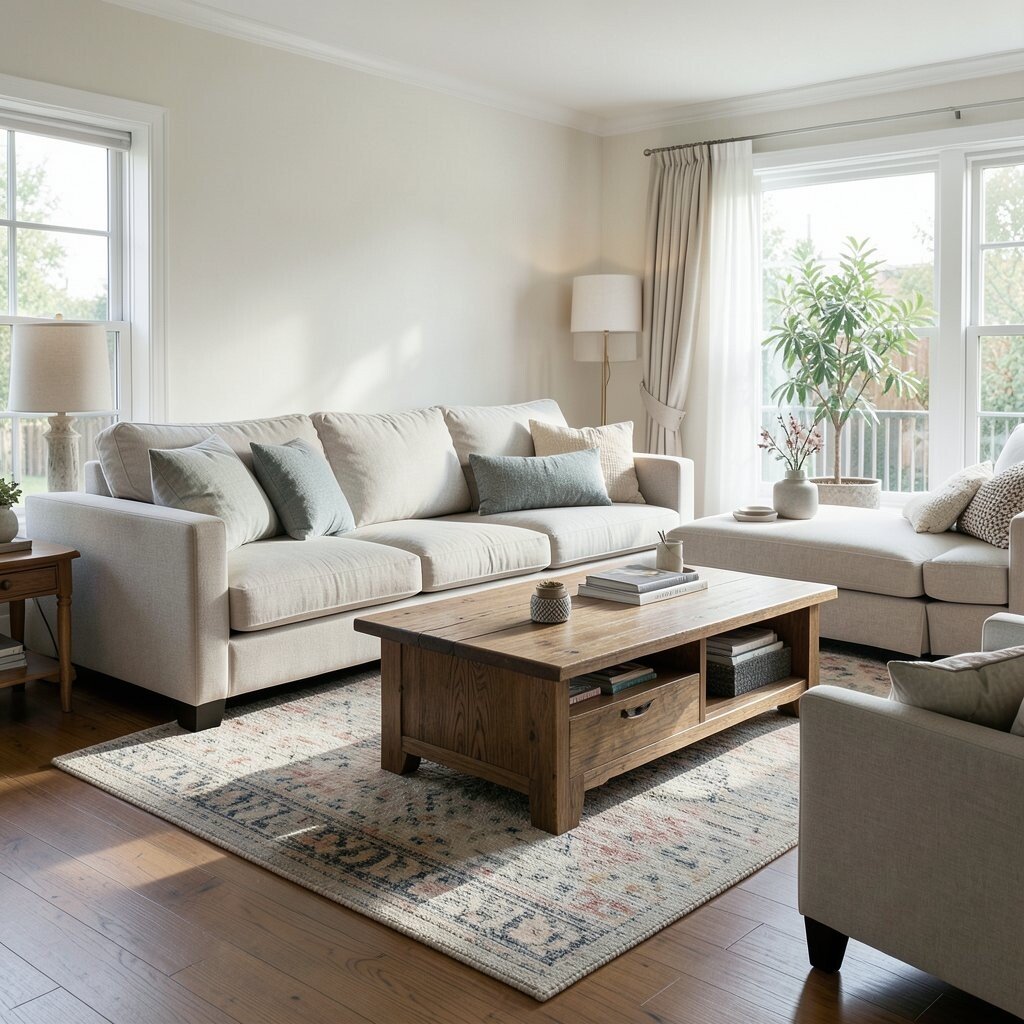
Big furniture can take over a room fast. A huge sofa or wide table may look nice in a store, but at home it can crowd the space and block light.
Scale is a big part of good design. Measure the room first and use pieces that fit the size of the area, so the room feels balanced and not packed.
Smaller pieces can also give you more style choices. They often cost less, and you can move them around more easily when you want a new look.
3. Using Too Many Small Pieces
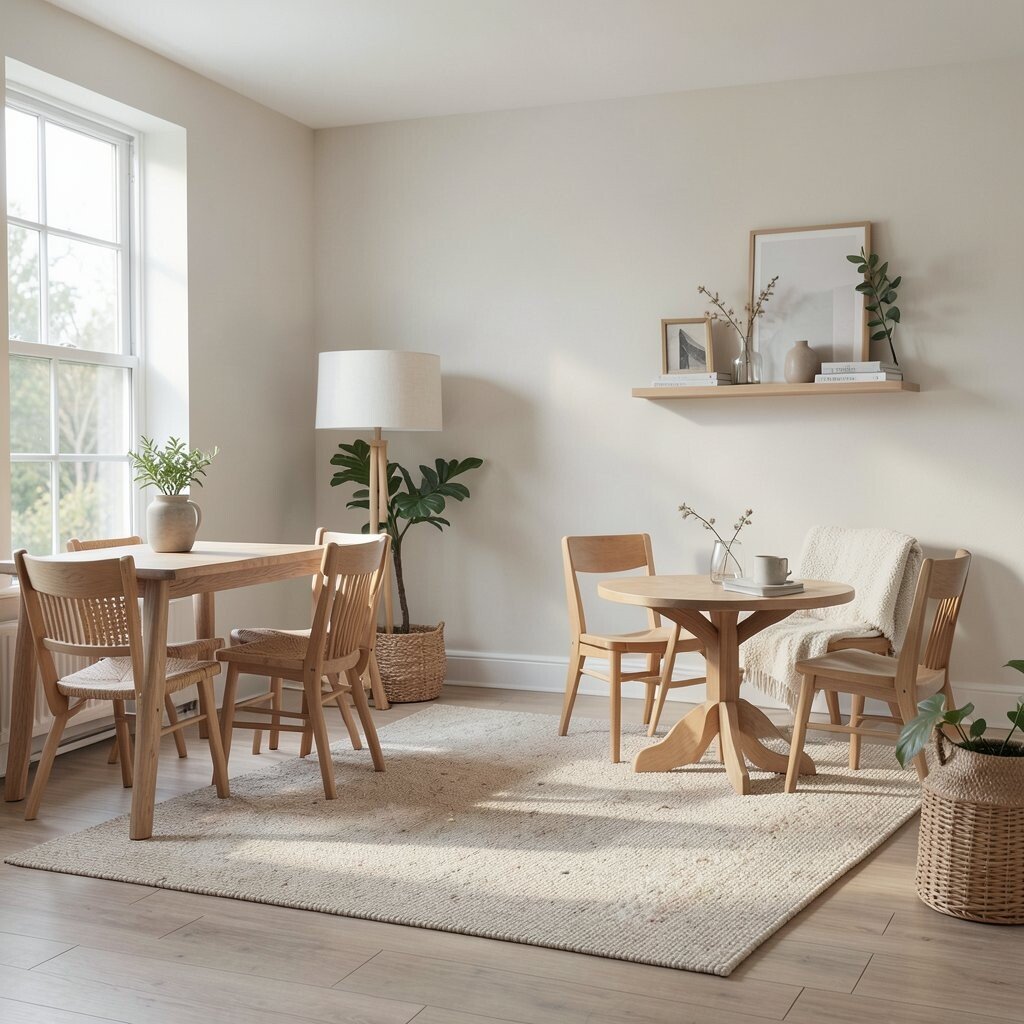
Too many tiny items can make a room feel busy and weak. A lot of little chairs, tables, and decor can break up the space and make it look messy.
It helps to mix in a few larger pieces that give the room a clear shape. This can make the room feel more calm and help your eyes rest.
One strong piece can often do more than many weak ones. A simple rug, lamp, or shelf can tie things together without adding clutter.
4. Forgetting About Lighting Layers
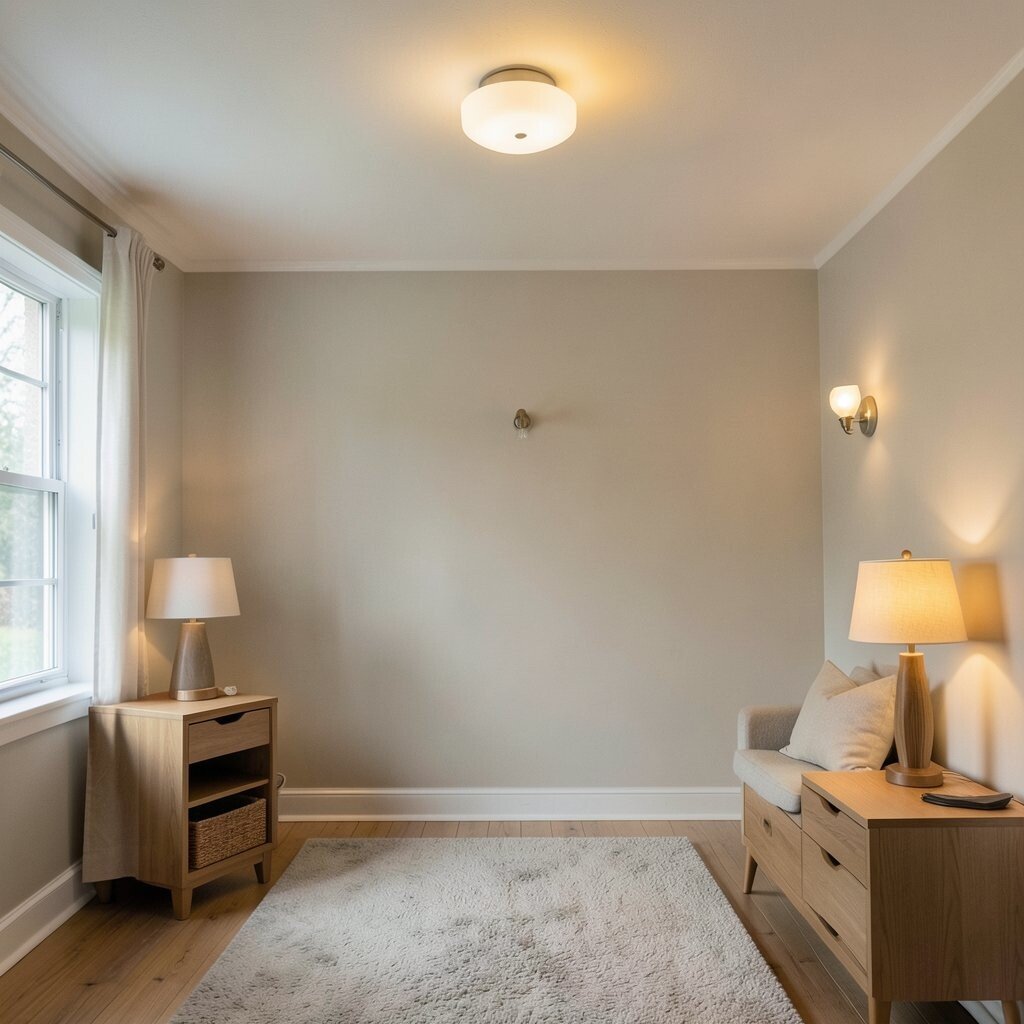
One ceiling light is often not enough for a room. It can make the space feel flat, harsh, or too dark in the wrong spots.
Try to use more than one kind of light, like a lamp, a wall light, or task light. This gives the room more depth and helps each part of the space work better.
Good lighting can also change the mood without much cost. Many people use warm bulbs and simple lamps to make a room feel softer and more lived in.
5. Choosing Paint Before Testing It
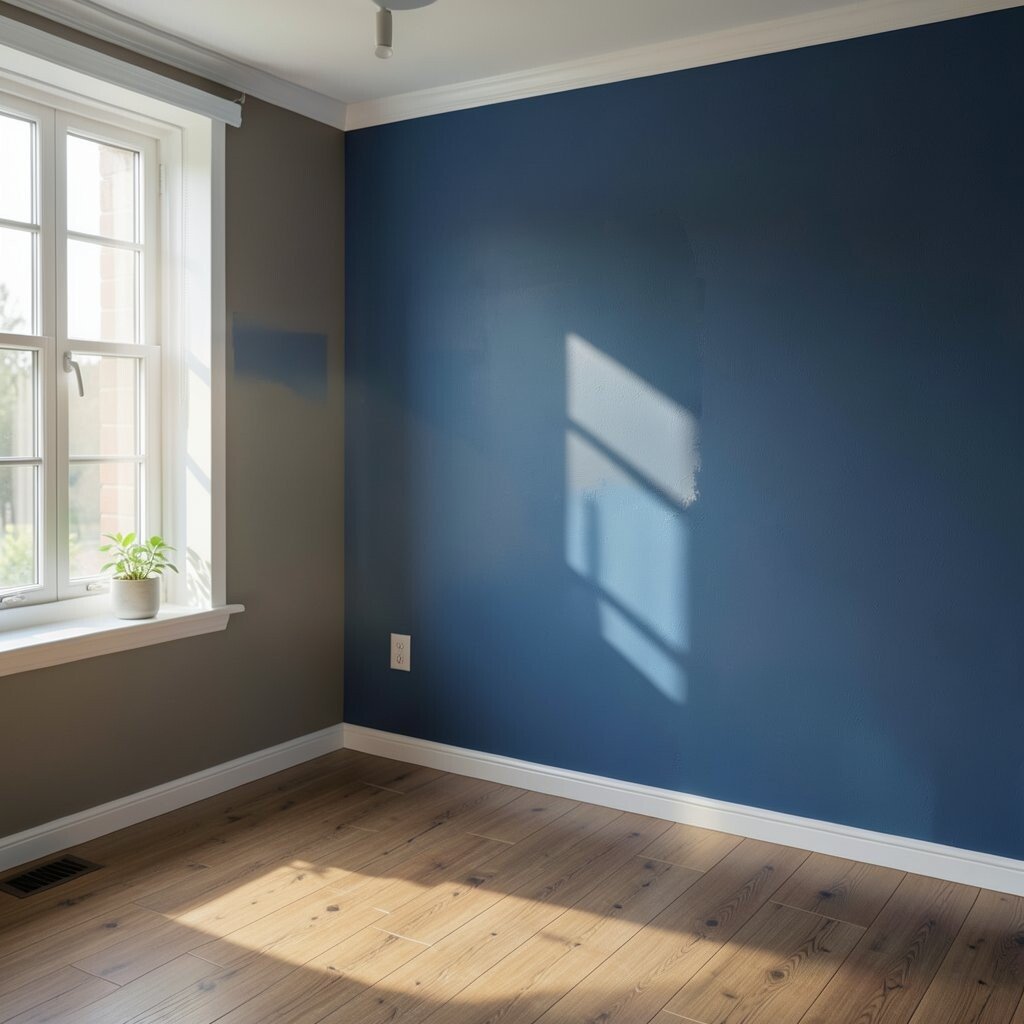
Paint colors can look very different on a wall than they do on a small card. A shade that seems warm in the store may look too blue or too dark at home.
Always test paint in the room before you buy a lot of it. Put sample spots on a few walls and look at them in morning light, afternoon light, and at night.
This small step can save time and money. It also helps you pick a color that fits your furniture, floors, and style.
6. Skipping a Clear Focal Point
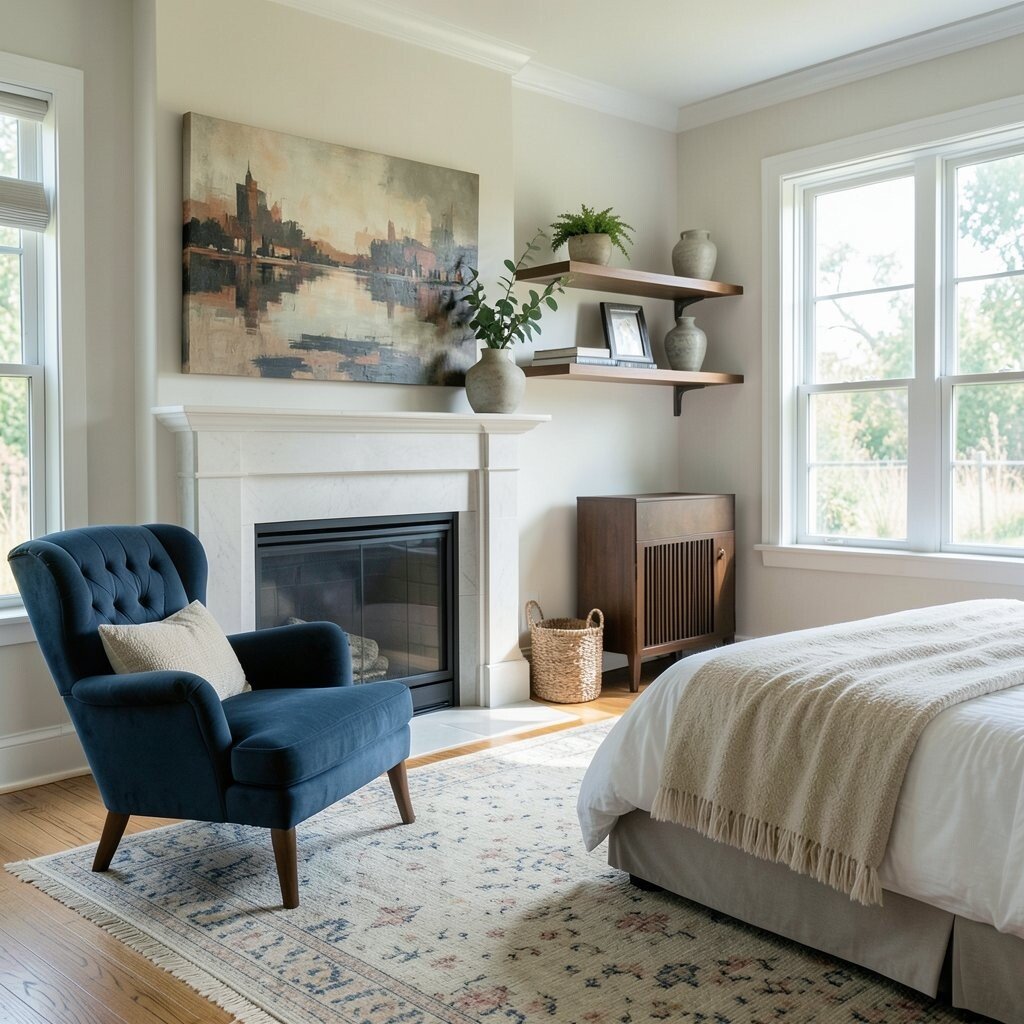
A room often feels better when one thing stands out. Without a clear focal point, the eye has nowhere to rest and the space can feel plain or scattered.
A focal point can be a fireplace, a large piece of art, a bed wall, or a nice window. You can also make one with a rug, a bold chair, or a shelf with a few special items.
This gives the room a sense of order. It also makes the design feel more personal because you can choose the one thing that means the most to you.
7. Hanging Art Too High or Too Low
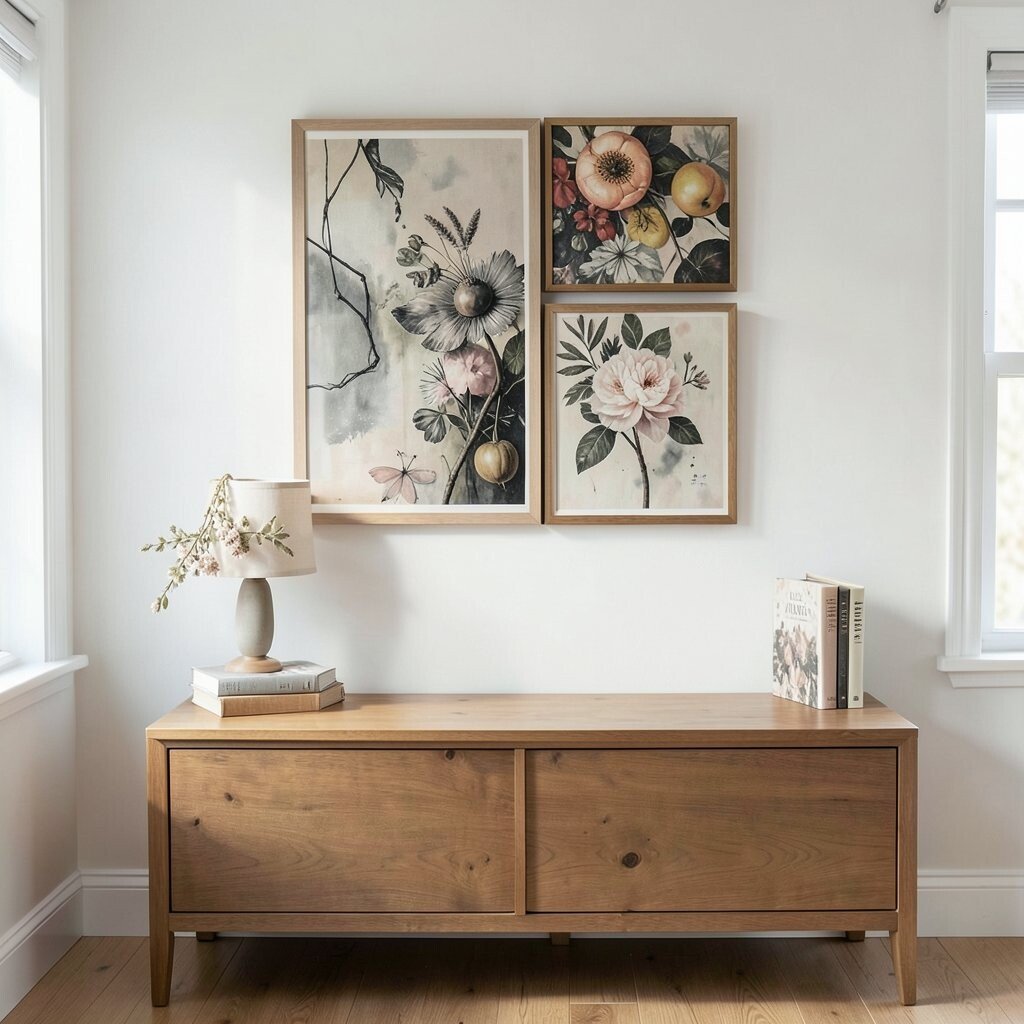
Art can look awkward when it is placed in the wrong spot. If it sits too high, it feels like it floats away from the room, and if it sits too low, it can feel squeezed.
A good rule is to keep art near eye level and close to the furniture below it. This helps the wall and the room feel connected in a simple way.
You do not need costly art to make a wall look good. Even prints, photos, or framed fabric can add style if they are placed well.
8. Ignoring the Size of Rugs
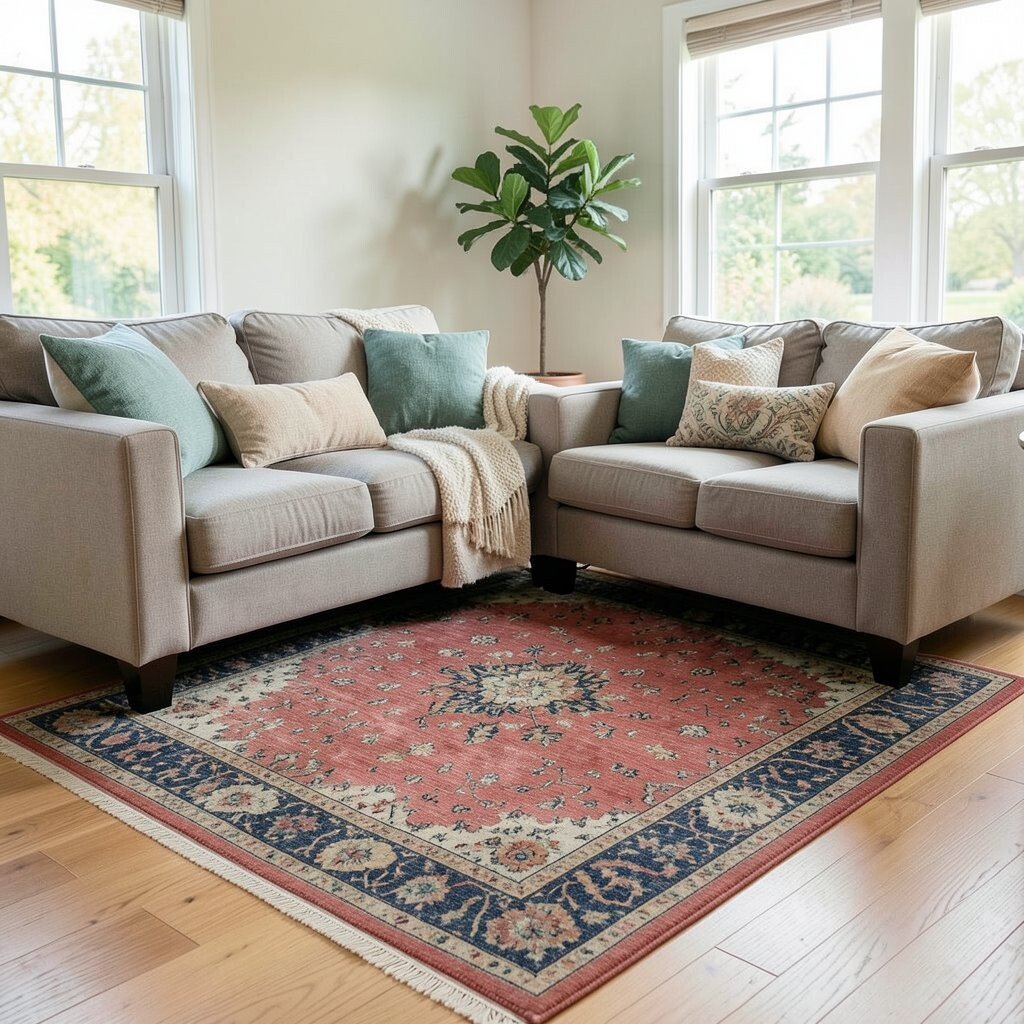
A rug that is too small can make a room feel chopped up. It can look like the furniture is not sitting on a real base, which makes the whole area feel off.
Try to choose a rug that fits the main furniture group. In a living room, the front legs of sofas and chairs should often rest on the rug so the space feels joined together.
Rugs also add warmth, color, and texture. They can help a room feel softer underfoot and can be a smart way to try a trend without spending a lot.
9. Matching Everything Too Much
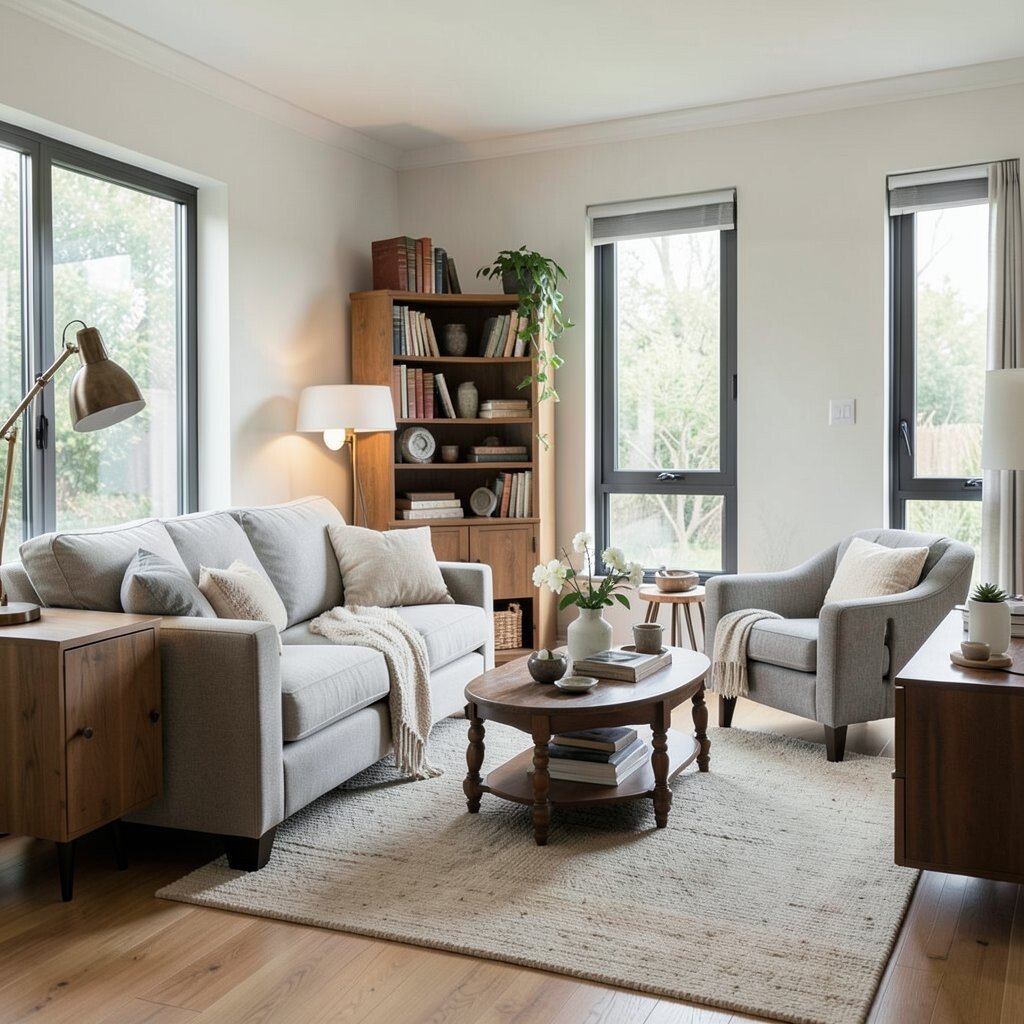
When every item looks the same, a room can feel flat. A set of matching pieces may seem safe, but it can also make the space feel stiff and plain.
Mixing shapes, textures, and finishes gives a room more life. Try wood with metal, soft fabric with smooth glass, or old items with new ones for a look that feels more real.
This kind of mix makes a space more unique. It also gives you more room to use things you already own, which can help keep costs down.
10. Forgetting to Add Texture
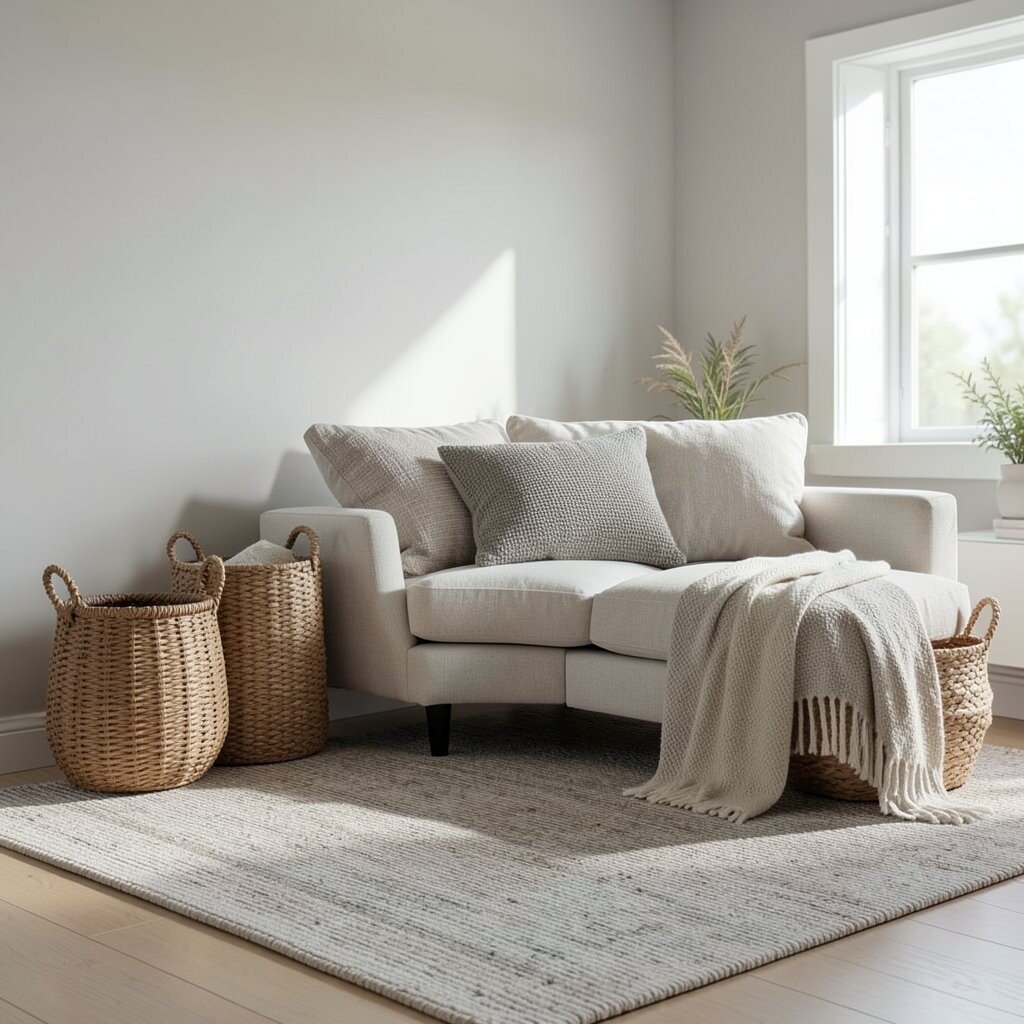
A room with only smooth surfaces can feel cold or empty. If everything is flat and shiny, the space may not feel warm or inviting.
Texture can come from rugs, pillows, woven baskets, wood grain, linen, or stone. These details add depth and make even a simple room feel more complete.
Using texture is a good way to follow trends in a soft way. You can add a few textured items without changing the whole room or spending too much.
11. Not Planning Enough Storage
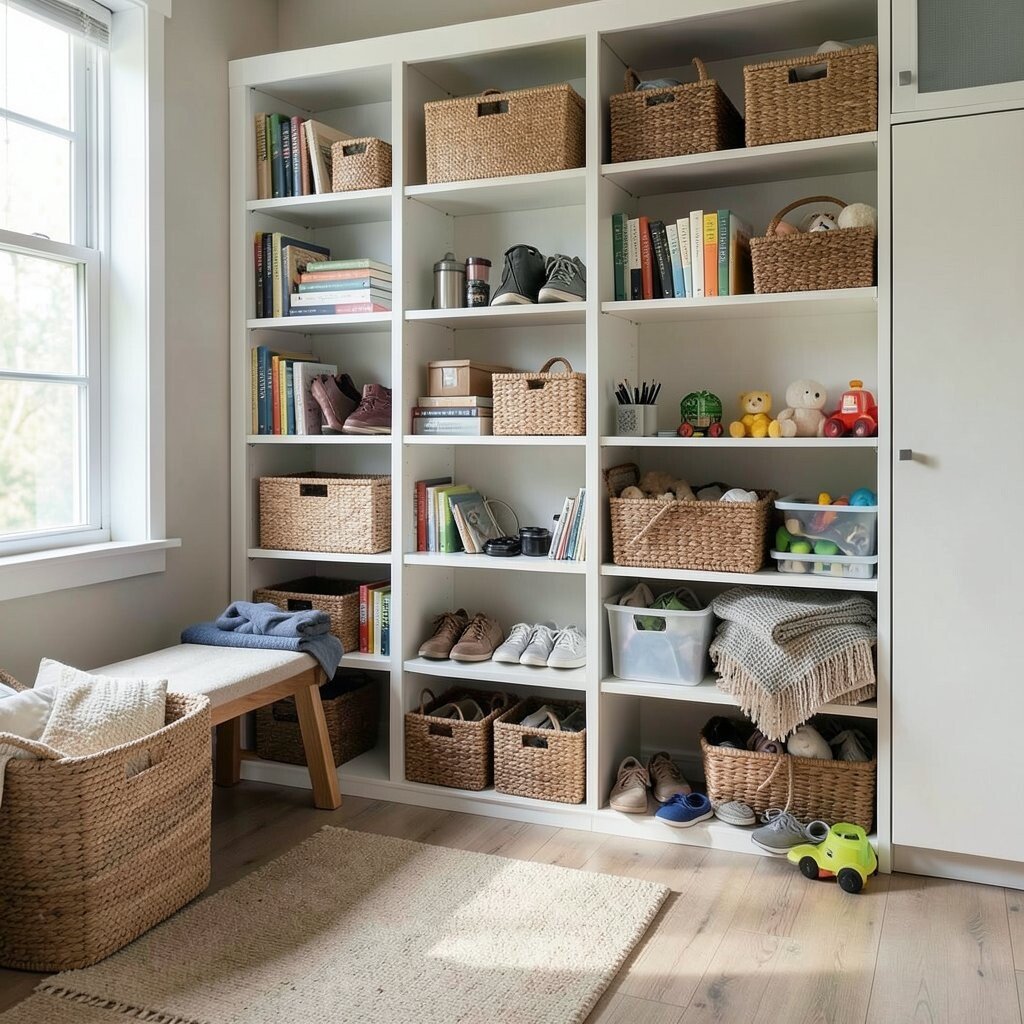
Clutter builds up fast when there is nowhere to put things. A room can look neat for a day, then start to feel crowded if storage is missing.
Think about daily items like shoes, books, chargers, toys, or blankets before you finish the room. Built-in shelves, baskets, benches, and closed cabinets can all help keep things in place.
Good storage makes a room easier to live in. It also helps the design stay clear and calm, since less clutter means more room to enjoy the space.
12. Blocking Natural Light
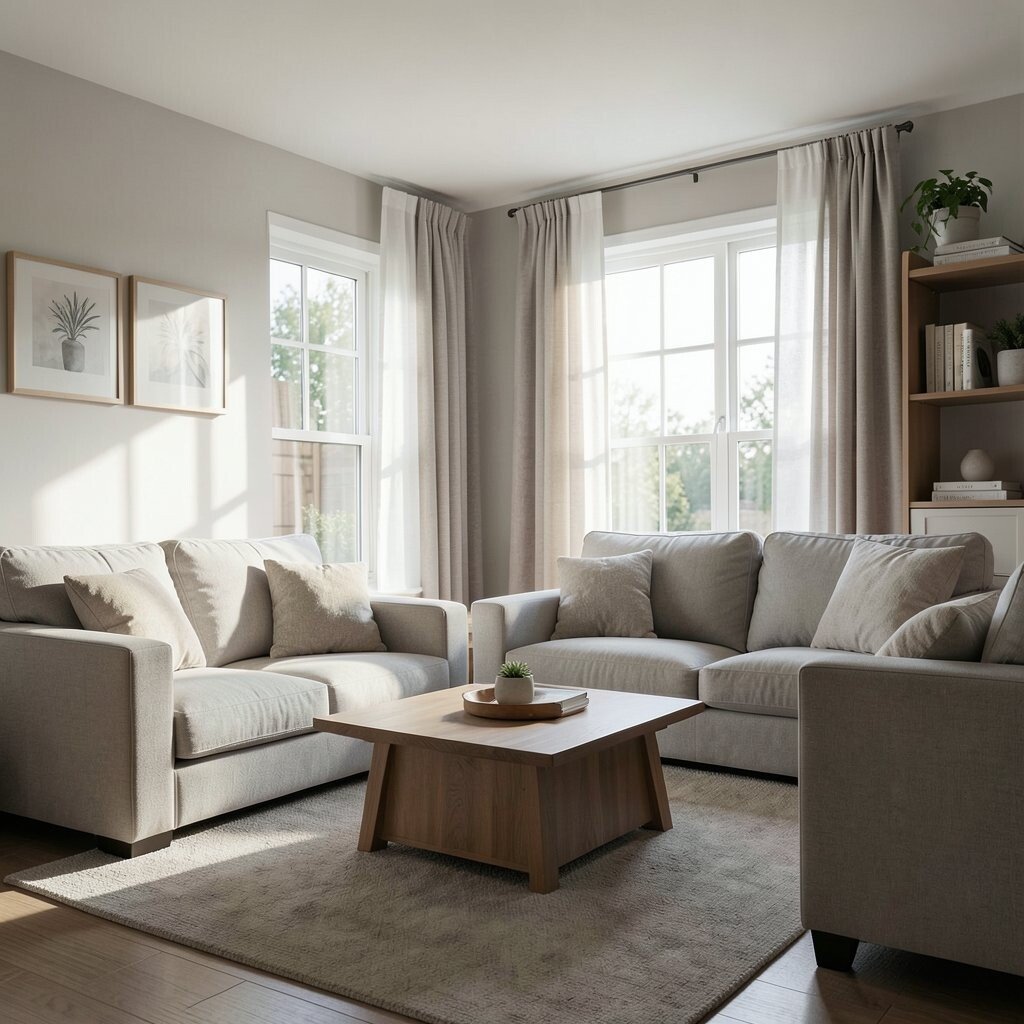
Natural light can make a room feel bigger, cleaner, and more open. Heavy furniture or thick window covers can stop that light and make the room feel dull.
Try not to place tall items right in front of windows unless you need to. Light curtains, open shelves, and lower furniture can help sunlight move through the room.
This simple choice can change the whole feel of a space. It costs little to make, but it can help a room look fresh during the day.
13. Using Too Many Bold Colors at Once
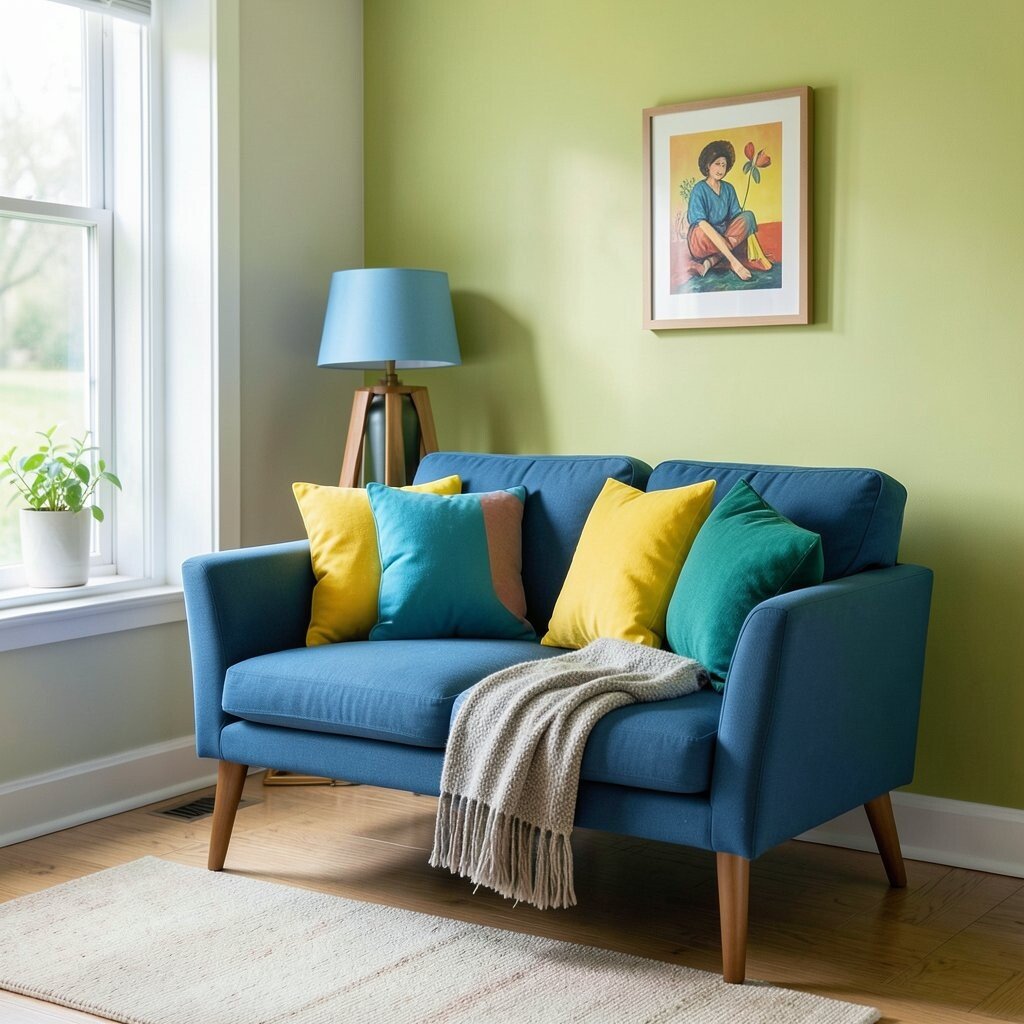
Bright colors can be fun, but too many at once can make a room feel loud. When every wall, chair, and pillow fights for attention, the space can feel hard to rest in.
It helps to pick one or two main colors and let the rest stay calm. You can still add small bright touches through art, books, or a throw pillow.
This gives you style without too much noise. It also makes it easier to change the room later, since a simple base works with many trends.
14. Forgetting the Ceiling and Floor
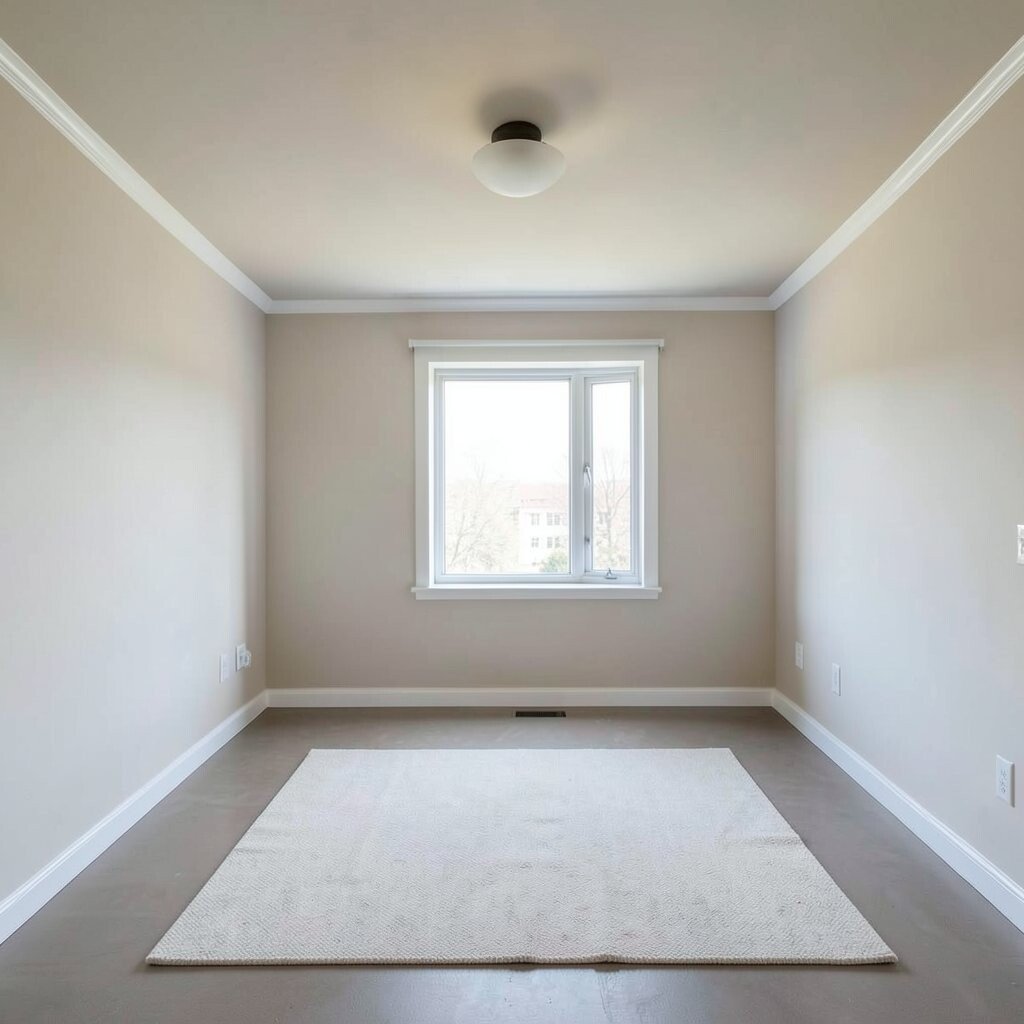
People often focus only on walls and furniture, but the ceiling and floor matter too. If they are ignored, the room may feel unfinished even when the main pieces are nice.
A painted ceiling, a good floor color, or a simple ceiling fixture can help the room feel more complete. Even a clean floor mat or a soft runner can change the mood of the space.
These areas can also show your style in a quiet way. You do not need a big budget to make them look better, just a little care and planning.
15. Choosing Style Over Comfort
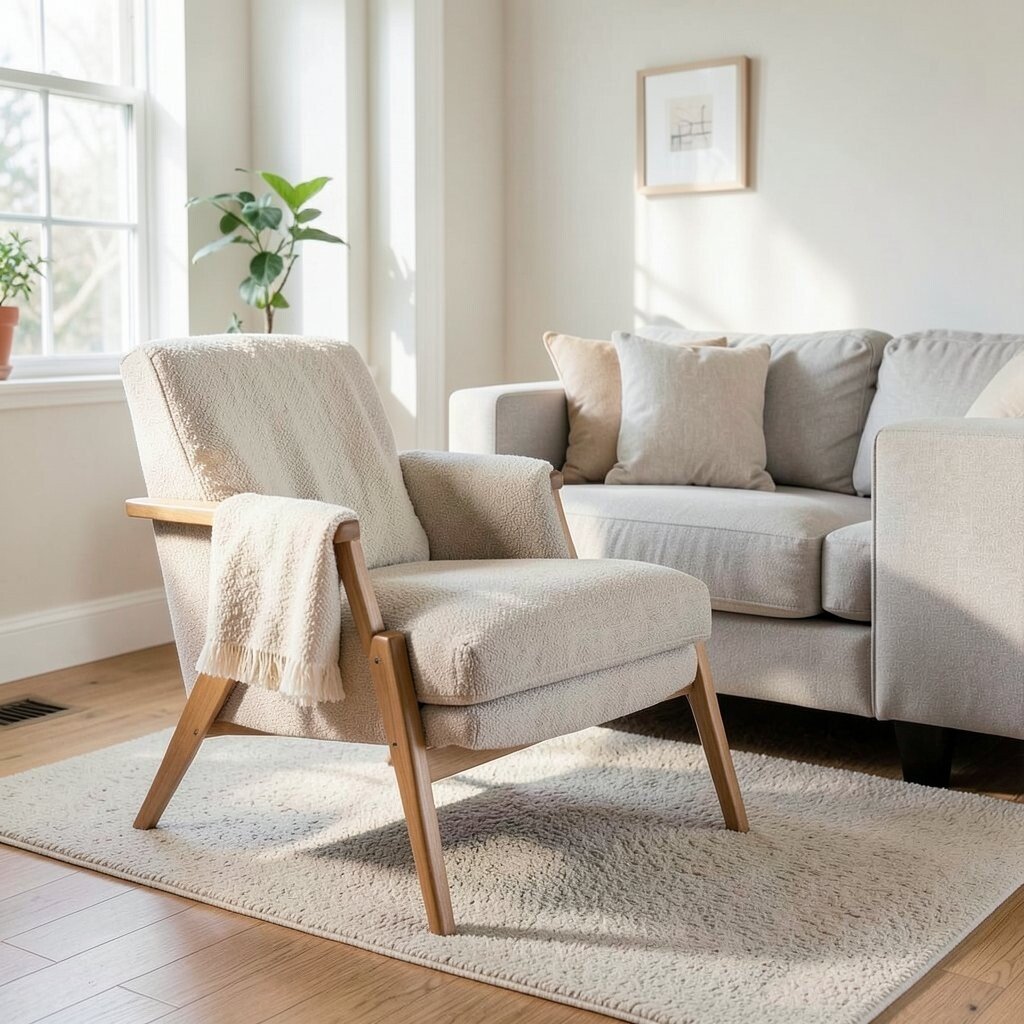
A chair may look great and still be hard to sit in. A sofa may fit the room well but feel too stiff for daily use, which makes the space less enjoyable.
Comfort should work with style, not sit behind it. Try the seat, check the height, and think about how the room will be used each day before you buy.
This is one of the best ways to get value for your money. A piece that feels good and looks good will stay useful for much longer.
16. Leaving Walls Bare in the Wrong Way
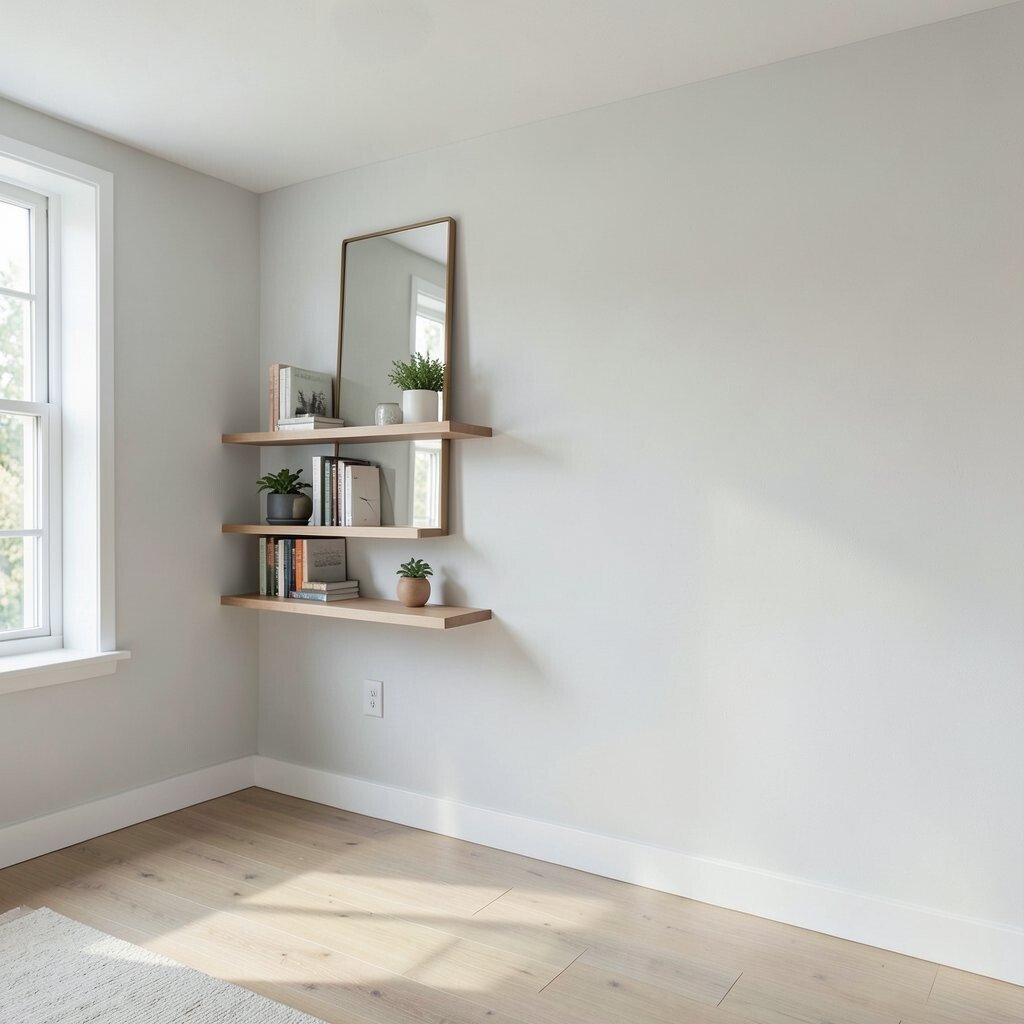
Blank walls can feel clean, but too many empty walls can make a room seem cold. The space may look unfinished if there is no art, shelf, mirror, or other detail.
You do not need to fill every wall. A few well-placed items can add balance and help the room feel more personal and lived in.
Mirrors are a smart choice because they can bounce light and make a room feel larger. Shelves can also hold books or small objects that show your taste.
17. Ignoring the Power of Repetition
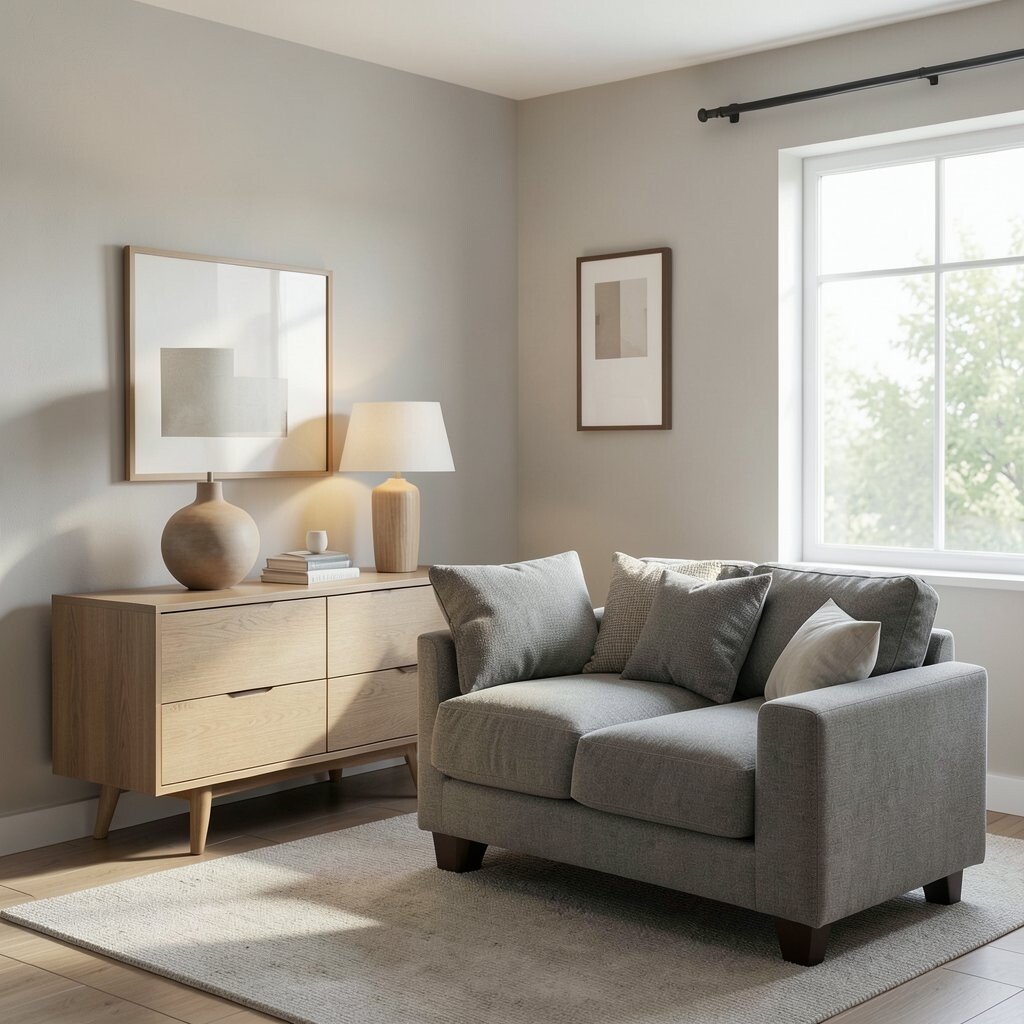
When a room has no repeated shape, color, or material, it can feel random. The eye may jump from one item to another without finding any clear link.
Simple repetition helps the room feel steady. You might repeat a wood tone, a fabric color, or a shape like round lamps or square frames.
This does not mean everything must match. It just means the room has a few shared ideas that help it feel connected and easy to read.
18. Buying Trendy Items Without a Plan
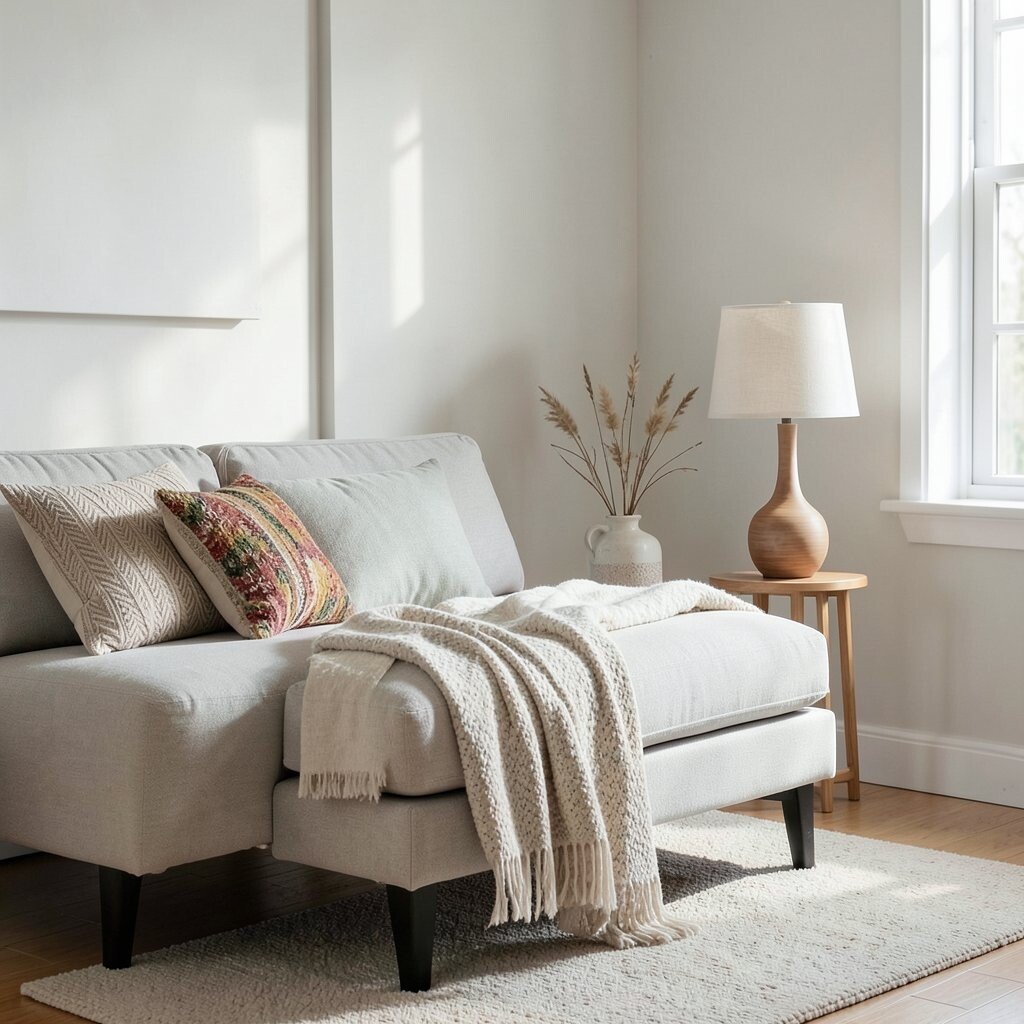
Trendy pieces can be fun, but they can also age fast. If you buy them without thinking, you may end up with items that do not fit the rest of the room.
Use trends in small ways, like a pillow, lamp, or vase. Keep the bigger parts of the room more simple so you can change the look later without starting over.
This approach can save money and stress. It also helps the room feel more like your own style instead of a copy of what is popular right now.
19. Not Thinking About Scale in Decor
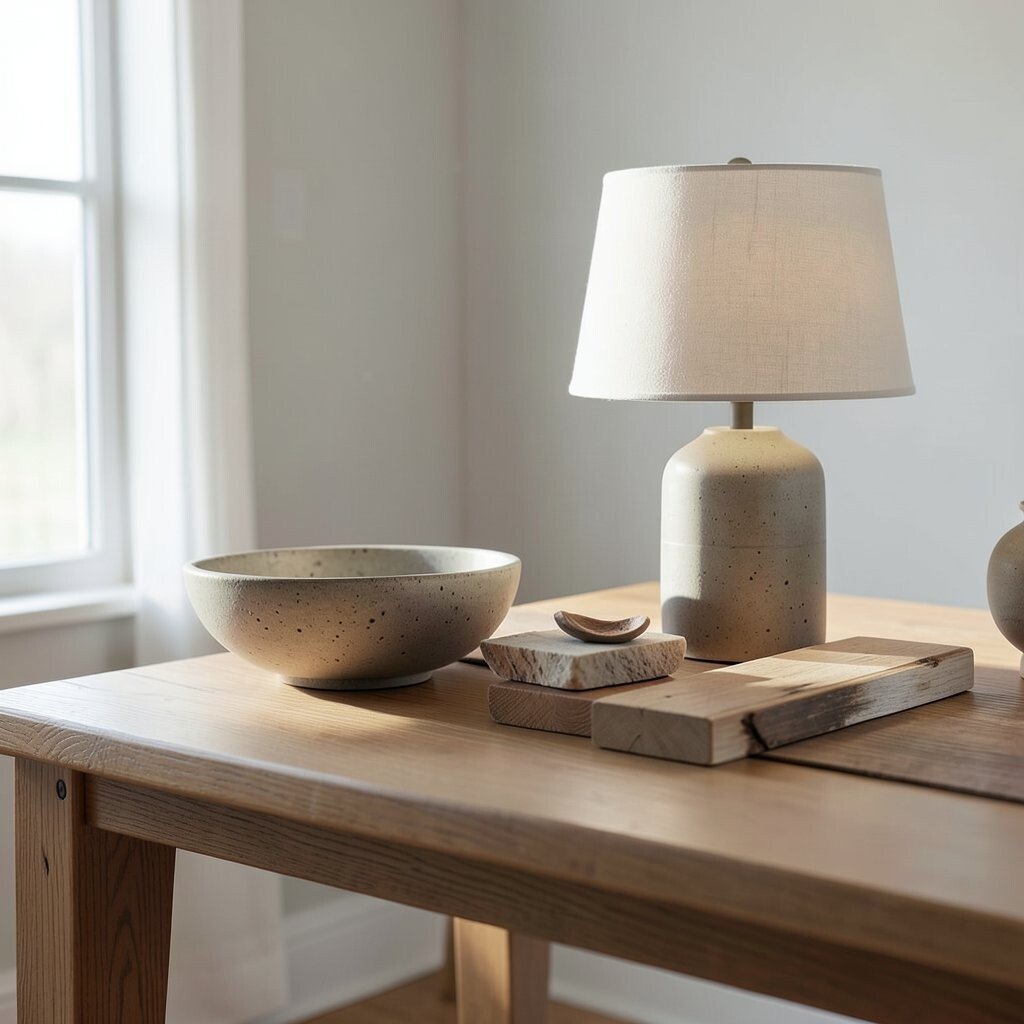
Decor items that are too tiny can get lost, while huge decor can take over a shelf or table. Both can make a room feel out of balance.
Look at the size of the surface before you add decor. A wide table may need a larger bowl or lamp, while a small shelf may only need one or two items.
This helps the room feel neat and easy to look at. It also makes each item more useful because it has space to stand out.
20. Putting Everything Against the Walls
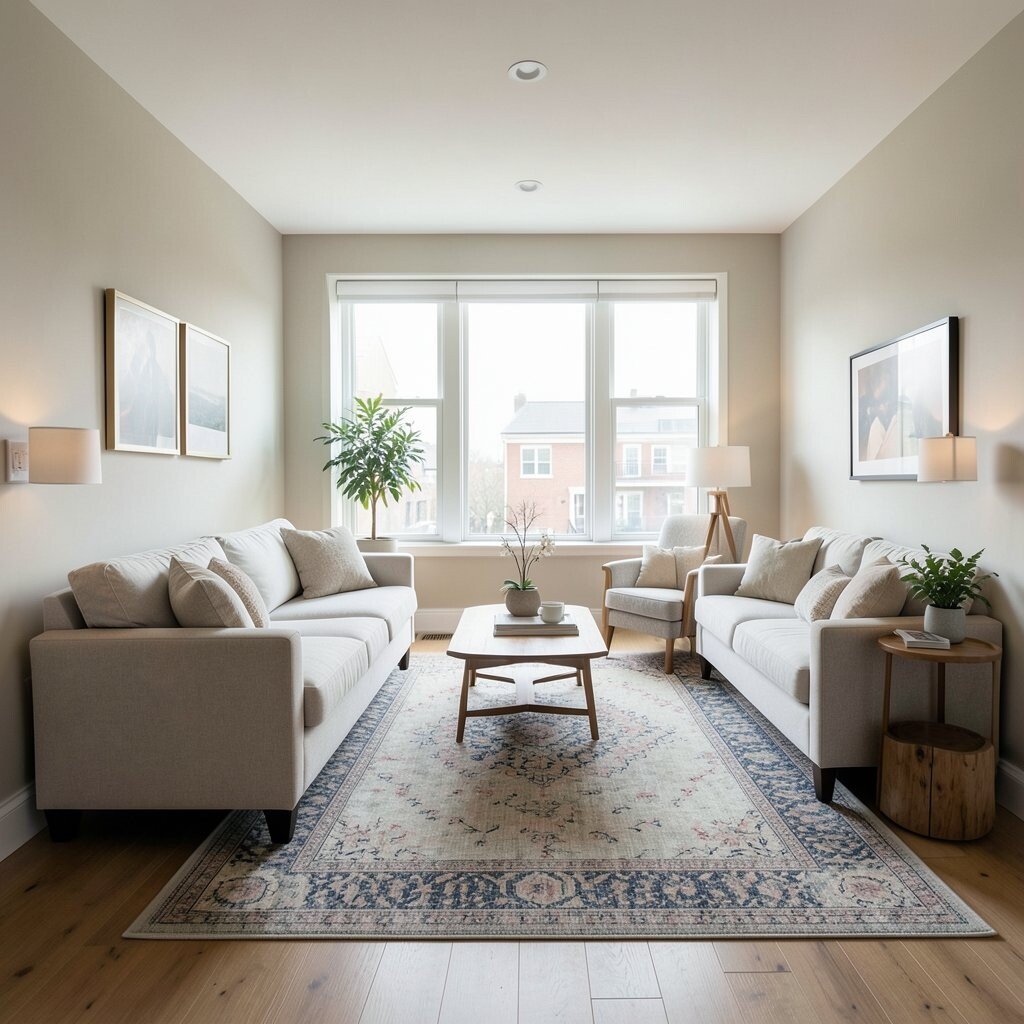
When all the furniture sits at the edges of a room, the middle can feel empty and strange. The space may look larger, but it can also feel less friendly and less useful.
Try pulling some pieces in a little so the room feels like a group, not just a ring around the edge. A sofa with a chair nearby or a table with room around it can make the space feel more active.
This setup often works well in living rooms and large bedrooms. It can also give you a better spot for rugs, lamps, and small side tables.
21. Using Too Many Open Shelves
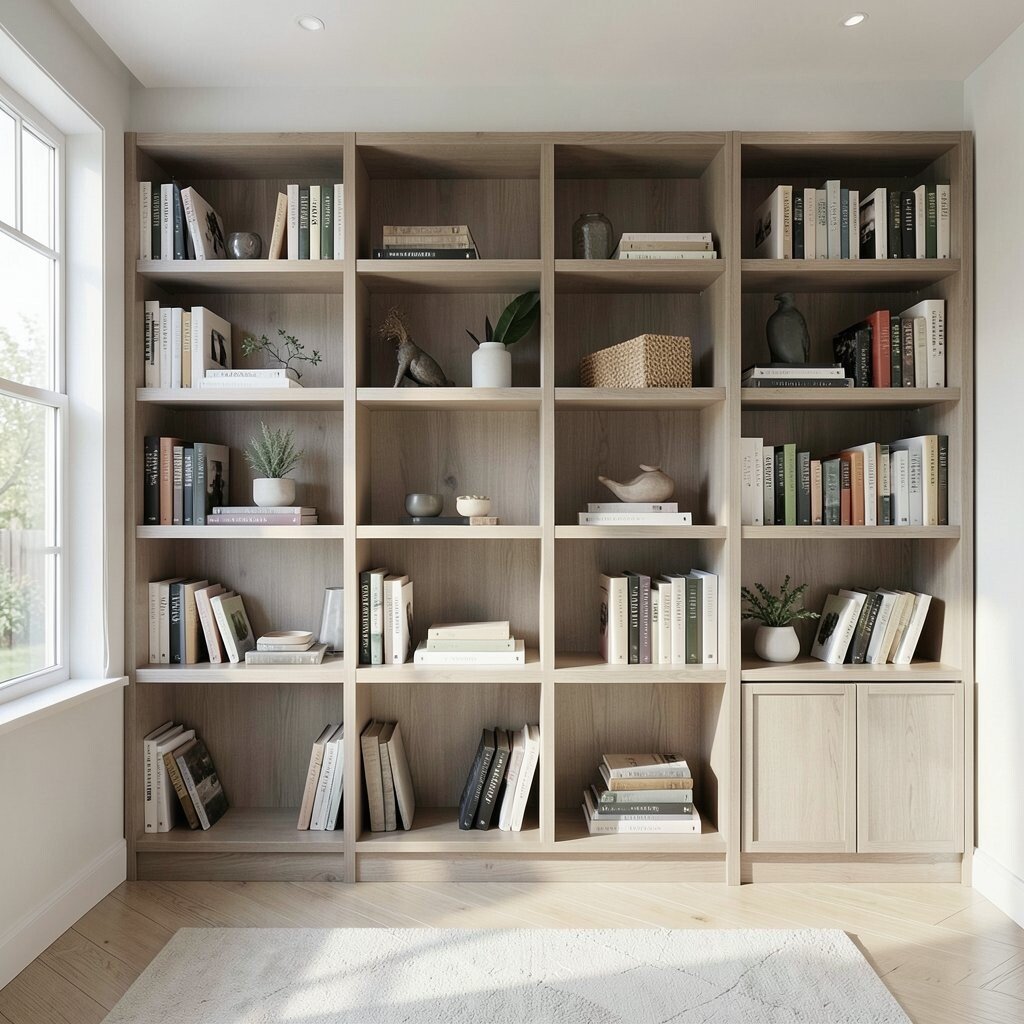
Open shelves can look nice at first, but they need care to stay neat. If they hold too many things, they can quickly turn into a messy wall.
Mix open shelves with closed storage so some items stay hidden. This gives you room for books, decor, and daily items without making the room look crowded.
Open shelves work best when they hold a few items with space around them. That empty space helps the display feel calm and easy to enjoy.
22. Forgetting to Make the Room Personal
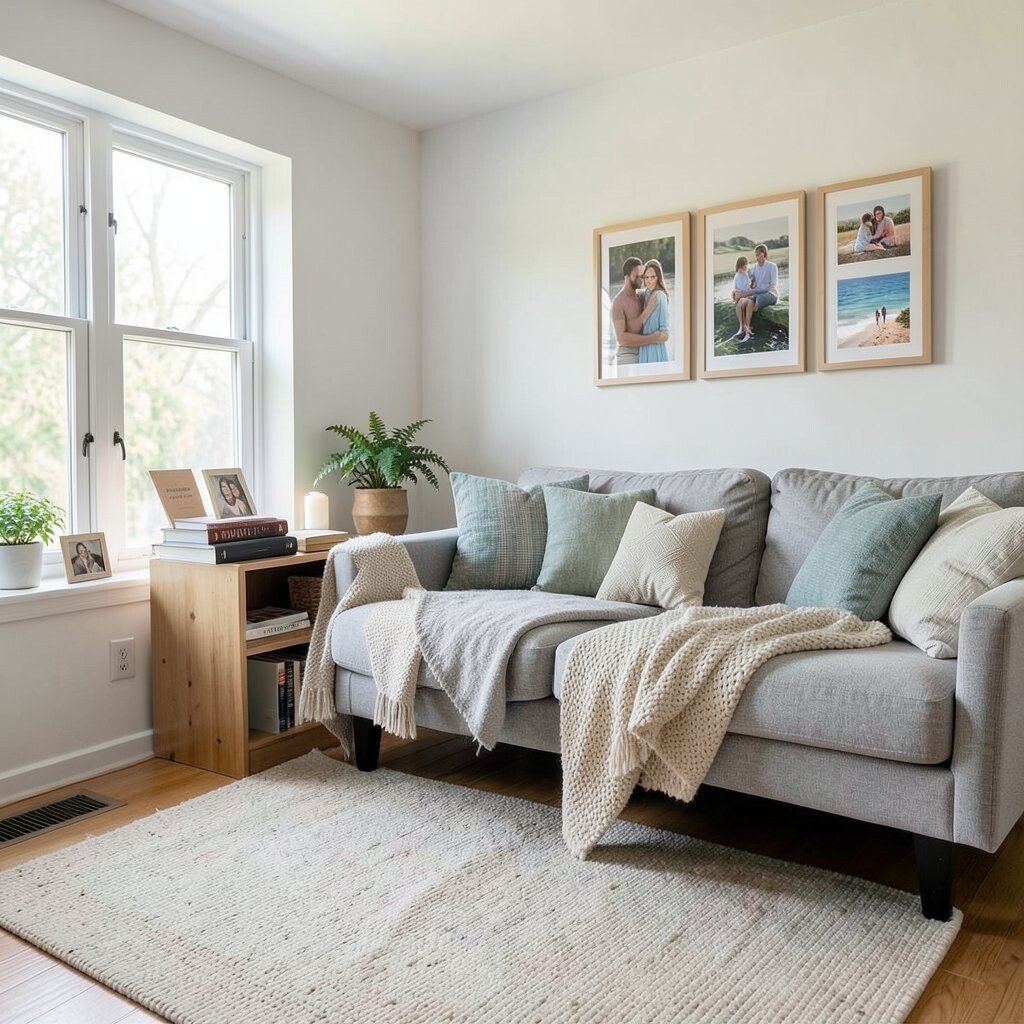
A room can be well designed and still feel like a showroom. If it has no signs of the people who live there, it may feel cold or hard to connect with.
Add things that tell your story, like family photos, travel items, favorite books, or art you like. These small details make the room feel more real and more welcoming.
Personal touches do not have to cost much. Often the best items are already in your home, just waiting for a better spot.
23. Overlooking Small Fixes That Matter
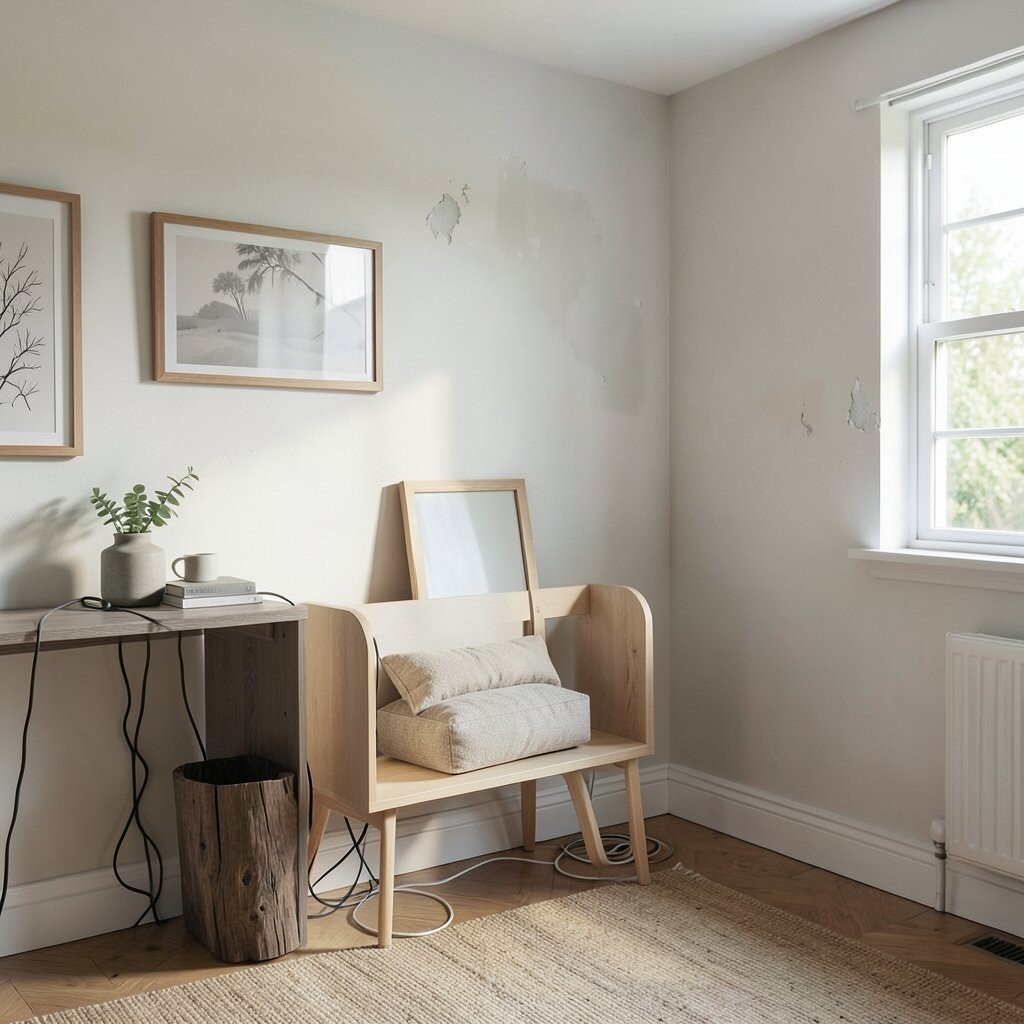
Loose cords, crooked frames, and chipped paint can pull attention away from the whole room. These small problems may seem minor, but they can make a space feel less cared for.
Take time to fix the little things after the main design is set. Tidy cords, patch marks, and straightening items can make the room look much cleaner.
These fixes are often low cost and easy to do. They can give a room a more finished look without buying anything new.
24. Ignoring How the Room Feels at Different Times
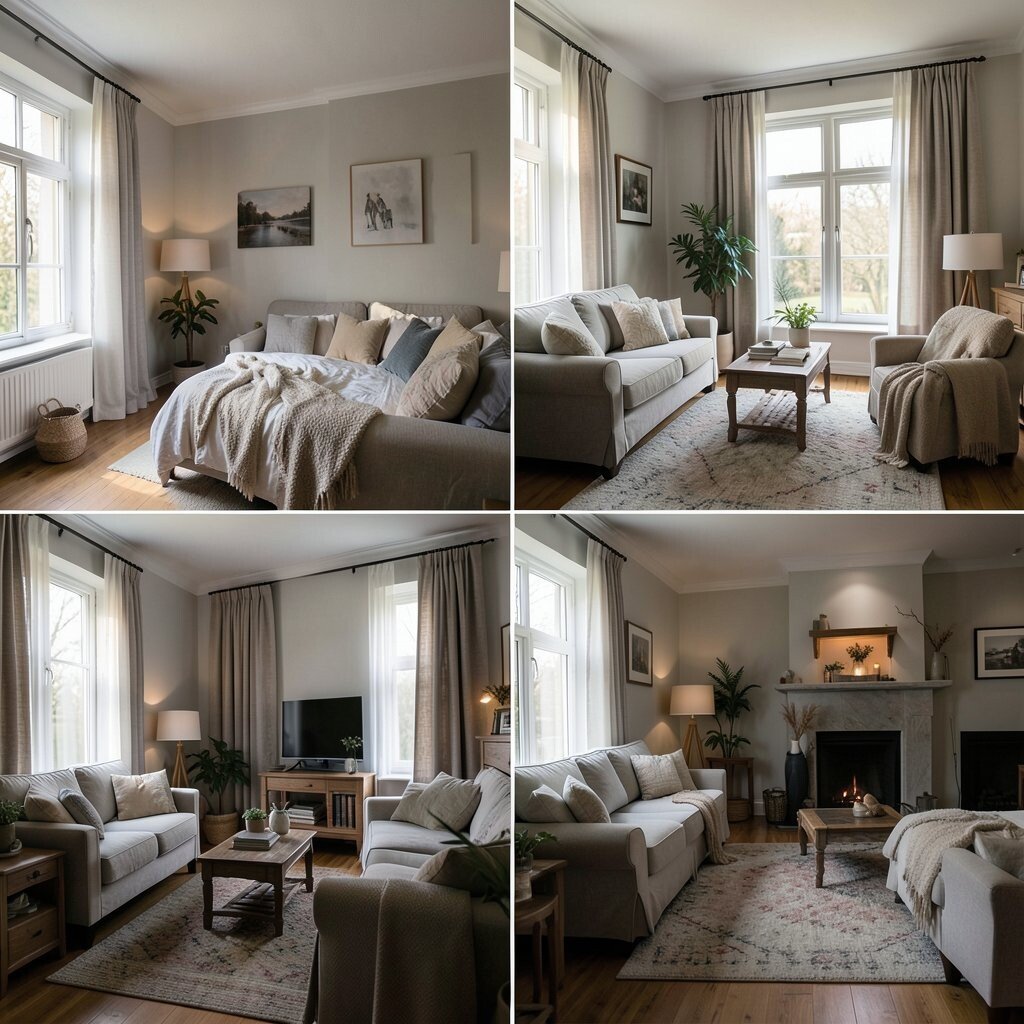
A room can feel good in the morning and less good at night. Light, shadows, and daily use can change how the space looks and works during the day.
Check the room at different times before you call it done. Sit in it, walk through it, and notice if any spots feel too dark, too bright, or too crowded.
This helps you make smarter choices about lamps, curtains, and furniture placement. It also helps the room fit real life instead of just a photo.
25. Trying to Make the Space Do Too Much
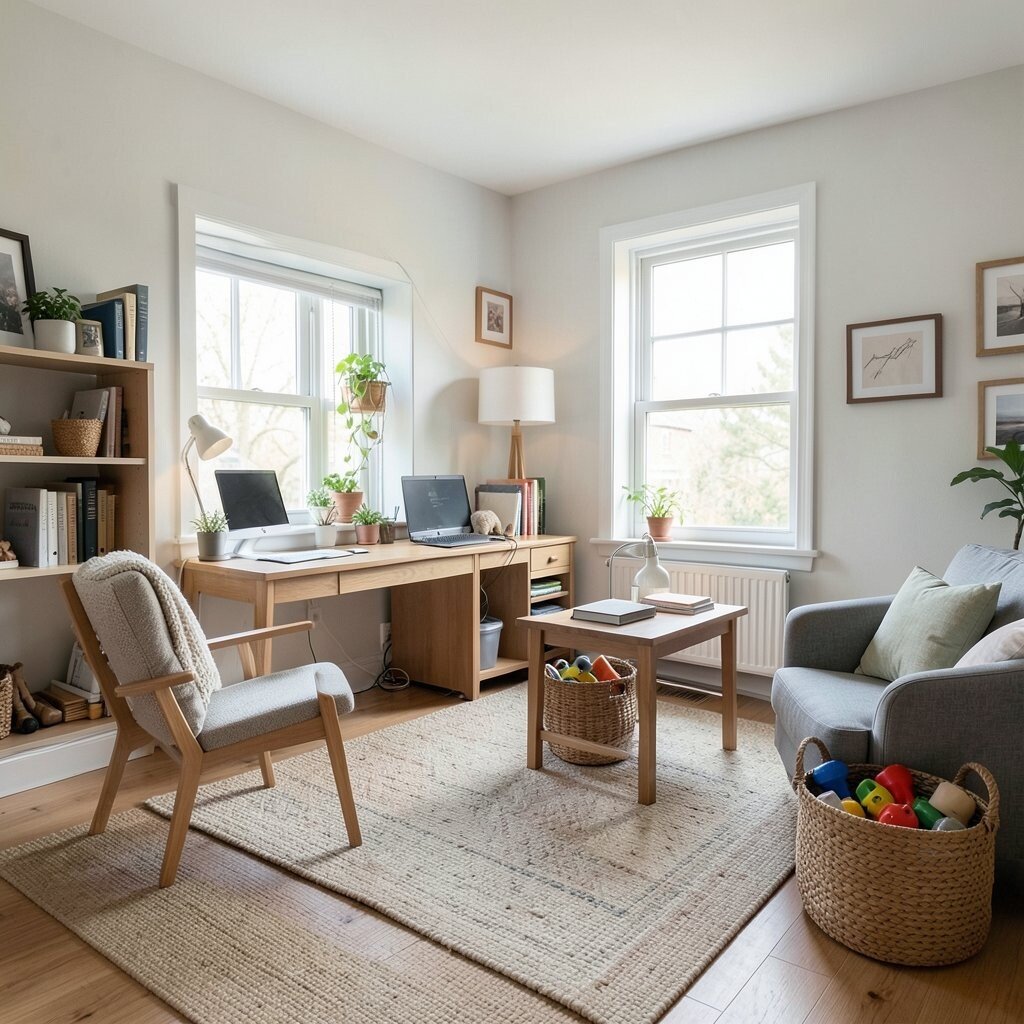
A room can get messy when it has too many jobs at once. If one area must be a office, storage spot, play area, and lounge all at the same time, it can feel stressful.
Try to give each part of the room a clear role, even if it is a small one. A simple chair for reading, a table for work, or a basket for toys can help each zone feel more useful.
This can make the room easier to live in and easier to keep neat. It also gives you a better chance to add style in a way that fits how you really use the space.