A home can feel calmer the moment the rooms start working together. The best layouts don’t just look nice; they make daily life easier.
1. The Central Living Spine

Picture your living room acting like a friendly hub, with doorways and sightlines leading to kitchen, dining, and hallway. You move around with fewer detours, and guests naturally find their way without constant directions.
Choose a simple furniture path so traffic can pass behind seating, not through it. Keep bulky pieces centered away from door swings, and use a soft rug to guide steps from entry to couch. For personalization, match the rug pattern or throw colors to your kitchen tiles so the whole space feels like one flowing story.
2. Kitchen With a Clear Work Triangle
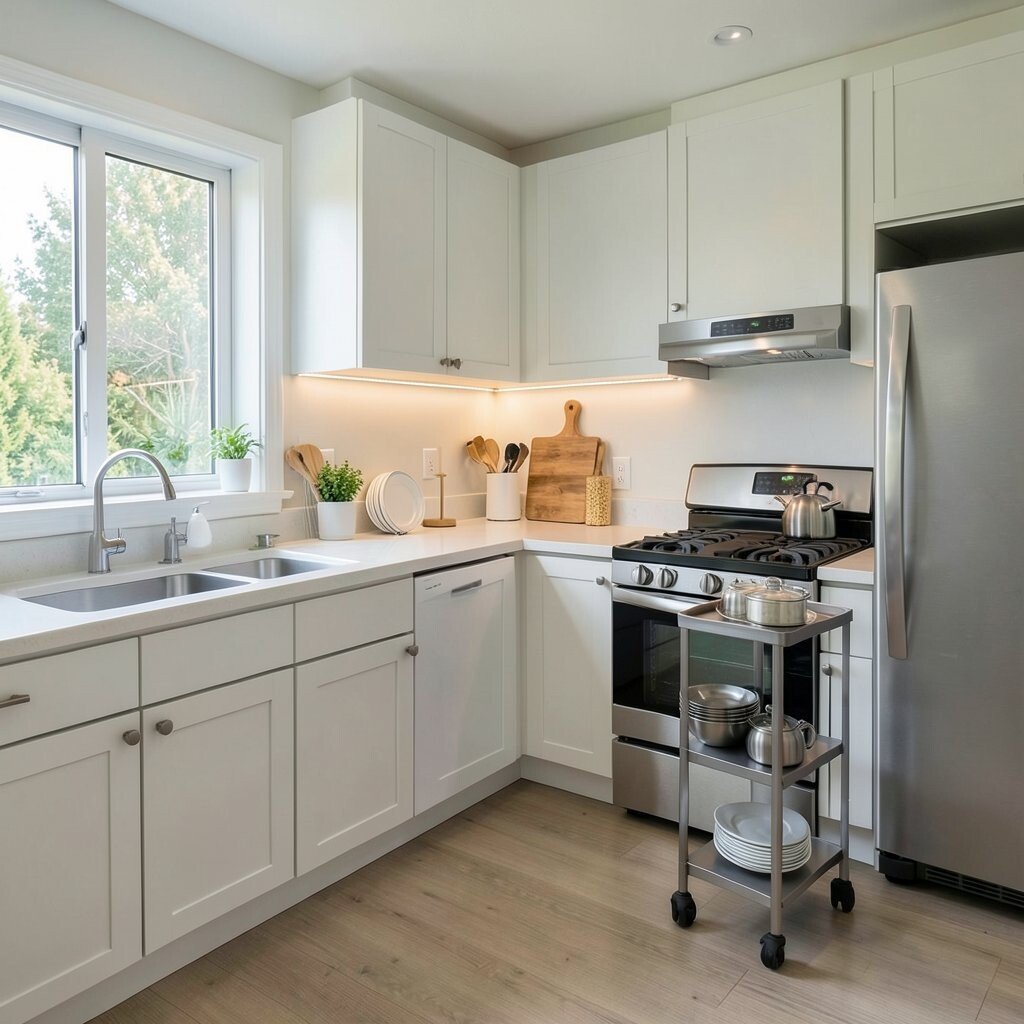
Your sink, fridge, and stove can form an easy triangle that helps you cook without backtracking. You’ll notice how quickly tasks connect when you’re not walking long loops.
Place the cutting board near the sink, and store plates within an arm’s reach of the prep zone. Use a rolling cart for extra small appliances so the counter stays open for daily use.
For cost control, focus spending on one big upgrade like better lighting or drawer organizers rather than replacing everything at once. A current trend is layered task lighting, so try a small under-cabinet LED strip to make the work triangle feel bright and modern.
3. Zoned Open Plan With Defined Edges
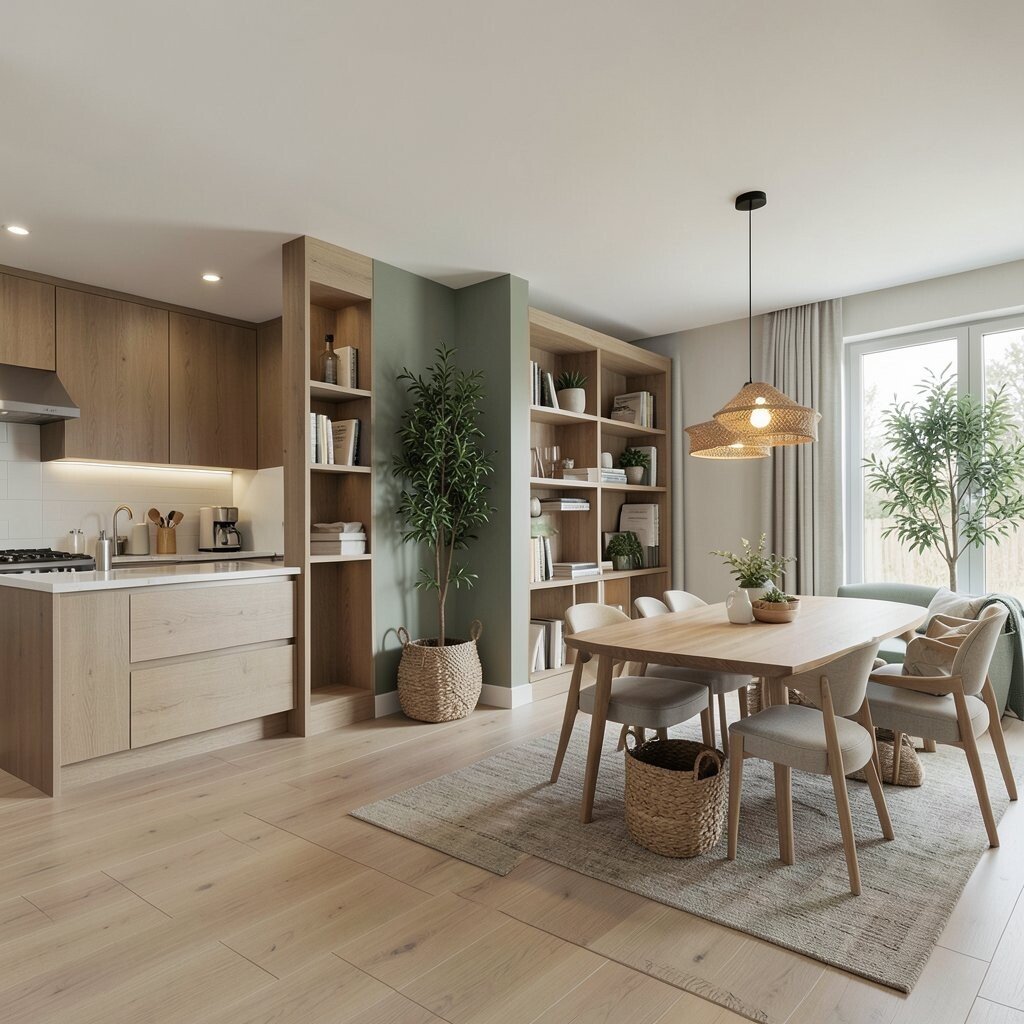
An open plan can still feel organized when each area has a clear “job.” Imagine the kitchen staying visually clean while the living section feels cozy and separate.
Use a half wall, a bookcase, or even a tall plant cluster to create gentle boundaries without building a maze. Position seating so conversations face inward, and let dining lighting mark the table as the social anchor.
To personalize, repeat one color across both zones, like warm wood tones or soft sage accents. This approach is popular right now because it keeps the airy look while making clutter less noticeable, especially for people who like hosting but also need calm mornings.
Keep storage near the dividing edge so everyday items don’t drift into the whole room. Add baskets in matching styles to make the boundary look intentional and tidy.
4. Entryway Drop Zone That Actually Holds
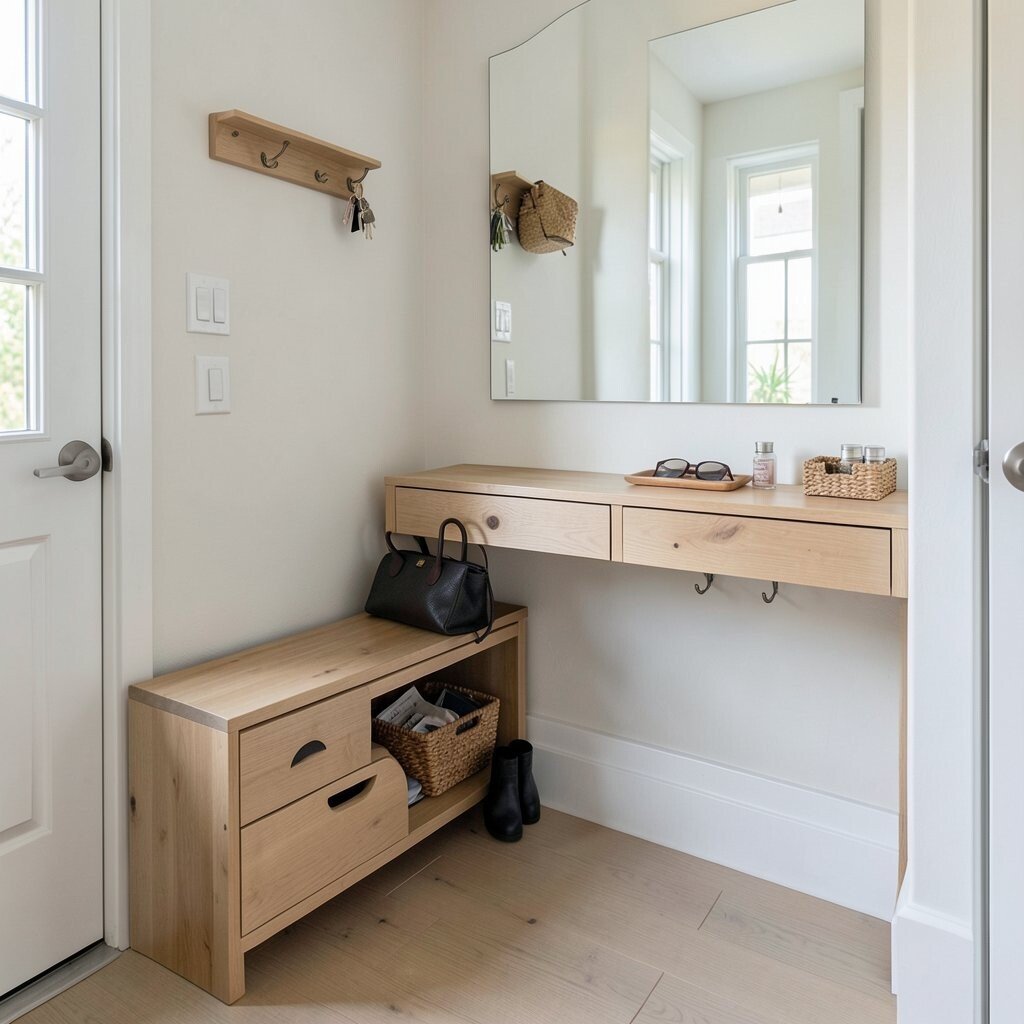
Your front door area can either turn into a pile or become a smooth landing. A dedicated drop zone helps keys, bags, and mail land in one predictable spot.
Install a bench with drawers, or use a narrow console with hooks plus a small basket shelf. Add a wall mirror at eye level to make the space feel bigger, and place a small tray so you can set down sunglasses and loose change every day.
5. Bedroom Calm With Nightstands on Both Sides
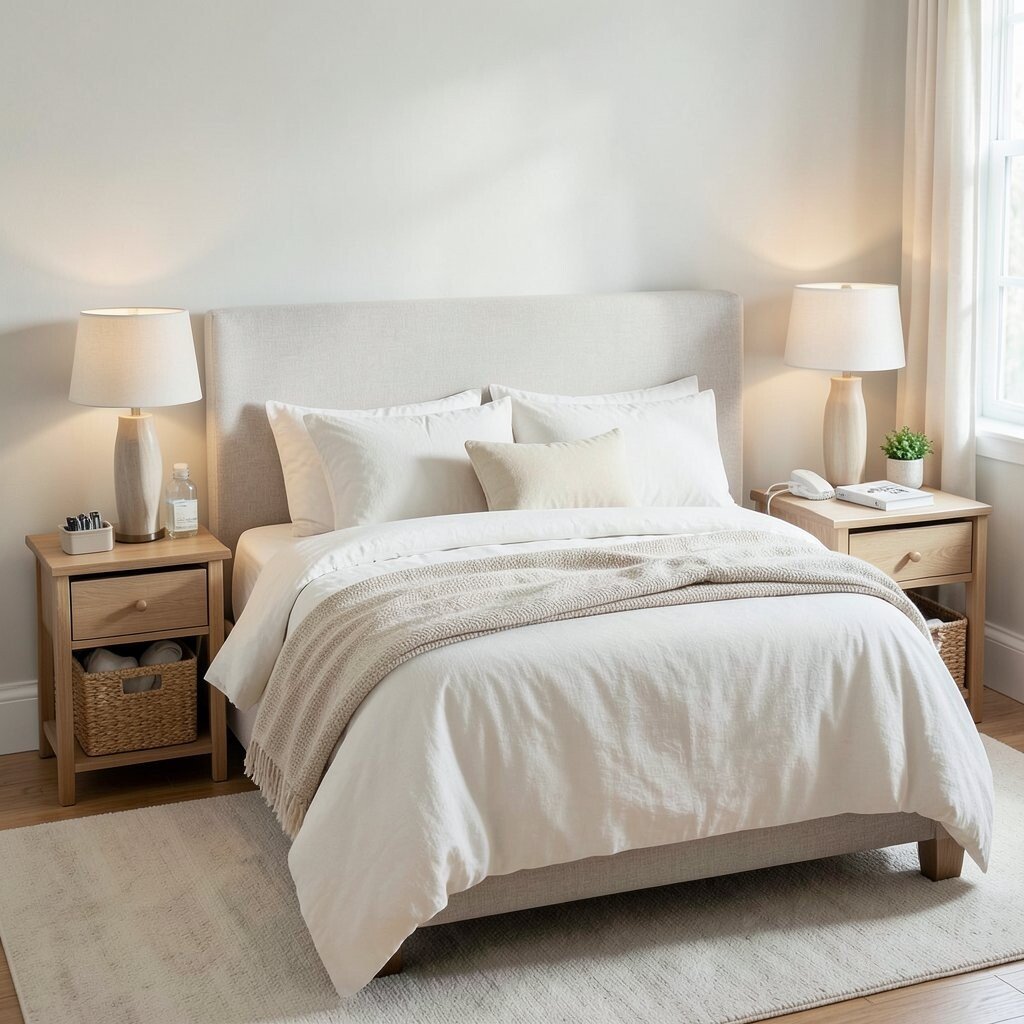
Think about how nice it feels when your essentials are within reach at night. With matching nightstands, the bed area looks balanced and bedtime becomes smoother.
Keep a lamp, water, charger, and book on each side so you don’t reach across the room. Choose storage that fits your habits, like a shallow drawer for everyday items or a lidded box for chargers and small clutter.
For personalization, pick hardware that matches your wardrobe knobs so the room feels carefully put together. Many people are leaning into “soft function” right now, where practical storage blends with calming textures like linen, woven baskets, and warm whites.
6. Bathroom Storage Near Daily Paths
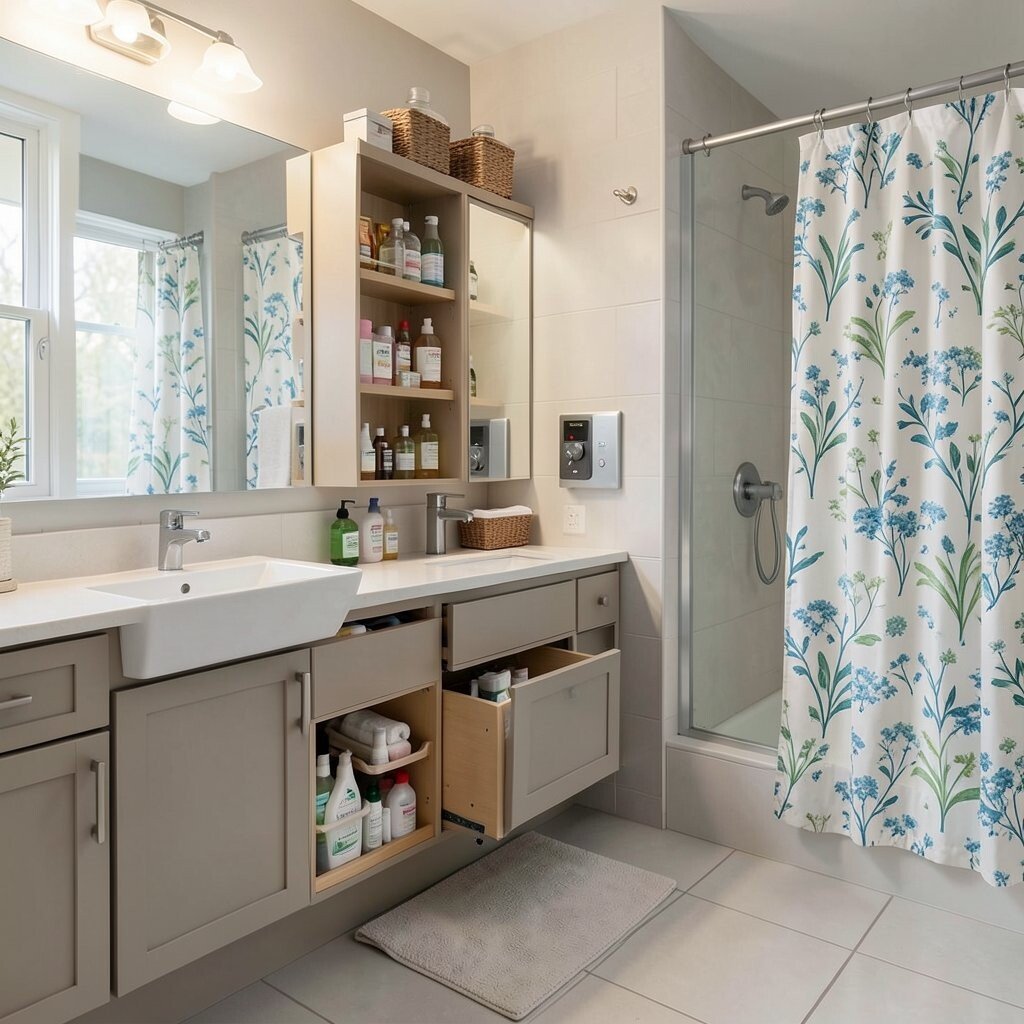
A bathroom layout feels effortless when storage lines up with what you do every morning. Instead of hunting for items, everything sits along your natural routine.
Place frequently used items at counter height, and reserve taller shelves for less daily supplies. Use a cabinet with pull-out drawers or bins so you can see what you own.
Consider adding a slim drawer under the sink for cleaning basics and spare toiletries, which saves time during busy weeks. If you’re on a budget, improving lighting and adding a mirrored cabinet can create a bigger feel without major renovations.
A modern trend is using labeled pull-outs and refill stations so bathrooms look tidy even when life gets messy. Personalize with scent and color accents that match your shower curtain and towels.
7. Laundry That Runs While You Live
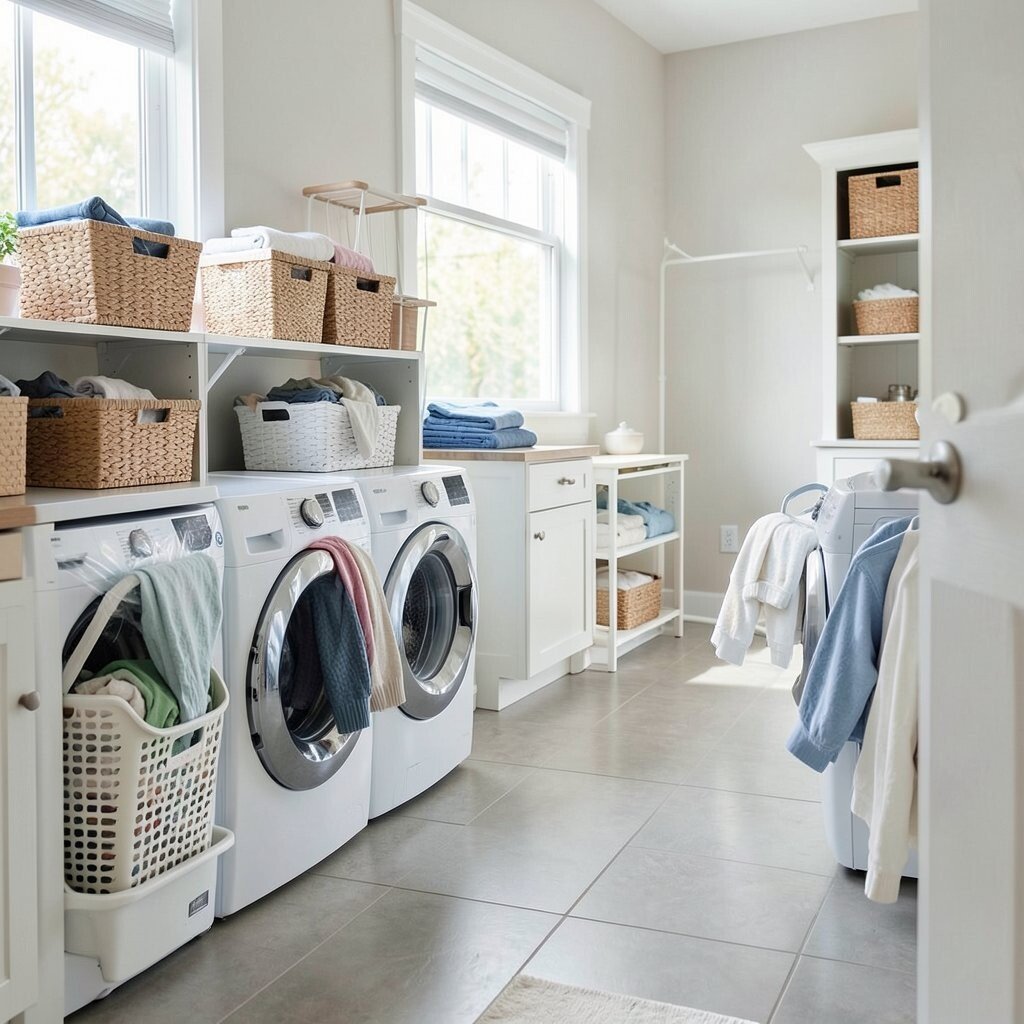
When laundry is placed along a main pathway, it stops feeling like a chore marathon. Picture a setup where dirty clothes can go in one direction and clean items move closer to bedrooms or closets.
Use a hamper system that sorts lightly, so you’re not doing heavy re-sorting every wash. A folding surface near the dryer helps you complete the task in one steady flow.
For cost considerations, consider upgrading washers and dryers only when needed, and focus on practical add-ons like shelves, baskets, and drying racks. Today’s trend favors visible organization, like matching baskets and open shelving that encourages consistent habits.
8. Dining That Scales for Real Life

Your dining area should handle quick meals and big gatherings without stress. Visualize a table that fits your space during everyday evenings and expands when friends show up.
Choose an extendable table or add a leaf that stores neatly in a cabinet. Keep chairs in a smooth arrangement so walking around doesn’t feel tight, especially during dinner parties.
For personalization, use a runner and centerpieces that match the seasons so the room feels alive. A current trend is mixing materials, like pairing wood chairs with a metal base, but you can keep costs lower by updating only lighting or fabrics first.
Store extra placemats and napkins nearby so you don’t scramble when guests arrive. If you have small space, consider a wall-mounted drop leaf for flexibility.
9. Living Room With Built-In Sight-Friendly Storage
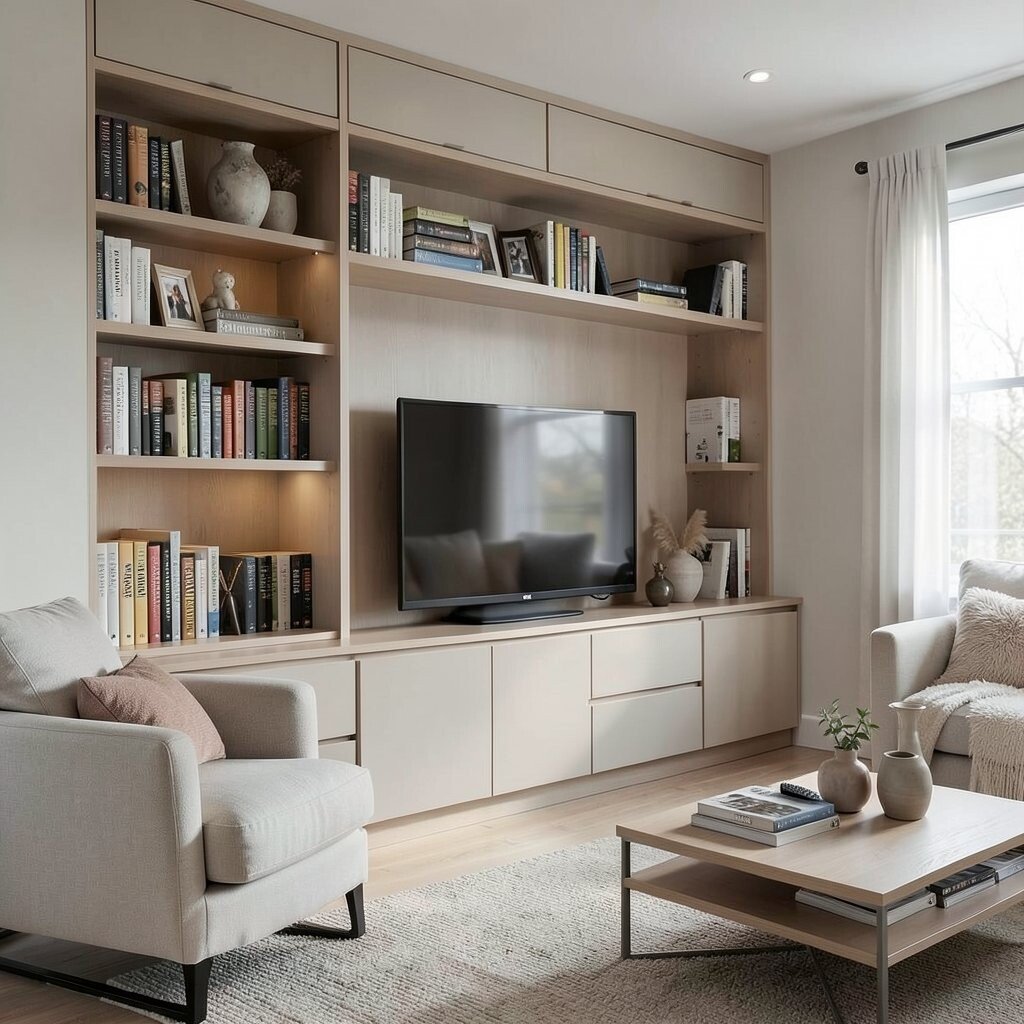
Built-in storage makes a living room look calm even when you have a lot going on. Imagine clean lines along one wall, with shelves that show books and hide games.
Put media storage at the same height you naturally reach for remotes, and leave a small open shelf for everyday items. Use the top shelves for decorative pieces you truly enjoy, while lower drawers hold clutter.
For uniqueness, mix display styles by grouping items in sets, like three small frames or matching vases. Many current designs lean toward “warm minimalism,” which means you keep storage functional but soften the look with texture and color.
10. Hallway That Earns Its Keep

Hallways often become forgotten zones, but they can do useful work without taking over the home. A thoughtful layout can turn them into a simple transition space with style.
Add a narrow console with a drawer for mail, plus hooks for coats so entry items don’t spread into rooms. Place a runner rug to reduce noise and make the hallway feel welcoming.
Personalize with framed photos at a comfortable eye level so it’s easy to enjoy every walk through. If you’re cost-conscious, try painting just the hallway wall behind the console, which gives a big impact without a full renovation.
11. Home Office With an “Open Door” Feel
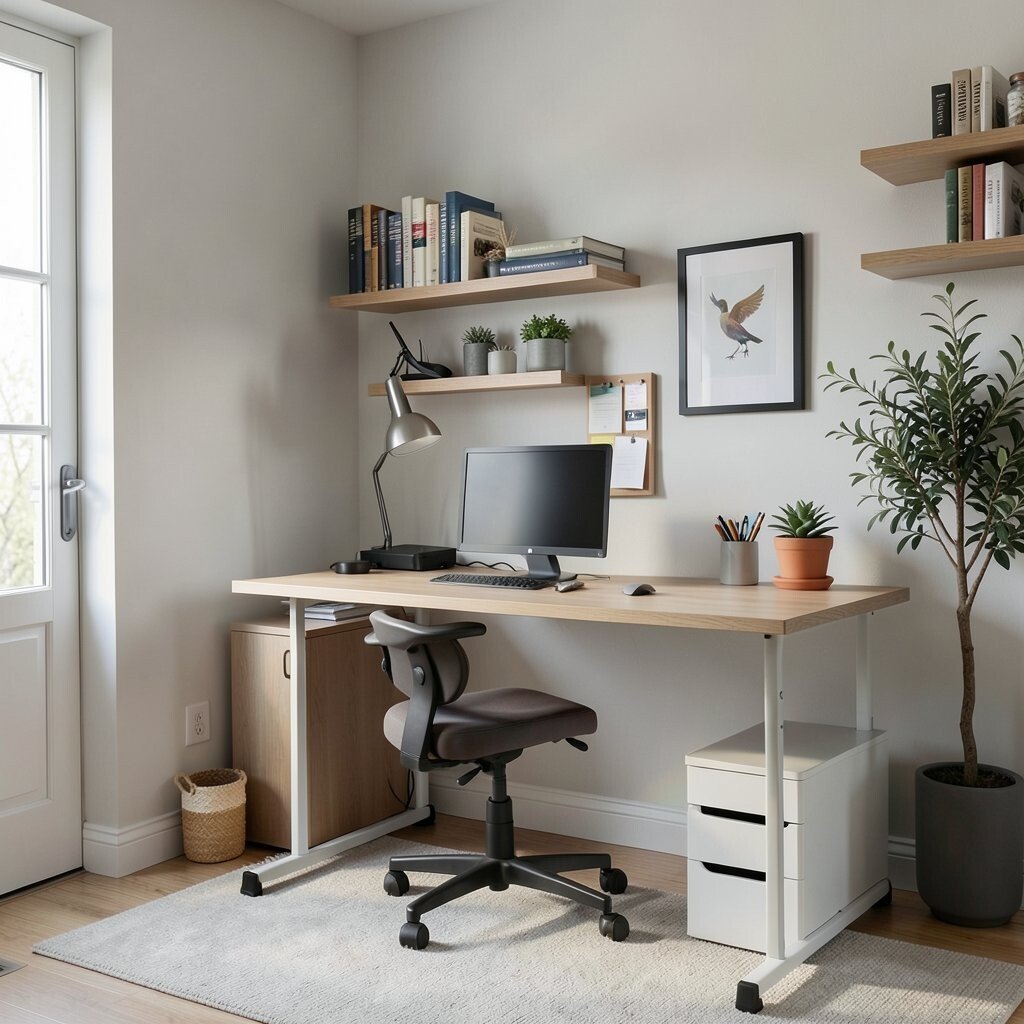
A home office should feel calm and reachable, not cut off and tense. When your desk faces the room, you get a lighter mood and fewer distractions.
Use a wall behind the desk for organizing, such as floating shelves for reference books and a small pinboard for reminders. Keep storage within arm’s reach so you don’t keep standing up for small things.
For personalization, add a window-friendly plant or a framed print that supports your work vibe. This layout matches a current trend toward “work anywhere” setups, but you can still keep it personal by using colors that match your living room.
If you share space, a foldable desk or a pull-out table can reduce cost and give the room a cleaner look at night.
12. Kids’ Zone With Easy Supervision Layout
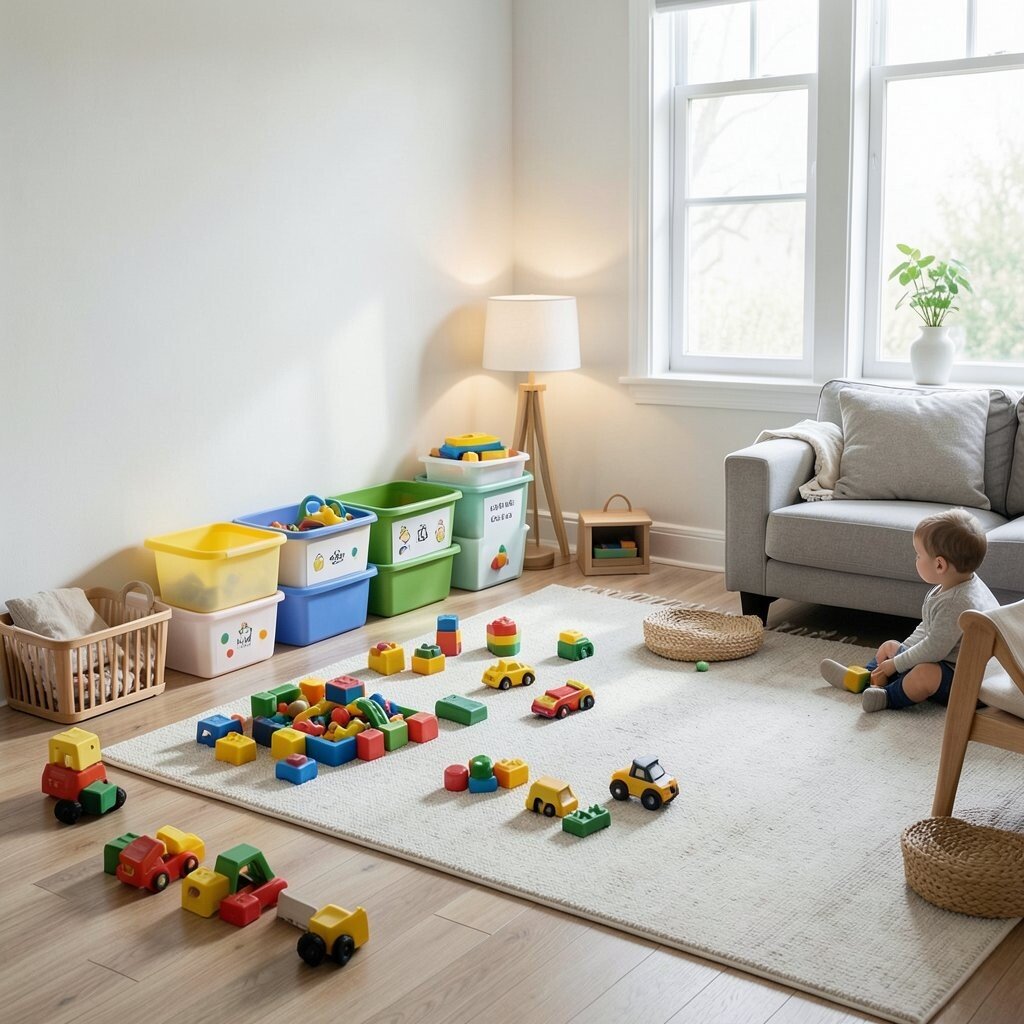
Play spaces work best when you can see what’s happening without constant walking. Imagine toys grouped by type so your eyes catch what needs attention.
Use low storage and an open floor area for play, with a small reading nook near a lamp. Place the toy bins along a wall, not scattered across the center, so cleanup feels quick.
For personalization, label bins with icons or color dots so kids can match items even if they can’t read everything yet. Many families are leaning into flexible zones now, where the room can switch from play to homework by moving one rug and a chair.
Keep a small caddy near the couch or bedtime area for daily favorites, which reduces clutter explosions during busy evenings. Consider spending on durable bins and soft lighting rather than buying too many toys at once.
13. Guest Room That Feels Like a Mini Suite

A guest room can feel welcoming when it has a real routine for visitors. Think about an uncluttered layout where sleeping, storing, and relaxing all have a spot.
Place a luggage rack near the closet and add a small nightstand with a charging station. Keep a chair near a window or corner so guests have a comfortable place for tea, reading, or a quick call.
For cost considerations, you can upgrade the feel with fresh bedding, a warm lamp, and blackout curtains rather than buying new furniture. A current trend is “hotel-style warmth,” where layers like throws and coordinated baskets make the room feel ready anytime.
Personalize with a basket of local snacks or a small guidebook of your favorite nearby places. This small touch makes the space unique without costing much.
14. Closet Layout With Immediate Daily Access
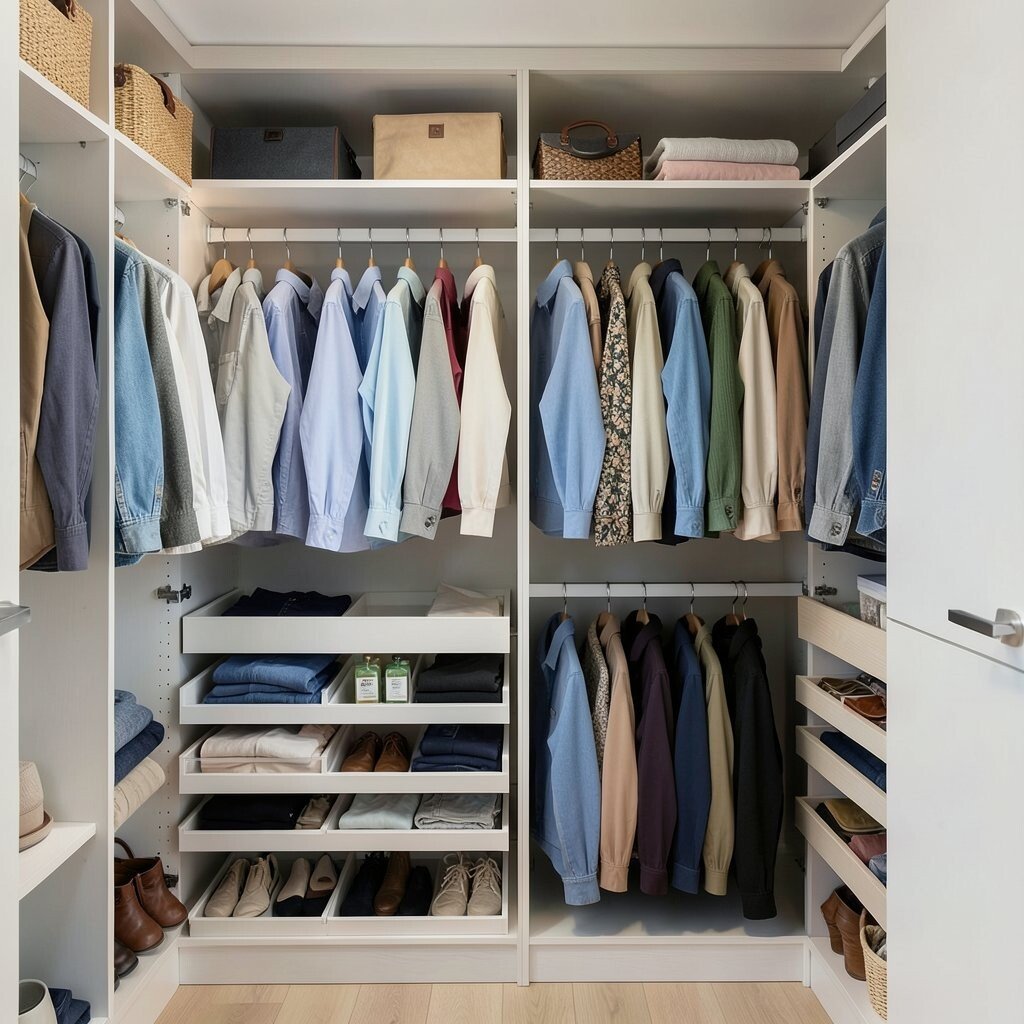
A closet becomes easier when you arrange items by daily use instead of by guesswork. Picture your favorite outfits on the front rail and less-used items tucked farther back.
Try a split system where shirts, daily wear, and accessories are reachable at standing height. Add drawer dividers so socks, belts, and small items don’t turn into a messy pile.
For personalization, use scent sachets and matching hangers so mornings feel more pleasant. People are also leaning into modular closet systems now because they adapt as your needs change.
If you’re budget-focused, start with one upgrade like a front-rail improvement or drawer liners, then expand later when you know what you use most. Good lighting in the closet makes everything feel clearer and calmer.
15. Living Room Centered on a Cozy Conversation Circle
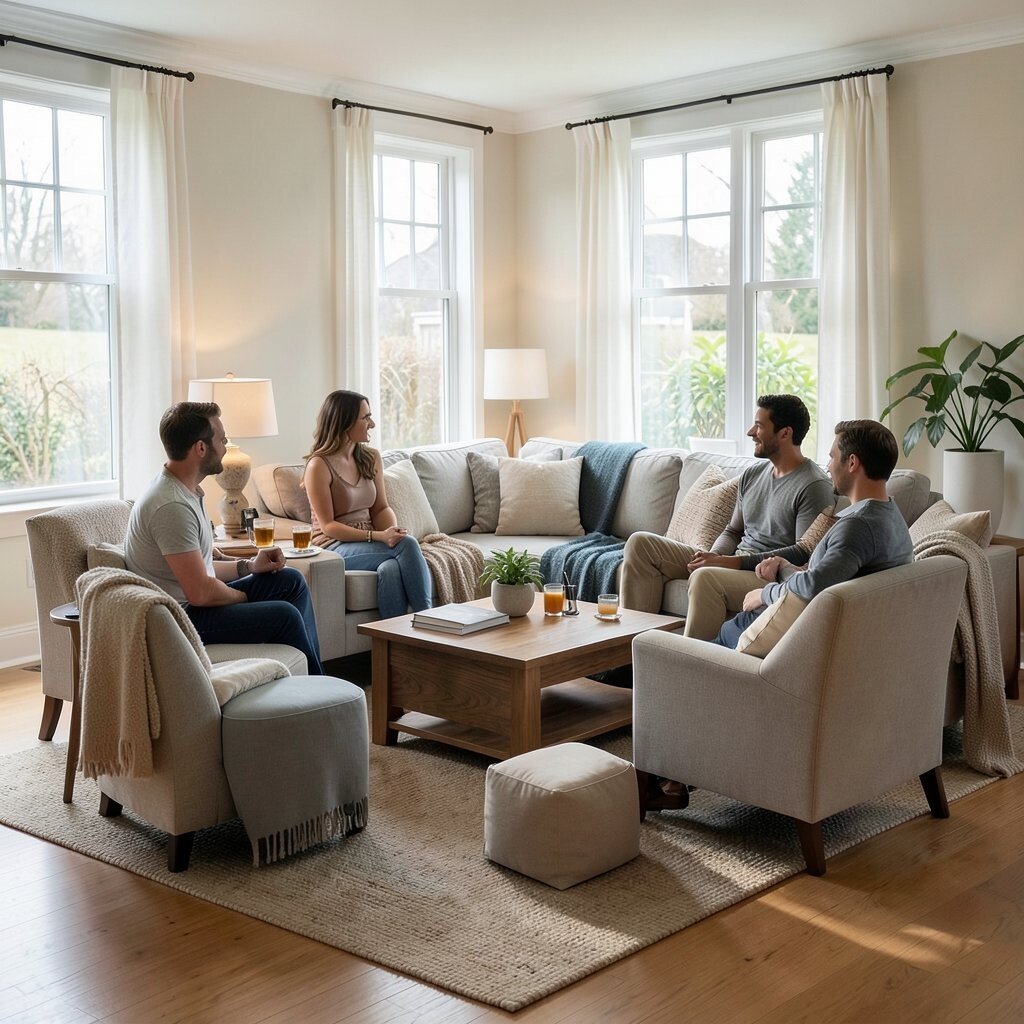
Furniture can guide your day in a quiet way when it’s arranged for easy conversation. Imagine a seating setup where everyone can talk without shouting and without awkward turning.
Place the coffee table close enough to reach, but not so close that walking feels tricky. Use two chairs facing the couch or build a U-shape with the layout so visitors feel included right away.
To personalize, use cushions and throws in a consistent palette and add one standout piece like an artful lamp. This style matches a trend toward “comfortable social spaces,” where the room feels inviting even on low-energy nights.
For practicality, keep a side table near each seat for drinks and chargers. Choose storage ottomans if you need extra space, because they hide clutter while staying useful.
16. Entry-to-Closet Connection for Fast Outfit Changes

Getting ready should feel quick, not chaotic, and your layout can help. A strong connection between entry, closet, and mirror makes it easier to grab what you need.
Place the mirror where you naturally pause before leaving, and position the nearest hooks for bags and coats. If your closet door is close, keep it open space-friendly so you can move in and out smoothly.
For personalization, keep a small tray for everyday accessories like sunglasses and hand cream. If you’re planning changes on a cost budget, repainting the wall near the mirror and adding better lighting can make the area feel updated without big purchases.
Current trend energy favors “one-minute organization,” where items live in zones designed for daily speed. That means fewer searches, fewer last-minute piles, and less stress.
17. Storage Wall With Multiple Roles
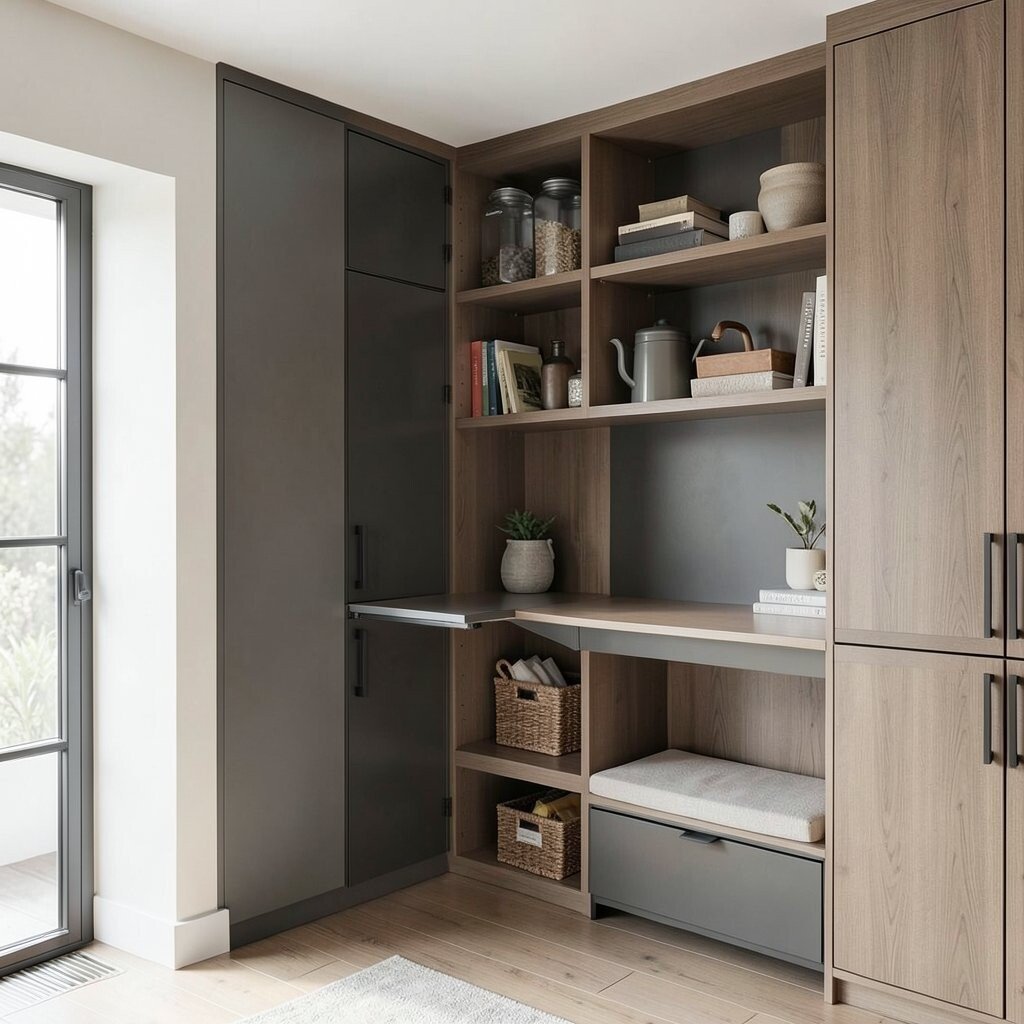
A storage wall can do more than hold things; it can shape how you experience your home. Imagine shelves, cabinets, and a few open sections that make the room feel both stylish and functional.
Put everyday items in the open or mid-level shelves, and keep seasonal items behind doors. If you need a desk spot, add a fold-down or pull-out work surface so the wall supports multiple needs.
Uniqueness comes from mixing materials like wood and matte metal, plus adding a built-in bench or reading nook. Many homeowners love this look now because it creates order without making the room feel empty.
To manage cost, measure first and plan around what you already have, then use shelves and inserts to improve your existing storage. Even one upgraded corner can change how calm your home feels.
18. Bathroom and Bedroom in a One-Floor Routine
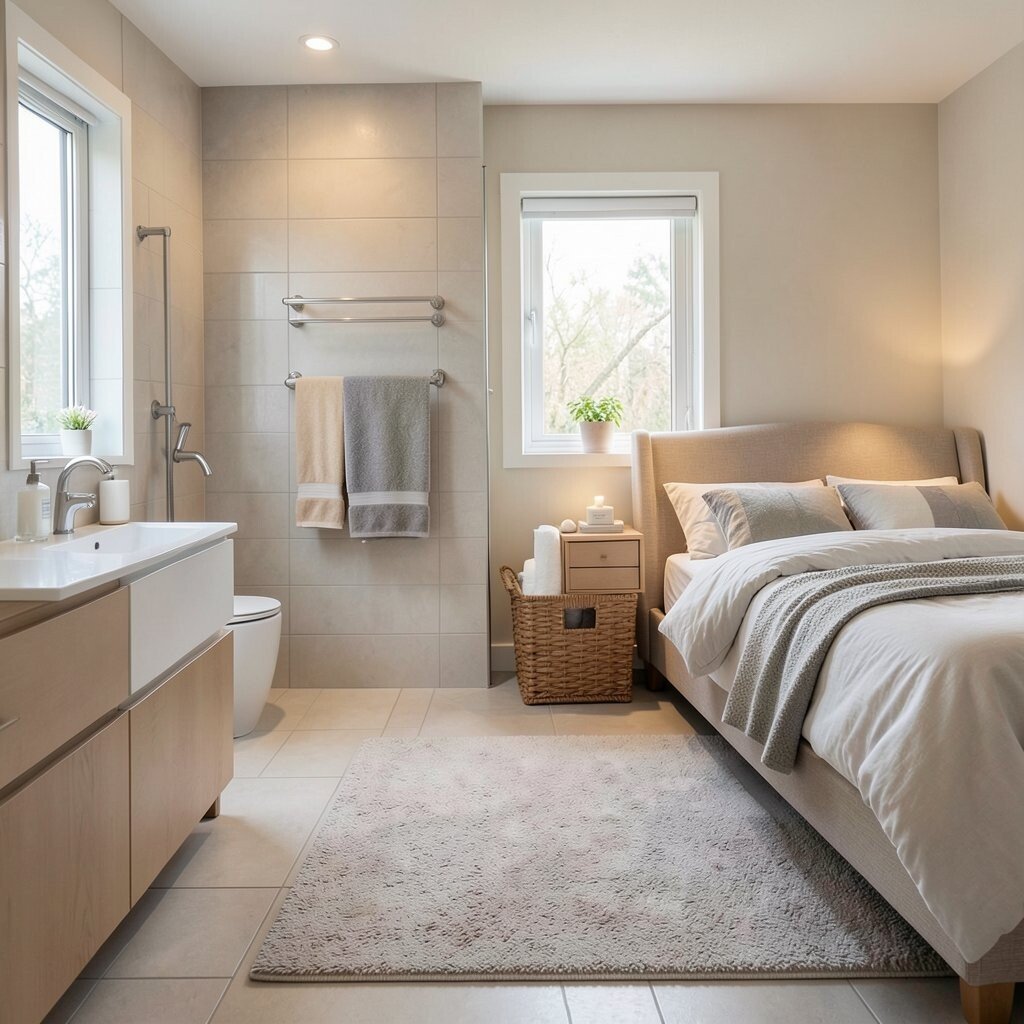
When the bathroom and bedroom connect through a simple path, mornings move smoothly. Visualize stepping out of bed and reaching the essentials without crossing the whole home.
Keep a small night basket or drawer for bedtime items so you’re not carrying things from room to room. Store spare towels and toiletries where you actually use them, not only where they look nice.
Personalization can be as simple as choosing matching towel colors and adding a soft rug that feels warm underfoot. This kind of practical routine fits today’s trend toward “slow mornings,” where comfort and calm matter as much as speed.
For cost considerations, focus on upgrades that change daily comfort, like towel bars, better ventilation, and lighting with warm color temperature. Those small improvements tend to feel like a bigger home right away.
19. Balcony or Patio That Becomes an Outdoor Room
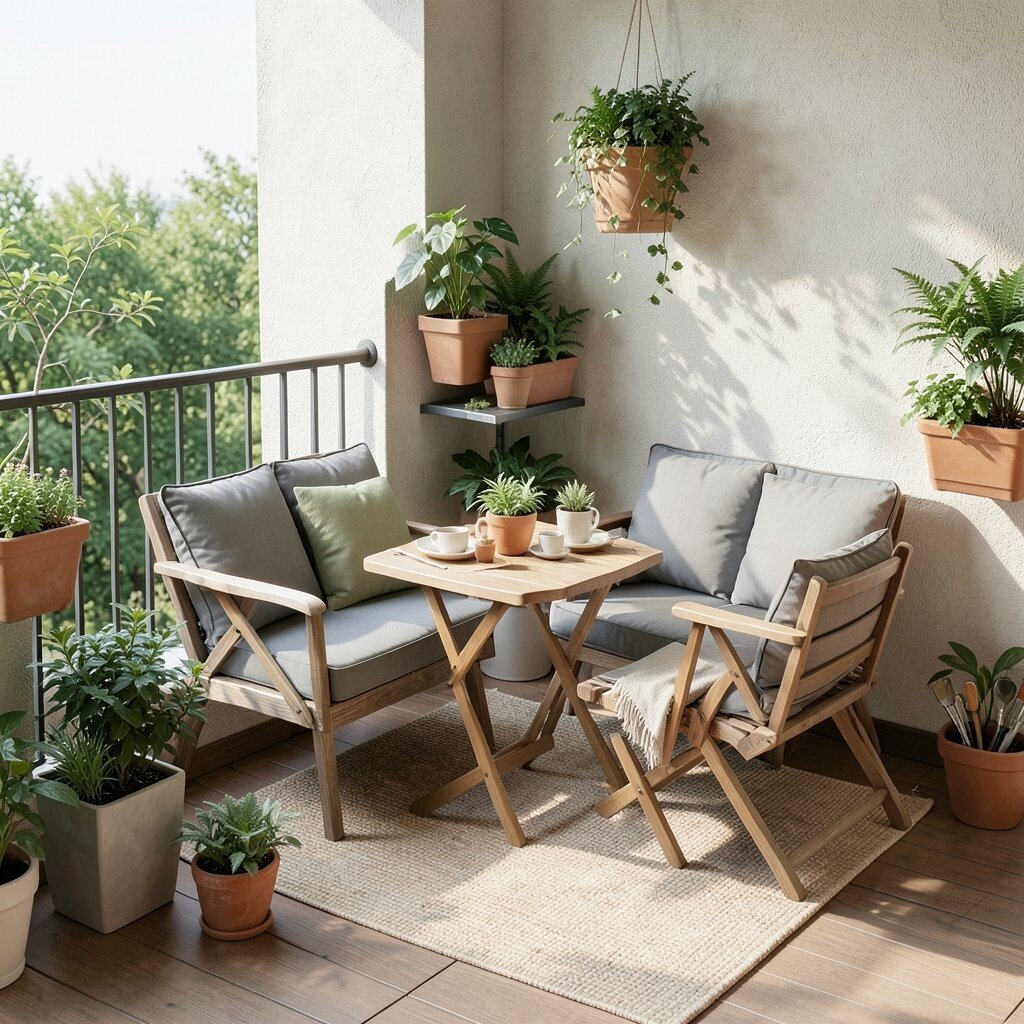
Outdoor space feels easiest when you treat it like a real room with a defined layout. Imagine a small corner for sitting, a spot for plants, and storage for seasonal items.
Arrange seating around a small table so meals or coffee feel natural. Use vertical storage like wall planters or slim shelving to reduce floor clutter.
For personalization, choose planters that match your indoor palette, and add a simple outdoor rug to create a “home” feel. Many current trends focus on biophilic touches, like more greenery and natural textures, even in small balcony setups.
To manage cost, buy weather-friendly covers and prioritize durable seating cushions. If you like flexibility, consider a foldable table or stackable chairs so the space stays usable year-round.
Keep a small bin for tools and extra items so the outdoor area stays tidy between uses. When your patio has a clear purpose, you’ll use it more often and feel happier at home.