
The right layout can make everyday life feel smoother. Small choices in placement and flow often lead to big comfort.
1. Define Zones With Visual Boundaries
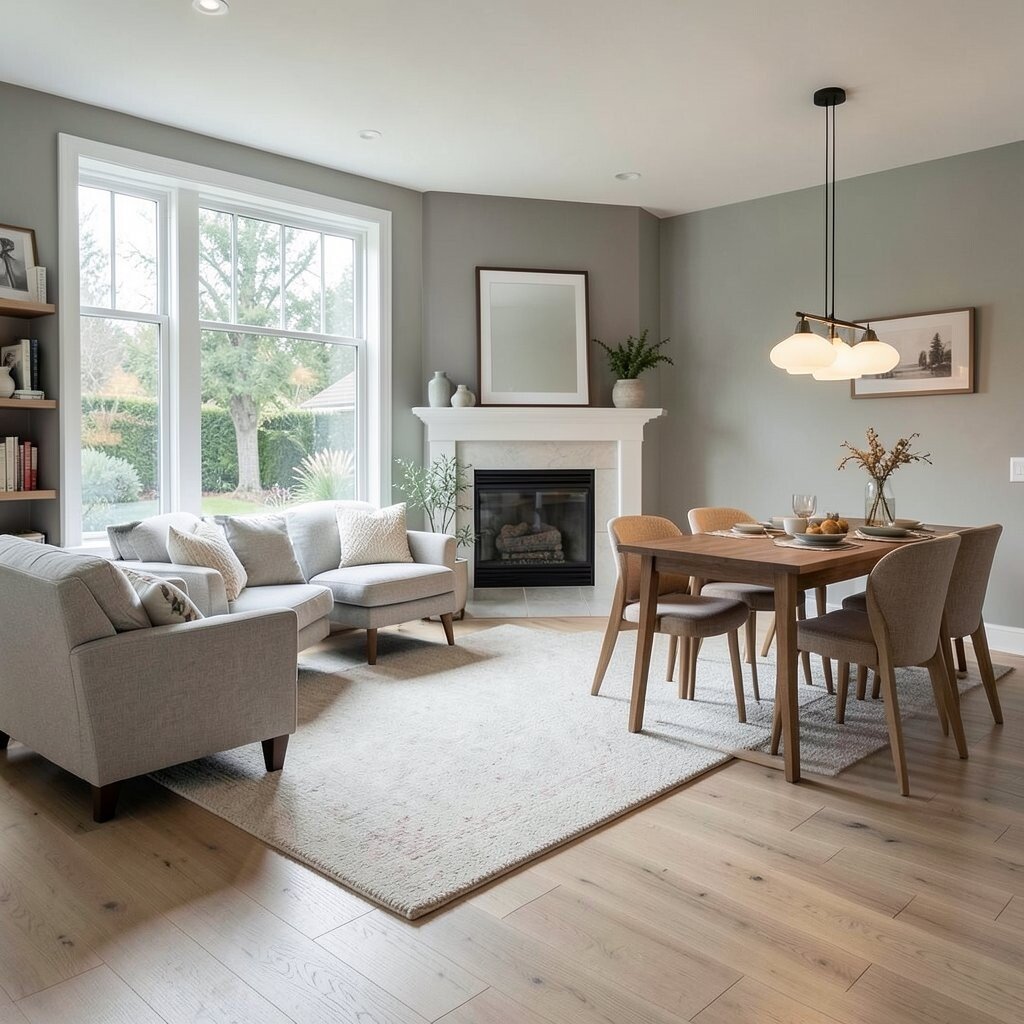
Pick a clear spot for each main activity so your home feels organized at a glance. Use a rug, a shelf line, or a slight change in wall color to guide the eye.
When zones look distinct, you waste less time deciding what goes where. Try placing seating around a focal point like a window or fireplace, then anchor the dining area with lighting that matches the mood.
2. Start With A Clear Walking Path
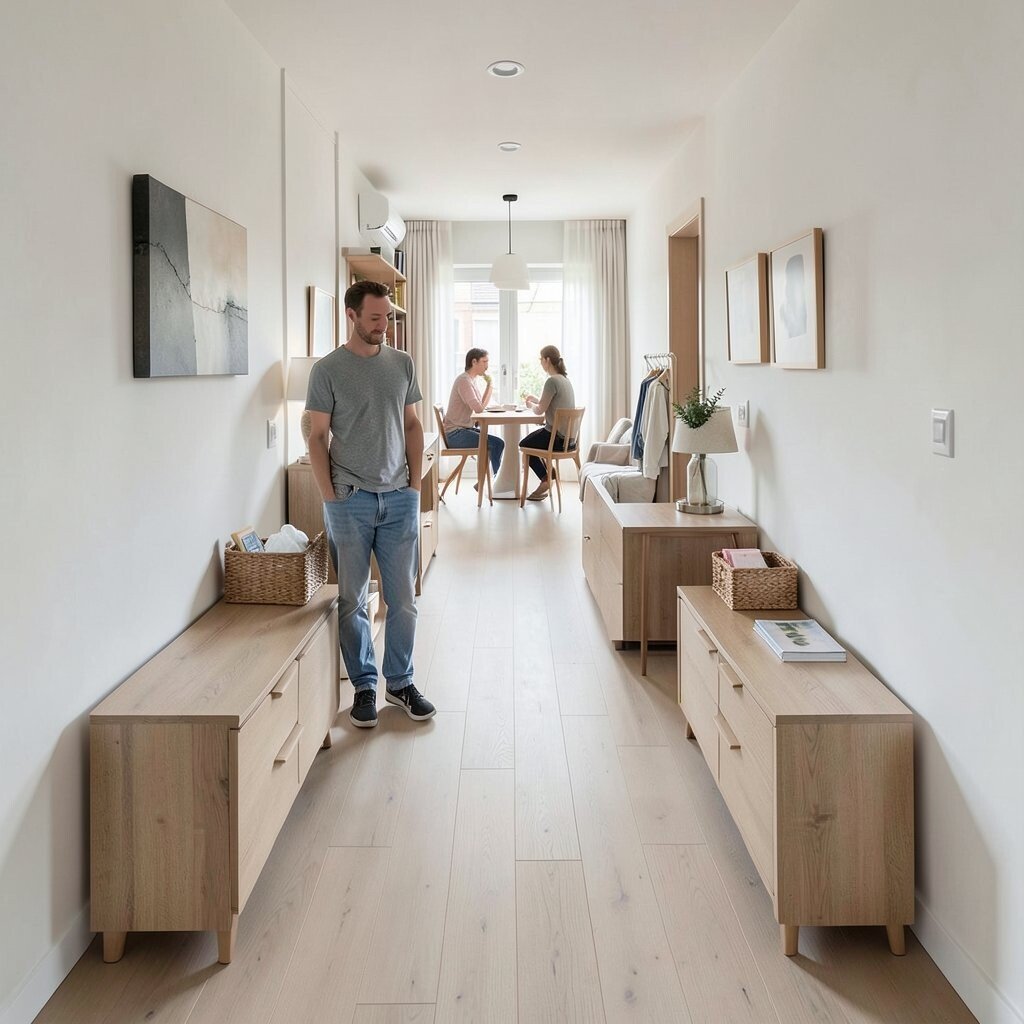
Measure your main routes and keep them open so movement feels easy. People notice friction fast, especially in hallways and between furniture clusters.
Leave enough room for chairs to pull out without hitting a table leg. If space is tight, use slimmer furniture and push pieces closer to walls in low-traffic corners.
To personalize it, map your daily routine on paper and mark where you carry laundry, groceries, or bags. A layout that supports how you actually move will feel effortless.
3. Create A Home Base For Daily Drop-Items
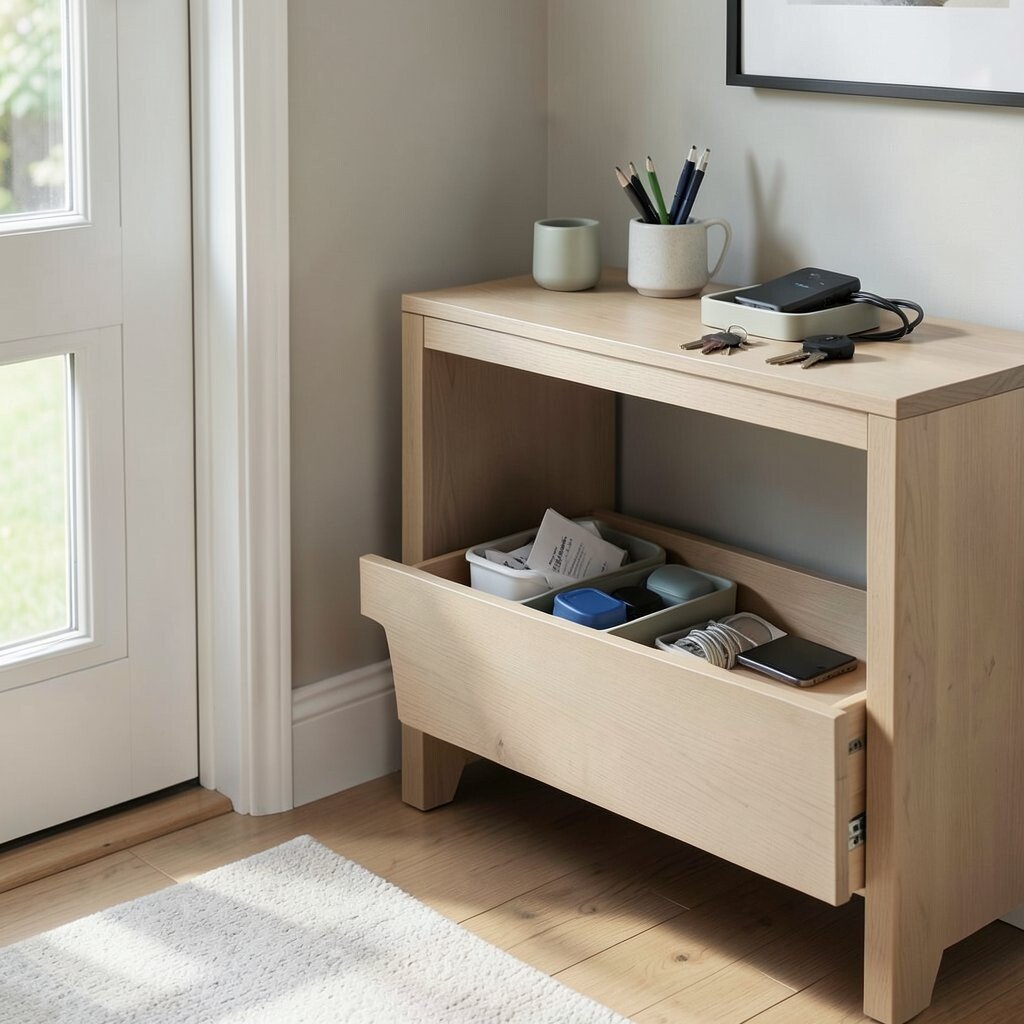
Choose one landing spot near the door so items don’t scatter across surfaces. A small console, a shallow cabinet, or even a bench with storage can do the job.
Dedicate trays for keys, mail, and chargers so you can reset in seconds. For a visual rhythm, match the trays in color or shape so the area looks calm.
If you love tech, keep a cable tidy organizer there and charge devices at night. Consider cost by starting with a single tray system before buying bigger storage.
Current trends lean toward “invisible organization,” meaning storage that looks neat and blends in. You can mimic that by using matching containers inside drawers rather than open bins.
4. Balance Light With Layered Lighting Placement
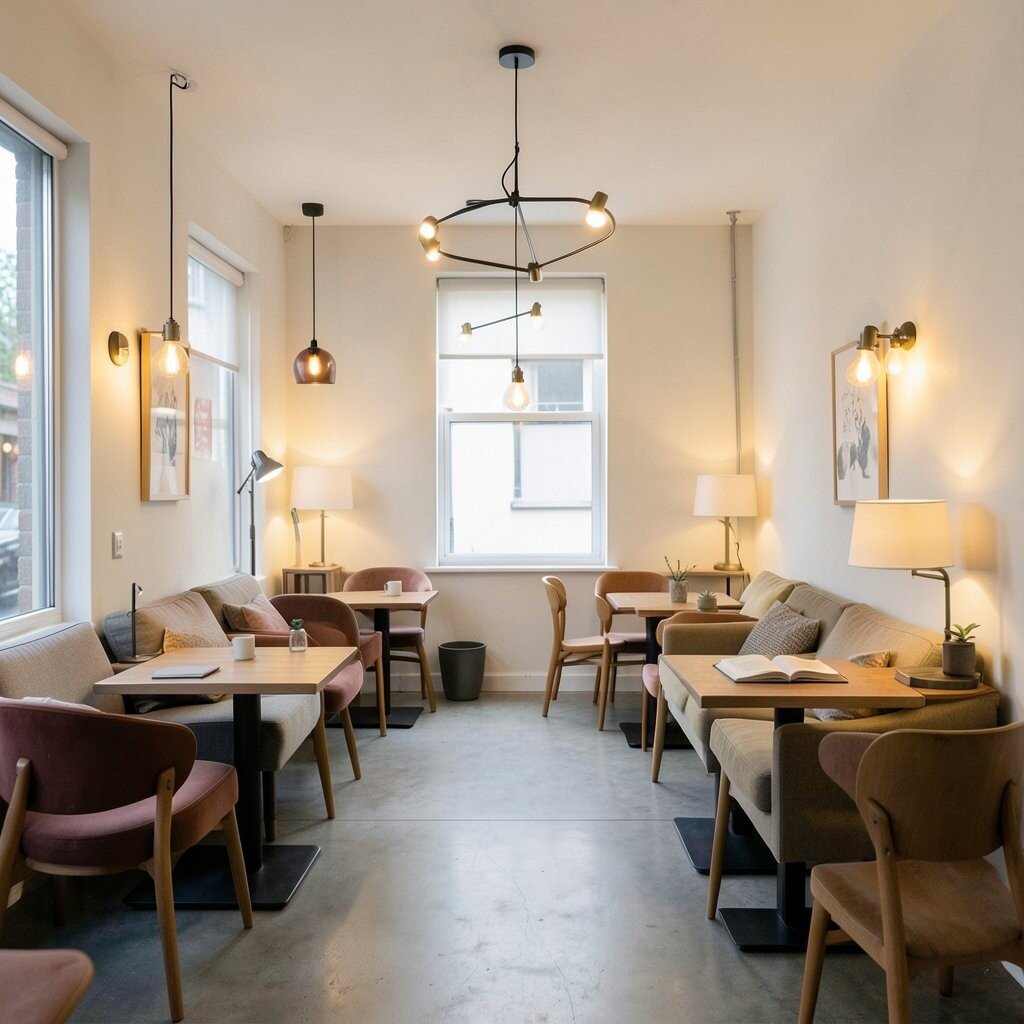
Place light sources at different heights so rooms feel bright without being harsh. Overhead lighting helps, but table lamps and floor lamps create warmth where you linger.
Position lamps near seating so you get task light for reading and soft light for evenings. If you like the look of a boutique café, use warm bulbs and aim light toward walls to add glow.
5. Use Multipurpose Furniture That Earns Its Place
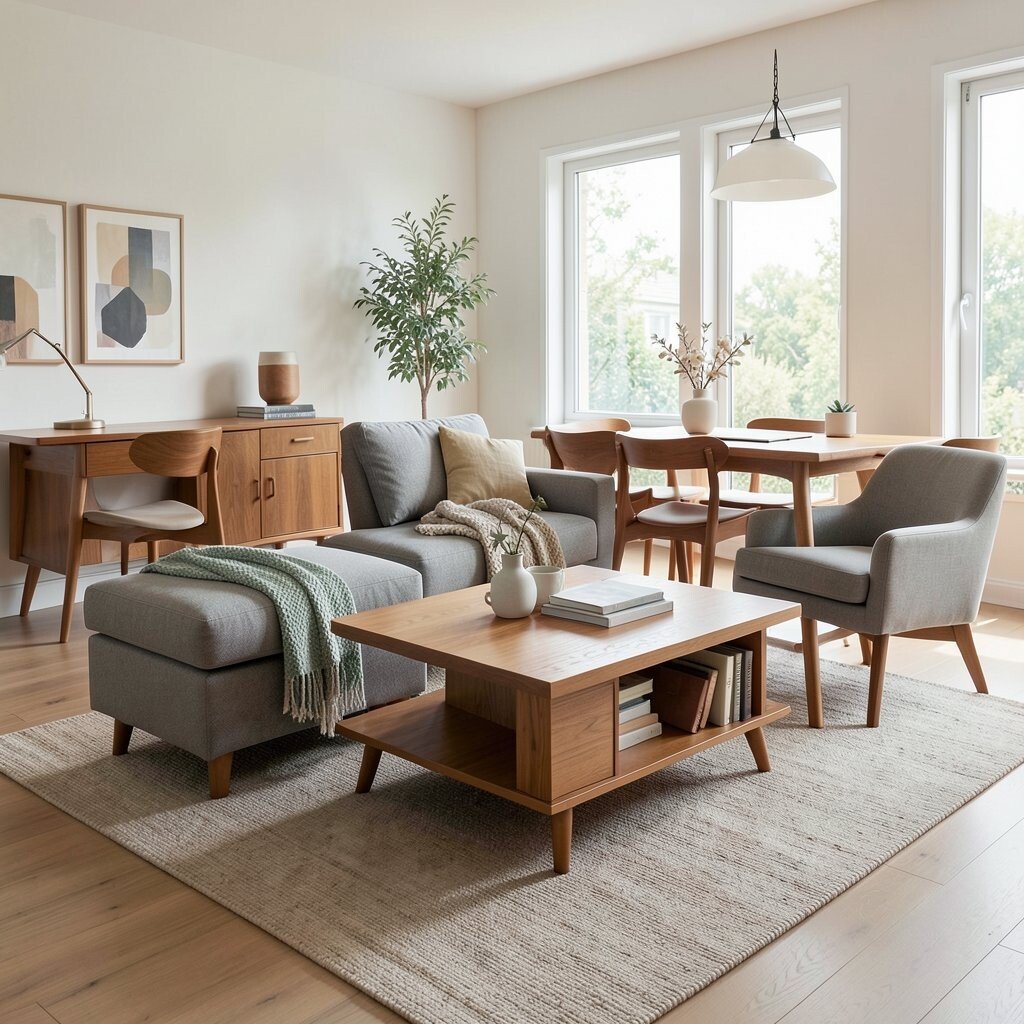
Choose pieces that do more than one job, like an ottoman that stores blankets or a dining table that doubles as a workspace. This keeps your layout flexible when life changes.
Look for designs with hidden compartments so clutter stays tucked away. A lift-top coffee table is especially helpful if you host often, because you can clear the surface quickly.
To personalize, match the multipurpose piece to your style, like mid-century wood tones or modern matte finishes. When planning cost, compare one smart multiuse purchase to the price of two separate items.
6. Align Furniture With The Room’s Natural Focal Point
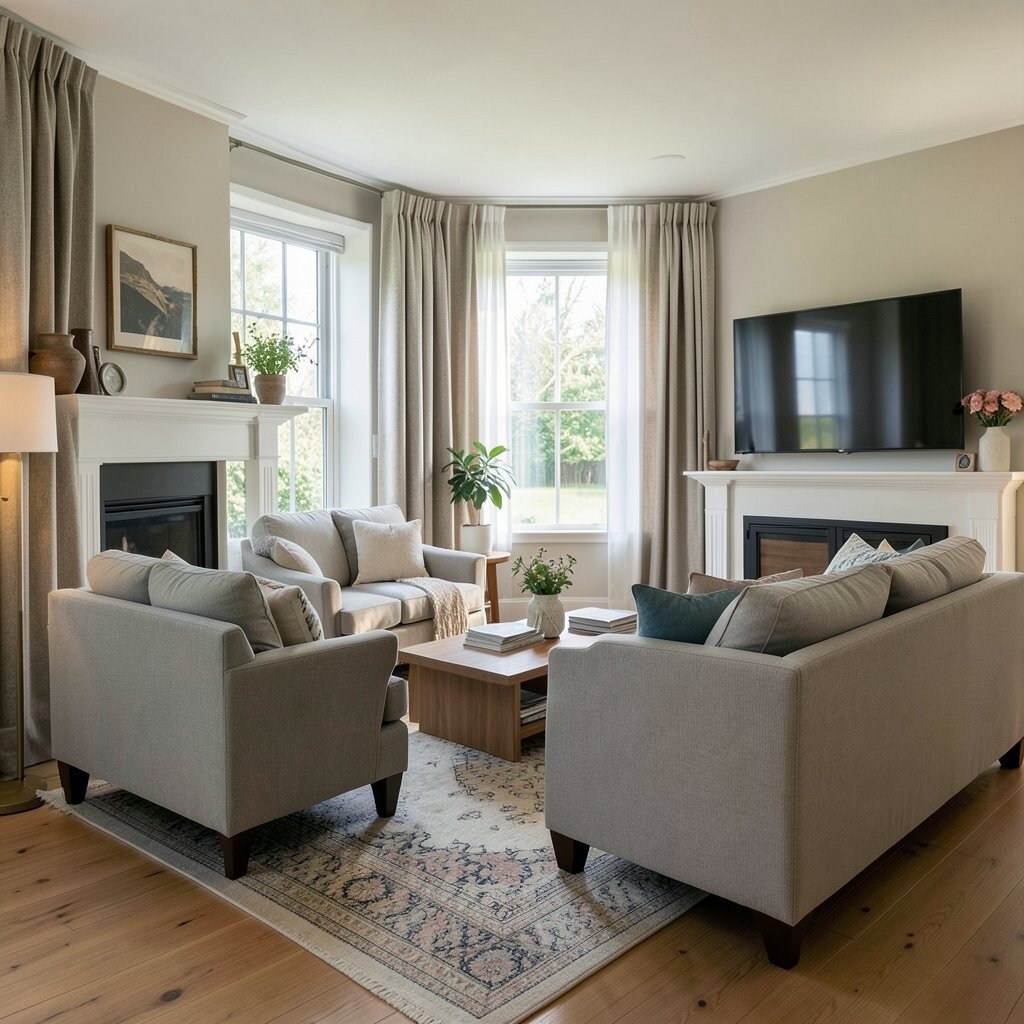
Notice what people see first when they walk in, like a window, mantel, or TV wall. Then set your largest seating piece so it “faces” that view.
Clear sightlines make the space feel intentional. If you’re working with a busy room, place your focal point behind the main seating so the rest feels calmer.
Try using rugs and curtains to frame the focus, since soft edges make furniture feel properly placed. This is a simple way to make even a modest room feel designed.
7. Plan Storage Around Habits, Not Just Items
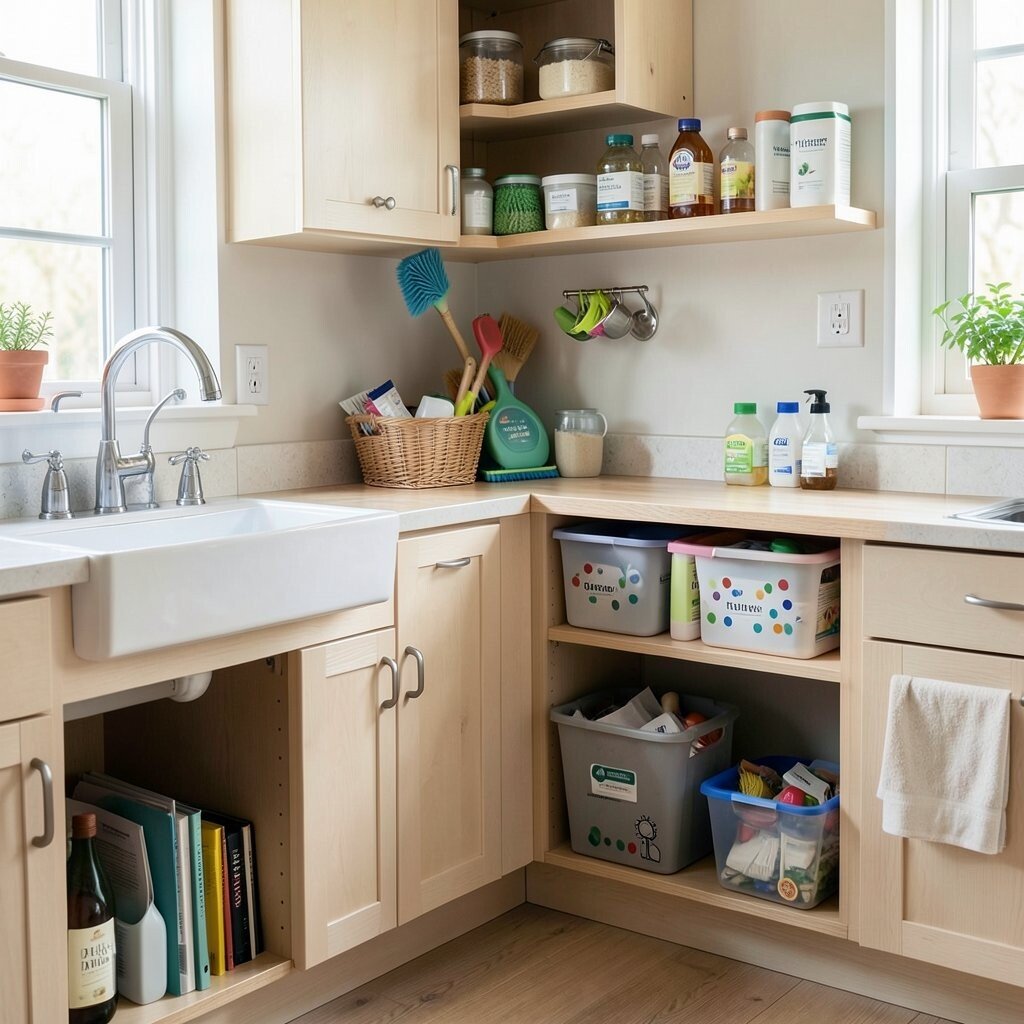
Before buying storage, think about when you need things. Put everyday items at eye level and less-used supplies higher or deeper.
Place cleaning tools where you actually use them, like under a sink for quick grab-and-go. That small change reduces back-and-forth trips and makes chores feel lighter.
For personalization, label containers with icons or color dots so the system stays friendly for everyone in the home. When you budget, prioritize storage for the messiest routine first, like mail or entryway clutter.
8. Float Seating To Improve Feel And Flow
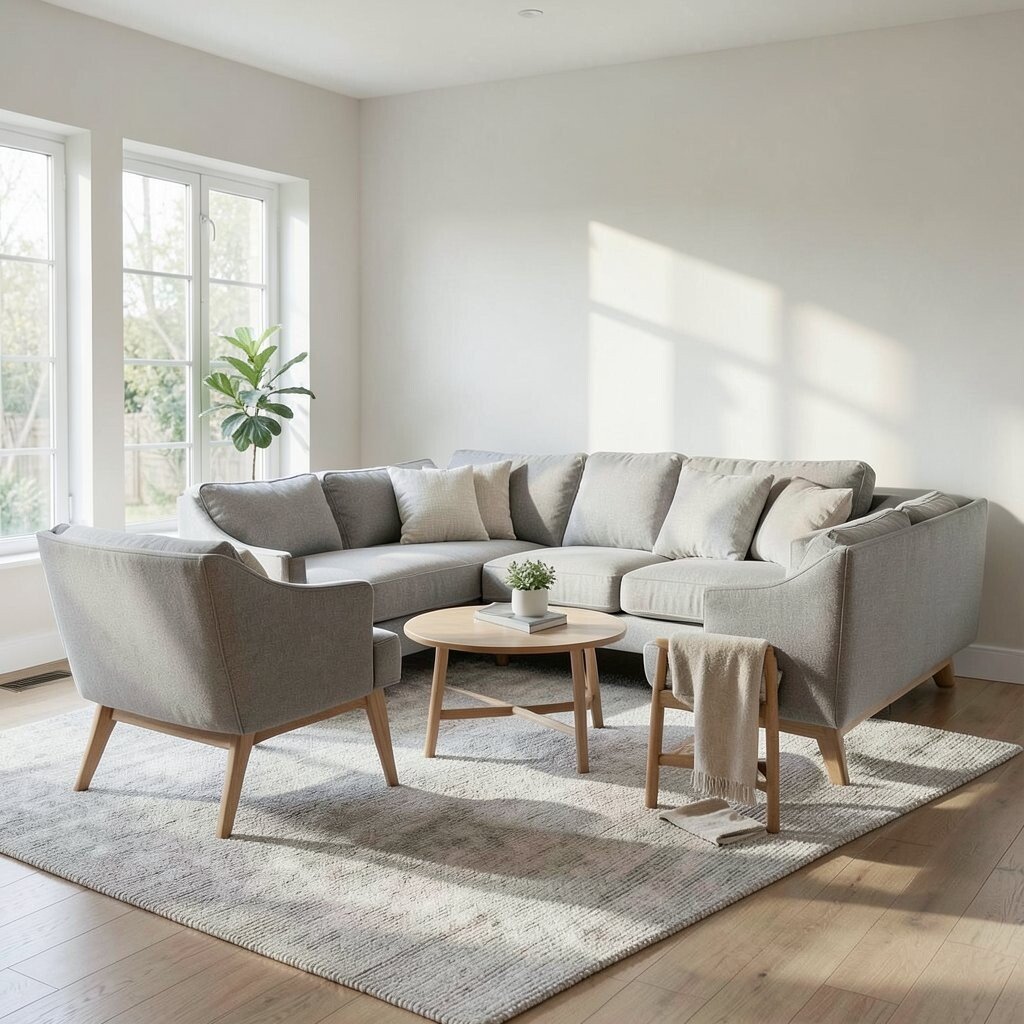
Instead of pushing everything to the wall, try floating your seating to define conversation space. A small gap behind a sofa or chairs can make the room feel larger.
Floating also helps with flexibility, since you can swap side tables or adjust chairs for guests. Use a rug that extends under the front legs so the grouping looks grounded.
If you’re worried about cost, you can move existing furniture and only add a rug if needed. This is a layout shift that often delivers a big visual payoff without heavy spending.
9. Design A Dedicated Work Nook With Escape Options
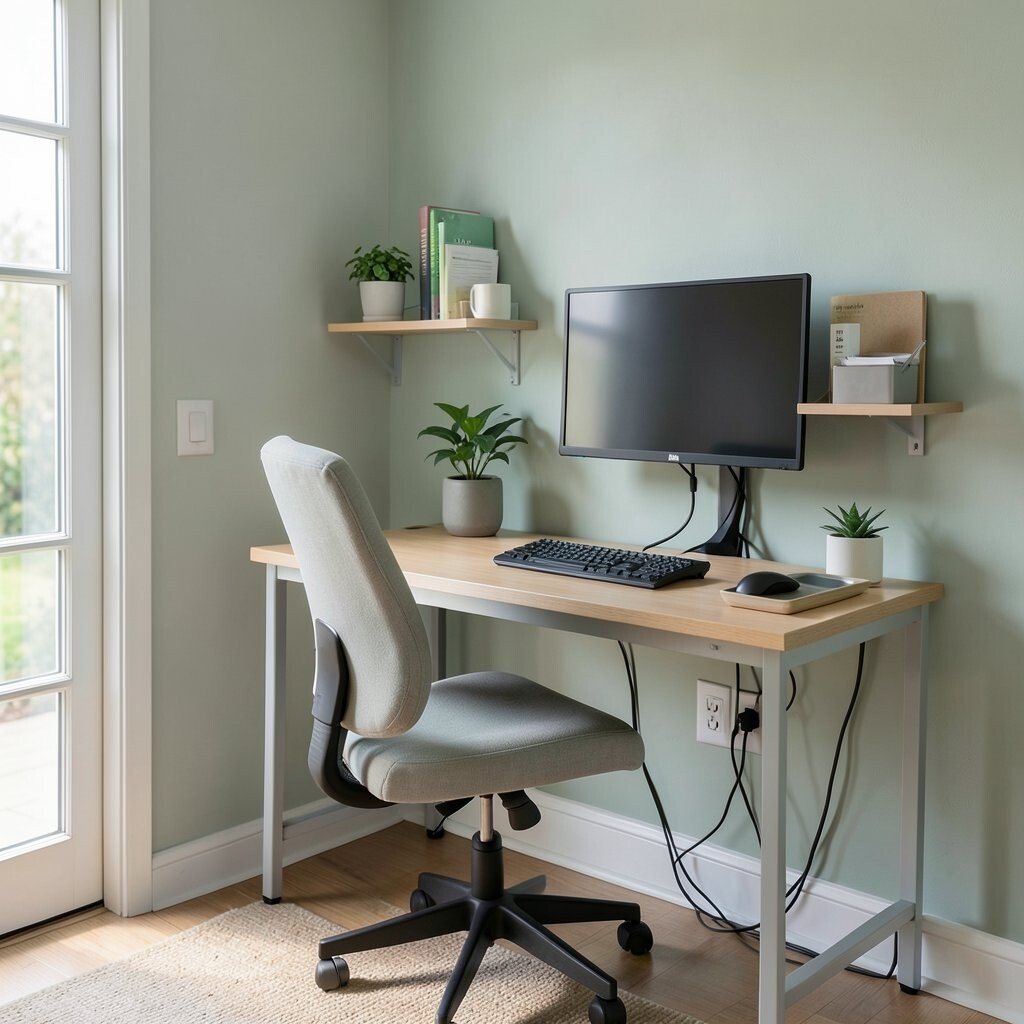
Create a work spot that supports focus, but also gives you an easy “off switch.” A chair placement that turns slightly away from the door can help your brain settle.
Use a desk with cable management so the tech stays tidy. Add a small shelf or wall organizer nearby for papers and reference books so you don’t stack clutter around the room.
To personalize, choose colors that match your energy, like calm greens for gentle focus or bright accents for creative push. If your budget is tight, a wall-mounted monitor stand and a simple tray can upgrade the feel quickly.
10. Arrange Dining For Comfort And Easy Serving
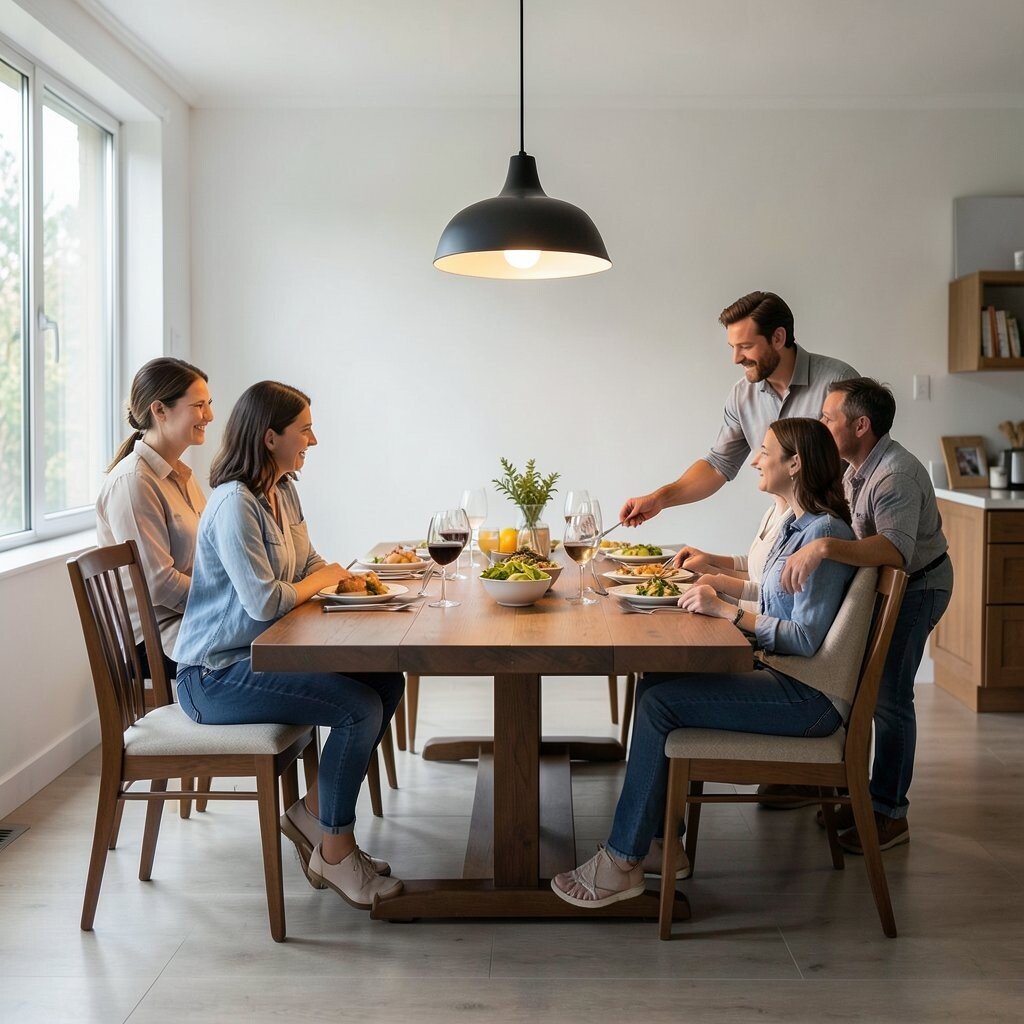
Keep dining chairs positioned so people can sit and stand with room to breathe. When chairs bump into the next piece of furniture, the experience feels stressful.
Set the table lengthwise when space is narrow, or widen the layout for longer gathering setups. Place serving items within reach to reduce awkward reaching across laps.
Try a statement light above the table to add personality and guide attention. For cost control, swap a bulky chandelier for a stylish pendant or use an affordable dimmable bulb for a restaurant-like glow.
11. Use Corner Planning For Often-Ignored Space
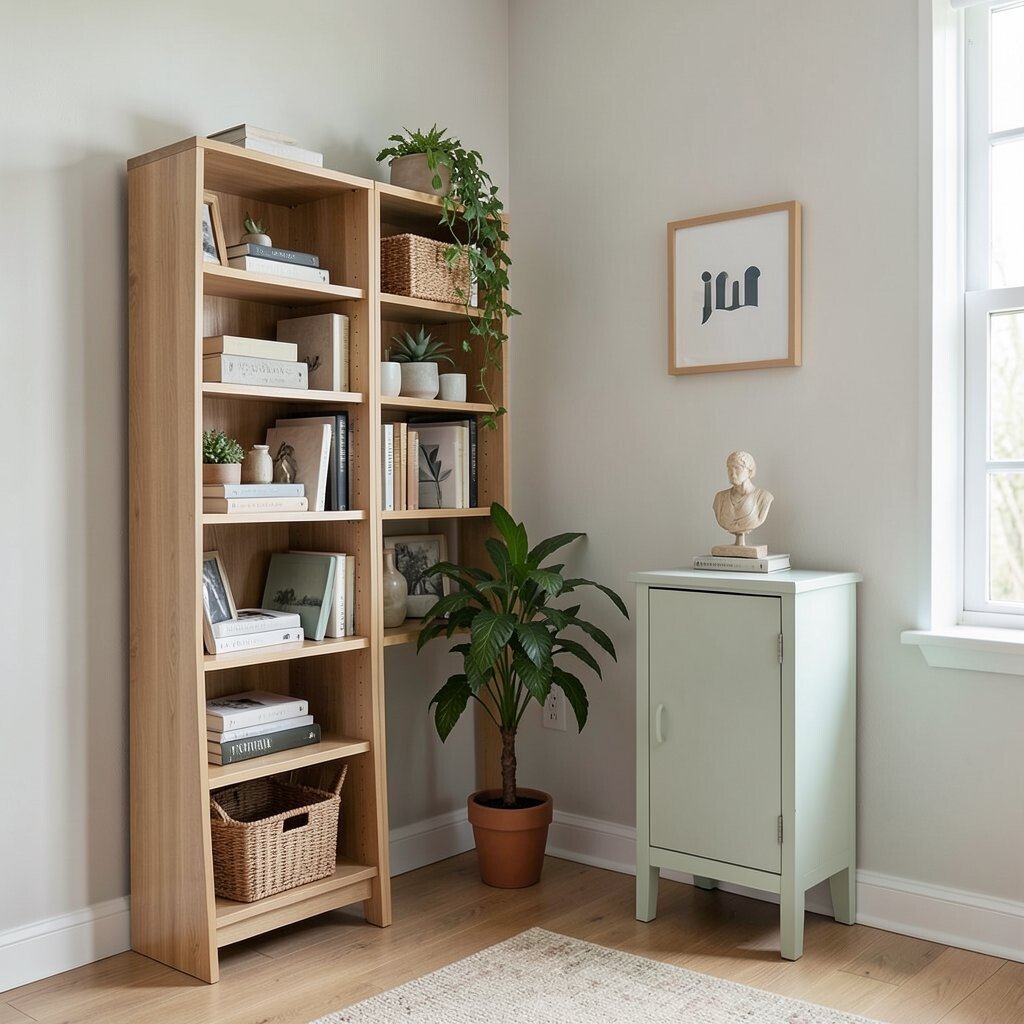
Corners are commonly wasted, but they’re perfect for storage and visual calm. A corner bookcase, plant stand, or narrow cabinet can make the room feel complete.
Anchor the corner with a tall piece and balance it with lighter items nearby. This creates a sense of proportion without blocking walking paths.
For personalization, place a small sculpture or framed print in the corner so it becomes a quiet “moment” in the room. Cost can stay low by repurposing a ladder shelf or repinning a thrifted corner cabinet with fresh paint.
12. Choose Rug Sizing To Tie Furniture Together
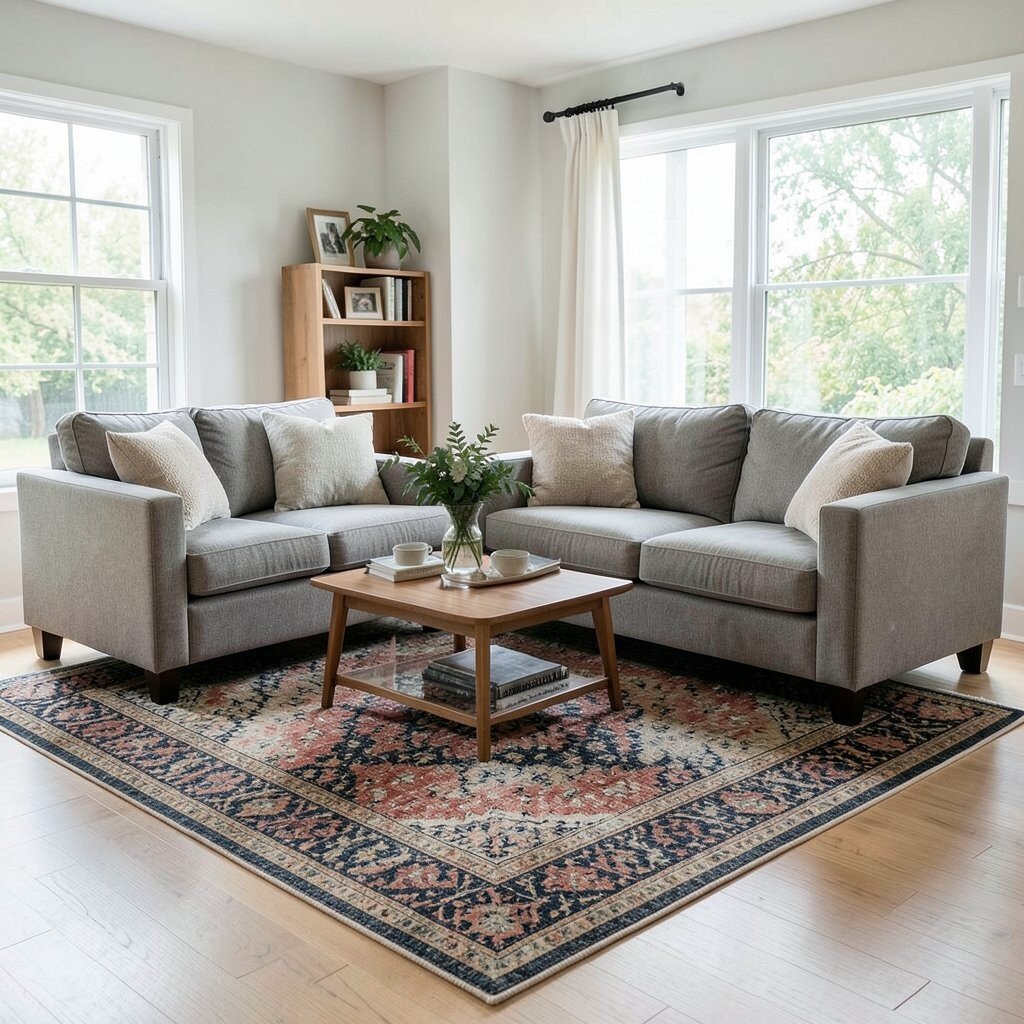
A rug that fits correctly makes furniture look like a team. If it’s too small, the room can feel like pieces are floating separately.
Use a larger rug so at least the front legs of seating land on it. This helps zones read clearly, especially in open-plan homes.
Personalize with pattern and texture, since a bold design can hide minor wear and add energy. For budgets, consider layering a smaller rug over a basic one to get the look without buying a full-size premium version.
13. Improve Privacy With Smart Sheer And Shade Placement
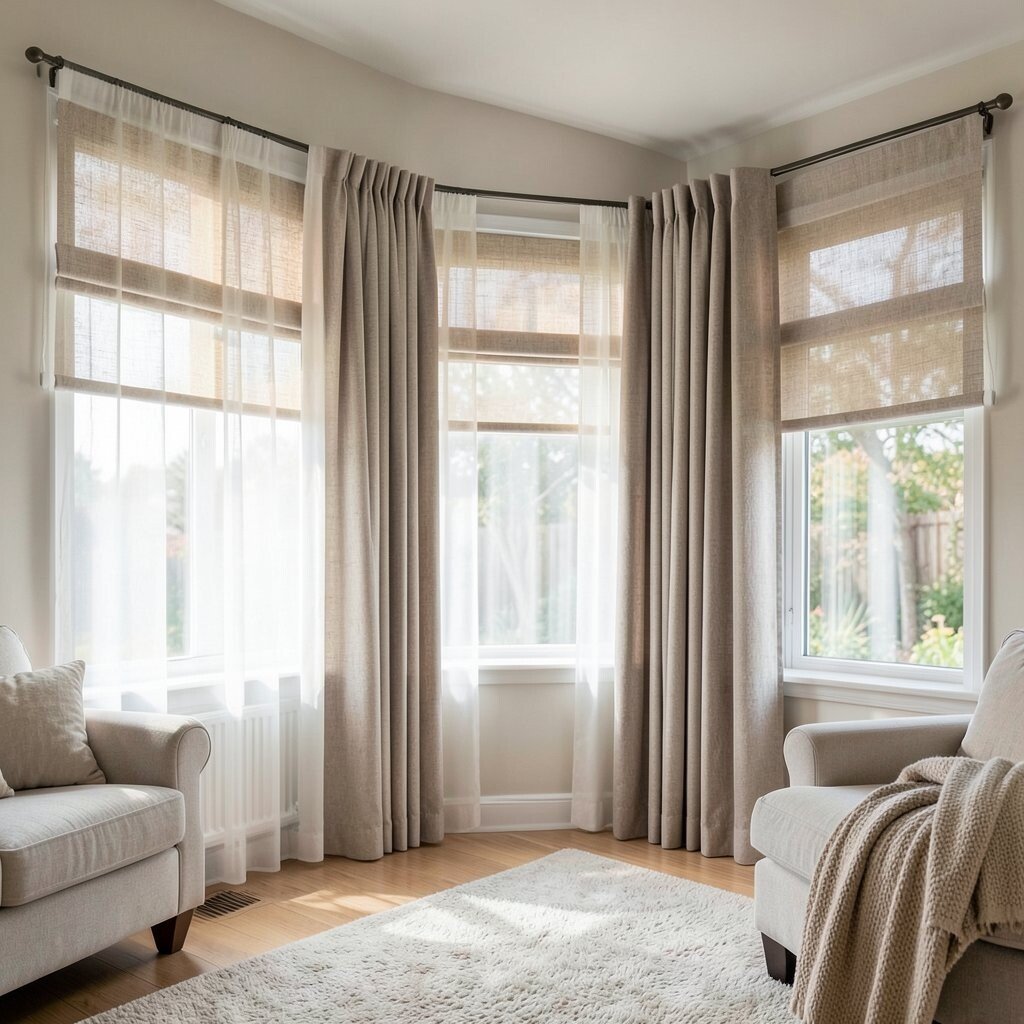
Window treatments do more than block light, they shape mood and privacy. Sheers soften views, while shades control glare and keep the room feeling cozy.
Hang curtains higher than the window frame to make ceilings look taller. Use layered options when you want both daylight and calm evenings.
To personalize, match fabric warmth to your space, like linen textures for airy rooms or thicker drapes for a cozy feel. If cost matters, start with one window as a test, then expand once you love the result.
14. Build A Kid-Friendly Layout With Safe Stations
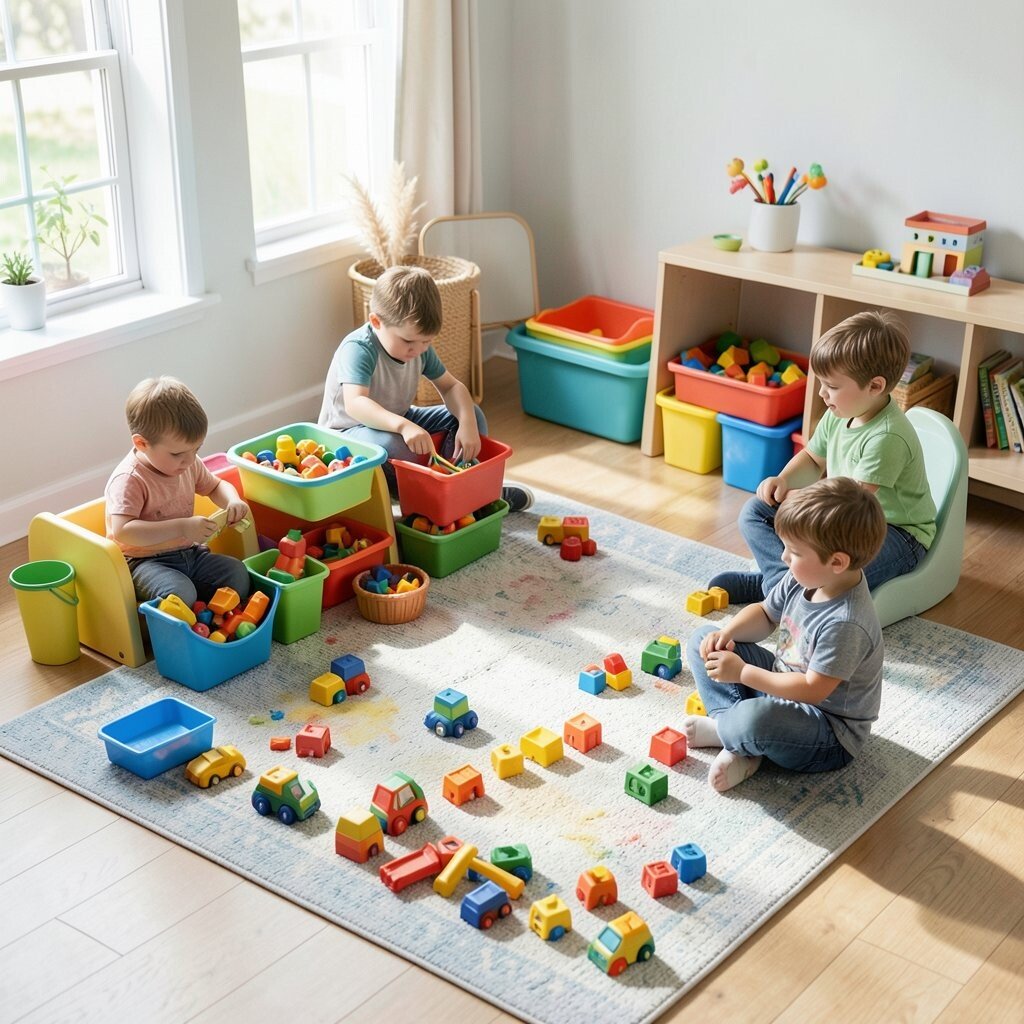
When kids have clear activity areas, mess becomes easier to manage. Set up a play station with bins and a seating spot where you can supervise comfortably.
Use low storage so children can put things away with less help. Arrange toys by type so they can grab what they need without dumping everything.
Personalization is simple here, like choosing bins in colors your child loves. For cost considerations, buy fewer bigger storage pieces first, then add small items only when you see repeated clutter patterns.
15. Set Up The Bedroom For Sleep First, Life Second
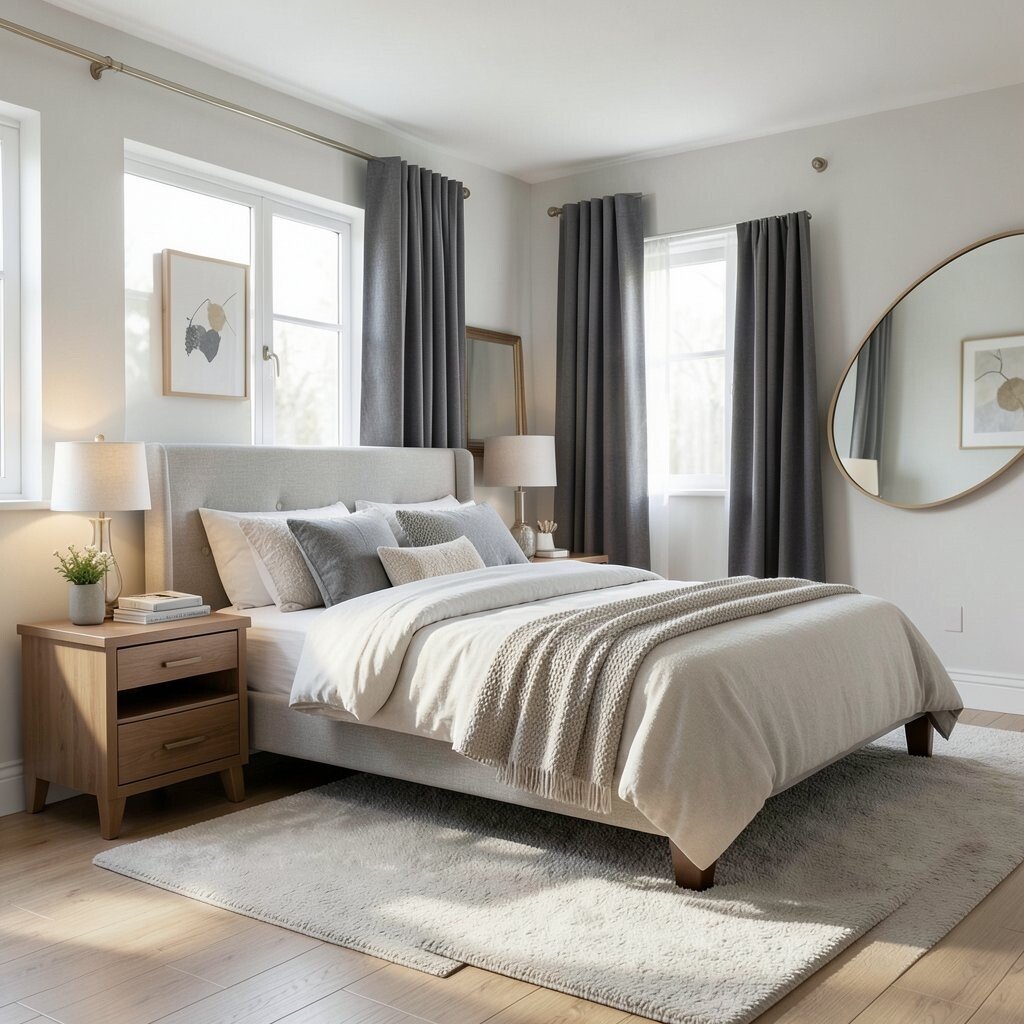
Place the bed so it feels like a calm centerpiece, not a place you avoid. Keep the bedside accessible so it supports nightly routines.
Use nightstands for daily essentials and reduce the urge to stack items on dressers. Add a soft rug near the bed for comfort underfoot in the morning.
If you want privacy and quiet, consider room-darkening curtains and a mirror placement that avoids glare from lights outside. This kind of focus-first layout is a current favorite in cozy-home styling because it supports better rest.
16. Make Bathrooms Work With Clear Counter Logic
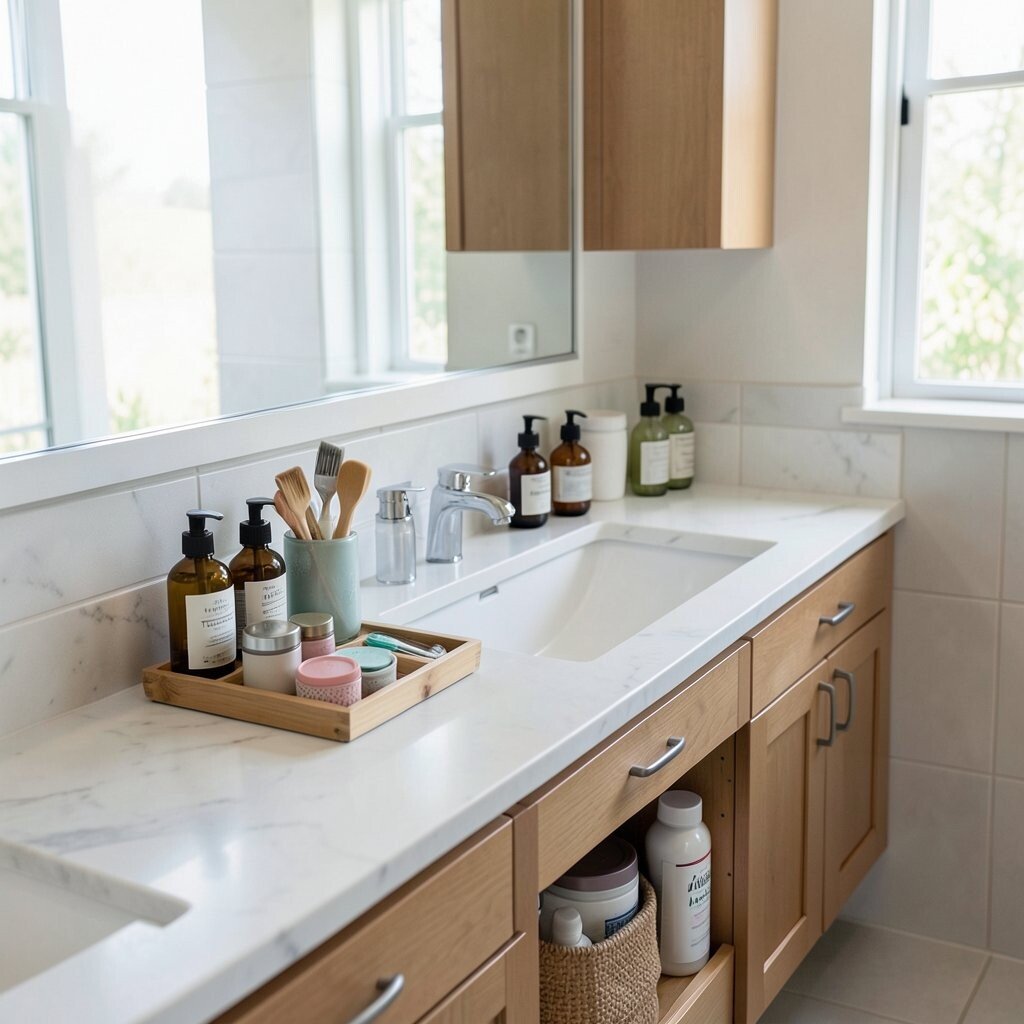
Bathroom counters get crowded fast, so set a system that fits how you use them. Group items by person and keep only daily tools on the surface.
Use a tray, a small organizer, or a rotating caddy so items look neat. When you keep the rest stored inside a cabinet, the room stays visually calm even when schedules get busy.
Personalize with scent storage and color-coordinated bottles for a spa-like look. If cost is a concern, repurpose small containers you already own and upgrade only the most visible pieces.
17. Create Storage Under Stairs Or Around Unusual Walls
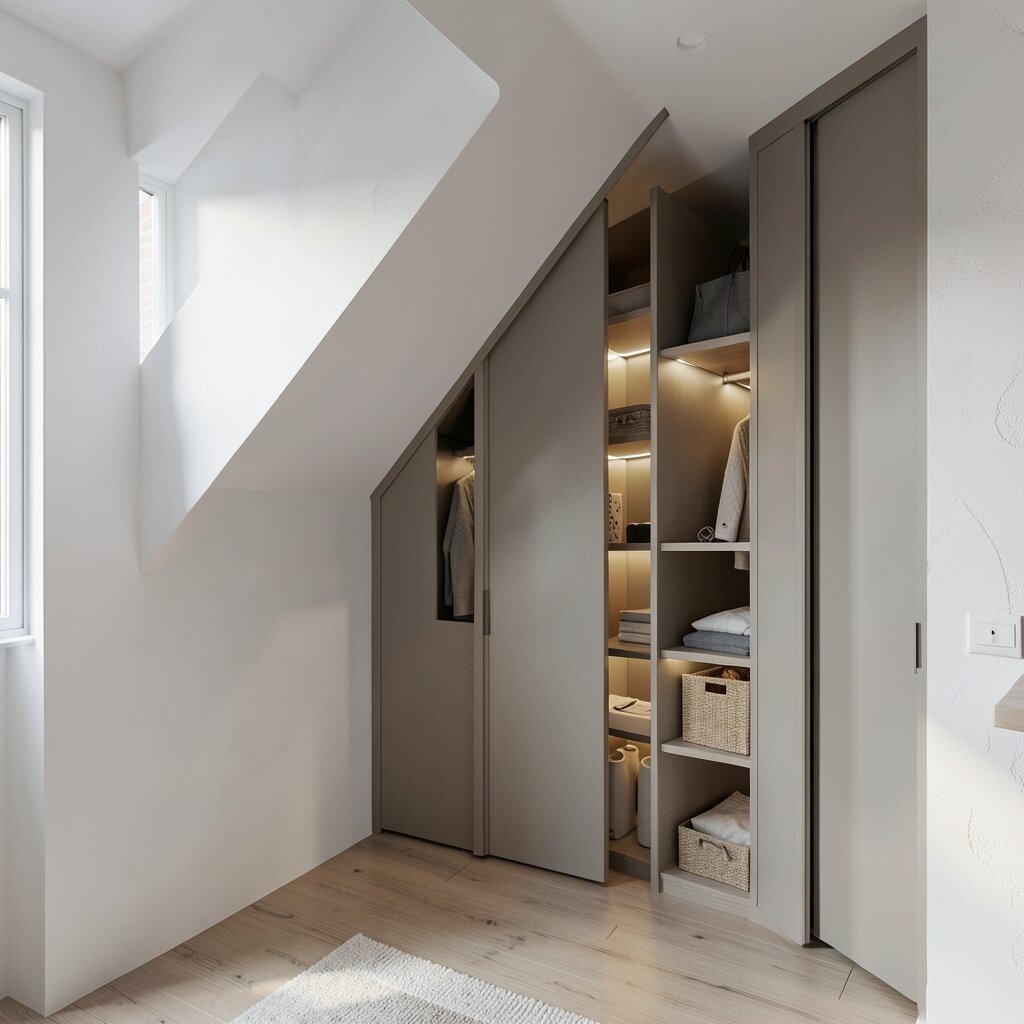
Odd spaces often hide valuable storage opportunities. Under-stair compartments, closet recesses, and narrow wall gaps can become functional without adding clutter.
Use sliding doors or bi-fold panels so access stays easy. Add lighting inside deeper storage so you can see what you need right away.
To personalize, line shelves with a fabric or paint tone that matches your home style. This can feel more custom than installing brand-new furniture, which helps keep costs reasonable.
18. Use Adjustable Layouts For Seasonal And Social Changes
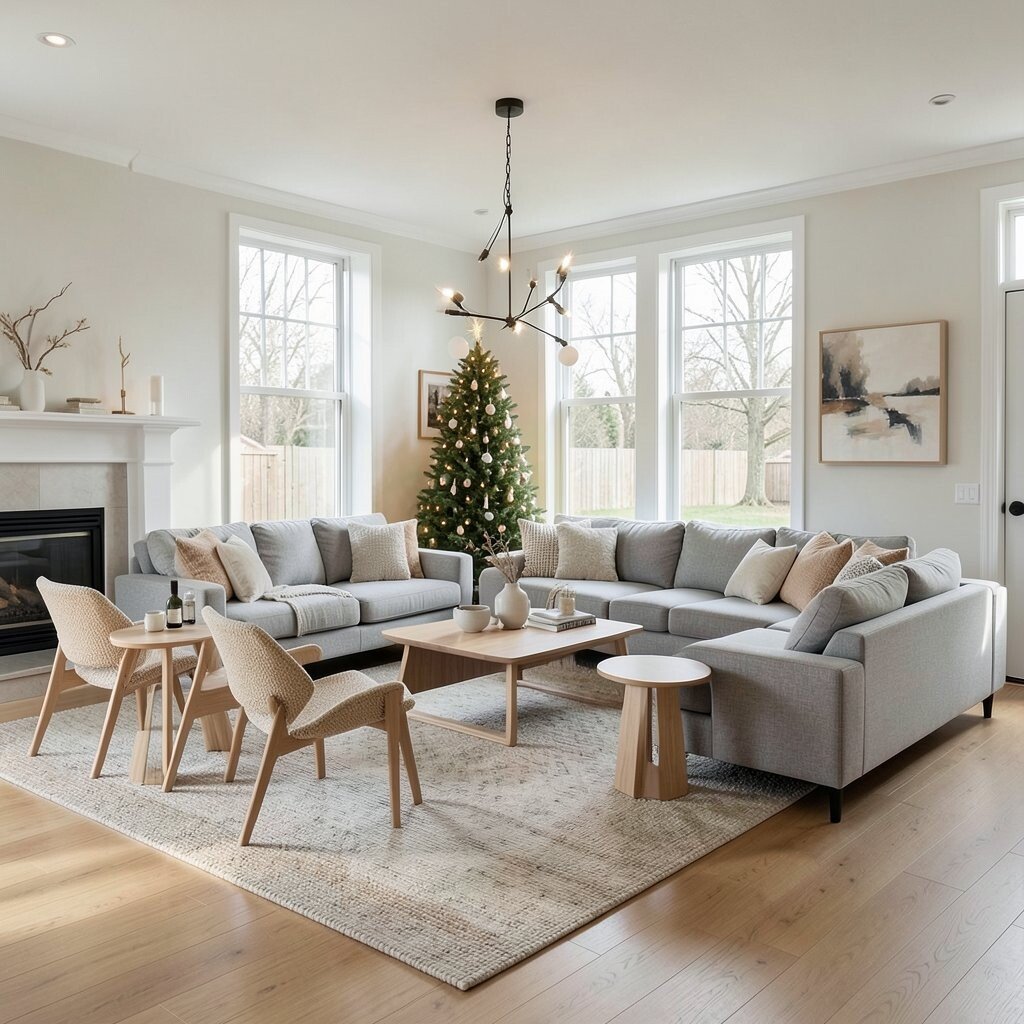
Plan for change by creating a flexible center. An open living area with movable chairs makes it easier to host or rearrange for holidays.
Choose lightweight side tables or modular seating so you can reconfigure without stress. Keep a small storage plan for extra items so the room can reset quickly after guests leave.
Current trends favor adaptable setups, like modular sofas and nesting tables. If you’re watching your budget, consider buying two versatile end tables now and move them around as your needs shift.
19. Improve Kitchen Flow With A Clear Work Triangle
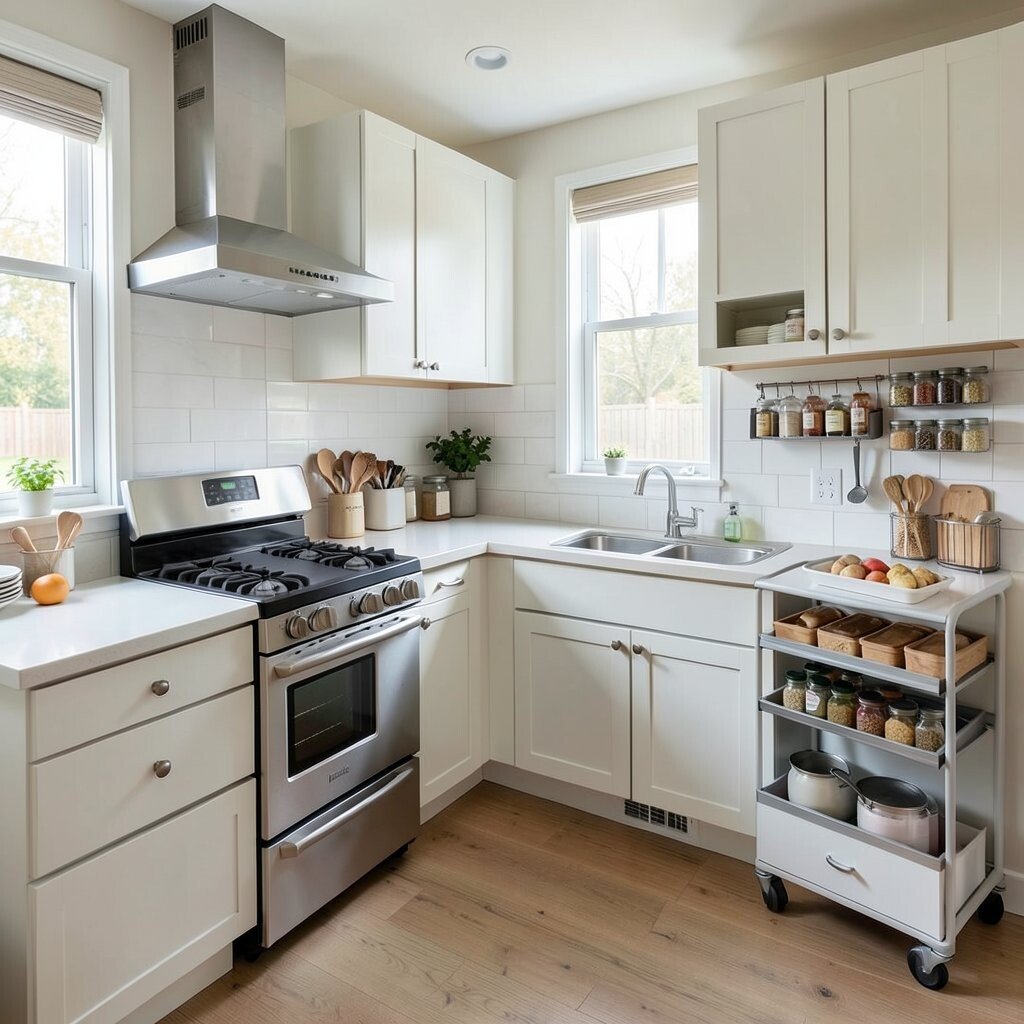
Most kitchen tasks follow a pattern, so your layout should support it. Keep key zones close so cooking feels smooth, like the path from prep to stove to sink.
Clear countertops near the stove and sink so you can work without constant shifting. If you have limited space, use a rolling cart for prep and move it when it’s not needed.
Personalize by placing a small spice wall or hanging rack near the cooking area to make frequently used items visible. For cost, start with one high-use upgrade, like better drawer organizers, before adding bigger renovations.
20. Add Texture And Rhythm To Make Function Feel Beautiful
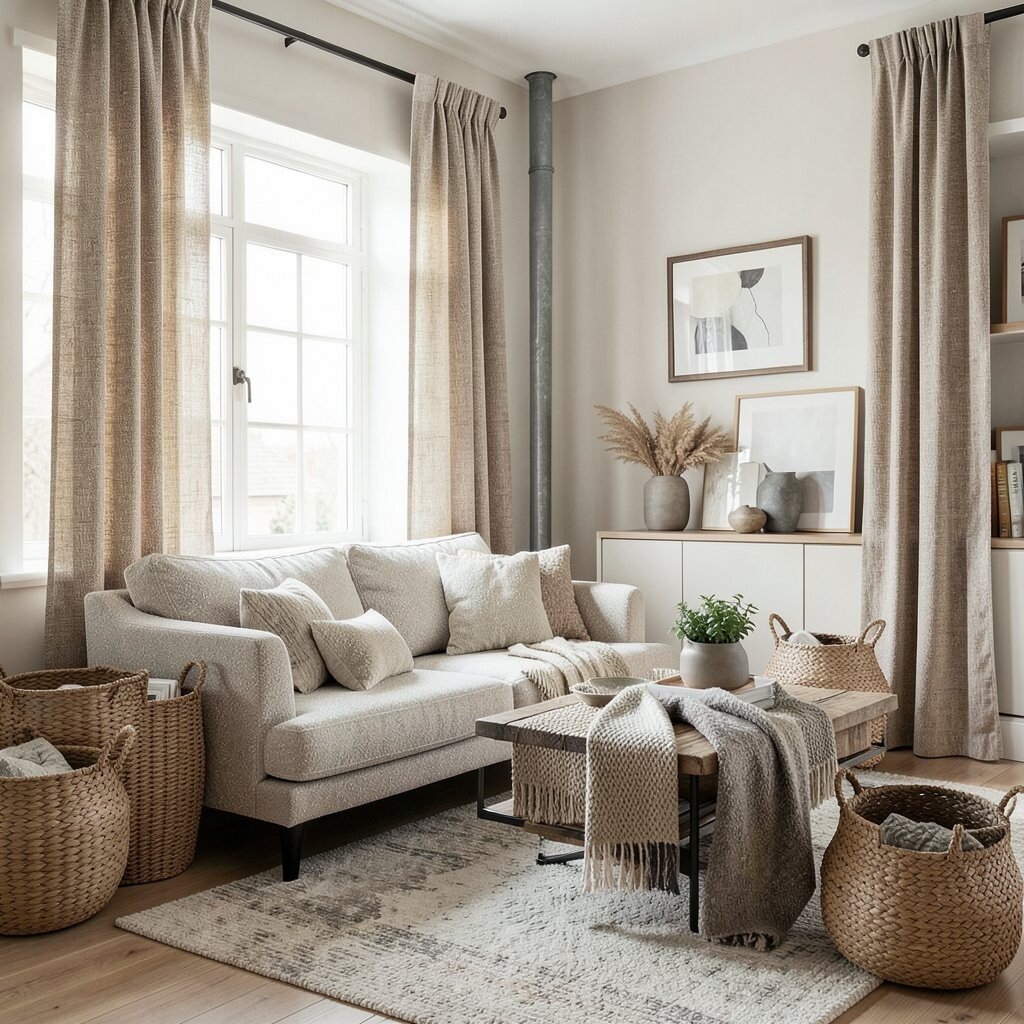
Function gets easier when the space feels pleasant to be in. Add texture through curtains, woven baskets, wood, metal accents, and layered fabrics.
Use visual rhythm by repeating shapes and colors across the room, like matching frames or consistent hardware. This makes the layout feel connected, even when items serve different purposes.
For personalization, choose one “hero” texture such as boucle, reclaimed wood, or matte ceramics, then echo it lightly elsewhere. When thinking about cost, you can upgrade feel with smaller items like textiles and baskets, which often deliver a strong look for less money.
Many modern interiors aim for lived-in warmth instead of perfect emptiness. A textured layout helps your space stay inviting while still keeping everything in its place.