
Your apartment can feel calm without feeling empty. Small choices, done well, make daily life easier and prettier.
1. Declutter With a Clear Visual Path
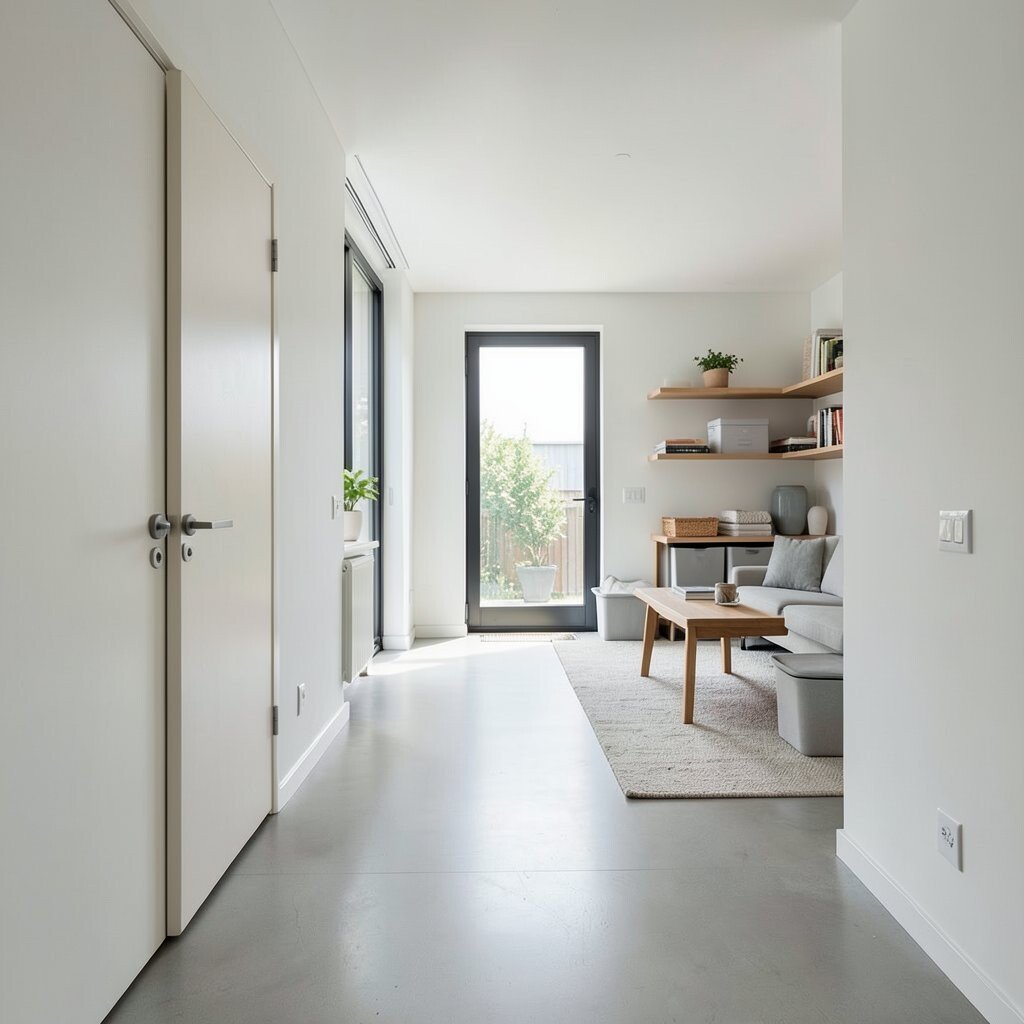
Start by creating a simple route from the door to the main living area. When you can see the path in your mind, you notice what doesn’t belong and what should stay.
Try keeping only a few items at eye level on shelves and tables. Store the rest in closed bins so surfaces look neat even on busy days. You will feel the difference in the first minute you walk in, because the room stops fighting for attention.
2. Choose One Calm Color Palette

Pick a soft, steady color family and stick to it across rooms. Pale warm whites, light greiges, and gentle taupes can make spaces feel open without extra effort.
Use one stronger accent color in small spots like cushions or a framed print. The benefit is that everything looks coordinated, so you spend less time “matching.” When you personalize, do it through texture and artwork, not constant color changes.
To keep costs down, paint only the most visible wall or refresh trim and doors. Current minimalist style often leans on warm neutrals with natural wood tones, so you can follow the trend without buying a whole new set.
3. Let Natural Light Do the Heavy Lifting

Keep window areas mostly simple so sunlight can spread. Sheer curtains or light linen panels help the room feel bright and relaxed.
Place mirrors across from windows to bounce light deeper into the apartment. This makes even a small room look bigger, and it reduces the need for extra lamps during the day.
If privacy is important, choose layered sheers with a blackout option for bedtime. You can personalize with a mirror frame that matches your wood tones or metal finishes.
For a budget-friendly move, clean your windows and use a slim rod to reduce clutter. Many recent home looks focus on airy light as the main “decor,” and it works beautifully in minimalist spaces.
4. Use Low-Profile Furniture for an Airy Look

Choose sofas, beds, and sideboards with slim legs or low lines. These pieces visually lift off the floor, making the room feel less crowded.
Look for furniture that has simple shapes and fewer bulky arms. The benefit is more open space to move around, and it makes cleaning faster.
5. Go for Built-In Style Storage

Even if your apartment doesn’t have true built-ins, you can mimic the look. A tall bookcase, a storage cabinet, or a closet system can hide daily clutter.
Closed storage keeps surfaces calm, which makes your home feel intentional. When everything has a home, you spend less time tidying and more time enjoying your space.
To personalize, arrange a few objects like a small plant, a favorite book, or a simple vase on top. For cost control, measure carefully and prioritize the biggest visual area, like the wall behind your sofa.
6. Add Texture Instead of More Stuff

Texture brings warmth to minimalist rooms without adding visual chaos. Think linen curtains, a chunky knit throw, or a soft wool rug.
Mix materials in a few intentional spots so the space looks rich but still simple. You get the benefit of depth and comfort, even when colors stay quiet.
Try layering a neutral rug over a plain floor to make the living area feel grounded. You can personalize with pattern through texture, like ribbed fabrics or subtle weaves.
For a smart budget approach, swap one item first, such as curtains or bedding, and then repeat the same feel elsewhere. Many current minimalist looks are texture-forward, because it photographs well and feels good in real life.
7. Keep Wall Art Meaningful and Few

Choose art that you genuinely like, then give it space to breathe. One larger piece often looks cleaner than a gallery wall packed with frames.
Pick a theme that fits your life, like travel memories, simple abstracts, or calm landscapes. The uniqueness comes from letting your taste lead, not from copying a trend.
Use frames in matching tones, such as black, natural wood, or brushed metal. This makes the wall feel designed without adding clutter.
To save money, print artwork you love and frame it with affordable frames that match your palette. Personalize by placing a small sculpture or a meaningful photo beside the art, but keep it minimal.
8. Create a Simple Entry Drop Zone

Make a spot right near the door for keys, a bag, and everyday small items. Even a narrow console or a wall-mounted shelf can do the job.
Use a tray for loose items so your entry never turns into a pile. The benefit is instant calm when you come home, because you know exactly where things go.
For personalization, pick a tray style that matches your overall color palette. You can choose a ceramic or woven option depending on your budget and the look you want.
If you want a low-cost upgrade, add hooks for coats and a small basket for mail. Current minimalist homes often use this “invisible routine” strategy to stay neat.
9. Use Rounded Shapes for Softer Minimalism

Minimalist doesn’t have to feel harsh. Rounded chairs, oval coffee tables, or curved lamps make a space feel friendly.
These shapes look unique because they break up straight lines gently. You also get practical comfort, since rounded edges reduce the sharp bumps in tight spaces.
When you personalize, pair a rounded silhouette with a simple fabric color so the room stays calm. For cost considerations, consider adding one rounded accent piece first, like a lamp or mirror, instead of replacing everything.
In recent design trends, soft minimalism is growing, and it fits small apartments nicely.
10. Style Shelves Like a Museum Display

Arrange shelves with a few “hero” items and lots of breathing room. A minimalist shelf usually looks best when objects are spaced like they belong together.
Use book stacks, a single framed photo, and one small decor object to form a tidy group. The benefit is that you can spot what you need quickly, and the shelf looks organized even when you are busy.
To personalize, rotate seasonal pieces such as a summer candle, a winter scarf folded on top, or a new travel book. Keep the color range consistent so the shelf still feels simple, not chaotic.
11. Pick One Statement Light Fixture

A hanging light or a stylish floor lamp can make a room feel finished without adding extra decor. The glow from a well-chosen fixture also makes neutrals look richer.
Choose a simple shape with good materials, like a matte metal shade or a warm-toned glass. This is unique because lighting becomes the “art” of the room, not another object that needs styling.
For practical tips, place the light where you actually spend time, such as near a reading chair or the couch corner. Costs vary widely, so decide if you want to buy once for quality or start with a budget lamp and upgrade later.
12. Go for Hidden or Matching Hardware

Small hardware choices can change the whole mood of a minimalist room. Matching cabinet pulls, drawer handles, and closet hardware make everything feel cohesive.
Choose finishes like brushed nickel, matte black, or warm brass that coordinate with your faucet and light fixtures. The benefit is fewer visual breaks, so the space looks more calm and intentional.
Personalize by matching hardware to the hardware you already have, then keep the rest of the apartment simple. If you want a cost-friendly approach, replace only the most visible pulls first instead of everything at once.
13. Keep Surfaces Clear With a Few Smart Trays

Clear surfaces make a small apartment feel larger. But you still need places for daily items, so use trays and organizers that blend into your style.
A tray can hold charging cables, hand lotion, or sunglasses without making a mess. The benefit is a fast reset, because you can put everything back in one motion.
For personalization, choose trays in neutral tones and materials like wood, stone, or ceramic. To manage costs, buy organizers that fit existing spaces, like under-shelf bins or drawer inserts, instead of new furniture.
Minimalist homes today often use “grouping” rather than constant wiping, and it works for real life.
14. Use Plants in Simple Forms

A plant adds life and color without needing many decorations. Choose a few that match your lighting and your care routine.
Use simple pots in matte ceramic or light concrete for a clean, modern look. The uniqueness comes from how the plant softens lines, while the pot keeps the style grounded.
For personalization, place one plant near the entry and one near a window so each room has a gentle focal point. If you are watching costs, start with small plants and repot when they grow.
15. Style the Bed With a Calm, Layered System

A minimalist bedroom feels like a quiet pause at the end of the day. Keep bedding simple, then add comfort through a few layers.
Choose a fitted sheet, a neutral duvet, and one textured throw. This looks both practical and personal, because the bed becomes a soft visual center instead of a crowded display.
16. Pick Curtains That Match the Ceiling Height

Hanging curtains close to the ceiling can make the room feel taller. For many apartments, this small change has a big visual impact.
Choose curtains that fall straight and keep patterns subtle. The benefit is a cleaner look, and it also helps with light control when you need sleep.
Personalize with fabric thickness that fits your lifestyle, from airy sheers to heavier blends. Cost considerations matter here, so measure first and buy the right length to avoid waste.
Current minimalist design often uses floor-to-ceiling drapery as a simple “architecture upgrade.”
17. Build a Cozy Corner With Minimal Pieces

Minimalist living works best when you still make room for comfort. Create a small corner for reading, relaxing, or enjoying coffee.
Use one chair, one side table, and one lamp, then keep decor to a single throw or one small pillow. This approach is actionable because you can set it up quickly and adjust later without overhauling the whole room.
To personalize, choose a chair fabric you love and a lamp shade that matches your palette. For costs, look for secondhand side tables and spend on the chair, since it gets the most daily use.
18. Turn Blank Walls Into Functional Calm

Blank walls can look unfinished, yet too much decor can feel busy. Aim for functional wall pieces that still look simple.
A slim floating shelf for books, a large mirror, or a wall-mounted coat rack can add purpose. The benefit is that your wall stops being “empty,” while still keeping the space neat.
Personalize by picking a mirror shape you like, such as a rounded rectangle, and place it where it reflects the brightest part of your apartment. Cost considerations are easier when you select one wall feature at a time instead of multiple small items.
19. Use a Simple Personal Style Rule

The easiest way to keep a minimalist home is to follow one personal rule you can actually stick to. It might be choosing only neutral textiles, limiting decor to items with meaning, or keeping one room as the “display” space.
This makes your home feel unique because it reflects how you live, not how a photo was styled. When you personalize, do it slowly and keep the rule in mind so changes look intentional.
For practical habits, do a quick reset each week by clearing one surface and returning items to their homes. Cost control gets easier too, because you buy less and choose better when you have a clear style direction.
Current minimalist trends are moving toward comfort and individuality, so your simple rule should feel like you, not like a checklist.