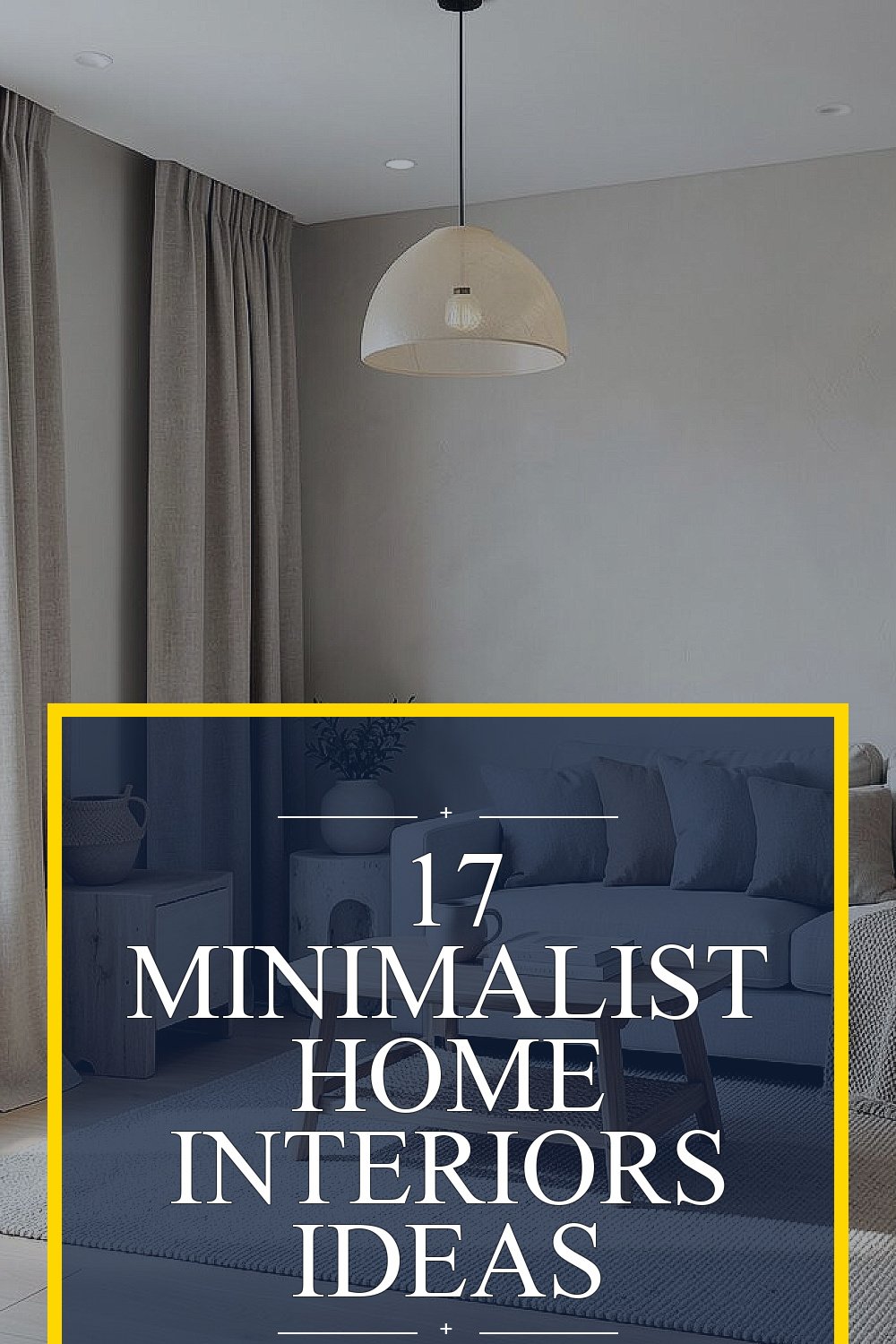
A calm home can feel like a deep breath. Small changes in how things look and work can quietly shift your whole day.
1. Soft Neutrals That Hold Their Shape
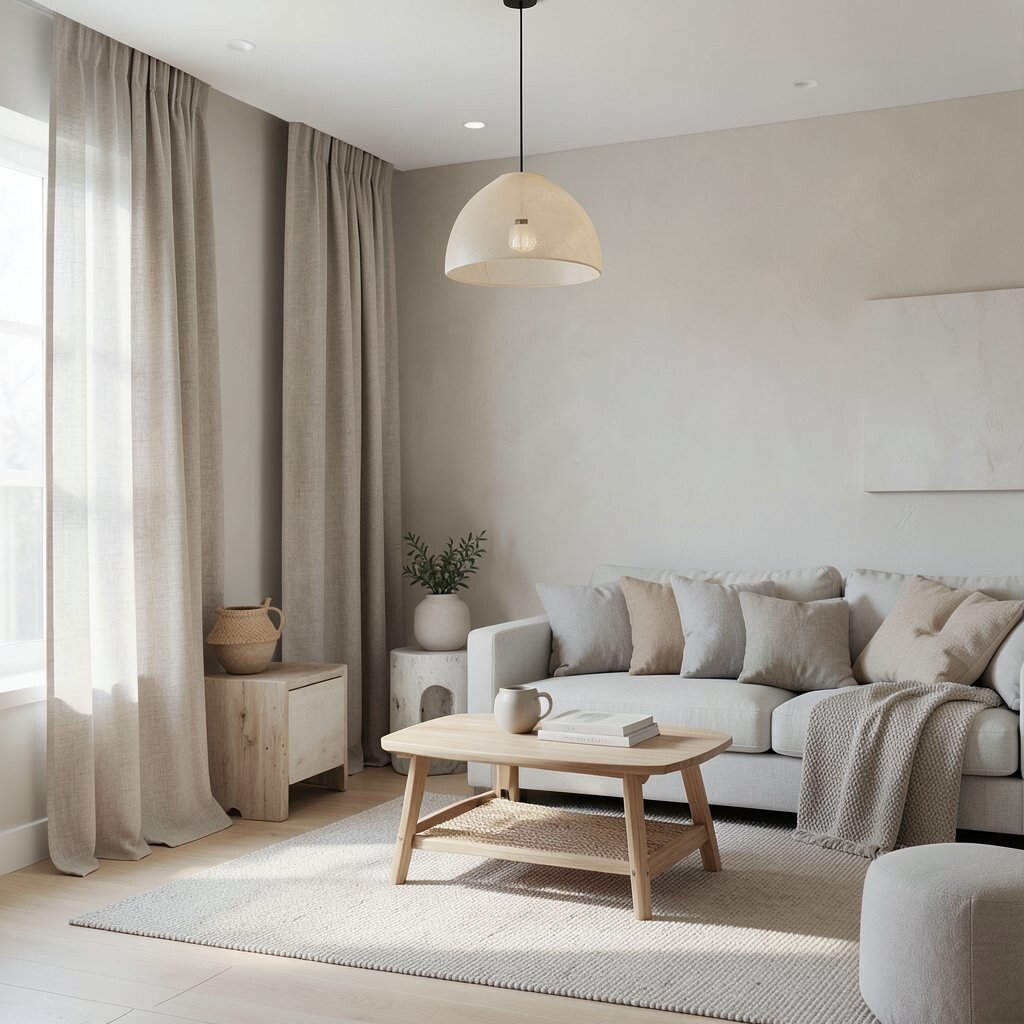
Choose warm whites, light greys, and sandy beige as your main wall and fabric colors. When everything is in the same relaxed family, your eyes stop bouncing around.
Layer in different shades of the same tones so the space still feels interesting. Pick one or two textures, like linen curtains or a matte plaster wall, to keep the look from feeling flat.
2. Low-Profile Furniture for Easy Movement
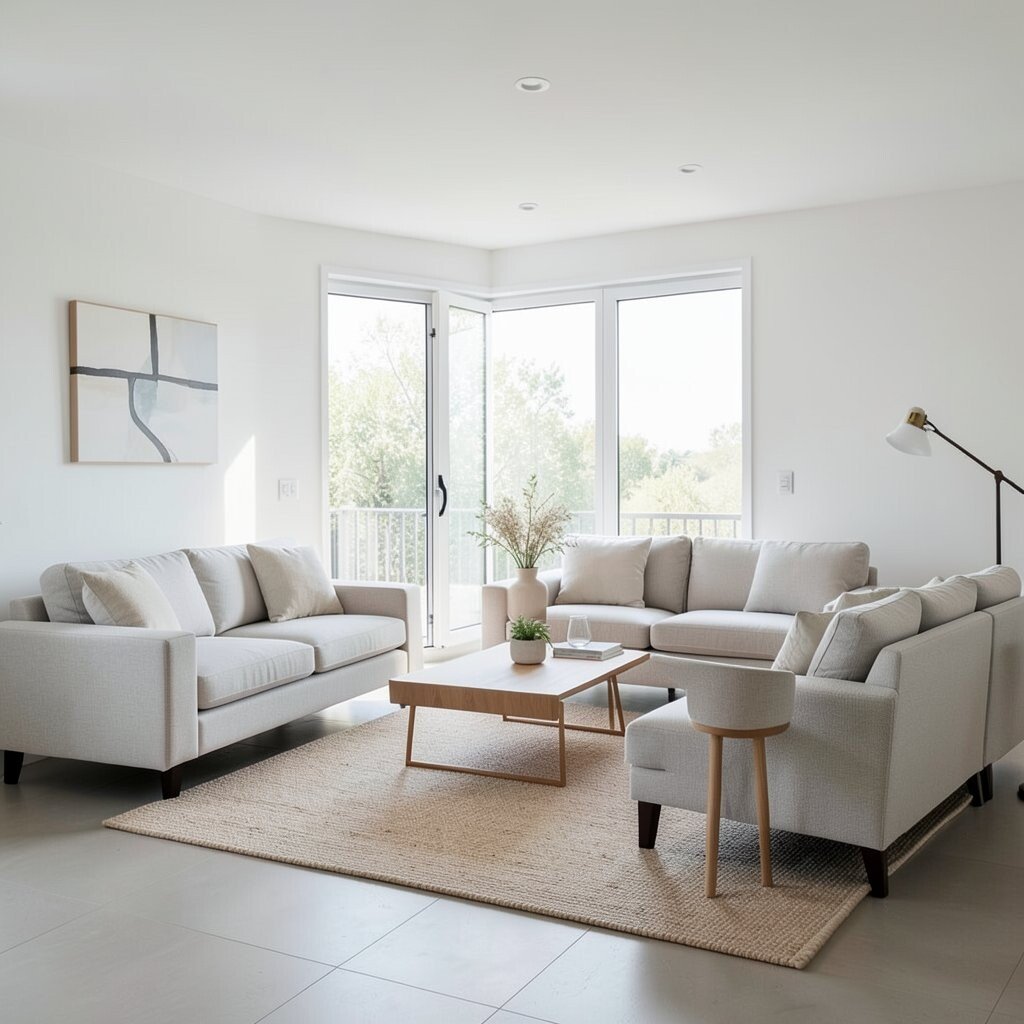
Opt for sofas and chairs with slim arms and legs that leave some floor visible. The visual lightness makes rooms feel bigger and less crowded.
Go for simple silhouettes that match across the room, like a matching coffee table and side tables. Keep pathways clear so everyday movement feels smooth and natural.
Try pulling furniture slightly away from the walls to create breathing space. This small spacing trick helps the room feel calmer the moment you walk in.
3. Natural Light With Simple Window Treatments
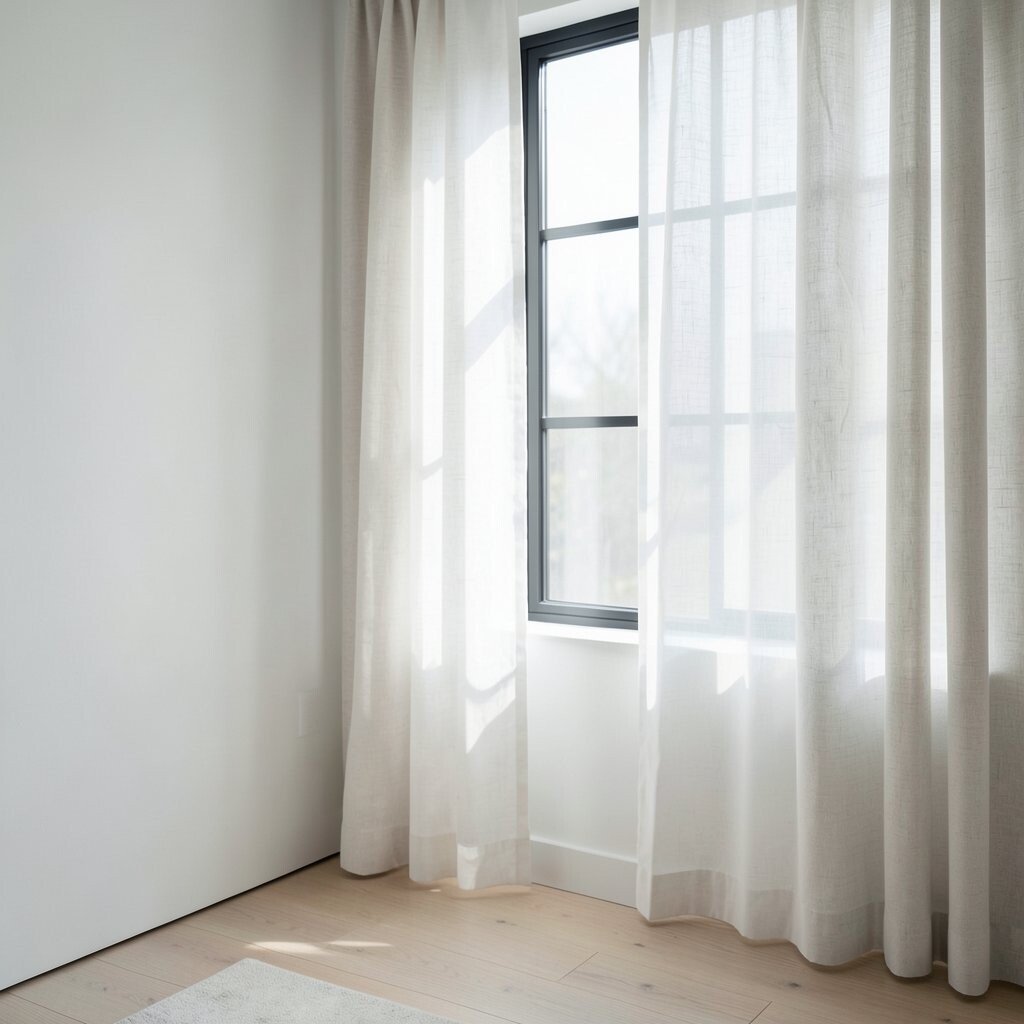
Use sheer curtains or a light linen panel so daylight can soften the room. In minimalist spaces, bright light often acts like décor.
Choose hardware in a quiet finish, such as brushed metal or matte black. Keep the folds neat but not stiff, so the window area looks relaxed.
For privacy, layer a translucent curtain with a blackout option that you only draw at night. This gives you control without heavy visual weight.
4. One Statement Piece, Kept Quiet
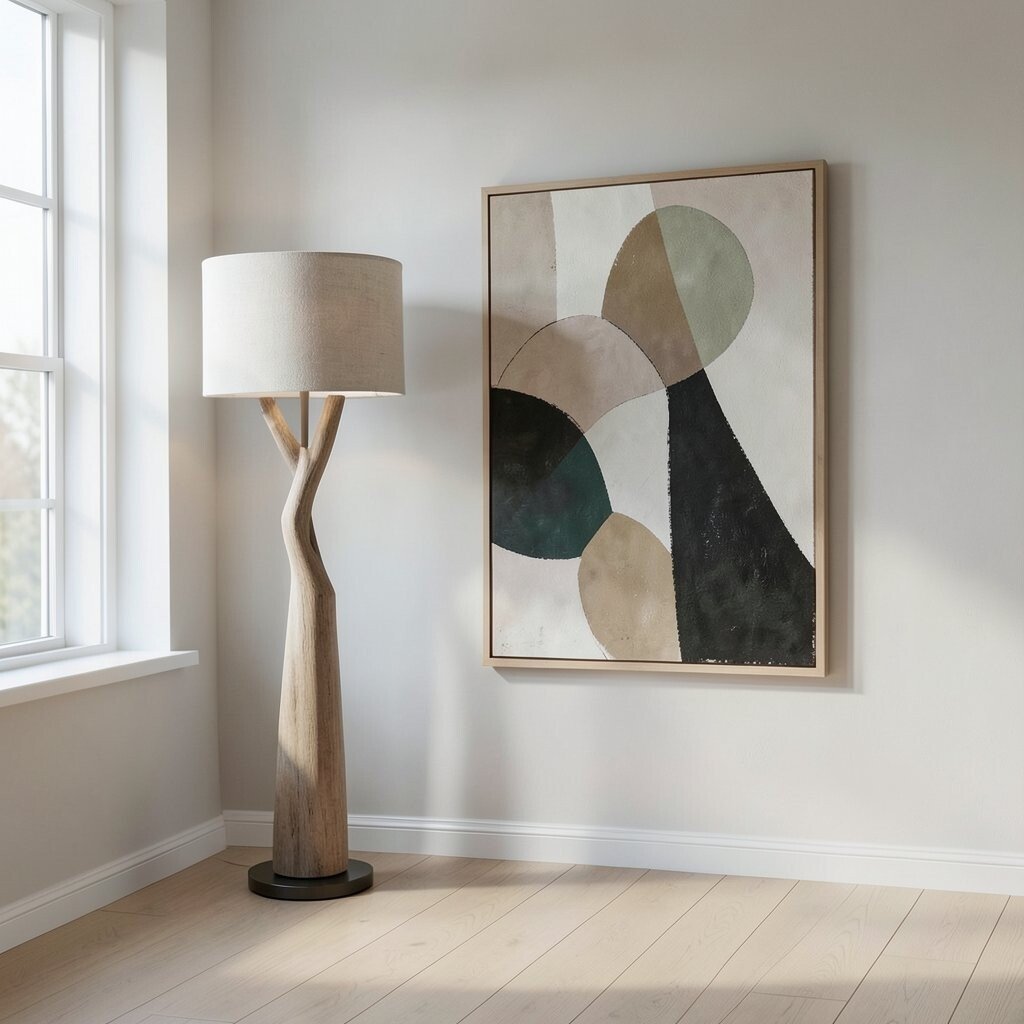
Pick a single hero item, like a sculptural floor lamp or an oversized abstract artwork. Let the rest of the room stay simple so the hero piece can feel special.
Keep the statement in a calm color palette, not loud or overly busy. If the piece has texture, let it be the main texture in the room.
5. Flooring That Feels Warm Underfoot
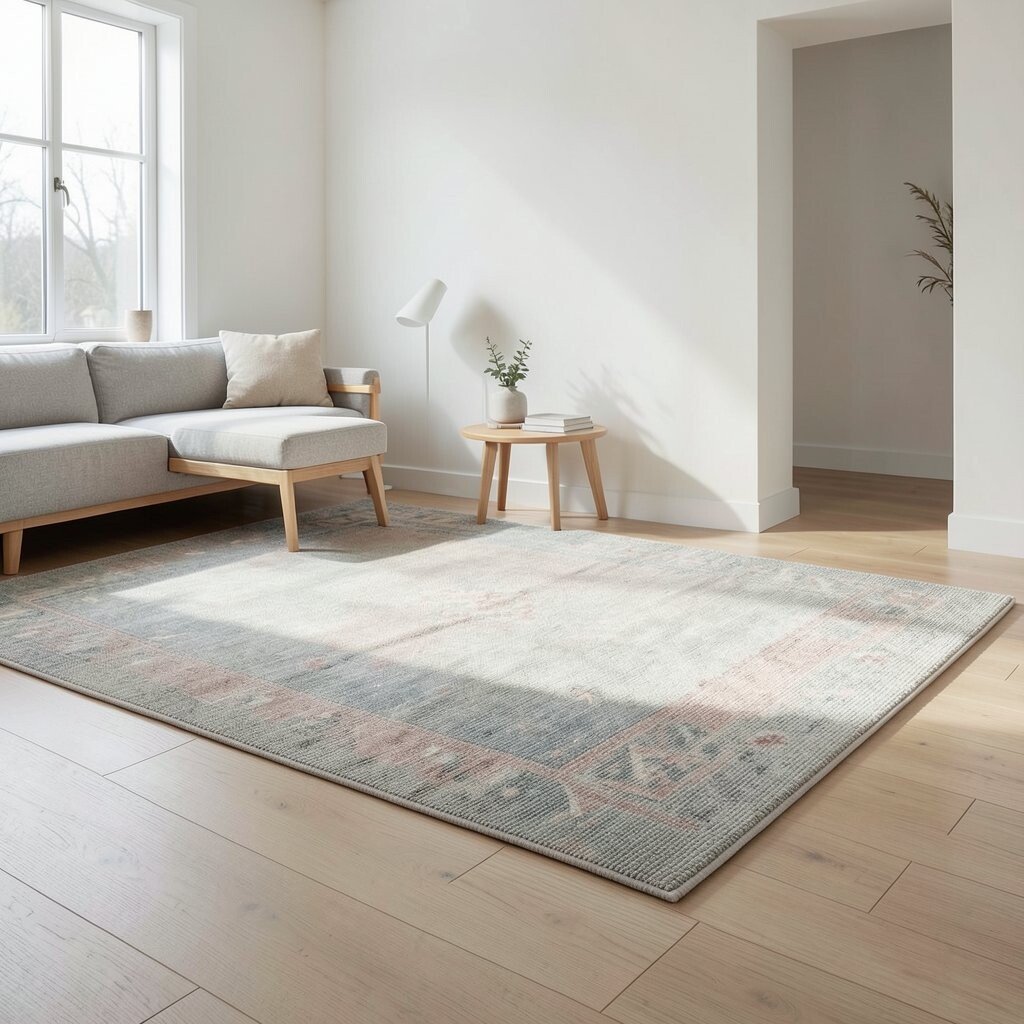
Light wood, natural bamboo, or warm-toned laminate can make a room feel instantly friendlier. When the floor looks clean and consistent, the entire interior feels calmer.
Area rugs can add softness, but choose low pile or tightly woven styles for a tidy look. Go for muted colors and gentle patterns so the rug supports the space rather than fighting it.
Keep rug edges flat and use a non-slip pad so the surface feels secure. That comfort makes the room feel welcoming in real life, not only in photos.
6. Clear Surfaces With Hidden Storage
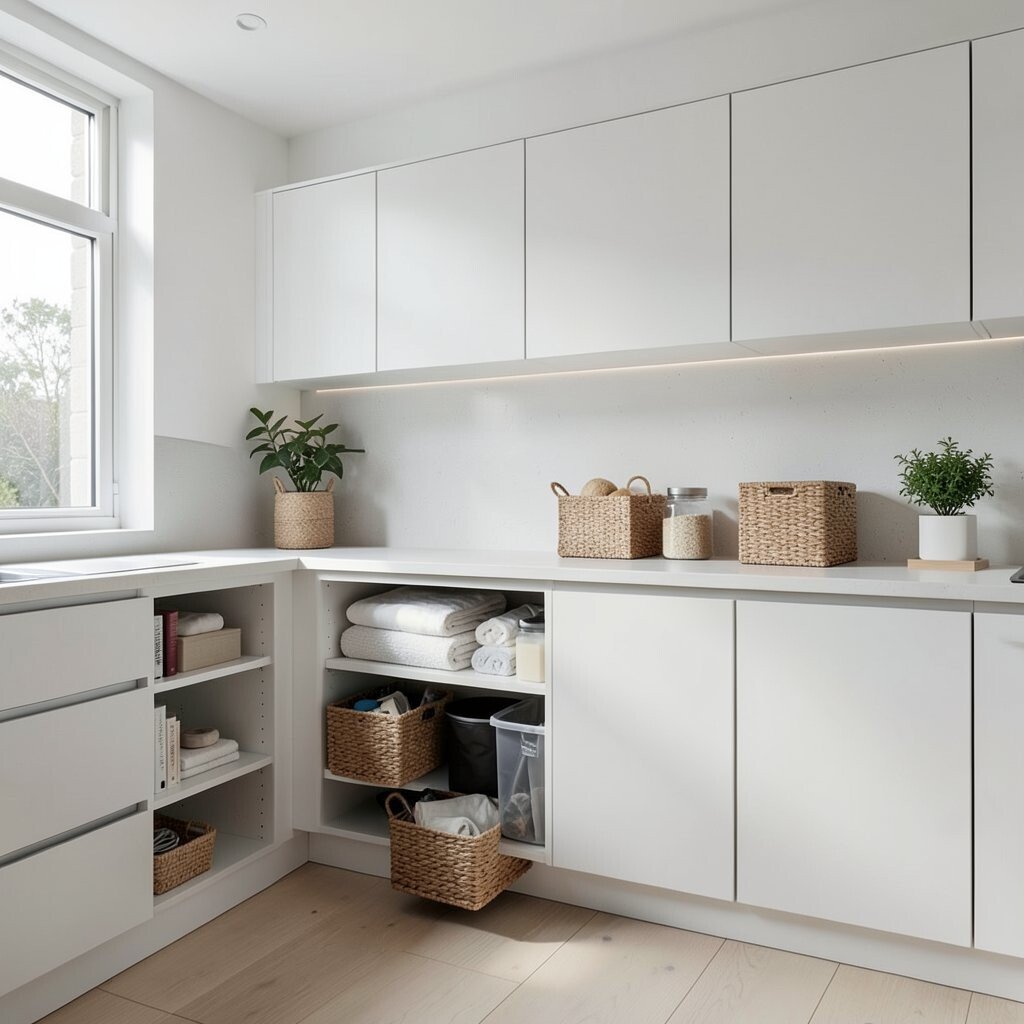
Minimalism is easier when daily clutter has a home. Use baskets, drawer dividers, and closed cabinets to keep counters calm.
Try storage that matches the room’s finish so it doesn’t stand out. A cabinet with simple doors can hide charging cords, spare linens, and small items that would otherwise disrupt the look.
7. Thoughtful Lighting at Multiple Heights
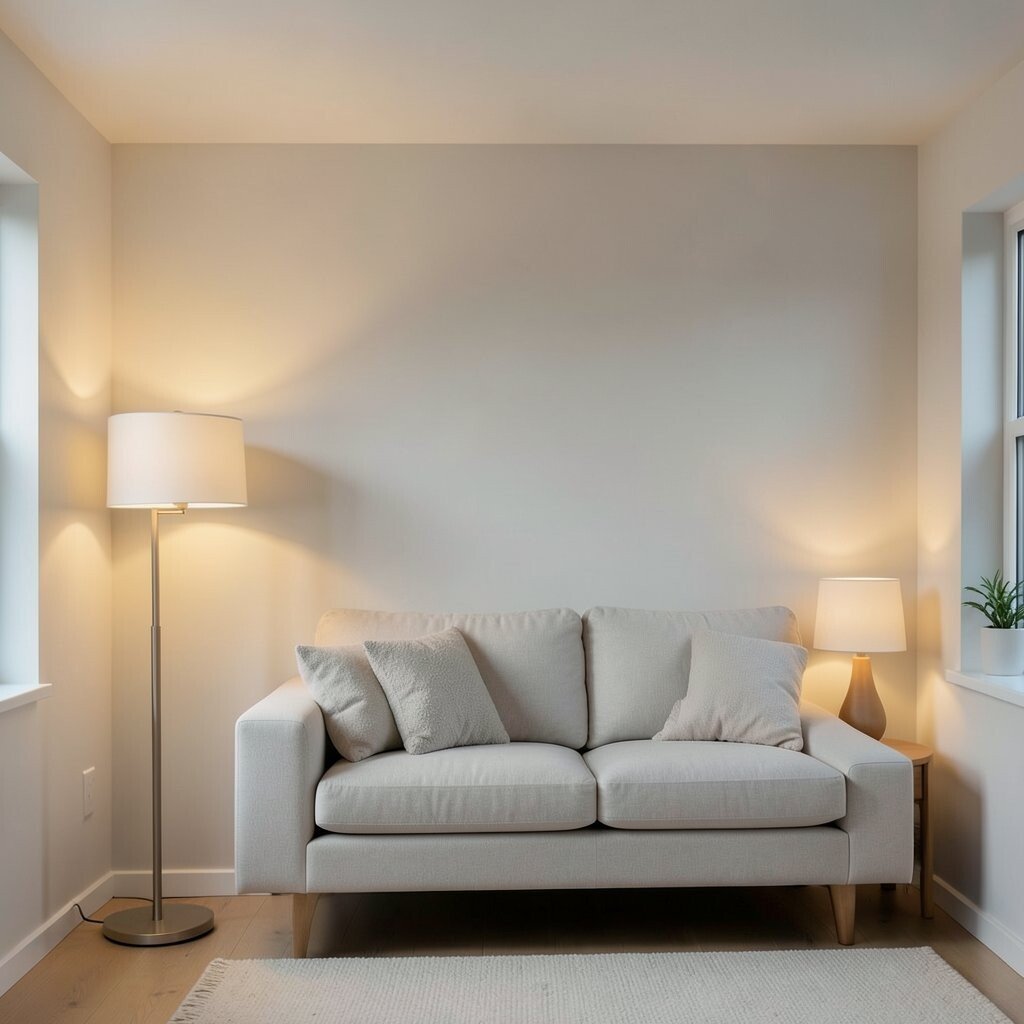
Layer your lighting with a floor lamp, a table lamp, and soft overhead light. Different heights create a gentle glow, and that glow feels more relaxing than harsh ceiling lighting alone.
Choose warm bulbs, around the evening-friendly range, to make the room feel cozy. Use dimmers if you can, because mood control is a big part of calm interiors.
Keep light fixtures simple, with clean lines and matte finishes. When the light sources are calm, the whole room feels calmer too.
8. Bedding With Crisp Simplicity
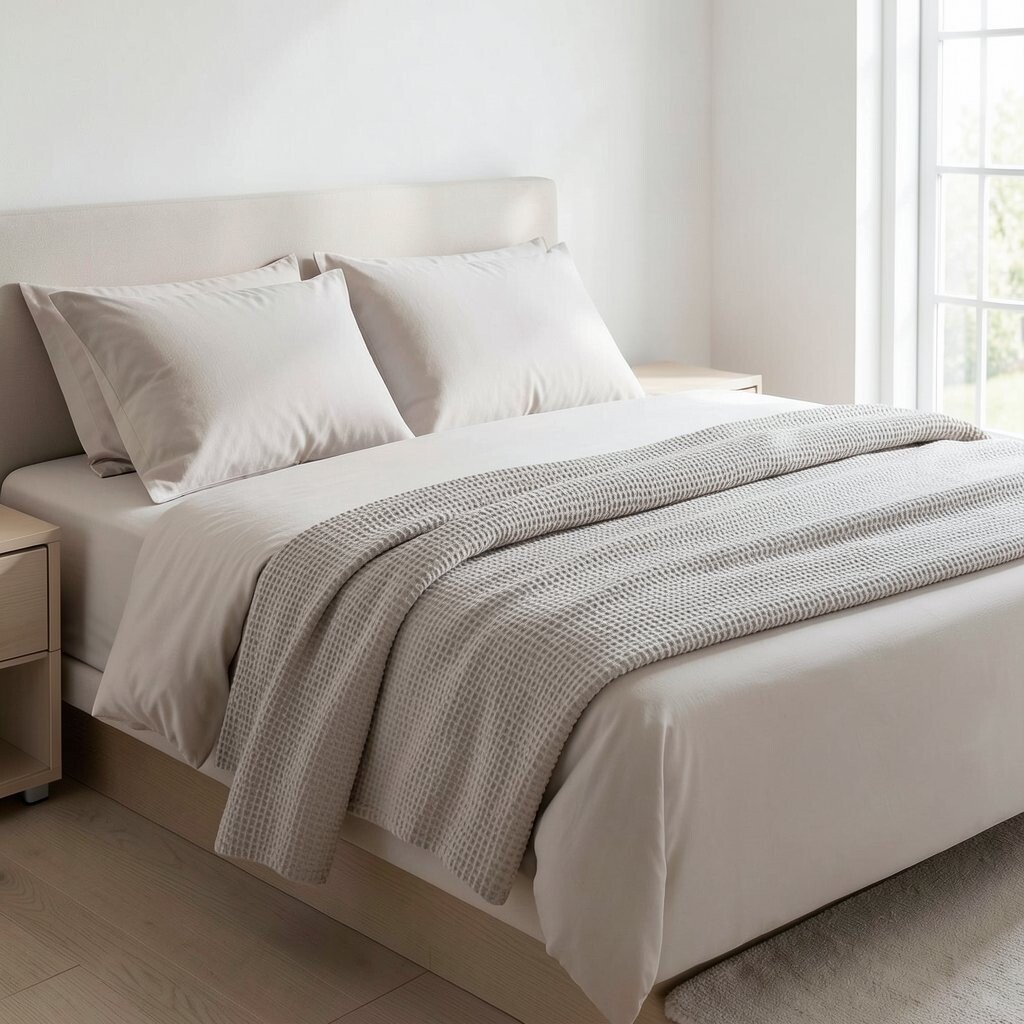
Use a fitted sheet, a simple duvet, and breathable throws in neutral shades. Crisp bedding creates order, and that order often carries over into your mindset.
Add one textured element, like a waffle weave or a subtle knit blanket, to keep the bed from feeling too plain. If you like patterns, use them sparingly with small repeats.
9. Gallery-Style Walls With Breathing Room

Create a small wall arrangement using frames that match in color or material. Leave space between pieces so the wall feels airy rather than packed.
Mix one larger artwork with two or three smaller pieces for balance. Choose art that reflects your calm mood, such as soft landscapes, abstract shapes with gentle curves, or quiet monochrome sketches.
Keep the overall palette consistent with the room’s neutrals. This makes the wall feel designed, not random.
10. Mirrors Placed for Soft Light and Depth
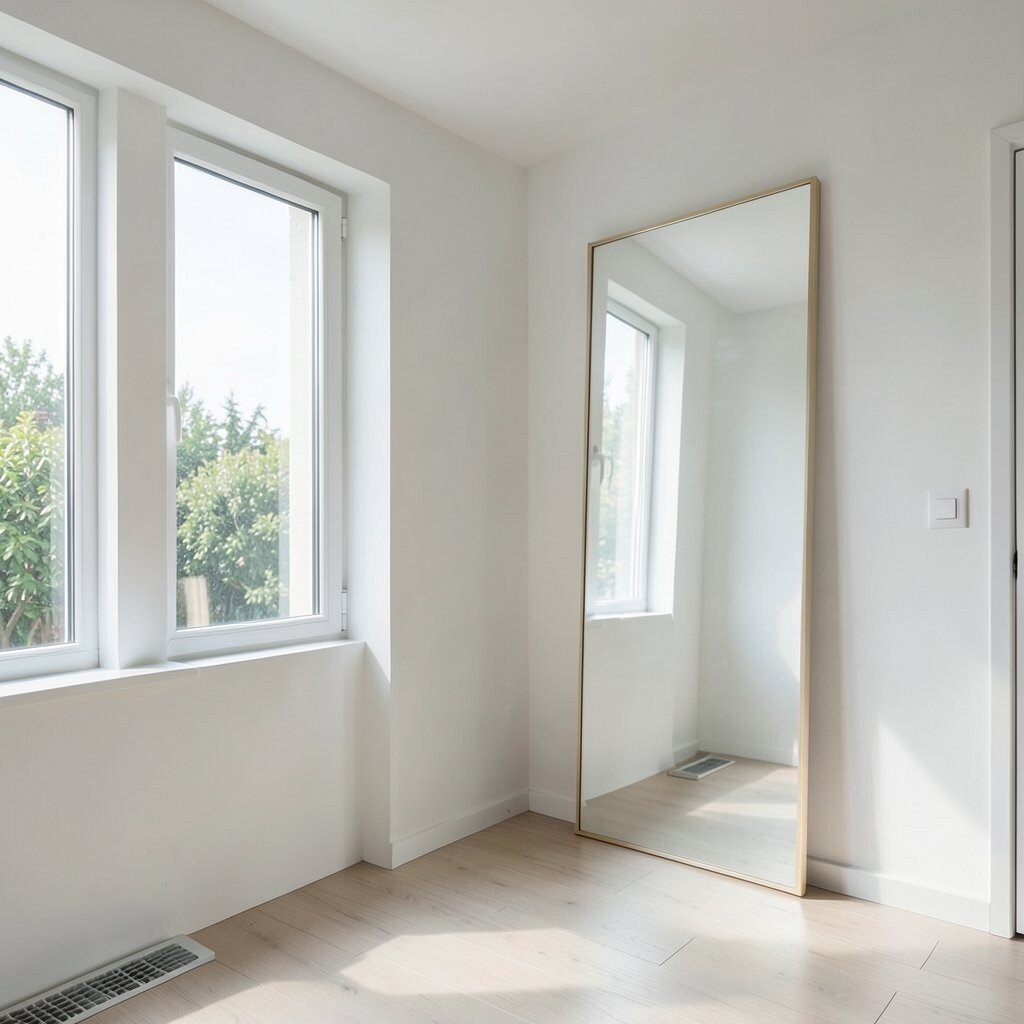
A well-placed mirror can bounce daylight and make a room feel open. Choose a simple frame or a frameless look for an extra clean effect.
Try positioning the mirror across from a window so the light travels deeper into the space. Even in a smaller home, this trick helps the room feel less tight.
Use mirror placement to support your daily flow, like near an entry or dressing area. When the mirror feels intentional, it also adds a sense of calm routine.
11. Minimal Color Accents That Feel Personal
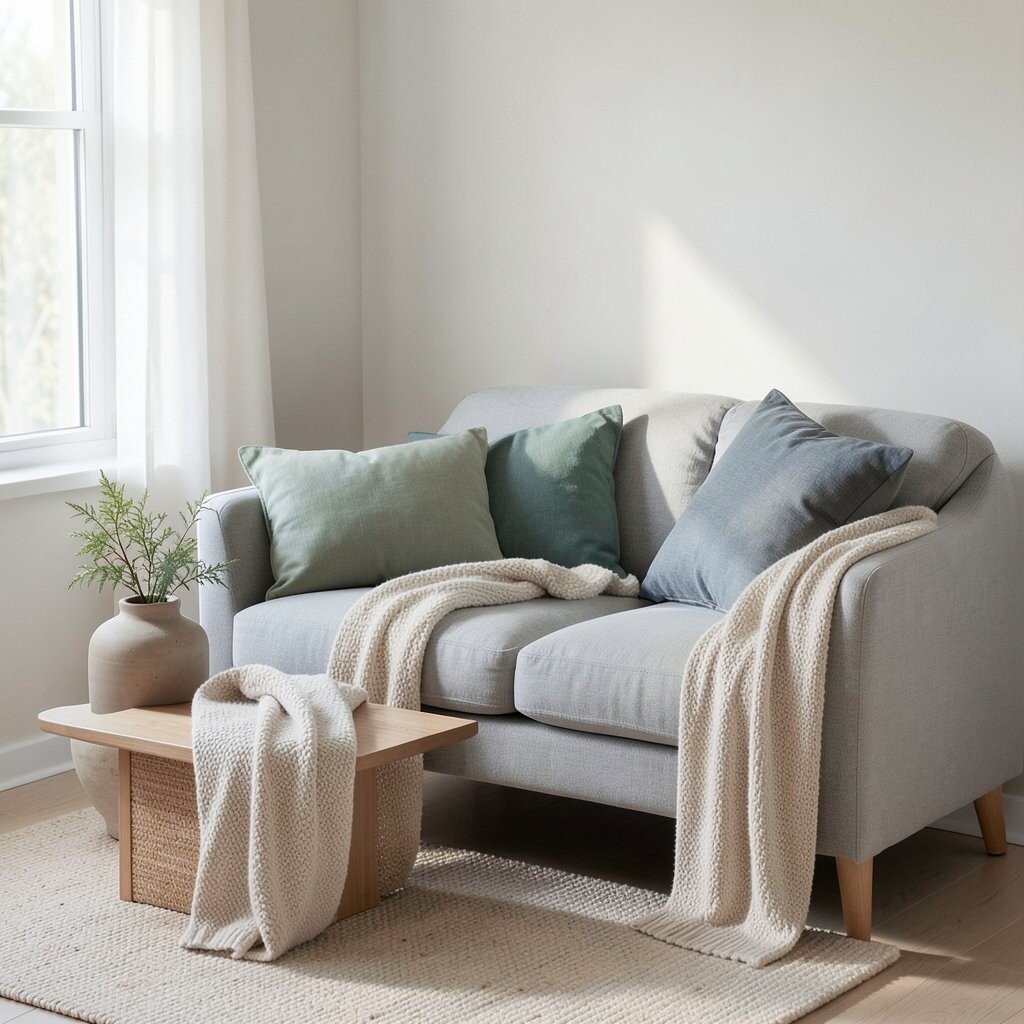
Add calm color through small accessories like cushions, a ceramic vase, or a single throw. When the accent is limited, you get personality without visual overload.
Pick colors that match your favorite emotions, such as muted sage, dusty blue, or soft clay. Rotate seasonal items, like a summer cushion cover, so your home stays fresh without redesigning everything.
If you collect things, choose pieces with similar tones so they look curated. That small step keeps your space peaceful while still feeling like you.
12. Indoor Plants With Easy Care Choices
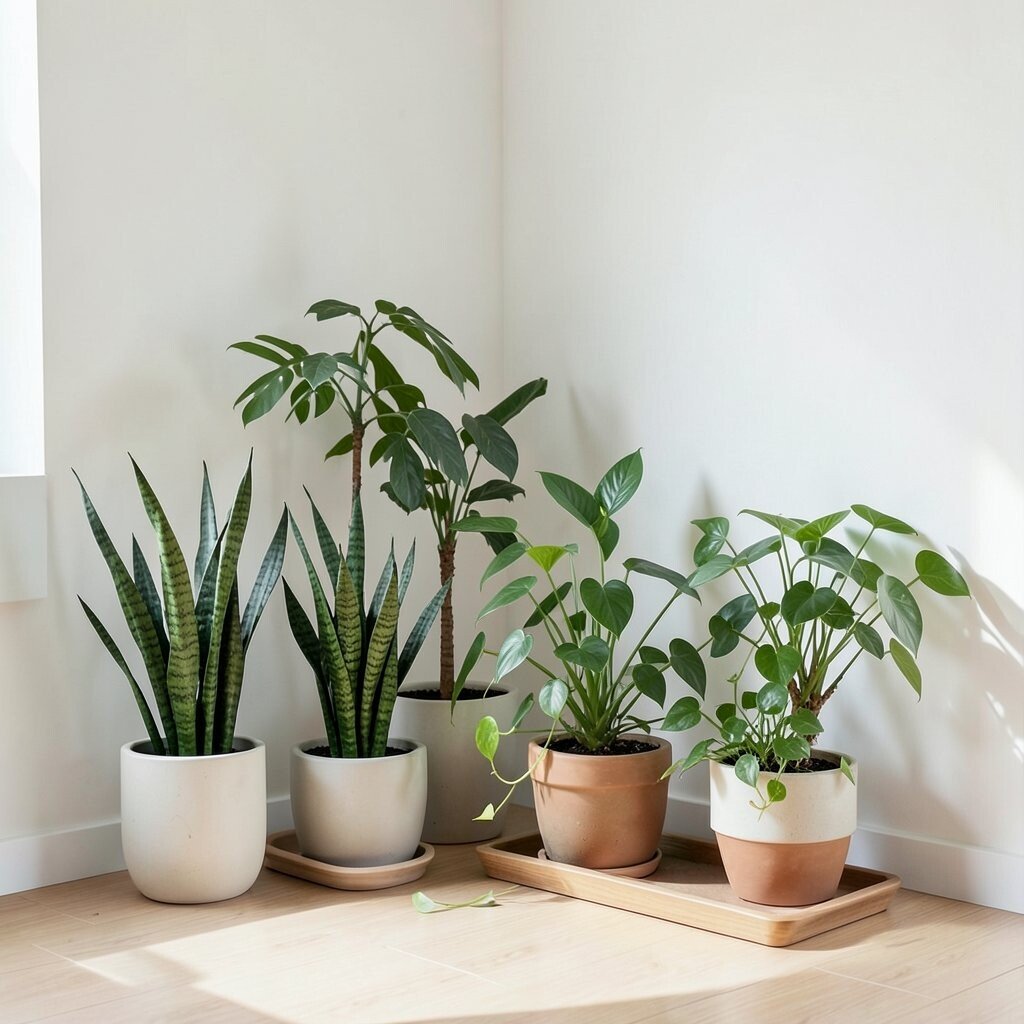
Simple greenery brings life without needing complicated décor. A few plants in matching pots can add warmth, color, and a softer feel to bare corners.
Choose low-maintenance options like snake plants, pothos, or ZZ plants if you’re busy. Group plants in one area to make the look intentional instead of scattered.
Use a tray or pot liner to protect surfaces and keep the room tidy. Healthy plants also improve the feeling of freshness, which supports everyday calm.
13. A Calm Entryway That Starts Your Day Right
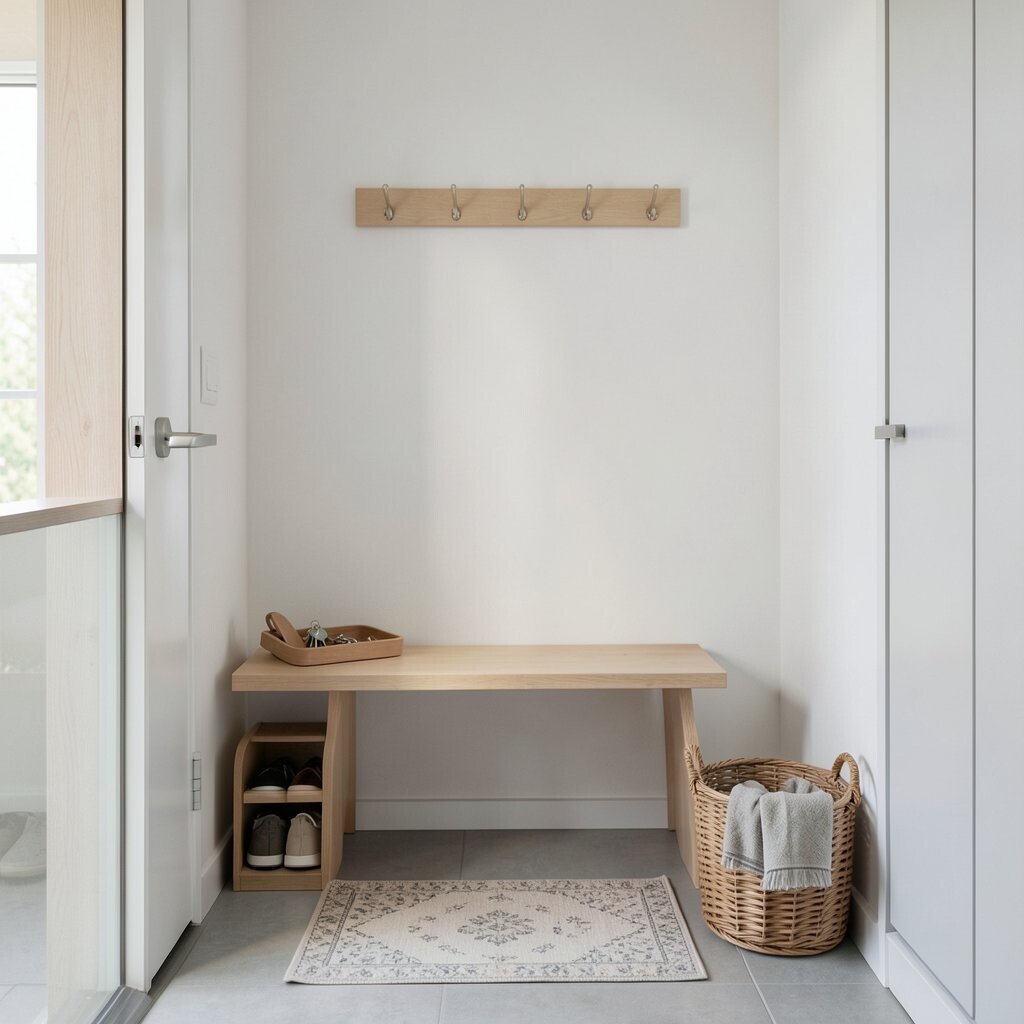
Your entry sets the tone the moment you step inside. Create a small landing area with a simple bench, a hook rail, and a tray for keys.
Store shoes out of sight when you can, using a cabinet or a closed shoe organizer. Clear floors make the space feel peaceful and reduce the daily scramble.
Add a small mat with a muted pattern and keep a basket nearby for gloves or scarves. These practical touches help your home feel ready for you, not cluttered for you.
14. Textiles That Add Comfort Without Visual Noise
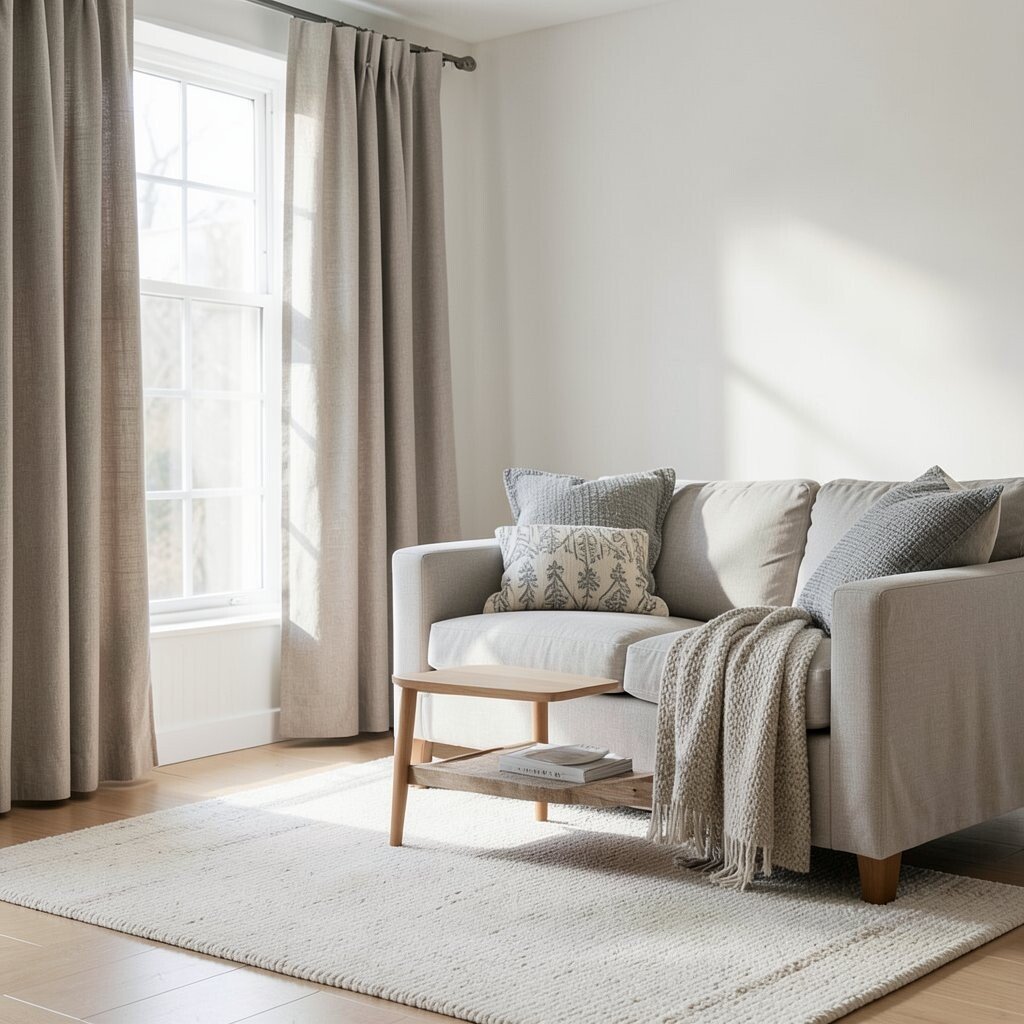
Choose curtains, rugs, and cushions in coordinated textures rather than loud prints. Texture feels rich, even when the color stays calm.
Look for natural materials like wool blends, linen, or cotton canvas. These fabrics look inviting and also help the room feel softer acoustically.
If you love patterns, choose one subtle pattern and repeat it across two items. Repetition makes the look feel designed, and it keeps your space from feeling busy.
15. Kitchen Counter Minimalism With Clear Zones

Keep your kitchen counters mostly bare, and place everyday items where you actually use them. A tidy counter makes cooking feel smoother and less stressful.
Create simple zones, like a spot for a coffee setup and a separate area for cutting tools. When tools live together, you spend less time searching and more time cooking.
Store bulky appliances in cabinets when possible, and use slim containers for smaller items. Even a small update to storage can make a big difference in how calm your kitchen feels.
16. Consistent Hardware and Finishes Throughout
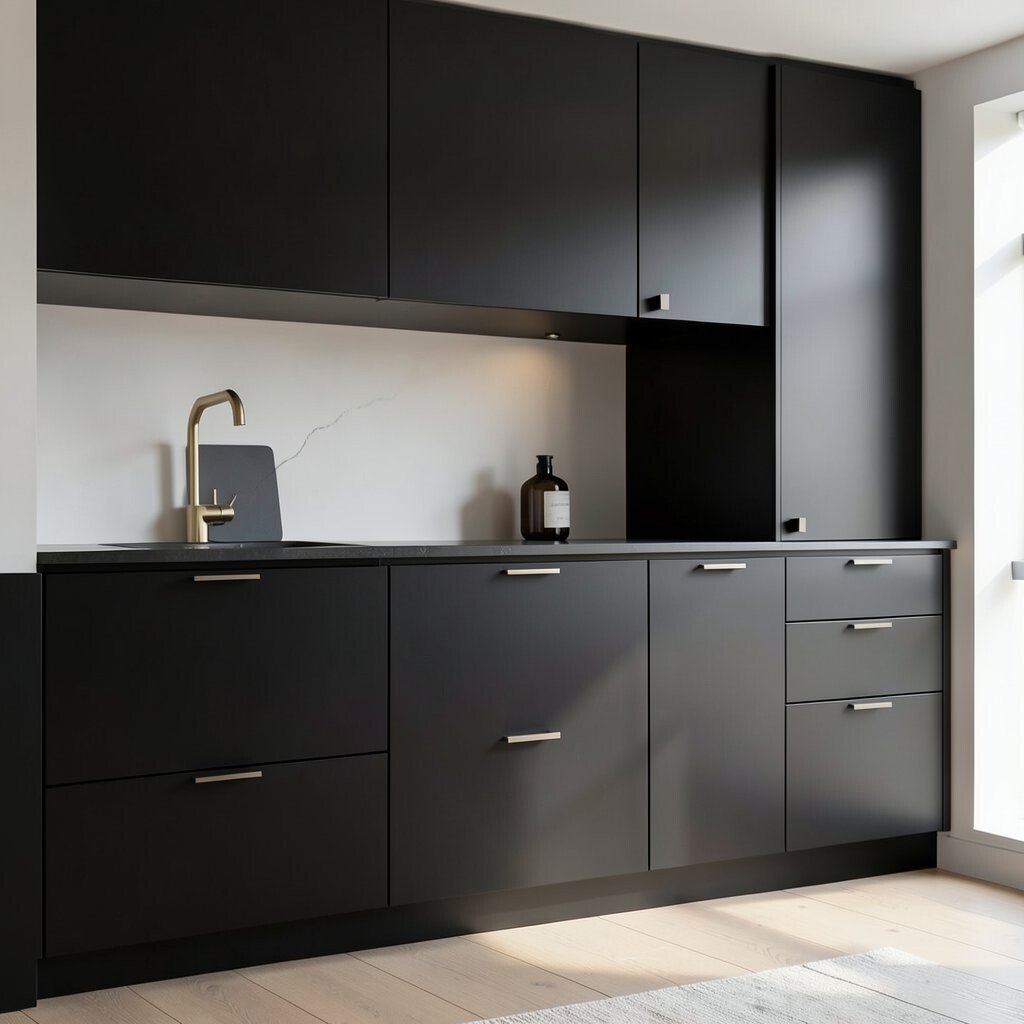
Minimalism looks better when details match, like drawer pulls, faucets, and cabinet handles. Consistent finishes make the home feel cohesive and well thought out.
Choose one finish family, such as matte black, brushed brass, or brushed nickel, and stick with it. When the visual language stays the same, your eyes relax instead of tracking mismatched pieces.
This upgrade can be cost-friendly if you start with the most visible areas first. Even changing hardware on one set of cabinets or drawers can refresh a room’s whole feel.
17. Make Room for Quiet Corners
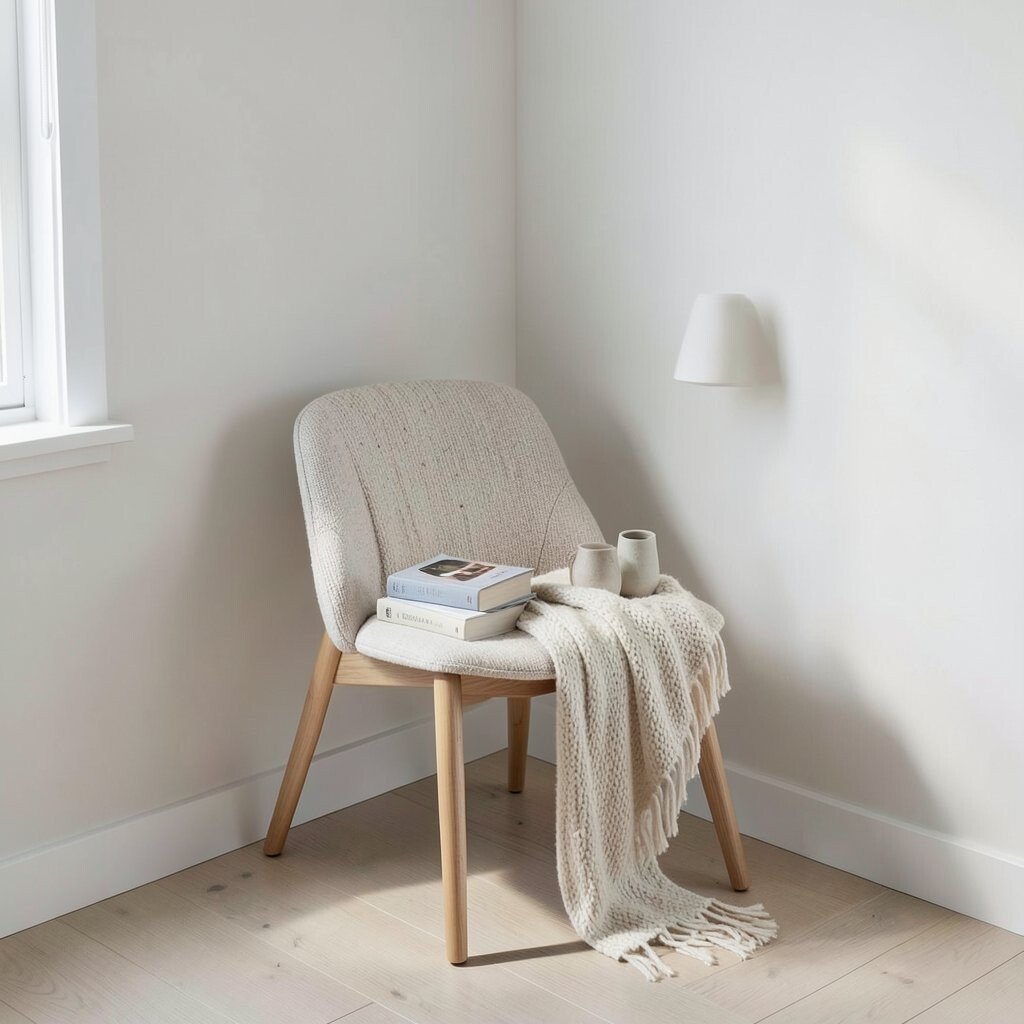
Create a small seat area where you can read, sip tea, or just sit without noise. A minimalist corner can be as simple as a chair, a lamp, and a soft throw.
Keep the surrounding surfaces clear so the corner feels like a pause button. Add one personal item, such as a favorite book stack or a small ceramic piece, to make it feel like yours.
If space is tight, choose a narrow chair or a corner shelf that doesn’t crowd the pathway. A calm corner supports mental rest, and it makes your home feel soothing every single day.