
A modern home can feel calm, bright, and quietly confident. The best upgrades don’t shout; they show up in the details.
1. Light-Filled Open Plan Layout
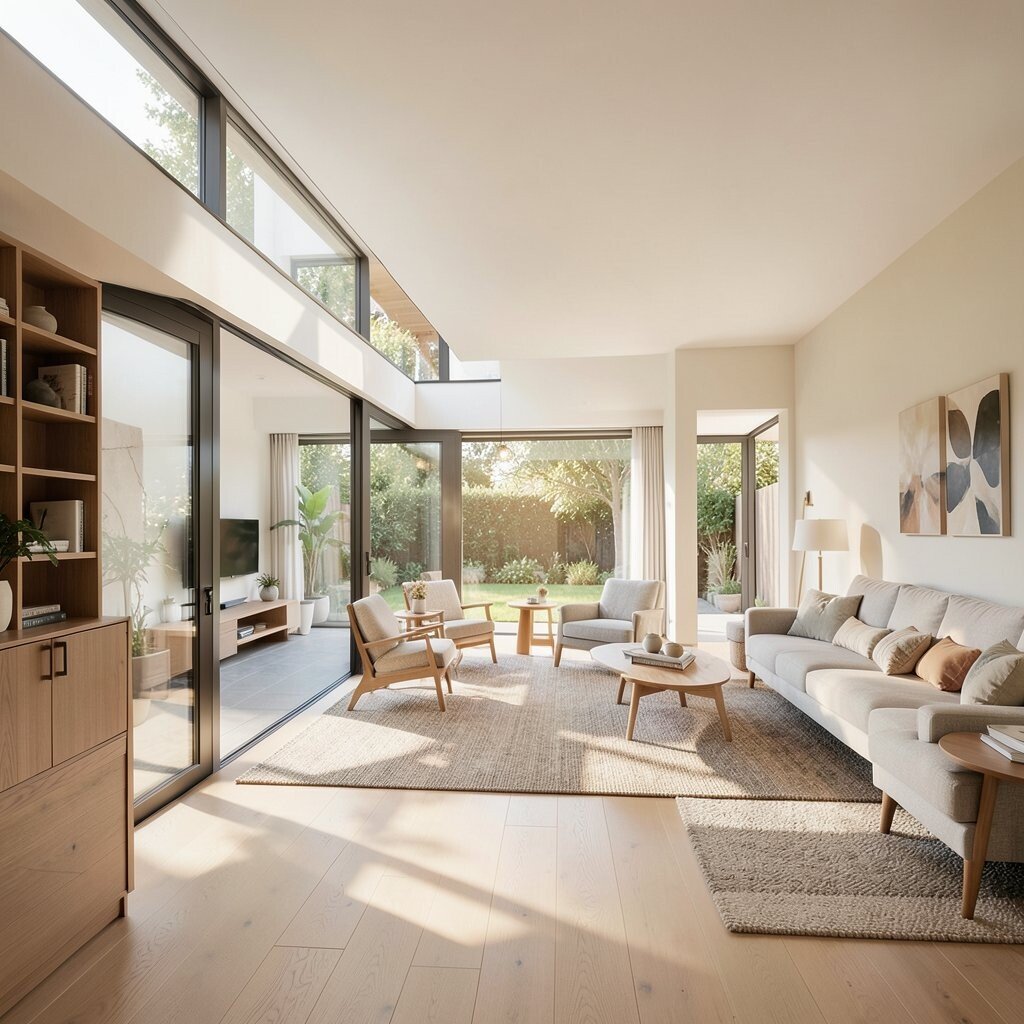
Picture walking into a space where sightlines flow from room to room like a gentle river. Large openings and fewer walls make the home feel bigger without needing extra square footage.
An open layout helps natural light travel deeper, so your mornings look warmer and your evenings feel inviting. Keep the change practical by planning furniture zones before moving walls or adding beams. Use rugs, shelving, or half-height dividers to define spaces in a way that still feels airy. For a fresh look that fits today’s tastes, choose slim profiles for partitions and doors, and let glazing do the visual work.
2. Warm Minimalism with Textured Surfaces
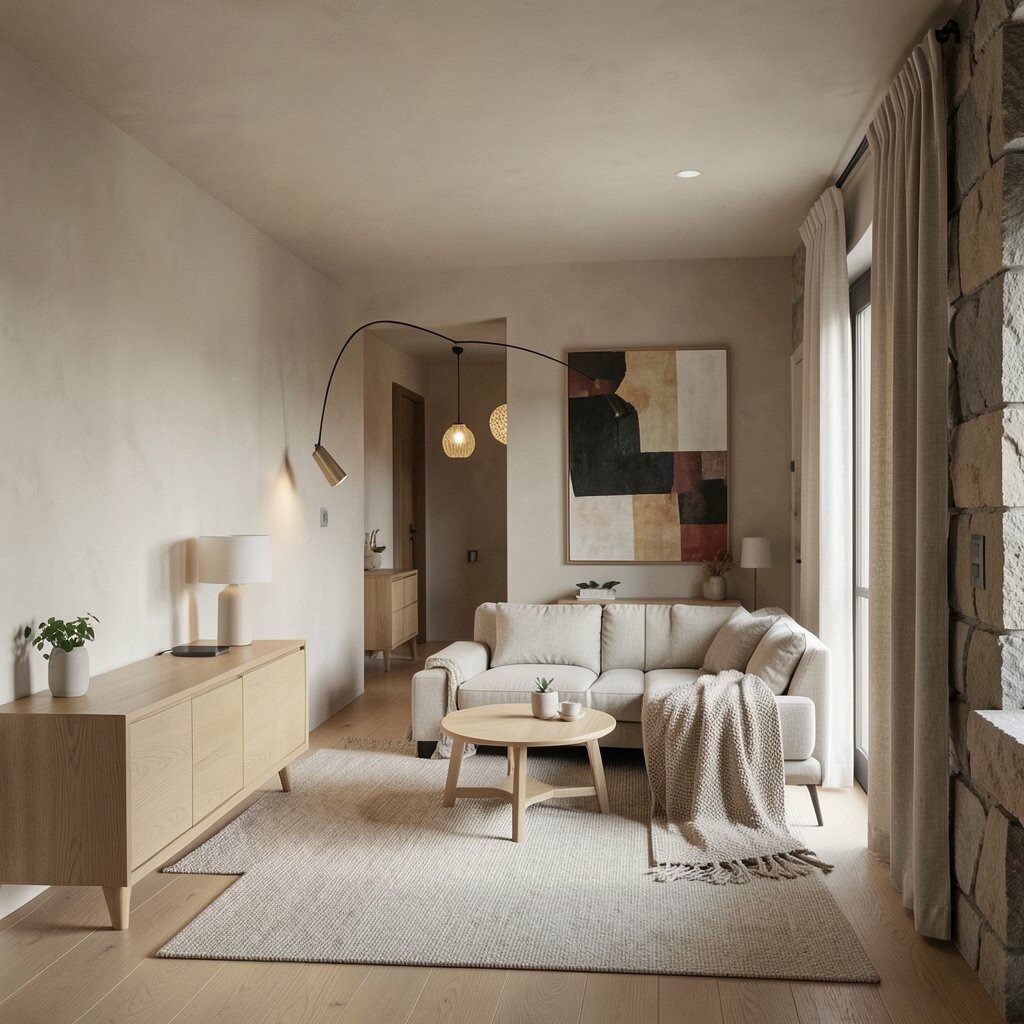
Minimal design can still feel cozy when materials carry real texture. Think of smooth plaster next to soft wood grain and stone with subtle variation.
To make warm minimalism work, pick a short palette and repeat it in multiple rooms. Choose finishes like matte paint, natural oak, linen-like textiles, and low-sheen hardware for a clean look that avoids the sterile feel. If you want personalization, bring in a single bold accent through art or a statement light fixture. For cost planning, focus spending on visible surfaces such as flooring, wall finishes, and entry details, then keep budgets steady on less noticeable areas.
Let the eye rest on simple shapes while textures add character. This style stays popular because it looks current, photographs well, and pairs easily with everyday living.
3. Statement Entry with a Modern Portal

Your front door sets the mood before anyone steps inside. A modern entry can look like a small architectural moment, framed with clean lines and a sense of arrival.
Consider adding a portico-style canopy, a deep recessed doorway, or a glass panel that lets light spill onto the entry floor. This small area becomes more functional too, since you can install seating, hooks, and a tidy drop zone for bags and keys. For personalization, use a standout door color or a custom handle that matches your hardware theme. To keep costs reasonable, reuse existing entry structure when possible and invest in the most visible items like lighting, door hardware, and exterior paint.
Choose a front light that creates an even glow and avoids harsh shadows. Modern entries often look best with simple landscaping and clean edging so the architecture remains the star.
4. Large Format Flooring with Clean Lines
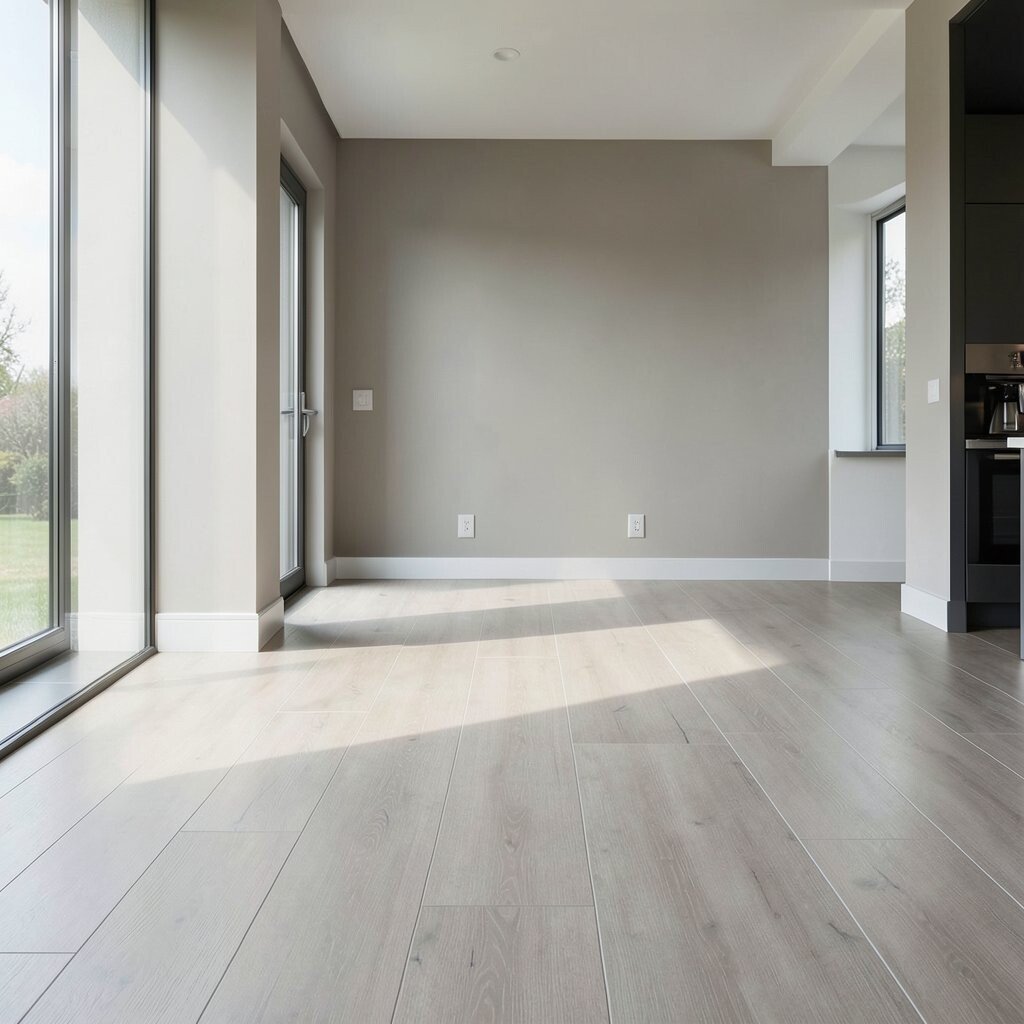
Big tiles or large plank flooring can make a room feel instantly more modern. The fewer grout lines create a calmer surface that looks sleek and tidy.
When you choose large format flooring, measure carefully and plan for transitions at doorways and corners. This approach works in living areas, hallways, and even kitchens, especially when you keep the same material running across multiple spaces. For practical results, select finishes that handle daily wear like scuffs and foot traffic, and consider slip-resistance in entry zones. To personalize, match the tone of the flooring with your wall color so the home feels coordinated rather than patchy.
5. Integrated Lighting Layers for Everyday Glow
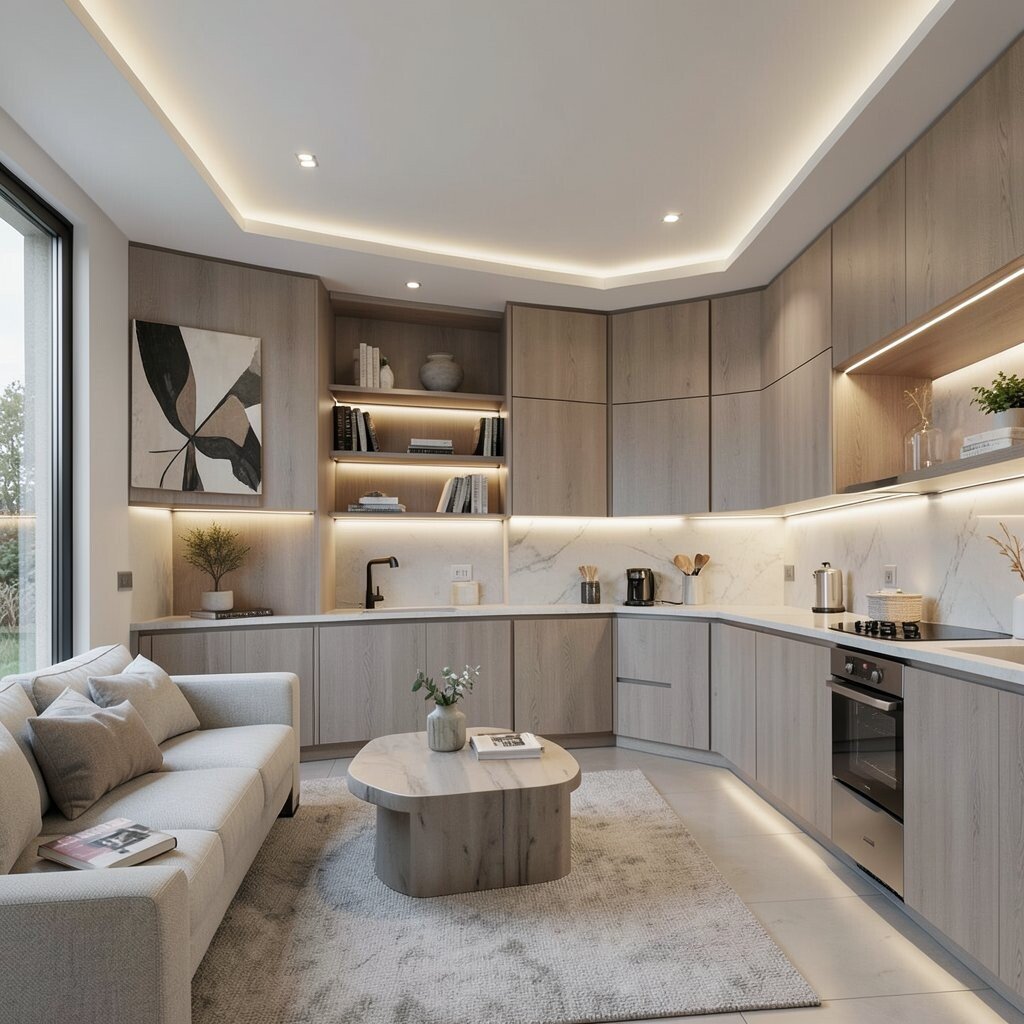
Lighting is one of the fastest ways to change how a home feels. When it’s layered, the space looks bright without being glaring.
Start with ambient lighting like recessed fixtures or a smooth ceiling glow, then add task lighting near seating, reading spots, and kitchen work areas. Finish with accent lighting to highlight texture, artwork, or shelving. For current trends, many modern homes now use warm color temperatures and smart dimmers for control by time of day. If you want savings, focus on replacing bulbs and fixtures where you can see results quickly, then upgrade wiring later if needed.
Try adding linear lights under shelves or inside cabinets for that crisp, modern touch. It also helps at night because your eyes don’t have to adjust from dark to bright suddenly.
6. Sleek Kitchen Details That Still Feel Livable
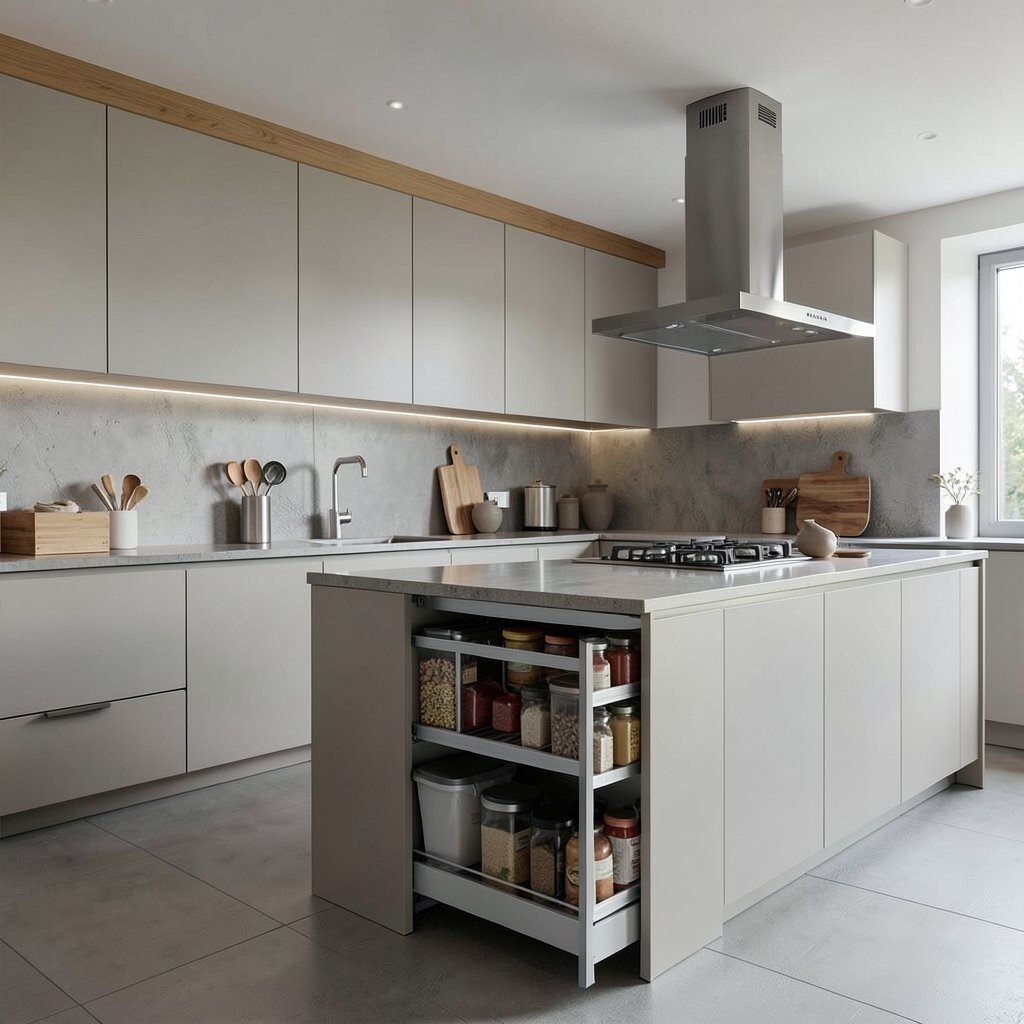
A modern kitchen can be both stylish and practical when storage is designed well. Think of flat-panel cabinets, integrated handles, and a clean wall of cabinetry that hides clutter.
Keep it livable by planning drawer space for daily tools and using pull-out organizers for spices, trash, and pantry items. Choose a countertop with a durable finish that handles hot pans and everyday spills. For personalization, add a different material moment, like a slim wood beam on the ceiling or a textured backsplash that adds depth. Cost considerations matter here, so balance premium surfaces with smart choices like standard cabinet heights and careful layout planning to avoid expensive rework.
Modern kitchens often look best with a simple rhythm of storage and a clear focus point, such as an island or a statement hood. Add a few warm accessories like wood boards and matte ceramics to keep the look from feeling too cold.
7. Oversized Windows with Privacy-Smart Options
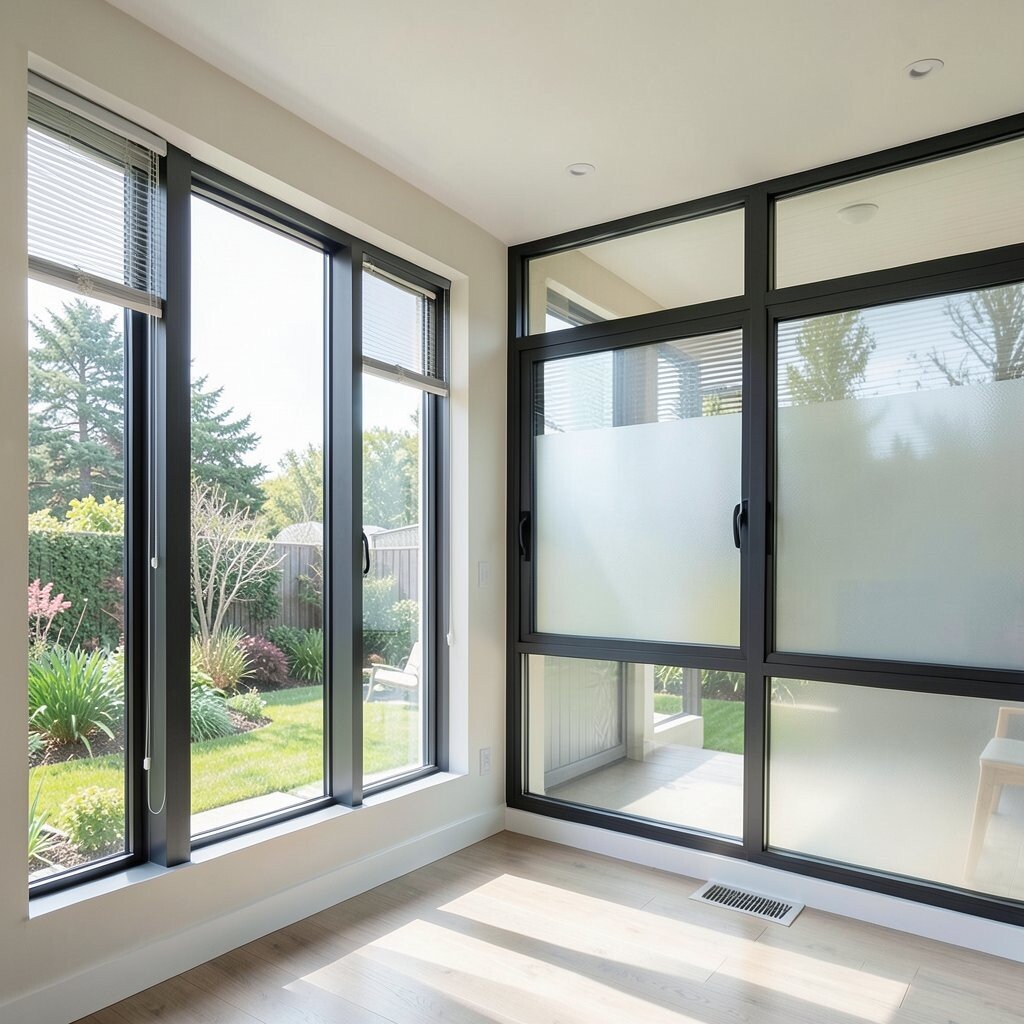
Big windows make a house feel connected to the outdoors. The view becomes part of your decor, especially when daylight fills the corners.
For privacy-smart design, use window films, sheer drapery, or exterior louver screens that block unwanted eyes without dimming your home. Plan window placement so main rooms face desirable views and kitchens or bathrooms use frosted or patterned glass. This also helps energy efficiency, since proper glazing and shading can reduce heat loss and glare. To personalize, consider a mix of window shapes or a strong trim color that frames the glass like a picture.
Don’t forget practical steps like measuring for blinds and confirming the best opening directions for airflow. When you do it right, the home stays bright and comfortable, not just visually dramatic.
8. Outdoor Living Rooms with Weather-Ready Finishes
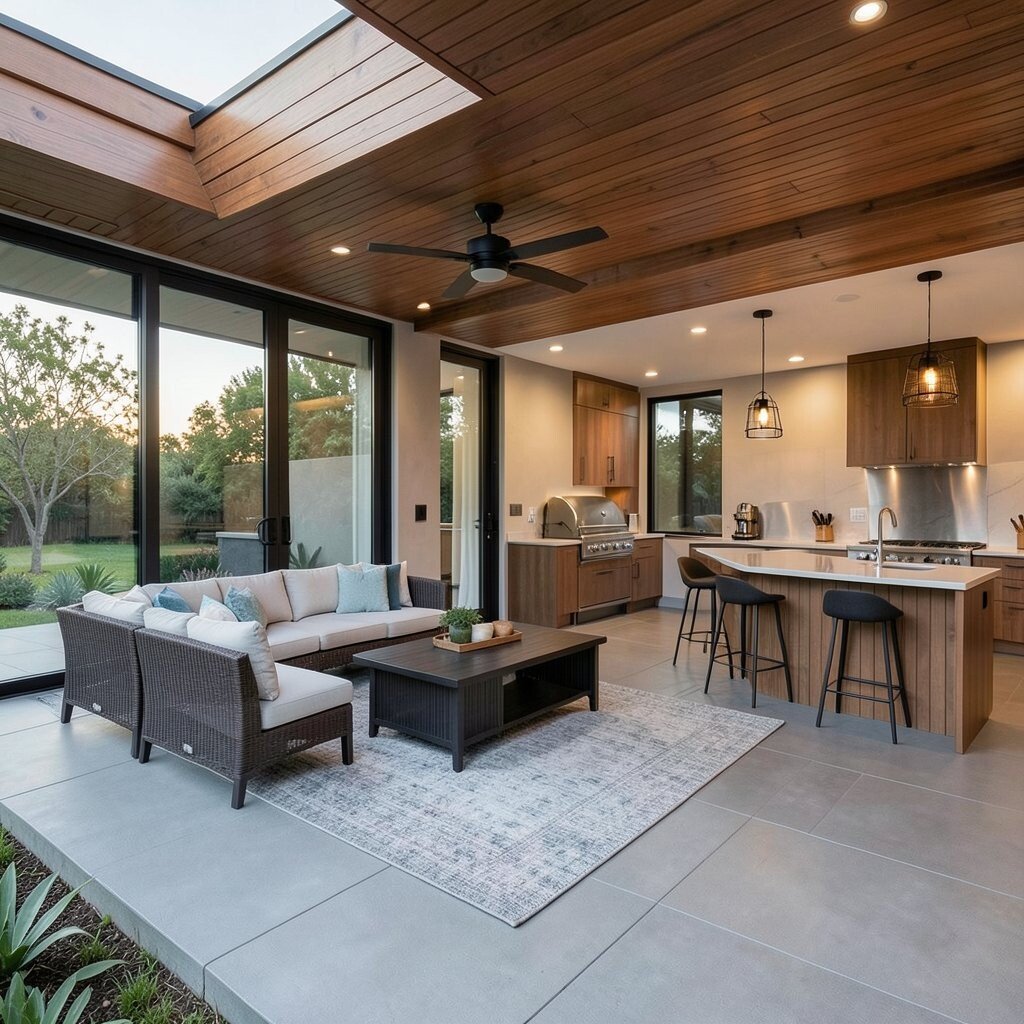
A modern home feels even better when indoor comfort continues outside. A covered patio or terrace can become your new go-to space for evenings and weekends.
Choose outdoor-rated furniture, durable flooring, and finishes made for sun, rain, and temperature swings. Add ceiling fans or outdoor heaters if you want the space to stay usable beyond the warm months. For personalization, build a built-in grill station or add a bar with a water-resistant countertop so hosting feels easy. Cost planning helps here too, because you can start with a small patio refresh using lighting, cushions, and a rug, then grow into bigger upgrades later. Current trends also lean toward simple landscaping, clean lines, and outdoor kitchens that match the interior palette.
9. Curved Architectural Elements for Soft Modern Charm
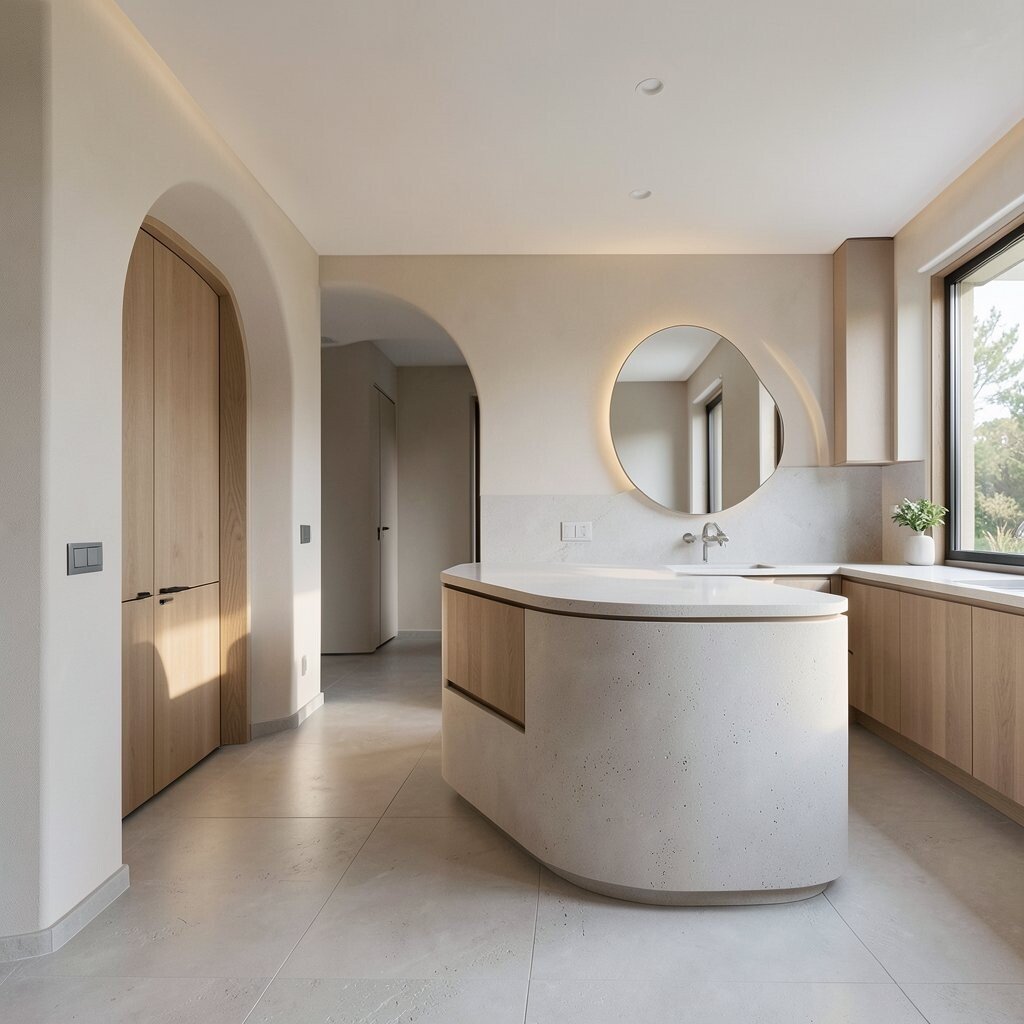
Hard angles can look sharp, but curves add a friendly softness. Even a small curved element can make a room feel more welcoming and less rigid.
Consider a rounded kitchen island edge, a gentle arch over an entry opening, or a curved mirror that brightens a hallway. This design choice can also improve comfort because it reduces the feeling of corners everywhere. For practical tips, use curves selectively so the home still reads clearly and stays modern. Pair curves with simple materials like smooth stone or warm wood for a balanced look.
To personalize, choose a curve in the one area you want people to notice, such as the living room or a main bathroom. Curves are unique because they feel timeless, yet they still fit today’s modern styling.
10. Smart Storage Walls for a Cleaner Look
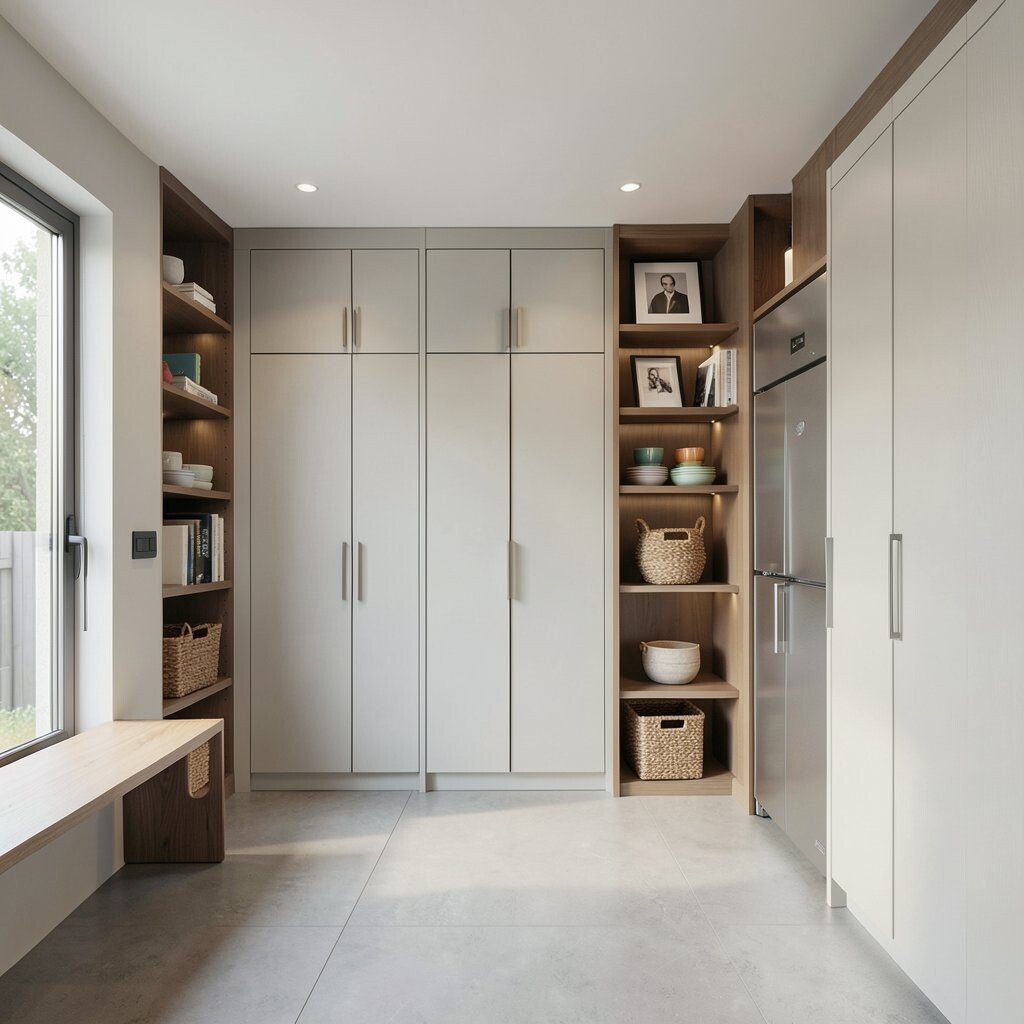
Clutter is the enemy of modern style, but storage can solve it without hiding your personality. A storage wall can create a neat backdrop while still giving you room for everyday items.
Think about built-in shelving with a mix of closed cabinets and open spaces for books, baskets, and decorative pieces. Add a bench or appliance garage near the entry or kitchen so small daily objects stay out of sight. For personalization, use display shelves for color-coordinated ceramics or framed photos, then keep the rest behind doors. When budgeting, start with the areas that impact your daily routine most, like the kitchen, entry, or hallway. This approach keeps the house tidy and makes your design choices feel intentional rather than accidental.
Storage walls are trending because they look architectural and reduce visual noise. Plan measurements carefully so the pieces line up with light fixtures and doors.
11. Textural Accent Walls That Feel Modern, Not Busy
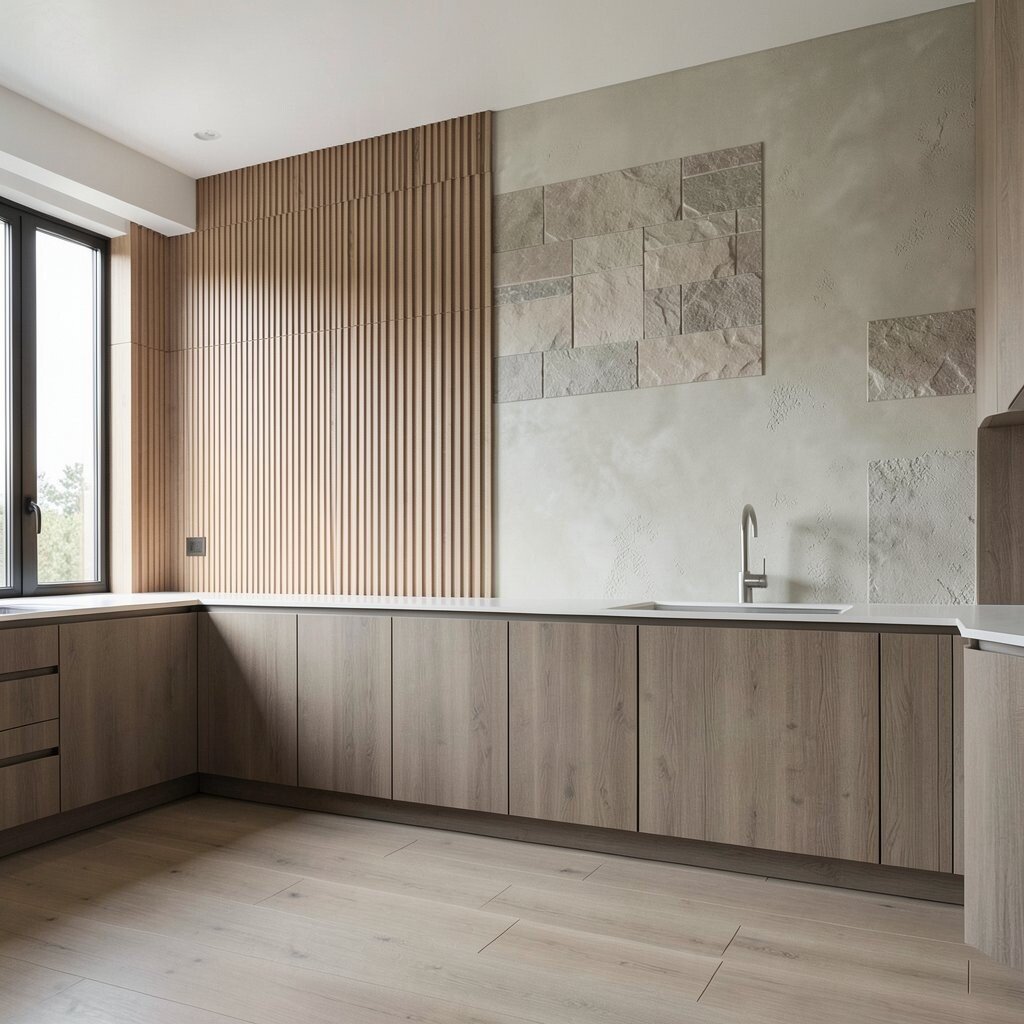
An accent wall can give your home personality without filling every surface with decor. Modern accent walls often use texture, not loud patterns.
Try options like wood slats, microcement, stone veneer, or a subtle limewash effect for an elegant look. Keep the rest of the room simple so the accent wall becomes the focal point. For practical tips, choose textures that are easy to clean and resilient in high-traffic areas. If you like personalization, match the accent material to another element in the home, such as flooring tone or countertop edge detail.
Cost considerations vary, so compare the expense of real materials to high-quality panels that mimic stone or wood. Either way, a well-chosen accent wall can make a single room feel custom and current.
12. Modern Bathrooms with Spa-Like Calm
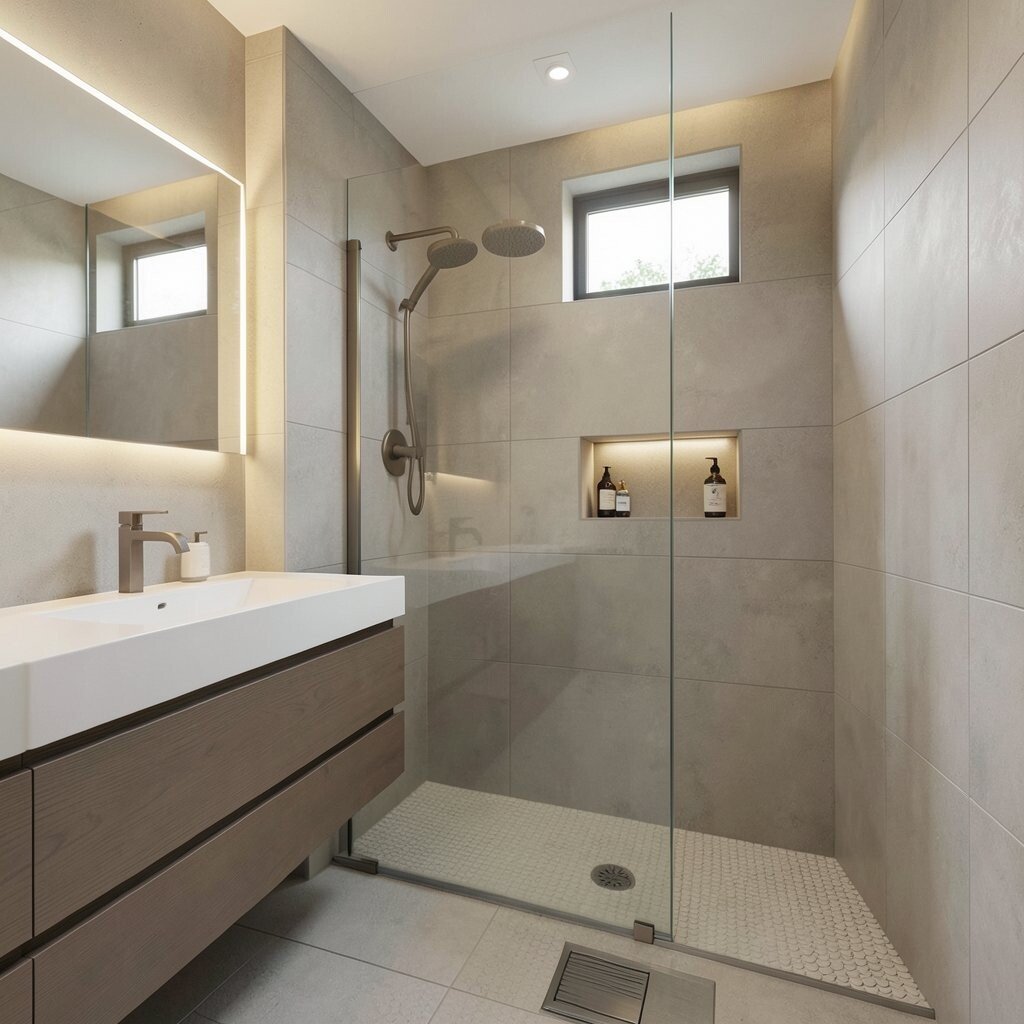
A modern bathroom should feel like a quiet retreat. The right layout, lighting, and materials can make your daily routine feel smoother.
Choose a spacious shower with a frameless glass panel, a floating vanity, and simple wall tiles in neutral tones. Add warm lighting around the mirror and consider a niche in the shower for shampoo bottles so everything stays tidy. For personalization, pick a distinctive faucet finish or a textured shower floor that adds grip and visual interest. Cost planning helps when you prioritize the items people notice most, like the shower, vanity, and lighting, then keep secondary upgrades within reason. Current trends also favor minimal lines and thoughtful storage that keeps counters clear.
13. Sustainable Upgrades with Real Style Payoff
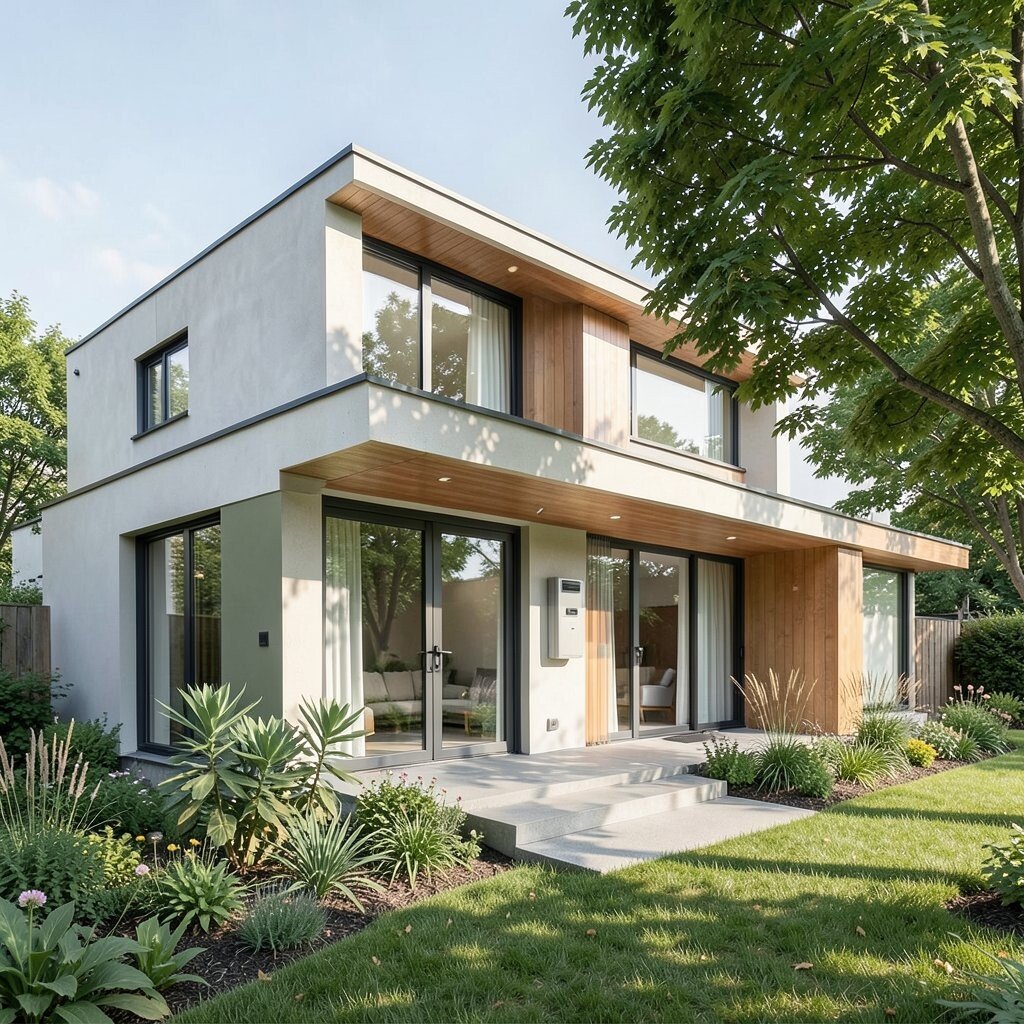
Sustainability can look modern and smart at the same time. When you choose efficient options, your home feels better and your long-term costs can drop.
Consider energy-saving windows, better insulation, and a heat-pump system designed for your climate. Use low-VOC paints and durable materials that last longer, which reduces replacement and repair over time. For practical personalization, add native plants and shade trees outside so you naturally cool the home and create a calmer landscape view. When thinking about cost, start with upgrades that affect comfort year-round, like insulation and air sealing, then add solar or advanced ventilation later if it fits your plan. This kind of sustainability trend keeps growing because people want both beauty and responsibility in one decision.
A sustainable home often feels quieter too, since efficient systems can reduce drafts and noise. That comfort is a benefit you can feel immediately.
14. Personal Touches with Curated Art and Color Pops
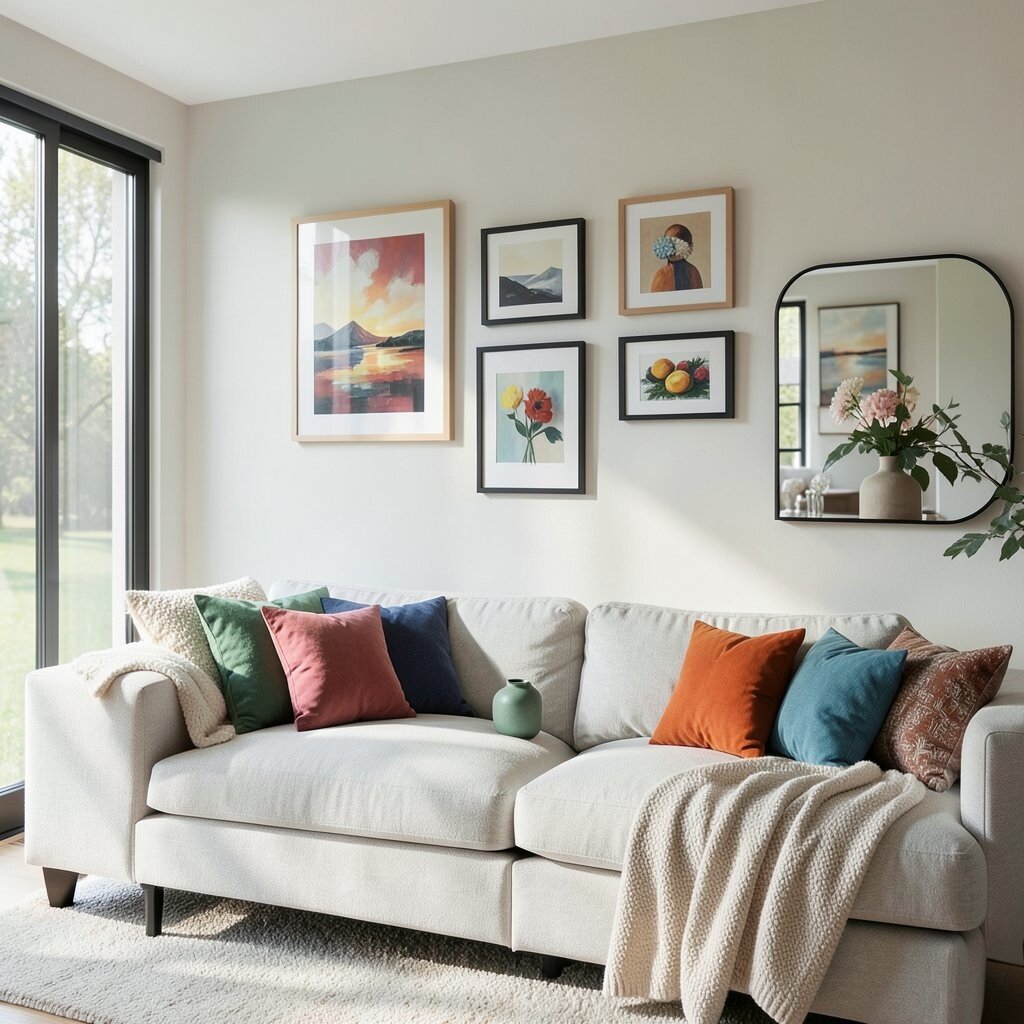
Modern doesn’t mean empty, and it definitely doesn’t mean boring. A curated mix of art, mirrors, and small color accents makes the home feel like yours.
Pick one or two colors you love and repeat them in small ways through cushions, vases, framed prints, or a single painted detail. Use placement wisely by hanging art at eye level and spacing pieces so the wall looks intentional, not random. For practical tips, use flexible frames so you can swap art as your tastes evolve, and consider a large mirror to boost light in darker areas. Cost considerations are easier when you shop gradually, since art and accessories can be adjusted over time without major construction.
Uniqueness comes from what you choose to keep and what you rotate seasonally. A home with thoughtful personal items feels fresh every day, not just after a renovation.