Quiet workspaces feel brighter even when the walls are plain. These ideas help you make yours calm, functional, and personal.
1. Clear Lines With a Floating Desk
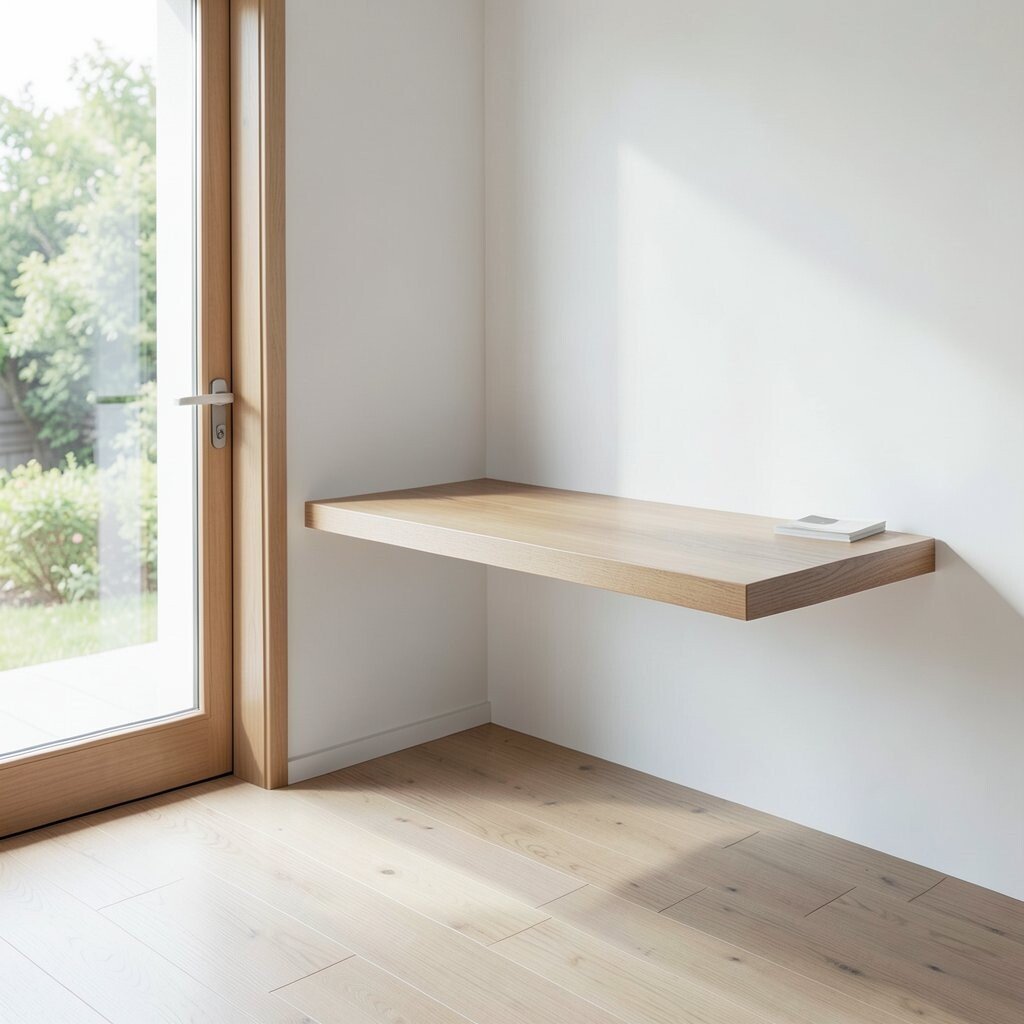
A floating desk makes your room feel lighter because the floor is still visible. You get a clean visual path from the door to the desk, which helps your eyes rest while you work.
Keep the surface mostly empty so your daily routine stays obvious and quick. Choose a finish that matches your lighting, like warm wood for cozy evenings or matte white for a crisp look.
2. Warm Lighting That Doesn’t Fight Your Eyes
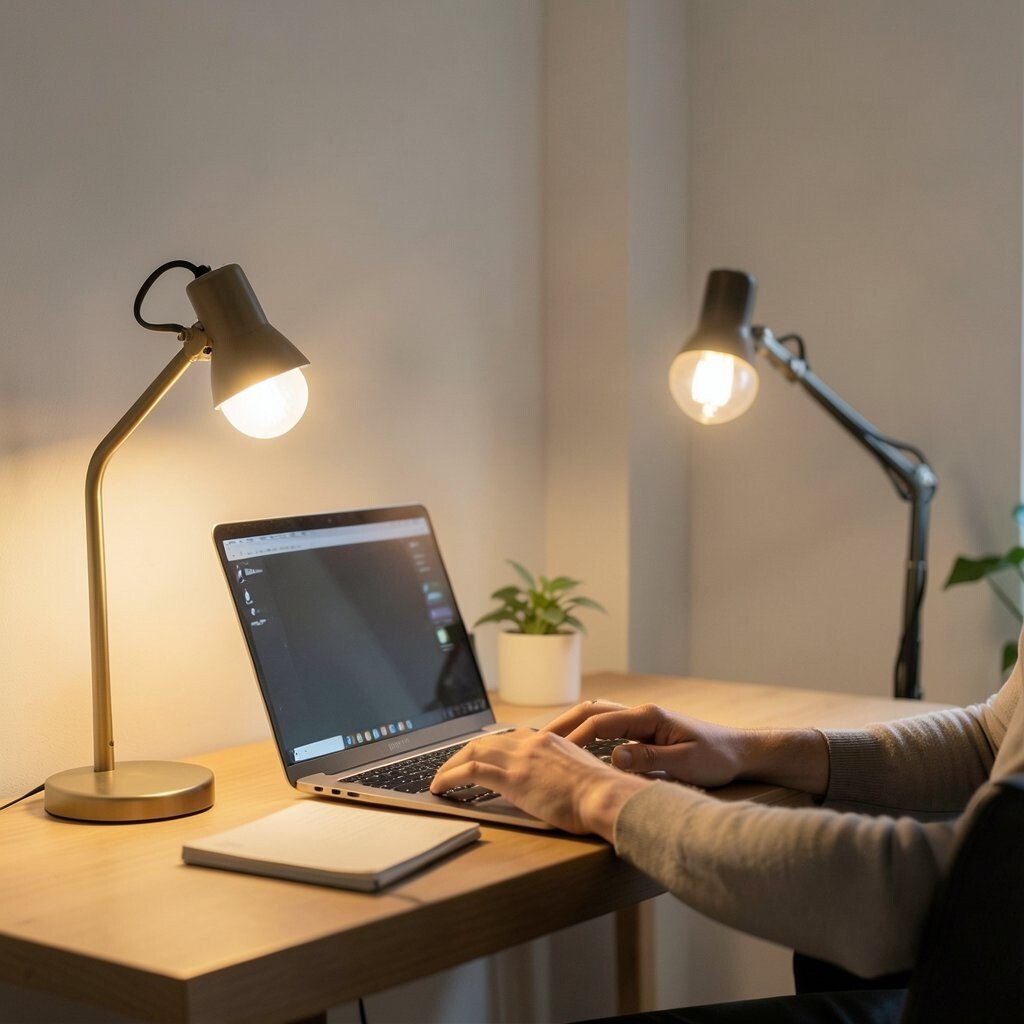
Use soft bulbs and an adjustable lamp so the light lands where you need it. When the glare is gone, typing feels calmer and reading looks easier.
Try placing the light slightly to the side instead of directly overhead. Aim for a cozy tone in the evening, and keep it steady so your focus stays smooth.
For a minimalist setup, pick one strong lighting source rather than many small ones. If you share space, use a lamp shade that looks neat even when it’s off.
3. Monochrome Color Palette With One Accent
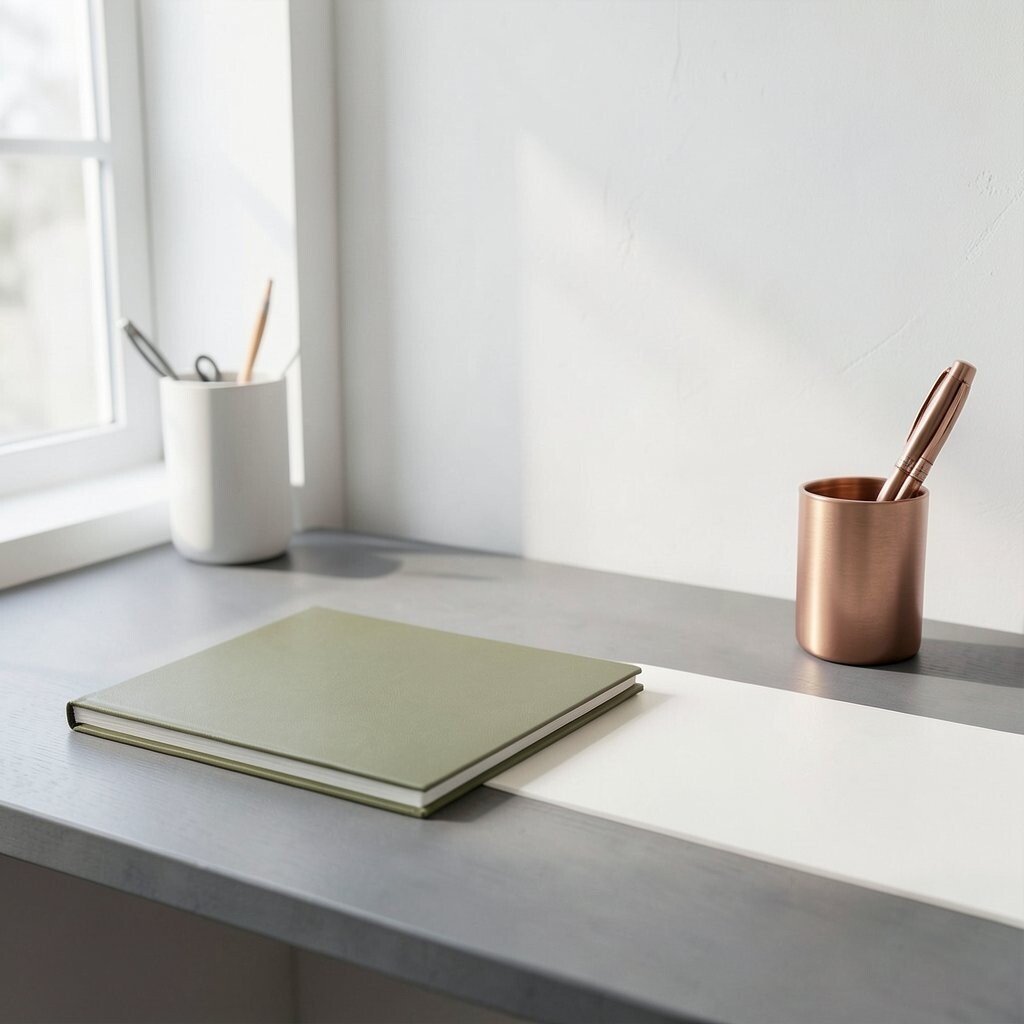
Stick to shades like off-white, sand, gray, or deep charcoal so everything feels coordinated. A simple palette makes your workspace look tidy even when you have busy days.
Add one accent to keep it from feeling cold, like a muted olive notebook or a single copper pen cup. The accent becomes your visual anchor, so your mind knows where to land.
Choose your accent based on what you already own to keep costs low. If you like trends, earthy tones are popular right now because they feel grounded and modern.
4. Cable Control With a Hidden Power Setup
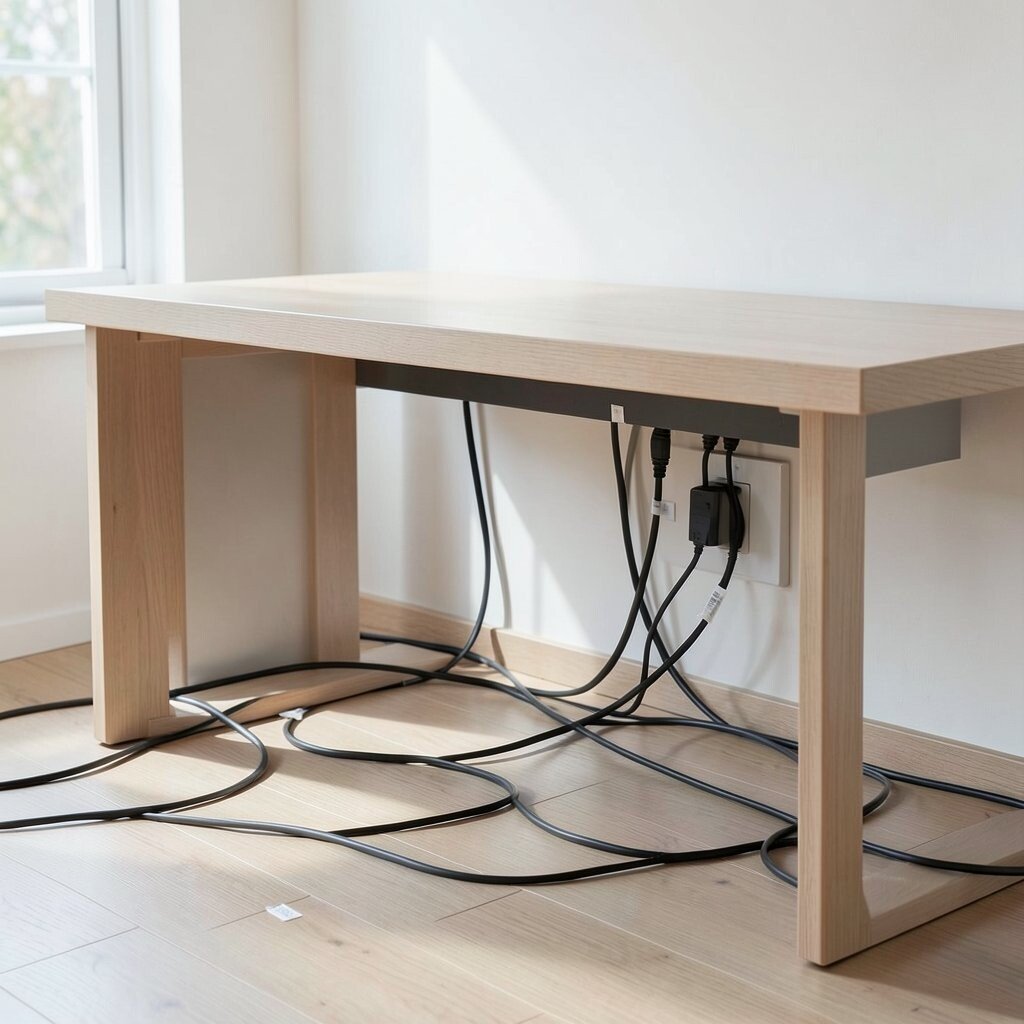
Nothing makes a minimalist room feel messy faster than cords across the floor. When you route cables behind the desk or into a slim channel, your setup instantly looks more intentional.
Use a cable tray, adhesive clips, or a small under-desk box to keep power strips out of sight. Labeling each cord with a small strip of tape helps you fix problems without turning it into a daily chore.
5. Storage That Looks Like Furniture, Not a Clutter Trap
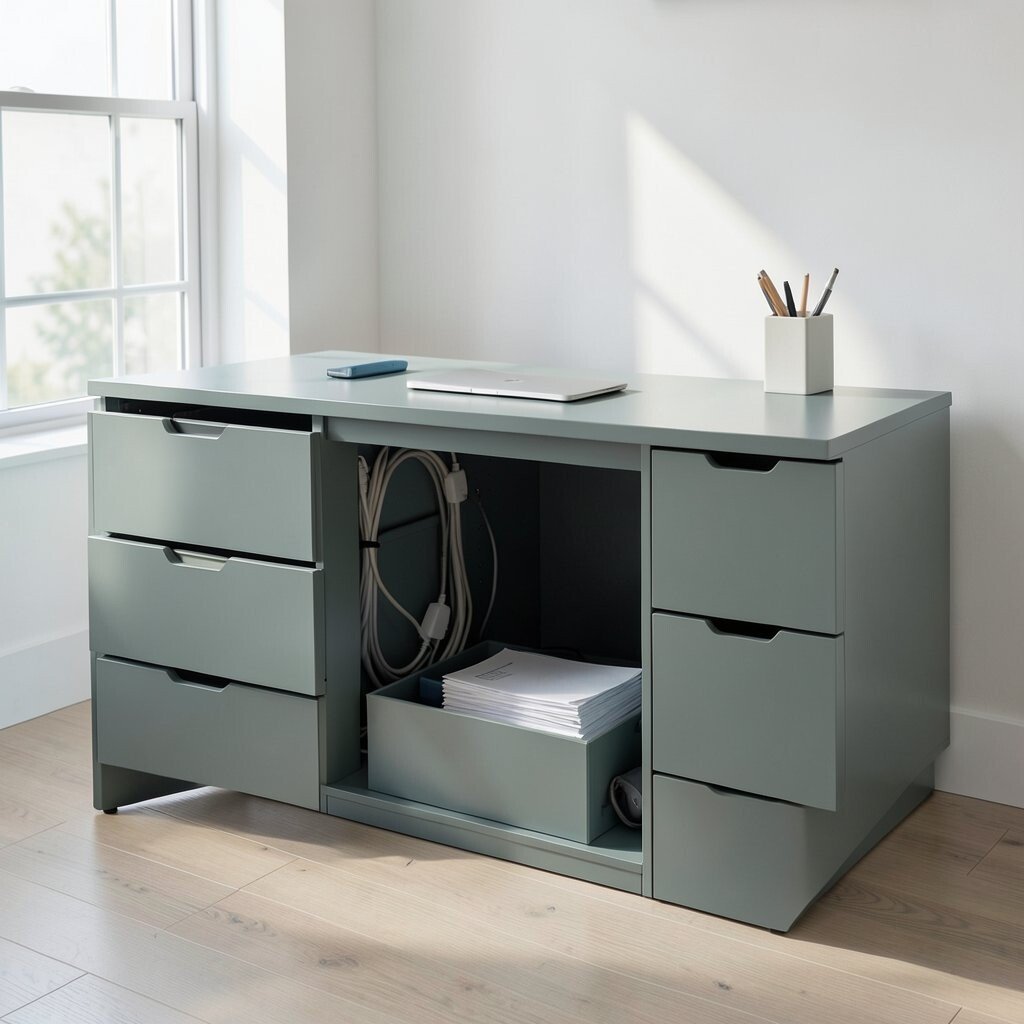
Choose drawers or cabinets that match the desk so storage blends in. When things disappear inside matching surfaces, your brain relaxes because you don’t constantly see “unfinished” clutter.
Go for deep compartments for cables, spare chargers, and paper stacks. Keep the top area for only what you touch every day.
Cost can stay friendly if you start with one organizer piece and build from there. Thrift stores sometimes have sturdy file cabinets and media consoles that you can repaint in a matching color.
6. One Chair With Strong Comfort and Simple Shape
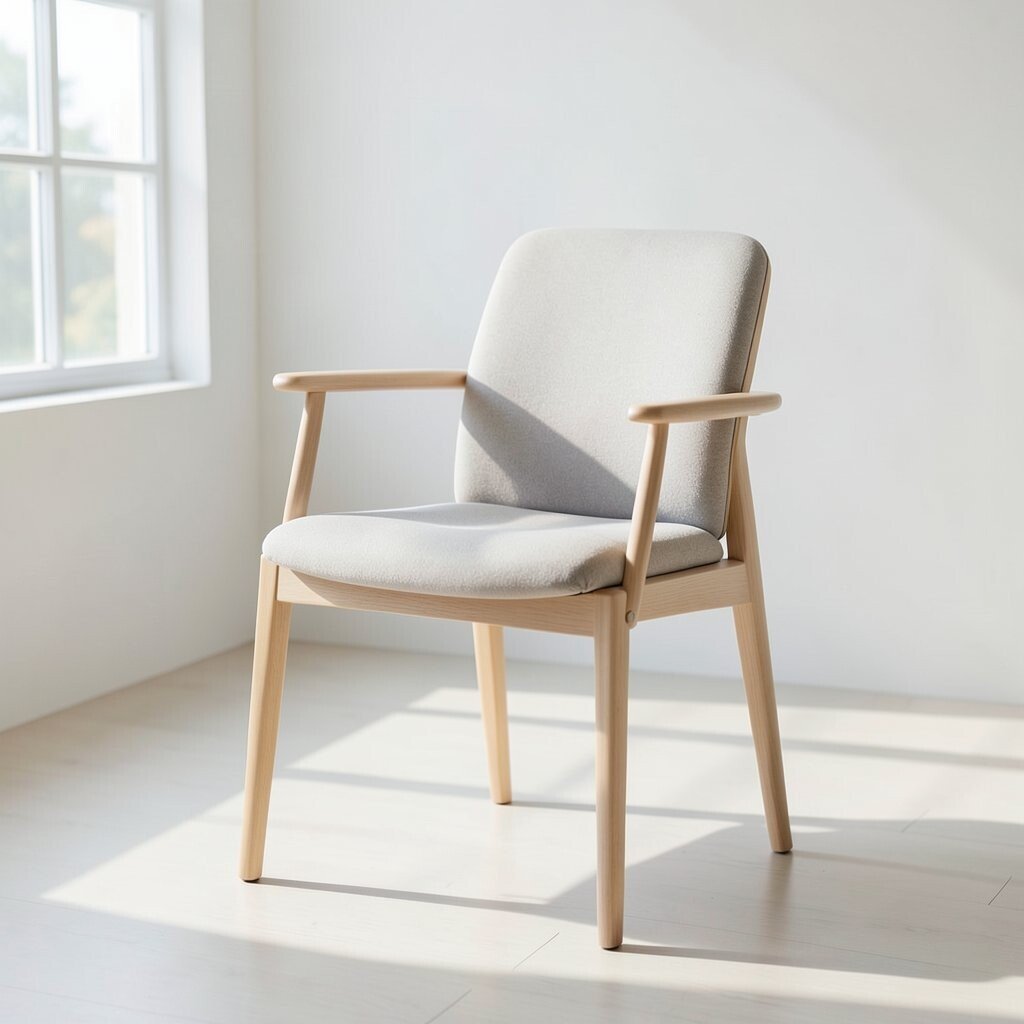
A minimalist chair should still support your back and arms, because comfort is the real luxury. When your posture feels good, you work longer without that constant shifting.
Look for clean lines and breathable material so the chair feels light visually. Add a thin cushion in a matching tone if you need extra comfort, and keep it neat and removable.
7. Desk Accessories That Earn Their Place
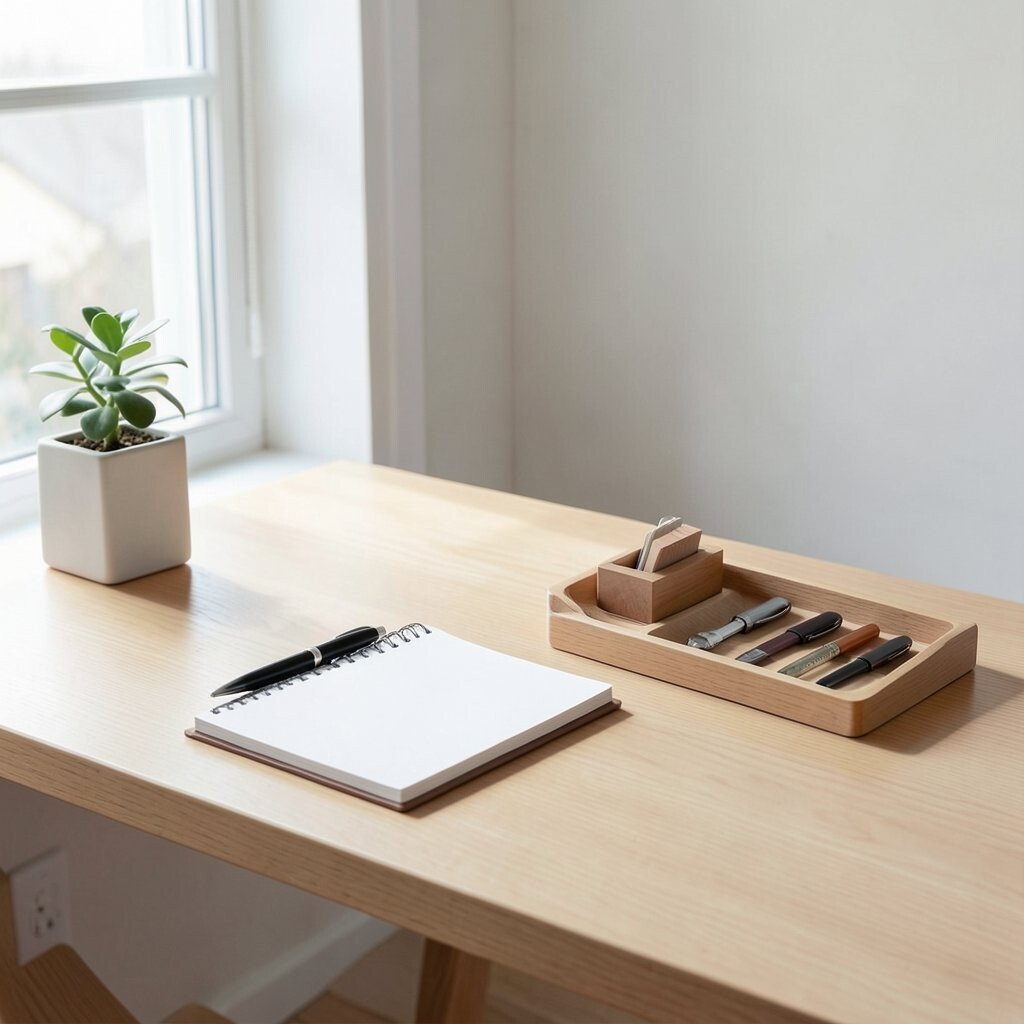
Every item on your desk should either help you work or make the space feel calm. If something is just taking up space, it’s harder to remember what you actually need.
Pick a single pen, one note pad, and a simple tray for small tools. When you finish a task, put everything back right away, so your desk stays “reset” without effort.
For personalization, choose objects that match your routines, like a small bookmark holder if you read a lot. This keeps the look personal without making it busy.
8. A Task Surface That Can Switch Modes
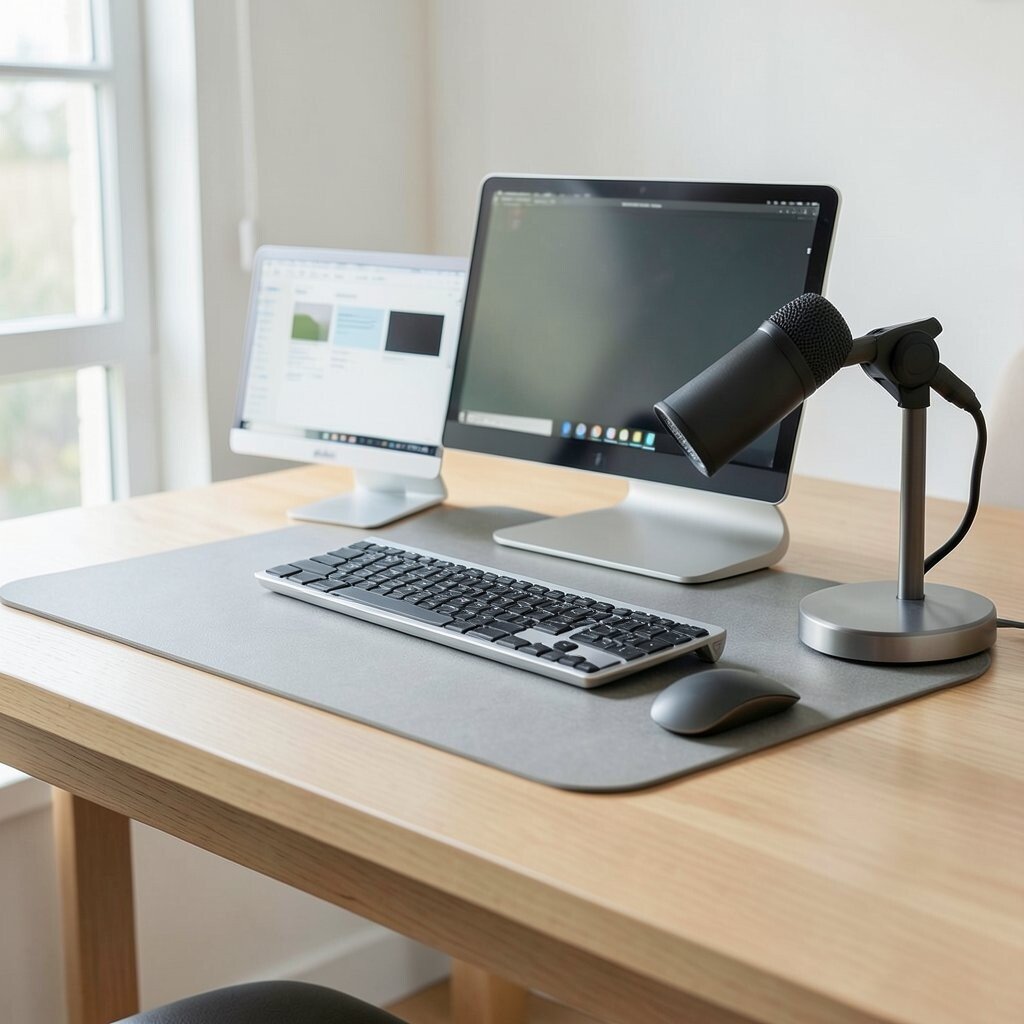
You can design a desk that supports different work modes without adding more furniture. A simple laptop stand or a minimal desk mat can make your daily setup feel new.
If you do calls, a small phone stand and a tidy microphone position can help. Keep the gear in one area so you don’t scatter it during transitions.
9. Paper Minimalism With a Simple Filing Routine
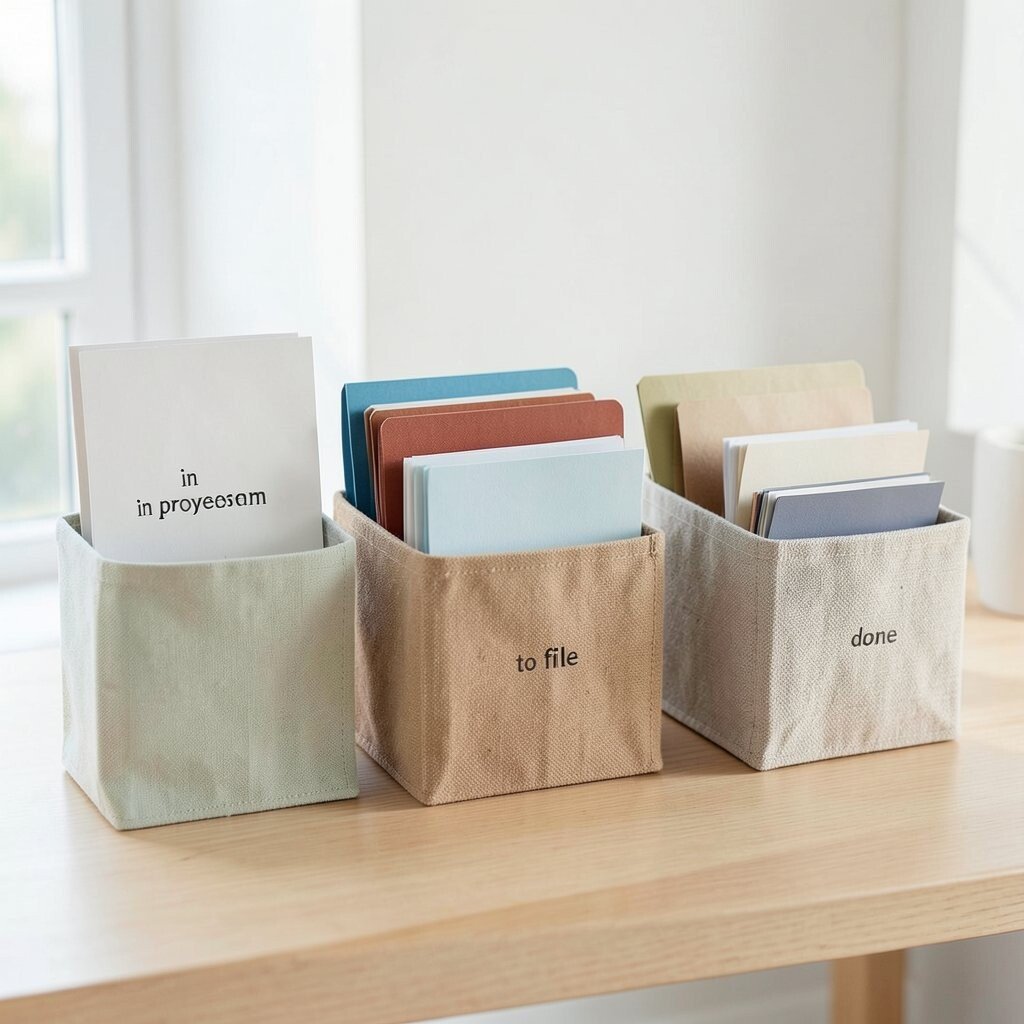
Paper piles grow quietly, but you can stop them with a simple system. Use one holder for “in progress,” one for “to file,” and one spot for “done.”
Choose folders in matching colors so your paper looks like part of the design. If you want to cut costs, repurpose plain binders and cover them with fabric or kraft paper.
Digital workflows are trending, so consider scanning important pages once and then filing the originals neatly. Even when you use paper, keeping it controlled makes the workspace feel peaceful.
10. Display One Meaningful Object, Then Stop
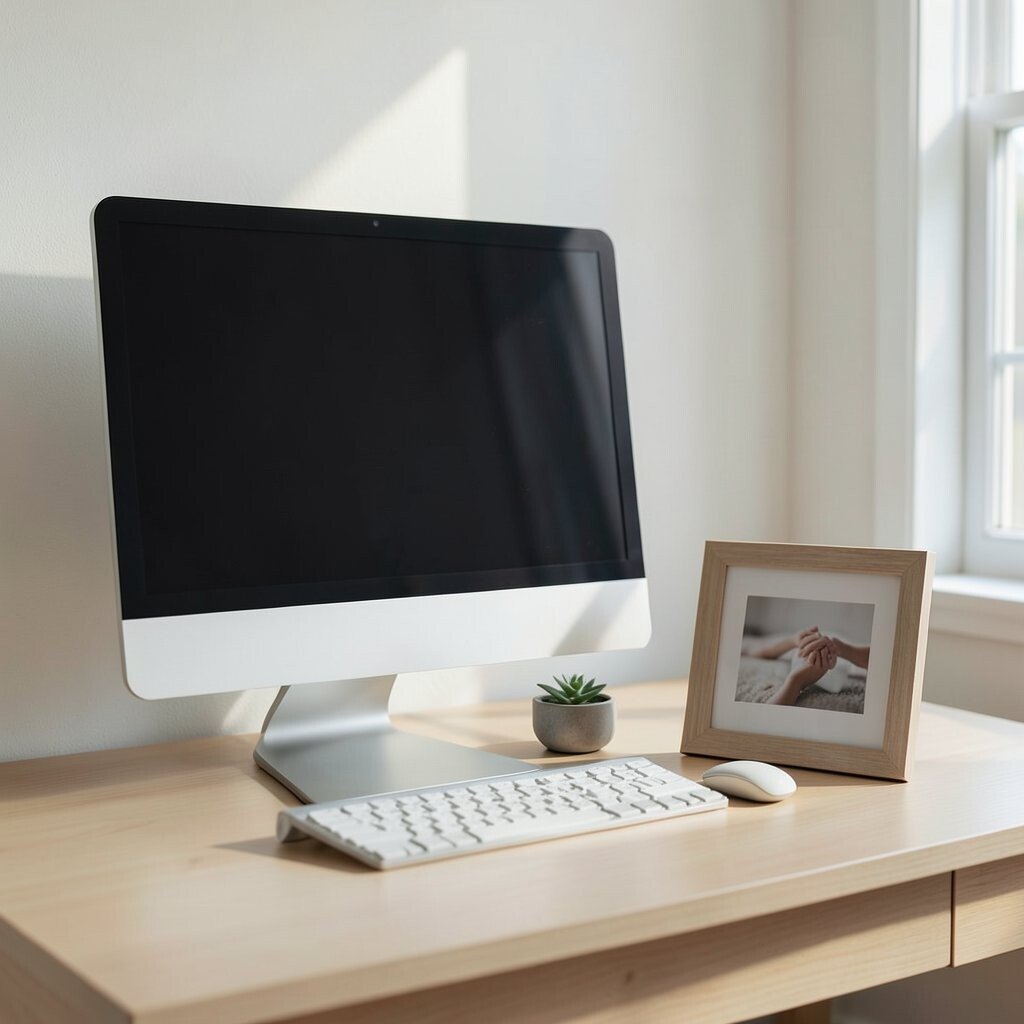
A minimalist space can still feel warm when you keep one meaningful item visible. It might be a framed photo, a small plant, or a stone you like holding.
Pick something that supports your mood, such as a calming image or a reminder of a goal. Set it where your eyes naturally rest, like beside the monitor or at the corner of the desk.
11. Plant Placement for a Fresh, Alive Feel
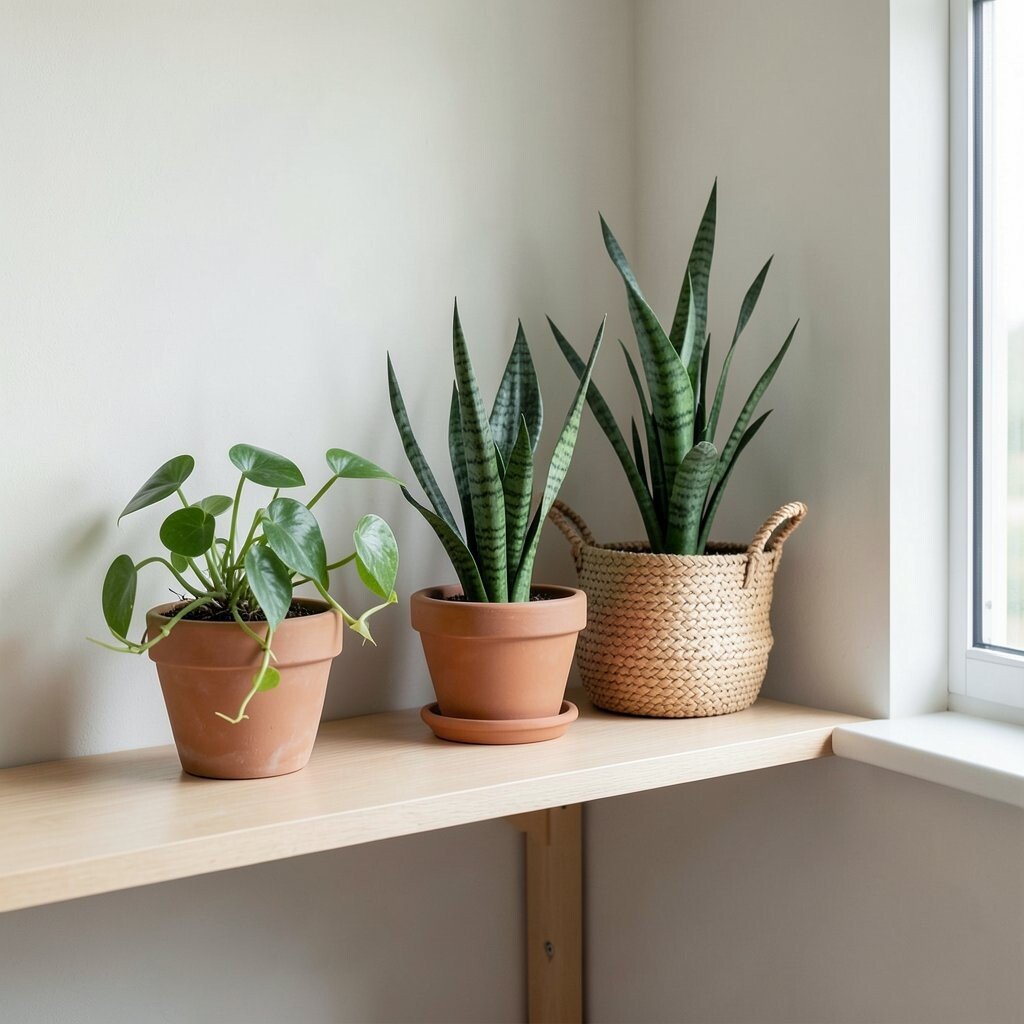
Plants add softness and movement, even in a mostly neutral room. A small plant on a corner shelf can make the whole setup feel more inviting.
Choose low-maintenance types if you want the minimalist vibe to stay easy. A pothos, snake plant, or ZZ plant can handle busy schedules while still looking polished.
Keep the pot simple and clean, ideally in a color that matches your palette. If you enjoy trends, natural textures like terracotta and woven baskets are popular because they look grounded.
12. Monitor and Keyboard Alignment for a Calm Layout
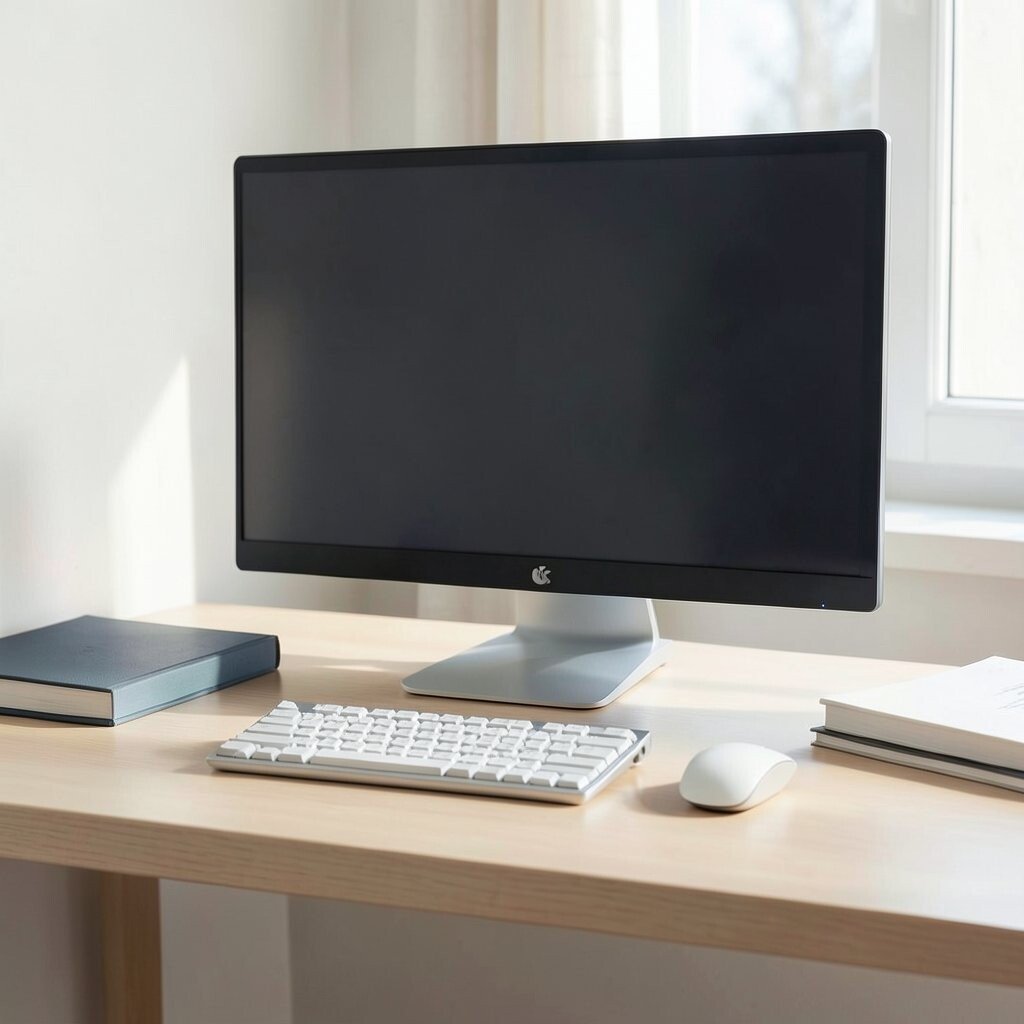
The best minimalist layouts feel effortless because everything lines up. When your monitor sits at eye level and your keyboard is centered, your body and eyes stop working so hard.
Use a stand or books only if they look tidy and stable. A small alignment routine, like checking screen height once a week, helps you keep the desk feeling “ready” every time.
13. Textured Surfaces That Add Depth Without Patterns

Minimalism doesn’t have to be flat. Textured surfaces like a linen desk mat, a felt tray, or a matte wooden finish create depth while staying simple.
Choose textures in a limited range so the room feels calm rather than busy. This is a great place to personalize, because you can pick materials that match your taste and your climate.
If you want to keep costs down, thrift a fabric tray or buy one quality mat instead of many small items. In current trends, tactile neutrals are staying popular because they look warm and modern together.
14. Hidden Organization for Small Tools and Extras
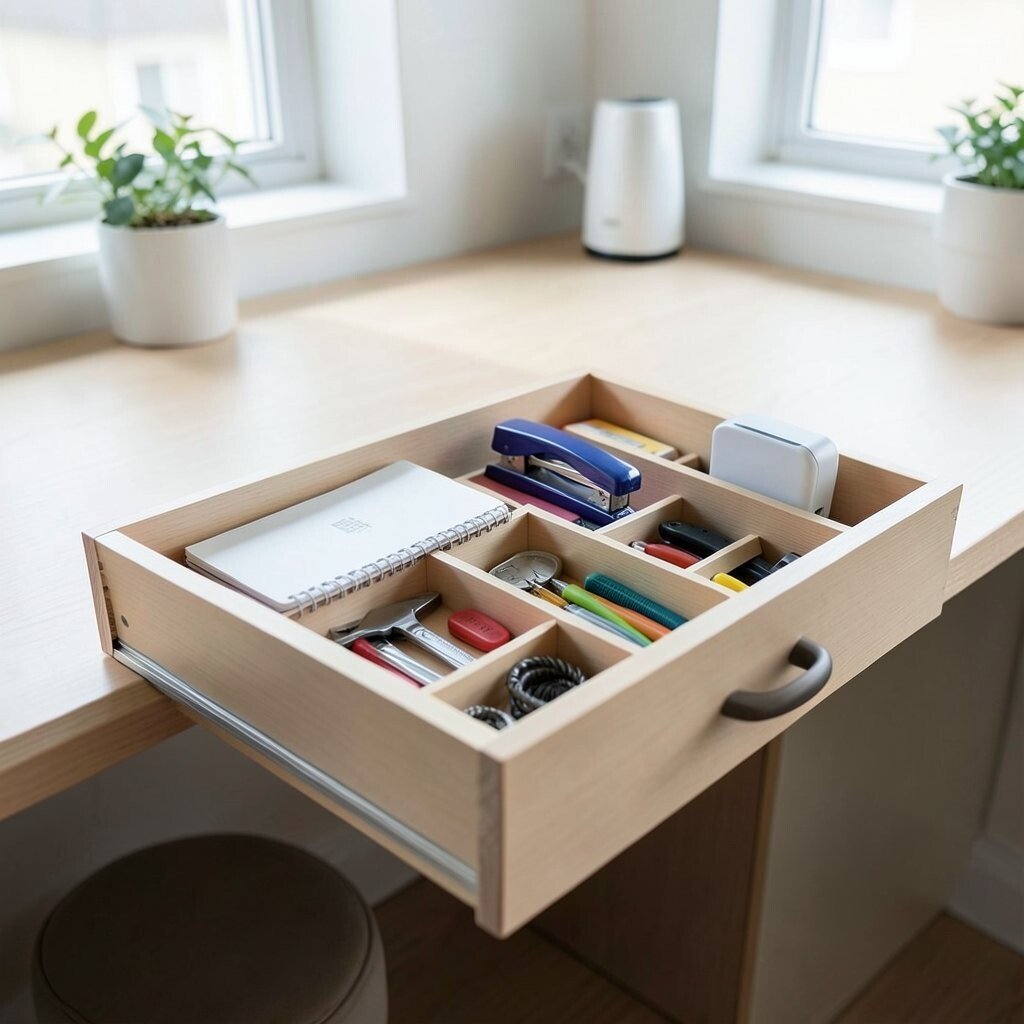
Small tools create “micro clutter,” and they multiply fast. Use a closed organizer or a drawer divider so small items stay neat when you’re not using them.
Keep only the essentials on hand, like a single notebook, one stapler if you really use it, and a compact charging station. When you store extras out of sight, your daily routine stays simple.
15. Minimal Desk Mat and a Clean Writing Zone

A desk mat can define a writing zone without adding visual chaos. When the mat is clean and large enough for your hands to rest, your movements feel smoother.
Pick a color that matches your palette and keep it simple. If you like personalization, choose a mat with a subtle texture so it still feels interesting even when it’s plain.
Mat trends often lean toward muted tones and natural materials, which pair well with minimalist setups. For cost, one good mat is usually enough, and it protects your desk surface for the long run.
16. Smart Wall Space With Shelves That Feel Quiet
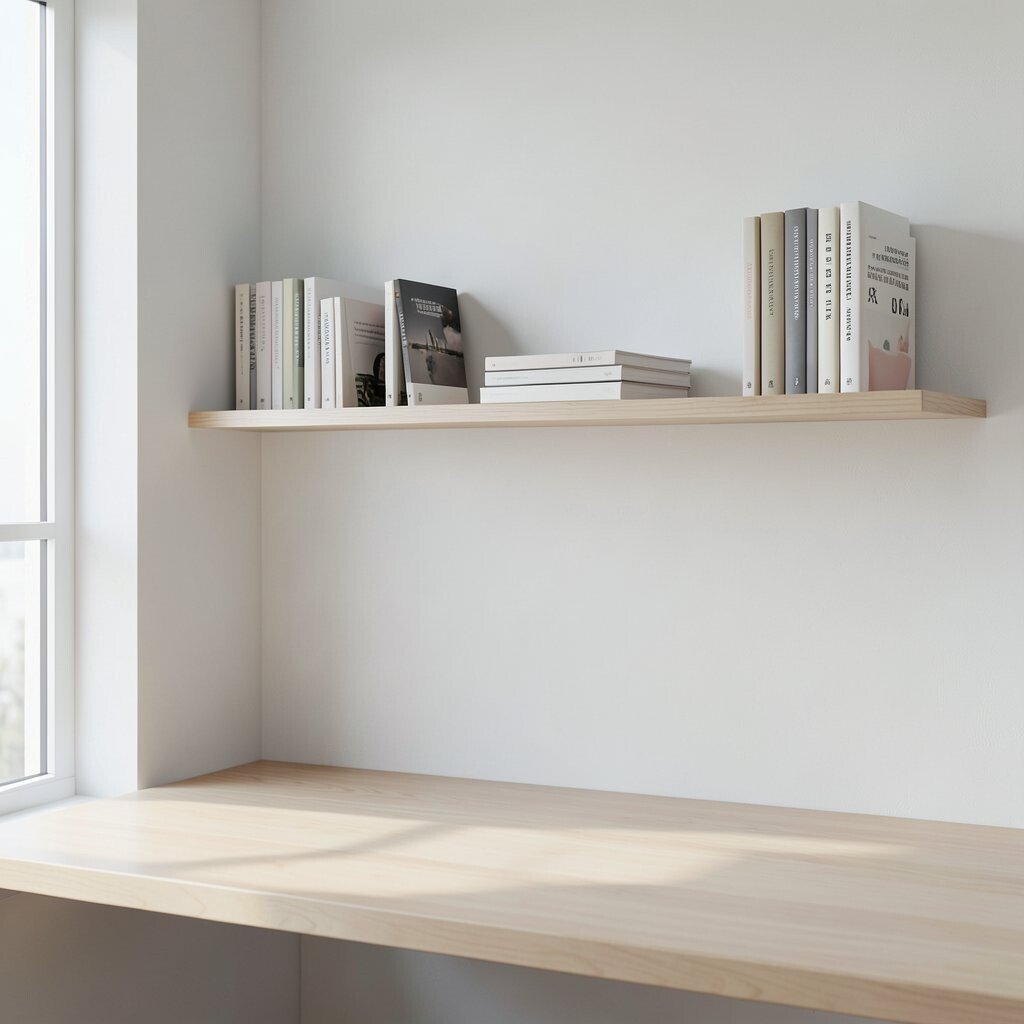
Wall shelves can add function without filling the desk. A simple shelf above or beside the workspace keeps reference items nearby while keeping the tabletop clear.
Use one shelf line and avoid overcrowding so the wall stays calm. Store books vertically with matching spines or keep them stacked so you don’t see random sizes all at once.
17. Airy Layout With Breathing Room Around the Desk

A minimalist workspace needs space around it, not just within it. When you leave a little breathing room, you feel less crowded and more ready to focus.
Try keeping the area in front of you clear so your body has room to move. Even a small clearance space can make the desk feel larger and more comfortable.
If your room is small, use a wall-side placement and keep items off the floor. This also helps with cleaning, which keeps the workspace looking fresh with less effort.
18. Routine-Friendly Setup for Daily Reset
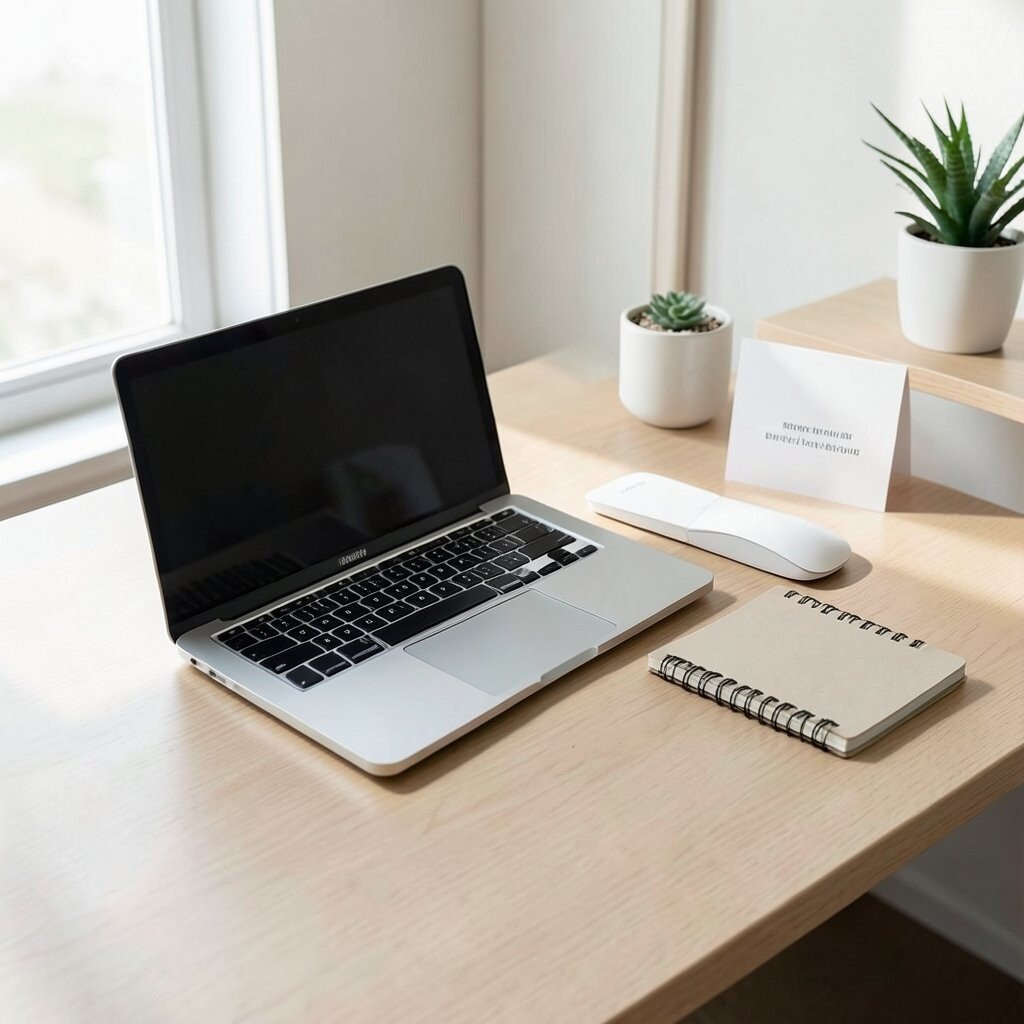
A minimalist design gets stronger when it supports a daily reset. Pick a default spot for your laptop, notebook, and charging items so you don’t have to think about where they go.
Create a “start” and “finish” moment by placing your essentials in the same order each day. When you end work, do a quick tidy that takes less than a few minutes, and your space stays ready.
Personalization can be simple here, like placing a small card that reminds you of your next task. It keeps you moving forward without adding extra clutter to the desk.
19. Lighting Layers With One Visual Theme

Layered lighting can still be minimalist when you keep the style consistent. Combine ambient light with a single task lamp so the room feels comfortable without harsh shadows.
Choose fixtures with similar finishes, like matte black or brushed metal, so the look feels unified. This reduces visual noise and helps your workspace feel designed rather than assembled.
Current trends lean toward warmer tones and minimal shapes, which pair beautifully with clean desks. If you’re watching cost, upgrade one lamp first and then adjust bulbs to create the feeling of a whole new room.