Your space can feel calmer without going cold or boring. Small design moves create big visual breathing room.
Minimalism works best when it looks intentional and lives well day to day. Keep it simple, then make it yours.
1. Quiet-Luxury Color Palette
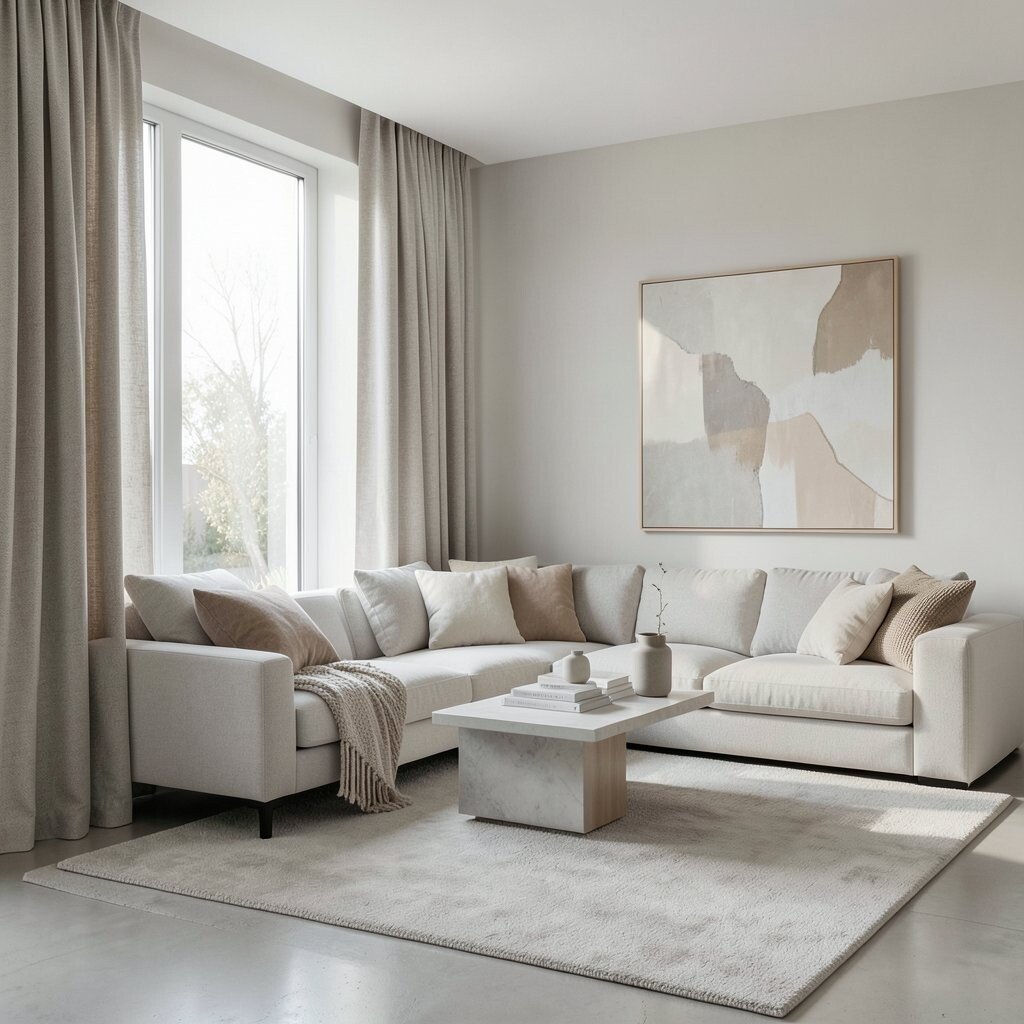
Start with soft neutrals and one gentle accent shade. Think warm whites, sandy beige, or cool greige with a restrained hint of color.
Paint and finishes that stay close to the same value make rooms feel bigger and more relaxed. Choose textiles like curtains and rugs that match the overall tone, not the exact shade. When you add art, pick pieces that share the palette so everything feels related.
2. Single Statement Lighting
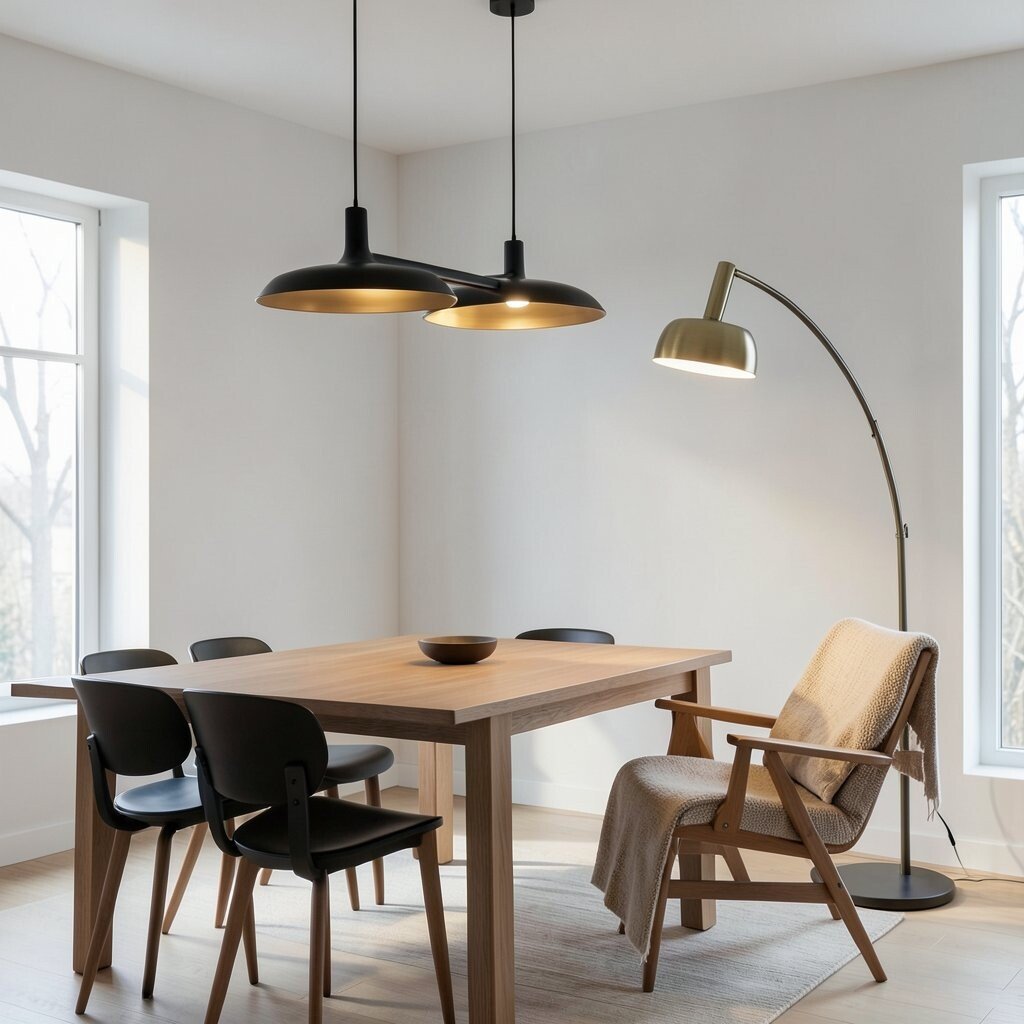
Choose one lighting feature that stands out while staying clean in shape. A sculptural pendant, a simple arc floor lamp, or a recessed cluster can guide the whole room.
When lighting is the hero, you can keep other fixtures minimal and avoid clutter. Place it where your eyes naturally land, such as over a dining table or beside a reading chair.
For personalization, pick a finish that fits your life, like matte black for a modern mood or brushed brass for a softer vibe. If you want to control glare, use dimmable bulbs and warm color temperatures so the light feels inviting.
3. Flush-Mount Storage Walls
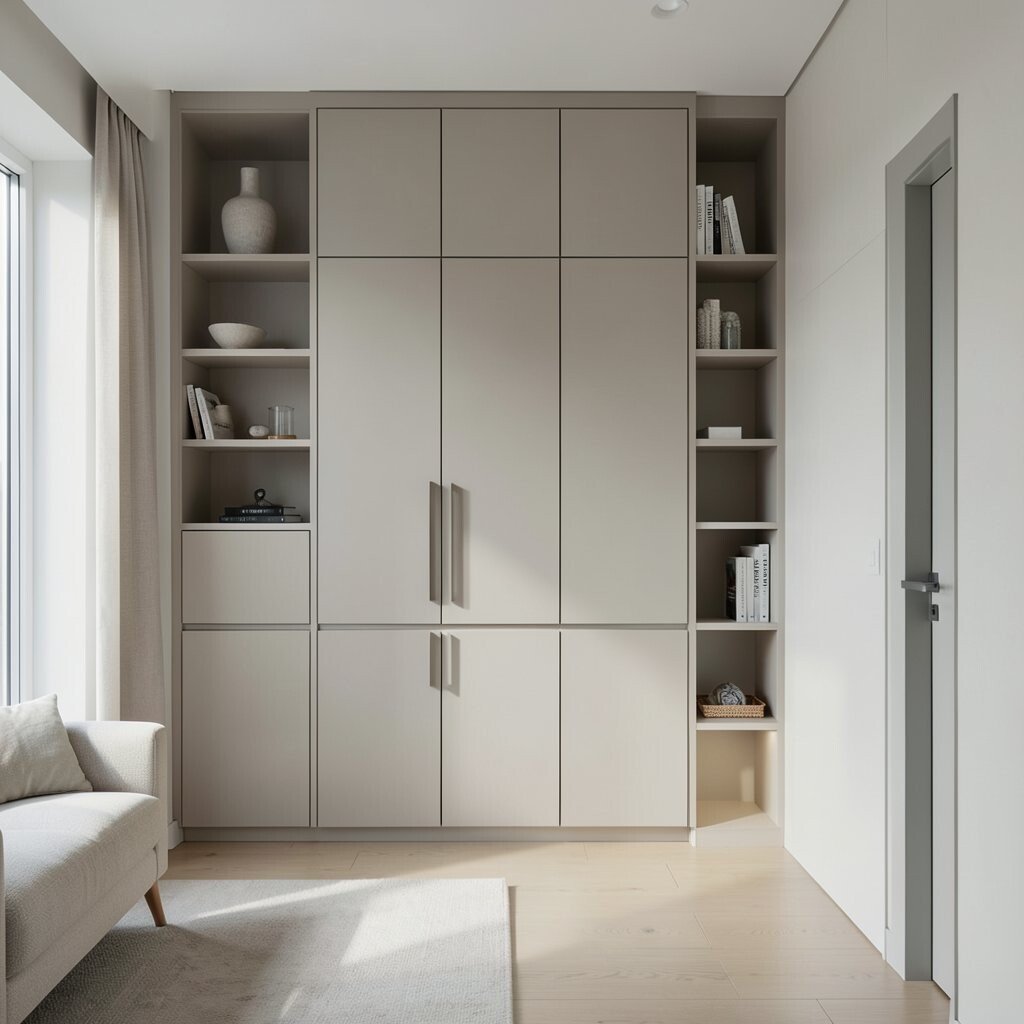
Build visual calm with storage that looks built-in and level. Flush doors, matching panels, and hidden handles reduce visual breaks across the wall.
In a living room or hallway, storage walls help keep everyday items out of sight. You will spend less time tidying because the room has fewer places for visual noise to collect.
To make it practical, plan what goes where before you buy anything. Use a mix of shelves and adjustable compartments so you can change layouts as your needs shift.
Cost-wise, custom millwork can be pricey, but ready-made cabinet systems and smart panel kits can get you close. Look for durable hardware and soft-close hinges, because they feel luxurious every day.
4. Floating Shelves With Clear Styling Rules
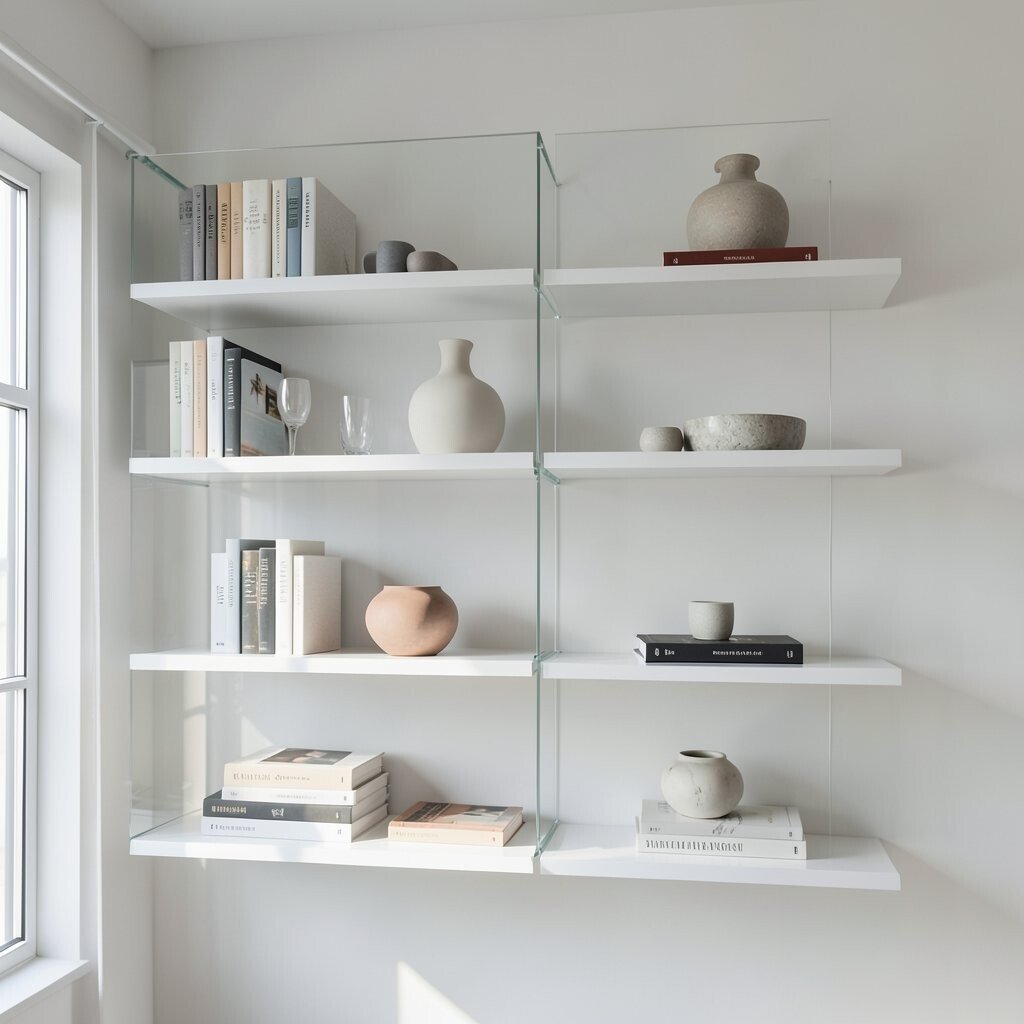
Use floating shelves to add function without heavy furniture. Install them in a simple grid, then keep the styling tight and intentional.
When you limit the number of objects, the shelves feel designed instead of crowded. Use a few larger items instead of many small ones, and keep book spines consistent in color or size.
5. Monochrome Textiles and Layered Neutrals
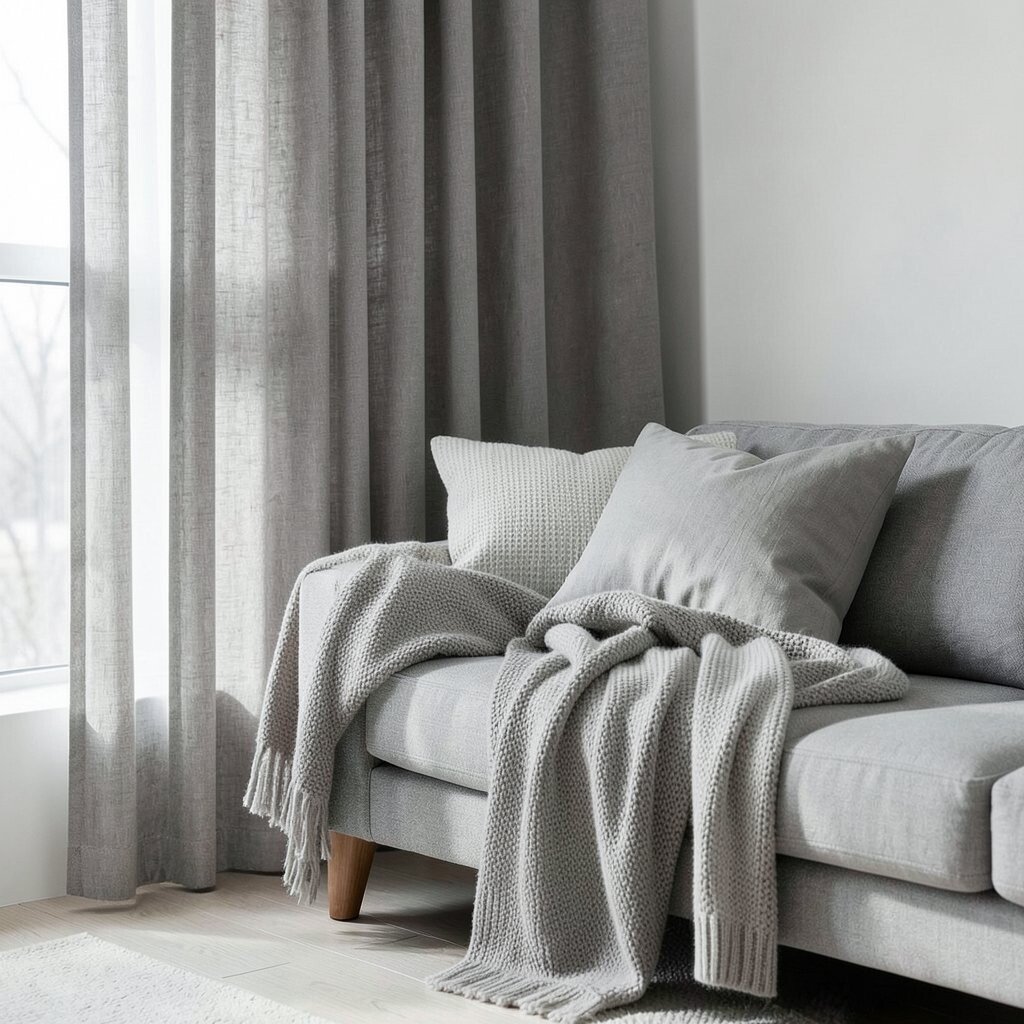
Pick one main fabric tone across curtains, cushions, and throws. Layering works in minimalist rooms as long as the colors and textures stay related.
Try mixing linen with a slightly different weave, or combine matte cotton with a soft knit. This gives depth without adding new colors, so your room feels rich but still clean.
For practical comfort, choose washable fabrics and plan for how your household actually uses the space. If you have pets or kids, prioritize stain-resistant finishes and easy-care blends. You can start small with a throw and pillow set before upgrading larger pieces.
6. Curved Furniture in Minimal Shapes
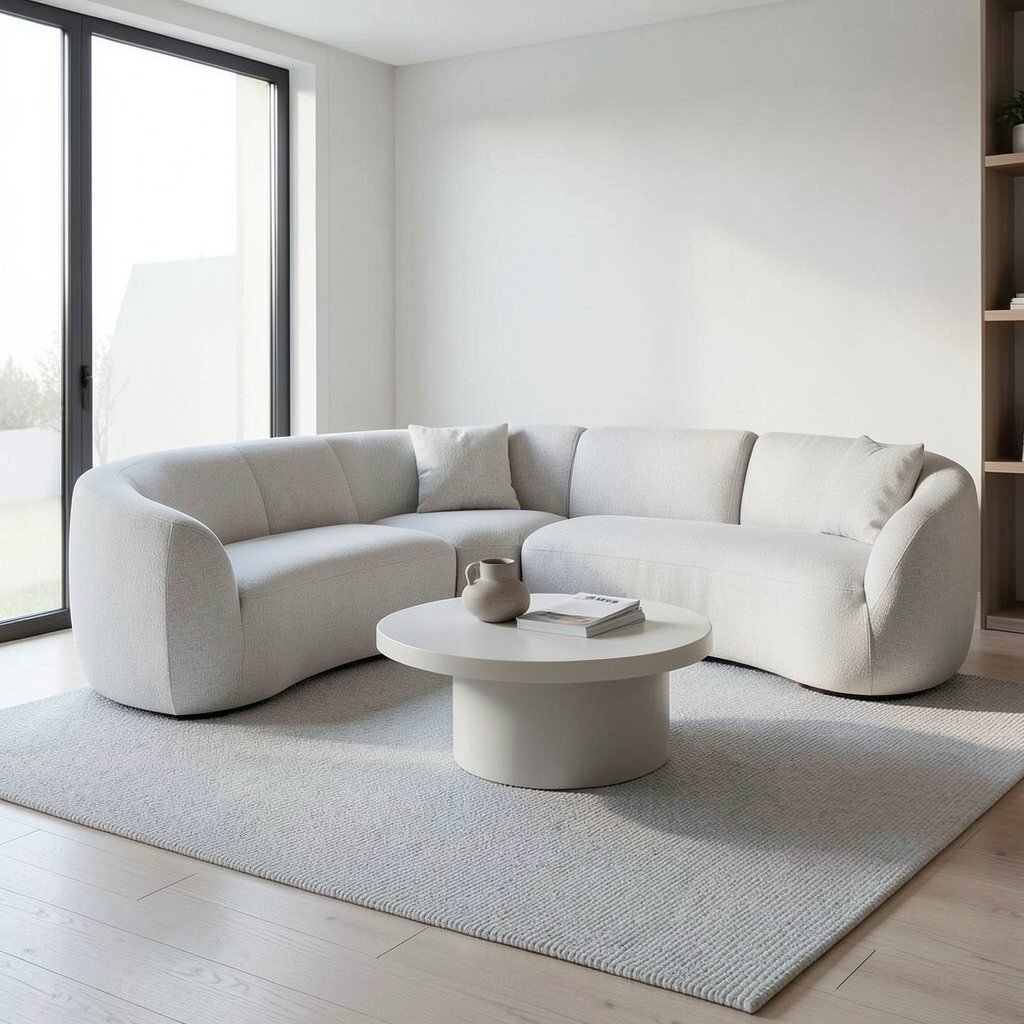
Minimalism does not have to mean sharp angles. Curved sofas and rounded coffee tables bring softness while keeping the overall look neat.
A gentle curve can guide movement through a room and make it feel more welcoming. When a space feels inviting, you tend to keep it tidy because it flows naturally.
Personalize by choosing a shape that matches your routine, like a sofa with wide armrests for lounging. Pair it with straight lines in rugs or shelving so the room keeps its modern edge.
Cost-wise, you can test the look with one curved piece, like an accent chair. Upholstery is also a good first upgrade since fabric changes the vibe quickly without replacing everything.
7. Large-Format Art With Plenty of Wall Breathing Room
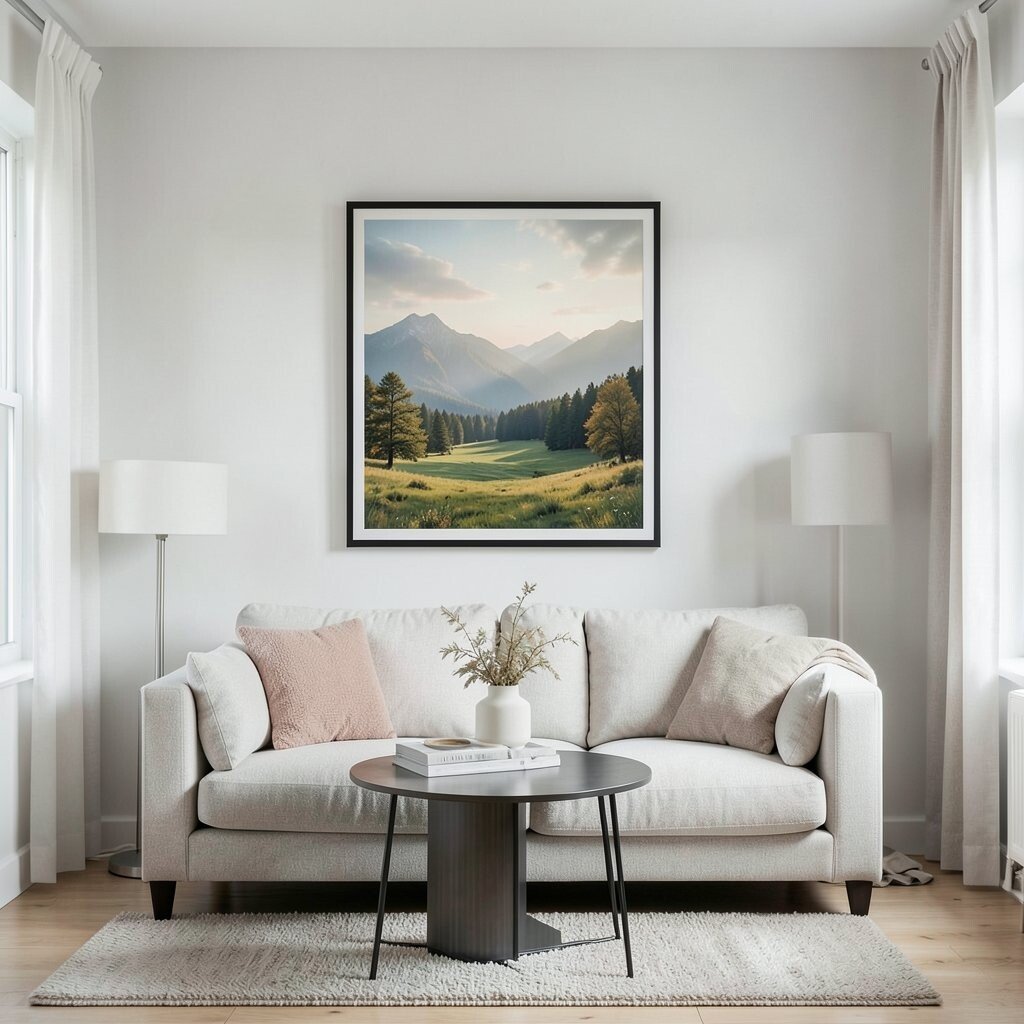
Give your walls space by choosing one bold artwork instead of a gallery wall. A large frame with a simple composition draws attention and reduces visual clutter.
When the art is scaled well, furniture feels more intentional and your room looks finished. Keep the frame width consistent with other metals in the space, like door hardware or lamp bases.
To personalize, pick art that reflects your daily life, such as a landscape that matches your morning light or a print that matches your favorite color tone. If you rent, use removable wall anchors and hang it carefully to protect surfaces. This approach can be affordable when you choose prints from local makers or online shops.
8. Matte Surfaces and Soft Finishes
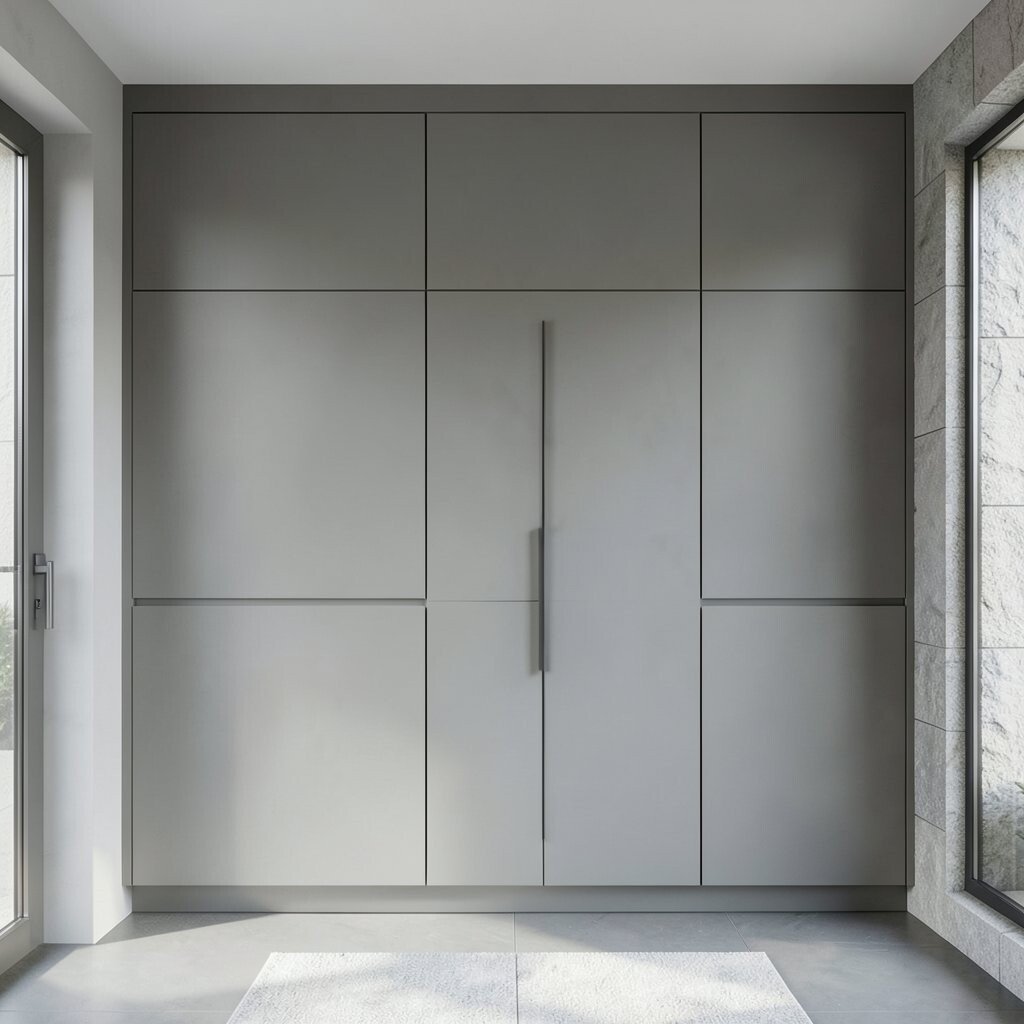
Swap glossy reflections for matte textures to create a calm, modern feel. Matte paint, brushed metal, and textured stone make rooms look smoother and less busy.
Soft finishes help hide fingerprints and minor wear, which is a real win for everyday living. They also make lighting look more even, so corners feel less harsh.
For practicality, consider matte coatings in areas that get touched a lot, like cabinet fronts or door panels. If you love the look but worry about scuffs, check product durability ratings and test samples on your wall.
9. Calm Entryway With an Organized Zone
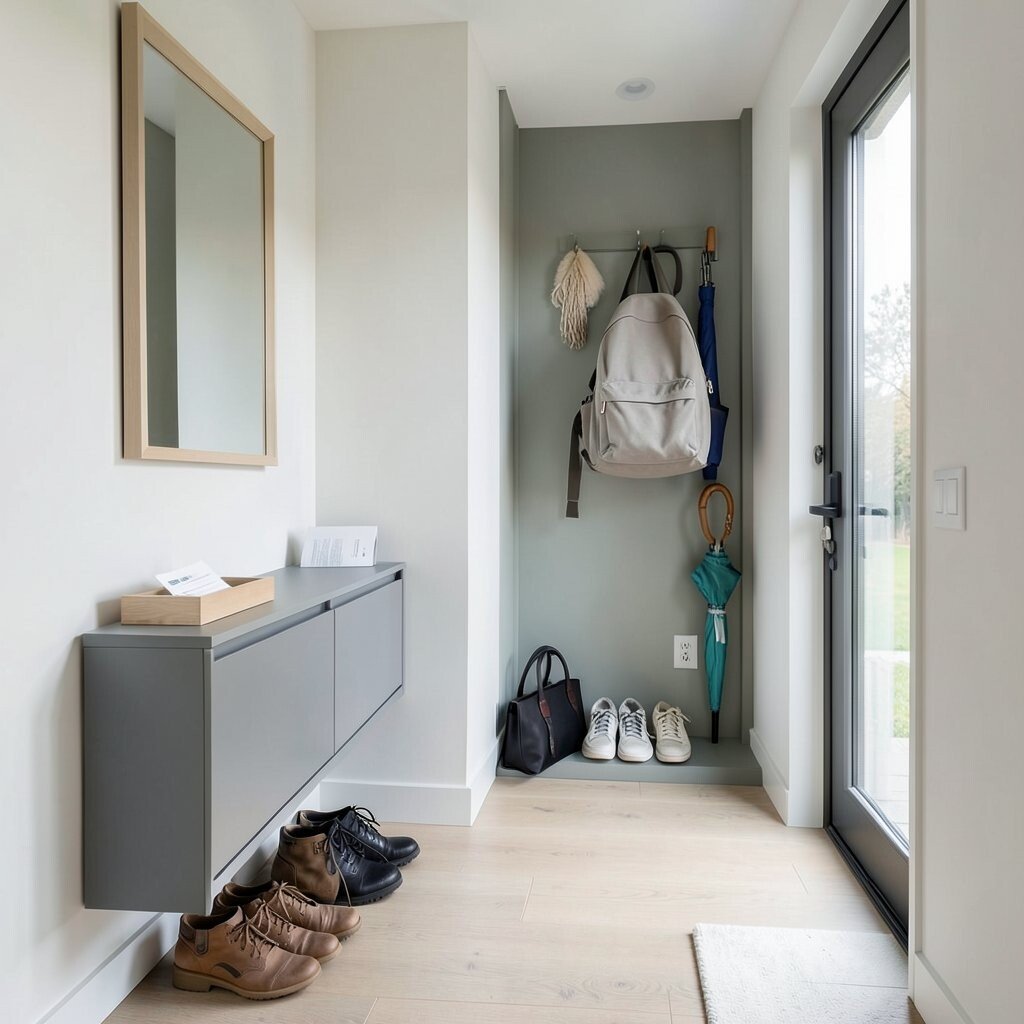
Your entry sets the tone, so keep it visually simple. Use one slim console, a closed storage option, and a place for keys that stays in the same spot.
Minimal entry zones reduce the daily stress of finding things. When shoes and bags have a home, the floor stays clearer and the room feels bigger.
Personalize with a small tray for mail and a hook line that fits your lifestyle, such as hooks for backpacks or umbrellas. If you want a cost-friendly upgrade, paint the back panel of your entry closet or add a framed mirror to boost light.
Current trend-wise, people are leaning toward closed storage and calm palettes at the doorstep, since it keeps views from the hallway consistent. A neat entry also makes the rest of the home feel more intentional.
10. Understated Hardware and Consistent Metals
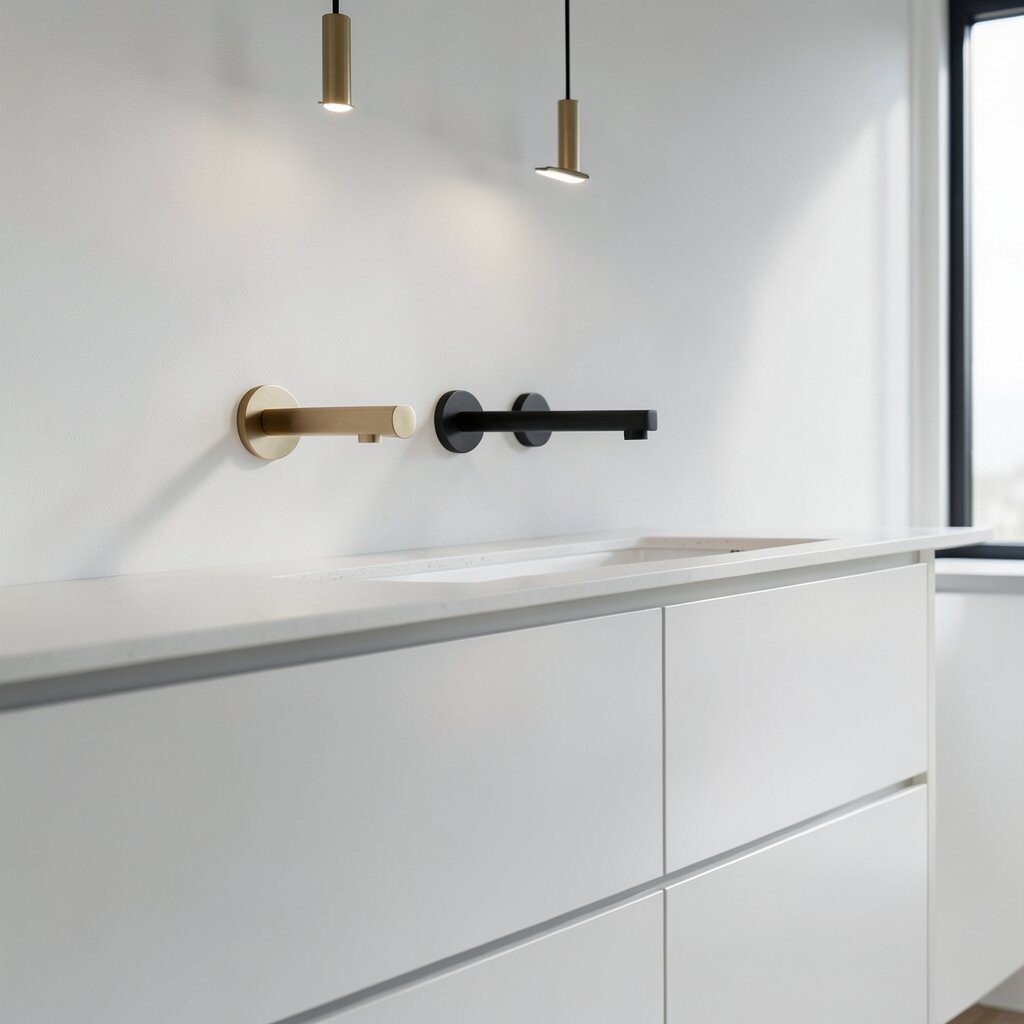
Pick one metal family and repeat it across taps, handles, and lighting. Consistency makes a minimalist room feel polished even when the decor is simple.
Using the same finish helps the eye glide instead of bouncing between different shine levels. It also makes buying replacements easier later, since everything follows one style direction.
For practical personalization, match metal finishes to what already exists in your space, like existing faucets or light sockets. If your home has mixed finishes, you can still unify it with darker tones like matte black or warmer tones like brushed gold. Replacing hardware is often cheaper than changing cabinets or countertops.
11. Strategic Negative Space in Layout
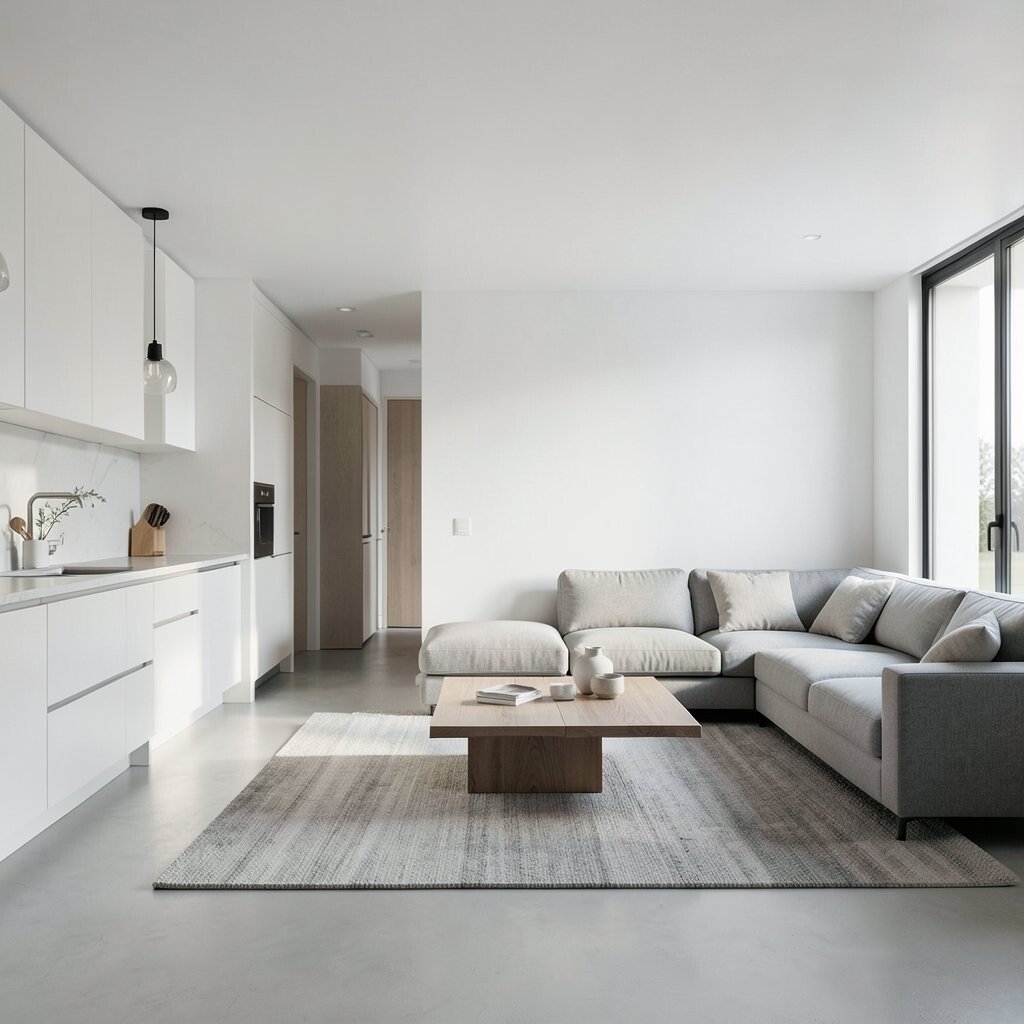
Let some areas breathe by planning furniture spacing carefully. In minimalist design, empty areas are not wasted, they are part of the visual rhythm.
When walkways feel clear, the room feels calmer and movement feels easier. Negative space also makes your featured pieces stand out more clearly.
To personalize, arrange furniture around how you actually use the space, such as keeping a clear path from the kitchen to the living area. Measure openings and consider how people carry items, especially on busy days. You might not need new furniture at all, just a better layout and a few repositioned rugs.
For cost considerations, moving furniture is free, and it can also help you spot what you truly need to buy next. This is one of the most effective changes that costs nothing but time.
12. Texture-First Rugs and Modern Patterns
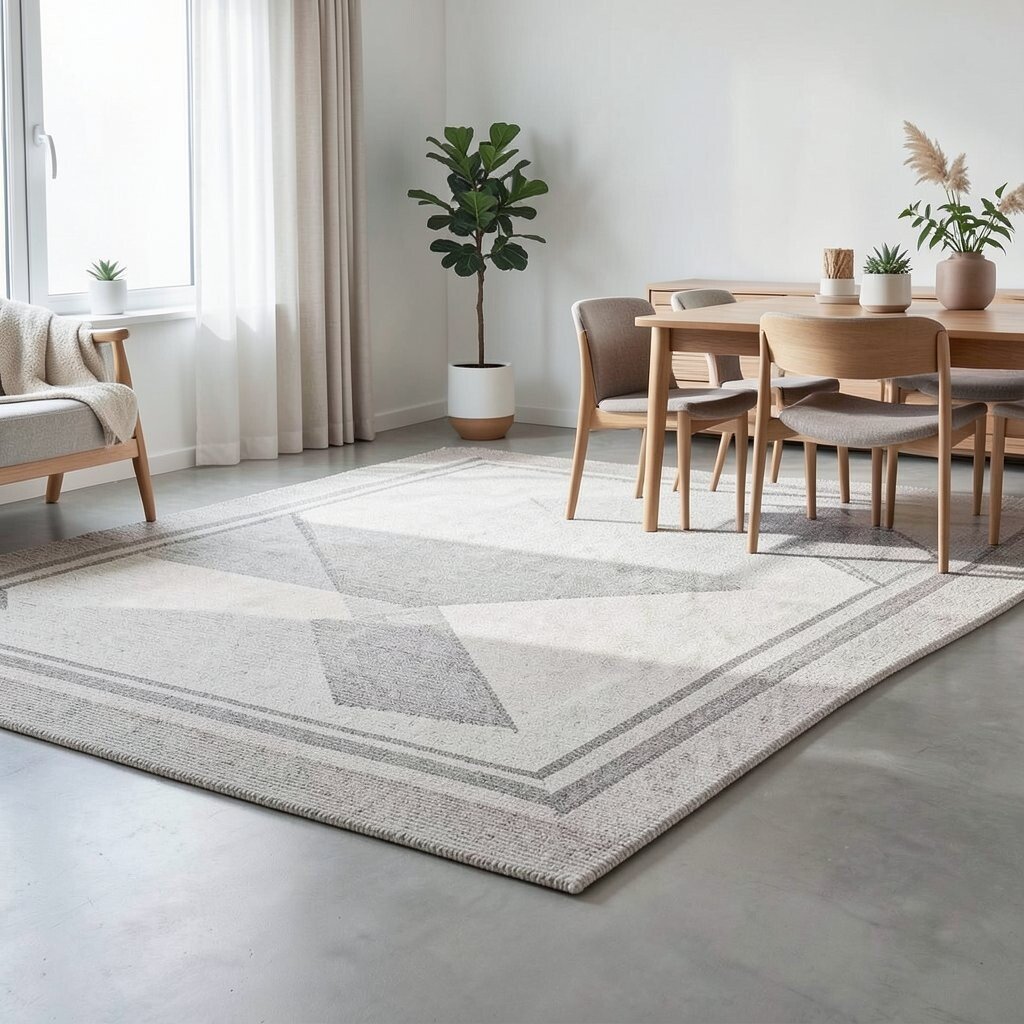
Choose rugs that add texture instead of loud patterns. A neutral rug with a subtle weave, a tonal geometric, or a simple border can look modern without feeling busy.
Texture makes minimalist rooms feel warmer, especially when floors are hard. It also helps define zones like seating areas and dining spaces.
Personalize by selecting fibers that match your lifestyle, like low-pile options for easy vacuuming or thicker weaves for cozy comfort. If you have pets, focus on durability and consider materials that hold up better to daily wear. Rug costs vary, so you can start with a smaller runner if a full-size rug feels too big a first expense.
13. One-Color Accent Moments
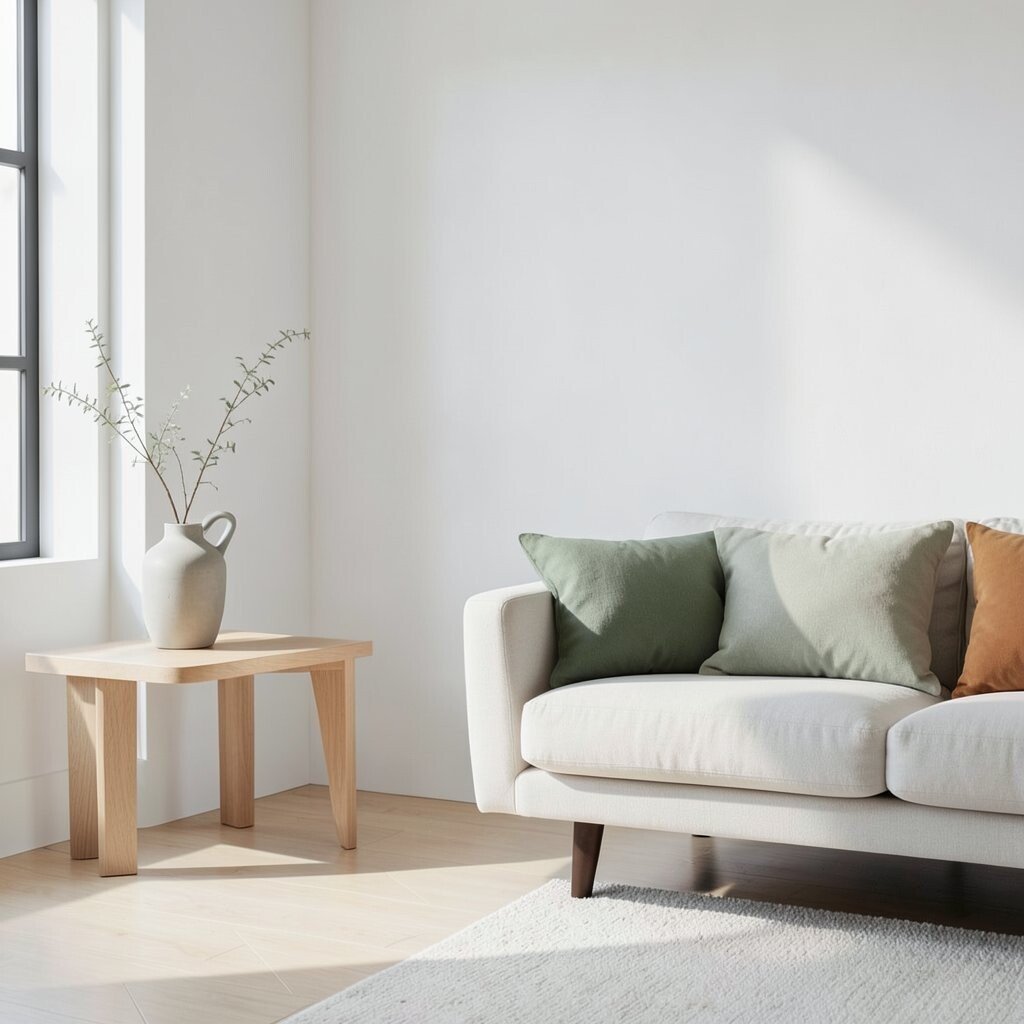
Add a small hit of color through one accent item, then repeat it sparingly. A single vase, one piece of art, or two matching cushions can do the job.
This keeps the room from feeling flat while still staying minimal. The trick is to let the accent show up in at least two spots so it feels intentional rather than random.
For personalization, choose an accent shade that supports your mood, such as sage for calm or clay for warmth. If you love changing styles, use removable items like covers and frames so you can refresh the palette without replacing everything. This approach is also budget-friendly since accents are usually cheaper than major furniture changes.
14. Window Treatments That Feel Tailored
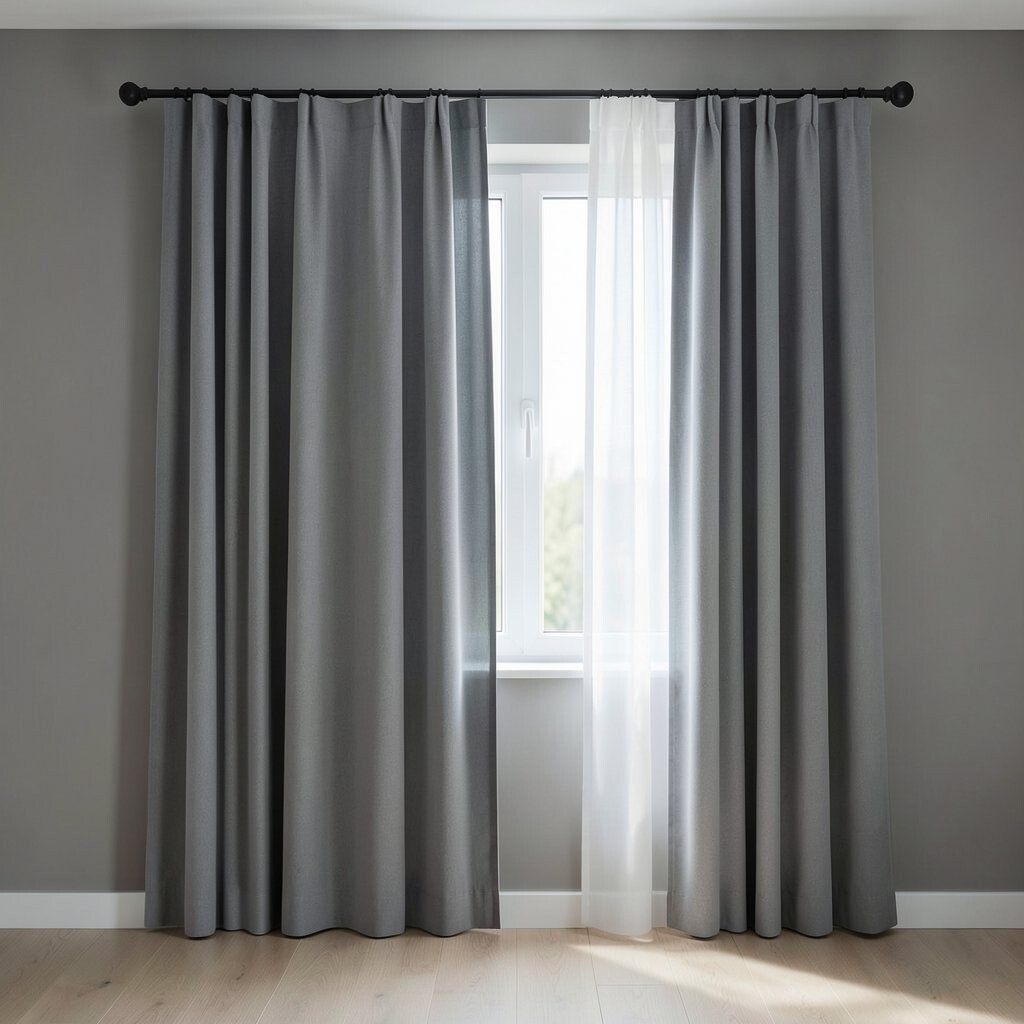
Keep curtains simple and neatly hung for a modern look. Choose long lengths, minimal folds, and a fabric that drapes well from the rod to the floor.
Tailored window treatments boost comfort by controlling light and improving privacy. They also soften hard surfaces like glass and polished stone.
For personalization, match the curtain tone to your wall color or pick a slightly deeper shade to create contrast. If you want a trend-forward feel, people are also leaning toward light-filtering shades paired with minimalist sheers for layered control. If your budget is tight, ready-made panels plus a good rod can still look high-end with careful measuring.
Cost-wise, hardware like curtain rods and rings is worth spending on because it affects how straight and smooth everything looks.
15. Minimal Shelving With Rotating Objects
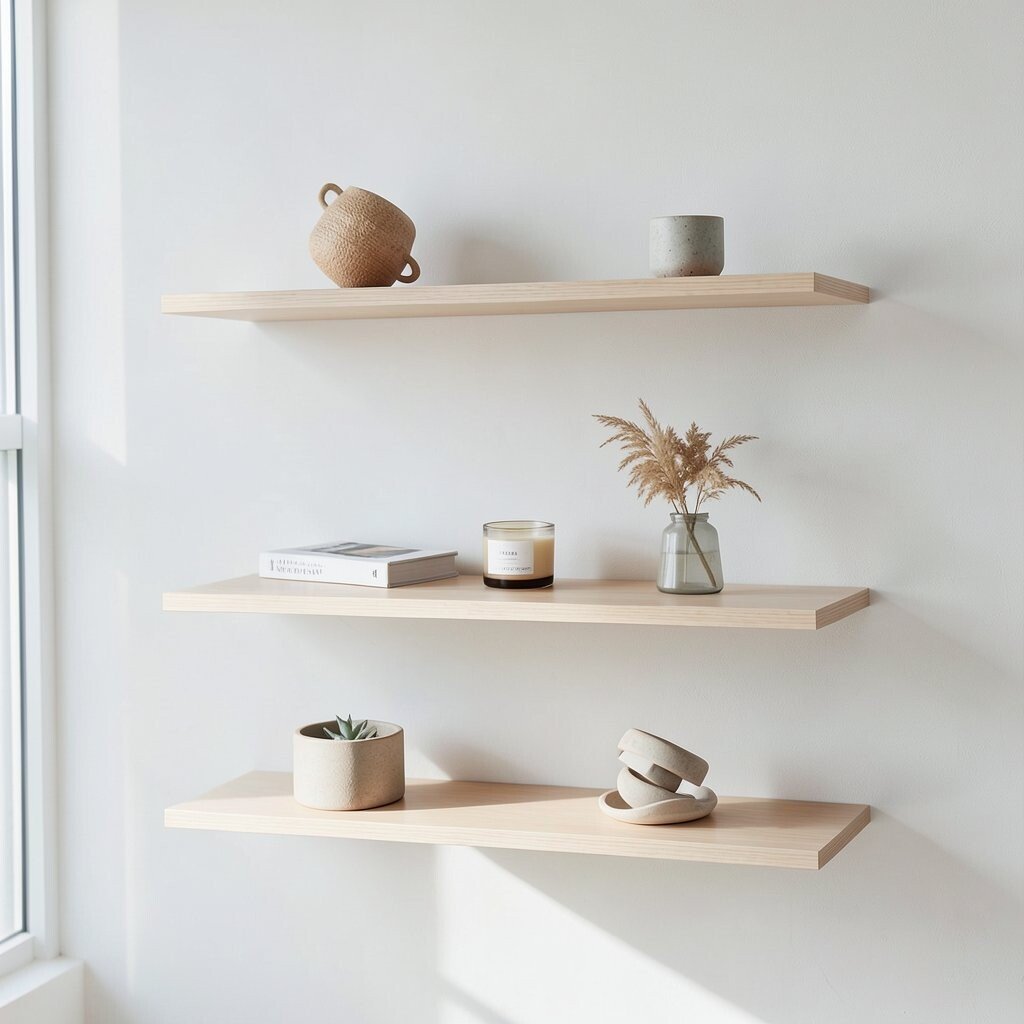
Style shelves like you are curating a magazine spread. Use a few meaningful objects and rotate them occasionally to keep the space feeling alive.
Rotation helps you keep the visual count low while still showing personality. It also prevents the “everything stays forever” feeling that can make shelves look messy over time.
Personalize by storing items with a plan, such as keeping a small bin for seasonal decor. When you rotate, you can swap in books, a new candle, or a small sculpture without buying lots of new items. This is also cost-smart because it extends the life of what you already own.
16. Built-In Seating Nooks
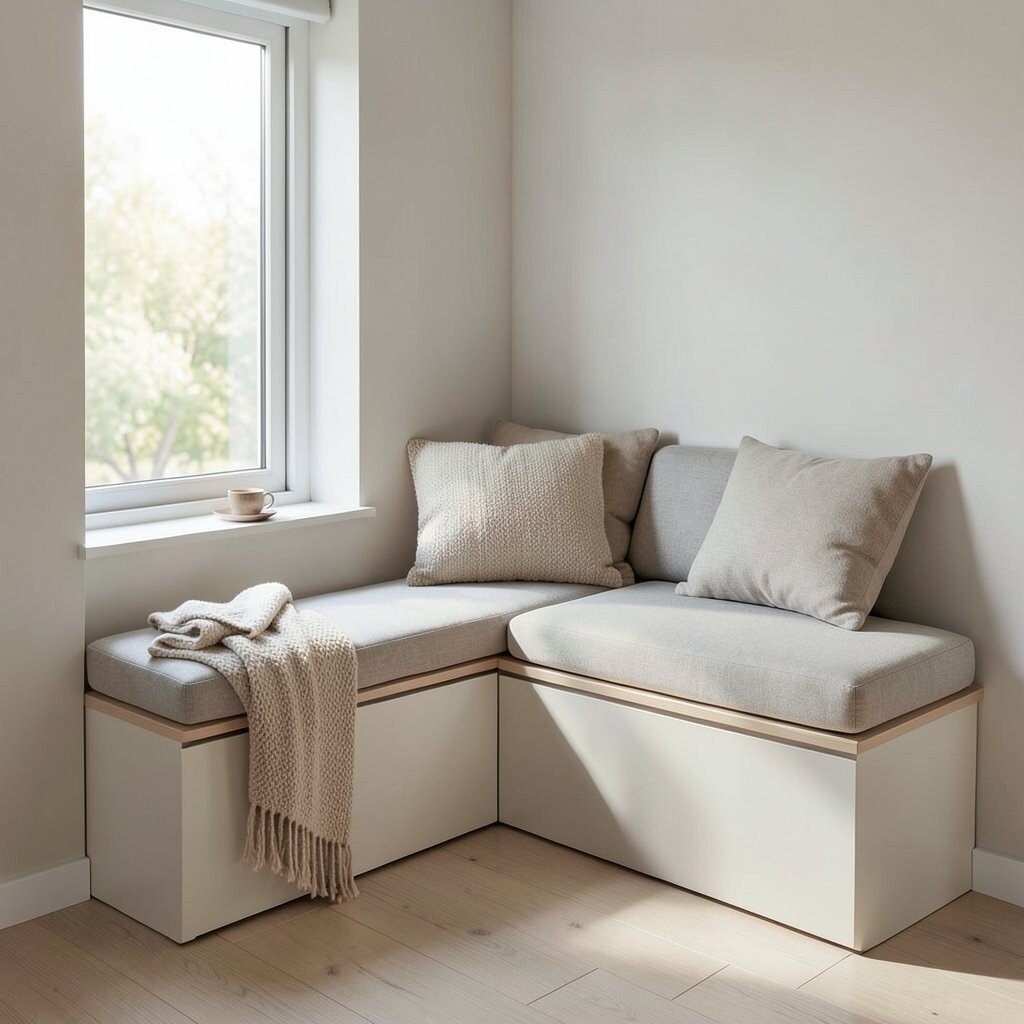
Create a small nook with clean lines and comfortable seating. A bench under a window, a low platform with storage, or a simple banquette can add function without crowding.
Nooks feel special because they give you a dedicated spot for reading, sipping tea, or winding down. Having a defined corner also reduces the urge to scatter extra items around the room.
To personalize, choose cushions in your chosen neutral palette and add one accent textile for warmth. If you need practicality, build in drawers or a lift-up lid for blankets and seasonal gear. Costs can vary widely, but a DIY bench plan paired with affordable cushion inserts can keep things under control.
17. Thoughtful Mirrors For Light and Space
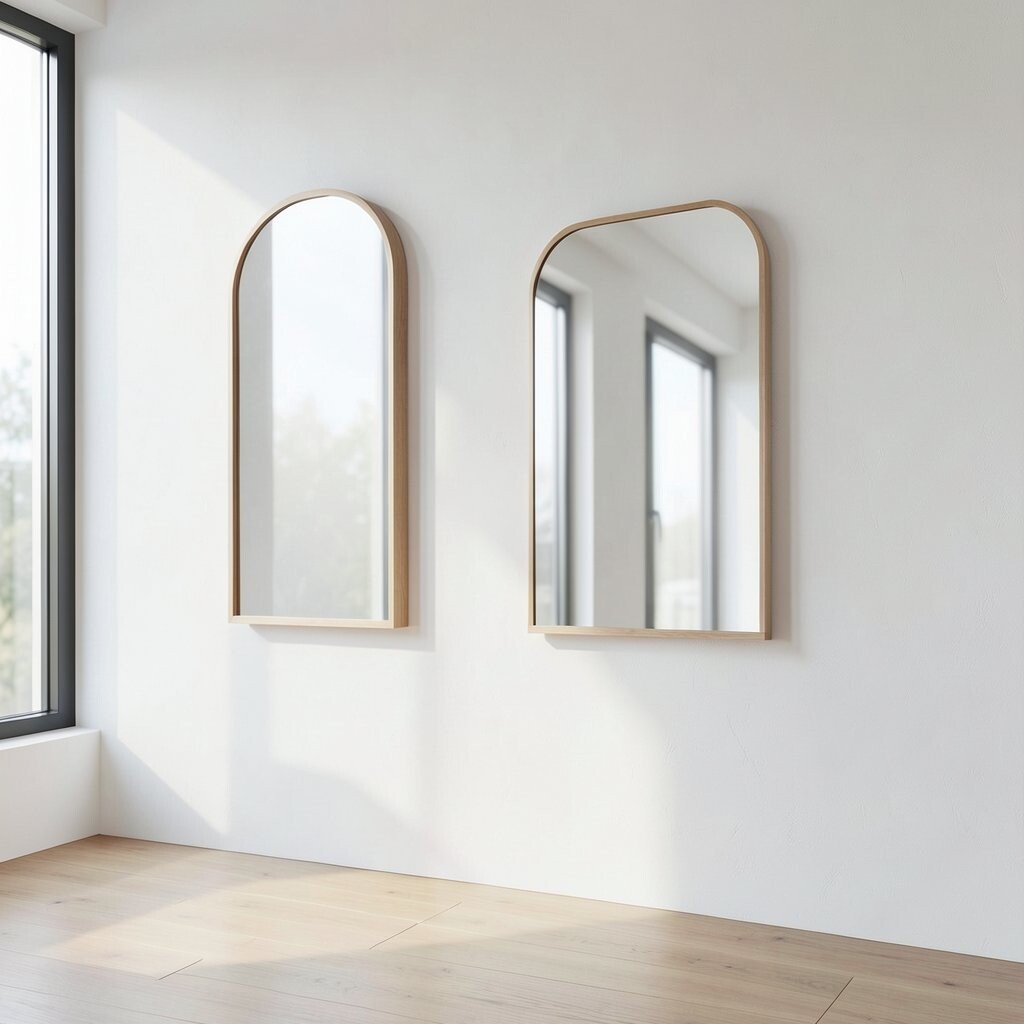
Use mirrors to make rooms brighter and visually larger. A simple framed mirror, a minimal arched shape, or even a frameless design can keep the look clean.
When placed across from a window or opposite key light sources, mirrors bounce brightness around the room. This helps minimalist spaces feel airy instead of dim.
Personalize the effect by choosing a mirror size that fits your wall without overwhelming it. If you like a softer modern vibe, pick a slightly curved frame or a warm wood tone that matches your floors. In terms of cost, a single quality mirror is often cheaper than buying multiple decor pieces and it provides an immediate visual payoff.
For a current modern feel, many people choose simple, sculptural edges rather than highly ornate frames.
18. Personal Collections Kept Under Control
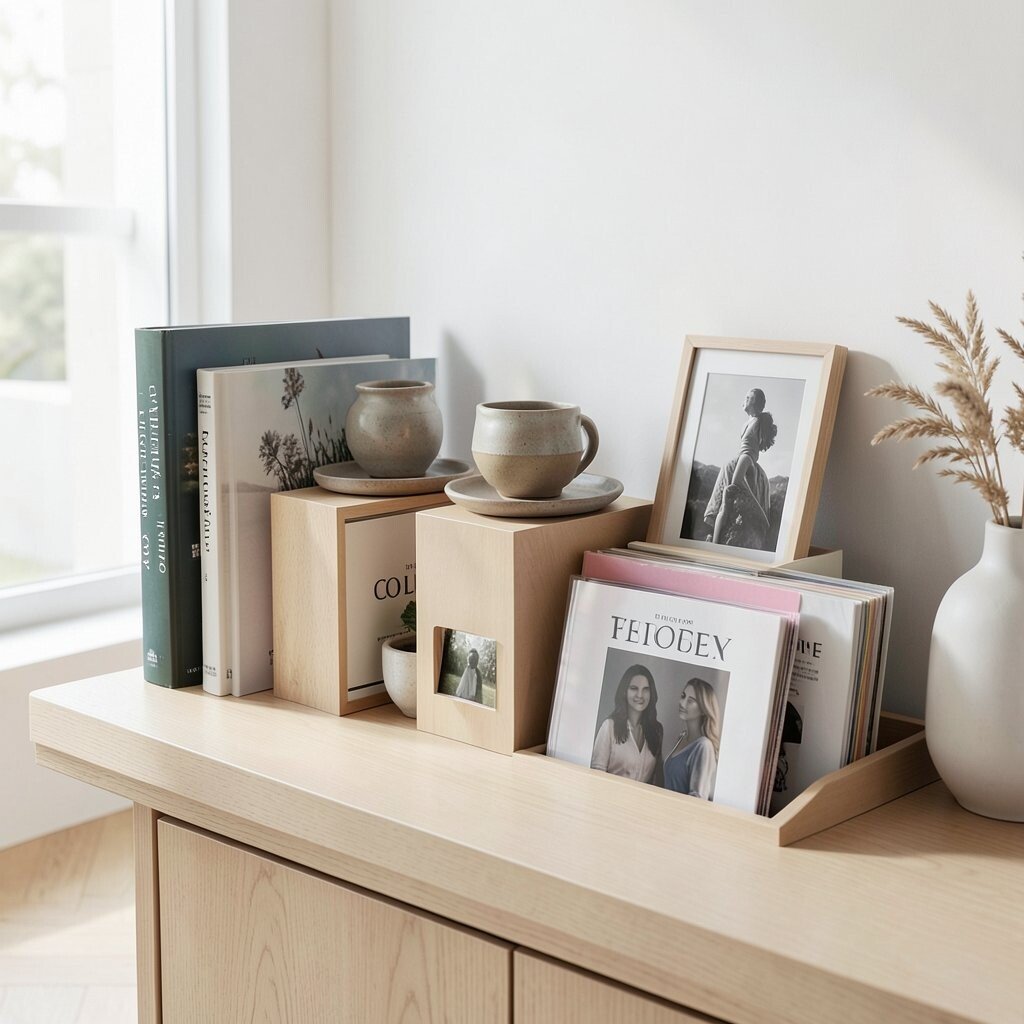
Show your personality using one controlled collection instead of many random items. It could be a set of ceramics, travel books, vinyl records, or framed photos with consistent sizing.
The goal is to keep your collection organized so it reads as intentional decor. When items share a color tone or display style, your space stays minimalist while still feeling lived-in.
For practical personalization, store overflow in closed cabinets and display only what feels current. Use simple risers and trays so objects sit at varied heights without looking messy. This strategy can be budget-friendly because you can work with what you already own and refine how it is shown rather than buying new decor all at once.
Uniquely, this approach turns personal meaning into design structure, so your home feels modern and still deeply yours.