The morning can feel heavy before you even start. A motivational board gives your mind something bright to hold onto.
When you see your goals as colorful, personal reminders, you act faster and worry less. You’ll notice the shift in your focus, mood, and momentum.
1. Morning Light and Fresh Focus Board
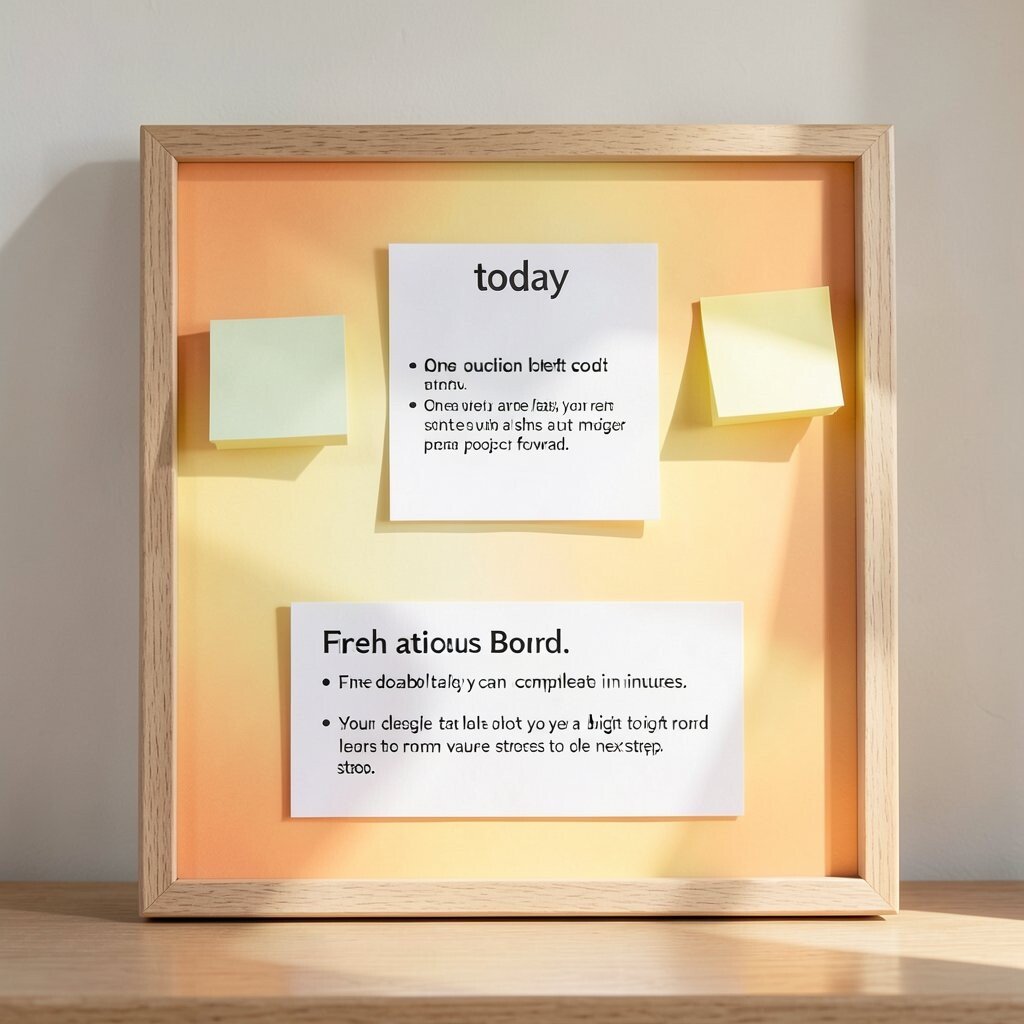
Picture a small board with a sunny gradient background, like pale yellow fading into warm orange. On top, place a simple “today” theme with a short goal card in the center and two sticky notes on the sides. The visuals should feel like the first rays of daylight landing on your desk.
Keep the benefits practical by making your first action effortless to spot. Write one doable task you can complete in minutes, then add a second task that moves a bigger project forward. As you glance at the board, your brain learns to shift from vague stress to a clear next step.
2. Vision Collage With Real-Life Pieces
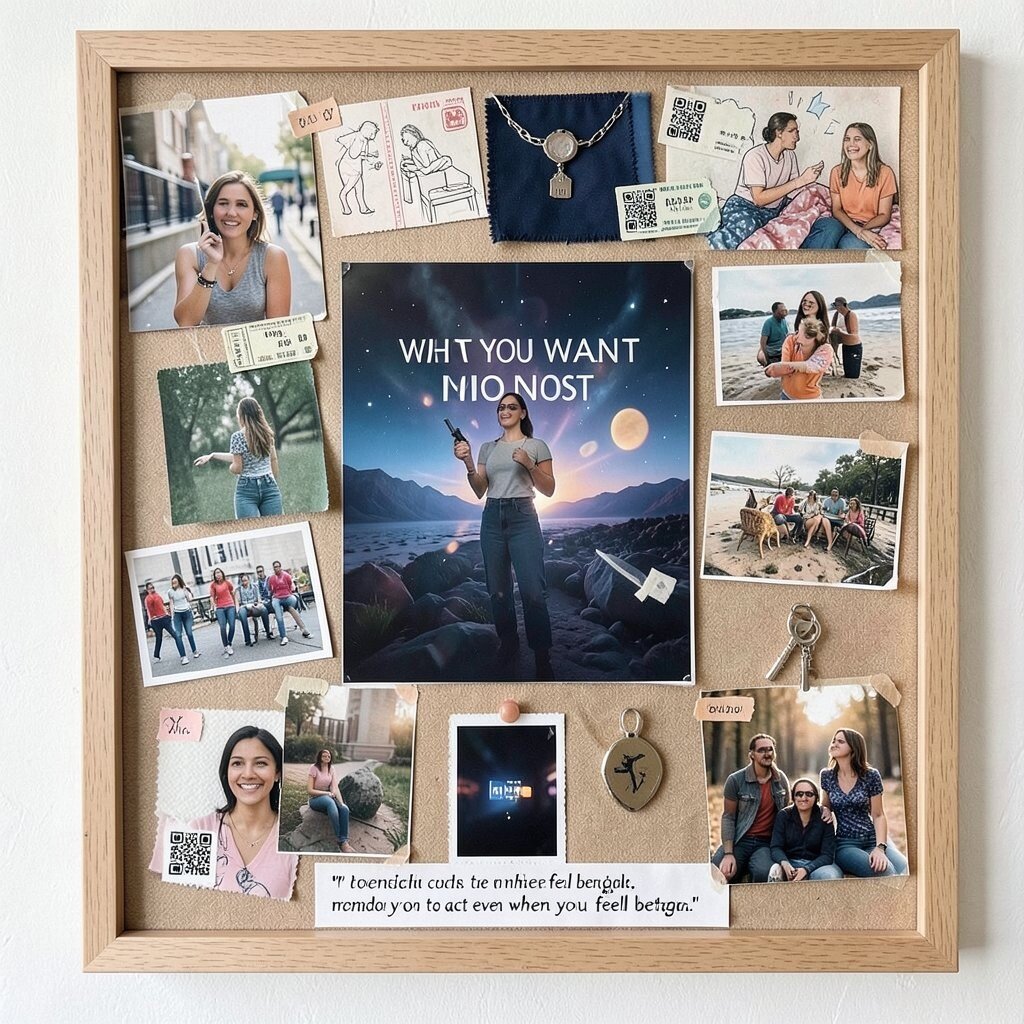
Build a board that looks like your life is already in motion. Use printed photos, ticket stubs, fabric swatches, and tiny drawings from places that matter to you. Add a bold central image of what you want most, then surround it with smaller items that support that goal.
Make it unique by choosing pieces that feel oddly specific, like a photo from a class you loved or a keychain from a trip you earned. This kind of board helps you feel closer to your future, not stuck in the “someday” zone. A good trend right now is mixing physical keepsakes with digital inspiration, like QR codes linking to a playlist or a saved page.
For practical use, keep one quote near the bottom that reminds you to act even when you feel behind. If cost is a concern, print only a few strong images and use paper scraps for the rest. Personalize it by setting a “rotation rule,” like updating one photo each week so it never goes stale.
3. Color-Coded Habit Tracker Wall

Imagine your board as a neat rainbow map, with each color tied to a daily habit. You can use washi tape stripes, marker circles, or simple check boxes that you fill by hand. When everything has a color, your eyes quickly know what matters today.
Use practical tips by keeping habits small and specific, such as “drink water,” “stretch,” or “read ten pages.” Place the hardest habit at eye level so you don’t dodge it. This visual setup boosts consistency because you’re not relying on memory alone.
To keep it unique, give each habit a tiny symbol, like a leaf for watering your body or a star for studying. A current trend is using minimalist icons instead of long lists, which looks clean and feels motivating. If you want to save money, use index cards and a few markers, then refresh weekly with new stickers.
Personalization can be as simple as matching the colors to your favorite colors or your favorite moods. When you feel low, choose the habit color that calms you most and focus on that first.
4. Desk Companion Board for Deep Work

Think of a board designed for focus, not clutter. Place a large frame or cork strip beside your desk, and cover it with just a few clear cards. One card can show your weekly priority, another can show your work time plan, and a third can remind you of a distraction boundary.
Make the benefits show up fast by keeping it simple enough to read while you settle in. Write a short “start ritual” like getting water, opening the right file, and doing a two-minute warm-up. This helps you begin sooner and reduces that shaky feeling when you sit down.
5. Quote and Courage Board With Handwritten Strength
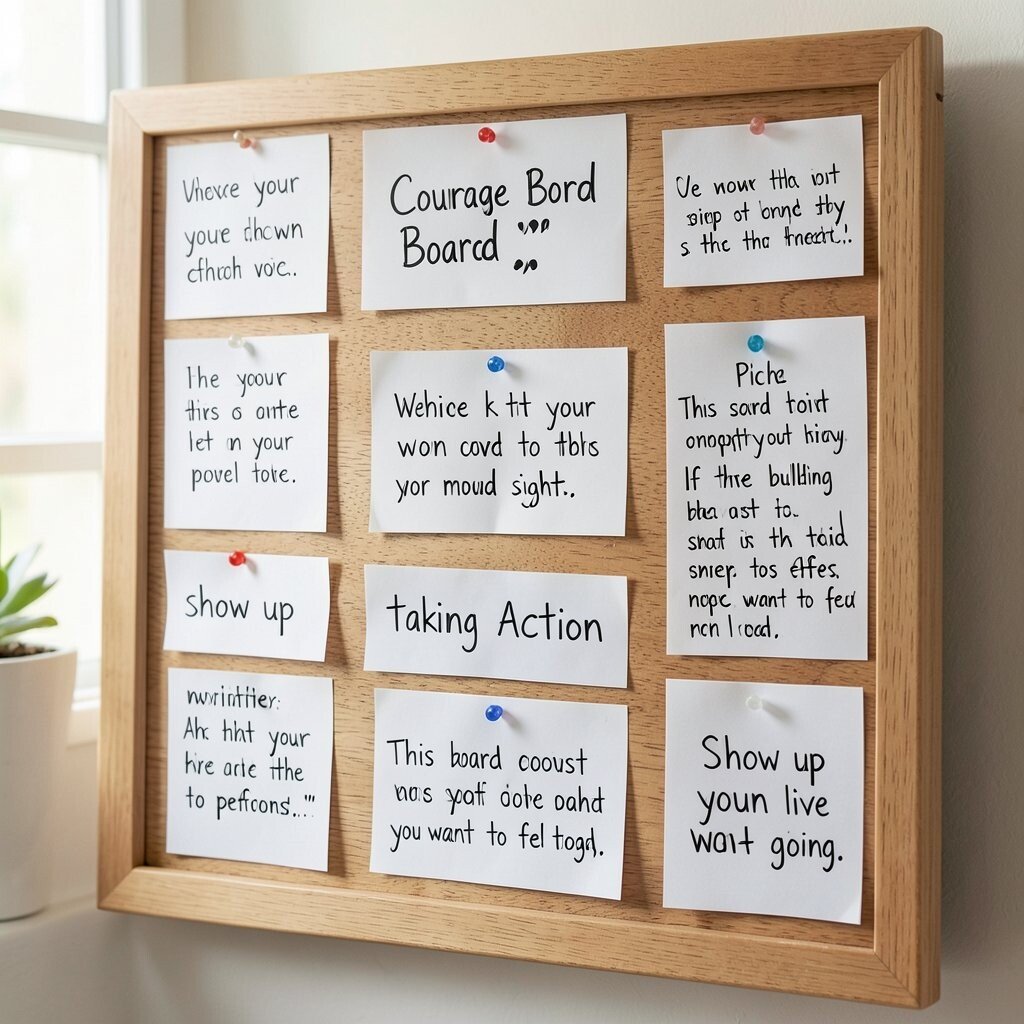
Visualize a board full of words that look like they came from your own voice. Use your handwriting or friendly fonts on paper cards, then pin them in a way that feels balanced, not chaotic. Choose one quote for courage, one for patience, and one for taking action.
For practical tips, change one quote whenever your mood shifts, so the board stays honest. If you’re building confidence, pick lines that focus on effort, not perfection. This board boosts motivation because it speaks directly to how you want to feel today.
To keep it unique, underline words that you want to live out, like “show up” or “keep going.” A current trend is using small letter stickers or ink stamps to add texture, which makes the board feel warmer. If you’re on a budget, you can write on printer paper, cut it into strips, and secure it with cheap pins.
6. Goal Ladder Board for Progress You Can See

Picture a ladder drawn across your board, with each rung holding one milestone. The design can be tall and narrow, perfect for a corner near your workspace. On the top rung, place a visual of the end result, and on each middle rung, place a step you can do this month.
The benefits here are clarity and momentum. When you see where you are on the ladder, you’re less likely to quit early. It’s also easier to plan because each rung can turn into a concrete action list.
Keep practical tips in mind by writing milestones that are measurable, like “complete a draft,” “send two emails,” or “practice for thirty minutes.” Personalize it by using colors that match each rung, such as green for “in progress” and blue for “nearly there.” If cost matters, use a printed ladder template and reuse sticky notes each time you advance.
7. Comfort and Calm Board for Stress Days
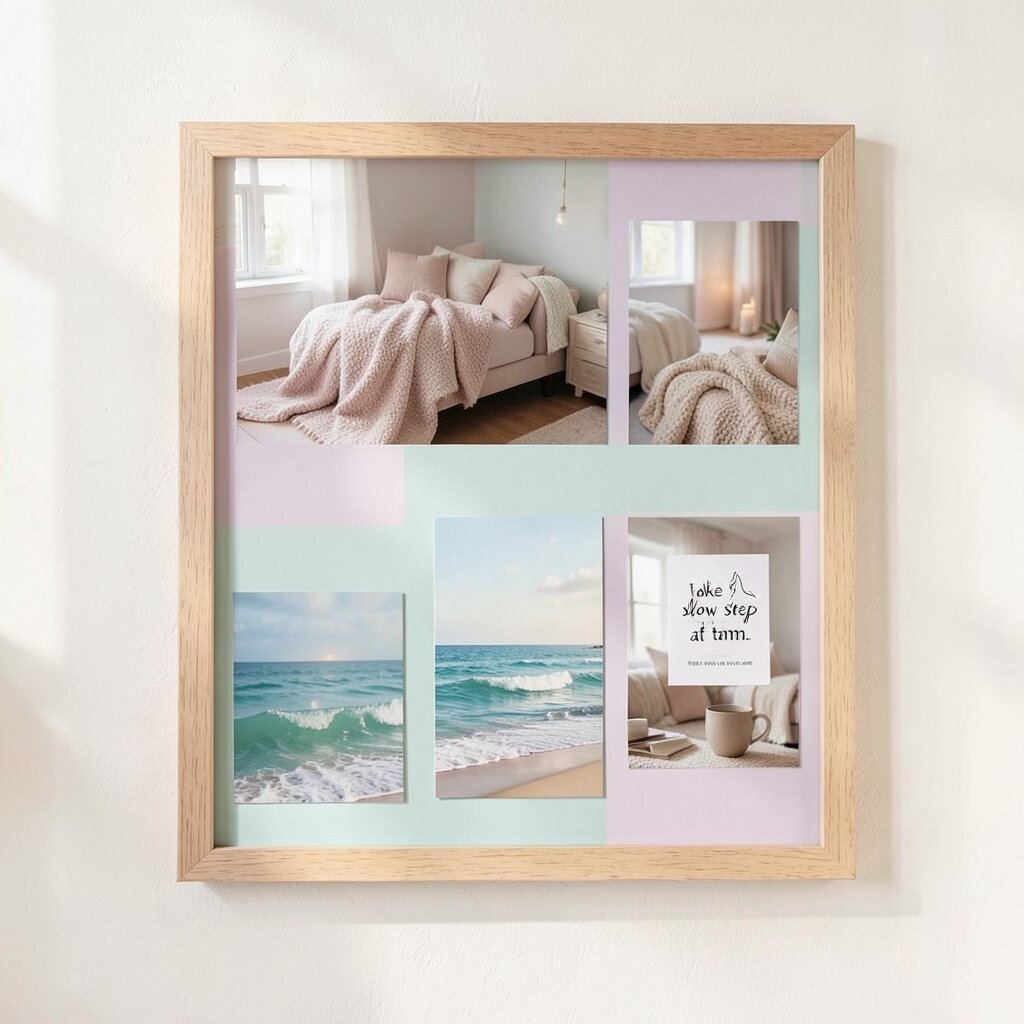
Imagine a board that feels like a soft blanket for your eyes. Use gentle colors, like seafoam, blush, or light lavender, and add comforting images such as cozy rooms, calm waves, or warm mugs. Leave extra space around the visuals so your mind doesn’t feel crowded.
This board’s uniqueness comes from soothing your nervous system, not just pushing productivity. Add one small breathing cue card and another reminder to take one slow step at a time. The benefits show up when you reach for the board during a stressful moment and regain control quickly.
8. Skill Spark Board With Mini Challenges

Think of a board that looks like a playful training center. Place small cards that each represent a skill, such as writing, drawing, coding, cooking, or public speaking. Under each skill, add a mini challenge that’s short enough to try today.
Make it practical by keeping the challenges specific, like “write a hundred-word story,” “watch one tutorial and take notes,” or “practice a simple recipe.” The benefits are huge because you get quick wins that build confidence. Instead of waiting for big motivation, you create it with small actions.
For personalization, choose challenges that match your current season of life, like “study during lunch” or “practice after chores.” A current trend is using “micro learning” with quick sessions and saved notes, and your board can mirror that style. If you’re cost-conscious, print challenge cards from your own notes and use whatever pins or clips you already own.
9. Social Support Board With People and Promises
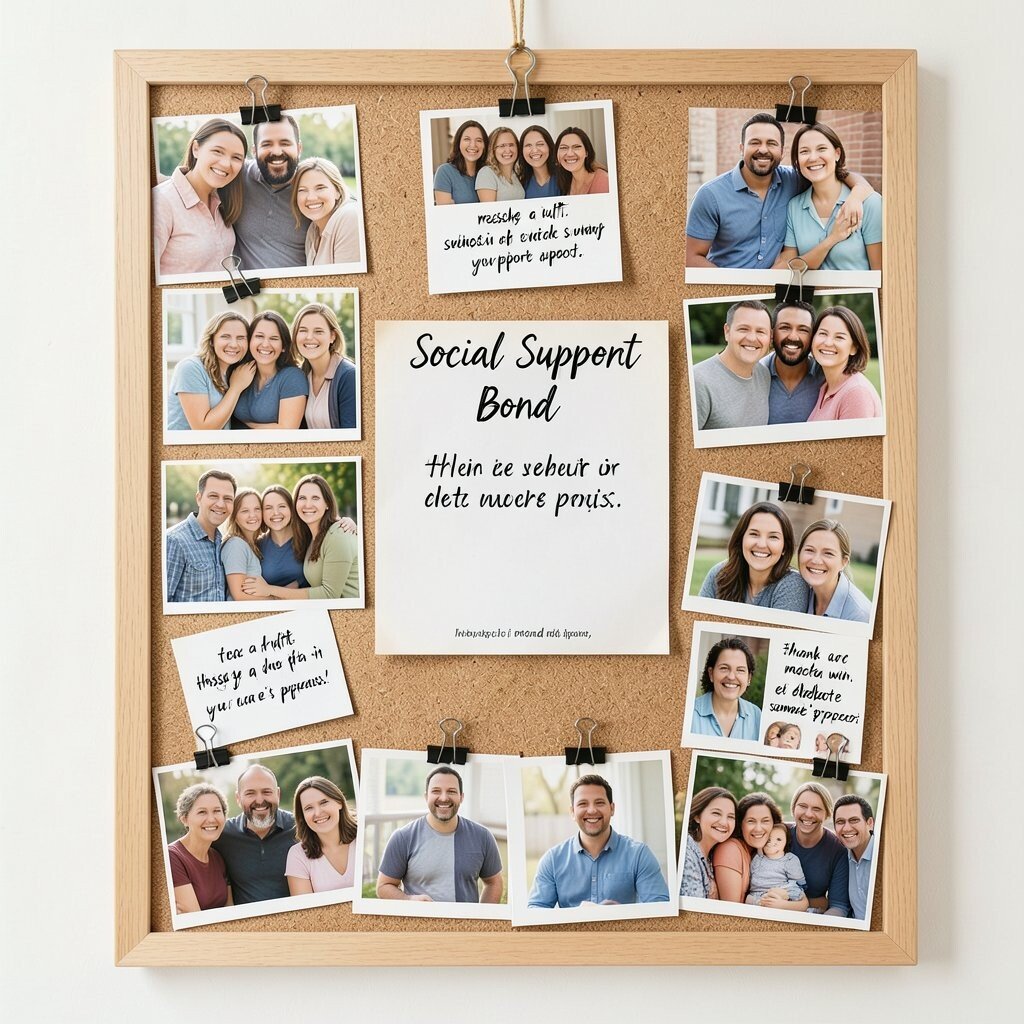
Picture a board that celebrates your community. Use photos of friends, family, mentors, or groups you care about, then add small messages that reflect how they support you. The layout can feel like a group huddle, with your name in the center and encouraging faces around you.
This creates uniqueness because your motivation comes from real relationships, not only ideas. The benefits include feeling less alone, especially on days when your inner voice is unkind. Add a card that reminds you to reach out, schedule one check-in, or celebrate someone else’s progress.
For practical tips, keep one “reach out” prompt near the top so it stays visible. You can rotate the prompts each week, like “message a friend,” “thank a mentor,” or “share a win.” If cost is a concern, use printed photos from your phone and clip them with binder clips instead of buying frames.
10. Budget and Self-Worth Board for Money Confidence
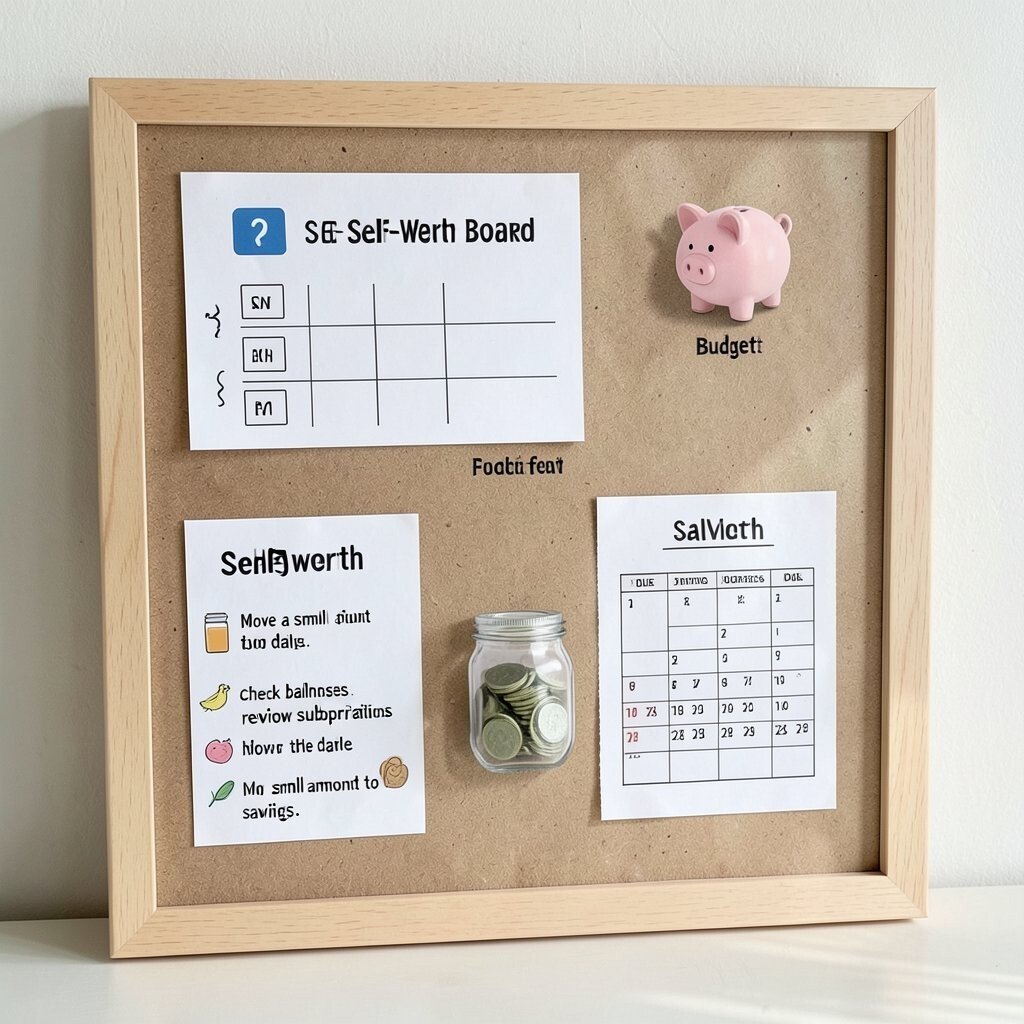
Imagine a board that makes money feel calmer and more manageable. Use a simple layout with a spending focus card, a saving goal card, and a reminder about self-worth that has nothing to do with status. Add visuals like a small piggy bank icon, a jar for savings, and a calendar page for due dates.
This board’s benefits are emotional and practical at the same time. When you plan with care, you stop feeling surprised by bills and start feeling secure about choices. You also reinforce the idea that your value isn’t tied to how much you buy or how quickly you spend.
For practical tips, write one action for the day, like “check balances,” “review subscriptions,” or “move a small amount to savings.” Personalization can include your favorite number, your preferred budgeting style, or a theme color that helps you stay calm. To keep costs down, print simple icons and use recycled paper for any charts.
11. Fitness Fuel Board With Energy Aftercare
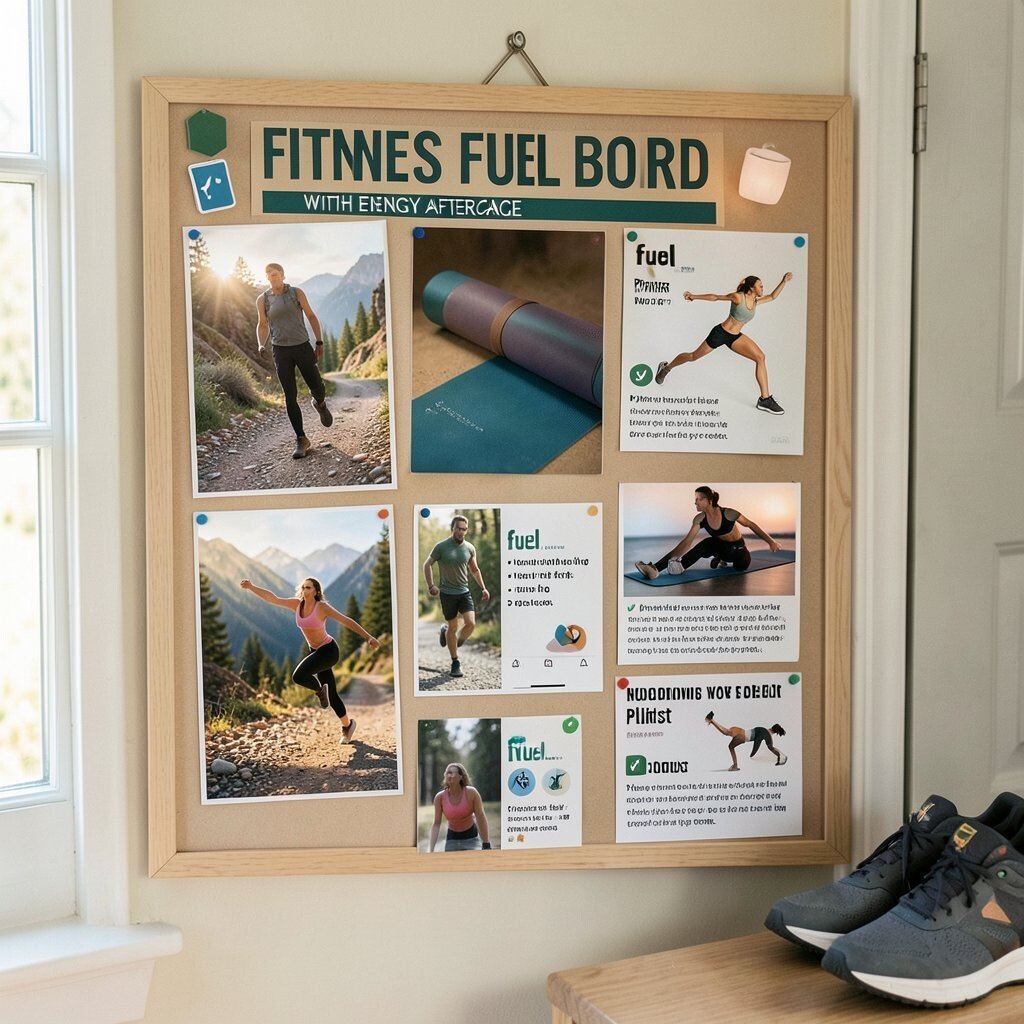
Picture a board with a workout vibe that still feels friendly. Add images of movement you enjoy, like hiking trails, a yoga mat, or sneakers near a doorway. Place “fuel” cards nearby with quick reminders about water, protein ideas, sleep, and stretching.
The benefits show up because you stop treating fitness like a punishment. When you visualize how you’ll feel after training, you’re more likely to show up and recover well. Include practical tips such as planning your next step before you leave the gym or scheduling a gentle day for rest.
Uniqueness can come from matching the board to your favorite workout style, like dance, strength training, or cardio walks. A current trend is adding recovery cues, such as mobility routines and calming playlists, and you can pin them right on the board. If cost is a concern, use phone screenshots of workouts and simple sticker dots for checkmarks.
12. Creativity Canvas Board for Ideas on Demand

Visualize a board built like an art wall for your mind. Include doodles, color swatches, short prompts, and a small “idea parking spot” where you jot quick sparks. Add one large prompt card that stays on the board, like “make something imperfect” or “start before you feel ready.”
This kind of board is unique because it treats ideas as something you can collect. The benefits include fewer blank-page moments and more playful momentum. When you see your own prompts in front of you, you begin faster and worry less about being judged.
For practical tips, set a timer routine and write a single prompt on the board at the start of each session. Personalize it by using your favorite colors, your favorite art supplies, and your own sketches. If you want to save money, use scrap paper, magazine cutouts, and a clip system instead of fancy frames.
13. Morning Menu Board for Self-Care Steps
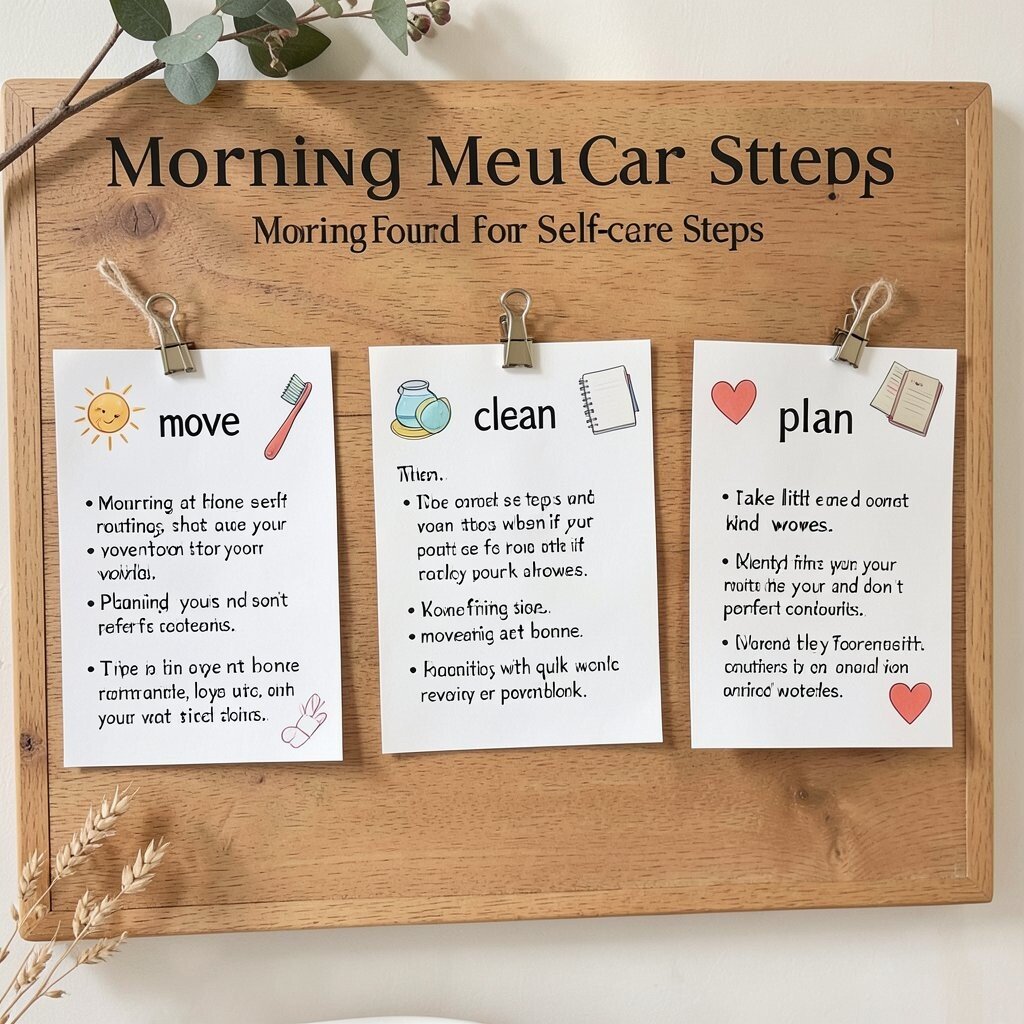
Imagine a board that acts like a gentle morning checklist, but prettier than a list. Use three to five cards laid out in order, like “wake,” “move,” “clean,” “plan,” and “kind words.” Add small illustrations, such as a sun, a toothbrush, a notebook, and a heart, so your eyes guide you.
The benefits come from turning self-care into a routine that doesn’t require willpower. When your steps are visible, you can start even if you feel tired or distracted. Keep practical tips by writing actions that take little time and don’t require perfect conditions.
To personalize it, align the menu with your actual schedule, like doing movement at home or planning with a quick notebook. A current trend is “low-friction” routines, which your board can support by using cards that are already ready to go. If cost matters, create cards on cardstock from your printer paper and secure them with a binder clip or string.
14. Reflection and Gratitude Board With Weekly Wins
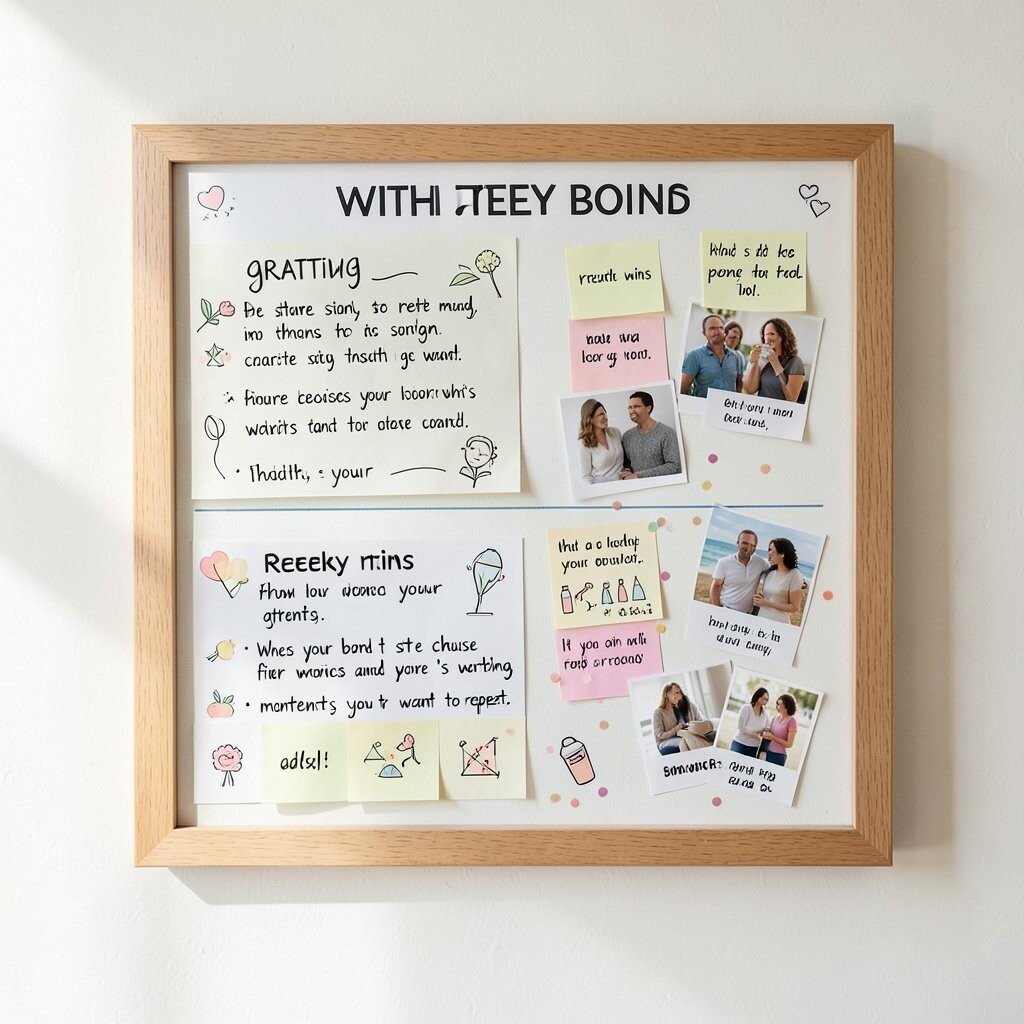
Picture a board that feels like a cozy journal you can see at a glance. Use a section for gratitude with small notes, and another section for weekly wins with photos or tiny symbols. Keep a calm background and let the notes look light and uplifting, like confetti made of words.
This board’s uniqueness is in how it trains your attention. The benefits include better mood, stronger resilience, and more confidence because you notice what’s working. Make practical tips by setting a simple weekly moment to add one win and one thankful thought.
Personalize the board by writing gratitude in your own style, like short phrases, doodle lines, or tiny drawings. A current trend is using “review rituals” for focus and growth, and this board can become your personal ritual. If you want to keep costs low, use sticky notes you already have and print only a single background image.
When your board is ready, you’ll start to chase fewer worries and more moments you want to repeat.