The right office setup can quietly change how work feels each day. Small choices add up fast when they fit your habits.
You can make your workspace calmer, clearer, and more motivating without turning it into a complicated project. The ideas below focus on comfort, focus, and practical upgrades you can start today.
1. Claim a Focus Zone
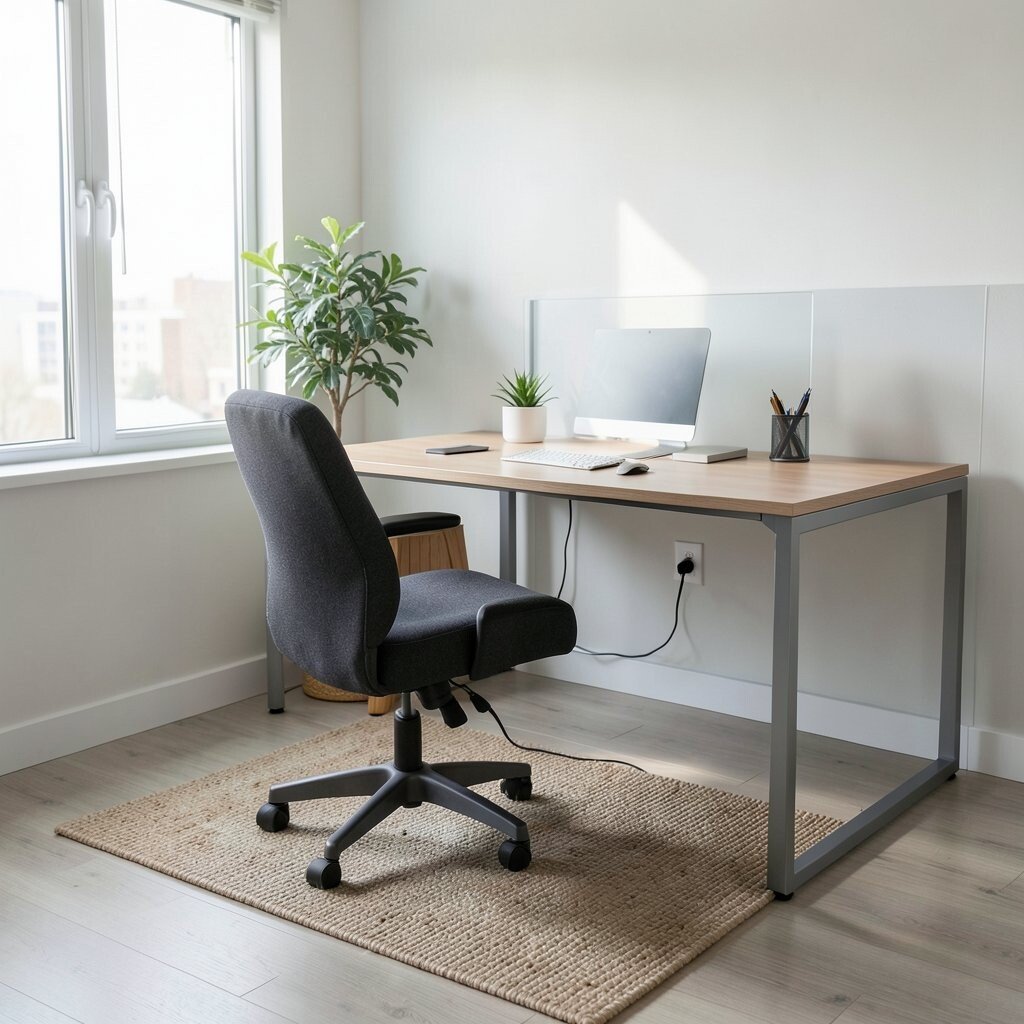
Pick one spot in your office that becomes your “work brain” area. Make it feel different from the rest of the room with a chair facing inward and a clear desk surface.
Add a simple visual boundary like a small rug, a plant, or a desk divider so your eyes know where to settle. When distractions pop up, you can return to that spot and reset your attention with one slow breath.
2. Use Color to Shape Your Mood
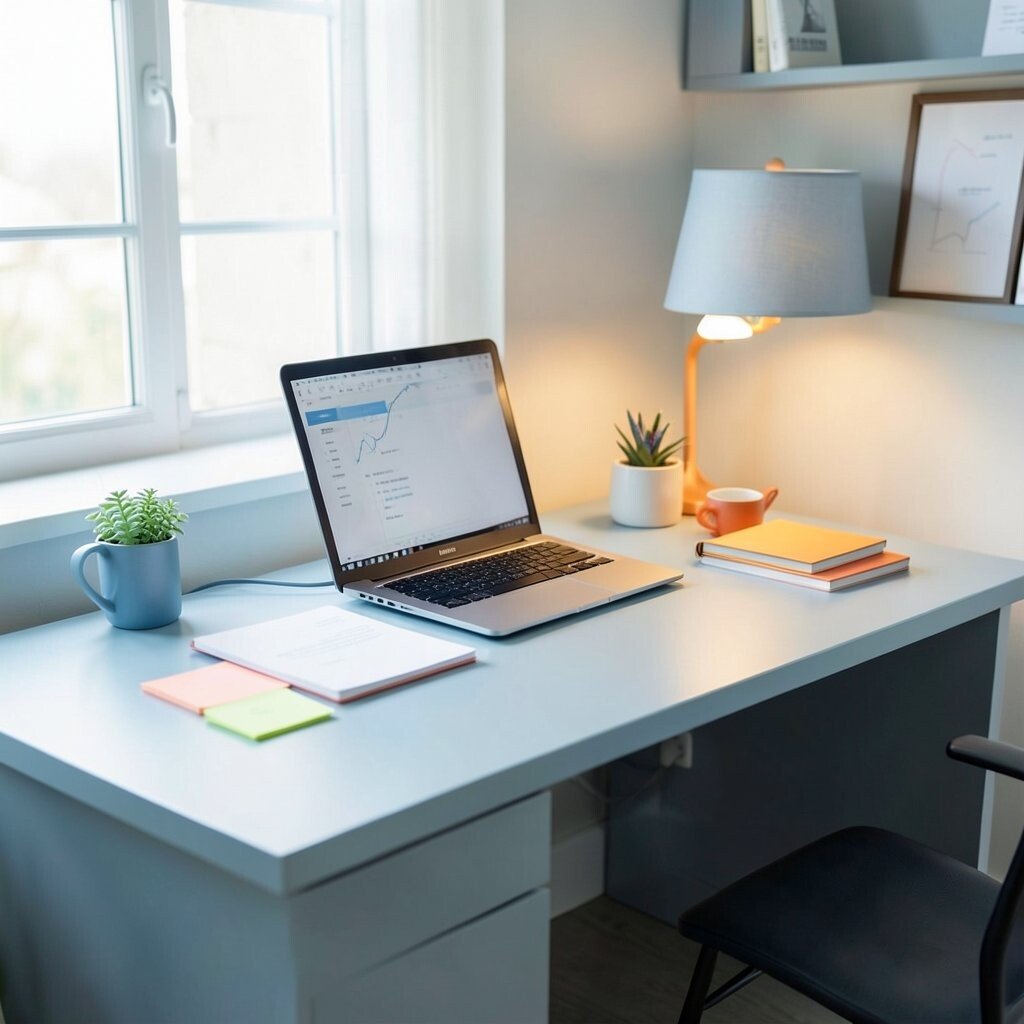
Choose a color theme that matches your task mood. Cool tones like blues can feel steady for planning, while warm accents like orange can energize short bursts of creative work.
Keep the main desk colors calm and use one or two small items as bright signals. Swap sticky notes or folders by color so you can glance and know what kind of work is coming next.
Try using soft lighting and colored desk accessories together. A lamp shade in a gentle tint can make the whole area look friendlier without clutter.
3. Set Up a “Start Here” Station
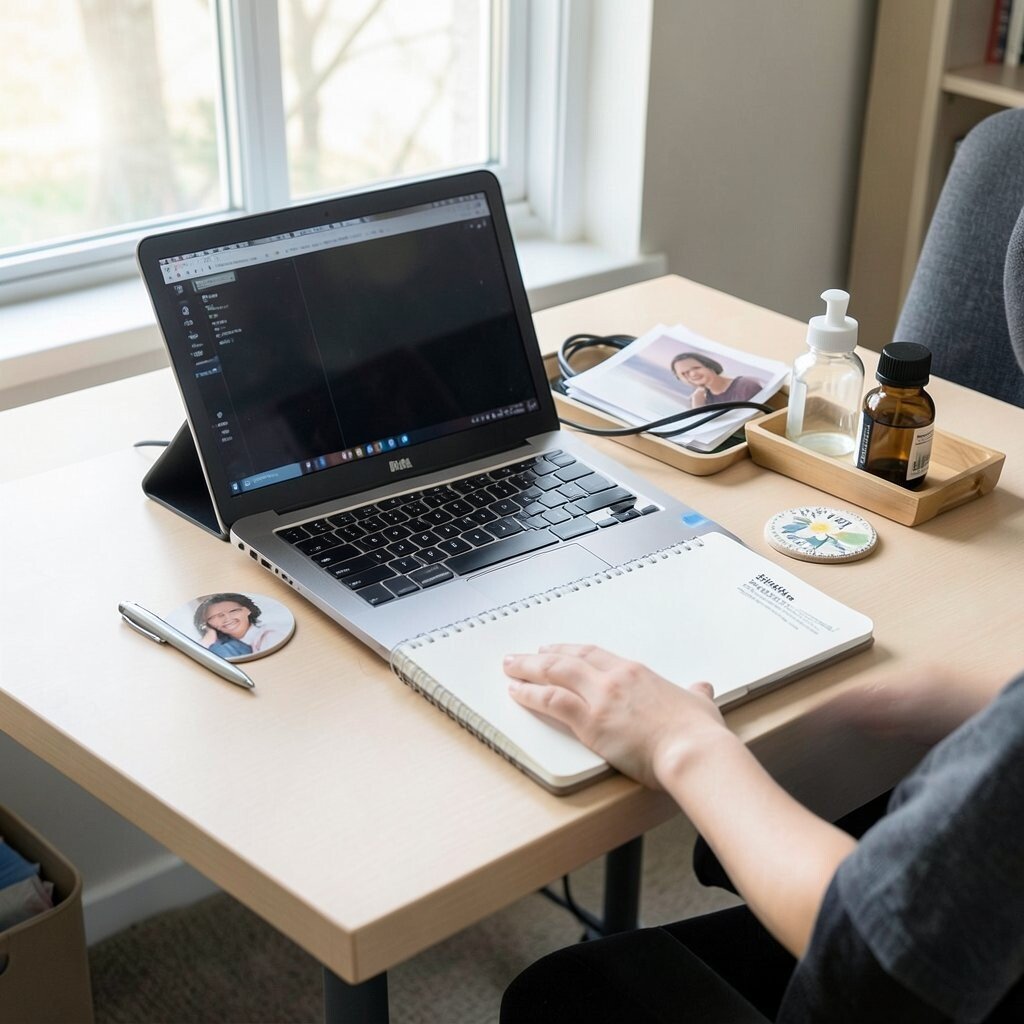
Create a tiny setup that makes getting going effortless. Place your laptop stand, one notebook, and your most-used pen in the same place every day.
Keep the station visible from your chair so you can begin without searching. When your hands know where things are, your brain loses less energy to tiny decisions.
Use a small tray for cables and another for quick papers so the area stays tidy. Personalize it with a photo, a favorite coaster, or a calming scent that helps you shift into work mode.
You can keep costs low by starting with what you already own and adding one organizer at a time. Look for budget bins and trays that match your desk color so everything feels cohesive.
4. Choose One Daily Task Map
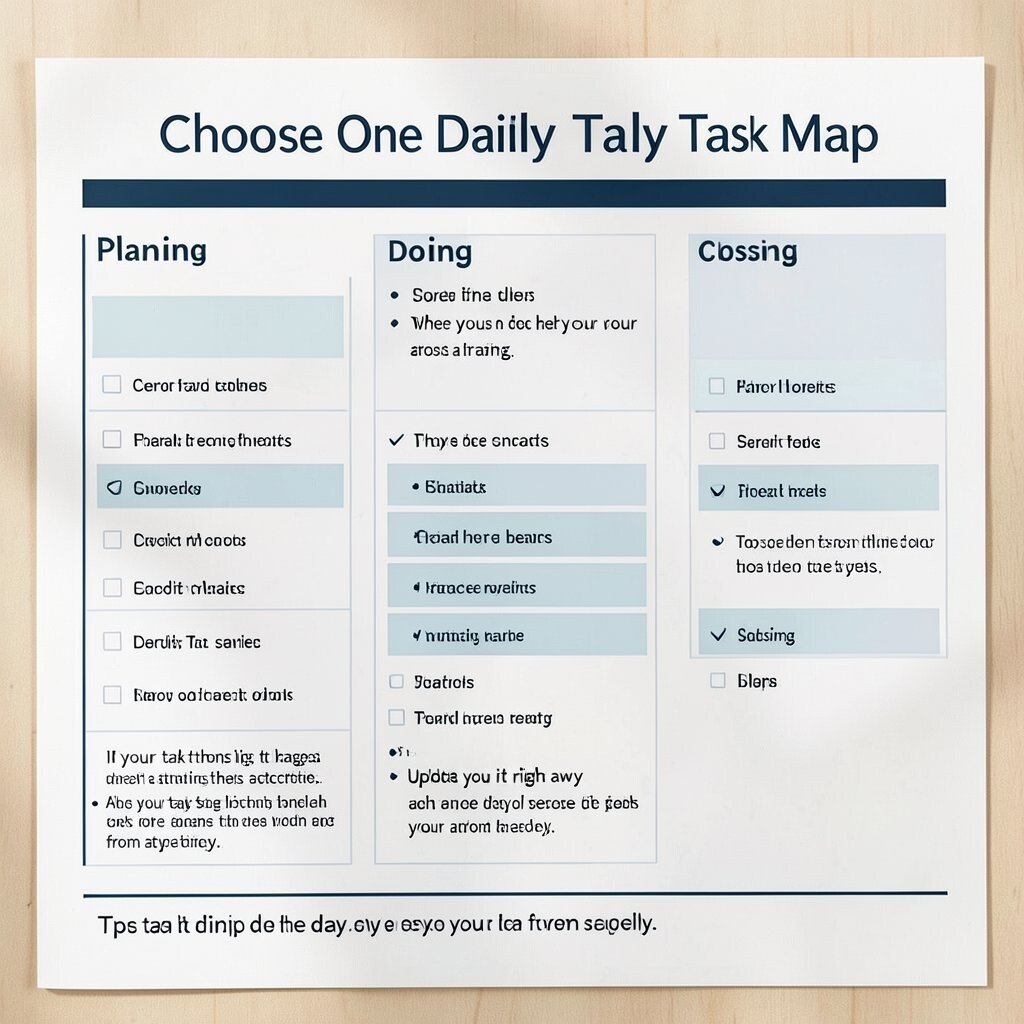
Write down your top task for the day where you can see it easily. A single map beats a long list because it keeps your attention from scattering.
Use a simple layout with three moments, like planning, doing, and closing. If your task changes, update it right away so the page stays honest.
5. Build a Noise Strategy

Sound can be a sneaky productivity thief, especially during deep work. If your office has noise, use soft headphones or earplugs even for short sessions.
Make background audio feel intentional by choosing a steady playlist or gentle instrumental track. When you need quick conversation, take calls in a different spot so focus work stays protected.
For people near you, add a small “quiet hours” routine that you can keep consistent. Even a simple agreement like fewer interruptions during morning blocks can help everyone.
When you pick a budget option, prioritize comfort since you will use it often. A well-fitting set of headphones can last for years and reduces daily stress.
6. Make Your Desk Layout “One Hand Away”
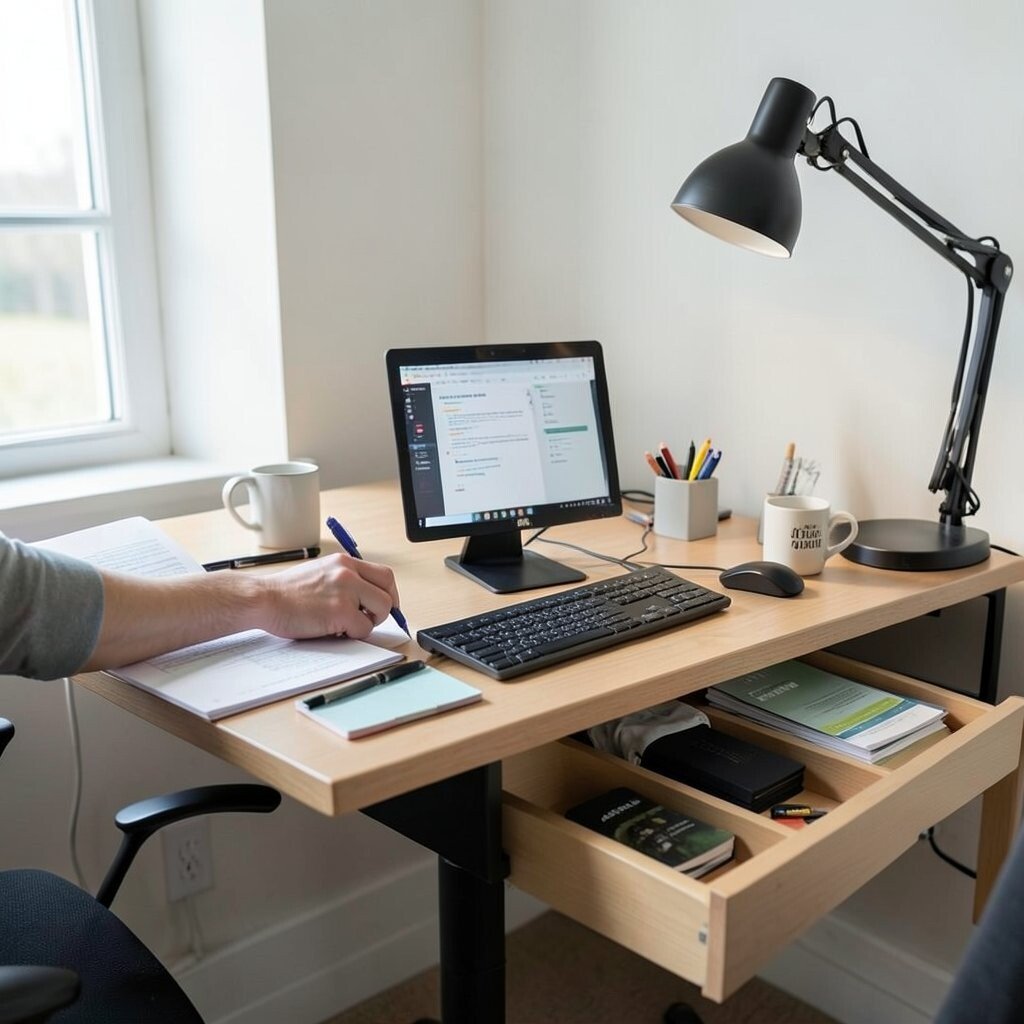
Arrange tools so you can reach them with one arm stretch. Keep paper, pens, and reference notes close, and move less-used items to drawers or shelves.
When you have to stand up for every small thing, momentum fades. A compact layout helps you finish tasks faster because your body stays in motion with your mind.
Try grouping items by action, like writing items on one side and tech items on the other. Personalize the setup with your favorite mug or a desk lamp that makes the area feel like yours.
7. Upgrade Lighting for Comfort

Good lighting can make your eyes feel relaxed instead of strained. If you only rely on overhead lights, add a desk lamp with a warm or neutral bulb.
Place the lamp so it brightens your workspace, not your screen. Shadows and glare can slow you down because you keep adjusting your posture.
Use a simple test by working for ten minutes and noticing if your eyes feel tired. If they do, shift the lamp angle or brightness before you push through.
8. Create a Charging and Cable Calm Zone
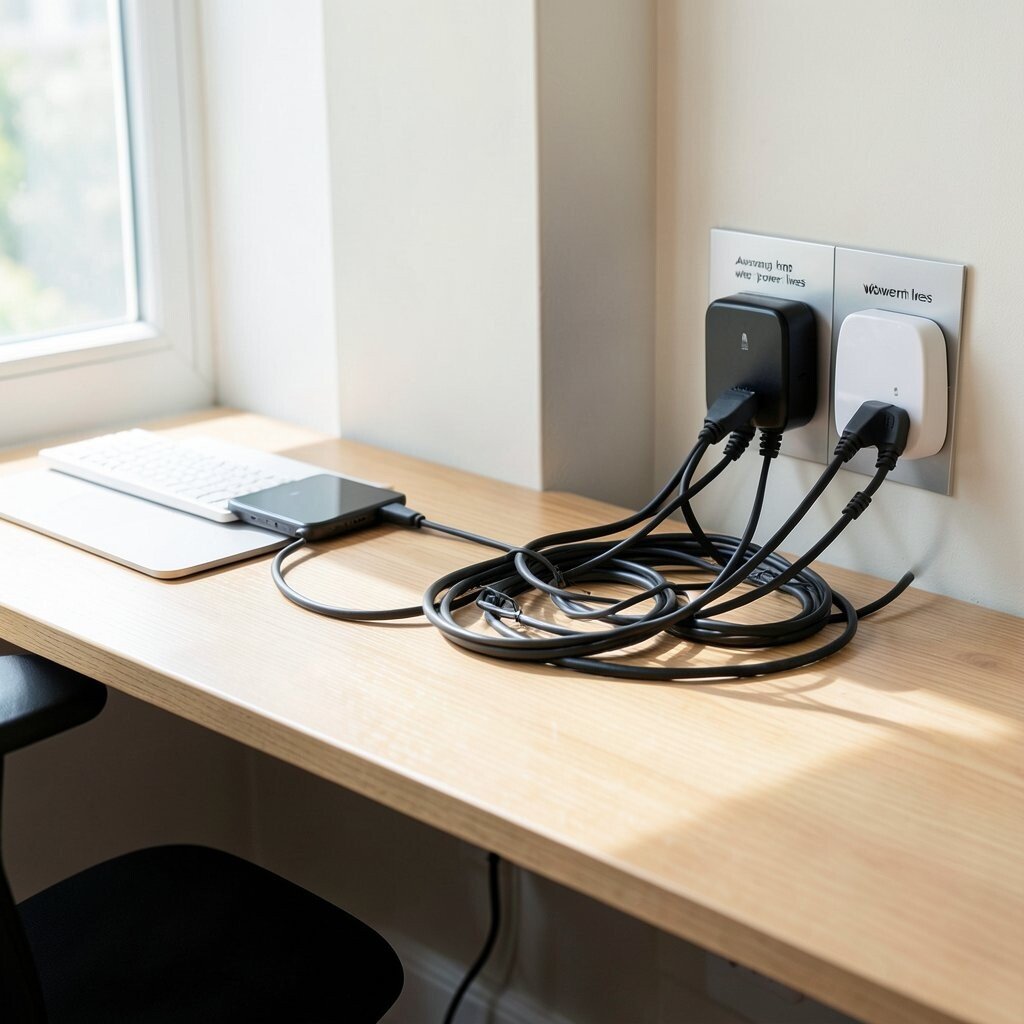
Cables can look messy fast, even when you are organized. Use a cable tray, a clip, or a sleeve to keep cords from tangling under the desk.
Set chargers in one visible corner and label them so you always know where power lives. When you can grab a device quickly, you waste less time and fewer thoughts get interrupted.
9. Store Reference Materials Where You Actually Work
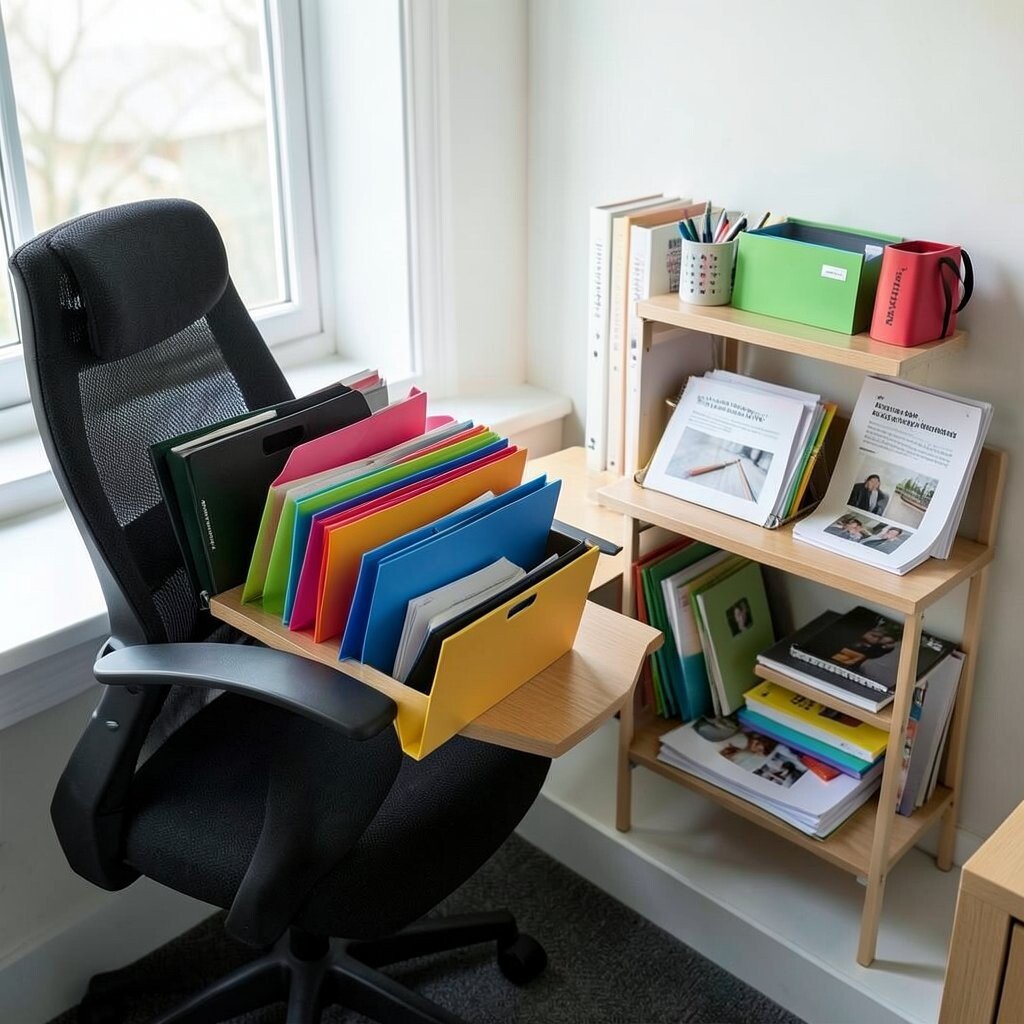
Keep frequently used documents near your chair rather than in a far cabinet. Reference should feel like it’s part of the workflow, not an extra trip.
Use folders or a small shelf so you can grab what you need in seconds. Visual filing also helps because you can see what’s missing before you start searching.
Personalize by color-coding folders to match your projects and your deadlines. A bright folder can become a friendly signal for what needs attention soon.
10. Add a Weekly Reset Ritual
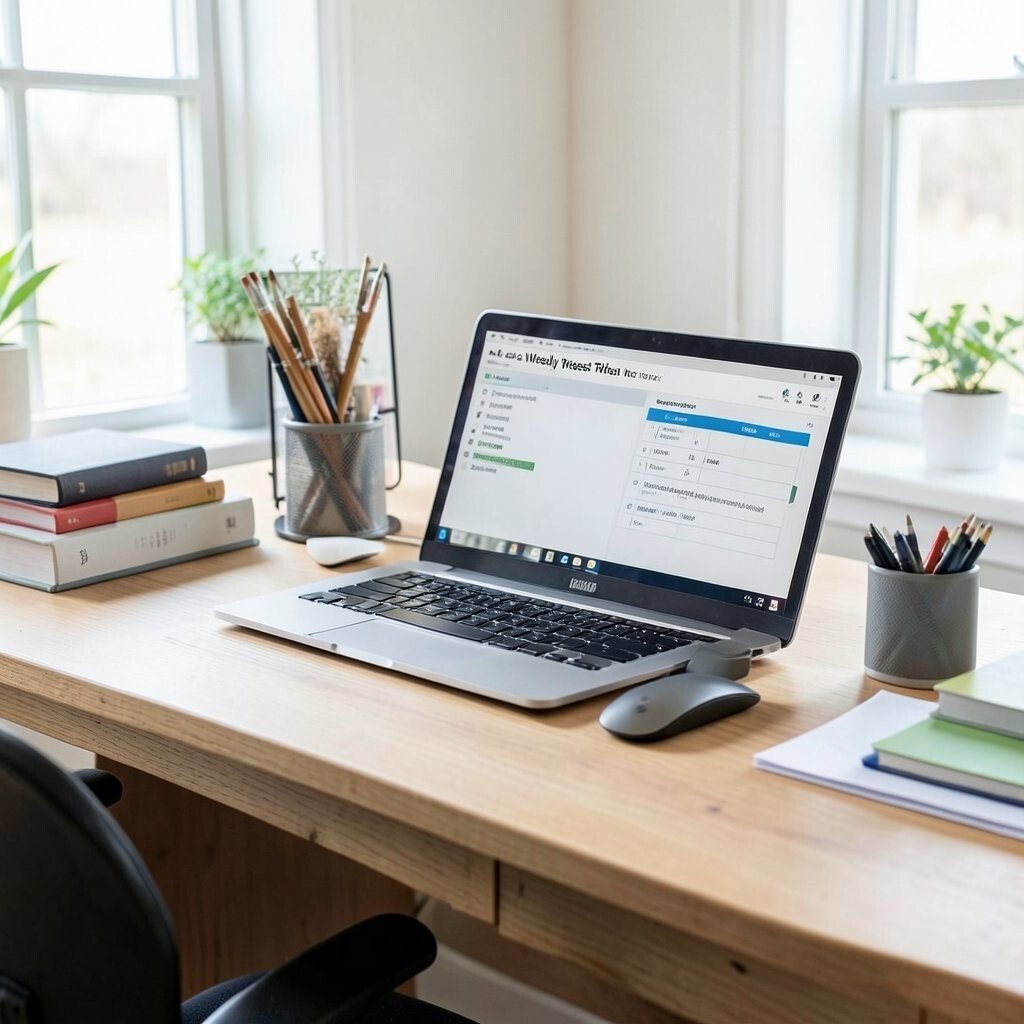
Once a week, spend a short time resetting your workspace and your mind. Tidy your desk, clear download folders, and update your task list.
When everything is in its place, Monday feels lighter and faster. You also prevent small messes from building into a big burden.
11. Use a Two-Space Paper System
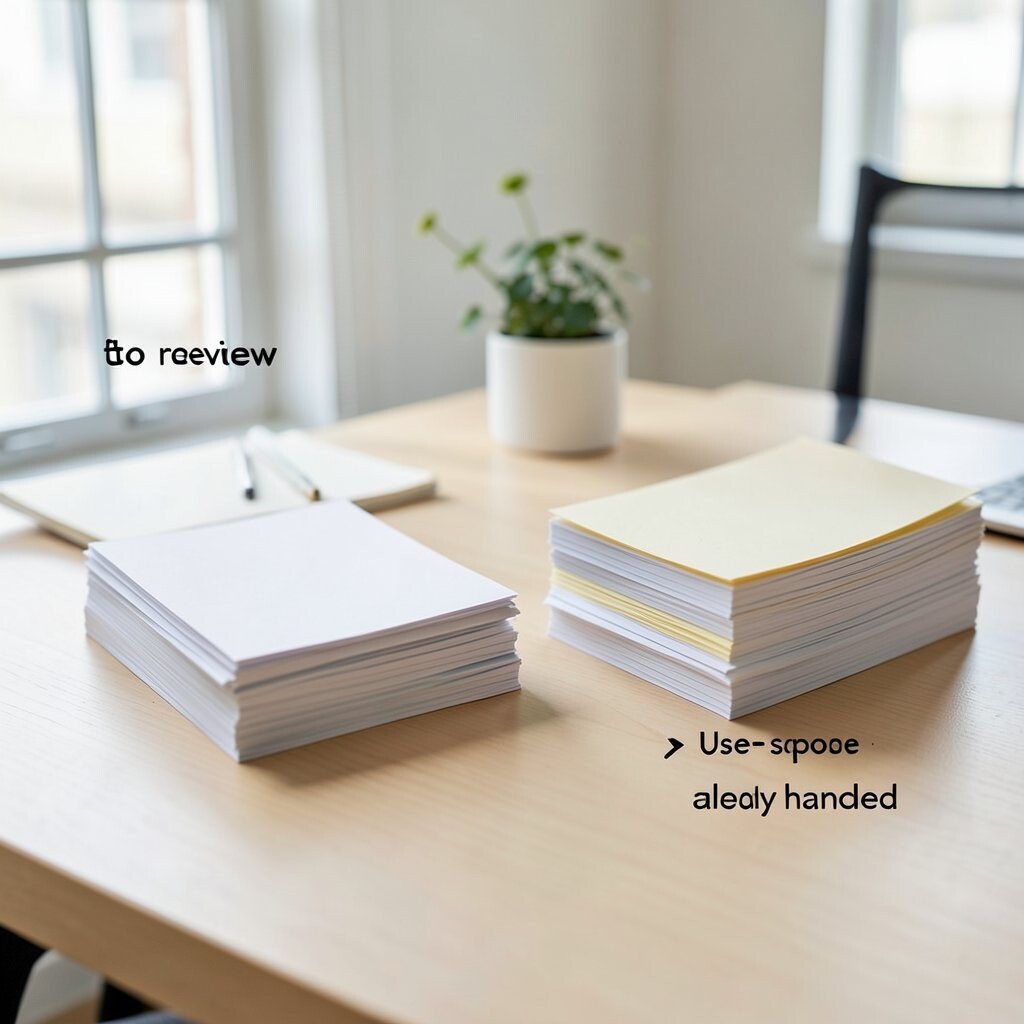
Paper piles grow because items wait in the wrong place. Use one space for “to review” and another for “already handled.”
Place the to-review stack within easy reach and keep it small. As soon as you finish reading, move it to the handled space so the pile shrinks instead of growing.
This system feels simple, but it supports better thinking. When your desk shows only what is truly active, your focus stays steady.
12. Turn Your Monitor Into a Focus Ally
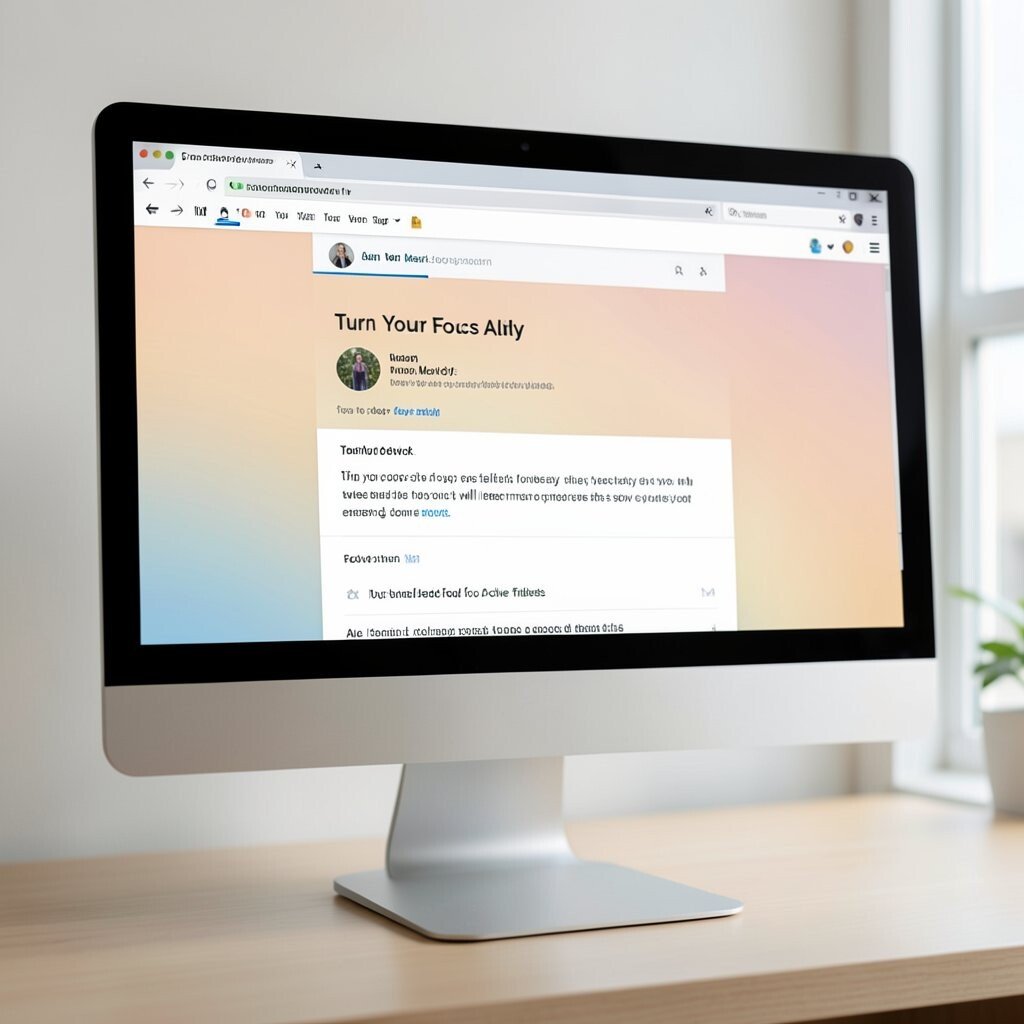
Set your screen up so the most important window stays visible. Keep your email tab minimized during deep work and use a dedicated folder for active files.
Choose a wallpaper that is calming and not distracting. Many people do better with soft gradients or plain colors because it reduces visual noise.
Adjust text size and contrast so reading feels easy. If your eyes feel tired, you will reread more often, which slows everything down.
13. Create a Simple Meeting Handling Flow
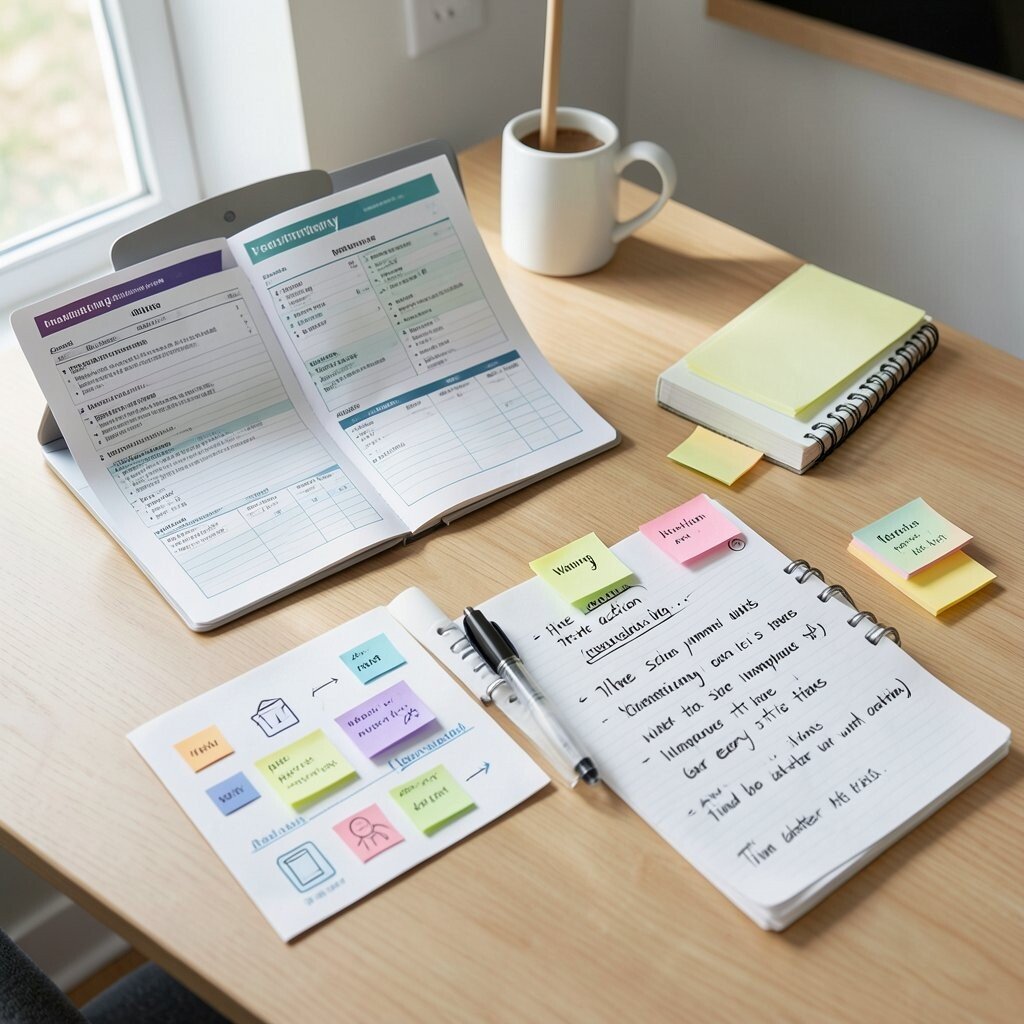
Meetings can steal time unless you plan for them before they happen. Use a small space on your desk for agendas and a separate spot for notes.
After the meeting, jot the next action immediately while it is fresh. When you store notes in the same place every time, you find them later without digging.
Personalize it with a tiny icon system using sticky colors to mark action, waiting, or follow-up. You can keep costs low with basic sticky notes and a notepad you already like.
14. Add a Comfortable Posture Setup
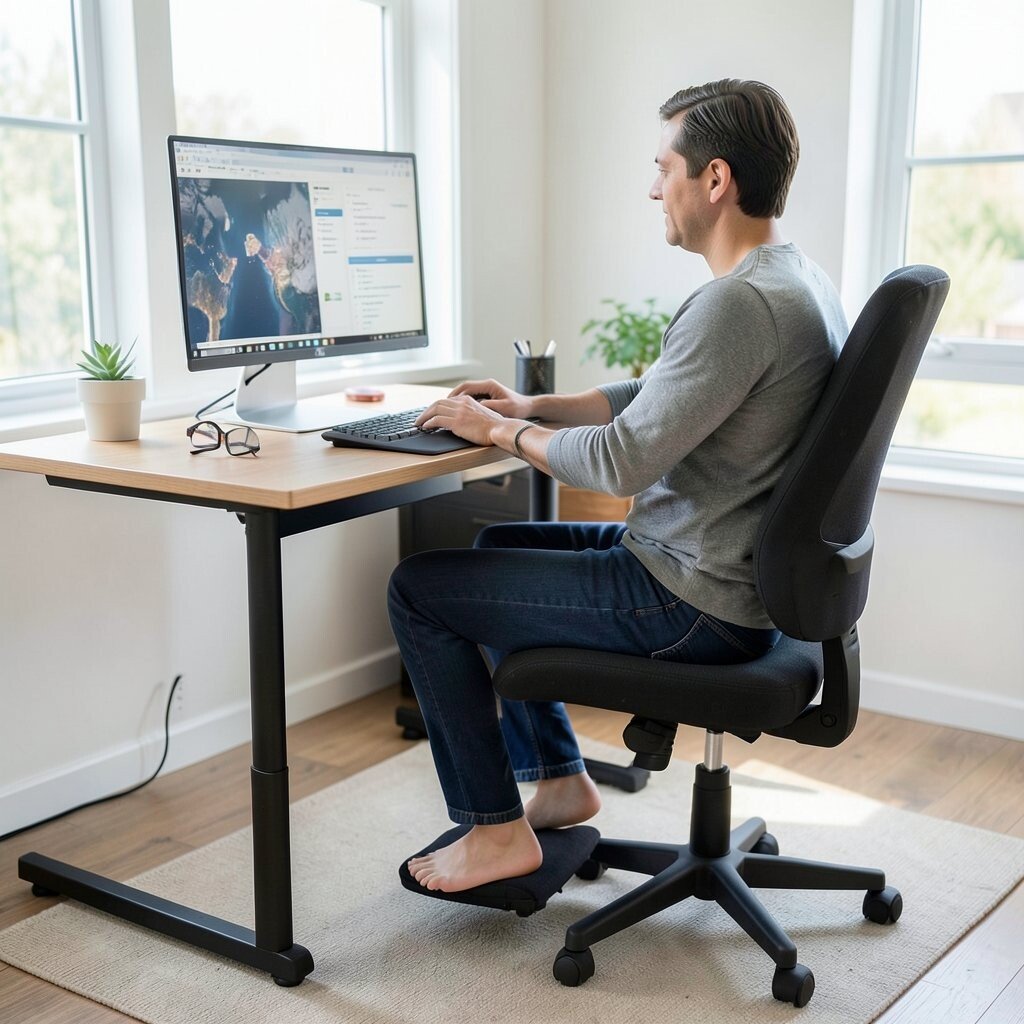
Even a good desk can feel exhausting if your body is not supported. Aim for a chair height where your feet rest flat and your screen sits at eye level.
If needed, use a cushion, a small footrest, or a keyboard tray. When your posture feels right, you can work longer without breaks that interrupt flow.
15. Use a “Next Action” Habit
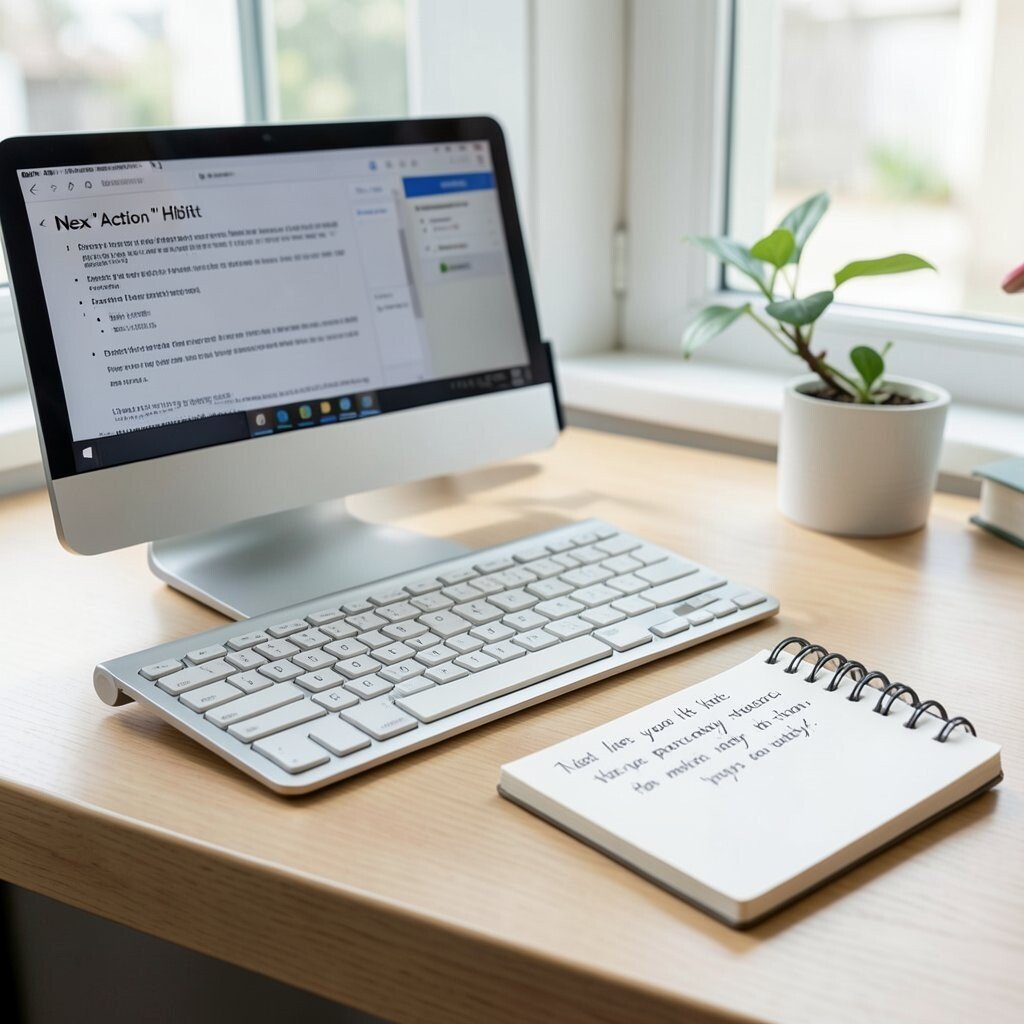
Instead of writing “work on report,” write the next tiny step you can do in minutes. This could be opening the file, outlining headings, or drafting the first paragraph.
That way, when you return to your desk, you know exactly how to begin. A clear start reduces the mental friction that slows productivity.
Keep a small notepad near your keyboard for these next actions. Personalize it with a short motto you like, as long as it helps you move forward.
16. Add Plants and Texture for a Calmer Desk
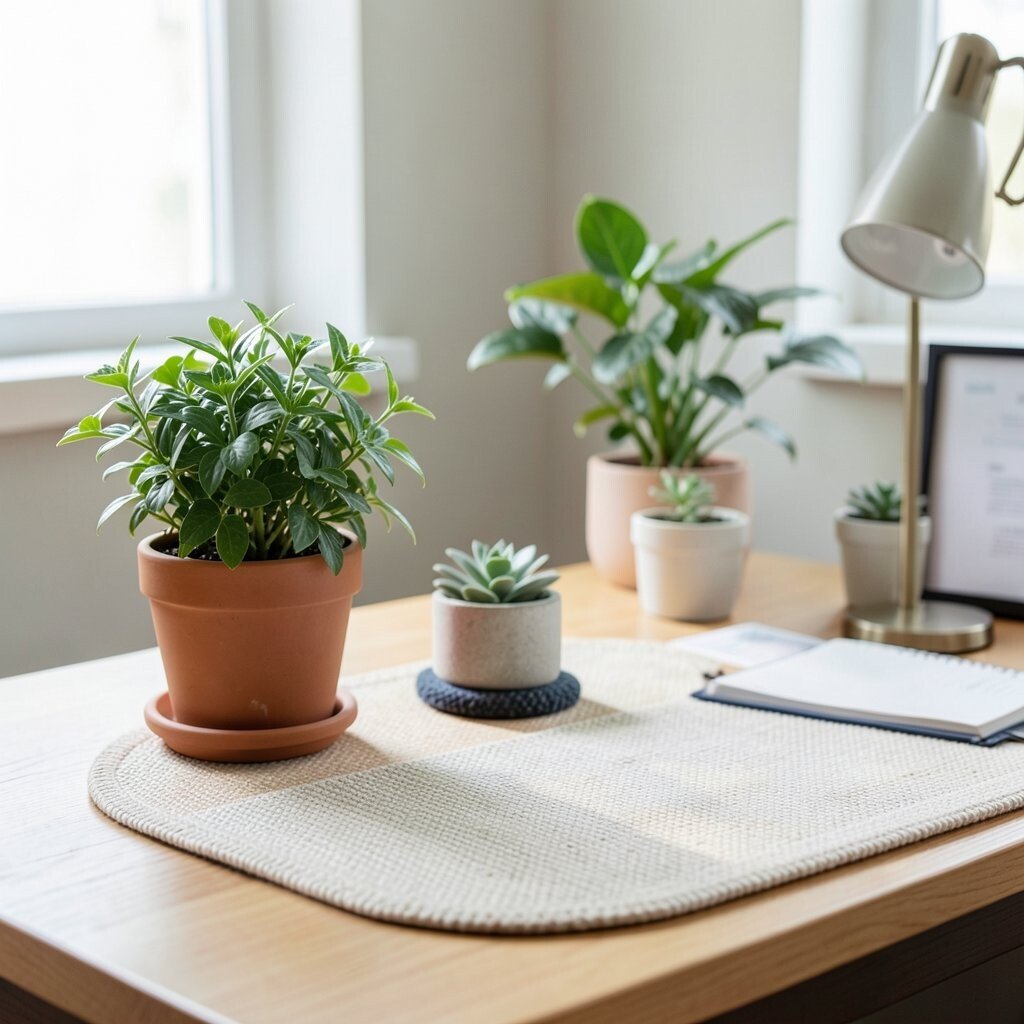
A plant can make your office feel alive, not mechanical. Choose something easy to care for, like a small succulent or a low-light green.
Texture also helps your eyes rest, such as a soft desk mat or a fabric coaster. These small touches can reduce stress and make the space feel welcoming.
To keep costs down, start with one plant and one textile item rather than changing everything at once. Over time, you will notice your workspace feels more personal and less sterile.
17. Use a Priority Wall for Visual Clarity
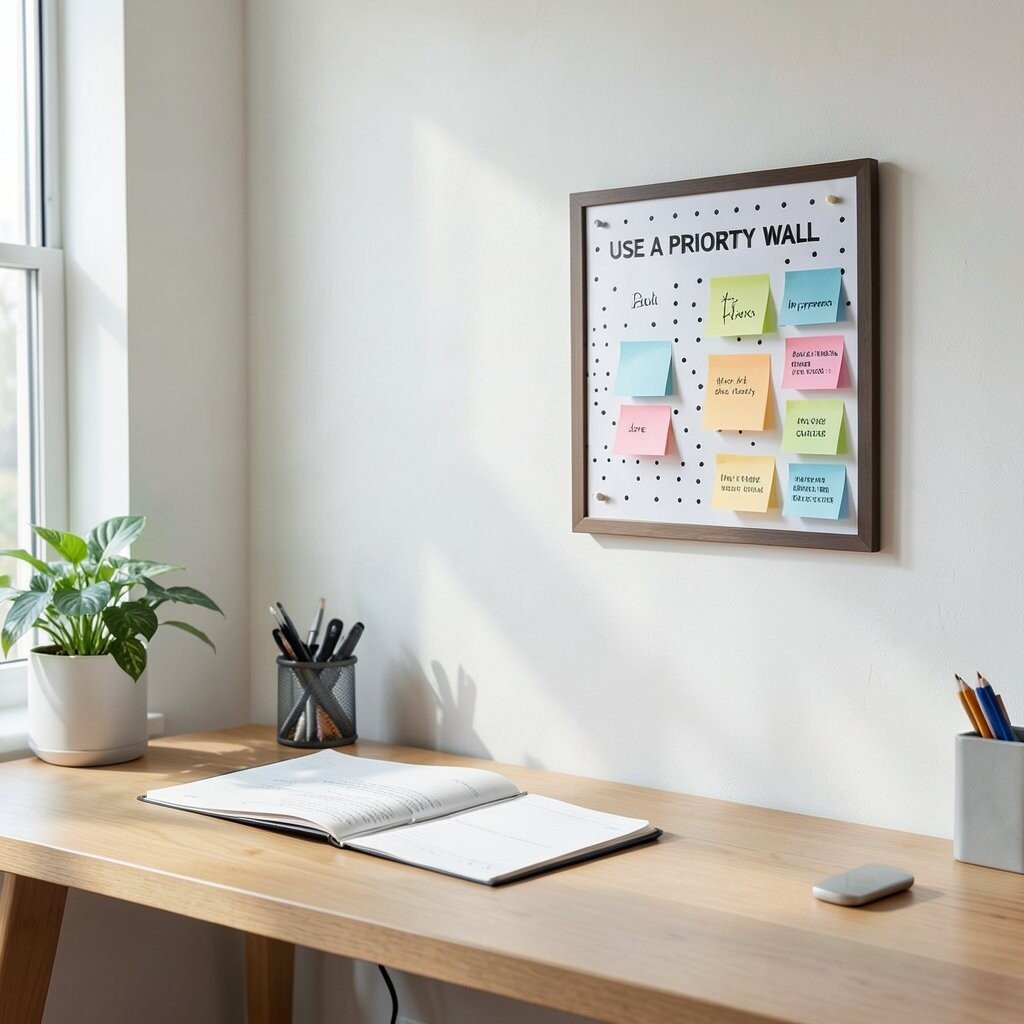
Hang a small board or poster near your desk to show what matters this week. Use cards, sticky notes, or index cards so updates stay quick.
Move items when they change status, like from “in progress” to “done.” The visual movement can keep you motivated because progress is visible.
Personalize the board with your preferred style, such as minimal dots or a simple color set. It’s also a great place to record deadlines in a way that feels less stressful than checking calendars constantly.
18. Create a “Quick Win” Break Schedule
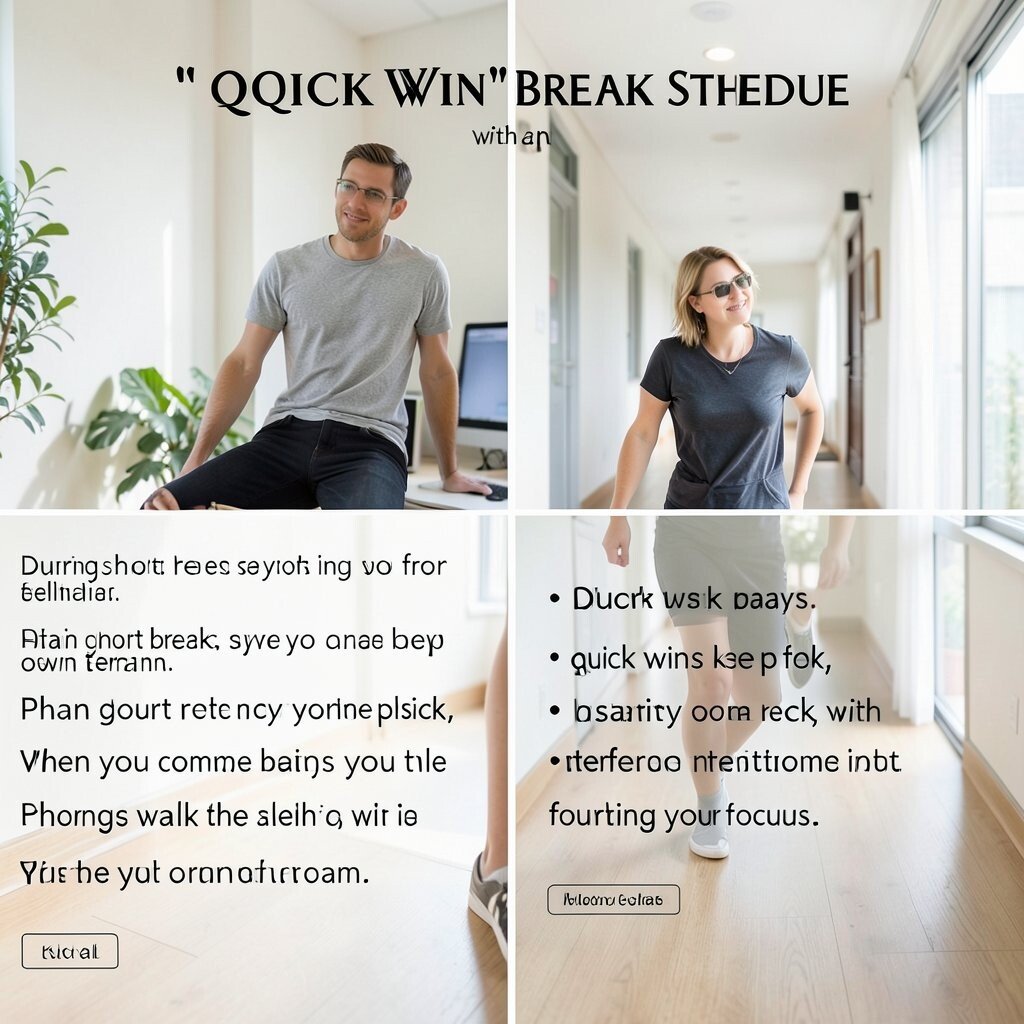
Rest doesn’t have to be long to help your brain. Plan short breaks you can repeat, like stretching, water, or a quick walk down the hall.
During busy days, quick wins keep you from feeling stuck. When you come back, you start with refreshed attention instead of forcing your focus.
19. Make Email a Controlled Activity
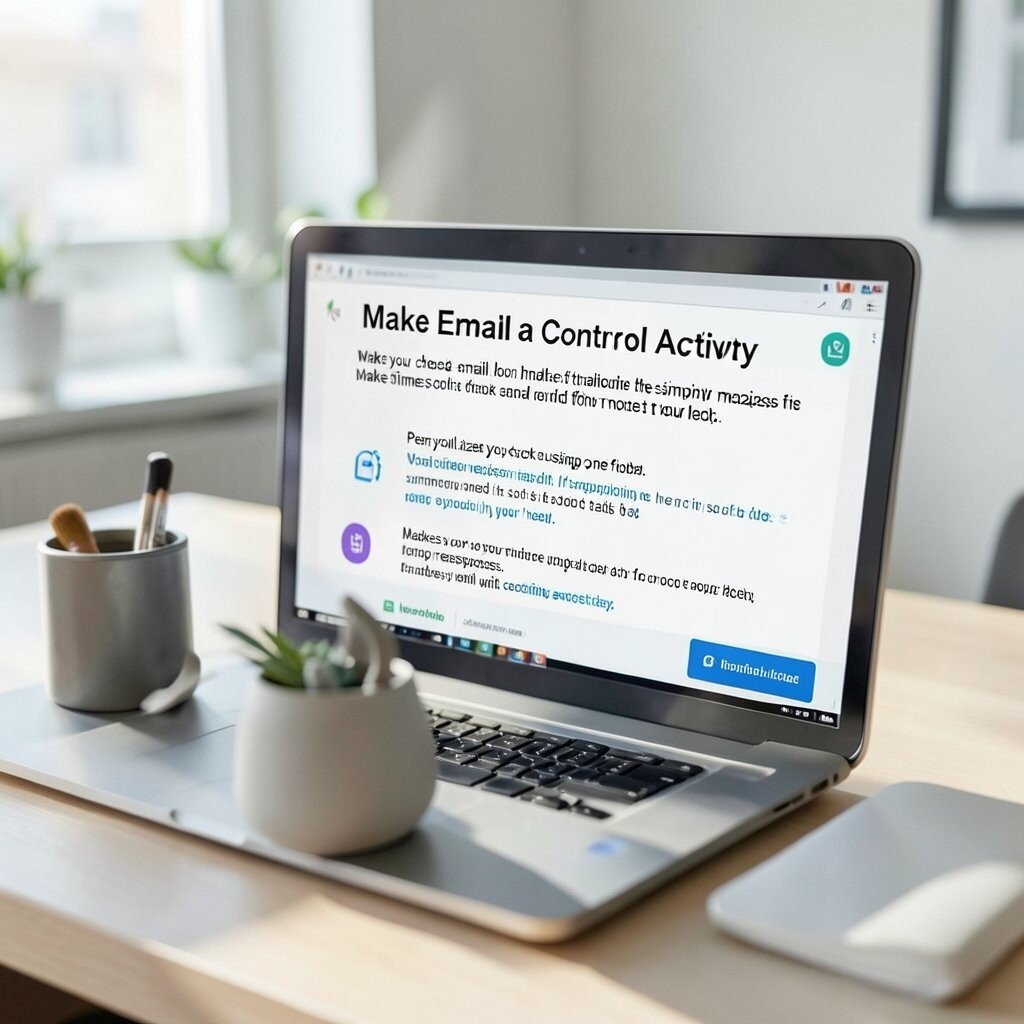
Email can eat attention if it keeps popping up all day. Choose set times to check it and keep notifications off for most of the day.
When you do check email, handle the simplest messages first. If something needs time, schedule a task for it so it does not float around in your head.
Personalize your system by using one folder or label for urgent messages and another for longer responses. This makes your inbox feel more organized without creating extra steps.
20. Simplify Your Tools with a One-Brand Rule
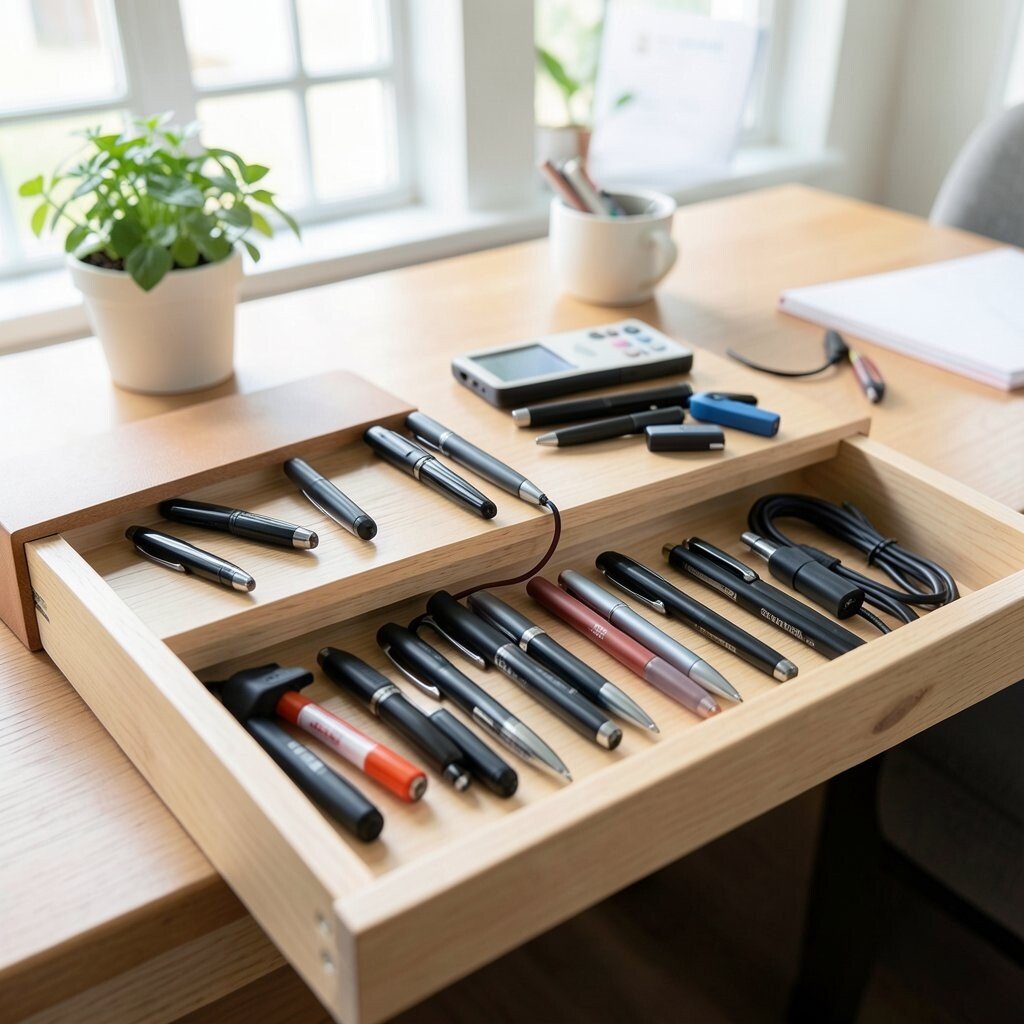
Having ten different kinds of pens and chargers can slow you down. Try using a small set of consistent tools so your workspace feels predictable.
Pick one pen type you truly like and keep refills in one drawer. When devices need charging, choose one cable style that works for most of your gear.
This approach also cuts cost over time because you buy fewer duplicates. It helps your office feel clean and intentional, not like a pile of random leftovers.
21. Add a Learning Corner for Skill Growth
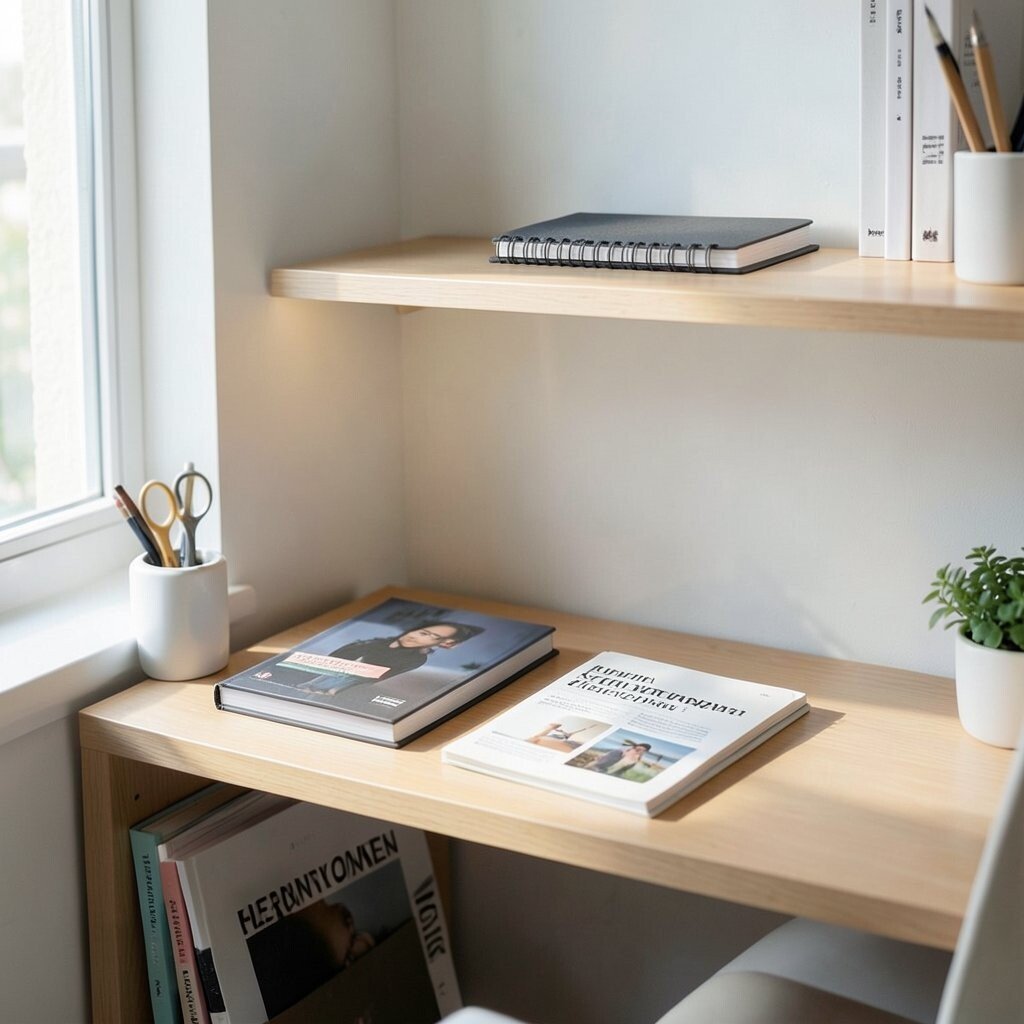
Set up a small area for reading and practicing skills that support your job. This can be a shelf with one book, a notebook, and a small set of saved articles.
Keep it separate from active work so it feels like a calm space for growth. When you know where to go for learning, you use time more wisely and feel more confident.
Personalize it with a theme that matches your goals, like design, writing, or data. Even one small notebook can become your “capture ideas” home, so thoughts don’t vanish.
22. Plan Your End of Day Like a Reset
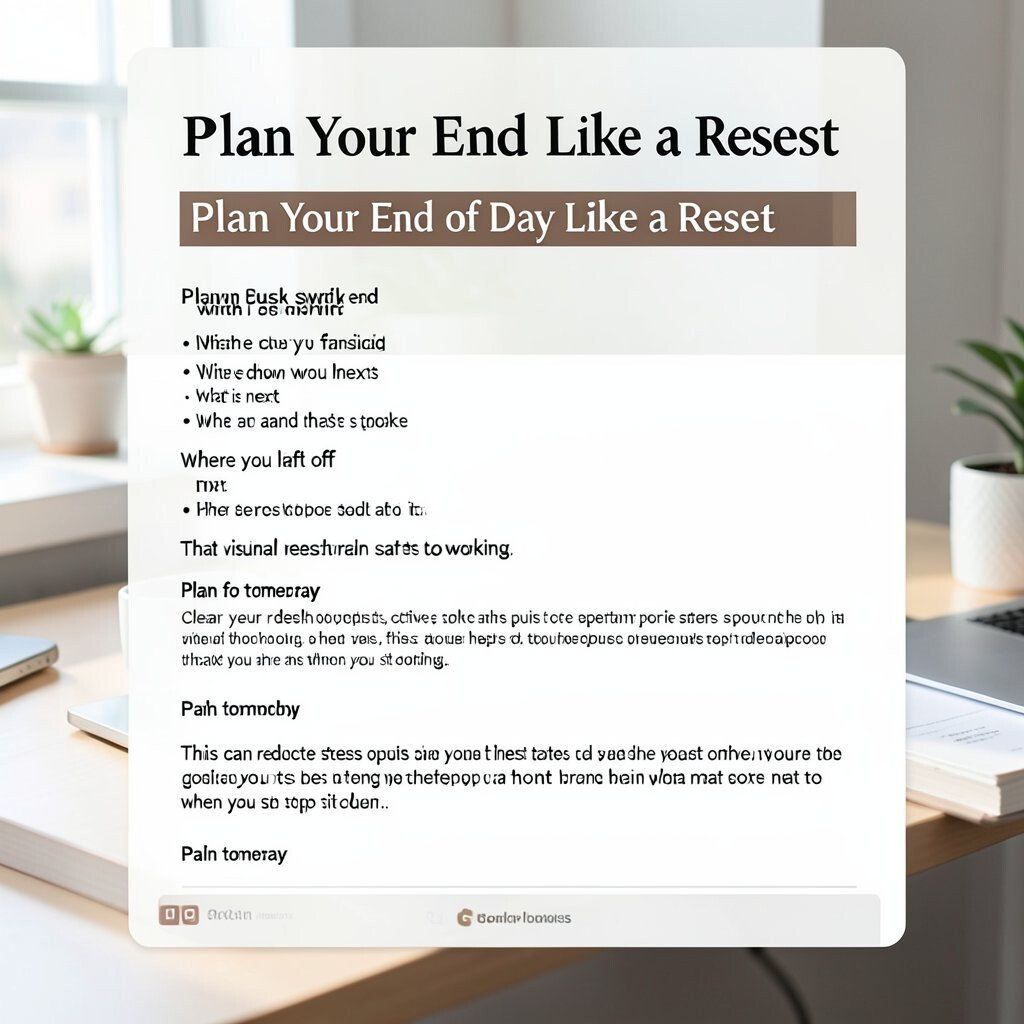
When your day ends, close open loops so tomorrow starts smoother. Write down what you finished, what is next, and where you left off.
Clear your desk surface and put active items into their proper spots. That visual reset helps your brain feel safe to stop working.
Include a short plan for tomorrow, such as the first task and the best time to do it. This can reduce stress because you are not guessing what comes next when you sit down.