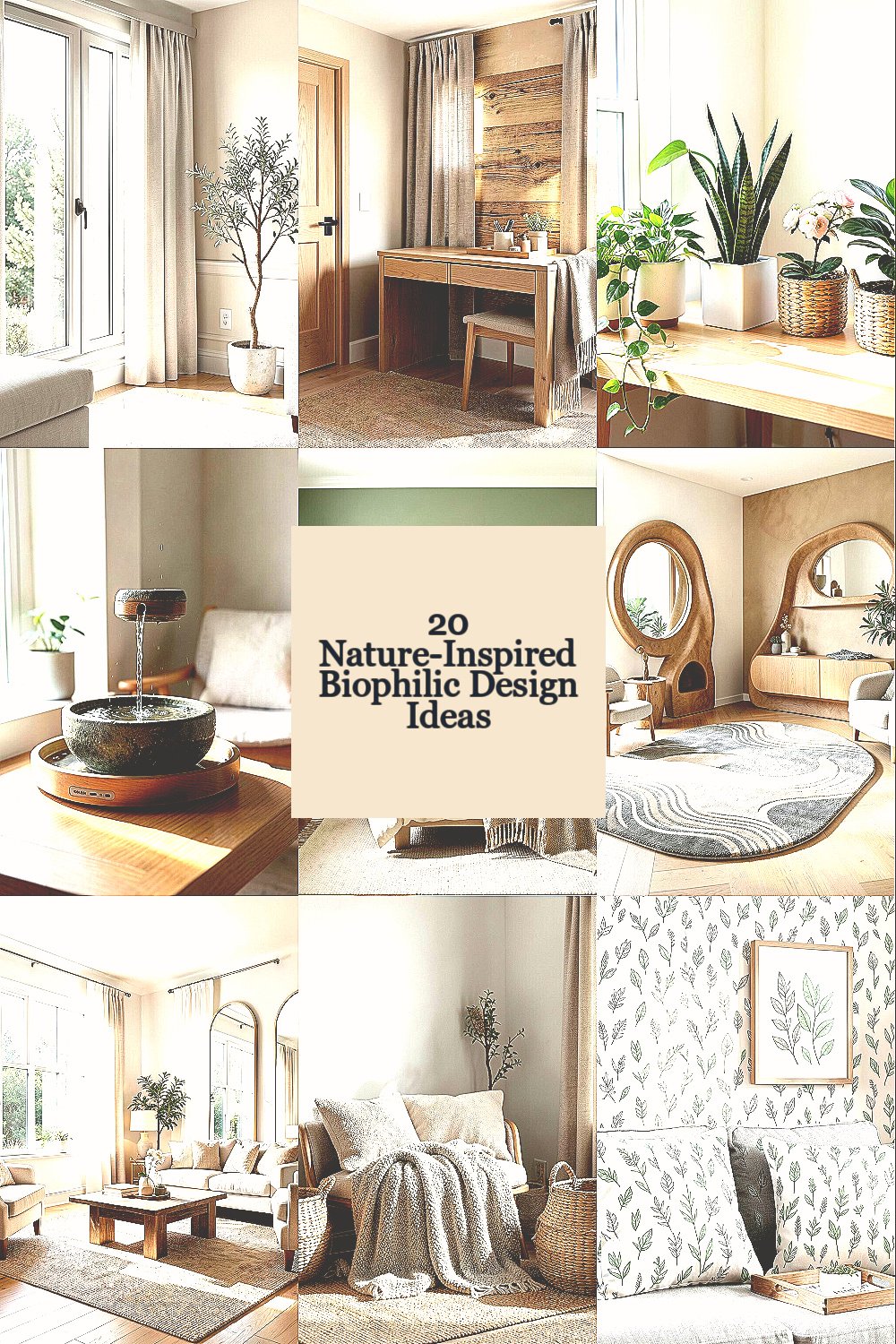
There is something calming about spaces that borrow from the living world. When you bring in nature cues, your home starts to feel more breathable and personal.
The best part is that many ideas are simple, budget-smart, and easy to adjust to your everyday life.
1. Frame Views Like Living Postcards

Pick one window or corner and treat it like a featured scene. Add a soft frame with curtains, wall trim, or a floor-to-ceiling panel so the outside feels part of your room.
Choose light colors that keep shadows gentle, then place seating facing that view. This can reduce visual clutter and help your brain relax because it has a clear, natural focus. Try adding a small potted tree or a vase with branches near the frame to connect the indoor and outdoor feeling.
2. Build Warmth With Natural Wood Everywhere You Can
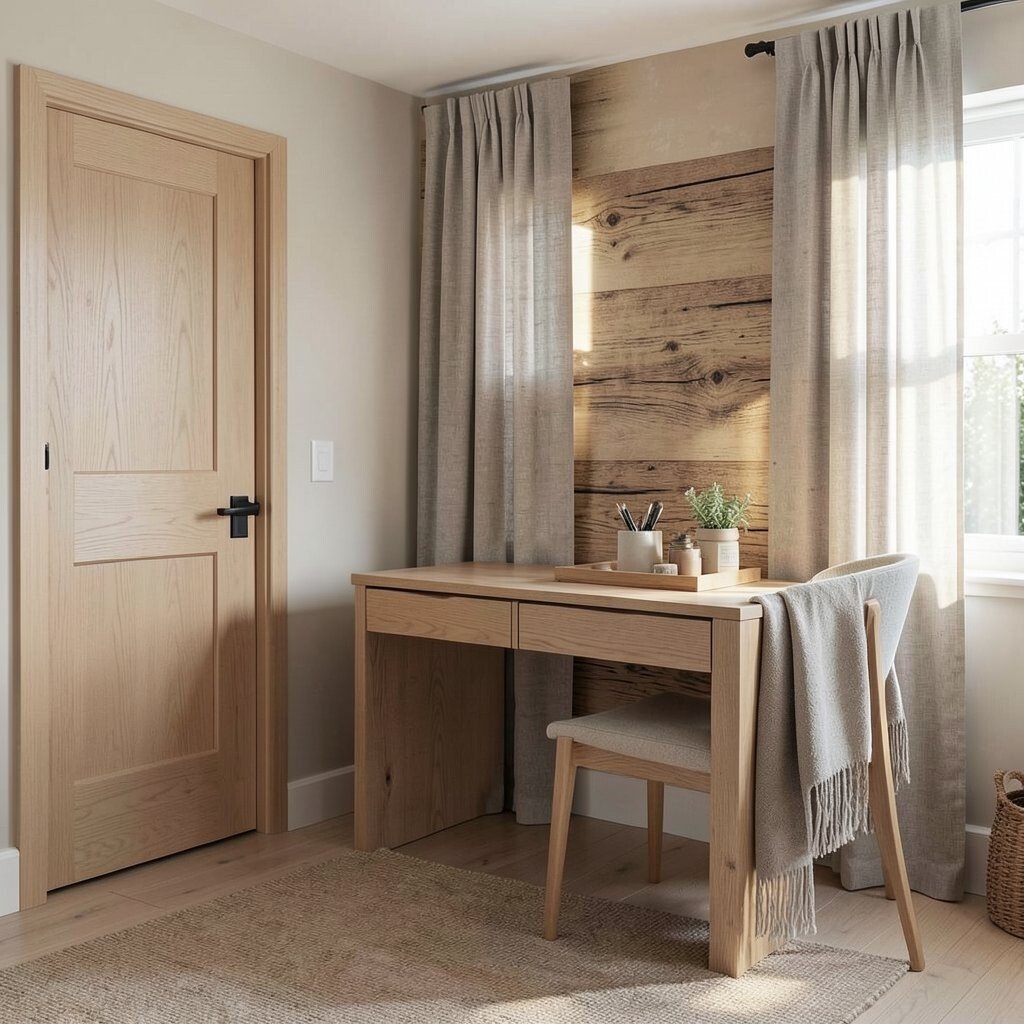
Wood tones give your space a quiet, grounded look that feels friendly. Swap a plain door, shelf, or coffee table for one with visible grain and warm finish.
You can keep costs down by sanding and staining what you already own. Pair wood with linen curtains or cotton throws so the textures feel steady and calm. People are also leaning into “soft timber” looks, where lighter woods and matte finishes feel fresh without looking too formal. If you rent, use removable peel-and-stick wood-look panels behind a desk or on a small wall section.
For personalization, match wood color to your favorite natural scenery, like honey sunlit woods or cooler driftwood hues. Add a single wooden tray for daily items to keep surfaces tidy and nature-inspired at the same time.
3. Choose Plants That Fit Your Real Lifestyle
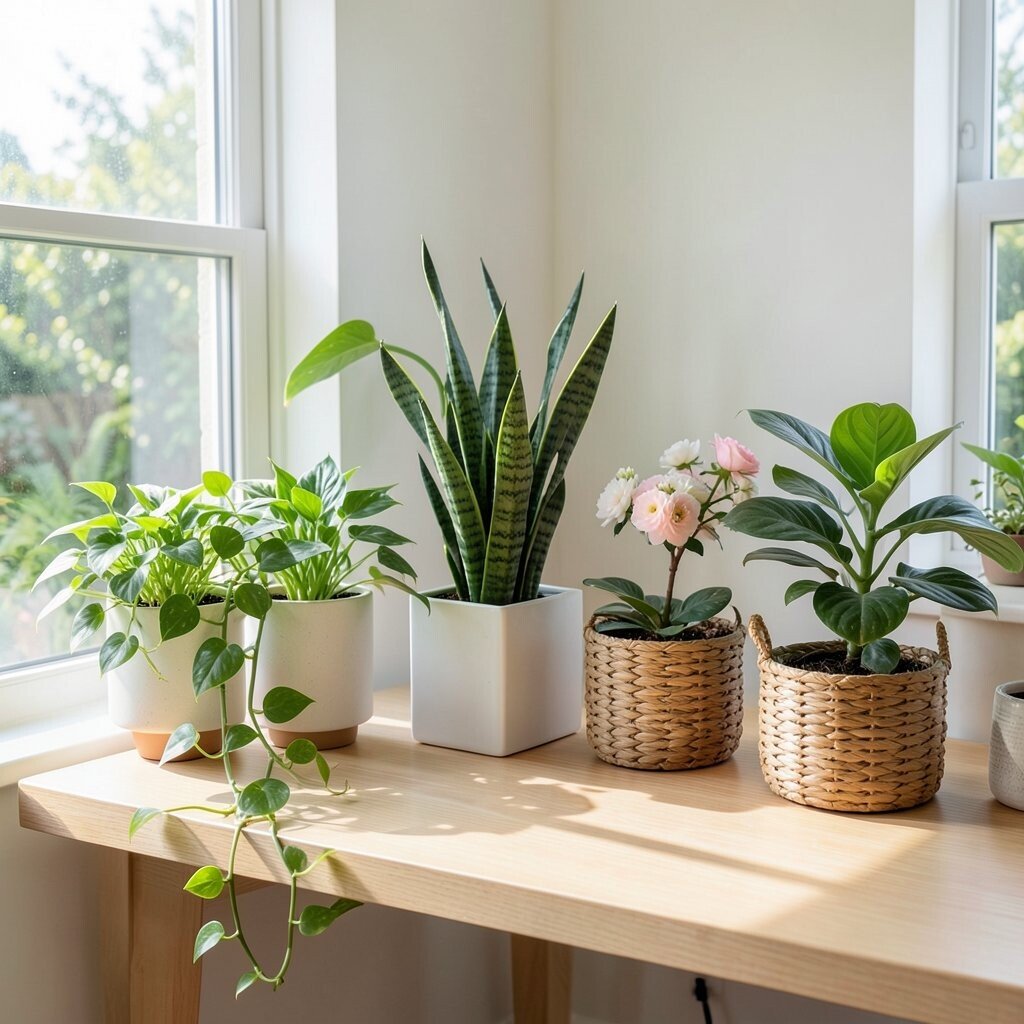
Start with plants that match your schedule, not just your Pinterest mood. A bright desk with a low-maintenance plant can change the whole vibe fast.
Use a mix of heights so the room looks layered, like a small garden. Go for a trailing pothos, a sturdy snake plant, and one flowering touch if you get enough light. This supports air-feel comfort, boosts the sense of freshness, and makes the space feel alive.
Keep it practical by placing plants near windows and grouping them by water needs. If you travel often, use self-watering planters or choose hardy varieties that forgive missed days. For a personalized touch, name your plants and rotate them seasonally so the room keeps evolving.
Current trends also show people favoring plant displays with simple stands and woven baskets instead of bulky planters. A woven basket adds natural texture while staying budget-friendly.
4. Add a Water Sound With a Quiet Bubbling Feature

Even a small water element can make a room feel soothing and safe. A tabletop fountain or a simple indoor bowl with a gentle trickle creates soft movement and sound.
Look for models designed for quiet operation so it never feels annoying during work. This kind of sound can lower stress and help your mind slow down, especially in busy spaces like kitchens or home offices. Place it where you can see it briefly each day, like near a reading chair or in a hallway nook.
5. Paint With Nature Colors Instead of Loud Statements

Choose greens, warm sand tones, and gentle clay shades that mirror the outdoors. A soft color wall can make your space feel more relaxed than bold paint.
Try painting only one wall, or use layered neutrals through cabinets, rugs, and throws. This helps rooms feel calmer because the palette matches natural light and shadows.
For uniqueness, pull from a place you love, like forest shade for a bedroom or coastal blues for a bath. If you want lower cost, use peel-and-stick wallpaper in a small area or update accessories instead of repainting. People are trending toward “quiet color,” where rooms feel soft and livable rather than high-contrast and sharp.
6. Use Organic Shapes in Decor and Layout

Swap rigid lines for rounded edges and curved patterns wherever you can. Think of a circular mirror, an oval rug, or furniture with softer silhouettes.
Organic shapes reduce the feeling of visual tension because your eyes don’t constantly hit sharp corners. Keep the layout flowing by leaving clear walking space and arranging furniture like stepping stones.
You can personalize this by choosing shapes that match your style, such as arches for an airy look or wave patterns for a coastal vibe. For cost consideration, start with one item like a rug or mirror, then let smaller decor pieces follow.
7. Bring in Natural Light Like It’s Part of the Design

Light is one of the strongest biophilic tools, and it costs nothing once the setup is right. Keep windows uncovered or use airy curtains that let daylight move through the room.
Place mirrors to bounce light deeper into your space, and use furniture that doesn’t block windows. When your home has bright, steady daylight, it feels more spacious and energetic without being stressful.
Personalize the effect by choosing mirror shapes that match your room’s personality. For example, a tall arched mirror can add a gentle “window within a window” feeling. Current trends favor “daylight layering,” where people use sheer treatments and warm bulbs that mimic the sun’s tone.
8. Add Texture Everywhere, Not Just on One Feature
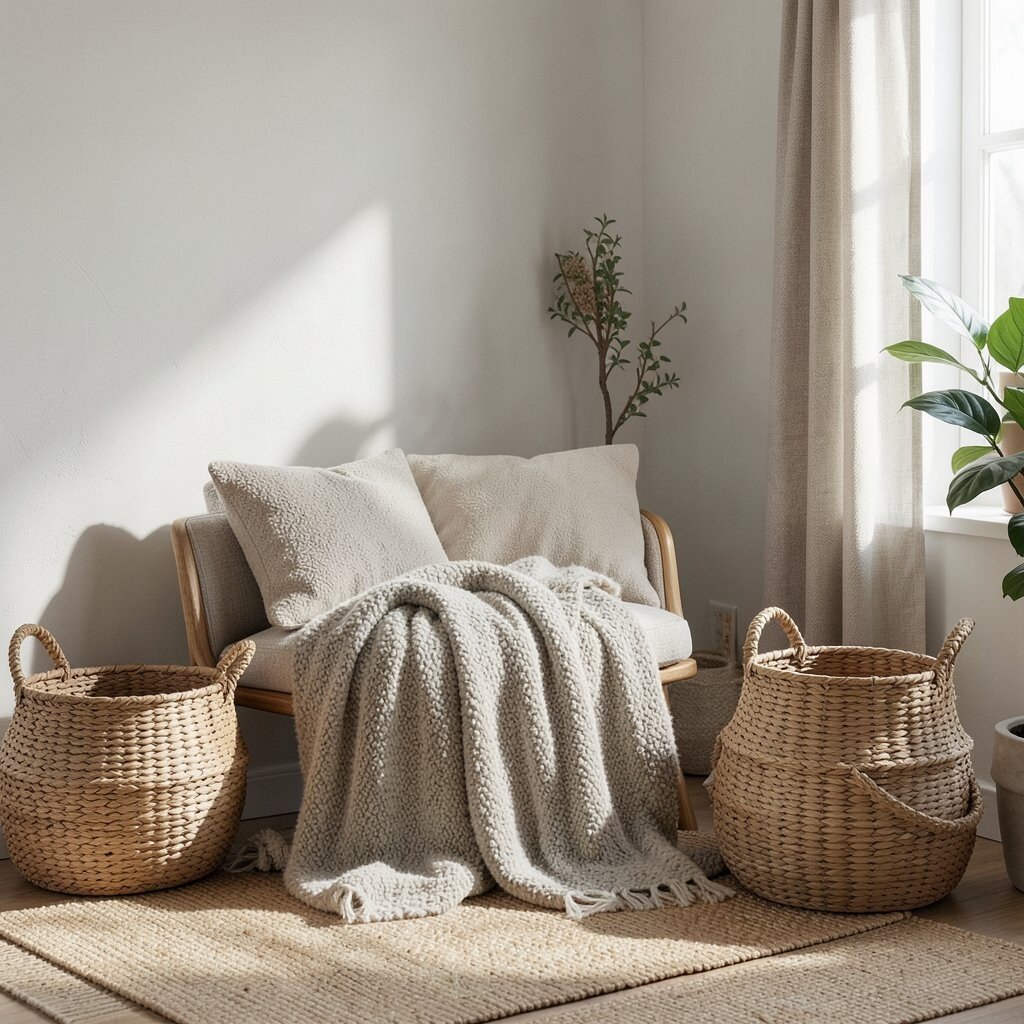
Biophilic design looks best when you touch more than one thing. Add woven baskets, wool or boucle throws, and natural fibers like jute or sisal.
Texture creates visual depth, so your space feels richer even if it stays simple. It can also make rooms feel warmer in colder months because soft materials reduce the harsh feel of bare walls and hard floors.
9. Use Leaf and Nature Patterns in Small Amounts
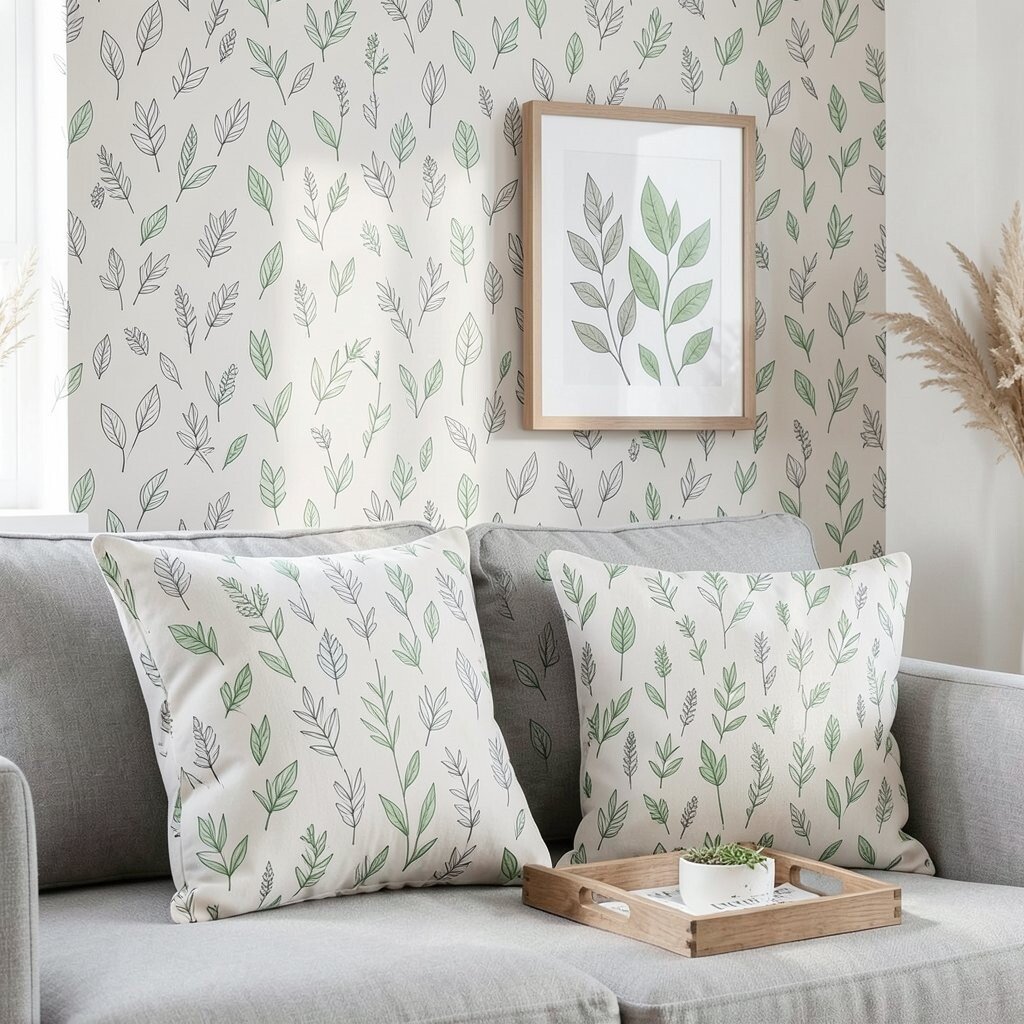
A leaf pattern doesn’t have to cover an entire wall to feel calming. Choose one or two accents like pillow covers, a tray, or a framed print with botanical shapes.
Small patterns keep the room playful while still feeling grounded. If you worry about cost, you can swap covers instead of buying new furniture, and that gives you easy seasonal refreshes.
For personalization, match pattern scale to the size of your room. Large leaf prints can feel bold in a bigger living area, while tiny botanical motifs can feel delicate in a hallway. Many people are also leaning into nature-inspired line art and minimal botanical prints that look modern without losing the calming mood.
Keep the color palette soft so the pattern feels like it belongs to the space, not like it’s competing for attention.
10. Create a “Forest Floor” Look With Rugs and Flooring Layers

Layering rugs can mimic the way forests feel rich and textured underfoot. Choose a rug with subtle tonal variation and pair it with a natural-fiber runner.
These layers can improve comfort, reduce echo, and make the room feel more grounded. For a practical win, place rugs in high-traffic zones so they protect floors while adding warmth.
Personalize by choosing a rug color that matches your favorite tree shade, like moss green, warm taupe, or weathered gray. If you want to stay budget-smart, start with one rug and add smaller woven mats over time. Current trends show more “tactile neutrals,” where natural patterns and imperfect textures are valued.
11. Bring in Stone and Mineral-Inspired Details

Stone feels steady, and that calm stability can show up in your decor. Use a ceramic vase with a speckled finish, a slate-like tray, or small wall tiles with mineral texture.
Mineral textures can make a bathroom or kitchen feel more spa-like and grounded. This also adds contrast to wood and fabric, which helps your room look thoughtfully layered.
12. Design With Nighttime Calm in Mind
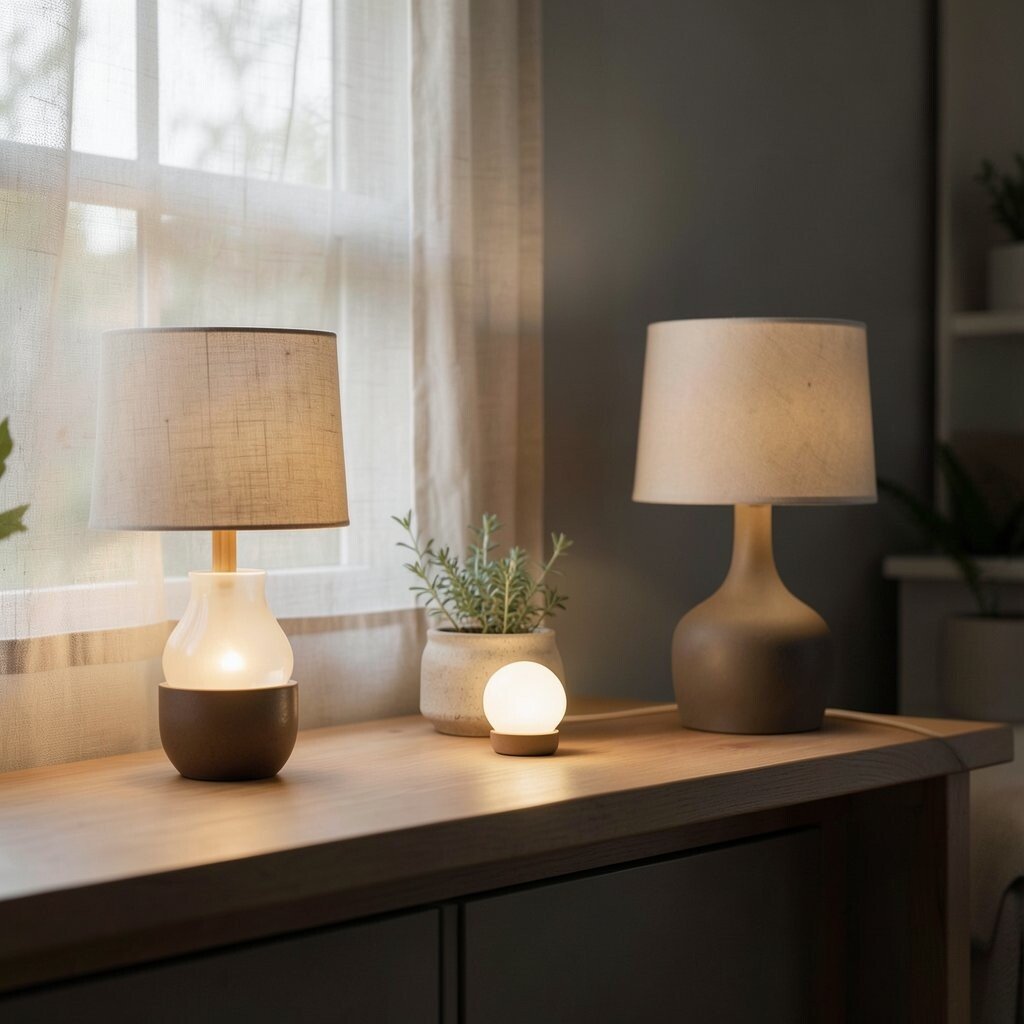
Biophilic calm isn’t only for daytime spaces. Choose soft lighting and warm lamps so your evenings feel gentle and grounded.
Incorporate nature-inspired shades like linen or paper-like textures to soften the glow. This supports restful moods, especially when you pair it with dimmable bulbs and a tidy surface.
13. Create a Cozy Reading Nook With a Natural Backdrop
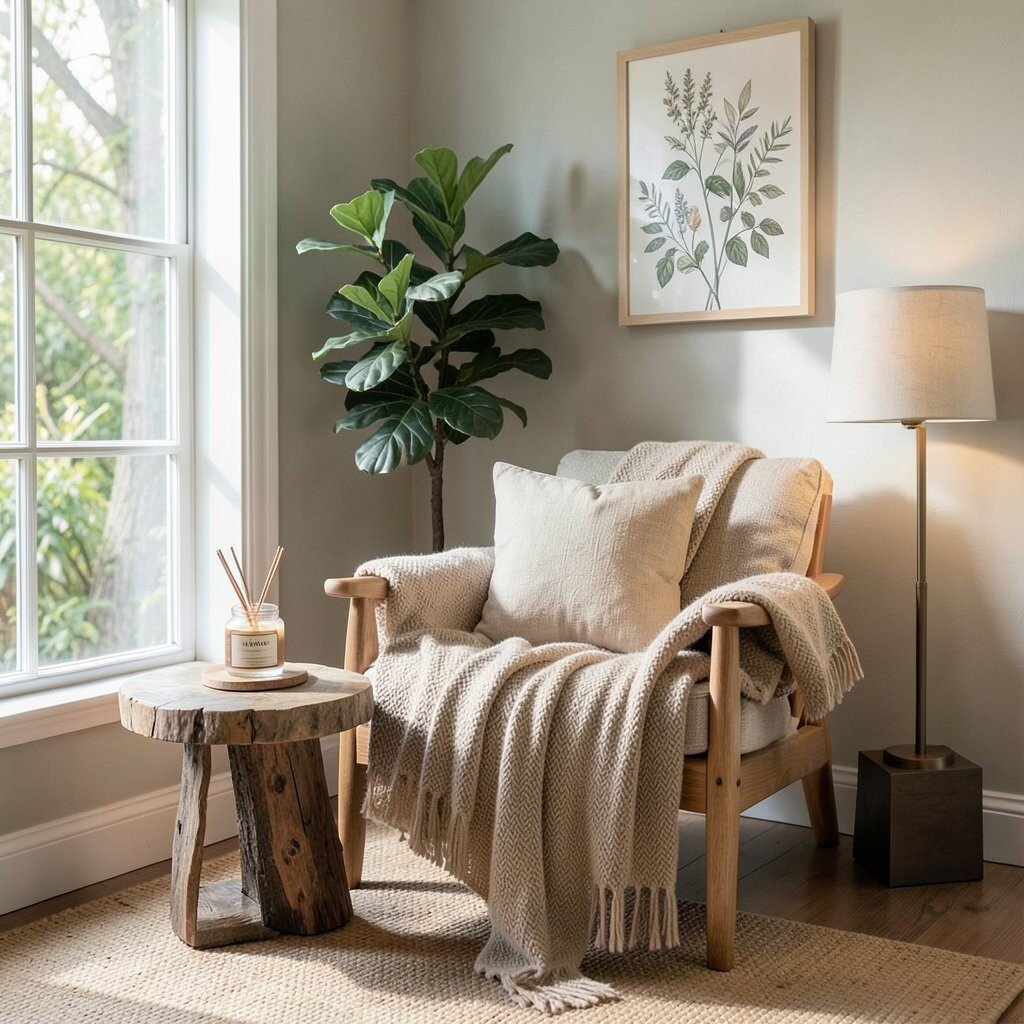
A dedicated reading nook can make your home feel more intentional and peaceful. Position a chair near natural light and add a plant nearby or a botanical print behind it.
Use a small table with wood or stone textures so the nook feels grounded. When you add a warm throw and a simple lamp, the space invites you to slow down and stay present.
For personalization, choose a scent that feels natural, like cedar or herbal, using a candle or reed diffuser. Cost can stay low by using what you already have and upgrading just one comfort piece, like a cushion cover or lamp shade.
This is also where many people are trending toward “micro retreats,” tiny spaces that feel like a mini getaway without home-wide renovations.
14. Use Ceiling Fans and Airflow for a Living Feel

Fresh airflow makes a room feel less still, like it’s breathing. A ceiling fan with a simple, nature-friendly look can improve comfort without needing major changes.
Keep blades clean and choose a finish that fits your style, such as brushed wood or matte tones. Movement plus natural light cues can help your mind feel calmer, especially during warm afternoons.
If you don’t want to install anything, use quiet fans near seating and place plants slightly where breezes can gently move leaves. For personalization, pick a fan with a shape that feels organic rather than overly industrial.
15. Add Sculptural Branches and Dead-Tree Elegance

Branches used thoughtfully can look artful and natural at the same time. Place a long twig in a tall vase, or hang a few dried branches on a wall rail.
This creates a vertical rhythm that draws the eye upward, making ceilings feel higher. It also brings uniqueness because no two branches look the same, so your decor becomes one-of-a-kind.
For practical tips, keep branches clean, dry, and dusted, and use protective sealing if needed. If cost matters, collect safe, dry branches from your yard or local trails and then refine them with simple cleaning and trimming.
16. Design a Calm Corner With Screens and Natural Division
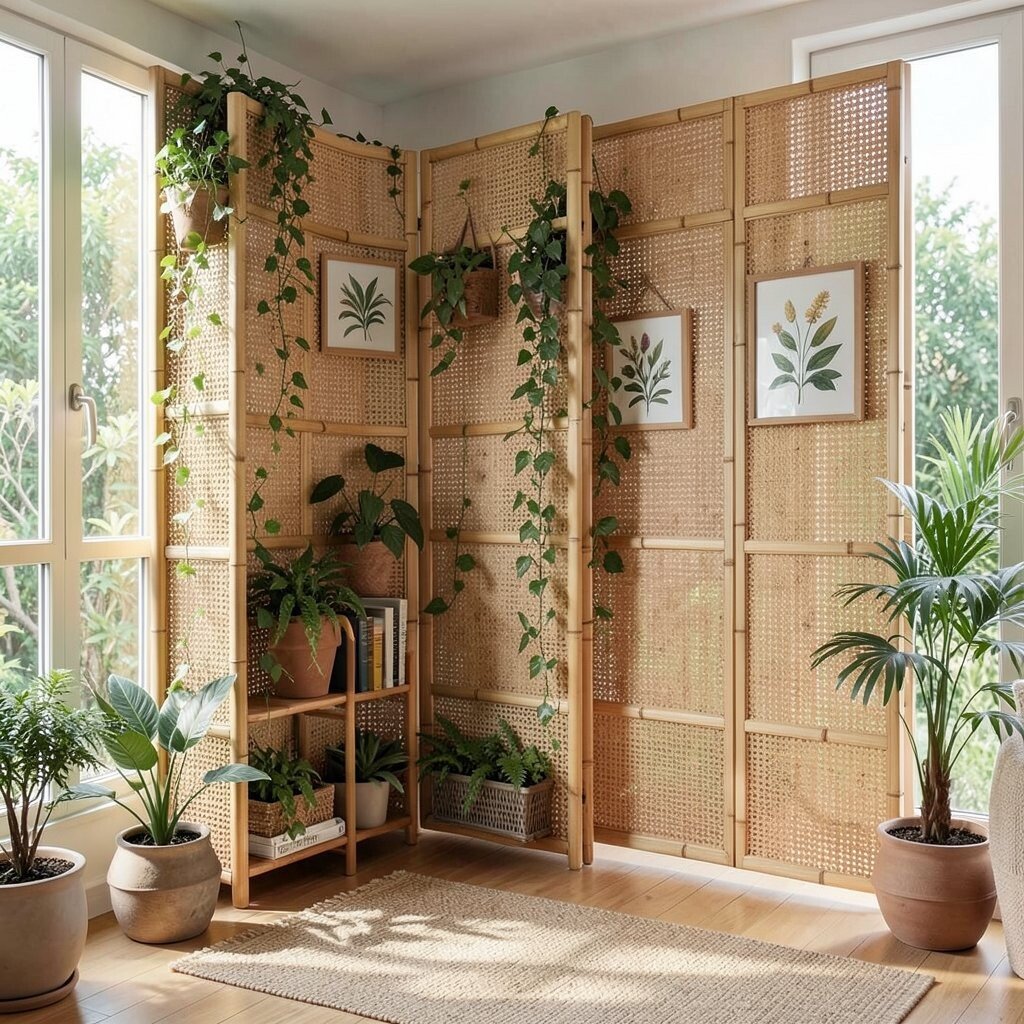
Sometimes a space needs gentle boundaries to feel restful. A room divider made with bamboo, cane, or a plant-backed screen can soften visual noise.
These dividers can create a cozy zone for work, reading, or relaxing without closing the room off completely. It can also help you manage clutter by giving items a dedicated behind-the-screen home.
Personalize by styling the divider with climbing plants or small framed botanical art, depending on your light. For a budget-friendly approach, choose a simple panel divider and add removable decor so you can change it later.
17. Use Sustainable Materials When You Can
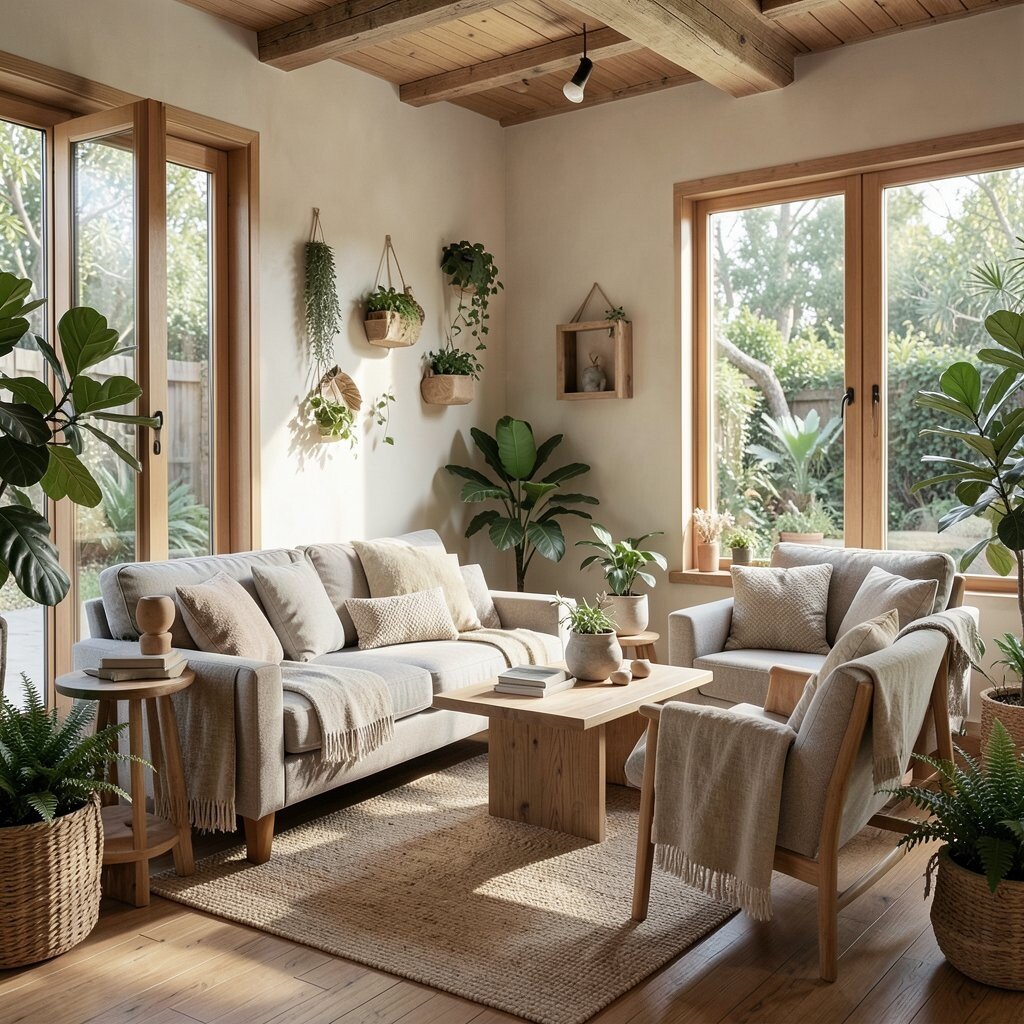
Biophilic design feels best when it respects the real world, so sustainable materials are a great match. Look for low-VOC paints, responsibly sourced wood, and natural fibers like linen and cotton.
This supports healthier indoor air and can make spaces feel more comfortable long-term. You can also choose durable items that last, which is a smart cost consideration over time.
18. Add Natural Fragrance Through Plants and Gentle Scents
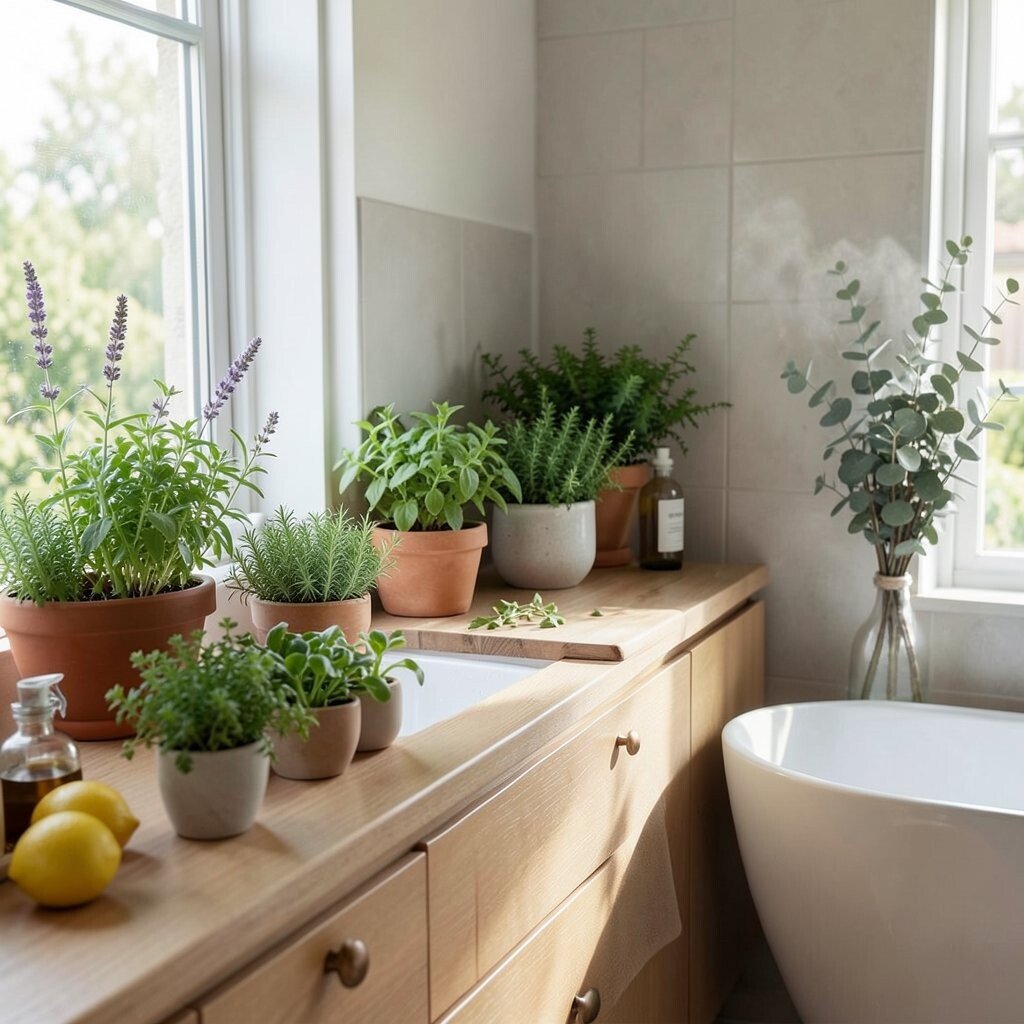
Scent is a sneaky biophilic superpower because it connects memory to the present. Use plants like herbs in the kitchen or a simple eucalyptus bundle in a bath area.
Natural fragrance can make rooms feel welcoming and calm without needing harsh chemical sprays. For personalization, match scents to routines, such as lavender tones for bedtime or citrus for the morning.
If you’re mindful about allergies, choose mild options and avoid heavy fragrance burners. Cost stays reasonable by using fresh herbs in cooking and repurposing them as a living decor element.
19. Create Seasonal Change With Rotating Decor
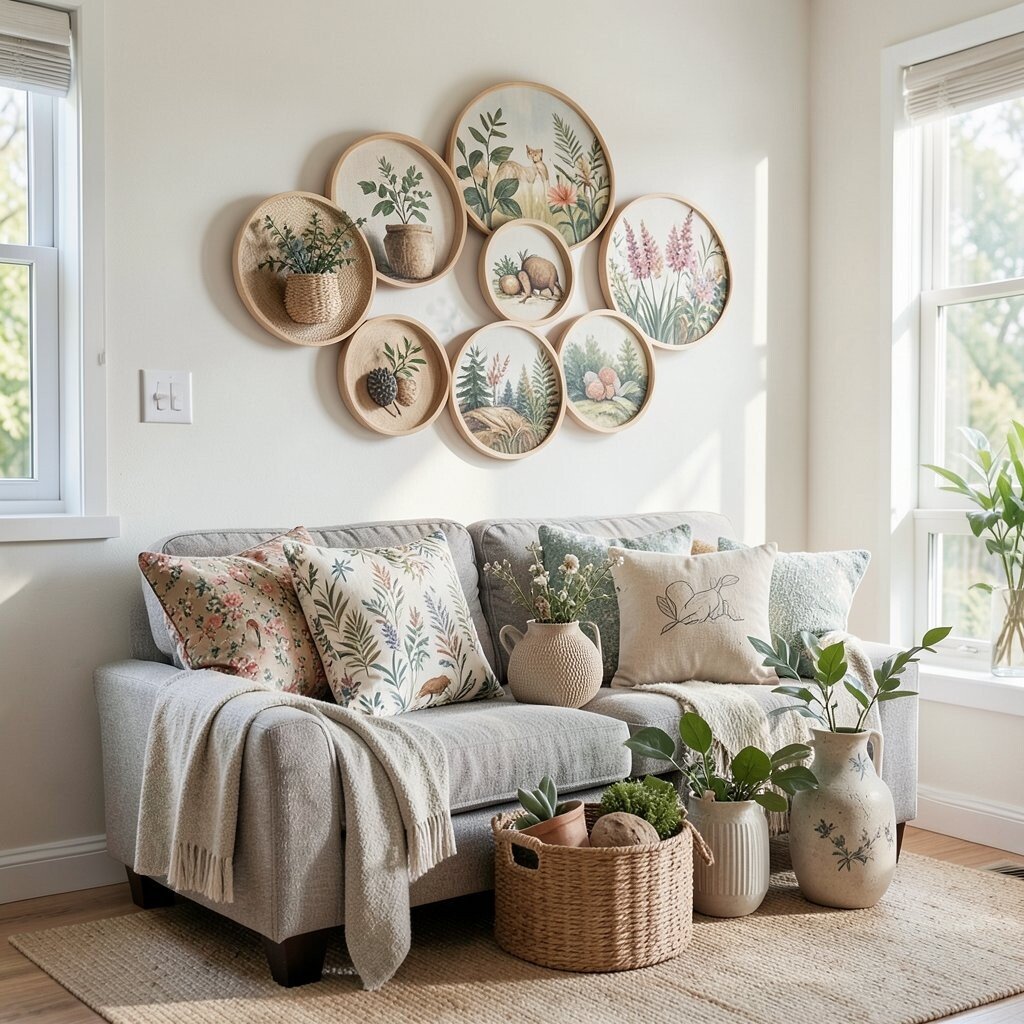
Nature never stays the same, and your home doesn’t have to either. Rotate small accents like throw pillows, wall art, and vases to mirror the seasons.
This keeps your space from feeling stale and makes you feel more connected to time. A practical way to start is setting aside a small storage bin with nature-themed decor for each season.
Personalize by choosing patterns or colors that remind you of your favorite outdoor moments. If you want to stay budget-smart, mix one seasonal buy with items you already own by swapping only the covers and surface styling. Current trends show more people curating small seasonal “capsules” rather than doing big refreshes.
20. Make One Statement Element That Feels Like Nature Art

Choose one standout piece that captures the feeling of the outdoors. It could be a large botanical artwork, a sculptural vase with organic curves, or a wall panel with textured leaf impressions.
This gives your space a clear identity and makes biophilic design feel intentional rather than scattered. When you balance the statement with simpler furniture and calm colors, the room feels curated and soothing.
For uniqueness, select a piece with a texture you can see up close, like carved wood, woven fiber, or stone-like ceramics. Consider cost by looking for local artisan work, thrifted frames for prints, or DIY texturing using natural materials you can source safely.
Finally, position it where your eyes naturally rest when you enter the room, so the feeling of nature stays with you every day.