
Your walls can look smooth and modern without losing character. Knockdown texture keeps things interesting while still feeling clean.
With a few smart choices, you can make the look feel new, fresh, and totally yours.
1. Choose the Right Knockdown Level

Start by deciding how strong you want the texture to look. A heavier knockdown catches light and hides small flaws, while a lighter finish feels calmer and more open.
Look closely at your room lighting as you picture the final look. Daylight tends to show every ridge, while soft evening lamps make texture feel cozy instead of sharp.
For a fresh vibe, match the knockdown to the room’s mood. Family spaces often do well with a slightly stronger pattern, and bedrooms can feel smoother with a gentler finish.
2. Match the Texture to Your Room Style
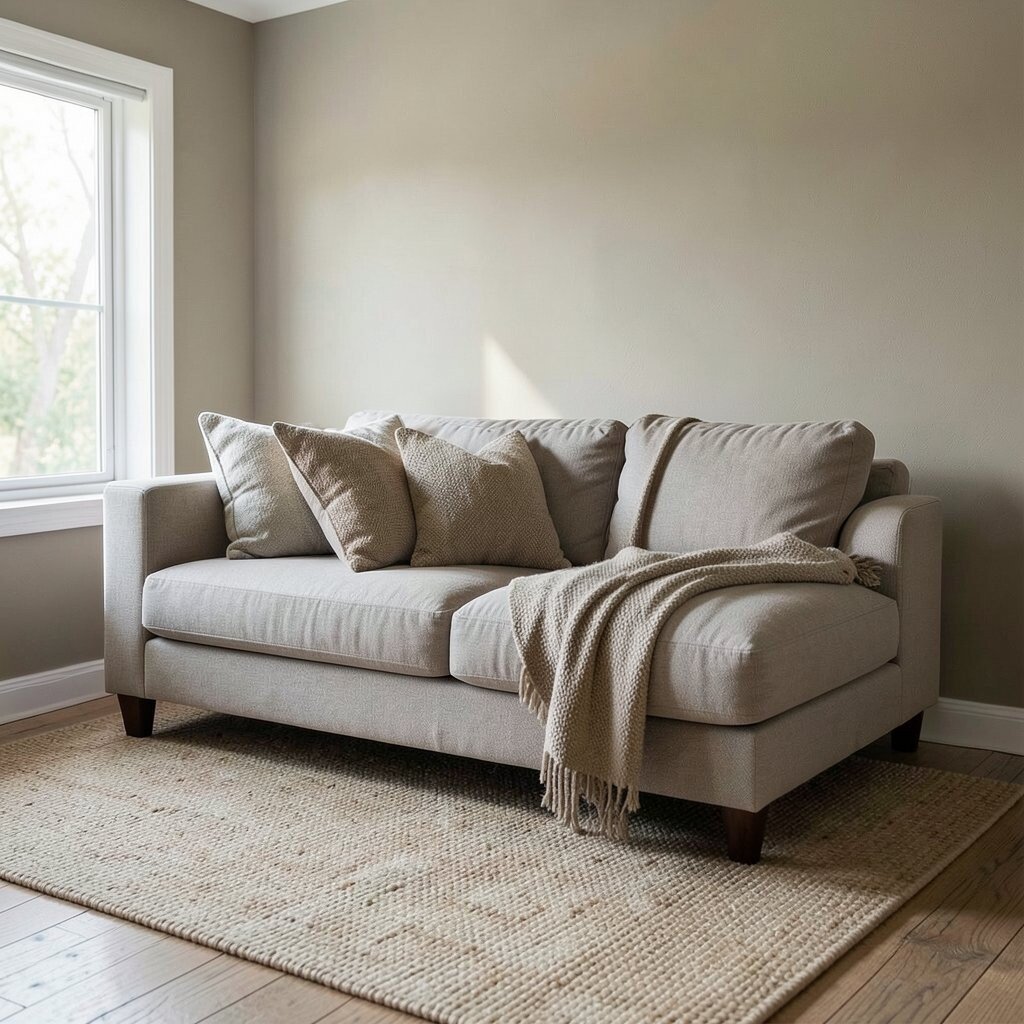
Think about what your furniture and floors already say. If your home has clean lines and simple colors, a tighter knockdown usually feels more natural.
For a rustic or cozy style, the texture can add warmth and depth. The key is keeping the pattern consistent from room to room so your home feels like one story.
When you renovate only one space, blend the look by adjusting sheen and color. Even if the texture stays the same, paint sheen can change how “loud” the ridges feel.
3. Use Primer Like It’s Part of the Design

Knockdown walls can be uneven, so primer helps the surface behave. A quality bonding primer reduces patchy spots and helps the paint go on evenly.
After priming, run your hand lightly across the wall. If you feel rough high spots, you can sand them down before you paint, making the final texture look smoother and more intentional.
Primer also gives you better color control, especially with darker paint. Without it, the texture can steal pigment and make the final shade look dull or blotchy.
4. Pick a Paint Sheen That Flatters the Ridges

Sheen is one of the biggest “secret knobs” for knockdown texture. Flat paint hides ridges best, while satin and eggshell show more contrast.
For a crisp, fresh look, many people choose eggshell in living areas. In high-traffic spaces, a wipeable satin can keep walls looking neat without making texture look too dramatic.
Pay attention to kitchen and hallway walls too, since splashes and fingerprints happen. Higher durability usually matters, but you can still keep it looking soft by selecting the right sheen level.
5. Keep Your Knockdown Pattern Consistent

Consistency is what makes texture feel designed instead of accidental. When the knockdown size and spacing vary too much, the wall can look busy even if the color is perfect.
Work with a steady rhythm and avoid stopping in the middle of a section. If you must pause, blend the edges where possible so the wall doesn’t show hard transitions.
When you look at your wall from different angles, check for repeating shapes. A uniform knockdown pattern helps the room feel calm and balanced.
6. Clean and Repair Before You Paint

Before any paint touches the wall, clean away dust and residue. Even a small amount of grime can cause paint to look uneven on textured surfaces.
Patch dents and cracks first, then feather the repair so it disappears. Knockdown texture can hide tiny imperfections, but it won’t hide sharp ridges caused by uneven patching.
If you have old stains, use a stain-blocking primer. This helps keep the texture from showing dark spots after new paint dries.
7. Control Lighting for a New Kind of Fresh

Lighting can change how texture “reads” in a room. Bright overhead lights can sharpen shadows, while warm lamps can make the wall feel softer.
Try moving a lamp slightly to see how the wall texture reacts. If the shadows look harsh, you can also use window treatments or add a dimmer for a more flattering glow.
When you update fixtures, think about placement as part of the paint plan. The best refresh is the one that looks good at night, not only during daytime hours.
8. Decide on a Color Story That Works Everywhere

Choose colors with enough flexibility to match your lighting. Cool whites can look crisp, while warm whites can make texture feel cozy and inviting.
Neutral tones usually make knockdown texture look intentional and modern. If you want something bold, try accent walls rather than flooding every room with a strong color.
Testing paint is worth the time, especially on textured surfaces. Apply samples directly to the wall so you can see how ridges affect the real shade.
9. Use Color to Highlight or Calm Texture

You can use color contrast to make ridges look more defined. A darker paint with a slightly lighter undertone can make the texture look dramatic and artsy.
For a calmer feel, go with similar tones for the whole wall. Monochrome painting softens the shadow play and helps the room feel clean.
Another easy trick is keeping trim and ceiling colors coordinated. When edges match well, the wall texture blends into a cohesive look.
10. Consider a Subtle Tint for Primer or First Coat

A tinted first coat can help your final color look more even. This is especially helpful with strong colors like deep blues, rich grays, or warm reds.
Because knockdown texture adds shadow depth, the wall may appear patchy if the undercoat is too light or too different. Tinting helps the final color show up consistently in both the high and low spots.
Ask your paint shop about tinting options and use them to reduce the number of coats. Fewer coats can also save money on material and time on labor.
11. Sand Strategically for Smoothness Without Losing Character

Sanding can make knockdown walls feel more refined, but it needs careful handling. Light sanding targets the high ridges while keeping the texture’s signature shape.
Use a gentle touch and check often by feel and sight. Too much sanding can flatten the pattern, and then you might need to re-create it later.
When you sand, protect your home with dust control tools. Clean surfaces and good ventilation keep the project smoother and help paint adhere better.
12. Keep Tools and Techniques Consistent

Small tool choices can change how paint sits on the ridges. The roller nap, the brush size, and even how you load the roller can affect the final look.
A consistent method helps the wall look even and professional. If you switch tools mid-wall, you may notice differences in texture clarity and sheen.
When cutting in edges, try to keep your brush strokes light. Heavy brushing can leave marks that show up as darker lines on textured surfaces.
13. Use the “Less Is More” Approach With Additional Texture

If you want a fresh update, you don’t always need new texture. Sometimes a better paint job, a smarter sheen, or a refined knockdown level makes the biggest difference.
Adding more texture can increase cleaning difficulty and raise costs. Extra materials, extra labor, and longer drying times can stack up quickly.
If you do add texture, keep it subtle and consistent. Blend repairs carefully so your wall looks like one smooth design choice rather than a patchwork fix.
14. Refresh With a New Knockdown in High-Impact Zones

Not every wall needs the same level of attention. Consider refreshing the main wall behind your sofa, the entry area, or a hallway that everyone sees.
Focusing on high-impact zones saves money and still gives you a “whole room” feeling. You can spend on better paint and a more skilled finish where it counts most.
Plan the repaint sequence so the rest of the home stays protected from dust. A careful schedule helps your refresh feel tidy instead of stressful.
15. Keep Edges Crisp With Proper Masking

Clean edges make textured walls look neat. Masking helps create sharp lines at trim, ceilings, and corners, which balances the softness of the knockdown pattern.
Use painter’s tape with good adhesion and remove it promptly at the right moment. If you wait too long, tape can pull at dried paint edges and ruin the look.
When you paint corners, keep your brushwork steady and light. Crisp edges also help your room look more updated even if the texture stays the same.
16. Plan for Drying Time and Weather Effects

Drying conditions can change how paint settles into texture ridges. Humidity and temperature influence how fast your coats set and how smooth the finish becomes.
If paint dries too quickly, it can leave uneven sheen or subtle streaks. If it dries too slowly, it may trap moisture and look odd in the final finish.
Before you start, check the local forecast and plan your work when conditions are stable. Taking this step can save you from redo work that costs both money and time.
17. Add Personal Style With Accent Colors and Trim Colors

You can personalize knockdown texture without making the whole wall loud. Try a slightly different accent color on trim or built-ins to frame the ridges.
Popular current styling often pairs neutral walls with richer trim tones. A muted sage wall with warm white trim, or a soft gray wall with darker cabinetry paint, can feel trendy but still timeless.
For a more custom look, consider a gentle two-tone plan where the upper area stays lighter. That visual shift can make ceilings feel higher and rooms feel brighter.
18. Use Furniture Placement to Balance Texture Shadows

Even with perfect paint, your room still needs balance. Large furniture can calm the look by blocking some of the texture shadows that draw the eye.
Place lighting and decor so the wall becomes a background, not the main event. If you want the texture to feel subtle, choose art and shelves with simple shapes and lighter colors.
If you want texture to feel more artistic, use bigger wall art with bold contrast. The goal is to make your texture match the energy you want in the room.
19. Choose the Right Caulk and Patch Materials for Longevity

Where walls meet trim, quality caulk helps prevent cracks and gaps. A clean seal makes your refresh look fresh longer, especially on corners and window edges.
For repairs, use patch products designed for walls rather than quick-fix compounds. Texture walls need materials that sand smoothly and hold paint well.
When cracks return, it often signals movement in the home. Addressing the cause early can save repeat repairs and keep your finish looking consistent over time.
20. Budget Smart by Matching Effort to the Wall’s Condition

Cost control starts with honest assessment of the wall condition. If your knockdown is already well done and clean, you may only need primer and paint, which is usually the most budget-friendly path.
If the wall has many repairs, budgeting for prep work matters more than splurging on fancy paint. Prep costs can feel tedious, but it’s what stops flaws from showing through later.
Consider doing some tasks yourself, like sanding, cleaning, and masking, while hiring the hardest steps. That mix often gets great results without overspending on every part of the project.
21. Keep the Refresh Looking New With Simple Maintenance

Texture walls show dirt in shadows, so gentle cleaning helps them stay bright. Use a soft cloth and mild soap, then rinse lightly and let the surface dry fully.
Touch up small chips quickly so they don’t grow into bigger repairs. Keeping a small amount of the exact paint and sheen on hand makes fixes fast and blends better.
With the current trend toward easy-care finishes, choosing washable paint can lower long-term upkeep. When walls are easier to clean, the fresh look lasts longer, and your home stays inviting.