Walls can feel like blank canvases, or like stories you can walk through. The right texture makes every room look lived-in and on purpose.
Knockdown finishes use texture to soften shadows, hide small flaws, and add depth without shouting. With the right material, you can tailor a look from calm and creamy to bold and dramatic.
1. Lime Plaster Knockdown
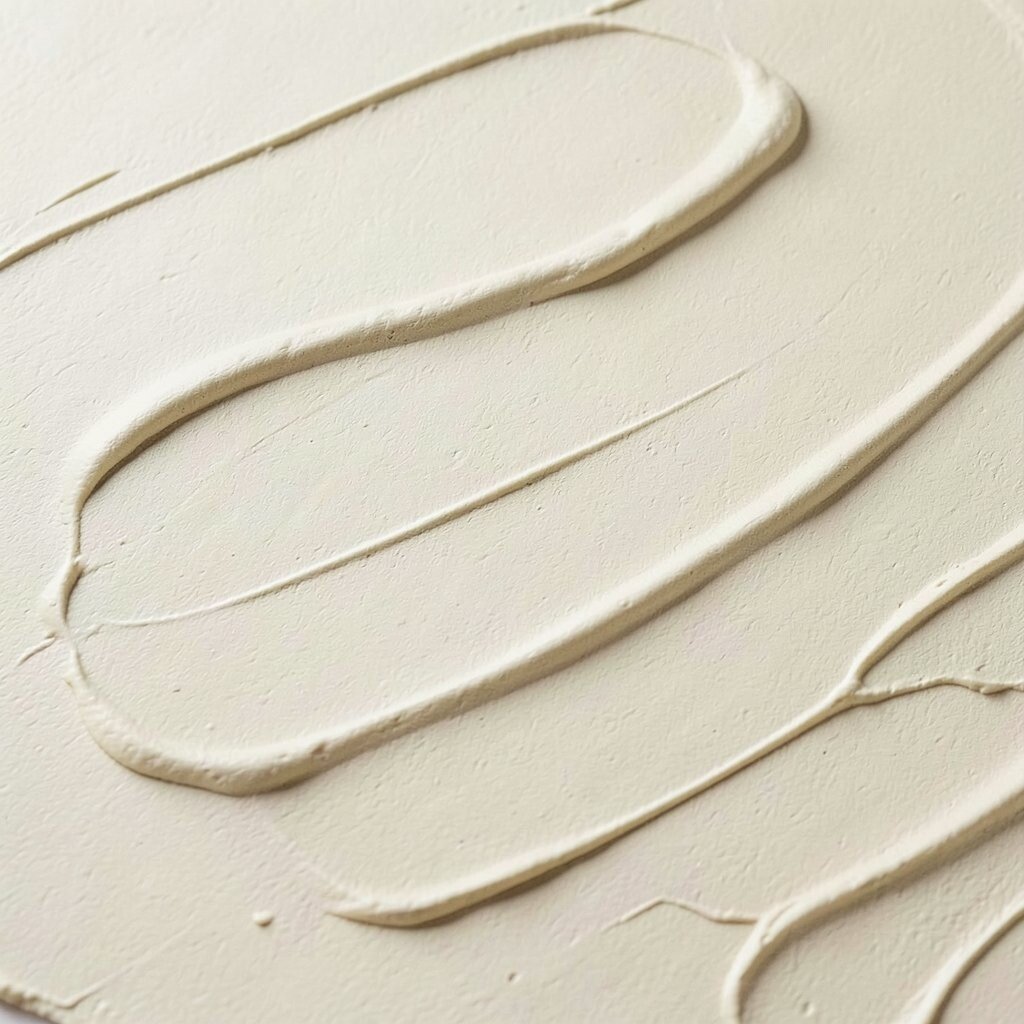
Lime plaster knockdown has a natural, breathable look that feels timeless. When you spread it, you can see subtle movement in the surface like soft ripples.
It helps regulate moisture, which is a comfort bonus in many homes. For best results, apply a good base coat and keep a steady schedule so the texture skins evenly.
2. Veneer Stucco Over Mesh
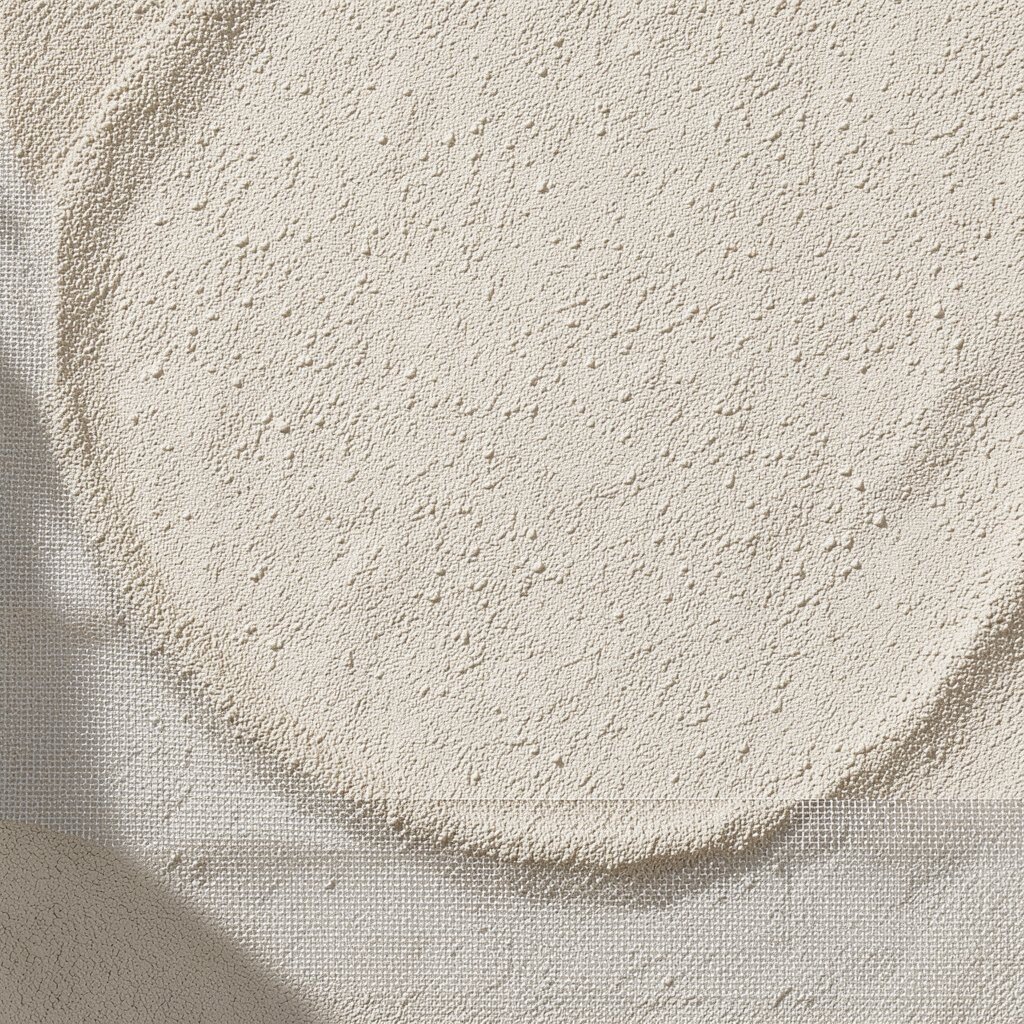
This material gives a knockdown wall the vibe of classic stucco with a more controlled surface. You’ll notice a tight, fine texture that catches light in small flashes.
Mesh helps keep the layers stable, especially over tricky spots and older walls. Use a consistent trowel pass, then knock down at the same pace across each section so the pattern stays cohesive.
For personalization, you can bias the knockdown in one direction to create a gentle swirl effect that flatters corners.
3. Joint Compound Knockdown
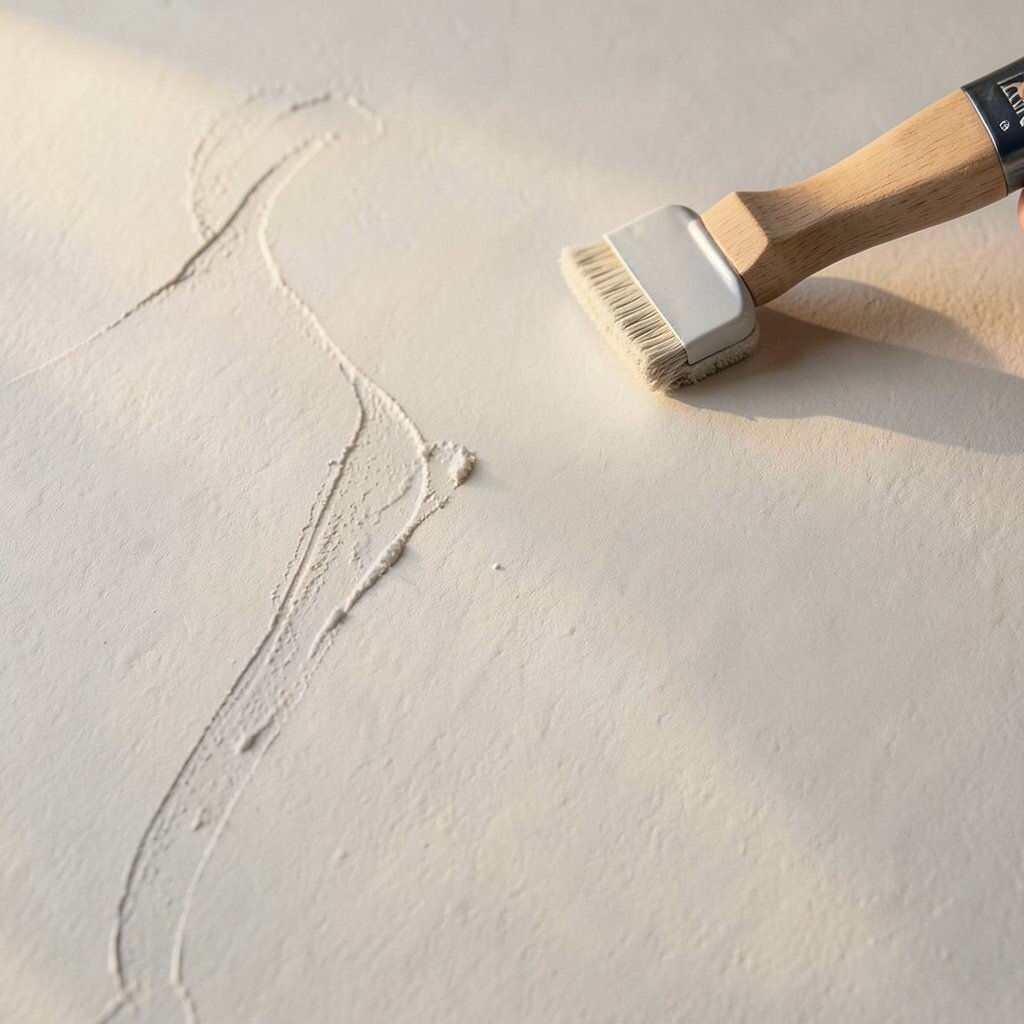
Joint compound knockdown is the go-to method for many DIYers because it’s easy to shape. The finished wall looks softly mottled, like textured paper under warm light.
You’ll get excellent smoothing on minor bumps, and it’s friendly for repairs later. Try thinning slightly for better spread, then use a clean knockdown tool so the craters stay crisp.
If you want a modern look, keep the ridges shallow and finish with a tinted paint for a monochrome glow.
4. Acrylic Texture Paste
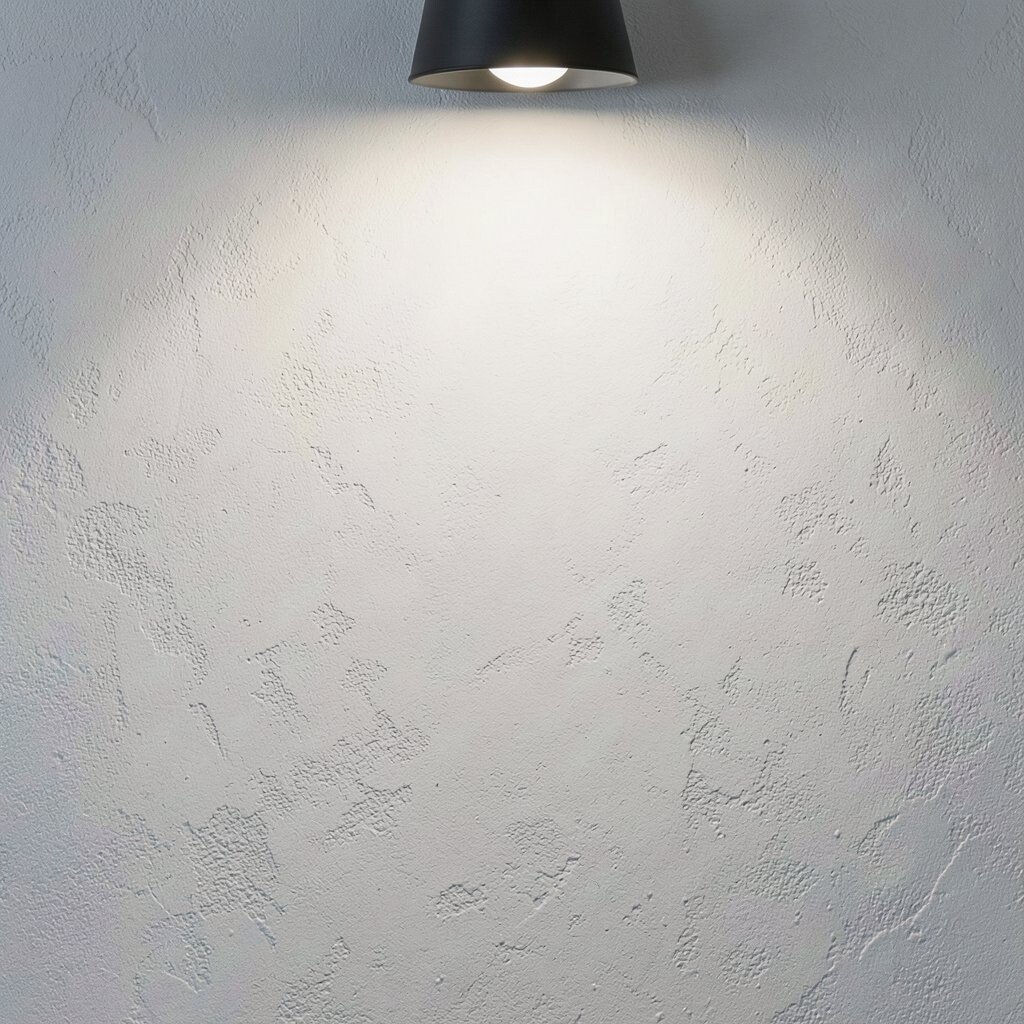
Acrylic texture paste creates a knockdown surface that feels uniform and clean. Under a lamp, the raised peaks cast neat shadows that make walls look more dimensional.
It’s popular in modern projects because it’s consistent and often more crack-resistant than some lightweight mixes. Work in manageable sections, and rinse your tools often so the texture doesn’t clump.
5. Concrete Look Knockdown
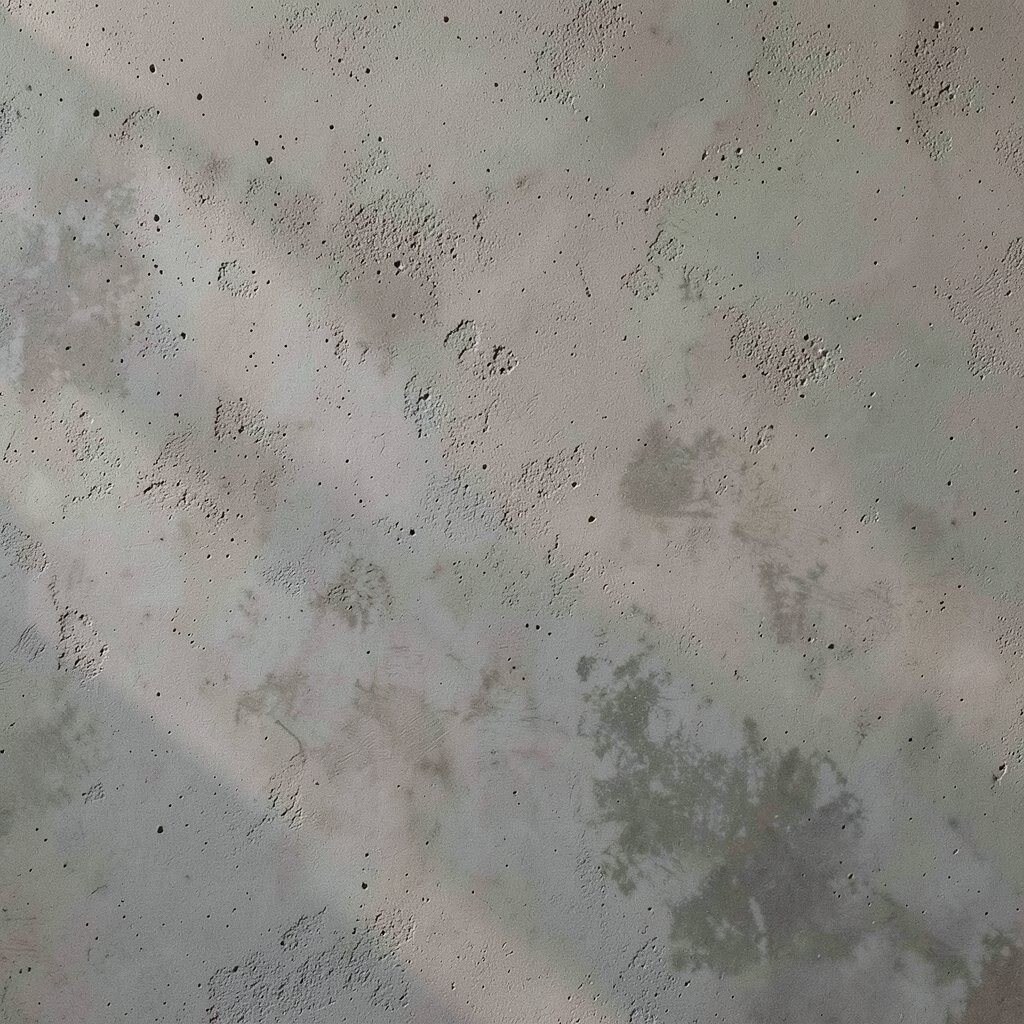
If you love industrial styles, concrete look knockdown brings that gritty depth without needing true slab work. The wall appears mottled and grounded, with a weathered rhythm that reads well in open spaces.
It can hide hairline imperfections while still giving you a dramatic focal feel. Choose a knockdown aggregate size that matches your lighting, since deeper texture shows stronger contrast.
To make it feel personal, tint the base a warm gray and topcoat with a clear matte sealer to reduce chalky transfer.
6. Sanded Plaster Texture
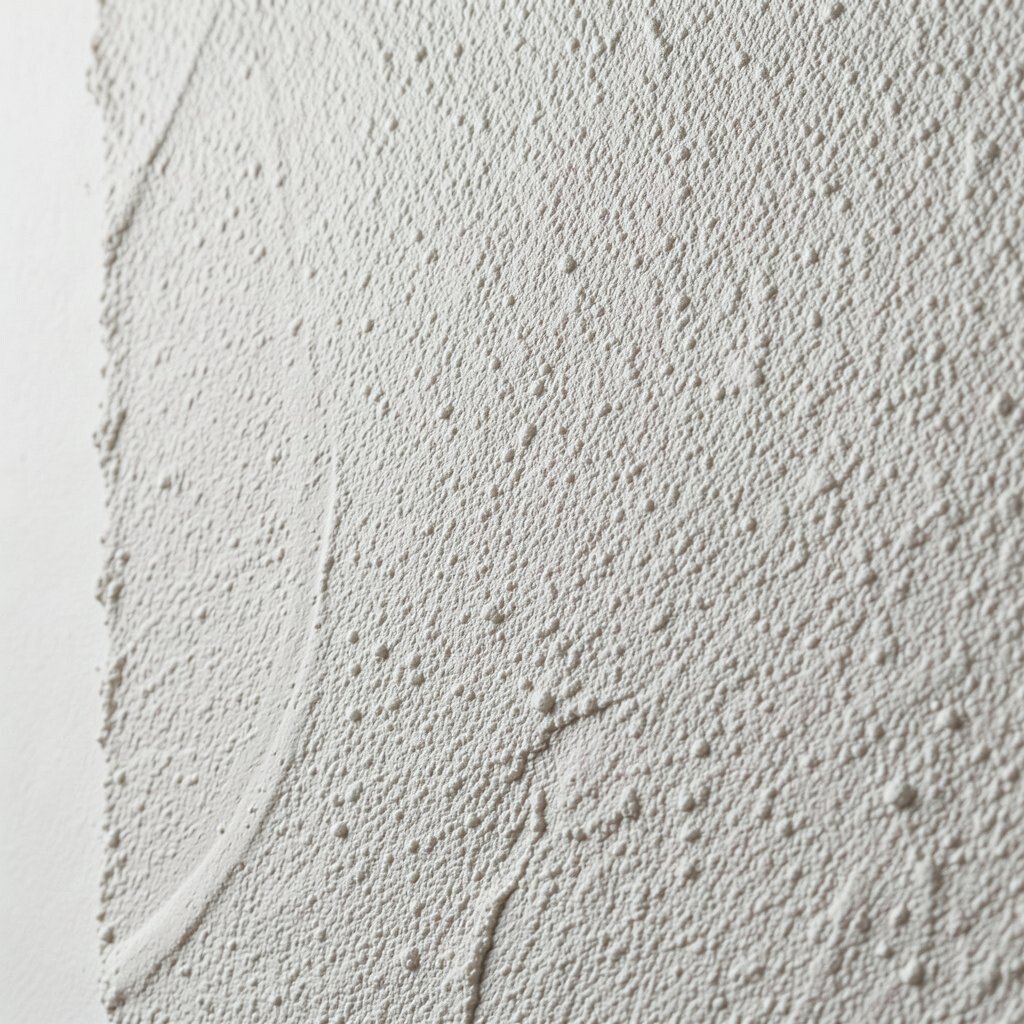
Sanded plaster knockdown creates a tactile surface that looks like refined grit. Up close, you can see tiny granules that soften the wall’s edges and make it feel handmade.
This is a great option when you want a durable finish for hallways or family rooms. Use even pressure during knockdown so the sand doesn’t pile into uneven ridges.
For cost thinking, sanded plaster can be budget-friendly compared to specialty products, and it covers well with proper thickness.
7. Microcement Knockdown Panels
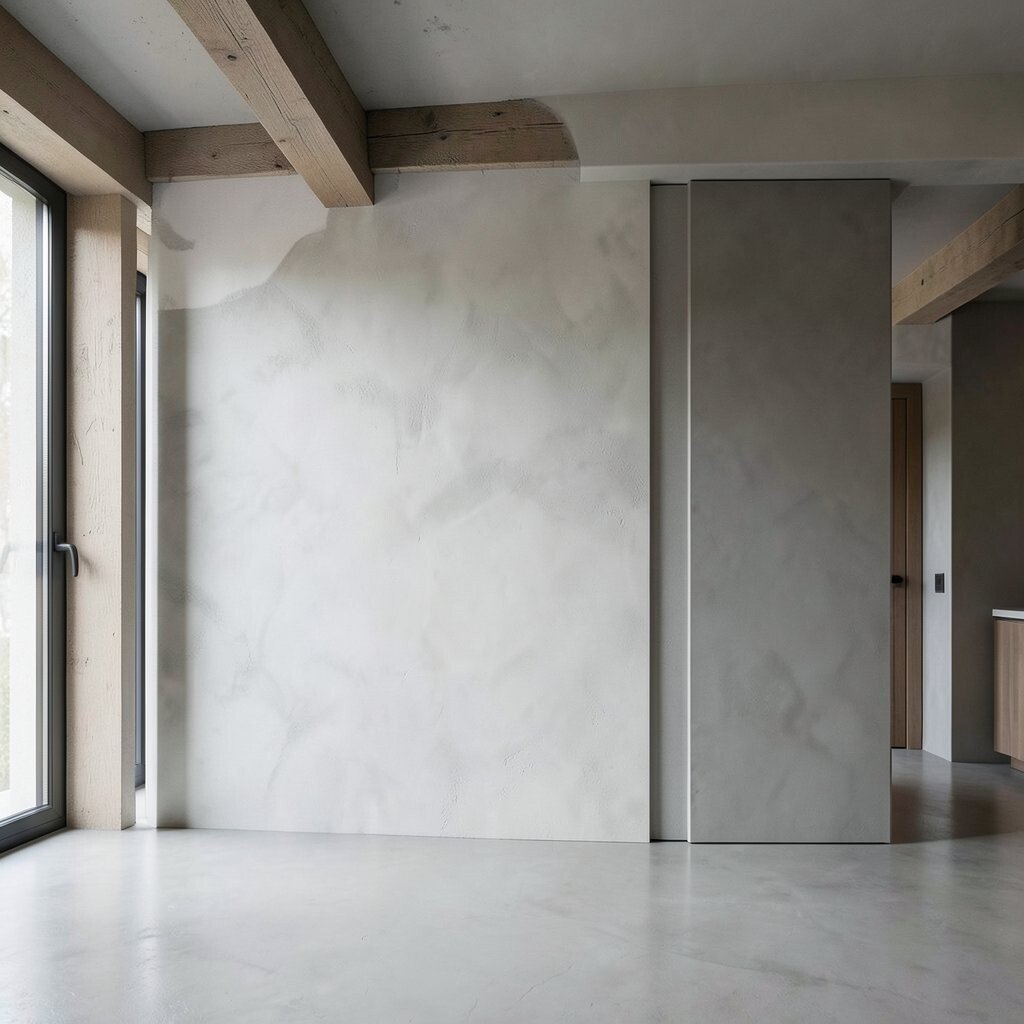
Microcement is known for sleek, modern surfaces, and knockdown applications can add extra drama. The result can look like smooth concrete with a controlled, cloud-like relief.
It’s unique because it blends cement-forward aesthetics with a softer visual texture. Plan your color early, because microcement systems often look best when you use compatible primers and topcoats.
To personalize, add subtle toning layers or vary knockdown intensity near architectural lines like beams and built-ins.
8. Drywall Texture Spray with Knockdown
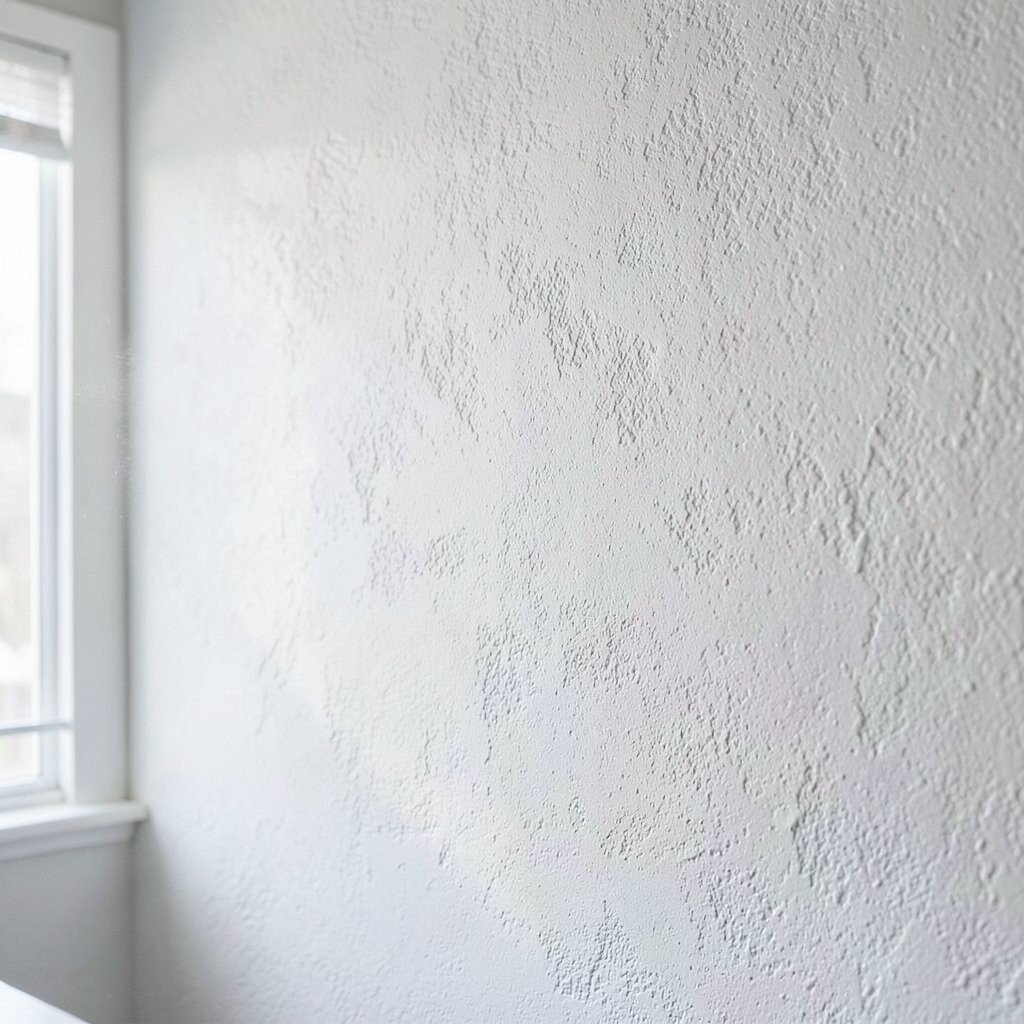
Sprayed texture with knockdown is quick and forgiving, especially for larger rooms. The wall ends up with a lively, speckled rhythm that feels airy and energetic.
It’s practical when you want fast coverage, and it can help disguise patch marks. Keep nozzle height steady and do test patches first, since spray distance changes the texture scale.
9. Decorative Venetian Plaster Knockdown
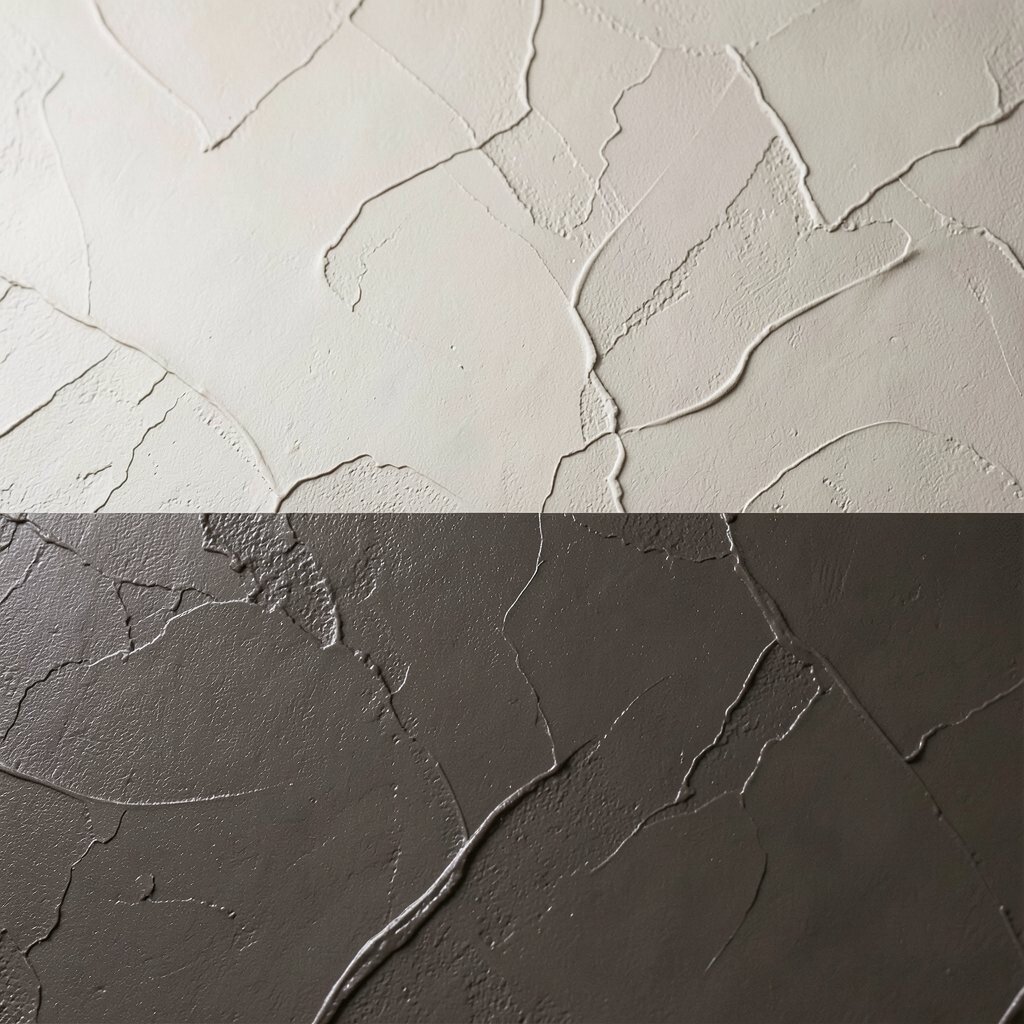
Venetian plaster knockdown offers a luxe look even when the surface is heavily textured. You’ll see depth like polished stone, but the knockdown brings a gentle, broken pattern to catch light.
This choice stands out because the finish can feel rich and artistic rather than purely rugged. Use quality trowels and apply thin layers, letting each one dry so you don’t muddy the sheen.
To make it yours, consider a two-tone plan with a darker base and a lighter top layer that highlights the knockdown highs.
10. Limewash with Knockdown Texture
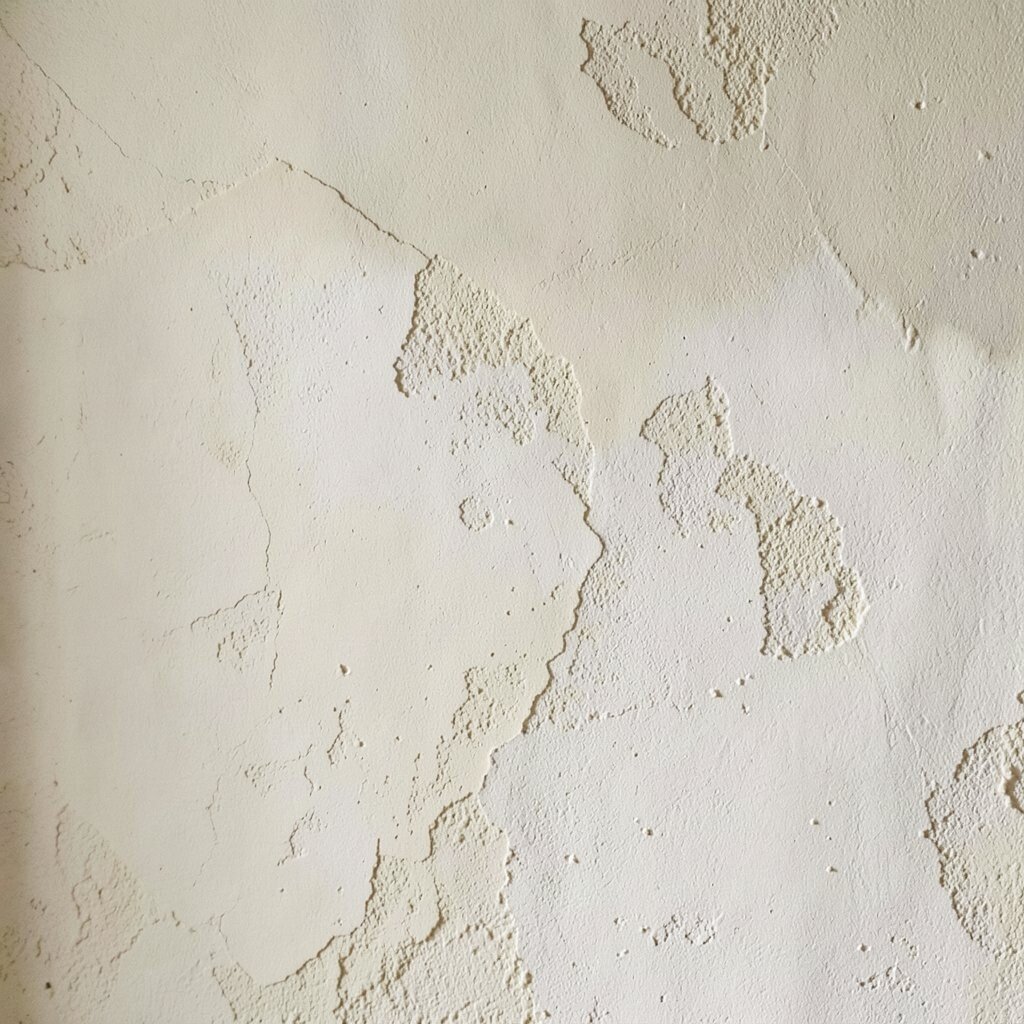
Limewash plus knockdown creates a soft, old-world feel that looks beautiful as it ages. The surface shows gentle variation, like walls that have been in place for years.
Limewash is also known for a breathable, natural finish, which many people appreciate in living spaces. For practical success, work with consistent batches and keep an eye on drying time so you don’t get streaks.
11. Rubberized Texture Coating
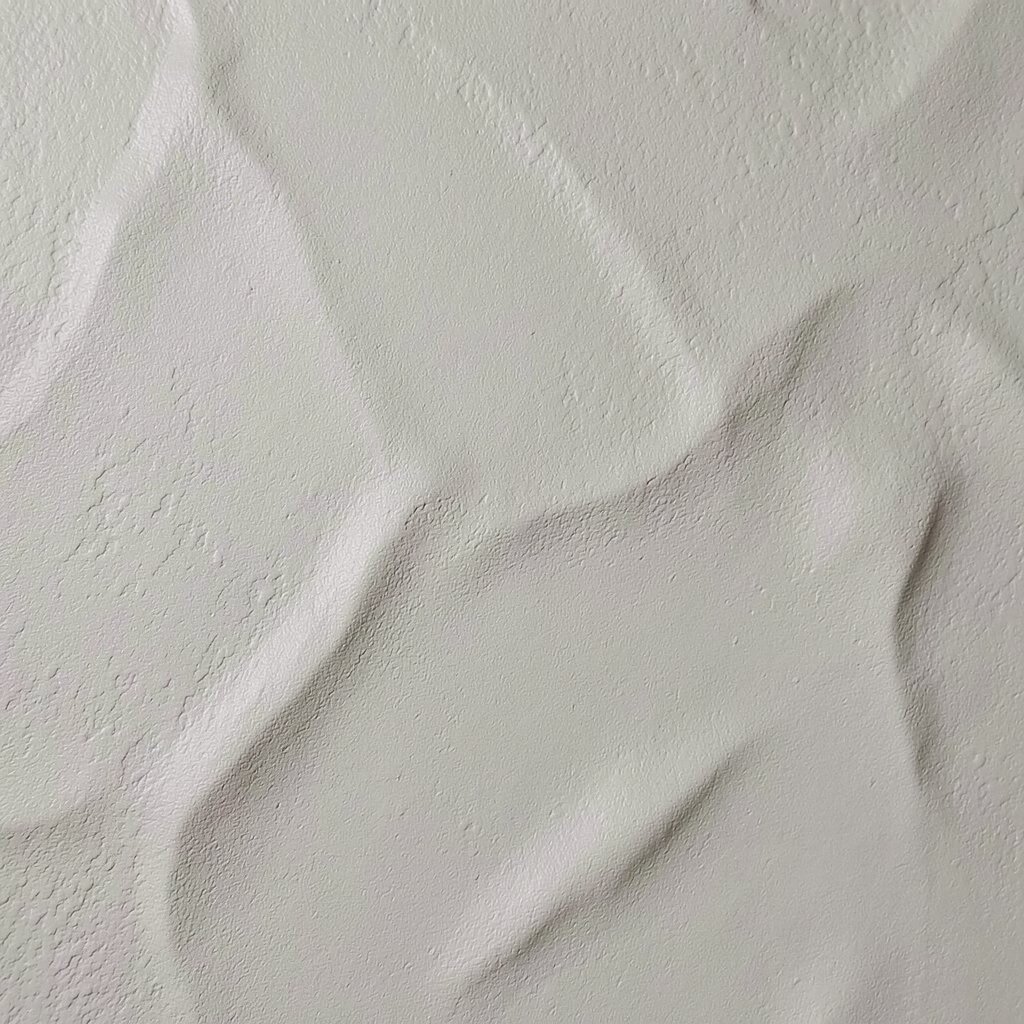
Rubberized texture coatings create a flexible, resilient knockdown wall with a cushiony feel. The finished look is slightly bold, with peaks that look like they can bounce back from everyday life.
This is a smart option for areas that get bumped or have minor movement, because flexibility can reduce certain cracking risks. Apply evenly and knock down before it fully sets so the texture stays crisp.
12. Foam Roll-On Knockdown Medium
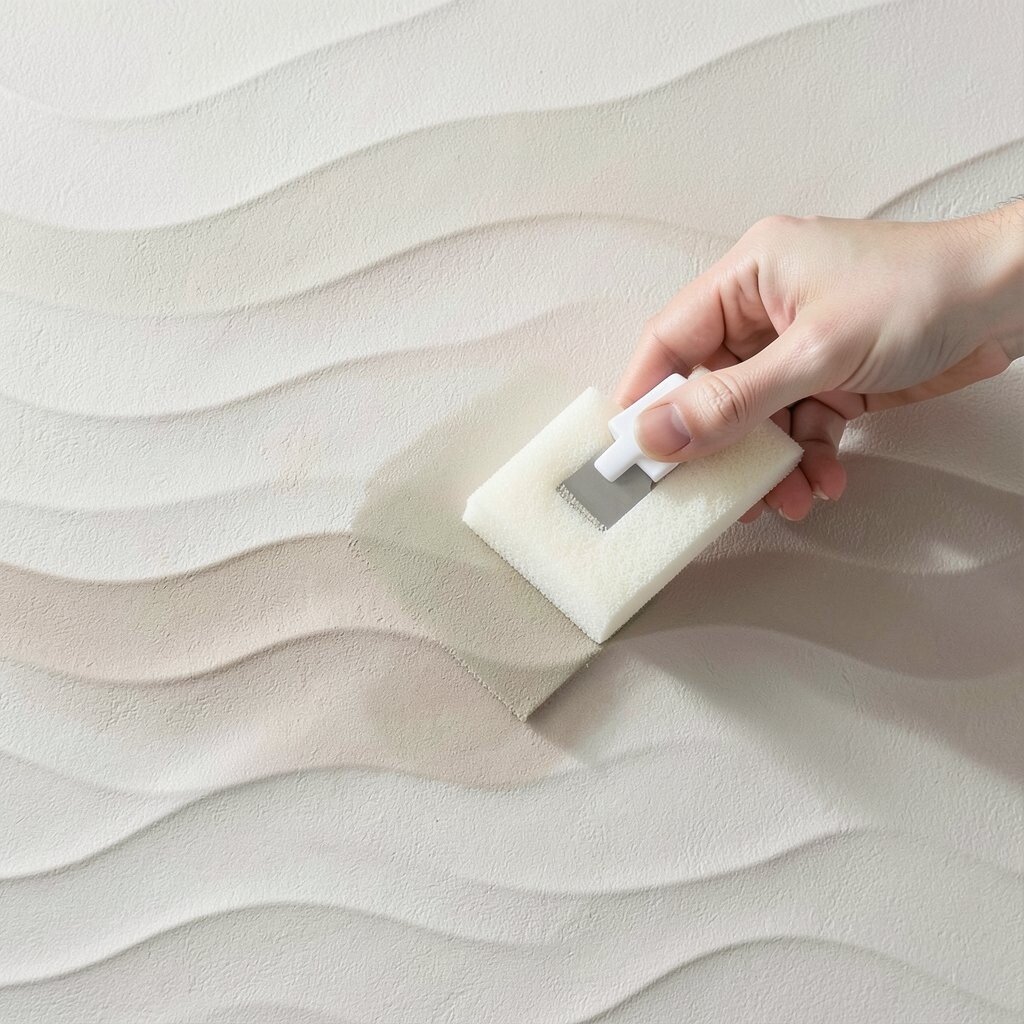
Foam roll-on knockdown adds a lightweight texture that’s easy to manage. The surface often looks like soft waves, with a calm pattern that works well in bedrooms and offices.
It’s unique because you can get consistent results without heavy mixing. Roll, then knock down gently with a sponge or knockdown knife, and keep a rhythm so each section matches the last.
For personalization, use a tinted topcoat that shifts slightly under different light angles, making the wall feel alive.
13. Clay Plaster Knockdown
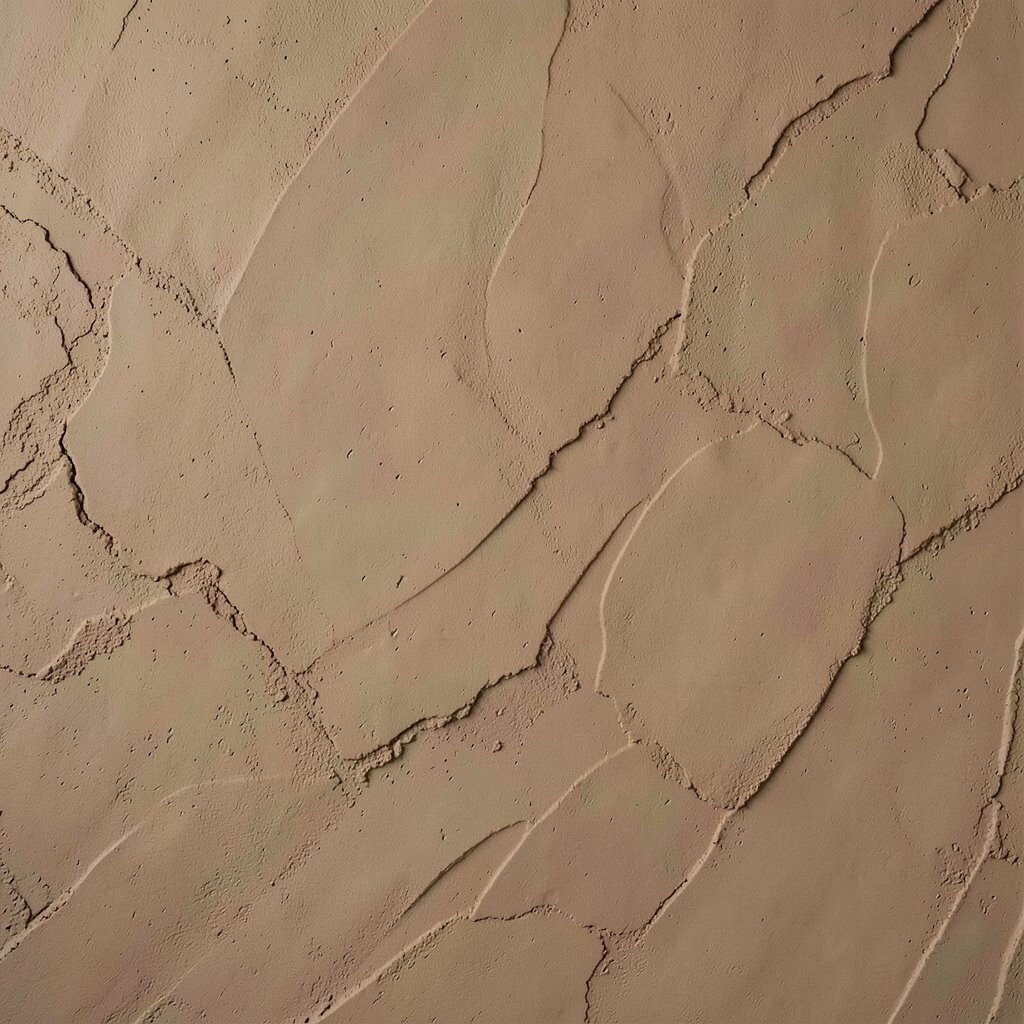
Clay plaster knockdown has an earthy look that feels warm and welcoming. When it dries, you can see subtle striations and tiny color shifts that make each wall section feel distinct.
Clay finishes can support indoor comfort, and they often look stunning in rustic and modern-natural homes. Use breathable underlayers when needed, and seal properly if you’re applying the finish in higher-use areas.
Cost-wise, clay products vary, but you can save money by mixing responsibly and avoiding over-thick layers.
14. Acrylic Primer Base with Knockdown Topcoat
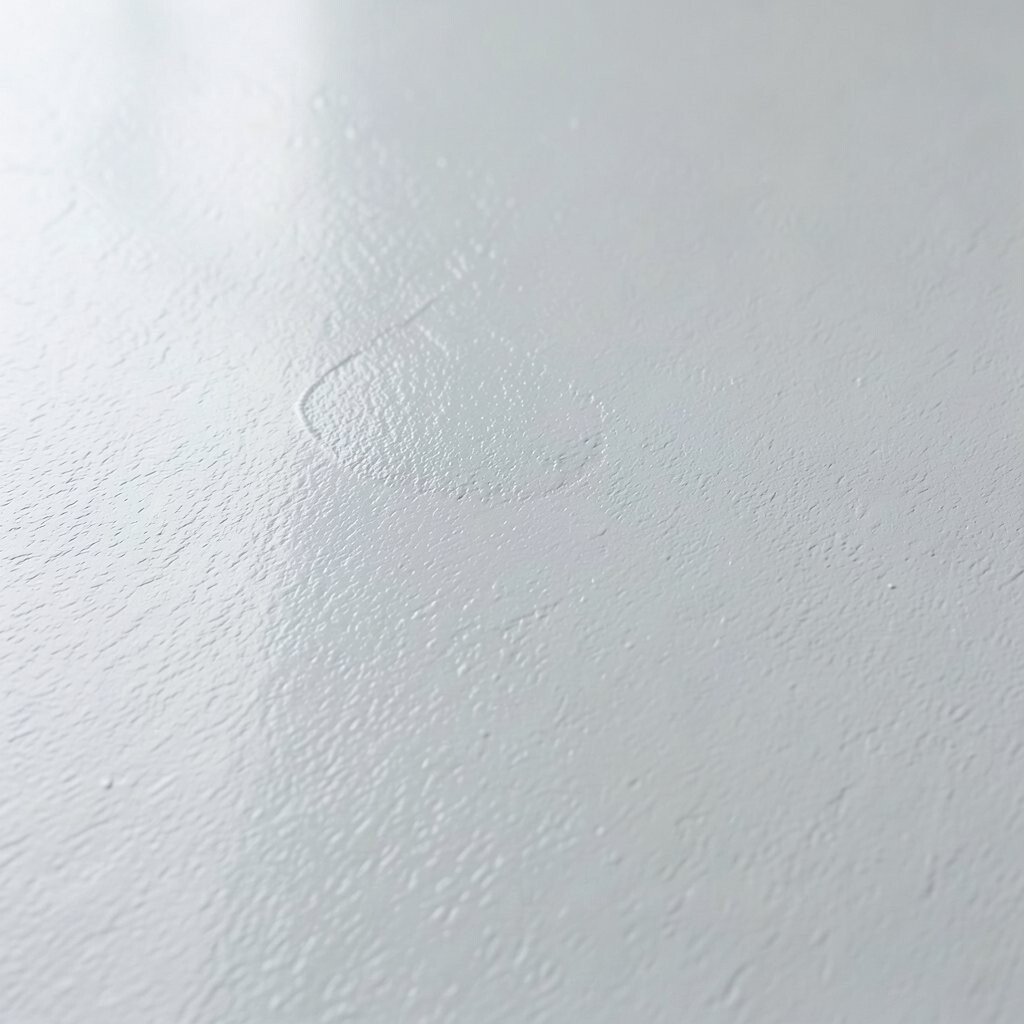
Using an acrylic primer base can make your knockdown topcoat look smoother and more even. The visual result is a clean texture pattern with better color hold under paint.
This method is practical because it helps you lock in a consistent surface, especially over repairs. Choose compatible products and let each step cure fully so the knockdown texture doesn’t smear when you topcoat.
15. Sculpted Texture Putty
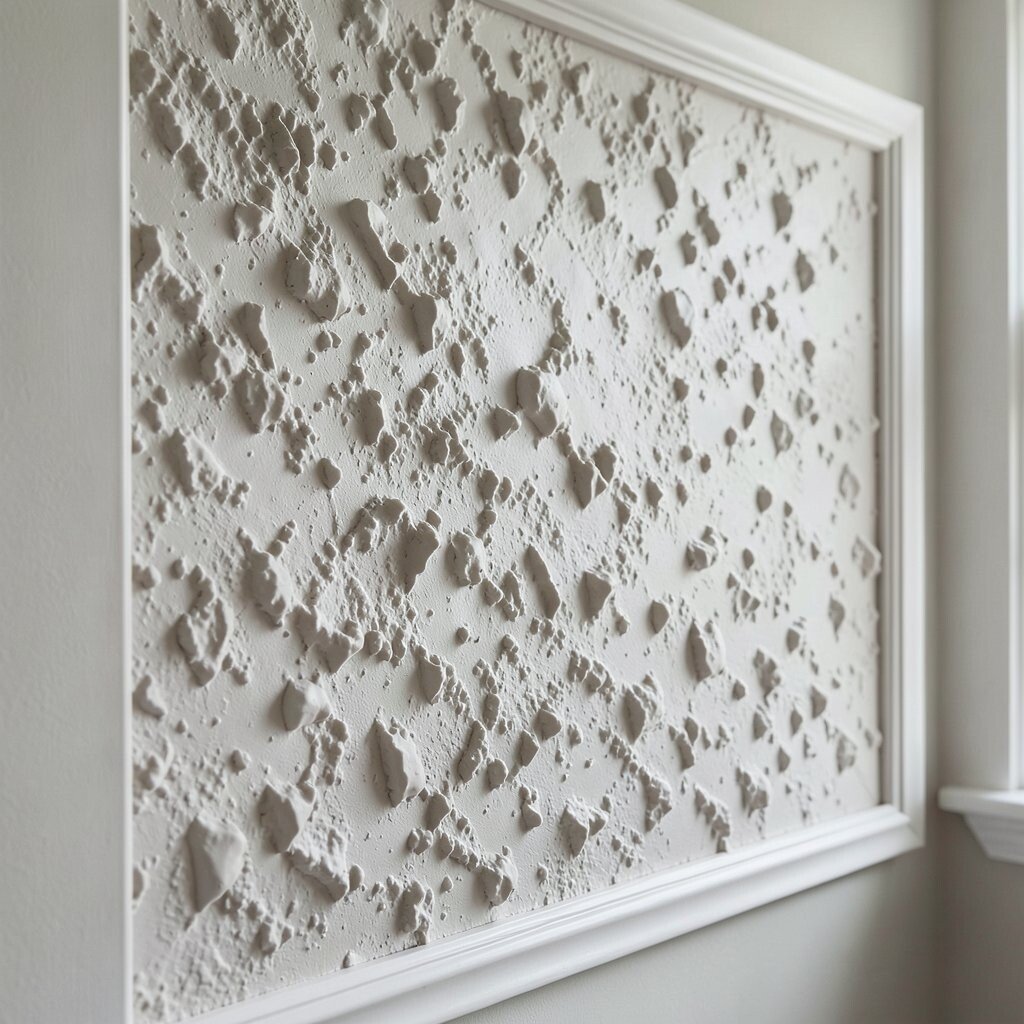
Sculpted texture putty gives you control, like you’re carving the wall with a gentle hand. The knockdown finish can range from tight and fine to expressive and chunky depending on how you manage the peaks.
It’s great for creating feature walls, because you can personalize the direction and density of the pattern. Work slowly, and keep your tool clean so you don’t drag clumps across the design.
If you want a trend-right look, pair it with matte paint and simple trim so the texture becomes the star without visual clutter.
16. Dry Stack Stone Effect Knockdown
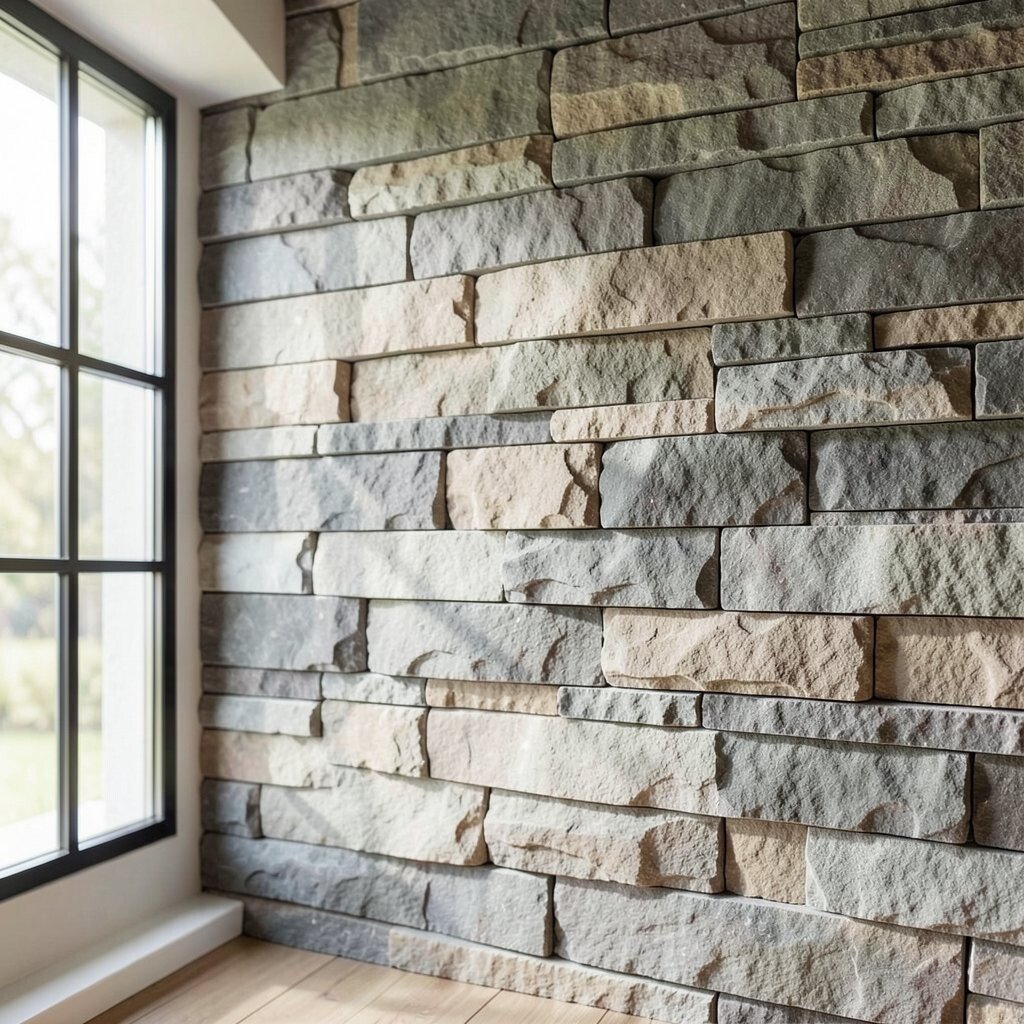
Dry stack stone effect knockdown blends a stone-like rhythm with the softer knockdown texture method. From a distance, it can read as layered, while up close you see a more organic, uneven surface.
This material feels unique because it bridges architectural texture and wall softness. Use it carefully around windows and built-ins so the pattern aligns with edges rather than fighting them.
17. Metallic Knockdown Paste
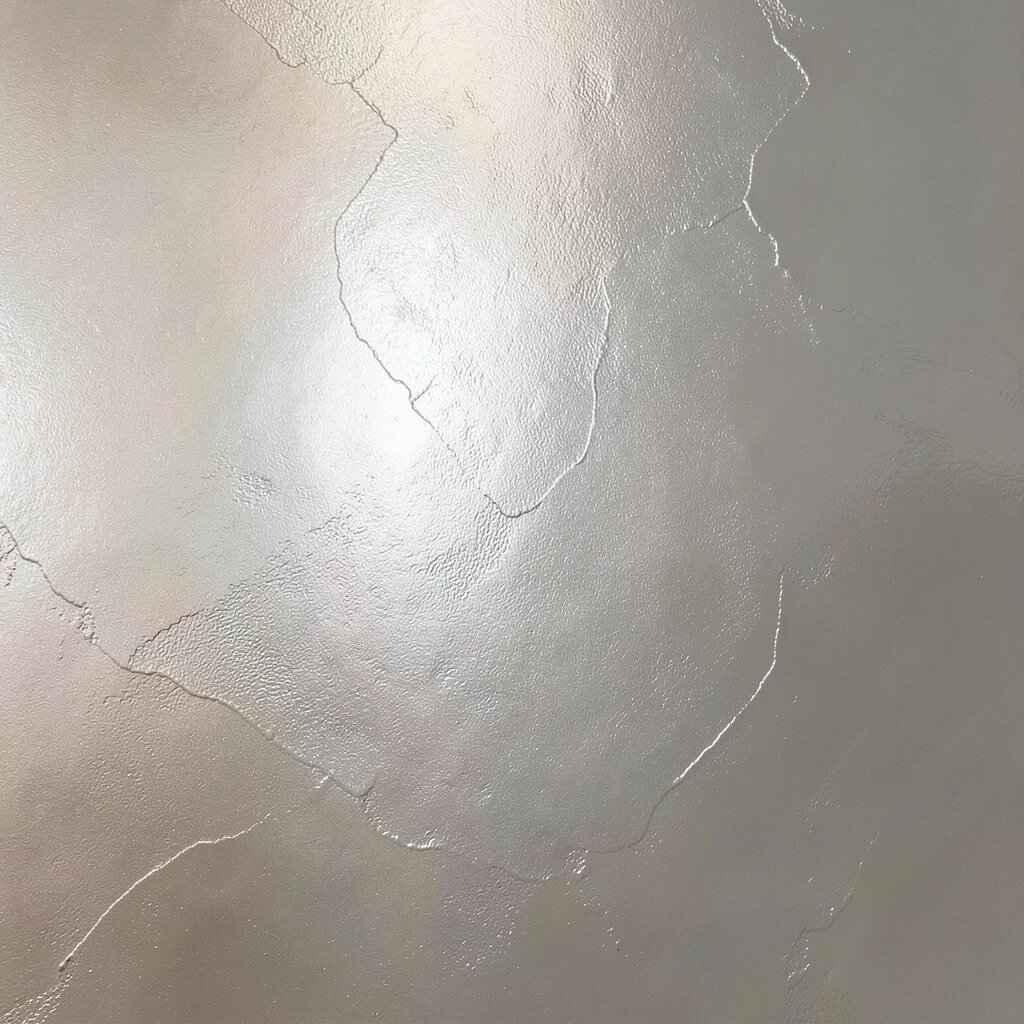
Metallic knockdown paste makes the wall shimmer in a subtle, stylish way. The texture breaks up the metal so it doesn’t look flat, and light seems to move across the ridges.
It’s a great way to add wow while staying classy, especially in dining rooms and entryways. Start with a test swatch since metallic products can show streaks if the base isn’t even.
Personalize by choosing a tone like bronze, champagne, or cool silver and then topcoat with a clear matte finish for a modern glow.
18. Lime Plaster Tint Wash Knockdown Finish
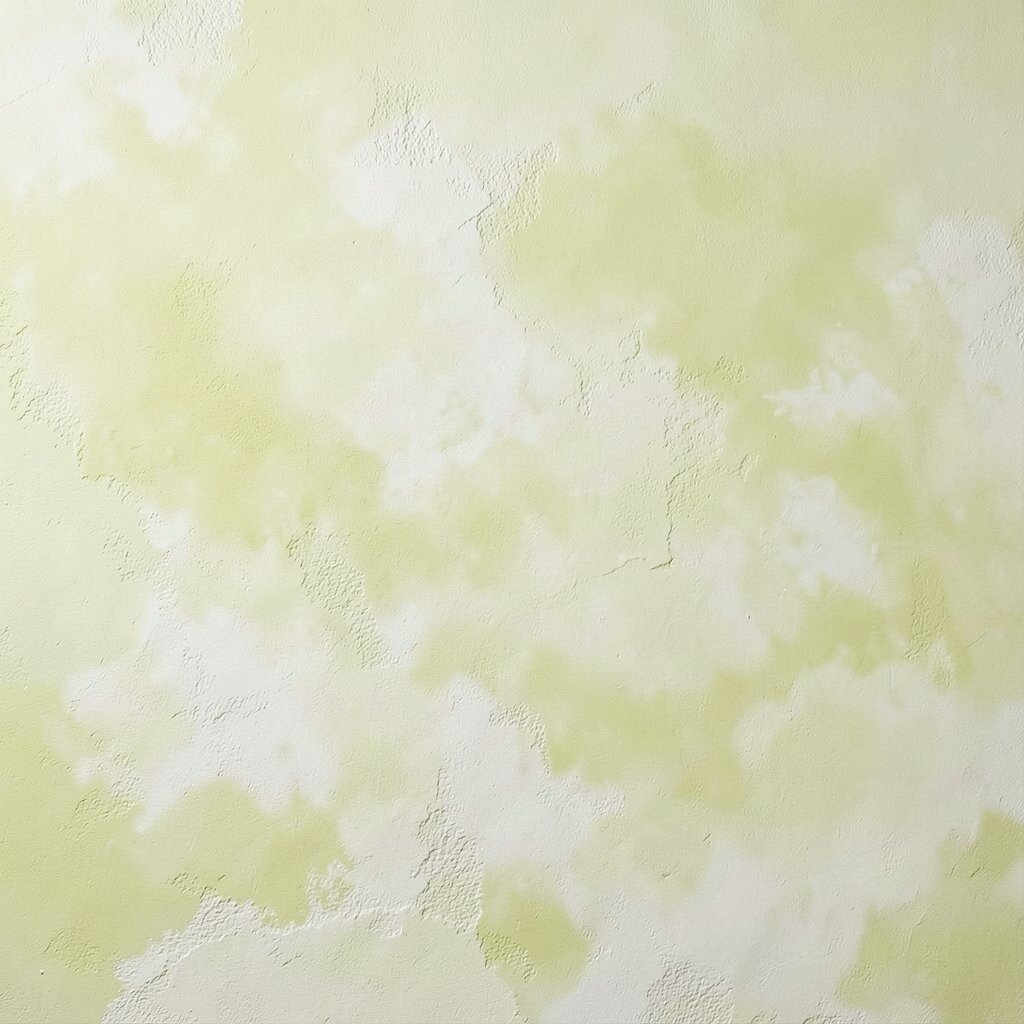
A tint wash knockdown finish on lime plaster creates depth through color variation, not just texture. The wall looks soft and layered, like clouds and stone have met in the middle.
This approach is practical when you want richness without heavy visual weight. Mix tint carefully, apply with even coverage, and knock down consistently so the color shows through the highs and settles into the lows.
For cost considerations, tinted washes can reduce how much topcoat you need later, especially when your base tint matches your final paint direction.