Your walls can feel like a piece of art without needing a gallery budget. Texture adds comfort, depth, and a look that always feels lived-in and loved.
From soft waves to bold ridges, textured plaster lets you shape light the way you want it to fall. Each finish can match your taste, your room, and your daily life.
1. Venetian-Inspired Smooth Swirls
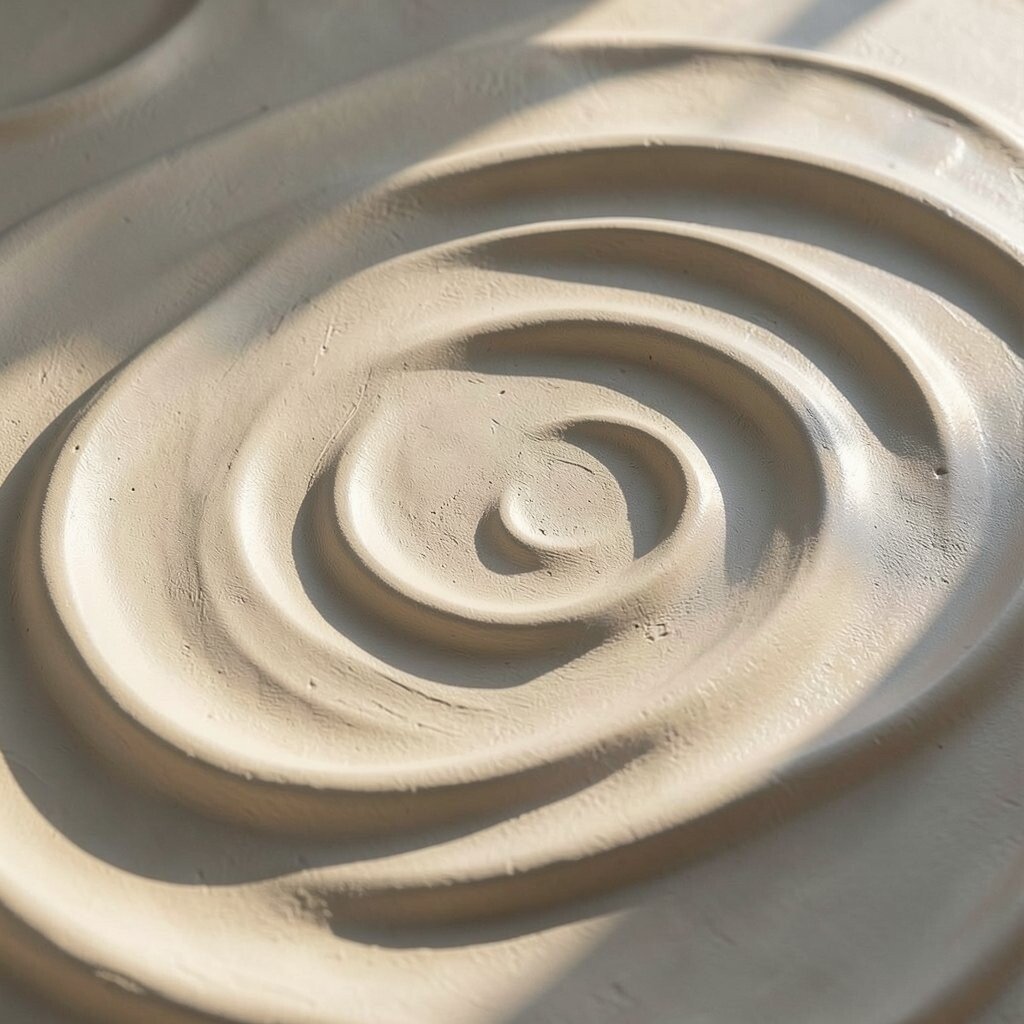
Imagine a calm sea made from plaster, with gentle swirls that catch the sun. When the light hits, it creates movement across the surface like slow ripples.
This look stays elegant while still feeling warm and tactile. For a practical approach, ask your plasterer for a thin-batch application and a careful final polish so the surface remains easy to clean in busy rooms.
2. Limewash With Cloudy Depth
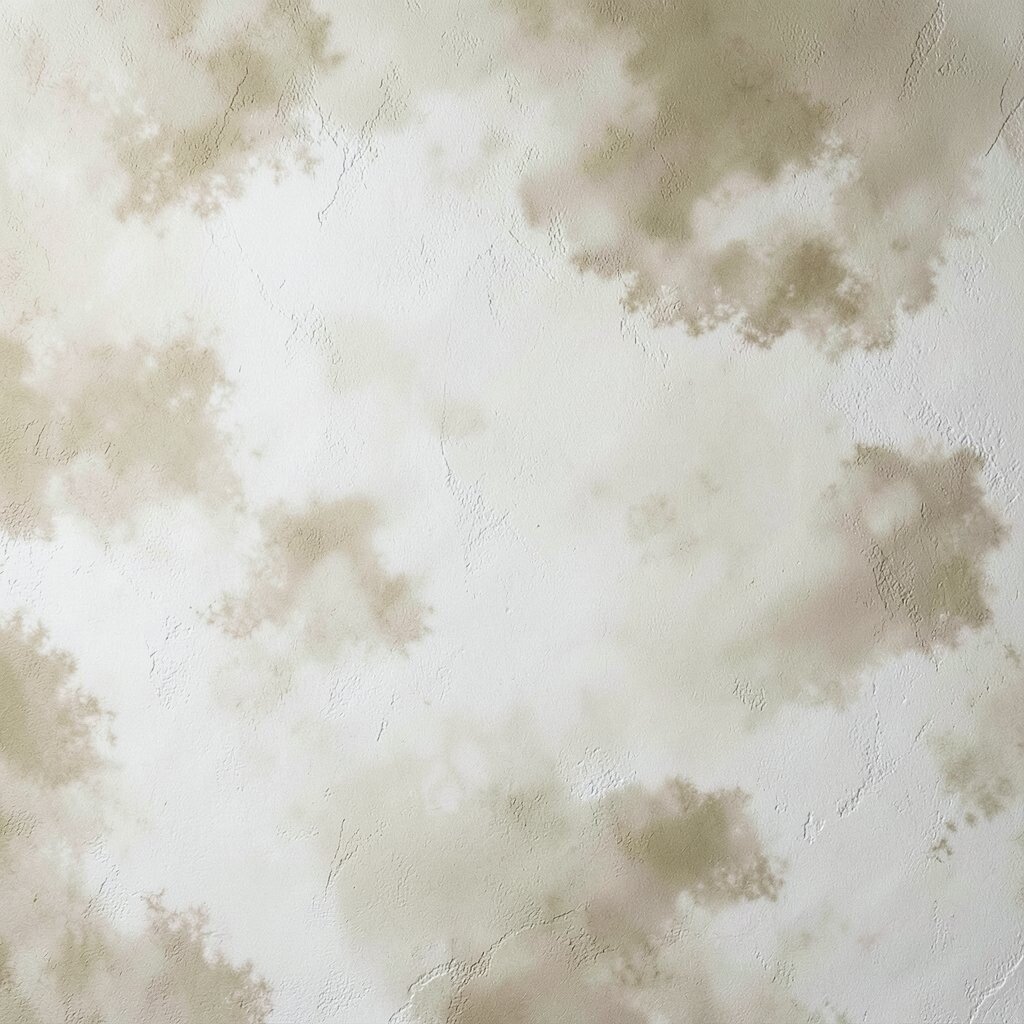
Limewash has that airy, slightly mottled look that makes walls feel breathable. Up close, it can show soft clouds of color that make every spot feel one of a kind.
It is great for hiding minor imperfections and giving older homes a refreshed, natural vibe. Choose a neutral base like warm white or pale sand, then add a darker tinted wash only on corners for extra depth.
For cost planning, limewash is often budget-friendlier than heavier decorative systems because it relies on clever layering rather than complex molds.
3. Trowel Marks in Bold Diagonal Bands
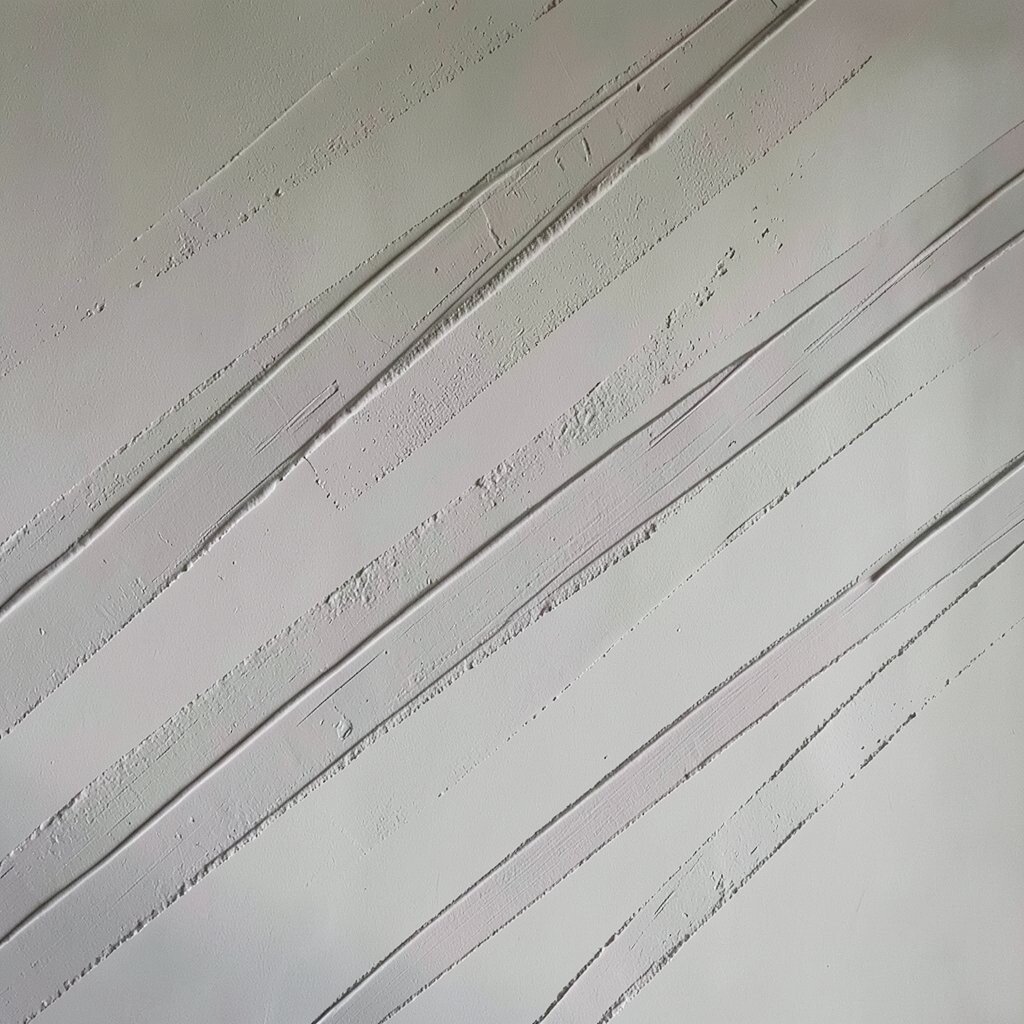
Think of diagonal strokes that move like a ribbon across your wall. The texture feels graphic and energetic, especially in rooms with strong lines.
These marks can help make long spaces feel more balanced and intentional. Use painter’s tape lightly to guide straight bands, and keep a wet edge so lines stay crisp and connected.
To personalize, vary the pressure or speed as you apply, so the bands look natural rather than perfectly uniform. If you want a modern trend, pair this finish with matte paint colors and simple lighting that throws clean shadows.
When pricing matters, request a small test patch first, because the look depends on how the plaster is troweled and how thick it is.
4. Sand-Float Grain for Cozy Modern Walls
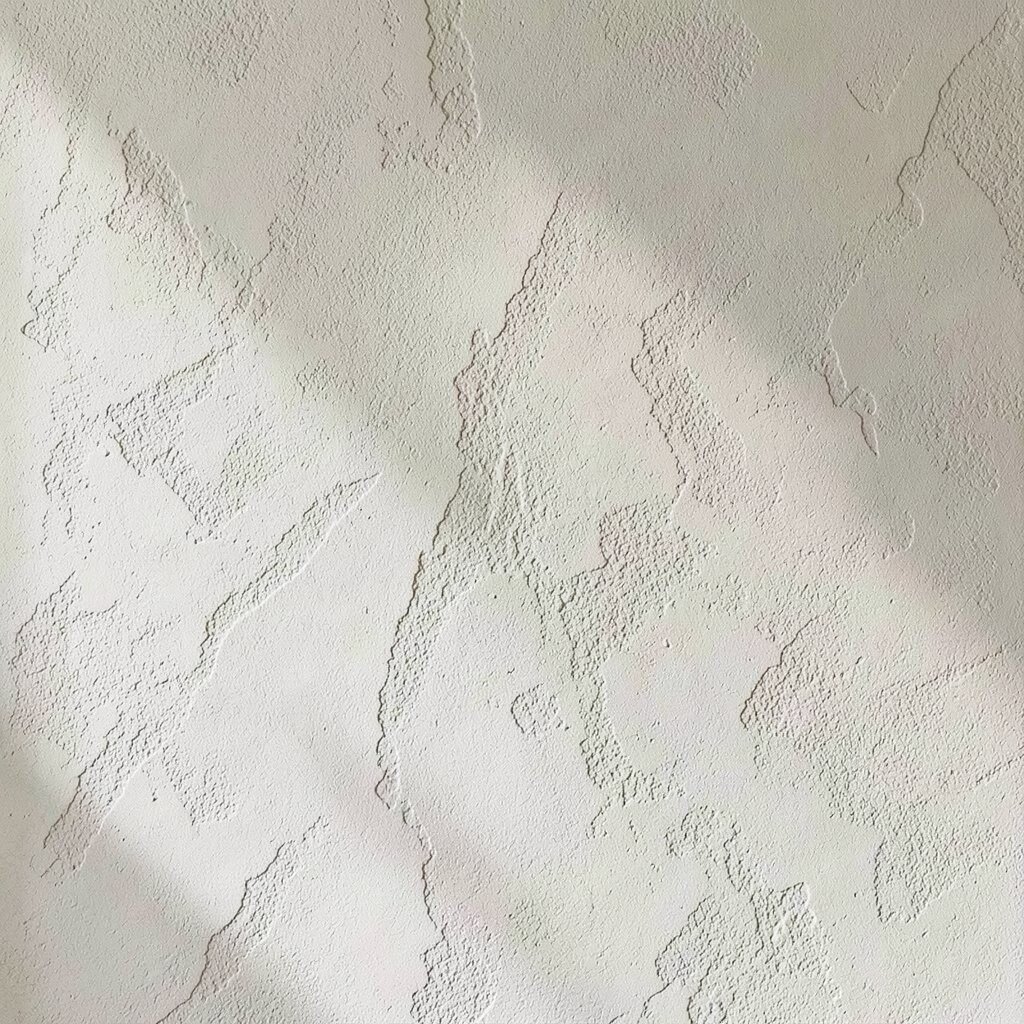
Sand-float plaster gives you a gentle grain that looks soft, not rough. Under lighting, the wall shows tiny peaks and valleys that feel inviting.
This finish works well in living rooms and hallways because it adds texture without overpowering the decor. Keep it practical by sealing properly if your room gets frequent cleaning or humidity, like a kitchen-adjacent space.
5. Raised Clay Ridges With Hand-Crafted Lines
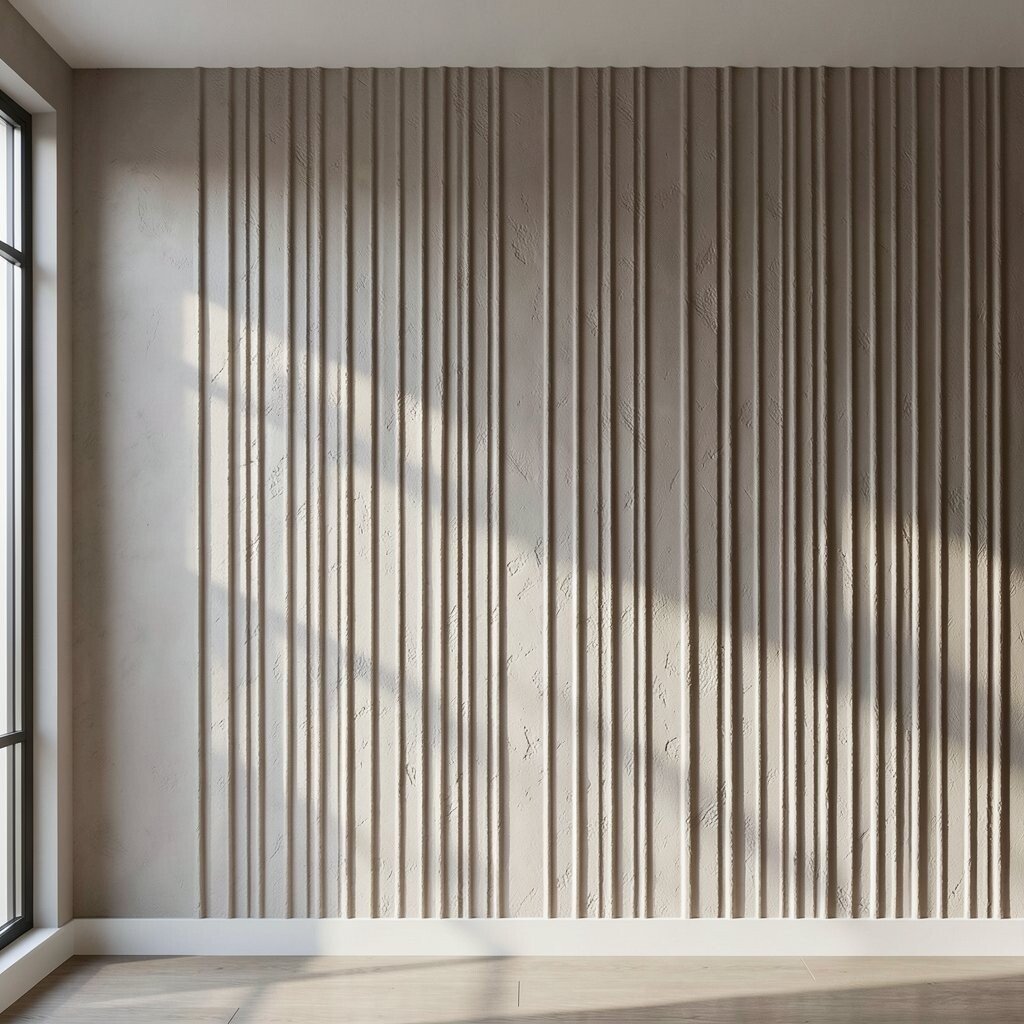
Raised ridges can look like sculpted lines drawn by hand. They create bold shadow play that makes your wall feel like a relief artwork.
They are unique because no two applications match, and you can design the direction to fit your room. Try vertical ridges to add height, or run them horizontally to make a space feel wider.
For personalization, pick a plaster color close to your furniture tone, then keep ridges slightly lighter for a subtle glow. If you are working with a tighter budget, limit ridges to one accent wall so you get the wow factor without covering every surface.
6. Micro-Scored Finish for Subtle Shadow Texture

This plaster technique creates tiny lines that barely catch the eye until the light moves. From afar, it looks smooth, but up close it shows a delicate, patterned surface.
The benefit is that it adds visual interest without dramatic contrast. Ask for a consistent tool pattern, then adjust the sheen level to control how strongly the micro texture shows.
To keep it feeling current, pair the finish with simple decor and warm, natural materials like wood and linen. For cost considerations, micro-scored work can take longer, so budget for labor time and insist on a small sample to confirm how it reads in your lighting.
7. Basket-Weave Texture With a Soft 3D Feel

Picture a basket weave pattern turned into plaster, with rounded edges instead of sharp grooves. It adds a cozy craft vibe that feels both rustic and modern.
This kind of texture is great for adding warmth to plain walls and balancing busy artwork. A practical way to get it right is to plan the pattern scale, since large weaves can overpower small rooms while tight weaves feel more refined.
8. Stippled Plaster for a Warm, Speckled Look
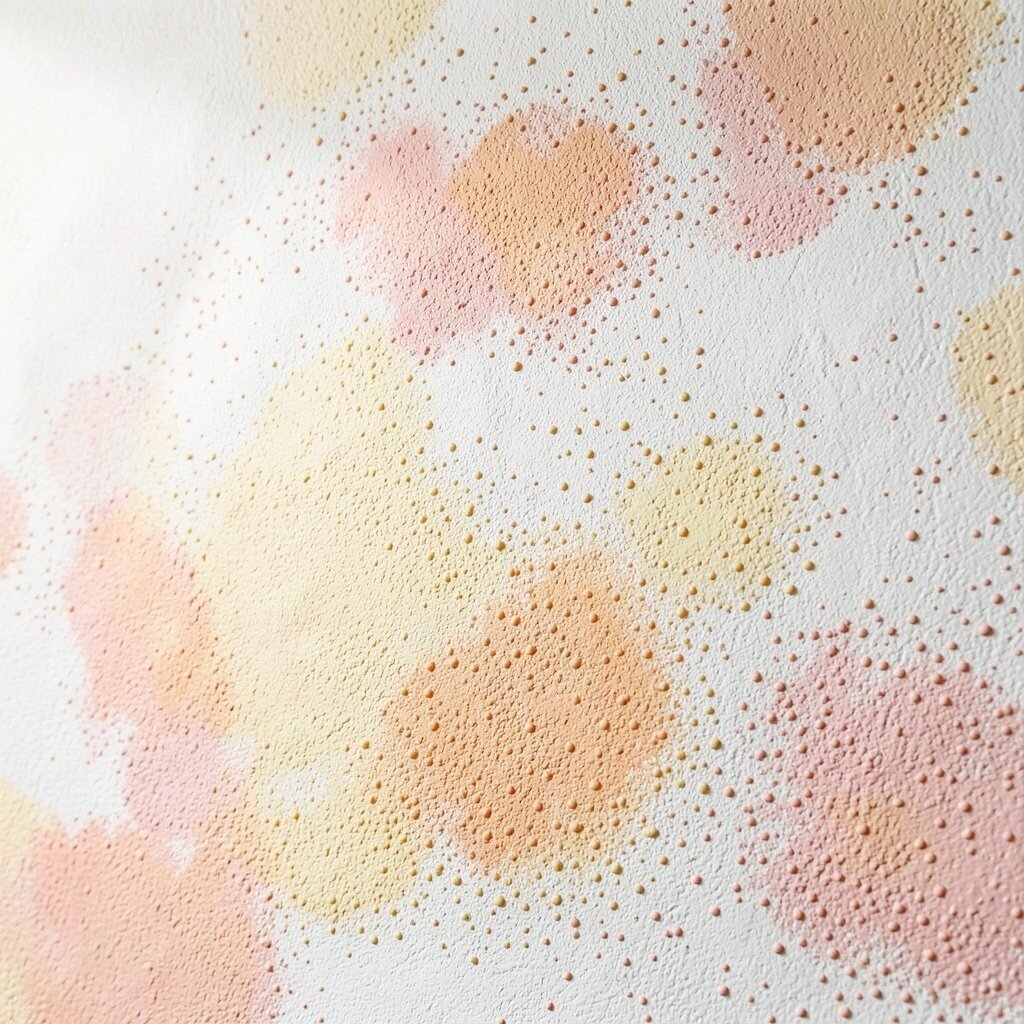
A stippled finish can make your wall look like soft clouds of color. Tiny dots create a gentle texture that looks playful yet still grown-up.
It helps hide uneven areas and makes color transitions look smoother. For personalization, mix two closely related tones so the speckles look intentional rather than random.
To keep the job manageable, use consistent application tools and practice on a scrap board. In terms of cost, stippling can be faster than heavy relief work, which helps keep projects within reach.
9. Rope-Twist Effects for a Sculptural Accent Wall

Rope-twist plaster effects bring a spiral energy to your space. The surface feels rhythmic, like twisted rope turned into a wall feature.
This is a standout option when you want a single wall to do the heavy lifting. Create a focal layout by centering a spiral motif behind a headboard, sofa, or dining table.
For practicality, use moisture-aware materials if you are in a humid area, and seal the final finish so it stays clean. If you are aiming for a trend-forward look, combine the twist texture with matte paints and modern hardware so the wall feels designed, not overly ornate.
Cost can vary, so request quotes based on surface measurement and depth of relief, since thicker twists use more material and time.
10. Swirl-Strip Ombre With Light-Reflective Finish

An ombre wall made of textured plaster looks like color breathing. Swirl-strip movement helps the gradient stay soft, and it glows when light changes throughout the day.
This finish is especially beautiful in bedrooms because it feels calming rather than loud. Keep it actionable by choosing two or three tones that belong together, like warm cream and gentle taupe.
To personalize, add slightly deeper swirls near the bottom and lighter swirls near the top so the wall looks grounded. For cost planning, you may spend more on finishing and polishing, but the payoff is a more premium, custom feel.
11. Smooth-Plus With Glossy Highlights and Soft Peaks
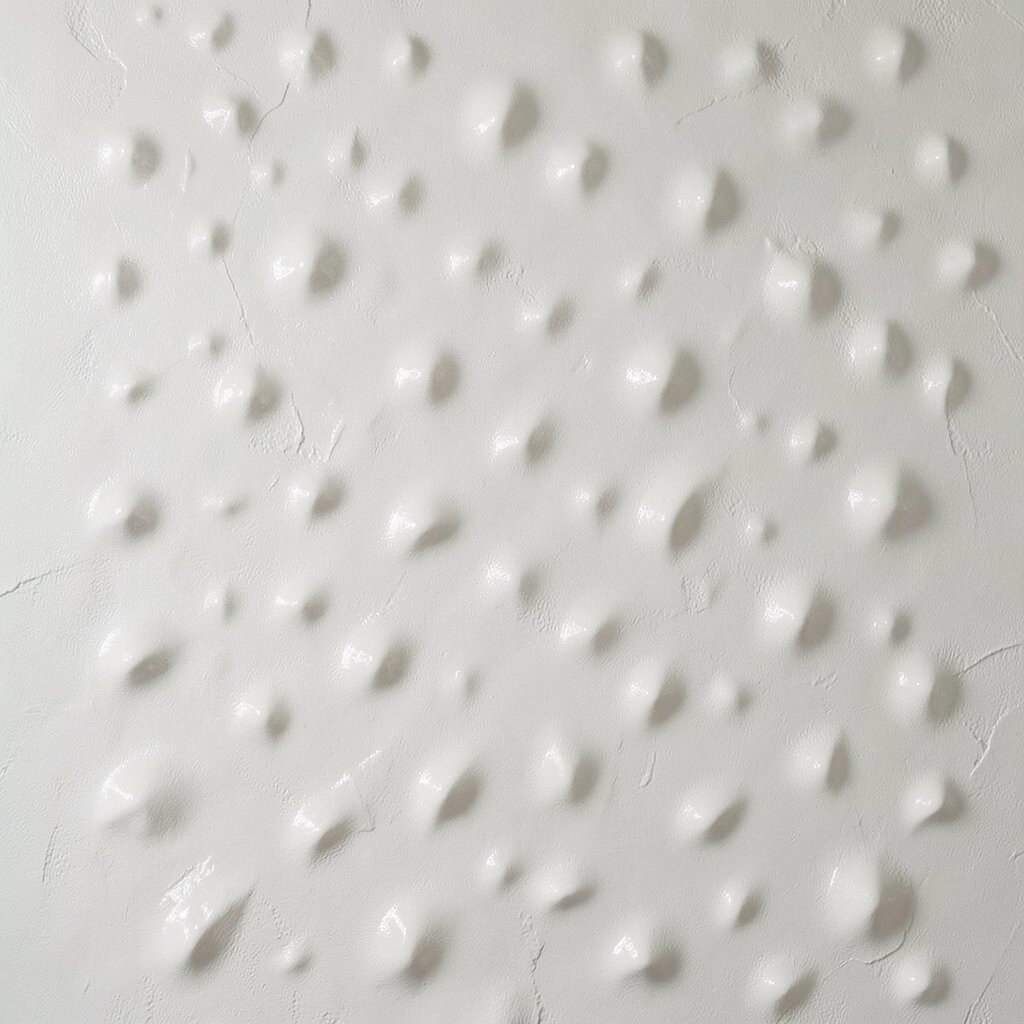
This idea mixes nearly smooth plaster with tiny raised peaks that catch light like delicate highlights. The contrast makes the wall feel luxurious without looking overly busy.
The benefit is that it stays easy to style, because most decor colors match the gentle glow. Ask your plasterer to show you how the peak height changes under your specific lighting so you can choose the right drama level.
12. Damask-Inspired Texture Using Gentle Molding
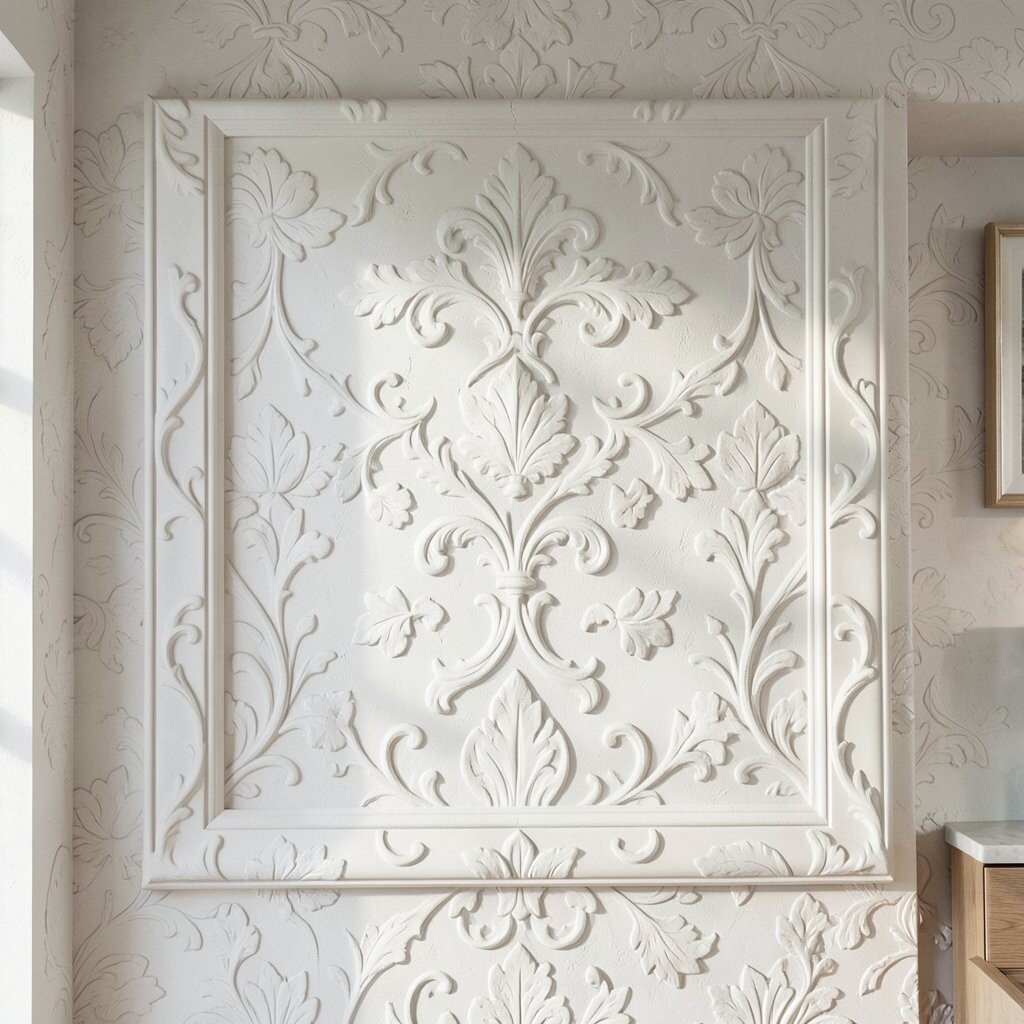
Damask patterns in plaster can look like old-world wallpaper, but with depth you cannot get from paint alone. The raised details add charm while still feeling clean and tailored.
It is a great choice for entryways and dining rooms where you want elegance. For practicality, keep the pattern scale medium, then choose a finish sheen that makes details readable but not shiny.
If you want personalization, tailor the motif to your taste by picking a floral pattern feel, a geometric twist, or even a simplified leaf shape. Cost considerations matter here because molding and detail work take time, so consider applying the motif in a framed section rather than the whole wall.
13. Terracotta Lime Texture With Earthy Color Layers
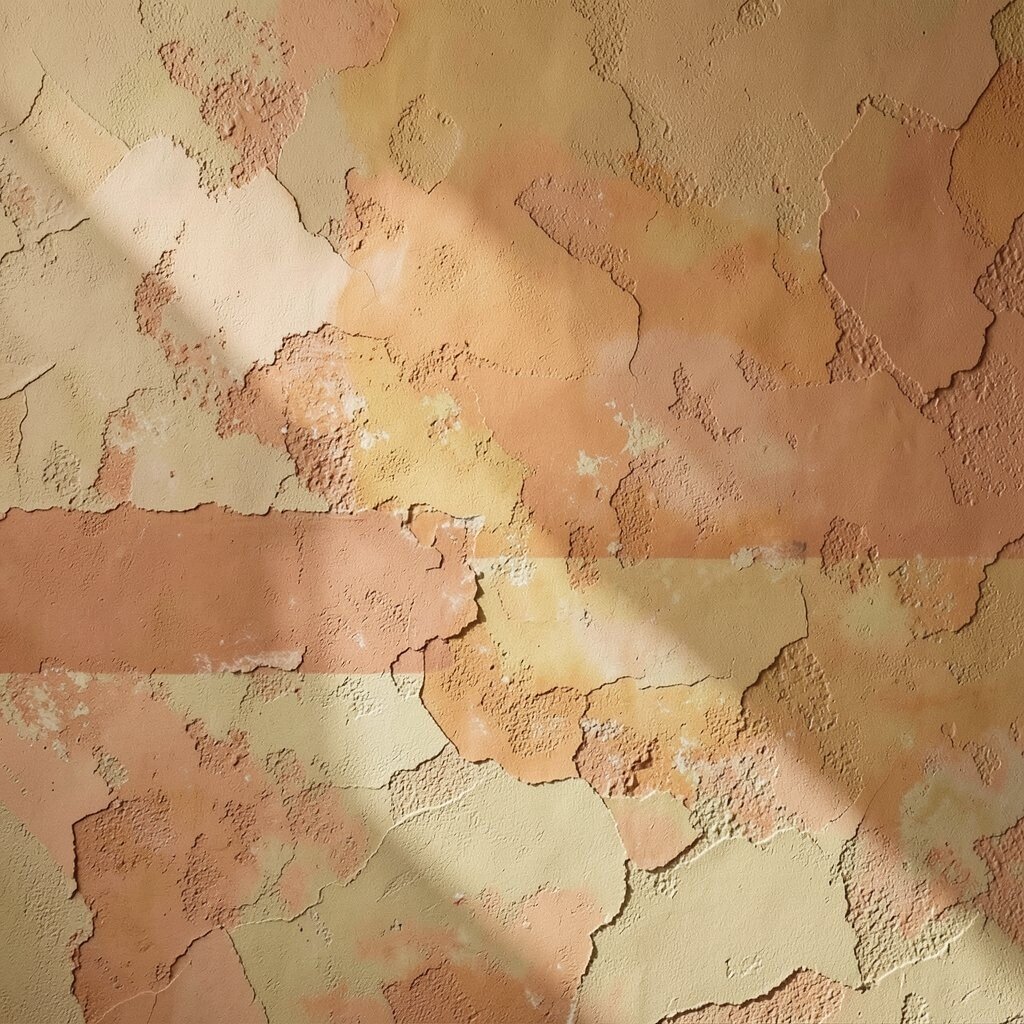
Terracotta-toned plaster brings warmth like sun on clay. Layered earthy shades create a wall that feels grounded, inviting, and full of natural character.
This finish is unique because it can look different at different times of day, shifting subtly with light and shadow. For practical tips, seal the surface properly if you live in a climate with seasonal humidity, and choose breathable systems that match lime-based materials.
To personalize, add a darker, almost brick-like wash into creases and edges so the texture feels rich. If budget is a concern, focus the earth-tone look on an accent wall and keep the rest of the space neutral for balance.
Current trends lean toward natural palettes and tactile finishes, and this style fits right in with that movement.
14. Architectural Plaster Panels With Shadow-Gap Lines
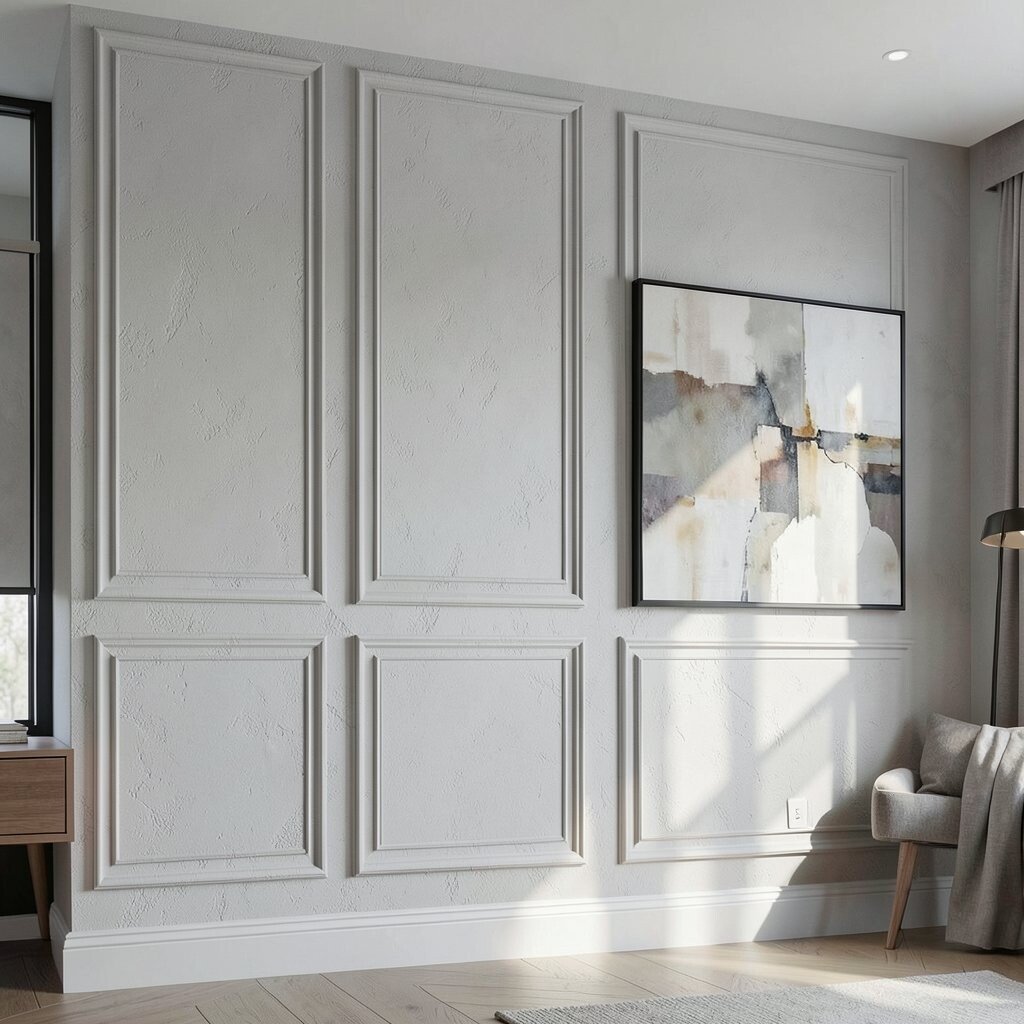
Architectural plaster panels turn your wall into structured, modern sections. Shadow-gap lines make each panel feel crisp, like built-in molding made from plaster.
The benefits are clear: you get a high-end look and a layout that supports furniture placement and artwork. For practical personalization, decide on panel size based on wall proportions, and keep gaps consistent so the lines stay neat.
If you are thinking about cost, this style can be pricier because it often involves framing or careful edging, but you can reduce expense by using fewer, larger panels. To keep it trendy, pair the panel texture with large-format art and simple lighting that emphasizes the shadows.
When you plan your materials, ask how the panels are sealed and how touch-ups will blend, especially if you want the wall to stay beautiful for years.