The right wall texture can make a room feel warmer and more alive. With plaster, you can get that look while still keeping things practical for real life.
1. Venetian Lime Plaster With Soft Glow
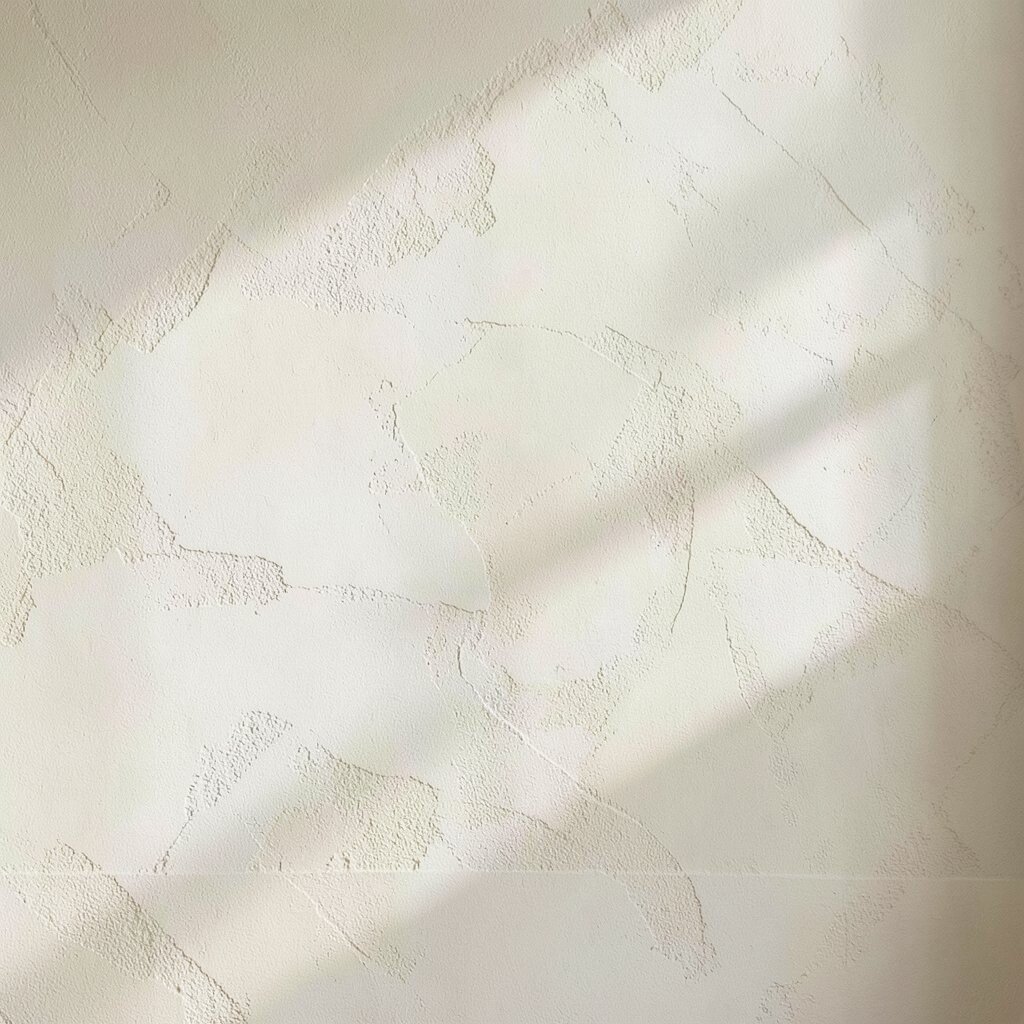
Venetian lime plaster looks like smooth stone that caught sunlight, even when the lights are off. Tiny variations in the finish create a gentle shimmer that makes walls feel brighter without adding clutter.
This style is popular because it feels elegant yet calming. For a practical finish, ask for a base coat that’s evenly troweled, then build the top layers in thin passes. If you love personalization, choose a warm off-white or pale sand tone to match your flooring, and add a slightly darker wax for depth.
2. Spanish Lace Plaster For Light, Airy Texture
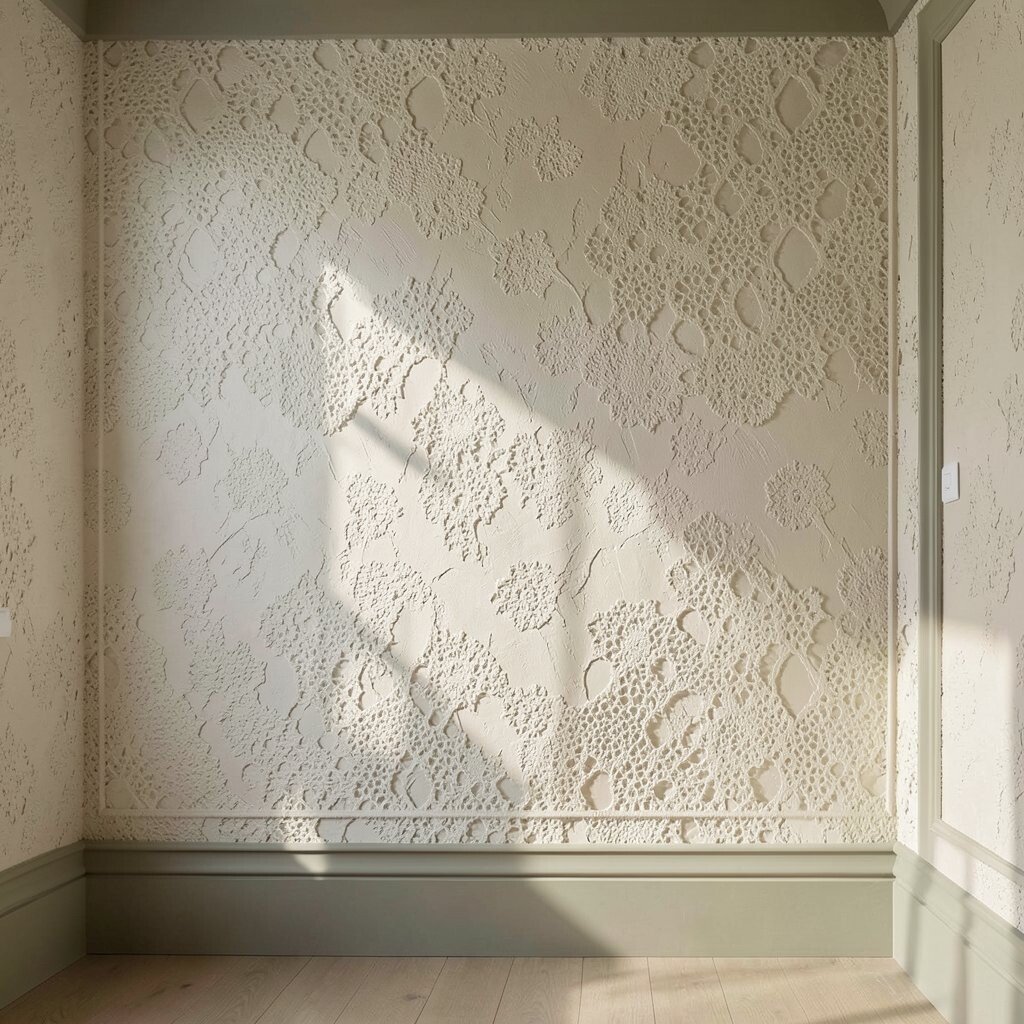
Spanish lace plaster forms a delicate, open pattern that catches light like lace fabric. When you move past it, the shadows shift, giving your walls a lively look.
This texture can make even a small room feel more open because the surface doesn’t look heavy. Use a consistent technique so the pattern stays tidy, and consider sampling swatches on your exact wall color first. Budget-wise, it often lands in the mid range since it takes time to apply, so plan for good prep and a skilled installer if you want crisp results.
To personalize, pair it with matte paint trims or simple molding so the wall pattern stays the star. A trend right now is mixing soft lace textures with earthy hues like clay, oat, and light olive for a cozy vibe.
3. Citrus Peel Plaster For Bright, Touchable Movement
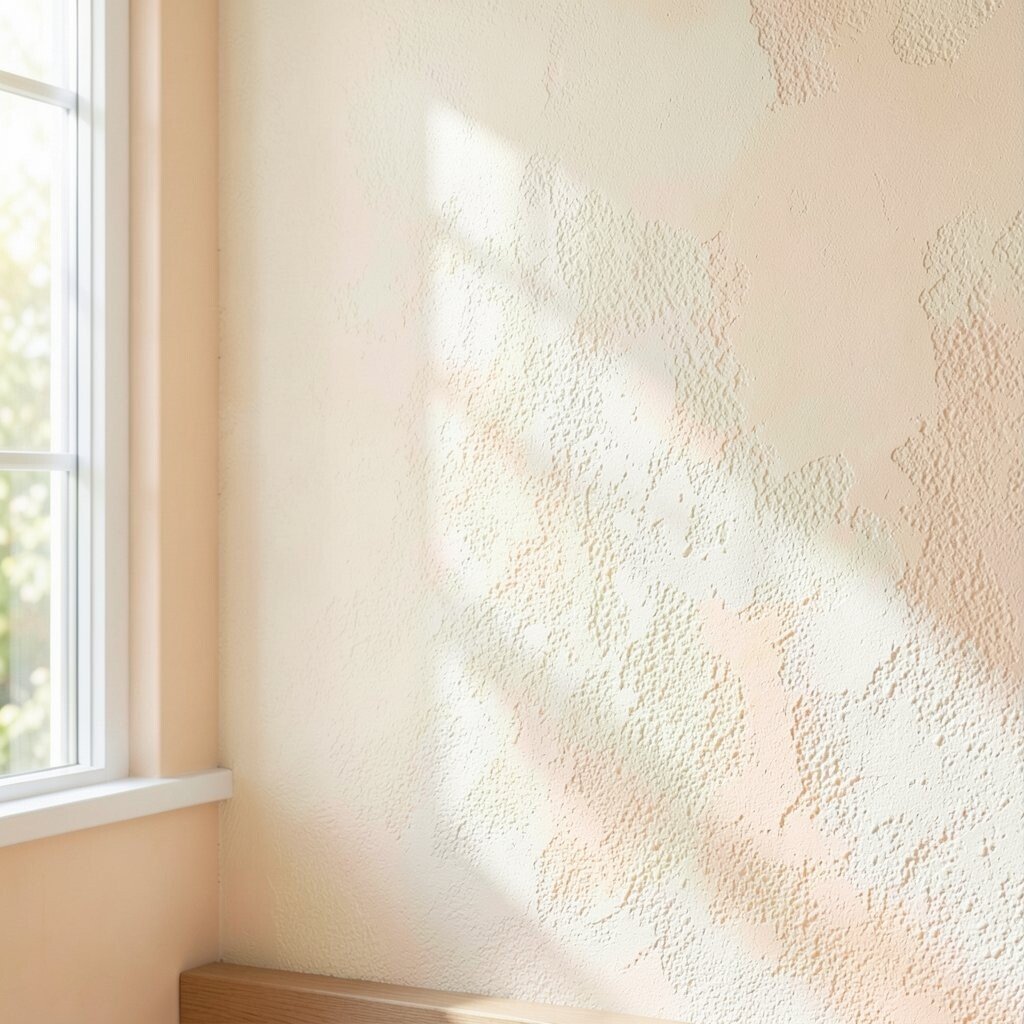
Citrus peel plaster gives a pebbled, stippled surface that looks like the texture of fresh fruit. It creates lively highlights that bounce light around, especially in rooms with windows.
Because the finish has many tiny high points, it also helps hide minor wall flaws. A good practical step is to keep your wall prep smooth but not perfect, since the texture can mask small dents and uneven patches. For personalization, you can adjust the size of the pebbles by changing the tool and application pressure.
If you want cost control, citrus peel is often a bit more forgiving than ultra-fine finishes, which can reduce labor time. Current home design favors tactile, nature-inspired surfaces, so this one fits right in with modern casual spaces.
Style it with bright but soft colors like butter cream or pale peach, and let the texture do the work of adding interest.
4. Rough Cast Plaster For Bold, Modern Depth

Rough cast plaster has a rugged charm, with visible aggregate that creates strong shadows across the wall. It looks dramatic, especially when you choose a light color and let the texture add dimension.
This is a great option if you want a statement wall without using bold wallpaper. Keep it practical by sealing the finish properly so it wipes clean and resists dust. Personalize the look by varying the aggregate size and keeping the color consistent so the texture feels intentional rather than random.
5. Micro- Sand Trowel Finish For Clean, Sunlit Walls
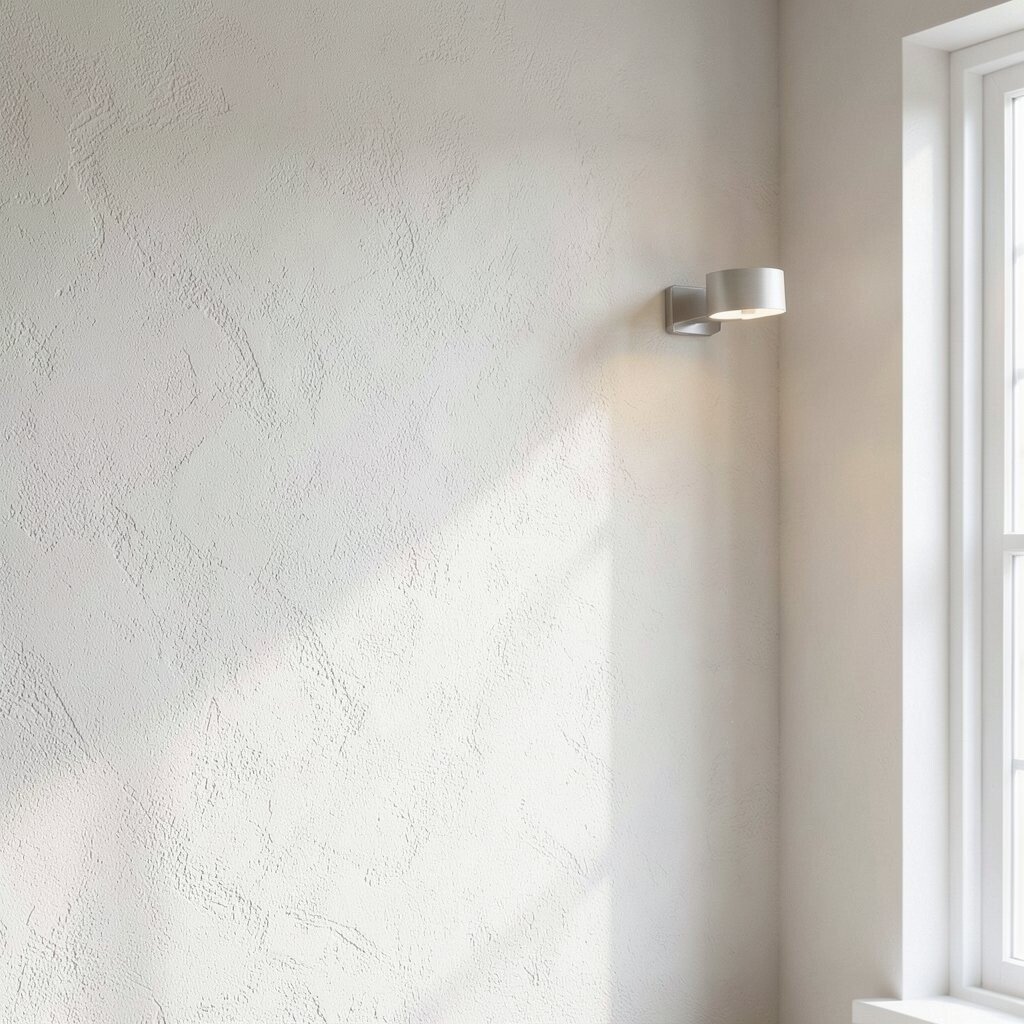
A micro-sand trowel finish feels smooth to the touch but still has a subtle grain. In daylight, it looks like chalky silk, and it can make walls feel bright without going glossy.
This style works well when you want a refined look that doesn’t scream for attention. Ask your installer to keep sanding and troweling consistent so you get an even surface rather than patchy spots. For a budget-friendly path, it can be more straightforward than highly layered plaster systems, though quality still matters.
To personalize, pick a color with a hint of warmth and pair it with simple lighting, like a sleek sconce, to highlight the gentle texture. It’s also a current trend in minimal interiors, because the surface adds depth while staying calm.
6. Stipple Plaster For Playful Texture And Easy Hiding
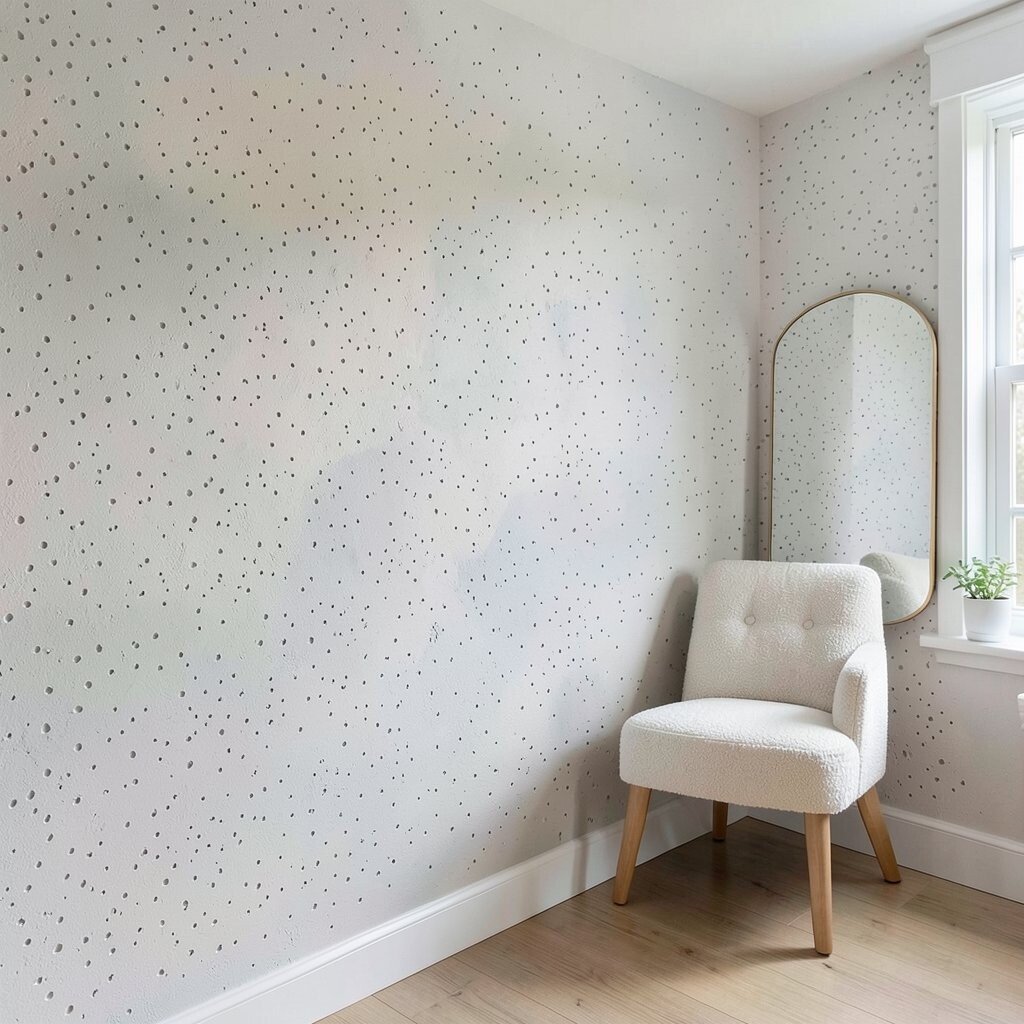
Stipple plaster creates a scattered pattern of small dots that make light look fun and fresh. It can turn plain walls into something that feels cheerful, not flat.
This finish hides bumps and minor cracks better than smooth plaster, which is handy for busy homes. You can keep it practical by using the same stencil-like motion across the wall and checking coverage often to avoid uneven clusters. For personalization, blend two tones close in shade, like light gray and warm white, so the dots look dimensional.
If you’re watching costs, stipple textures can be cost-effective because the process is less intricate than some layered techniques. A popular trend is adding a stippled wall behind a reading chair or entryway mirror, creating a focal spot that still feels modern.
7. Cat Face Plaster For Old-World Character
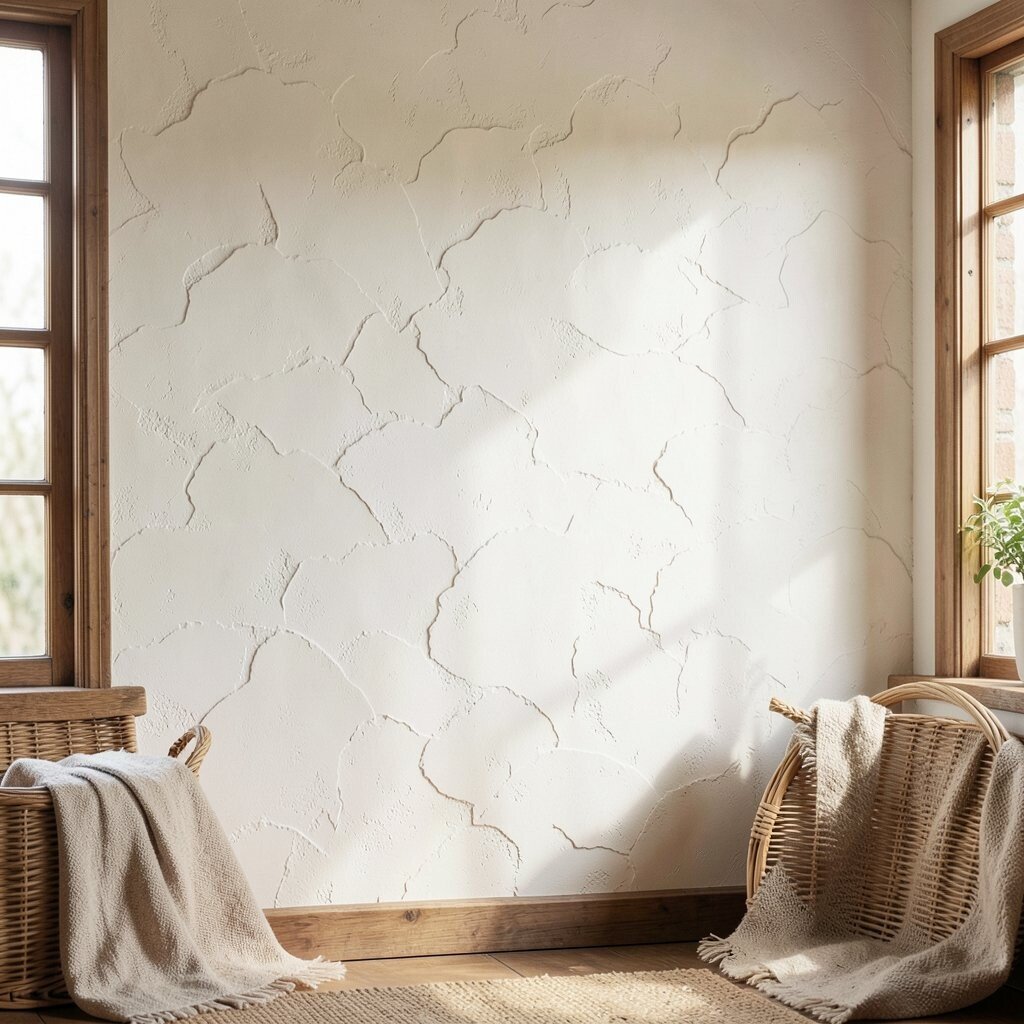
Cat face plaster looks like soft waves and small undulations, giving your wall a timeless, historic feel. The surface catches light in a way that looks inviting, like aged stone.
This style is unique because it has lots of movement without going too rough. It’s also forgiving when walls are not perfectly straight, since the texture hides unevenness. For practical tips, make sure the base coat is solid and let each layer cure fully before adding the next, because rushed work can cause patchiness.
Cost can vary based on how pronounced the pattern is, since deeper texture often takes more labor. Personalize it with warm whites, antique creams, or pale mushroom tones for a lived-in look that still feels bright.
Pair the texture with natural materials like wood, rattan, or linen so the wall feels connected to the rest of the room.
8. Lime Wash With Troweled Veins
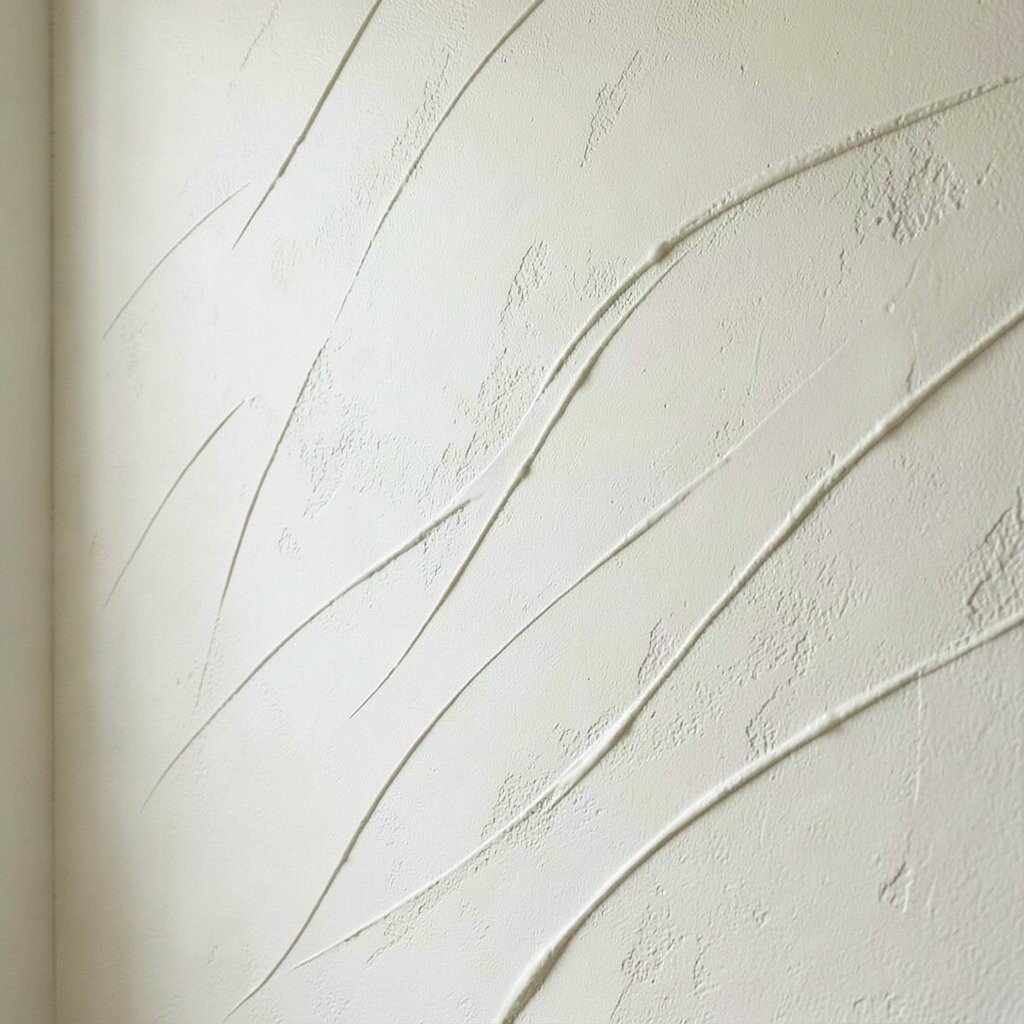
Lime wash with troweled veins brings a painterly look, with streaks that resemble gentle marble or hand-finished stone. The wall doesn’t just shine in one direction, because the veins shift with the light.
This plaster style is loved for its softness, which helps a room feel airy instead of heavy. Keep it practical by planning for variation, since lime wash naturally looks different from one wall area to the next. For personalization, you can emphasize the veins by dragging the trowel in one consistent direction, or soften them by using fewer passes.
In terms of cost, lime wash can be mid to higher depending on how many layers you want. Current trends lean toward imperfect beauty, so a subtle unevenness often looks more stylish than a perfectly uniform finish.
Choose a light color and add a low-sheen top coat if you want easier wipe-downs in kitchens or hallways.
9. Scored Plaster For Clean Lines With Shadow Play
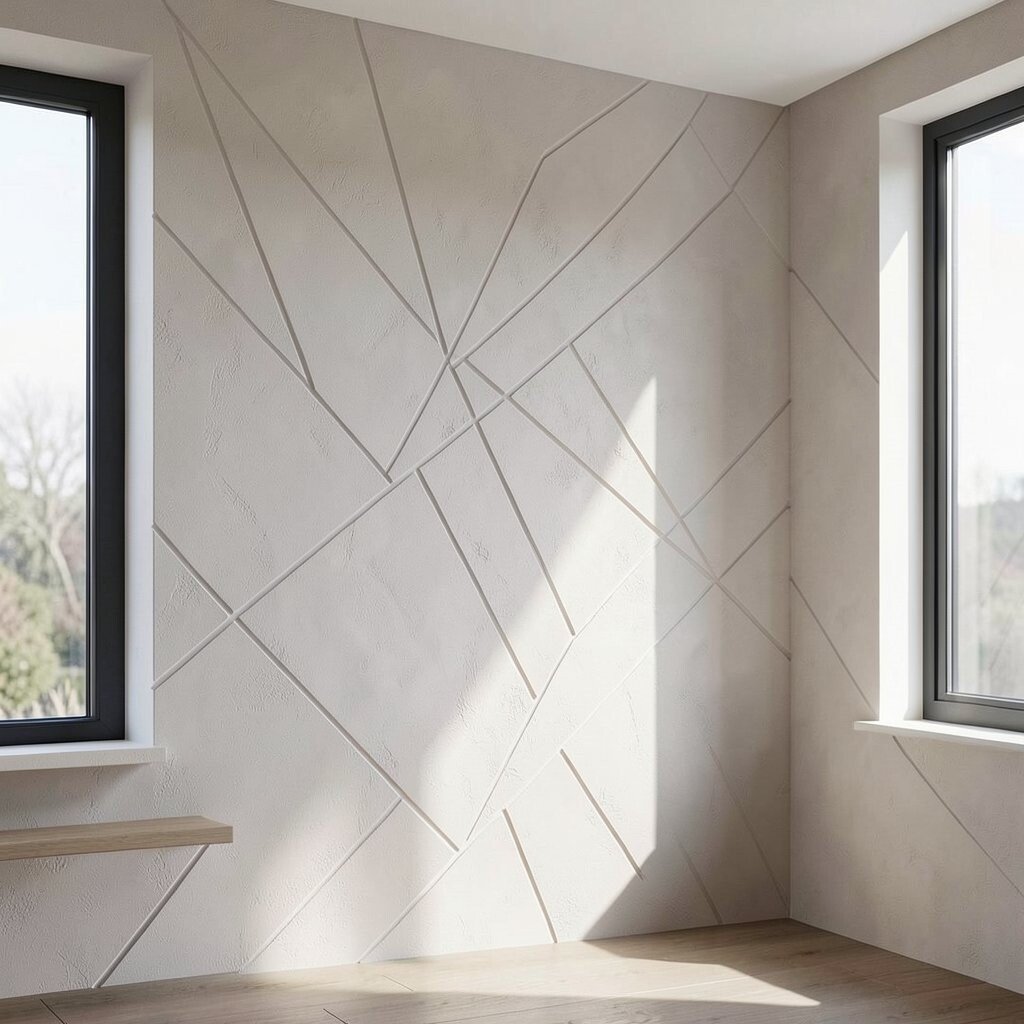
Scored plaster uses thin cuts or grooves to create a geometric rhythm across the wall. Even when the grooves are faint, they add shadow lines that make a room look sharper and brighter.
This style stands out because it blends texture with structure, so it feels modern and intentional. For practical results, use a guide and keep your spacing consistent to avoid a scattered look. You can also choose how deep the scoring is, which helps you control how bold the shadows become.
Cost is often manageable because you’re working with controlled lines rather than heavy aggregate, though skilled labor still matters for clean spacing. Personalize by aligning the pattern with architectural features like window frames or built-in shelves.
It’s a great trend choice for contemporary homes that want tactile detail without changing furniture style.
10. Random Swirl Plaster For Warm, Artistic Motion
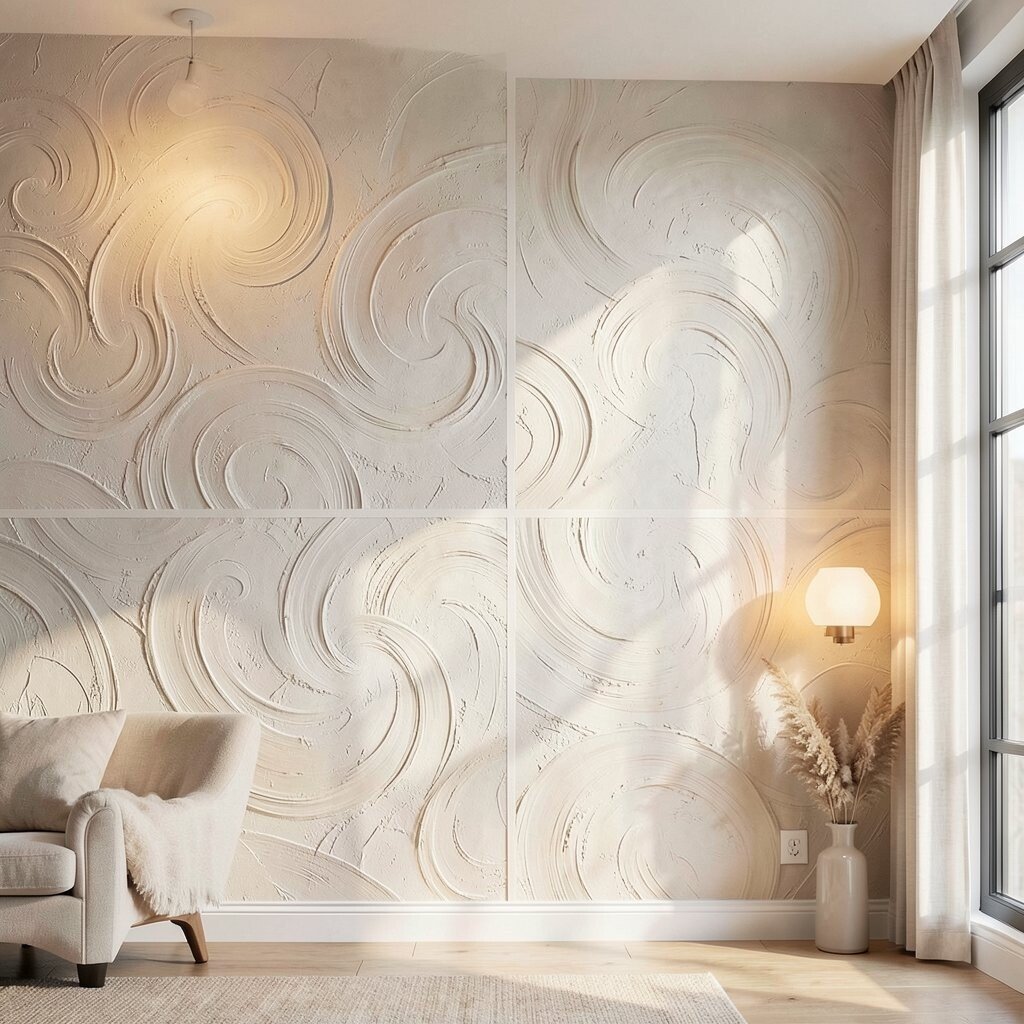
Random swirl plaster brings an artistic swirl pattern that looks like soft brushstrokes trapped in plaster. The movement spreads across the wall and makes light ripple as you walk by.
This texture can brighten your space because the curves create many mini highlights. Keep it practical by working in sections so the pattern stays fresh and consistent, and ask for a plan that matches your room size. For personalization, choose a swirl density that fits your taste, from gentle curls to more visible motion.
Cost considerations usually depend on the labor time, since swirling takes patience. If you want to stay within budget, consider using this texture as an accent wall instead of covering every surface.
Pair it with simple decor and let the swirl texture do the styling, especially with warm daylight bulbs that emphasize the highlights.
11. Sandstone Effect Plaster For Earthy Light
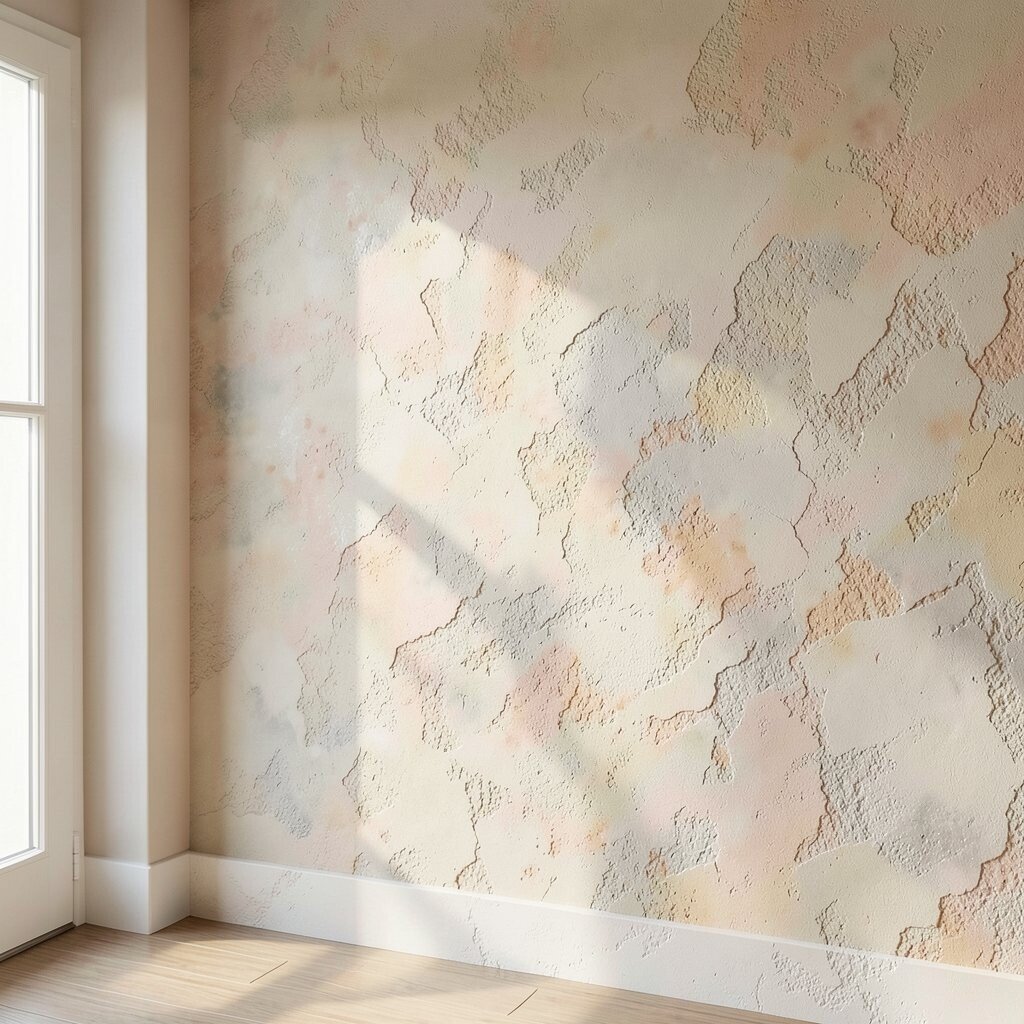
Sandstone effect plaster mimics the look of natural stone, with tiny color shifts and a gently rugged surface. It makes walls feel grounded while still keeping the room bright through warm, sun-like tones.
This style is unique because it adds depth without needing heavy darkness. For practical tips, ensure the base is even and let the finish build gradually so you don’t end up with mottled patches that look accidental. You can personalize the stone feeling by choosing a palette like light beige, warm gray, or soft terracotta.
Cost can be higher than smoother finishes because it may require multiple layers or specialty aggregate, but the result can look like a custom finish. Current trends in many homes favor natural color stories, so sandstone effect fits nicely with modern farmhouse and calm contemporary styles.
If you’re worried about maintenance, ask about sealers that keep the surface clean while preserving the natural look.
12. Metallic Spackle Plaster For Glam Without Gloss

Metallic spackle plaster creates a subtle shimmer that looks like light caught under glass. When applied lightly, it stays elegant and bright instead of turning flashy.
This style is a standout choice if you want a wow factor in an entryway, dining nook, or powder room. Keep it practical by controlling application and using a sealant that suits your wall’s moisture level, especially in bathrooms. Personalize by picking champagne, pearl, or soft gold tones that match your fixtures, and keep surrounding paint colors neutral so the shimmer feels refined.
Cost is often mid to higher because metallic products can be specialty materials, and careful application matters. A current trend is using metallic texture in small doses, like a half wall or a focal corner, so you get the brightness boost without overspending.
To finish the look, use warm lighting and matte trim, since matte surfaces help the metallic texture look softer and more flattering.