Walls can feel plain when they never catch the light. Texture is the secret that makes everyday spaces look custom.
Modern plaster finishes are showing up in homes, studios, and boutique spaces because they add warmth without needing loud colors. Below are stylish trends you can use to shape a wall that looks lived-in, refined, and unmistakably yours.
1. Venetian-Inspired Micro-Sheen
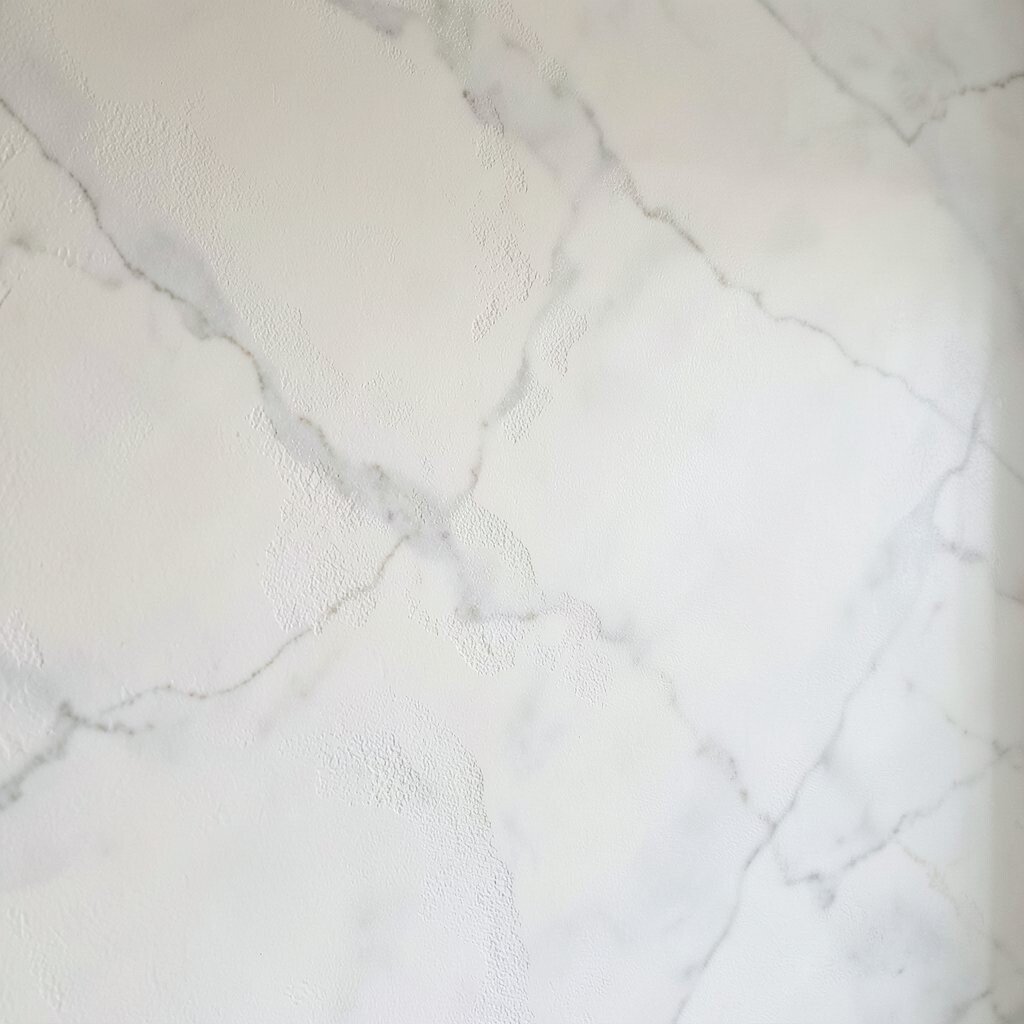
Think of a soft marble whisper when you run your eyes across the surface. It looks smooth up close, yet it carries a faint ripple that catches light like polished stone.
Because the finish is subtle, it works in kitchens, hallways, and living rooms without feeling heavy. For a cleaner look, ask for a fine-grit base and keep coats thin so the wall stays bright. If you want a warmer mood, choose creamy whites or pale greys instead of stark cool tones.
2. Lime Plaster With Natural Depth
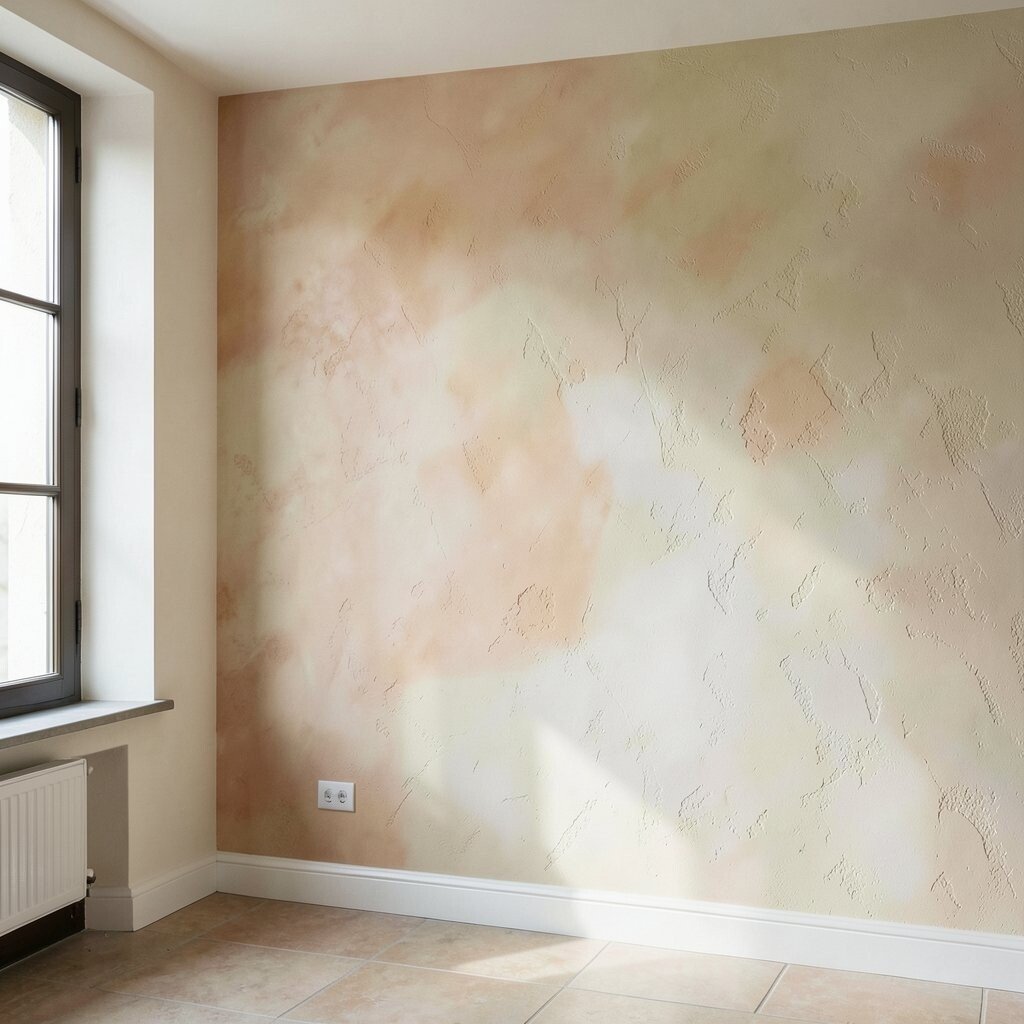
Lime plaster brings an earthy glow that feels calm and lived-in. You might see soft irregularities that look almost like weathered clay.
This style is loved because it can help walls feel breathable and forgiving, which matters in older buildings. For a more modern feel, pair lime plaster with simple trims and matte fixtures rather than glossy hardware. When budgeting, plan for careful preparation, since surface work affects how evenly the texture settles.
To personalize, tint the mix with warm pigments like sand, honey, or light terracotta. You can also vary the trowel direction, gently blending one wall with a second wall for a natural flow. If you’re doing a feature wall, consider keeping the rest of the room smoother so the texture becomes the main character.
3. Scored Clay Lines for Graphic Energy
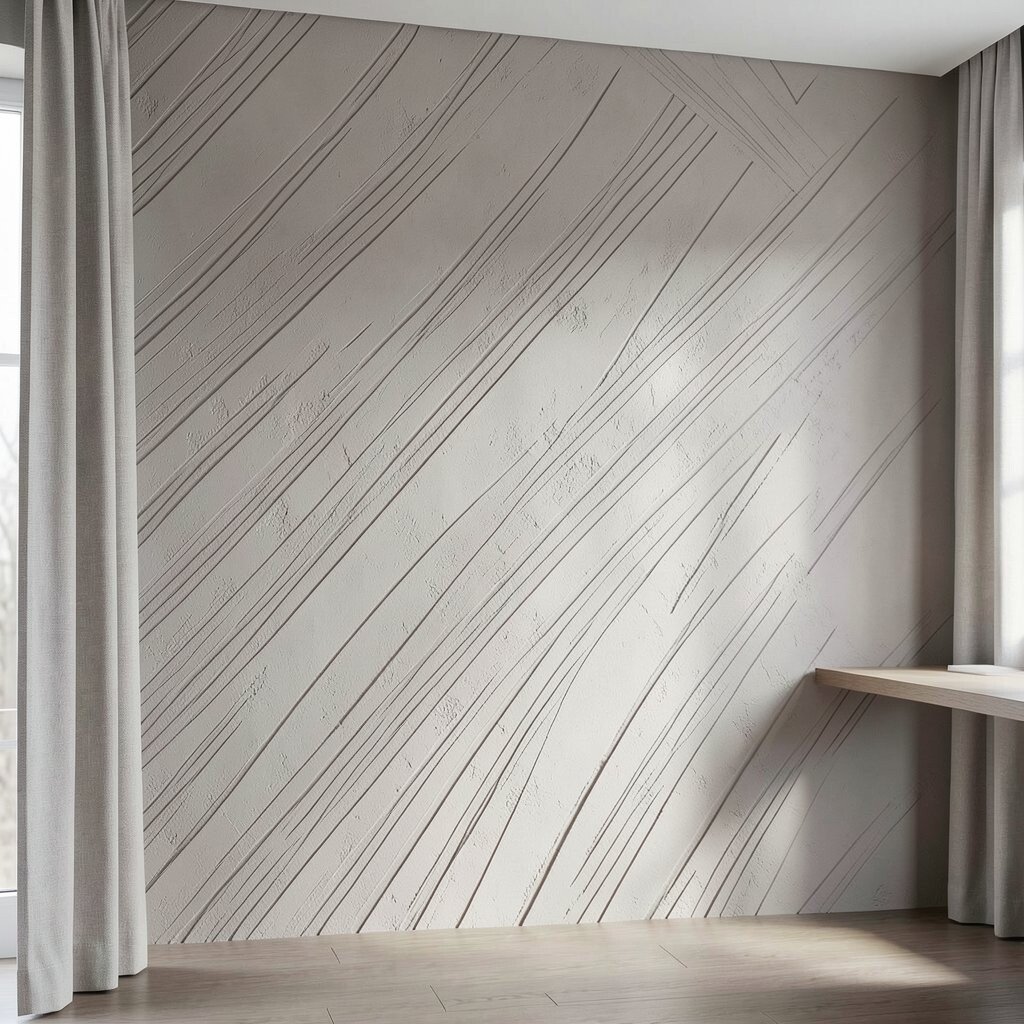
Imagine narrow lines pressed into plaster like faint brushstrokes. The wall looks sporty and bold without turning into a mural.
These scored patterns add movement, especially in rooms with directional lighting. They also hide small wall imperfections because the texture breaks up flat areas. For best results, work with consistent line spacing so the look feels intentional, not accidental.
If you want personalization, choose a diagonal direction for energy or keep it vertical for a taller feel. You can also combine two finishes by scoring lightly over a base coat, then adding a wash for contrast. When costs come up, remember that more handwork means more labor time, so expect the price to follow the complexity.
To keep it stylish, choose a limited palette and let the pattern do the talking. Pair it with plain curtains, smooth shelving, and minimal decor so the lines stay crisp.
4. Trowel-Raked Waves With Soft Contrast
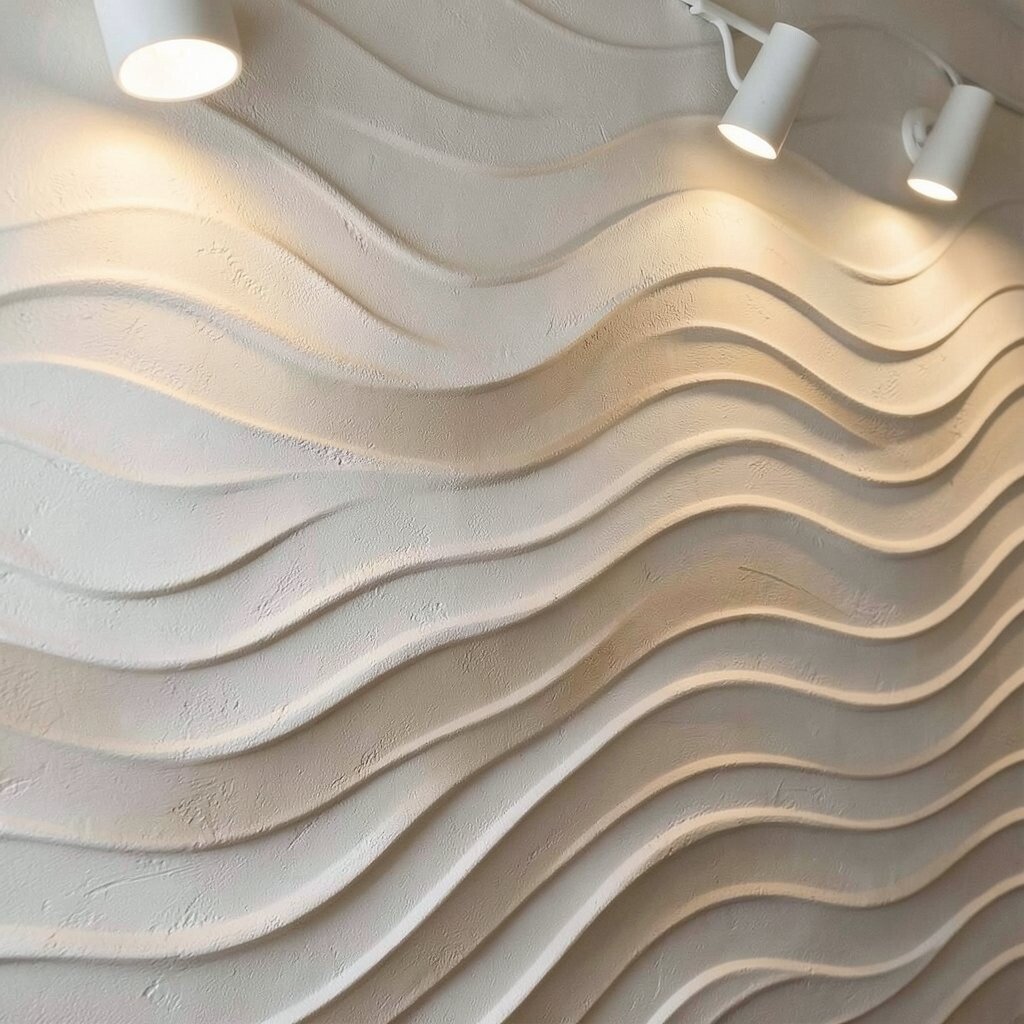
Wavy texture can look like gentle ripples across a pond. When the plaster is trowel-raked, you get curved ridges that shift from shadow to shine.
This trend is great for people who want texture but still crave a soothing vibe. Use lighting at an angle, like wall sconces or track lights, so the waves show up clearly. For practical results, start with a small sample panel to test how your chosen color reads under your actual bulbs.
You can personalize by blending two close shades, such as warm cream with a slightly deeper oatmeal tone. If you prefer a subtle look, keep the rakes shallow and smooth the edges between ridges. Budget-wise, expect mid-range labor since the finish needs steady technique for even wave rhythm.
5. Ombre Plaster That Looks Painted Yet Sculpted
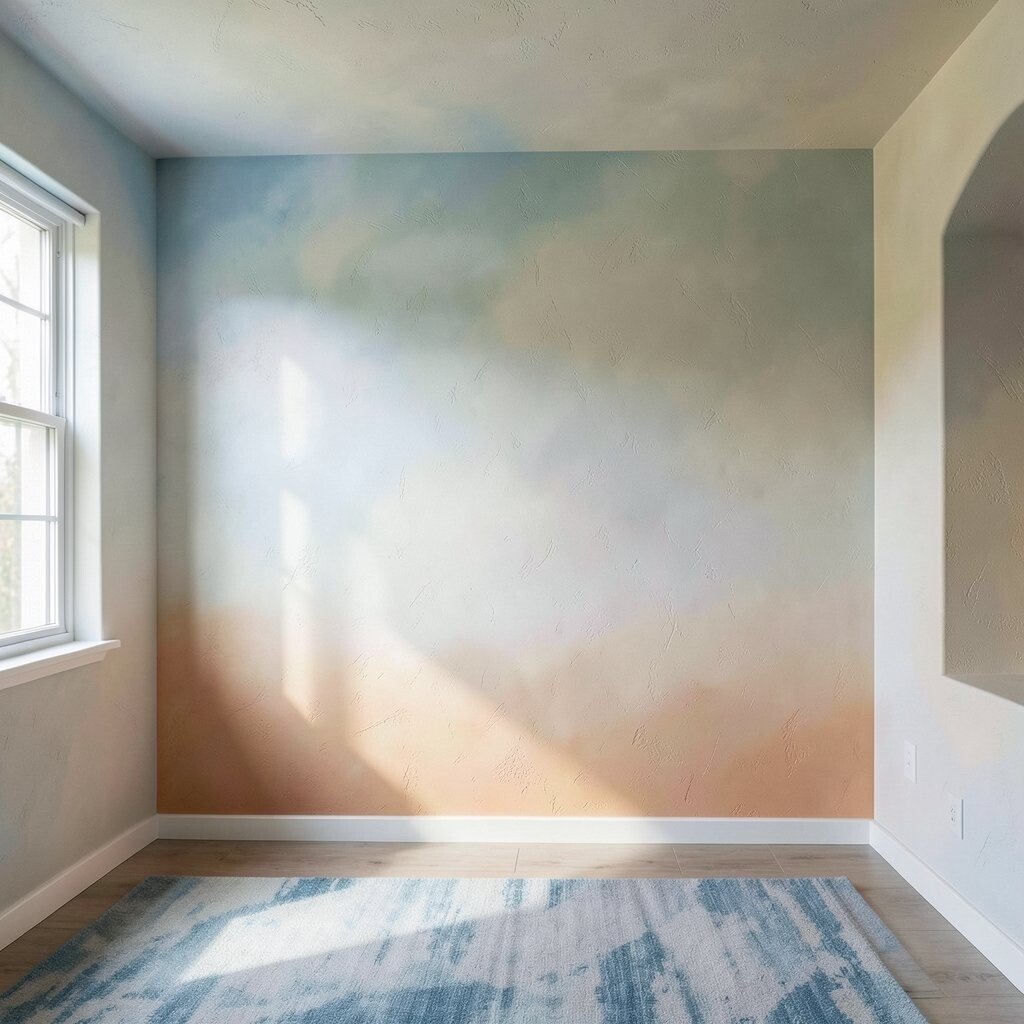
Some walls look like art, but they still feel calm and wearable. Ombre plaster uses gradual color shift while texture adds depth to each layer.
It’s a smart trend for open rooms because the gradient can guide the eye from one zone to the next. For a practical approach, choose a start color near the ceiling and soften into a warmer or deeper tone near the floor. To avoid patchiness, make sure each coat is blended while still workable, then let the wall cure fully before judging the final depth.
If you want personalization, match the gradient to your flooring or rug colors so everything feels connected. You can also create a gentle halo effect around architectural features like niches or doorframes. When planning costs, count in extra time for layering and blending, since ombre looks cleanest with patience.
6. Salt-Stamped Texture for Old-World Charm
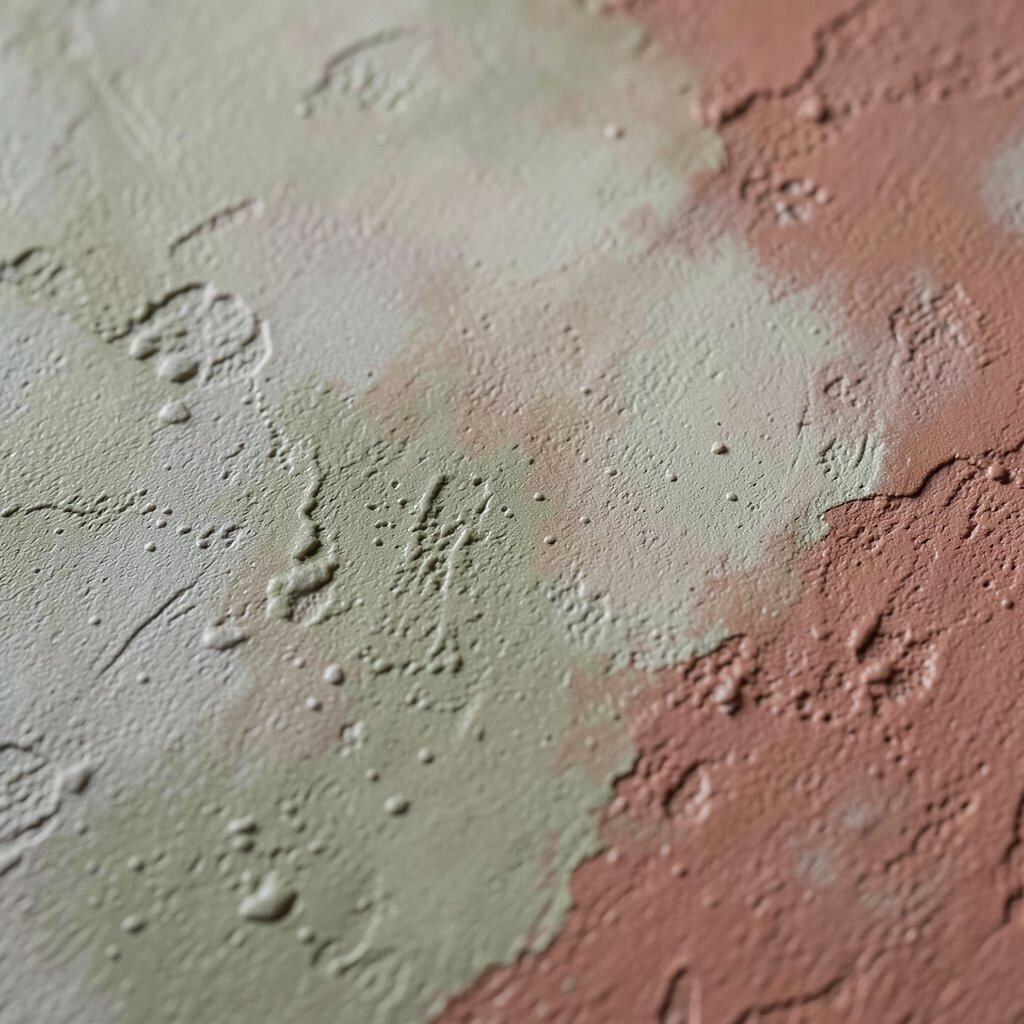
Salt-stamped plaster brings little pits and patterns that resemble sun-baked stone. Up close, it feels handcrafted, like a surface discovered over time.
This finish is unique because the randomness stays consistent enough to feel cohesive. It also helps walls hide minor dents, since the texture creates visual cover. For a practical win, ask whether your installer can stamp lightly for a delicate effect or press harder for bold contrast.
To personalize, blend the base color with a glaze so the bumps catch light differently. Choose tones like warm greige, soft olive, or terracotta red for a cozy mood. Cost considerations matter here because stamping takes time, and the labor effort usually shows in the final price.
7. Limewash-Look Finishes With Modern Flatness
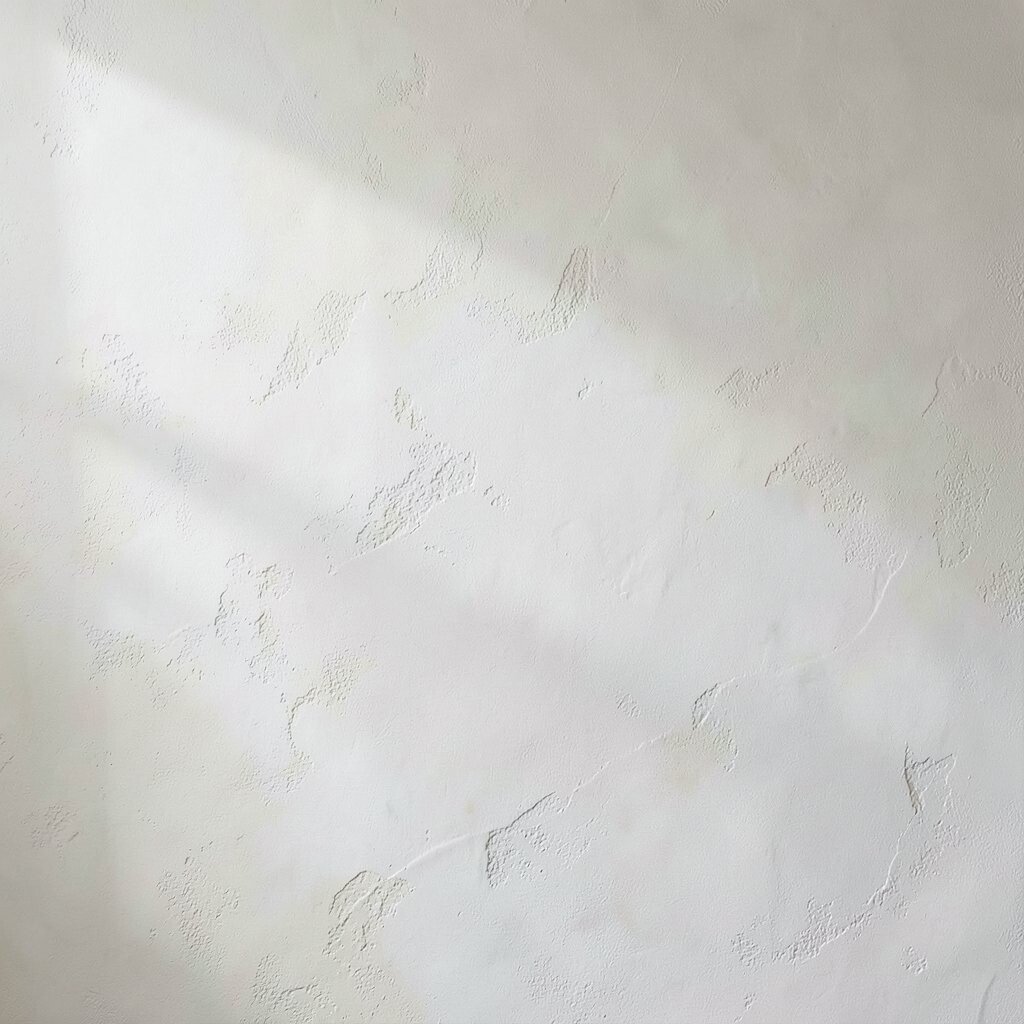
Limewash-look walls are soft and slightly chalky, like freshly washed plaster. The surface reads elegant from far away and still has charm when you get closer.
This trend is popular because it feels current while honoring traditional technique. It’s also forgiving on imperfections, since the finish visually evens out small inconsistencies. If you want practical results, keep your wall flat by controlling trowel pressure and smoothing edges before the limewash effect is applied.
For personalization, pick a tone that matches your undertones, such as warm white for cozy rooms or cool grey for crisp spaces. You can also use micro-layers to create subtle depth without heavy buildup. When budgeting, treat this as a mid-range option, since good results rely on prep and careful application.
8. Thumb-Print Relief for Playful Texture
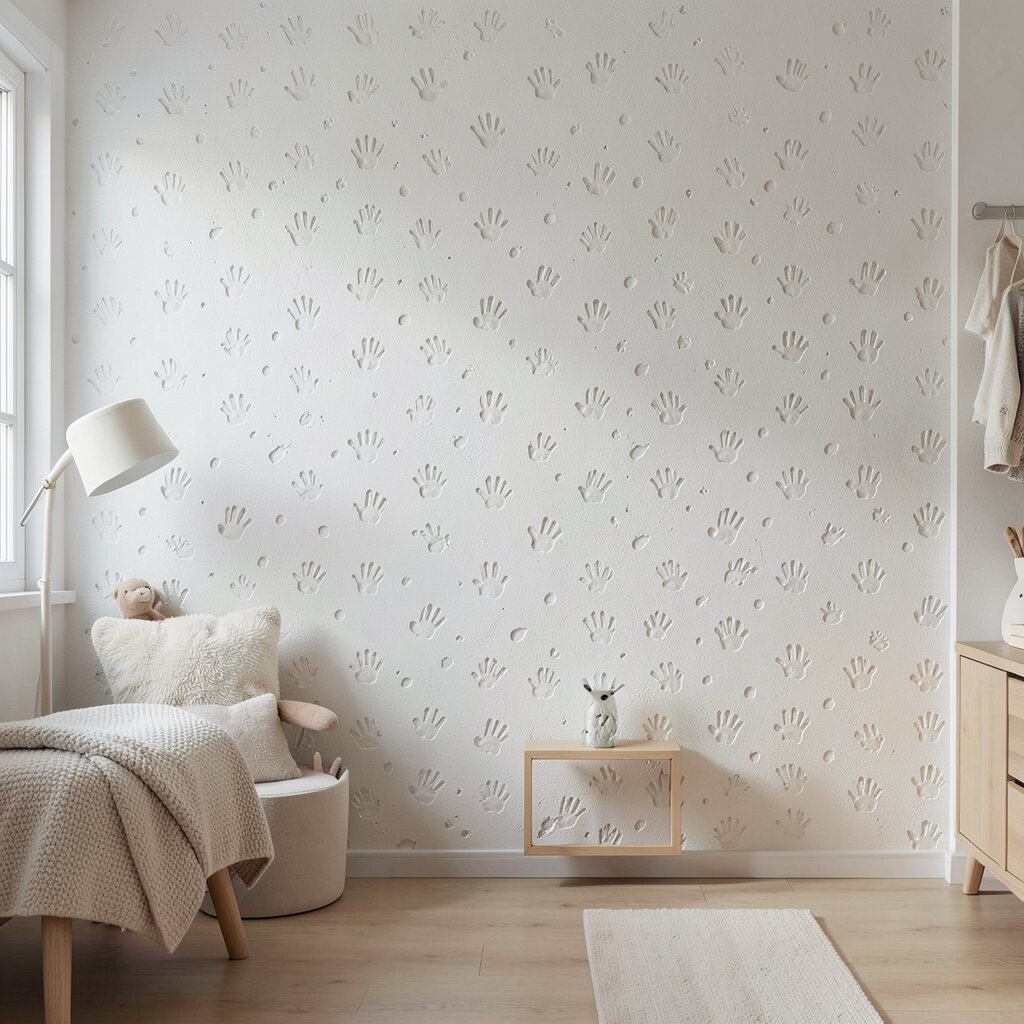
Thumb-print relief is exactly what it sounds like, tiny hand-made impressions scattered across a wall. It creates a playful rhythm that feels tactile and friendly.
This option is especially stylish for kids’ rooms, creative studios, or entryways where you want personality. The raised dots cast small shadows, which makes the wall look lively even at night. For practicality, spacing matters, so aim for a consistent pattern density so it feels designed.
To personalize, combine a dense area behind a console with a calmer field elsewhere. You can also tint the grout-like depth with a slightly darker pigment so the relief reads clearly. Cost considerations are usually moderate, because the process is repetitive, but the prep and finish coats still take time.
9. Micro-Terrazzo Speckle Over Plaster
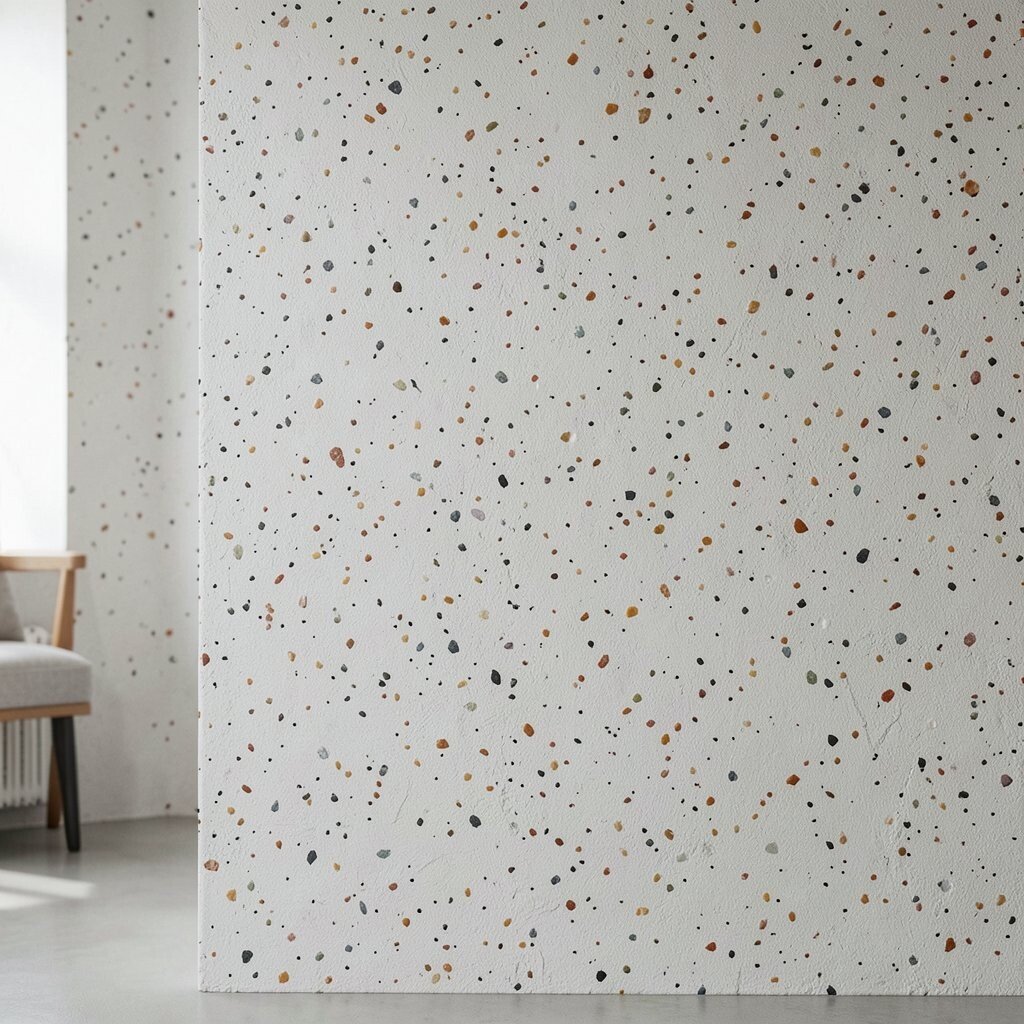
Micro-terrazzo plaster mixes tiny aggregate specks into the finish. It looks like a fine constellation, and the speckles shift when you move.
This trend gives you texture without large ridges, making it easier to style with modern furniture. It also tends to wear well, since the specks can mask tiny scuffs better than a fully smooth surface. For practical tips, ask how the aggregate size affects cleanability, especially in high-traffic areas.
If you want personalization, choose specks that match your decor, like warm quartz tones or cooler stone flecks. You can keep the base light for an airy feel or go deeper for a moody, boutique vibe. Budget-wise, expect a higher range when aggregate is involved, but the durability can make it worth it.
For best lighting, use soft indirect light so the speckles shimmer instead of glare.
10. 3D Geometric Blocks With Soft Shadow Edges
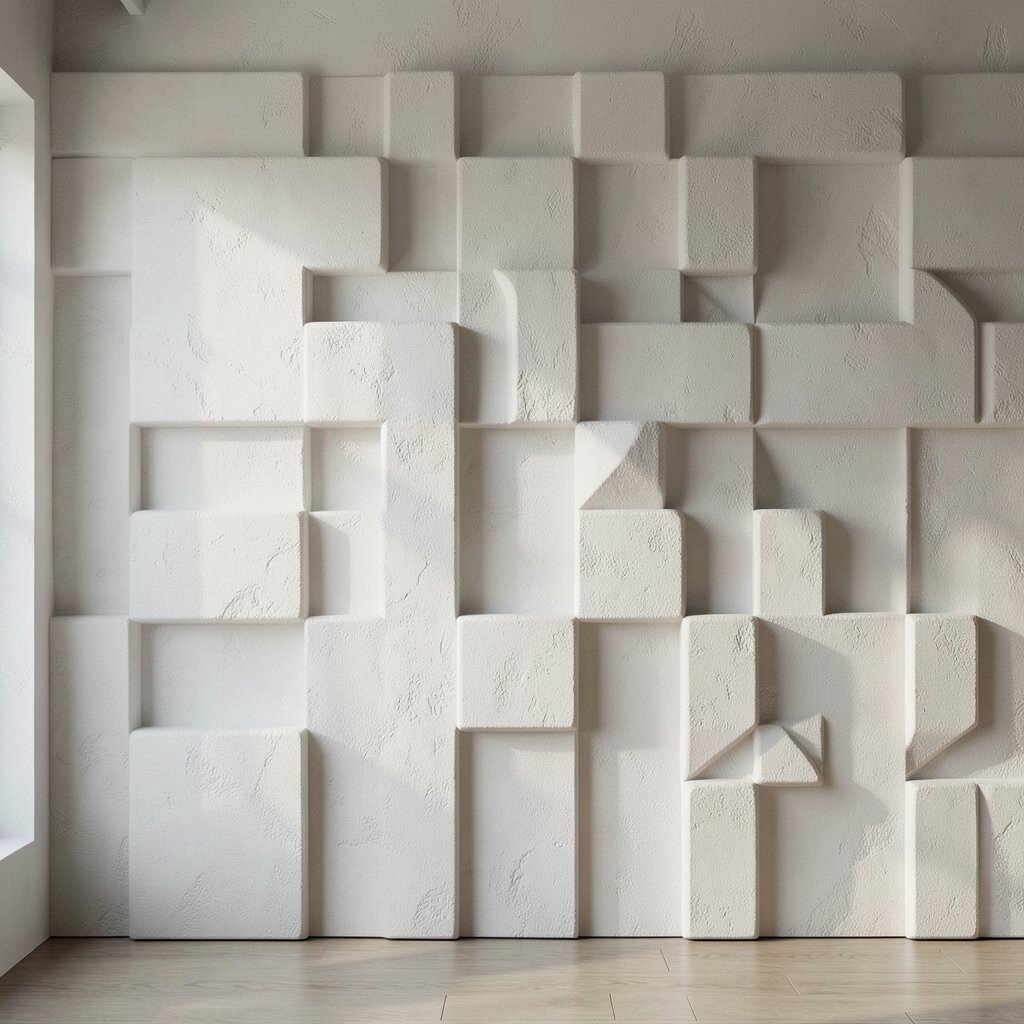
Geometric block texture can look like a gentle sculpture on your wall. Instead of sharp lines, you get rounded edges that cast calm shadows.
This trend feels modern and stylish because it mixes plaster art with clean architectural lines. It also helps define a feature wall without needing wallpaper or large-scale art. For practicality, ensure the design scale fits the room, since tiny blocks can vanish and very large blocks can feel overpowering.
Personalization is easy by choosing the direction of shadows through lighting placement. You can also vary block height subtly so the pattern feels layered rather than flat. When cost comes up, know that more formwork and more finishing time usually raise the price, especially for custom patterns.
11. Burnished Plaster With Controlled Shine
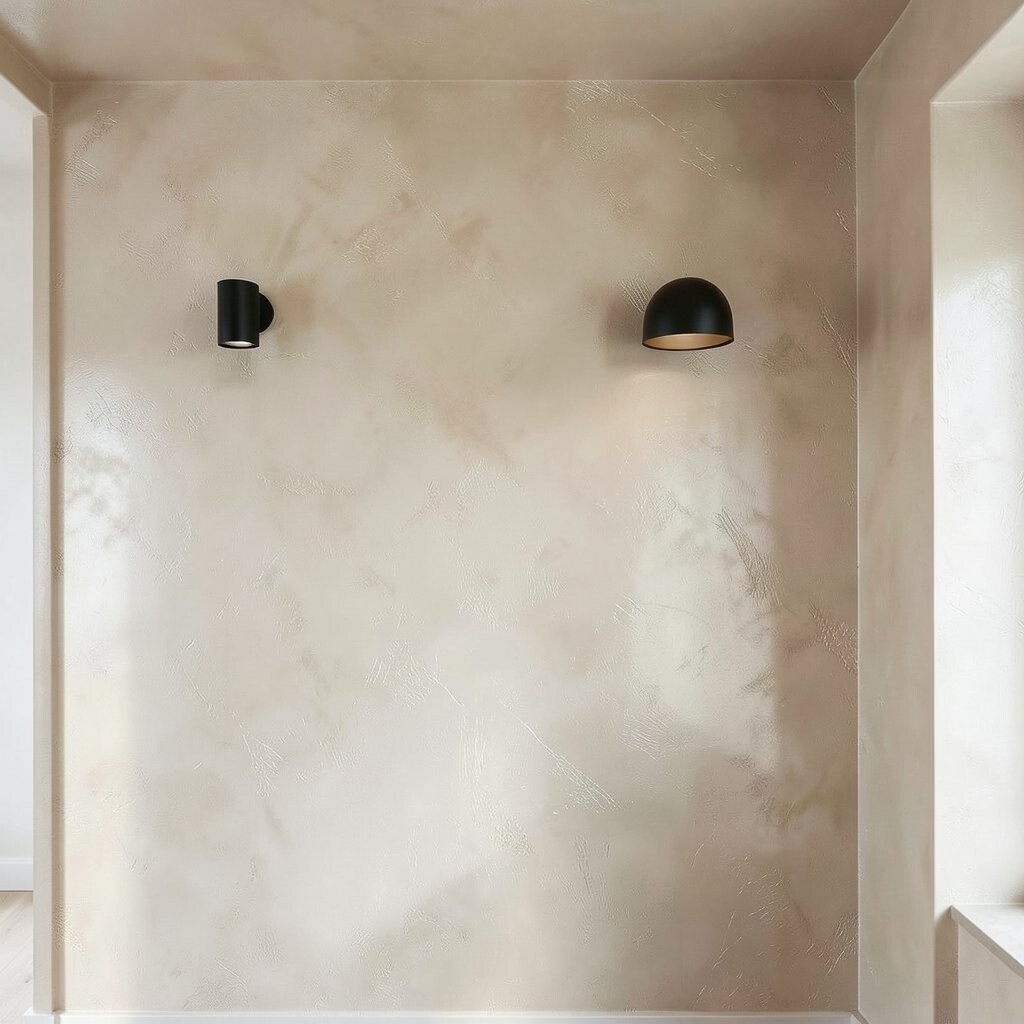
Burnished plaster offers a polished look while still holding onto texture. The surface can be satin-like, reflecting light in a smooth, elegant way.
This finish is great if you want sophistication without the cold feel of some tiles. It can also make small rooms feel brighter because the controlled sheen bounces light around. For practical results, request consistent burnishing passes so you avoid patchy shine.
You can personalize by selecting metallic-friendly colors, like warm cream or deep clay tones, which look luxurious under satin light. If you want a modern contrast, pair the burnished wall with matte black fixtures. Cost considerations usually sit mid to higher because burnishing takes skill and extra finishing time.
12. Rough Trowel Stucco With Cinematic Character
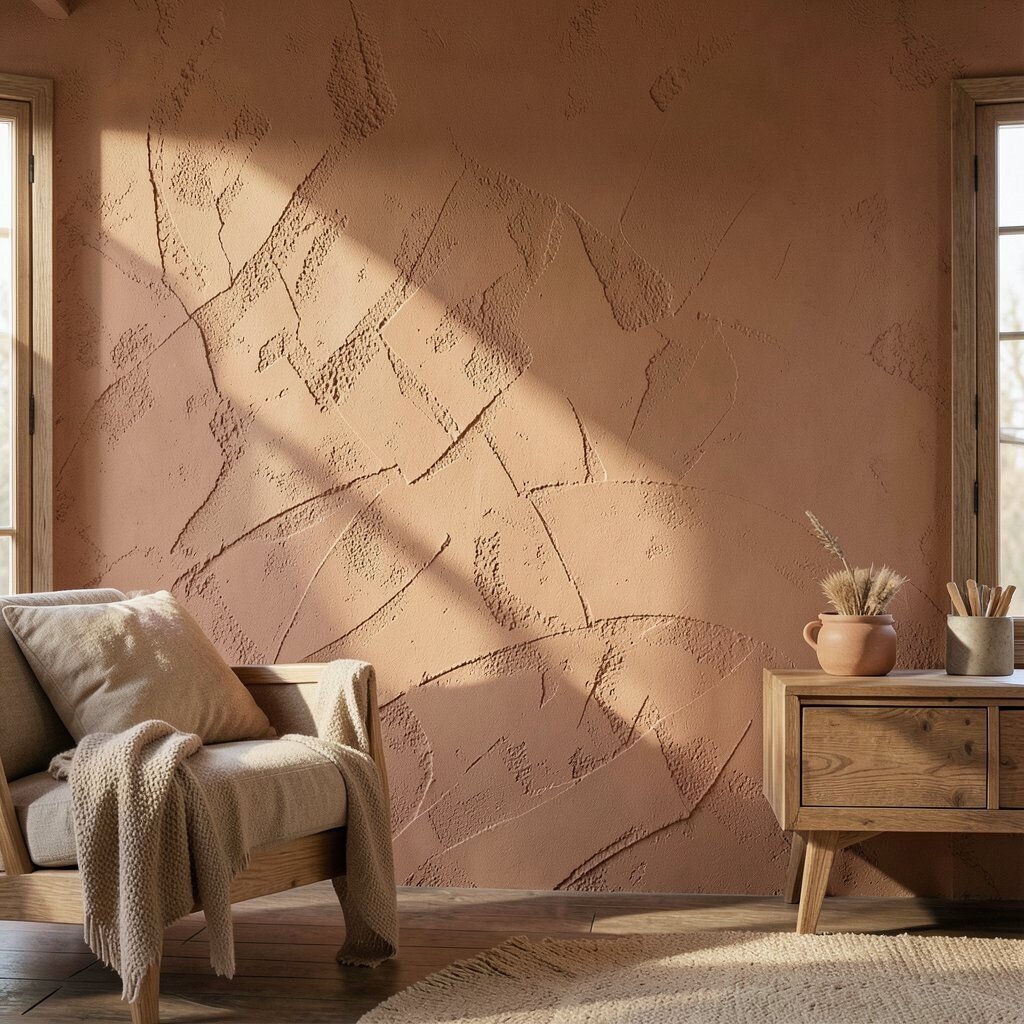
Rough trowel stucco is bold and rustic, with visible swipe marks and uneven beauty. It reads like a film set wall, full of character and shadow.
This trend feels unique because it embraces imperfections instead of hiding them. It also works well outdoors-inspired rooms, especially when you pair it with warm wood and soft textiles. For practicality, choose an appropriate wall system for moisture zones so the surface lasts.
To personalize, keep the color warm and earthy, such as sun-baked sand or soft terracotta. You can vary the roughness across walls, making one more dramatic and the others calmer. Budget-wise, rough finishes can be more affordable than high-precision patterns, but good sealing still matters for longevity.
For easy living, discuss stain resistance and cleaning guidance before the finish is applied.
13. Brush-Grooved Plaster With Vertical Rhythm
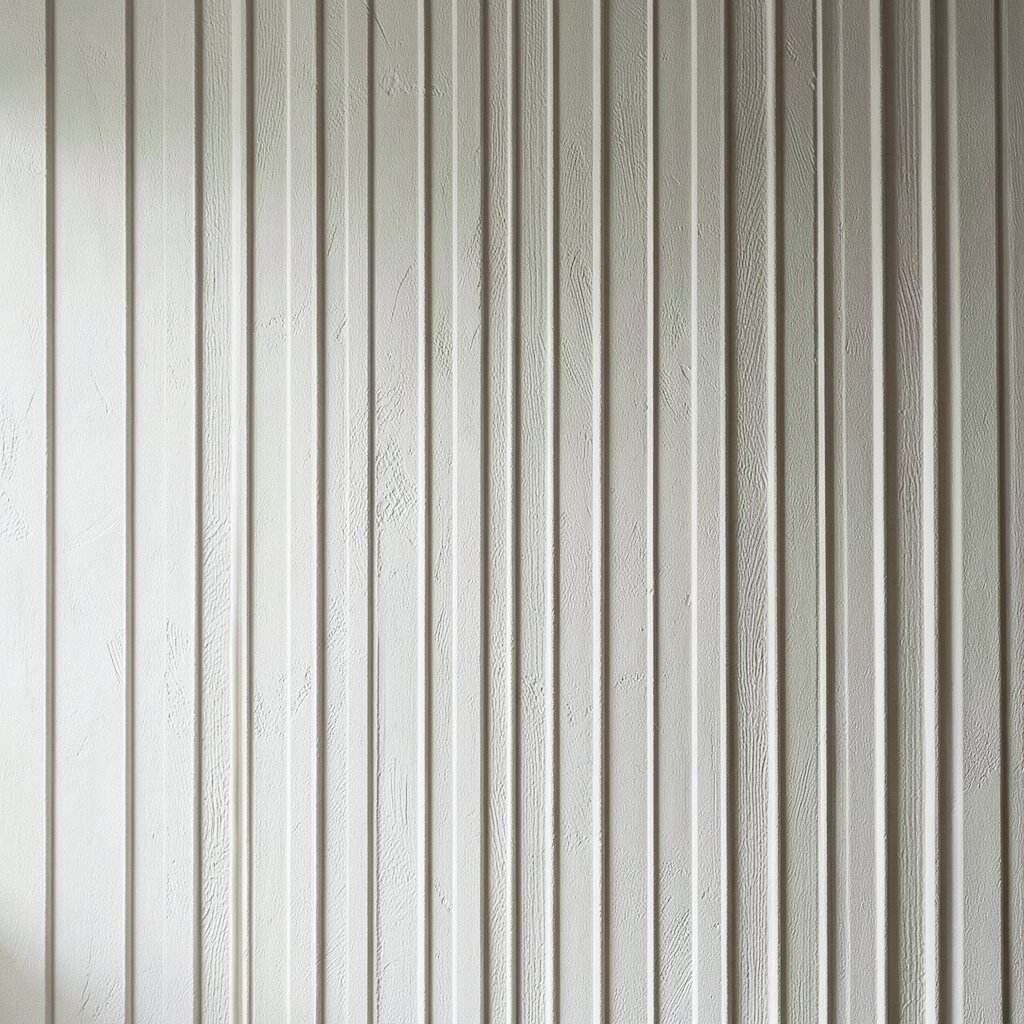
Brush-grooved texture creates narrow streaks that run up and down like gentle fabric folds. From a distance it looks crisp, and from close up it feels handmade.
This is a solid trend for people who want walls to feel taller and more structured. Vertical rhythm can also make ceilings feel higher, especially when color stays consistent. For practical tips, keep groove depth even so the wall looks polished rather than messy.
Personalization can come from choosing a slightly different tone for the groove shadows, like light stone with a whisper of taupe. If you prefer a cleaner look, use straight grooves and minimal color variation. Cost considerations are usually moderate, since grooves require steady technique but don’t always demand the same complexity as sculpted 3D features.
14. Color-Blocked Texture With Mixed Finishes
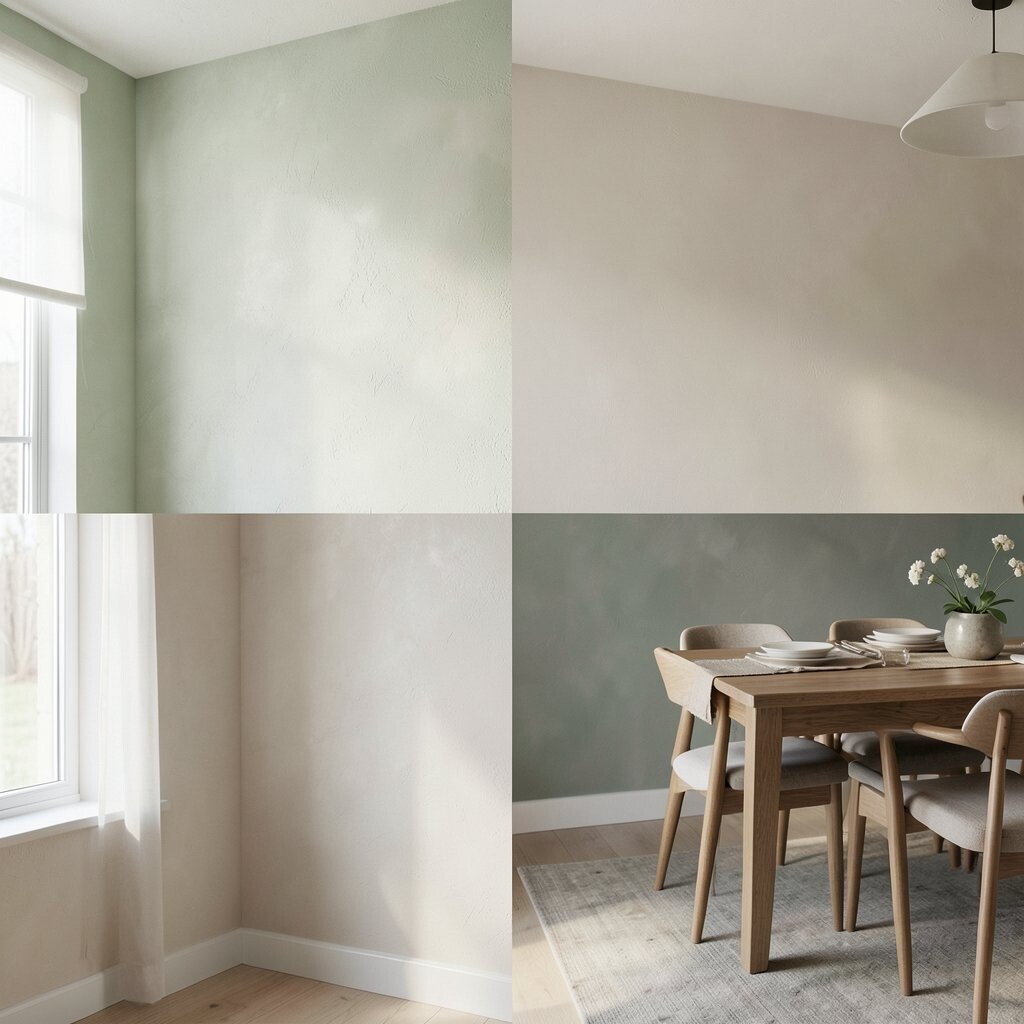
Color-blocked texture blends different plaster styles in separated sections. One block might be limewash-soft while another is micro-sheen smooth.
This trend is stylish because it lets you play with contrasts without using wallpaper. It also helps you break up long walls, making them feel planned and architectural. For practical results, use painter’s tape or guides to create clean boundaries, and decide in advance which finish should be dominant.
Personalization is endless because you can tailor each block to a different mood in the same room. A calm finish in the reading corner can sit beside a more dramatic texture near a dining table. Cost considerations vary based on how many different finishes you buy and how much masking and labor your installer uses.
To keep it elegant, stick to a shared undertone family so the blocks feel like they belong together.
15. Plaster With Embedded Light-Catching Powders
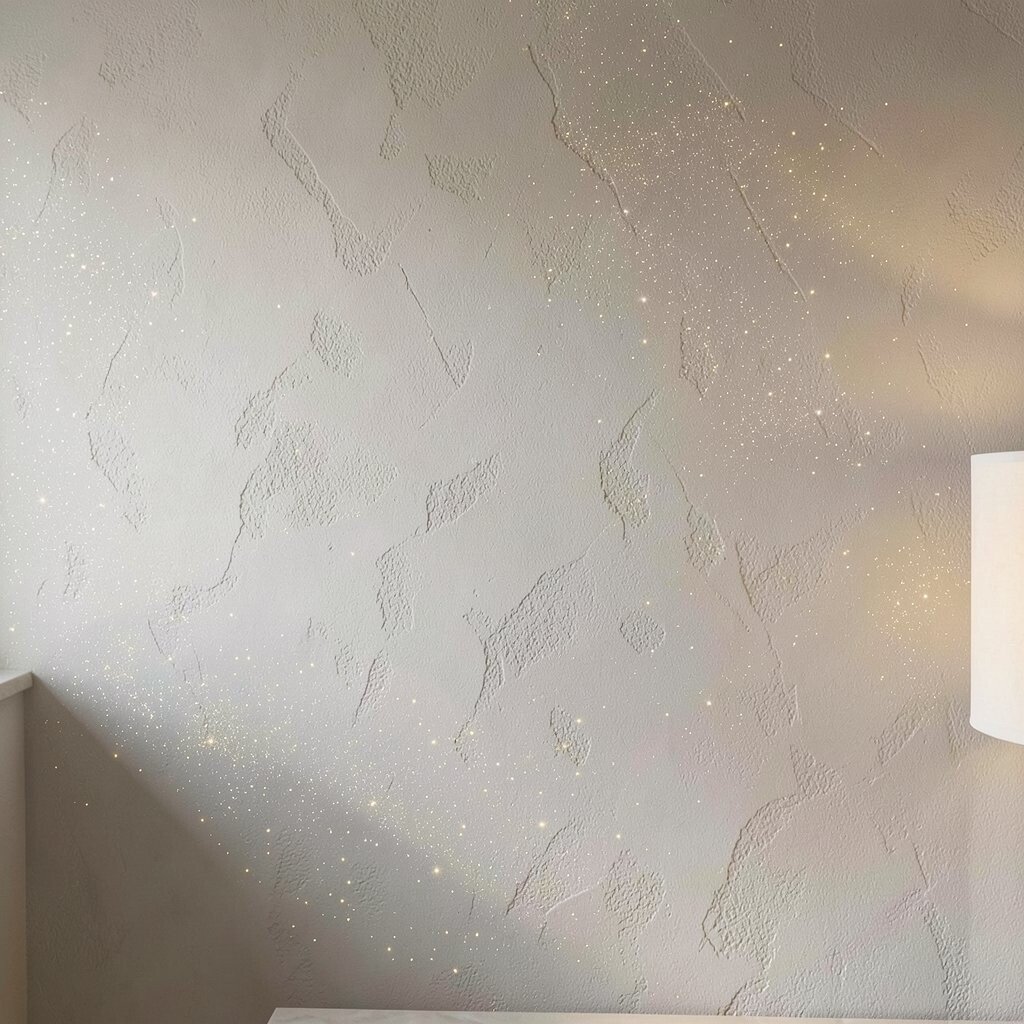
Light-catching powders add tiny sparkle that shows up when the light hits just right. The wall still feels refined, but it has a subtle glow that feels special.
This is a uniqueness-forward trend because it blends texture with a gentle shimmer. It’s perfect for entryways and bedrooms where you want a little drama without going bold on color. For practical tips, test the sparkle in your chosen lighting, since daytime and evening effects can look very different.
To personalize, choose a low-sheen shimmer for soft elegance or a stronger effect for a more theatrical vibe. Pair this finish with warm lighting and minimal patterns so the shimmer feels intentional. Cost considerations can be higher because special additives and careful finishing steps add to labor and material prices.
If you want an extra-smooth feel, ask for a controlled topcoat so the surface is comfortable to touch and easy to maintain.