
Rabbit homes work best when they stay clean, safe, and calm. Small daily changes can help your rabbit feel at ease and act more like itself.
1. Pick the Right Hutch Size

A rabbit needs room to move, stand, and stretch without bumping into the sides. A hutch that feels open can help your rabbit stay active and less stressed.
Many people now use larger hutches or pair a hutch with a run, since small cages are often too tight. This can cost more at first, but it usually saves trouble later because your rabbit has a better place to live.
Try to think about your rabbit’s full body size, not just how cute the hutch looks in a store. A roomy setup also gives you space for bowls, toys, and a litter box without crowding the floor.
2. Keep the Hutch Off the Ground

A raised hutch can help keep your rabbit dry and safer from damp ground. It also makes daily cleaning easier because you do not have to bend as much.
Many hutches today have legs or a stand, and this is a common trend for backyard pet care. If you build your own, you can often make a simple stand with low cost wood and basic tools.
Watch for wobble, though, since a shaky hutch can make your rabbit feel uneasy. A steady base also helps keep water bowls from tipping and bedding from sliding around.
3. Add a Safe Run Area
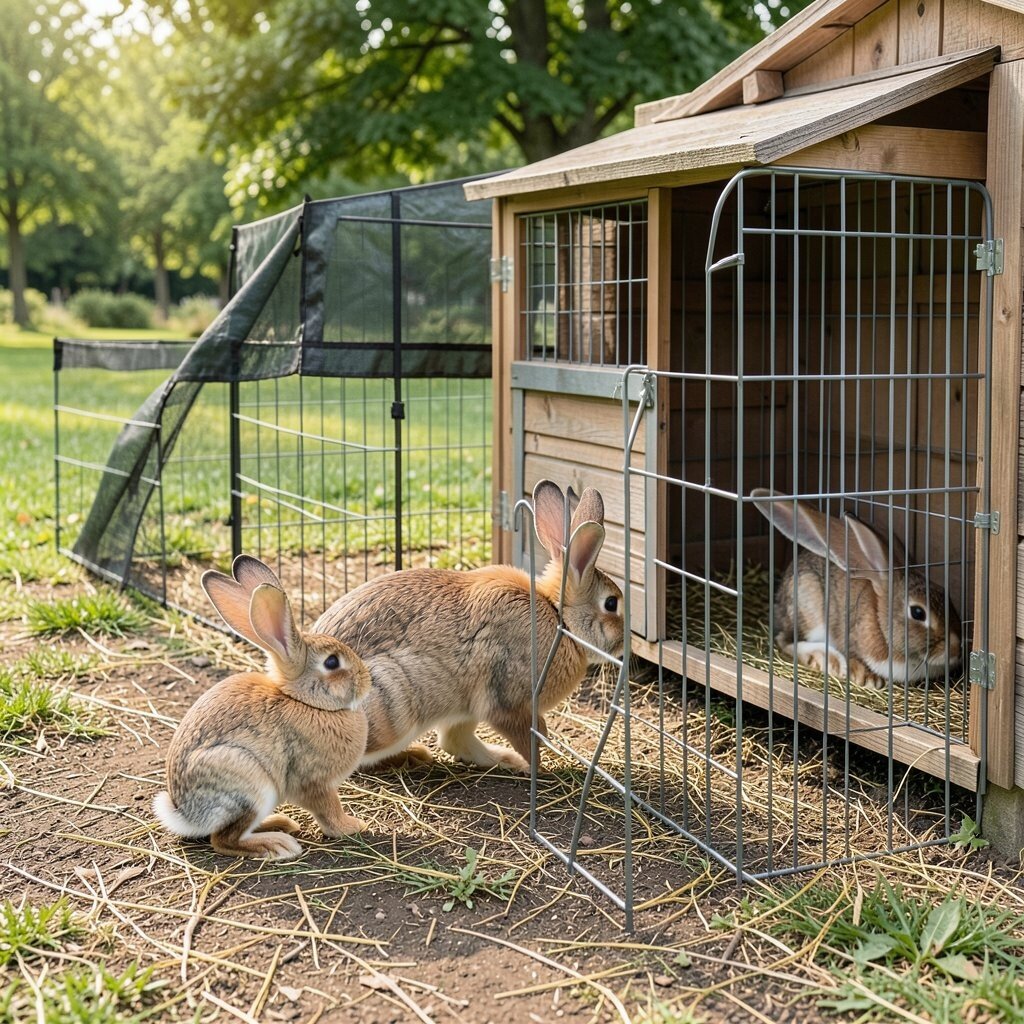
A hutch works much better when your rabbit can also spend time in a run. This gives your rabbit more room to hop, stretch, and move in a natural way.
A run can be made with wire panels, a store-bought pen, or a fenced yard space with care. Some people like folding pens because they are easy to move and can cost less than a full custom build.
Make sure the run has a top or strong cover if birds, dogs, or other risks are nearby. A safe run can help your rabbit stay busy and may also cut down on boredom chewing inside the hutch.
4. Use Dry, Soft Bedding

Soft bedding can make the hutch feel warm and calm. It also helps your rabbit rest better, since hard floors can be rough on feet.
Many owners use paper bedding, straw, or hay in the sleeping area. Each choice has a different cost, smell, and look, so you can pick what fits your home and budget.
Change wet or dirty bedding often so the hutch does not smell bad. A clean floor also helps keep flies away in warm months and makes the whole space look neat.
5. Give a Quiet Sleep Spot

Rabbits often like a small, calm place where they can hide and sleep. A simple box, tunnel, or covered corner can help your rabbit feel safe.
This part of the hutch does not need to be fancy. Many people use a plain wooden hideout or a cardboard box, which can be cheap and easy to swap out.
Keep the sleep spot away from loud sounds and bright light. A quiet area can help shy rabbits settle in faster and may also help nervous rabbits feel more sure of their space.
6. Keep the Hutch Clean Each Day

A clean hutch is one of the best ways to keep a rabbit happy. Fresh bedding, clean bowls, and a tidy floor can make a big change in smell and comfort.
Try to remove old food and wet spots each day. Many rabbit owners now use simple cleaning routines because they are easy to keep up and help the hutch stay neat.
This habit can also help you spot problems early, like loose wires, broken latches, or signs of illness. A clean home is not just nicer to look at, it also helps you care for your rabbit with less stress.
7. Place the Hutch in a Good Spot

Where you put the hutch matters a lot. A spot with shade, fresh air, and some calm can help your rabbit stay steady through the day.
Try to avoid direct sun for long hours, strong wind, and wet ground. If the hutch is outside, a covered area or porch can help protect it from rain and heat.
Inside, keep the hutch away from loud TVs, busy doors, and drafty windows. A good spot can make the hutch feel more like a home and less like a noisy corner.
8. Control Heat and Cold

Rabbits can have a hard time when the weather gets too hot or too cold. A hutch should help block harsh weather and keep the air inside more even.
In hot weather, use shade, frozen water bottles wrapped in cloth, and good airflow. In cold weather, add more straw, block wind, and make sure the hutch stays dry.
Some people now use weather covers or insulated panels, which can be a useful trend for outdoor pet care. These extras can cost more, but they may help protect your rabbit in rough seasons.
9. Make Sure Air Can Move
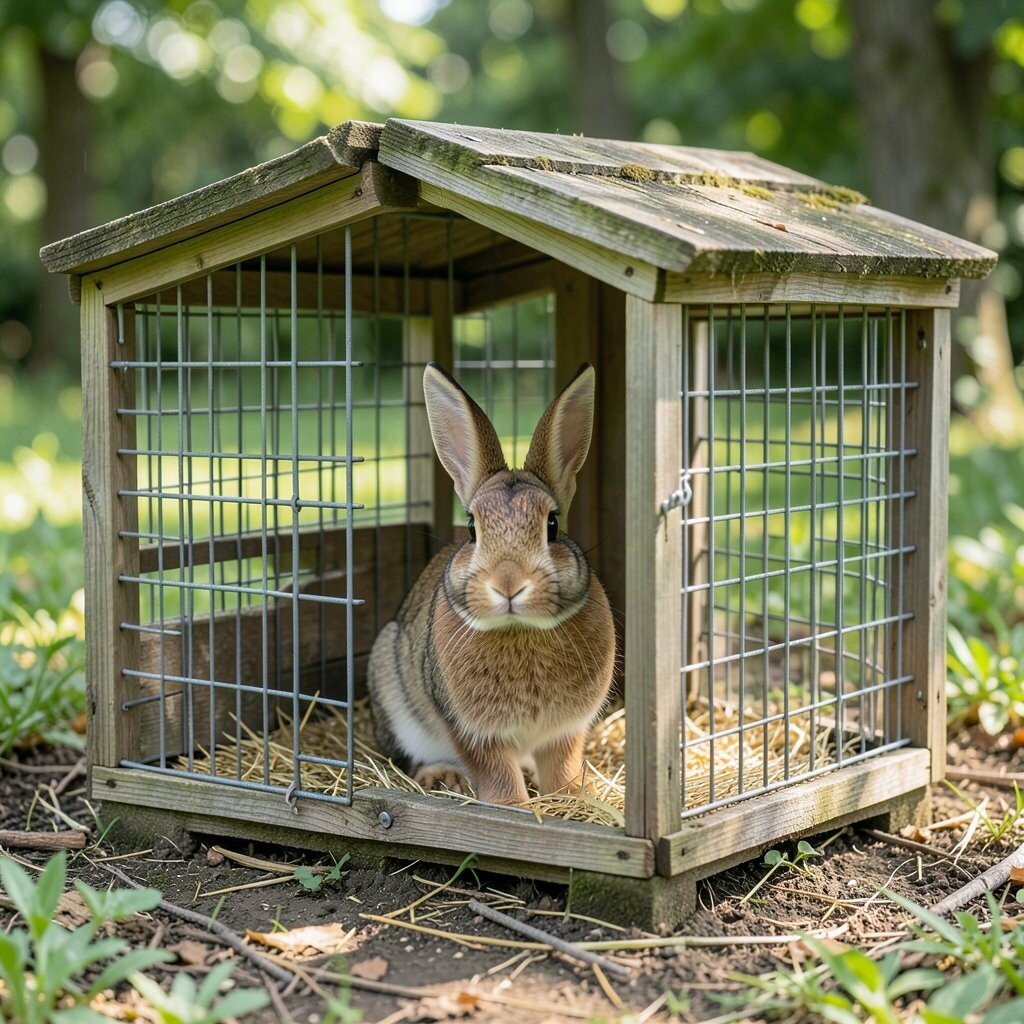
Fresh air helps keep smells down and makes the hutch feel less stuffy. Good airflow can also help lower the chance of damp bedding and mold.
A hutch with wire sides or vents can work well, as long as the rabbit is still safe from drafts and rain. If you cover part of the hutch, leave enough open space for air to move through.
Do not block every side just to keep it warm, since stale air can cause more problems. A balanced setup gives your rabbit comfort without making the space feel closed in.
10. Add Chew-Safe Toys

Rabbits like to chew, toss, and move things around. Simple toys can help keep the hutch lively and give your rabbit something safe to do.
Wood blocks, willow balls, cardboard tubes, and hay toys are common choices. Many of these are low cost, and some can even be made at home with safe materials.
Change toys now and then so the hutch does not feel boring. A few small items can make the space look more lived in and can help your rabbit use its teeth in a better way.
11. Use a Litter Box Area
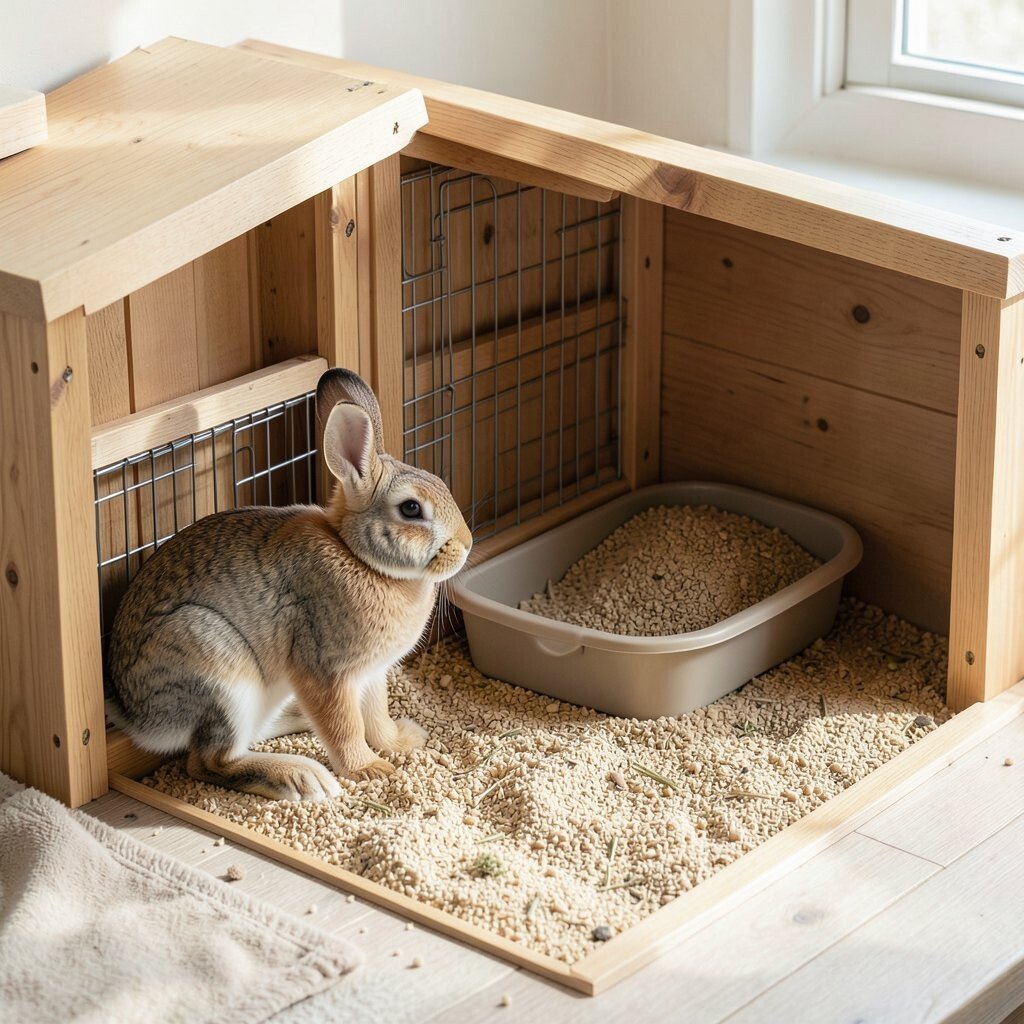
A litter box can help keep the hutch cleaner and make daily care much easier. Many rabbits learn to use one spot, especially if the box sits near where they like to eat or rest.
Use paper-based litter or another safe choice made for rabbits. Avoid dusty or scented products, since those can bother the nose and make the hutch smell strange in a bad way.
This setup can save time and lower bedding costs because you do not need to change the whole floor as often. It also gives the hutch a cleaner look, which many people like in a modern rabbit home.
12. Keep Food and Water Easy to Reach

Food and water should be simple for your rabbit to reach at all times. A bowl or water bottle placed at the right height can help your rabbit eat and drink with less mess.
Many owners prefer heavy ceramic bowls because they do not tip as easily. Others use bottles, but bowls often help rabbits drink more, so you can try both and see what works best.
Fresh hay should also be close by, since it is a big part of a rabbit’s diet. A neat feeding corner can make the hutch look organized and help your rabbit build a steady daily habit.
13. Watch for Safe Flooring

Hutch floors should be kind to rabbit feet. Wire floors can hurt paws, so many people now add solid boards, mats, or resting boards.
Flat surfaces with a little grip are a good choice because they help your rabbit move without slipping. This trend toward softer, safer floors has become more common as owners learn more about foot health.
If you use mats, make sure your rabbit does not chew and swallow them. A safe floor can cost a bit more at first, but it can help prevent sore hocks and other pain later.
14. Make the Space Feel Familiar
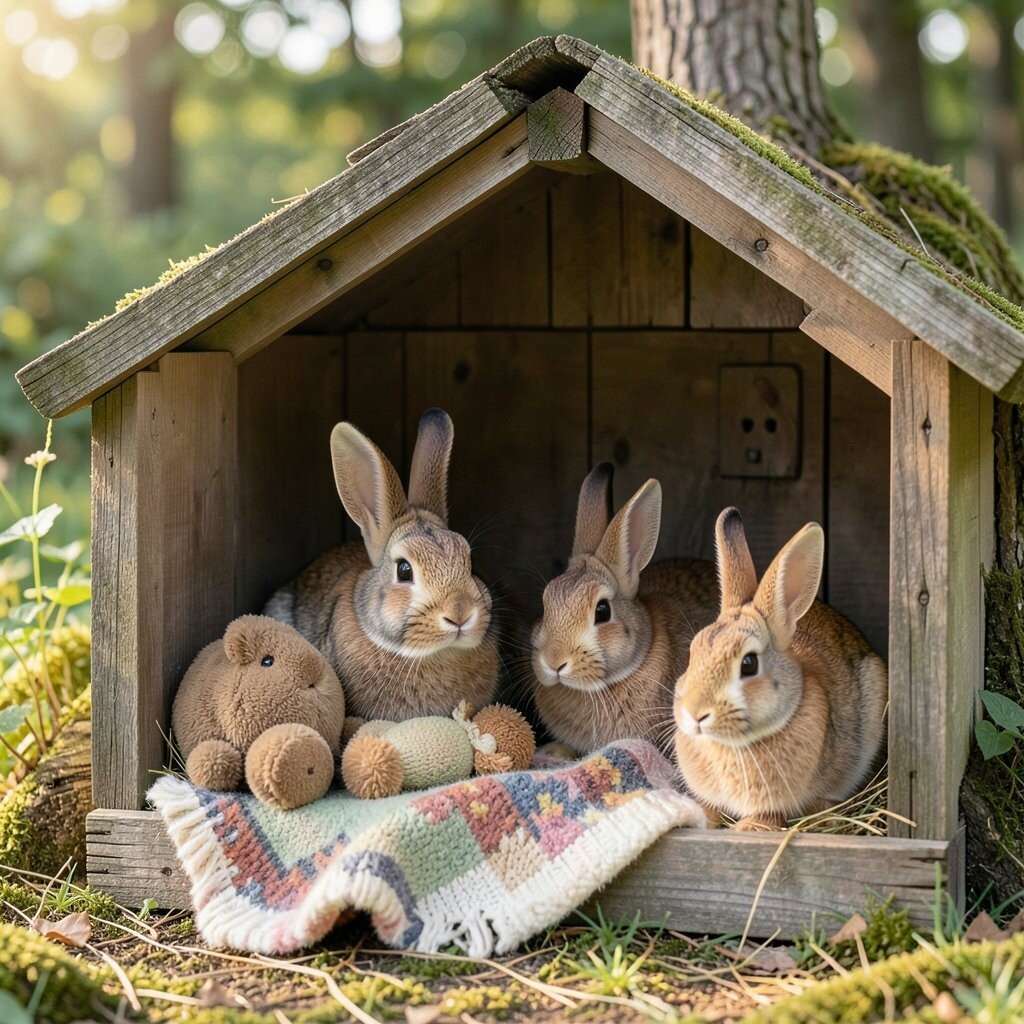
Rabbits often settle in better when the hutch has a few things that smell and feel familiar. A favorite blanket, a known toy, or a used hideout can help the space feel less new.
You can also keep the layout steady so your rabbit knows where things are. Small changes are fine, but moving everything around too often can make some rabbits uneasy.
This is a simple way to personalize the hutch without spending much money. A few personal touches can make the home feel warm and easy to use.
15. Check for Safety Every Week

A rabbit hutch should be checked often for loose parts, sharp edges, and broken locks. Small problems can turn into big ones if they are left alone.
Look at the roof, doors, hinges, and wire mesh. If you see rust, gaps, or weak spots, fix them right away so your rabbit stays safe inside and out.
This habit can also help you keep up with newer hutch trends, like better locks and stronger mesh. A safe hutch may cost more to maintain, but it gives peace of mind and helps avoid trouble.
16. Match the Hutch to Your Rabbit’s Daily Life
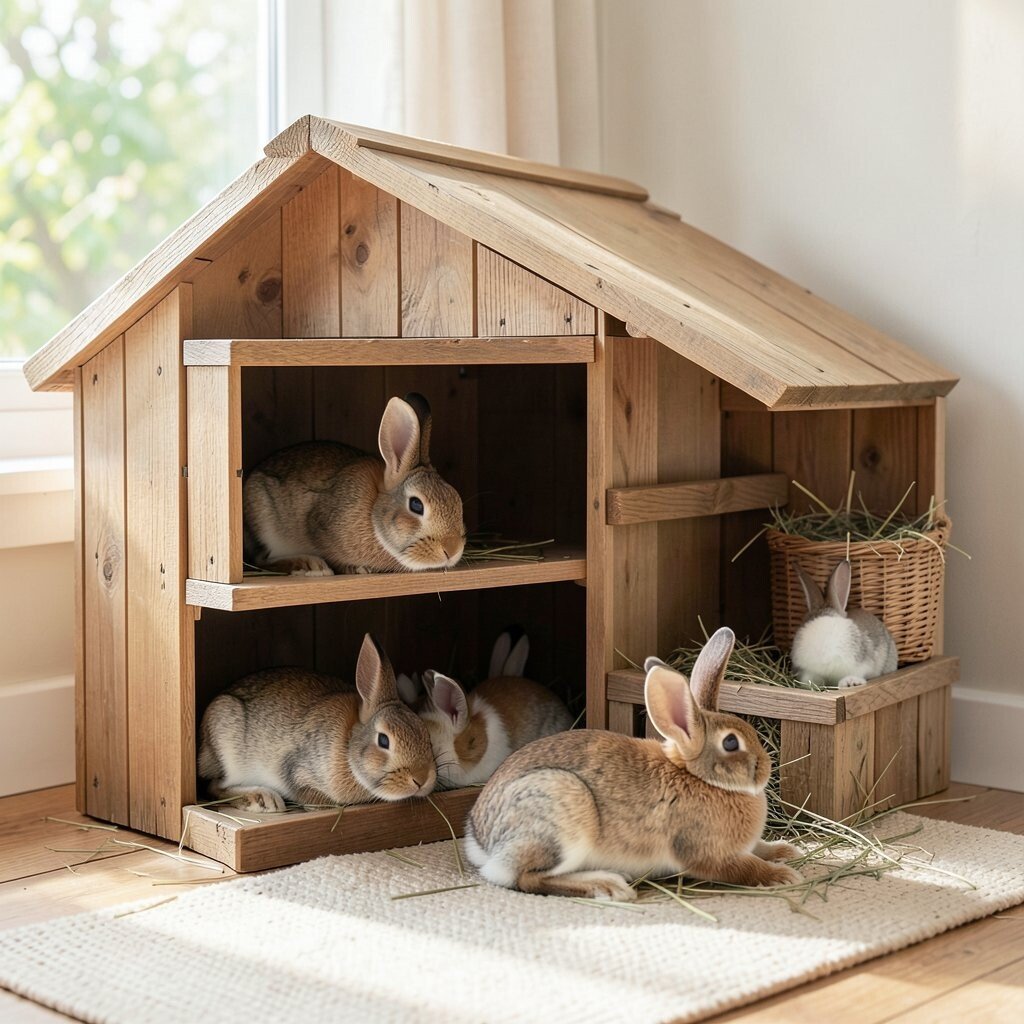
The best hutch is one that fits your rabbit’s real habits. Some rabbits like to sleep a lot, while others want more room to move, hop, and watch the world.
Think about your own routine too, since easy cleaning, feeding, and access will help you use the hutch well. If the setup feels hard to care for, it may not stay neat for long.
You can make the hutch fit your home by adding simple shelves, a run, or a feeding corner that suits your space. The best rabbit homes are often the ones that feel calm, look tidy, and work well every day.