Keeping a rabbit hutch clean helps your rabbit stay calm, dry, and safe. Small care steps can also cut smells, stop bugs, and make daily work much easier.
1. Clean the Hutch on a Set Schedule

A steady cleaning plan keeps the hutch neat and easy to manage. Many rabbit owners like a weekly deep clean with quick spot checks each day.
Fresh bedding, clean corners, and dry floors help lower odor and keep fur cleaner. This simple habit can also help you spot small problems before they grow.
Some people use a paper calendar, while others set phone reminders. A set routine costs little and saves time because you do not need to guess what to do next.
2. Remove Wet Bedding Right Away
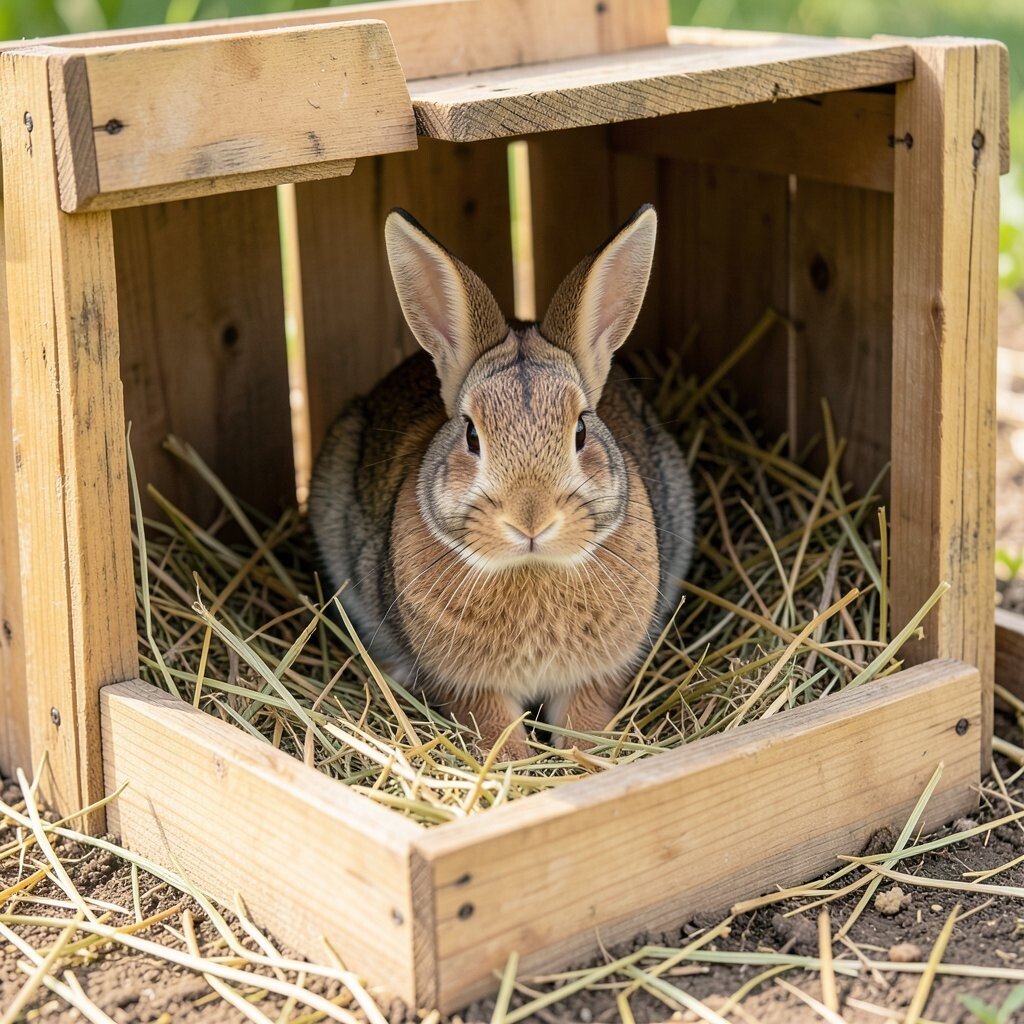
Wet bedding can lead to smell, stain build-up, and damp paws. It also gives germs a place to grow, which is not good for a rabbit home.
Check the corners, litter box, and nesting spots each day. If you see wet hay or soft bedding, take it out and replace it with dry material.
This step makes the hutch look cleaner at once, and it helps the rabbit stay more comfortable. It also fits well with a simple, low-cost care routine.
3. Use Safe Bedding and Litter
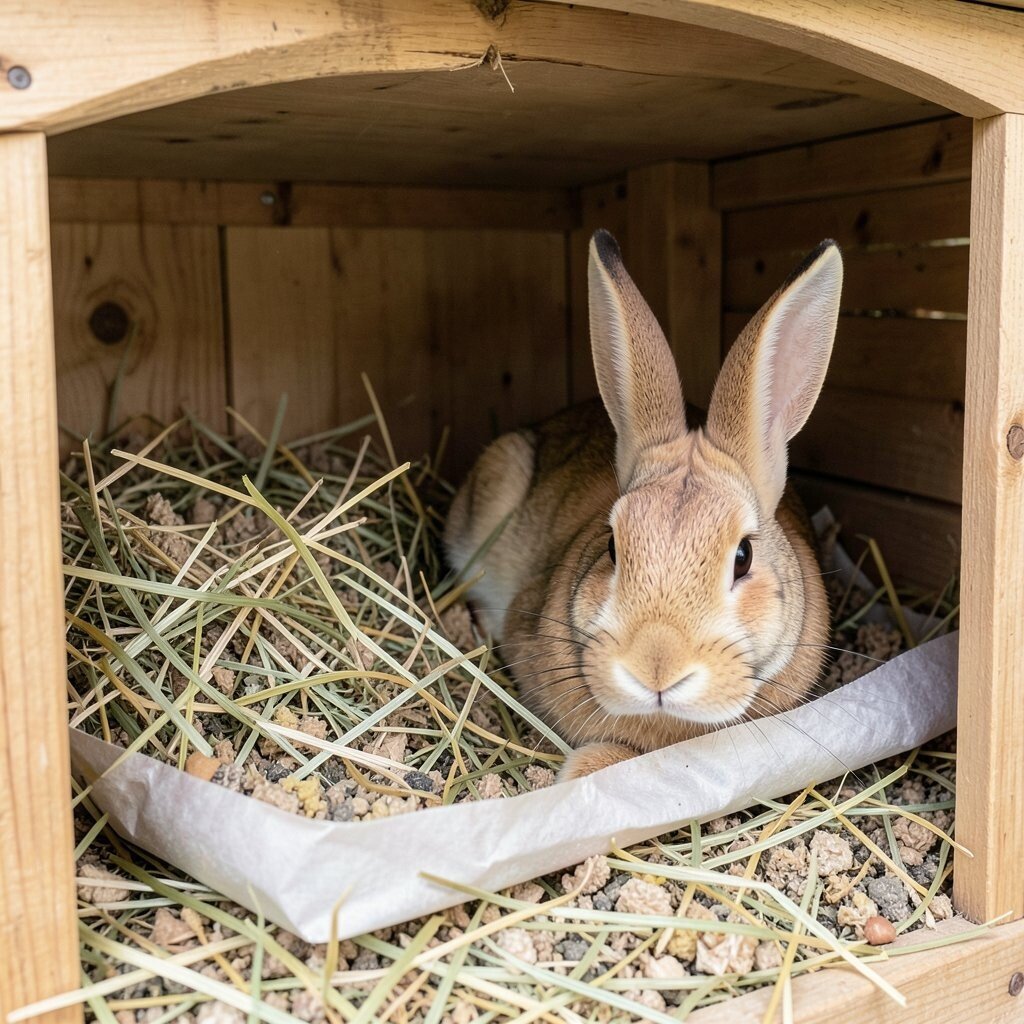
The bedding you use can change how the hutch looks and feels. Soft paper bedding, clean hay, and rabbit-safe litter are common choices that many owners trust.
Avoid dusty or sharp bedding that can bother the nose or feet. A good bedding choice can make the hutch feel softer and more natural for your rabbit.
Some people like plain paper products because they are easy to find and not too costly. Others add a layer of hay for comfort, which can also give the hutch a warm, tidy look.
4. Keep Food Bowls and Water Bottles Clean
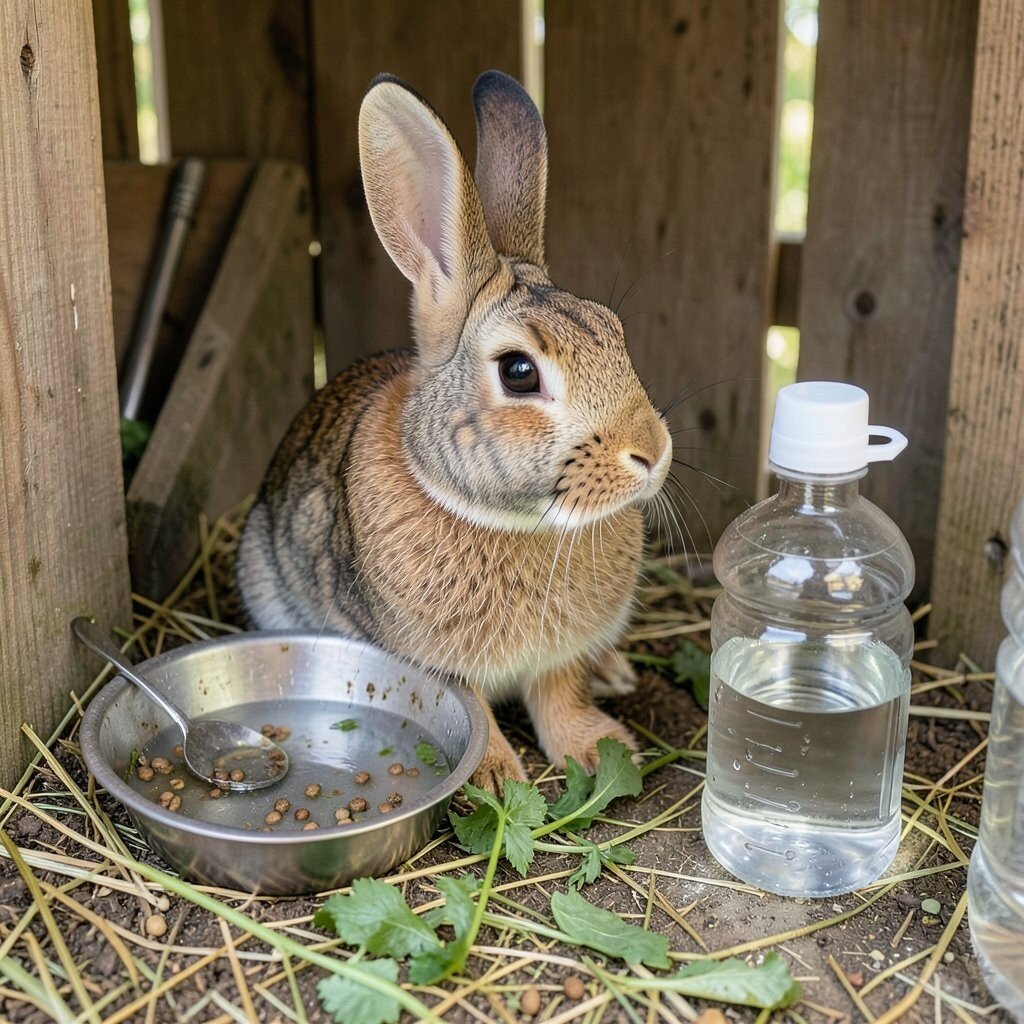
Food and water spots can get dirty fast, especially in a small space. Leftover greens, spilled pellets, and cloudy water can make the hutch look messy.
Wash bowls often with warm water and a mild soap that is safe for pets. Check water bottles for drips, clogs, or algae so your rabbit always has fresh water.
Clean feeding tools also help you see how much your rabbit eats and drinks. Many owners like clear bowls or simple metal dishes because they are easy to scrub and do not cost much.
5. Check for Sharp Edges and Loose Parts

A hutch should look smooth and solid, with no rough spots or broken pieces. Loose wire, cracked wood, and bent latches can hurt a rabbit or let it escape.
Run your hand along the inside and outside of the hutch while you clean. If you find a sharp edge, cover it, sand it down, or replace the part as soon as you can.
This kind of check is simple, but it can save money later by stopping bigger damage. It also helps you make the hutch feel more personal and safe for your own setup.
6. Give the Hutch Good Air Flow

Fresh air helps reduce smell and keeps the hutch from feeling damp. Good air flow can also make the space look and feel cleaner in a way you can notice right away.
Make sure vents or open sides are not blocked by walls, boxes, or thick bedding piles. In warm weather, a shaded spot with moving air can help the rabbit stay more at ease.
Some owners use a small fan near the hutch, but never point strong air straight at the rabbit. This is a smart trend in many homes because it can help with comfort without much added cost.
7. Protect the Hutch from Rain and Damp Ground

Water can damage wood, rust metal parts, and make bedding wet fast. A hutch that sits on damp ground may smell worse and wear out sooner.
Raise the hutch off the ground if you can, and keep it under a roof or cover during wet weather. Check the floor and corners after rain so you can dry them before mold starts.
This care step helps the hutch last longer and keeps the rabbit dry and calm. It also gives the hutch a cleaner look, which many people enjoy in a backyard or patio space.
8. Clean the Litter Box Often

A clean litter box can make the whole hutch feel more pleasant. Rabbits often use the same spot, so a dirty box can become a fast source of smell.
Empty waste often, wipe the box, and add fresh litter or hay as needed. If your rabbit moves the box around, try a heavier one or place it in a corner that feels more stable.
Some owners use simple plastic boxes, while others buy corner boxes that fit small hutches well. The best choice is one that matches your space, your rabbit’s habits, and your budget.
9. Watch for Chew Damage

Rabbits like to chew, so the hutch can wear down in hidden ways. Wood edges, wire covers, and door frames may all show bite marks over time.
Check for gnawed spots during each clean-up and fix them before they spread. You can use safe chew toys inside the hutch to give your rabbit a better place to chew.
This helps protect the hutch and gives your rabbit a fun, natural task. It also adds a bit of personal style if you choose toys or wood pieces that match your setup.
10. Brush Off Loose Fur and Dust

Loose fur can build up in corners, under shelves, and around bedding piles. Dust from hay or bedding can also make the hutch look dull and messy.
Use a small brush, hand vacuum, or damp cloth to clean these spots during your routine. Be gentle so you do not scare your rabbit or stir up too much dust at once.
This step helps the hutch look fresh and can also help your rabbit breathe easier. Many people like to keep a small cleaning kit near the hutch so the job feels quick and simple.
11. Check the Hutch Size and Layout

A hutch should give your rabbit room to rest, eat, and move around. If the space feels cramped, it can be harder to keep clean and harder for the rabbit to use well.
Look at where the food, litter box, and resting area sit inside the hutch. A smart layout can make cleaning easier and can help keep mess in one area instead of spread out.
Some owners add a resting shelf or hide box, while others keep the inside open and simple. The best layout depends on your rabbit’s habits, the hutch size, and how much money you want to spend.
12. Use Safe Cleaning Products

Strong cleaners can leave smells or traces that may bother a rabbit. Mild soap, warm water, and pet-safe cleaners are usually a better choice for daily care.
Rinse all surfaces well so no soap stays behind. Let the hutch dry fully before putting bedding and food back inside.
This keeps the home safer and also helps the hutch keep a clean, plain look. Many owners now use simple, low-scent products because they are easy to find and often cost less than special cleaners.
13. Make the Hutch Fit the Season
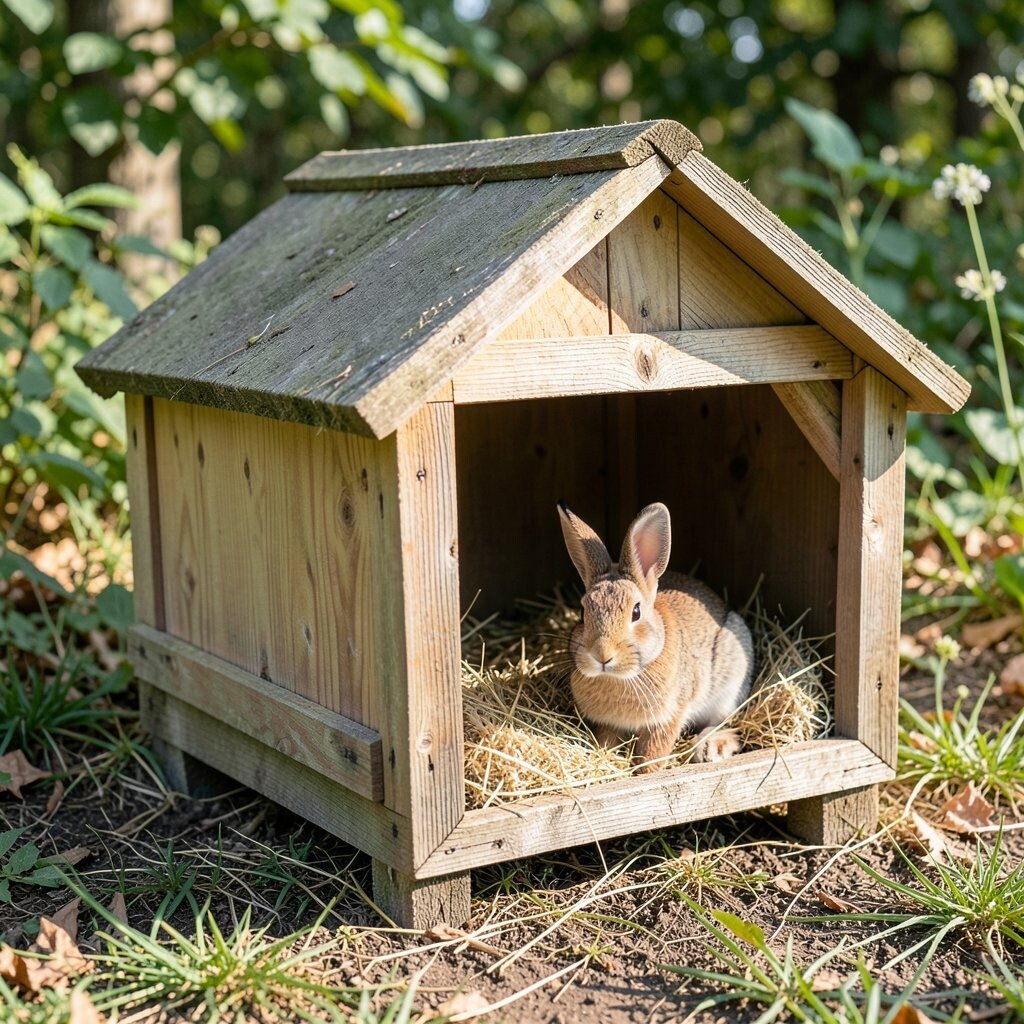
Rabbit care changes with the weather, so the hutch should change a bit too. In cold months, dry bedding and blocked drafts can help keep the space warm.
In hot months, shade, air flow, and cool water matter more. You may also need to move the hutch, change the bedding amount, or check it more often when the weather shifts.
This kind of seasonal care makes the hutch feel more personal and more useful through the year. It can also help you avoid waste by using only the items you need for that time of year.
14. Keep a Simple Care Log

A care log can be a small notebook, a phone note, or a chart on the wall. It helps you remember when you cleaned, changed bedding, or fixed a problem.
Writing things down can make patterns easier to spot, like repeated wet spots or chew damage in one area. That can help you make better choices and save money over time.
Some owners like to add notes about food use, mood, or changes in the hutch look. A simple log is easy to make your own, and it can help keep rabbit care steady and calm.