A water garden can look better when you add plants that sit in the water or float on top. The right plants also help keep the water clear and give fish and bugs safe spots to rest.
1. Water Lily
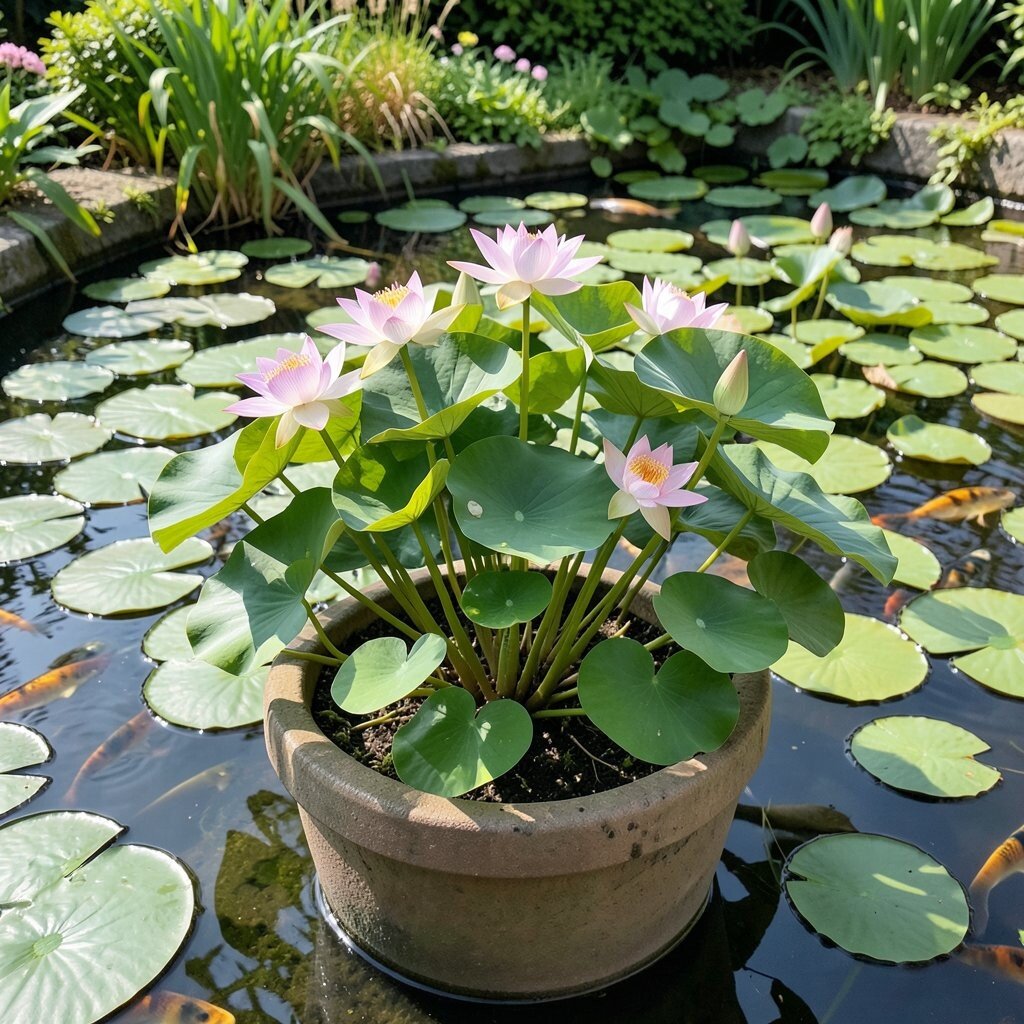
Water lilies have round leaves and nice flowers that rise from the water. They can make the garden look neat and calm, even in small ponds. Many people like how the leaves cover part of the surface.
Water lilies give shade to fish and help cool the water. They also slow down strong sun on the surface. This can help plants below get less heat stress.
Pick a plant based on your pond size and how deep it is. Use a pot with heavy soil made for aquatic plants. In many places, you will want to place the pot so the leaves can reach the top without getting stuck on the bottom.
2. Dwarf Water Lily
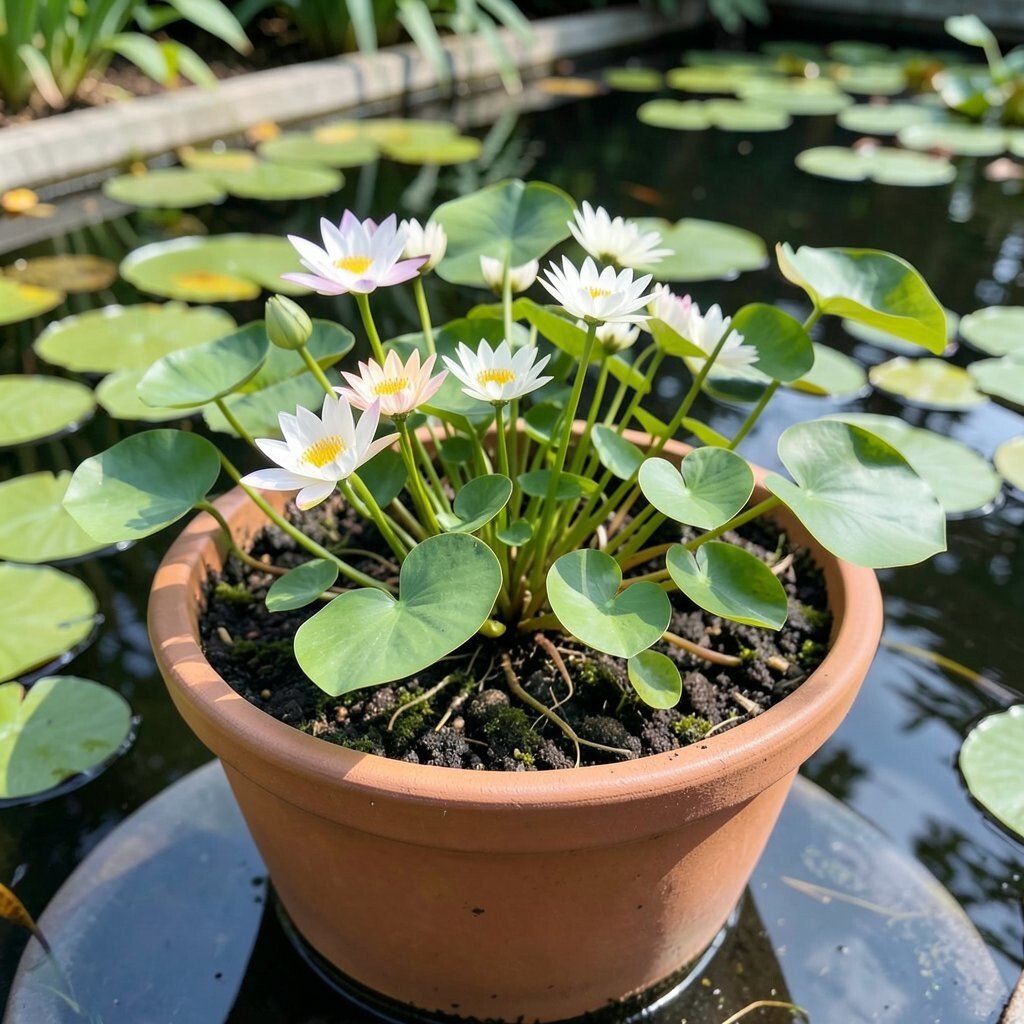
Dwarf water lilies are smaller than common water lilies, so they fit many yards. You can still get bright leaves and flowers, but the plant stays more compact. The look is tidy, and it works well for short walkways and small bowls.
This plant is a good choice if you want more control over growth. It can keep the water surface from taking over too fast. It also gives hiding places for small fish and tadpoles.
Choose a pot that matches the plant size and keep the roots spaced well. Use clay-based or aquatic planting mix so the plant holds. If you want more blooms, use slow, steady plant food made for pond plants.
3. Lily Pad (Floating Leaf Type)
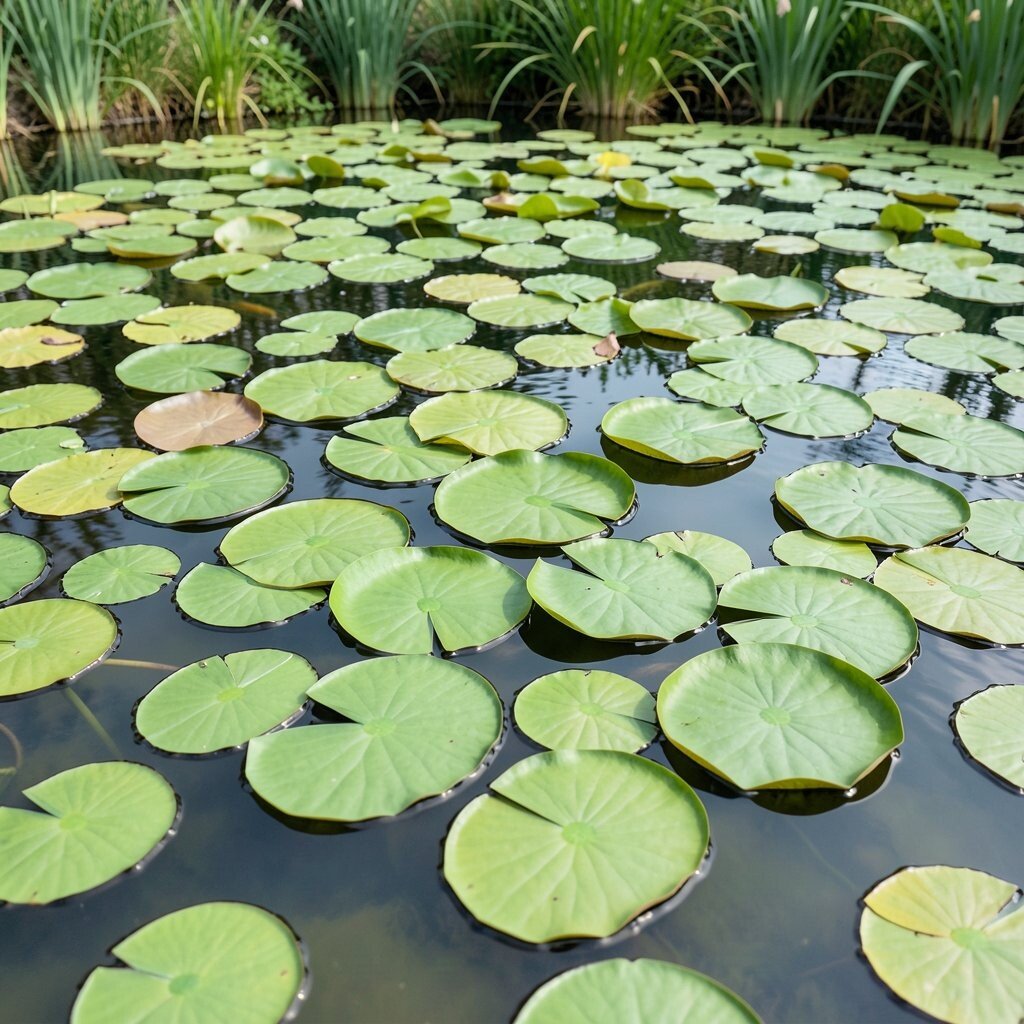
Many pond owners mean lily pads when they want that classic water look. The leaves float and spread in a gentle way. You get a simple pattern on the water that looks good from a patio or deck.
Lily pads help cut down direct light that can fuel algae growth. They also provide cover for fish. In warm weather, the shade can make the pond feel less hot.
Start with just a few plants so you can see how fast they grow. If your pond is shallow, watch the water level in hot weeks. For best results, use a basket or mat system so the pads do not pull under the soil.
4. Water Lettuce
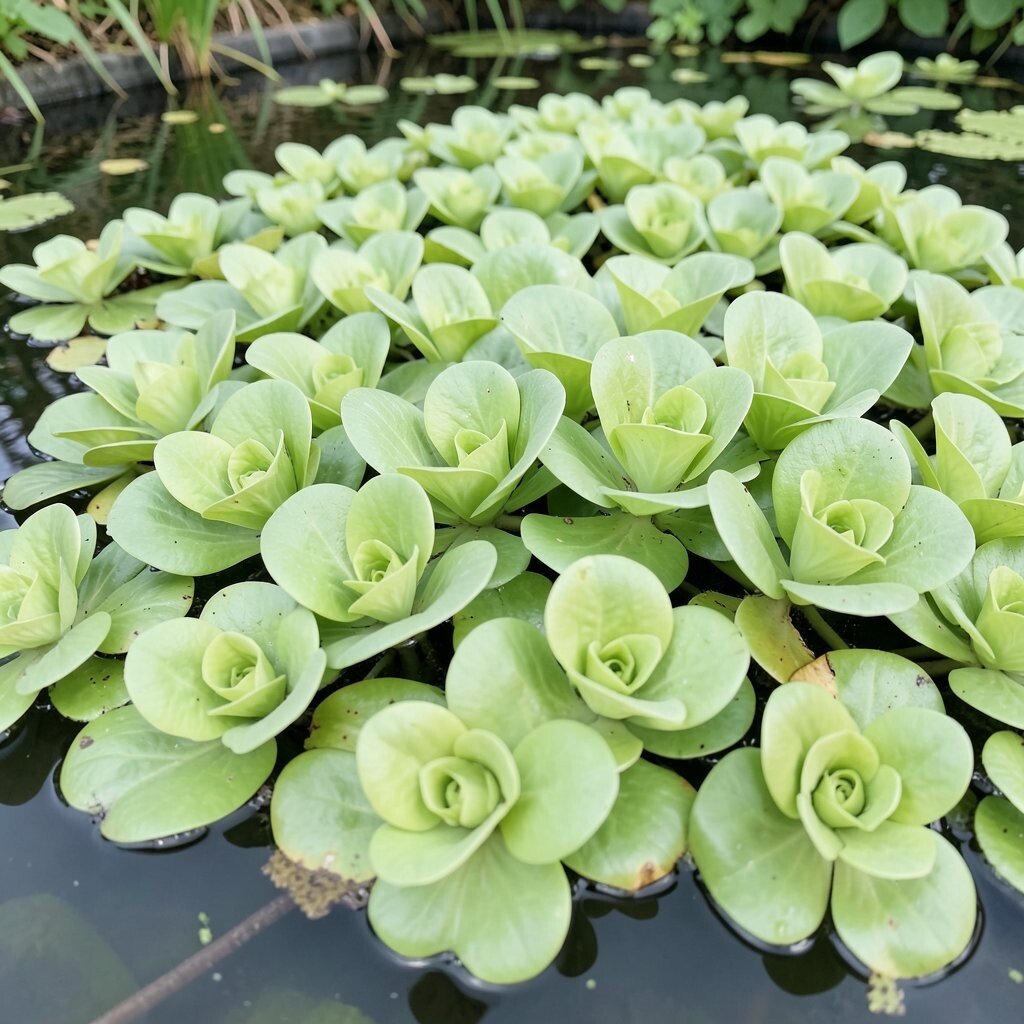
Water lettuce has soft, pale green leaves that float in clusters. It can make a pond look full and light, like a green raft. The plant spreads fast, so it stands out quickly.
Water lettuce can help use extra nutrients in the water. That can make it easier to keep algae from taking over. It also gives small living things a place to hide.
For cost control, remove extra plants every week when needed. Keep it away from cold snaps because it can slow down or die back in winter. If you add fish, watch the amount you add so oxygen stays steady.
5. Duckweed
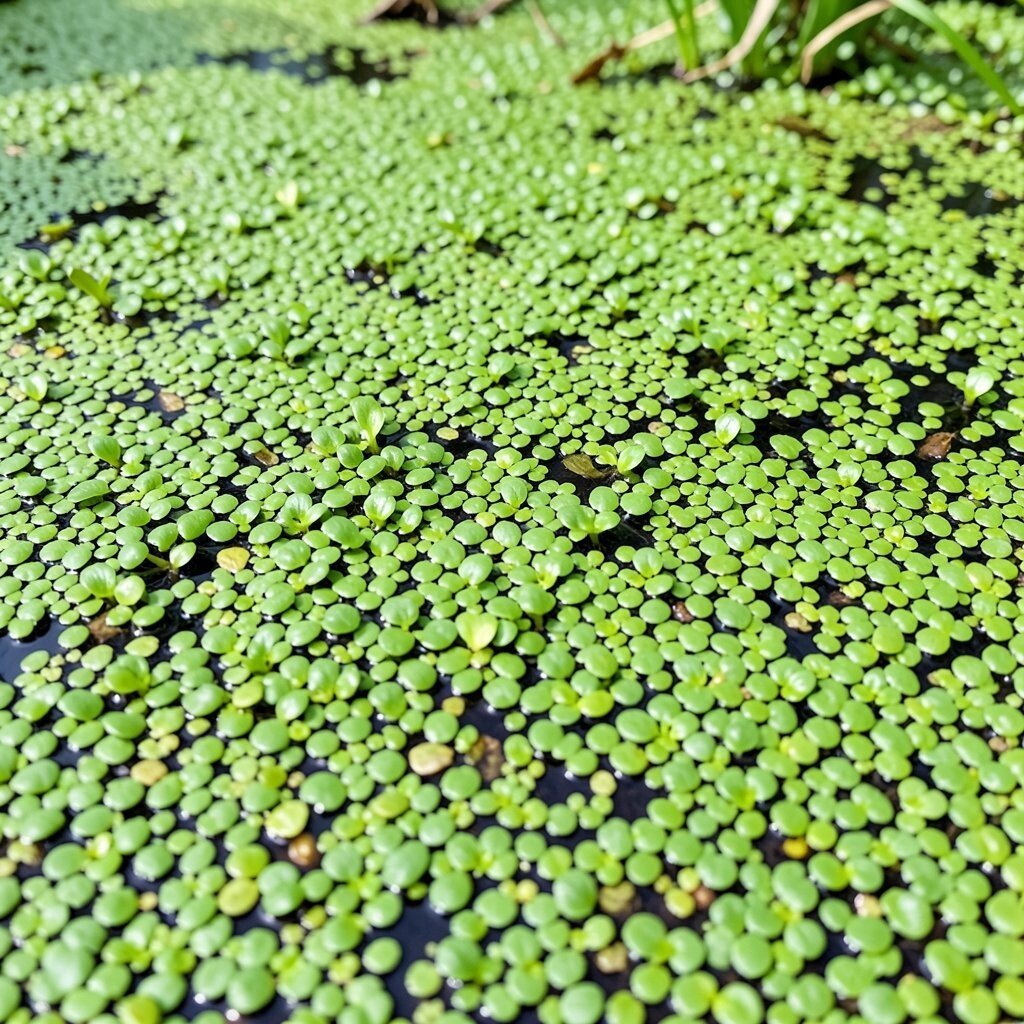
Duckweed is tiny and fast, with small round leaves that float and cover spots. It can look like a green carpet when it grows well. Some people love it for its quick cover, while others limit it.
Duckweed can block some light and slow algae in many ponds. It can also absorb leftover nutrients in the water. It is a good plant when you want simple coverage and you check it often.
Use it in a plan, not just once and forget. Thin it out if it covers too much of the surface. If you feed fish, remove some duckweed so the pond does not get too packed.
6. Hornwort
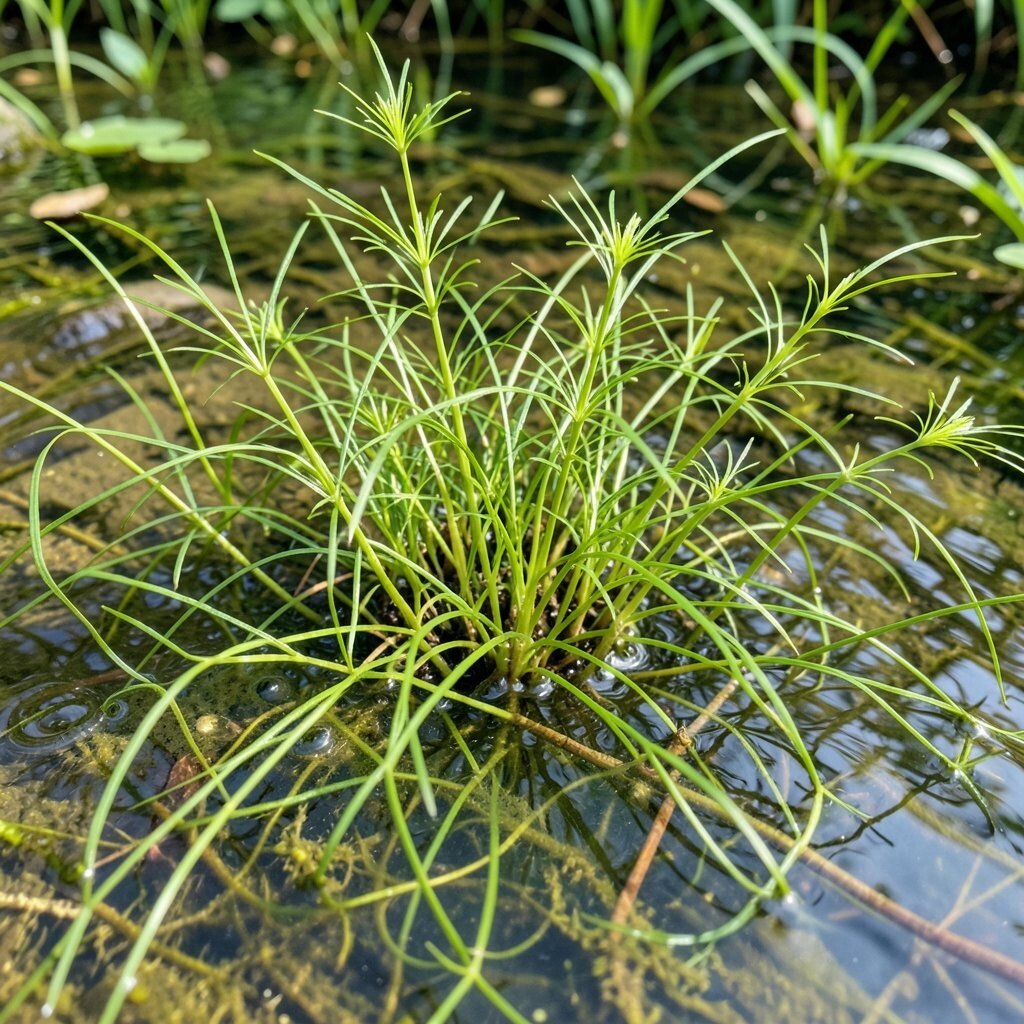
Hornwort has long, thin stems that grow under the water. It looks like green hair moving in the current, even when the pond is still. This plant can make the underwater view more interesting.
Hornwort helps use nutrients that feed algae. It also gives oxygen and shelter for small pond life. Many gardeners also like it because it is tough and keeps going.
Place hornwort where it can move a bit with water flow. You can start with a small bundle and let it fill in. In cooler weather, growth may slow, but it often comes back when temperatures rise.
7. Anacharis (Elodea)
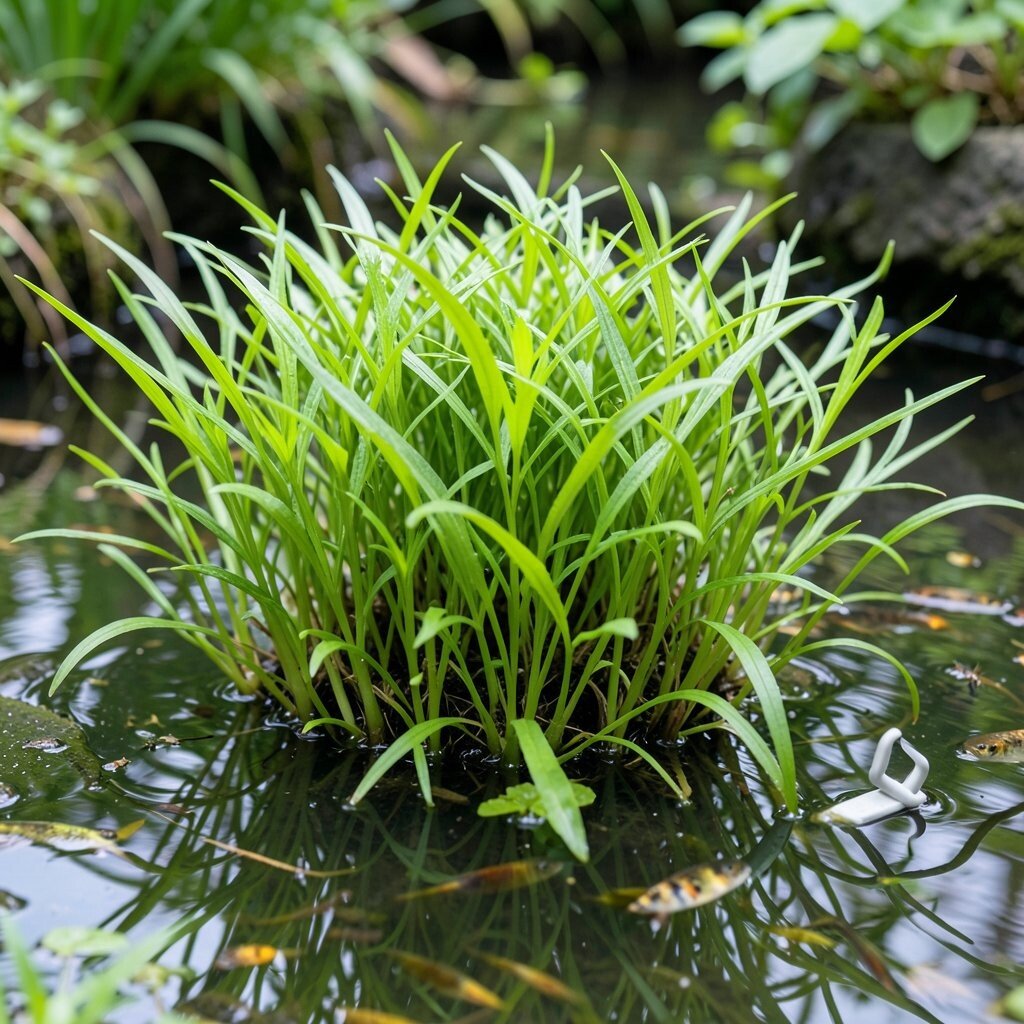
Anacharis, sometimes sold as Elodea, forms bunches of narrow leaves along stems. It grows quickly and can fill open pond areas. The green stems can look like a soft underwater forest.
This plant is often used to help keep the water steady. It can take up nutrients and reduce algae pressure. It also gives fish cover and supports tiny bugs that fish like to eat.
Set it into the pond with a light anchor so it does not float off. Use a net or plant weight if your pond has strong wind. For best results, add it in small starts so you do not shock the pond system.
8. Submerged Fanwort
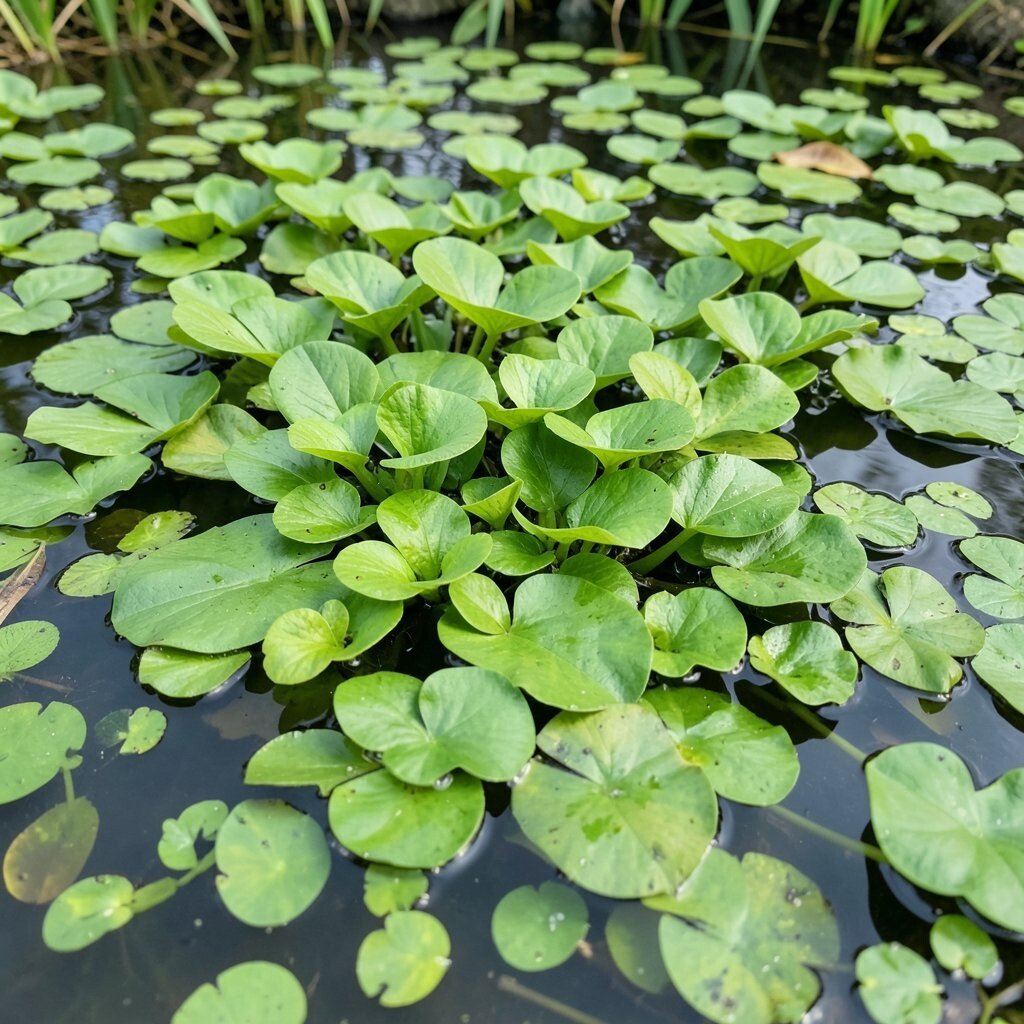
Fanwort spreads under the water and grows flat, fan-like leaves. It gives a wider look than some other underwater plants. The texture can add depth when you look from the side.
Fanwort can help manage algae by using nutrients in the water. It also supports pond life by giving hiding spots. With enough growth, it can make a pond feel more alive.
Because it can grow more than you expect, trim it when it gets too thick. Use a gentle hand and remove only what you need. If you want a clean look, keep the plant away from the filter intake.
9. Water Smartweed
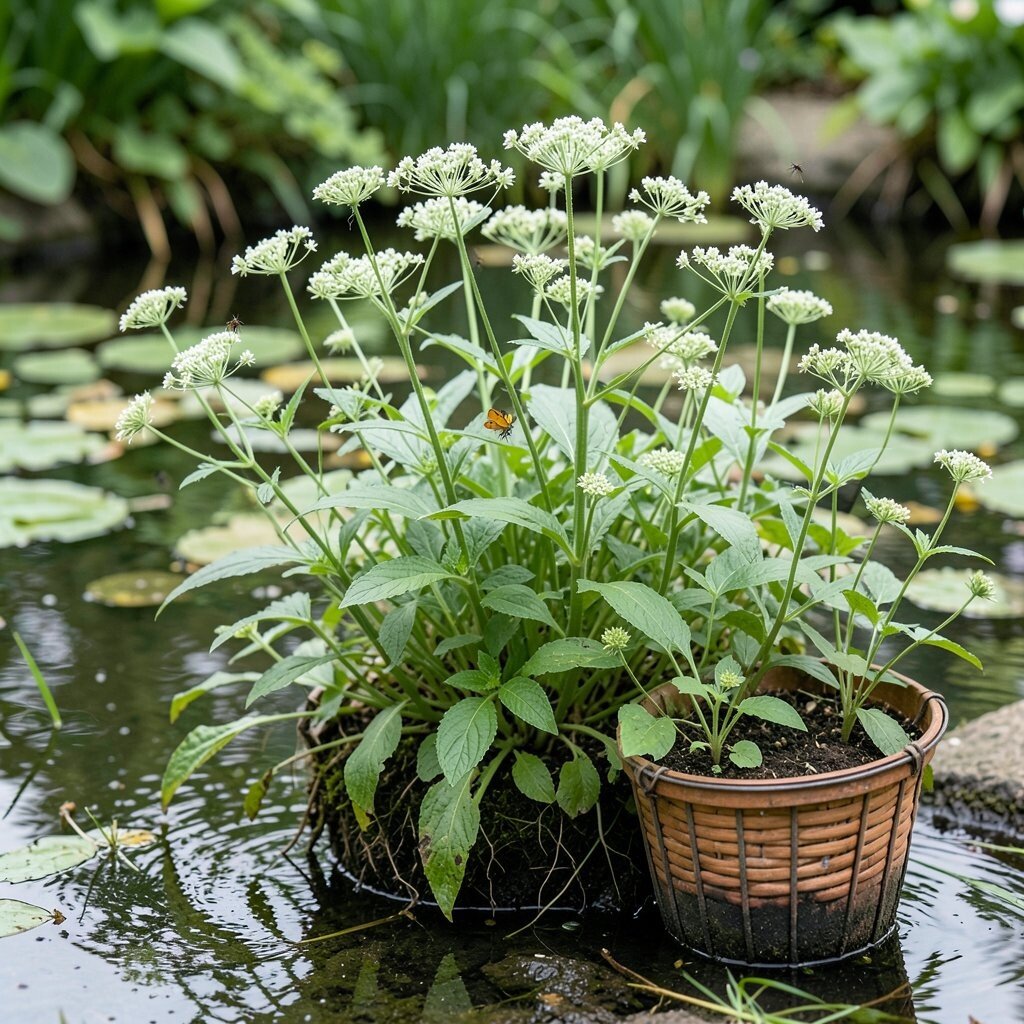
Water smartweed grows near the water edge and can also handle shallow water. Its leaves and stems give a natural look that fits ponds in gardens. It can add height and interest without taking over the whole pond.
This plant can help stabilize the edge and reduce soil wash. It also gives land bugs and small pond insects a place to land. You may also see more butterfly activity near it.
Plant it in a damp planting area or a pond basket set near the edge. Keep roots moist, but make sure it is not fully submerged unless your plant label says it can. Add a bit of rich soil in the basket for steady growth.
10. Pickerel Weed
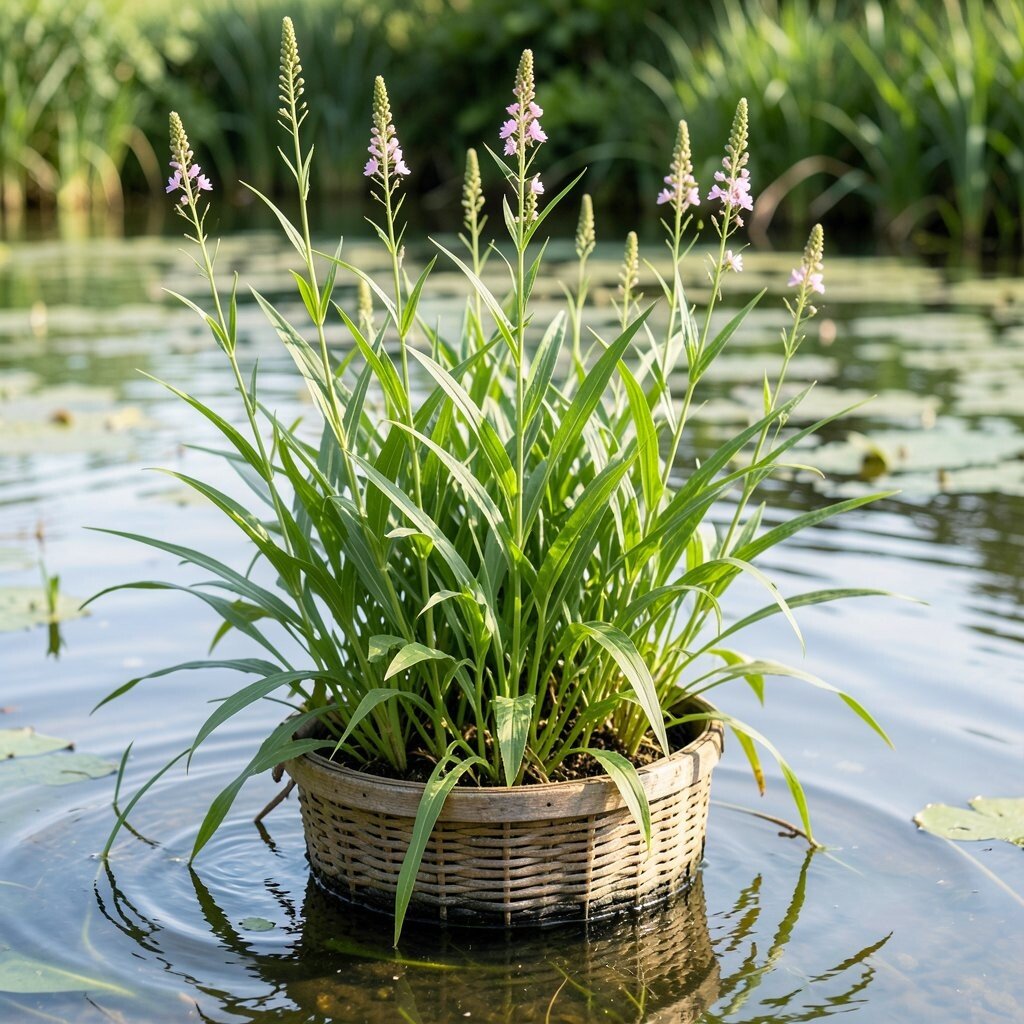
Pickerel weed has long leaves and tall, upright stems that stand above the water. It can look strong and fresh, even on simple pond days. In season, it often shows pretty flowers that pop against the green.
This plant helps create a natural shoreline and gives shade to the water below. It can also help reduce algae by using nutrients. Many people like it because it feels like a real wetland plant.
Place it in water that matches the plant needs, often in shallow to mid depth. Use a sturdy pot or basket to hold it in place. If you want a fuller clump, plant more than one in the same basket.
11. Water Marigold
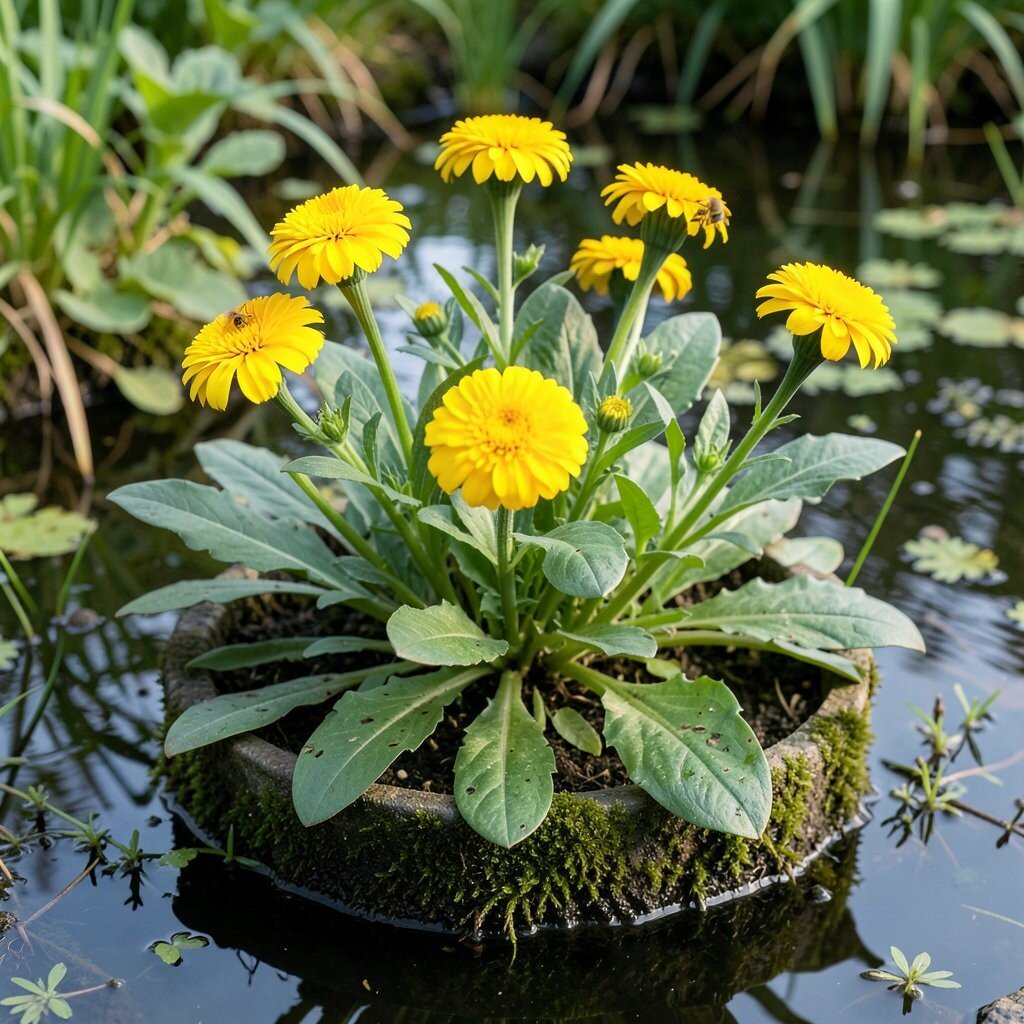
Water marigold is known for bright yellow flowers that sit above the water. It looks cheerful and adds a warm color tone to the pond area. The leaves spread in a neat way around the base.
Water marigold attracts pollinators like bees and small flies. It also offers cover near the edges for tiny pond life. Many gardeners enjoy the mix of flowers and leaf texture.
Grow it in a bog-style setup or in a basket with wet soil. Keep it watered in dry spells when it grows near the edge. For cost control, you can start with one plant and divide later if the plant grows thick.
12. Sweet Flag (Acorus)
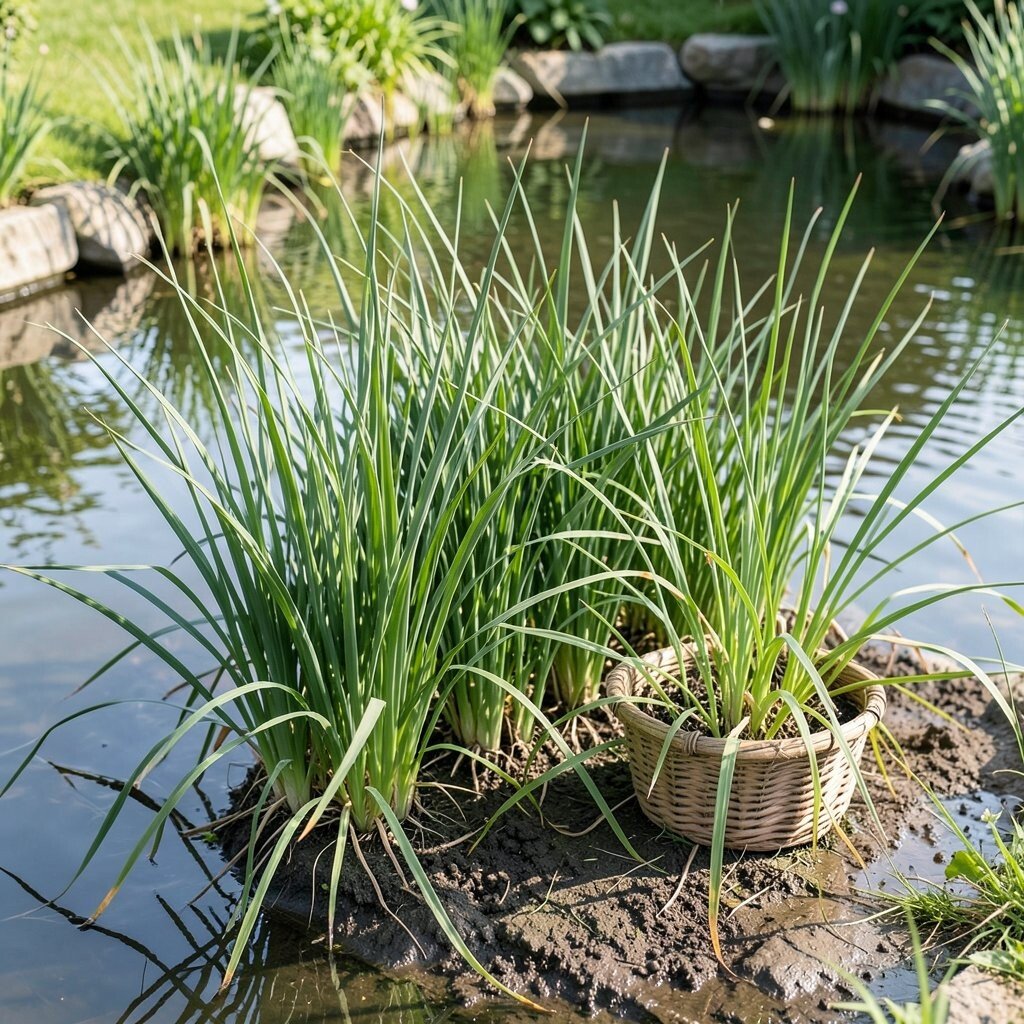
Sweet flag has long, blade-like leaves that grow in clumps near water. It gives a neat, grass-like look that many people like for modern gardens. The plant can make the pond edge look planned, not messy.
It helps hold soil near the waterline and can reduce splashing effects. It also supports small creatures by adding stable cover. If you want a plant that looks good even when it is not flowering, this can help.
Plant it in a basket or damp soil area with roots held in place. It can spread, so give it room. If you want a neat look, cut back dead blades in early spring.
13. Arrowhead Plant
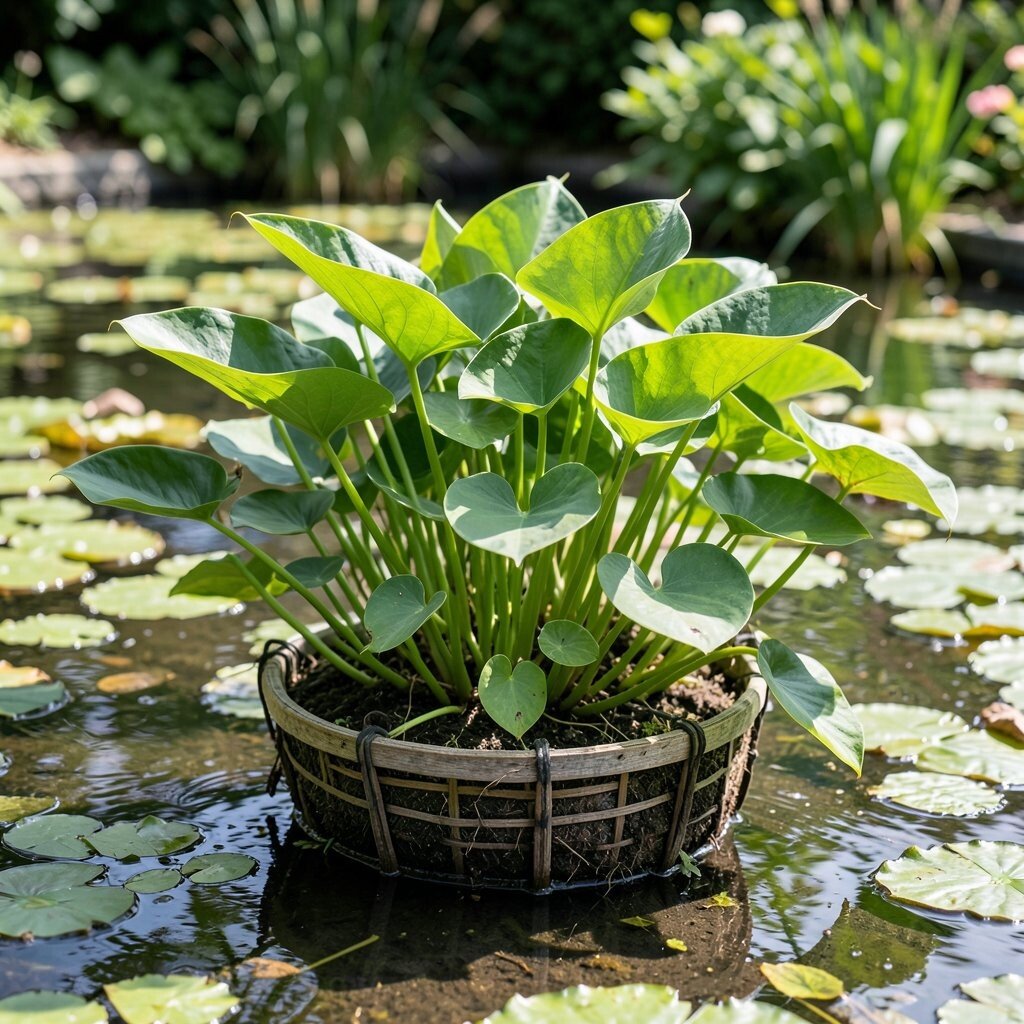
Arrowhead plant has leaves shaped like small arrowheads. It grows in a clump and can rise from the shallow water edge. This shape adds a clear, bold look to your pond.
The plant can help manage water quality by using nutrients. It also gives shade and cover near the surface. If you want more structure around the pond, this plant adds it.
Use a pond basket with soil that stays damp but not soggy. Place the base at the right depth so leaves can sit above water. Trim old stems so the plant stays tidy.
14. Japanese Rush
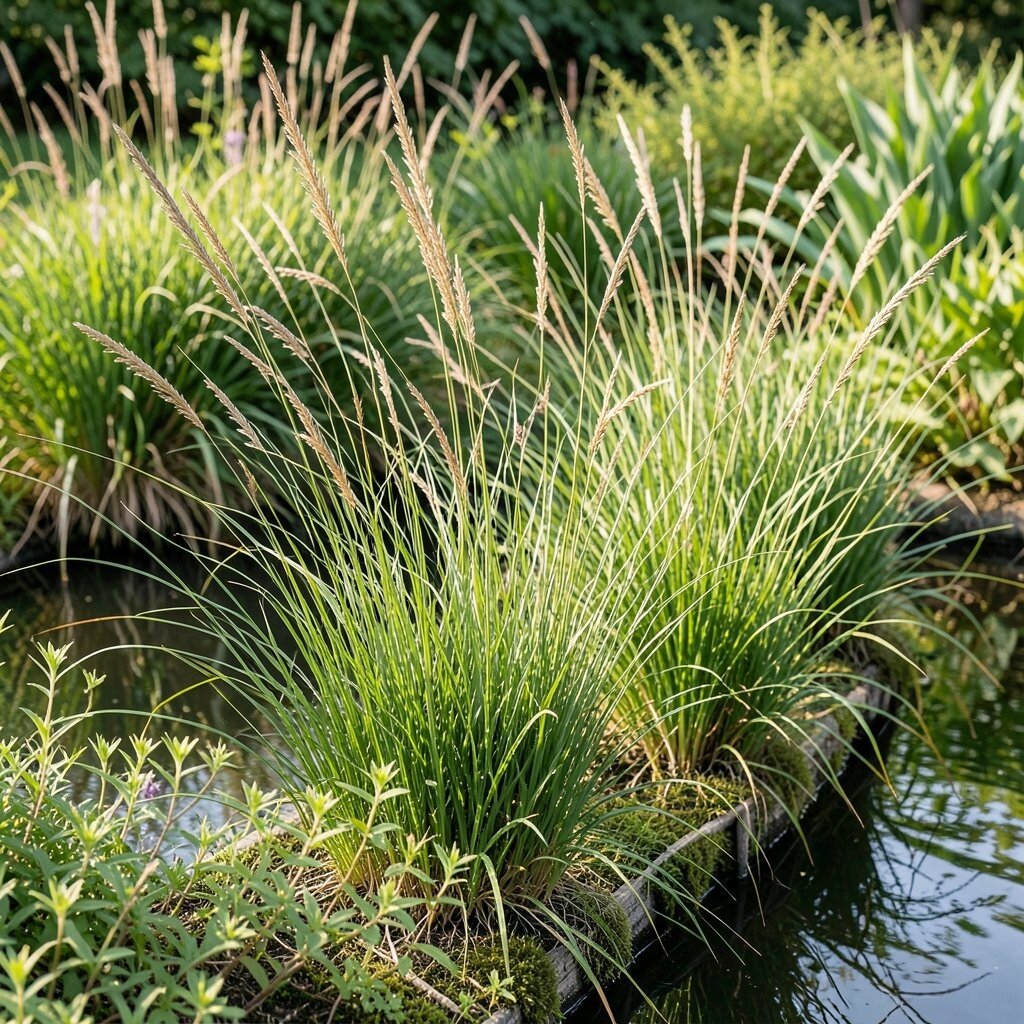
Japanese rush has thin, upright stems that sway with wind. It can make a pond edge look soft and tidy at the same time. The plant works well when you want a clean line around the water.
It helps hide the pond edge and gives shade close to the water. This can help keep small creatures safe. It also looks good year-round in many climates.
Plant it in a bog basket or edge planting zone with steady moisture. Space clumps so air can move around the stems. For personalization, you can mix it with taller plants at the back and smaller plants in front.
15. Water Hawthorn (Water Thyme Type Margin Plant)
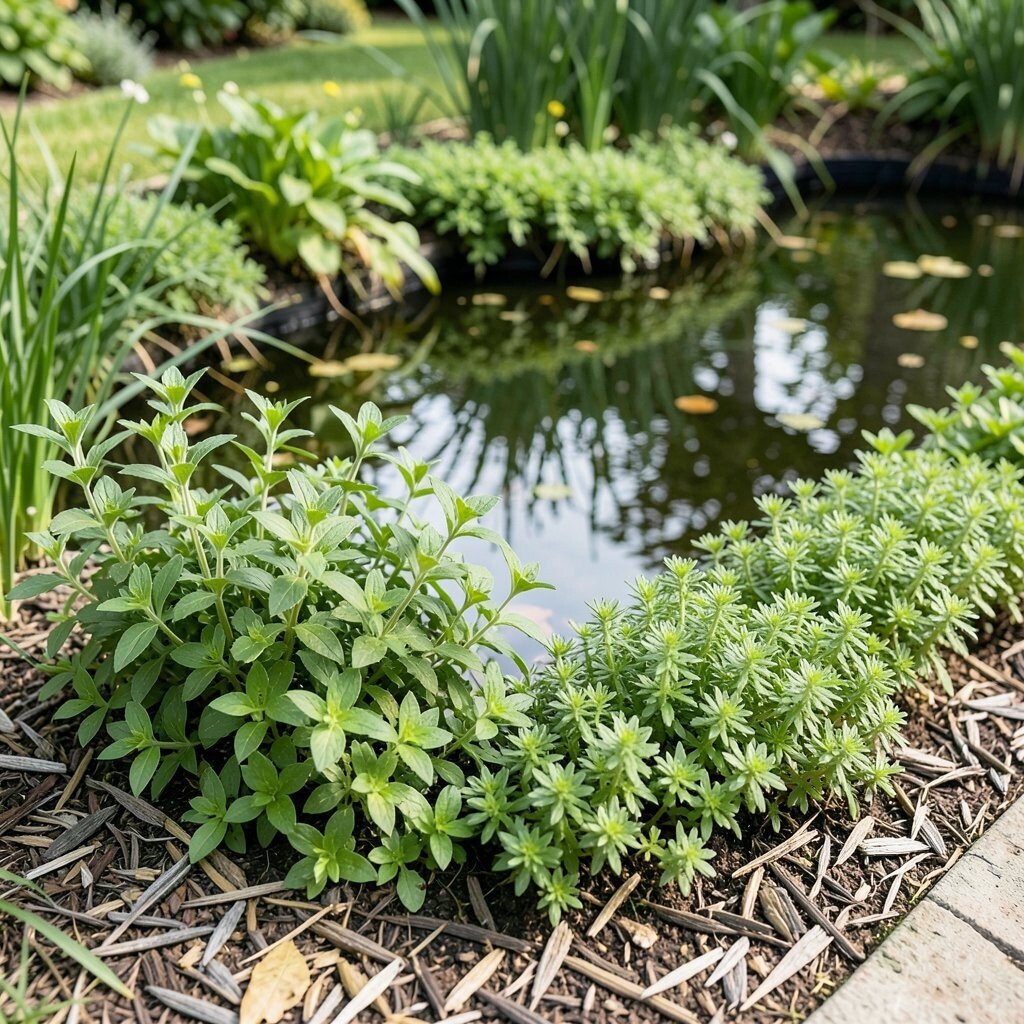
Margin plants like water hawthorn types add a natural edge layer. They often have small leaves and a tighter growth habit than big reeds. You get a smooth border that can make the whole pond look finished.
These plants can help stop erosion at the edge. They also give land insects a landing spot as they move between pond and garden. A neat border often makes people enjoy the pond more.
Use pots for easy control, especially if your pond is small. Keep the crown at the right height so it does not rot. Add a light layer of mulch outside the pond edge if your plants are in wet soil beds.
16. Variegated Water Plant (Mixed Texture Choice)
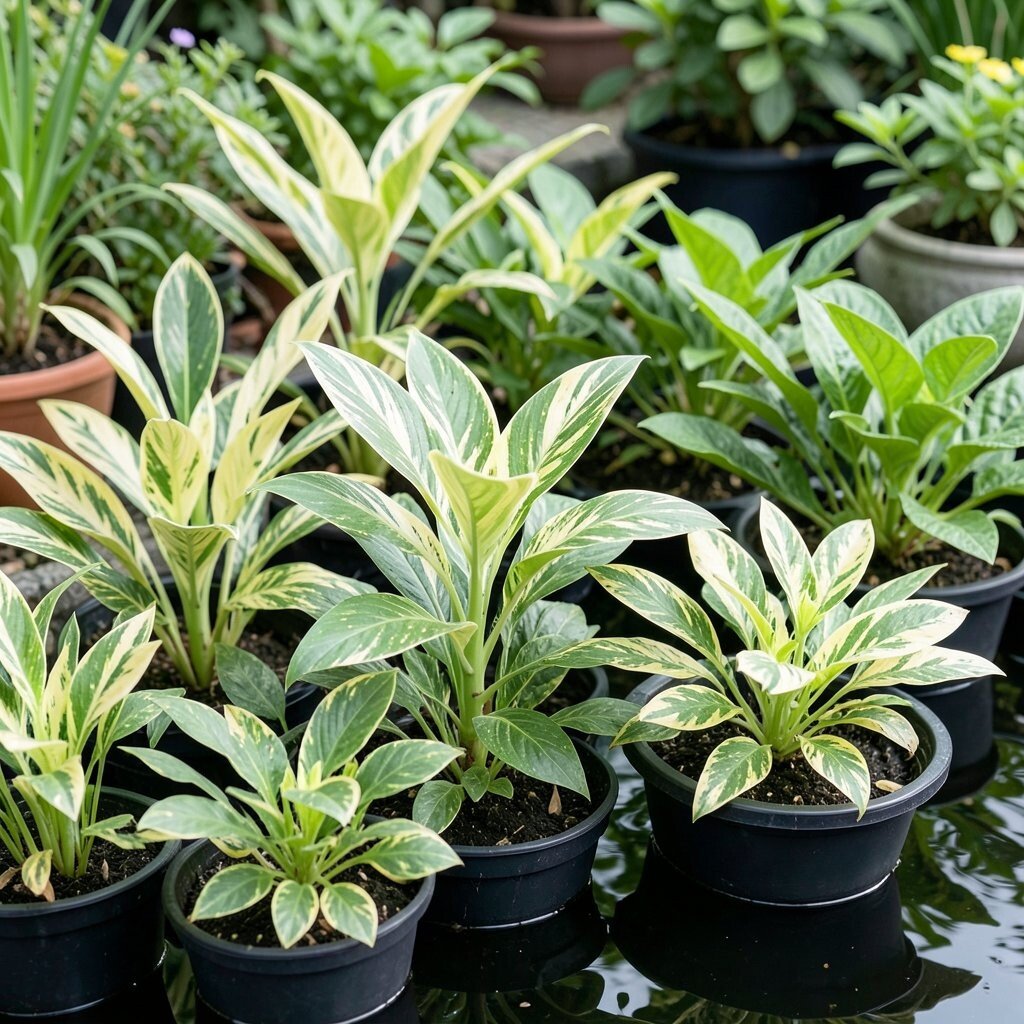
Variegated aquatic plants bring a second color into the water garden. You may see pale green, cream, or light yellow on leaves or stems. This makes the pond more eye-catching, even when flowers are not out.
Mixing variegated plants with solid green plants can help balance the look. It also lets you follow trends without buying many different plants. Many gardeners like this style because it feels fresh and clean.
Choose plants that match your pond depth and light level. Keep them in separate baskets so you can adjust growth later. If you want to keep costs down, buy one variegated plant first, then expand after it grows.