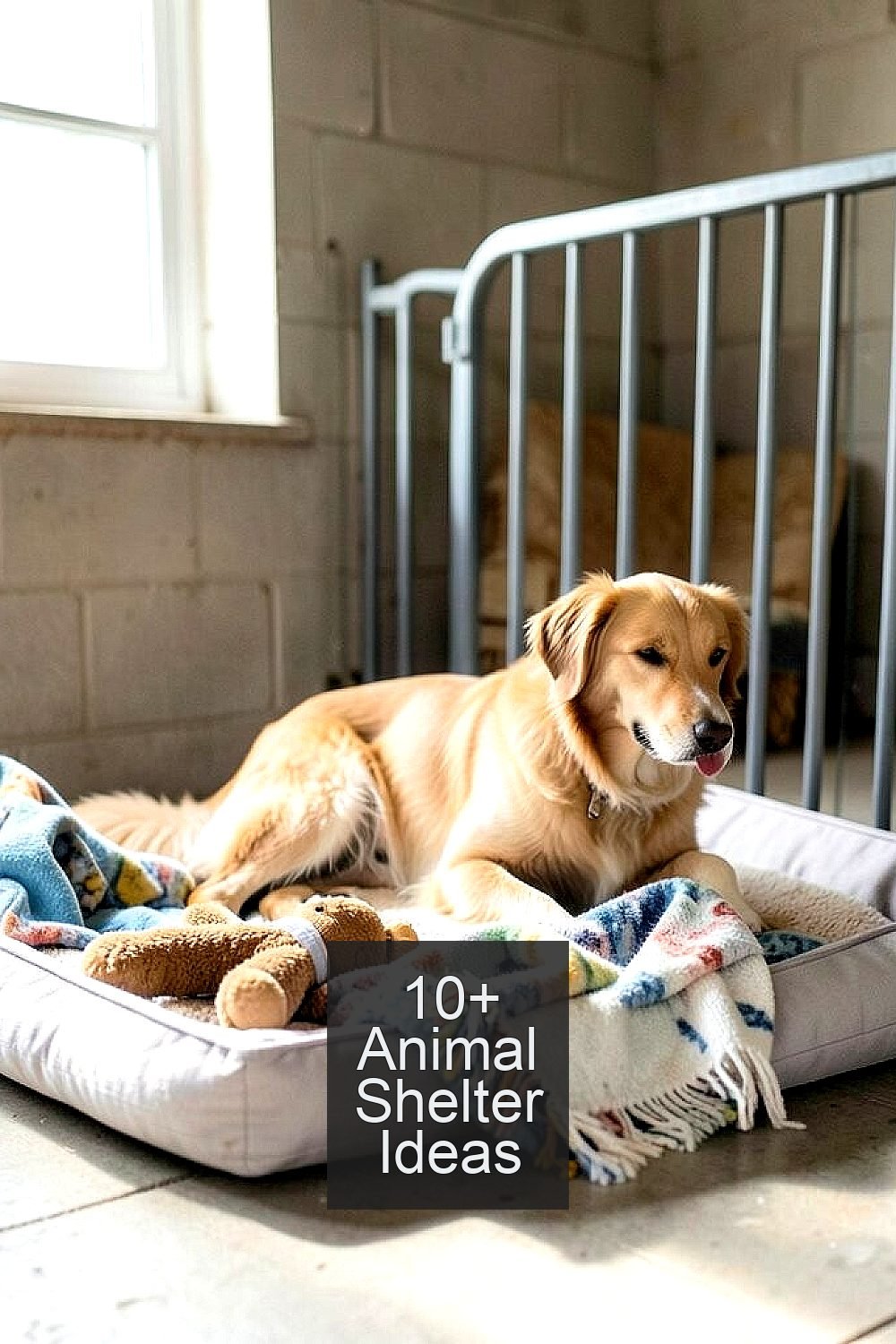
Animal shelters work hard to find safe homes for pets, and people can help in many small ways. When you give time, support, or supplies, you can raise the chance that a pet gets adopted soon.
1. Host a Meet-and-Greet at Your Home
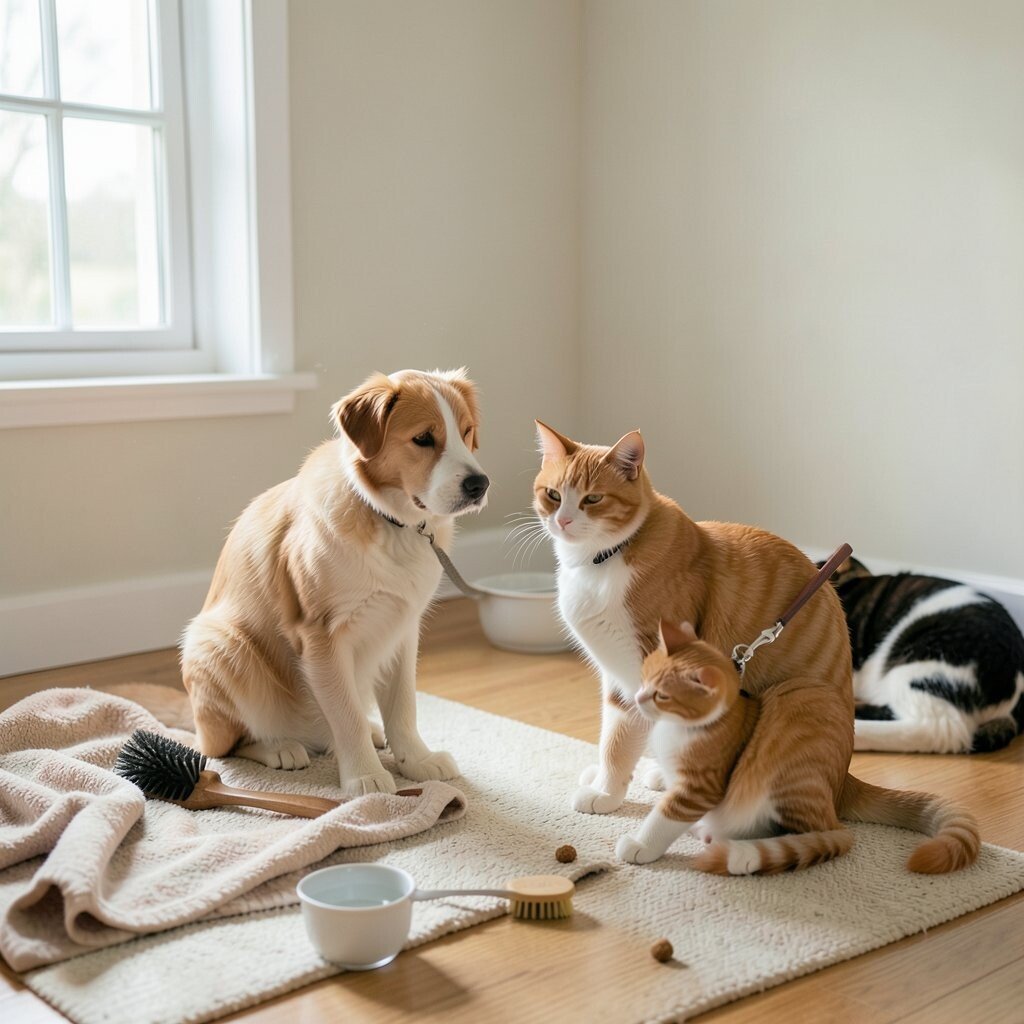
Invite a shelter to bring a calm dog or cat for a short visit. You can set up a quiet room, clear a small space, and keep noise low. A pet that feels safe in a home can show their best side.
Make it easy for staff by using simple rules. Keep other pets separated, use a leash for dogs, and offer fresh water. This helps staff see how the pet acts with new people.
You can also help with cost by using what you already have. Use a spare blanket, a clean bowl, and a basic brush if you own one. If you can, offer a small treat, but ask the shelter what is safe for that pet.
2. Offer a Foster Plan for Short Time Frames

Fostering can be short and still help a lot. A pet may need a break from the busy shelter space, or they may need practice with home life. Even a few days can help a dog learn routines or help a cat feel calmer.
Work with the shelter to choose the right fit. Ask if they want someone for a shy pet, a nursing mom, or a pet that needs basic training. This makes sure the needs match your time and home setup.
For personalization, set up a small “pet base” with a bed, a toy, and a familiar blanket. Use baby gates or a closed door if needed. The shelter staff can guide you on feeding, meds, and how to handle the pet safely.
3. Create Better Pet Photos and Simple Video
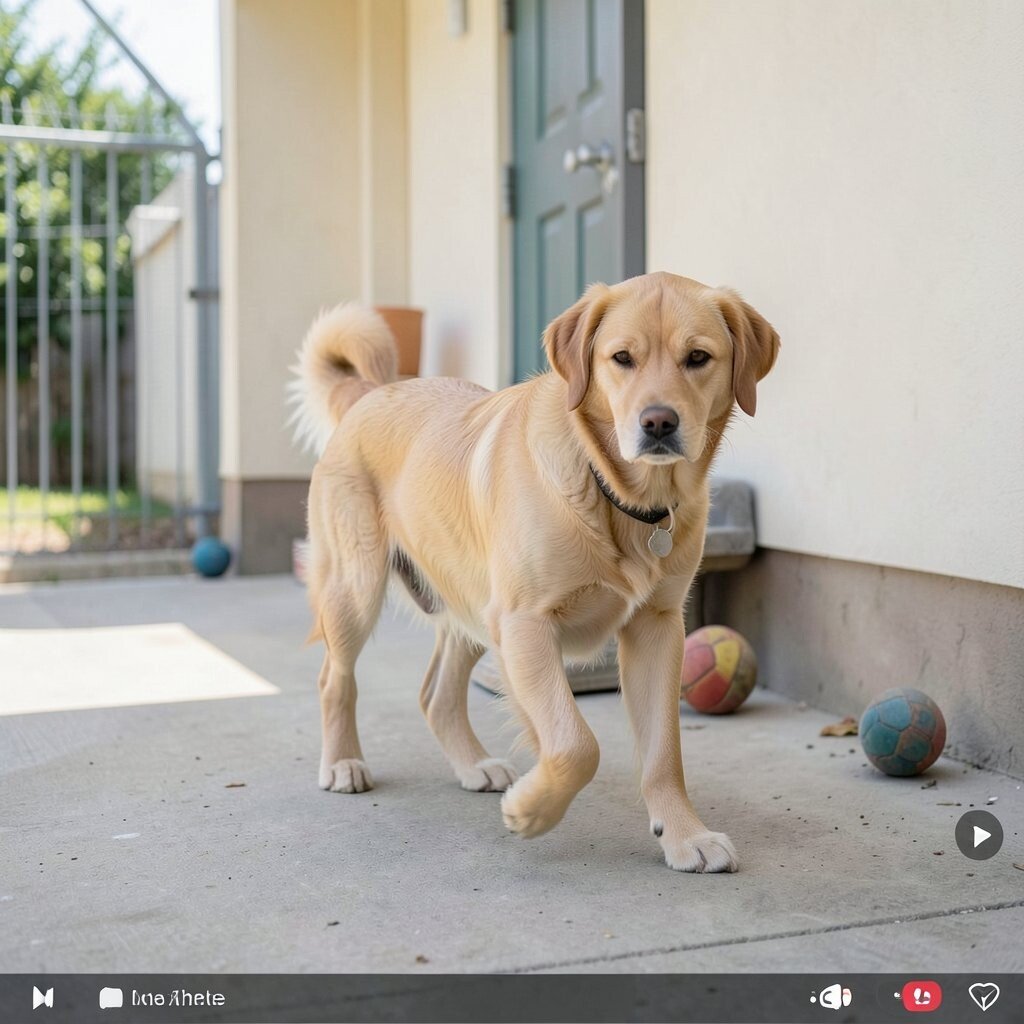
Many people decide based on first looks, so clear photos matter. You can take pictures in soft light, with the pet calm and at ease. A nice background helps too, like a plain wall or a simple yard spot.
Try short video clips that show real life. Record a few seconds of walking, gentle play, or a calm sit. These small clips help people picture the pet in their own home.
Keep the cost low by using your phone and clean space. Use simple props like a ball or a quiet toy, and ask the shelter staff before you share the images online. This can also match trends, since more people now watch short clips on social apps.
4. Write Shareable Pet Stories for Social Media
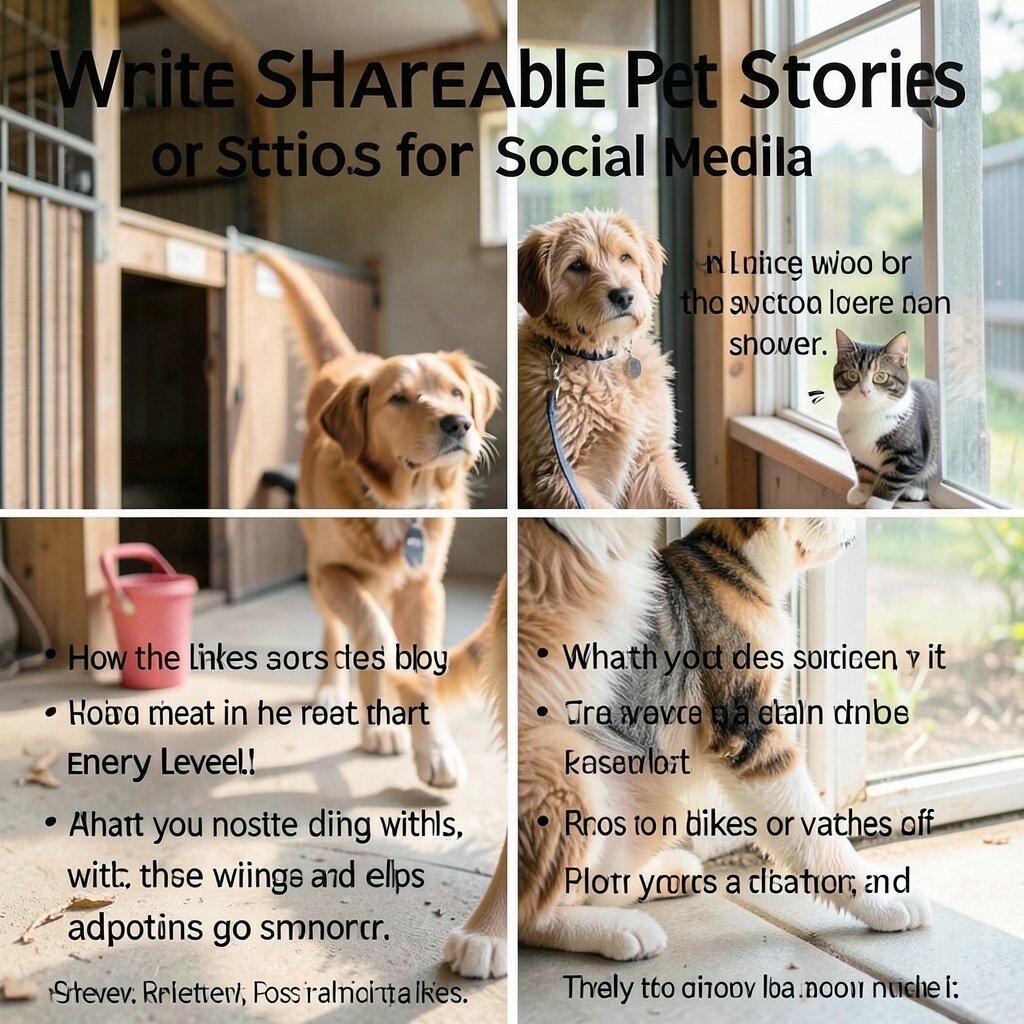
Share facts in a friendly way, not a long list. You can write a short story about what the pet likes, like a favorite snack or a calm walk. Use clear words so most people can understand.
Include practical details that help a person decide. Mention energy level, how the pet acts with people, and any known likes or dislikes. This reduces wrong matches and helps adoptions go smoother.
Personalize each post by using what you notice during visits. If a dog waits politely by the door, say that. If a cat likes to sit by a window, note it. The shelter can review your text so it stays correct.
5. Help With Basic Training During Adoption Week
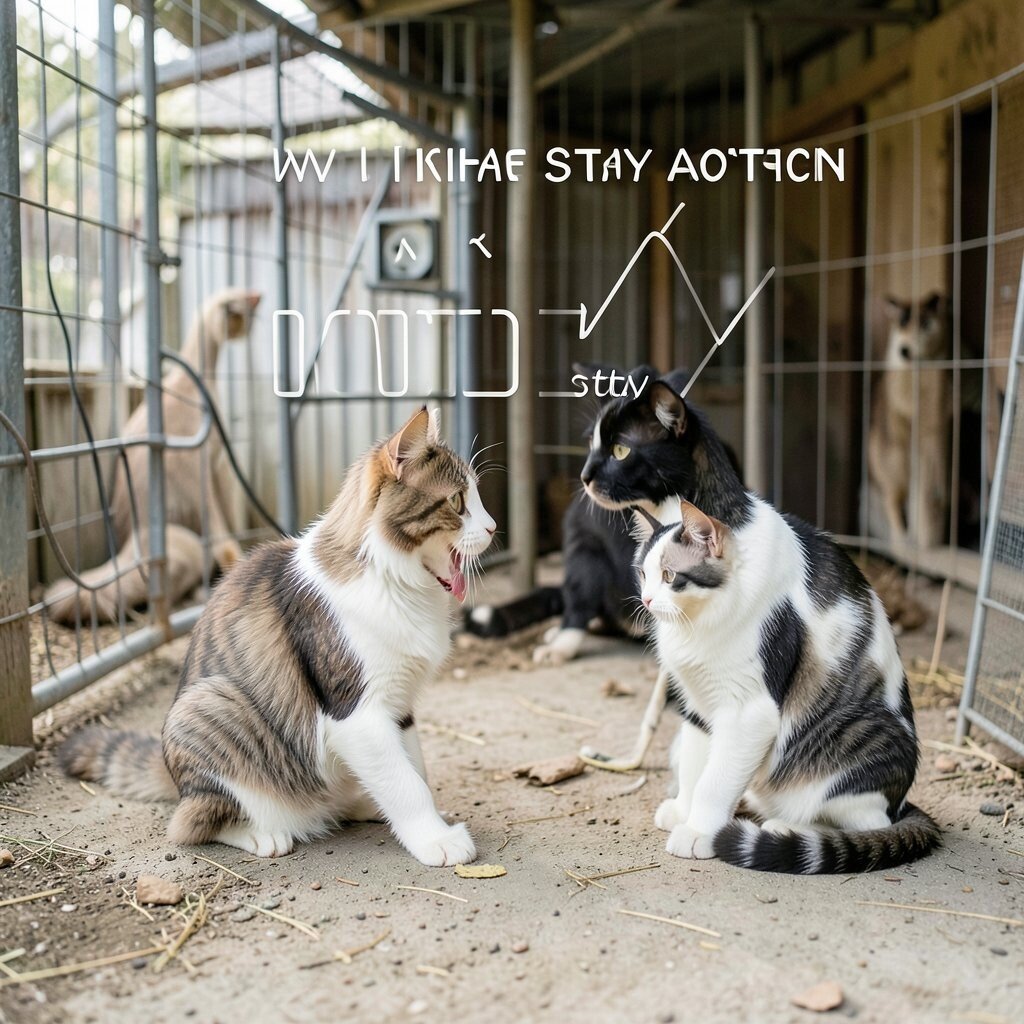
New adopters often feel unsure, and a little training can help. You can work with a shelter pet on simple skills like “sit,” “stay,” or “come.” For cats, focus on safe handling and calm routines.
Use reward-based methods that are easy and kind. Small treats and praise help most pets learn faster. Keep sessions short, like a few minutes, and stop before the pet gets tired.
This idea supports benefits like lower stress and better home fit. It also saves cost for adopters because they may not need as much extra help at first. Ask the shelter for a plan so you use the right commands and do not upset any schedules.
6. Donate Needed Items That Shelters Use Every Day
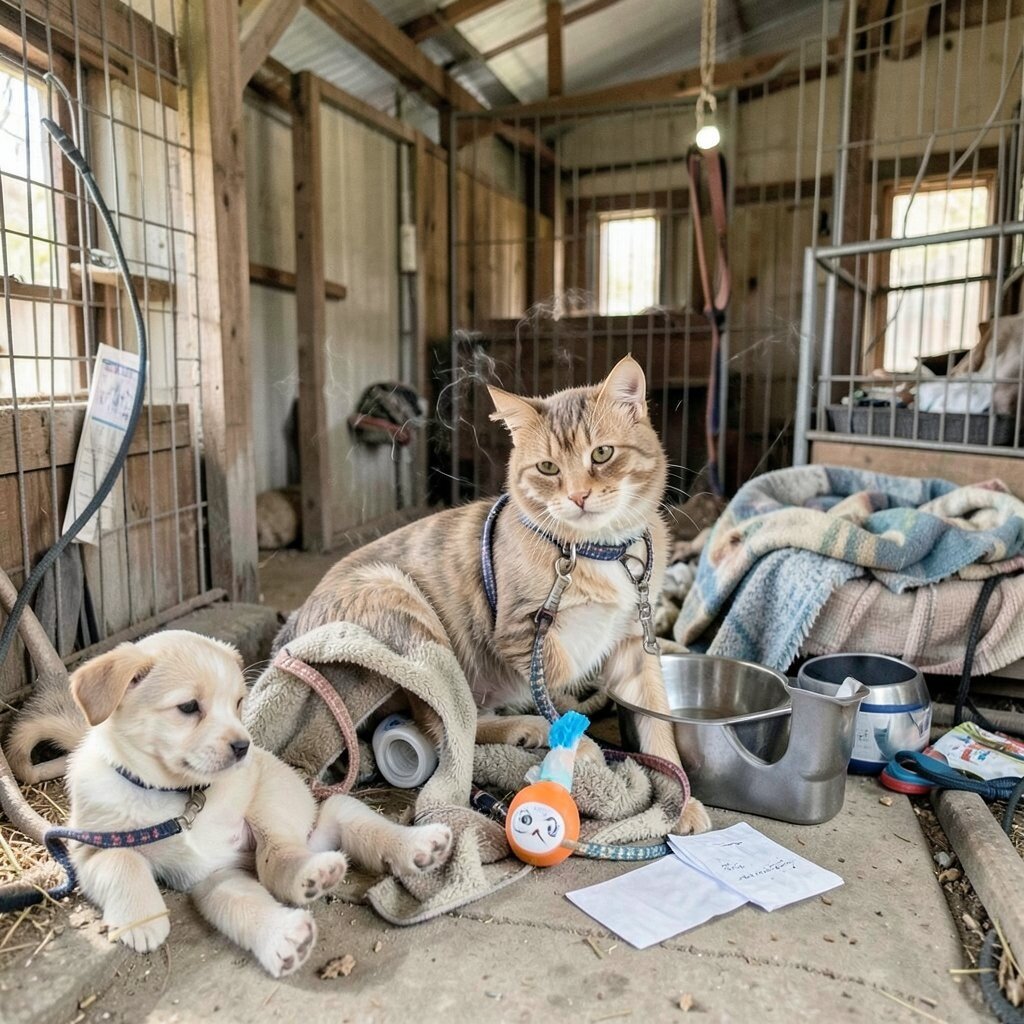
Some shelters need steady support, not only big gifts. Basic items like food, litter, leashes, bowls, blankets, and cleaning wipes are always in use. When you donate what is needed most, staff can save time and money.
Ask for a current wish list so you buy what fits. Check sizes for collars, bowls, and grooming tools. If a shelter has special needs, like puppy formula or cat calming supplies, follow their list.
Keep it personal by adding a short note for the pet if the shelter allows it. Some people like to include a small toy that matches the pet’s play style. This adds uniqueness while staying careful about what the pet can safely use.
7. Start a Low-Cost “Supplies for Success” Bag
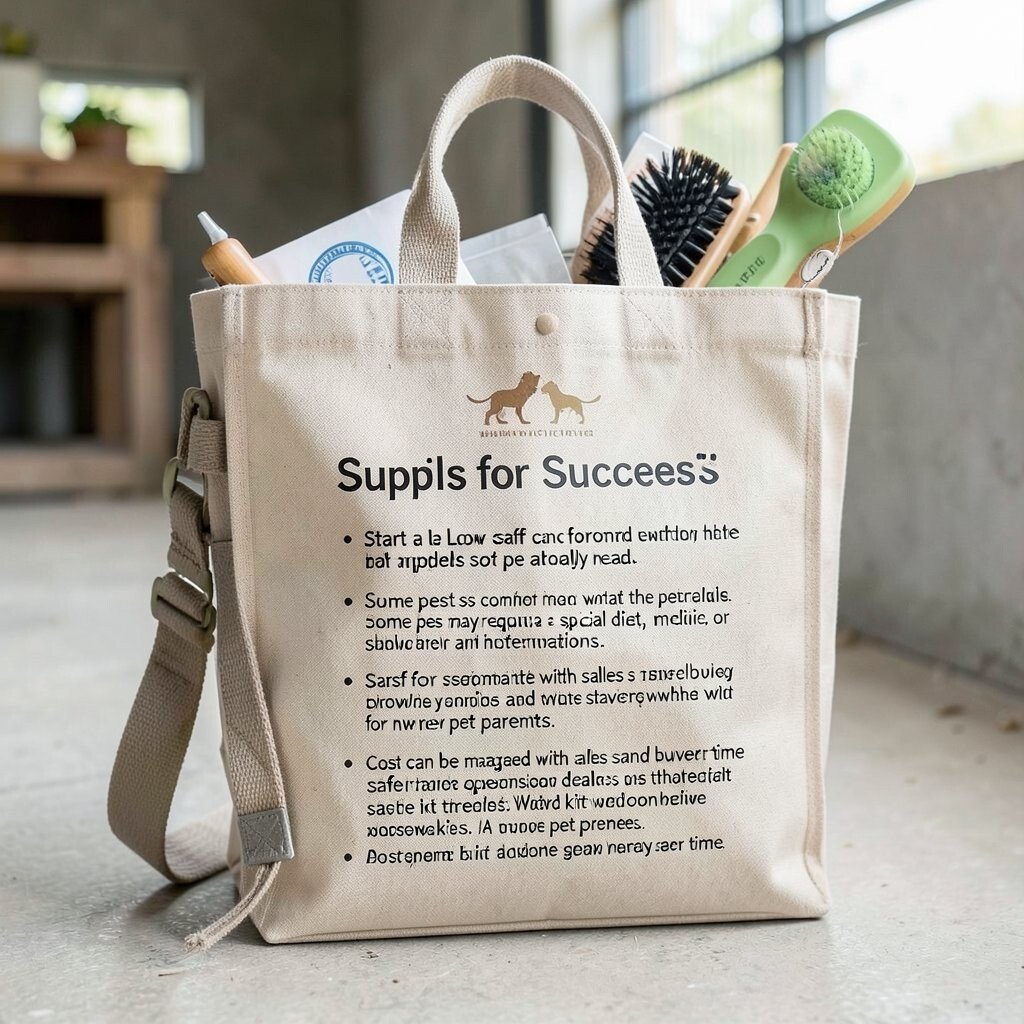
You can help adopters after the adoption day with a starter kit. Put together a bag with a leash or harness, a collar tag, and basic items like a brush. Add a simple list of care steps written in plain words.
Work with the shelter so staff can confirm what the pet already needs. Some pets may require a special diet, medicine, or slow introductions. A staff-approved kit reduces guesswork for new pet parents.
Cost can be managed with sales and small buys over time. Watch for seasonal deals and use store brands when they are safe. This also fits trends, since many people like “welcome kits” that make the first days easier.
8. Create a Calm “Quiet Room” for Nervous Pets
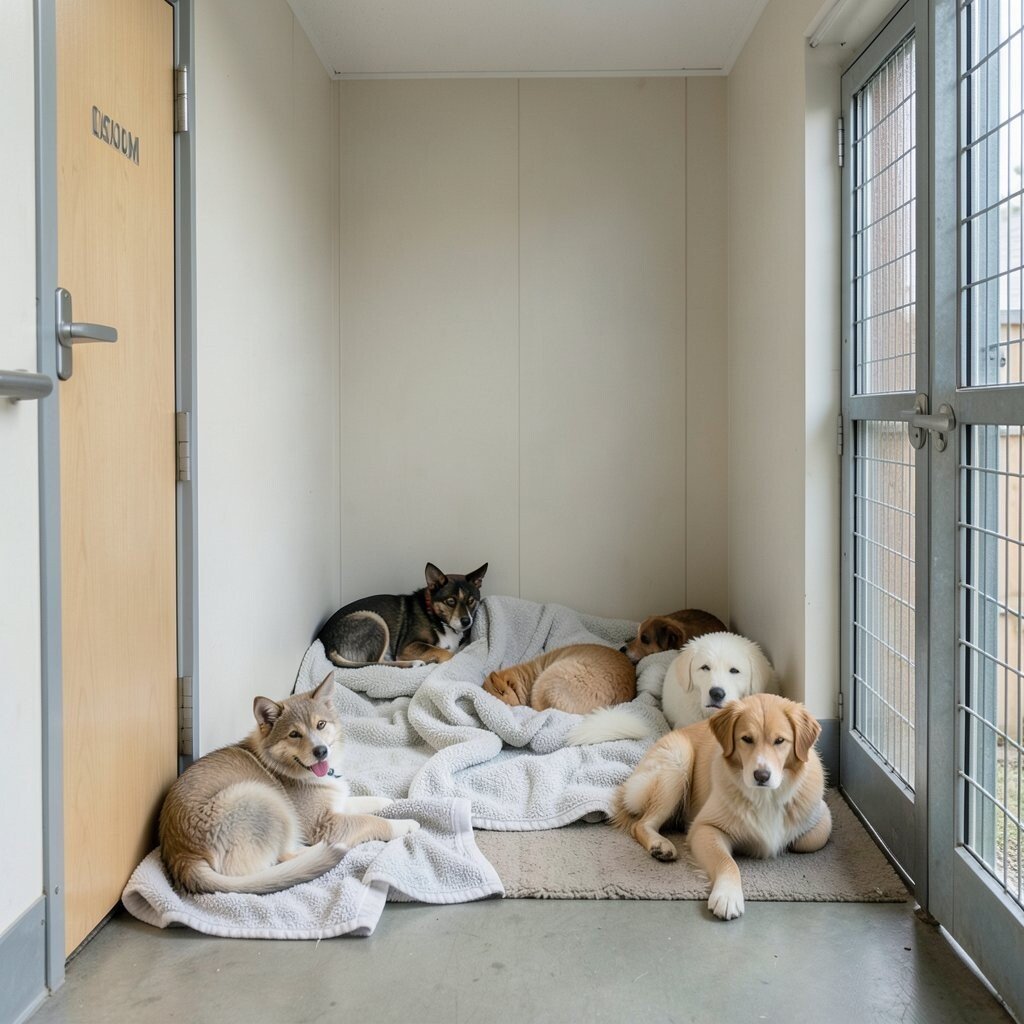
Some pets do not do well in loud spaces, and shelter life can be stressful. If you volunteer at a shelter or help at a partner site, you can help set up a quiet area. Use soft lighting, closed doors, and a clear routine.
Try to keep scents and sounds steady. Use the same blankets and keep music low if the shelter uses it. When a pet has a safe spot, they can rest and show more natural behavior.
This idea has clear benefits for both pets and staff. A calmer pet may handle handling and checkups with less stress. You can also help with personalization by adding a towel the pet can sleep on that smells like home, if the shelter allows it.
9. Set Up a Community Referral Network for Adopters
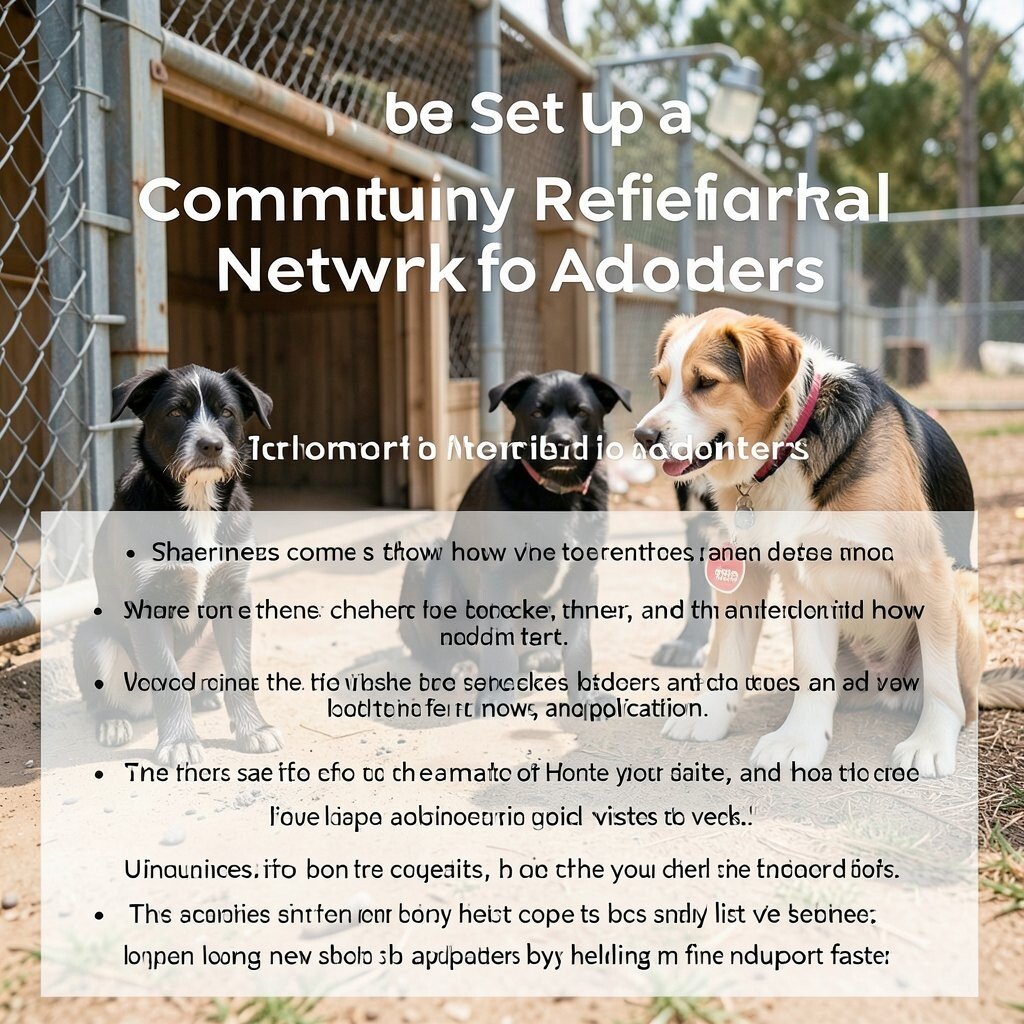
Some people want a pet but do not know where to start. You can build a simple referral network with local groups, schools, clubs, and neighbors. Share safe info about how the shelter checks adopters and how adoption visits work.
Make your messages clear and short. Use plain details like hours, how to meet pets, and what to bring for an application. This helps people feel less confused and more ready to act.
Uniqueness comes from how you link people together. For example, you can set up a small list of trusted contacts for pet sitters, trainers, and vets. This can cut long-term cost for new adopters by helping them find support faster.
10. Plan a Theme Day With Safe, Real Activities
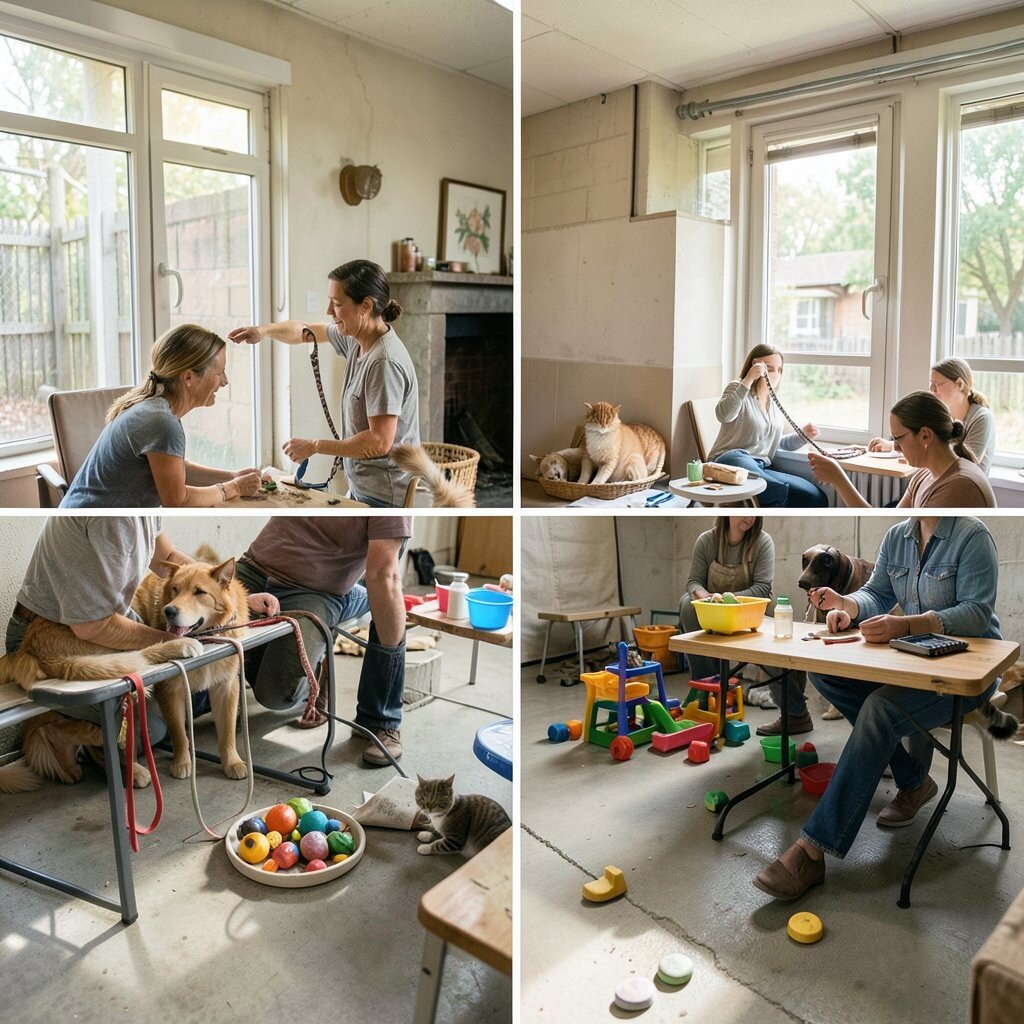
A theme day can help people see pets as part of everyday life. Pick a safe theme like “gentle walks” for dogs or “window watchers” for cats. Keep the focus on real care tasks, not big shows.
Set up simple stations such as a leash fitting area, a toy play zone, and a quiet meet area. Staff can help with guidance and answer questions. This gives benefits like better understanding of pet needs before adoption.
Cost can stay low by using local spaces and small items you already have. Borrow tables, use basic signs, and ask local shops for small discounts. This also matches trends toward community events that feel helpful and relaxed.
11. Offer Post-Adoption Check-Ins and Quick Help
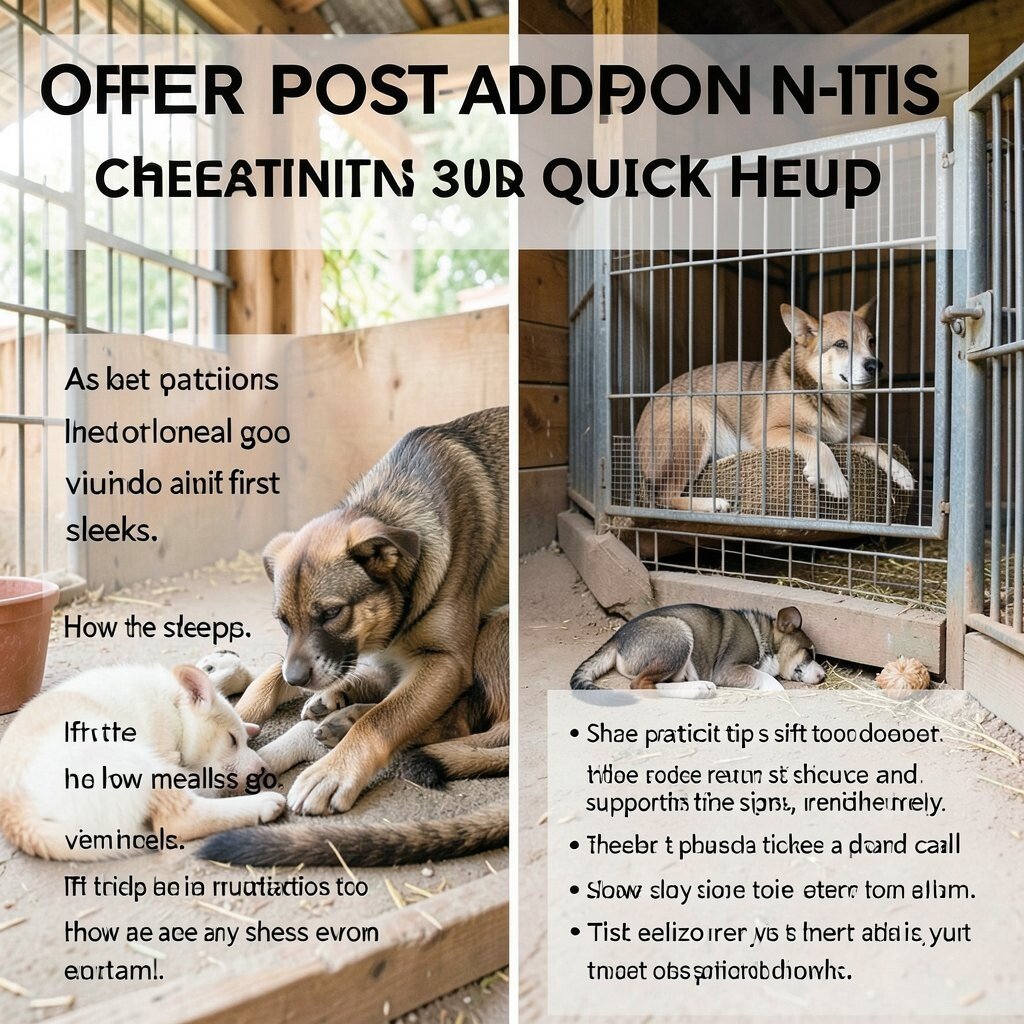
After a pet goes home, some new adopters need quick support. You can offer short check-ins by phone or video during the first weeks. Ask simple questions like how meals go, how the pet sleeps, and if there are any stress signs.
Share practical tips that fit the shelter’s advice. If the shelter says to keep routines steady, remind them. If the pet needs slow introductions to other pets, suggest a plan that keeps everyone calm.
This helps the shelter too, because it can reduce returns and support the bond. It can also lower cost, since the adopter may avoid extra trips for small issues. Personalization matters, so you can tailor tips to what you hear from that specific home and pet.