Good sheep herding starts with calm planning and steady routines. When you move your flock in a clear way, the pasture stays healthier and the sheep feel safer.
1. Item Title
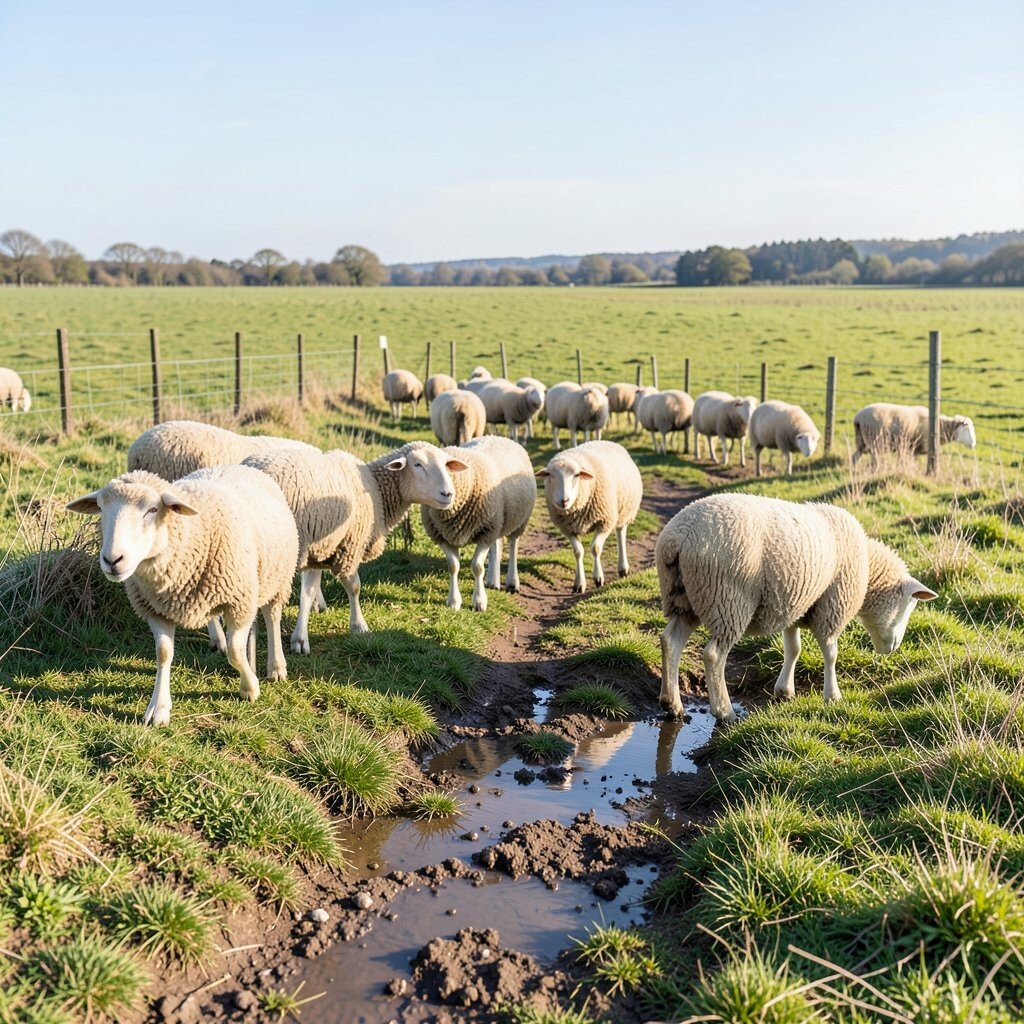
Start by walking the land before you move sheep. Look for wet spots, rough ground, and areas with thin grass. This simple check helps you pick the best paths and stops.
When you see the pasture in daylight, you can notice where grass is growing well. You can also spot fence issues that need fixing. Small fixes early can lower stress later.
2. Item Title
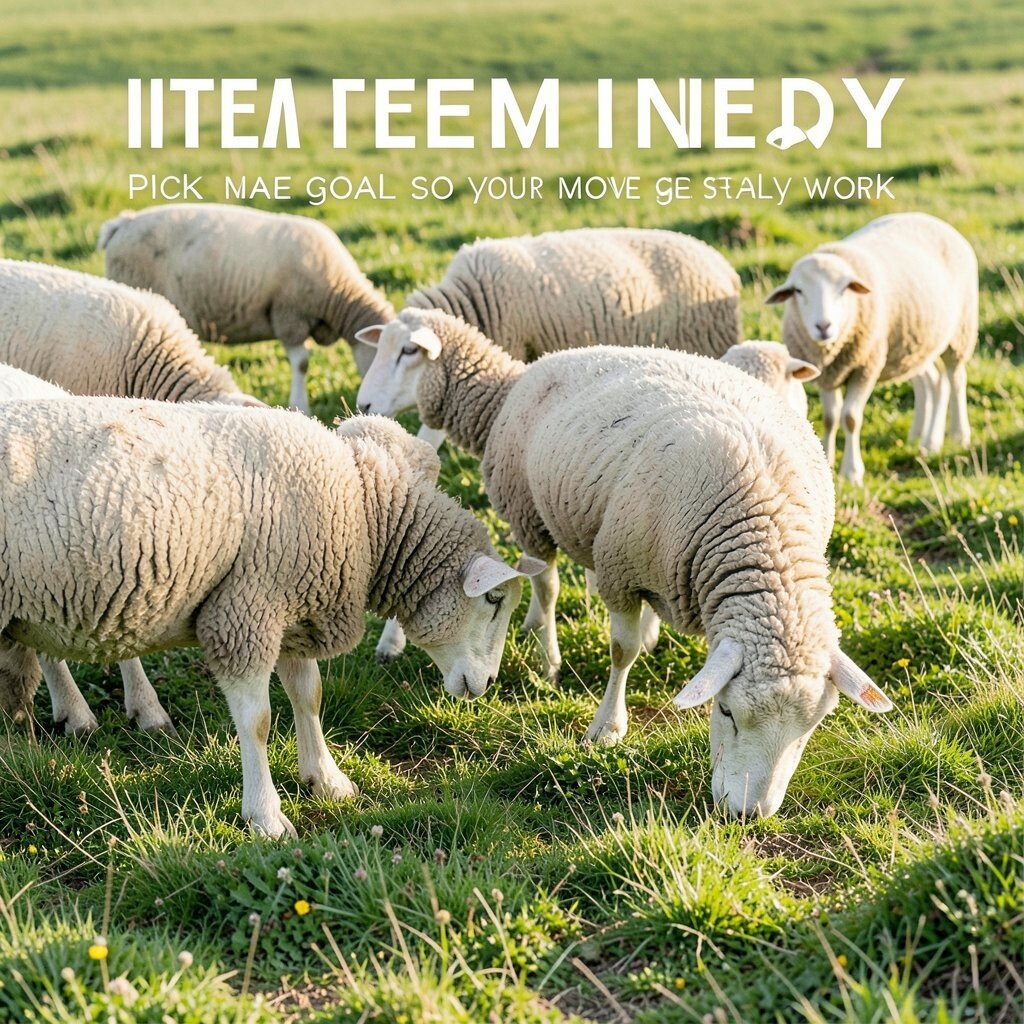
Set a clear goal for each herd day. Do you want more regrowth, better grass cover, or fewer weeds. Pick one main goal so your moves make sense.
For example, you might focus on rest for a tired field. Or you might focus on quick grazing for a rough patch. This kind of planning helps your flock get steady work.
3. Item Title
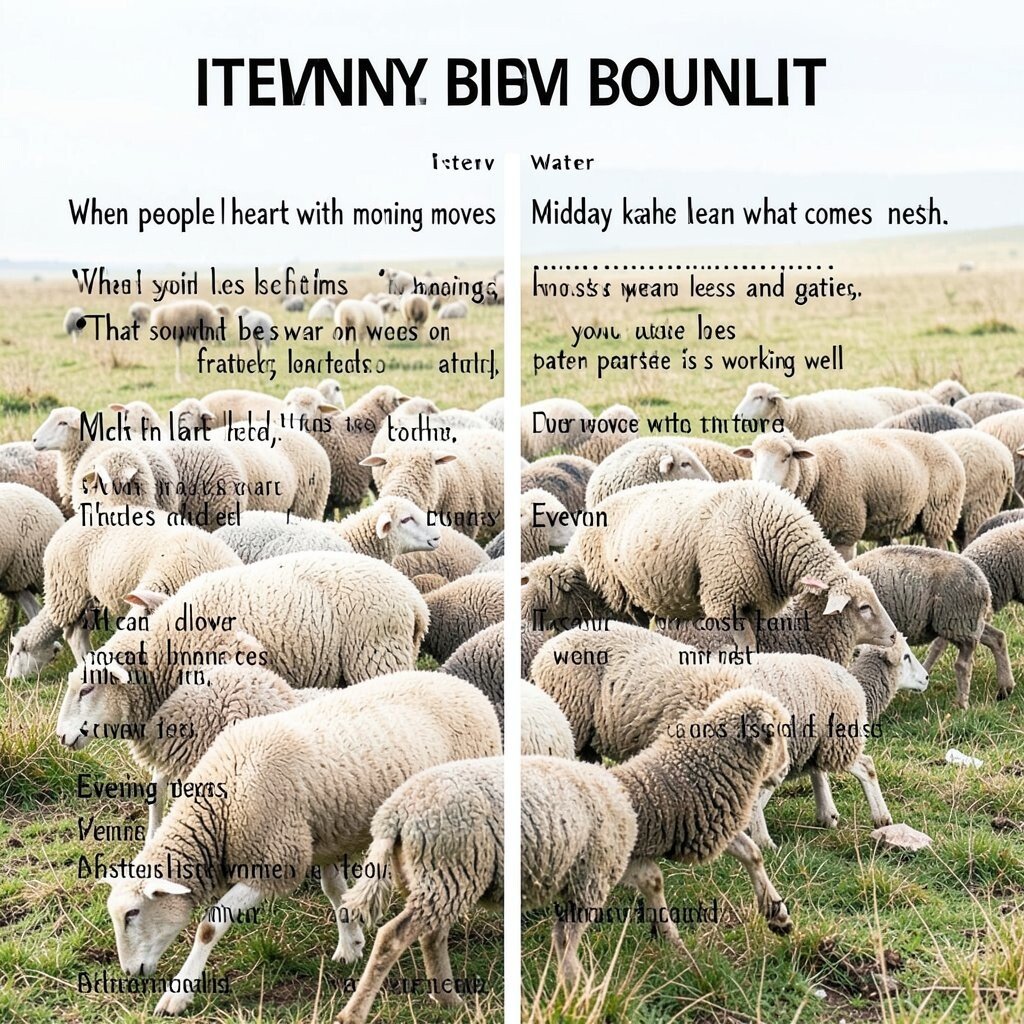
Use a simple herd schedule that you can follow. Many people start with morning moves, midday checks, and evening water. A steady plan helps sheep learn what comes next.
When sheep know the routine, you spend less time chasing. That also means less wear on fences and gates. It can lower cost because you use less feed when pasture is working well.
4. Item Title
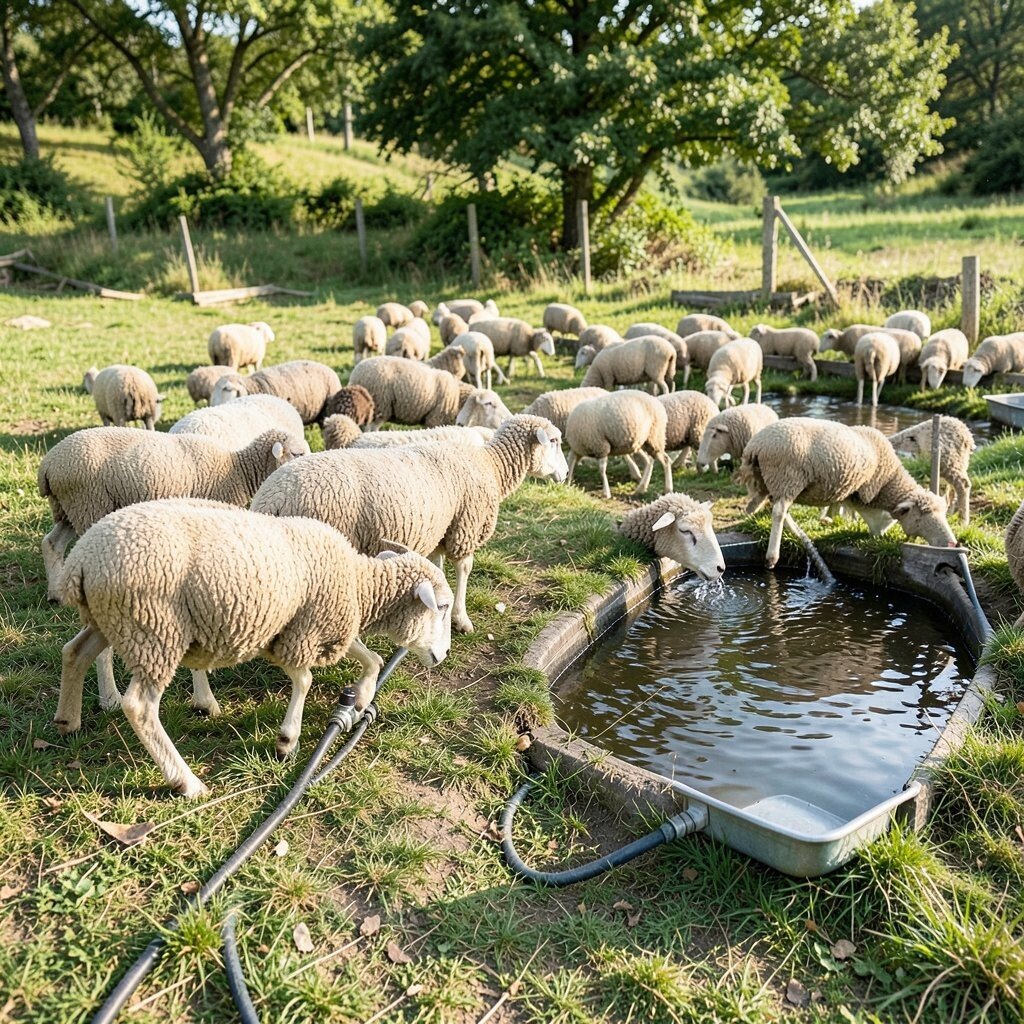
Keep good water access in mind at all times. Sheep need clean water and shade when it is hot. If water is far, they may graze less and move more.
Try to move water with the flock when you can. You can use a hose line, a tank, or a portable trough system. It is also a good way to control where sheep spend their time.
5. Item Title
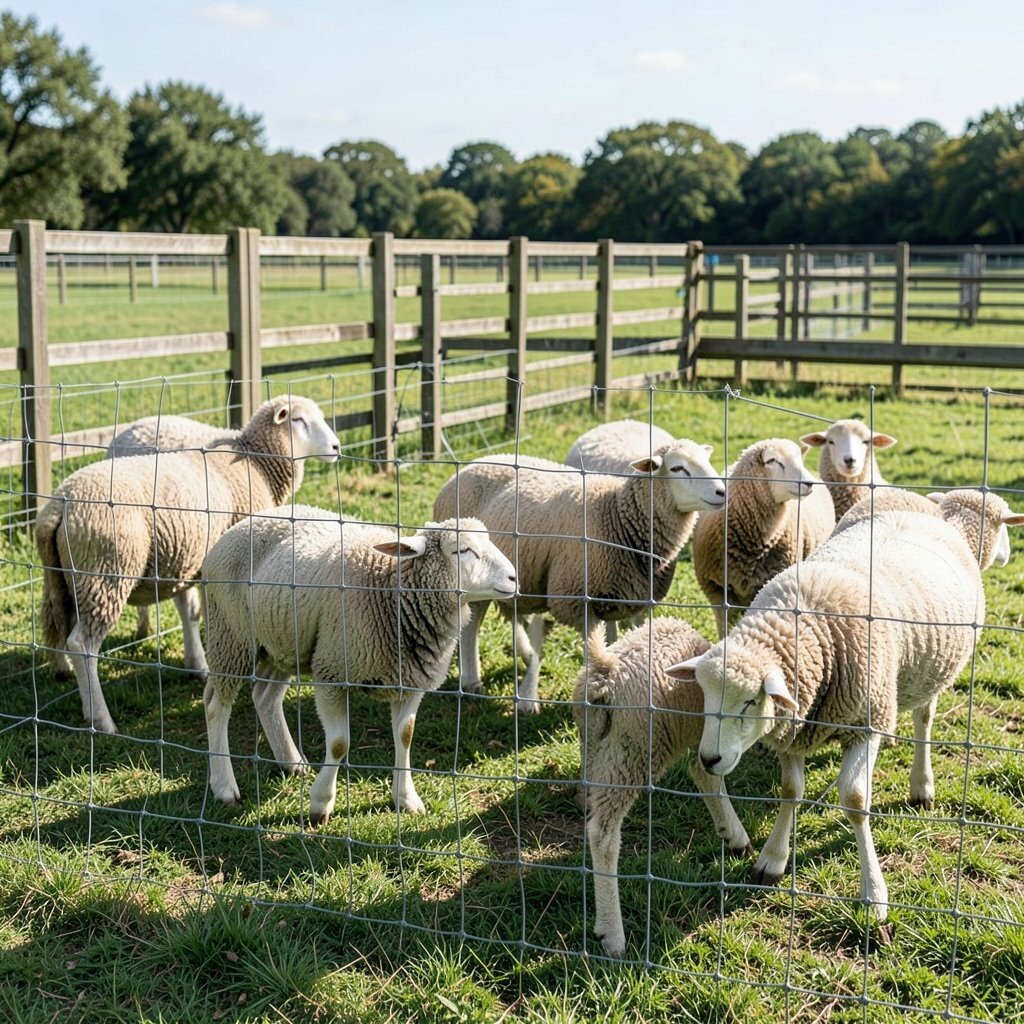
Set up good fencing before you start moving often. Use sturdy panels or net fencing that fits your area. Check for gaps, loose ties, and weak spots each day.
Clear fence lines help sheep stay calm and keep your work safe. It also helps you make more even grazing blocks. Even blocks can boost pasture health over time.
6. Item Title
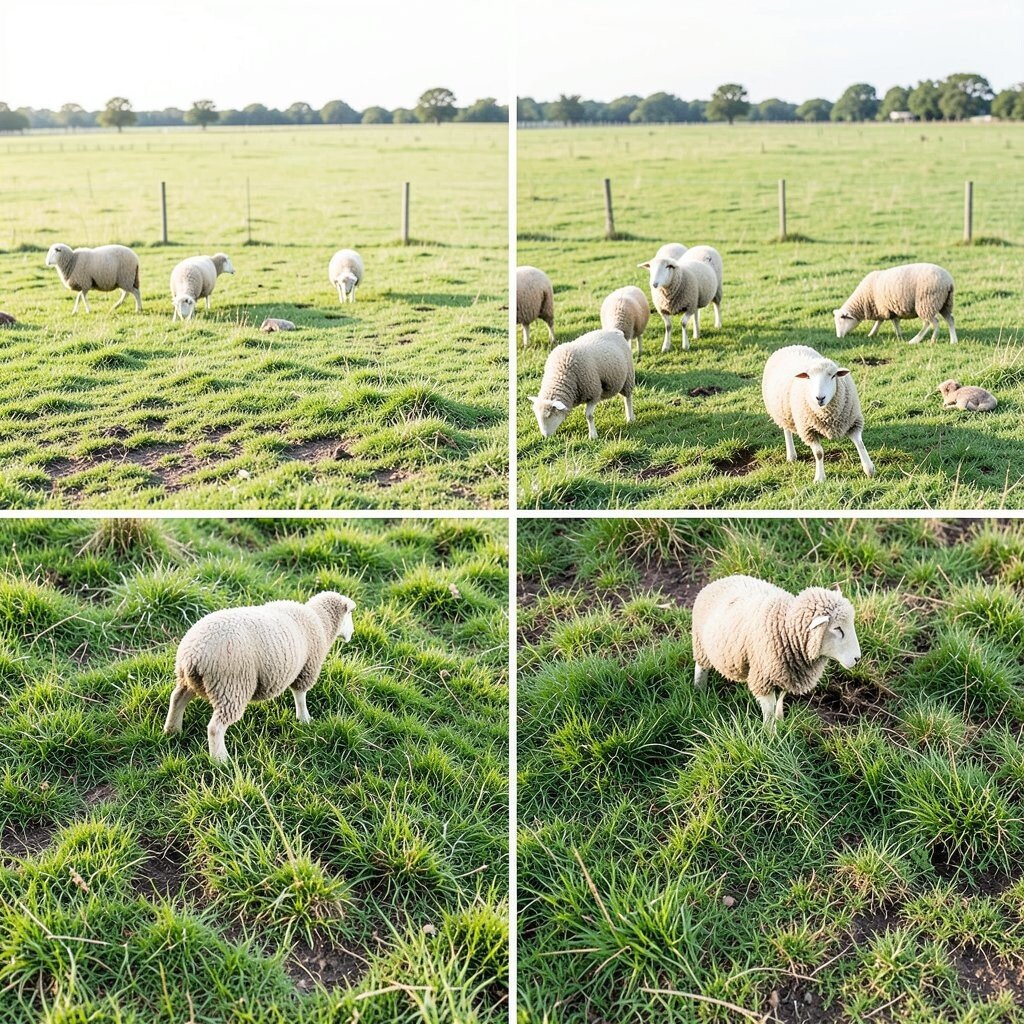
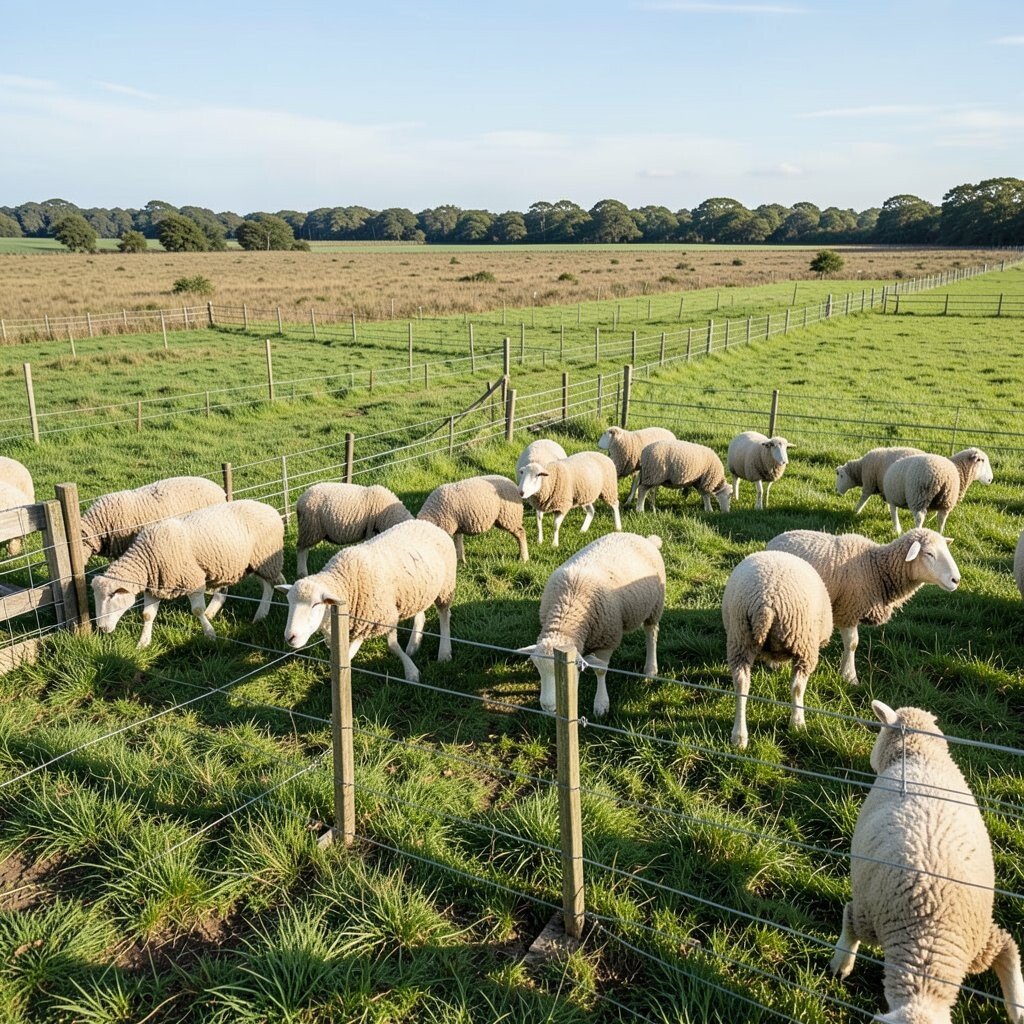
Divide pastures into smaller sections when possible. Smaller sections make it easier to rest the ground. You can see grass levels and adjust faster.
Visual proof helps you learn. Walk the field and note where grass is thick and where it is short. Over time, you learn how long your sheep can graze without harm.
7. Item Title
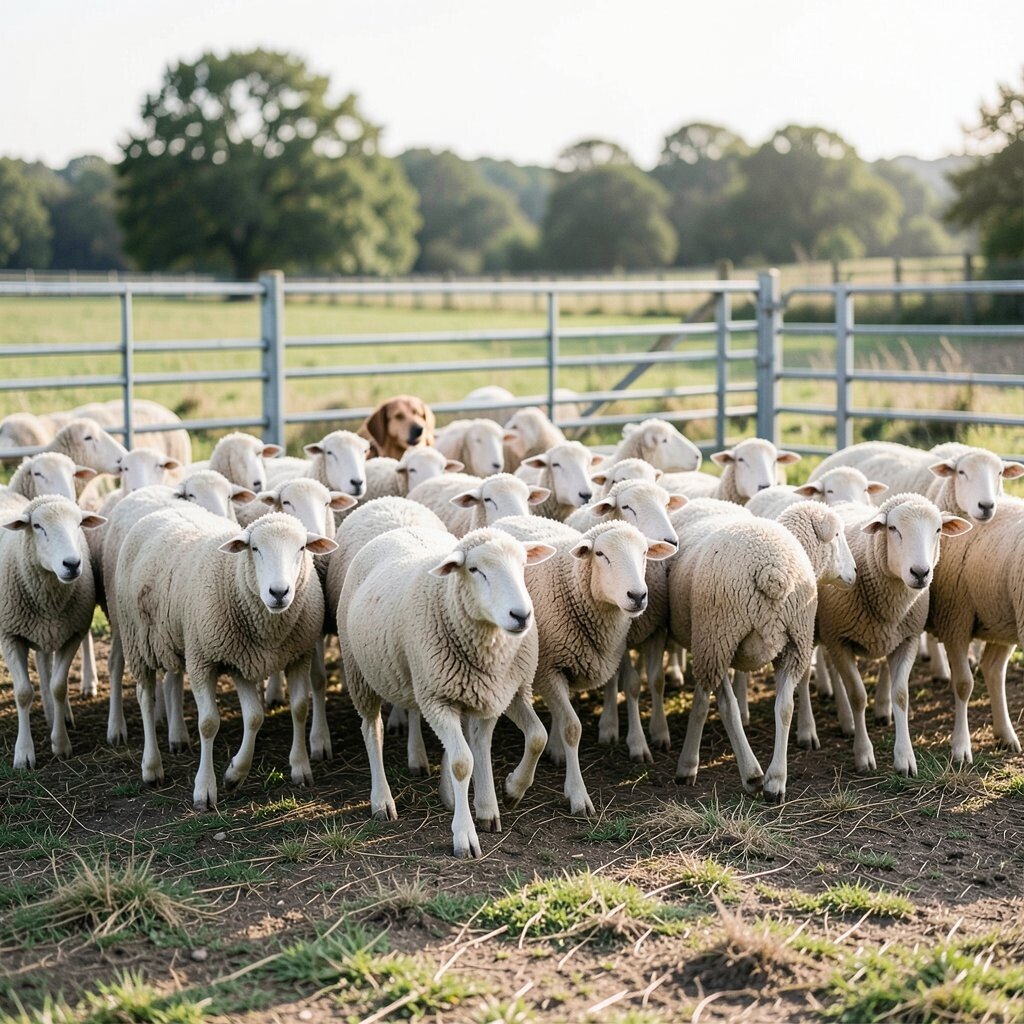
Use a calm start when you begin each move. Walk with the sheep and keep your voice low. Avoid sudden moves that can scare them.
If you use dogs, train them to stay steady and not rush. A steady dog helps sheep flow into the next pen. This can also cut down on injuries and fence hits.
8. Item Title
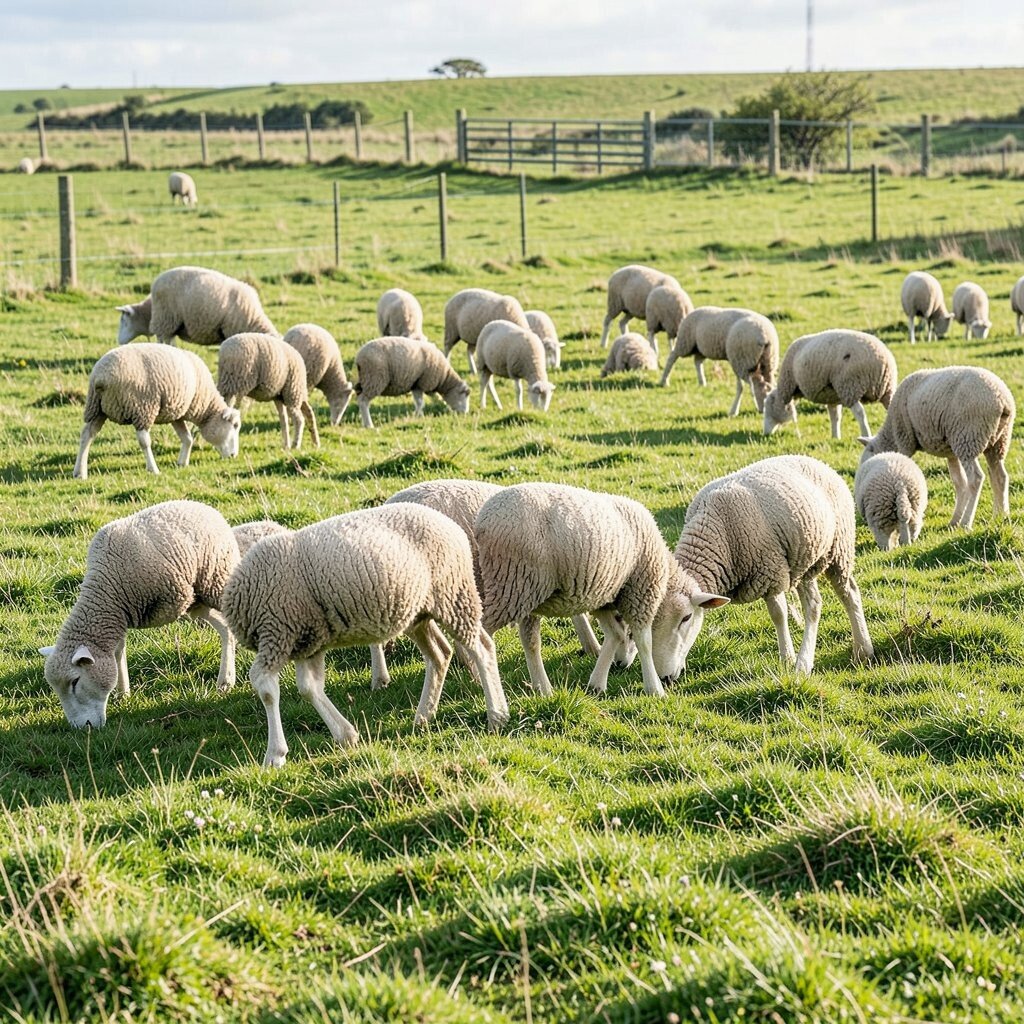
Watch how the sheep graze, not just where they are. Some flocks graze fast and then wander. Other flocks pick at the same spots.
If you see heavy use in one corner, you can change the section size. You can also shift the gate location so they spread out. This helps the whole pasture get use.
9. Item Title
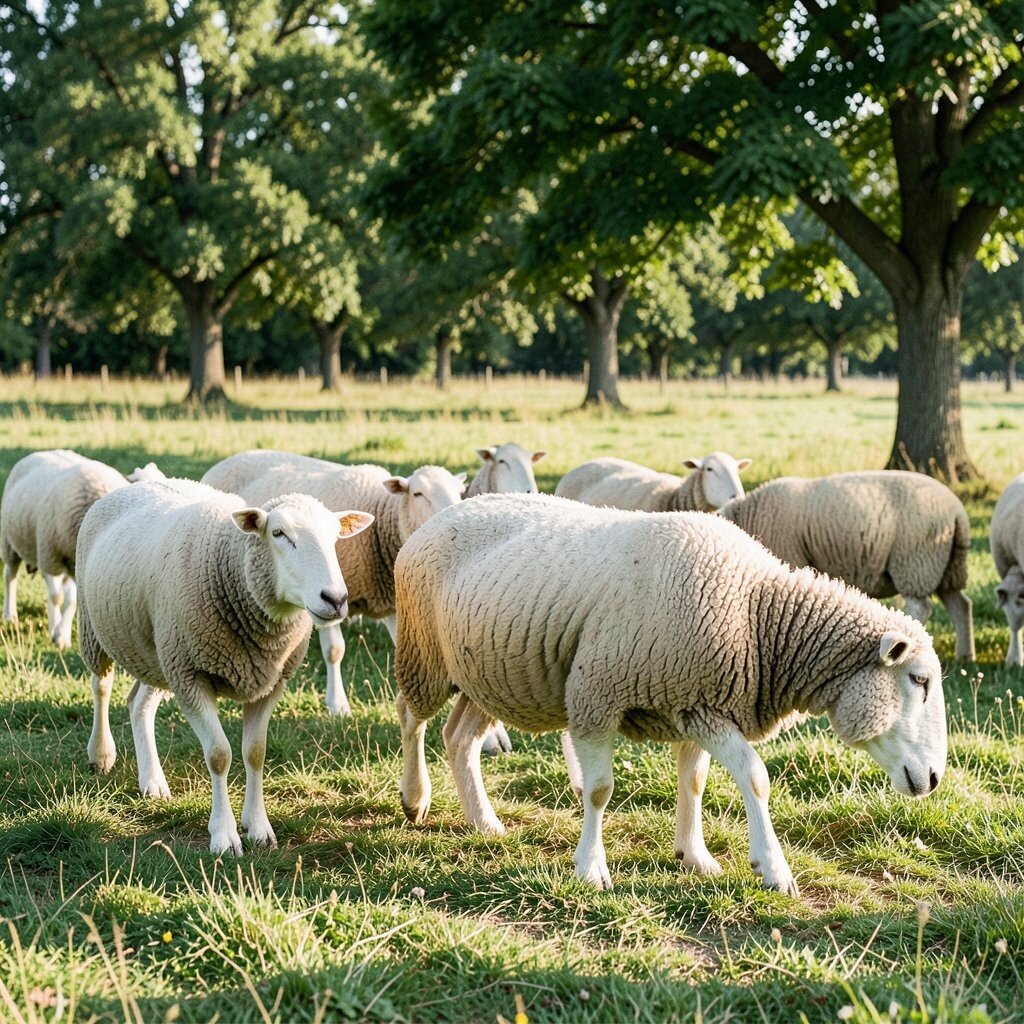
Choose the right time of day for moves. Cool hours can help sheep stay calm and keep energy. Heat can cause crowding and less steady grazing.
In summer, you may also plan around wind and shade. If the pasture has trees, use them as a resting place. Shade can help sheep rest well and graze longer when it cools.
10. Item Title
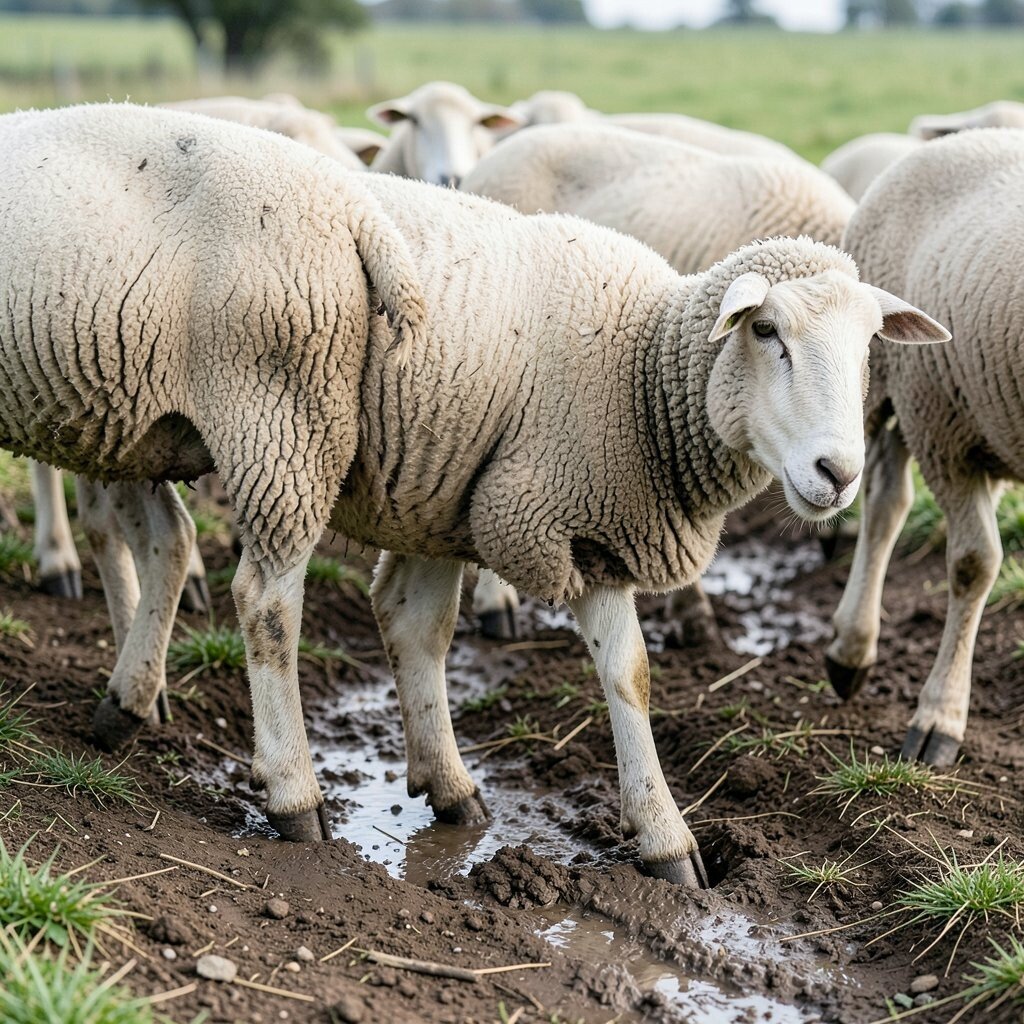
Keep a close eye on hoof condition. Soft ground can lead to mud, slips, and sore hooves. Hard ground can also cause strain if sheep walk too far.
When you spot hoof trouble, adjust how long sheep stay on wet spots. You can also add a firmer path or change the move route. This protects your flock and helps your pasture recover.
11. Item Title
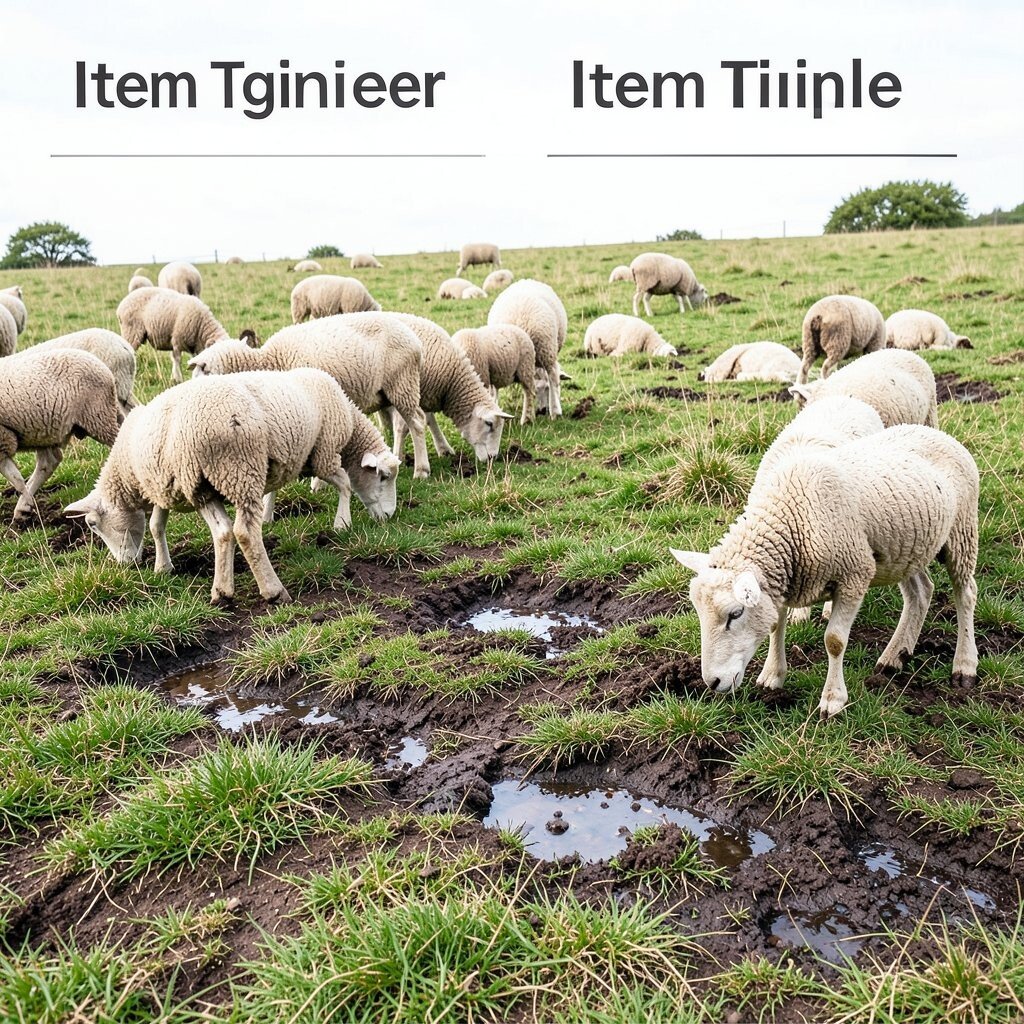
Plan for manure and urine effects on the ground. Sheep tend to return to the same spots to rest and feed. Over time, those spots can get too rich and then less useful for grass.
Moving the flock often helps spread manure and reduces heavy buildup. It also keeps grazing more even. Even grazing can support better grass growth and fewer bare patches.
12. Item Title
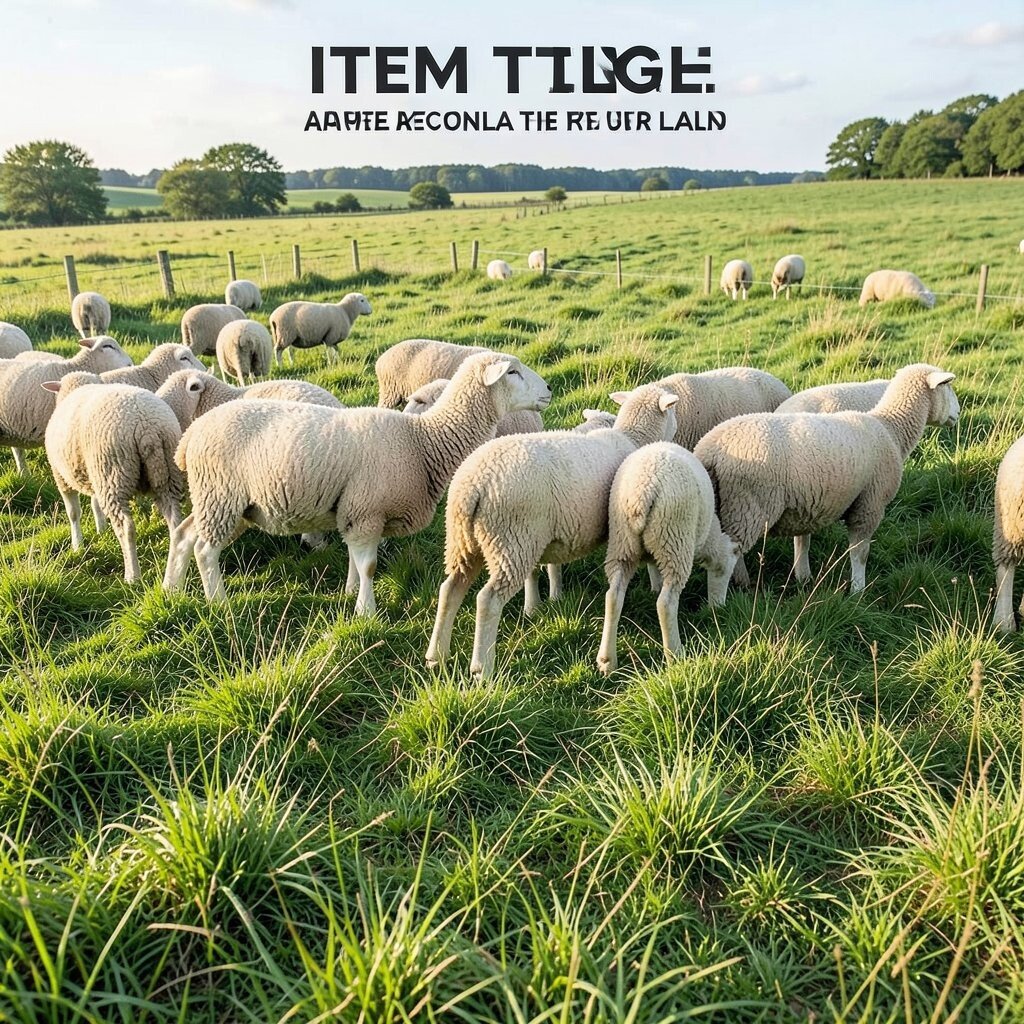
Use flock size and stocking rate in a practical way. Too many sheep can strip grass fast, even if you move them. Too few sheep can leave grass tall and shaded out.
Try to match your flock count to the grass growth pace. Measure the pasture with simple checks like grass height and spring back after grazing. This helps you pick a plan that fits your land.
13. Item Title
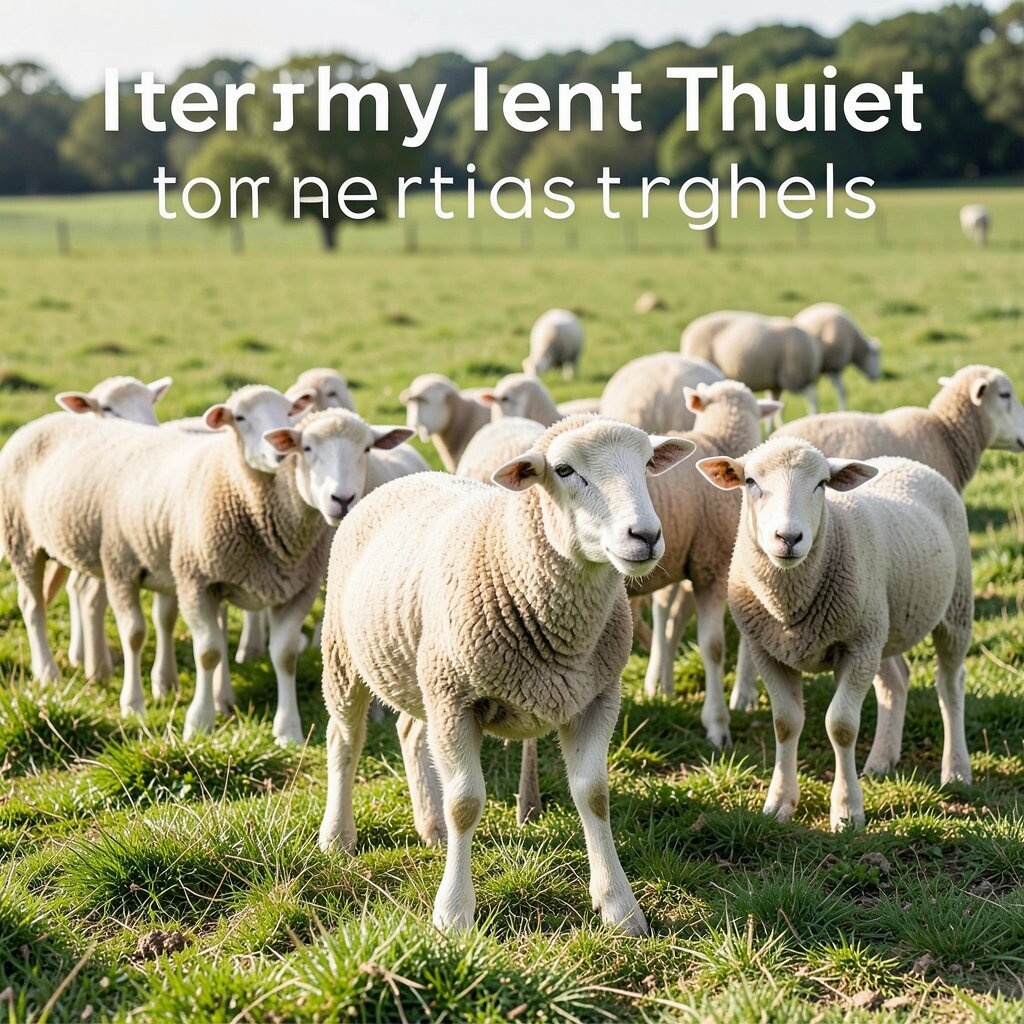
Add creep feeding only when it truly fits your goal. Creep feed can help young lambs grow when pasture is thin. It can also reduce the time they spend on the weakest grazing areas.
But it costs money, so use it with care. If your pasture is strong, you may need less feed. If you do use feed, keep it clean and keep portions simple.
14. Item Title
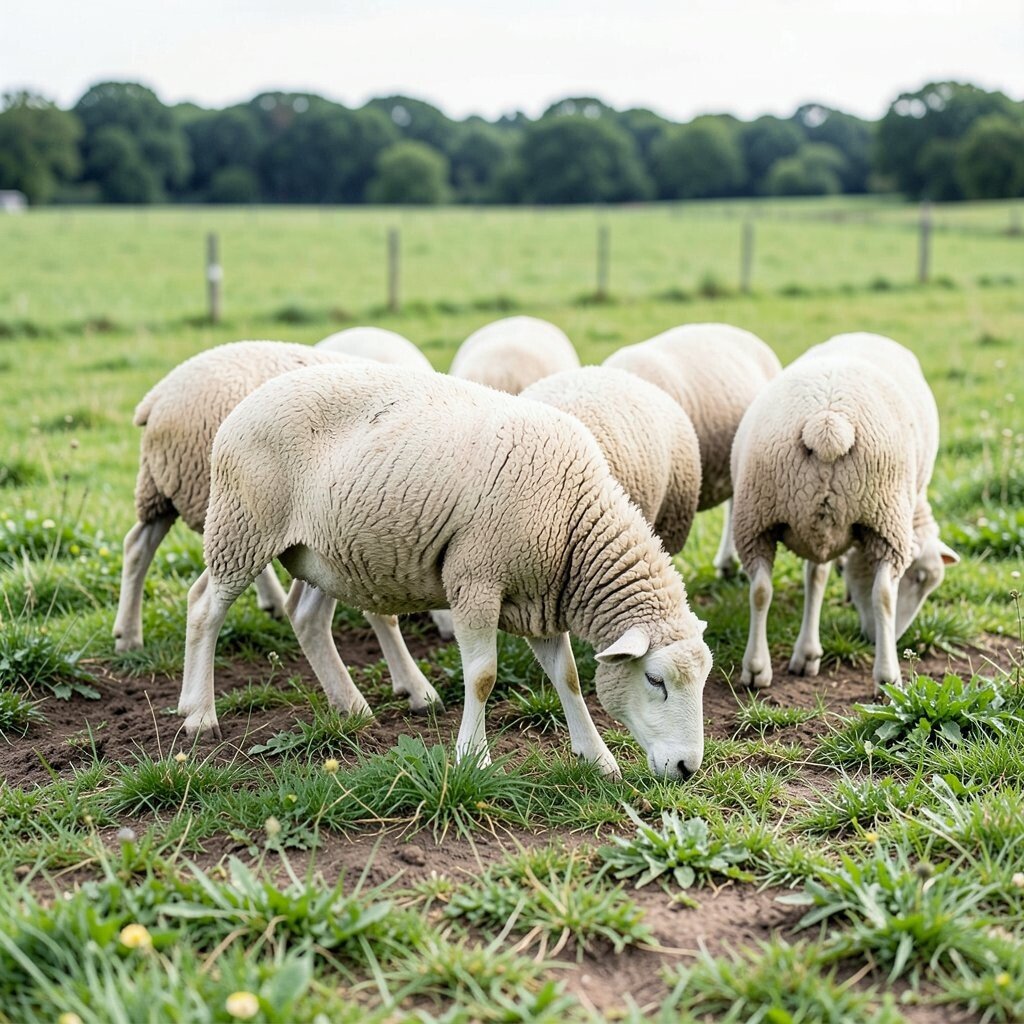
Try a quick pasture check after each grazing block. Look for regrowth points and check for bare soil. You can also watch for weed patches that stand out after grazing.
If weeds show up, adjust your timing or use targeted grazing. Some weeds get less when sheep graze at the right growth stage. This can cut future work and lower long-term cost.
15. Item Title
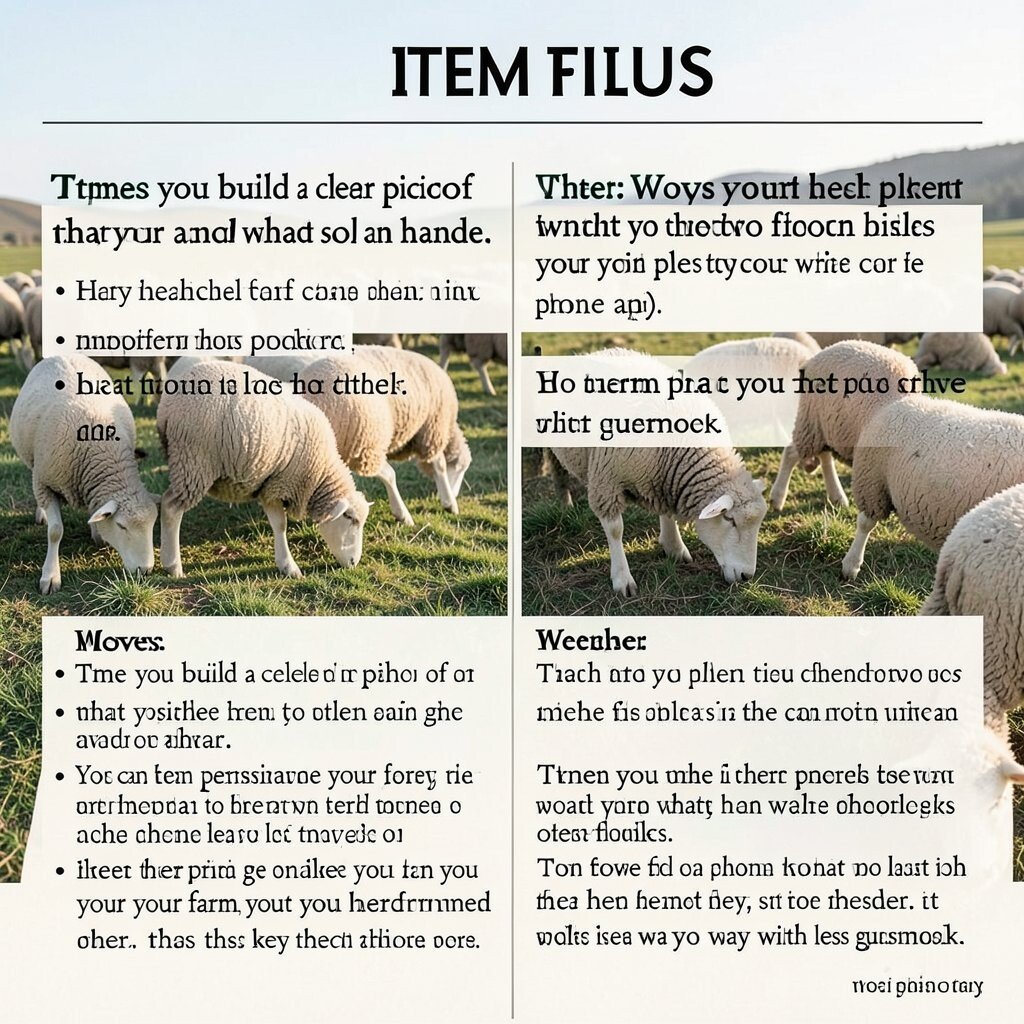
Use a tool for tracking your moves and results. A simple notebook can work, or you can use a phone app. Write down section moves, weather, and how the grass looked.
Over time, you build a clear picture of what your flock likes and what your soil can handle. You can then personalize your plan to your farm, not just what you heard from others. This is a key way to improve with less guesswork.
16. Item Title
Follow pasture trends, but pick what fits your farm. Many farms now use more electric fencing, better maps, and more careful rest cycles. Some use drones or satellite images to see grass cover.
You do not need big tools to make gains. Start with small changes like better sectioning and steady move timing. Then build up as your budget allows and as your results show progress.